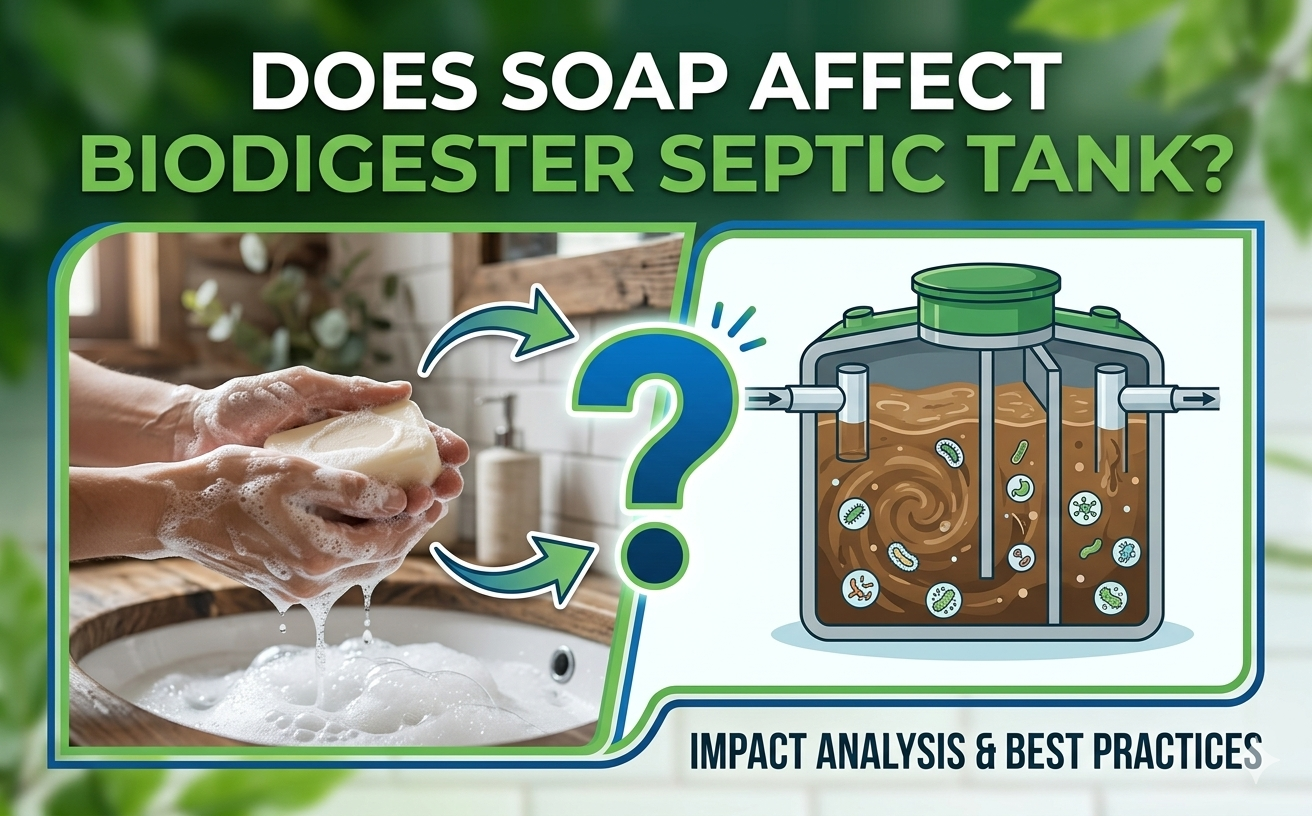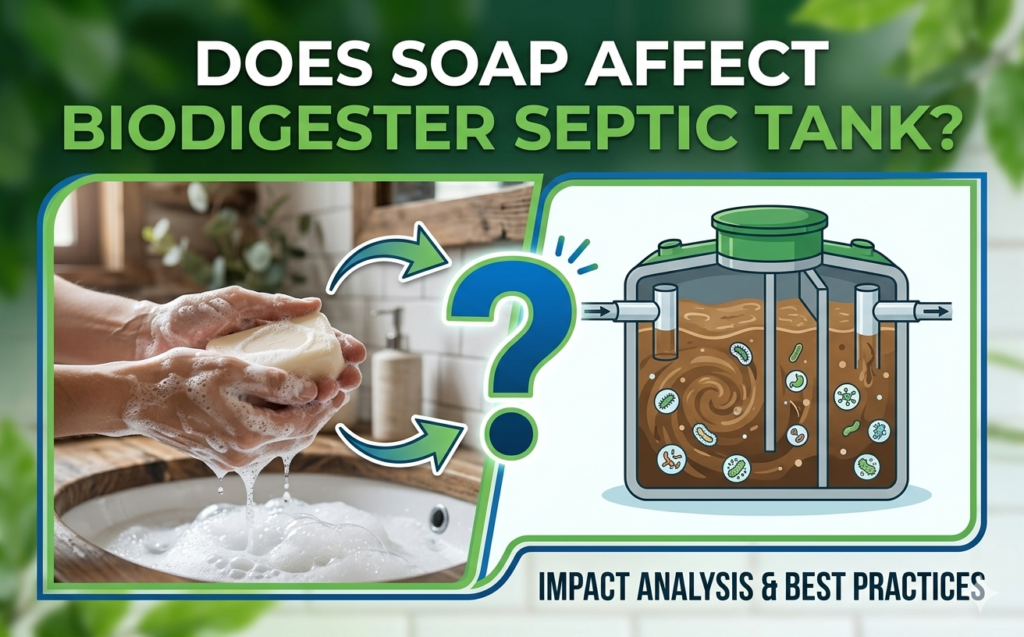
Does Soap Affect Your Biodigester Septic Tank? The Truth Revealed
Have you ever wondered if the shampoo you use in the shower or the detergent in your washing machine is quietly wreaking havoc on your home’s waste management system? If you are using a biodigester septic tank, the answer is a resounding “Yes, it might be.”
Managing household waste in Kenya has evolved significantly. Gone are the days of overflowing pits and the constant need for exhauster services. Today, we rely on the efficiency of the Biodigester. But unlike a traditional, dumb concrete box, a bio septic tank is a living, breathing ecosystem. When you introduce harsh chemicals, you aren’t just washing your clothes—you’re potentially “poisoning” the tiny workforce that keeps your home clean.
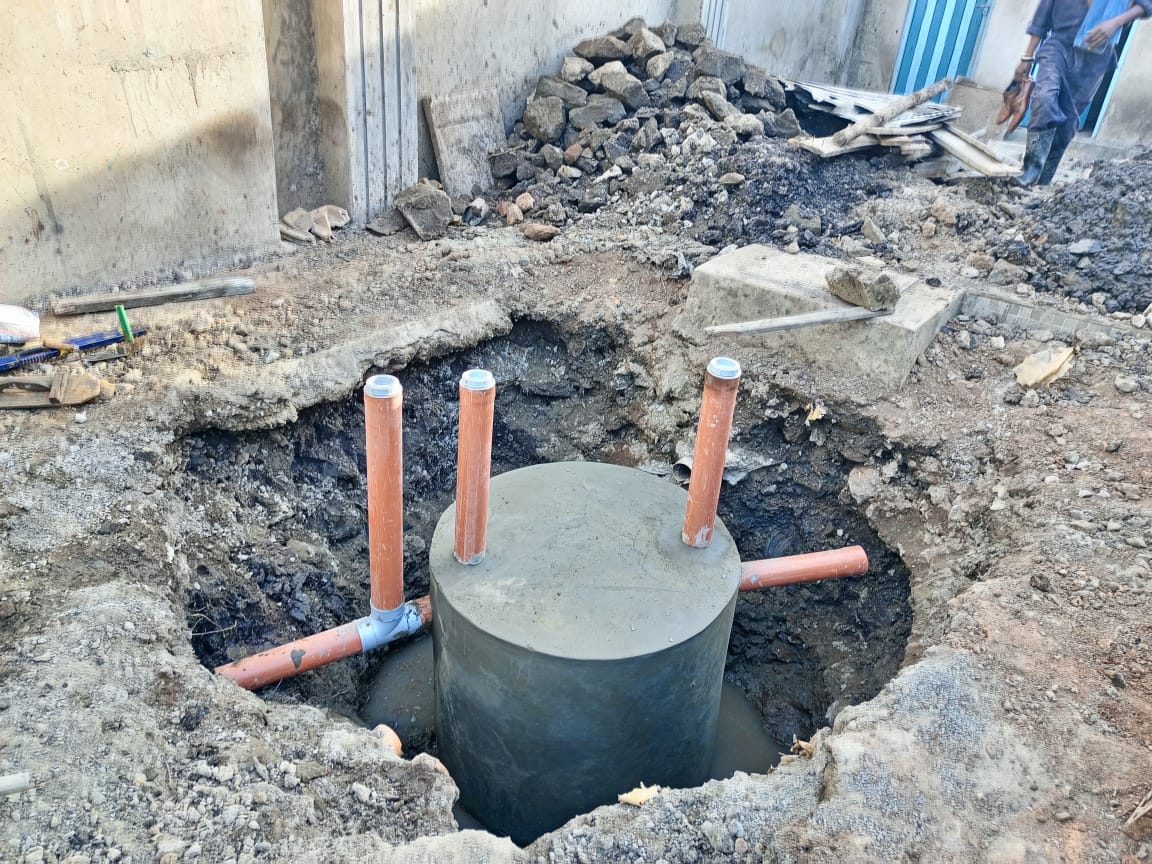
Understanding the Biodigester Ecosystem
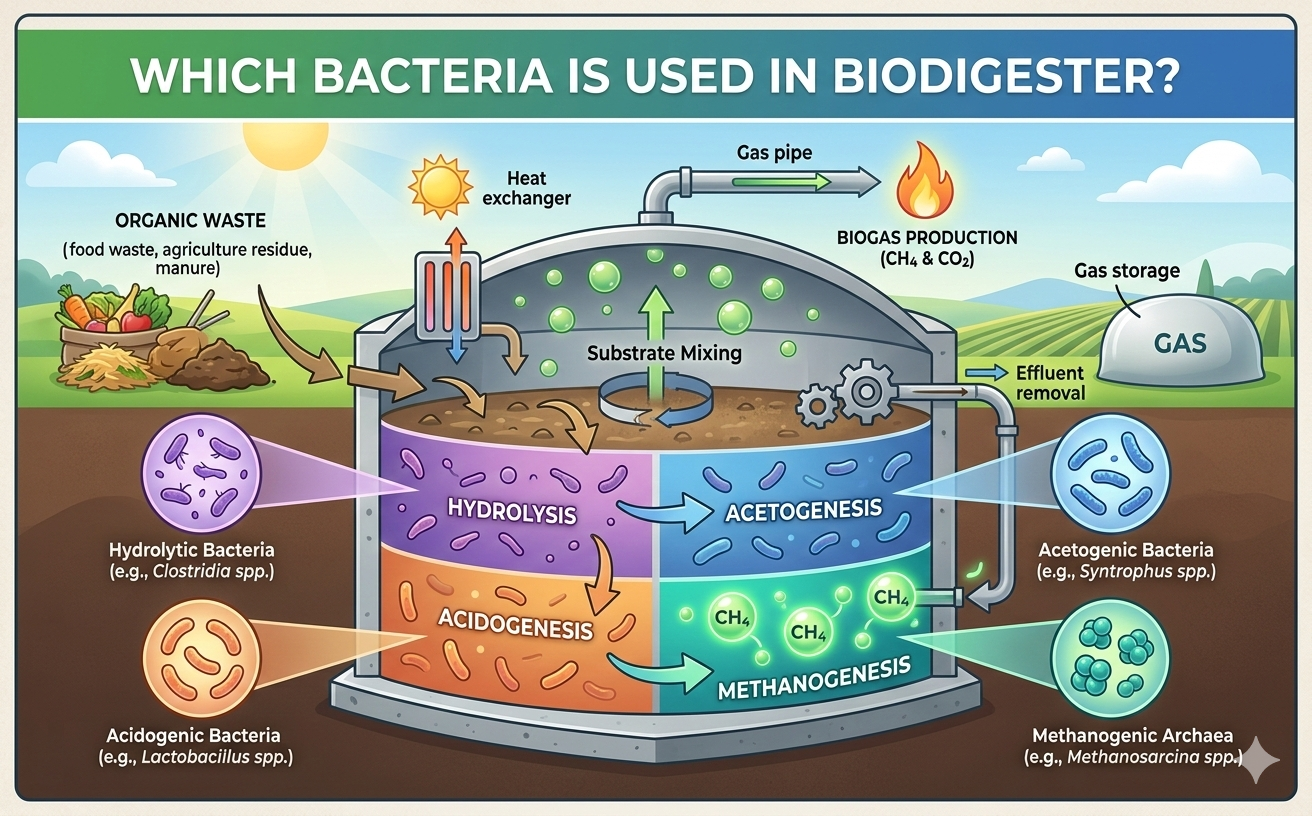
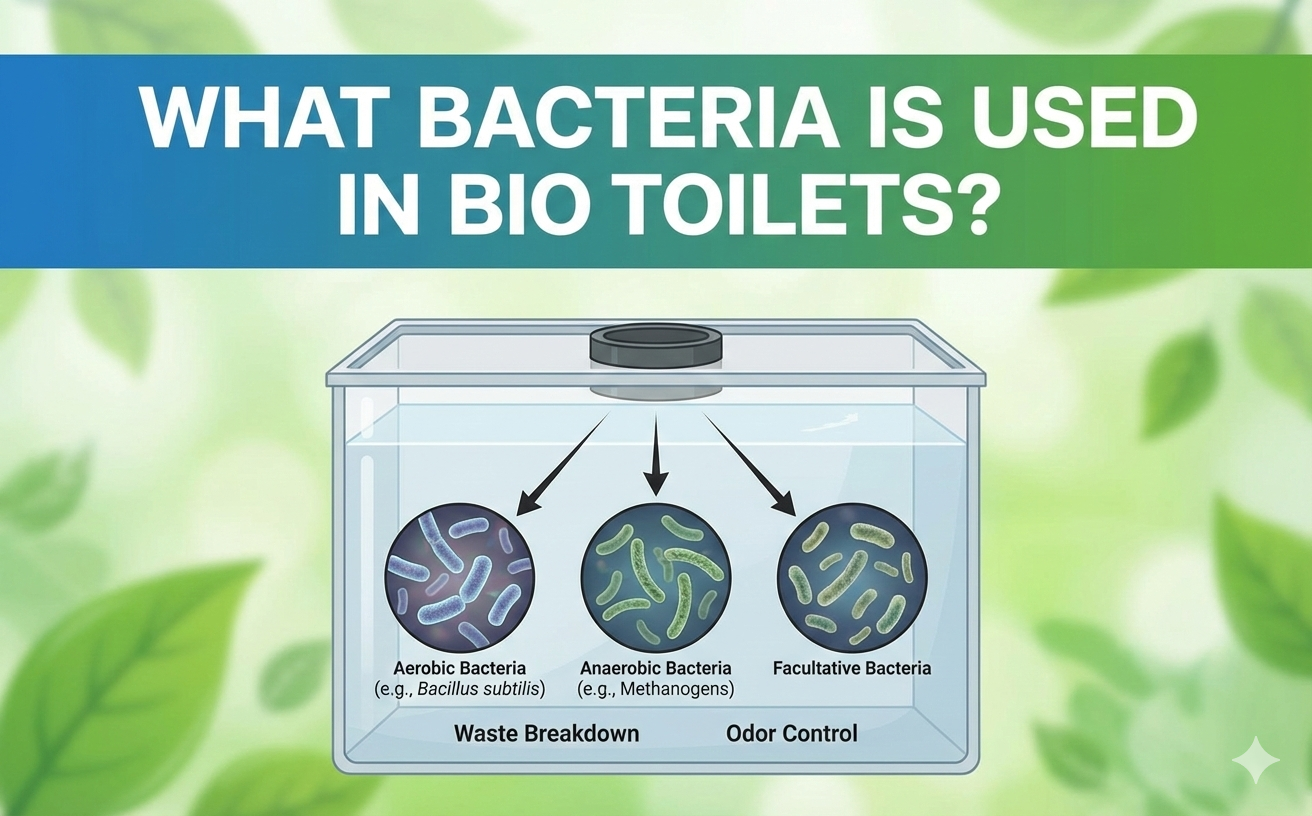
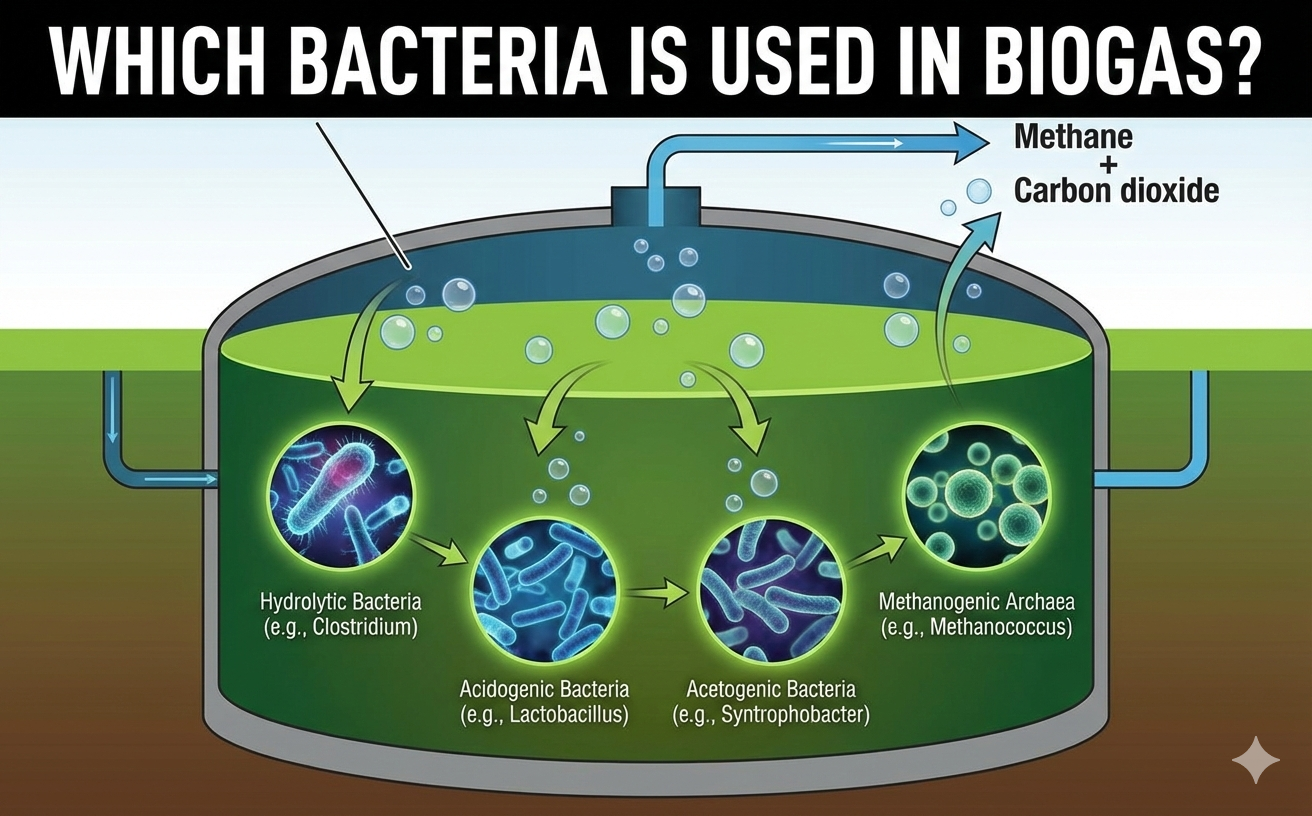
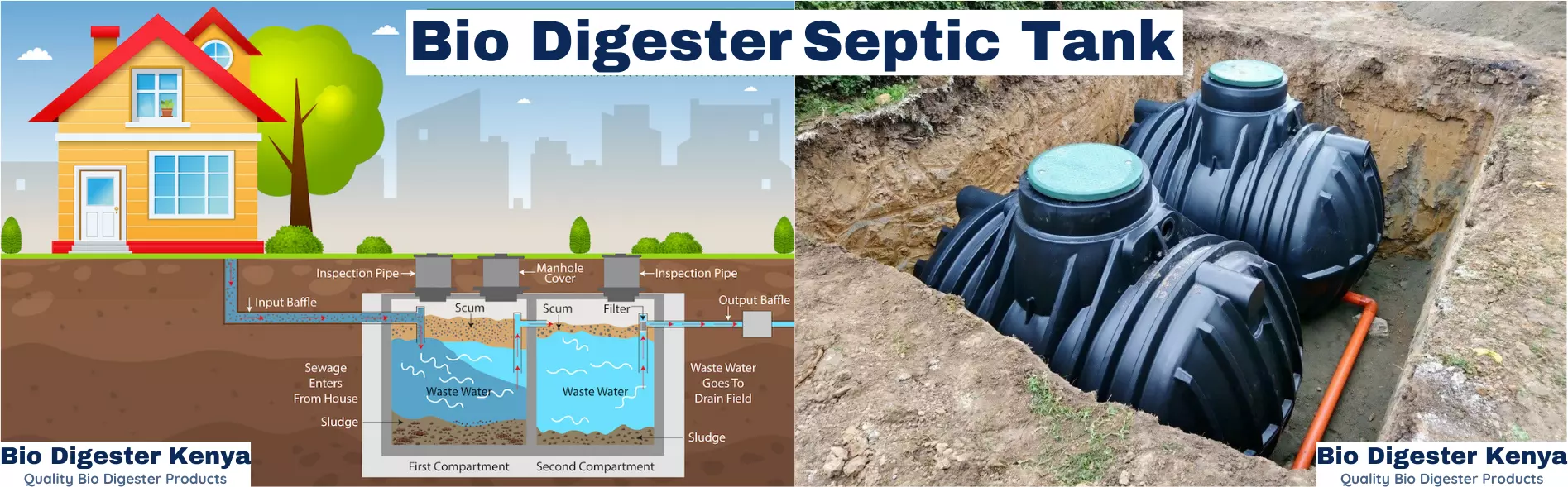
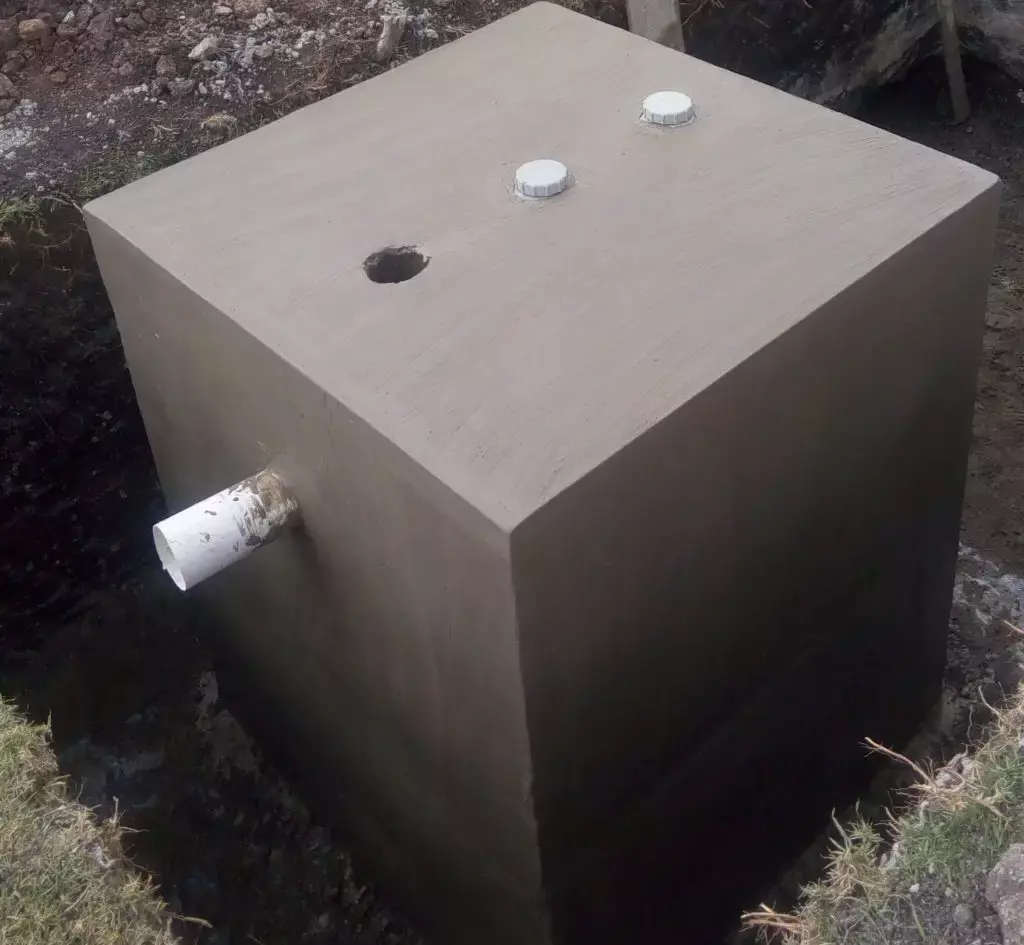
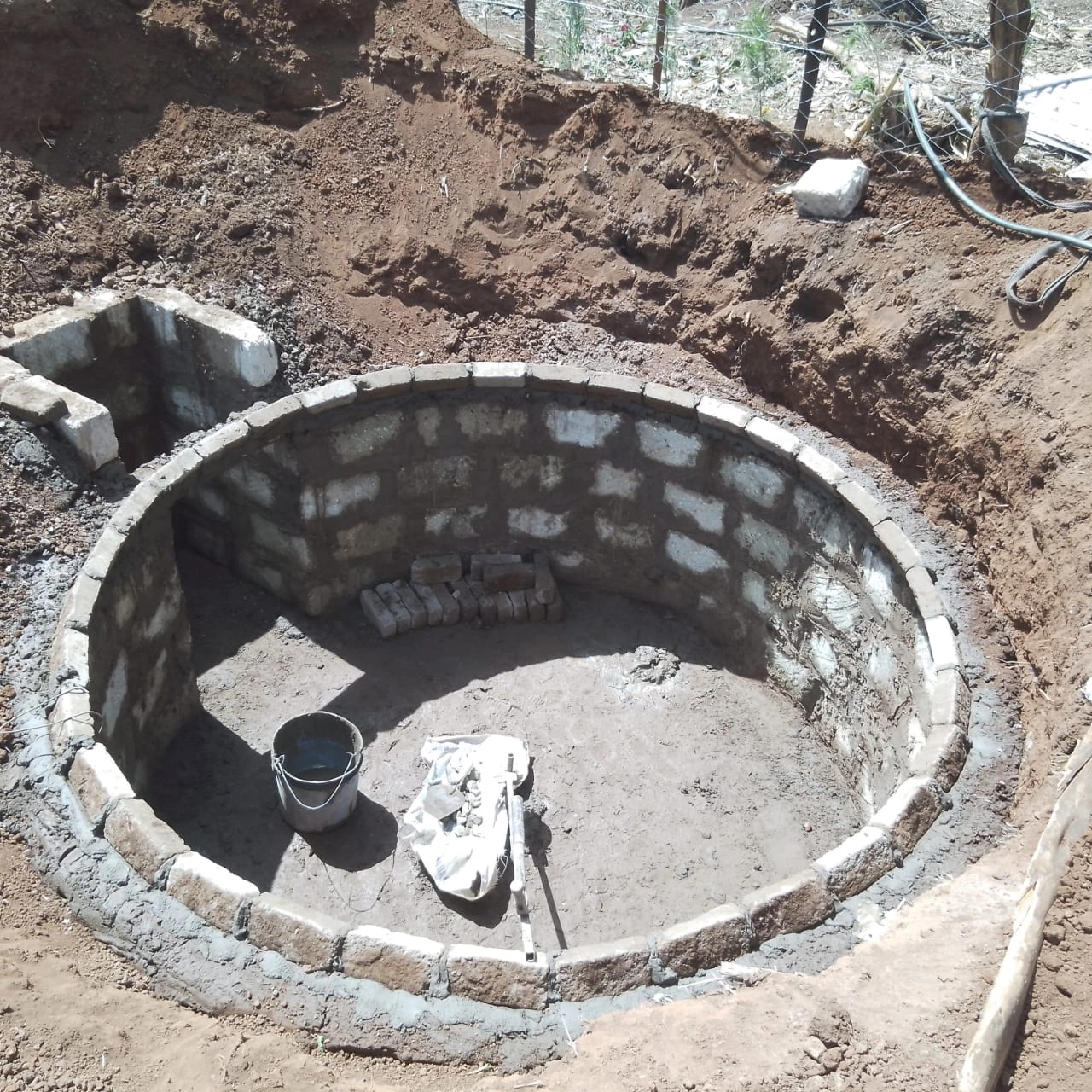
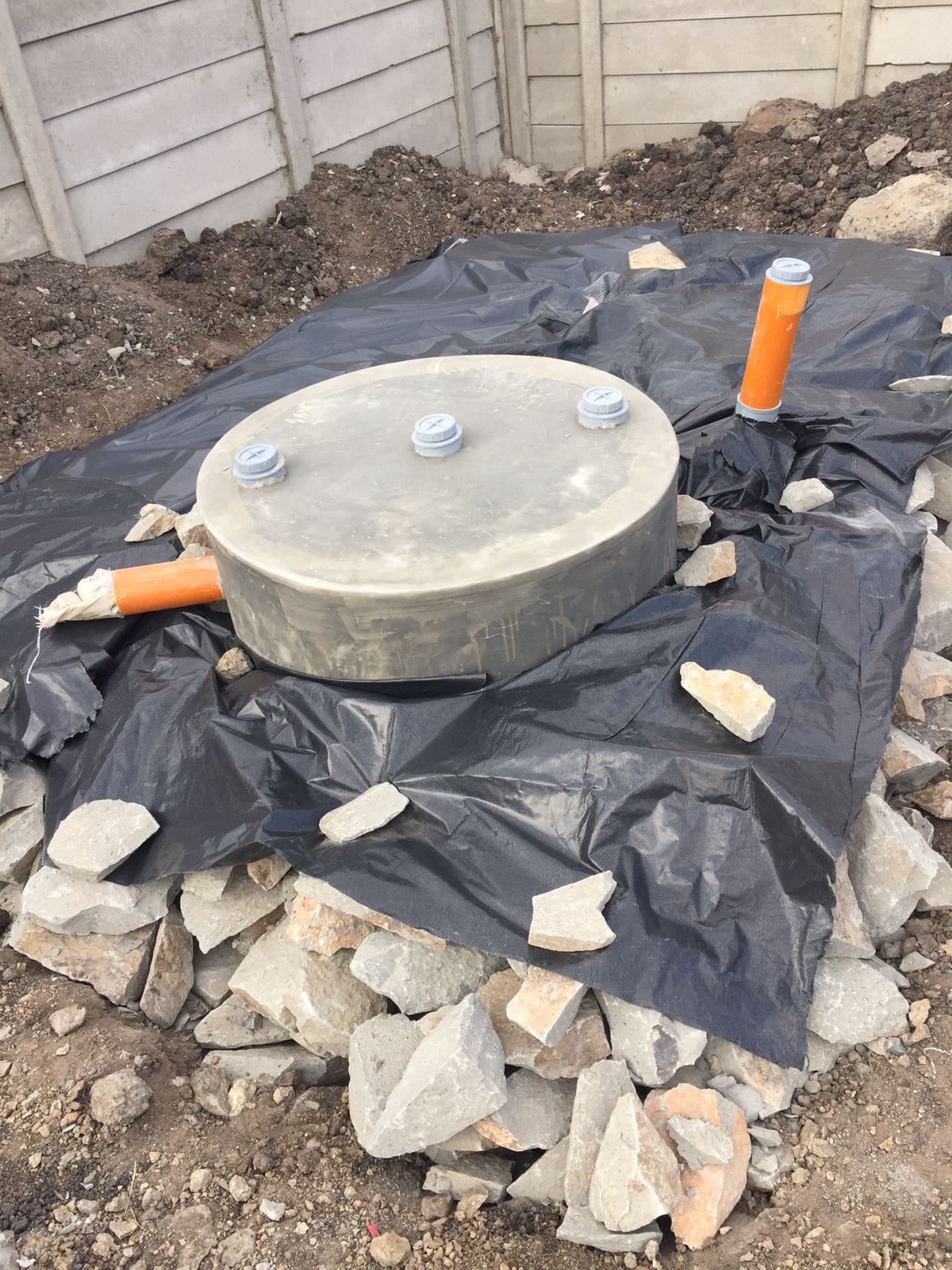
Think of your bio digester septic tank as a small, subterranean city. The citizens of this city are billions of beneficial bacteria. Their only job? To consume human waste and break it down into clean water and harmless gas.
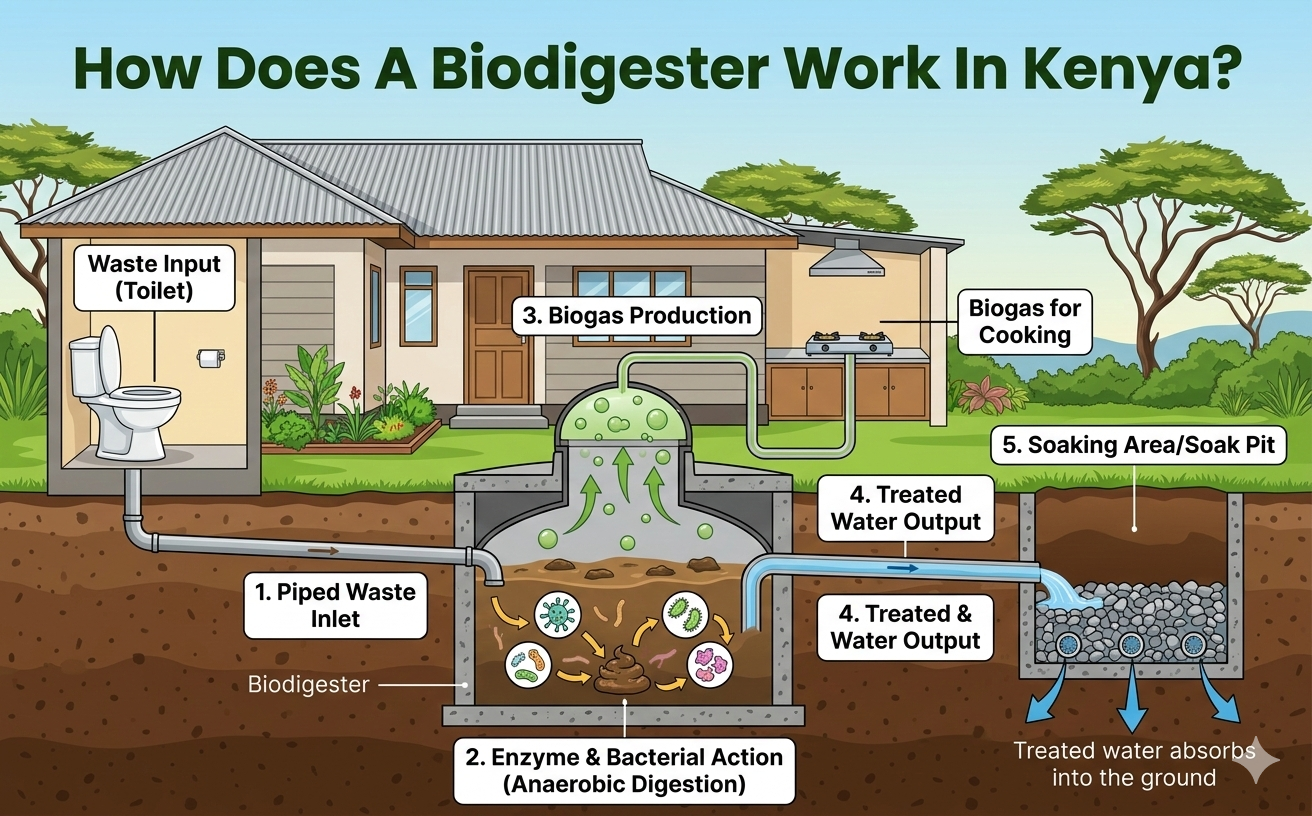
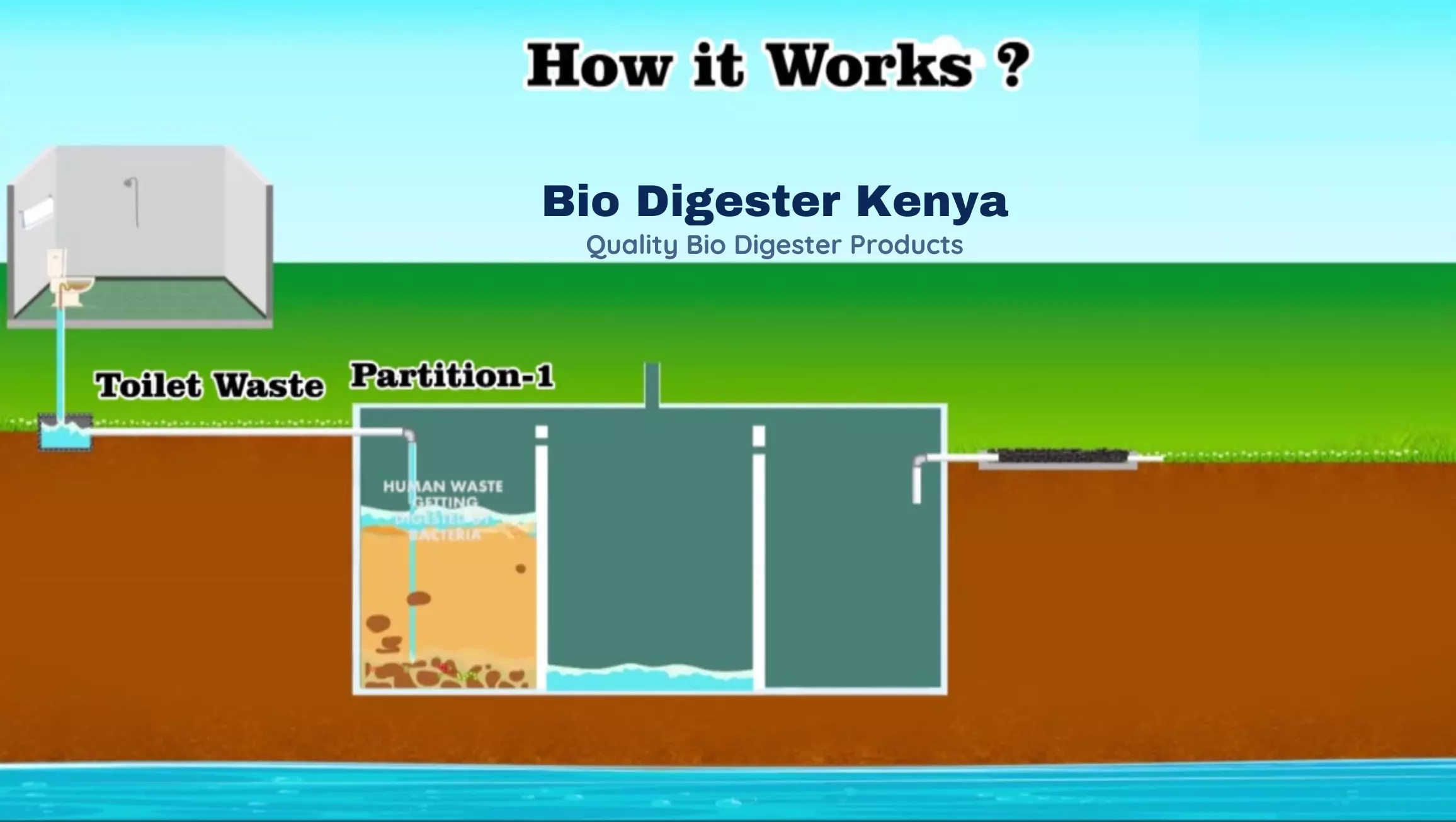
At Bio Digester Kenya, we install these systems because they are environmentally friendly and sustainable. Once the waste enters the digester, our specialized enzymes go to work, digesting organic matter until nothing is left but liquid that can safely soak into the ground. It’s nature’s perfect recycling machine.
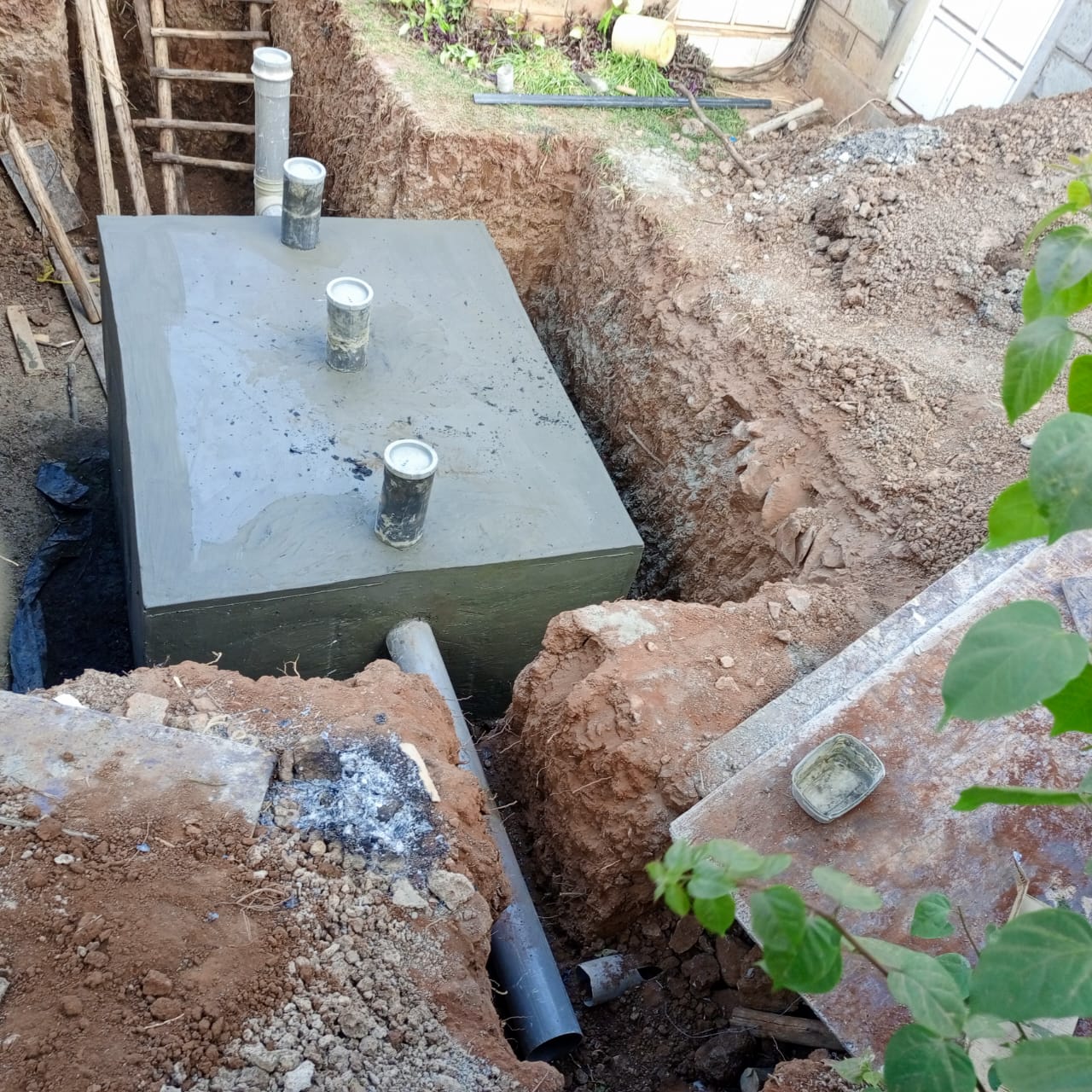
How Soap Interacts with Your Bio Digester Septic Tank
The Chemical Composition of Common Detergents
Most commercial soaps, bleaches, and heavy-duty disinfectants are designed to kill bacteria. That’s great for your kitchen counter, but disastrous for your biodigester. Strong antibacterial soaps, chlorine-based bleaches, and synthetic detergents are essentially “biological weapons” to the enzymes inside your tank.
Why Excessive Soap is a “Silent Killer” for Bacteria
When you pour bleach down your toilet or use heavy soaps in the shower, these chemicals travel directly into your biodigester septic tank. Once there, they don’t distinguish between the germs on your hands and the beneficial bacteria in the tank. If you kill the colony, the waste stops breaking down, the system clogs, and suddenly, you have a major plumbing headache.
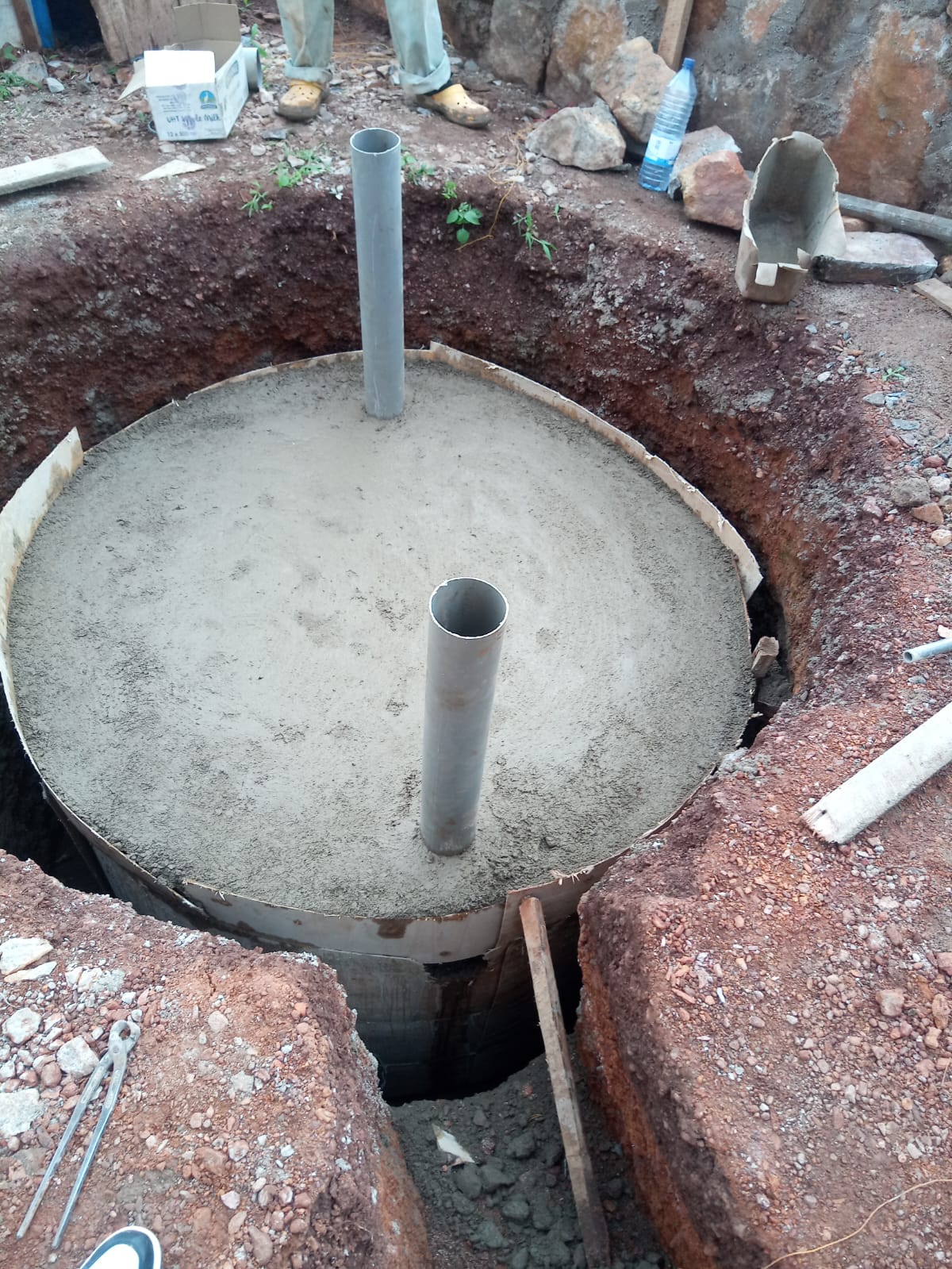
Biodigester vs Septic Tank: Why Sensitivity Differs
Many people ask, “What is the difference between a biodigester vs septic tank?” While a traditional septic tank acts mostly as a settling chamber, a biodigester is an active biological treatment plant. Because the biodigester relies so heavily on a delicate, live microbial colony to do the heavy lifting, it is naturally more sensitive to chemical inputs than an old-fashioned, passive septic tank.
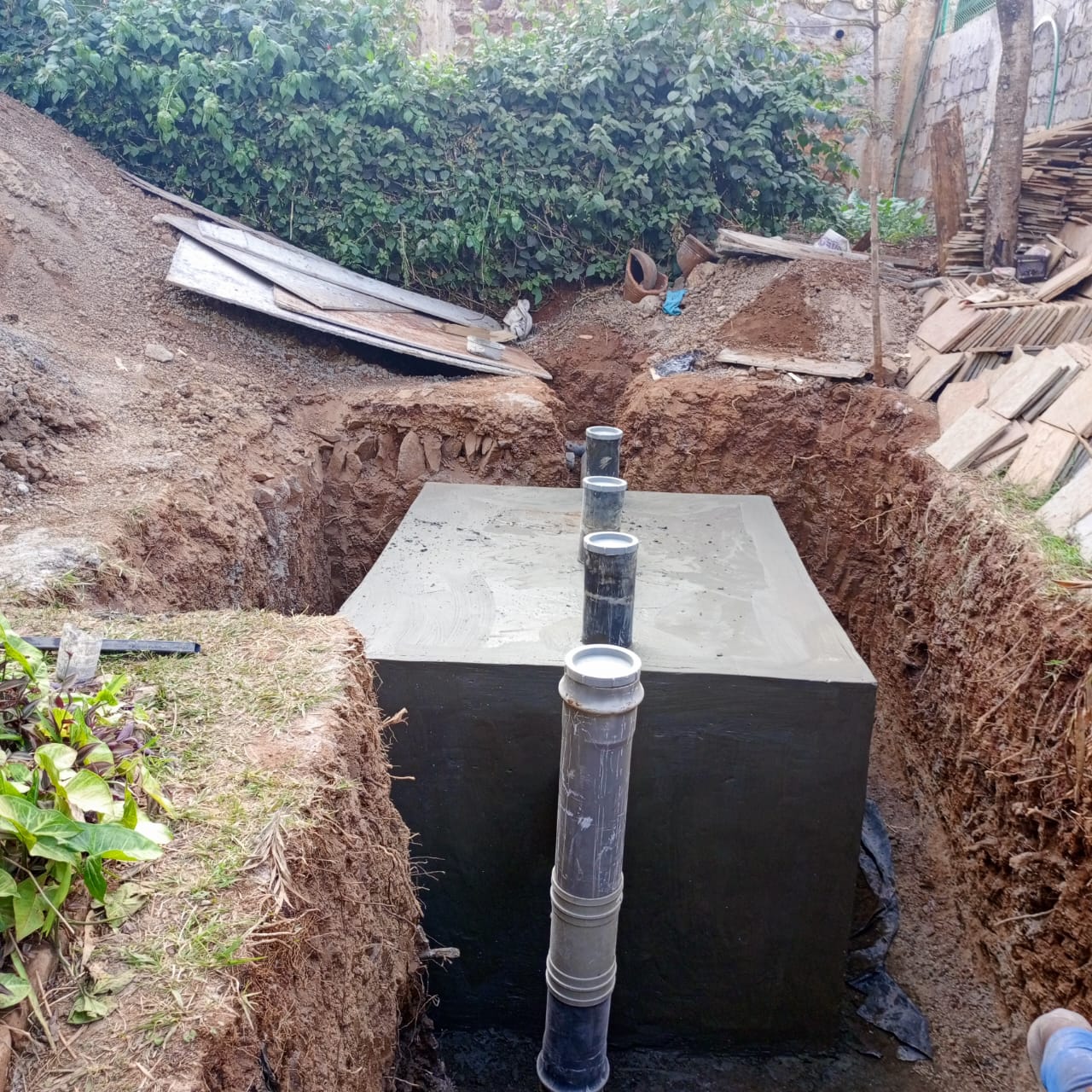
Signs Your System is Struggling with Chemicals
How do you know if your soap habits are harming your system?
- Foul odors: If the tank isn’t digesting waste, it starts to smell like a traditional pit latrine.
- Slow drainage: If waste isn’t being broken down, solids accumulate, blocking the outlet.
- Backups: The ultimate red flag that your biological colony has crashed.
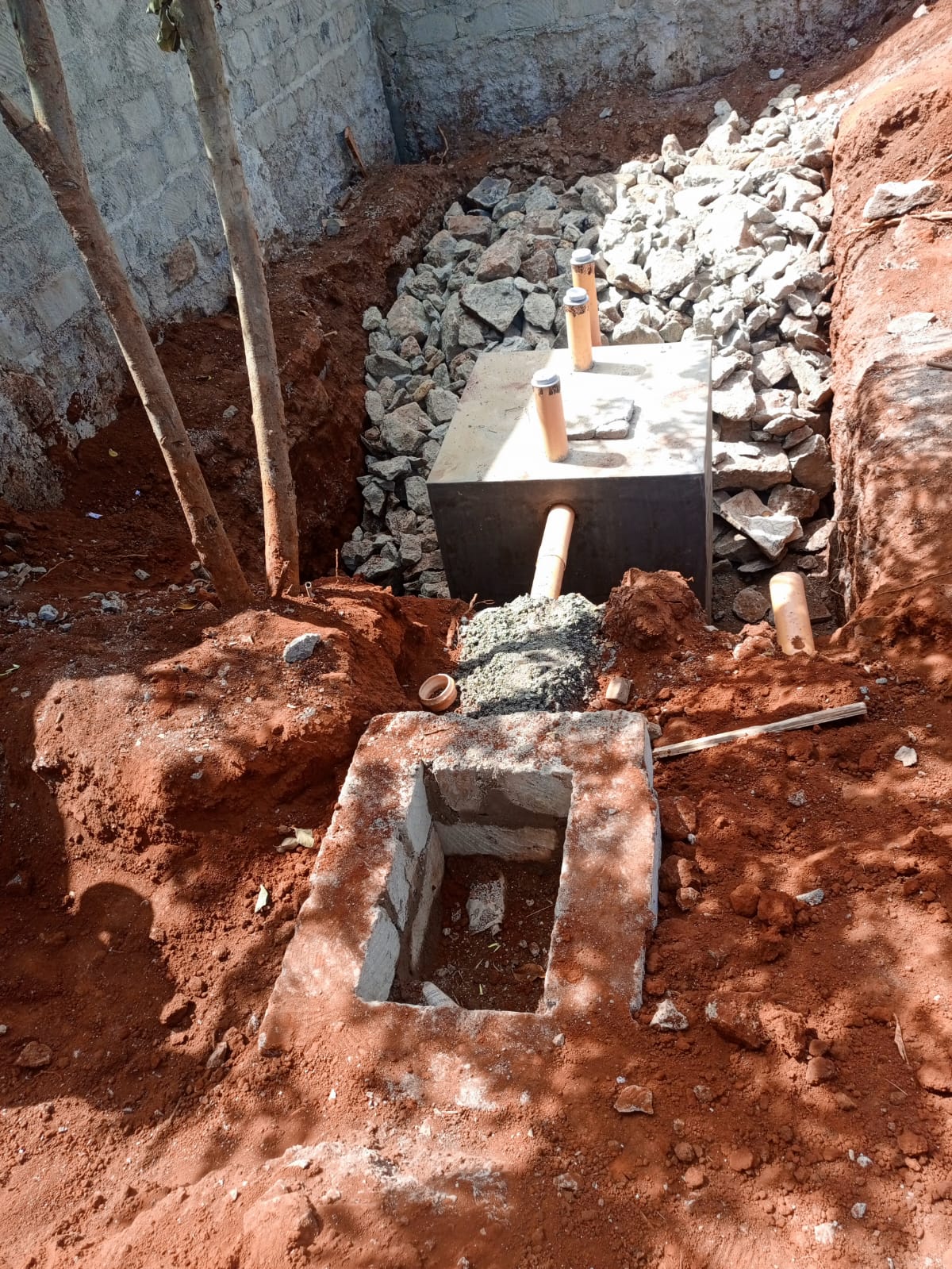
Best Practices for Maintaining Your Biodigester in Kenya
You don’t have to stop cleaning your house to save your tank, but you do need to be smarter.
Choosing Eco-Friendly Cleaning Agents
Look for detergents labeled “biodegradable” or “septic-safe.” Avoid anything labeled “antibacterial” or “bleach-based.” Natural soaps are much gentler on the environment and your tank.
Implementing Proper Water Management
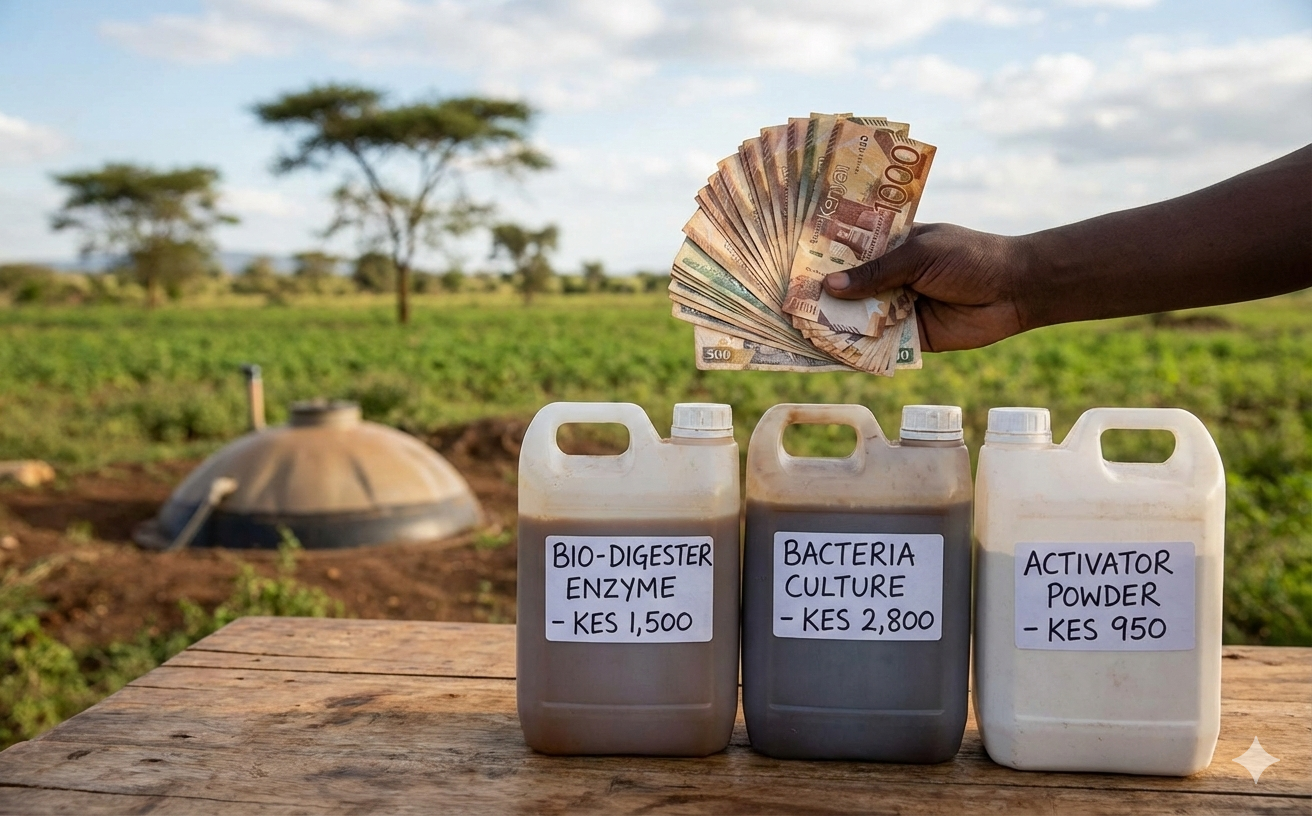
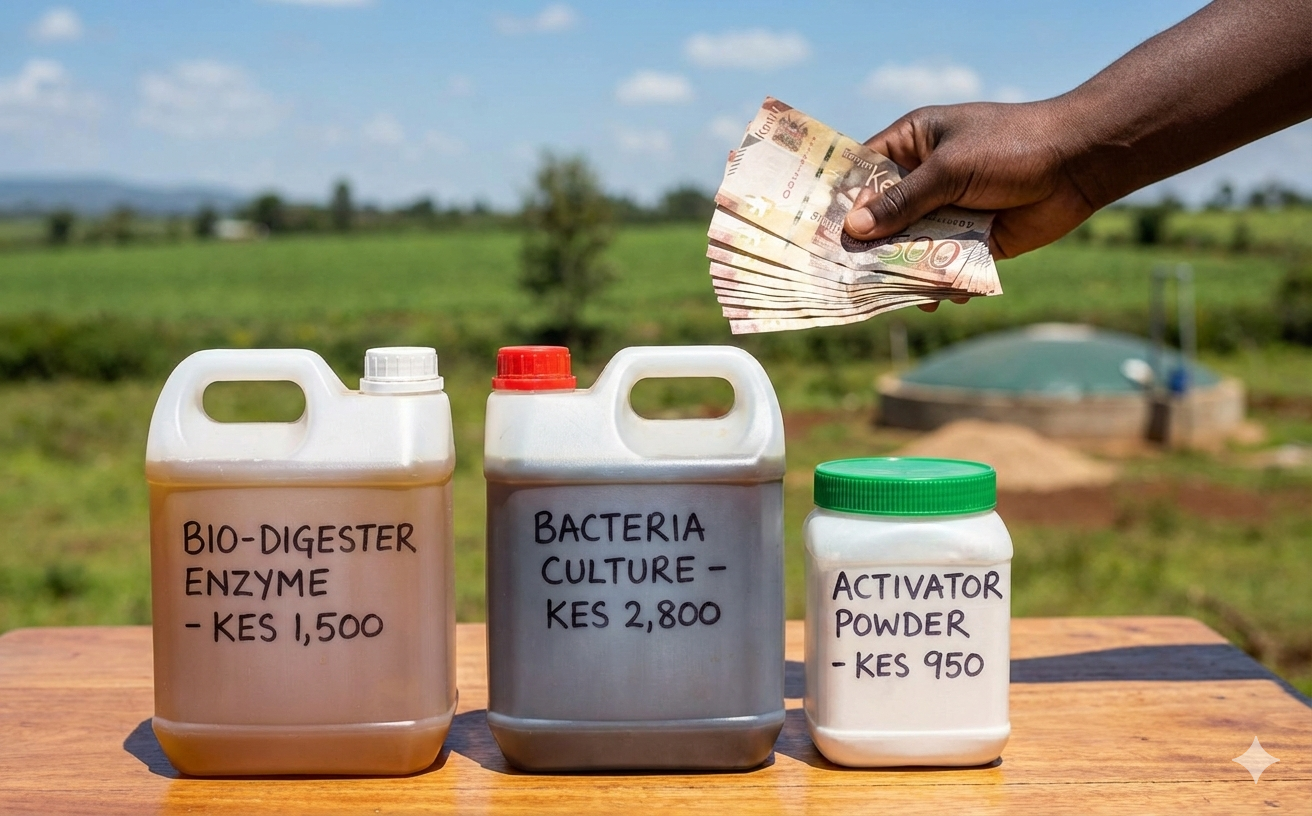
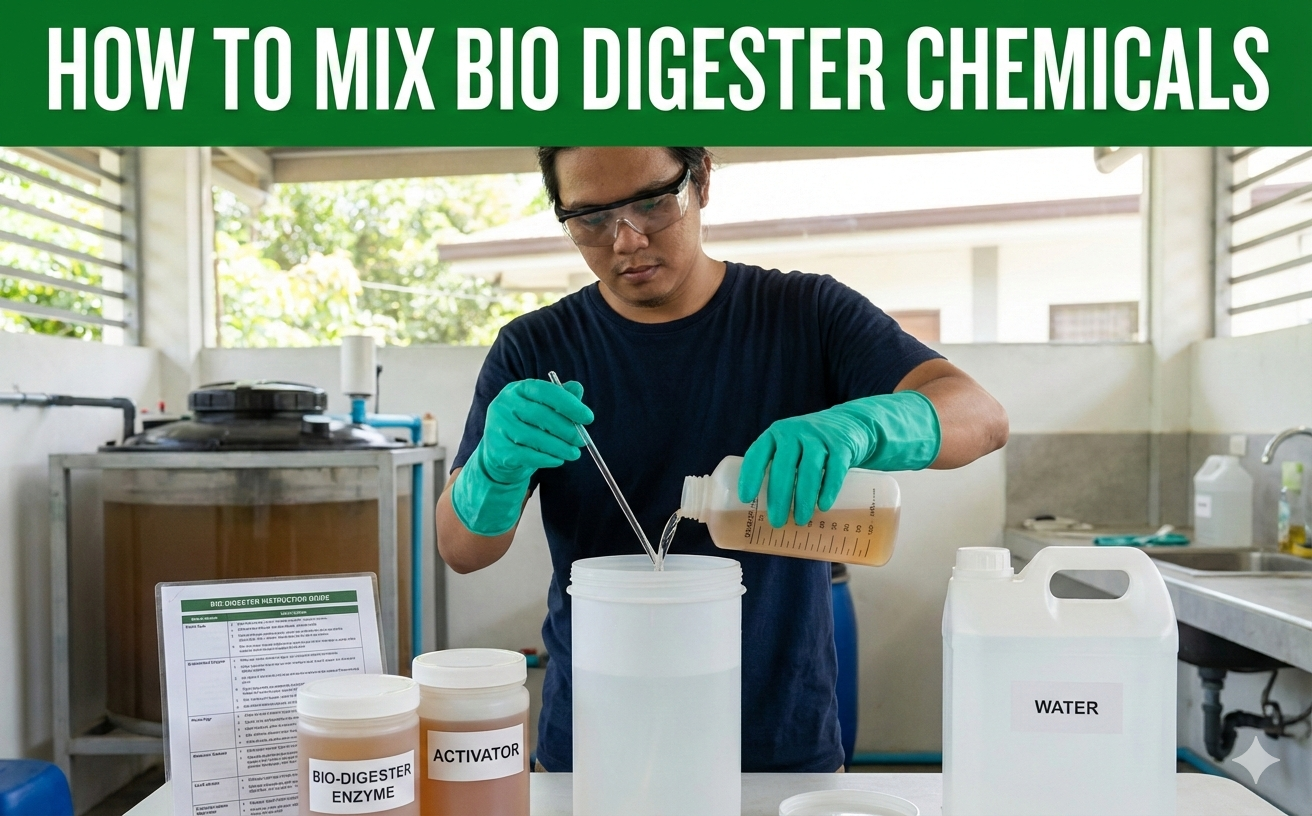
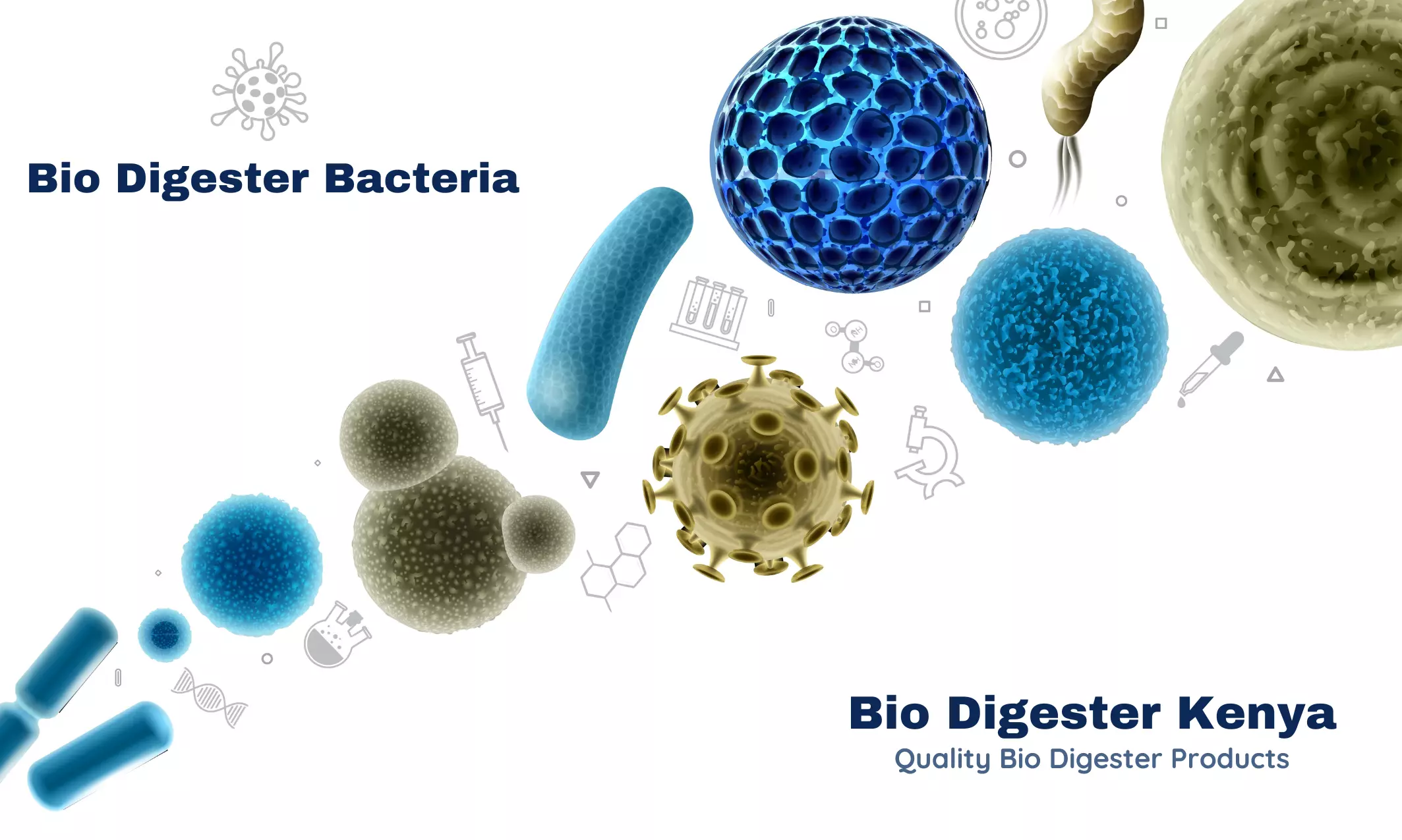
Don’t flush chemicals. If you’ve used a heavy-duty cleaner for a deep scrub, try to dispose of that water elsewhere if possible. Furthermore, consider adding our premium Bio Digester Bacteria regularly to replenish the colony.
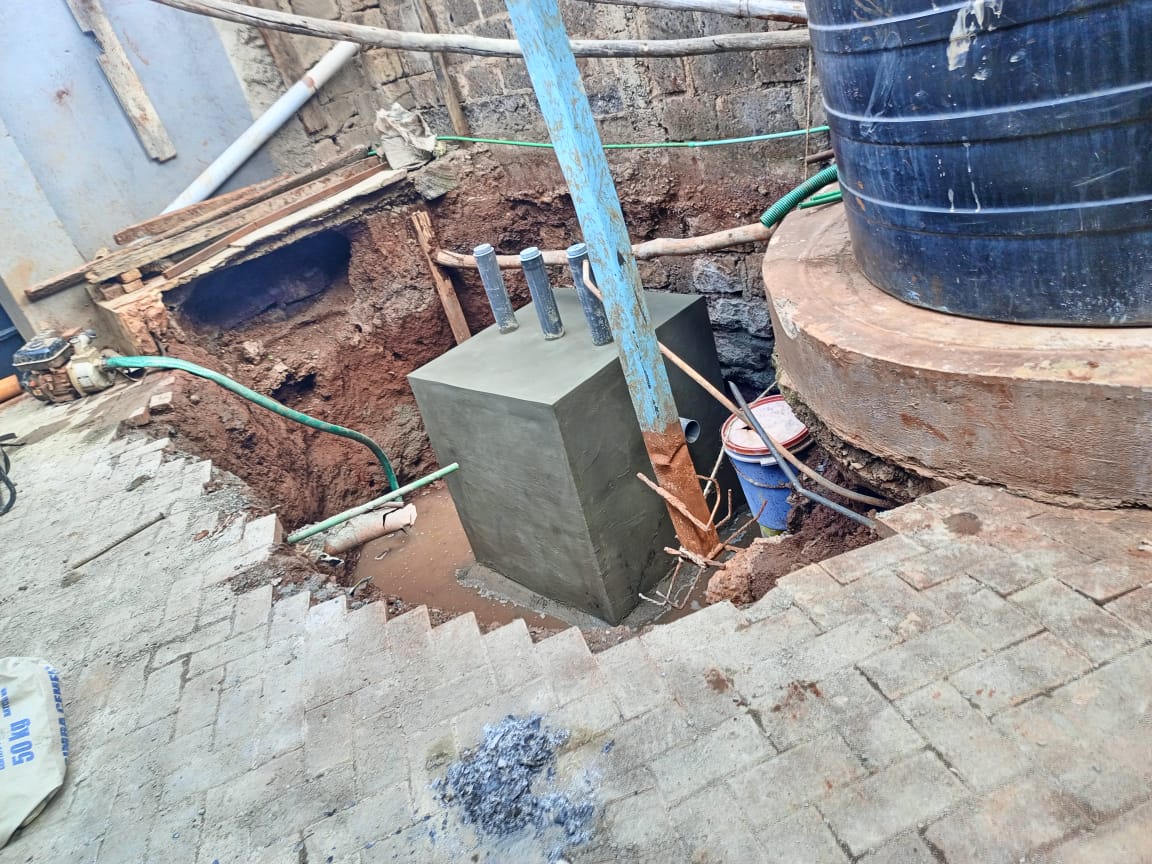
The Role of Bio Digester Enzymes in System Recovery
If you suspect you’ve been using harsh soaps, don’t panic. You can “recharge” your system. At Bio Digester Kenya, we provide high-potency enzymes designed to boost your bacterial population. Think of them as probiotics for your tank. They help restore the balance quickly, ensuring the system resumes its job of turning waste into water and air.
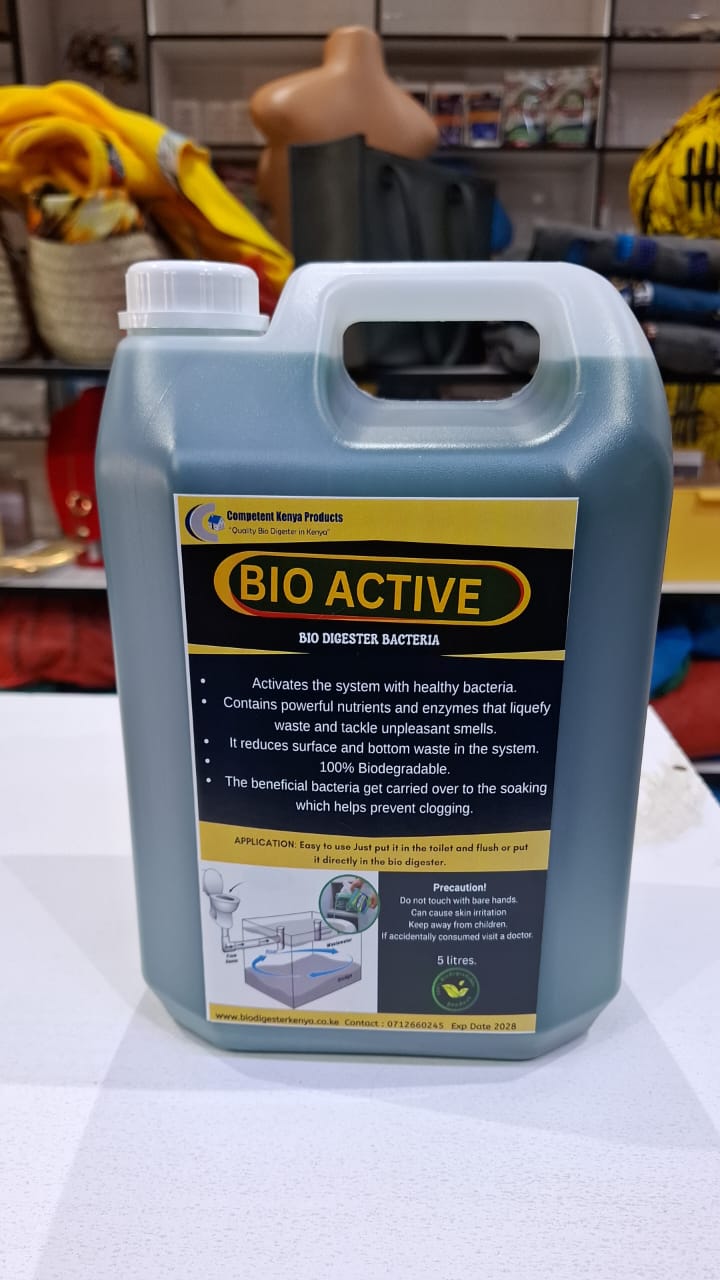
Why Choose Bio Digester Kenya for Your Installation?
We don’t just sell products; we offer a lifestyle of clean, efficient sanitation. Whether you are a homeowner or a commercial developer in Kenya, we provide customized solutions.
Professional Installation Matters
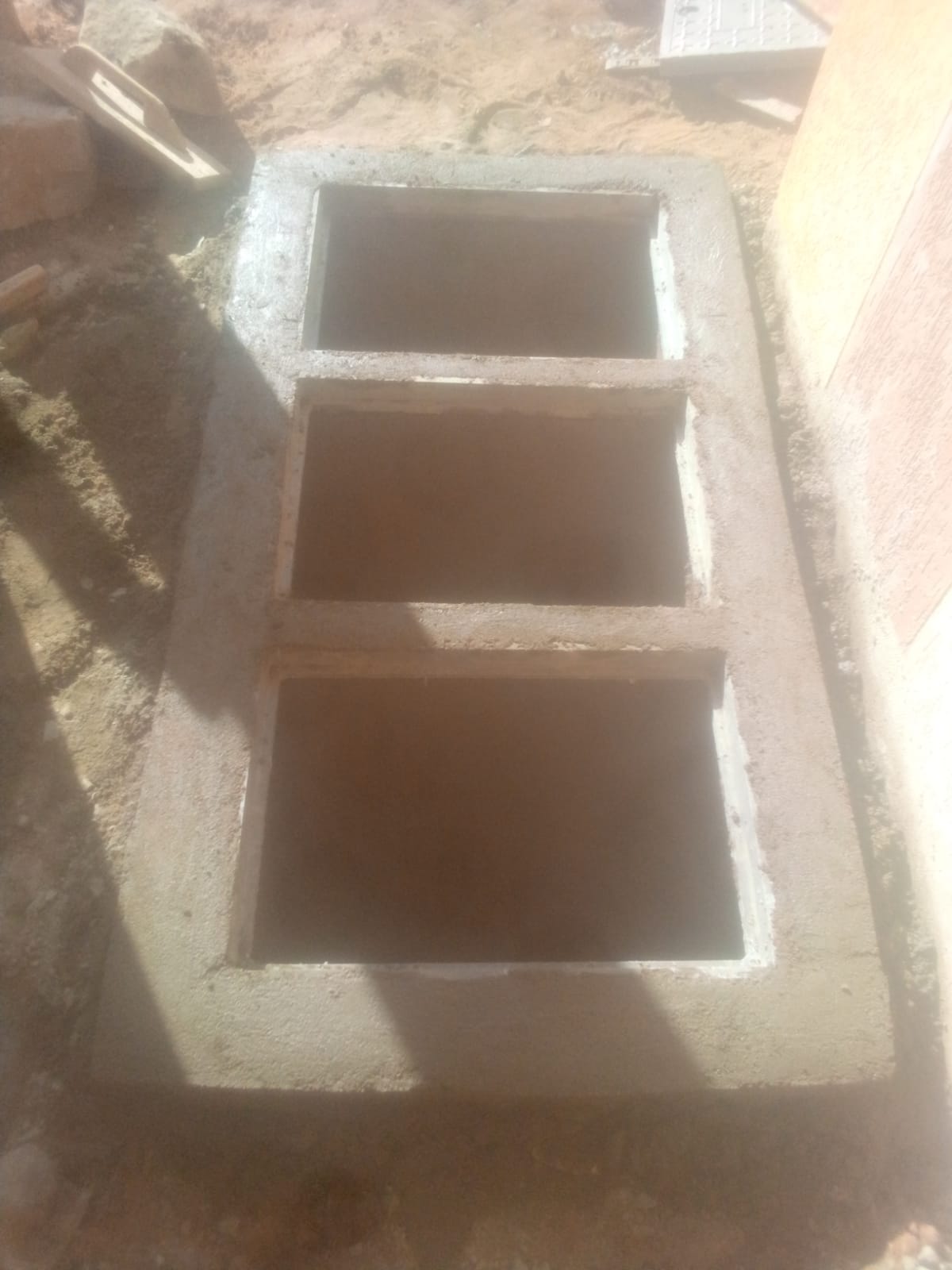
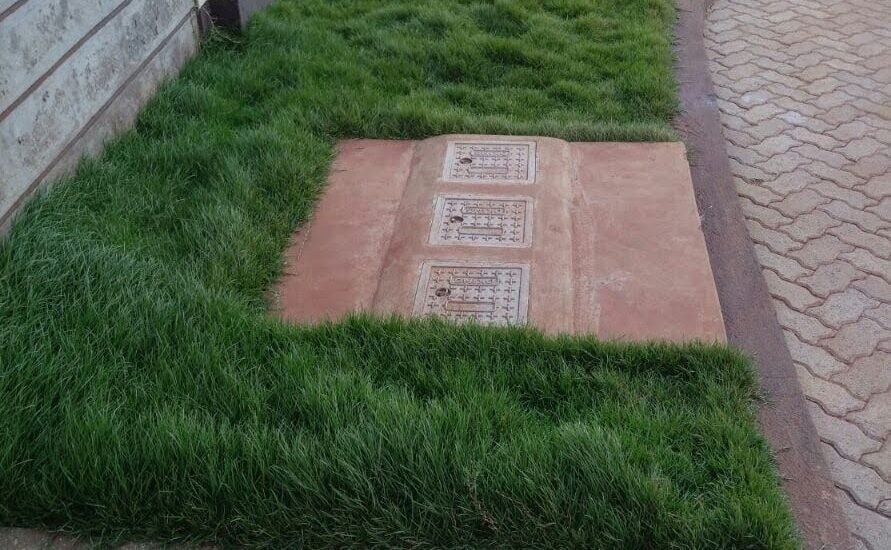
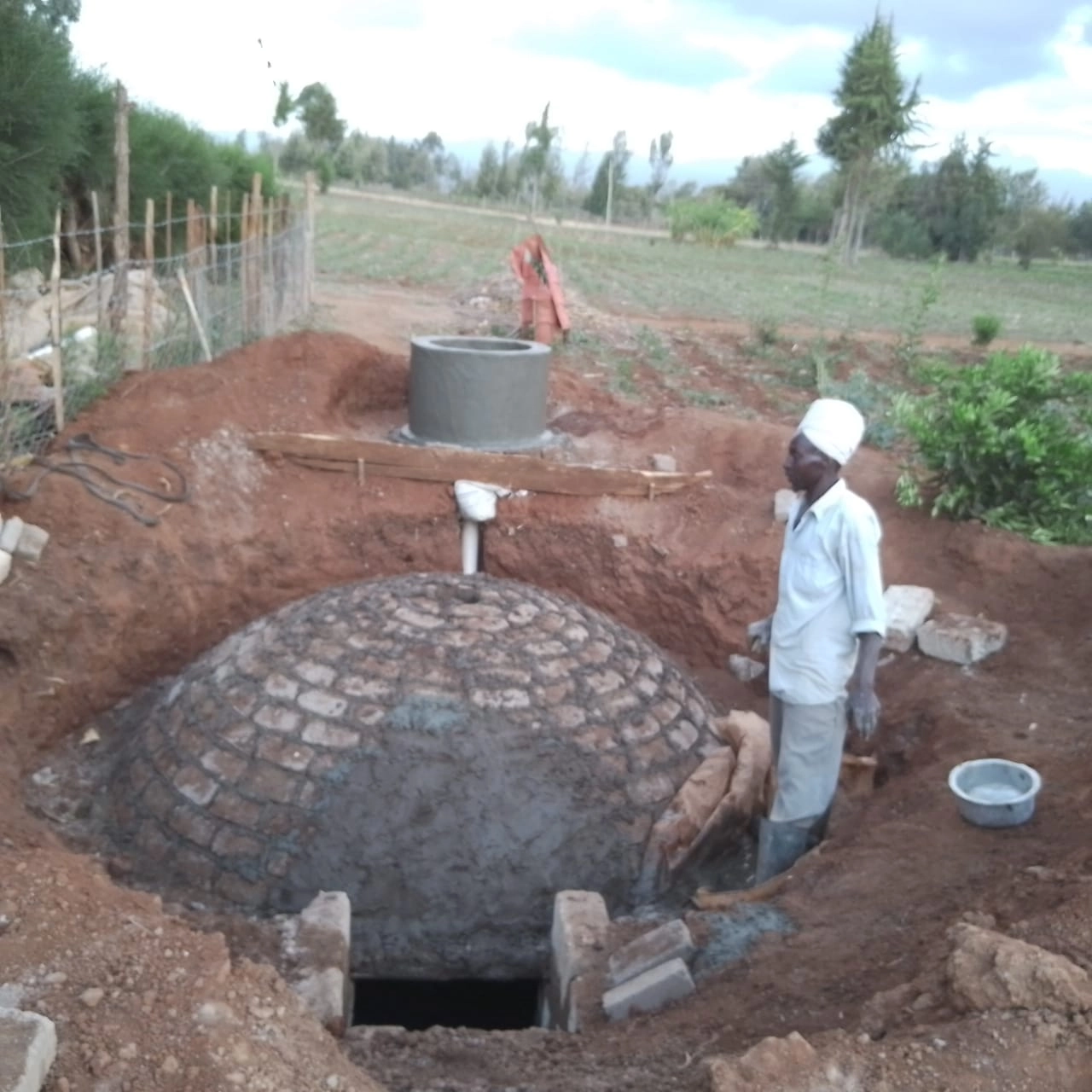
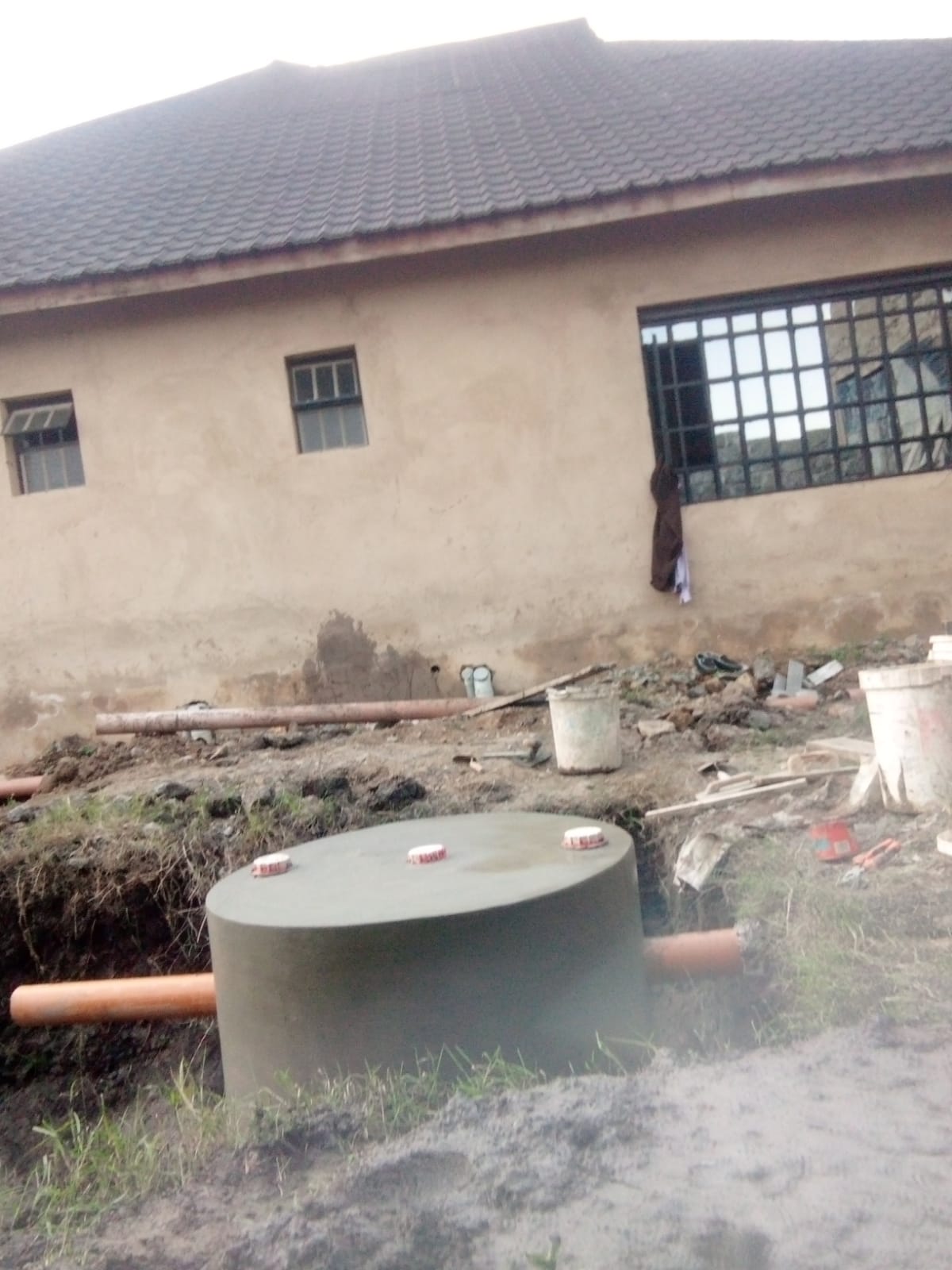
A poorly installed tank will fail regardless of what soap you use. Our team at Bio Digester Kenya ensures that your system is sized correctly and installed with the right ventilation and soak-away zones. Check out our installation services to see how we do it right the first time.
Accessing Premium Bio Digester Bacteria
To keep your system running for decades, regular maintenance is key. Visit our shop to grab our concentrated bacterial packets. It’s the easiest way to ensure your bio digester septic tank remains in top shape.
Conclusion: Protecting Your Investment
Your biodigester is a long-term investment in your home’s hygiene and the environment. By being mindful of the soaps and chemicals you flush, you ensure your tank continues to produce nothing but clean water. If you need expert advice, a professional installation, or high-quality bacteria to boost your system, reach out to us today.
Contact Bio Digester Kenya:
- Phone: Call +254 712 660 245
- Email: Email info@biodigesterkenya.co.ke
- Website: www.biodigesterkenya.co.ke
FAQs
1. Is it safe to use bleach in my home if I have a biodigester?
It is best to avoid bleach. It kills the beneficial bacteria that keep your system running. Use vinegar or baking soda as natural alternatives.
2. Can I use regular laundry detergent?
Most modern detergents are okay in moderation, but try to use phosphate-free, biodegradable brands to keep your bio digester healthy.
3. How often should I add Bio Digester Bacteria to my tank?
We recommend adding a dose of our Bio Digester Bacteria every few months or immediately if you’ve had to use harsh household cleaners.
4. What happens if I accidentally flush a large amount of chemical cleaner?
Don’t worry! Flush the system with plenty of clean water to dilute the chemicals, and then add a double dose of our Bio Digester Bacteria to help the colony recover.
5. How do I know if my biodigester is working correctly?
A properly working system will have no foul odors near the soak area and will show no signs of backup. If you notice smells, it’s time to add more bacteria or contact Bio Digester Kenya for an assessment.