Introduction
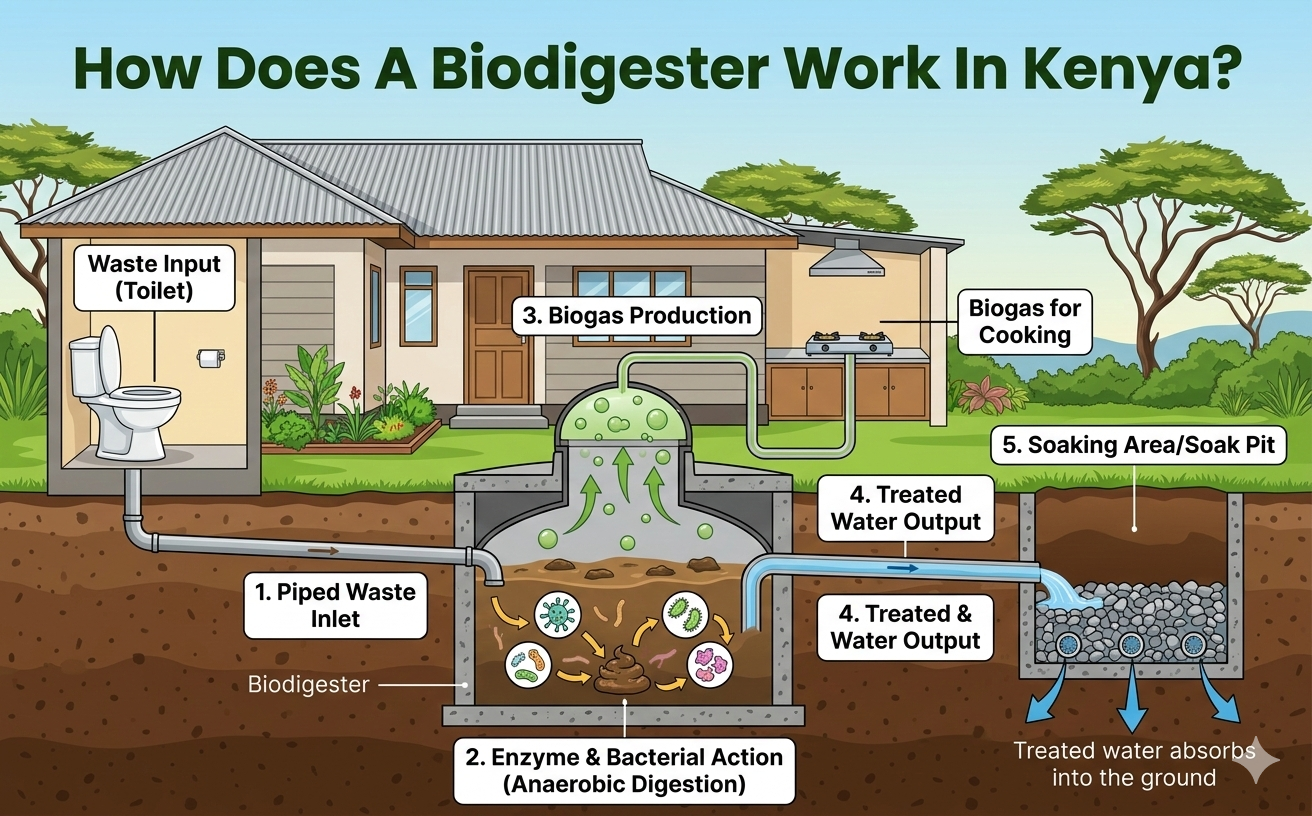
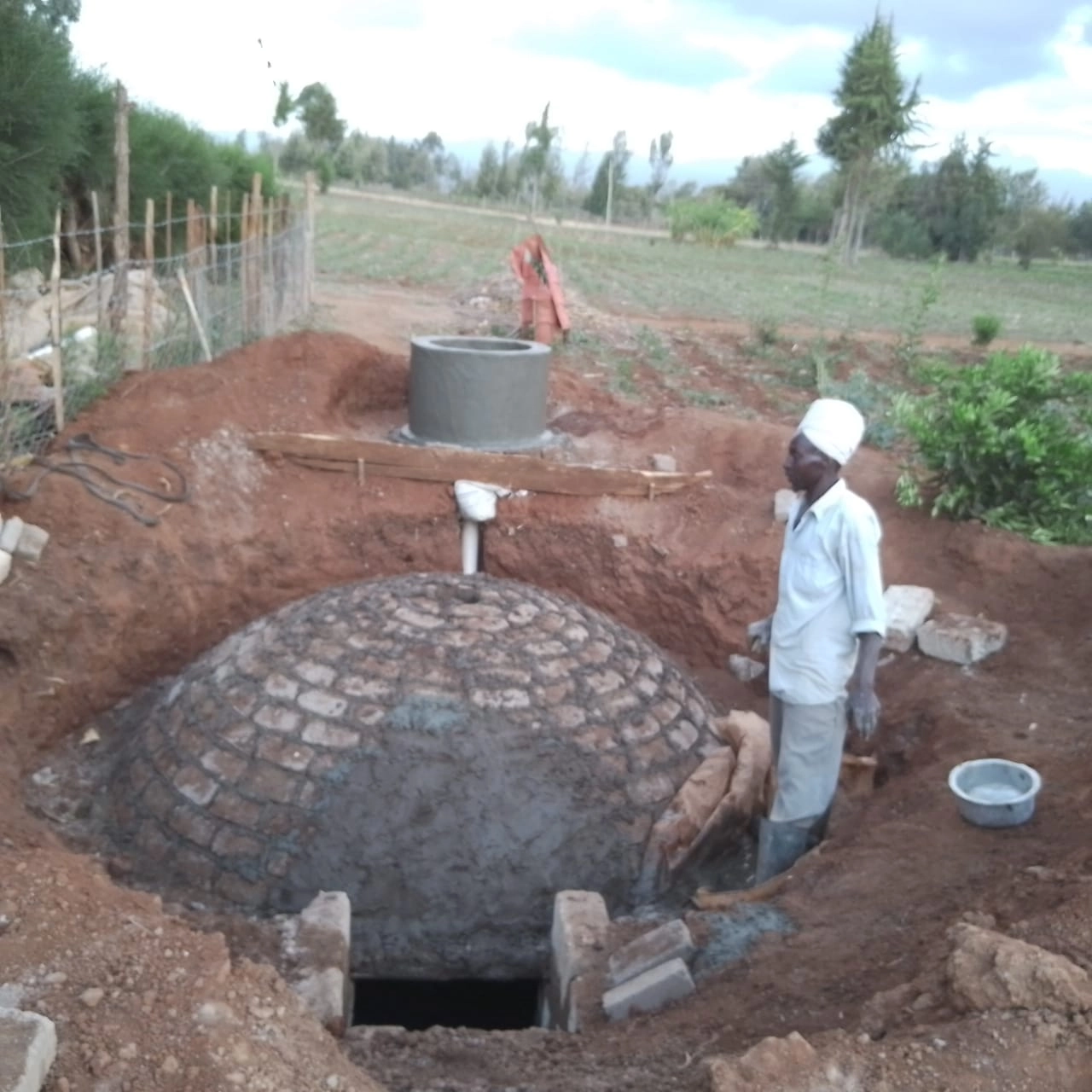
A biodigester is essentially a highly efficient, biological waste treatment plant built right into your backyard.
Unlike the conventional septic tank bacteria system, which relies on sedimentation and slow decomposition, a modern biodigester actively breaks down waste using specialized, harmless microbial cultures, often referred to as enzymes or chemicals.
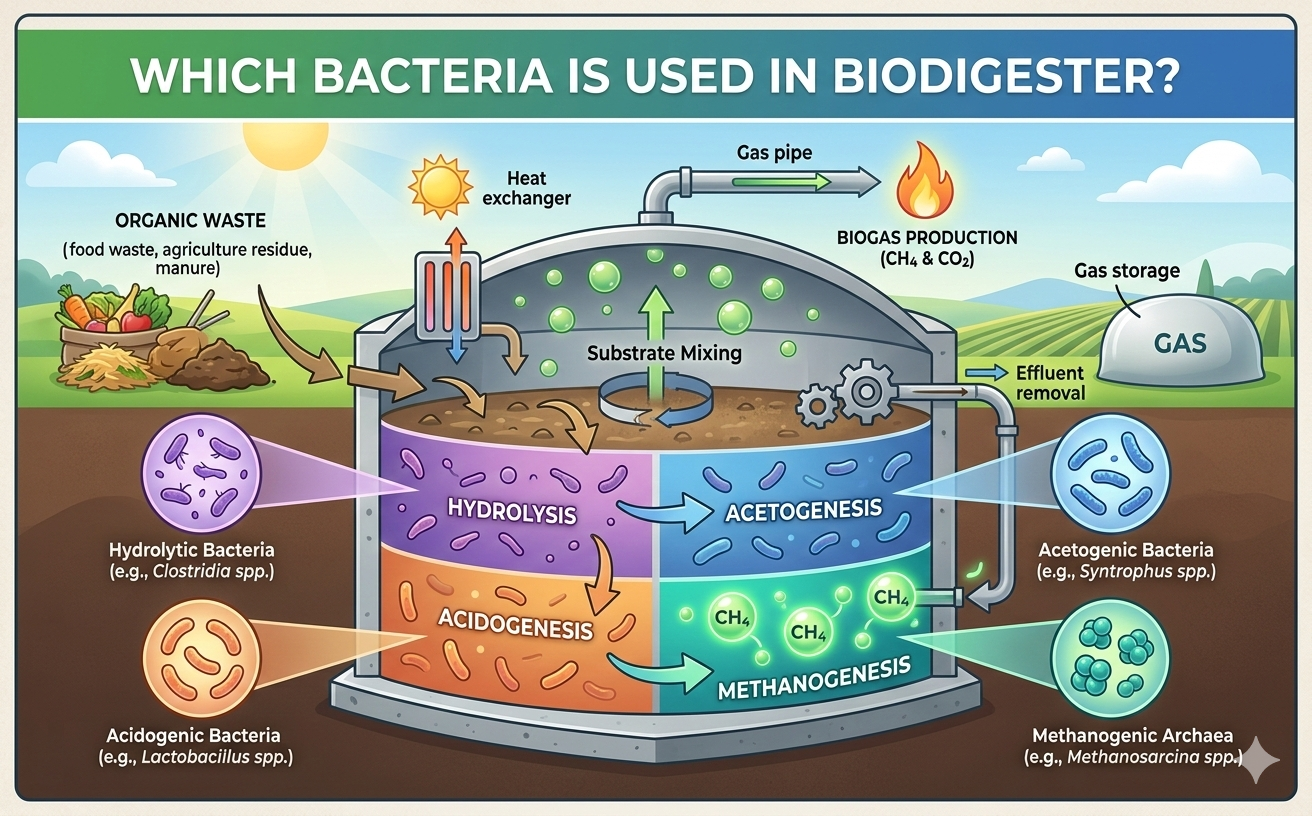
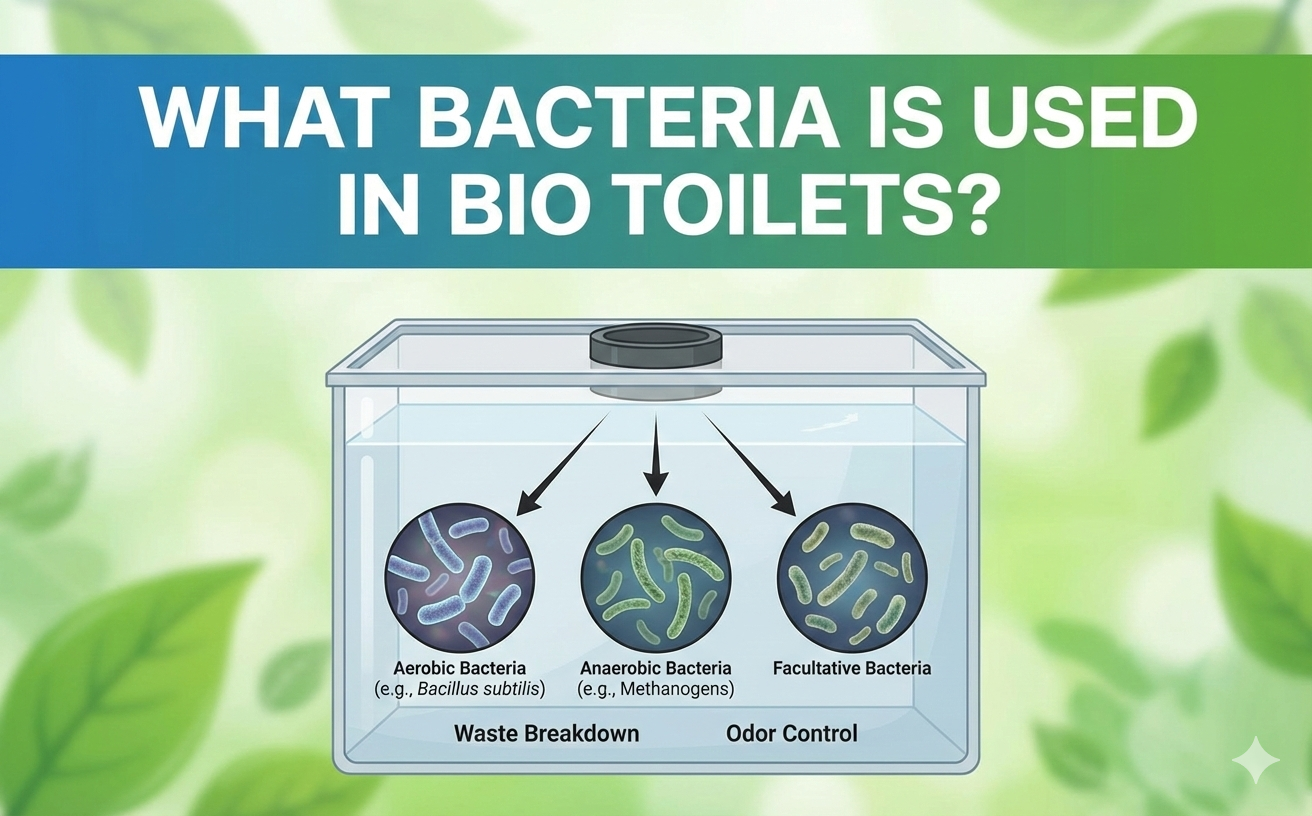
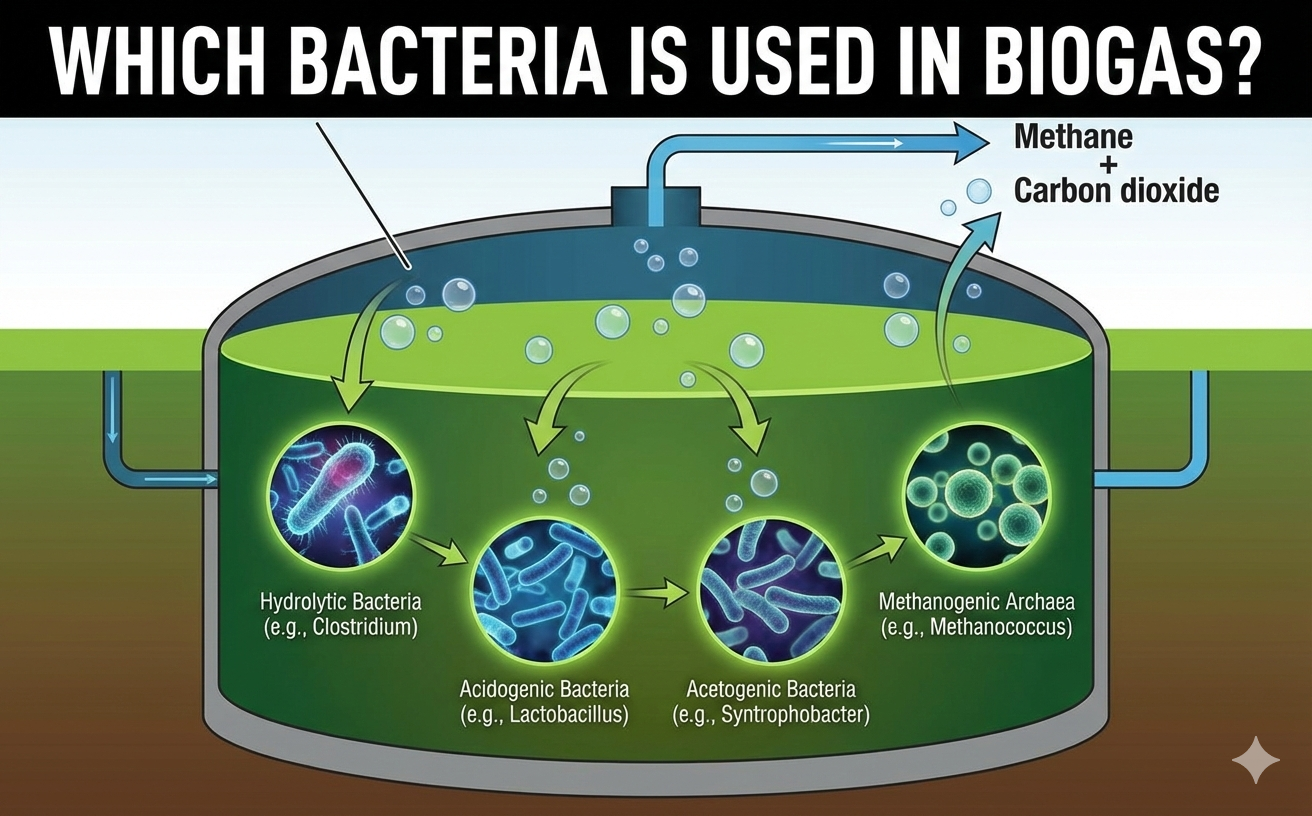
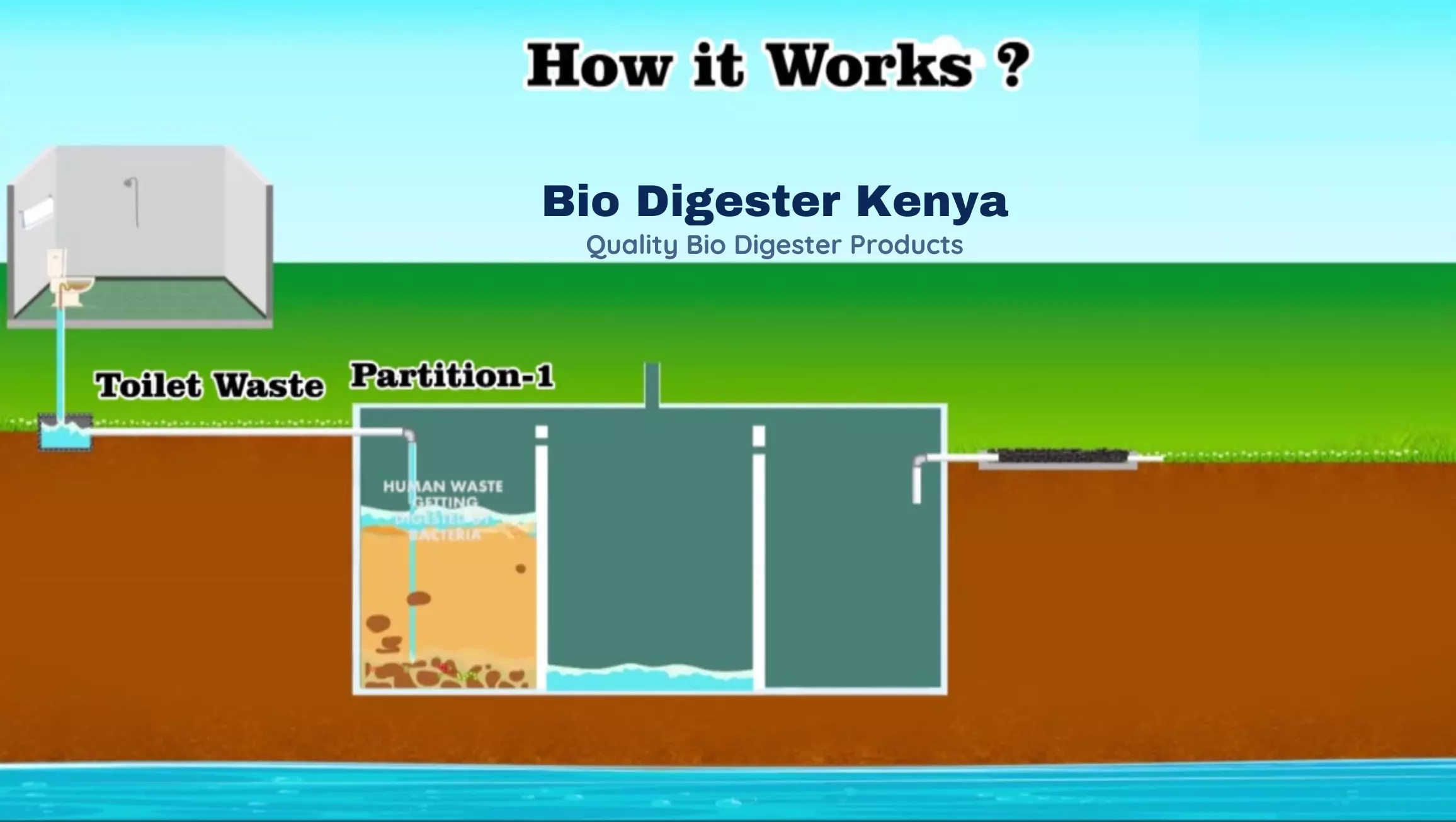
When waste enters the biodigester, these aerobic and anaerobic bacteria aggressively consume the solid organic matter.
The solid waste is completely digested, eliminating the need for periodic emptying by vacuum trucks—a massive cost and logistical headache familiar to anyone managing property in Nairobi or other rapidly developing Kenyan towns.
The byproducts of this digestion are methane (a small amount of harmless gas that vents away) and clean water, which is safely dispersed into the ground via a soak pit, protecting our crucial Kenyan water tables.
For homeowners and developers constructing new estates or upgrading existing sanitation in Kenya, understanding this fundamental difference is crucial.
A traditional system is a containment strategy; a Bio Septic Tank is a treatment strategy.
With a traditional tank, sludge accumulates, leading to foul odors, blockages, and the inevitable, expensive call to a desludging service, which in major Kenyan cities can cost upward of Ksh 8,000 to Ksh 15,000 per trip.
The modern biodigester, conversely, is a permanent solution.
The system installed by experts like Bio Digester Kenya is completely sealed, minimizing health risks, maximizing land use (it takes up less space), and offering a zero-sludge output that keeps your yard clean and your budget intact.
Why Choose a Biodigester Over a Traditional Septic Tank? (biodigester vs septic tank)
The choice often boils down to a simple question: do you want a system that costs you time and money every few years, or one that runs efficiently with minimal interference?
In the Kenyan context, where land is precious and environmental standards are rightly becoming stricter, the biodigester septic tank is the clear winner.
Think about the common frustrations associated with traditional septic systems in Kenya: constant smells, the risk of overflow during heavy rains, the land area required for a large, conventional tank, and the sheer environmental blight of having untreated effluent seeping into the soil.
A well-installed biodigester eliminates all these issues by ensuring that what leaves the tank is benign water, not raw sewage.
This means greater peace of mind for you, better protection for your boreholes or neighborhood water sources, and compliance with modern Kenyan environmental regulations.
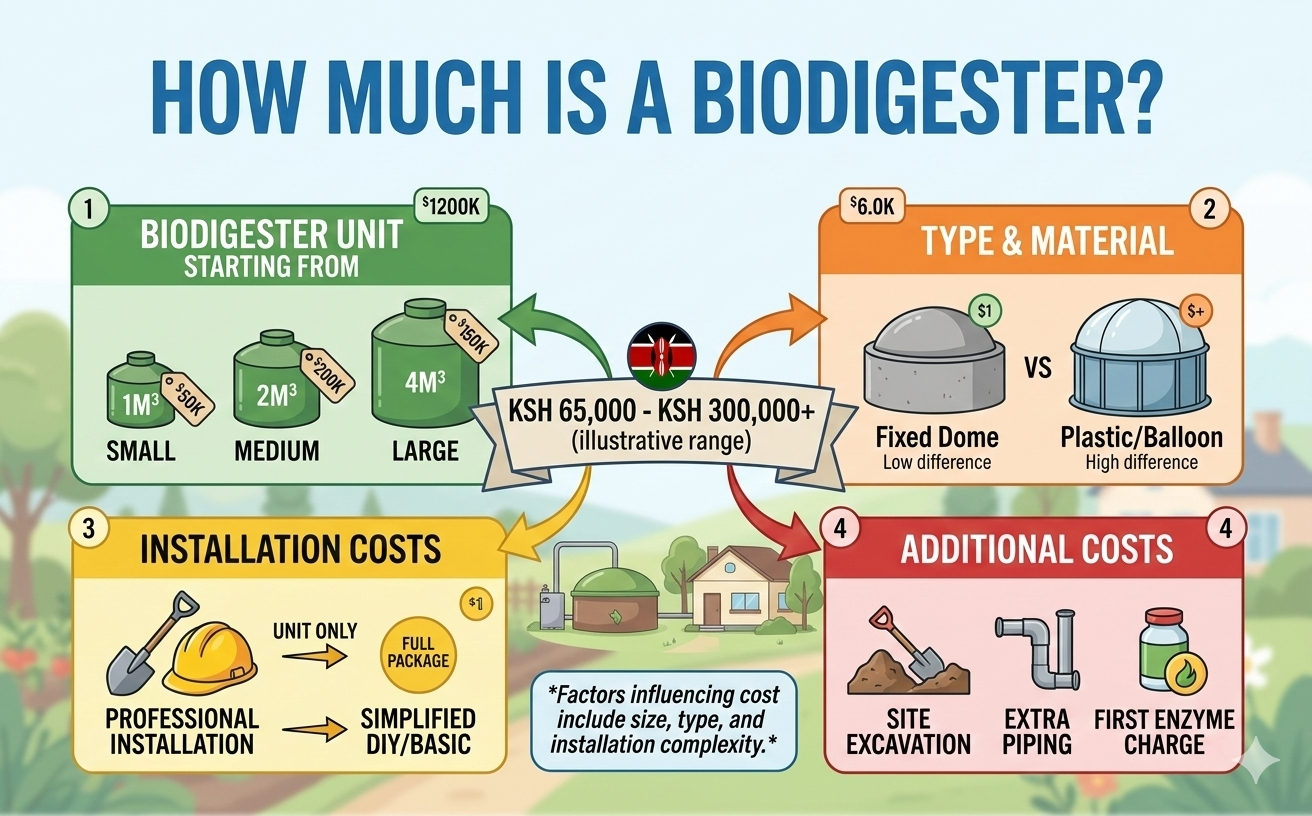
From an economic standpoint, while the initial investment for a high-quality Biodigester installation might seem slightly higher than constructing a cheap concrete pit, the long-term cost savings are undeniable.
Consider the cost of one single desludging operation—that fee alone often covers several years’ worth of enzyme top-ups for a biodigester.
Furthermore, the longevity and minimal maintenance requirements of a well-designed bio-system mean you won’t face expensive structural repairs or frequent system failures.
This makes the biodigester the financially smarter, greener choice for any Kenyan property developer aiming for sustainability and low operational costs.
If you are tired of the cycle of smells and expensive emptying services, it’s time to investigate an alternative that offers true permanence and reliability.
Key Components of a Biodigester System: Enzymes, Tanks, and Soaking Areas
To truly understand how to mix and apply the “chemicals,” you must first appreciate the three integrated components of a functioning Bio Digester Installation.
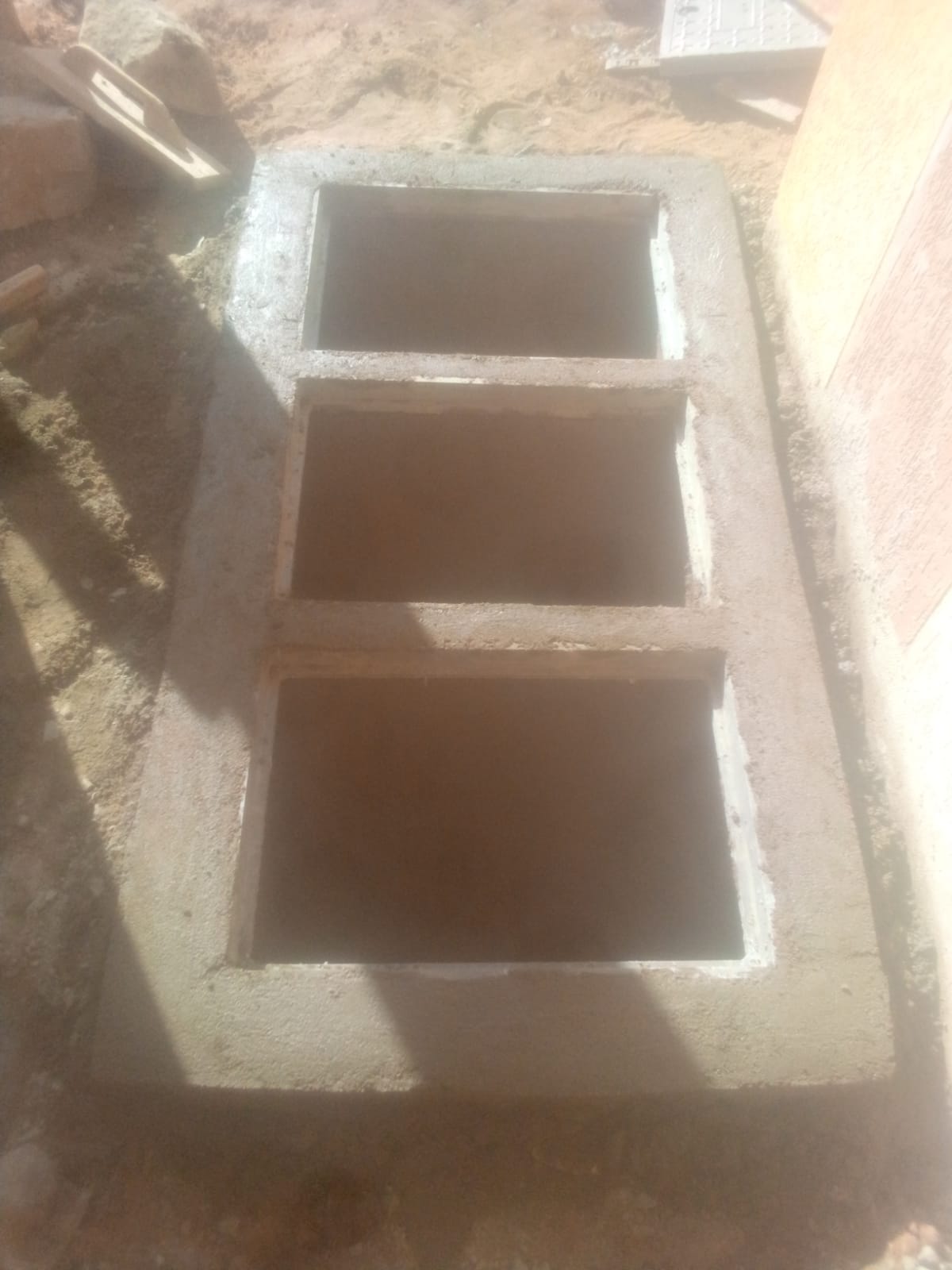
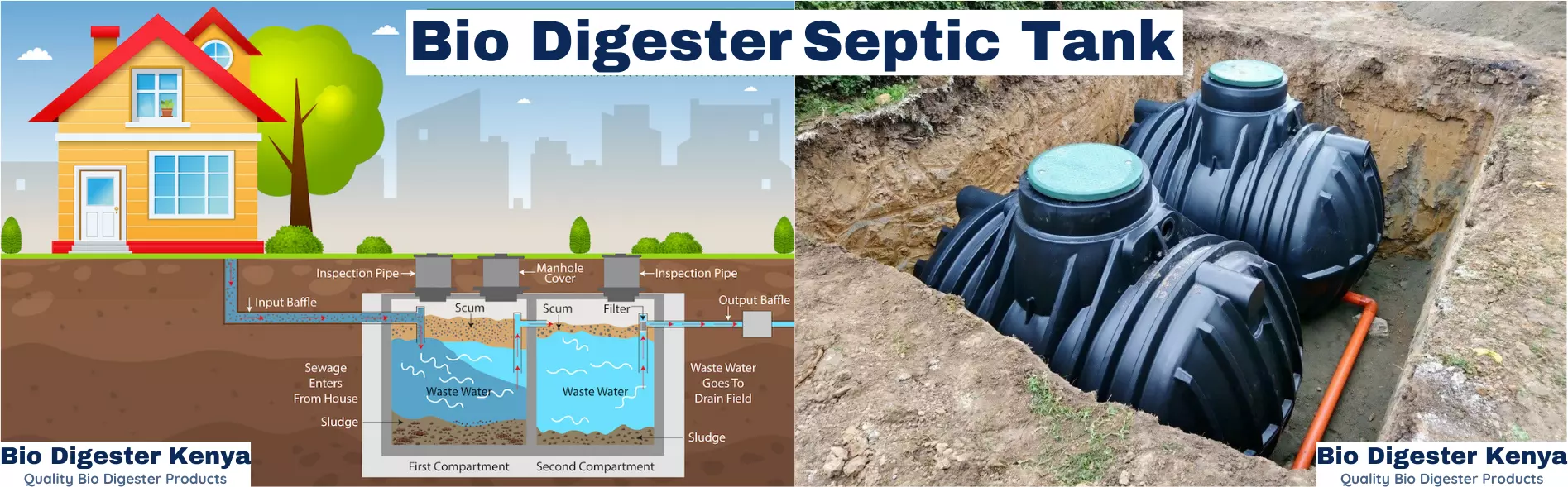
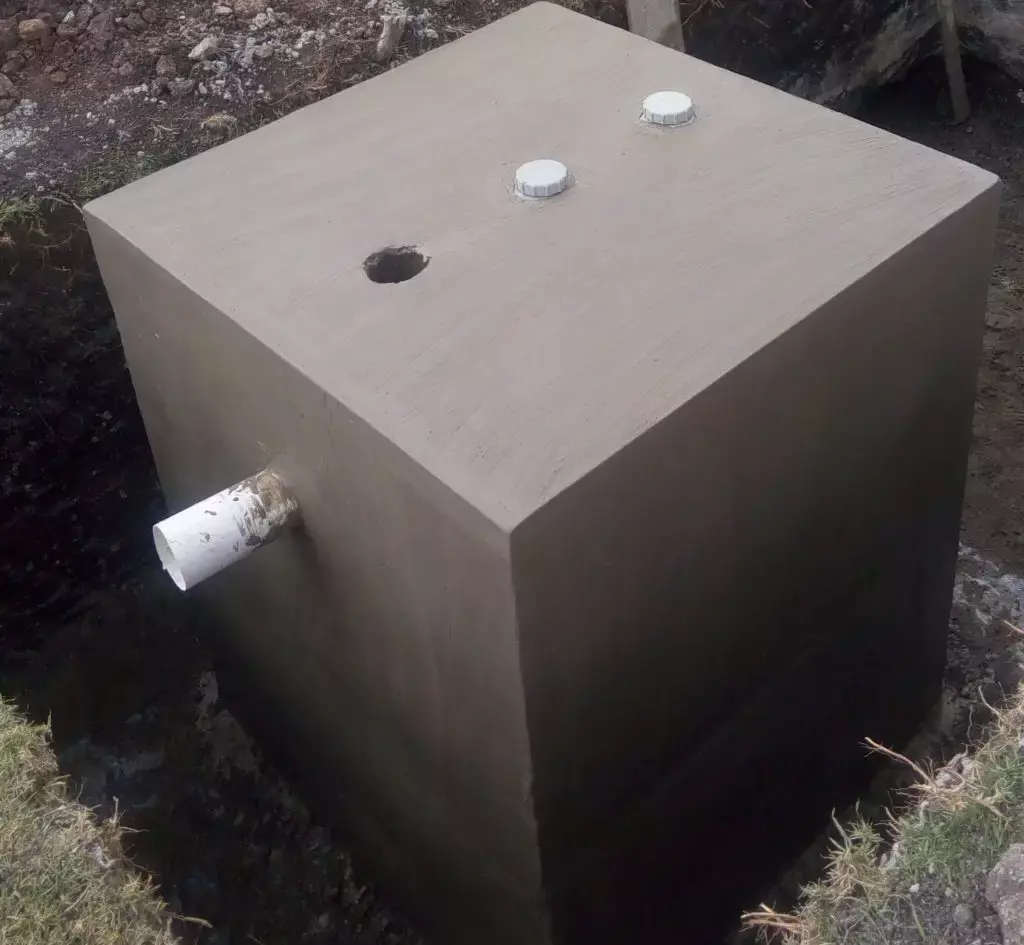
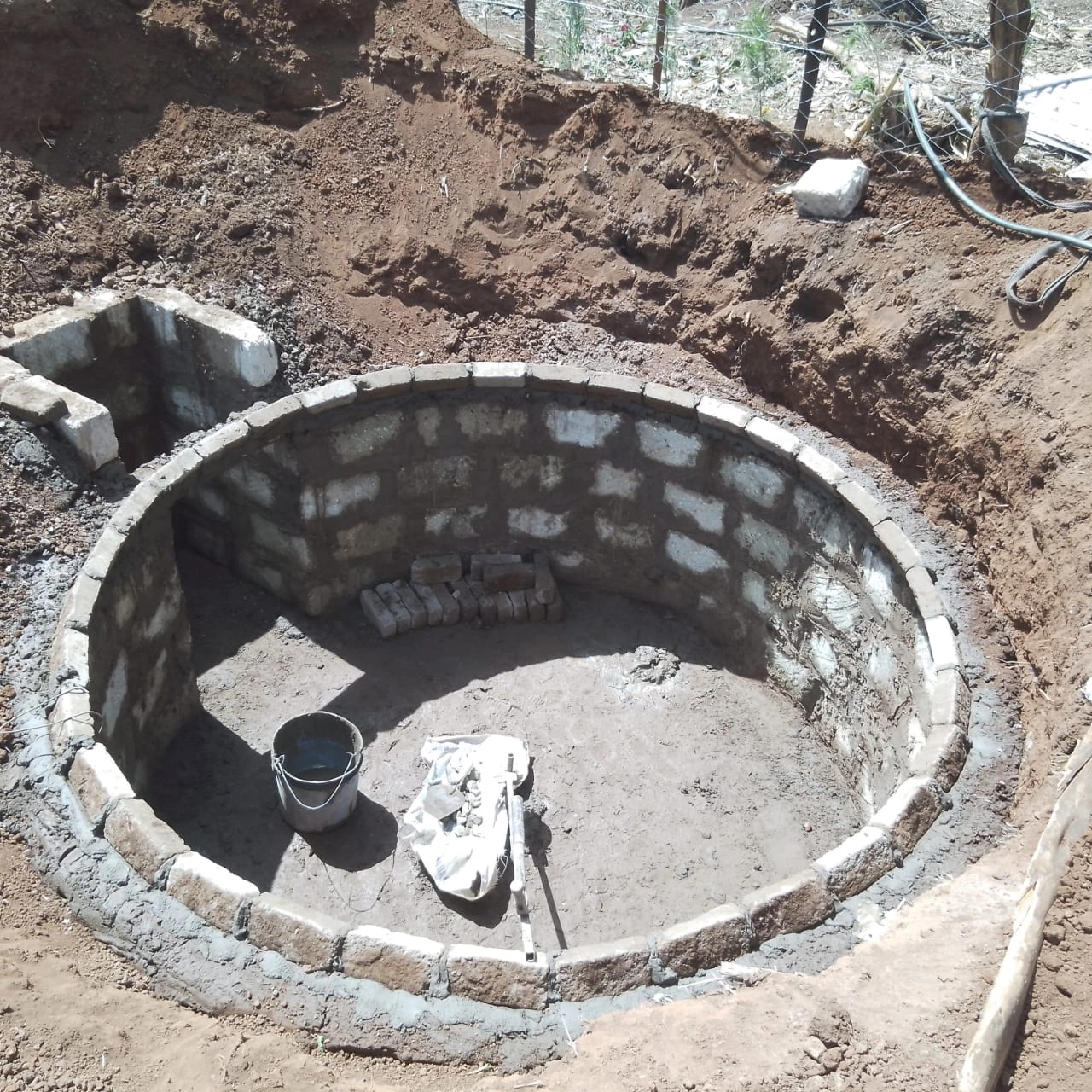
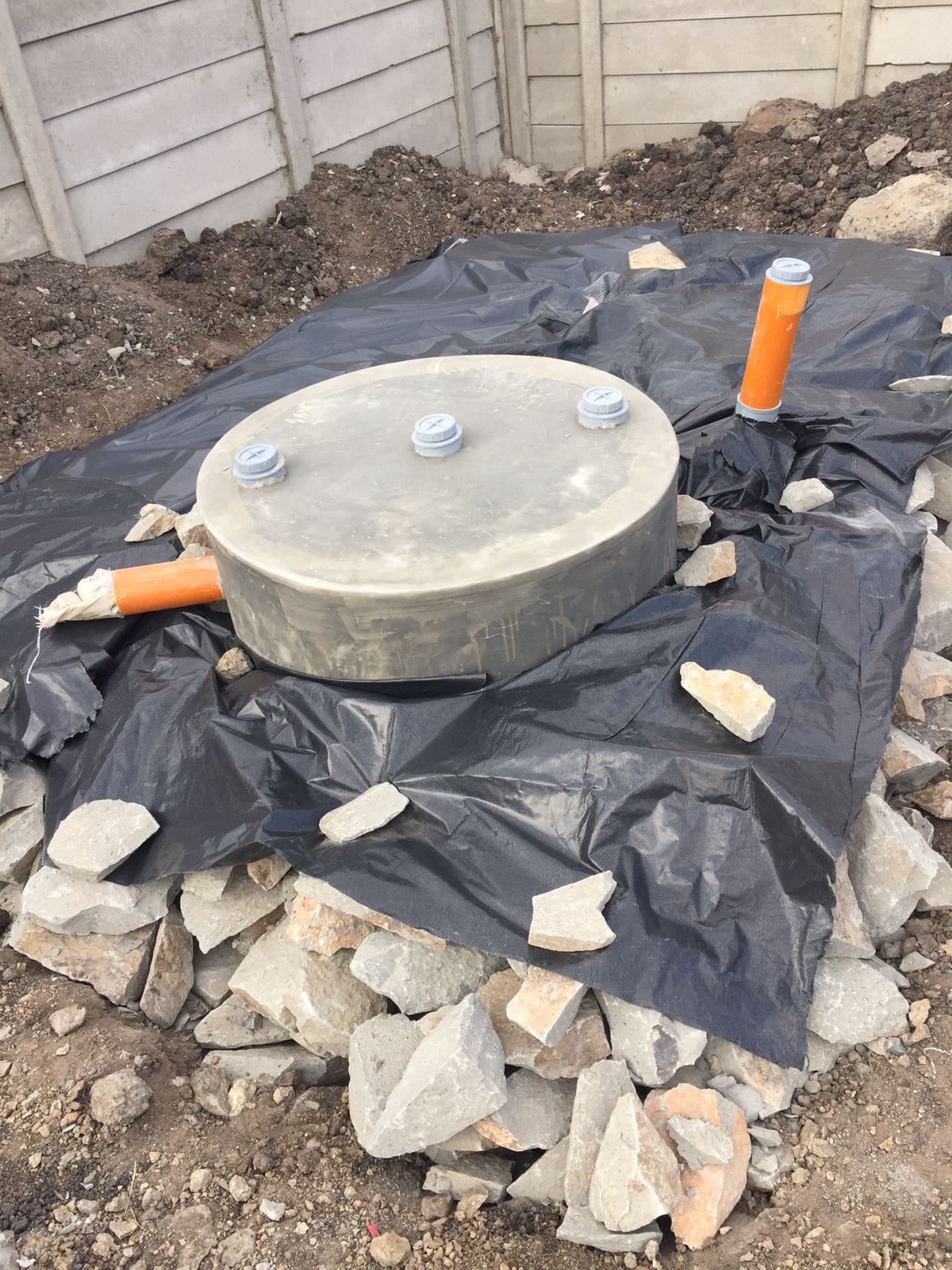
First, you have the digester tank itself, usually compact and compartmentalized, designed to optimize the biological process.
This is the heart where the magic happens.
Second, and most vital for this discussion, are the enzymes—or the specialized Bio Digester Bacteria.
These organisms are carefully selected strains that thrive in the conditions of human waste, rapidly accelerating decomposition far beyond what natural processes achieve.
Think of them as tiny, tireless workers whose sole job is to eat waste, drastically reducing the volume of solids.
Finally, the third key component is the soak pit or drainage field.
Since the waste is treated into water, this area simply needs to absorb clean water back into the earth, requiring far less space and maintenance than the traditional drainage fields associated with septic systems.
The success of this entire mechanism hinges on the health and vitality of the bacterial culture inside the tank.
The biodigester is essentially a sealed ecosystem, and the enzymes are what keep it alive and functioning efficiently.
When we talk about “mixing biodigester chemicals,” we are referring to preparing and administering these highly concentrated biological agents.
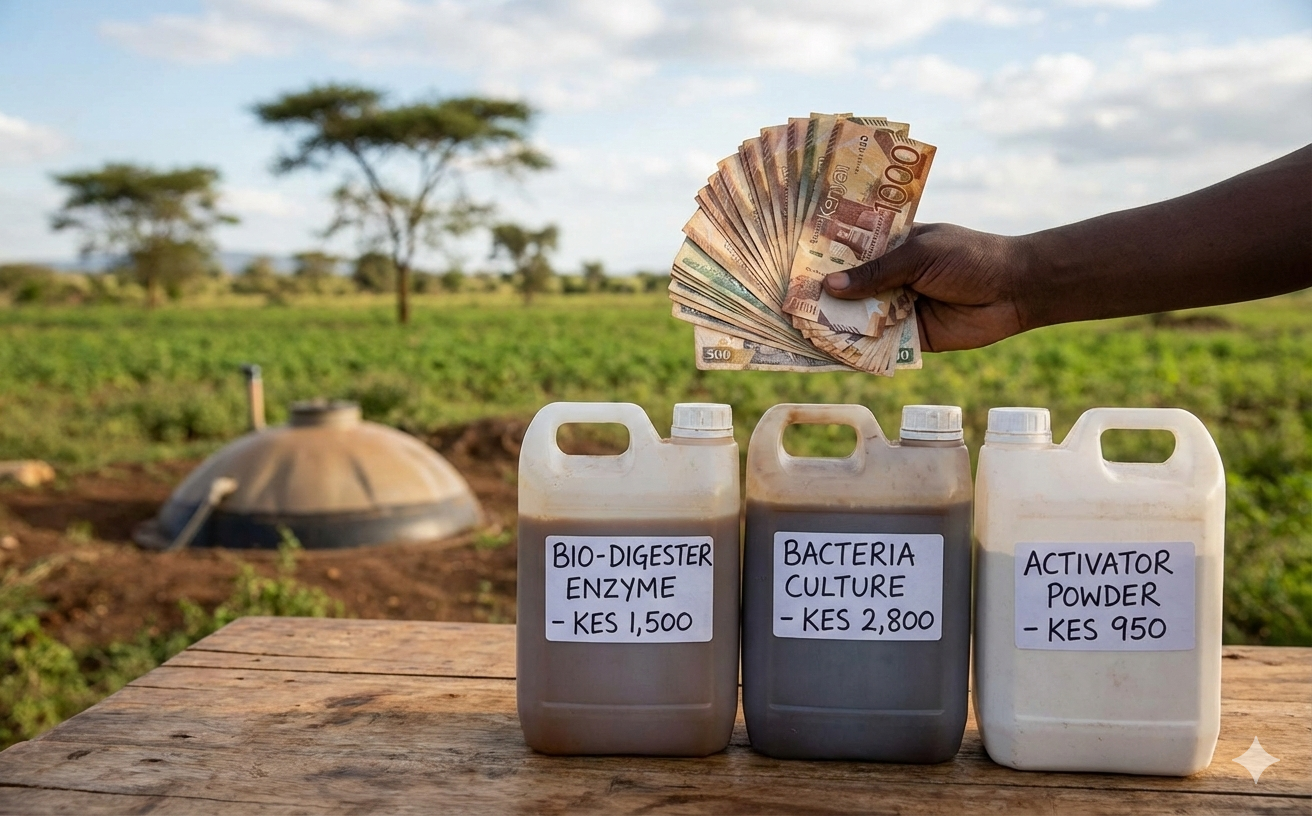
They are not harsh, caustic chemicals; rather, they are natural, non-toxic microbes that simply accelerate nature’s decomposition process. Bio Digester Bacteria – 200g packets, for example, are engineered specifically to ensure the necessary microbial diversity is present to handle the varied waste inputs found in a typical Kenyan household or commercial facility.
This is why using high-quality enzymes, like those supplied by Bio Digester Kenya, is paramount—they ensure the necessary robustness for continuous waste management.
Step‑by‑Step Guide to Mixing Biodigester Chemicals Correctly
Ensuring your biodigester enzymes are properly activated before introduction is the key to maximizing their efficiency and lifespan within the tank.
Although different suppliers may have slightly varied instructions, the process for mixing enzymes for your biodigester system is generally straightforward and follows a simple protocol.
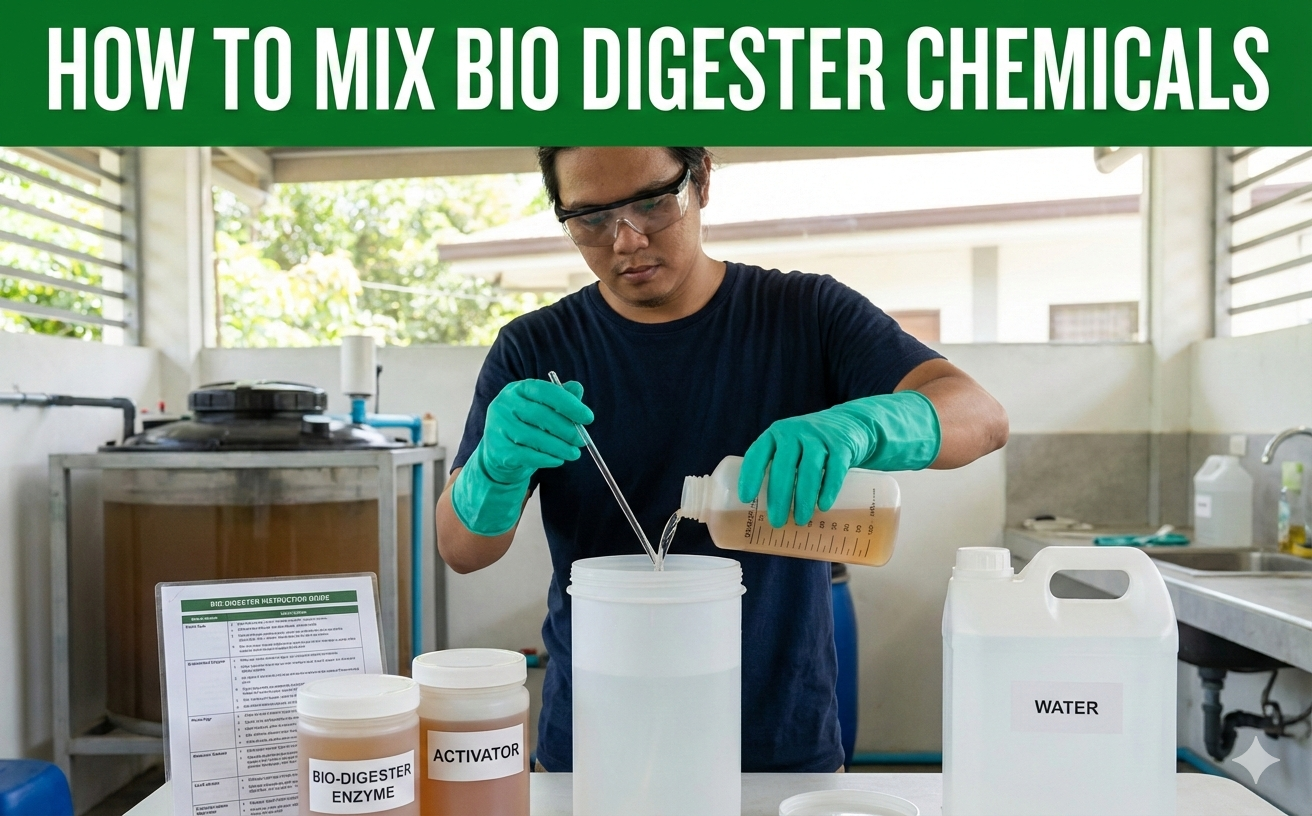
Start by sourcing the correct amount of dry, granulated, or powdered enzymes specified for your system’s size, keeping in mind that the initial treatment will require a larger dose than subsequent monthly maintenance.
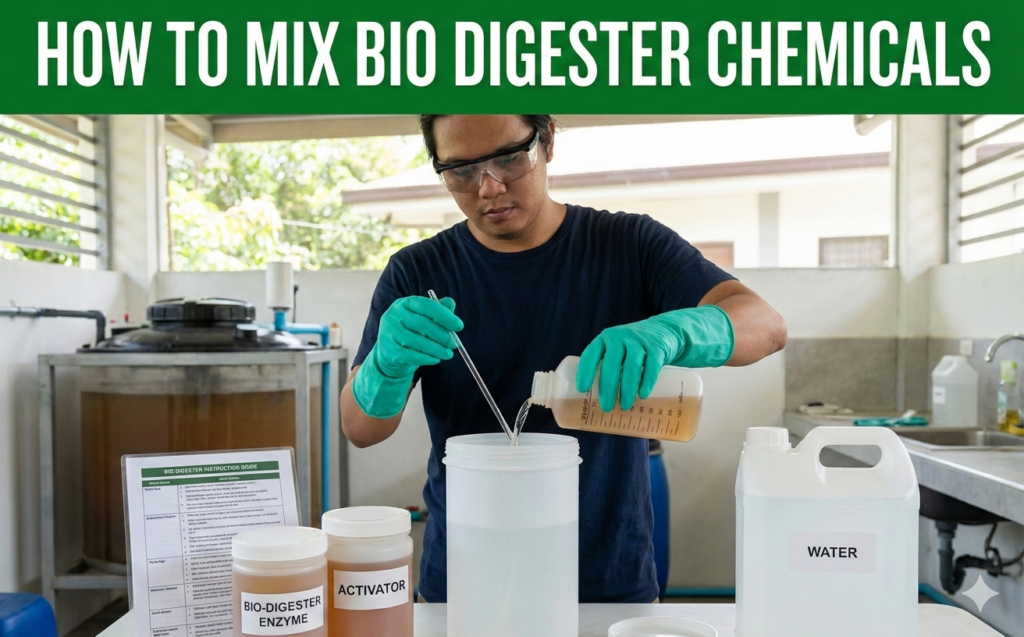
You should always use a clean, non-metallic container, such as a plastic bucket, ensuring it is free of bleach, detergents, or any chemicals that could harm the living bacteria before you start the mixing process.
Next, carefully pour the enzyme product into the bucket and mix it thoroughly with clean, lukewarm water—crucially, never hot water, as extreme heat kills the bacteria.
Use water that is room temperature or slightly warm to help dissolve the powder and “wake up” the microorganisms; think of it as preparing a gentle, hydrating meal for them.
Once mixed, let the solution stand for about 30 to 60 minutes.
This standing time is essential for activation, allowing the enzymes to hydrate fully and begin their metabolic process.
After activation, the solution can be poured directly into the system, typically through the nearest toilet bowl, flushing with ample water to ensure the entire dose reaches the biodigester chamber promptly.
Following this simple step-by-step process ensures you are maximizing the effectiveness of every enzyme application.
Common Mistakes and How to Avoid Them
Even with the best Bio Digester Kenya system installed, poor operational habits can quickly compromise the enzyme activity, leading to slow breakdown, odor, and even temporary system failure.
The number one mistake we see in Kenya is the excessive use of harsh household cleaning chemicals.
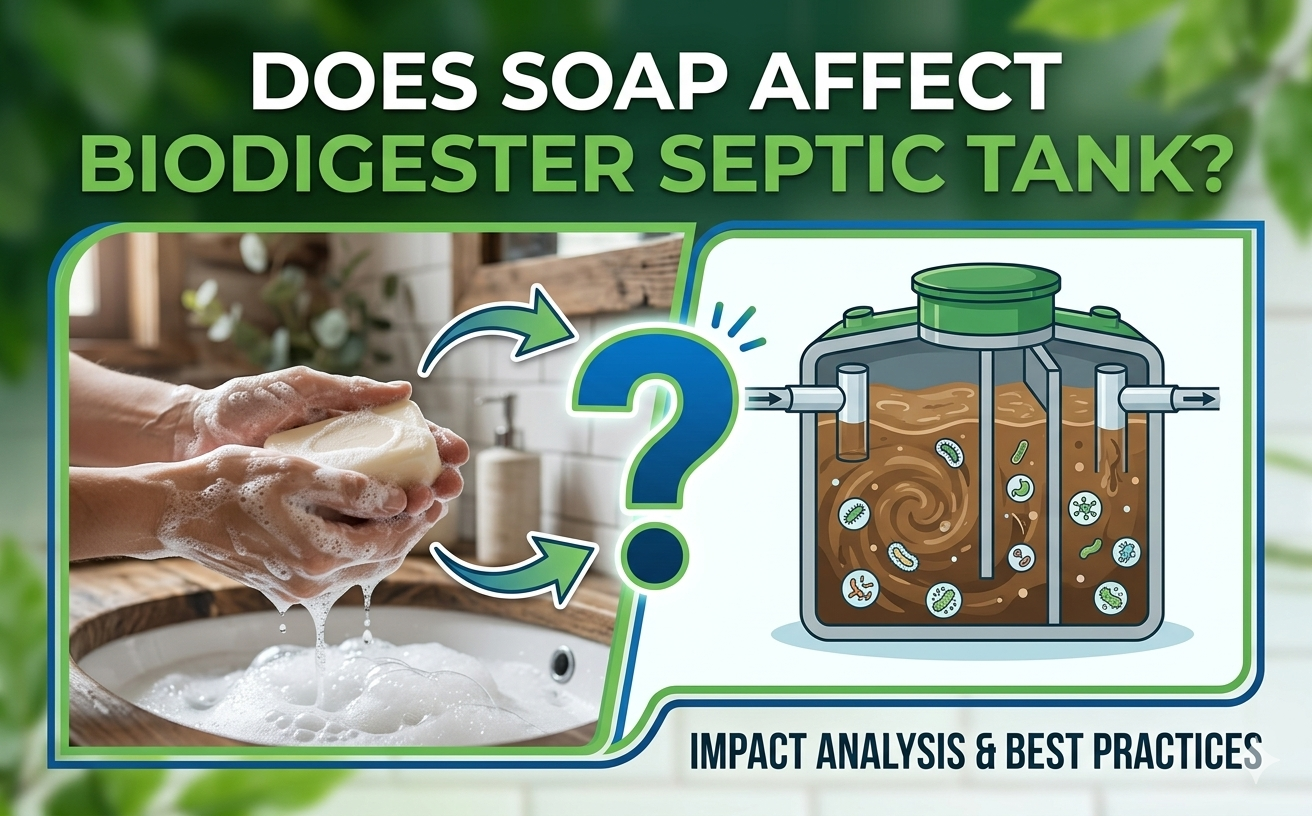
Products like strong bleach, caustic drain cleaners, and antibacterial floor detergents, when flushed down the toilet, act like a chemical weapon against your valuable biodigester bacteria, killing off the very organisms responsible for digestion.
Always opt for bio-friendly or septic-safe cleaning agents, especially when dealing with sinks and toilets connected to the system.
Another common issue is the disposal of non-biodegradable items; remember, the biodigester can handle organic waste, but items like sanitary pads, baby wipes, and excessive cooking grease will clog the system and overwhelm the bacteria.
Furthermore, improper mixing or application often leads to suboptimal results.
Forgetting to let the enzymes activate in lukewarm water, or applying them irregularly, means the system is constantly struggling to maintain its equilibrium.
Some property owners mistakenly believe that because they have a Precast Bio Digester installed, they never need to apply maintenance doses.
While desludging is eliminated, enzyme replenishment is necessary every few months, particularly in high-usage commercial environments or large homes.
If you notice any sluggish drainage or a slight odor, it is usually a sign that the bacterial load is low and it’s time for a proper, measured application of fresh enzymes.
Consult with Bio Digester Kenya for a customized maintenance schedule based on your usage.
Benefits of Using Bio Digester Kenya’s Enzymes and Installation Services
Choosing a reputable supplier like Bio Digester Kenya provides distinct advantages that go beyond just the physical installation.
Our enzymes are specially formulated for the Kenyan context, engineered to handle the typical waste streams found in local homes and businesses, including the challenges of variable water quality and different soil types across the region.
When you purchase our specialized Bio Digester Bacteria, you are not just buying a powder; you are investing in the research and development that ensures the highest concentration of active, viable microorganisms tailored for peak performance.
This guarantees a faster breakdown of solids and ensures that the outflowing water is consistently clean and environmentally safe, meeting NEMA standards.
Furthermore, our approach is holistic: we don’t just sell components; we provide end-to-end solutions.
For property developers or large estates, selecting Bio Digester Kenya for installation means benefiting from over a decade of hands-on experience in designing optimal waste management layouts that maximize space efficiency and long-term reliability.
We assess factors like soil permeability and water table depth unique to your specific location in Kenya, ensuring the entire biodigester septic tank system, from the tank to the soak pit, is flawlessly integrated.
If you are ready to move away from expensive, traditional septic maintenance and embrace a permanent, green solution, why not let the local experts guide you? Contact us today for a site assessment and personalized quote.
Maintenance Tips to Keep Your Biodigester Running Efficiently
Running a high-performing biodigester is much simpler than managing a traditional system, but it still requires mindfulness.
The key philosophy of biodigester Septic Tank Maintenance is feeding the bacteria what they need and protecting them from what they hate.
Regular, scheduled application of the bio-enzymes is the most crucial task.
Depending on your system size and occupancy, this might be monthly or quarterly; consistency is far more important than quantity.
We advise Kenyan households to minimize oil and grease pouring down the kitchen sink, as large amounts can solidify and choke the system.
Consider installing a basic grease trap or using specialized Grease Trap & Kitchen Drain Bacteria – 250g to handle kitchen waste effectively, keeping the main biodigester focused on human waste.
It is also essential to monitor water usage.
While the biodigester handles water effectively, excessive, sudden surges of water (like multiple simultaneous flushes in a commercial setting) can sometimes wash out some of the active bacterial colony.
Always ensure you address any persistent leaks quickly, not only to save water but also to prevent unnecessary hydraulic loading on the system.
If you notice any signs of slow drainage that persist even after enzyme application, it is time to call in a professional plumber who understands bio-systems, rather than attempting harsh chemical fixes yourself.
Remember, the goal is long-term, silent efficiency, and proactive care is what ensures this permanent solution delivers on its promise for decades.
Biodigester Septic Tanks
As experts in sanitation solutions across Kenya, we often encounter similar questions from homeowners and developers who are excited about transitioning to the modern Bio Digester Septic Tank system.
The main concerns usually revolve around costs, maintenance frequency, and whether these systems truly work in challenging environments like rocky or clay-heavy soils often found near major Kenyan urban centers.
Rest assured, a well-designed biodigester addresses these specific local challenges far better than its traditional counterpart.
Because the effluent is clean water, the soak pit requirements are significantly less restrictive, allowing for effective dispersion even in less permeable soils—a common hurdle for developers using conventional systems.
For those worried about space, remember that the biodigester’s high efficiency means the tank volume can be much smaller than a traditional septic tank designed to hold accumulated sludge for years.
This compact footprint is invaluable in high-density residential areas in Kenya where every square meter counts.
Furthermore, concerning the “chemicals,” it is important to reinforce that these are natural, non-pathogenic bacteria—they are a biological accelerator, not a hazardous chemical requiring special safety gear.
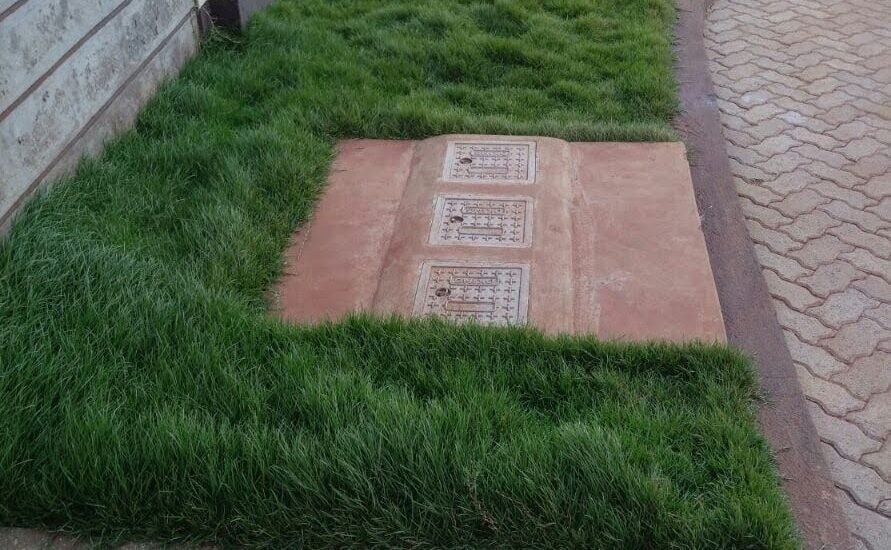
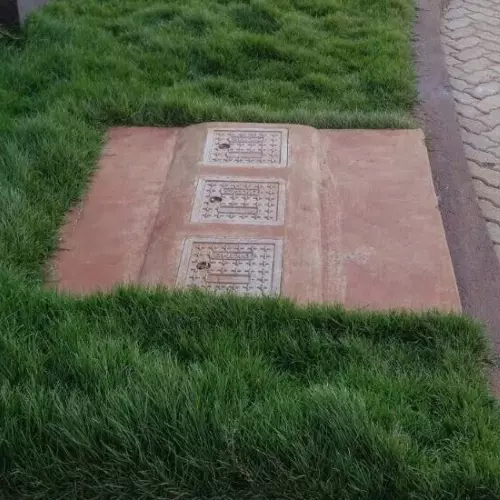
We always encourage potential clients to view our installations in the Bio Digester Gallery to see the neat, compact nature of these systems firsthand.
Should you need to purchase top-up enzymes, you can easily visit our Shop online to maintain your system’s health.
Ready to Transform Your Waste Management?
Contact Bio Digester Kenya Today
The time for inefficient, foul-smelling, and environmentally damaging traditional septic tanks in Kenya is rapidly drawing to a close.
Modern problems require modern, sustainable solutions, and the biodigester system stands out as the definitive answer for reliable, low-cost, and green waste management.
By choosing Bio Digester Kenya, you are partnering with experienced Kenyan professionals who understand the specific geological and regulatory environment of the country.
We provide proven expertise in the design, installation, and long-term care of these revolutionary systems, ensuring your home or commercial property benefits from the highest sanitation standards.
Don’t let the thought of periodic septic tank emptying disrupt your life or drain your finances anymore.
Embrace the permanent solution that relies on natural biology—not expensive vacuum trucks.
If you are planning a construction project or considering an upgrade and want clear, transparent guidance on how a biodigester can save you money and protect the environment, we are here to help.
Reach out to our expert team for a detailed consultation.
You can call us directly on Call +254 712 660 245 or send us an inquiry via Email us info@biodigesterkenya.co.ke.
Let us help you achieve a cleaner, greener, and more efficient future for your Kenyan property.
Conclusion
The decision to install a modern biodigester system is one of the most intelligent long-term investments a Kenyan property owner or developer can make.
It resolves the core weaknesses of traditional septic systems—sludge accumulation, foul odors, high emptying costs, and environmental risk—by utilizing powerful, naturally occurring enzymes to turn waste into safe water and air.
By understanding that the “chemicals” are actually beneficial microbial cultures and mastering the simple mixing and application steps, you ensure your system runs smoothly and permanently.
Bio Digester Kenya is committed to providing Kenyan communities with these advanced, reliable sanitation solutions, backed by expert installation and readily available high-quality enzymes, ensuring zero desludging costs and a superior environmental outcome for years to come.
Take the decisive step toward sustainable waste management today.
FAQs
- How often must I add the biodigester enzymes after the initial installation?
The frequency of enzyme application depends on the usage intensity and the size of your biodigester.For an average Kenyan residential home, a top-up dose every 2 to 3 months is usually sufficient to maintain a healthy bacterial colony and ensure consistent waste digestion.Commercial properties or large multi-unit estates with higher usage may require monthly applications.Always consult your installer or enzyme supplier, like Bio Digester Kenya, for a customized maintenance schedule based on your specific system capacity and flow rates.
- Is it true that biodigesters are more expensive to install than conventional septic tanks in Kenya?
While the initial outlay for a professionally installed, high-quality biodigester system may sometimes be marginally higher than building a basic concrete septic pit, the biodigester is far more cost-effective in the long run.When you factor in the lifetime zero-cost of emptying (compared to traditional desludging fees of Ksh 10,000+ every few years) and the minimal space required, the biodigester provides a significantly lower total cost of ownership.It is an investment that pays for itself through maintenance savings and superior property value.
- Can I use a biodigester system if my property is located in an area with high clay soil content in Kenya?
Yes, biodigesters perform exceptionally well in areas with challenging soil types, including high clay content, which typically frustrate traditional septic soak pits.Since the biodigester processes solids into water, the effluent is much cleaner and less viscous than that of a septic tank.This clean water is absorbed much more readily into the soil, requiring smaller, shallower, and more efficient soak pits, making the system viable and highly effective even in Kenyan areas notorious for poor soil permeability.
- What happens if I accidentally flush harsh cleaning chemicals like bleach down the toilet?
Accidental, small amounts of diluted bleach used in daily cleaning are usually managed by the robust bacterial colony.However, flushing large quantities of concentrated bleach, caustic drain cleaners, or heavy antibacterial detergents can severely harm or even kill the biodigester bacteria, leading to a temporary stall in digestion, foul odors, and system sluggishness.If this occurs, stop using harsh chemicals immediately and administer a double dose of fresh, activated biodigester enzymes to rapidly replenish the bacterial population.
- Are biodigester systems legal and approved for use in residential areas in Kenya?
Absolutely.Modern biodigester systems are widely recognized and encouraged in Kenya as they represent a superior, environmentally compliant waste management solution.Reputable suppliers and installers, such as Bio Digester Kenya, ensure all installations meet or exceed the environmental standards set by relevant regulatory bodies like NEMA, especially regarding effluent quality and groundwater protection.They are a permanent, safe, and sanctioned alternative to conventional septic containment.