Introduction
Kenya is undergoing a massive infrastructural shift, driven by urbanization and high-density housing projects, yet our municipal sewerage systems often lag behind, leaving homeowners and developers responsible for managing their own waste—a costly and complex challenge.
For the typical Kenyan homeowner whose plot sizes are often constrained by high land rates, space is a premium commodity, and the bulky footprint required for a traditional system that includes a large tank and a massive soak pit is often impractical, if not impossible, to achieve legally.
Furthermore, the rising cost of calling an exhauster lorry every few months to deal with sludge buildup can quickly turn your property investment into a recurring nightmare, consuming thousands of shillings annually, money that could be far better spent elsewhere, which is why adopting a compact, permanent solution like a small biodigester has become essential for modern estate and commercial development.
When we discuss waste management in Kenya, we must acknowledge the fundamental issues: the stench, the health risks associated with overflowing systems, and the relentless operational cost.
Property owners are increasingly searching for solutions that offer peace of mind, not just regulatory compliance, and this search inevitably leads them to the innovation offered by the modern Bio Septic Tank, which fundamentally redefines how human waste is processed.
This system uses natural biological processes to break down waste entirely, moving away from simple storage and containment towards actual environmental remediation, ensuring that what leaves the system is clean, odourless water that poses no risk to the local environment or the precious Kenyan water table.
Biodigester vs Septic Tank: Key Differences
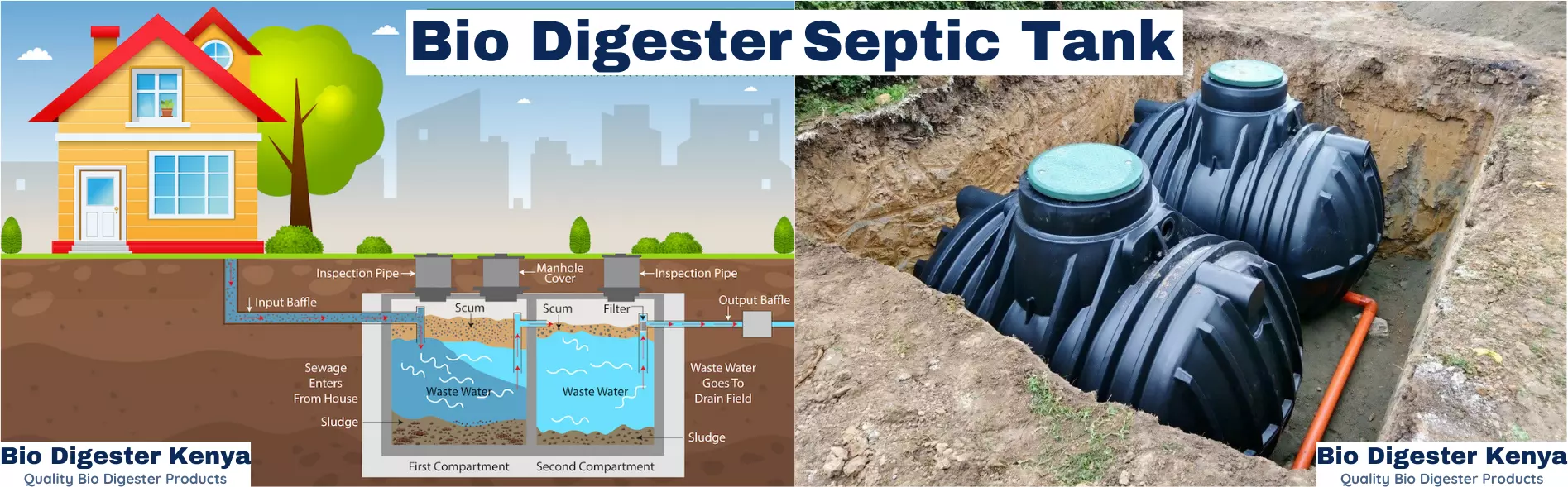
The difference between a biodigester septic tank and a traditional anaerobic septic tank boils down to one critical factor: functionality.
A traditional septic tank is essentially a sealed concrete box that holds wastewater; solids sink, liquids flow out, and the solids accumulate as sludge, meaning the system is designed to fail slowly and must be pumped out (desludged) every 18 to 36 months, depending on usage, incurring significant costs ranging from Ksh 7,000 to Ksh 15,000 or more per visit in major urban areas.
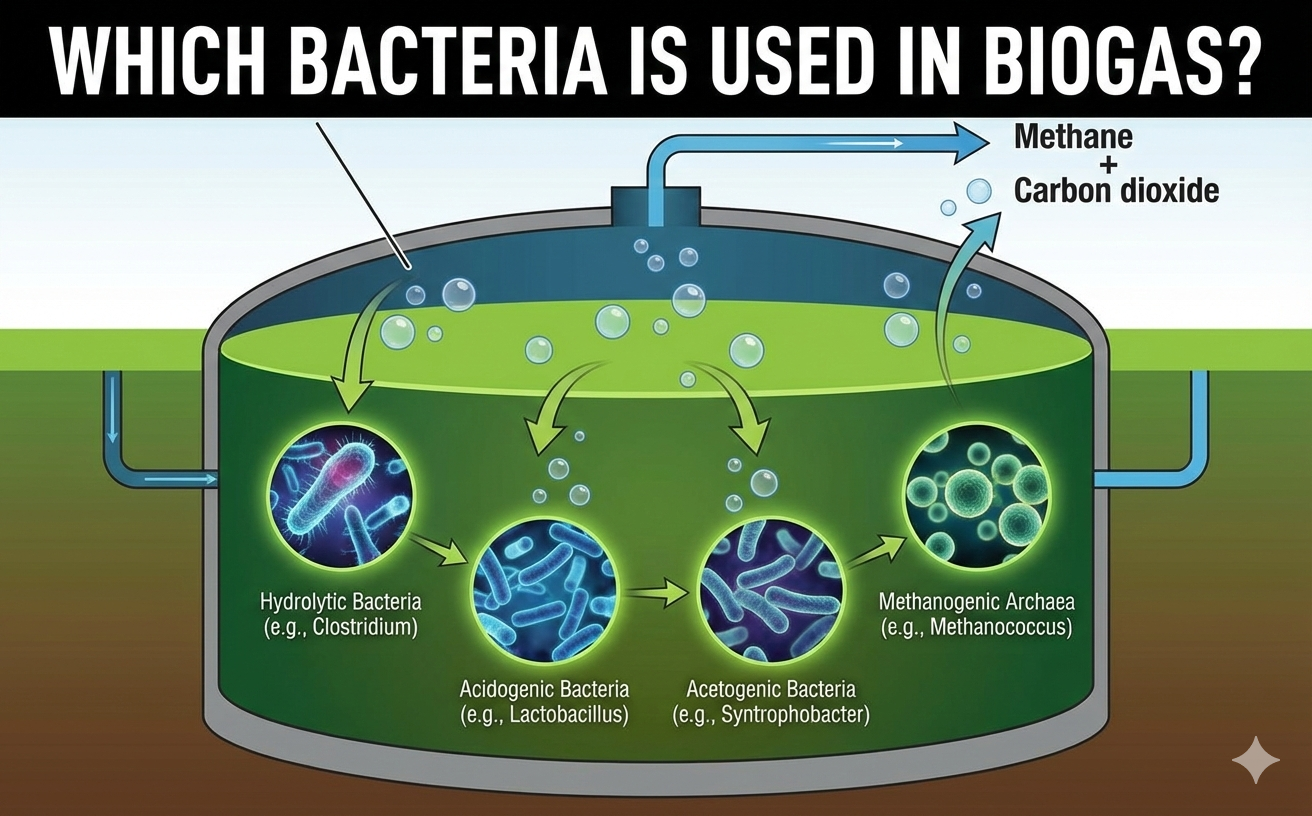
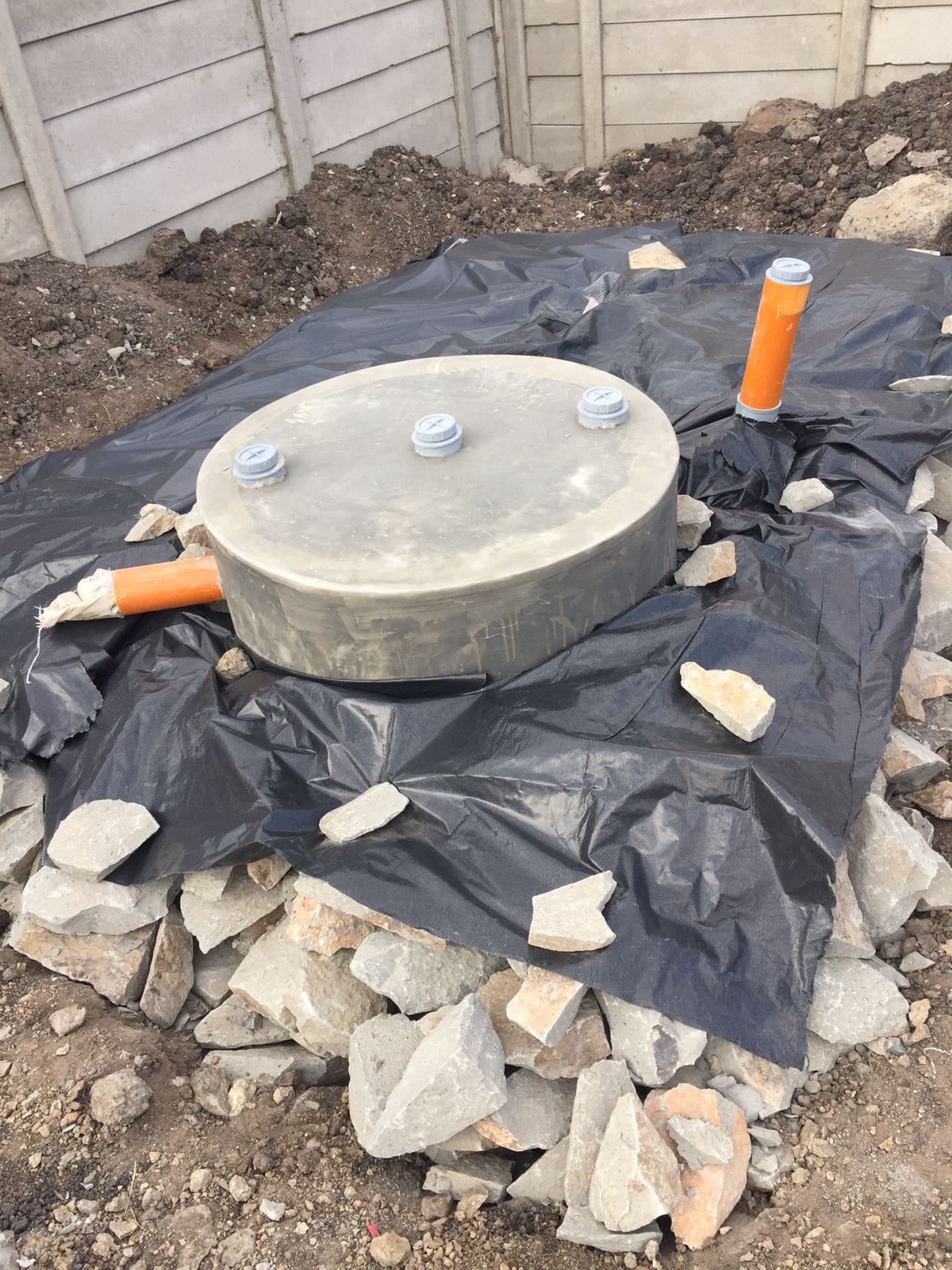
Conversely, a modern biodigester, like those installed by Bio Digester Kenya, is a bioreactor where specialized, concentrated enzymes actively break down 99% of the solid waste into reusable water and harmless biogas (mostly carbon dioxide and methane), meaning there is virtually no sludge accumulation to ever worry about, completely eliminating the ongoing expense and disruption of desludging.
Reliability and Environmental Impact
In many regions of Kenya, especially those with challenging soils like the heavy black cotton soil around Athi River or areas with high water tables, traditional septic tanks are notorious for failing quickly because they rely on slow, inconsistent natural anaerobic bacteria and require enormous soak pits that often clog or contaminate the environment.
The Biodigester, however, is a reliable, sealed system that actively manages the biological process, resulting in discharge water that is significantly cleaner and less noxious than septic tank effluent, making it much safer for the surrounding land and groundwater resources.
This distinction is critical for developers conscious of their environmental footprint and the long-term sustainability of their projects, offering a true permanent solution rather than a temporary holding facility.
Another often overlooked point in the biodigester vs septic tank comparison is the hygiene and safety aspect.
Traditional systems often lead to foul odors as gases escape from vent pipes or sometimes seep back into the house, and a failing tank can pose serious contamination risks, particularly if you rely on borehole water nearby.
The modern Bio Digester Septic Tank is fully sealed and engineered to eliminate these issues; because the waste is processed efficiently by the biological agents, the resulting water is practically odorless, and the contained nature of the system ensures maximum protection against leaks or contamination.
Furthermore, for those still using older systems, maintaining those tanks can be challenging, but solutions like Septic Tank Bacteria can help manage odor and performance temporarily while you plan your transition to a superior biodigester system.
How a Small Biodigester Works
Understanding the simplicity of the biodigester’s function is key to appreciating its value.
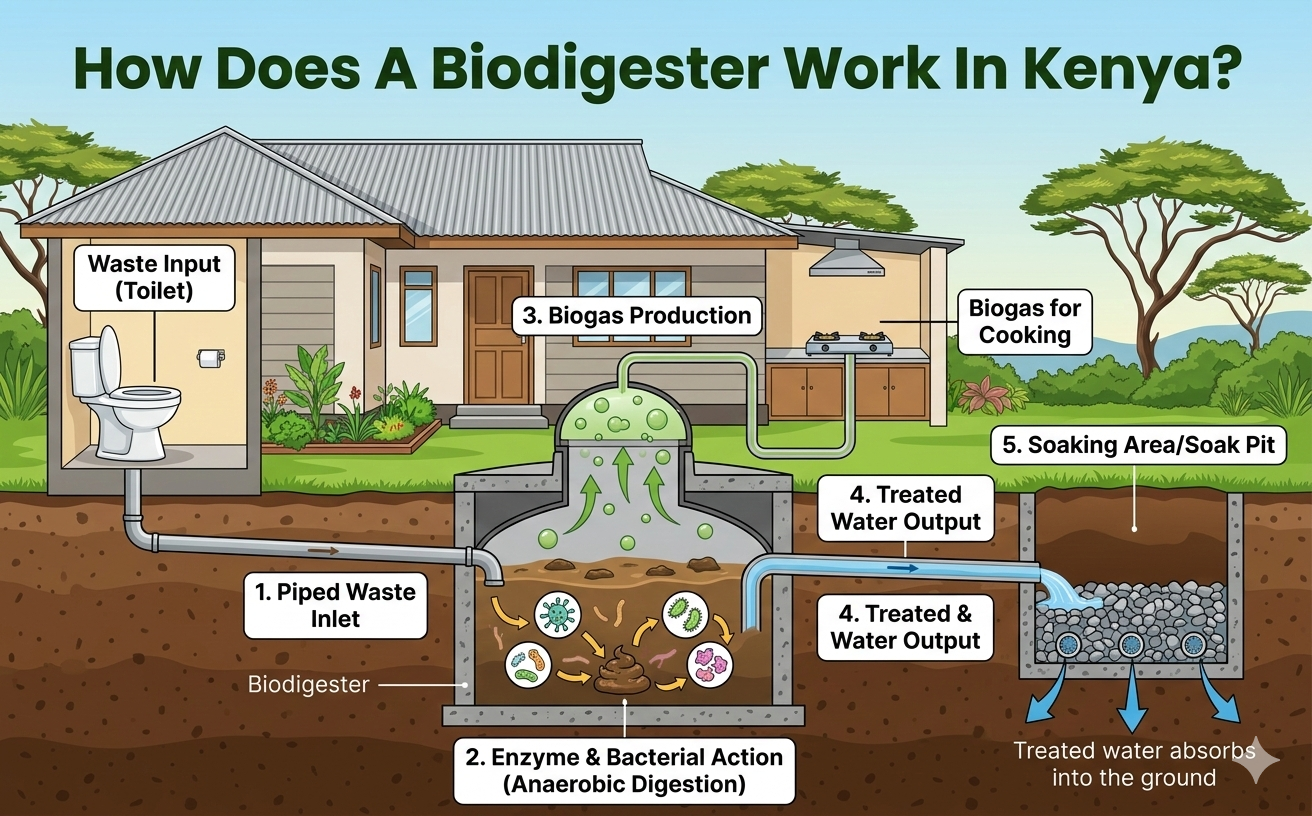
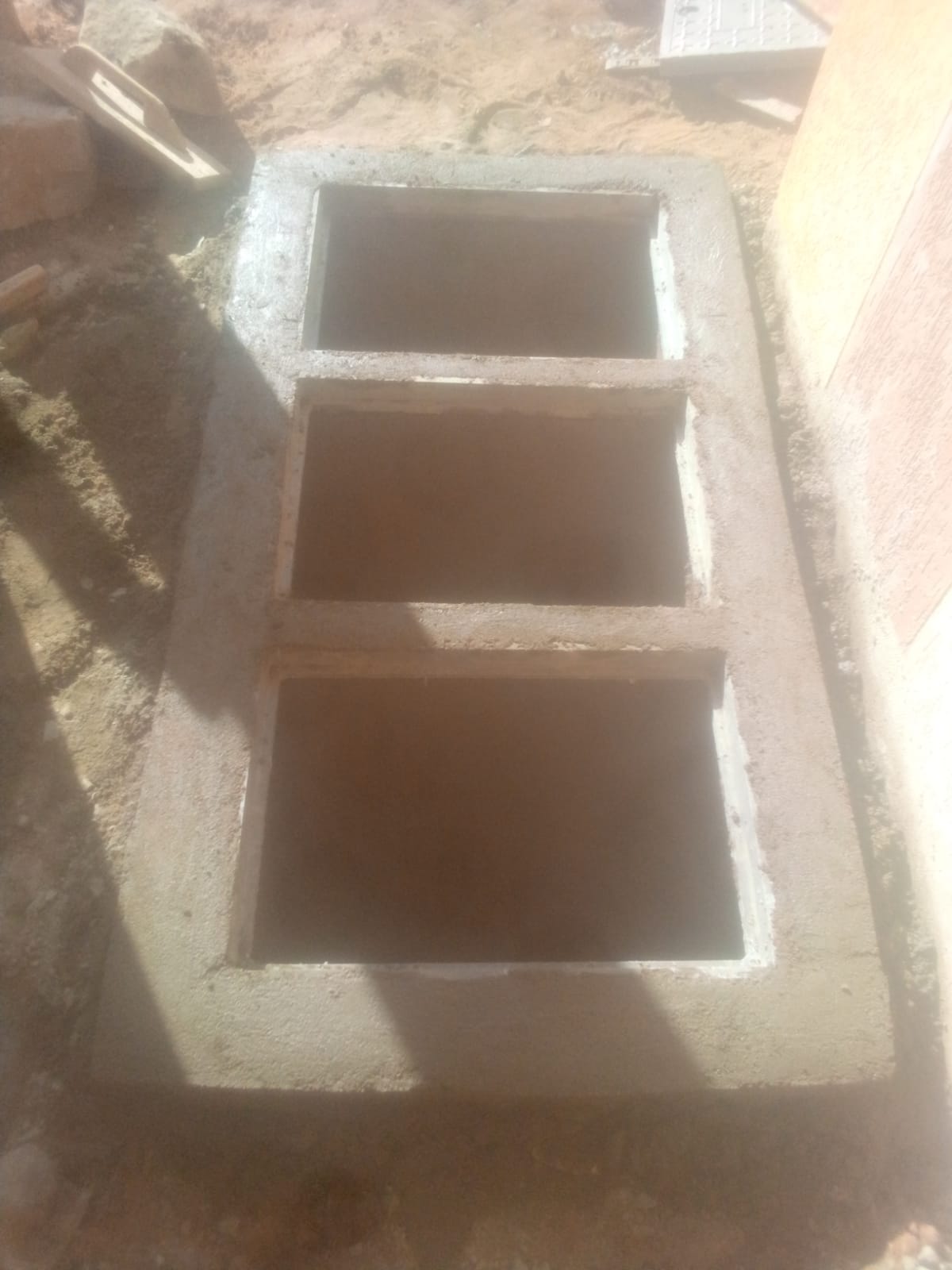
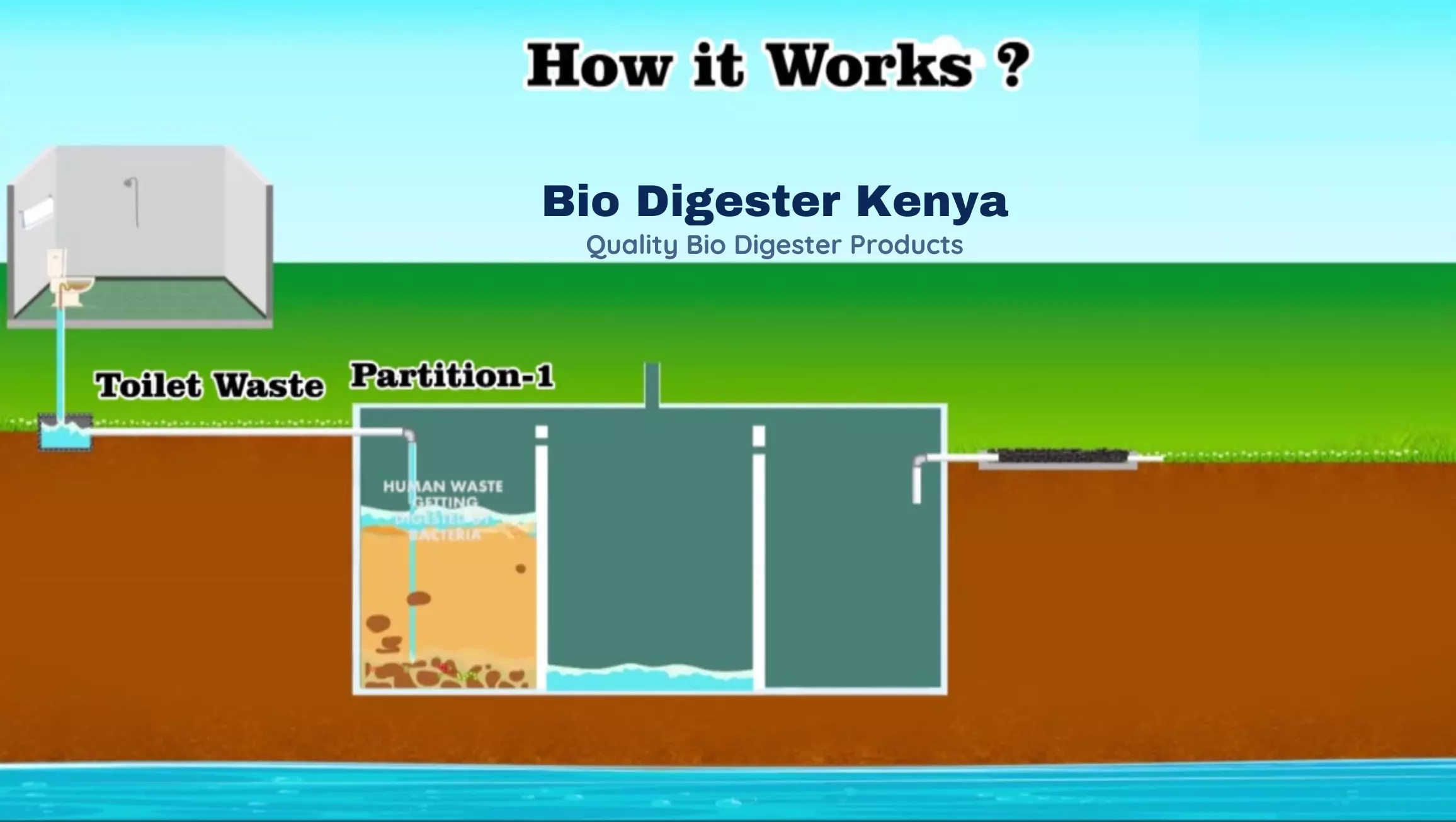
When you flush your toilet or release greywater, the waste flows into the sealed biodigester chamber.
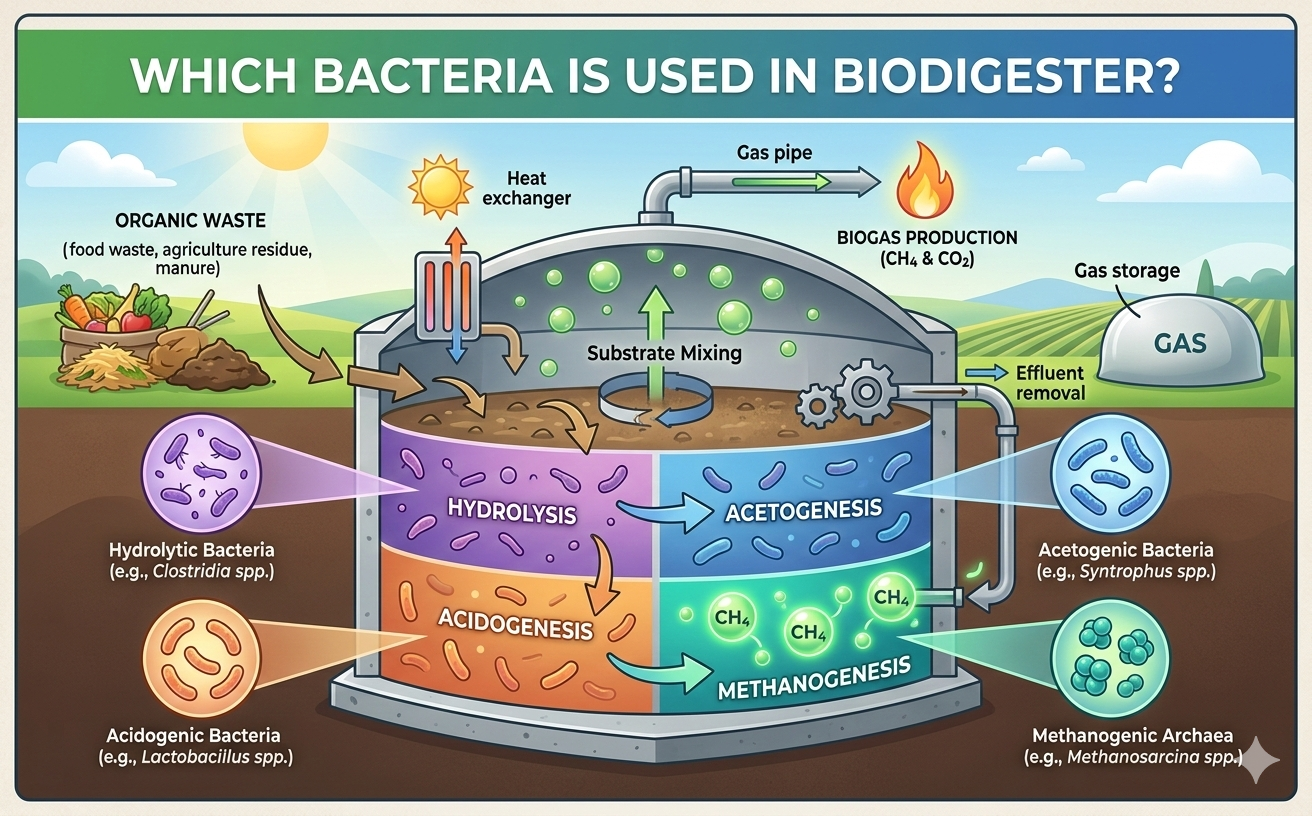
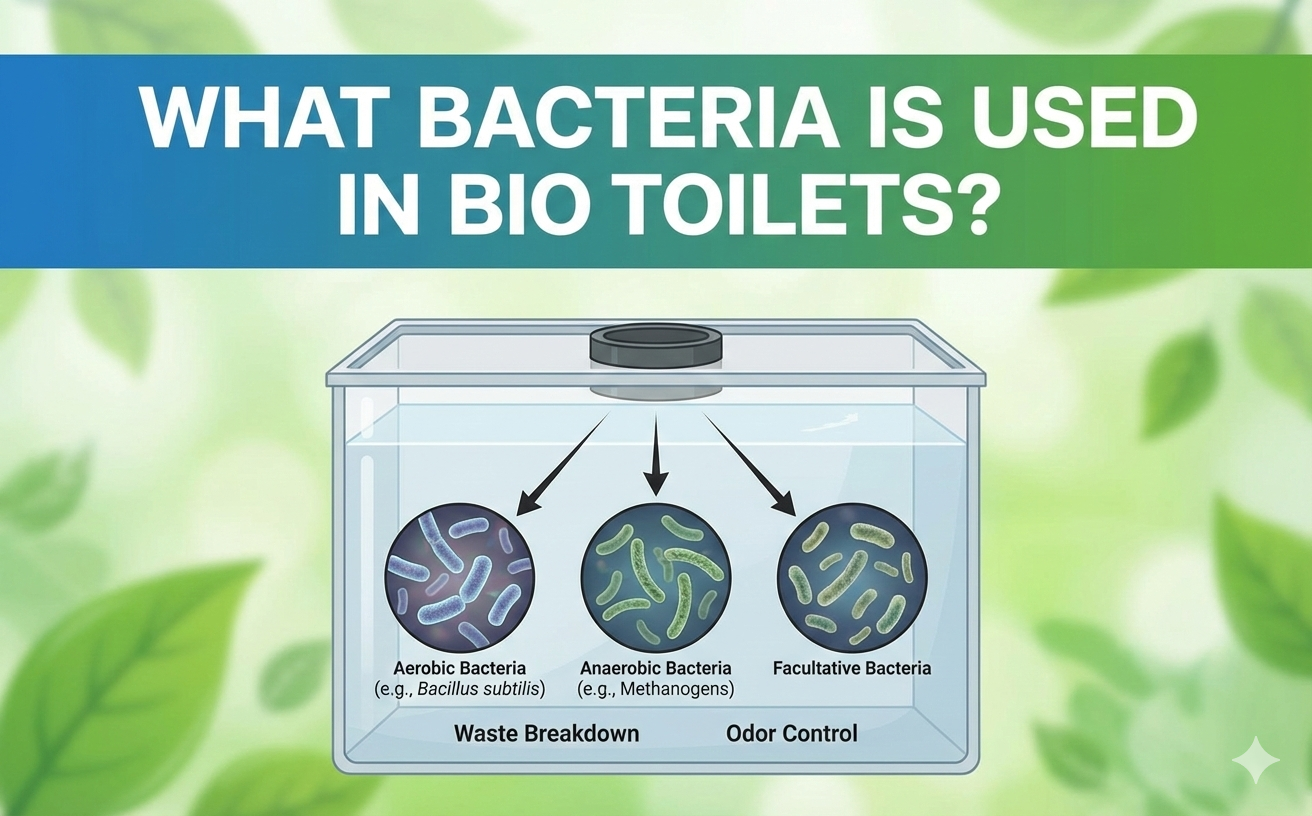
Instead of simply settling, the waste immediately encounters a highly concentrated mix of specific, beneficial microorganisms (enzymes) maintained within the system.
These enzymes are the workhorses of the biodigester, consuming the organic solids rapidly and turning them into harmless byproducts—clean water and some inert gas—a natural process that operates continuously, 24 hours a day.
The remaining water then safely drains out into a small, purpose-designed soak pit where it is quickly absorbed into the soil, leaving behind no harmful residue or sludge, which is why we confidently say the system is permanent and requires zero exhaust service.
The Role of Bio Digester Enzymes
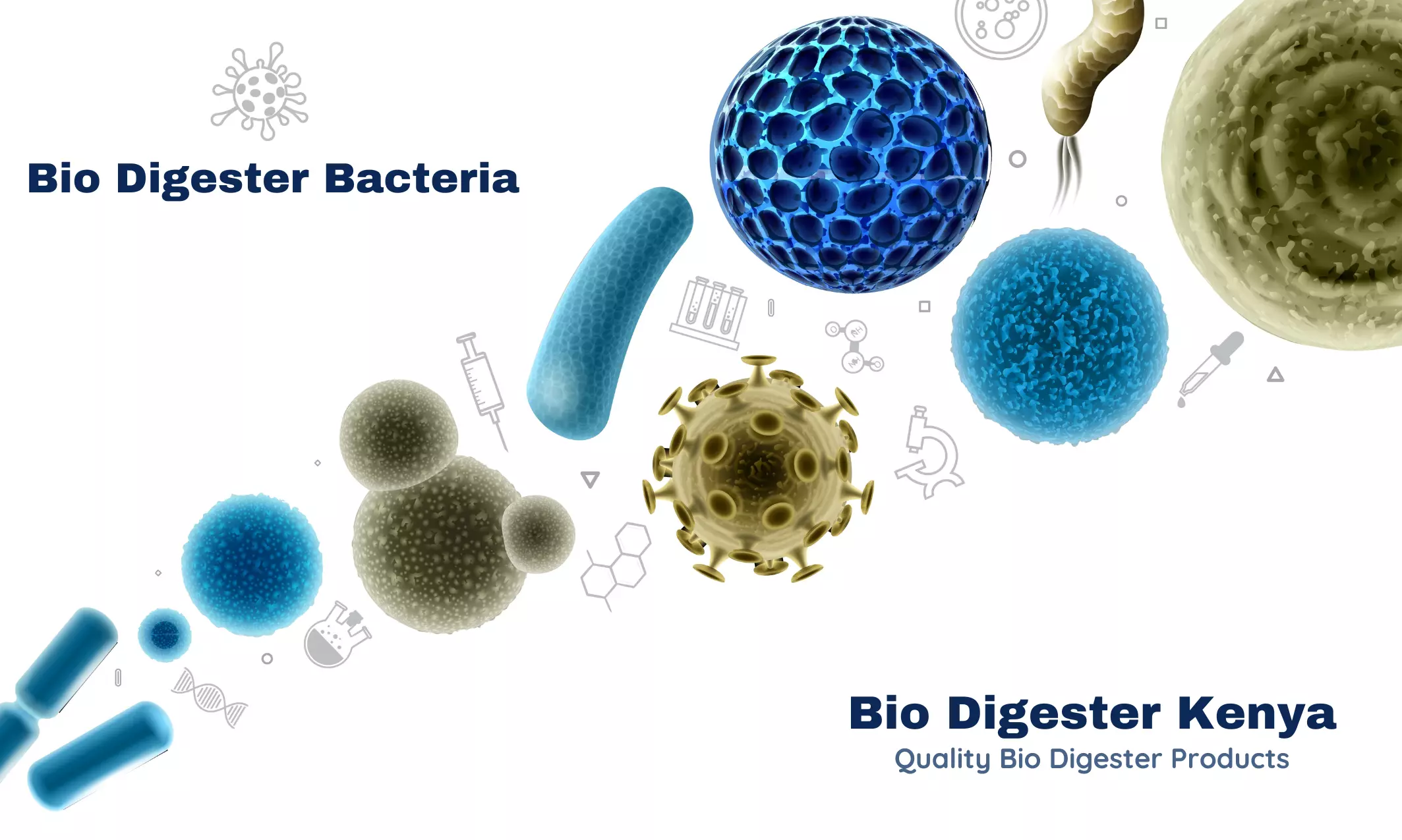
The efficiency of the biodigester system is entirely dependent on maintaining a healthy, active population of specialized enzymes.
These are not just any bacteria; they are scientifically formulated to rapidly digest cellulose, fats, oils, and greases (FOGs), which are the typical culprits of clogs and sludge buildup in any sanitation system.
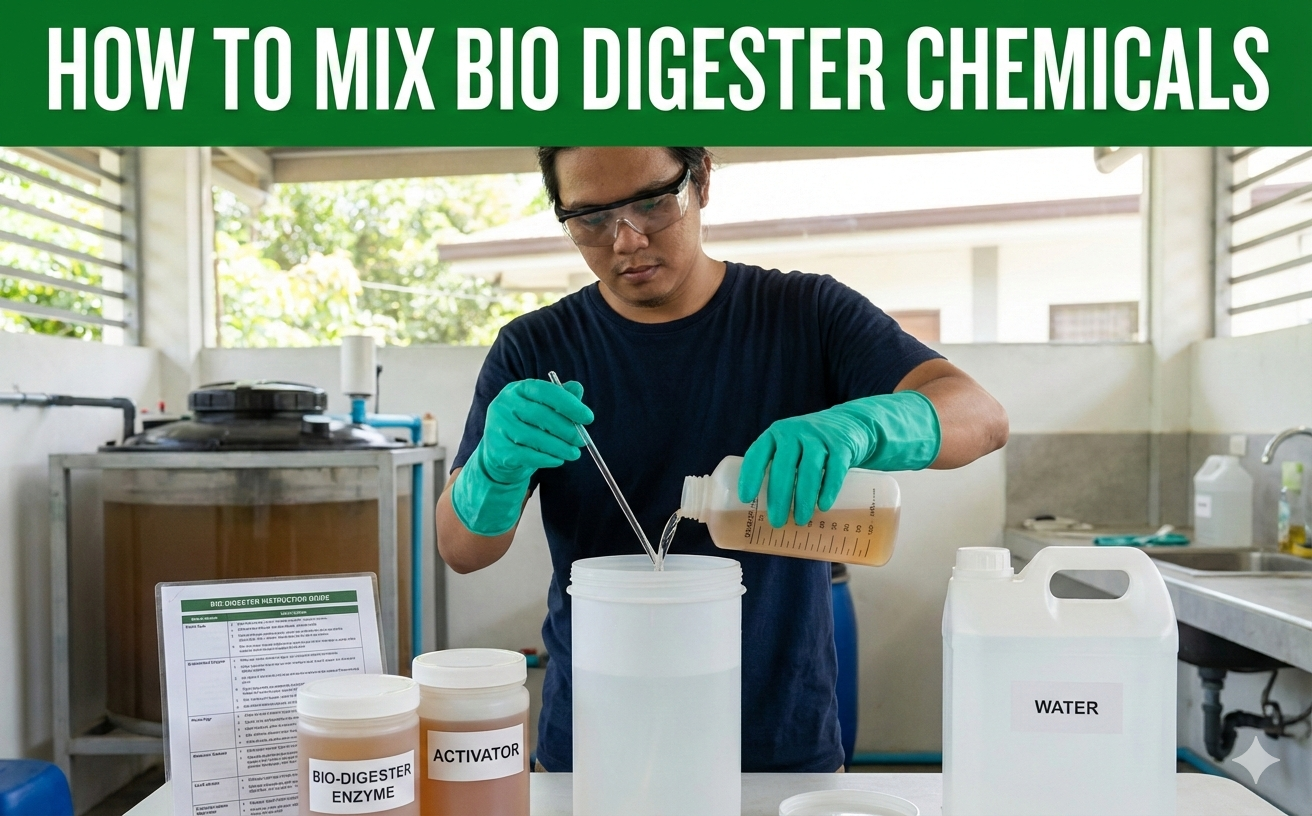
While the initial charge of enzymes added during the installation by Bio Digester Kenya is robust, periodic topping up, particularly for large families or commercial spaces, ensures peak performance.
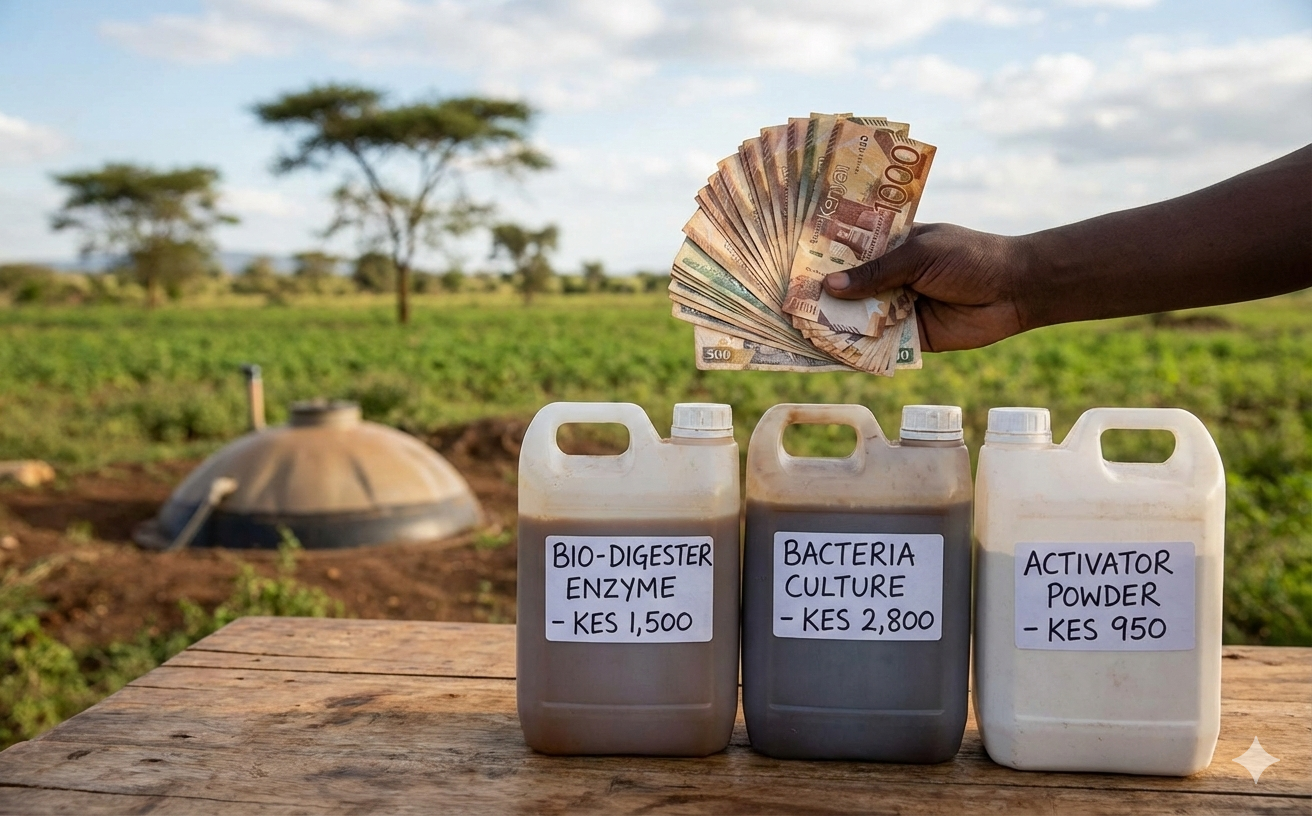
This minimal maintenance involves adding small packets of highly effective enzymes, such as Bio Digester Bacteria – 200g, directly into the toilet or drainage system every few months, making the upkeep ridiculously simple and highly affordable when contrasted with the annual cost of exhauster services.
Benefits for Residential and Commercial Users
For Kenyan residential users, the immediate benefit is reclaiming valuable land space.
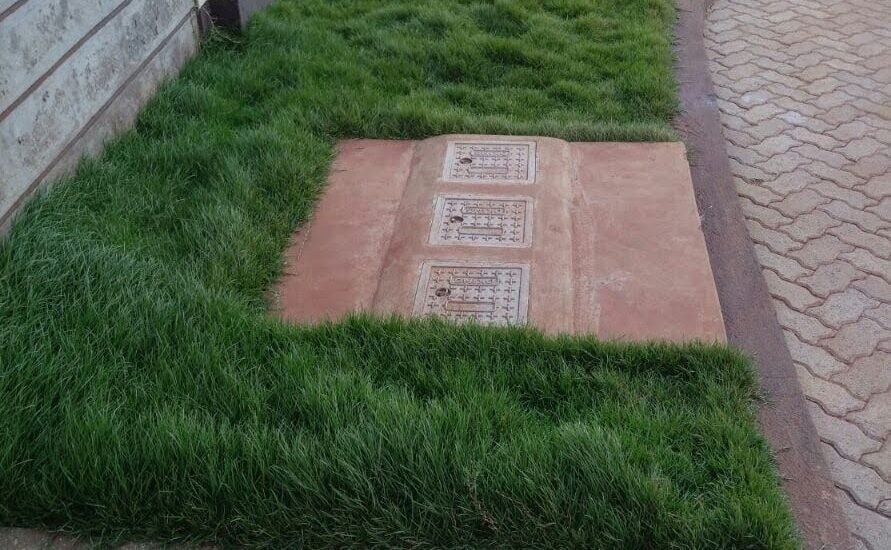
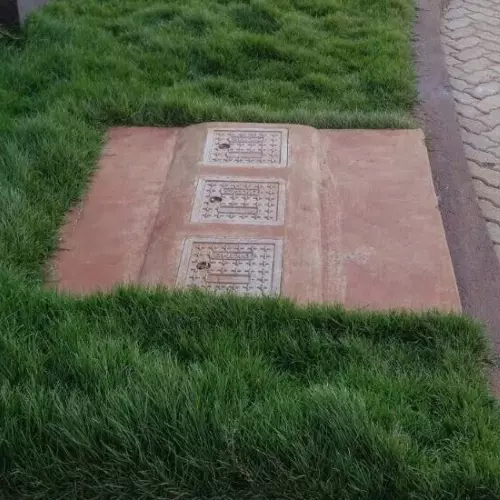
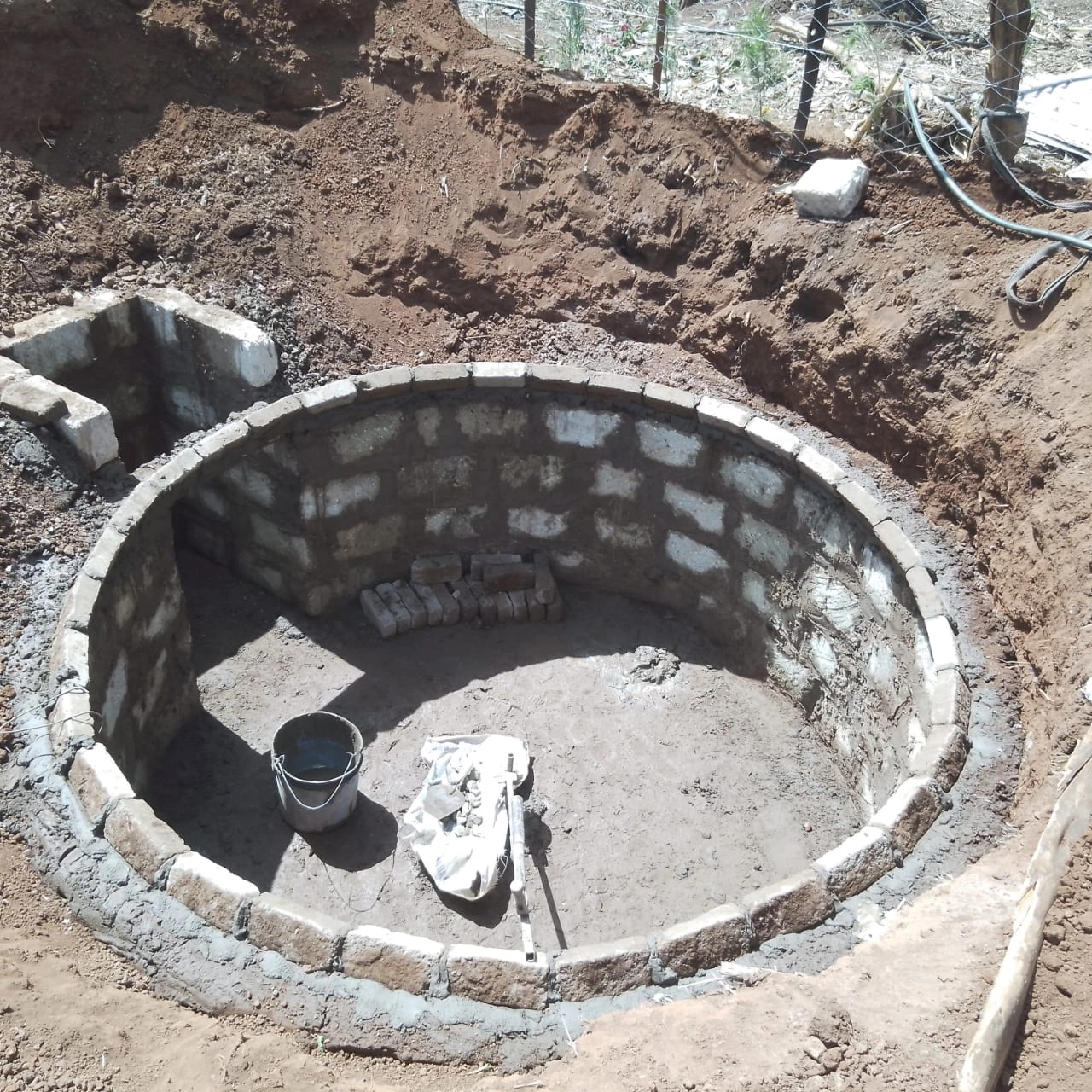
Because the waste treatment is so efficient, the biodigester unit itself is significantly smaller than a traditional tank, and the associated soak pit is often just a fraction of the size required for septic effluent, freeing up space for parking, gardens, or future construction—a huge benefit where every square meter counts.
Beyond space, the primary attraction is financial freedom; once installed, you are freed forever from the unpredictable and increasingly expensive costs of desludging, transforming a recurring operational liability into a one-time capital investment.
This peace of mind, knowing your system will never back up or smell, is invaluable to any homeowner.
Commercial users, such as hotels, apartments, schools, and offices across Kenya, see even more dramatic benefits due to their high waste volume.
Imagine a busy restaurant or a 50-unit apartment complex that might require emptying every few weeks with a traditional system; the operational costs are staggering and the disruption is significant.
Switching to a biodigester guarantees non-stop, maintenance-free operation, meaning zero disruptions, complete odor elimination, and substantial long-term savings that positively impact the bottom line.
Furthermore, choosing the modern, eco-friendly option provided by an expert like Bio Digester Kenya often enhances the perceived value and environmental credibility of a commercial property in the increasingly eco-conscious Kenyan marketplace, aligning the business with sustainable best practices.
Pricing Factors That Influence Cost in Kenya
When investigating the Small Biodigester Price In Kenya, it’s important to understand that the final quotation is influenced by several site-specific variables, much like any construction project, and it is rarely a one-size-fits-all product.
The most significant factor is the system capacity required, which is determined by the number of users and the expected wastewater output.
However, physical site conditions often dictate installation complexity and cost; for instance, rocky ground (common in areas like Kikuyu or Ruiru) requires heavy excavation, which adds to labor and machinery hire costs, while installing the system on highly stable ground is typically faster and cheaper.
Furthermore, the distance from the main plumbing line to the installation site and the materials chosen for the soak pit construction will also affect the final price quoted by a reputable installer.
Another factor unique to the Kenyan market is transportation and logistical costs, especially if the site is located far from major metropolitan centers or requires specialized materials to be shipped over difficult terrain.
We, at Bio Digester Kenya, strive for transparency in our pricing, ensuring that all aspects—from specialized enzyme supply to labor, material sourcing, and site cleanup—are included in the final quotation, preventing frustrating surprises later on.
While the initial capital cost of a high-quality, permanent biodigester system might sometimes slightly exceed that of a poorly constructed conventional septic tank, it’s crucial to remember that you are investing in a lifetime solution that guarantees zero future desludging expenses, making it the overwhelmingly cheaper option over a 5-to-10-year horizon.
Typical Price Ranges & What’s Included
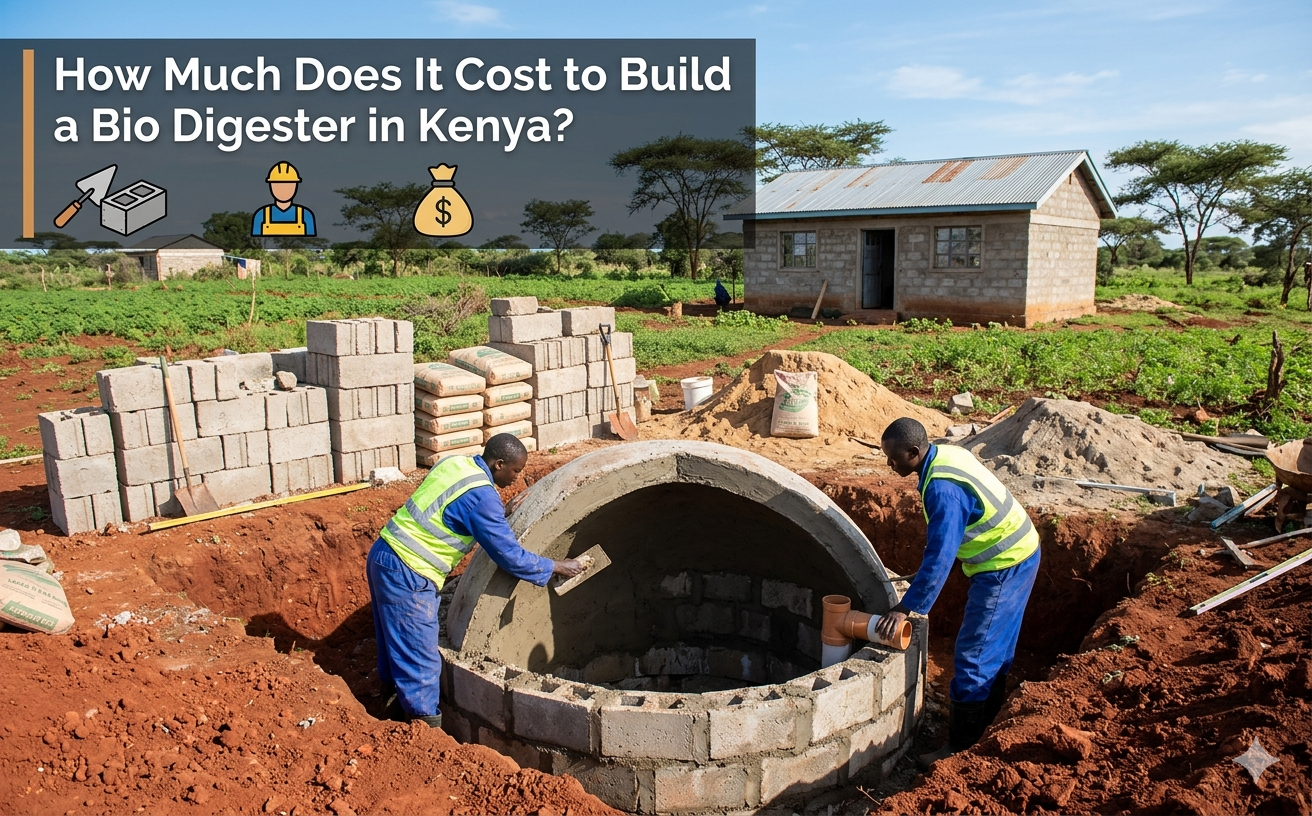
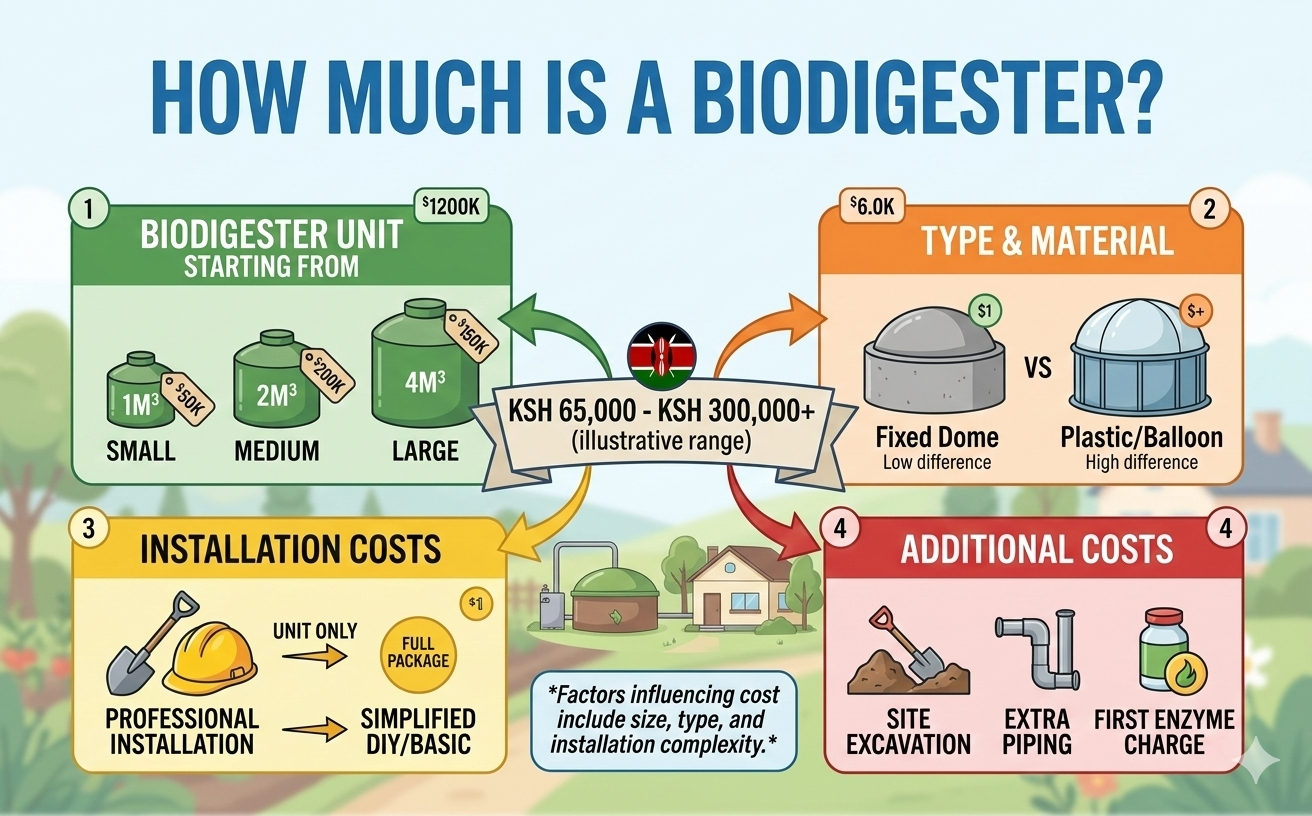
In the Kenyan context, a basic, compact residential biodigester system suitable for a small family of 4 to 6 people (often designated as a 1M³ to 2M³ unit) will typically start in the range of Ksh 65,000 to Ksh 120,000 for the unit itself, excluding installation labor and civil works.
When you factor in professional installation, which includes all piping, the digester chamber, the enzyme charge, and the soak pit construction, a full, small residential package often falls into the Ksh 120,000 to Ksh 200,000 bracket, though this is dependent on the complexity outlined above.
For instance, a quality 1M³ Bio Digester is perfect for minimal use, while a 2M³ Bio Digester offers a comfortable margin for a standard Kenyan household.
For larger residential homes or smaller commercial setups requiring higher capacity, systems like the 3M³ Bio Digester or even larger versions are available, with prices scaling accordingly.
It is paramount that any quoted price includes the complete package: the certified, modern biodigester tank, high-quality inlet and outlet piping, the construction of the final absorption field, and the initial charge of our potent enzyme formula.
Always demand clarity on what is included to avoid hidden costs like extra fees for soak pit materials or the crucial enzyme starter pack; a reliable provider, like Bio Digester Kenya, ensures these details are clearly stipulated so you know exactly what you are getting for your investment in a clean, modern waste solution.
Choosing the Right Size for Your Property
Selecting the correct size for your biodigester septic tank is the single most important decision for ensuring the system performs flawlessly for decades, as an undersized system will become overwhelmed and fail to digest waste efficiently, leading to poor performance and odors.
Our experts typically base sizing not just on the number of bedrooms, but on projected occupancy, usage patterns, and the potential presence of grease-heavy commercial kitchens or laundry facilities.
A general rule of thumb for residential installation is to allocate approximately 0.25 cubic meters of capacity per person residing on the property, giving enough biological space for the enzymes to work effectively and cope with peak load times.
For large-scale developments, such as housing estates or office blocks, the calculation becomes more complex, requiring professional assessment of peak flow rates and expected greywater input to guarantee system longevity.
This is where partnering with a specialist provider is crucial; Bio Digester Kenya offers expert consultation and site evaluation services, ensuring you move forward with confidence.
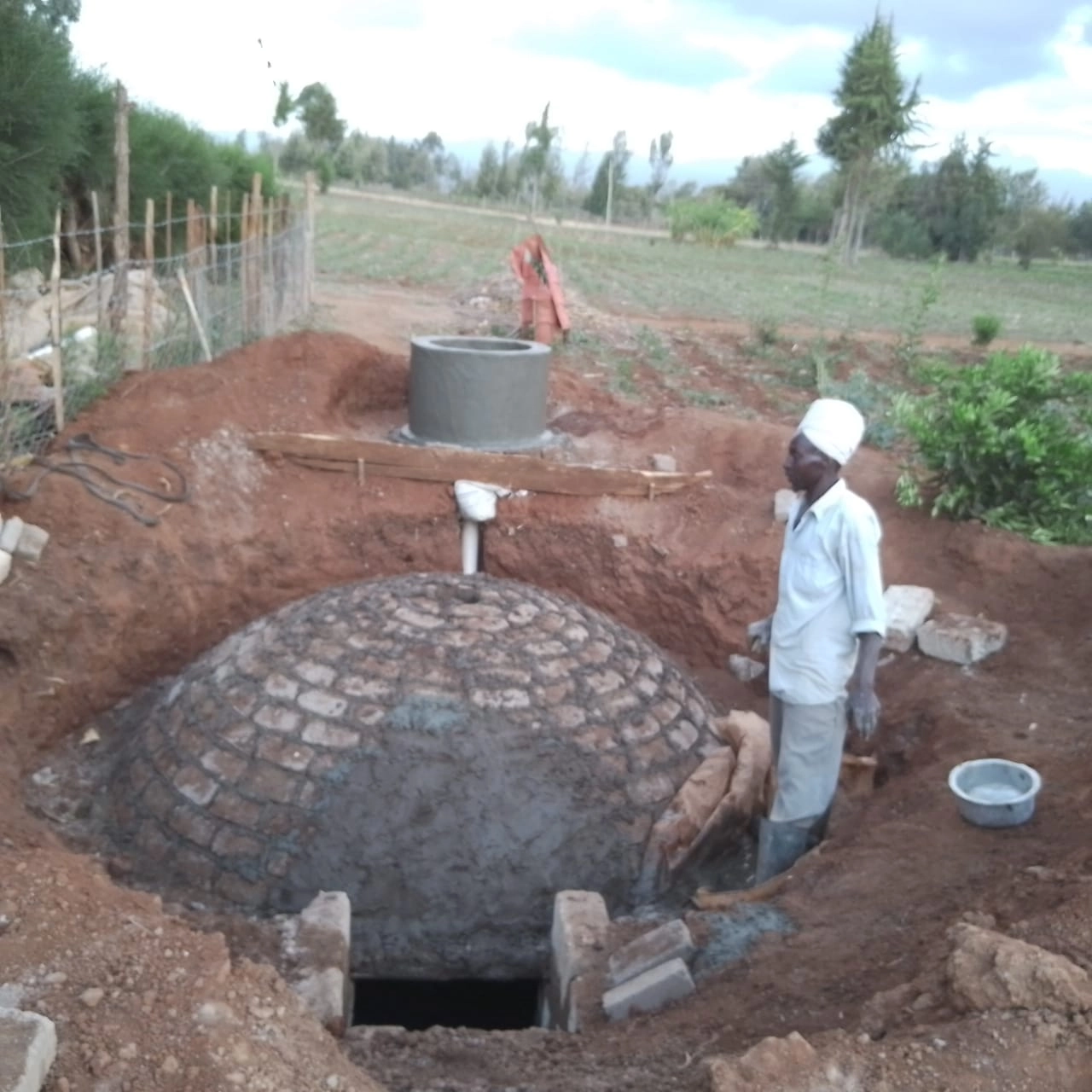
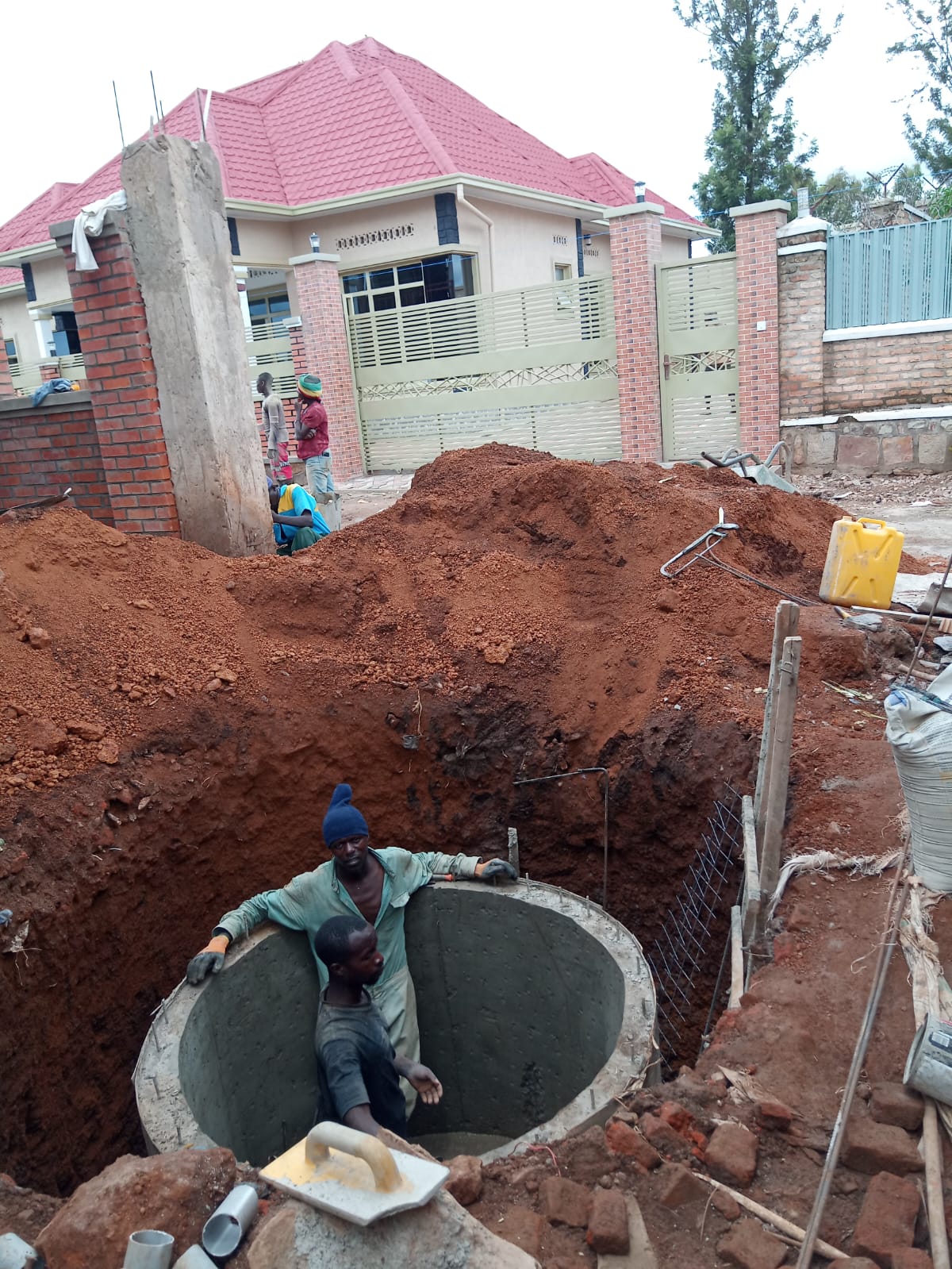
We specialize in providing a seamless Service:Bio Digester Installation, guaranteeing the system is sized appropriately for your needs and installed to the highest environmental and structural standards, protecting your investment from day one.
Why Bio Digester Kenya Is Your Best Partner
In the rapidly growing Kenyan market, expertise matters.
We aren’t just selling tanks; we are providing permanent, proven sanitation solutions built on years of hands-on experience dealing with the unique geological and logistical challenges across Kenya, from the Coast to the Great Rift Valley. Bio Digester Kenya prides itself on delivering systems that comply with all local NEMA regulations and that are engineered to last, offering a complete package from initial site assessment and bespoke design to professional installation and long-term maintenance support, including the provision of crucial Bio Digester Bacteria to maintain optimal system health.
Our commitment is to deliver a reliable, odor-free, and desludging-free experience, ensuring that your property development is both sustainable and operationally efficient.
Choosing us means choosing a partner committed to ethical and transparent service, providing you with a full cost breakdown and walking you through every stage of the process, ensuring you understand exactly how your investment works and how to maintain it minimally for optimal performance.
Are you tired of budgeting for the inevitable, expensive, and smelly exhauster visits that plague properties reliant on traditional septic tanks?
Then it’s time to modernize.
For a free, no-obligation site assessment and a detailed quote on the ideal biodigester system tailored for your Kenyan home or business, please don’t hesitate to Contact us today.
Invest in a permanent solution that saves you money and protects the environment, starting with your project.
Visit our Home page to explore our successful projects.
As the definitive experts in wastewater management, we urge you to consider the environmental implications of your choices.
The biodigester system is not just an upgrade; it’s an investment in a cleaner, more sustainable Kenya, ensuring that the water returning to the environment is safe, odourless, and harmless.
We stand by the quality and longevity of our installations.
If you are ready to eliminate desludging costs forever and secure a cleaner future for your property, take the first step right now: Call +254 712 660 245 or Email us info@biodigesterkenya.co.ke to speak with a specialist and schedule your site consultation.
Let Bio Digester Kenya guide you to the smartest waste solution available.
Conclusion
The choice between a traditional septic tank and a modern Biodigester in Kenya is clear: the biodigester offers superior hygiene, significant long-term cost savings by eliminating desludging, requires minimal space, and ensures environmental safety, making it the only truly modern and sustainable sanitation solution for contemporary Kenyan properties.
While the initial investment into the small biodigester price in Kenya may seem like a large sum, its permanence and zero maintenance cost quickly make it the most economical option available over time, especially when compared to the perpetual expense of calling exhauster services.
Bio Digester Kenya provides the expert installation and continued support, including the necessary enzyme supplies, ensuring your system operates perfectly from day one.
Choosing a biodigester is not merely a purchase; it is a vital investment in your property’s future reliability and your commitment to a cleaner environment.
Don’t wait for your current system to fail; contact our experts today and transition to a permanent, worry-free waste solution.
FAQs
- Is a biodigester legal and approved by NEMA in Kenya?
Yes, modern biodigester systems are fully legal in Kenya and are often encouraged by environmental bodies like NEMA (National Environment Management Authority) because they treat waste biologically, producing clean effluent that complies with stringent environmental standards.Traditional septic tanks often struggle to meet these standards, particularly concerning groundwater protection, whereas the sealed biodigester system ensures compliant discharge, making it a preferred solution for developers seeking long-term regulatory compliance.
-
How often do I need to add the enzymes, and what is the typical cost?
For a standard residential home biodigester, we typically recommend adding a small amount of concentrated enzyme powder (like Bio Digester Bacteria – 400g) every 3 to 6 months to ensure the biological activity remains robust and efficient, though high-use commercial systems may require more frequent doses.
The cost of these enzymes is negligible compared to the thousands of shillings spent on a single exhauster visit for a traditional system, usually amounting to only a few thousand shillings per year for a typical household, ensuring the system remains self-cleaning and maintenance-free. -
Can a biodigester work effectively in areas with black cotton or clay soil?
Absolutely.
The biodigester’s superior functionality is most evident in challenging soil conditions common across Kenya, such as heavy black cotton or high clay content areas, where traditional septic soak pits quickly clog and fail due to poor drainage.
Because the biodigester treats the waste so effectively, the resulting effluent water is much cleaner and is absorbed more easily by difficult soils.
Our design and installation process takes specific soil types into account, ensuring the soak pit is properly constructed to manage the clean water discharge even in challenging geological areas. -
If the system never needs emptying, does that mean it lasts forever without maintenance?
The system is designed to be permanent and eliminate the need for desludging (emptying the sludge), but it does require minimal, proactive maintenance.
This primarily involves ensuring the regular dosing of the specialized enzymes to keep the biological process active and avoiding flushing non-biodegradable items (like plastics or excessive chemicals) that could inhibit the bacteria.
Bio Digester Kenya provides clear operational guidelines and readily supplies the necessary enzymes to guarantee the biodigester’s permanent, zero-sludge functionality. -
How does the initial capital cost of a small biodigester compare to a concrete septic tank?
The initial construction cost of a professionally installed small biodigester might be slightly higher or comparable to a well-constructed traditional septic tank, often falling within the Ksh 120,000 to Ksh 200,000 range for a residential unit.
However, the biodigester eliminates the major recurring expense of desludging, which averages thousands of shillings multiple times a year, often allowing the biodigester to recoup its entire cost difference within 3 to 5 years, establishing it as the most cost-effective solution over the life of the property.