What Bacteria Is Used In Bio Toilets? Everything You Need to Know
Have you ever paused to think about what happens after you flush?
For most of us, it’s a “flush and forget” situation.
But in Kenya, where urban space is shrinking and environmental consciousness is growing, the way we handle human waste is undergoing a massive revolution.
At the heart of this change is a tiny, microscopic workforce that works 24/7 without a single coffee break.
We’re talking about the bacteria inside a Biodigester.
If you are a homeowner or a developer, you might have heard people talking about a biodigester septic tank.
It sounds high-tech, doesn’t it?
Like something out of a sci-fi movie.
But it’s actually a very natural process perfected by Bio Digester Kenya.
In this deep dive, we’re going to look at the “secret sauce”—the specific bacteria and enzymes that make these systems work so much better than the old-school concrete pits of the past.
Introduction: The Silent Heroes Under Your Feet
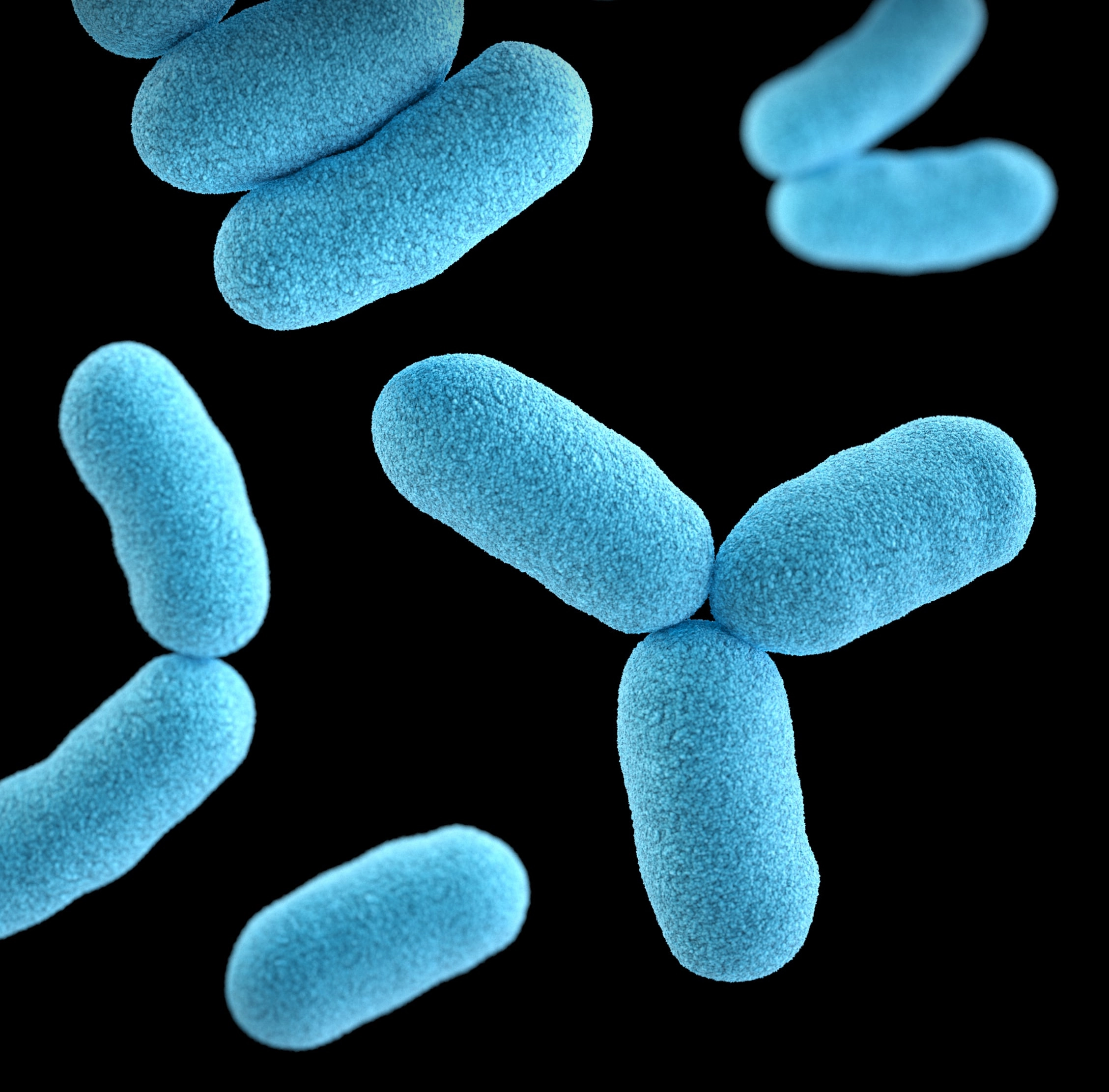
Think of your toilet system as a tiny city.
In a traditional system, that city just gets more and more crowded until it overflows (and we all know how much that costs to empty!).
But in a Bio Septic Tank, the “citizens” are specialized bacteria that actually eat the waste.
They turn solid sludge into harmless water and gas.
It’s like having a tiny, invisible recycling plant right in your backyard.
At Bio Digester Kenya, we specialize in setting up these biological powerhouses.
Whether you have a small residential home or a sprawling commercial complex, understanding the biology behind the system can help you save thousands of shillings in maintenance.
So, what exactly are these bacteria?
Let’s break it down.
The Rise of the Biodigester in Kenya
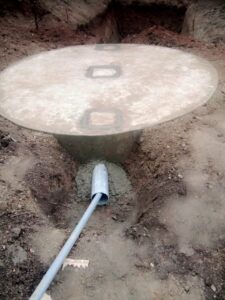
In Kenya, the move toward modern waste management isn’t just a trend; it’s a necessity.
Traditional septic tanks take up a lot of space, they smell, and they require regular “exhausting” by those noisy trucks.
Plus, they can leak and contaminate the groundwater.
That’s why more people are asking us about the biodigester vs septic tank debate.
The Biodigester is smaller, cheaper to install, and rarely—if ever—needs to be emptied if maintained correctly.
Why the Traditional Septic Tank is Fading Away
Let’s be honest: traditional septic tanks are basically just big, underground holding cells.
They don’t “treat” waste; they just store it until you pay someone to haul it away.
A Bio Digester Septic Tank, on the other hand, is an active treatment plant.
It uses biology to solve a physical problem.
This is why choosing the right system is crucial for your property’s long-term value.
Understanding the Magic: What is a Biodigester Septic Tank?

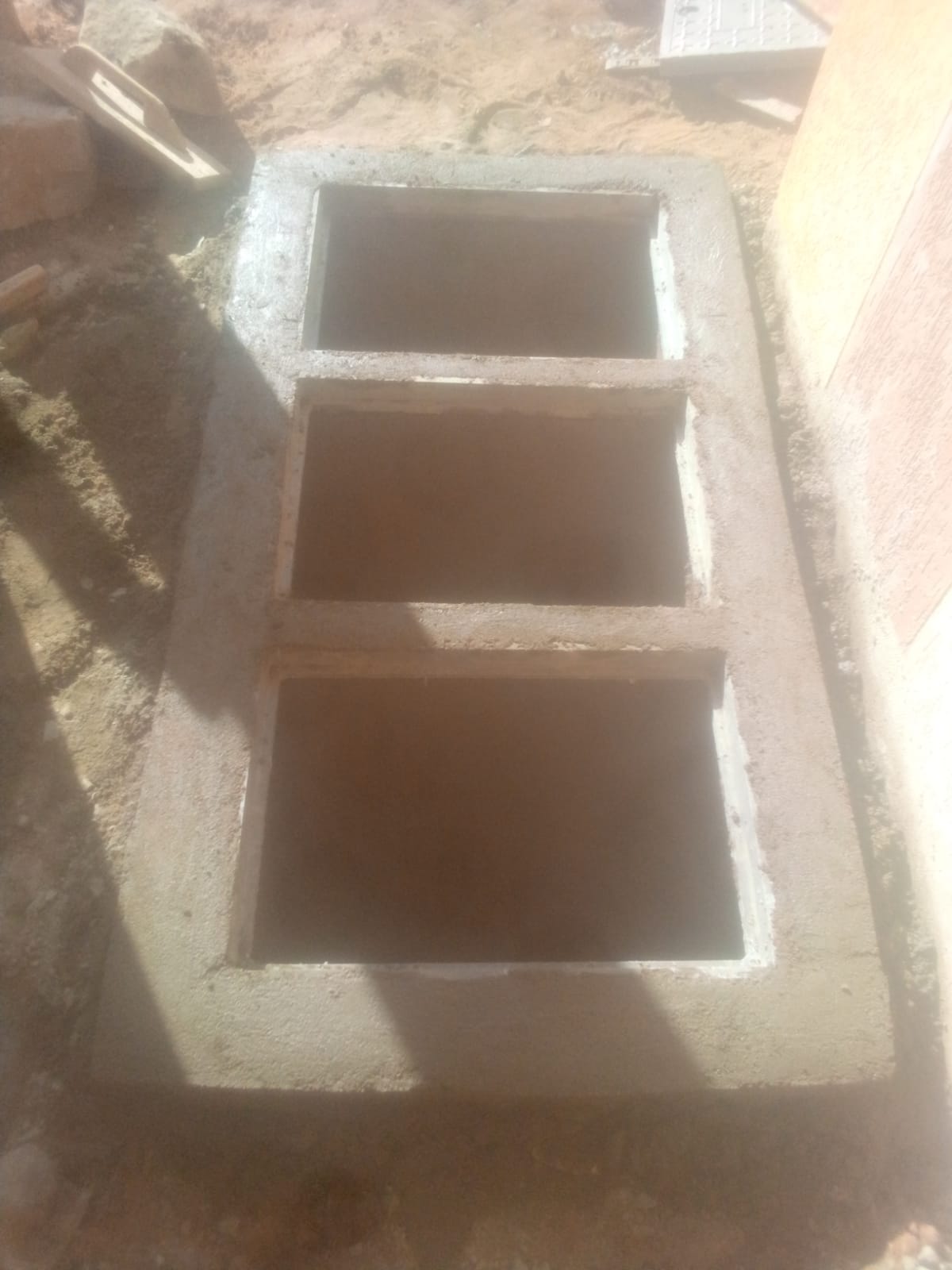
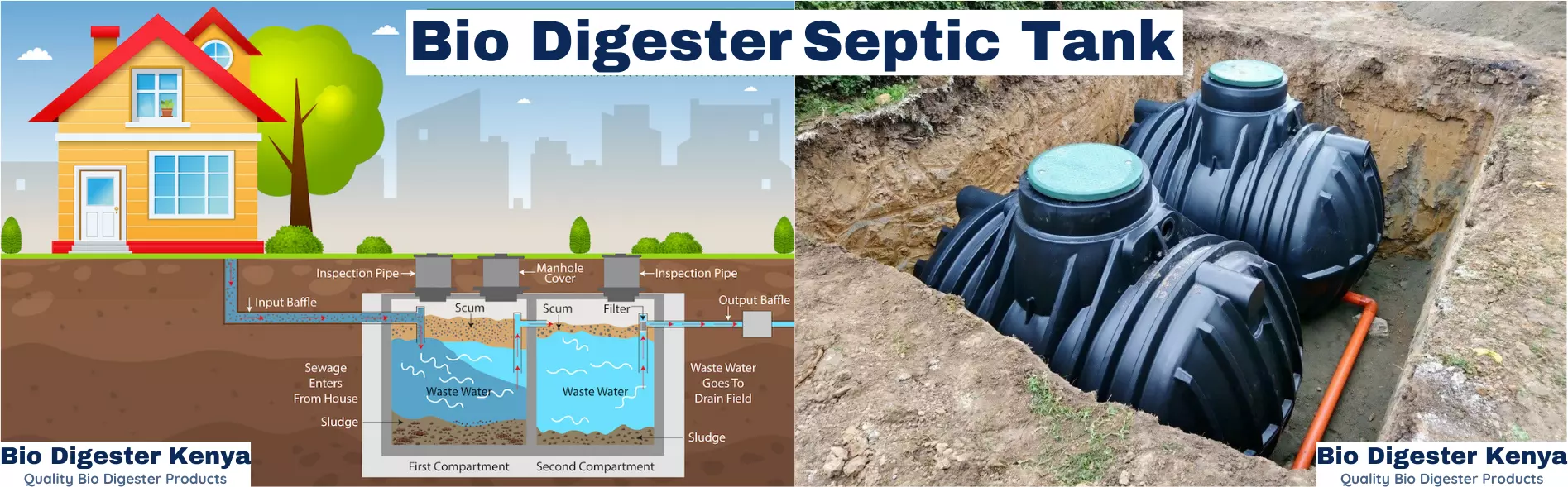
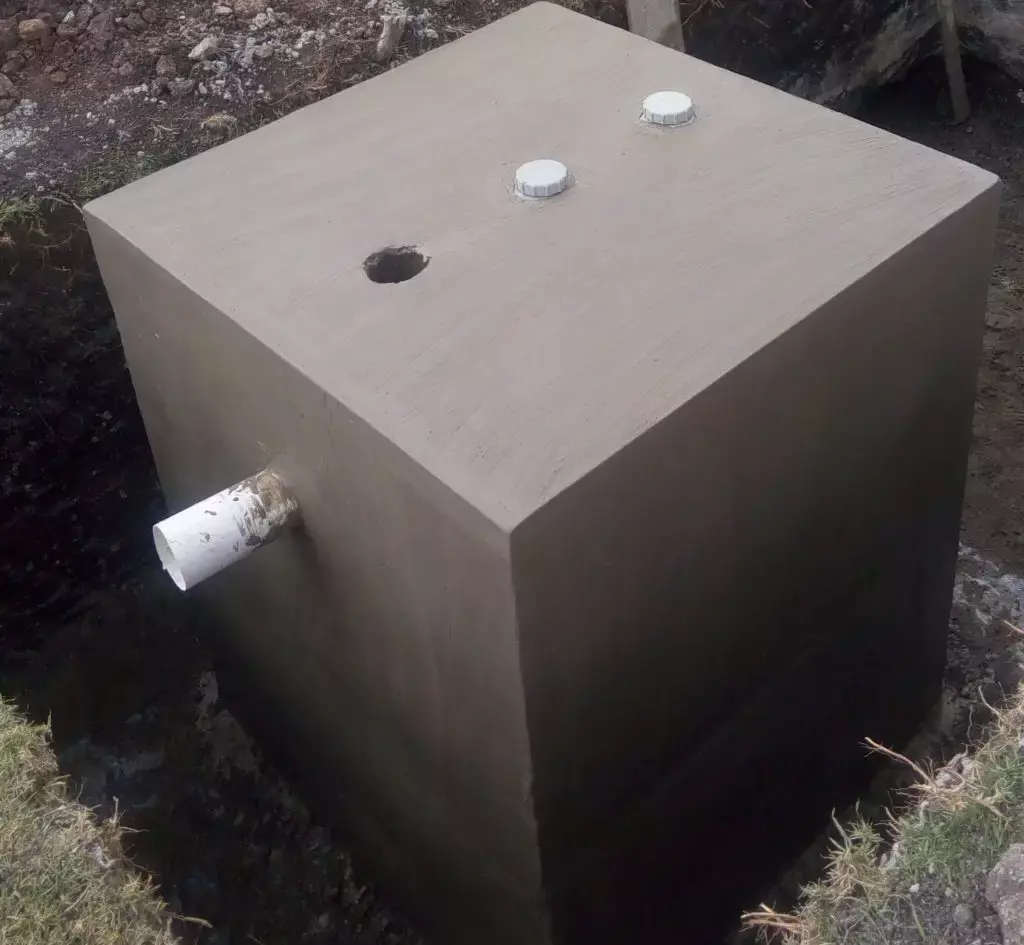
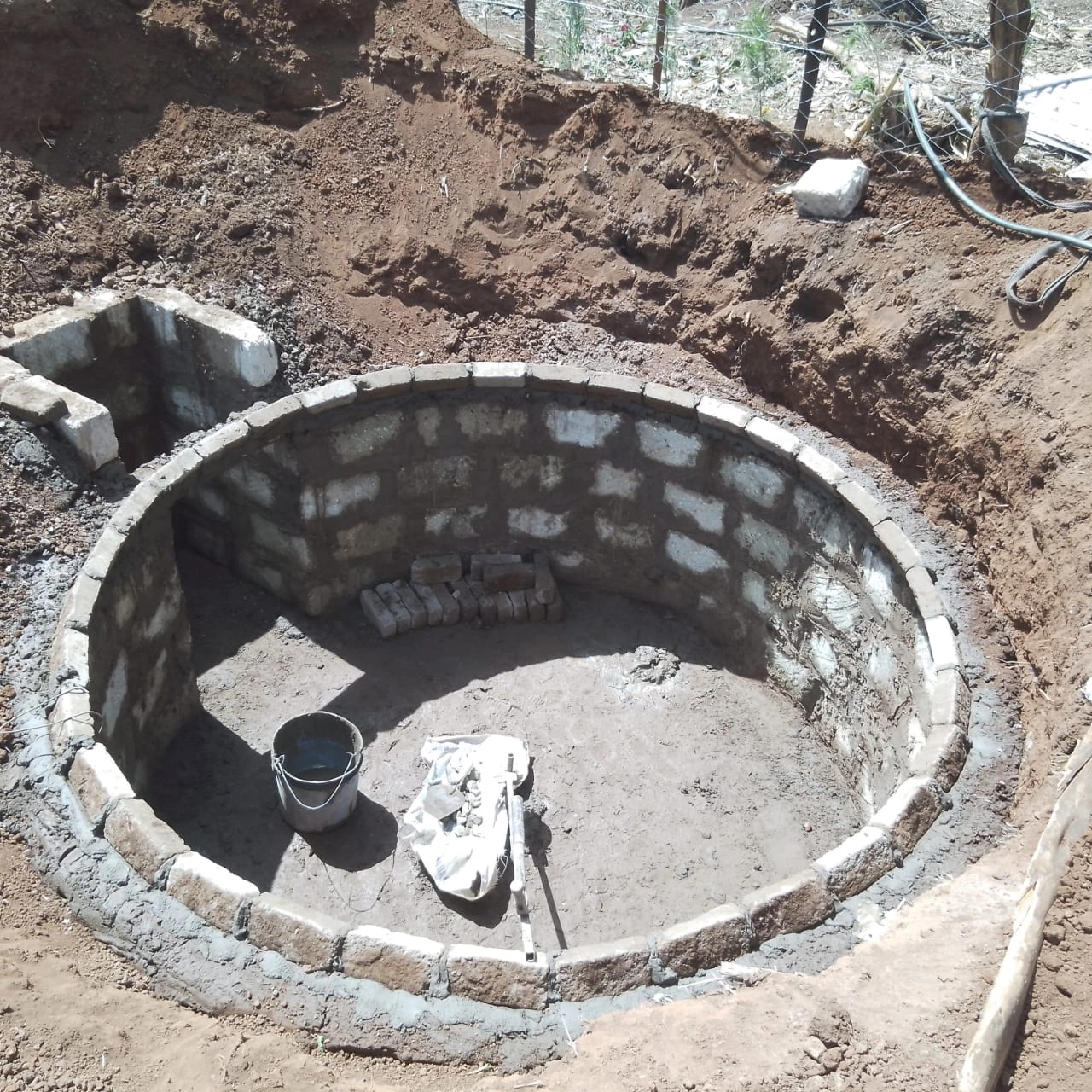
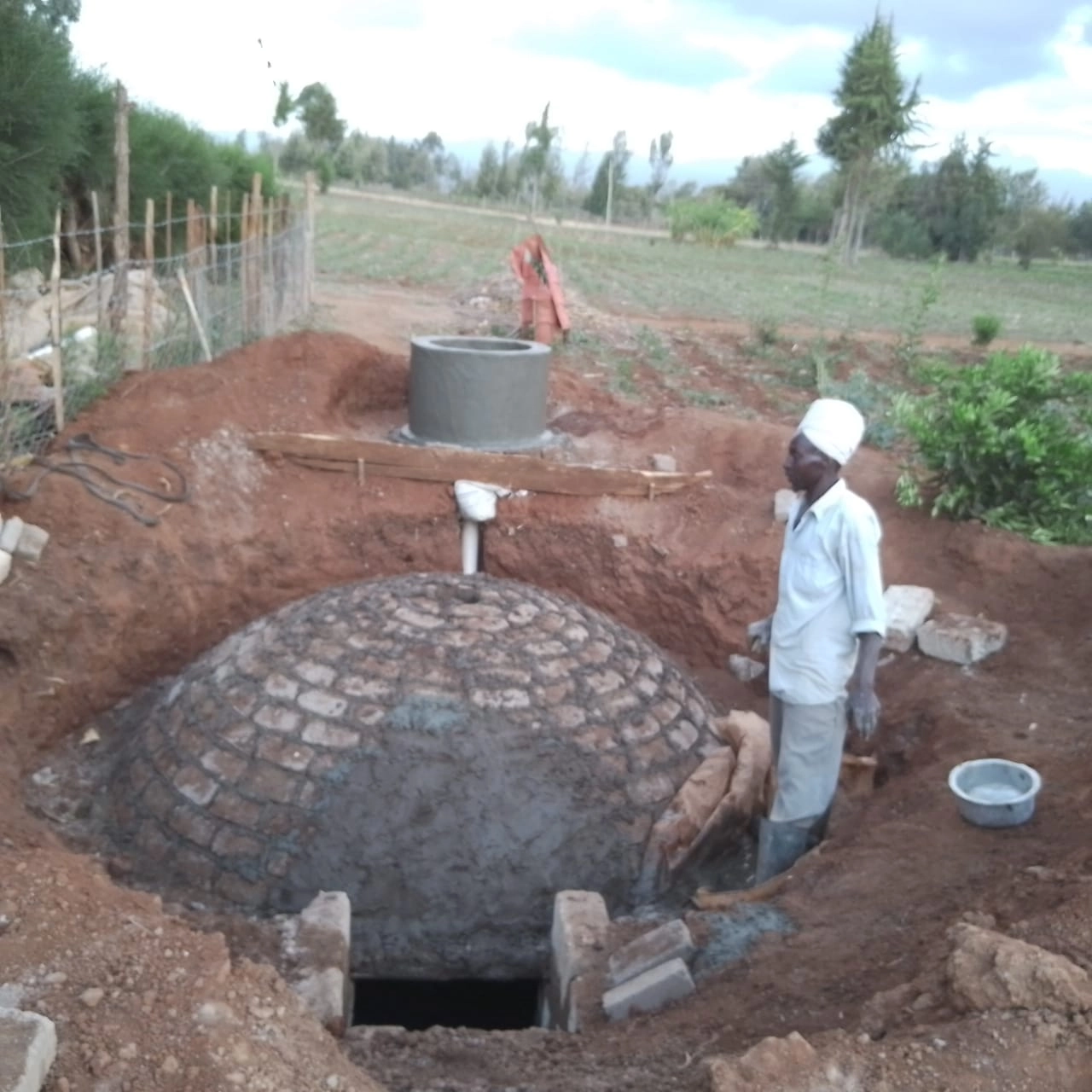
A biodigester septic tank is a multi-chambered vessel designed to create the perfect environment for specific bacteria to thrive.
Unlike a traditional pit, which is often just a hole in the ground, a biodigester is engineered for efficiency.
The waste is piped directly from your house into this tank.
Once there, the “magic” happens.
The solids settle, the liquids flow through, and the bacteria get to work devouring the organic matter.
We at Bio Digester Kenya ensure that every installation is tailored to the size of the household.
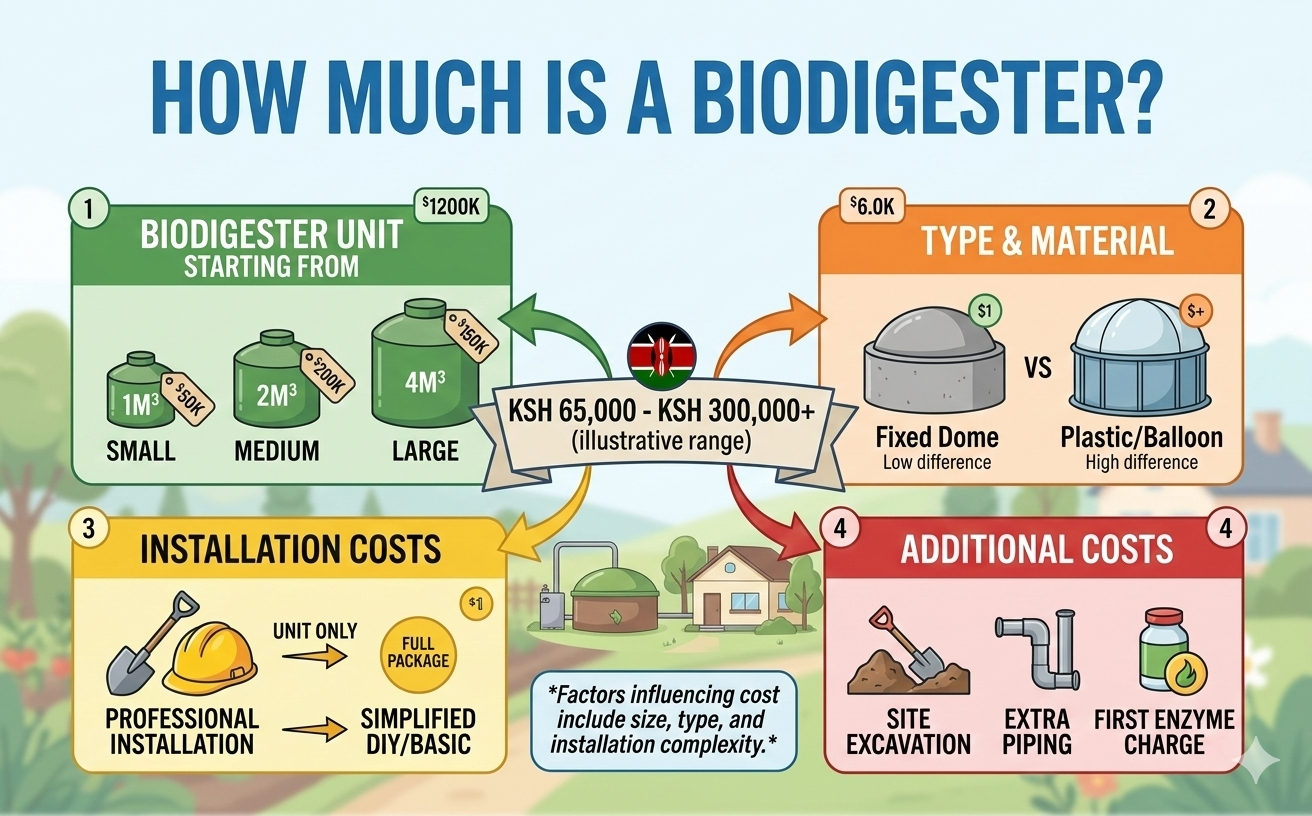
We offer various sizes, from the 1M³ Bio Digester for small families to the massive 4M³ Bio Digester for larger populations.
The Stars of the Show: Types of Bacteria in Bio Toilets
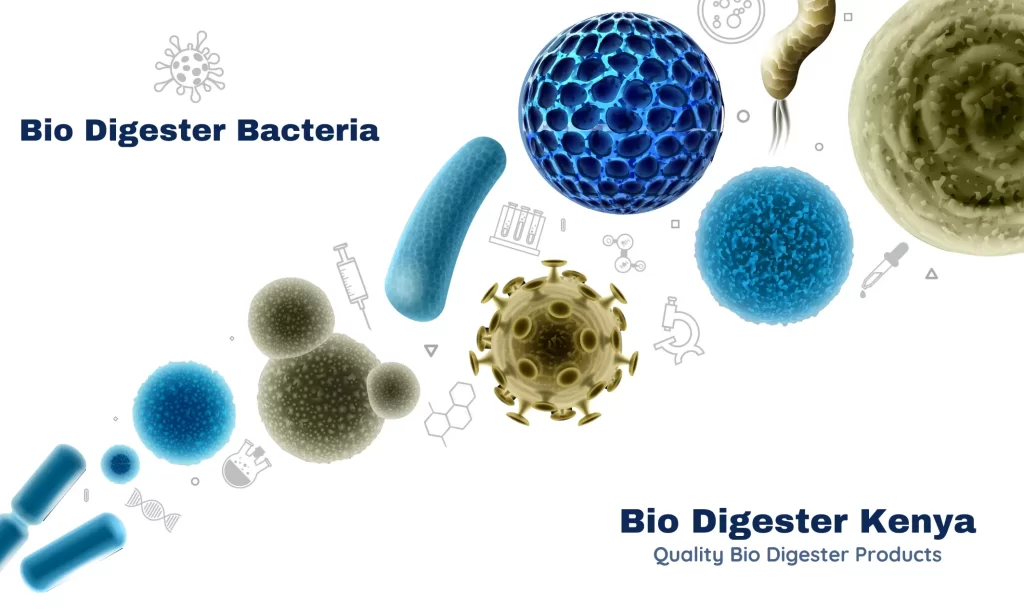
Not all bacteria are bad!
In fact, the ones we use are incredibly helpful.
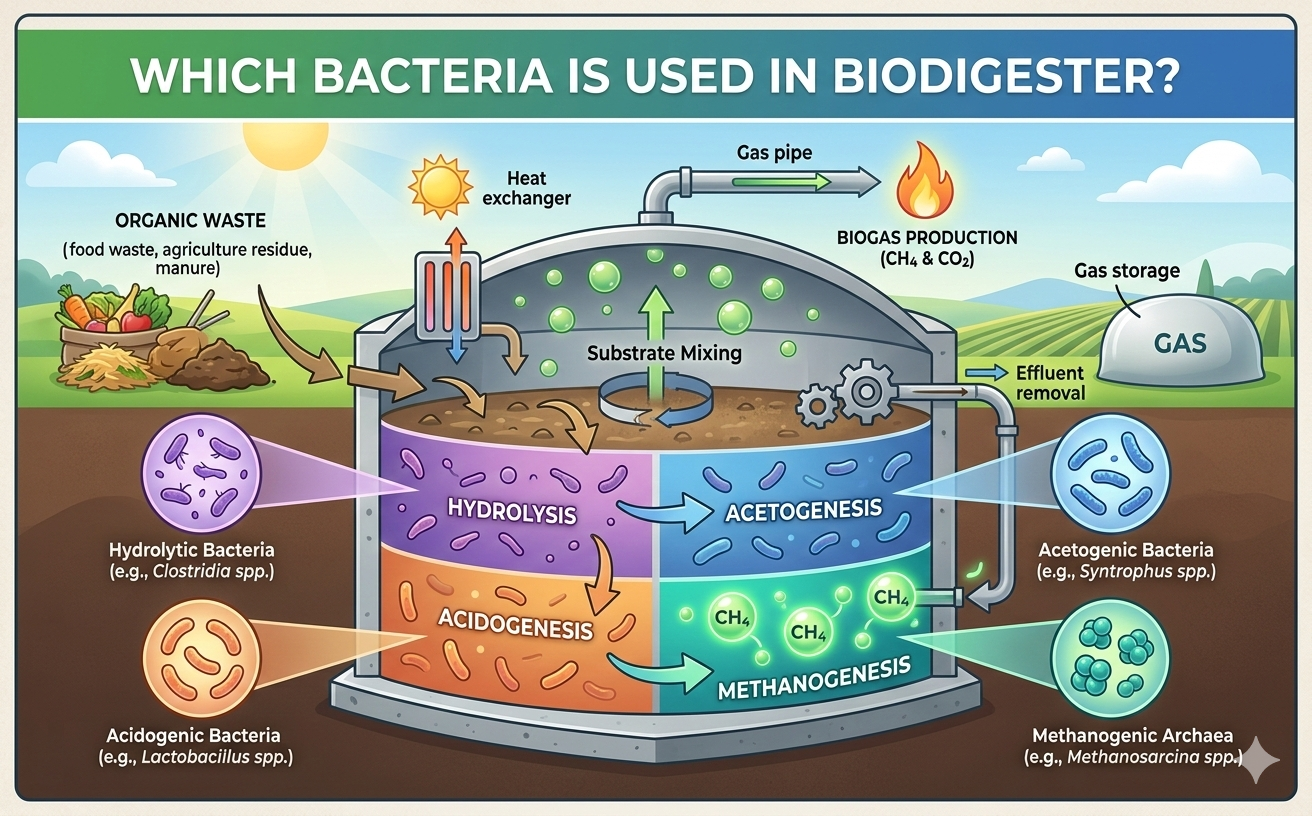
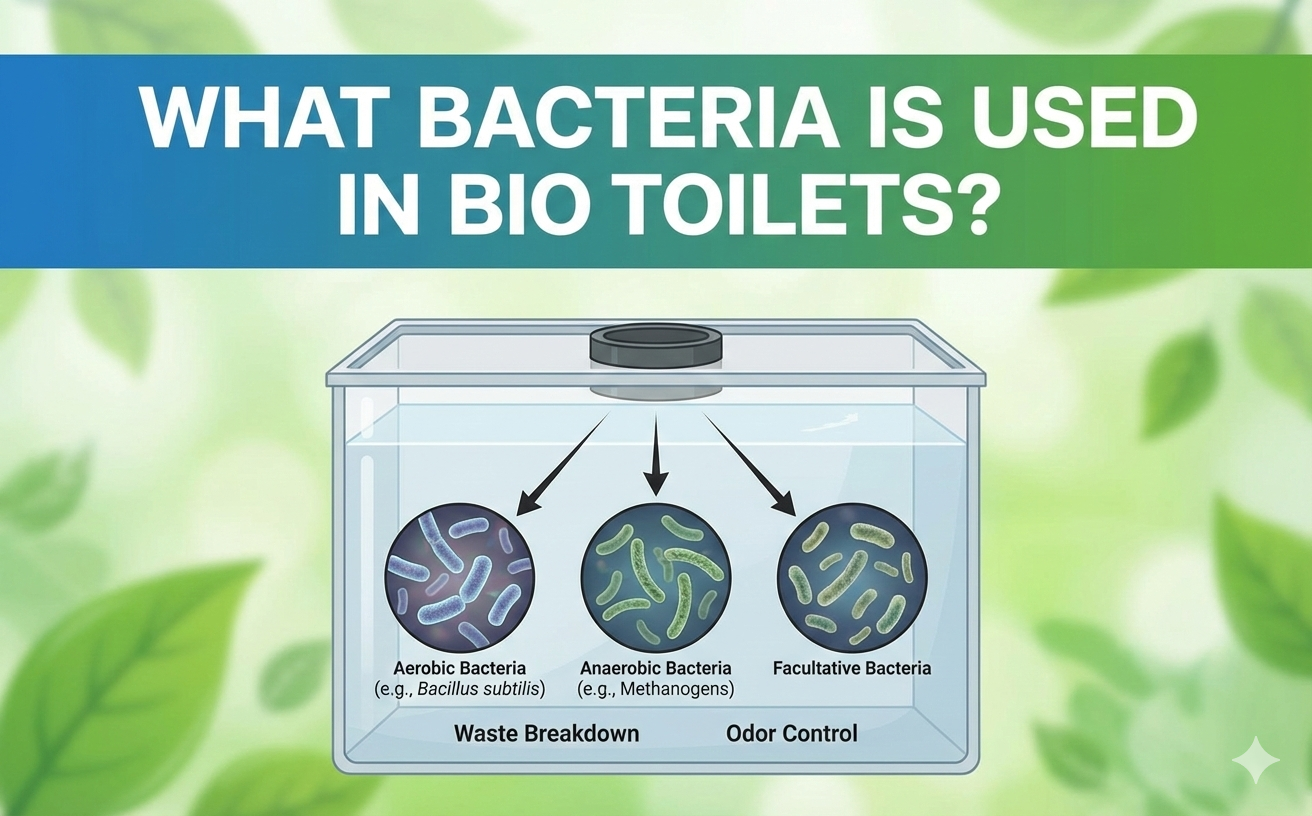
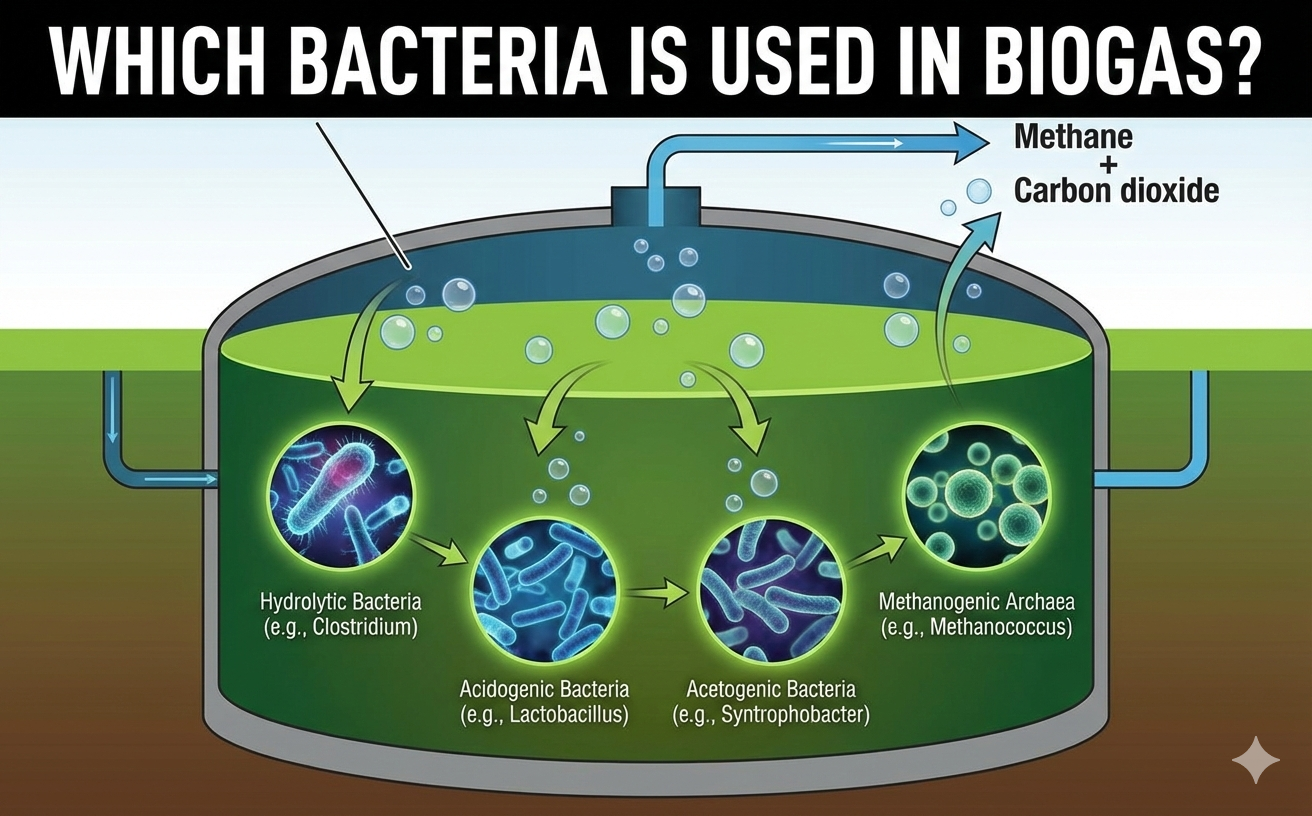
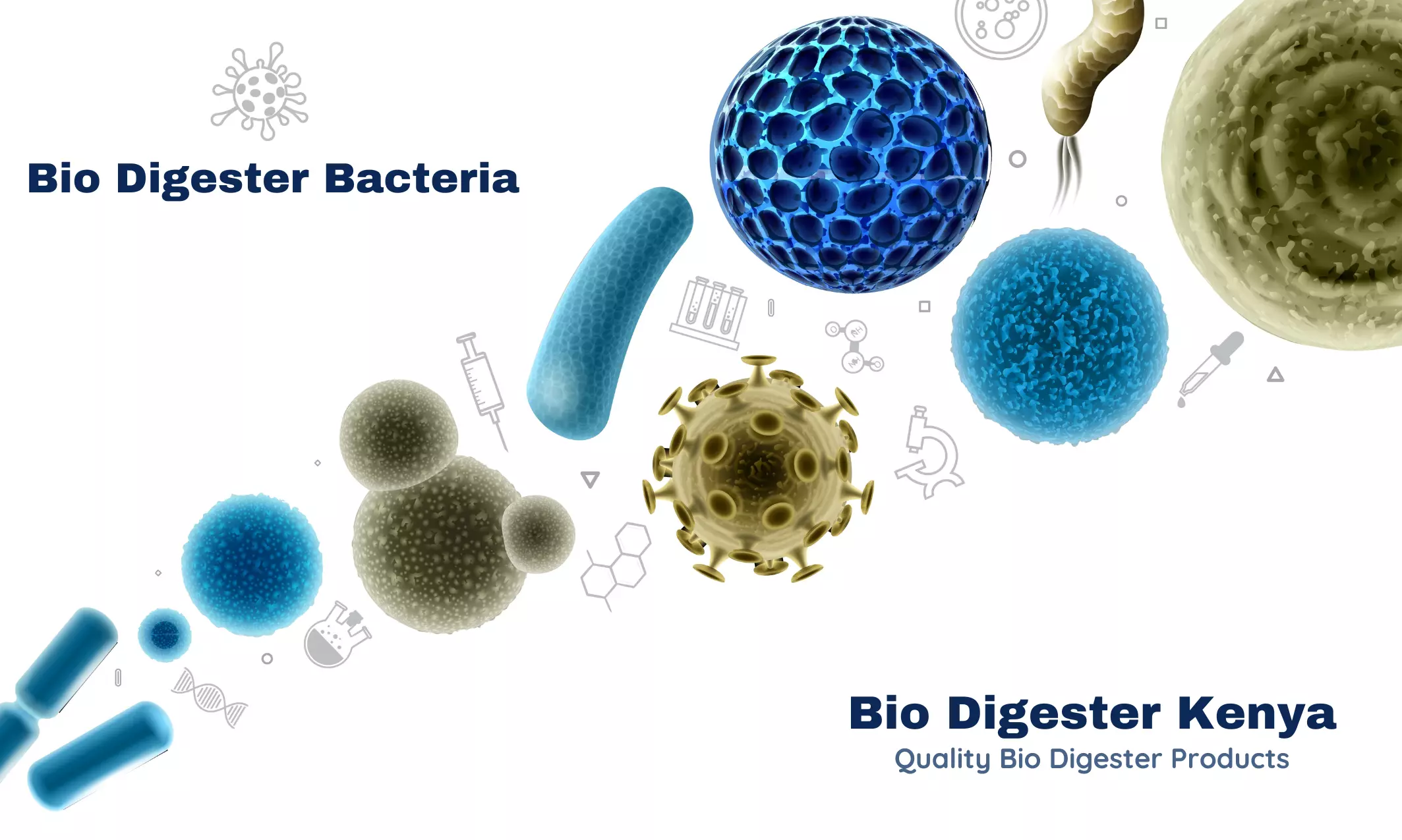
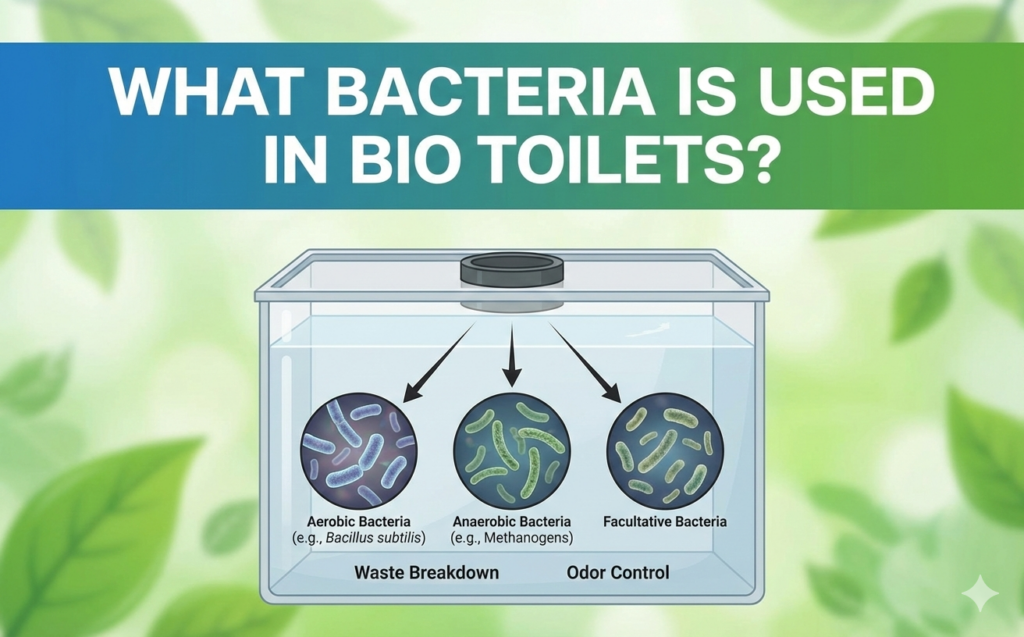
There are three main types of bacteria that live inside a Bio Digester.
They each have a specific job, much like different departments in a factory.
1. Anaerobic Bacteria: The Heavy Lifters
These are the guys who do the grunt work in the absence of oxygen.
In the deep, dark parts of the Biodigester, anaerobic bacteria break down complex organic materials—like proteins, fats, and carbohydrates—into simpler compounds.
They are responsible for the initial “digestion” of the solid waste.
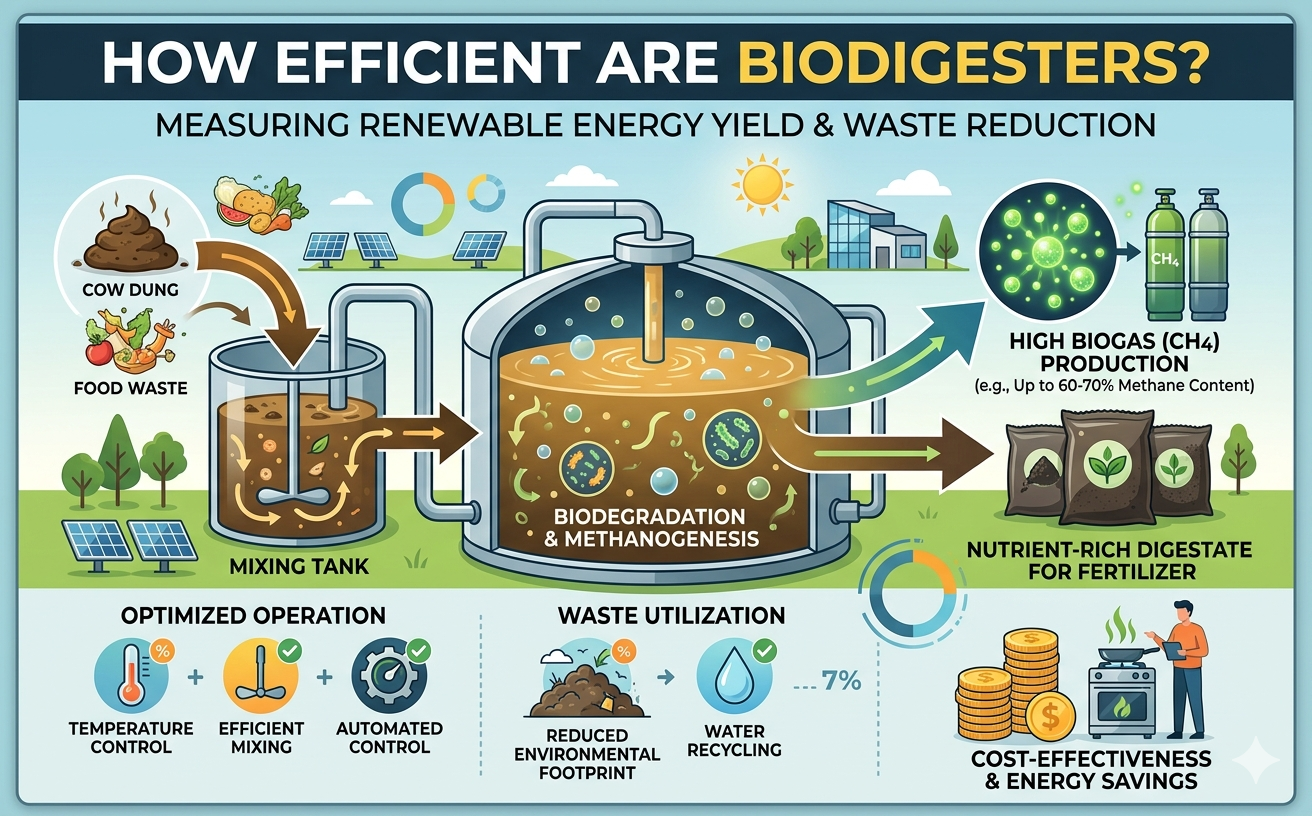
This process produces gases like methane and carbon dioxide, which are safely vented out of the system.
2. Aerobic Bacteria: The Oxygen Lovers
If you have an aerated system, these bacteria are your best friends.
They need oxygen to survive and are incredibly fast at breaking down waste.
They are much more efficient than anaerobic bacteria and can clean the water to a very high standard.
While most residential systems in Kenya rely heavily on anaerobic processes, some advanced setups use aeration to speed things up even further.
3. Facultative Bacteria: The Versatile All-Rounders
These are the “navy seals” of the microbial world.
Facultative bacteria can survive both with and without oxygen.
If the environment changes, they just adapt.
They are vital for ensuring that the digestion process doesn’t stop even if the conditions inside the tank fluctuate.
You can find high-quality versions of these microbes in our Bio Digester Bacteria – 400g packs.
How the Process Works: From Waste to Water
It’s a simple three-step journey that protects your health and the environment.
Here is how we at Bio Digester Kenya set it up for you.
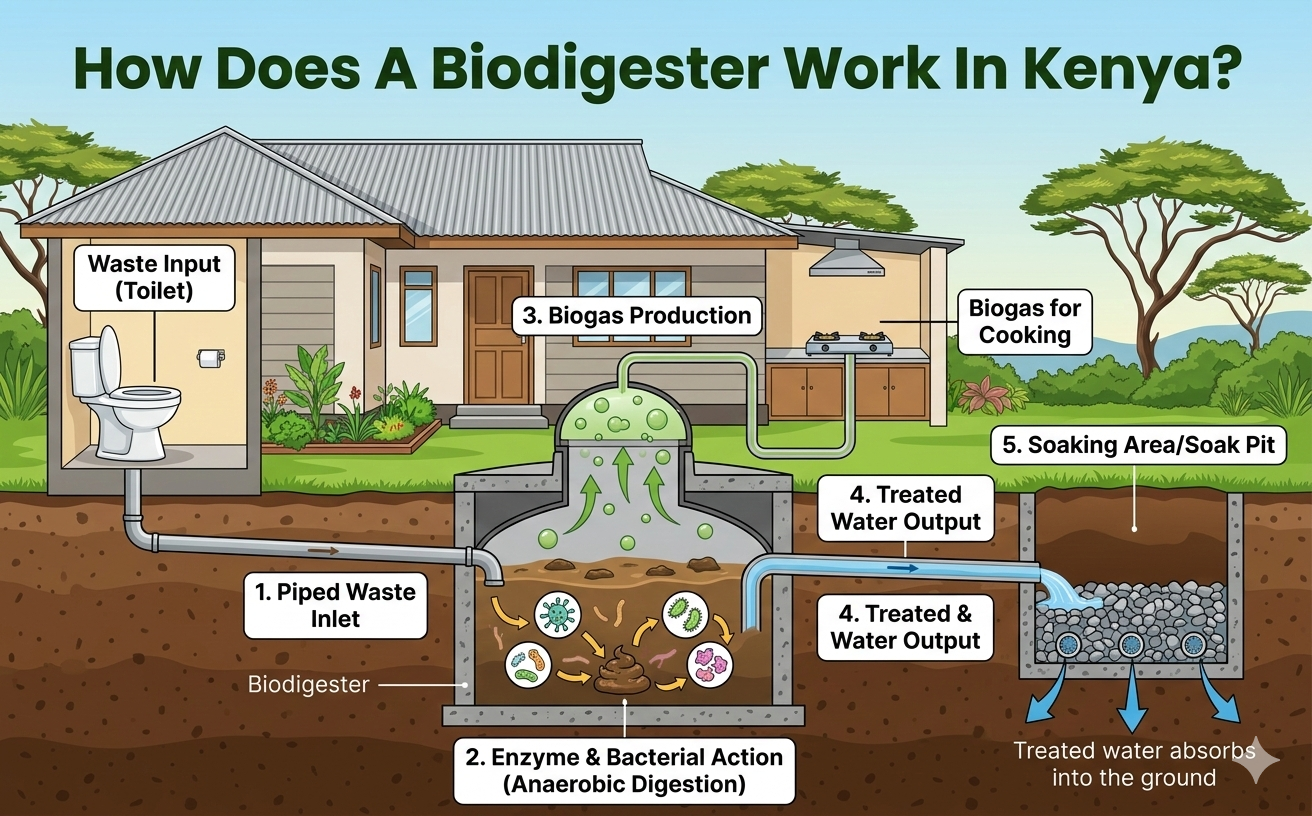
Step 1: Piping the Waste
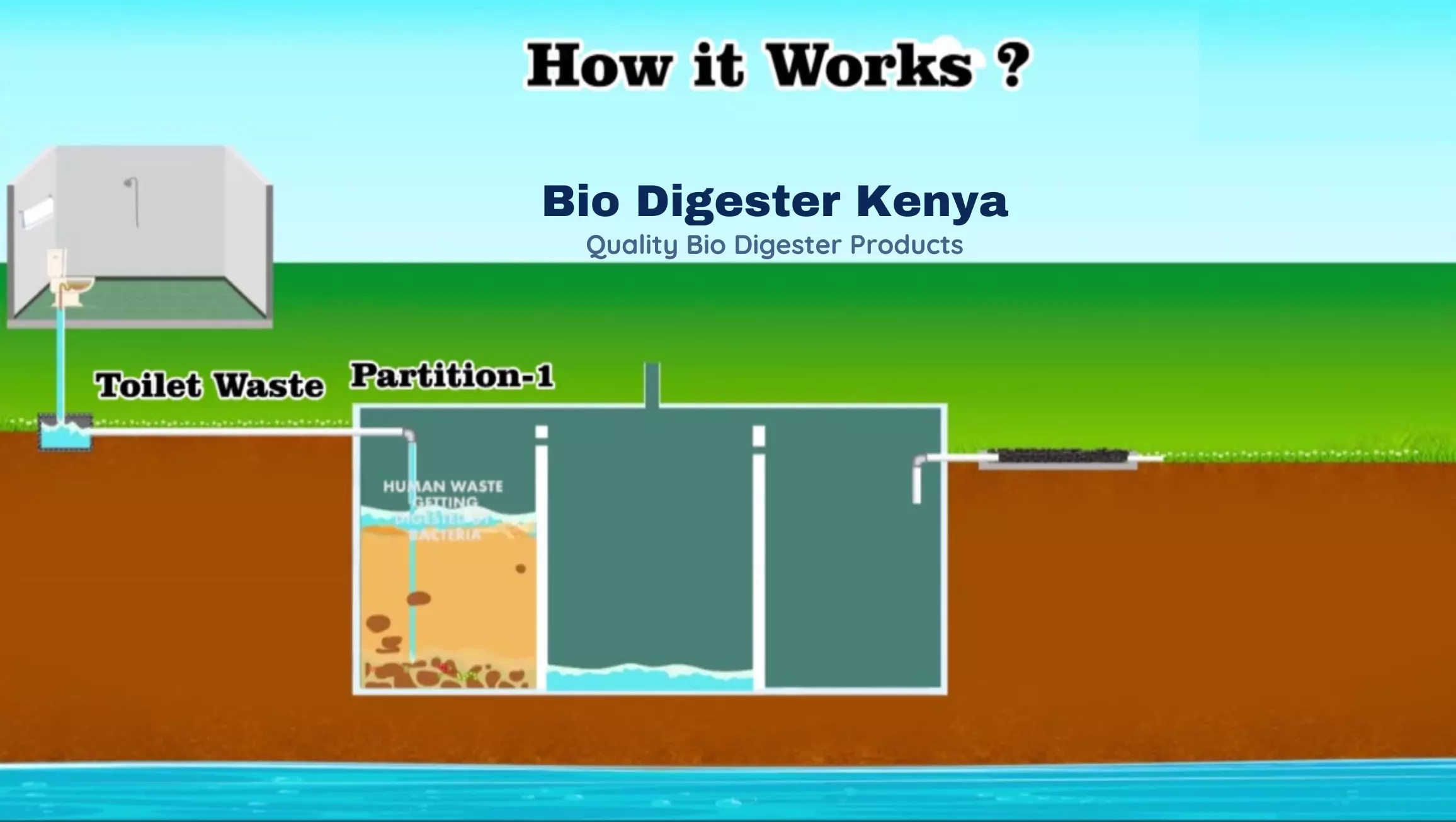
The waste from your toilets, sinks, and showers is piped directly into the biodigester septic tank.
Because the system is sealed, there are no nasty smells wafting into your kitchen or backyard.
If you are starting from scratch, our plumbing services ensure that the entire layout is optimized for gravity and flow.
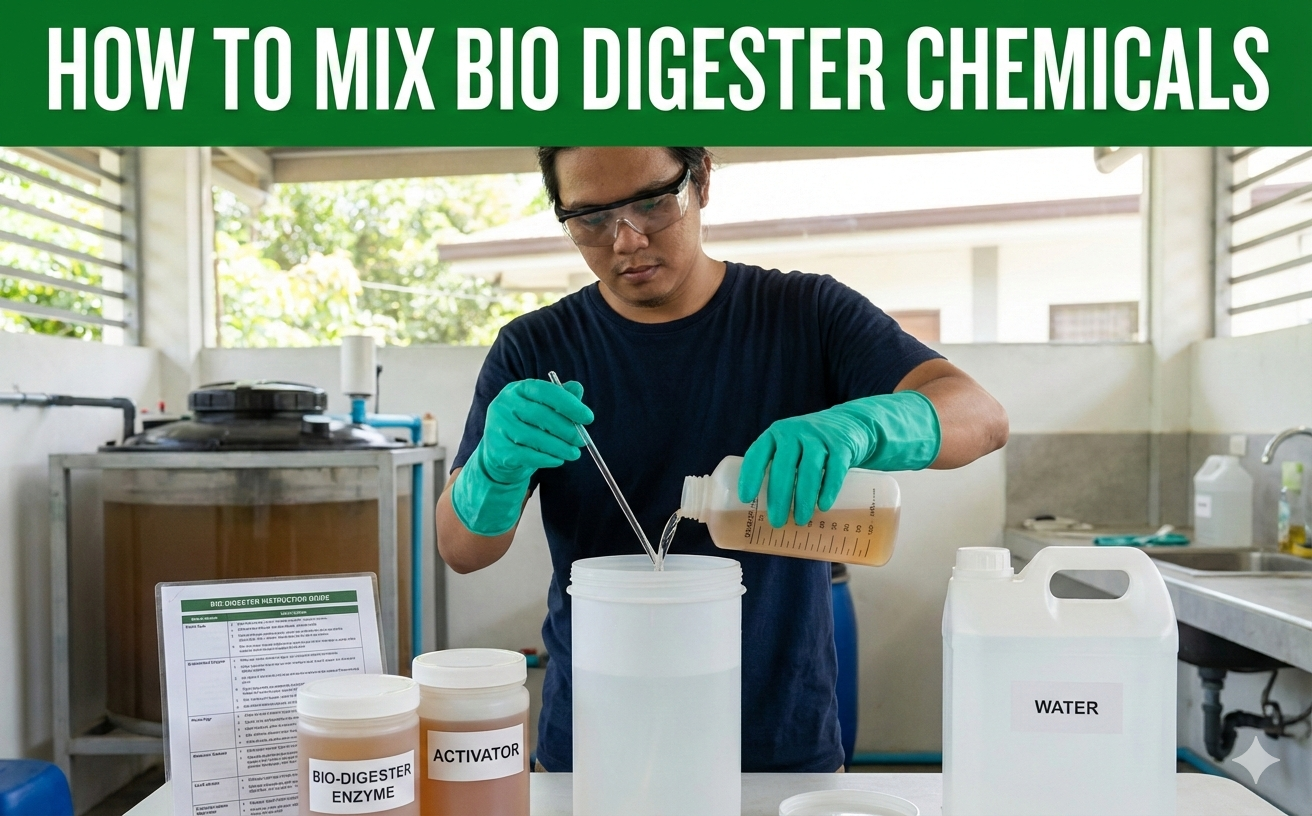
Step 2: Consumption by Bio Digester Enzymes
Once the waste enters the tank, it meets our specialized biodigester enzymes.
These aren’t just random bacteria; they are a concentrated mix designed to eat through human waste quickly.
These enzymes act like a chemical “knife and fork,” breaking the waste into bite-sized pieces for the bacteria to consume.
The end result?
The solid waste literally disappears, leaving behind only water and a bit of gas.
Step 3: The Soakage Area and Ground Absorption
Now, where does the water go?
In a Bio Digester Kenya installation, the treated water is sent to a soaking area (also known as a French drain or soak pit).
Because the water has been “cleaned” by the bacteria, it is safe to be absorbed by the ground.
It won’t clog the soil like the greasy sludge from a traditional septic tank would.
This means your soak pit stays functional for decades!
Biodigester vs Septic Tank: Which One Should You Choose?
If you’re still on the fence, let’s look at the facts.
A traditional septic tank is huge, expensive to dig, and requires a lot of concrete.
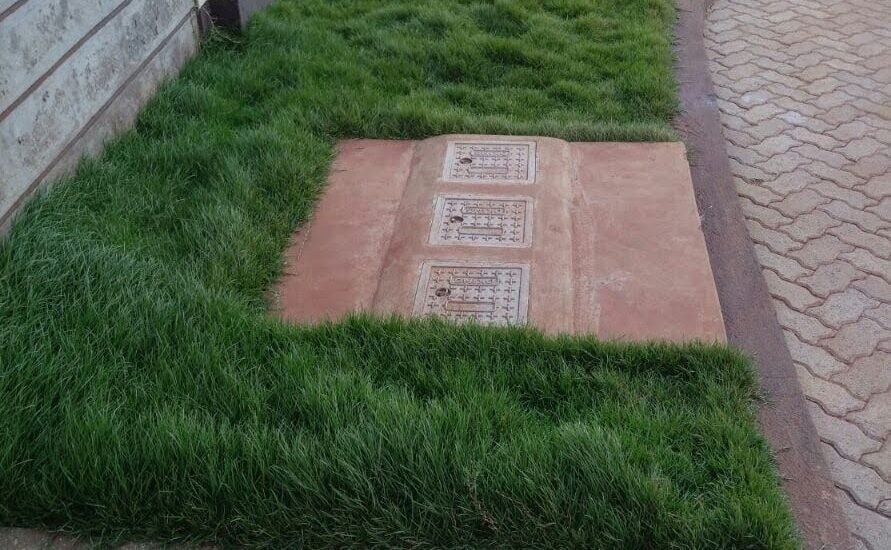
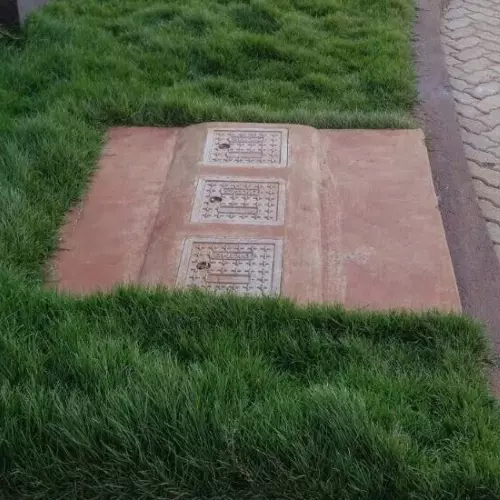
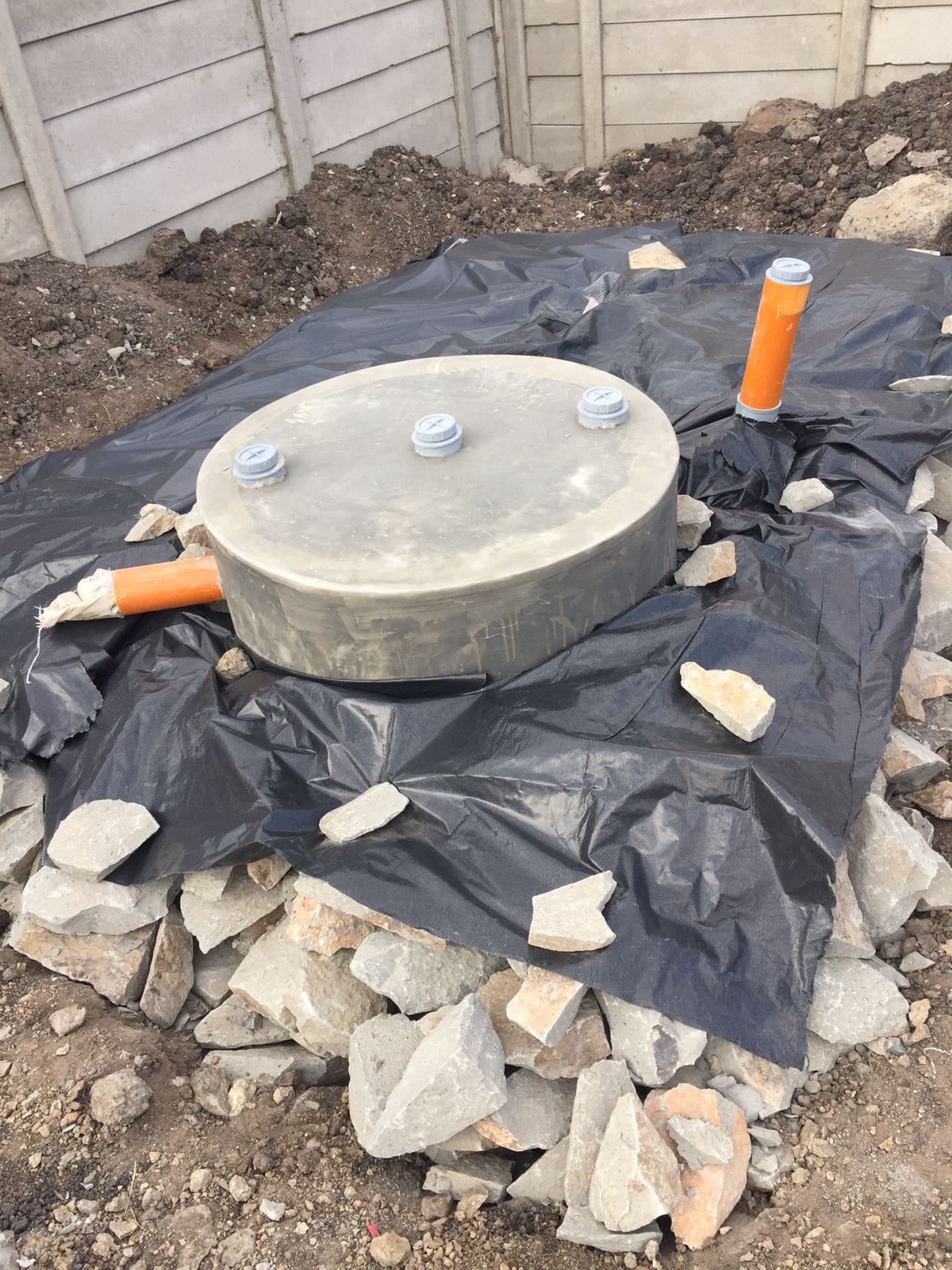
A biodigester septic tank is compact—it can even be installed under a parking lot or a small garden.
Furthermore, a traditional tank will eventually fill up and require a trip from the exhauster truck.
That’s a recurring cost that never goes away.
With a Biodigester, your main cost is a small, inexpensive packet of septic tank bacteria once or twice a year to keep the colony healthy.
It’s a no-brainer!
Maintaining Your System: The Importance of Specialized Bacteria
You wouldn’t expect a car to run forever without oil, right?
Your Biodigester is the same.
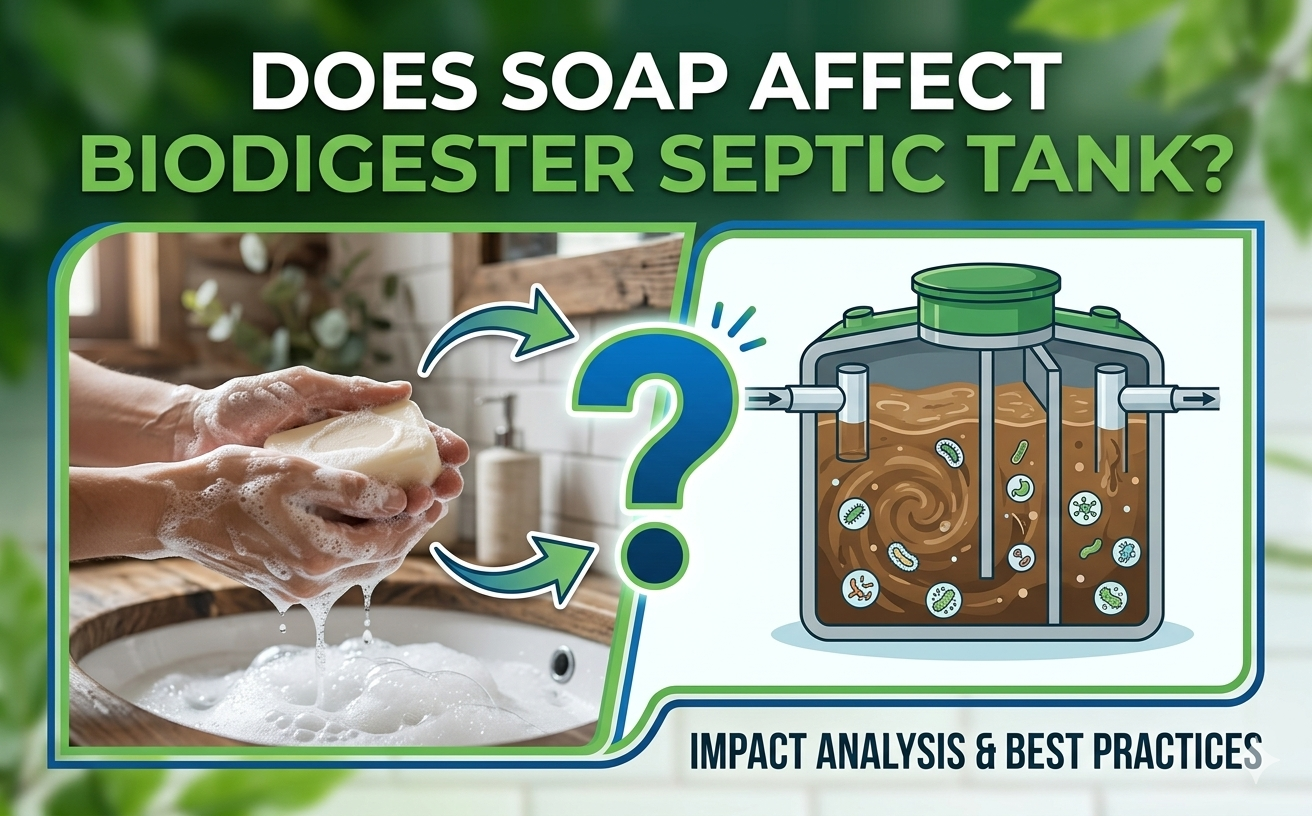
While the bacteria reproduce on their own, they can be “killed off” by harsh chemicals like bleach, strong detergents, or antibiotics.
When this happens, the waste stops breaking down, and you might start noticing a smell.
Feeding Your System with the Right Enzymes
To keep your system running at peak performance, we recommend “shocking” it with a fresh dose of bacteria every few months.
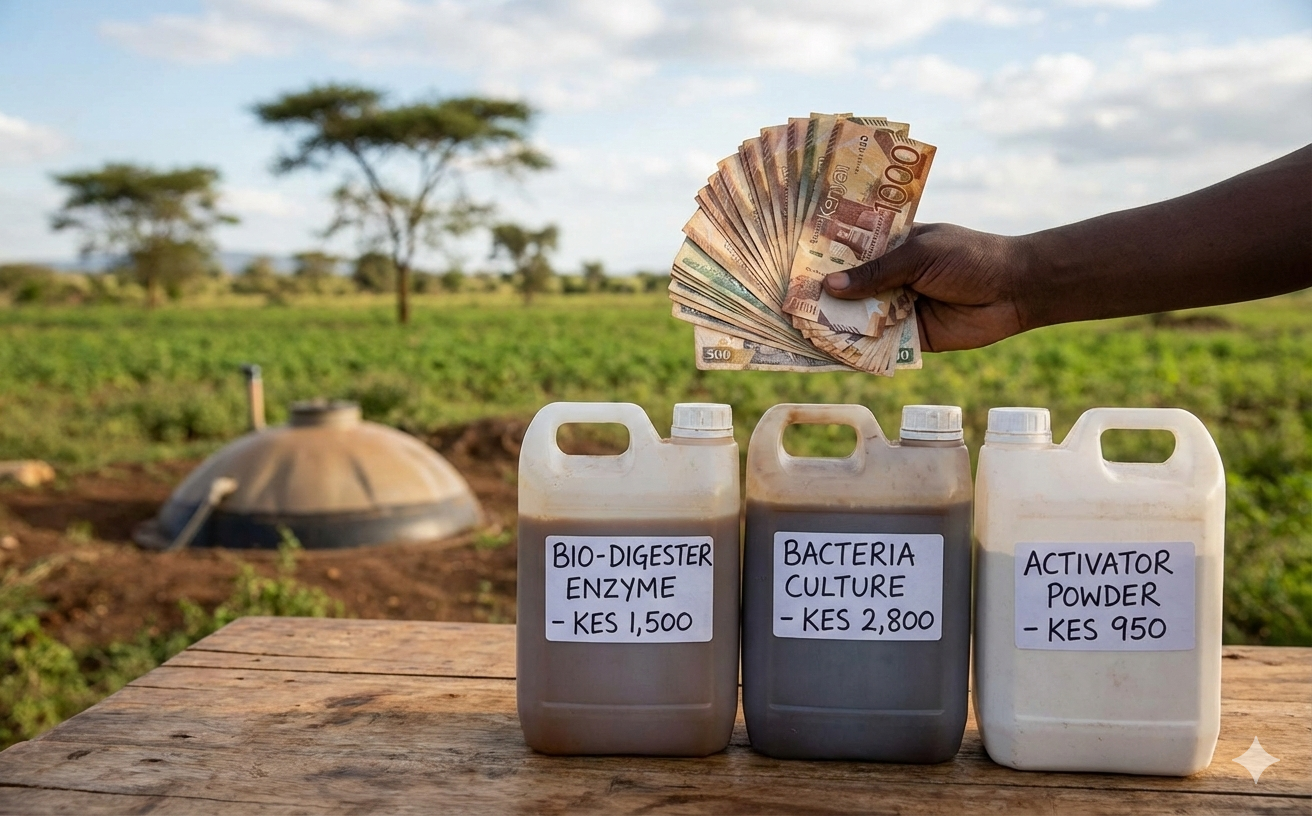
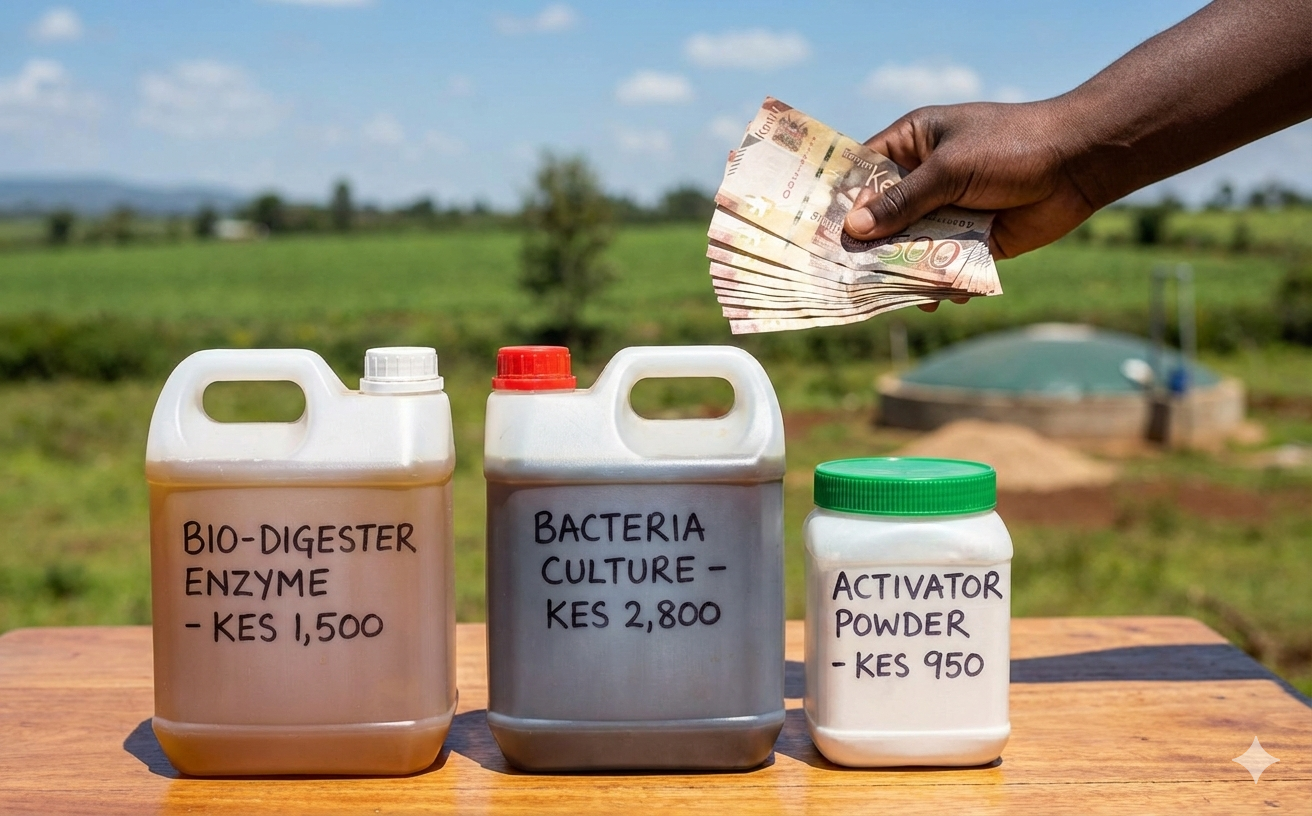
At our online shop, we sell various formulations, including:
- Bio Digester Bacteria – 200g: Perfect for regular monthly maintenance.
- Bio Digester Bacteria – 5L: Best for large commercial buildings or schools.
- Grease Trap & Kitchen Drain Bacteria: To prevent fat build-up from your kitchen.
Why Choose Bio Digester Kenya for Your Installation?
We aren’t just selling a tank; we are providing a lifetime solution for waste management. Bio Digester Kenya has years of experience navigating the unique soil conditions in Kenya—from the red volcanic soil of Kiambu to the black cotton soil of Kitengela.
We design and install systems that actually work.
Our process is transparent, and our installation services are fast.
We handle everything from the initial site visit to the final test of the soakage area.
Plus, we are always a phone call away if you need advice on septic tank maintenance.
The Environmental Impact of a Bio Septic Tank
Did you know that traditional pit latrines and leaking septic tanks are the leading causes of groundwater pollution in urban areas?
By choosing a Bio Septic Tank, you are literally protecting your community’s water.
The water released by a Biodigester is free of harmful pathogens.
It’s a green, sustainable way to live.
If you’re a fan of eco-friendly living, this is the single best upgrade you can make to your property.
Common Myths About Bio Toilets and Bacteria
Myth 1: “It smells bad.” Actually, a healthy biodigester septic tank is virtually odorless.
If it smells, it means the bacteria balance is off, which is easily fixed with Septic Tank Cleaner.
Myth 2: “It’s too expensive.” While the upfront cost is similar to a traditional tank, you save a fortune over the years by never paying for exhauster services.
Myth 3: “It doesn’t work in cold areas.” Bacteria might slow down slightly in the cold, but they don’t stop.
Our systems are insulated and designed to work in all Kenyan climates.
Conclusion: Making the Smart Switch

By now, it’s clear that the secret to a stress-free toilet system isn’t more concrete—it’s more biology.
The specific bacteria in a Biodigester are the unsung heroes that keep our homes clean and our environment safe.
Whether you are building your dream home or upgrading an old commercial space, a biodigester septic tank from Bio Digester Kenya is the smartest investment you can make.
Ready to ditch the exhauster truck forever?
Let’s get you started.
You can browse our gallery of past projects to see our work in action.
If you’re ready for an estimate or just want to chat about how these systems work, we are here to help!
Get in touch today:
Phone: Call +254 712 660 245
Email: Email info@biodigesterkenya.co.ke
FAQs
1. Do I need to add bacteria to my biodigester every month?
While the system is self-sustaining, we recommend adding a maintenance dose of Bio Digester Bacteria every 3 to 6 months to ensure the colony remains strong, especially if you use household cleaners frequently.
2. Can I use bleach in a Bio Septic Tank?
Try to minimize it.
Harsh chemicals like bleach kill the very bacteria that make the Biodigester work.
If you must use bleach, use it sparingly, or follow up with a dose of enzymes to replenish the population.
3. How long does a biodigester last?
The structure itself (if installed by Bio Digester Kenya) can last over 30 years.
The biological process is permanent, provided you don’t “poison” the tank with non-biodegradable materials like plastic or heavy chemicals.
4. Will the biodigester ever fill up?
A properly functioning biodigester septic tank does not fill up with solids because the bacteria turn those solids into water and gas.
The water is constantly drained into the soaking area.
5. Can the treated water be used for irrigation?
Yes, the water coming out of a Biodigester is rich in nutrients and can be used for watering lawns or trees.
However, we usually recommend a secondary filtration step if you plan to use it for surface irrigation of vegetables.