Have you ever paused to think about what happens after you flush?
Most of us don’t, and frankly, why would you?
But if you are a homeowner or a developer in Kenya, the “after-flush” becomes a pretty big deal.
For decades, the traditional septic tank was the go-to solution.
But let’s be honest, those old concrete boxes are high-maintenance, smelly, and eventually, they fill up.
That’s where the Biodigester comes in.
It’s like a tiny, high-tech stomach for your house.
But here’s the secret: the tank itself is just a container.
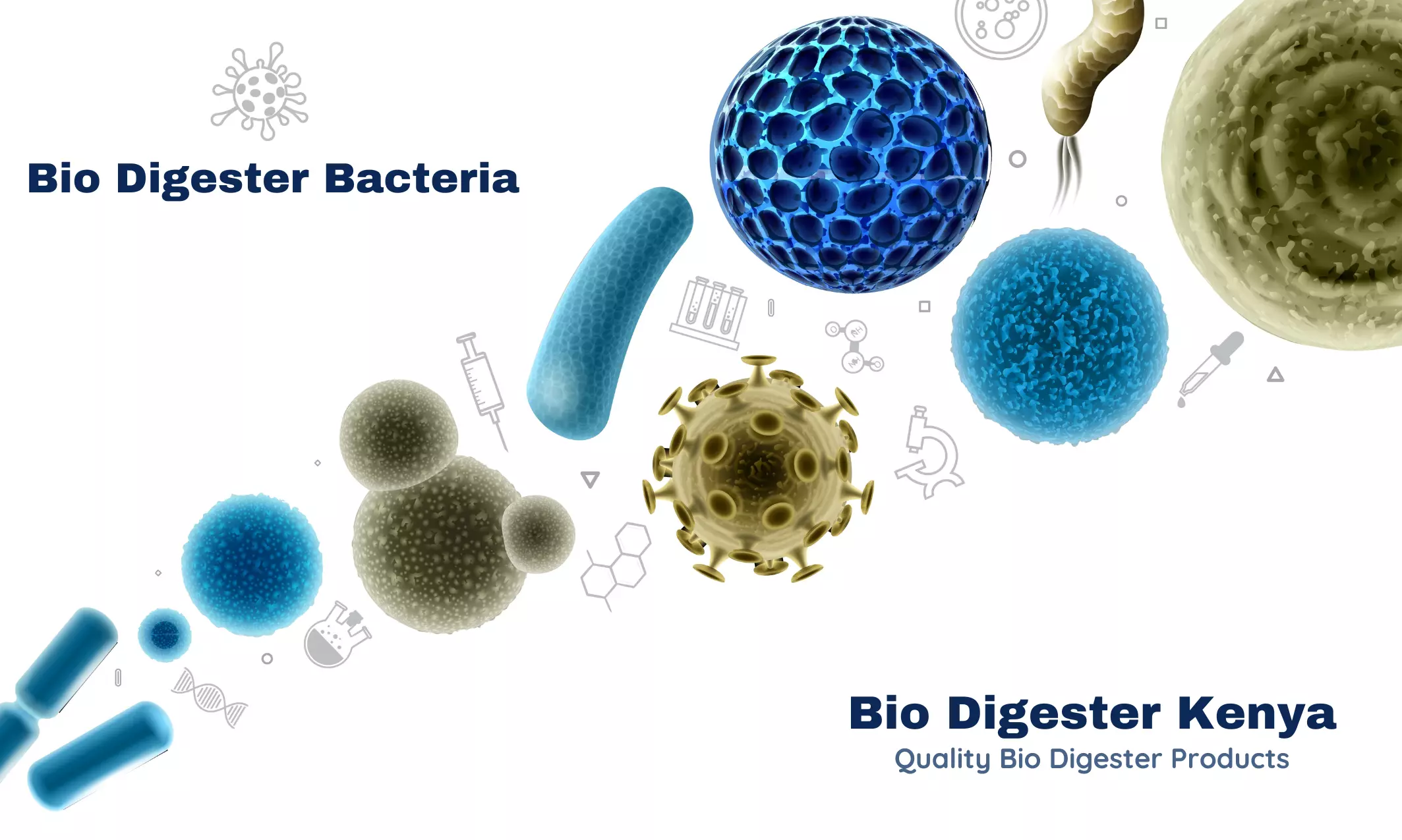
The real magic happens because of millions of tiny, microscopic workers.
I’m talking about bacteria.
If you’ve been searching for “which bacteria are used in biodigester,” you’re in the right place.
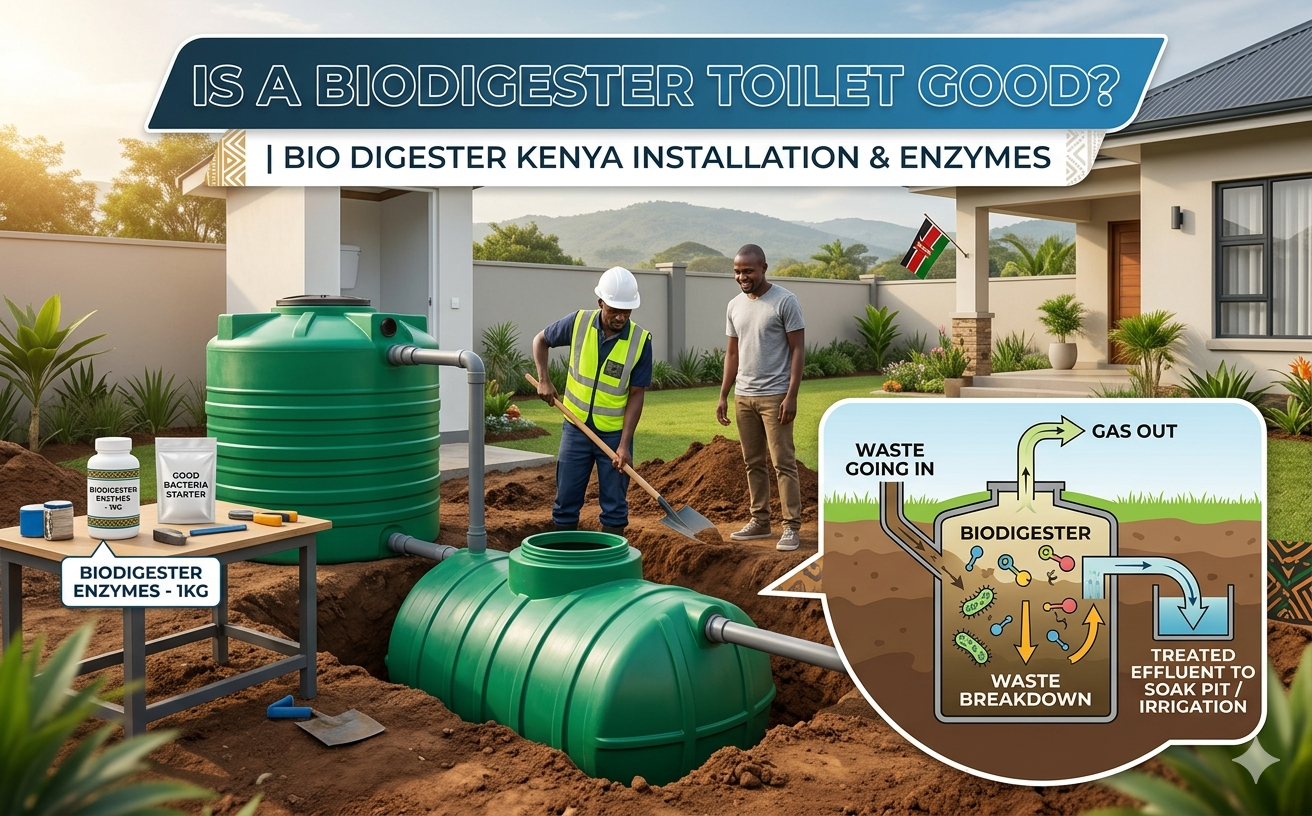
At Bio Digester Kenya, we don’t just install tanks; we manage living ecosystems that turn waste into clean water and air.
Let’s dive into the fascinating world of these microbes and see why a biodigester septic tank is the best choice for your property.
The Invisible Workers: Understanding the Role of Bacteria
Imagine you have a team of highly specialized chefs.
One person chops the veggies, another boils the water, and a third spices the meal.
In a Bio Septic Tank, bacteria work exactly like that.
They are “biological catalysts.” Without them, your waste would just sit there, becoming a toxic sludge.
In the context of Bio Digester Kenya systems, these bacteria are responsible for “digesting” organic matter—essentially eating the human waste until it’s no longer waste.
It’s a natural process that we’ve simply optimized into a compact, efficient system.
Unlike a traditional biodigester vs septic tank comparison where waste just settles and rots, our biodigesters actively consume the solids.
What Exactly is a Biodigester?
Before we name the bacteria, let’s define the machine.
A Biodigester is an enclosed, oxygen-free (or controlled oxygen) container where biological decomposition occurs.
In Kenya, we use these as a sustainable human waste management solution.
Whether it’s a small residential home in Karen or a large commercial apartment block in Roysambu, the principle is the same.
The waste is piped from the toilets to the digester, where it meets our specialized biodigester enzymes and bacteria.
Biodigester vs Septic Tank: What’s the Difference?
You might be asking, “Isn’t a biodigester septic tank just a fancy septic tank?” Not quite!
A traditional septic tank relies on gravity to separate solids from liquids.
The solids stay at the bottom and eventually need to be “exhausted” (pumped out) by a vacuum truck.
It’s expensive and messy.
A Biodigester, however, is an active system.
Because of the specific bacteria we introduce, the solids are broken down into water and gas.
The result?
You never have to call an exhauster truck again.
For a deeper look at this comparison, check out our blog post on biodigester vs septic tank: which is better for you?.
The Science of Breakdown: Four Stages of Digestion
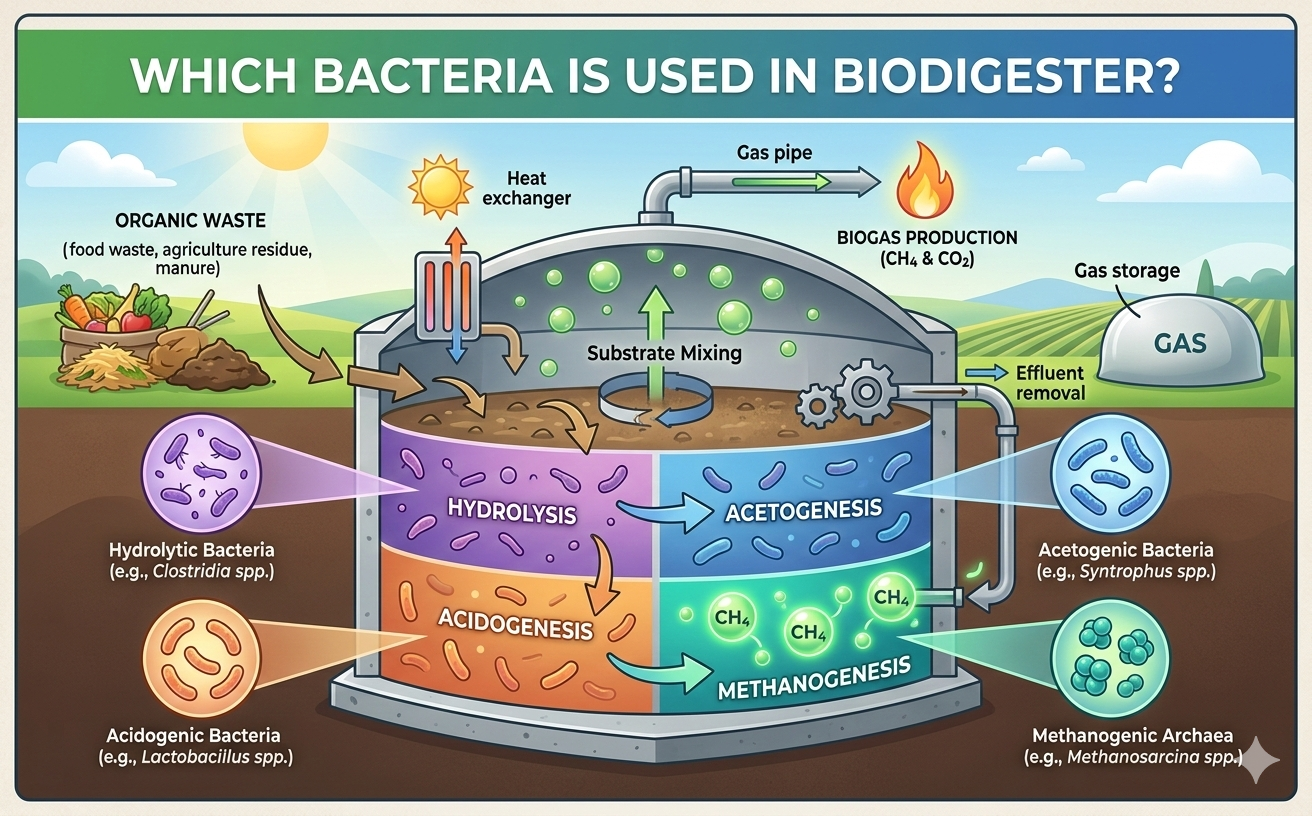
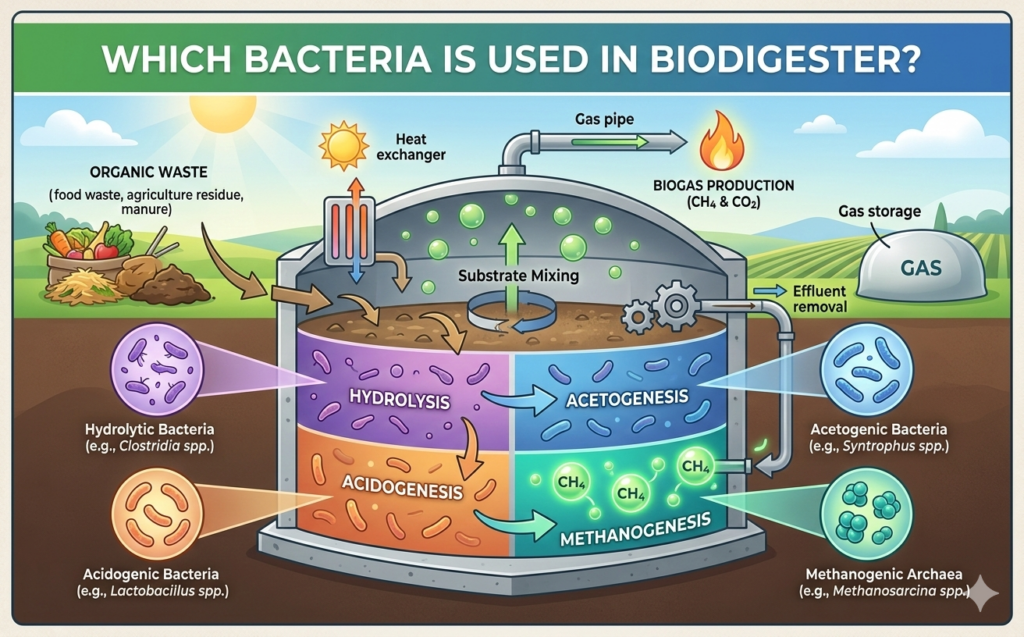
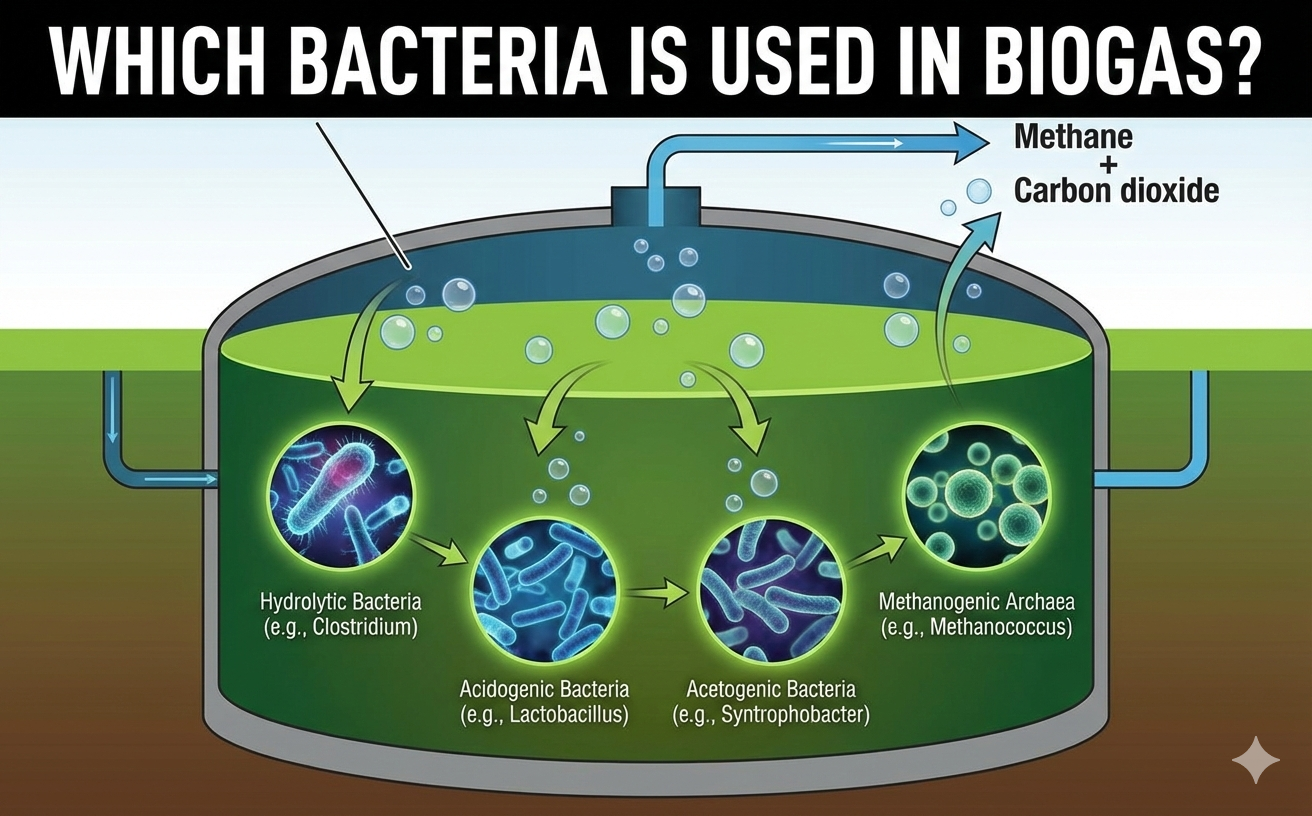
To understand which bacteria are used, we have to look at the four stages of anaerobic digestion.
It’s a relay race where each group of bacteria passes the “waste” to the next group.
Step 1: Hydrolytic Bacteria (The Breakers)
Think of hydrolytic bacteria as the heavy-duty demolition crew.
Human waste contains complex organic polymers like proteins, fats, and carbohydrates.
These molecules are too big for most bacteria to eat.
The hydrolytic bacteria secrete enzymes that break these “giant” molecules down into smaller pieces like amino acids and sugars.
This stage is crucial because it sets the table for everyone else.
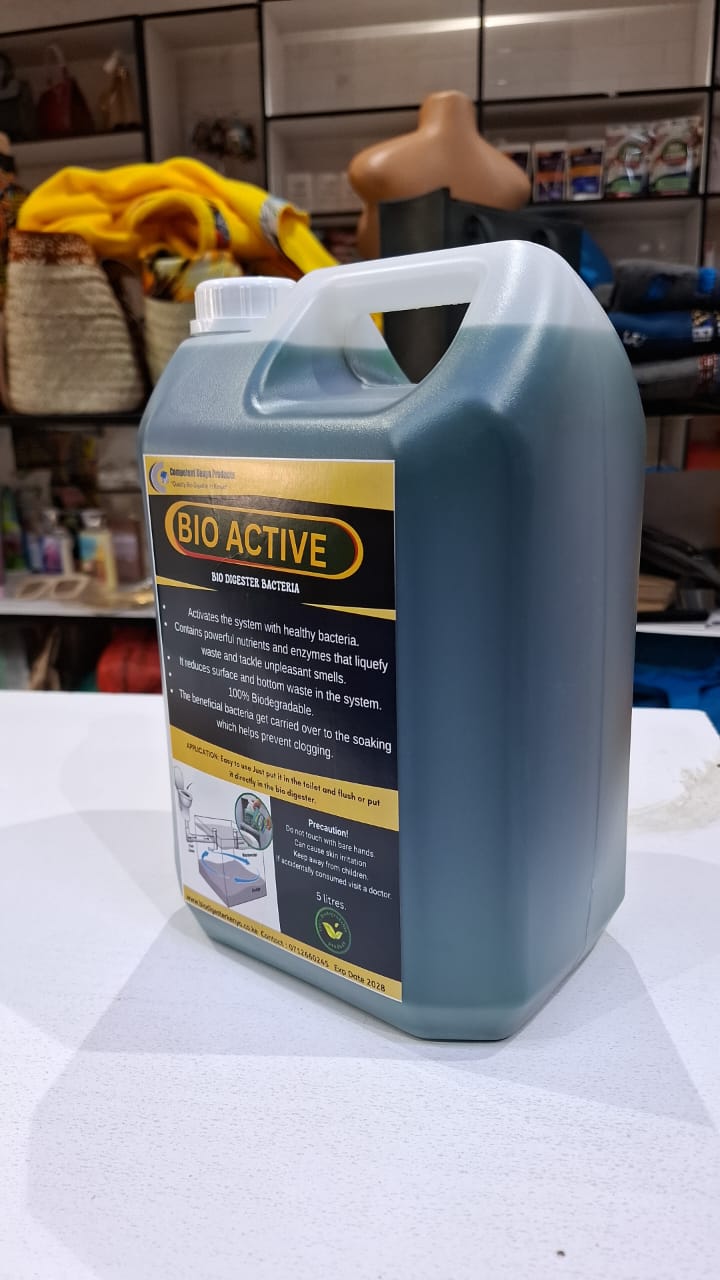
If you want to start your system right, our Bio Digester Bacteria – 200g pack is perfect for kickstarting this process.
Step 2: Acidogenic Bacteria (The Fermenters)
Once the demolition crew is done, the acidogenic bacteria step in.
They take those sugars and amino acids and ferment them into organic acids, carbon dioxide, and hydrogen.
It’s a bit like making vinegar or sourdough bread, but inside your Bio Septic Tank.
These guys are tough and work very fast, ensuring the waste doesn’t just sit around.
Step 3: Acetogenic Bacteria (The Converters)
Now, we have a lot of organic acids.
But we can’t stop there.
The acetogenic bacteria (or acid-formers) convert these acids into acetic acid, along with more hydrogen and carbon dioxide.
This is a vital “bridge” step.
Without these bacteria, the system would become too acidic, and the whole process would stall—leading to those nasty smells people associate with poorly maintained systems.
Step 4: Methanogenic Bacteria (The Gas Makers)
This is the finish line!
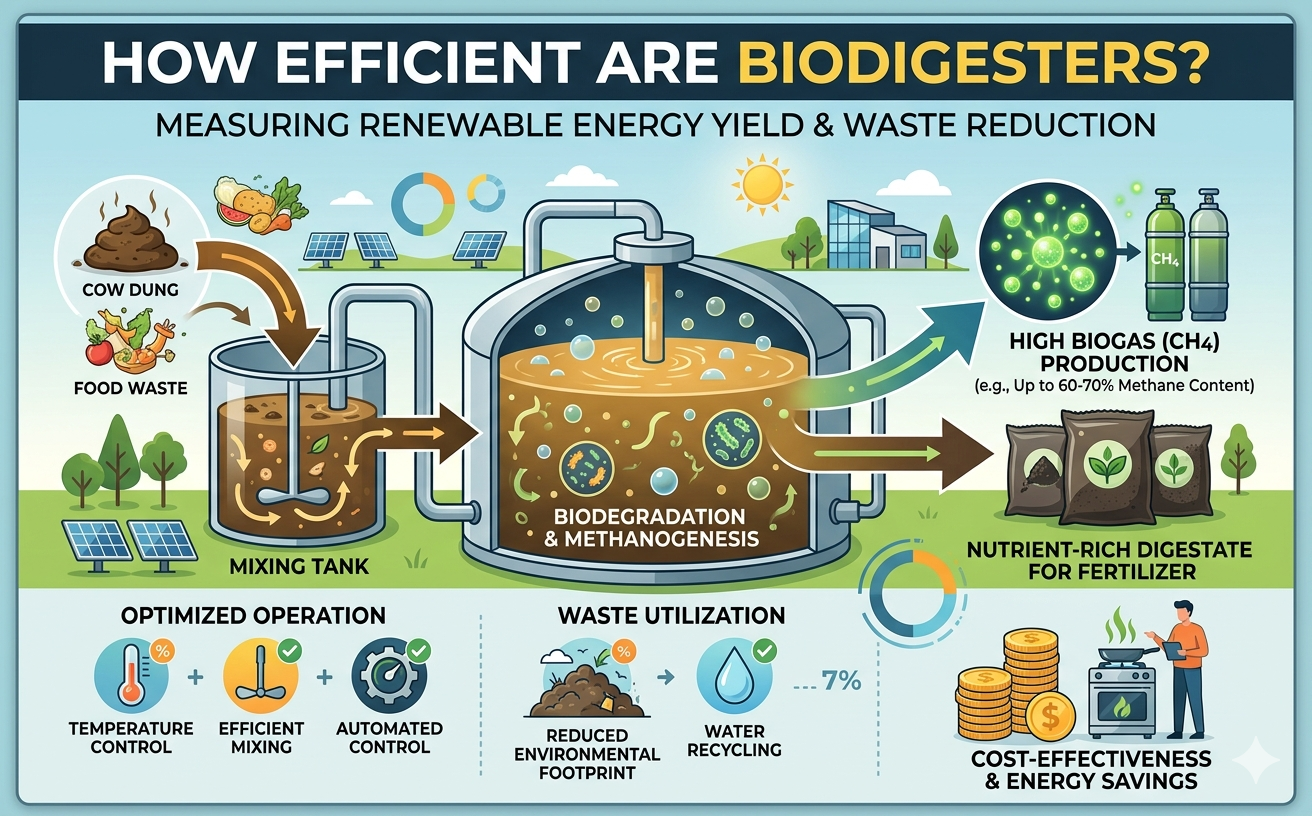
Methanogenic bacteria (methanogens) take the acetic acid and hydrogen and turn them into methane gas and water.
This is why a well-functioning Biodigester produces no odor—the waste has been completely transformed.
The gas is vented out safely (as air), and the water is clean enough to be absorbed by the soil.
If you have a larger system, you might need our Bio Digester Bacteria – 400g to keep these methanogens happy and productive.
Aerobic vs. Anaerobic Bacteria in a Bio Septic Tank
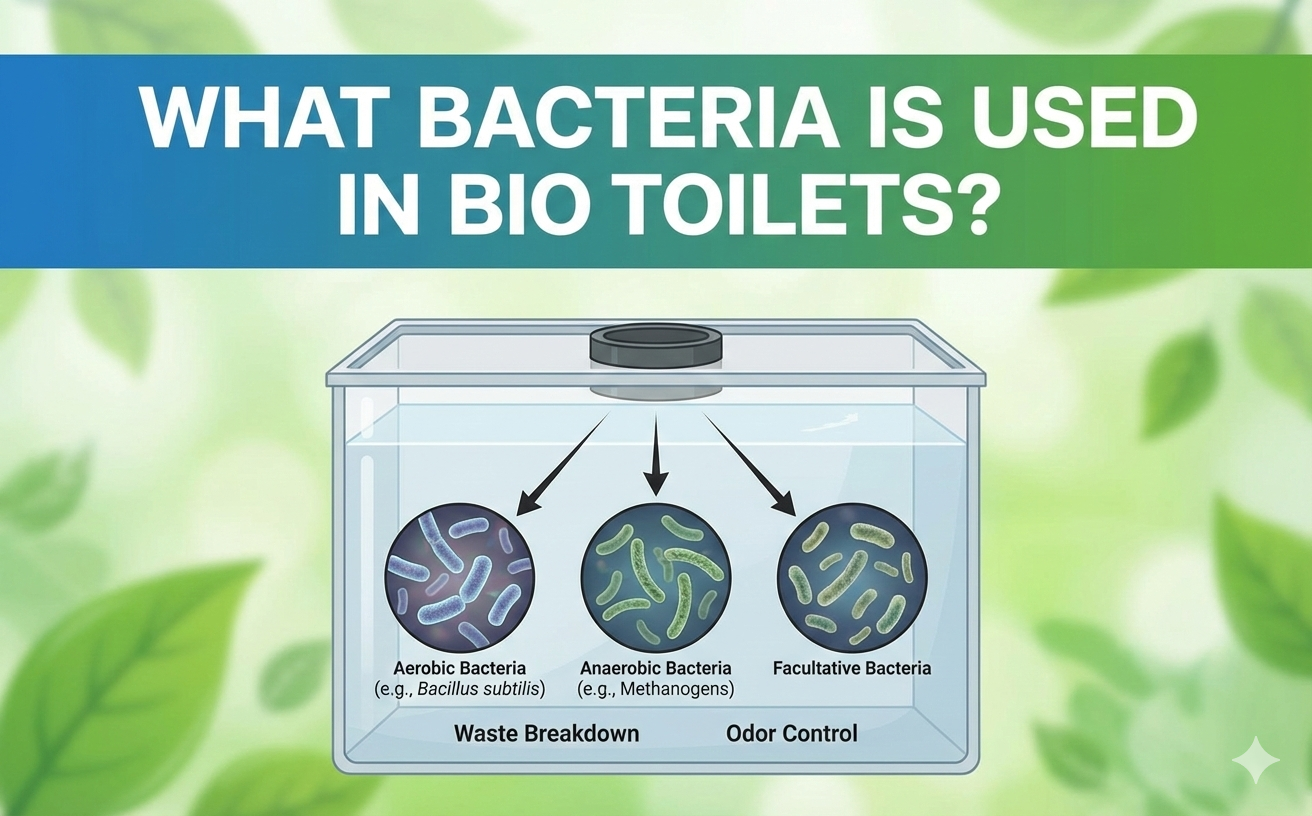
In the world of Bio Digester Kenya, we primarily deal with two types of environments: aerobic (with oxygen) and anaerobic (without oxygen).
- Anaerobic Bacteria: These are the stars of most biodigester septic tank systems. They thrive in the oxygen-free environment of the tank, slowly but surely eating away at the sludge.
- Aerobic Bacteria: These guys are the sprinters. They work much faster than anaerobic bacteria but need oxygen to survive. Some advanced Bio Septic Tanks use aeration systems to keep them alive.
At Bio Digester Kenya, we design our systems to leverage the best of both worlds, ensuring your waste is processed efficiently and silently.
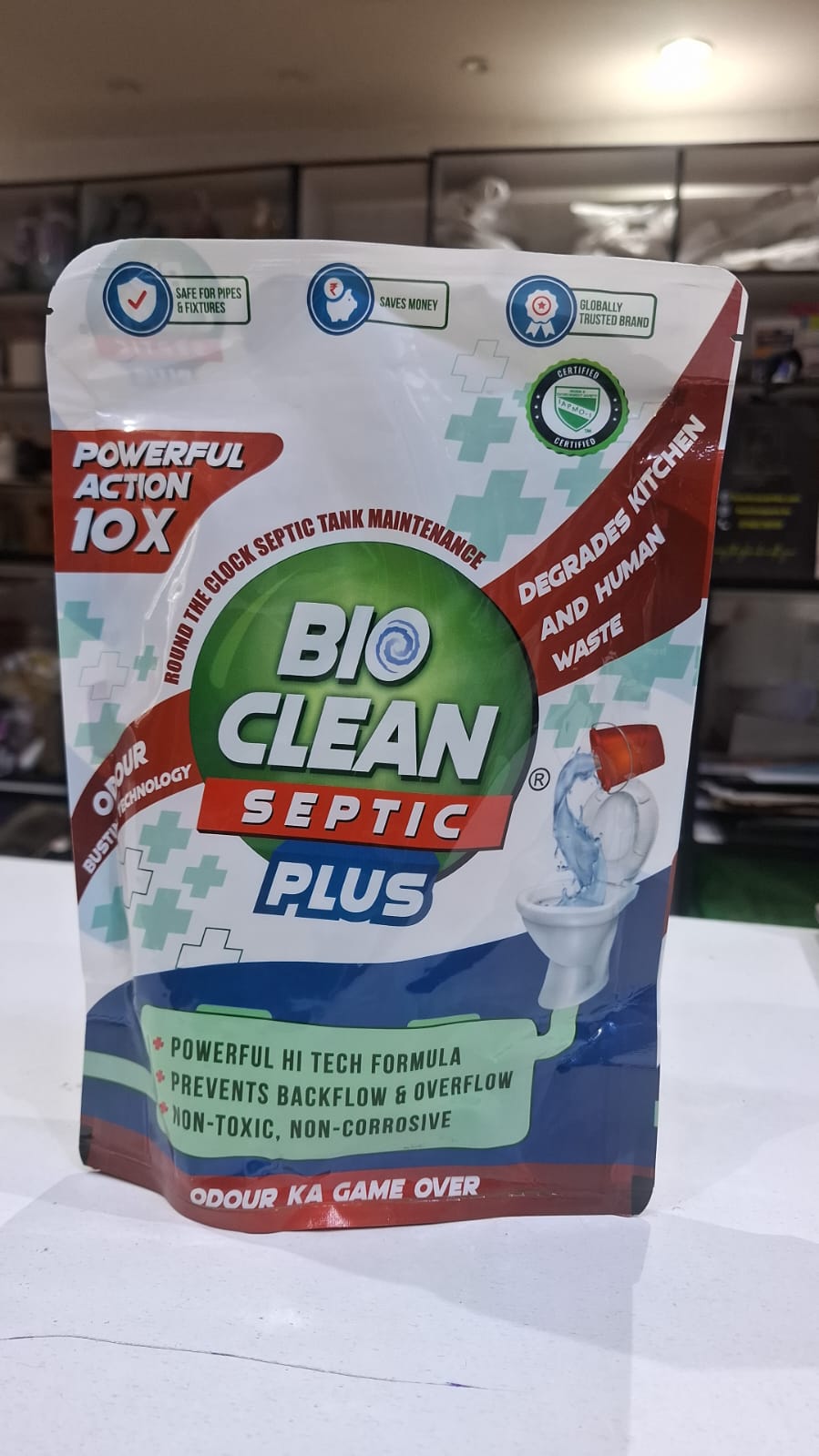
We even offer specialized products like Septic Tank Bacteria – 250g to ensure your specific environment has the right microbial balance.
Why You Need Bio Digester Enzymes
You might think, “Don’t bacteria just occur naturally?” Yes, they do.
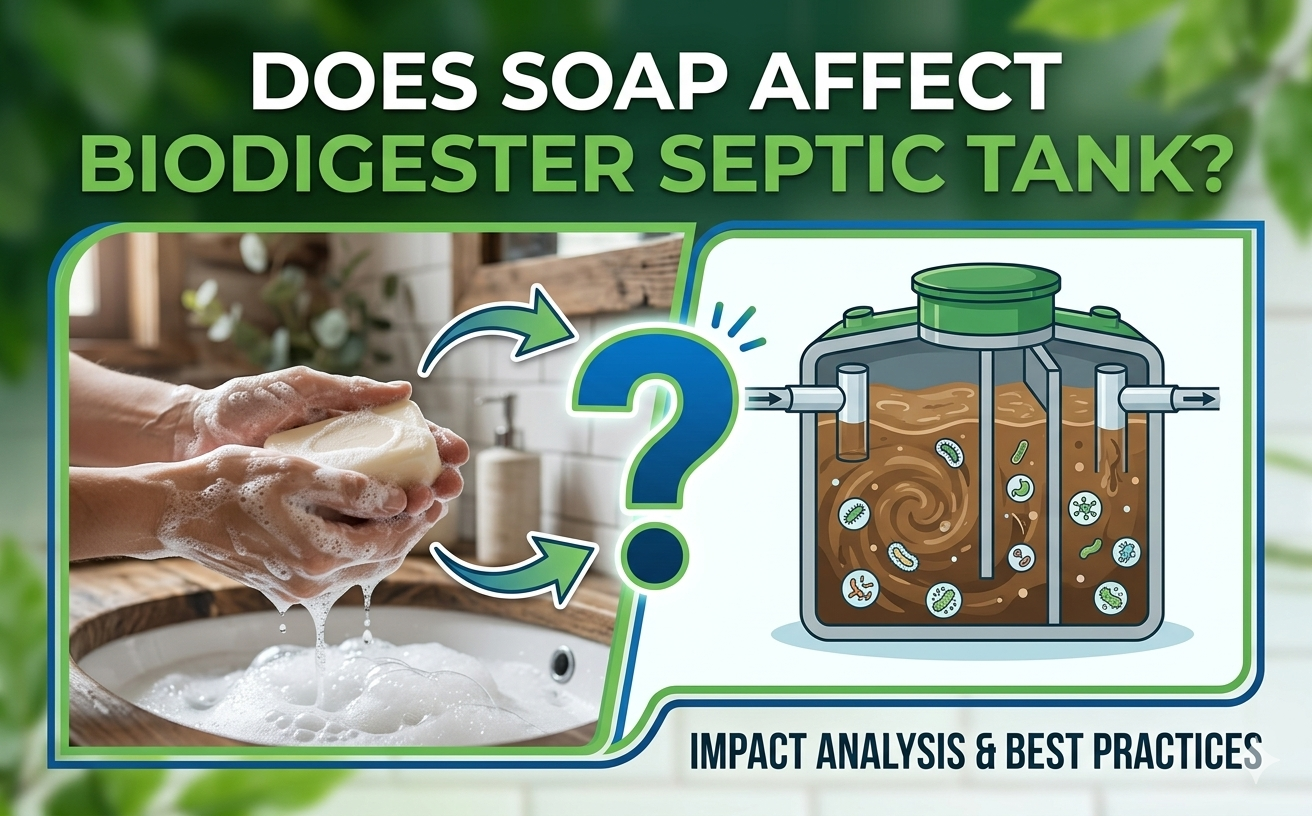
But in a modern household, we use bleach, detergents, and harsh soaps.
These chemicals are like “kryptonite” to your bacteria.
They kill the good microbes, leading to clogs and smells.
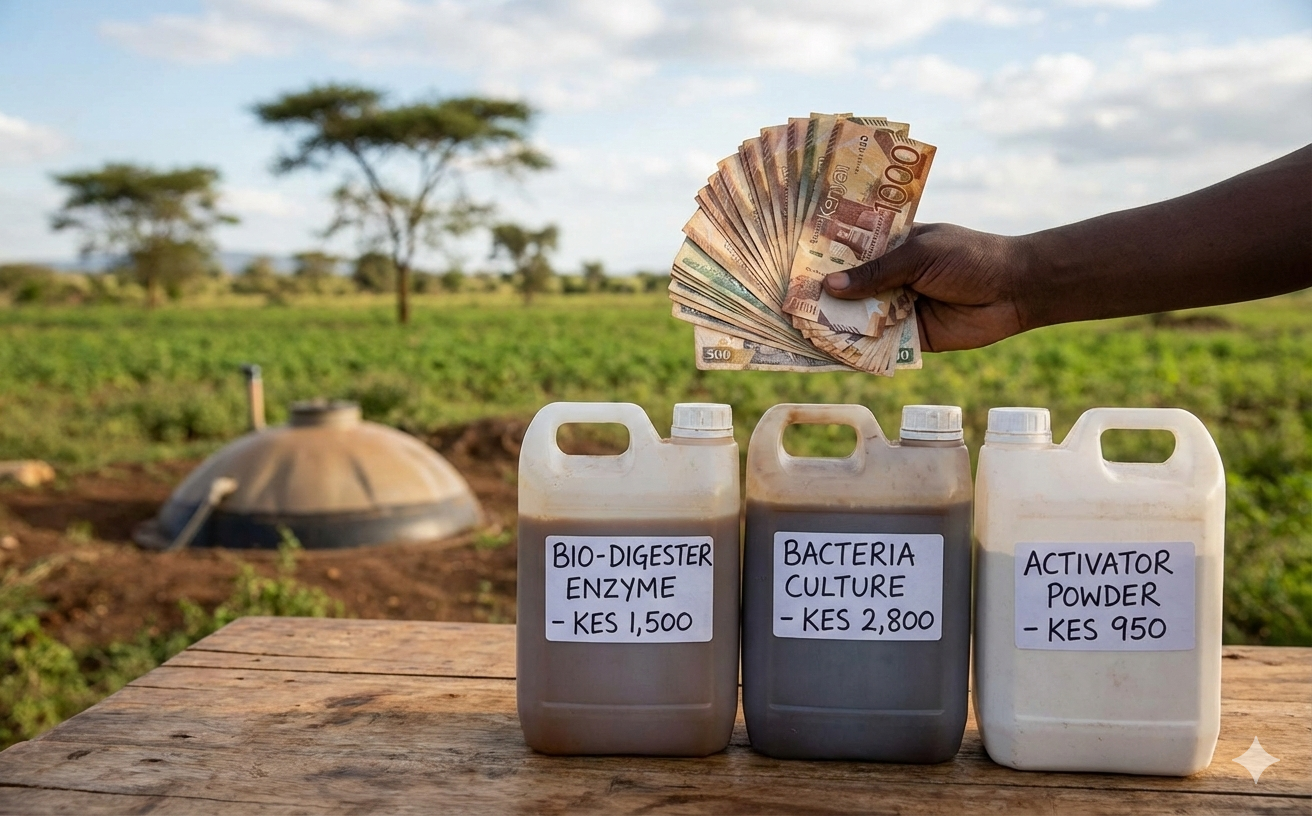
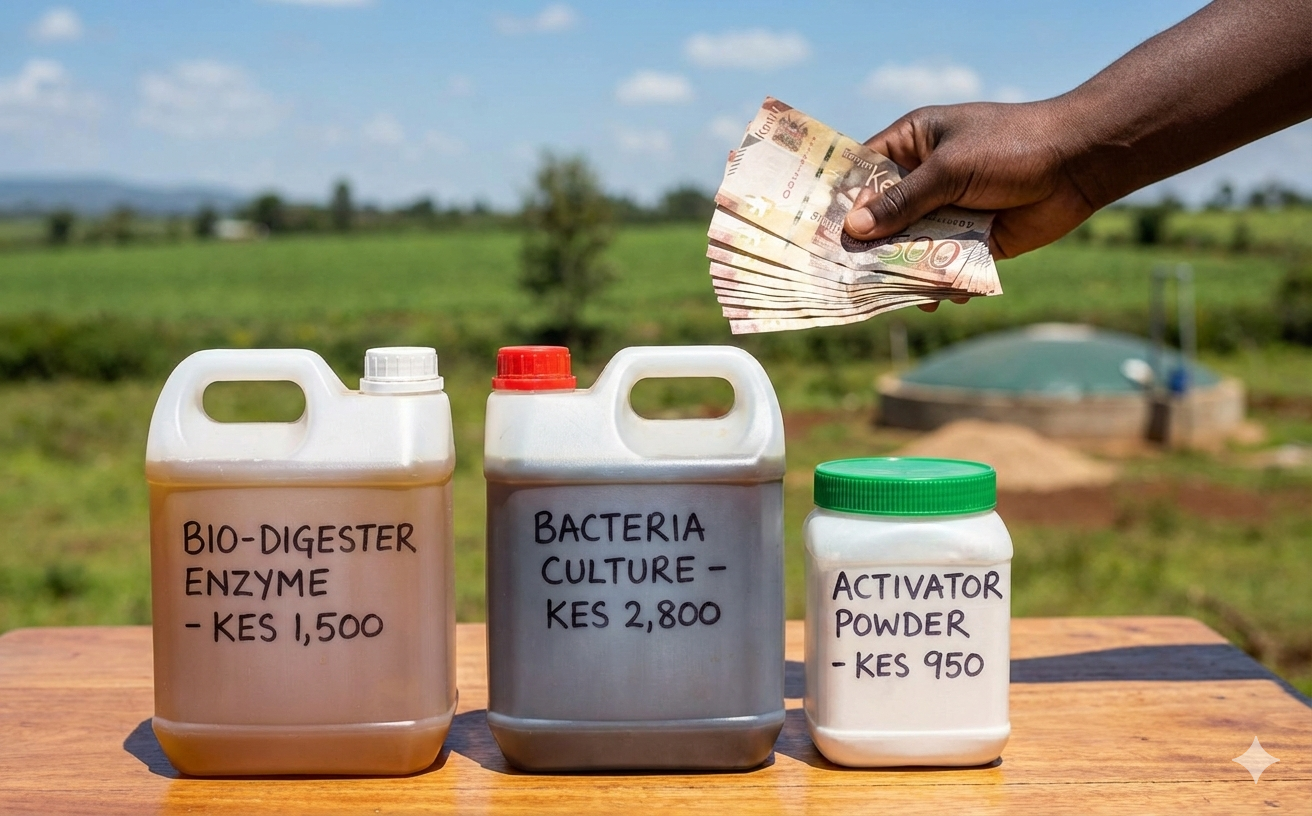
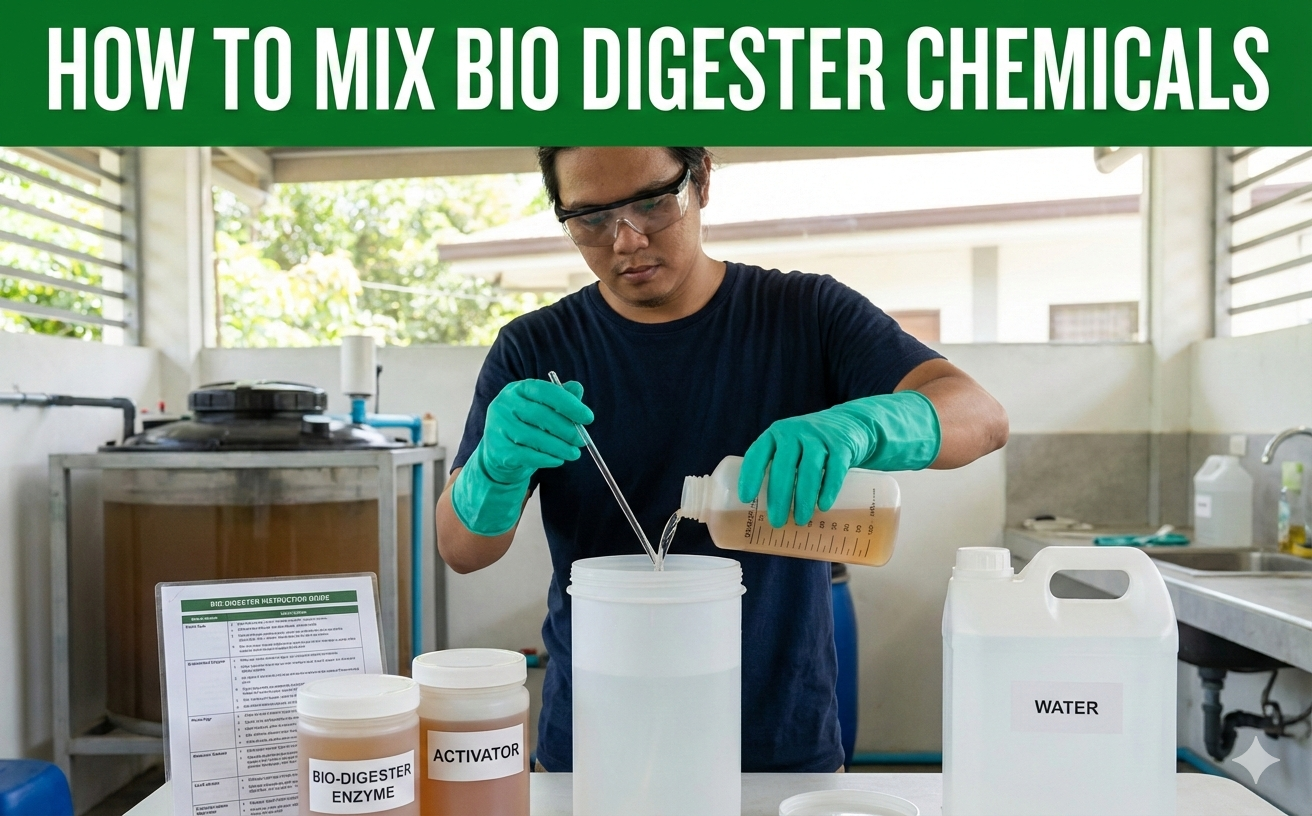
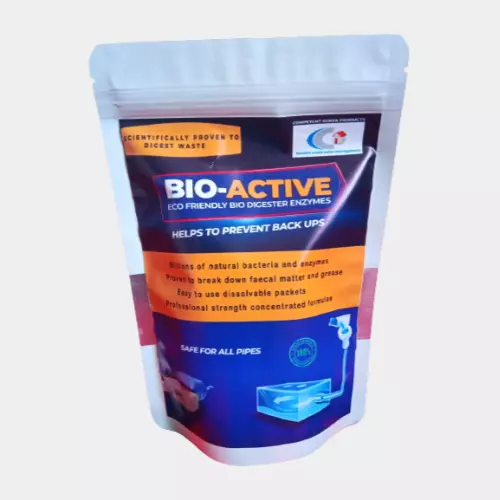
That is why we recommend regular dosing with biodigester enzymes.
These aren’t just bacteria; they are concentrated “super-strains” designed to survive modern household chemicals and keep your system running at 100% efficiency.
Whether you need a small dose or a bulk supply like our Bio Digester Bacteria – 5L, we’ve got you covered.
Boosting Your System with Bio Digester Kenya Products
Maintaining a biodigester septic tank is much cheaper than paying for an exhauster.
Our shop features everything you need.
For those dealing with kitchen issues, our Grease Trap & Kitchen Drain Bacteria – 250g is a lifesaver, breaking down fats before they even reach the main digester.
You can browse our full range at the Bio Digester Kenya Shop.
How Bio Digester Kenya Revolutionizes Human Waste Management
As a leading provider of sanitation solutions in Kenya, Bio Digester Kenya is committed to a cleaner environment.
Our process is simple but effective.
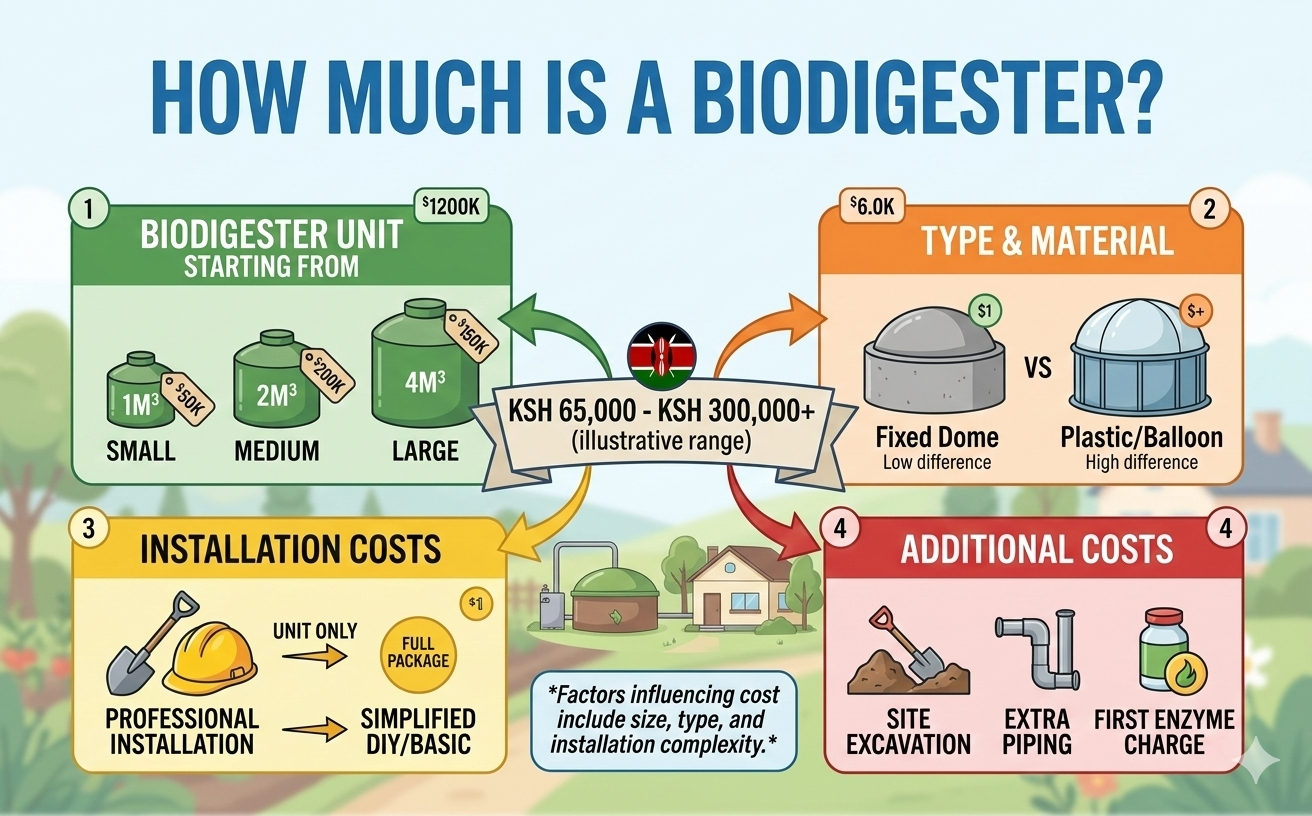
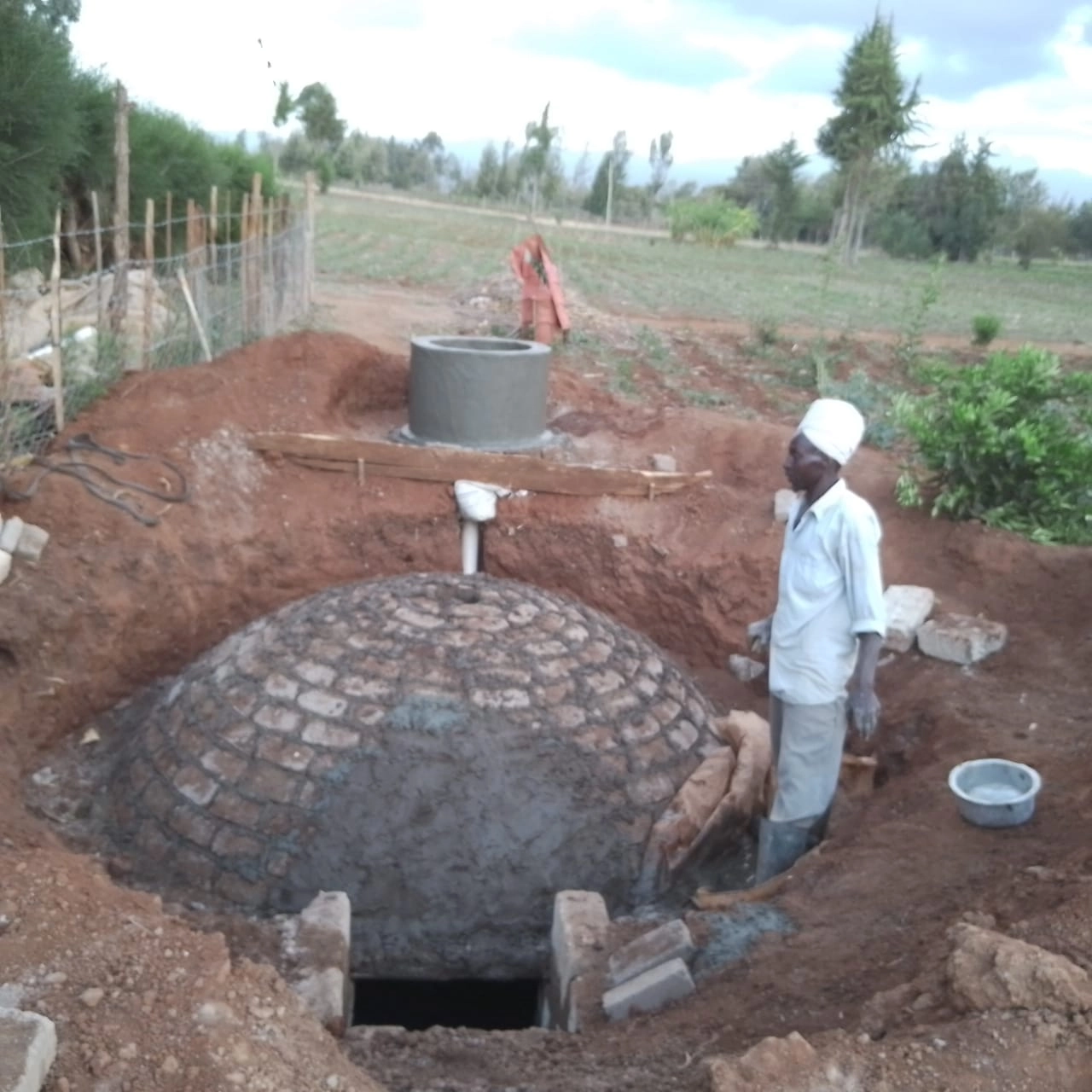
When we install a biodigester, we ensure it is perfectly sized for your needs—whether it’s a 1M³ Bio Digester for a small cottage or a 4M³ Bio Digester for a large apartment complex.
The Installation Process: From Pipes to Pure Water
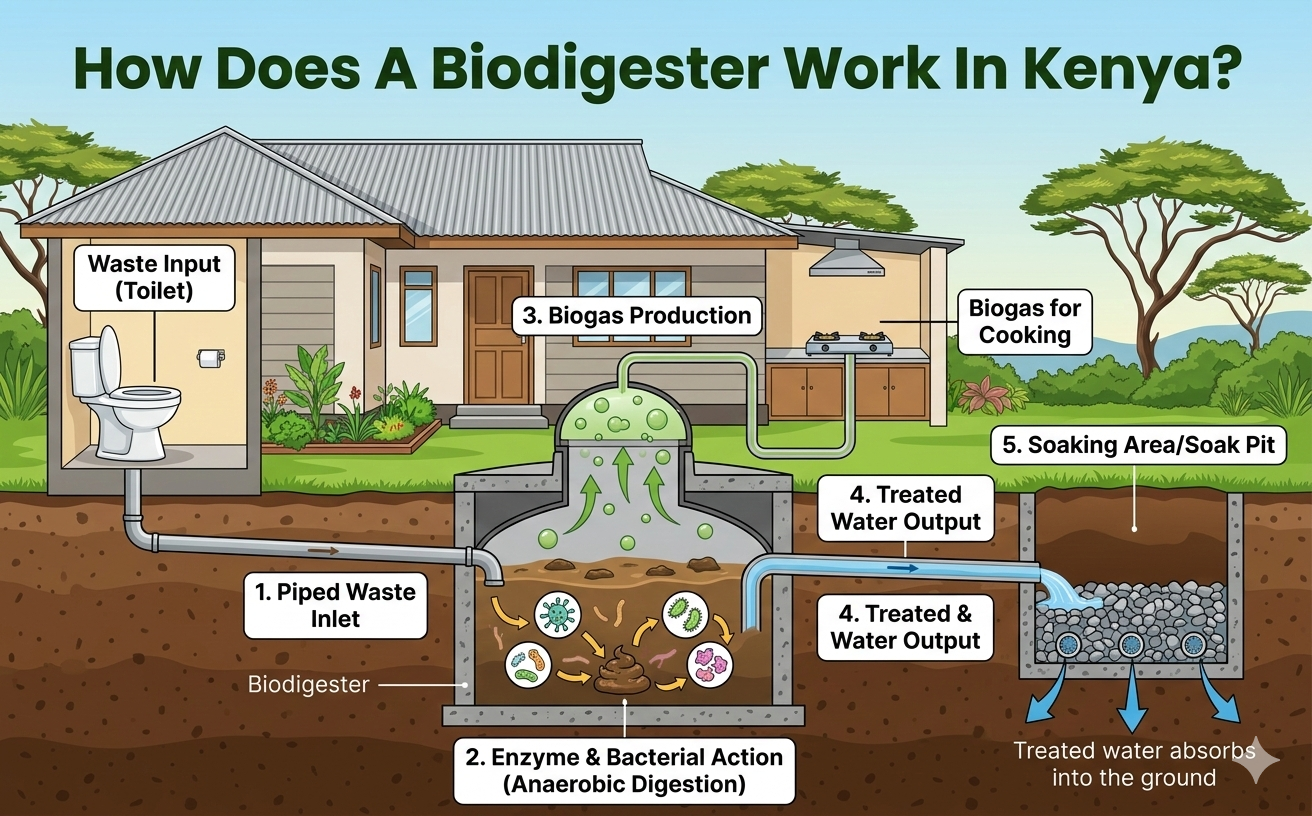
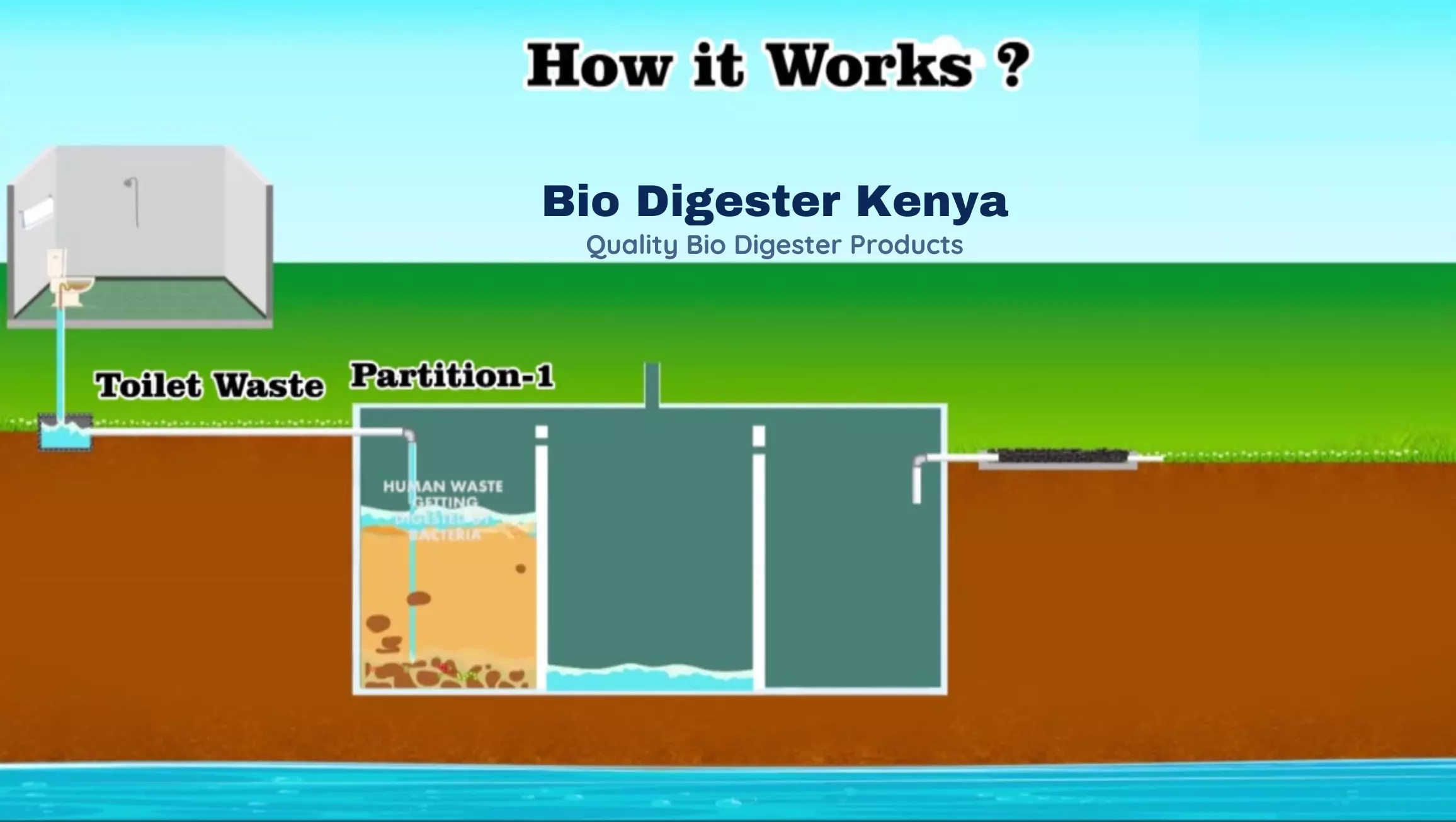
How does it work in practice?
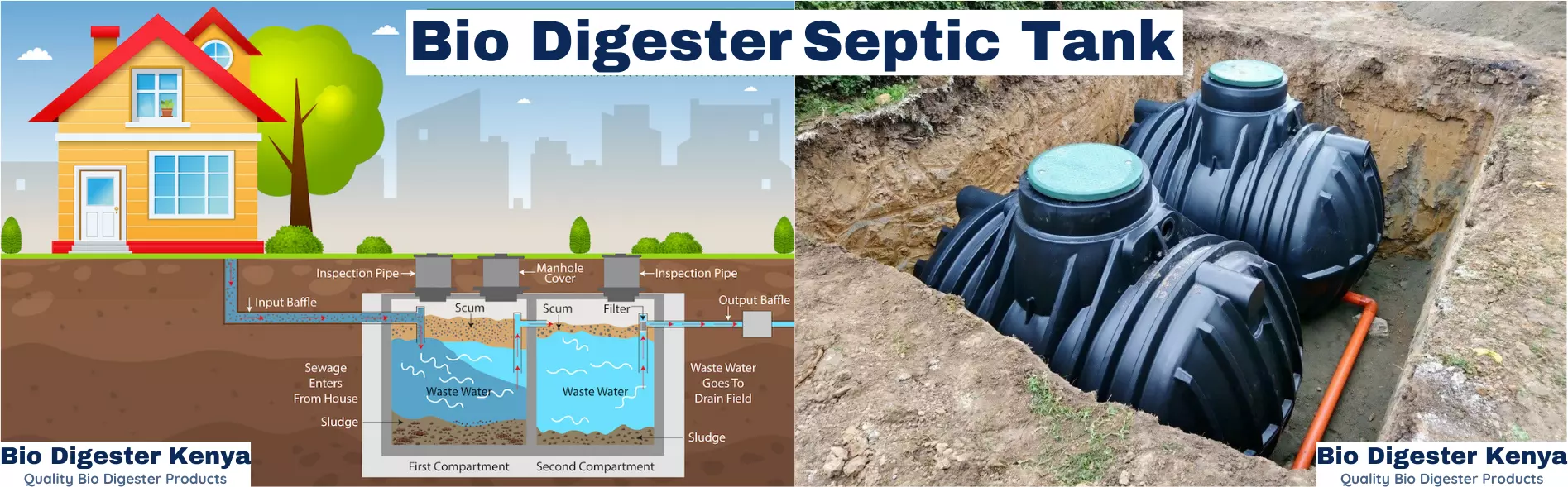
- The Inlet: Human waste is piped from your building directly into the Biodigester.
- The Digestion: Our specialized bacteria and enzymes go to work, consuming the organic matter.
- The Separation: The waste is converted into water and methane/carbon dioxide.
- The Outlet: The gas escapes through a vent (no smell!), and the water flows out.
- The Soaking Area: The water is sent to a “French drain” or soaking area, where it is safely absorbed by the ground, enriching the soil without polluting groundwater.
Residential vs. Commercial Biodigester Solutions
In Kenya, space is often at a premium.
A traditional septic tank requires a huge area and frequent access for trucks.
A Bio Septic Tank from Bio Digester Kenya is compact.
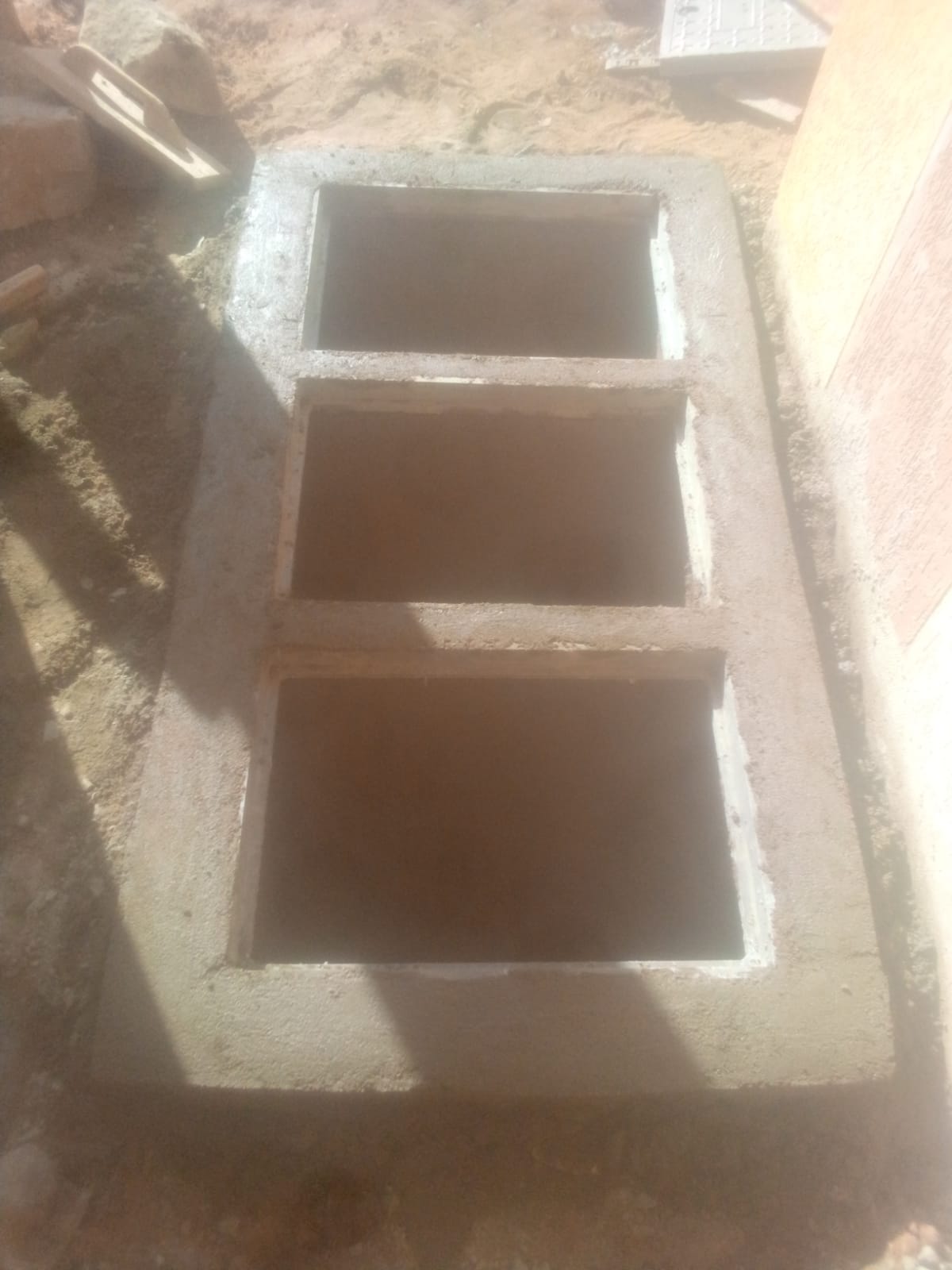
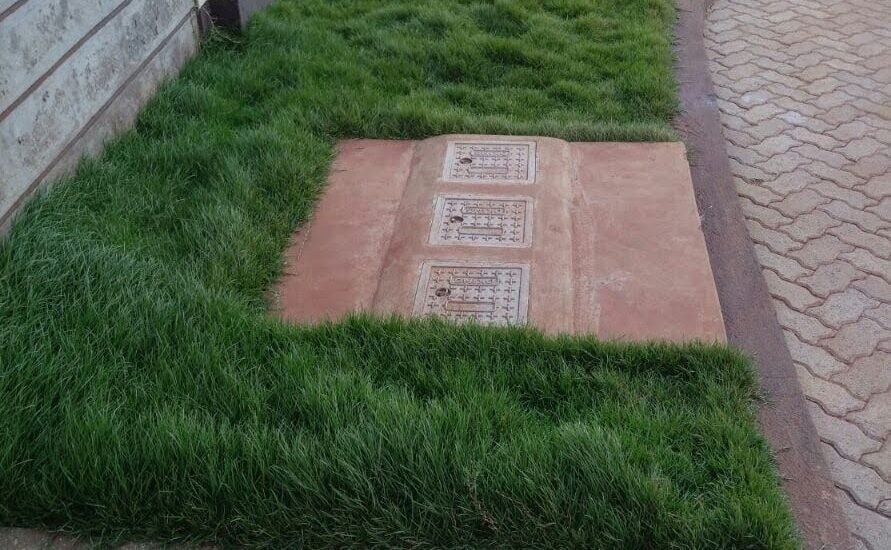
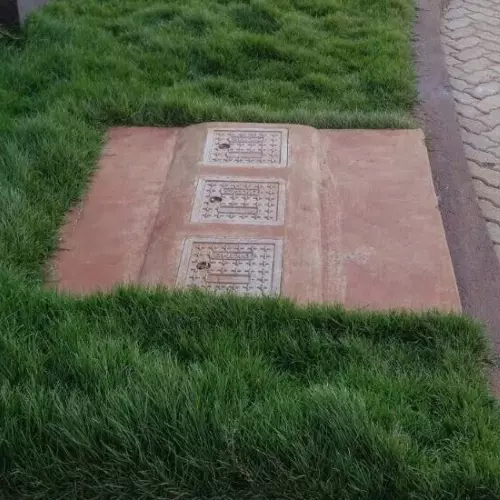
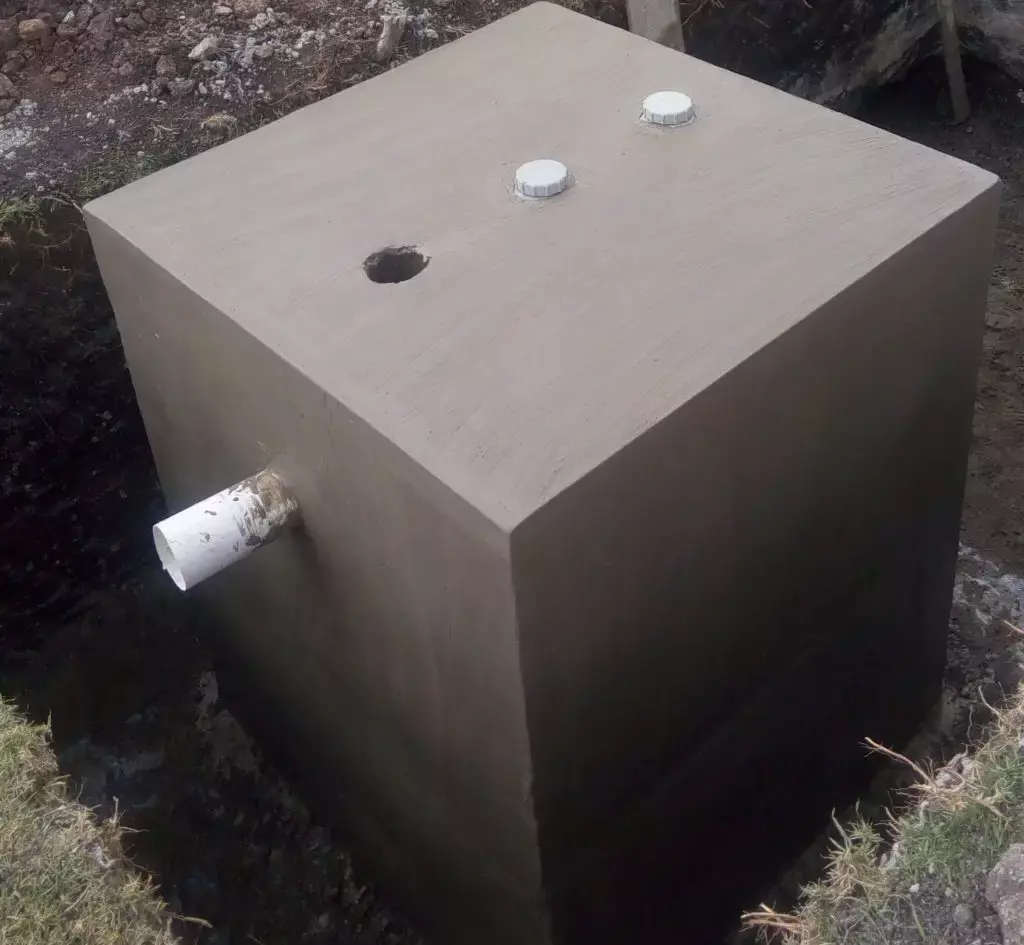
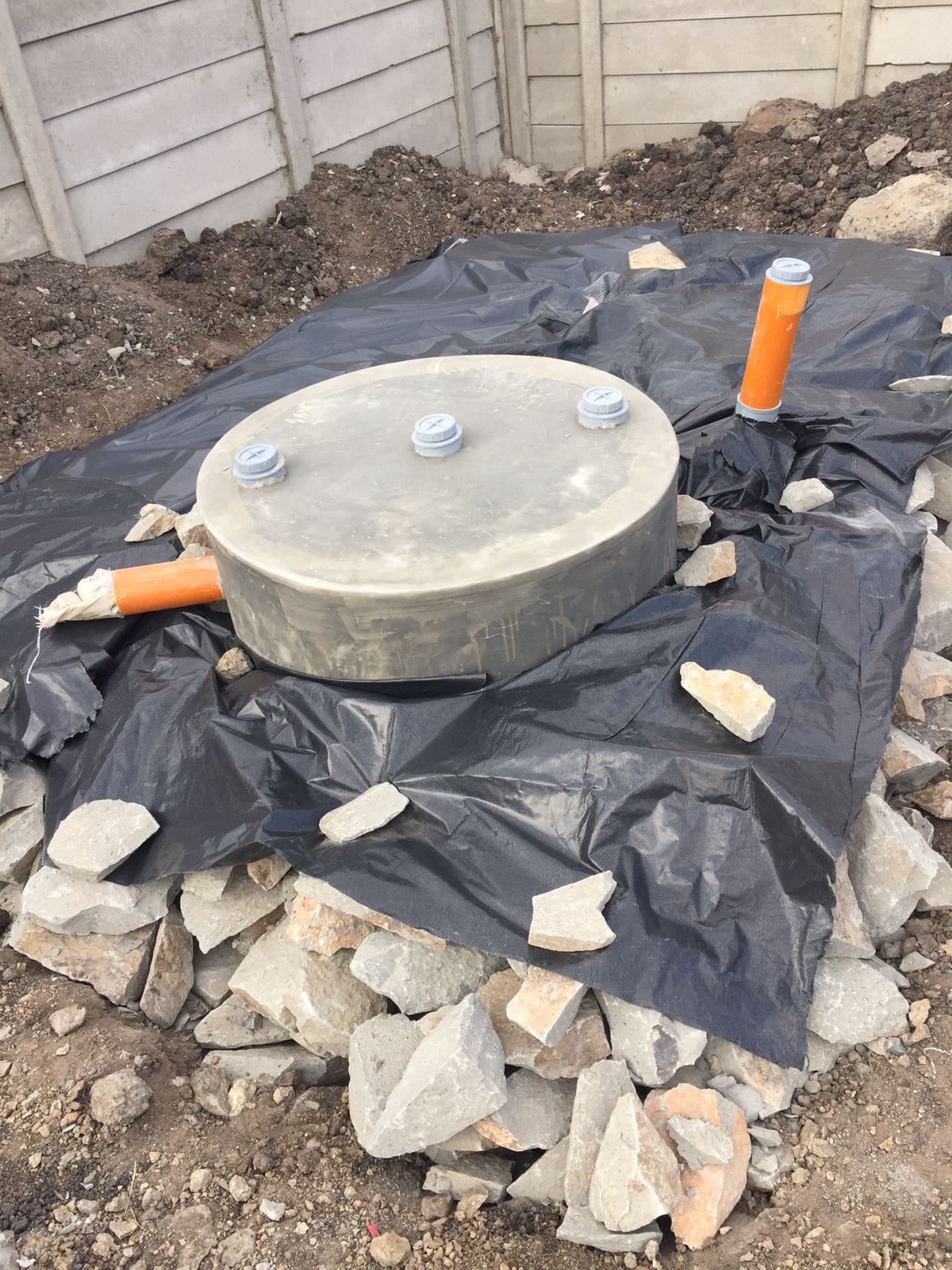
We can install Precast Bio Digesters in tight spaces, making them ideal for urban developments in Nairobi, Mombasa, and Kisumu.
Maintaining Your Biodigester Septic Tank

While these systems are “set and forget” to a degree, they aren’t magic.
You shouldn’t flush plastic, sanitary pads, or excessive amounts of bleach.
If things do get sluggish, a quick treatment with our Septic Tank Cleaner – 2KG will usually get the biological clock ticking again.
Regular septic tank maintenance is the key to a system that lasts 20+ years.
Are you tired of the smell?
Are you tired of the exhauster bills?
It’s time to upgrade.
Whether you are building a new home or looking to replace an old system, we are here to help.
At Bio Digester Kenya, we pride ourselves on professional plumbing services and expert installation.
Contact us today to get a quote!
Phone: Call +254 712 660 245
Email: Email info@biodigesterkenya.co.ke
Website: www.biodigesterkenya.co.ke
Conclusion: The Future of Sanitation in Kenya
Understanding which bacteria are used in a biodigester is more than just a biology lesson; it’s about understanding the health of your home and the environment.
By using a biodigester septic tank, you are choosing a solution that is eco-friendly, cost-effective, and incredibly efficient.
The combination of hydrolytic, acidogenic, acetogenic, and methanogenic bacteria turns “waste” into a non-issue.
At Bio Digester Kenya, we are passionate about bringing this technology to every corner of the country.
Don’t settle for the smelly, outdated septic tanks of the past.
Choose the modern Bio Septic Tank and enjoy a hassle-free life.
Check out our gallery to see our recent projects and join the thousands of happy Kenyans who have already made the switch!
Frequently Asked Questions
- How often do I need to add bacteria to my biodigester?
For most residential biodigester septic tanks, we recommend adding a maintenance dose of biodigester enzymes every 3 to 6 months, or whenever you’ve done heavy cleaning with harsh chemicals. - Will the biodigester smell?
Not at all! A properly functioning Biodigester is odorless. The bacteria convert the foul-smelling organic waste into odorless methane and carbon dioxide, which are vented out, and clean water which goes to the soak pit. - Can I use a biodigester for my business or apartment block?
Absolutely. We install commercial spaces solutions every day. We offer larger units, such as the 3M³ Bio Digester and 4M³ Bio Digester, which can handle waste from dozens of people. - What is the main benefit of biodigester vs septic tank?
The main benefit is that a biodigester never needs to be emptied by an exhauster truck. It treats the waste on-site, saving you thousands of shillings in the long run and protecting the environment. - Where does the water go after the biodigester?
The treated water is piped to a soaking area (also known as a soak pit or French drain). From there, it is safely absorbed by the ground. Because the bacteria have already removed the harmful waste, it is safe for the soil!