Introduction: The Modern Solution to an Age-Old Problem
If you have ever lived in a house where the “exhauster man” is on speed dial, you know the literal and metaphorical headache of traditional waste management.
The stench, the recurring costs, and the constant worry of an overflow can make homeownership feel like a burden. But what if I told you there is a way to handle waste that lasts a lifetime?
Enter the Biodigester. In Kenya, we are seeing a massive shift from old-school pits and concrete tanks to the more efficient biodigester septic tank.
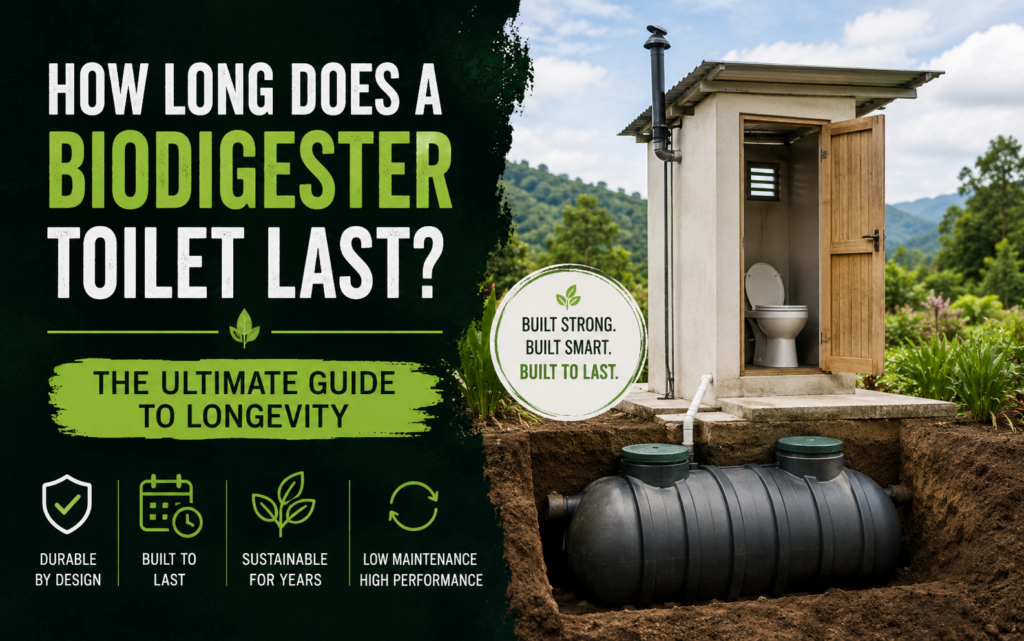
But the big question most homeowners ask before making the switch is: “How long does a biodigester toilet last?”
At Bio Digester Kenya, we don’t just install these systems; we build them to outlive the buildings they serve. Let’s dive deep into why this technology is the future and how long you can expect it to serve you.
What Exactly is a Biodigester Septic Tank?
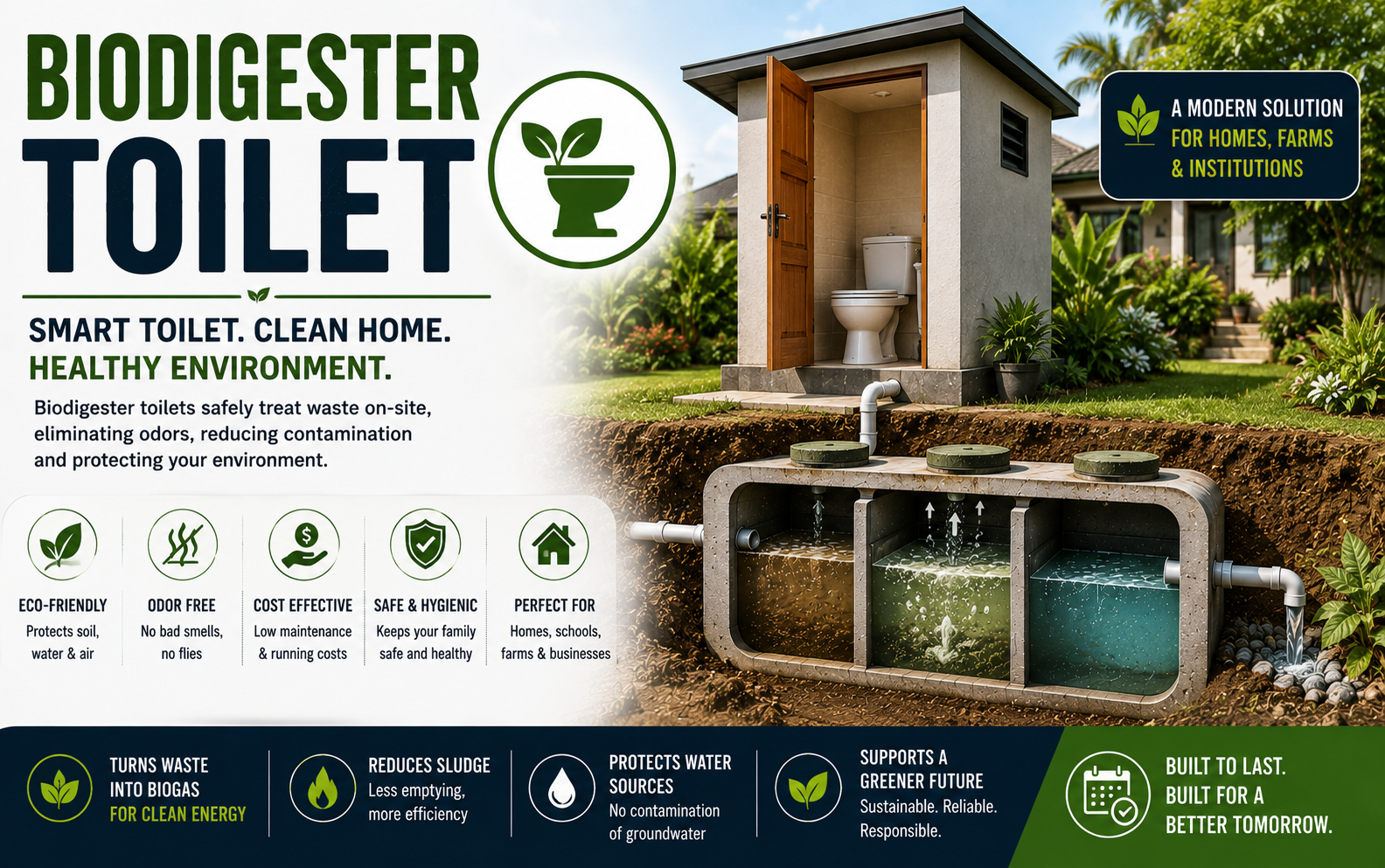
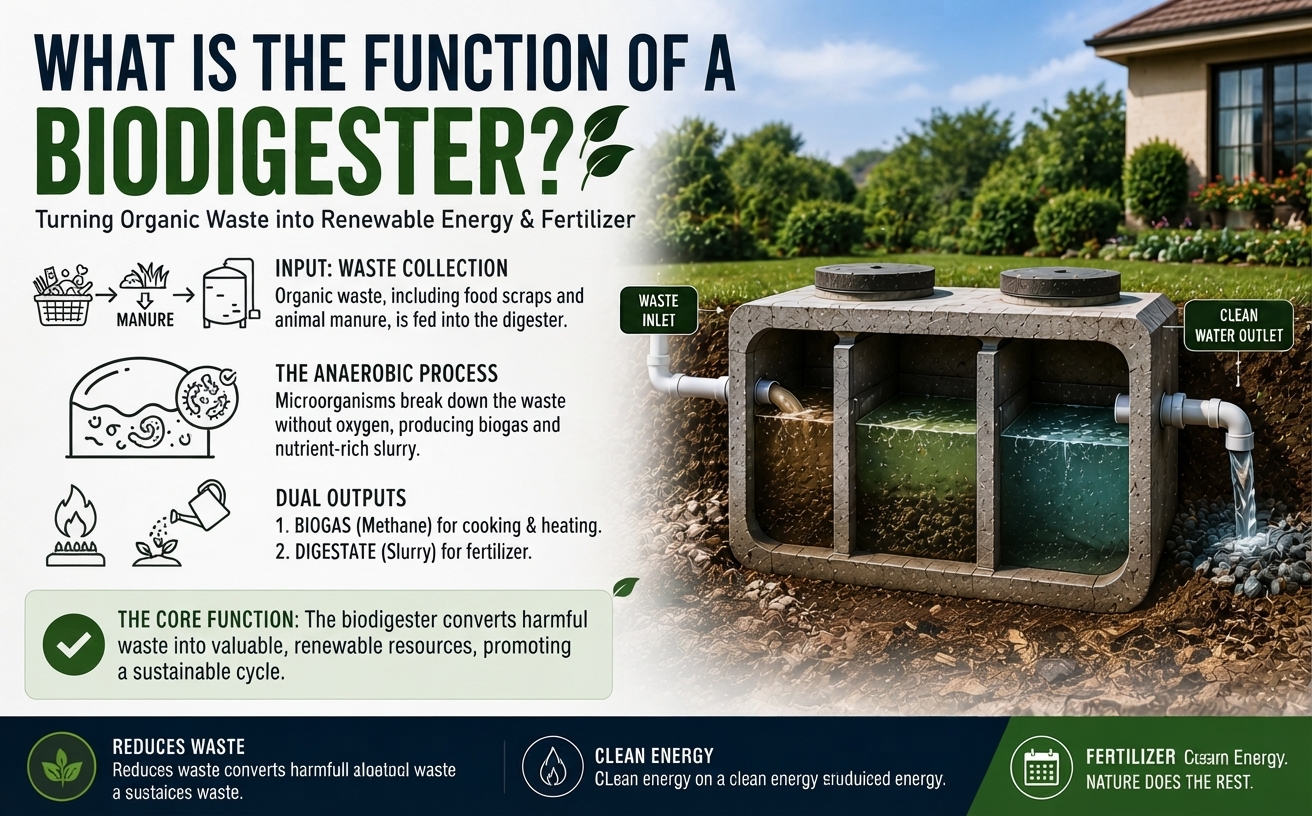
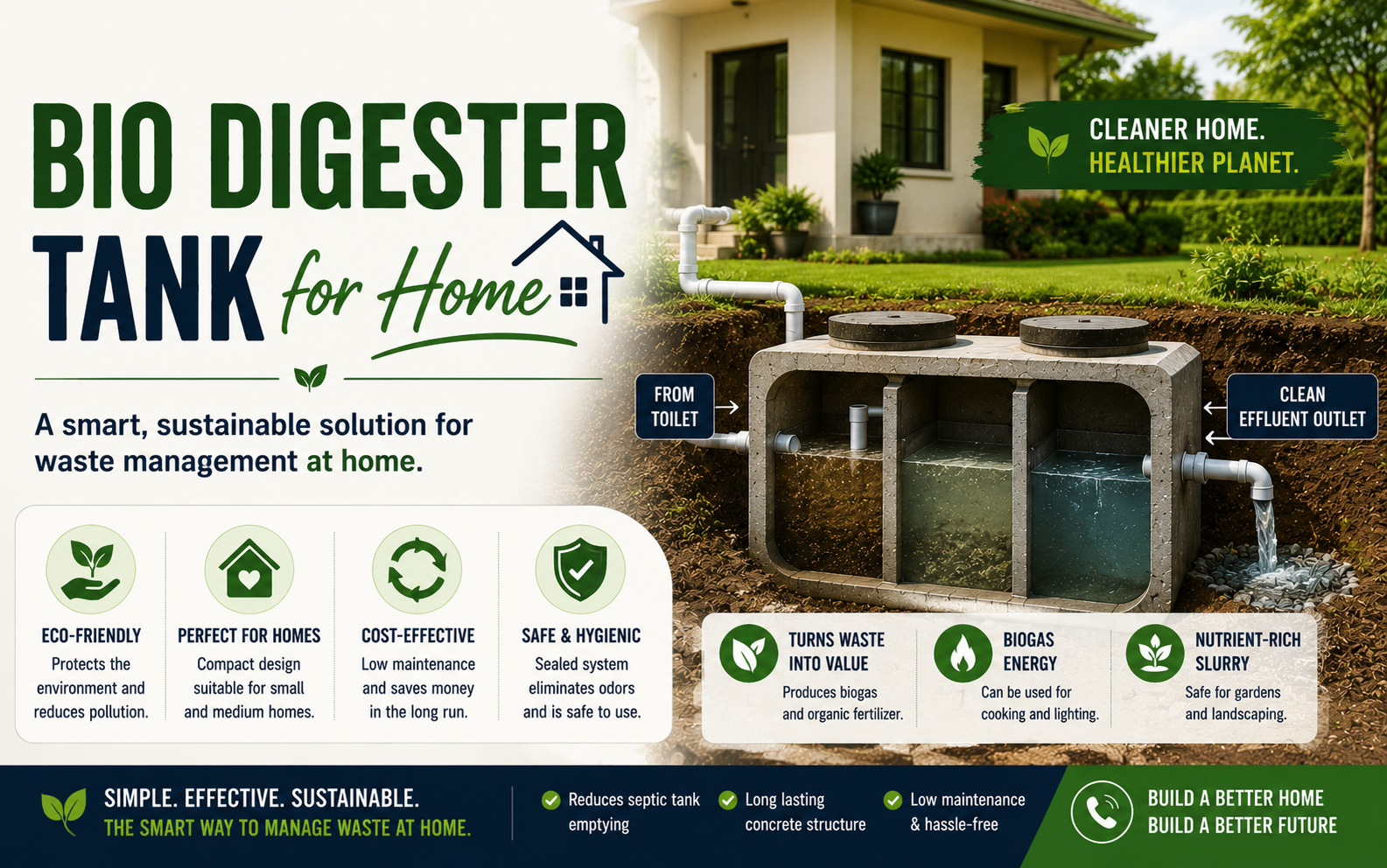
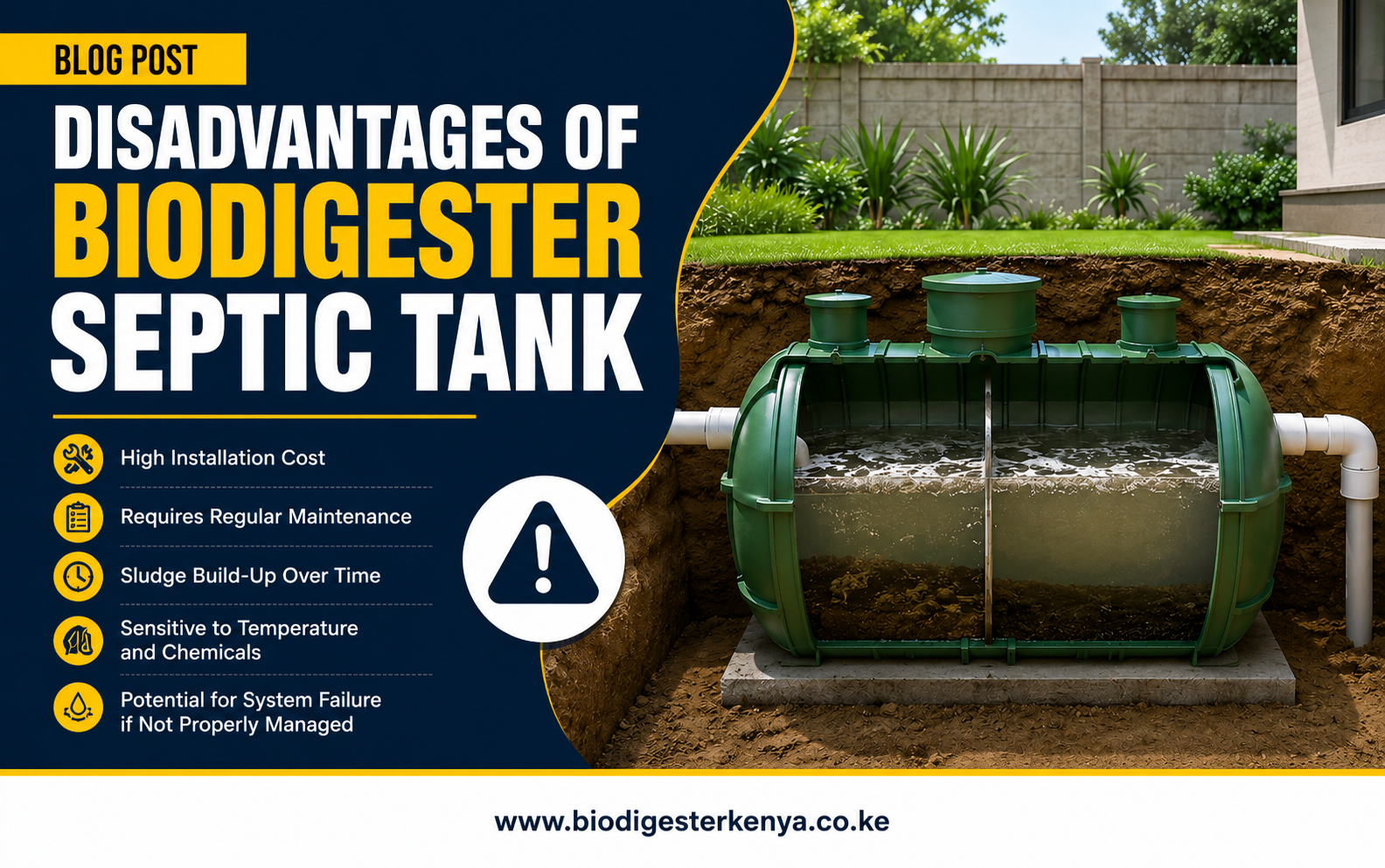
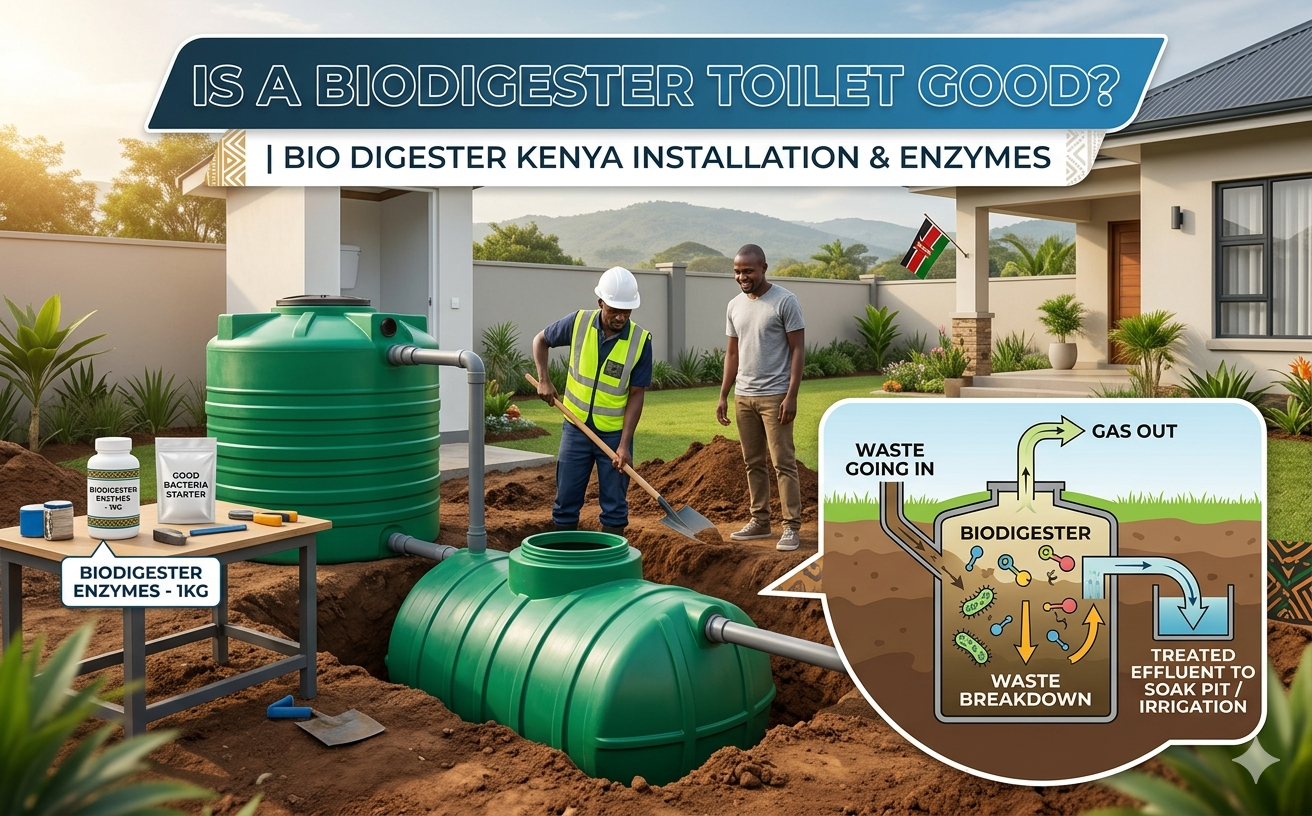
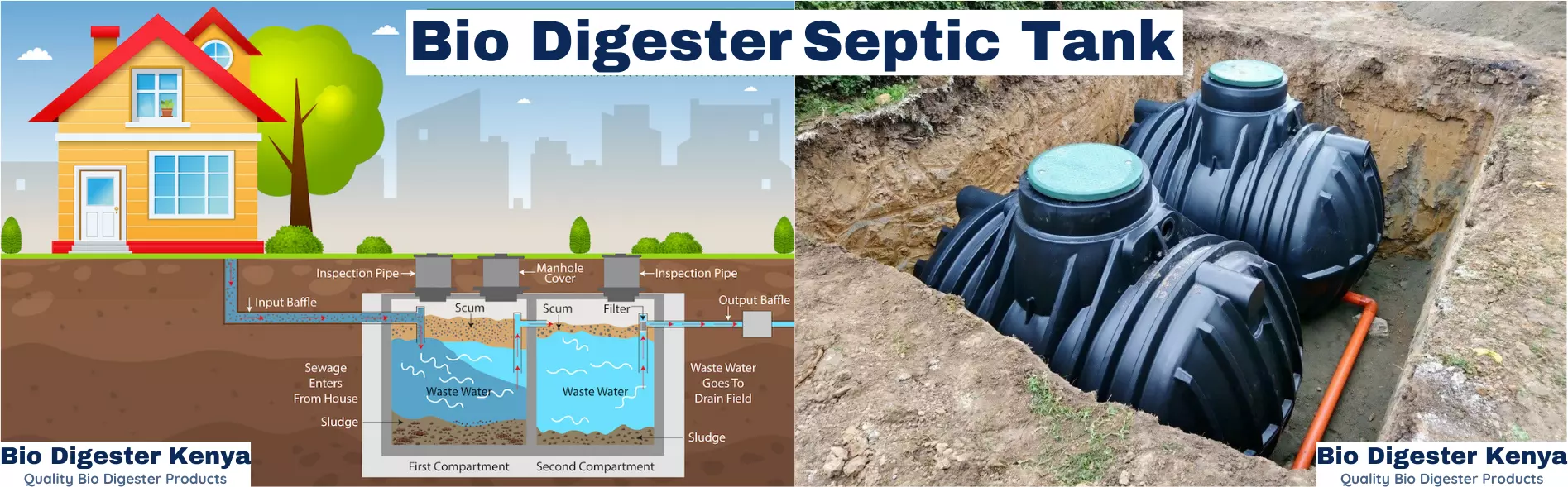
Think of a Biodigester as a mechanical stomach for your house. It is a biological filtration system that treats human waste through a process called anaerobic digestion.
Instead of just “storing” waste like a traditional pit, the Bio Septic Tank processes it.
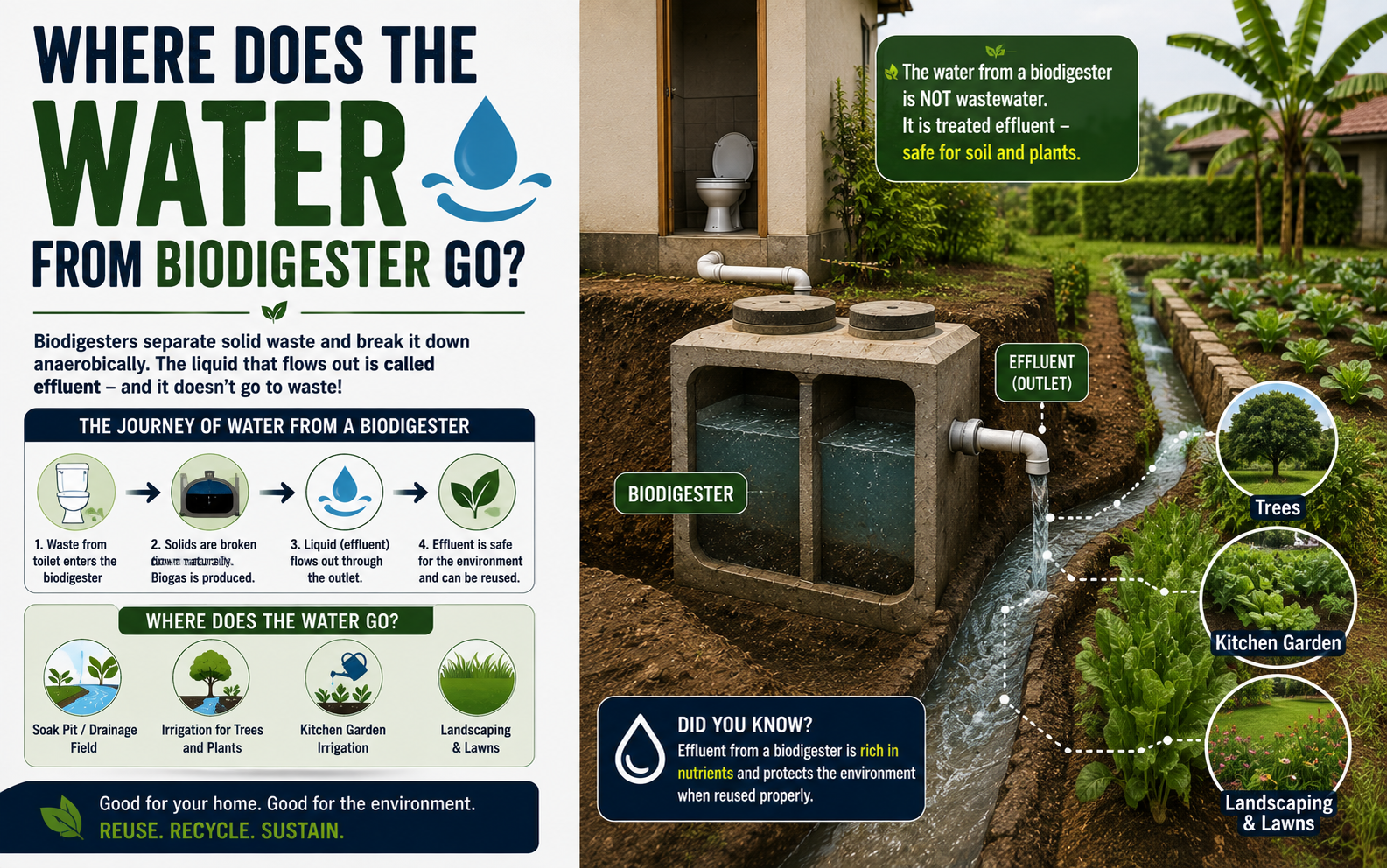
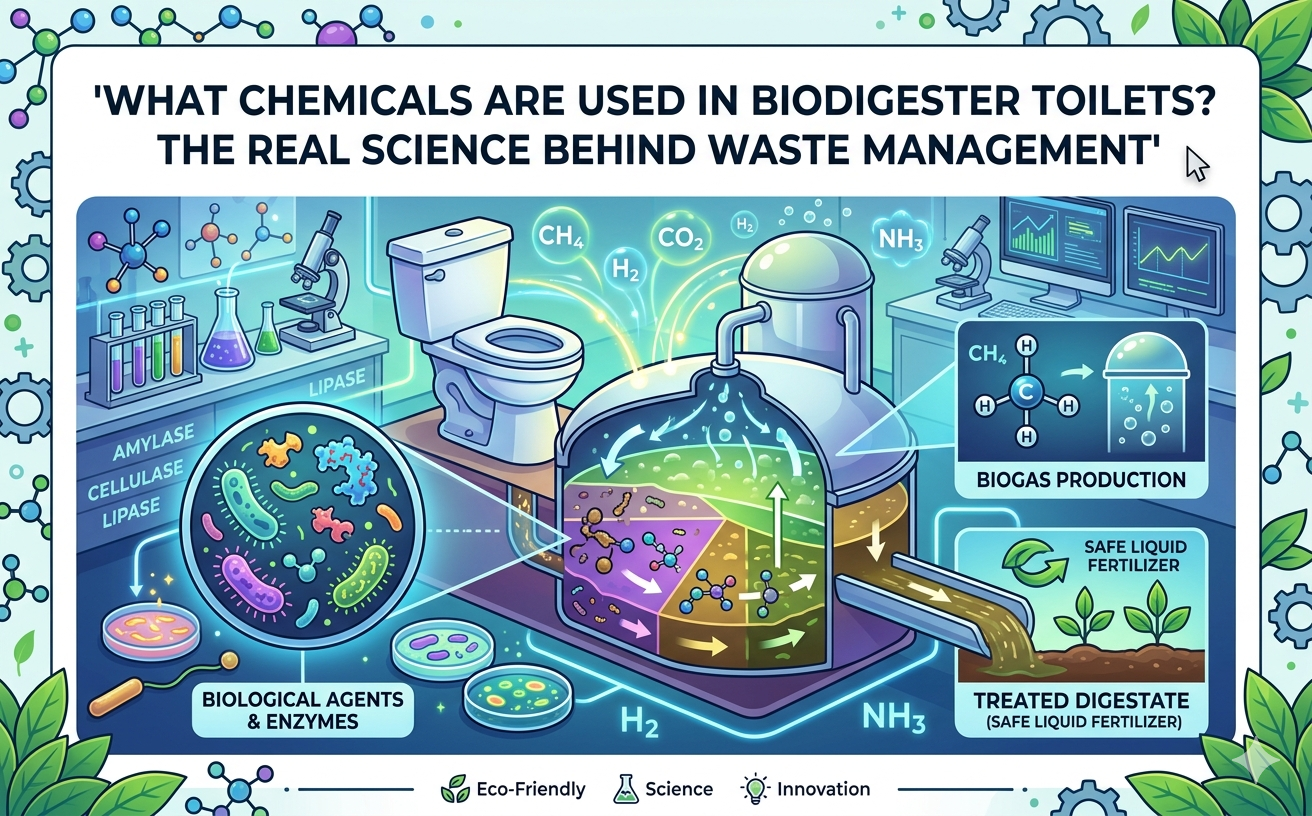
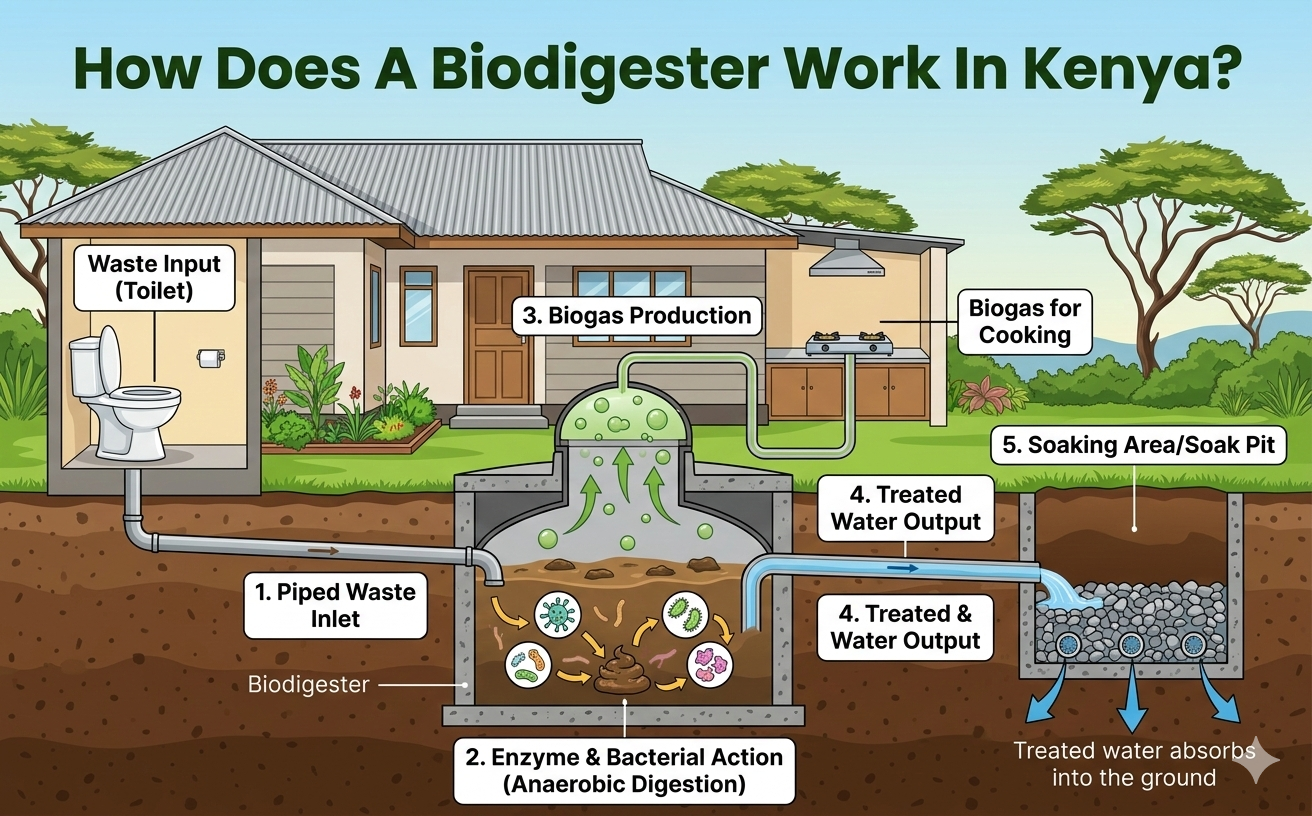
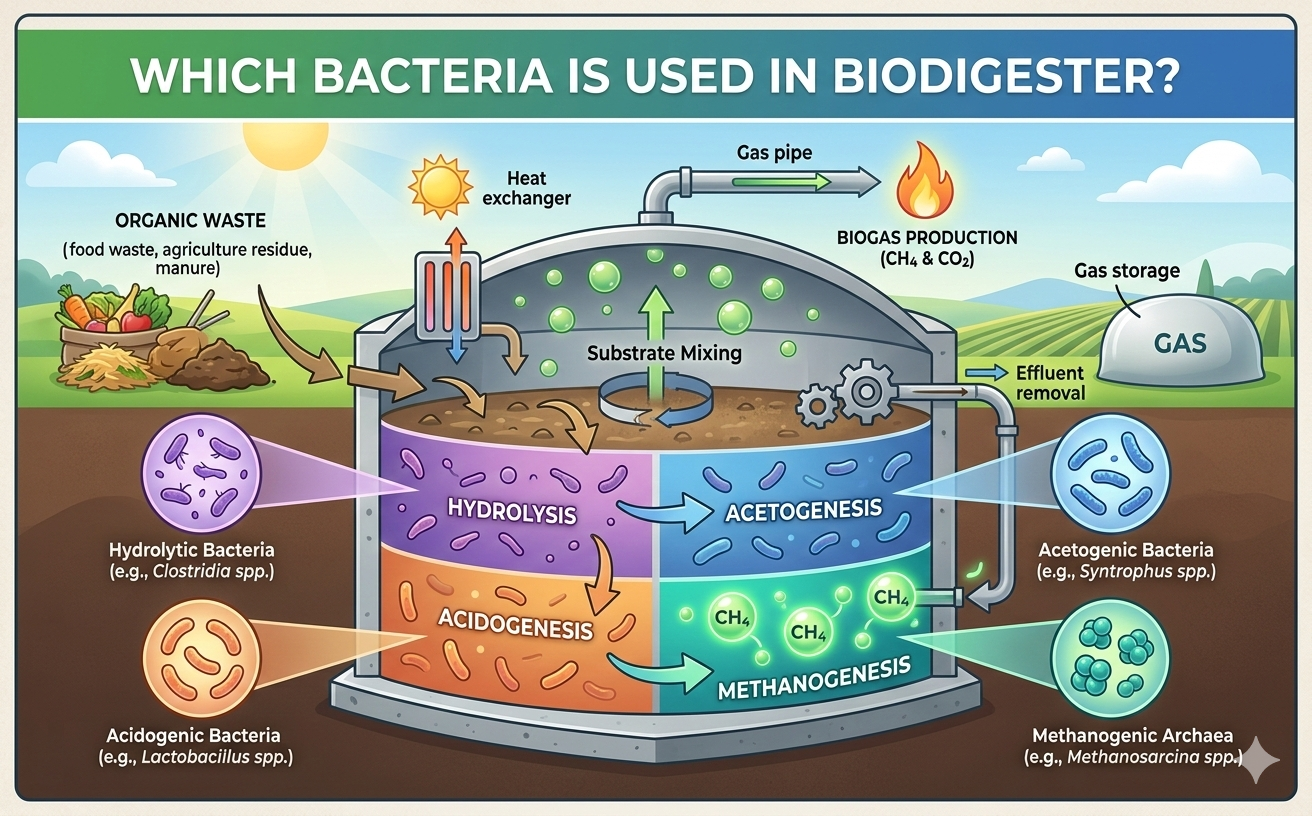
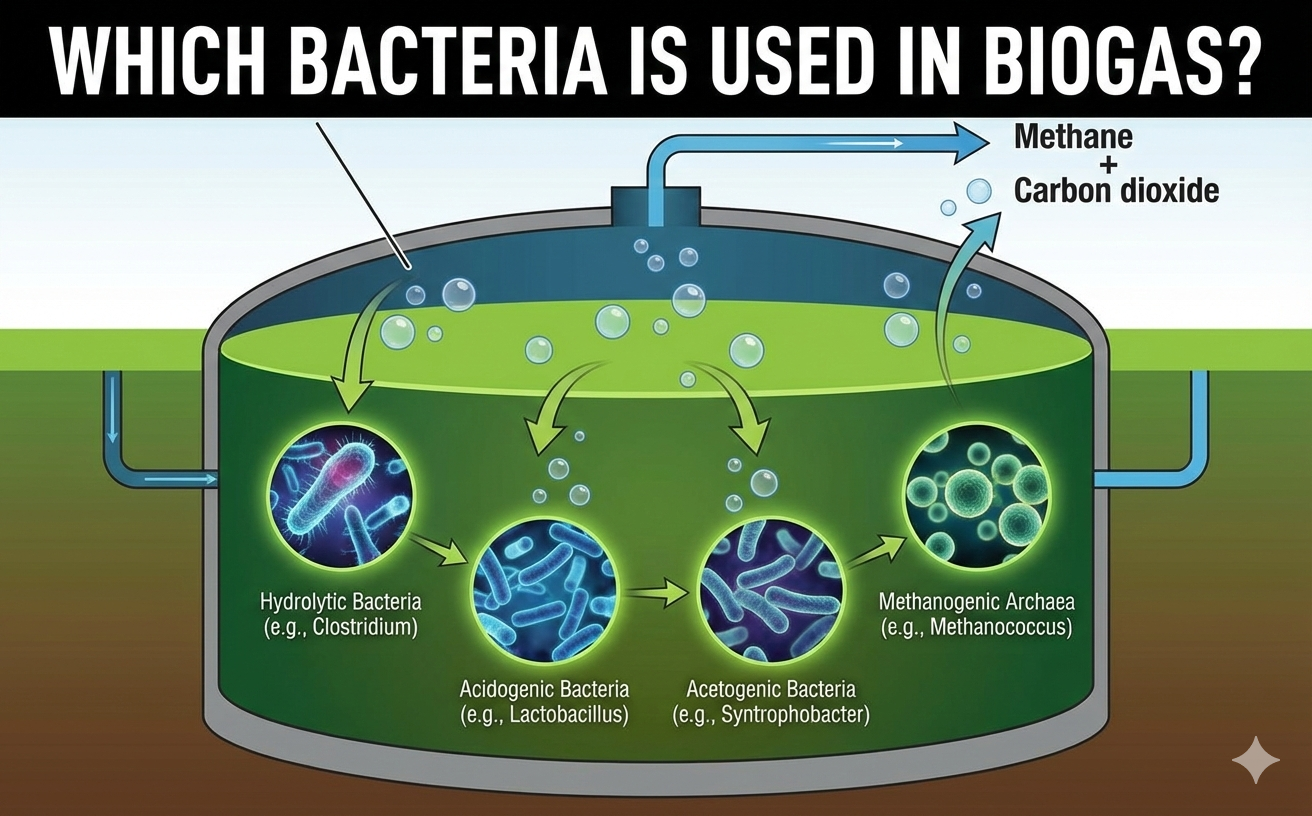
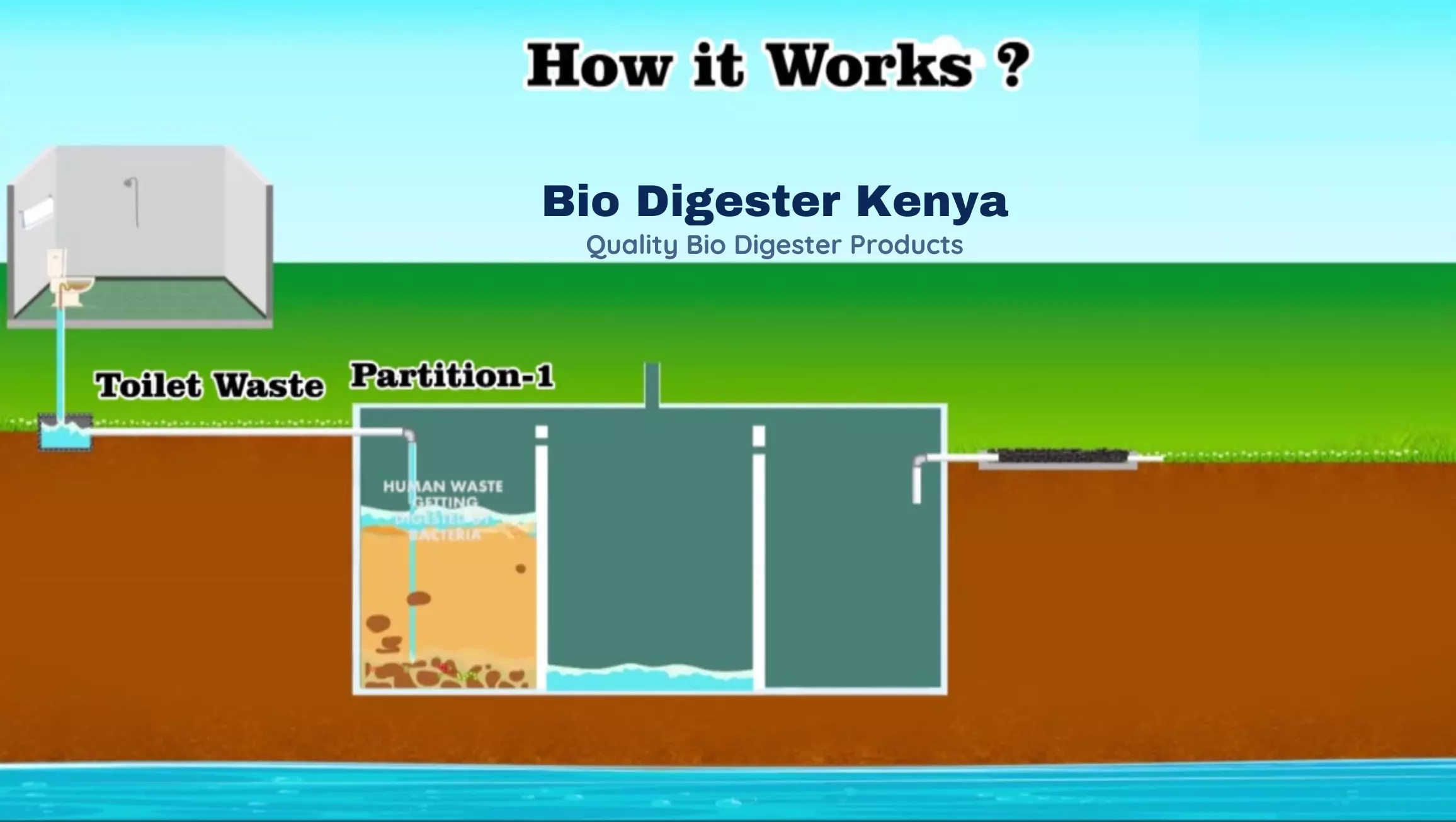
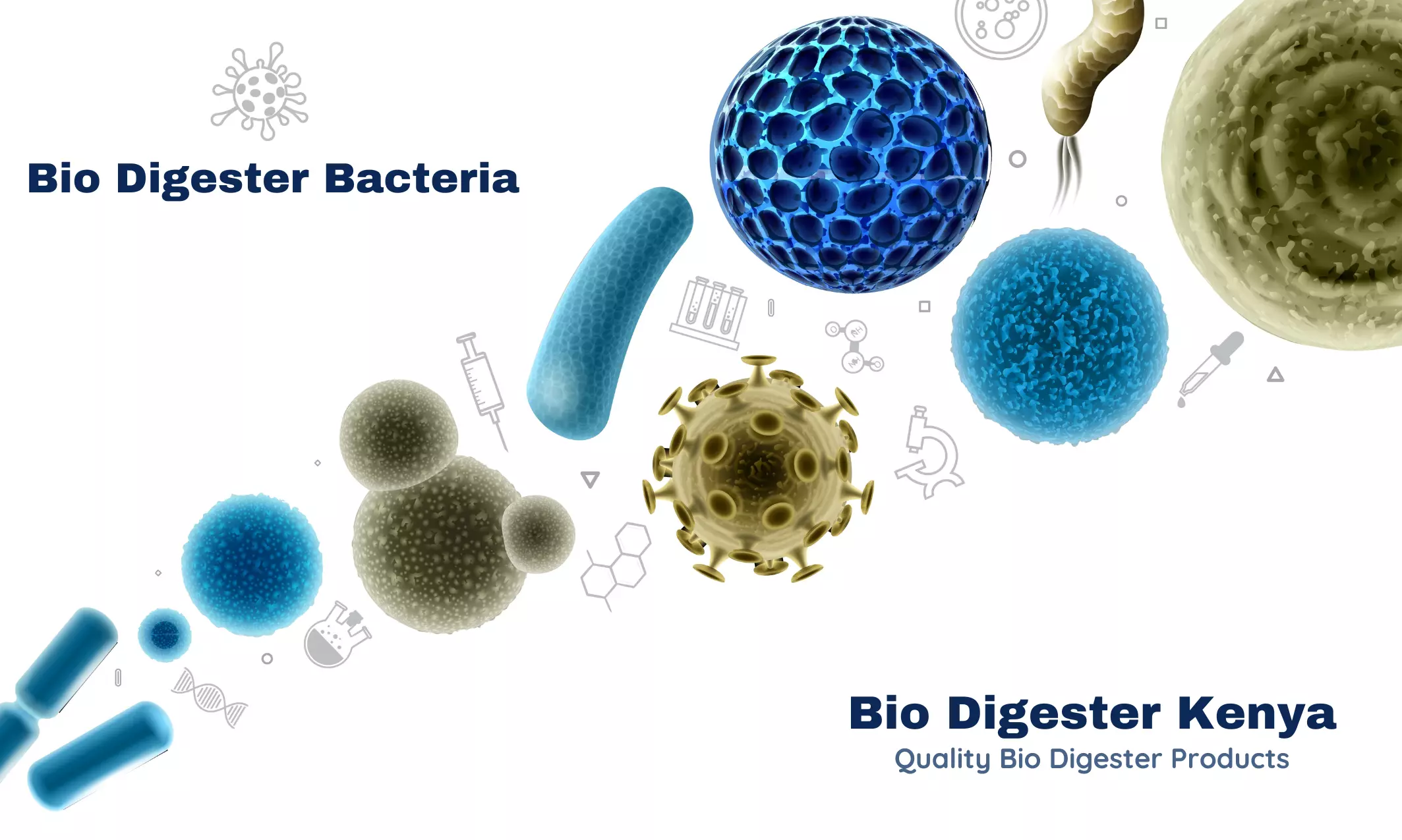
The waste is piped from your toilets into the chamber. Inside, specialized Bio Digester Bacteria go to work.
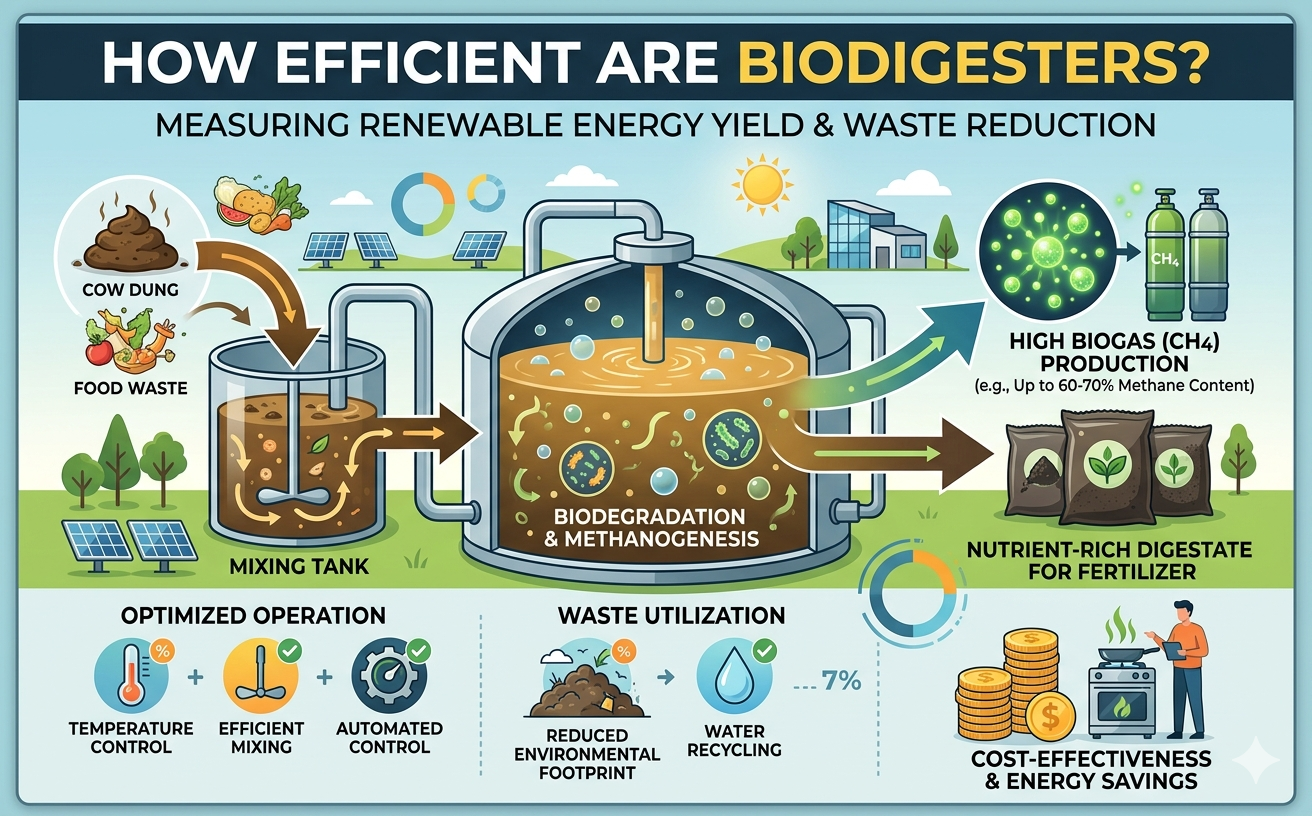
These microscopic “workers” consume the organic matter, breaking it down until the end result is nothing but treated water and odorless gas (air). The water then flows into a soaking area, where it is safely absorbed back into the earth.
It’s clean, it’s green, and it’s incredibly efficient.
The Lifespan of a Biodigester: How Many Decades are We Talking?
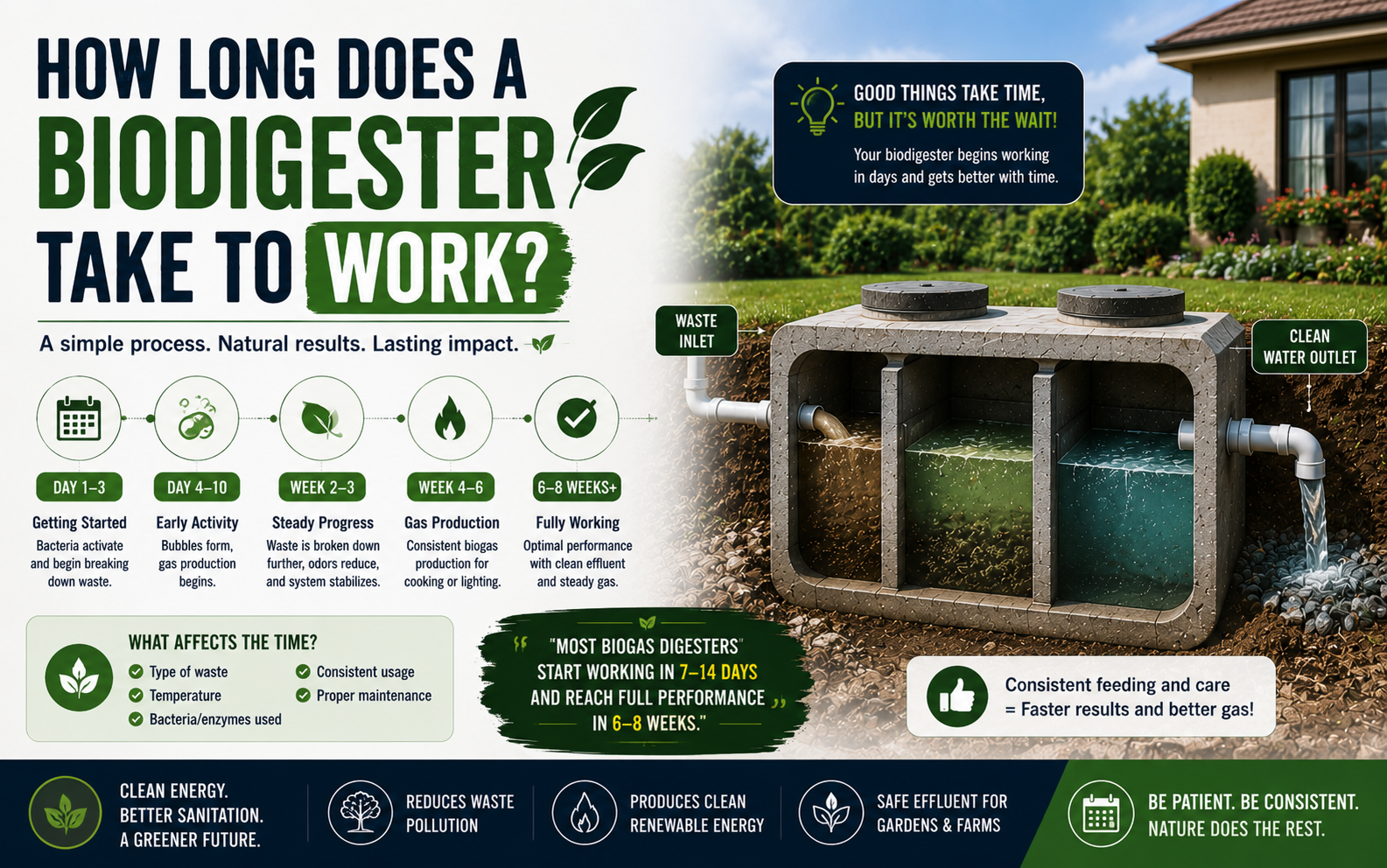
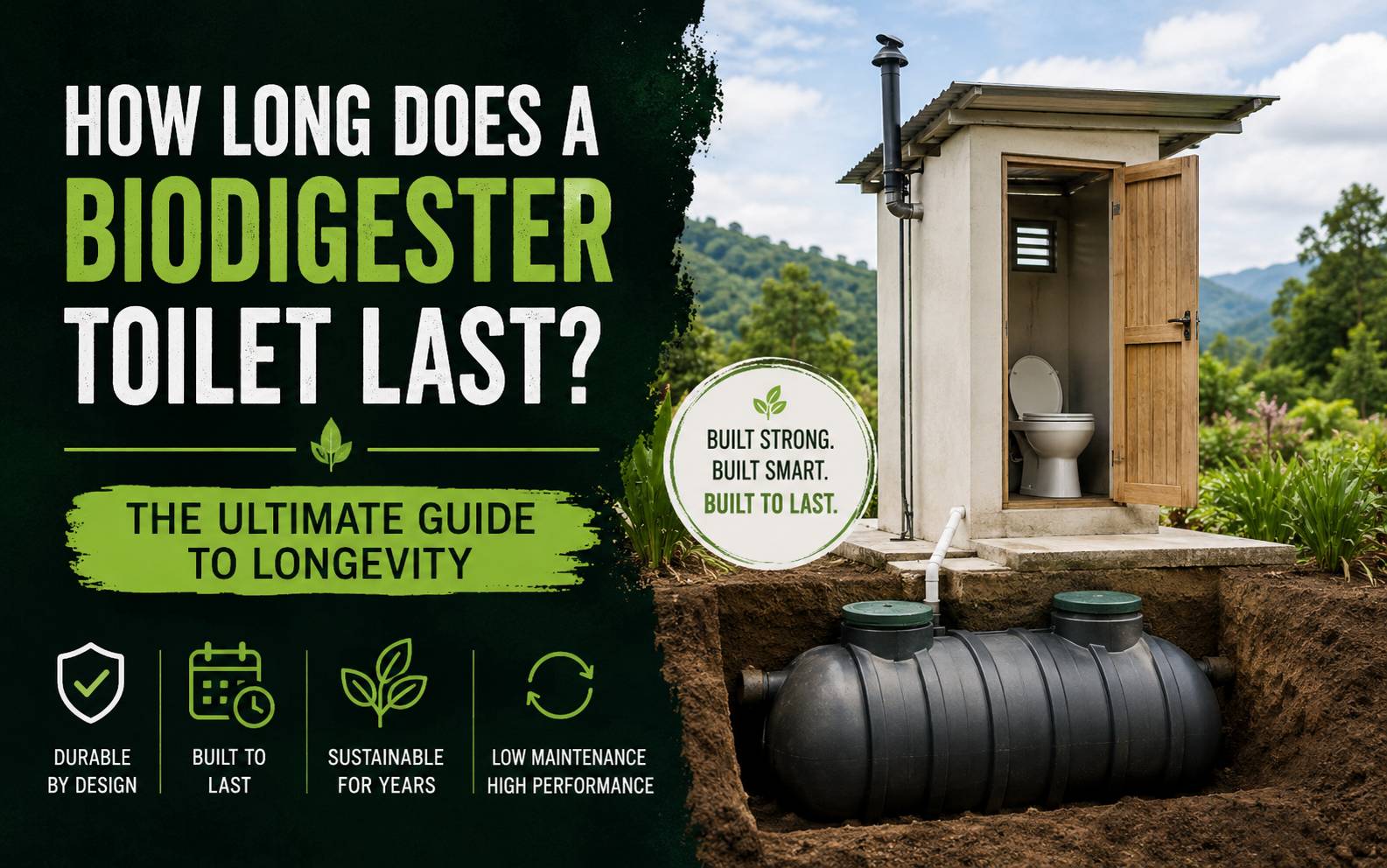
To answer the burning question: A well-installed biodigester septic tank can easily last between 30 to 50 years, and in many cases, even longer.
Unlike traditional septic tanks that might crack, leak, or fill up every few years, a Biodigester is designed for permanence.
Because it doesn’t rely on massive storage space but rather on continuous processing, it doesn’t “wear out” in the traditional sense.
As long as the structure remains intact and the biological colony is healthy, the system will keep running indefinitely.
Factors that Influence the Durability of Your Bio Septic Tank
While the technology is robust, a few things determine whether yours lasts 10 years or 50.
1. Quality of Materials and Construction
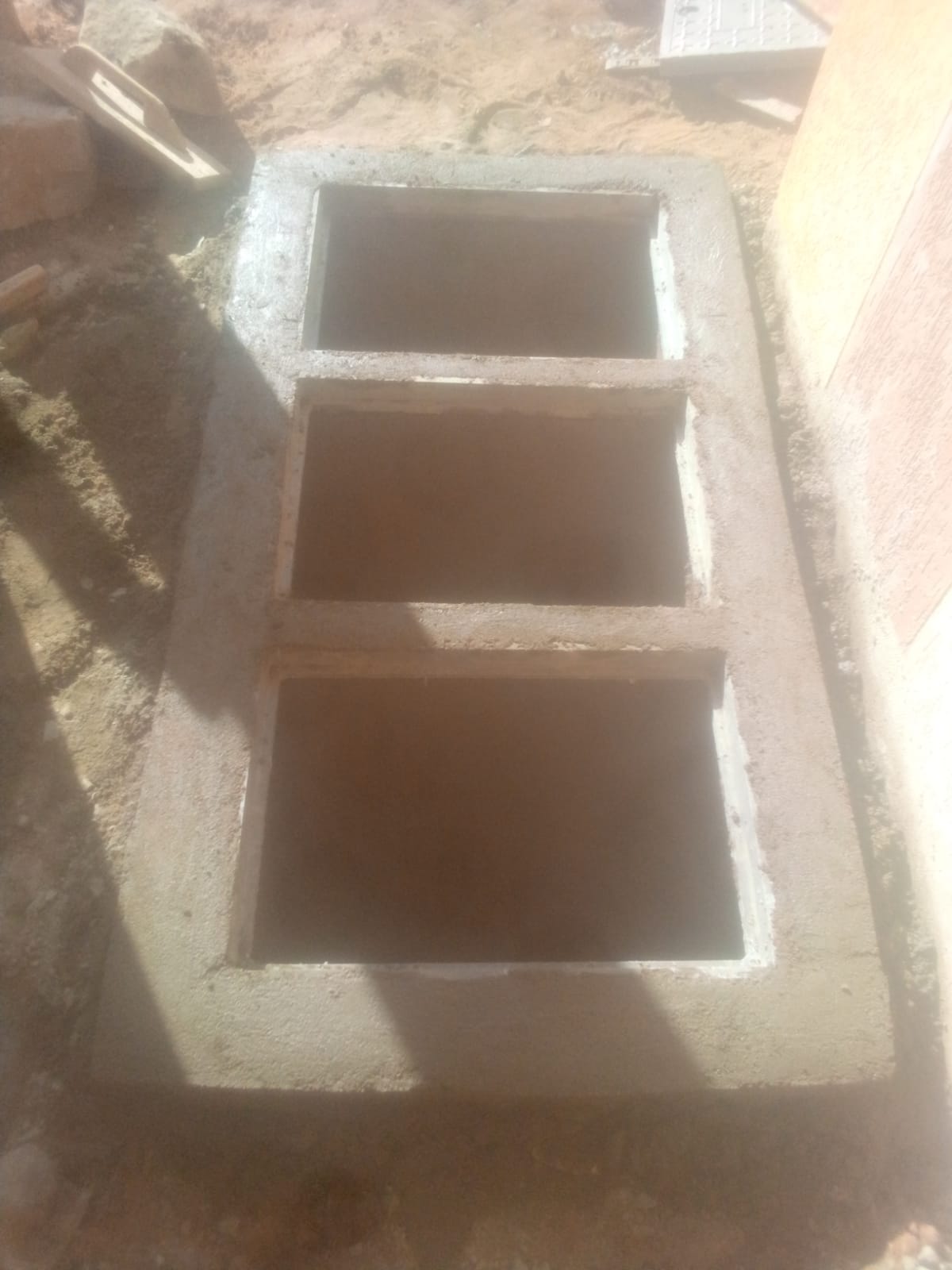
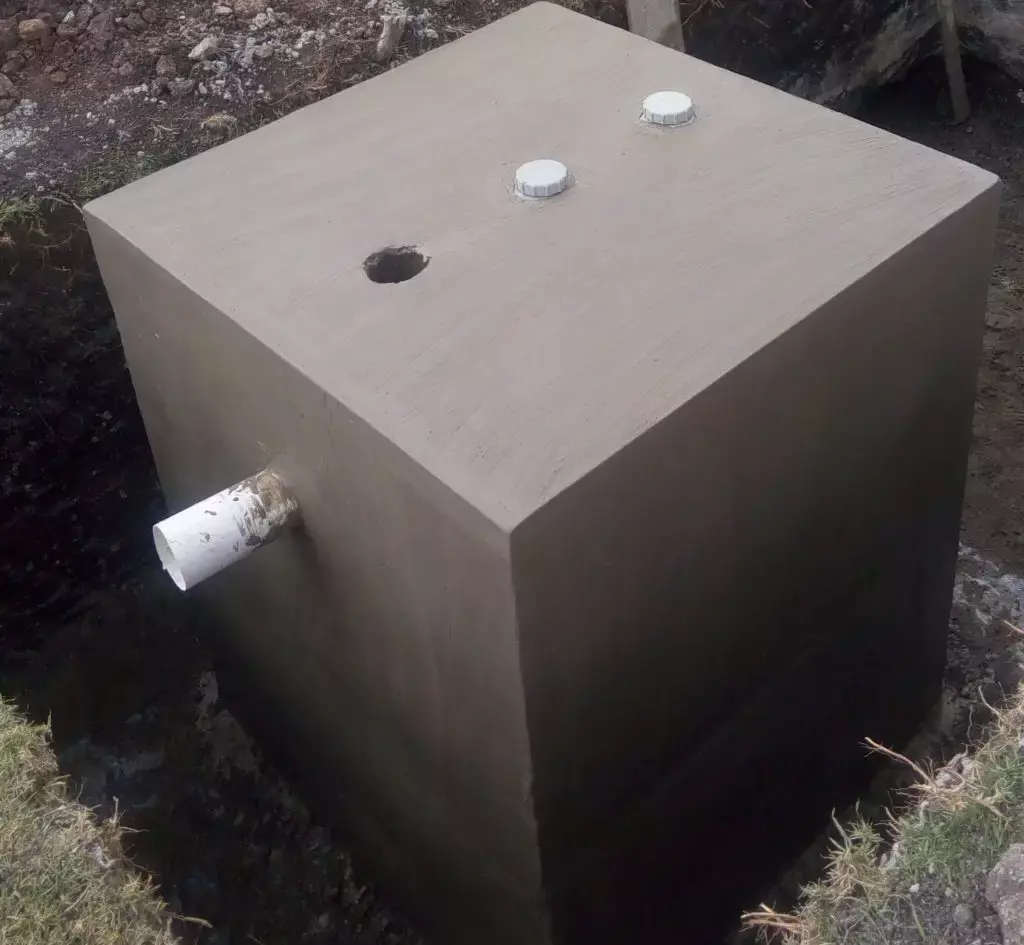
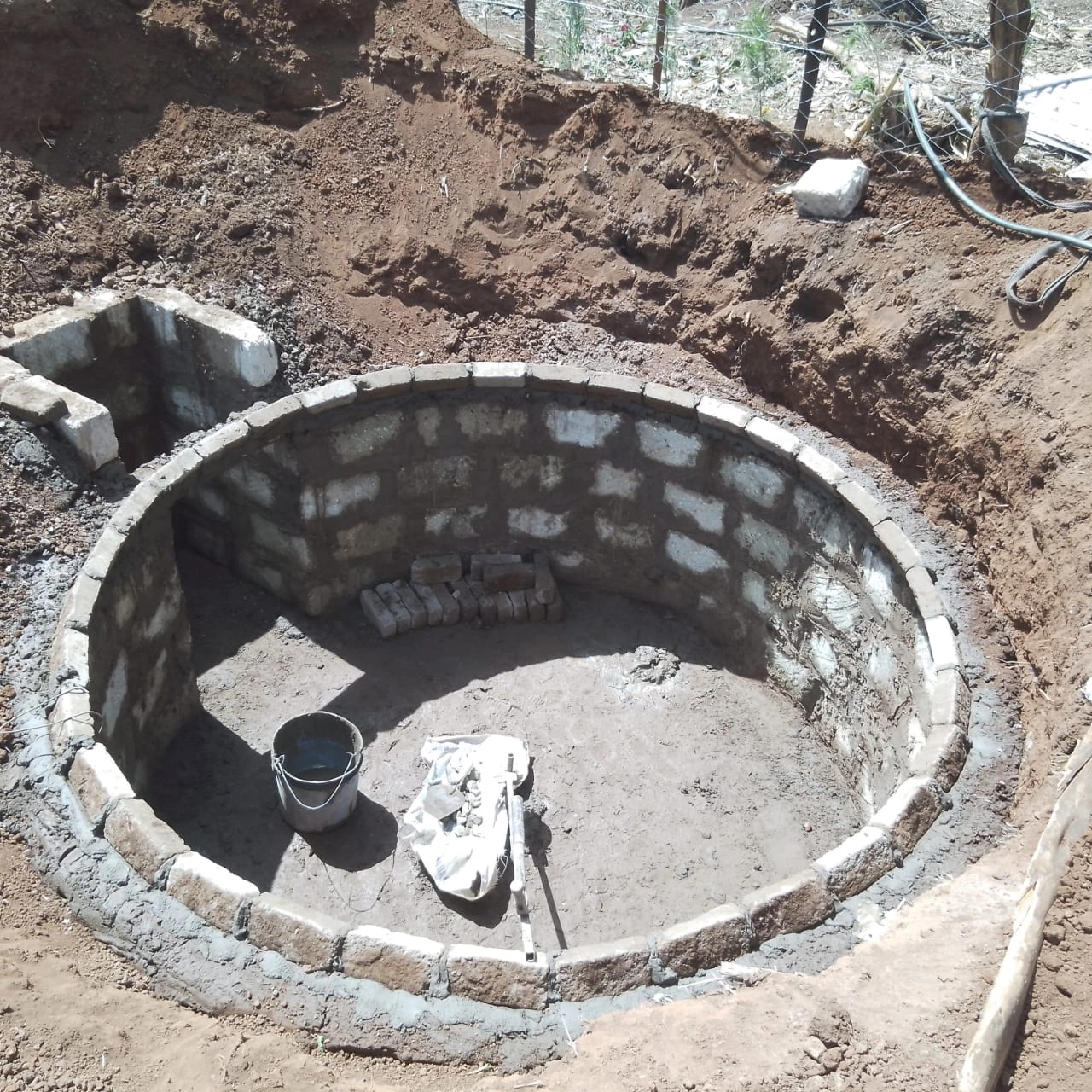
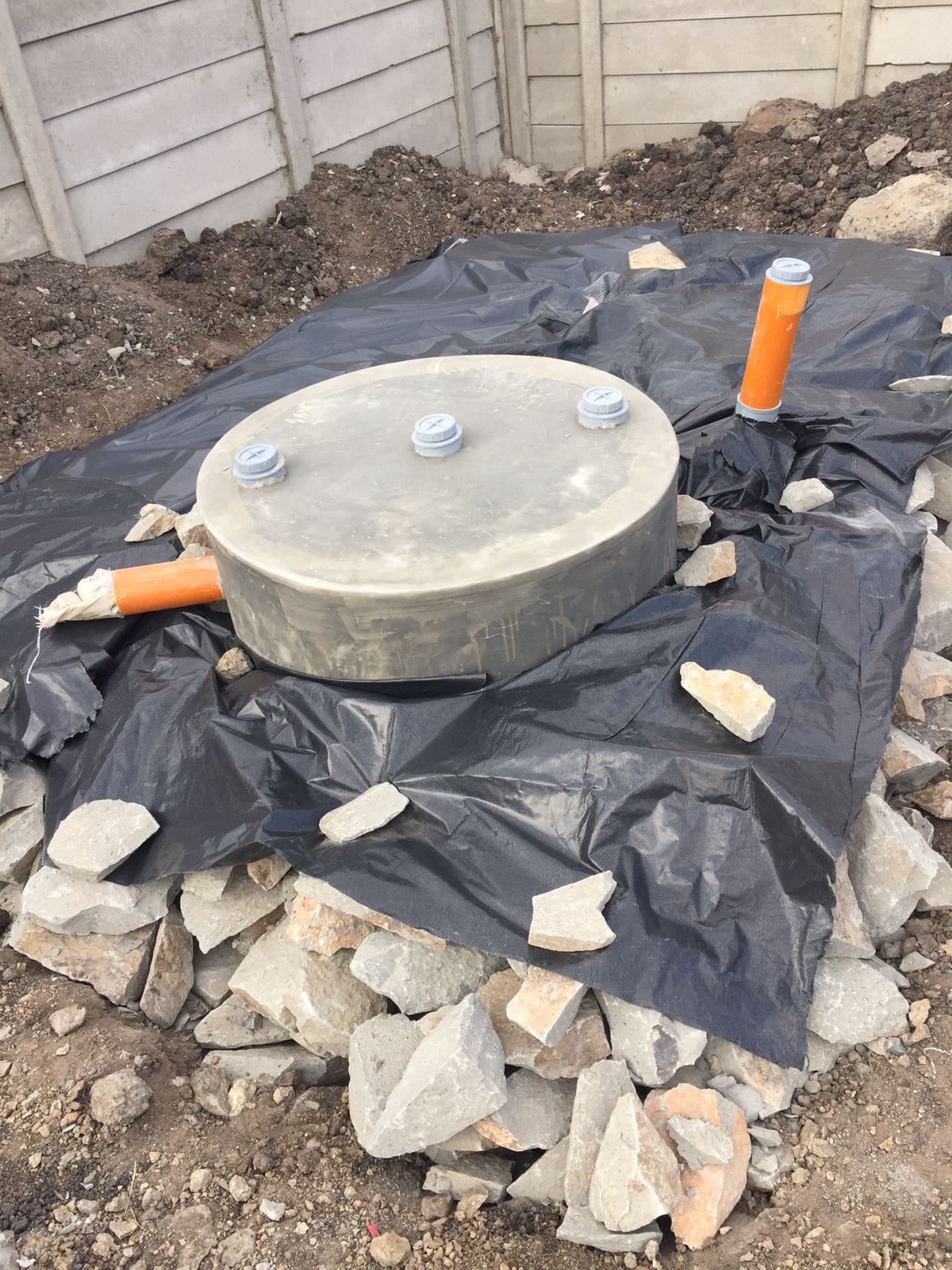
In Kenya, we use various materials, but Precast Bio Digesters are among the most durable.
The concrete or high-grade plastic used must be able to withstand soil pressure and the mildly acidic environment of decomposing waste.
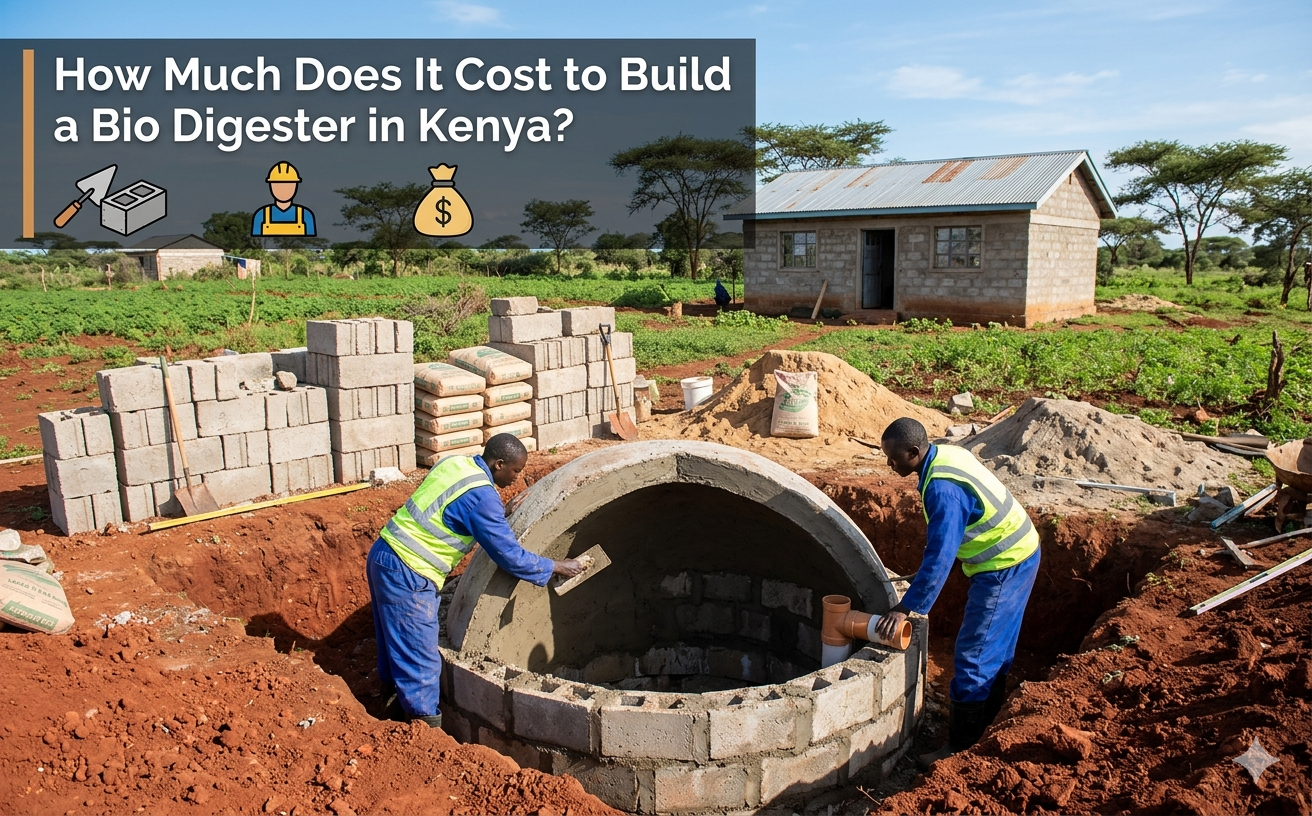
At Bio Digester Kenya, we prioritize structural integrity to ensure the tank doesn’t collapse under the weight of the Kenyan soil.
2. Professional Installation vs. DIY Disasters
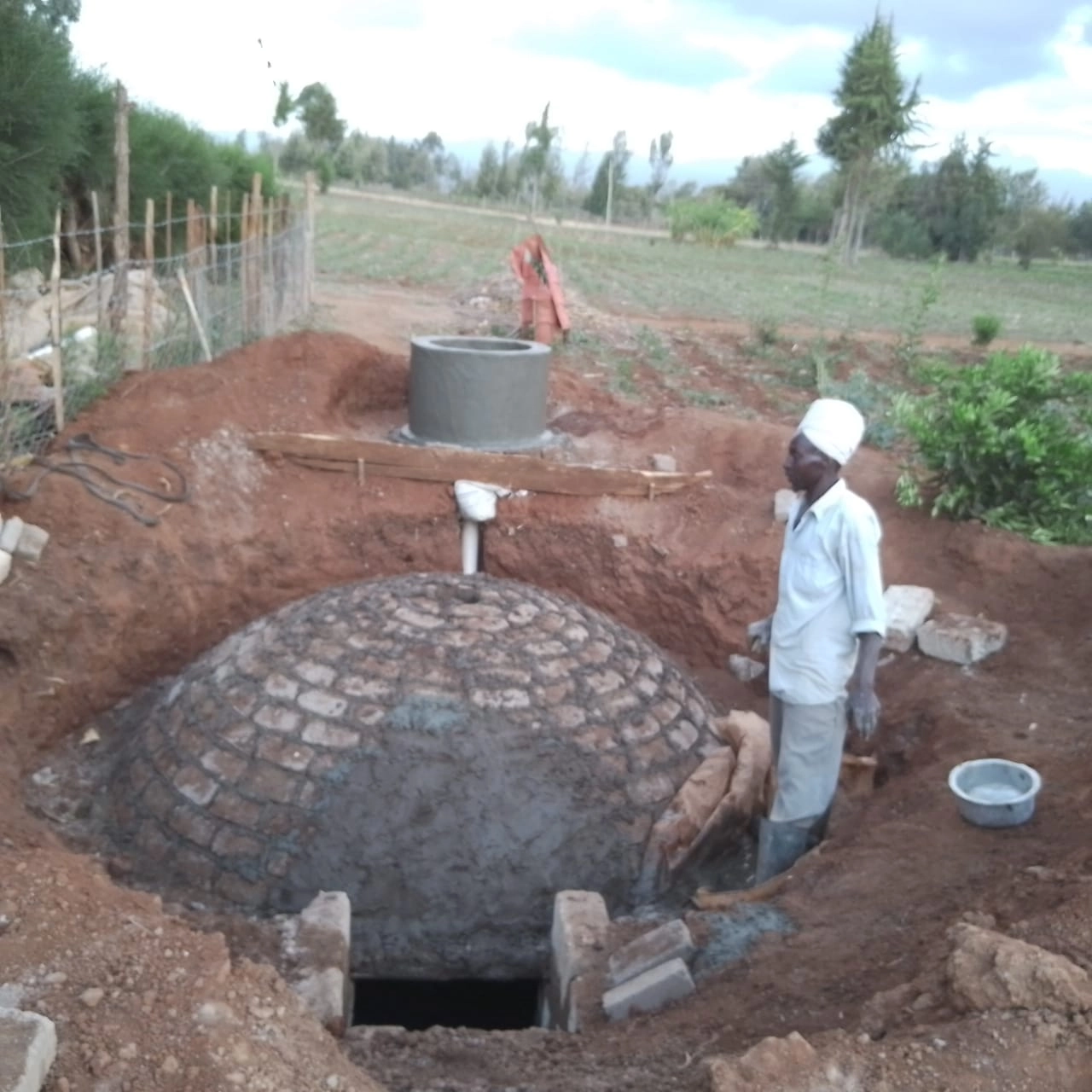
You might be tempted to hire a local handyman, but a Bio Septic Tank requires precision.
The levels must be perfect for gravity to do its job, and the soakage area must be designed based on your soil type.
Poor installation is the number one reason these systems “fail” early. We highly recommend checking out our Bio Digester Installation services to get it right the first time.
3. Consistent Use of Bio Digester Bacteria
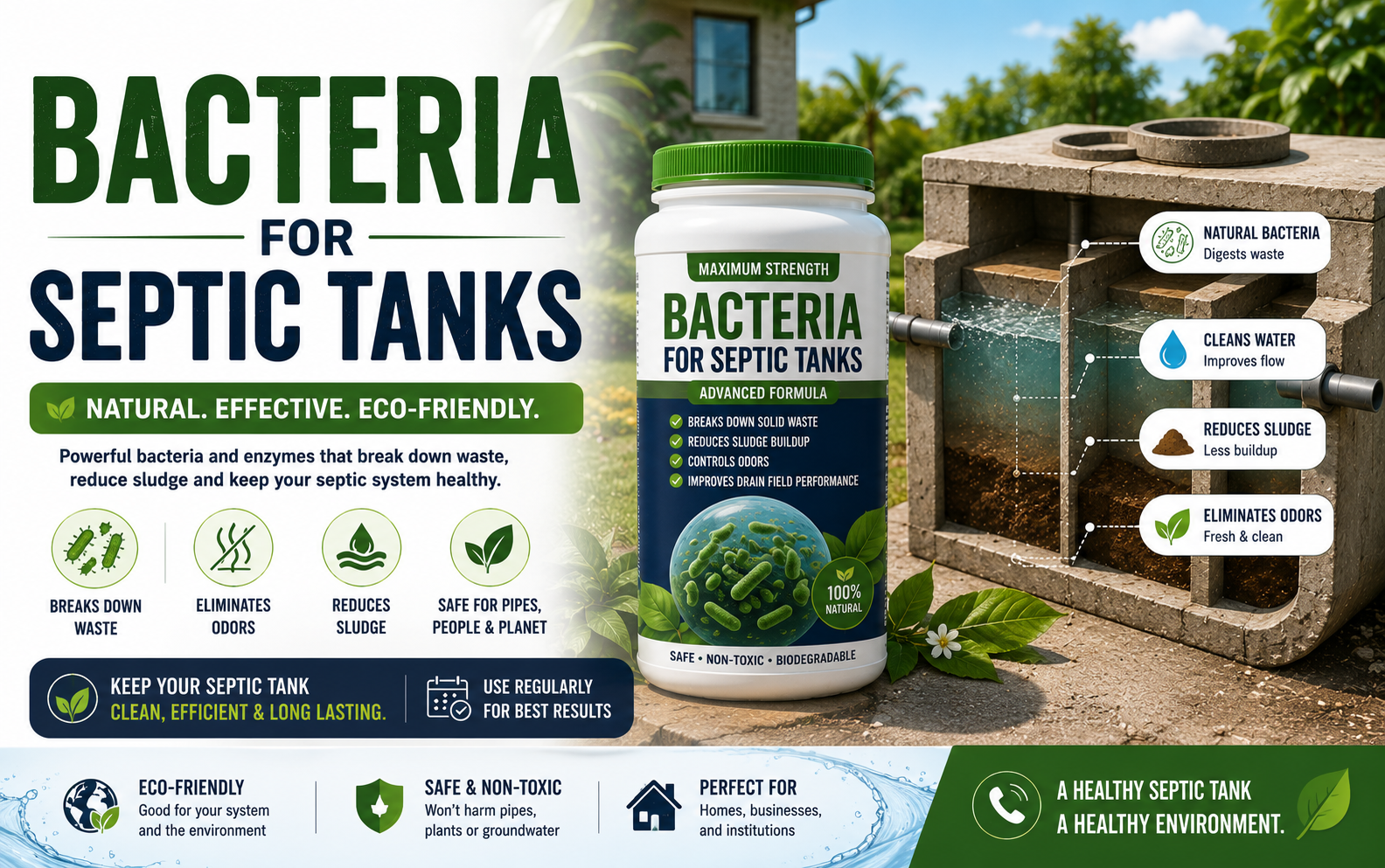
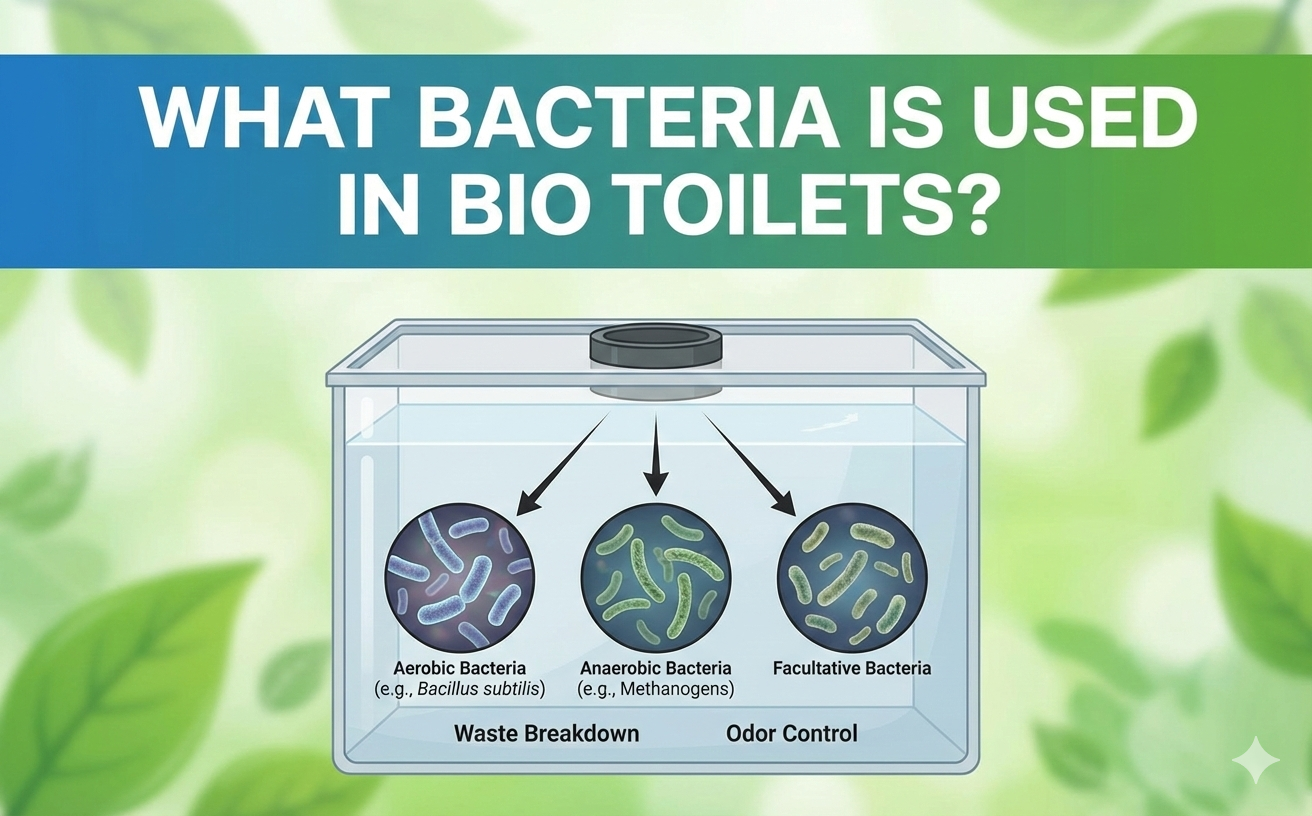
The bacteria are the heart of the system. Without them, you just have a very expensive, small septic tank.
Regularly boosting your system with high-quality Bio Digester Bacteria ensures the “stomach” remains active and prevents sludge buildup.
Biodigester vs Septic Tank: Which One Stands the Test of Time?
When comparing a biodigester vs septic tank, the winner is clear regarding longevity and maintenance.
Why Conventional Septic Tanks Fail Prematurely
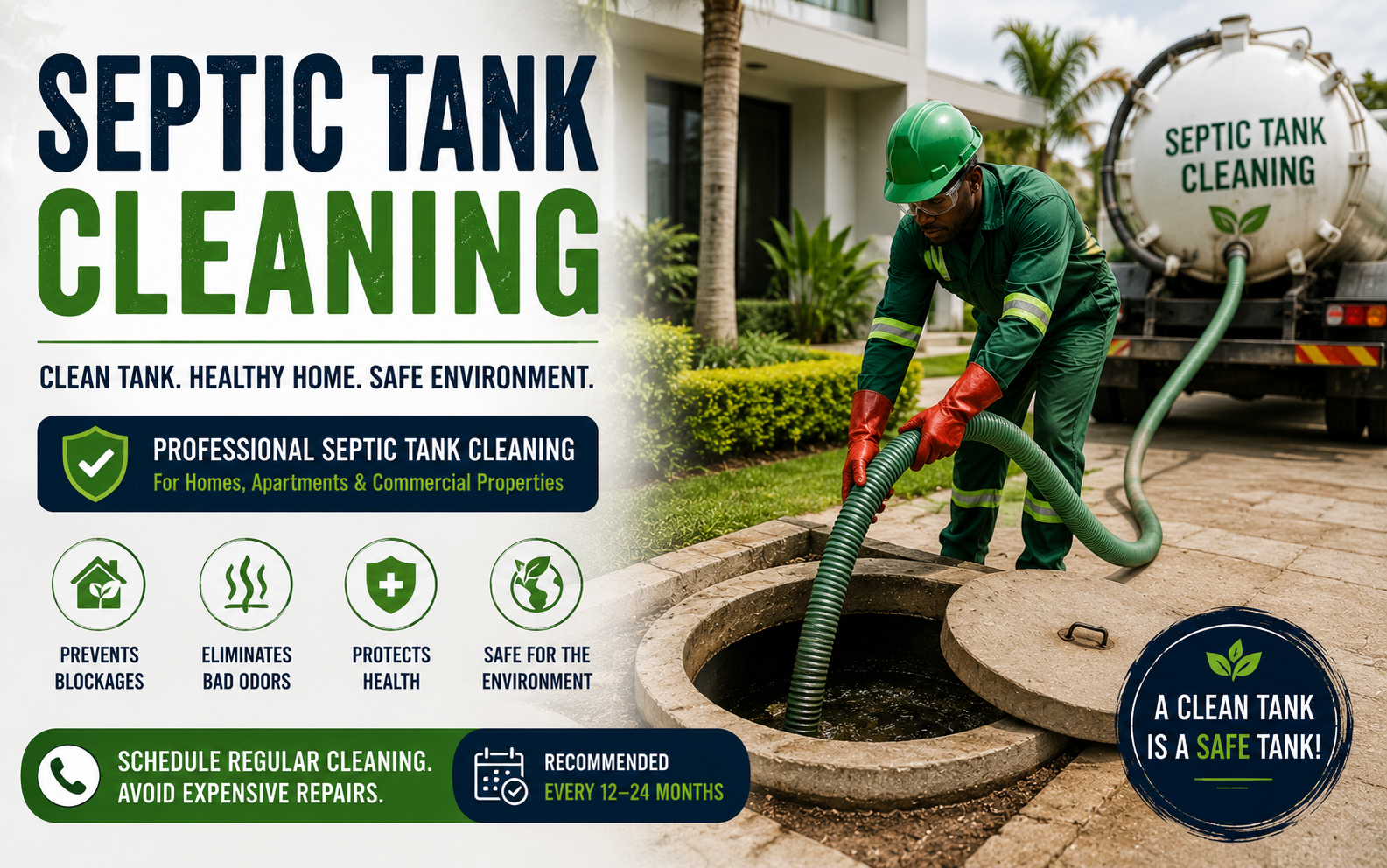
Traditional septic tanks are essentially large holding boxes. Over time, they fill with sludge that must be pumped out. This pumping process is not only expensive but can also damage the tank’s structure over time. Furthermore, traditional tanks often leak, contaminating groundwater and leading to structural failure of the surrounding soil.
The Self-Sustaining Nature of the Biodigester Septic Tank
The Biodigester septic tank is a “living” system. Because the waste is consumed by enzymes, there is no massive buildup of solid waste. This means no exhausters, no structural stress from pumping, and a much smaller footprint on your land. Curious about the details? Read our deep dive on Bio Digester vs Septic Tank.
How Bio Digester Kenya Revolutionizes Waste Management
At Bio Digester Kenya, we have perfected the art of human waste management for both residential homes and commercial spaces across the country.
The Magic Behind the Process: Enzymes and Aeration
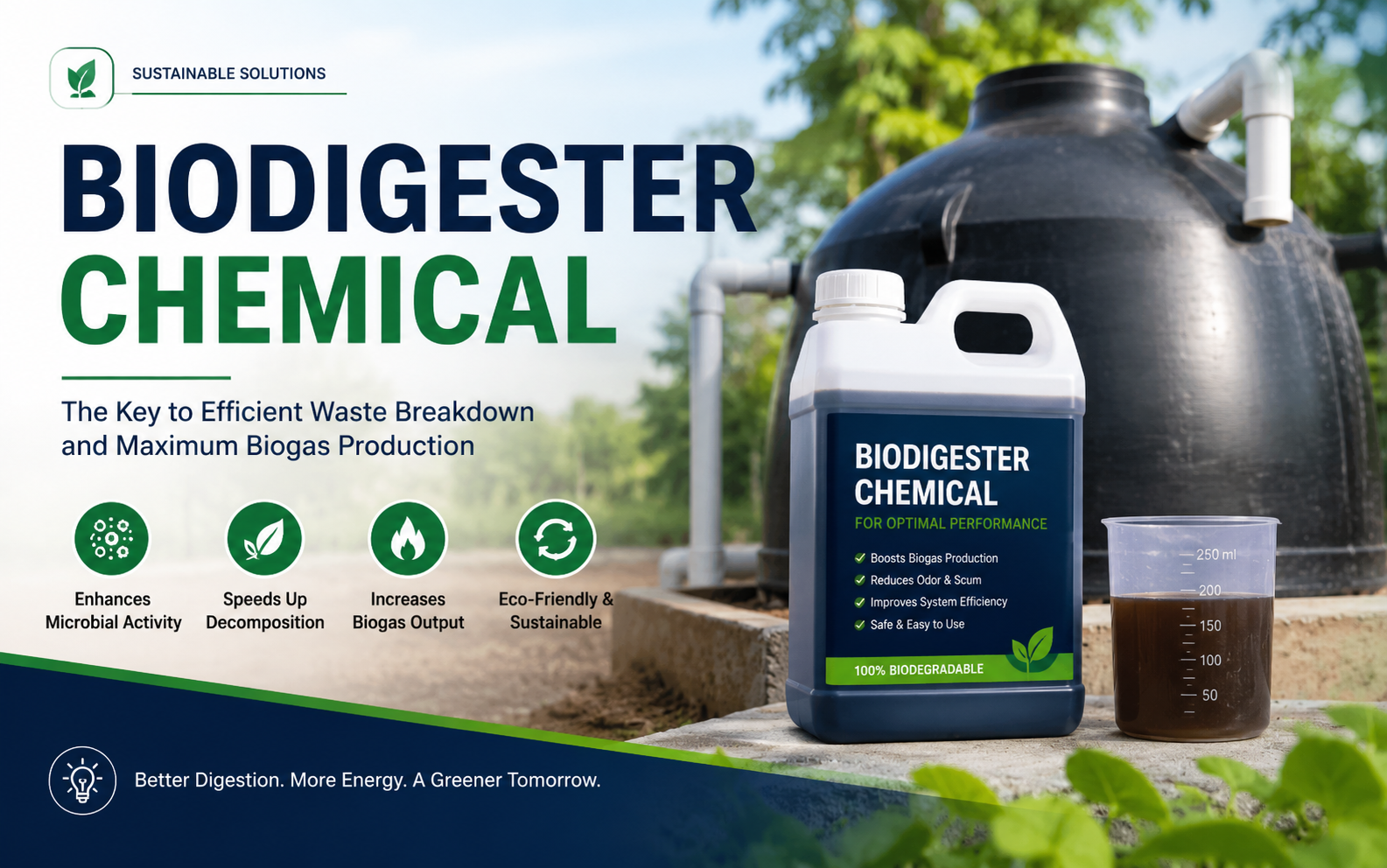
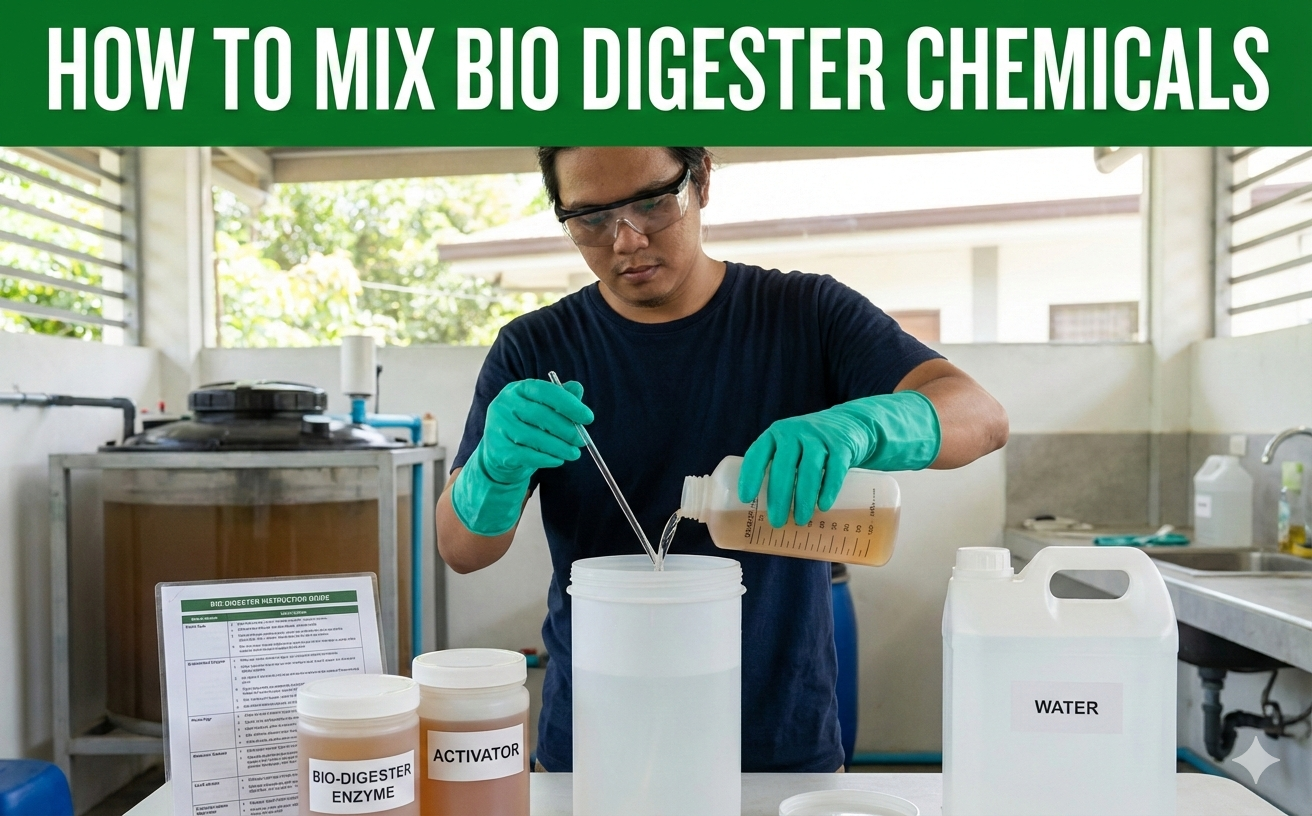
We don’t just dig a hole; we create an ecosystem. When we install a system, we introduce specific Bio Digester Enzymes that are designed to handle the typical Kenyan diet and household cleaners. These enzymes break down solids into liquid and gas at a much faster rate than natural decay.
Environmental Impact: Water, Air, and the Ground
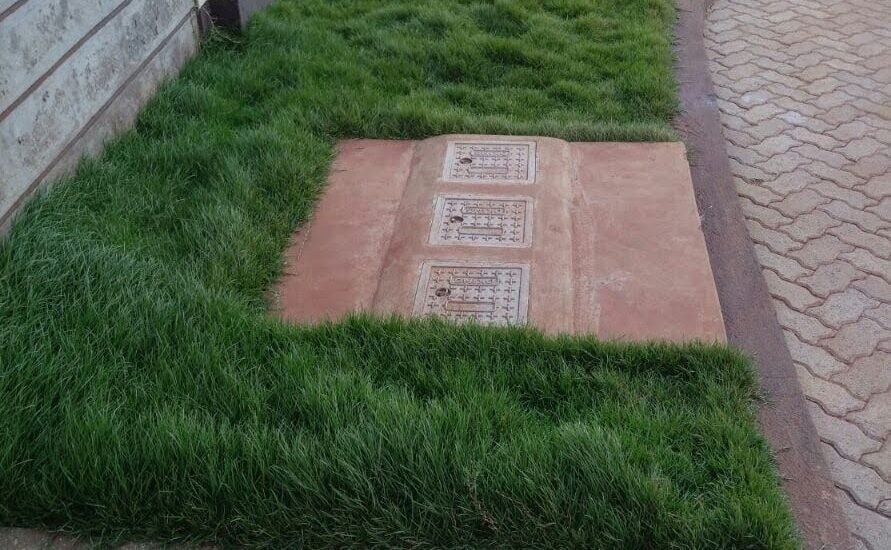
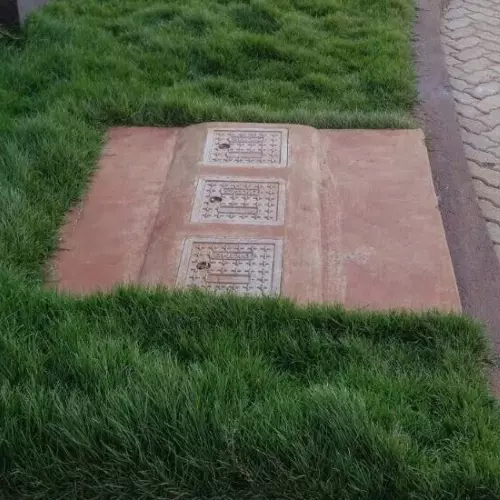
The beauty of our system is its cleanliness. The end result is clear water and odorless air. The water is directed to a soaking area where the ground absorbs it, essentially recharging the local water table without polluting it. It’s the ultimate way to be “green” while saving money. Check out our Gallery to see our installations in action.
Essential Maintenance Tips to Extend the Life of Your Biodigester
While a Biodigester is low-maintenance, “low” doesn’t mean “no.” To hit that 50-year mark, follow these steps:
Choosing the Right Bio Digester Enzymes
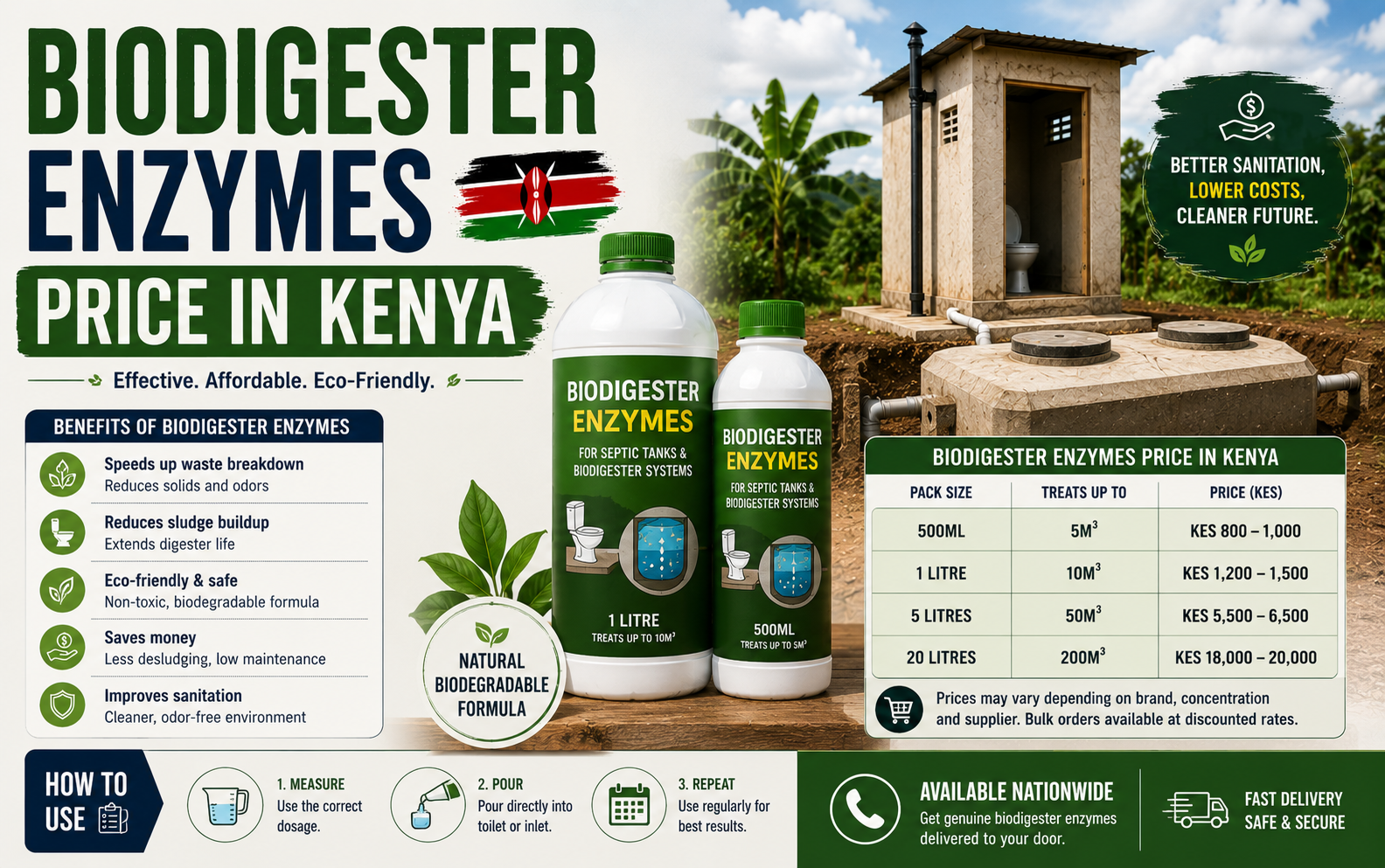
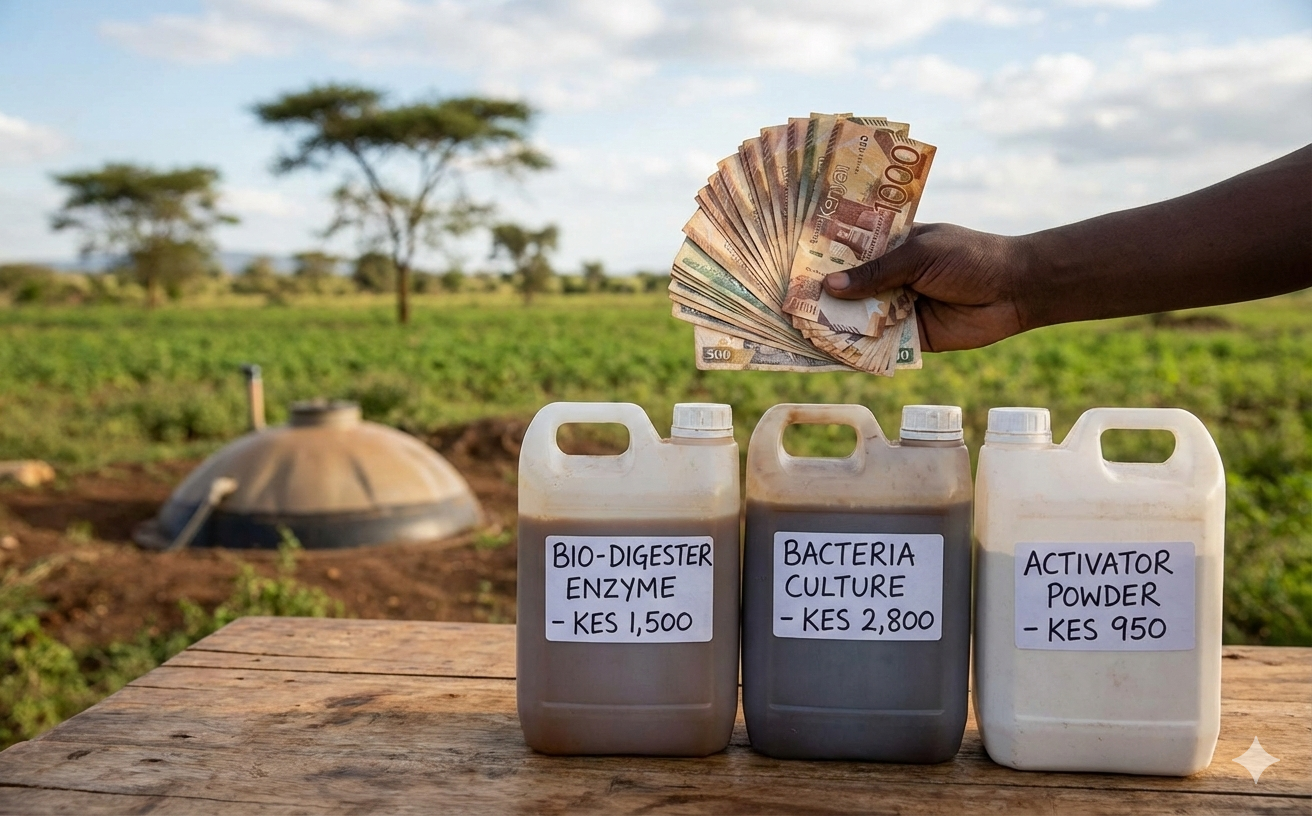
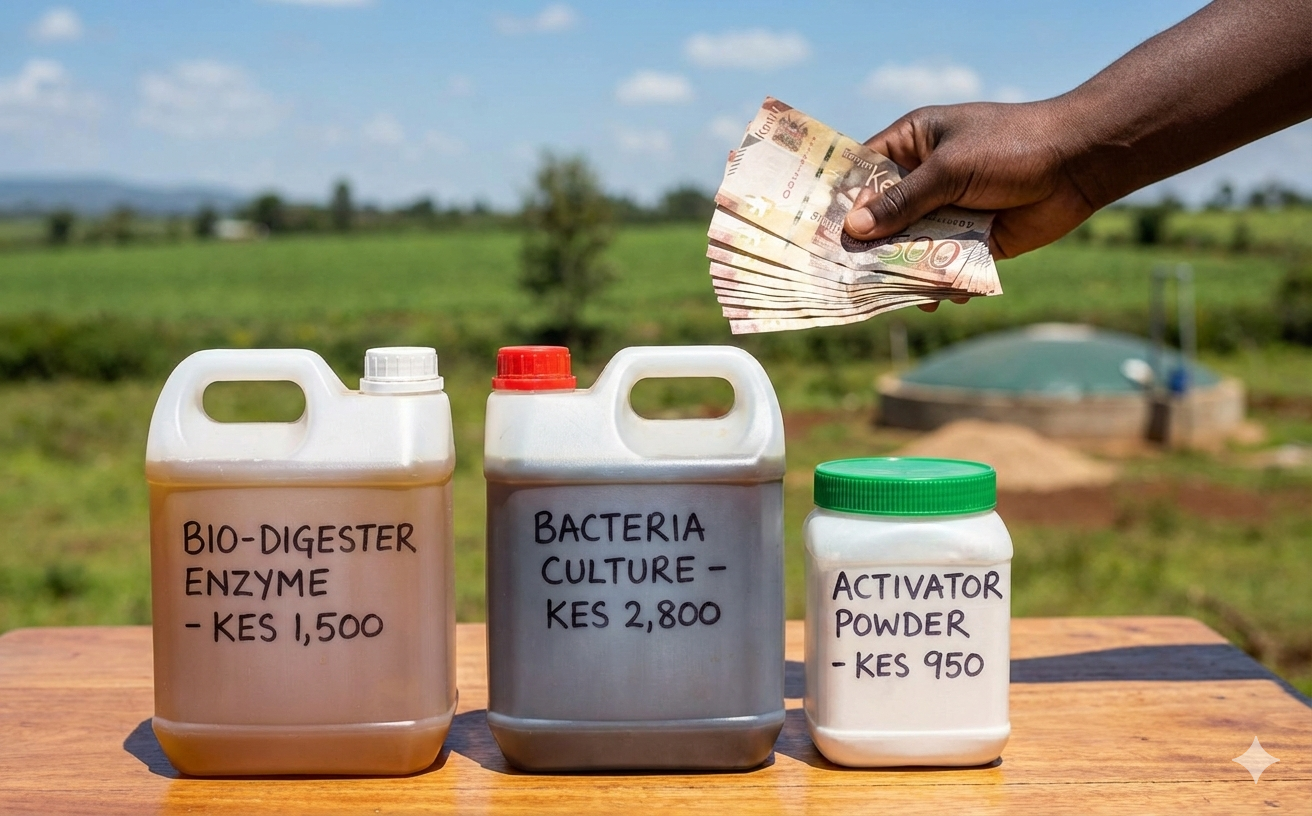
Not all bacteria are created equal. We provide specialized products like our Septic Tank Bacteria – 250g and Bio Digester Bacteria – 5L to keep your system in peak condition. Adding these periodically is like giving your biodigester a probiotic shot.
What Not to Flush: Protecting Your Microbial Workforce
The biggest enemy of your Bio Septic Tank is harsh chemicals. Excessive bleach, caustic drain cleaners, and non-biodegradable items (like plastic or sanitary pads) can kill the bacteria or clog the system. Think of it this way: if it would kill you, it will probably kill your biodigester’s bacteria!
Signs Your Bio Digester Septic Tank Needs Professional Attention
Even the best systems can run into hiccups. If you notice:
- Slow-draining toilets.
- Gurgling sounds in the pipes.
- A sudden bad odor near the soakage area.
It might be time for a “reset” with our Septic Tank Cleaner – 2KG or a visit from our Plumbing Services team.
The Cost-Benefit Analysis: Is It Worth the Investment?
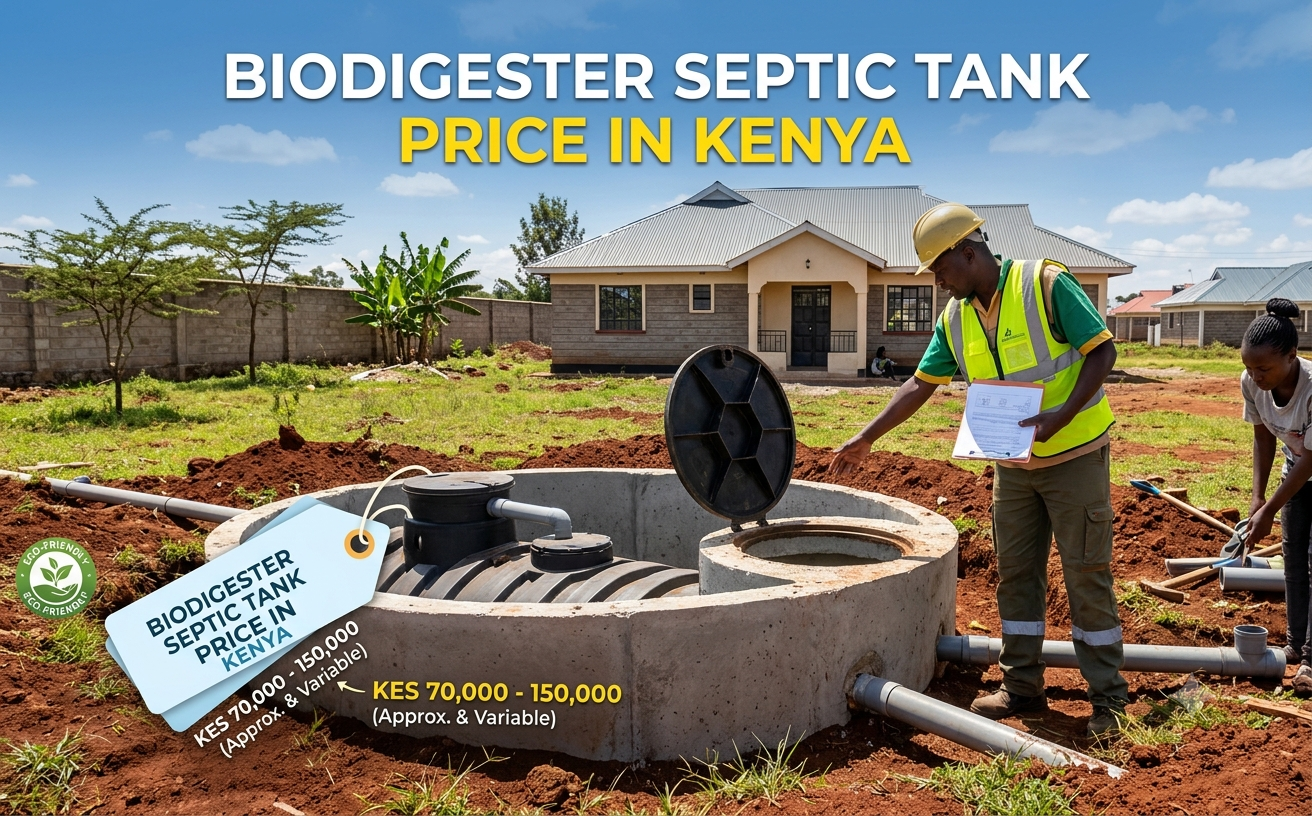
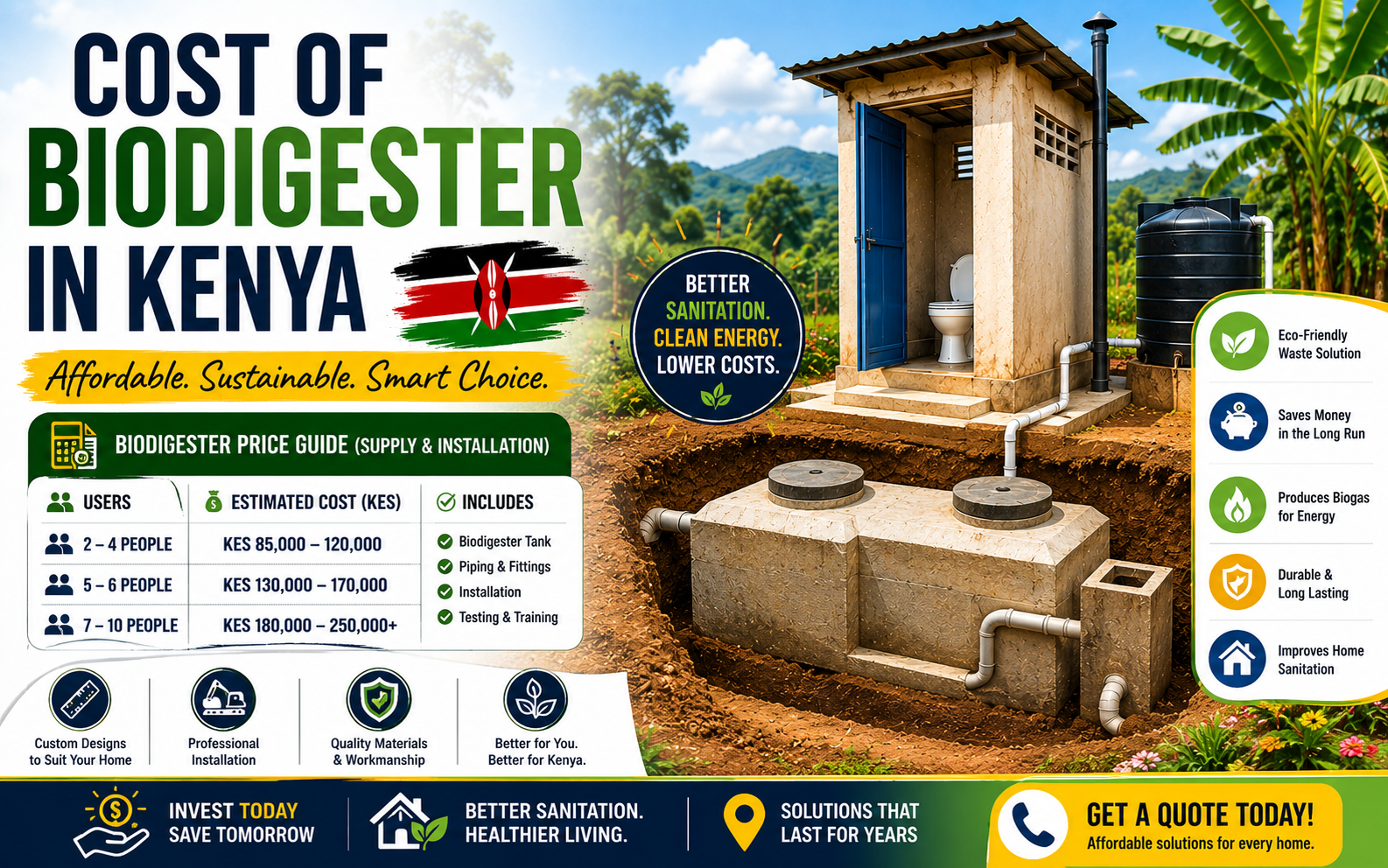
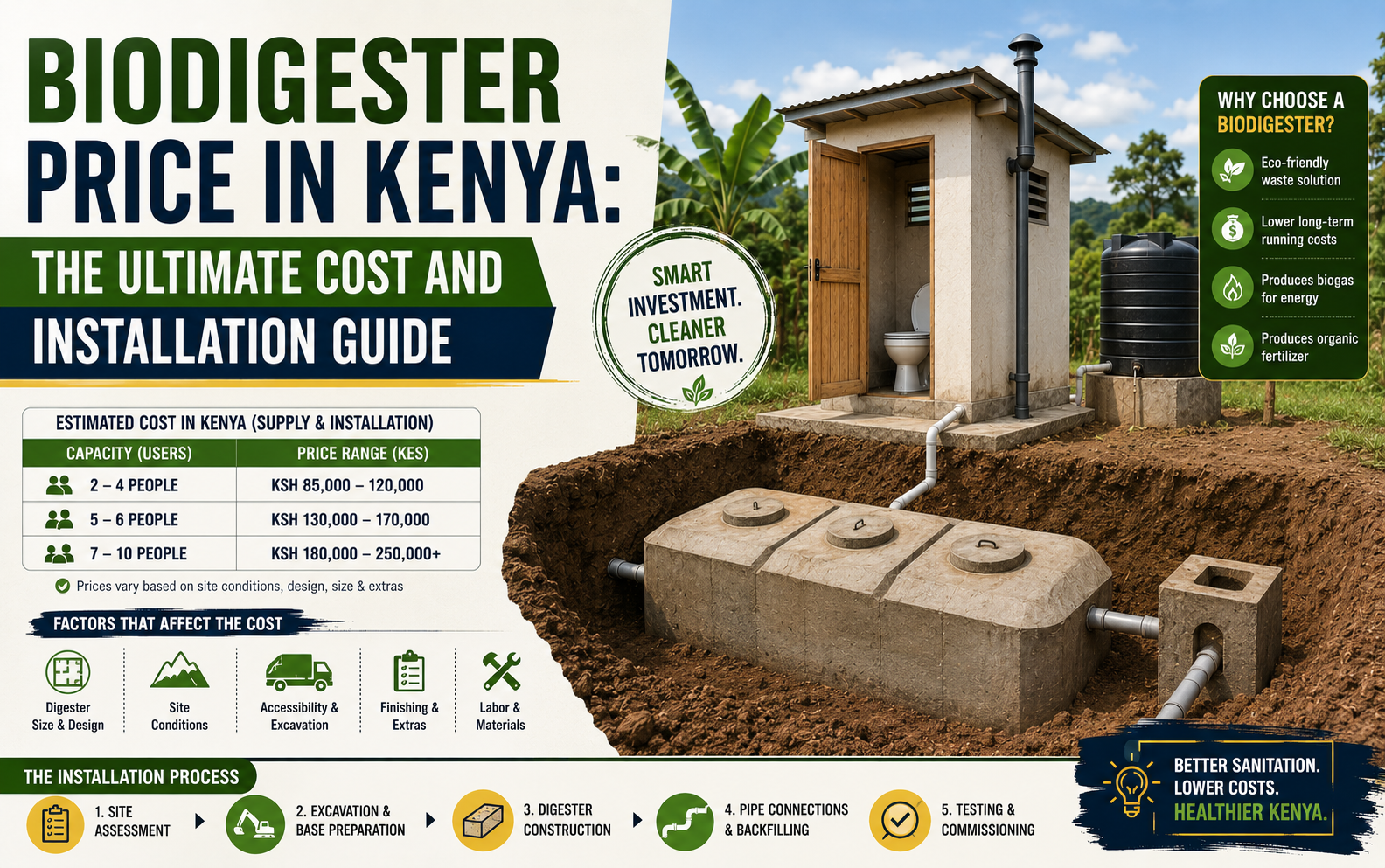
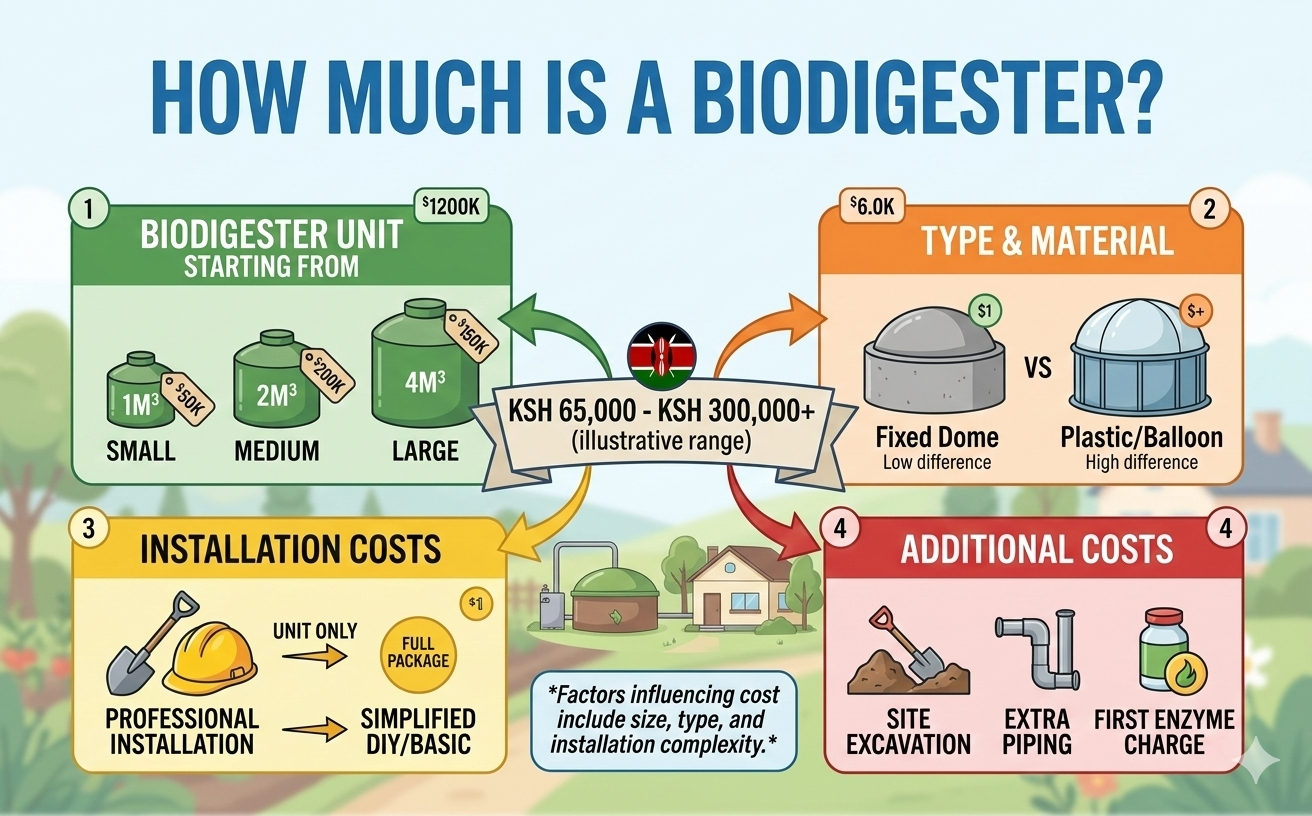
Let’s be honest: the upfront cost of a Biodigester might be slightly higher than digging a basic pit. However, when you factor in that you will never pay for an exhauster again, the system pays for itself within 2 to 3 years. When you consider it lasts for 50 years, the ROI is astronomical.
Whether you need a 1M³ Bio Digester for a small family home or a 4M³ Bio Digester for a commercial apartment block, we have the right size for your needs.
Conclusion: A Lifetime of Trouble-Free Waste Management
So, how long does a biodigester toilet last? A lifetime—if you treat it right. By choosing a Biodigester septic tank, you are investing in a clean, odorless, and permanent solution for your home. You are saying goodbye to the “exhauster man” and hello to modern, eco-friendly technology.
At Bio Digester Kenya, we are committed to providing Kenyans with the very best in waste management technology. From the initial design to the supply of high-quality Bio Digester Bacteria, we are your partners in building a cleaner future.
Ready to make the switch? Let’s get started!
Contact Bio Digester Kenya today:
- Phone: Call +254 712 660 245
- Email: Email info@biodigesterkenya.co.ke
- Website: www.biodigesterkenya.co.ke
- Shop Online: Visit our Shop
FAQs
1. Does a biodigester ever get full?
Unlike a traditional septic tank, a properly maintained Biodigester does not get full. The bacteria constantly break down solid waste into water and gas. Only inorganic materials (which shouldn’t be there anyway) would accumulate over many years.
2. How often should I add Bio Digester Bacteria?
For a standard household, we recommend adding a maintenance dose of Bio Digester Bacteria every 3 to 6 months to ensure the microbial colony remains strong and active.
3. Can I use bleach in my toilets if I have a Bio Septic Tank?
You should minimize the use of harsh bleach and antibacterial cleaners, as they can kill the beneficial bacteria. Use biodegradable or “septic-safe” cleaners whenever possible to keep your system healthy.
4. What happens to the water that comes out of the biodigester?
The water is treated and odorless. It is piped into a soaking area (soak pit or French drain) where it safely infiltrates the soil. It is a great way to keep your garden green without using extra tap water!
5. Is the biodigester suitable for black cotton soil in Kenya?
Yes! While black cotton soil is tricky for traditional pits, we design our biodigester septic tank systems and soakage areas specifically to handle different soil types found across Kenya, ensuring long-term functionality.