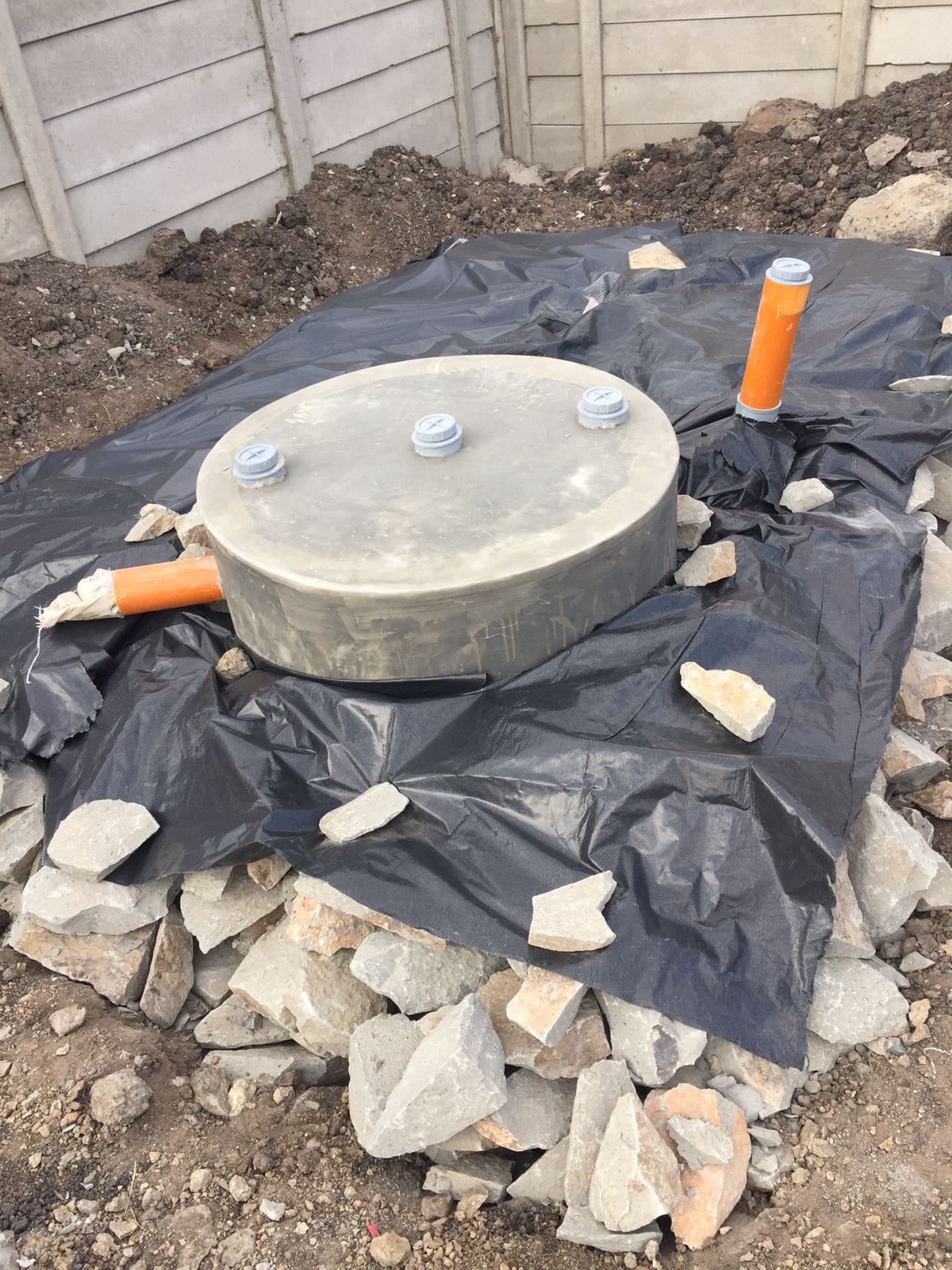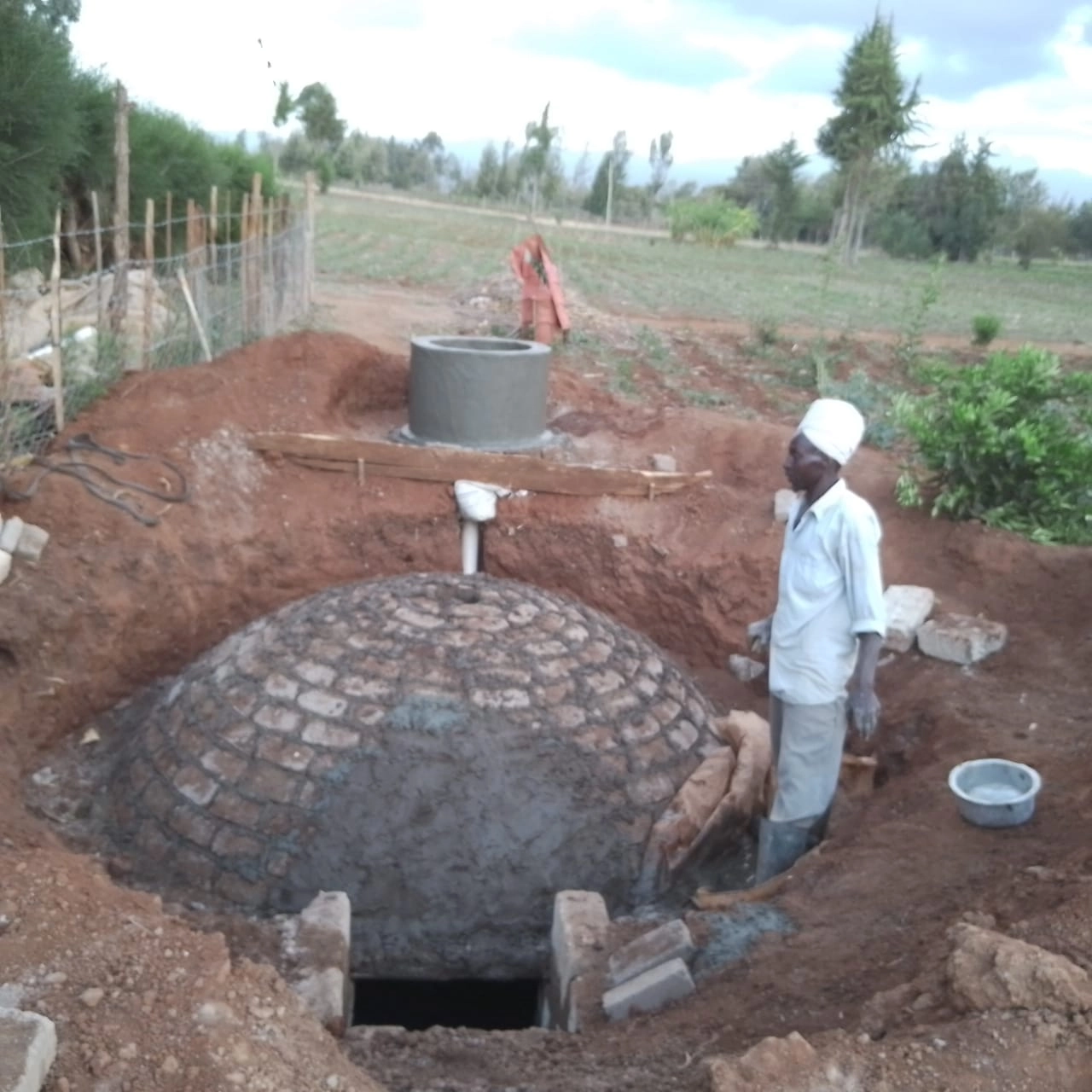
Introduction: The Evolution of Waste Management in Kenya
Let’s be honest—nobody likes thinking about what happens after they flush the toilet.
For decades, the standard in Kenya was the traditional septic tank or, worse, the dreaded pit latrine.
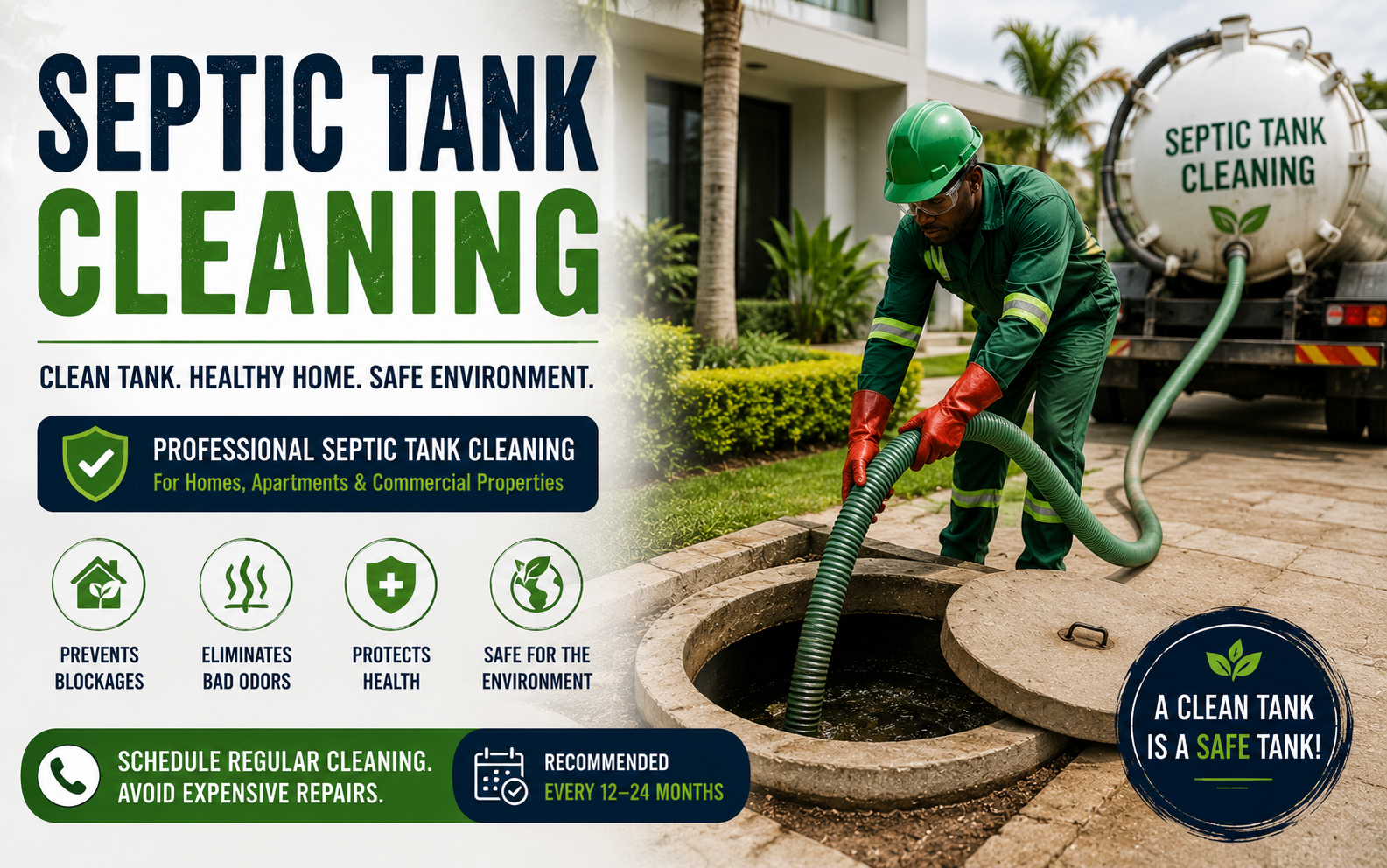
You know the drill: wait for it to fill up, call an expensive exhauster truck, endure the smell for three hours, and repeat the cycle every few months.
But things have changed. Enter the Biodigester.
At Bio Digester Kenya, we have seen a massive shift toward this eco-friendly technology.
Whether you are building a residential home in Kitengela or managing a commercial block in Nairobi, a biodigester septic tank is the modern solution.
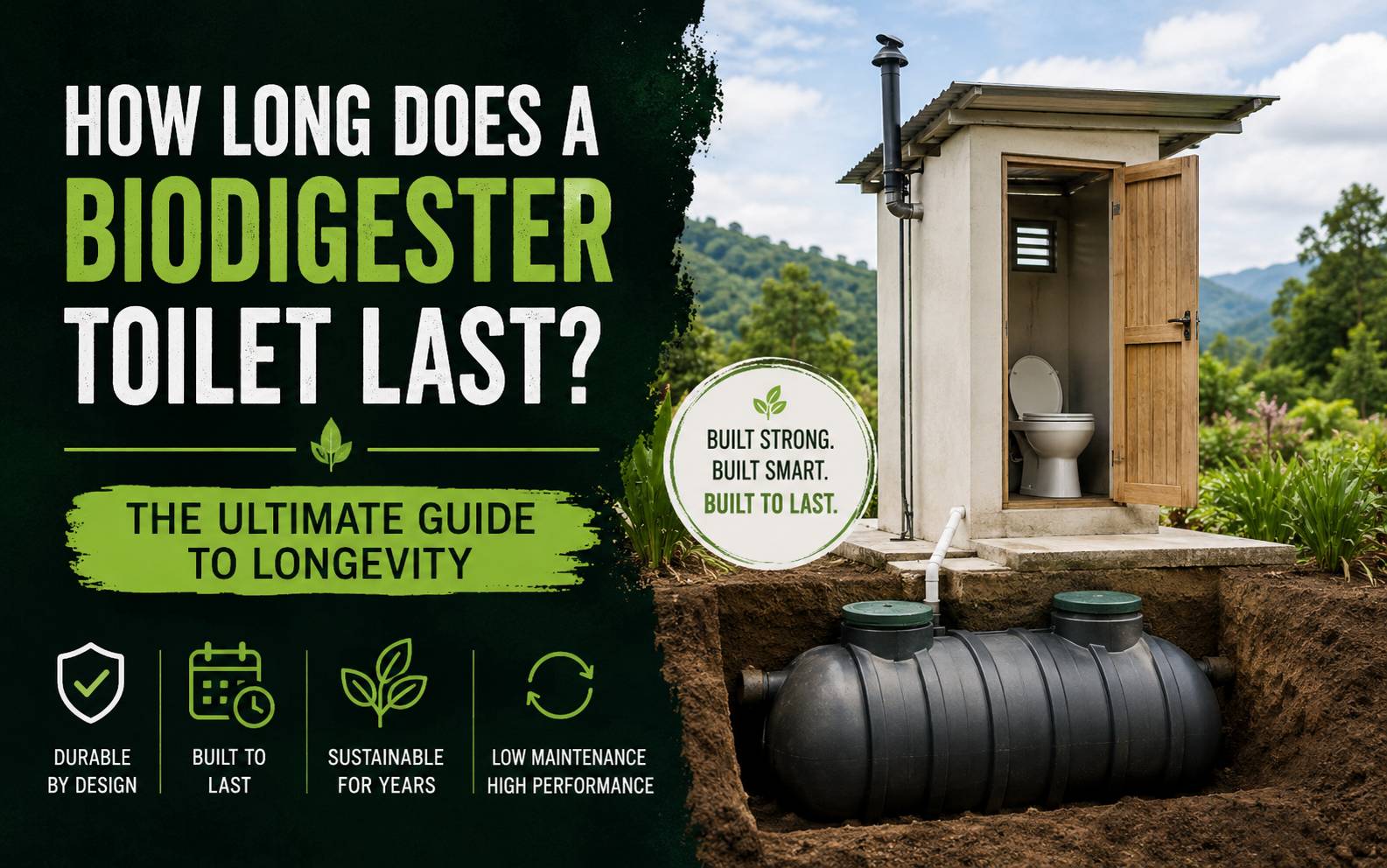
But like any good machine—or living organism—it needs a little love to keep running smoothly. If you treat it right, it’ll treat you right for decades.
If you ignore it? Well, let’s just say things could get “stinky.”

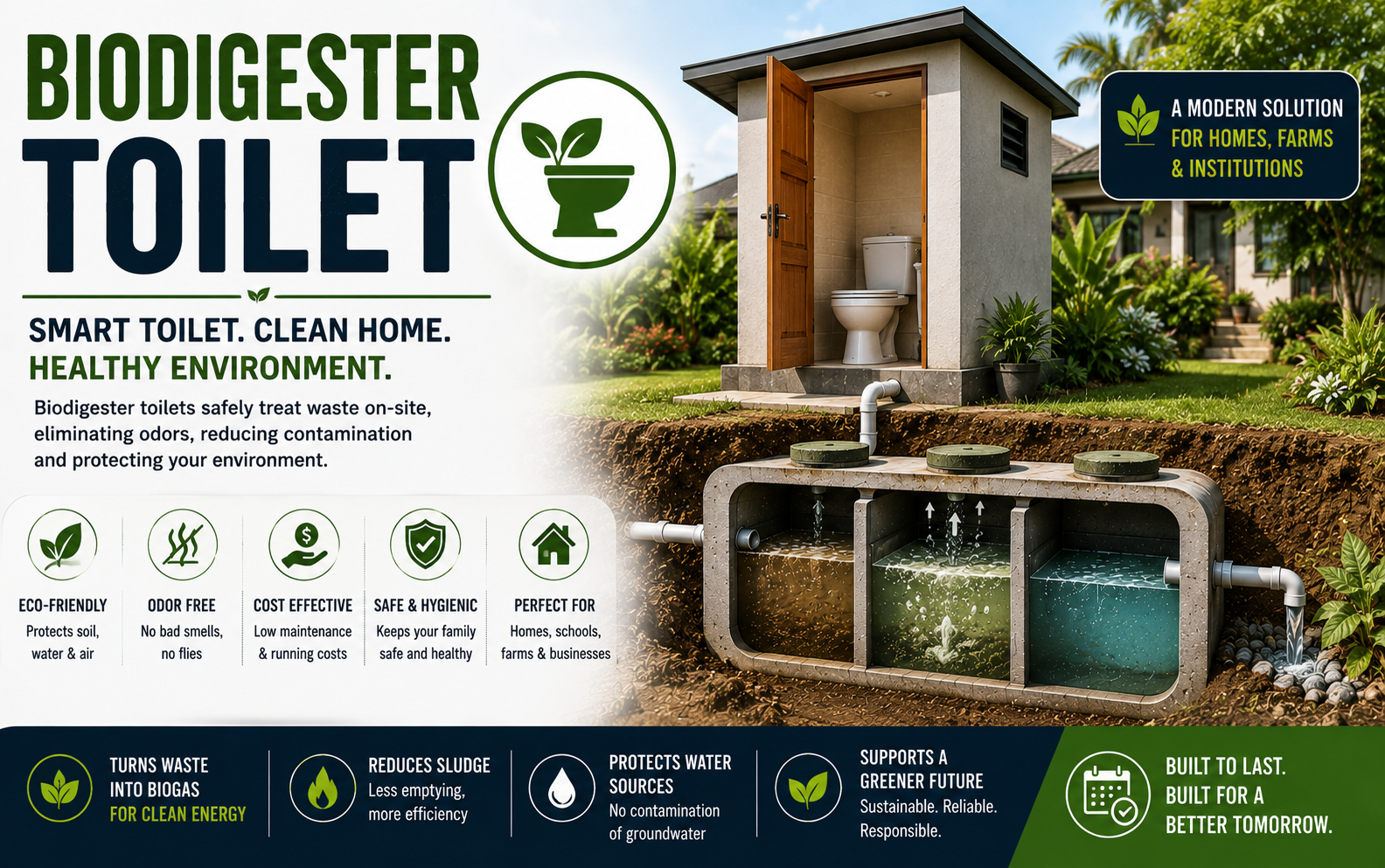
Understanding the Beast: What Exactly is a Biodigester?
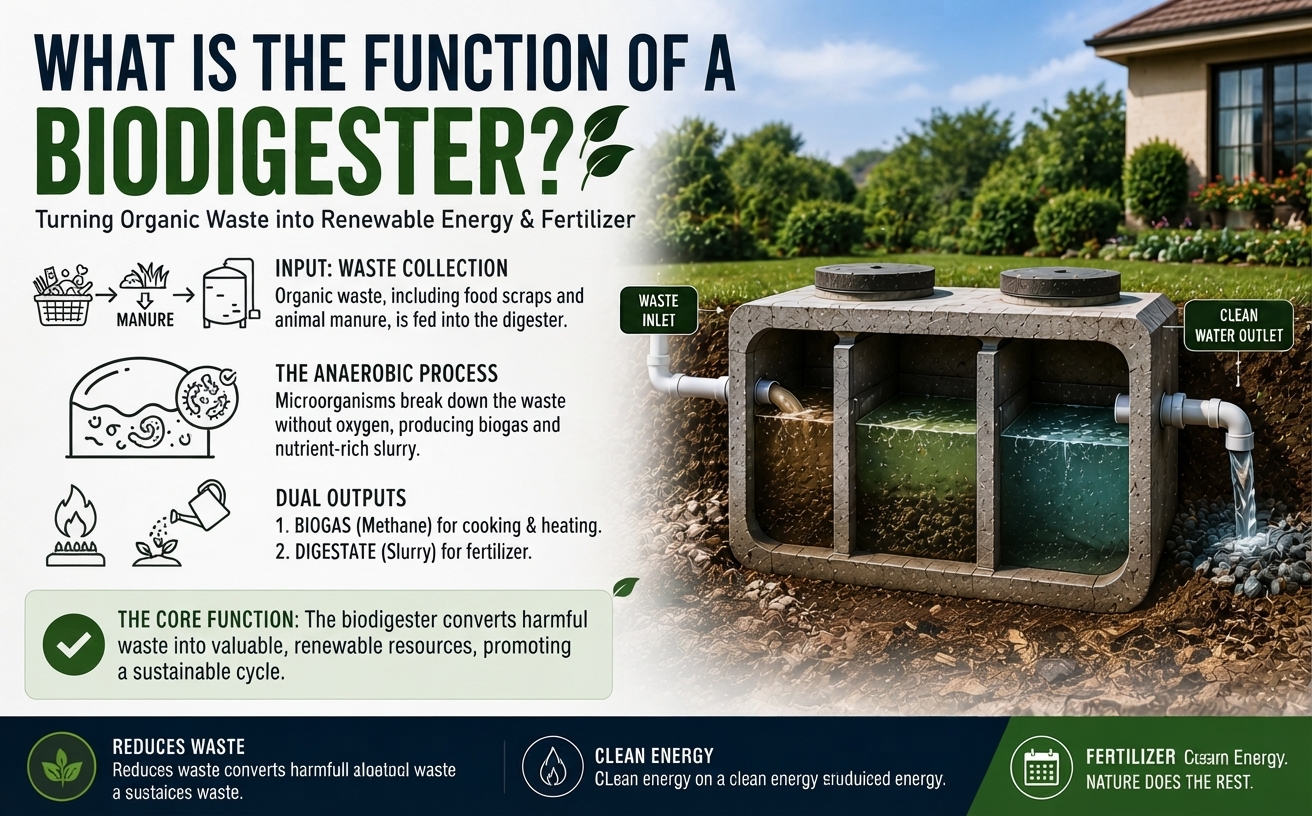
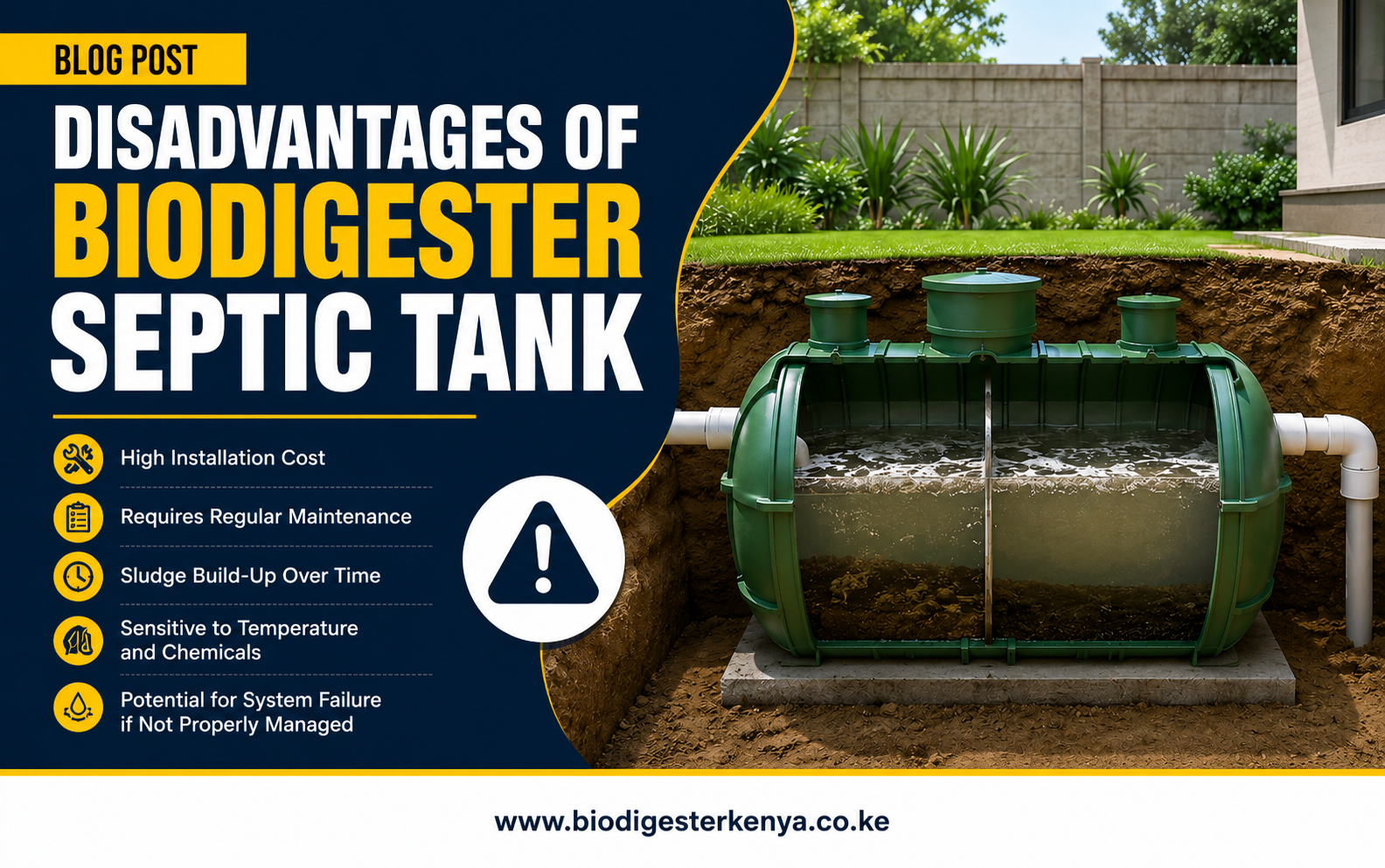
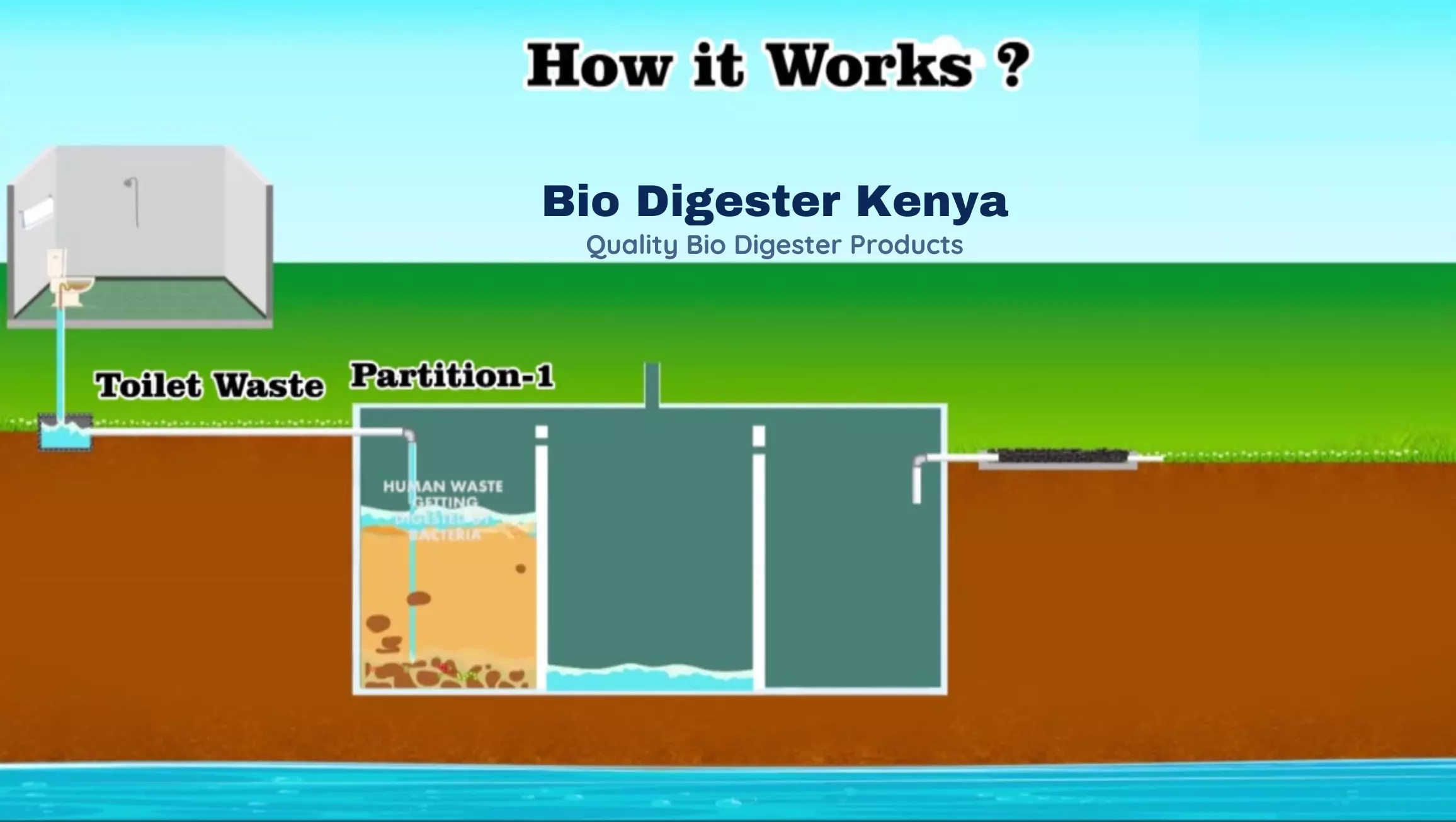
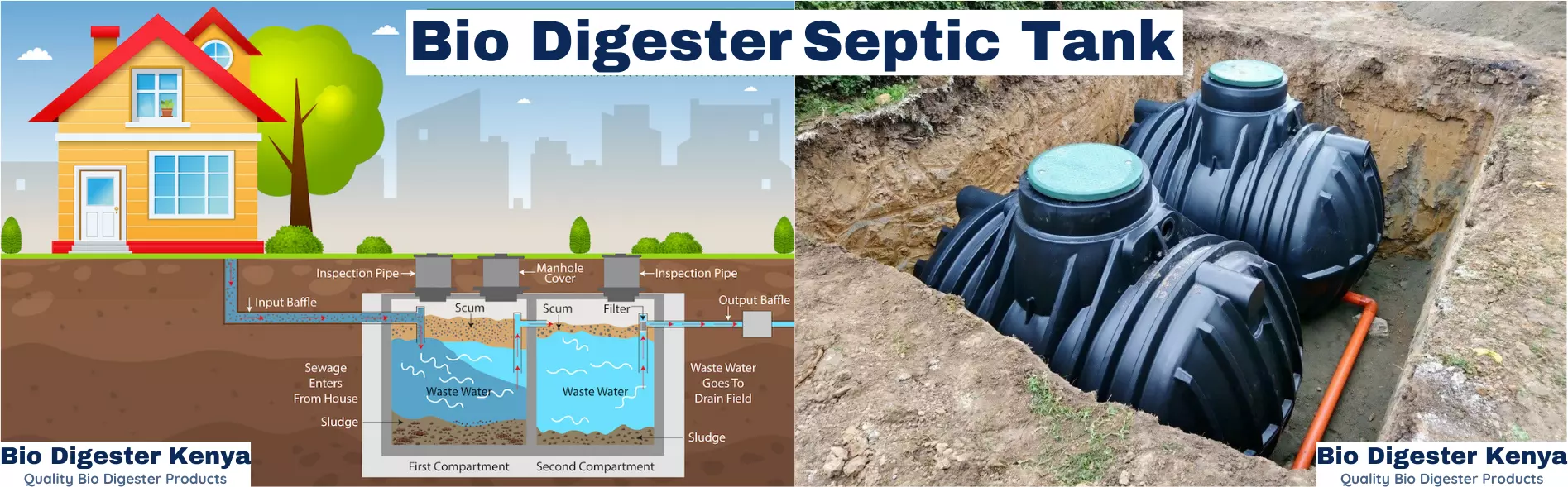
Before we dive into maintenance, you need to understand what’s happening underground. Think of your Biodigester as a mechanical stomach.
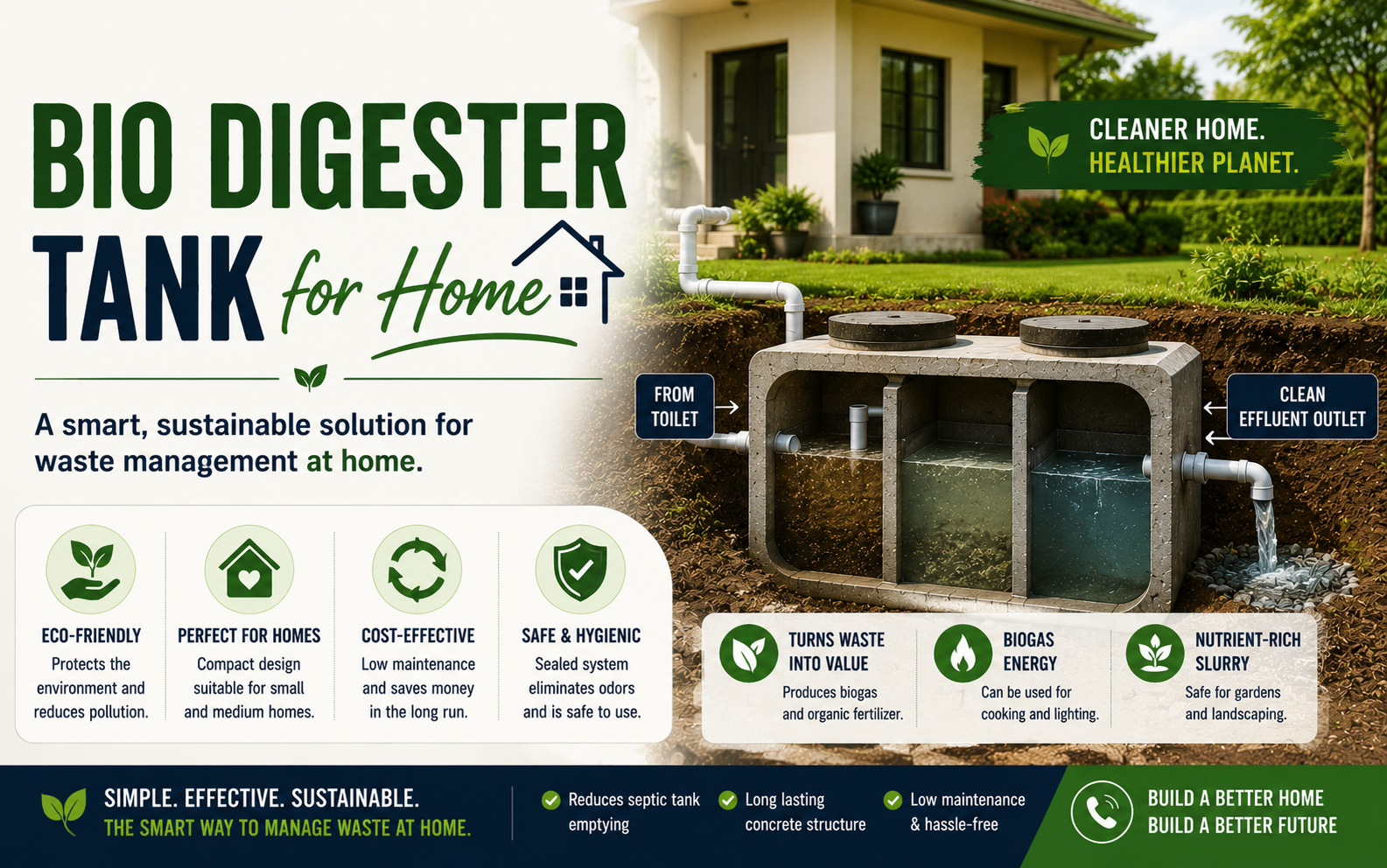
In a traditional biodigester vs septic tank comparison, the septic tank is just a storage box that waits to be emptied. A biodigester, however, is a processing plant.
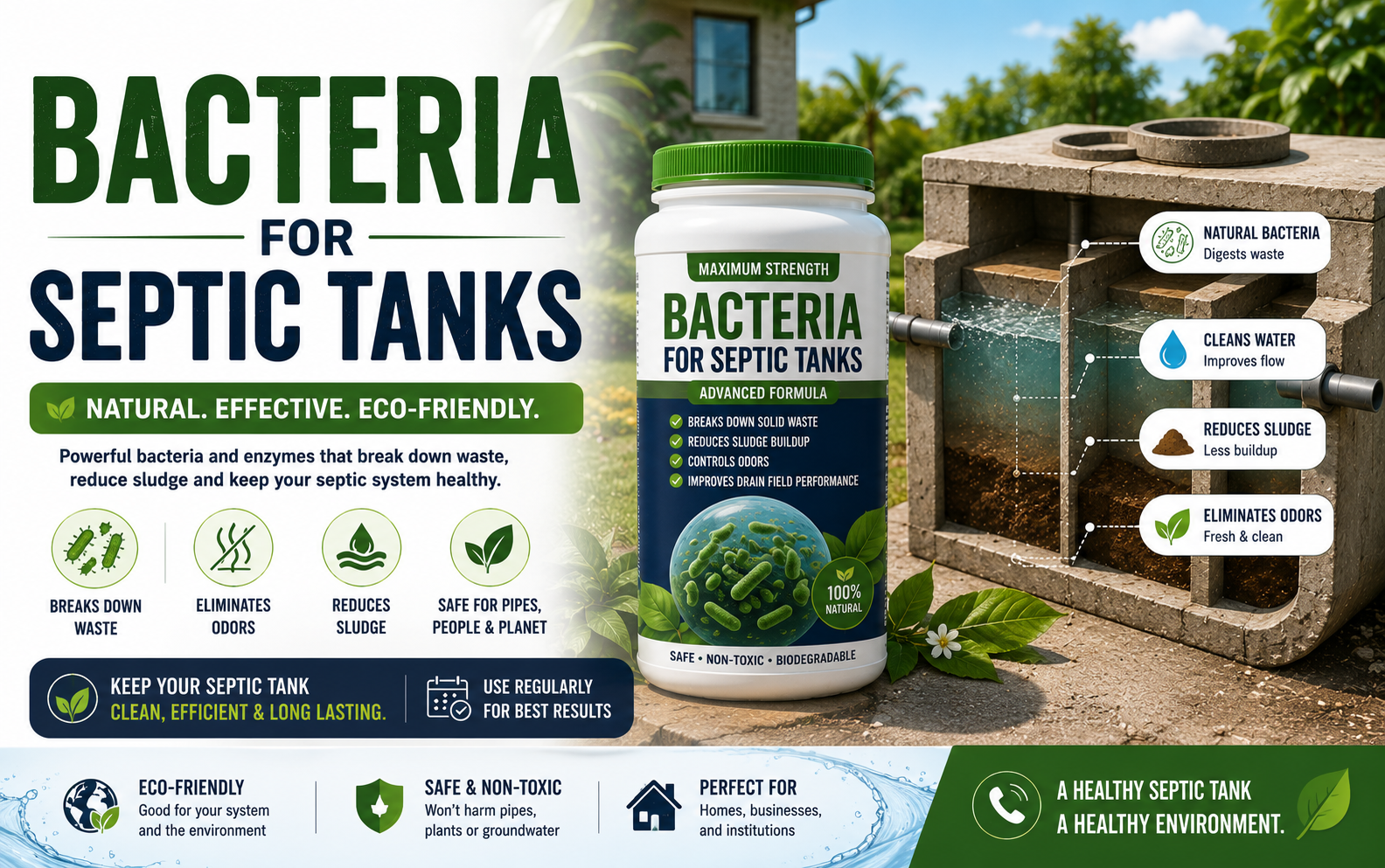
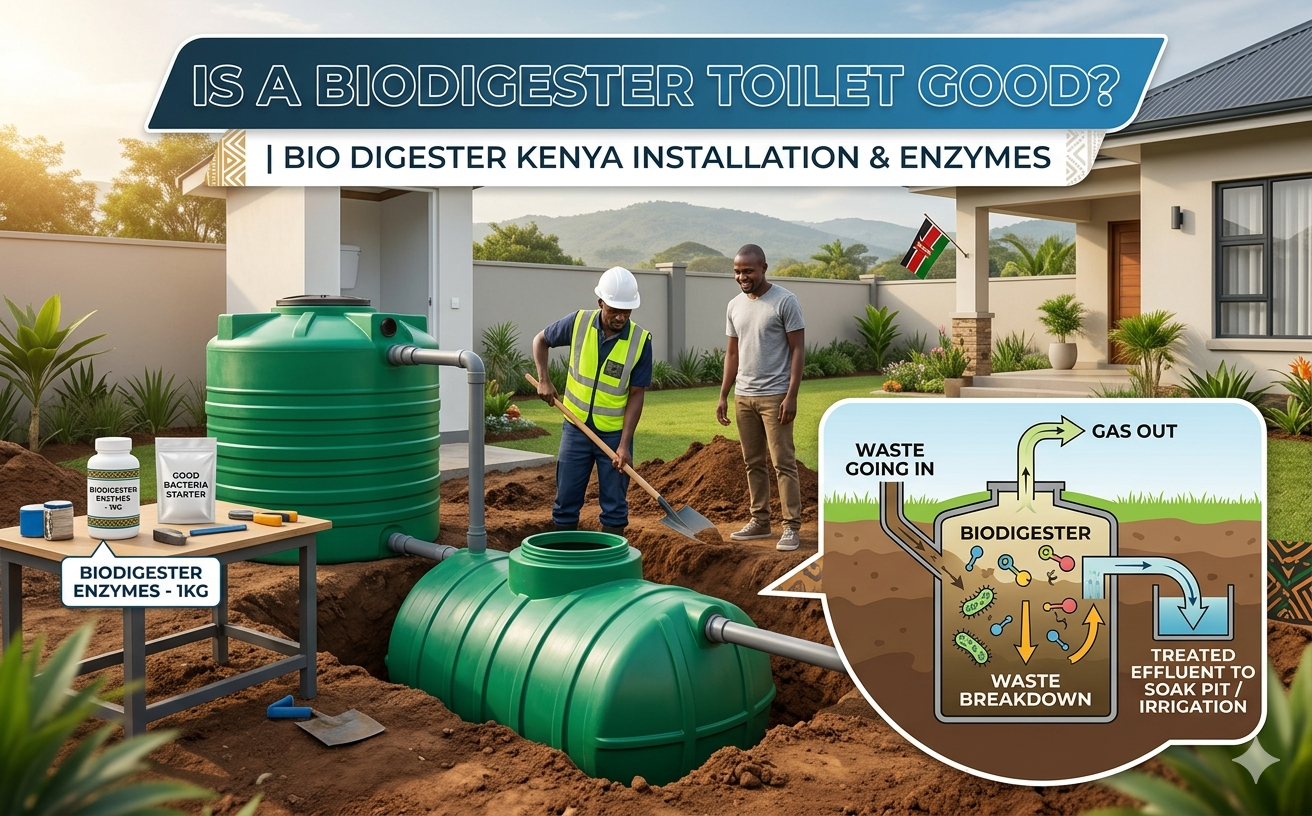
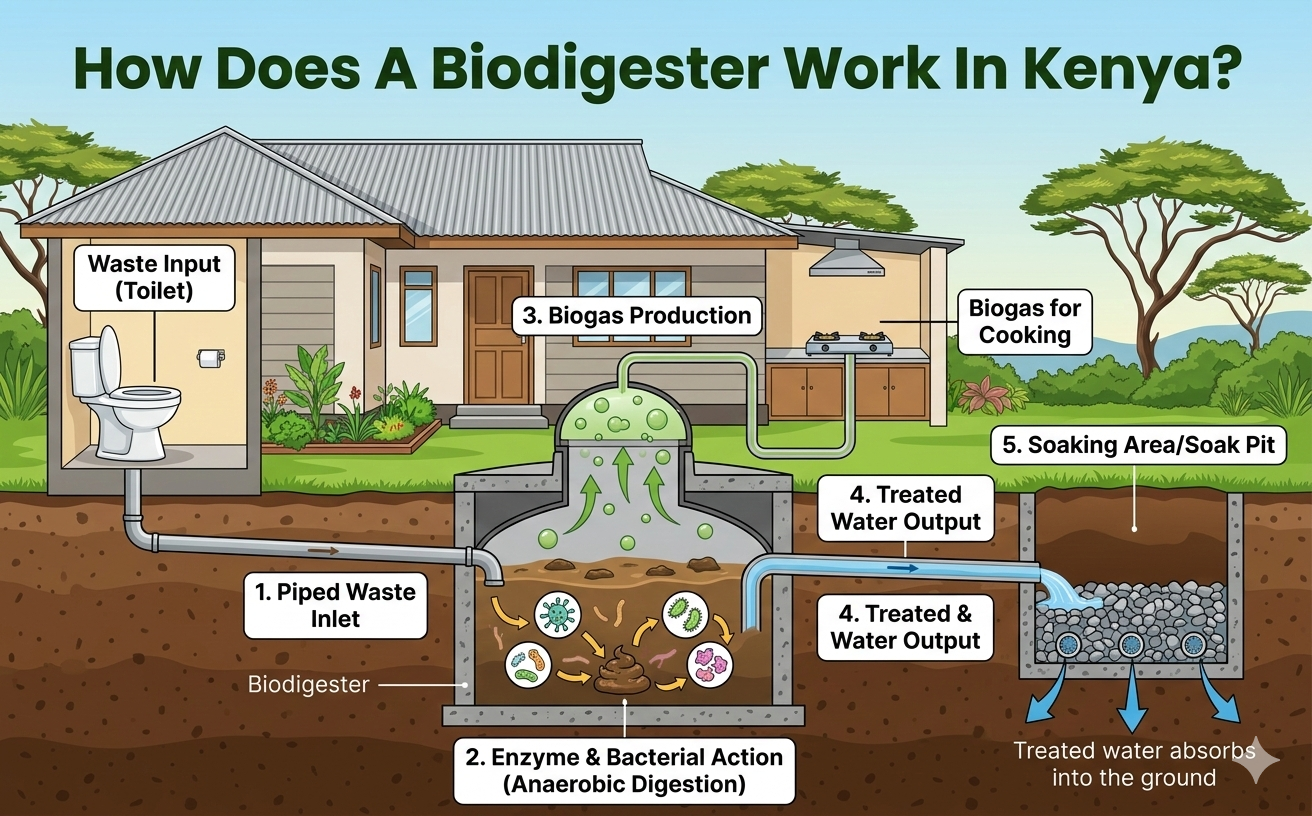
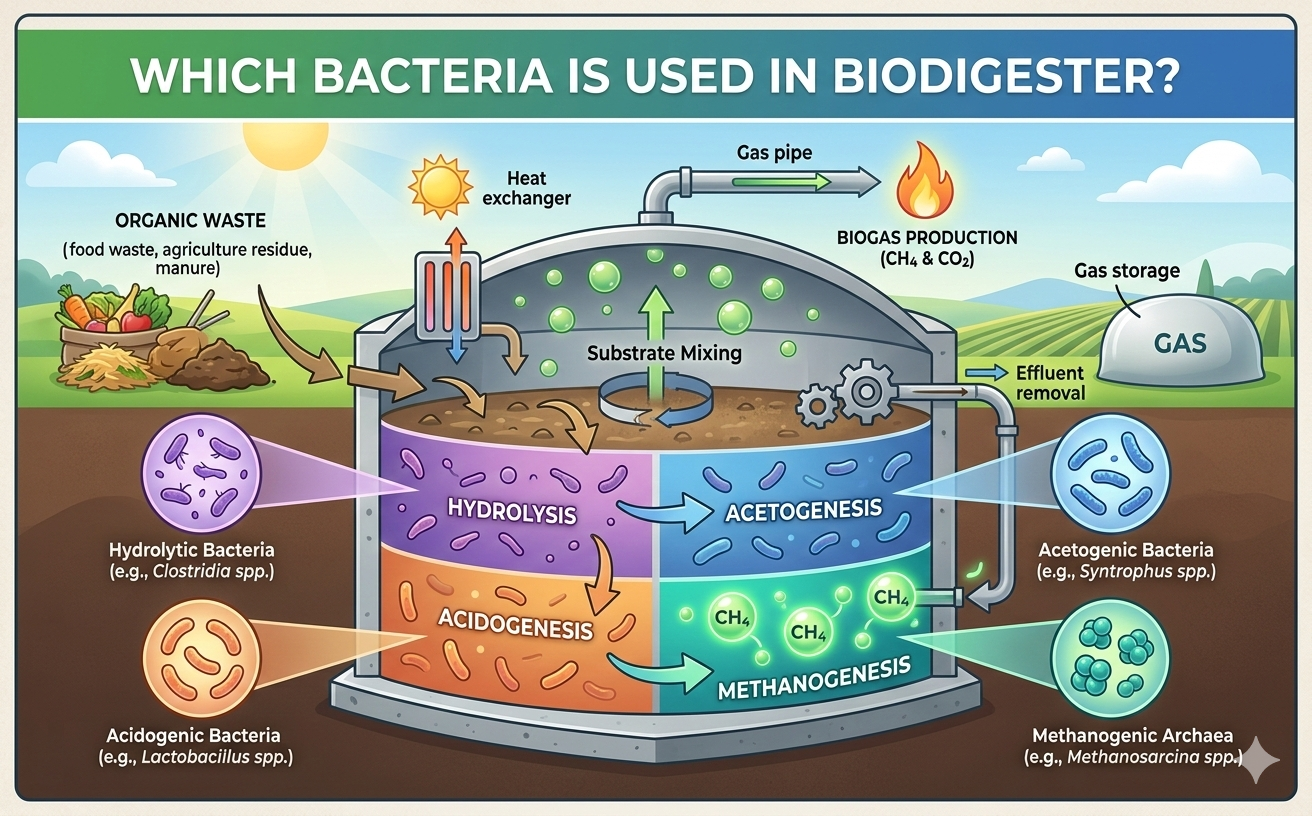
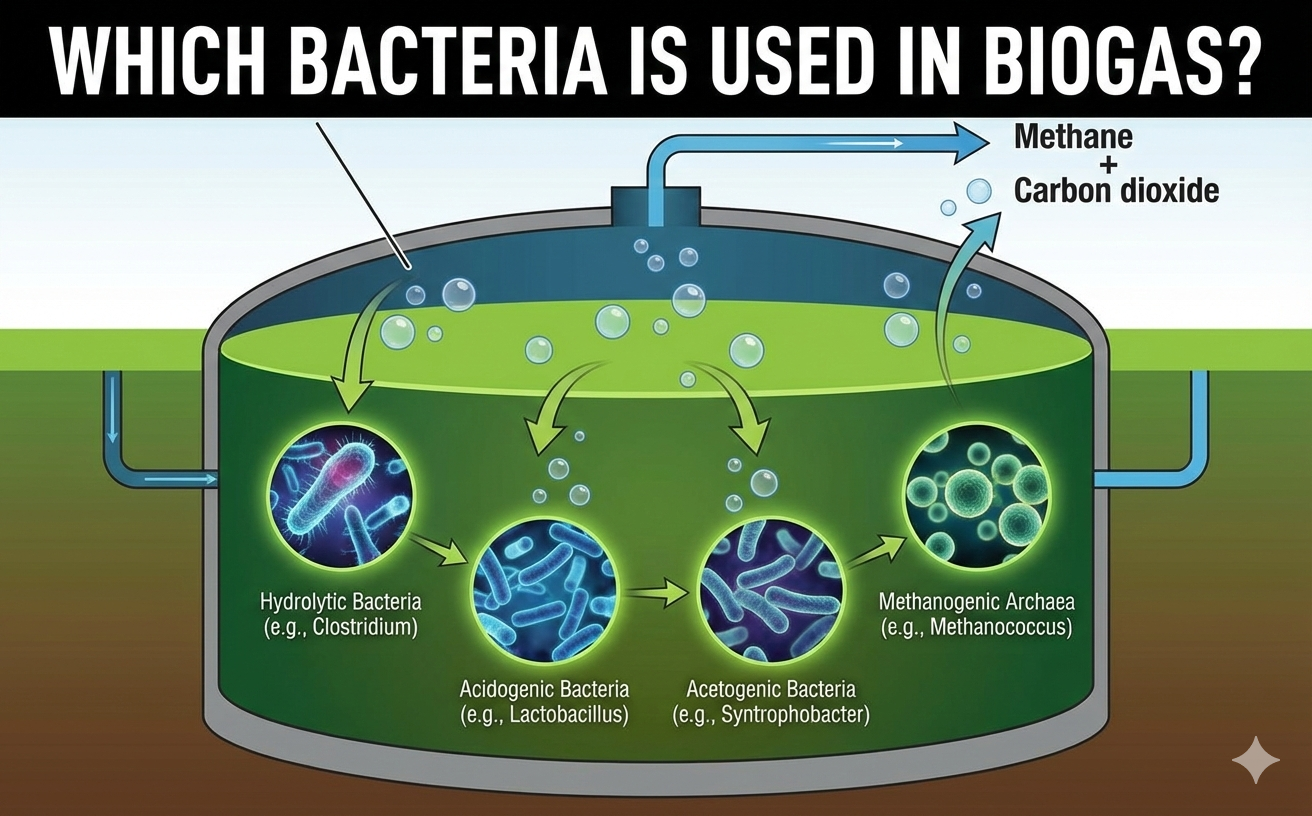
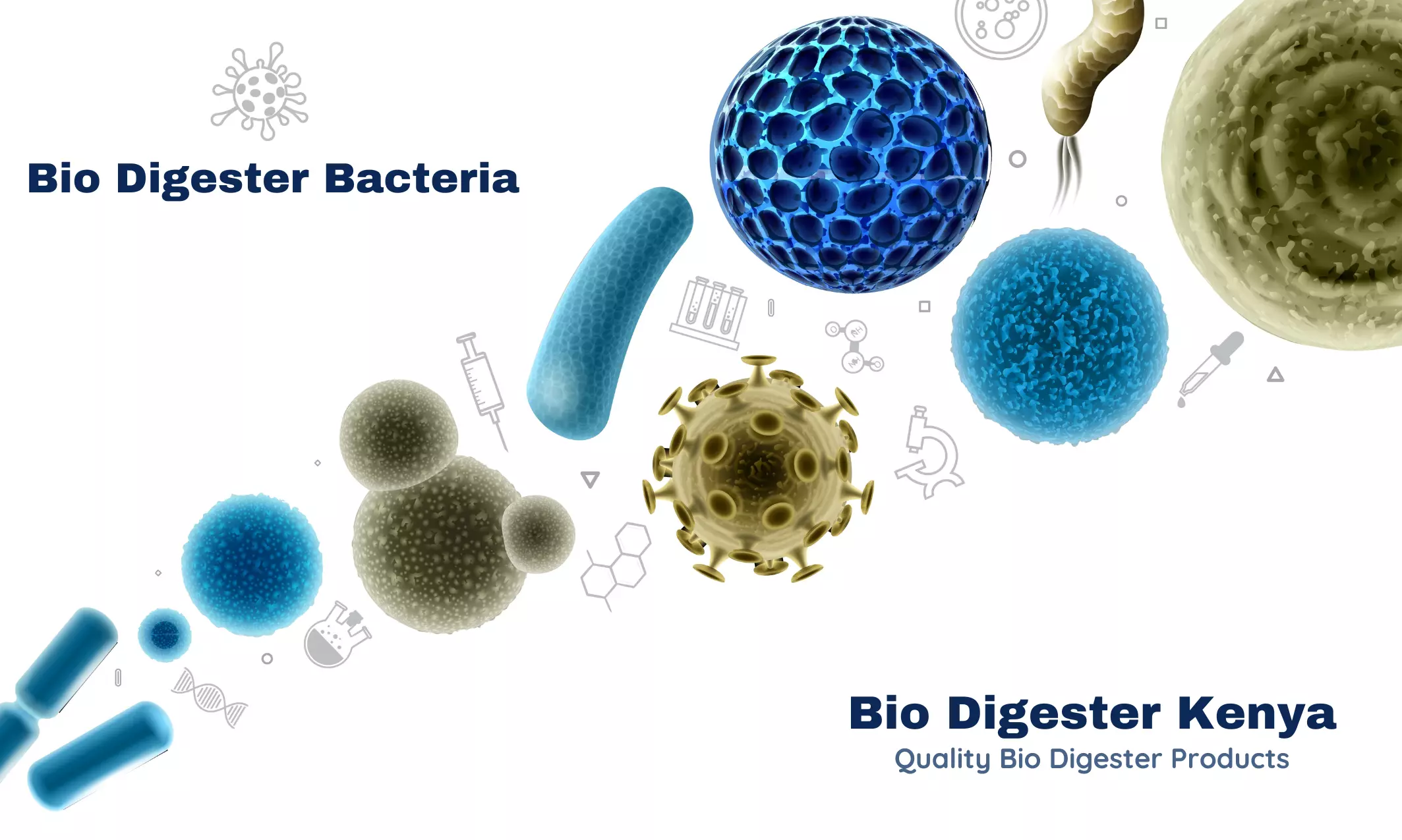
Your household waste is piped directly into the unit. Inside, we introduce specialized Bio Digester Bacteria. These tiny “workers” are incredibly hungry.
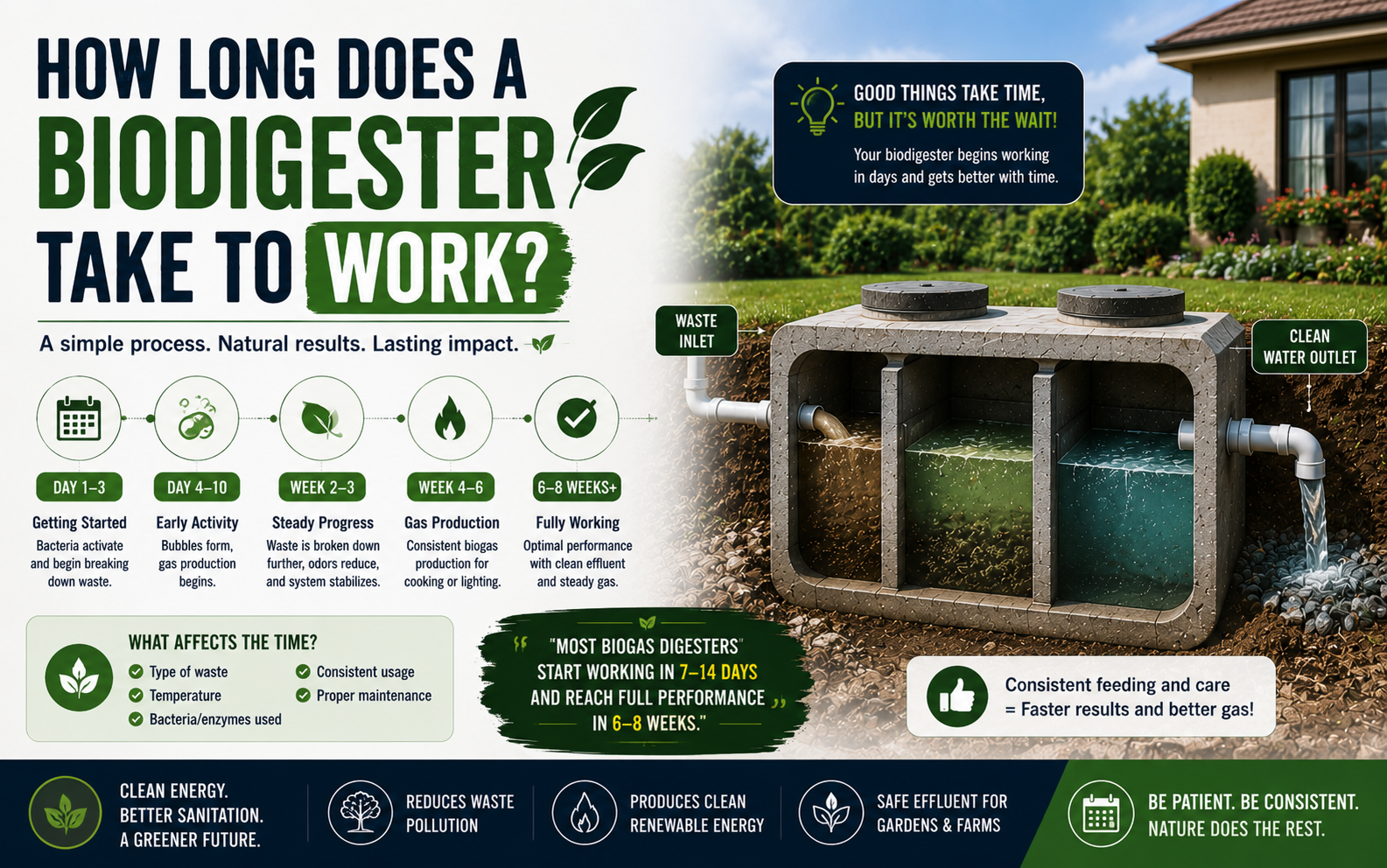
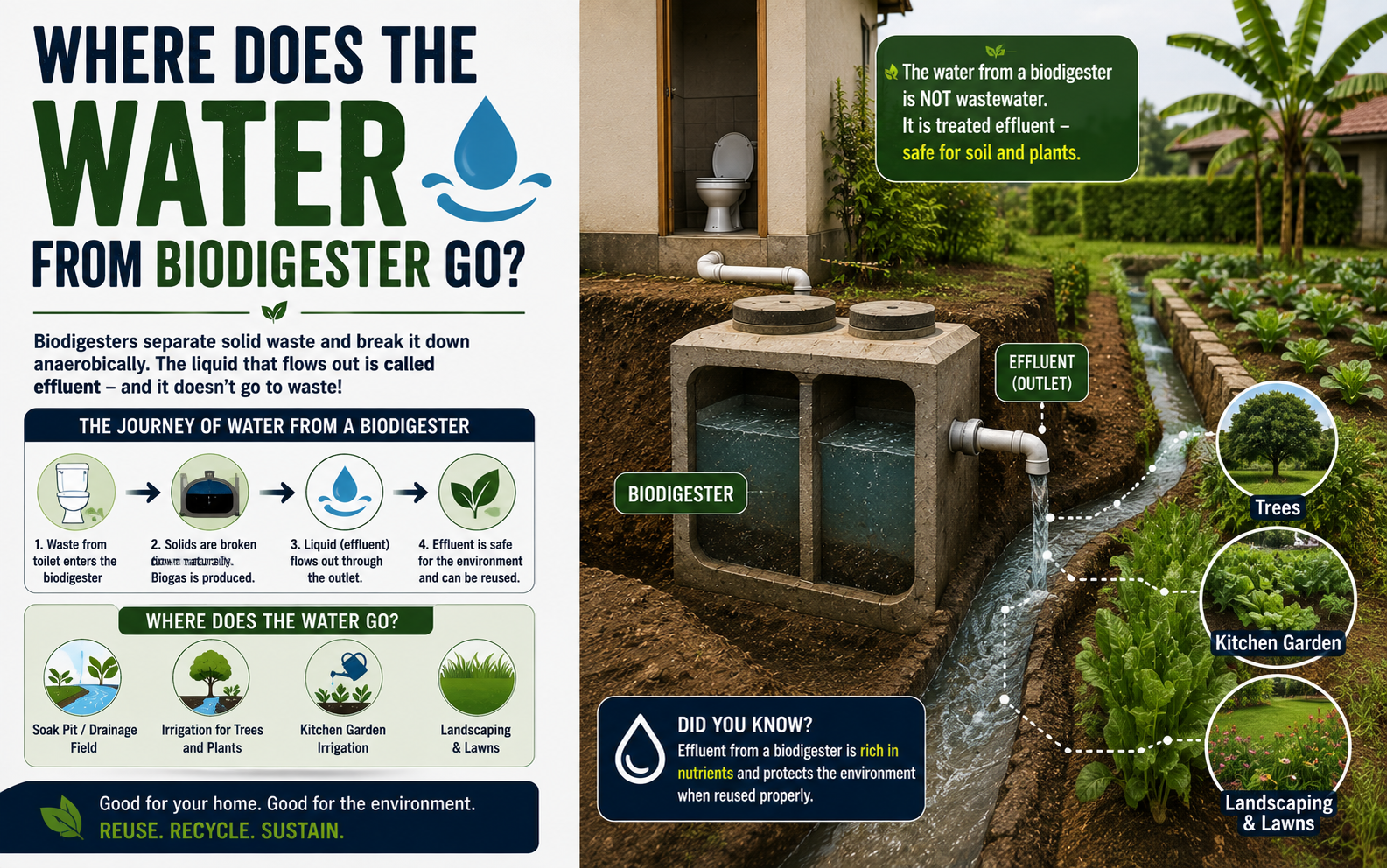
They consume the organic waste, breaking it down into two simple, harmless components: water and air. That’s it! No sludge, no mess.
The treated water is then diverted to a soaking area where it is safely absorbed back into the ground.

The Science of “Clean”: How Bio Digester Enzymes Work
It’s not magic; it’s biology.
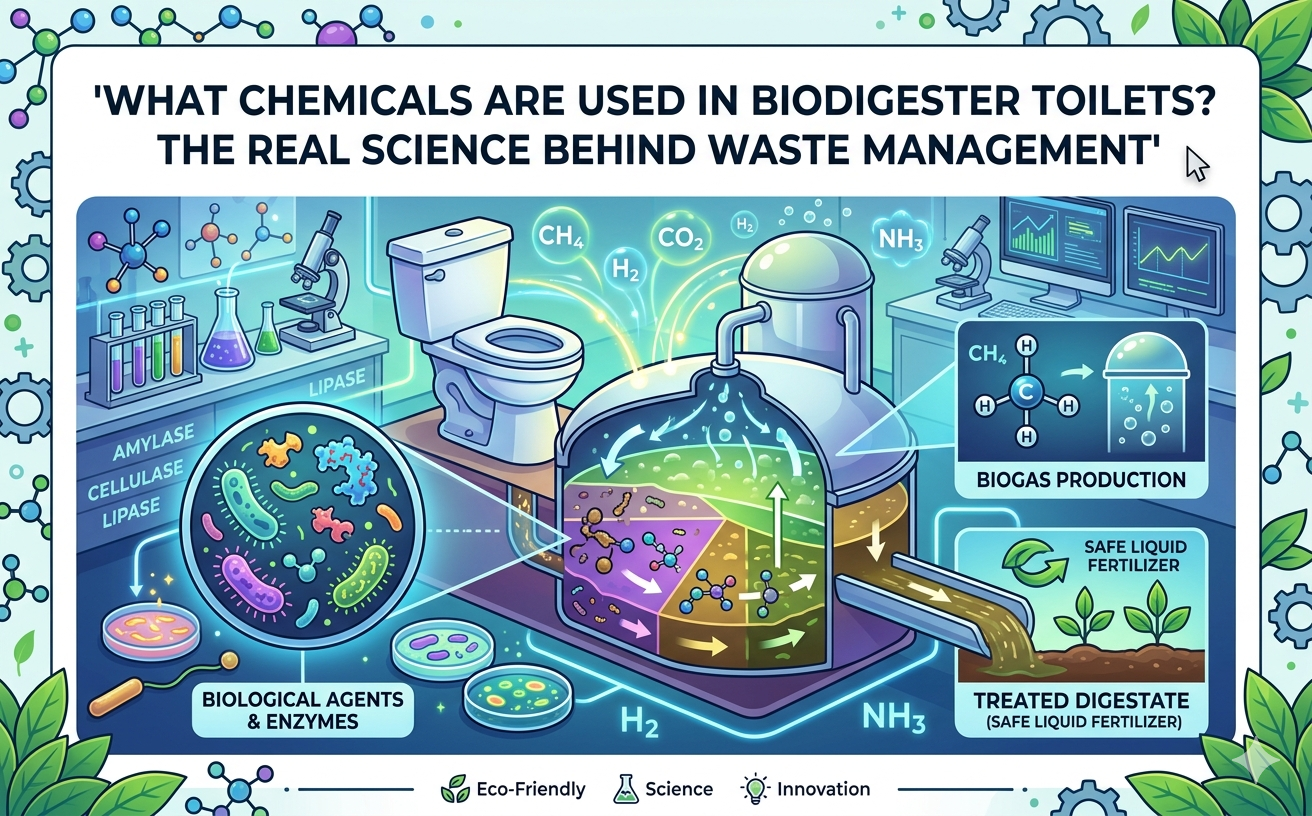
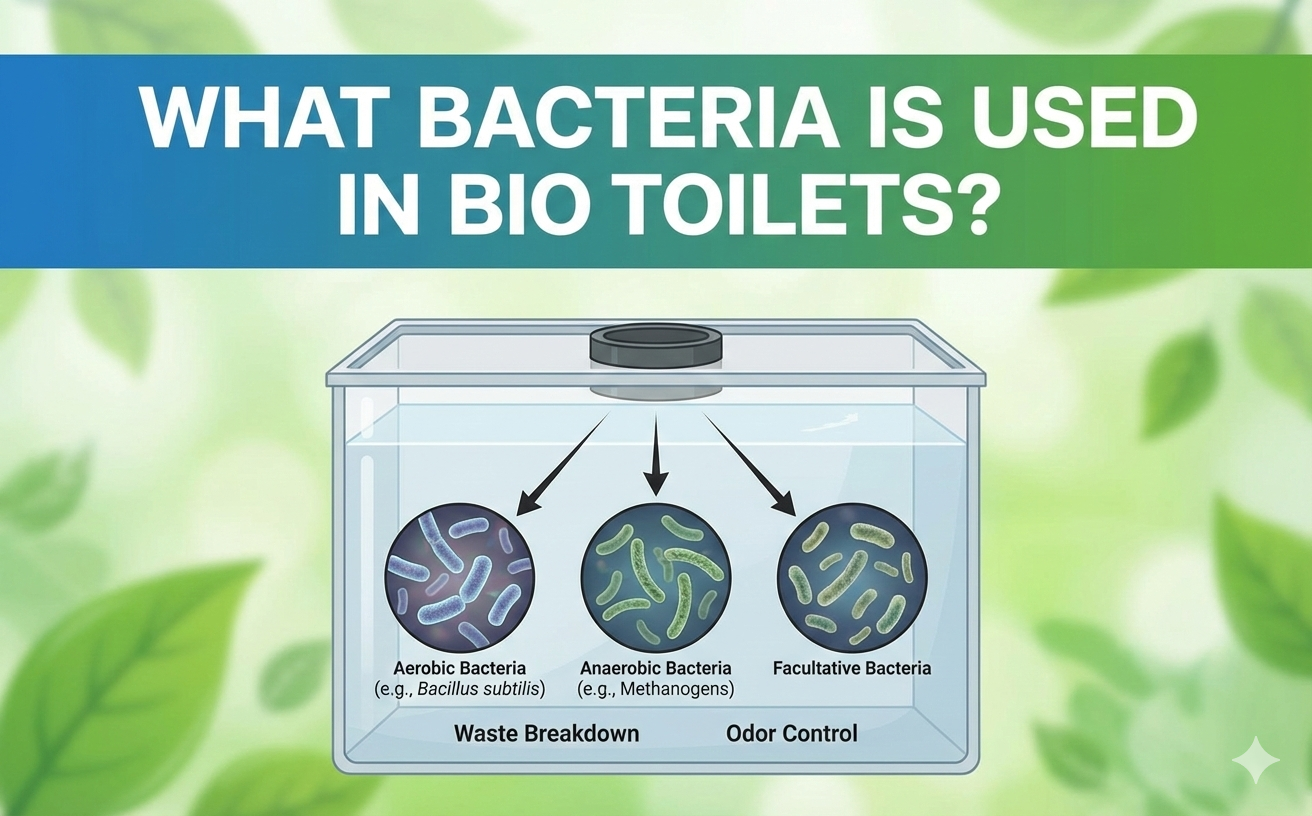
The secret sauce is the Bio Digester Bacteria. These enzymes are designed to thrive in an anaerobic environment (without much oxygen). They literally eat the solids.
This is why a properly functioning Bio Septic Tank never needs exhausting.
If you’re wondering how to get started or restart a system, check out our Bio Digester Bacteria – 400g which is the gold standard for keeping those bacterial colonies healthy and active.
Biodigester vs Septic Tank: Why Maintenance Differs
A traditional septic tank requires physical removal of sludge.
A biodigester septic tank requires biological management.
You aren’t maintaining a tank; you’re maintaining a colony of living organisms. Maintenance is less about “cleaning” and more about “not poisoning” the system.
The Golden Rule: Feed the Bacteria, Don’t Kill Them
The most important part of maintenance is ensuring the bacteria inside are alive and kicking.
You see, these microbes are sensitive. If you pour the wrong things down the drain, you’ll end up with a “dead” tank, which leads to smells and blockages.
What to Avoid: The “Deadly” List for Your Bio Septic Tank
To keep your Biodigester happy, you must be careful about what goes down your sinks and toilets. Think of it this way: if it’s not organic or biodegradable, it doesn’t belong there.
- Plastic and Nylon: These will never break down and will eventually clog the system.
- Sanitary Pads and Diapers: A huge “no-no.”
- Grease and Cooking Oil: These can coat the bacteria and “smother” them. For commercial kitchens, we highly recommend using our Grease Trap & Kitchen Drain Bacteria to handle this specifically.

Chemical Killers: Why Modern Detergents Need Caution
Here is where most Kenyans go wrong.
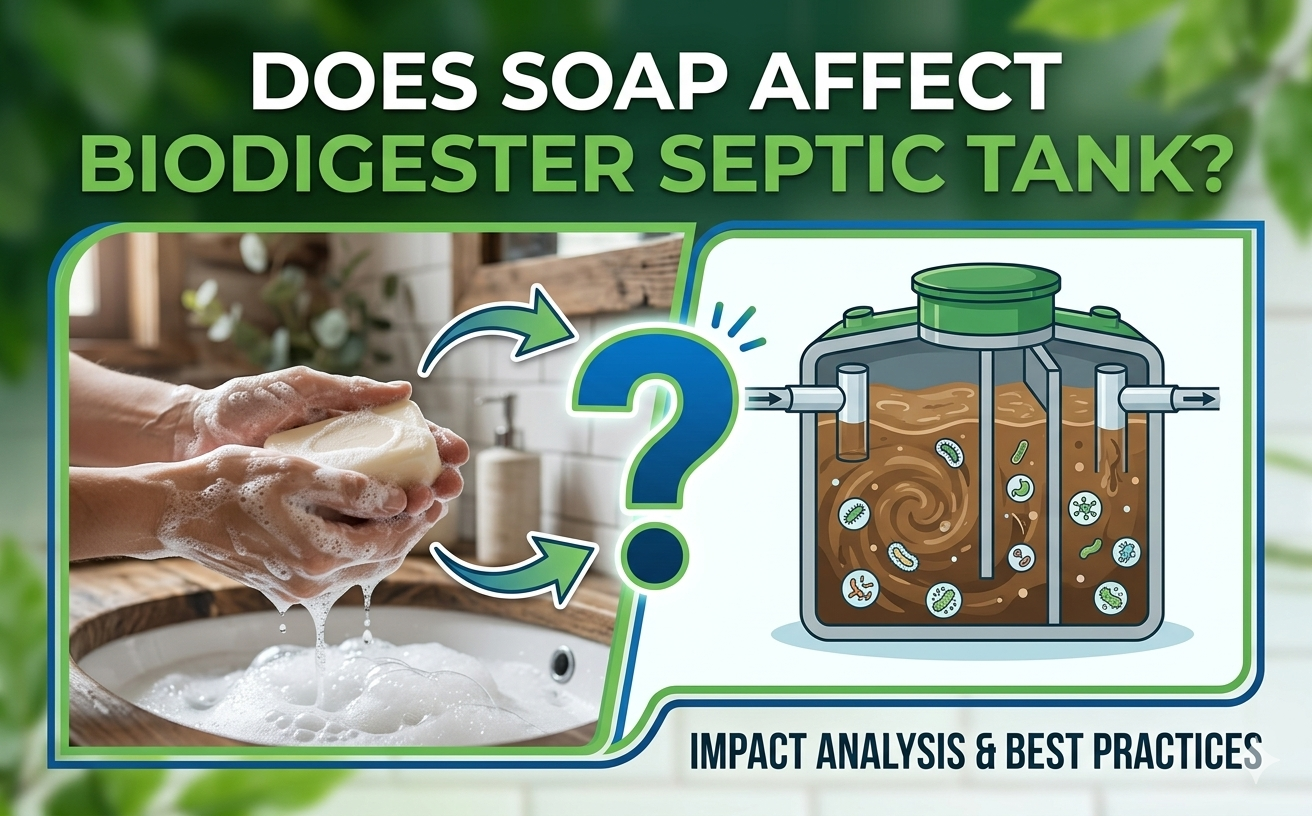
We love our strong bleaches and disinfectants. While they kill germs on your floor, they also kill the beneficial bacteria in your Bio Septic Tank.
If you use heavy amounts of bleach daily, you are essentially committing “bacterial genocide” in your biodigester.
Try to use biodegradable soaps and use disinfectants sparingly.
Regular Dosing: Why You Need Bio Digester Bacteria Regularly
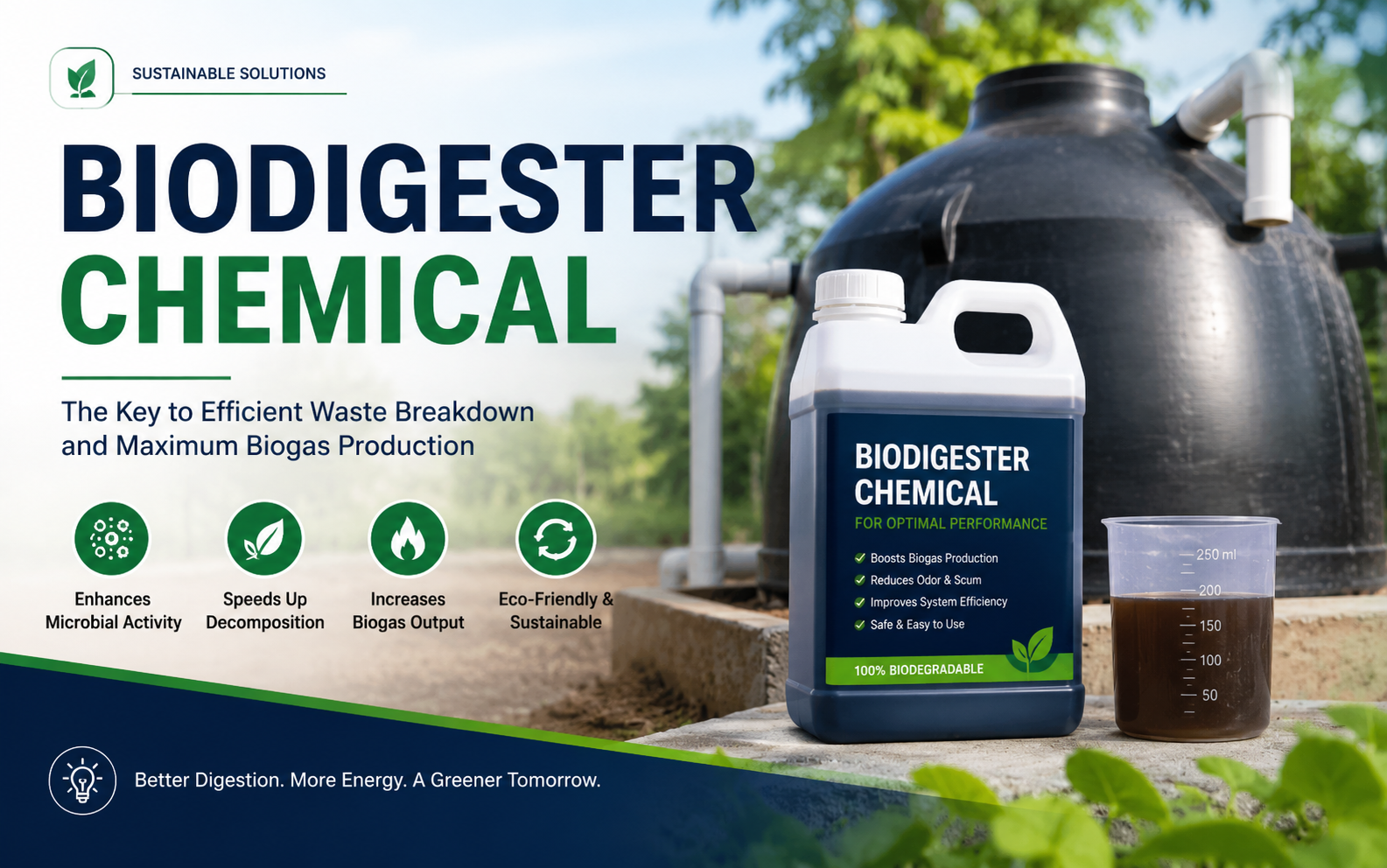
Even if you’re careful, life happens. Someone might accidentally dump a bottle of harsh cleaner down the drain. To keep the system robust, we recommend “boosting” your system periodically. This ensures that the population of waste-consuming microbes remains high.
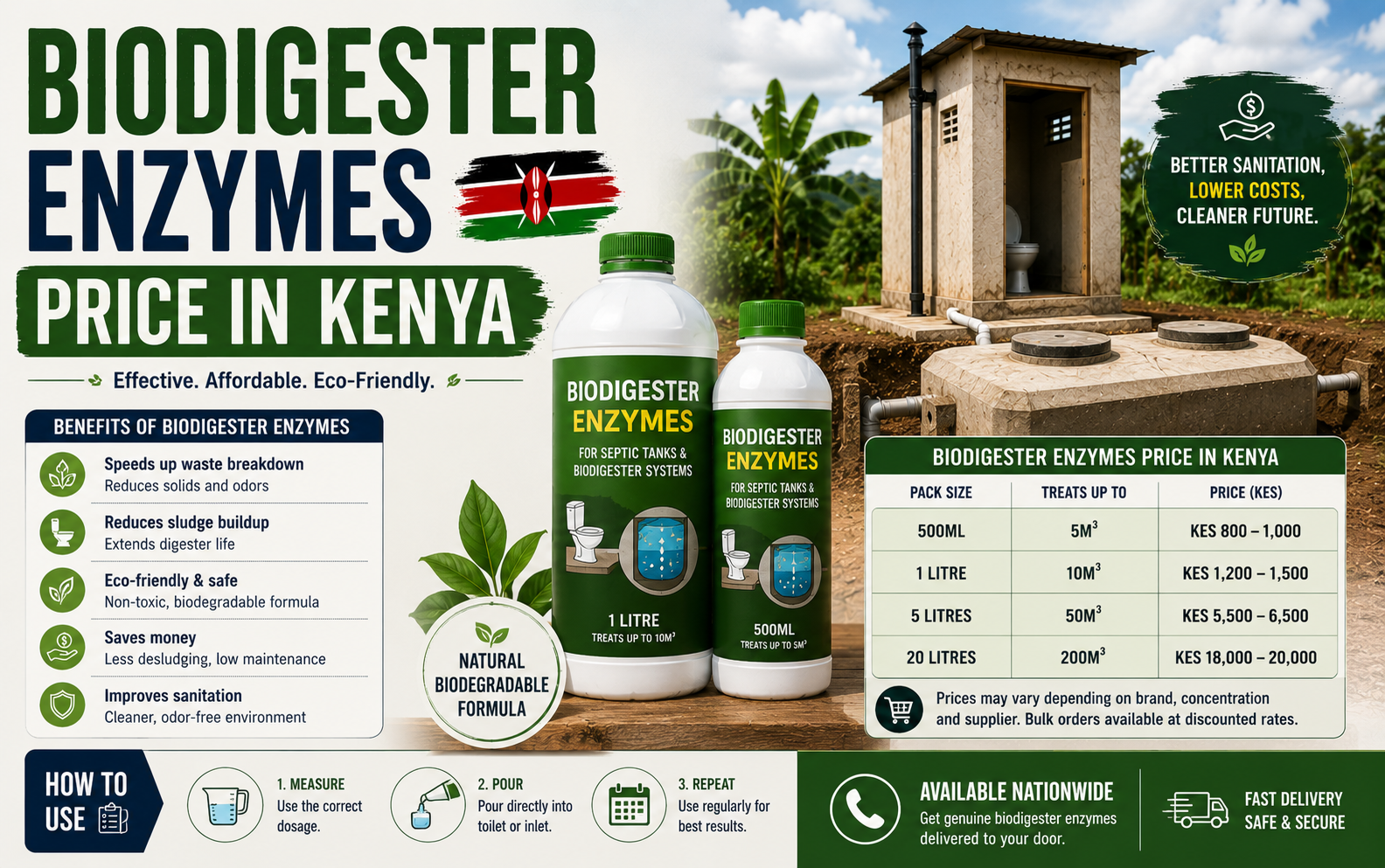
At Bio Digester Kenya, we offer various sizes depending on your needs.
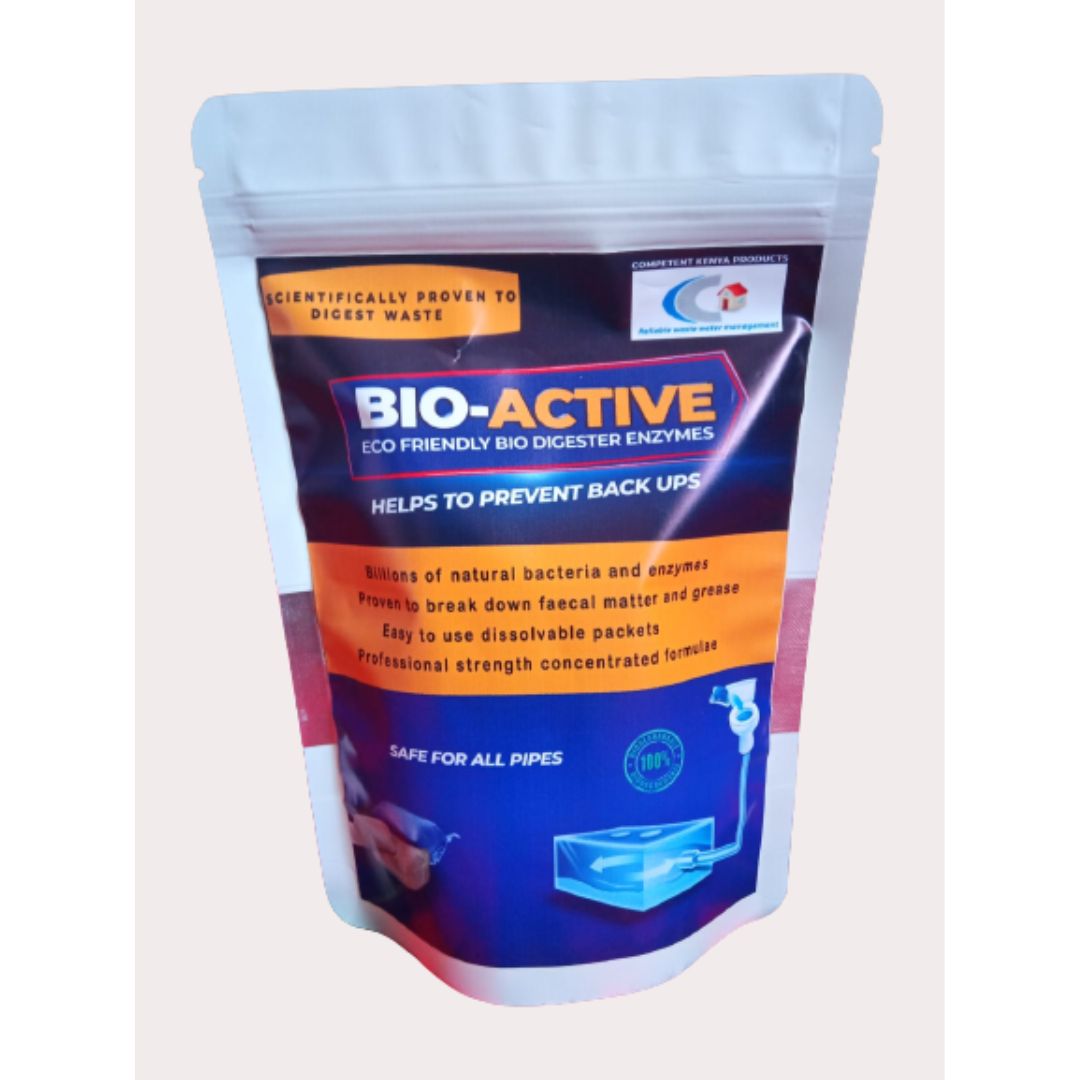
For a standard family home, the Bio Digester Bacteria – 200g is perfect for a monthly or quarterly top-up.
If you have a larger apartment block or a school, you might want to look at our Bio Digester Bacteria – 5L liquid formula for easier application.
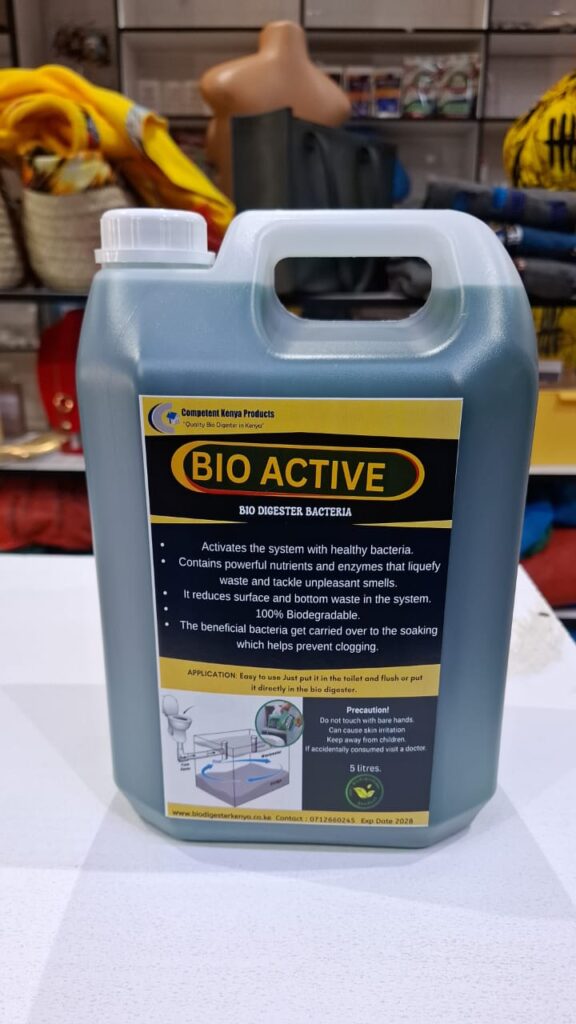
Choosing the Right Supplement: 200g vs 400g vs 5L Options
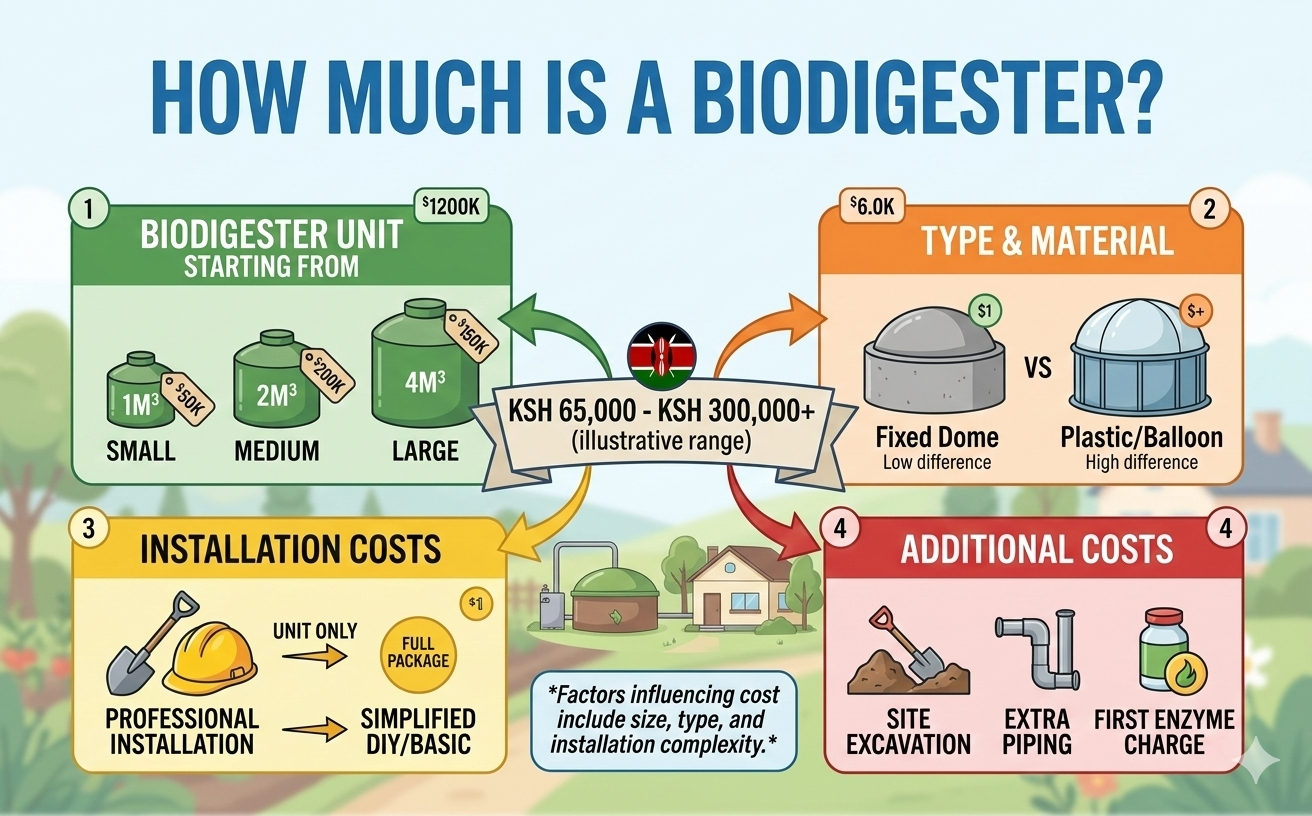
Not all systems are built the same. A 1M³ Bio Digester for a small cottage doesn’t need as much maintenance as a 4M³ Bio Digester serving a whole apartment complex.
- 200g/400g Powder: Great for residential homes. Easy to flush down the toilet.
- Septic Tank Cleaner – 2KG: Ideal for systems that have been neglected and need a serious “reset.” You can find it here: Septic Tank Cleaner – 2KG.
Managing Water Flow: Don’t Drown Your System
While biodigesters handle water beautifully, they aren’t swimming pools. If you have a massive leak in your plumbing, or if your roof gutters are somehow directed into the biodigester, you risk “flushing out” the bacteria before they have time to eat the waste.
Ensure your Plumbing Services are up to par. At Bio Digester Kenya, we don’t just install the tank; we ensure the entire piping system is optimized for the best results.
The Soaking Area: Maintenance of the Final Exit Point
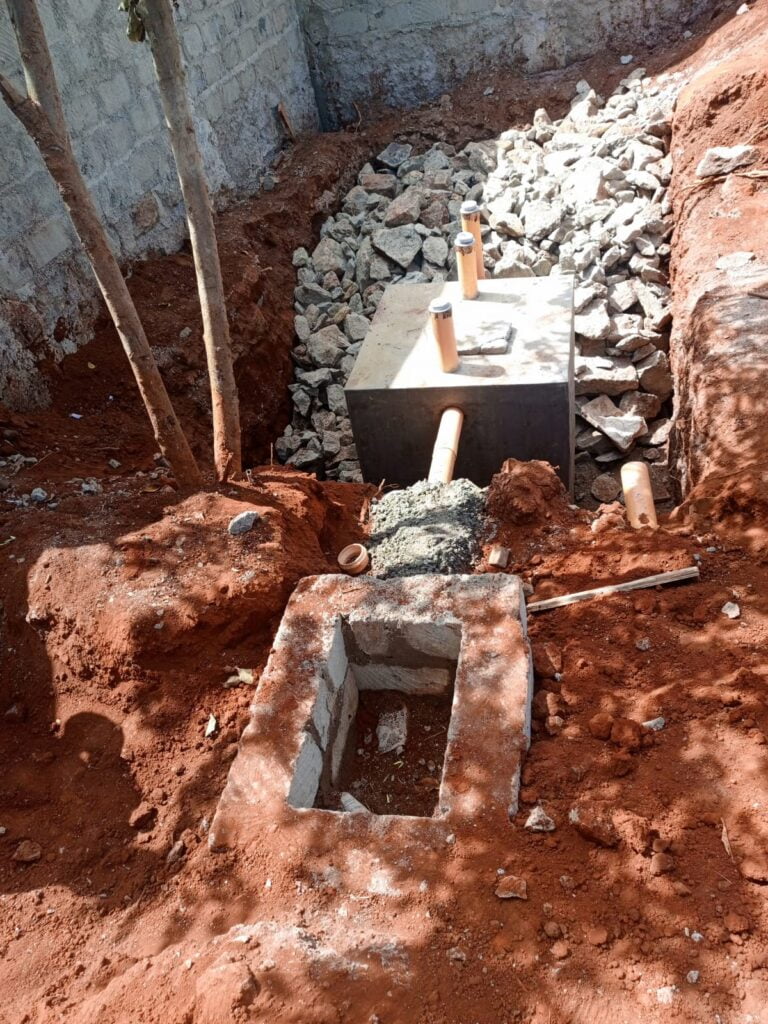
Remember, the end product of a biodigester is water. This water needs somewhere to go. Usually, it goes to a French drain or a soaking pit. Over years, if the ground becomes too compacted or “saturated,” the water might struggle to soak away.
- Tip: Don’t plant trees with aggressive roots right on top of the soaking area, as they can break the pipes. Grass and small shrubs are fine and actually help absorb the moisture!
Common Red Flags: How to Know Your Biodigester is Struggling
Is your Biodigester septic tank trying to tell you something? Listen to the signs.
- The Smell: A healthy biodigester shouldn’t smell like anything. If you catch a whiff of rotten eggs, your bacteria might be dead.
- Slow Drains: If the water in your toilet or sink is taking forever to go down, there might be a blockage in the inlet.
- Backups: This is the nightmare scenario. If waste is coming back up, call us immediately.
Dealing with Foul Odors and Slow Drains
If you start noticing a smell, don’t panic. Usually, a quick dose of Septic Tank Bacteria – 250g can fix the issue within 24 to 48 hours. It’s like giving your system a probiotic yogurt—it rebalances the internal “gut flora” of the tank.
Professional Maintenance: When to Call Bio Digester Kenya
Sometimes, DIY isn’t enough. If your system was installed poorly by a non-professional, or if it hasn’t been checked in years, you need an expert eye. We offer comprehensive Septic Tank Maintenance services across Kenya. We can inspect your baffles, check the enzyme levels, and ensure your soaking area is functioning.
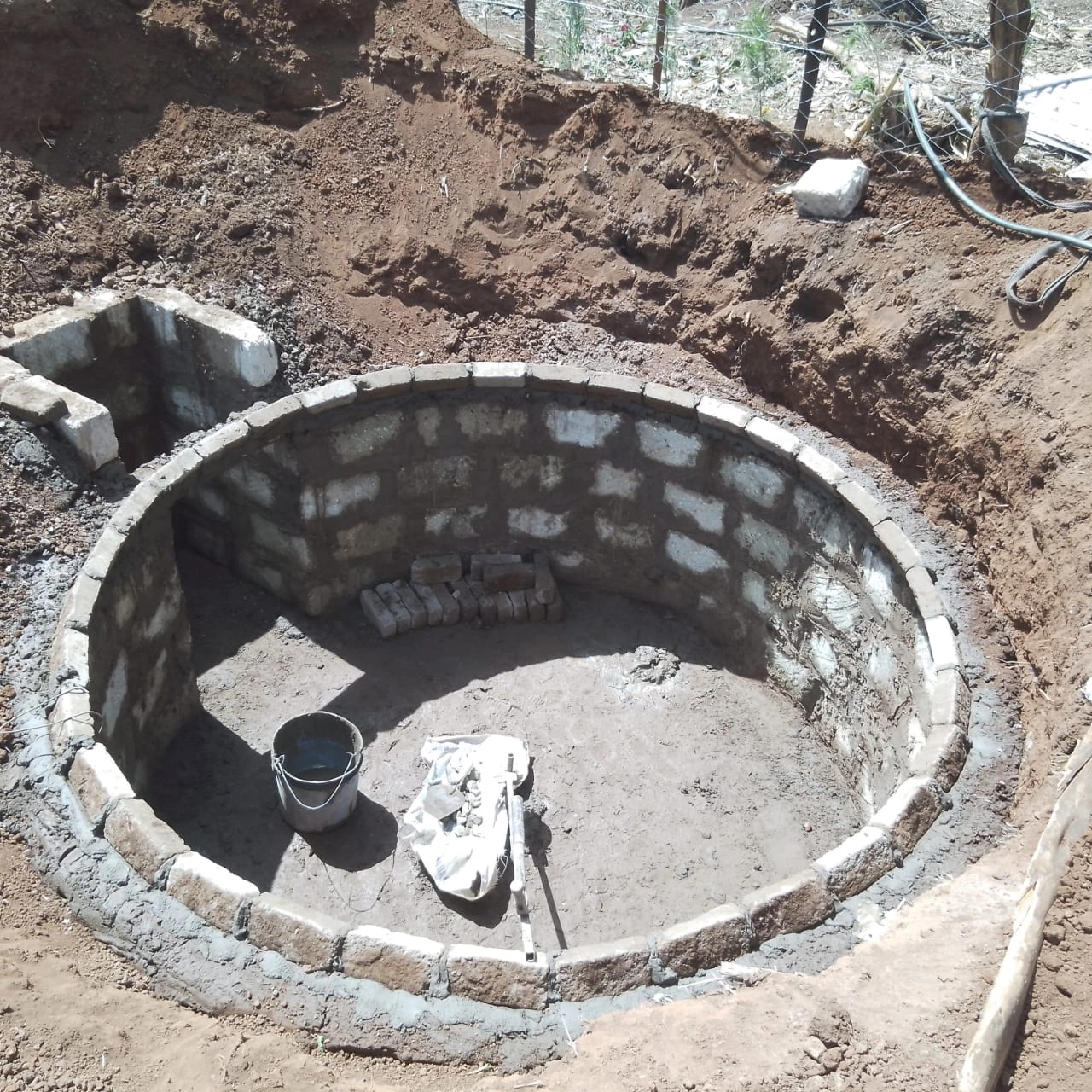
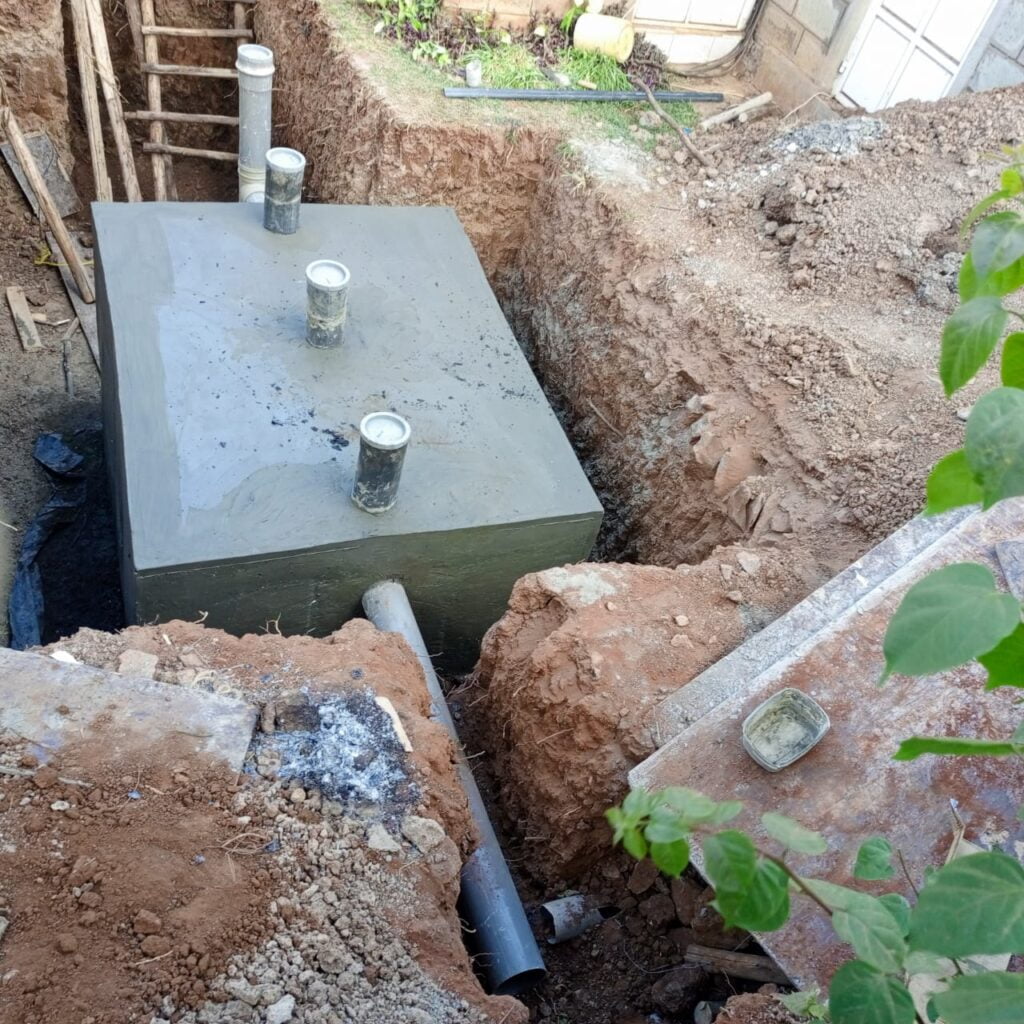
We pride ourselves on being the best in the business. Check out our Bio Digester Gallery to see the quality of our installations.
The Financial Benefit: Saving Money Through Prevention
Think of maintenance as an investment. A bag of Bio Digester Bacteria costs a few hundred shillings. An exhauster truck costs thousands. By maintaining your Biodigester, you are essentially eliminating the need for exhauster services forever. That’s more money in your pocket for the things that actually matter.
Conclusion: A Cleaner, Greener Kenya Starts with You
Maintaining a biodigester isn’t rocket science, but it does require a bit of mindfulness. By avoiding harsh chemicals, managing what you flush, and regularly boosting the system with high-quality enzymes from Bio Digester Kenya, you ensure a clean, odorless, and eco-friendly home.
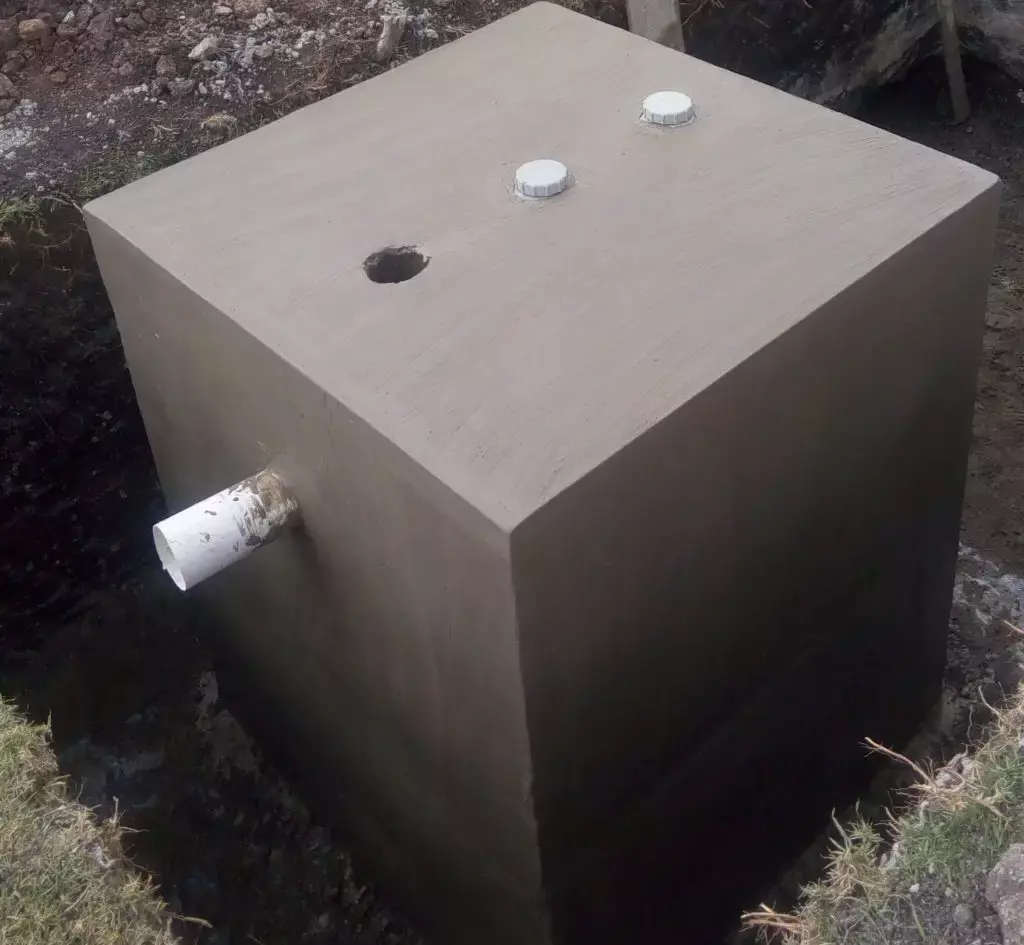
We are passionate about waste management. Whether you need a new Precast Bio Digester installed or just need some advice on which bacteria to buy, we are here for you. Let’s keep Kenya clean, one flush at a time!
Contact Bio Digester Kenya today:
- Phone: Call +254 712 660 245
- Email: Email info@biodigesterkenya.co.ke
- Website: www.biodigesterkenya.co.ke
FAQs About Biodigester Maintenance
1. How often should I add bacteria to my biodigester?
For a standard residential home, we recommend adding a booster like the Bio Digester Bacteria – 200g every 3 to 6 months. However, if you have a lot of guests or use heavy detergents, a monthly dose is safer.
2. Can I use Harpic or JIK in my toilets if I have a biodigester?
In moderation. Small amounts won’t kill the whole colony, but frequent use of strong disinfectants will definitely hinder the breakdown of waste. We recommend using “septic-safe” or biodegradable cleaners whenever possible.
3. Does a biodigester ever get full?
A properly maintained biodigester septic tank should never “fill up” in the way a traditional tank does because the solids are constantly being converted into water and air. If it overflows, it’s usually due to a blockage or a failed soaking area, not because the tank is “full” of waste.
4. What happens if I don’t use the biodigester for a long time (e.g., a holiday home)?
The bacteria need “food” (waste) to stay active. If the house is empty for months, the bacterial population might drop. It’s always a good idea to flush a fresh dose of enzymes down the toilet when you return to jumpstart the system.
5. Is the water coming out of the biodigester safe to drink?
Absolutely not! While the water is clear and odorless (if the system is working perfectly), it still contains microorganisms and should only be used for sub-surface irrigation or allowed to soak into the ground.