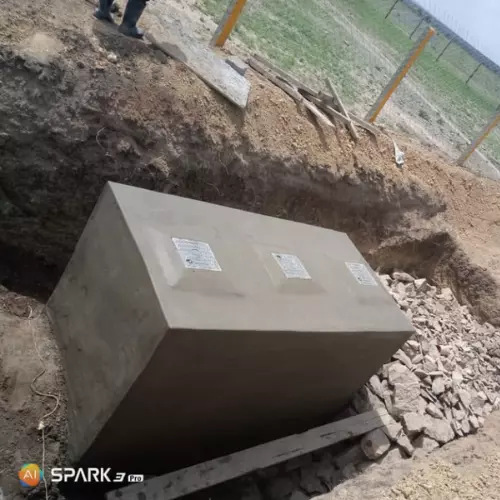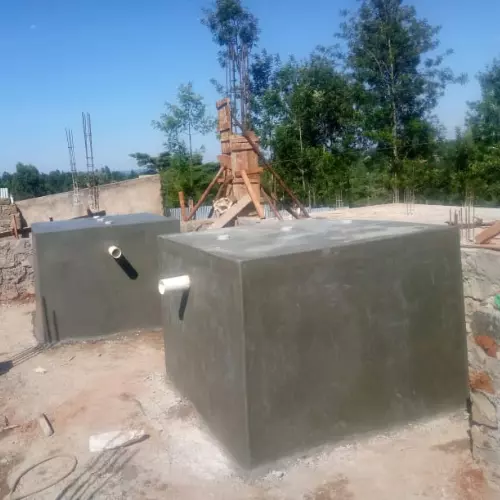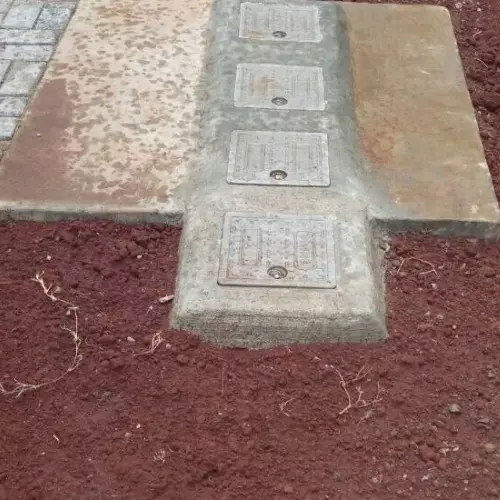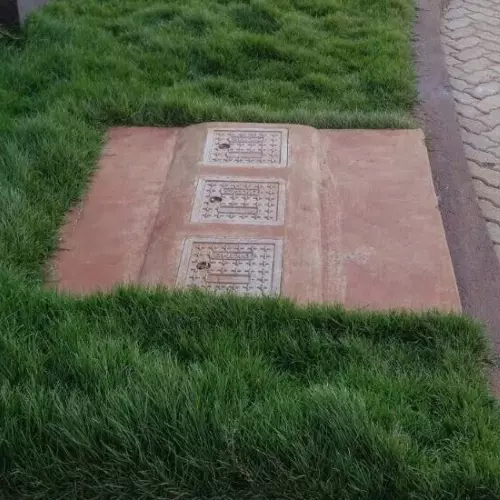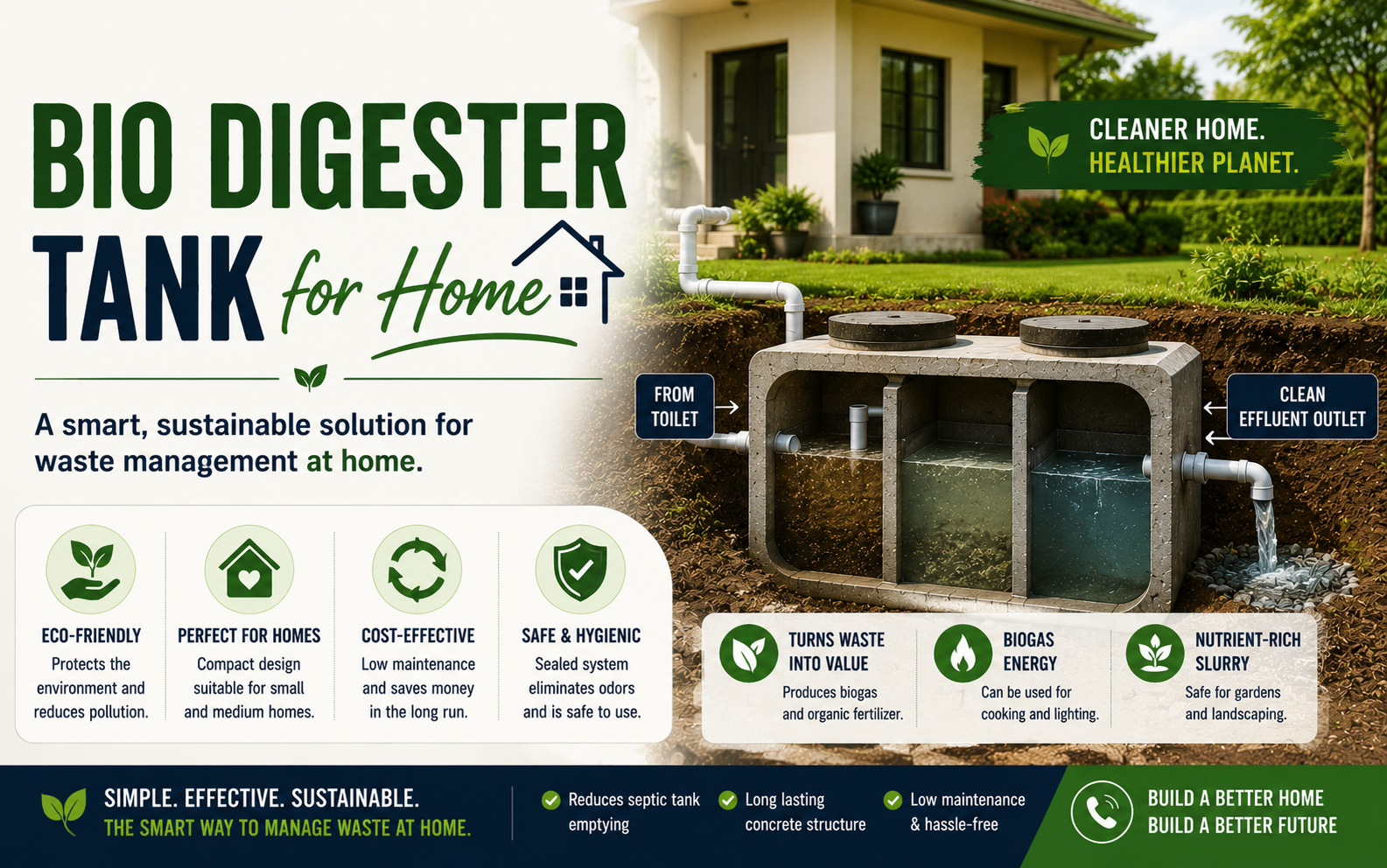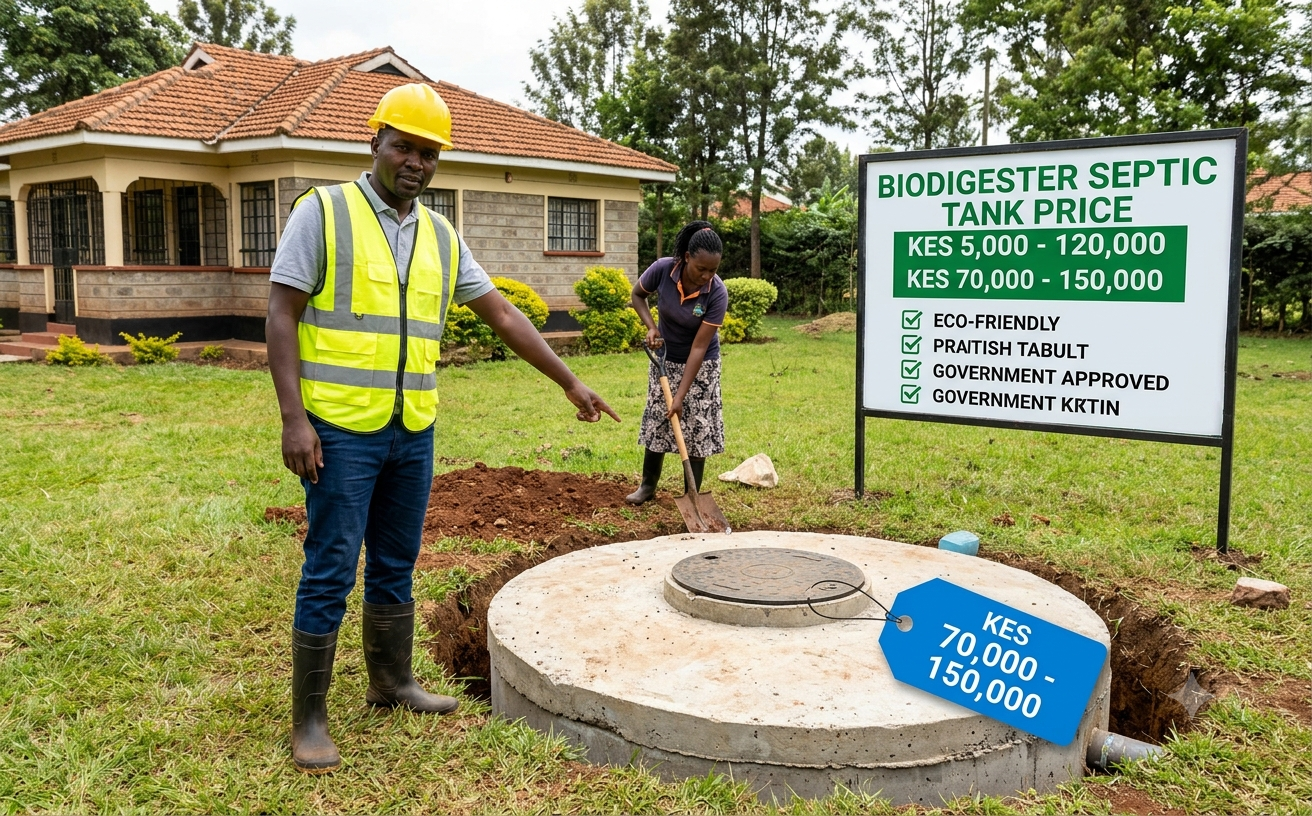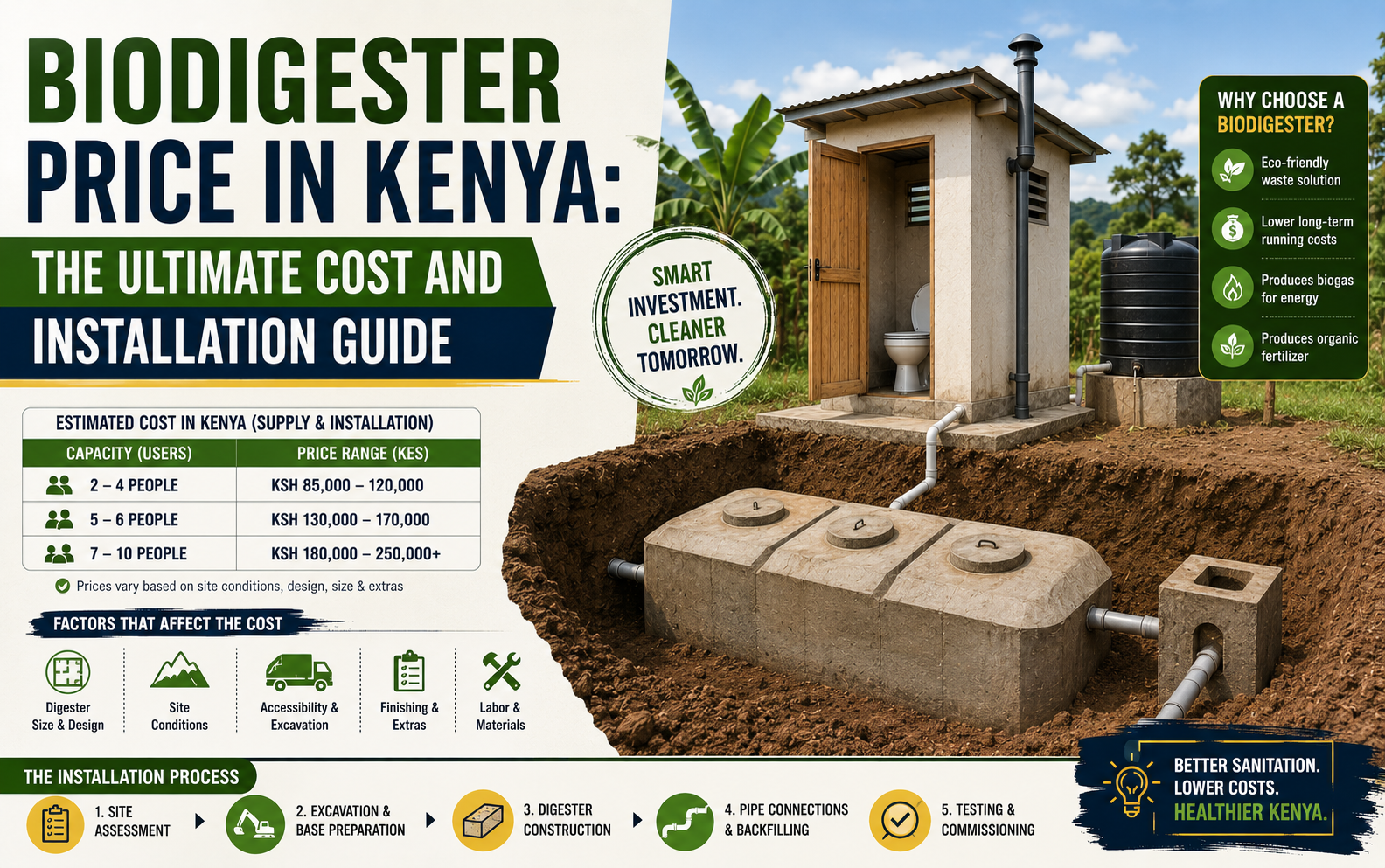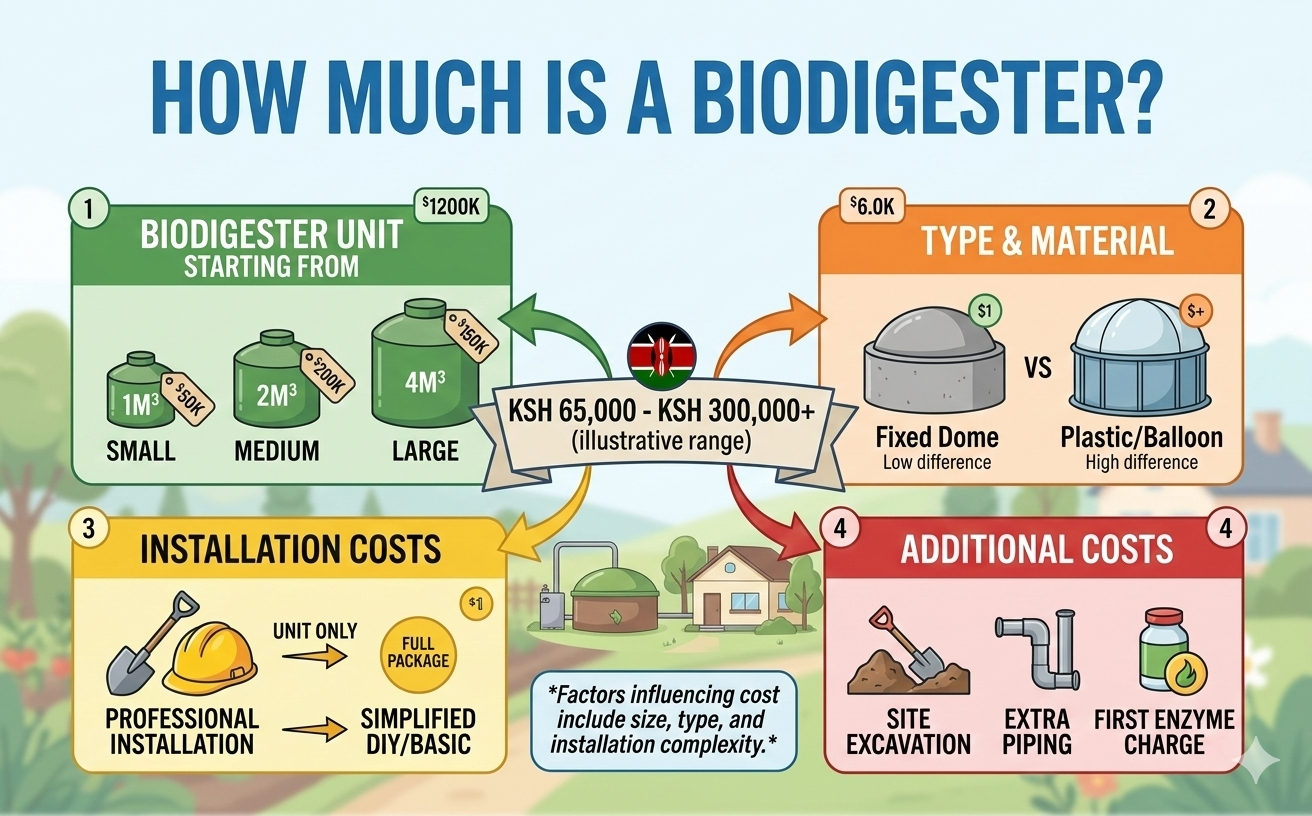

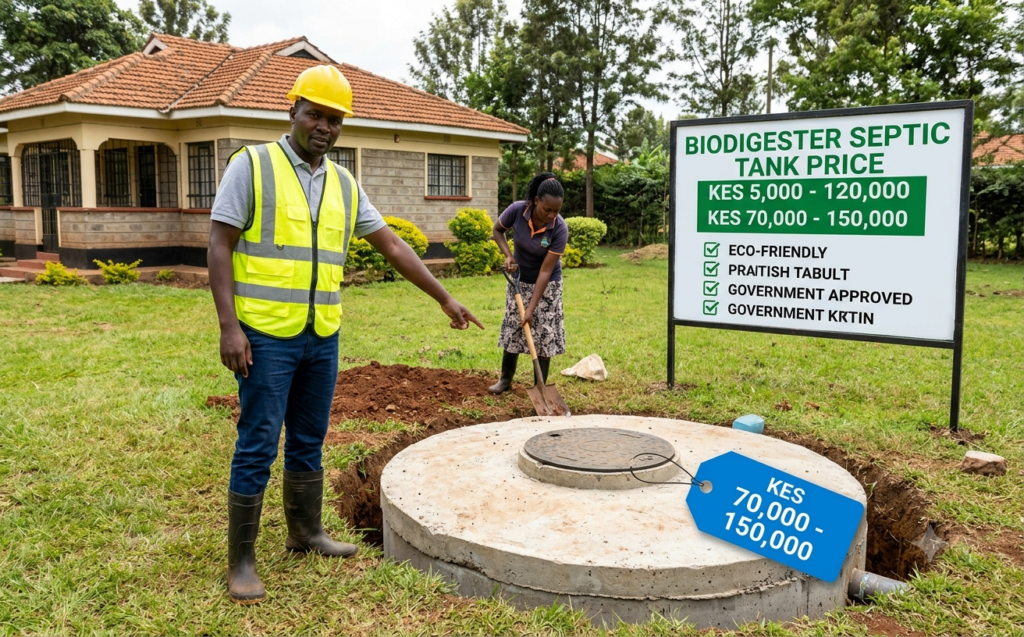

The total biodigester septic tank price in Kenya typically ranges from KES 80,000 to KES 250,000, depending on the number of users and the site’s geological conditions.

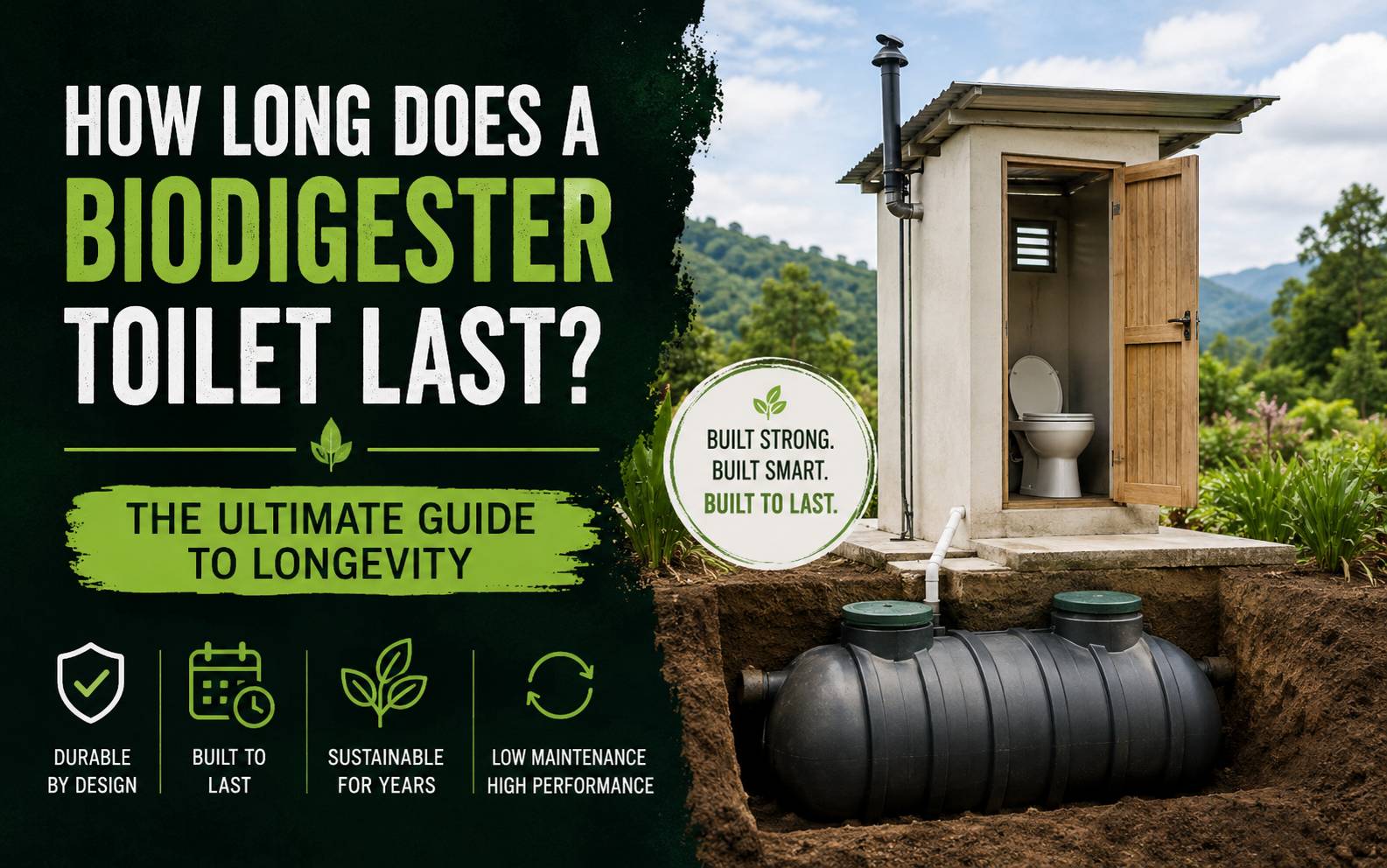
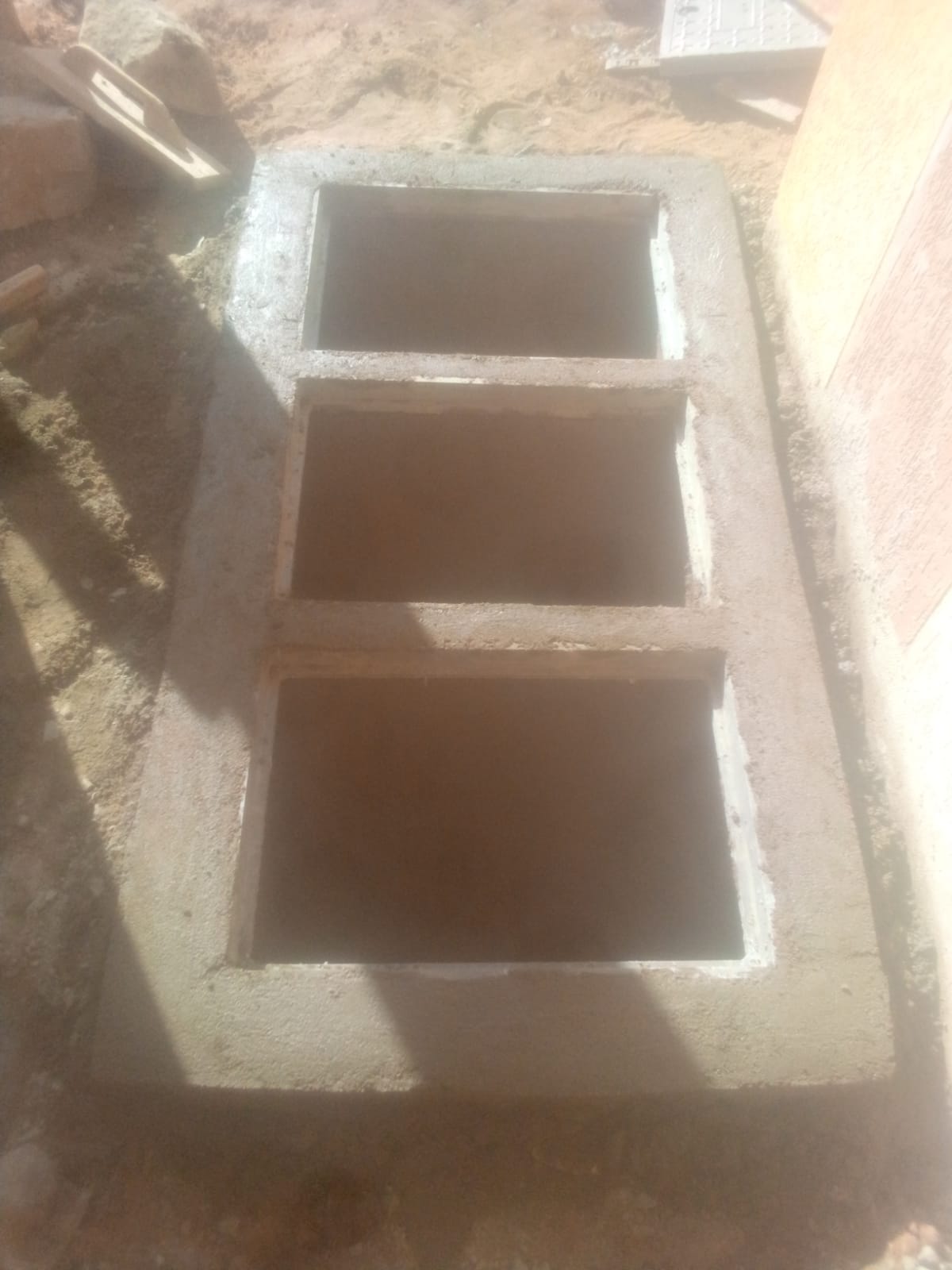
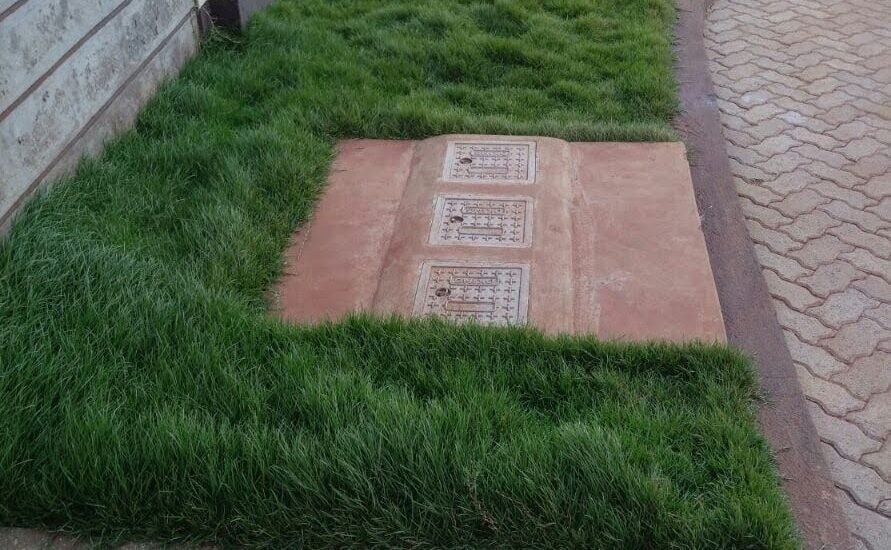
Investing in a professional Bio Digester Installation offers a permanent alternative to traditional concrete tanks, effectively removing the lifetime burden of monthly exhauster fees.

Understanding the True Cost vs. Value
Many property owners in areas like Kitengela or Kamulu focus solely on the initial installation fee, ignoring the hidden costs of traditional concrete ring systems.
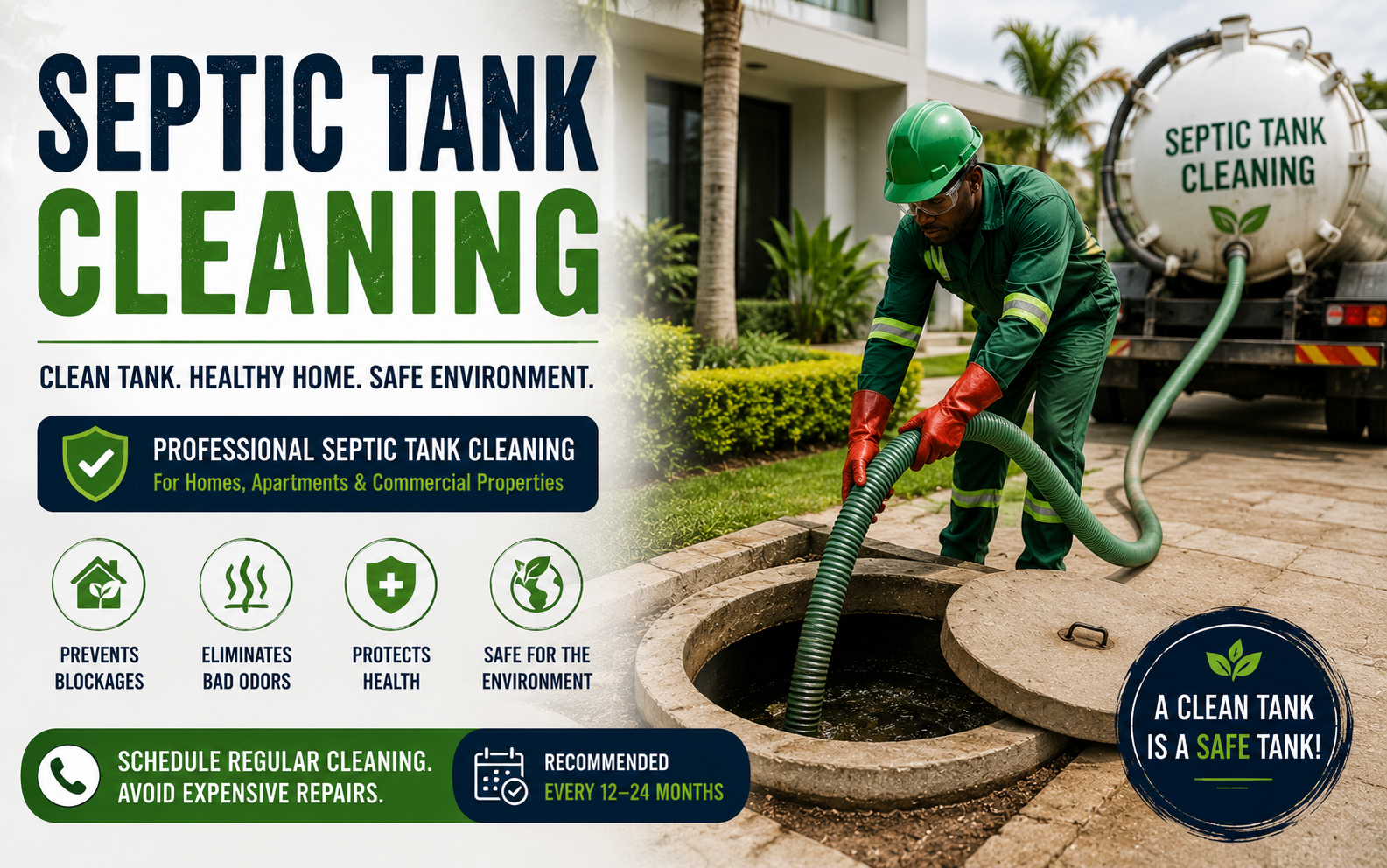
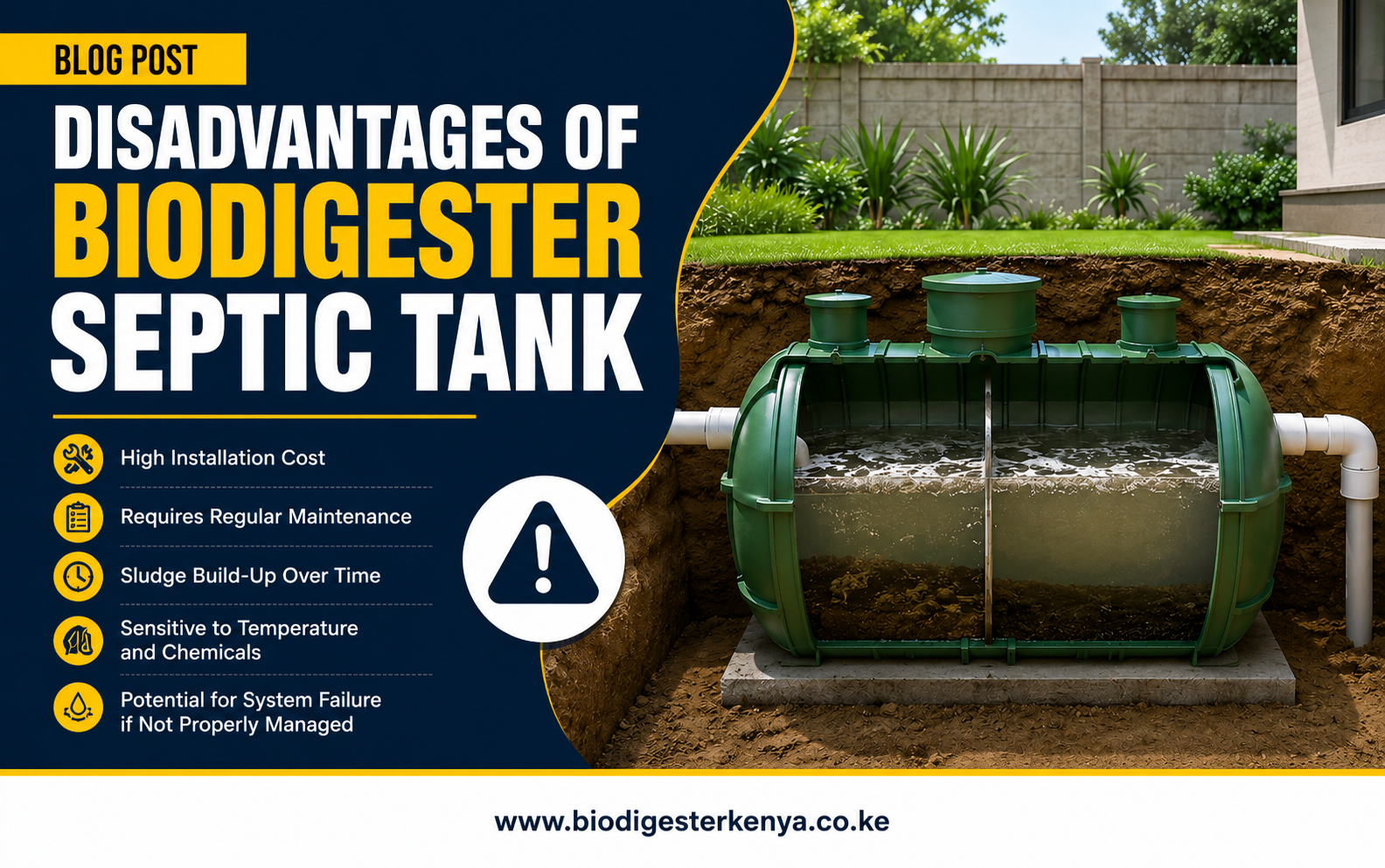
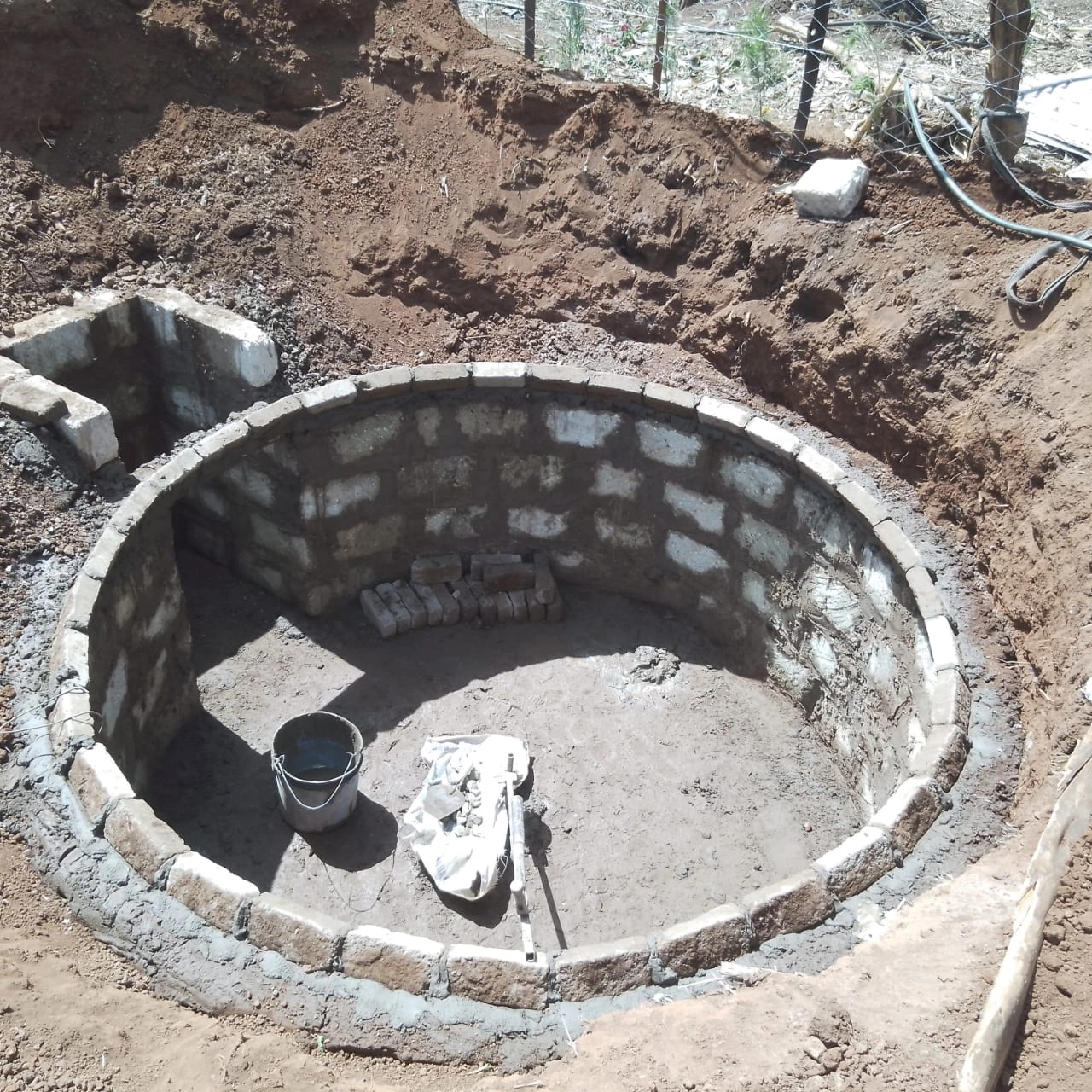
A traditional septic tank is merely a storage vessel that requires frequent, costly pumping once the black cotton soil fails to absorb liquid waste.
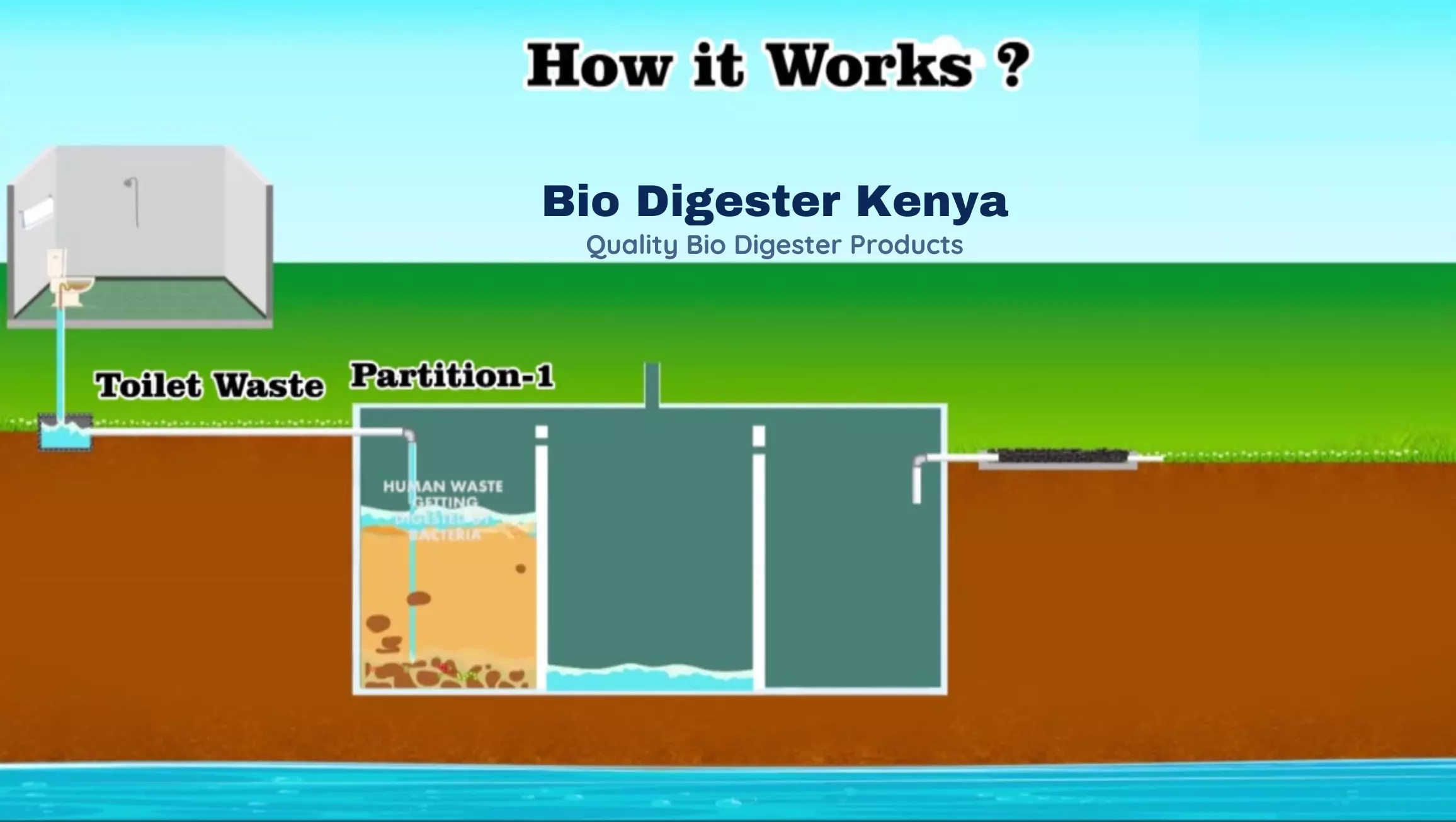
In contrast, our systems function as a modern human waste management solution.
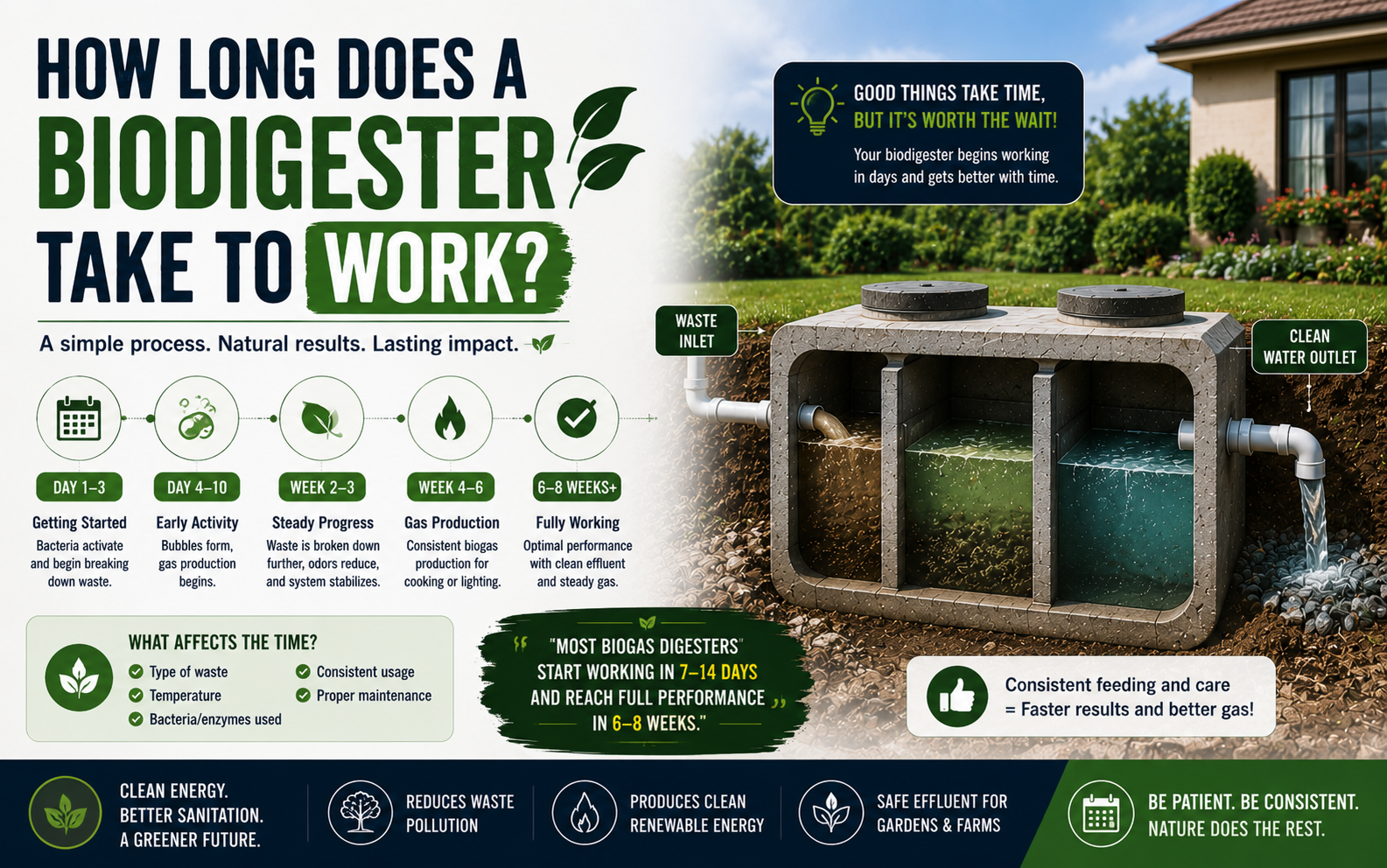
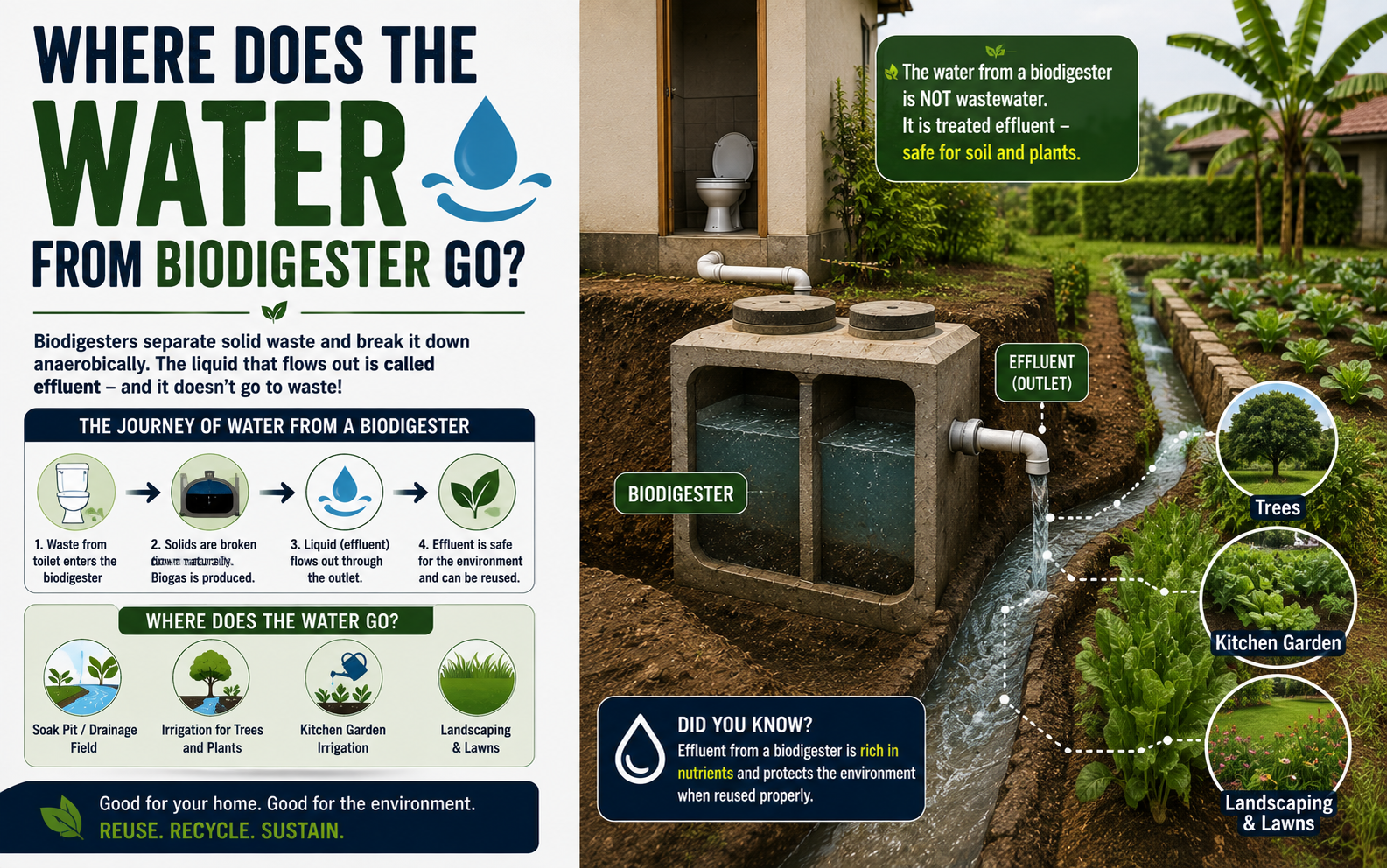
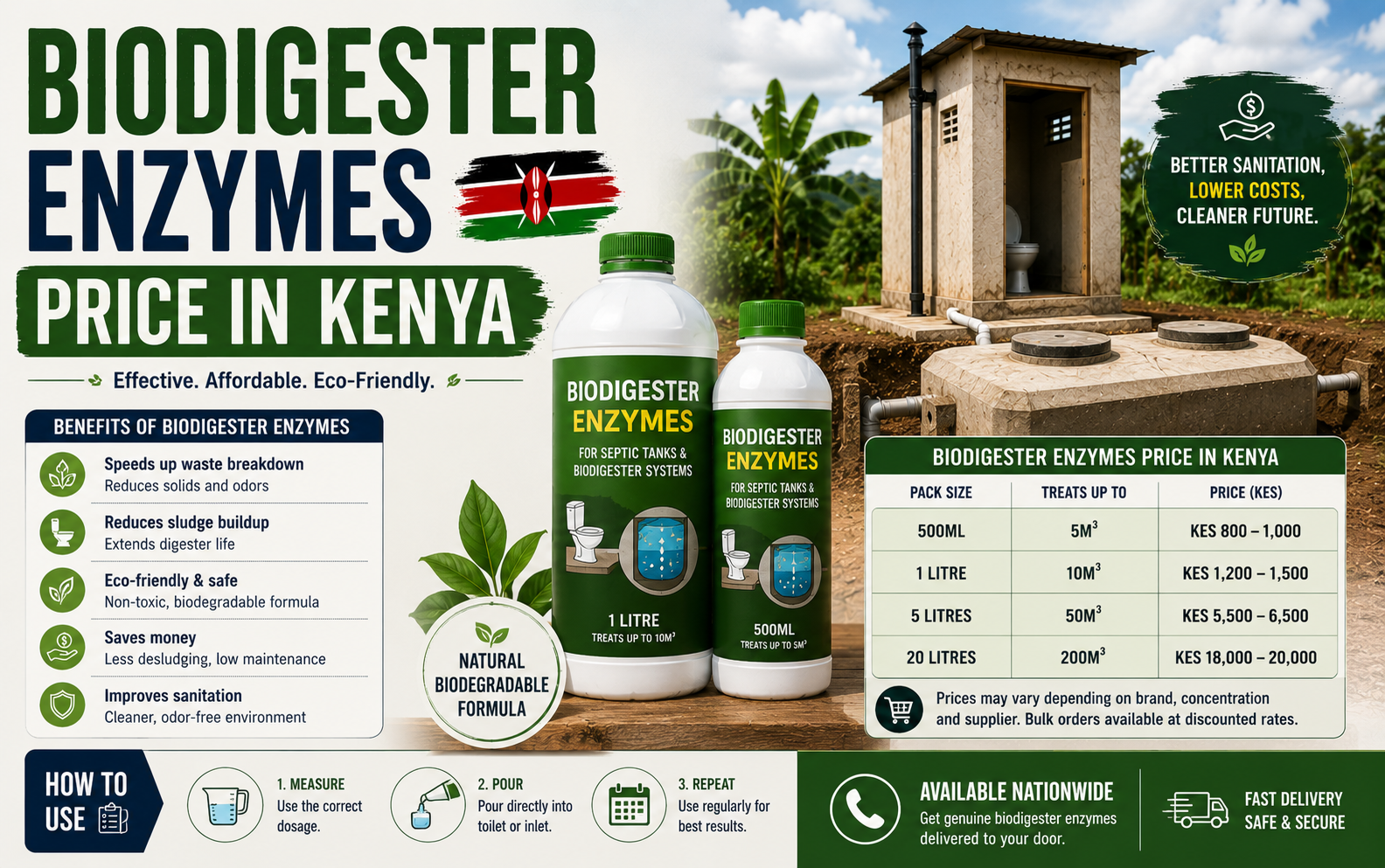
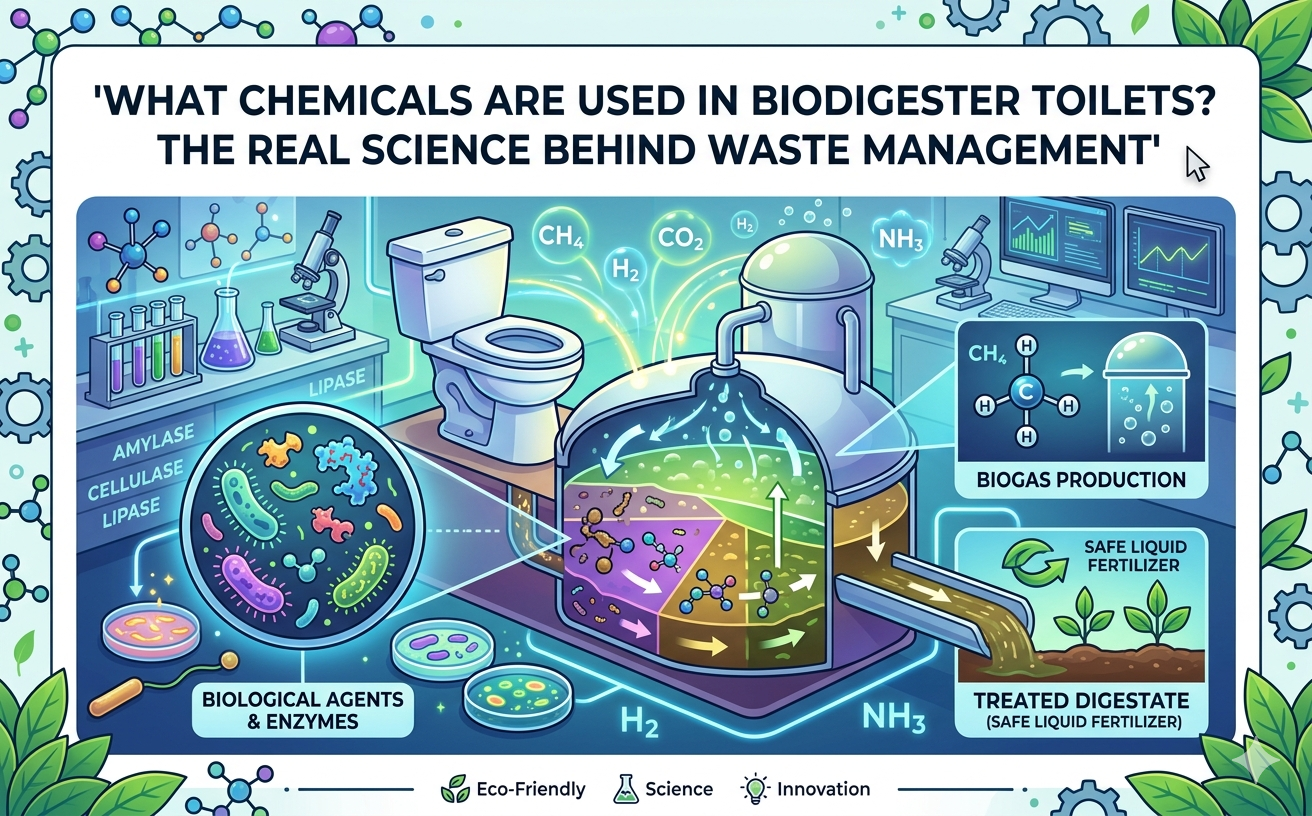
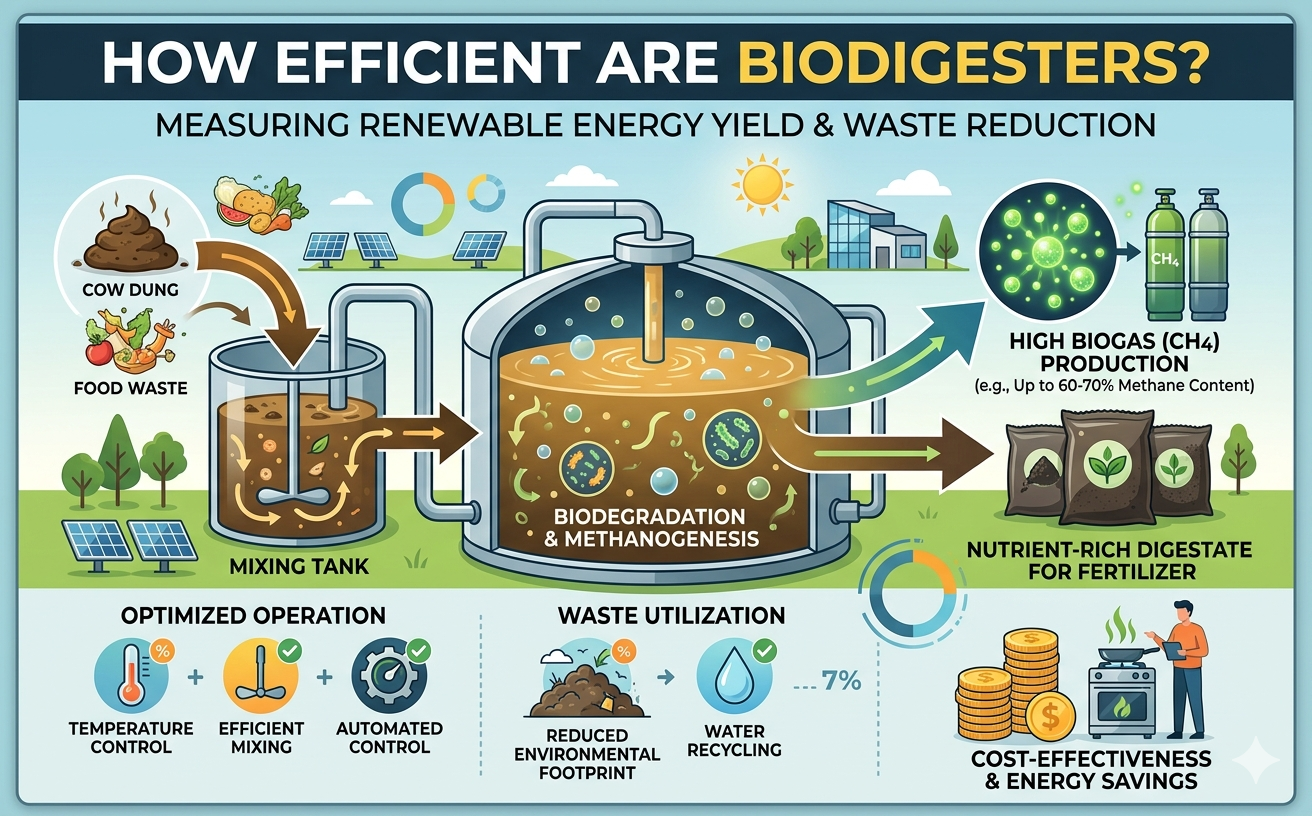
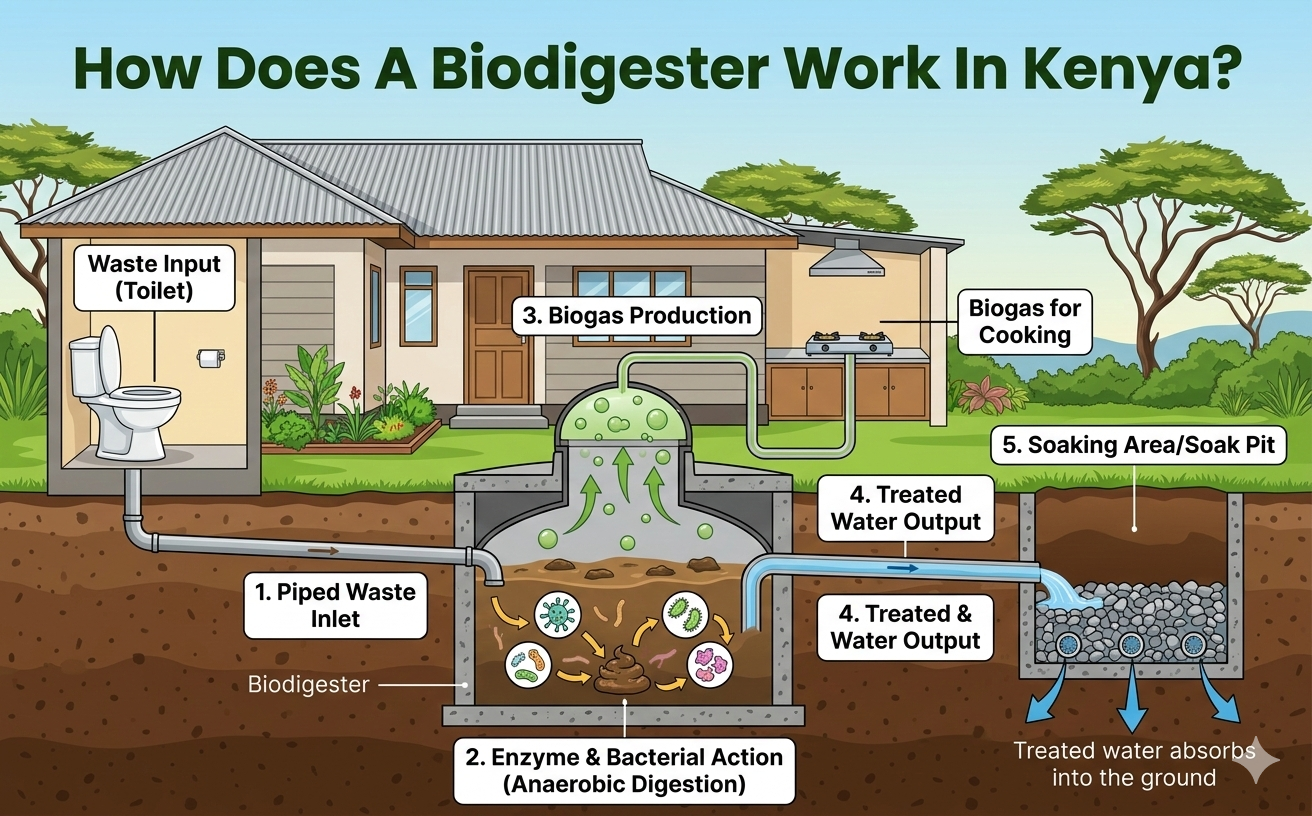
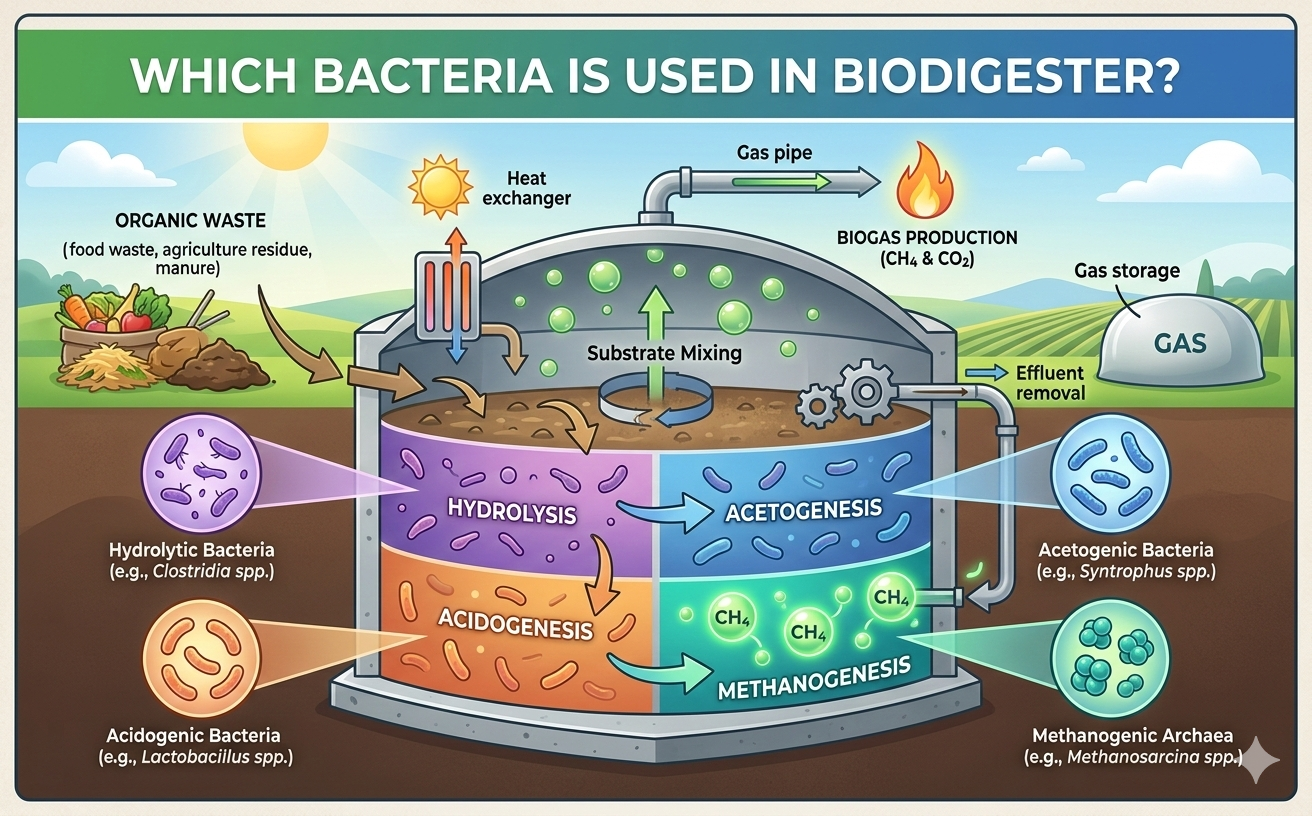
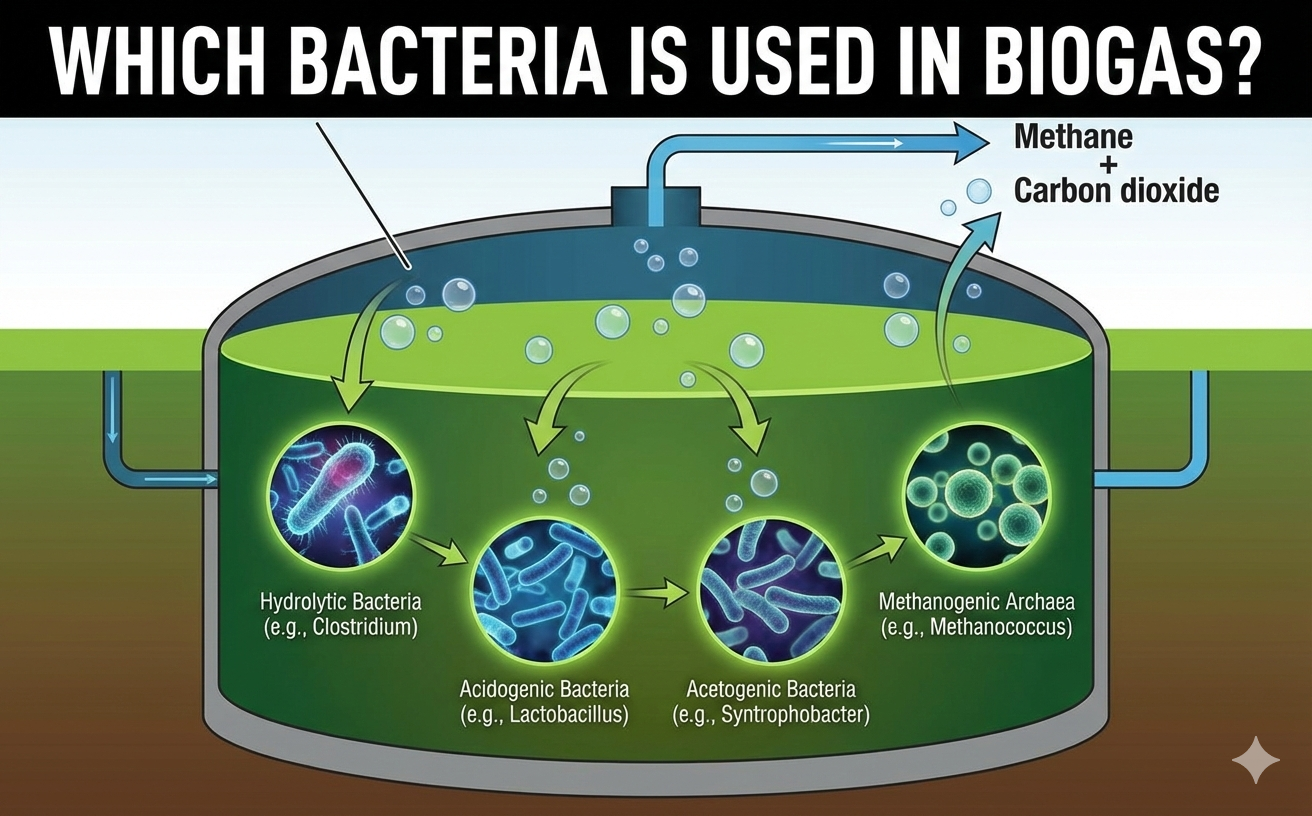
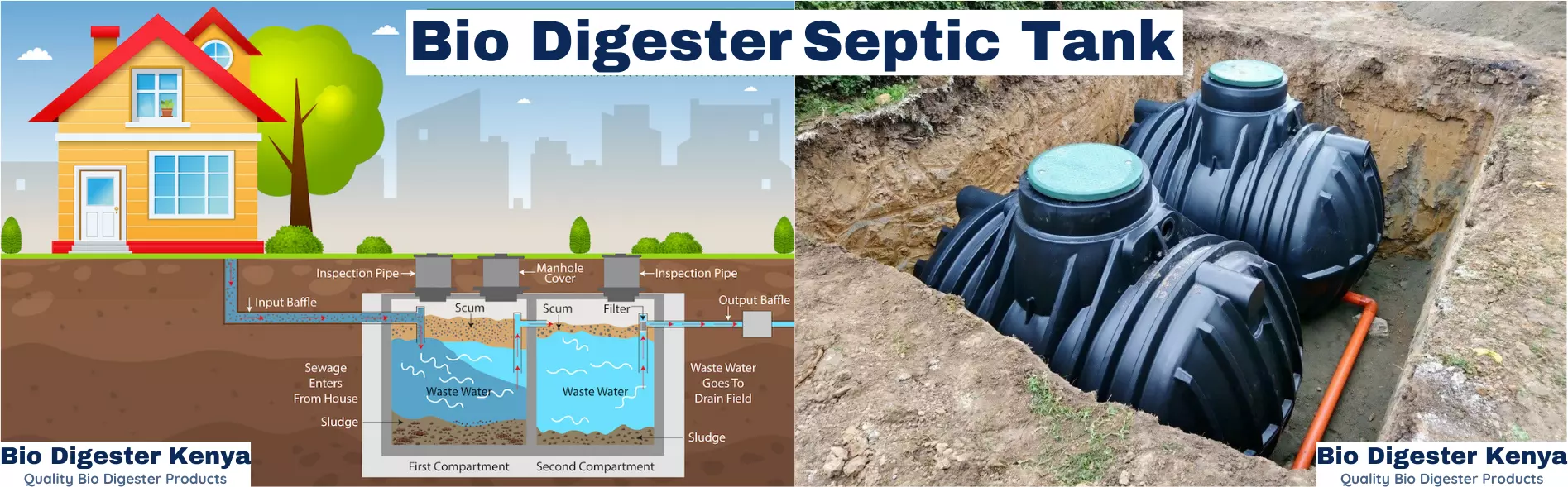
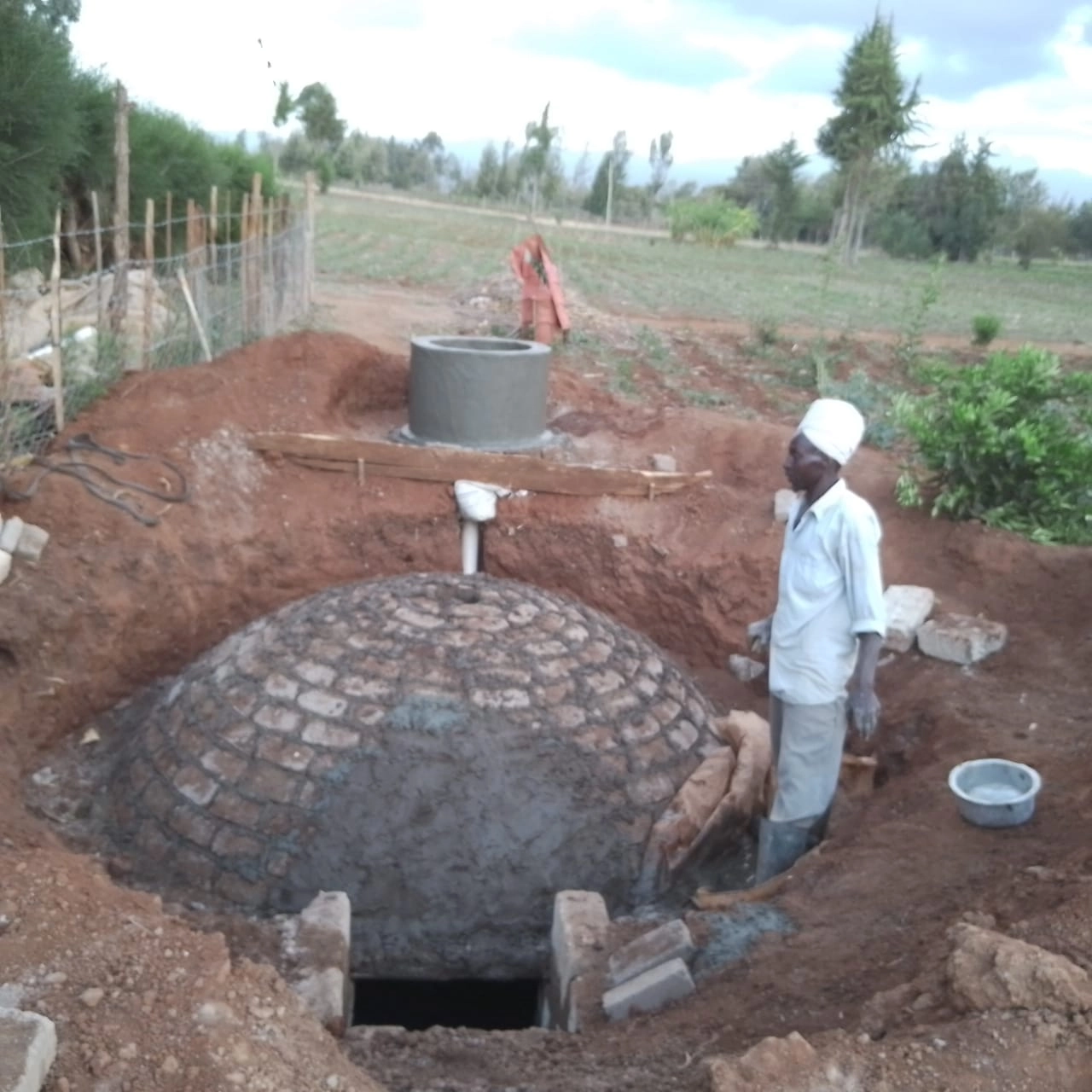
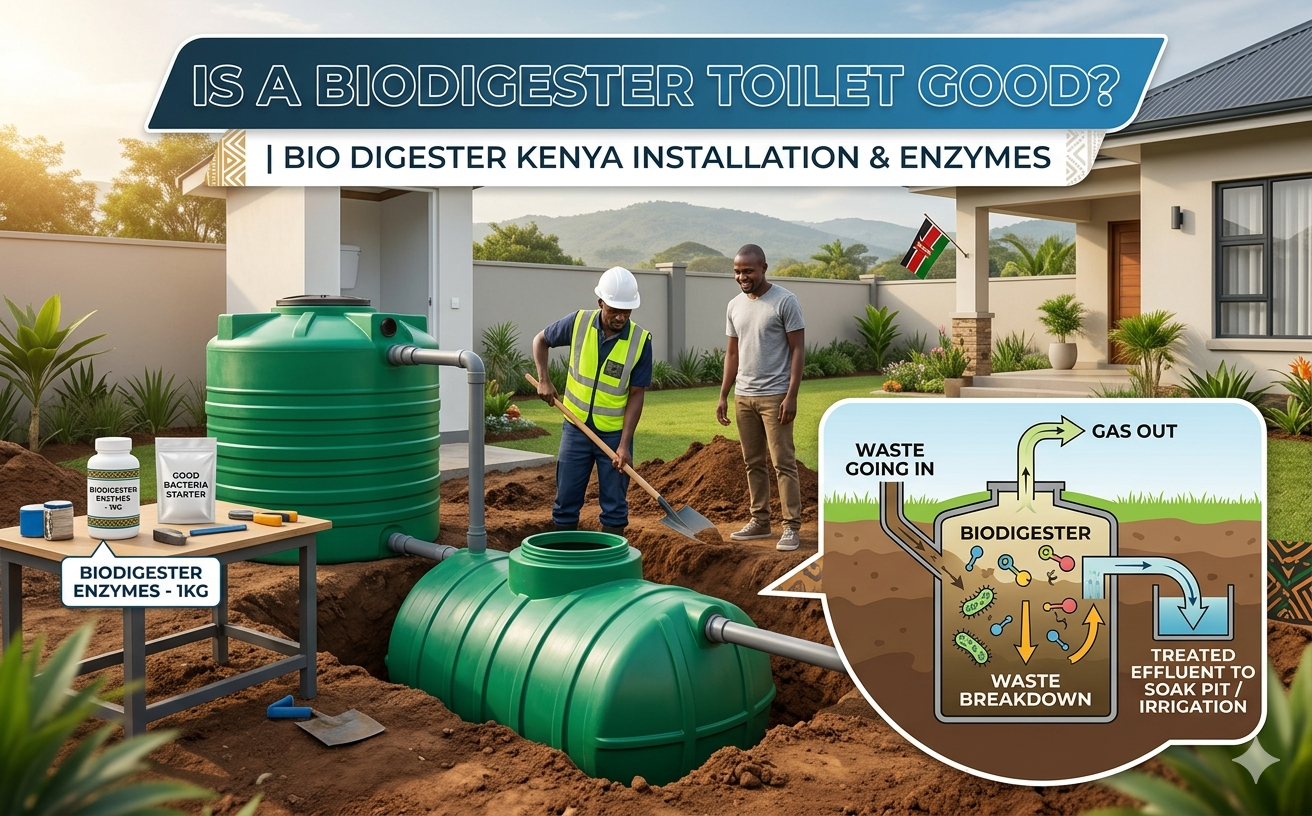
Waste is piped directly into the biodigester where specialized biodigester enzymes break down and consume the solid waste through anaerobic digestion.
The result is strictly treated water and odorless air, which can be safely diverted to a French drain.
When weighing your options, our biodigester vs septic tank comparison highlights why modern systems pay for themselves within 24 to 36 months by eliminating the need for recurring exhaust bowser services.
Need a custom quote for your development?
Phone: Call +254 712 660 245
Email: Email info@biodigesterkenya.co.ke
Site-Specific Engineering Realities
The final price of your sanitation system is heavily influenced by the soil mechanics of your plot.
In regions with heavy black cotton soil, standard soak pits often overflow during the rainy season.
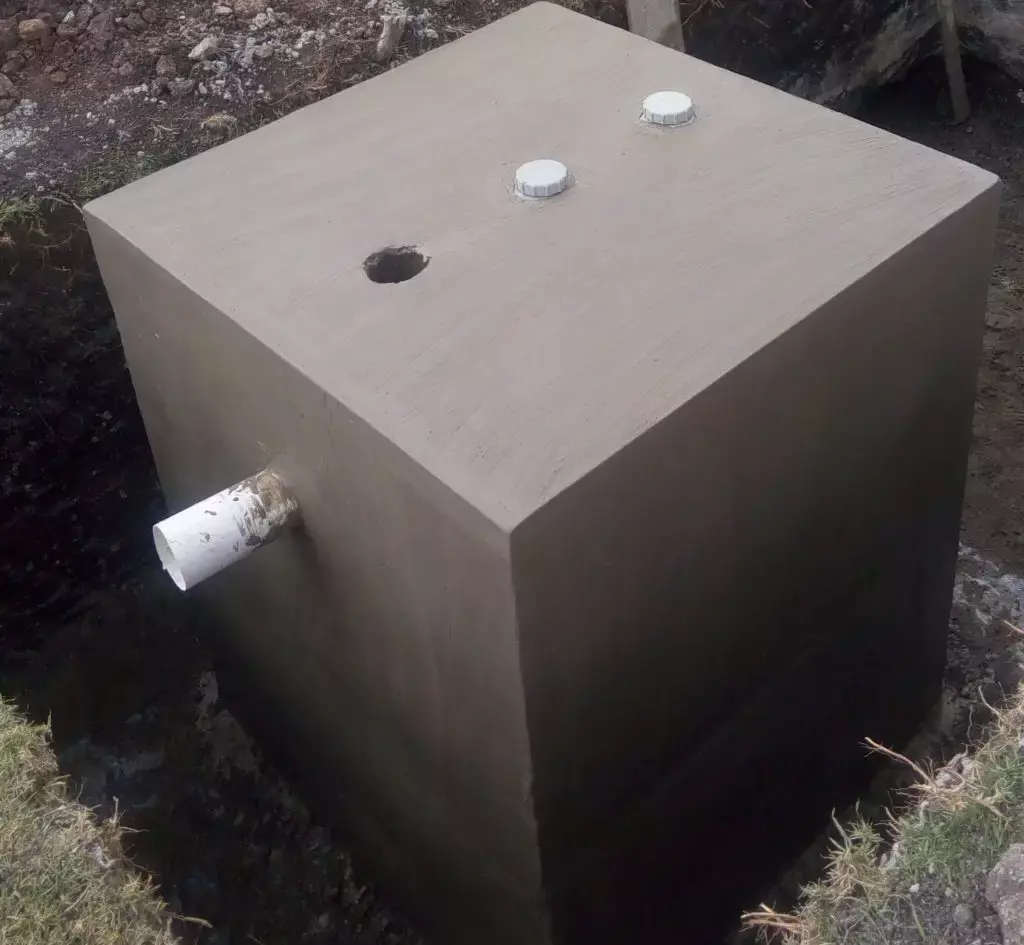
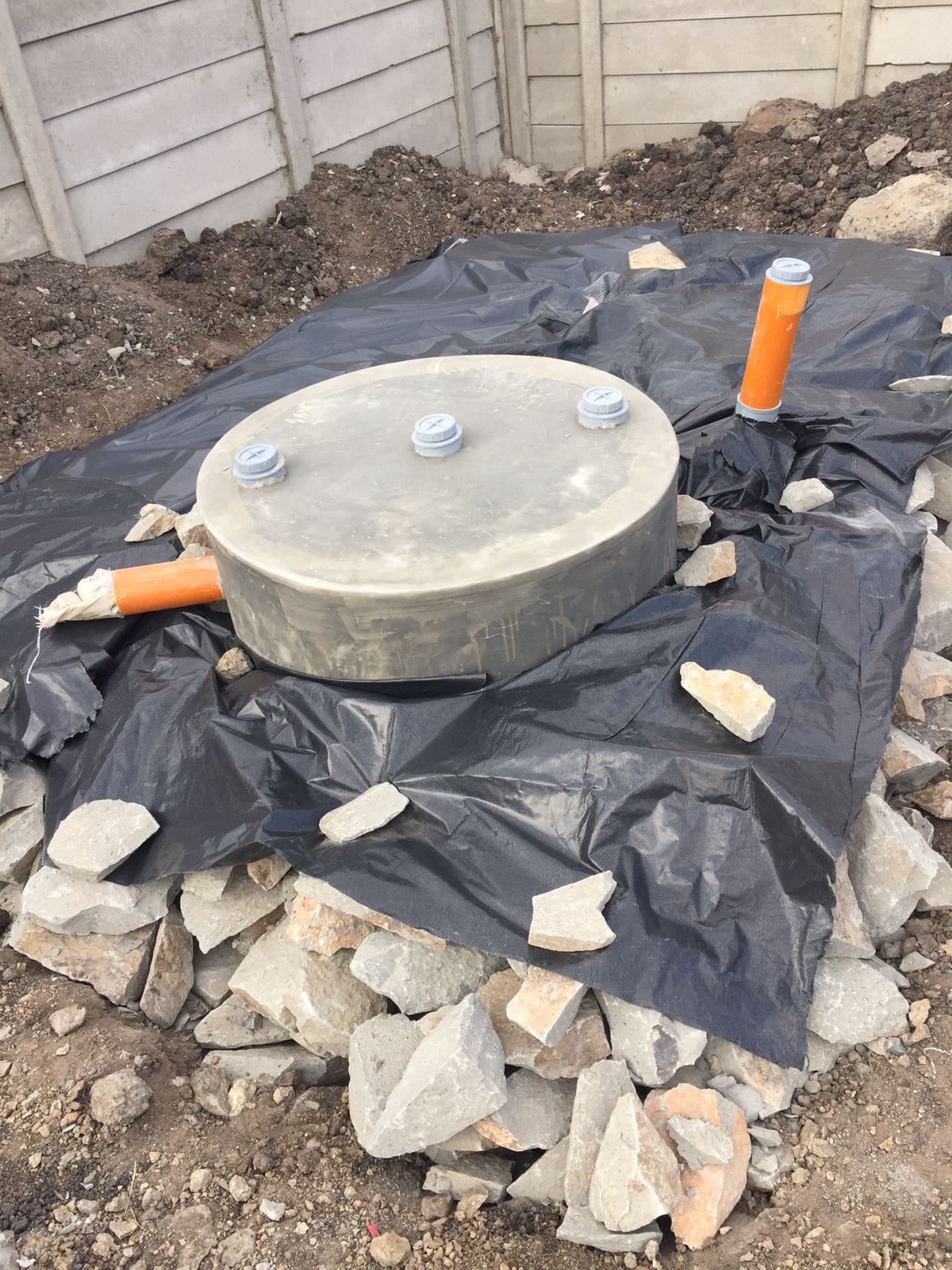
Our Precast Bio Digesters are engineered to overcome these drainage limitations.
By breaking down solids at the source, we prevent the clogging of the soil pores in your localized soaking area, ensuring the system remains functional even in challenging environments.
Maintenance and Sustained Performance
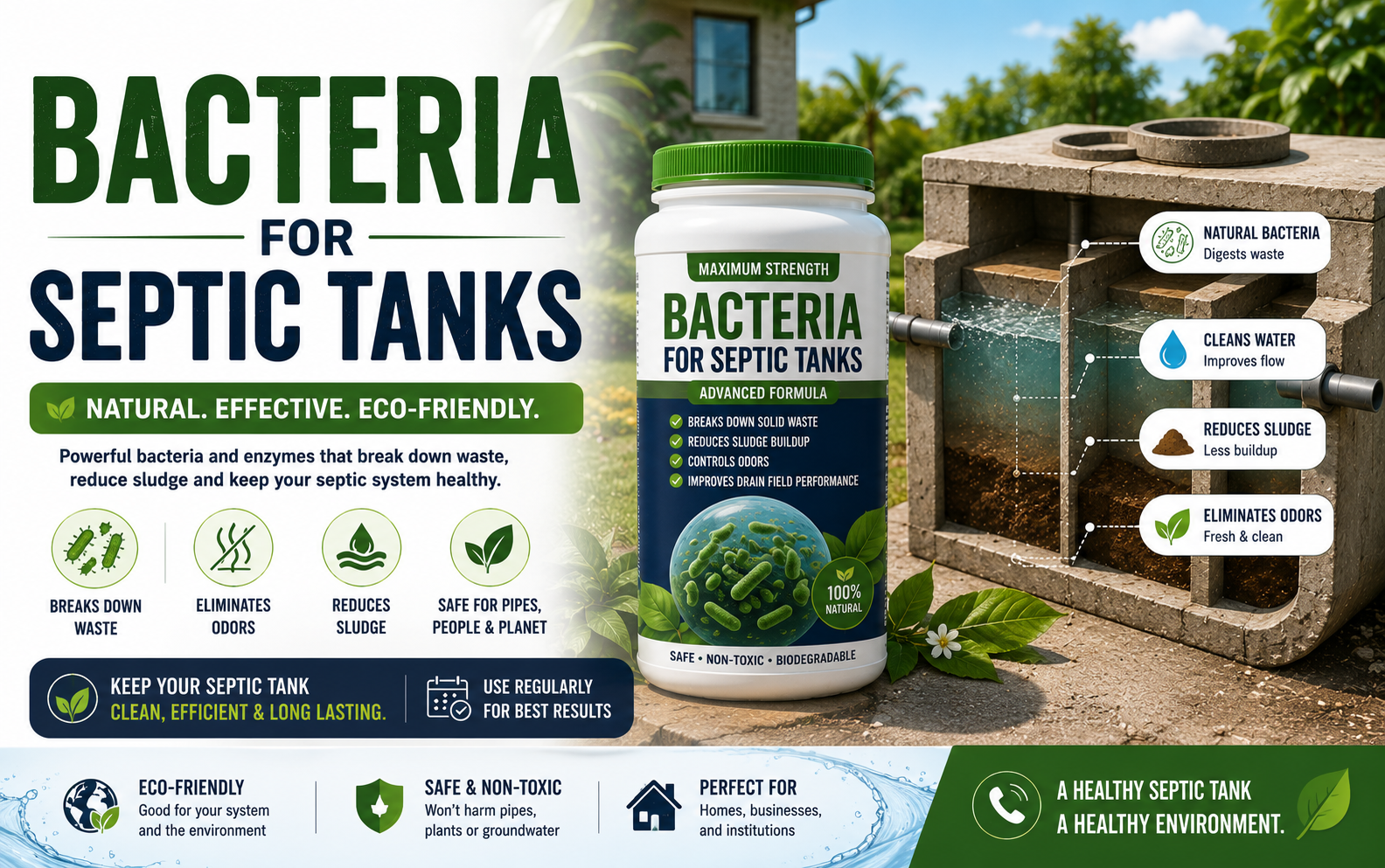
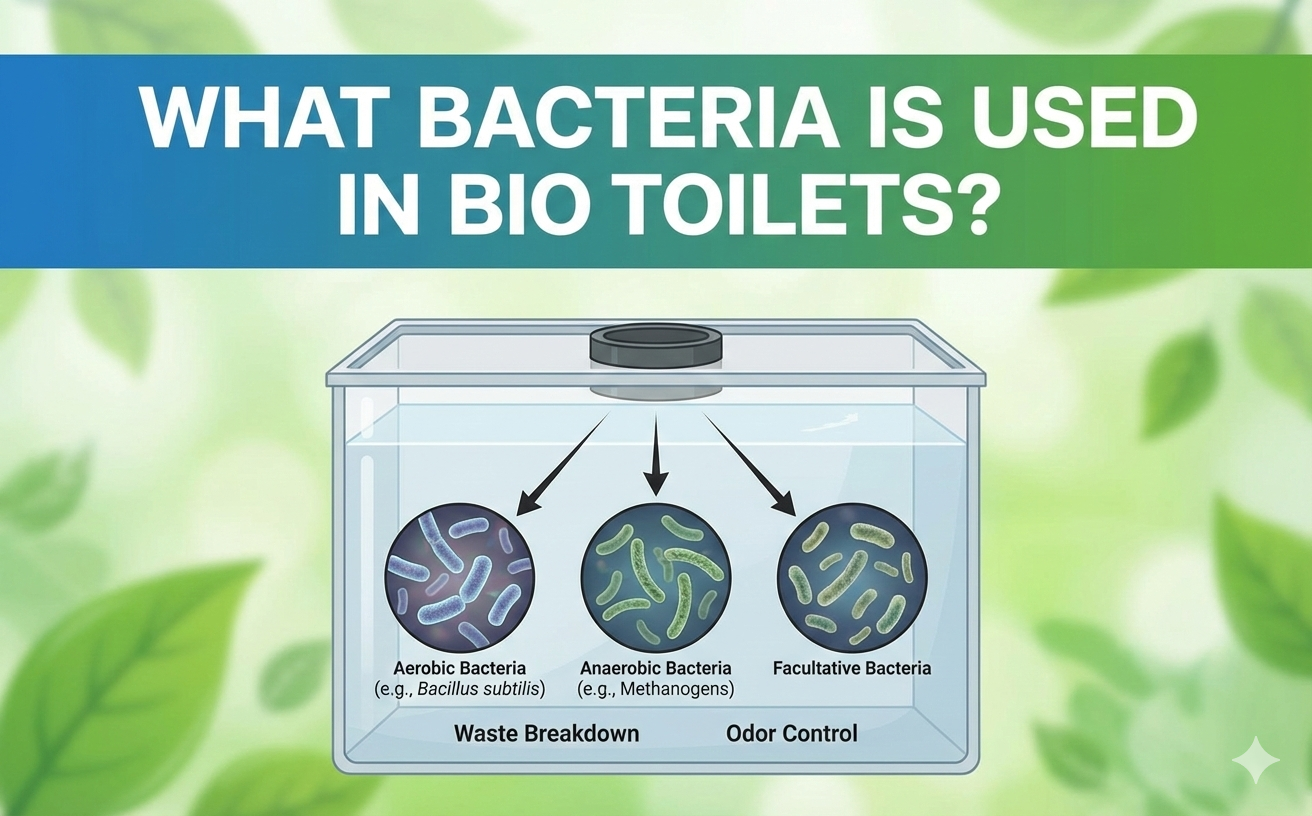
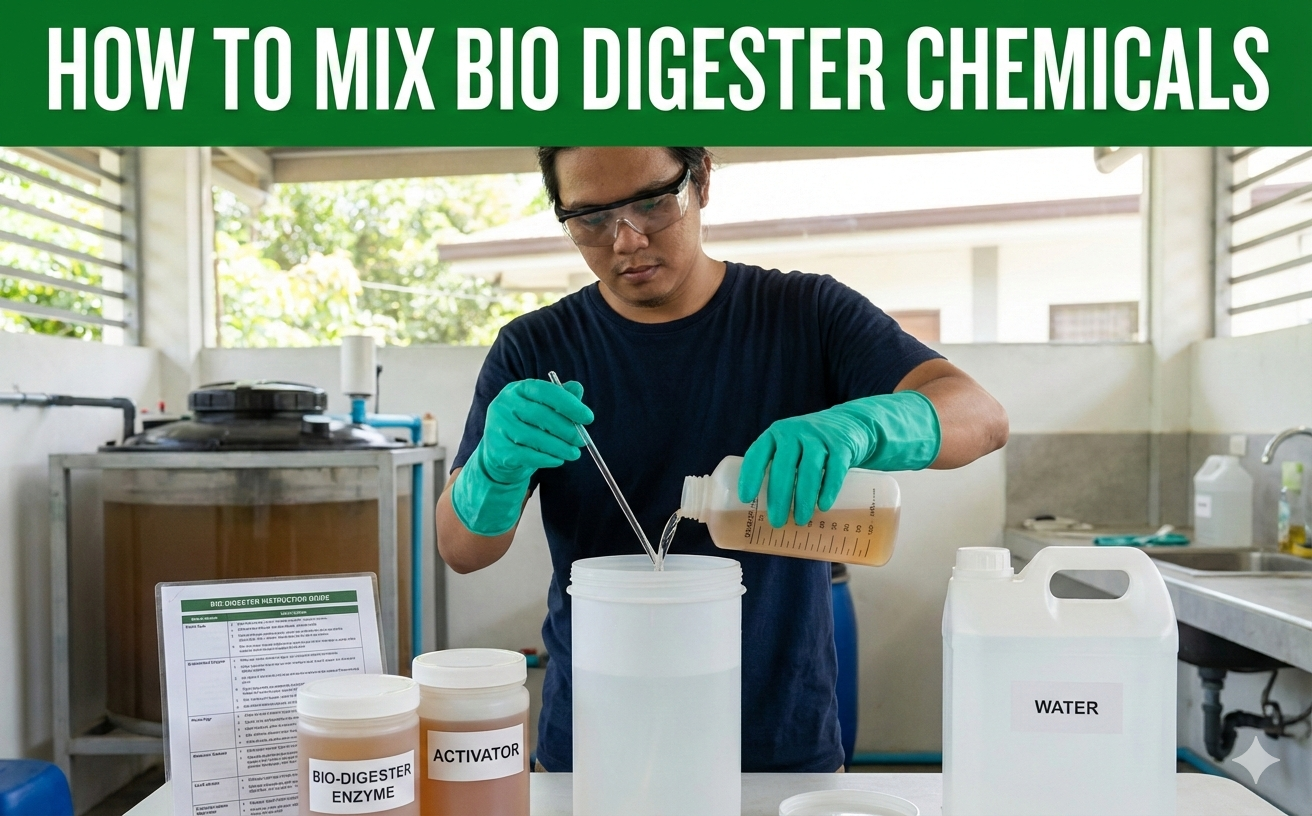
While the system is largely self-sustaining, long-term efficiency requires the periodic introduction of biological agents.
If you notice a slow-draining system, it is often due to the depletion of active bacteria caused by harsh chemicals or detergents.
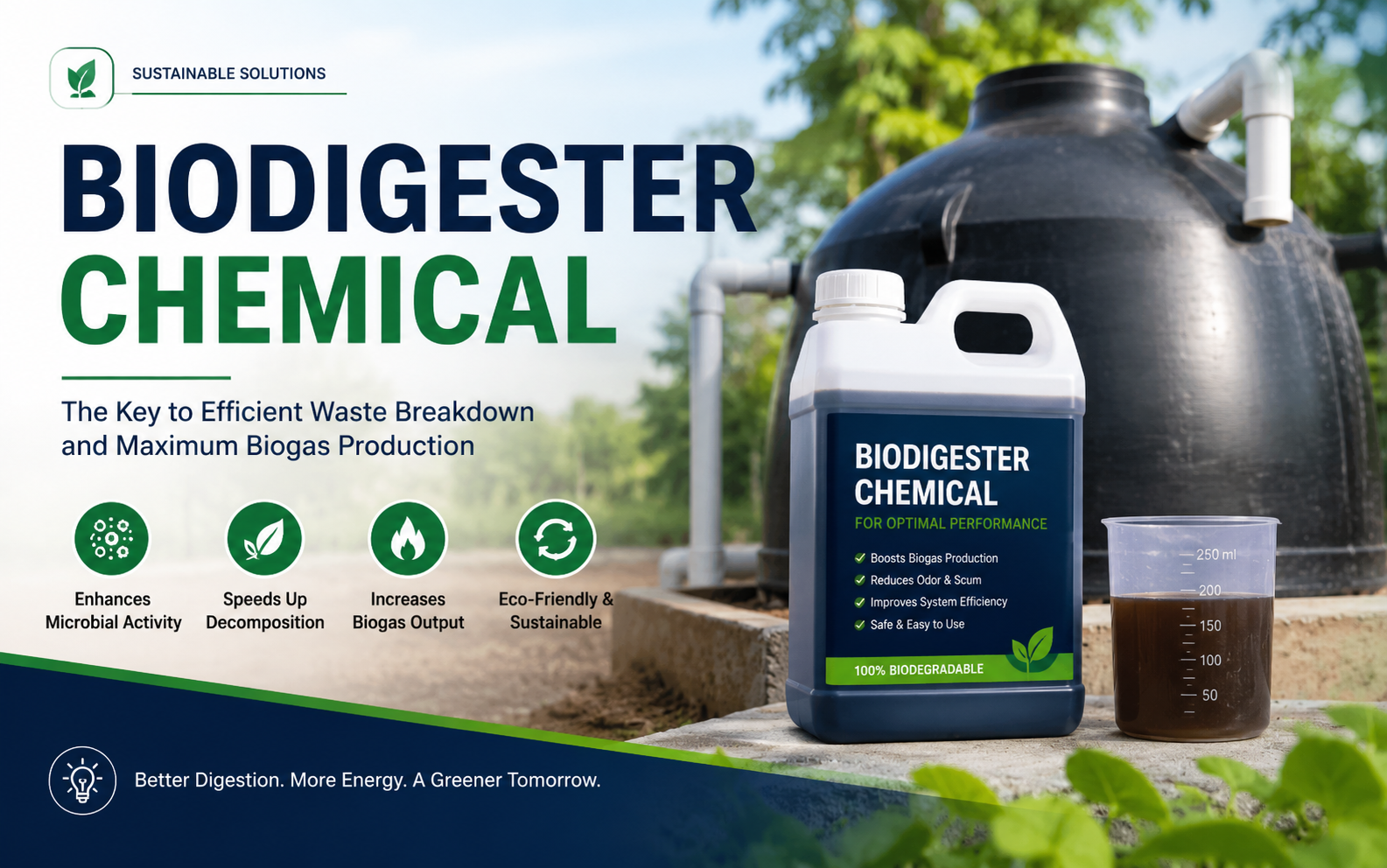
We recommend using our Septic Tank Cleaner – 2KG to restore the bacterial colony.
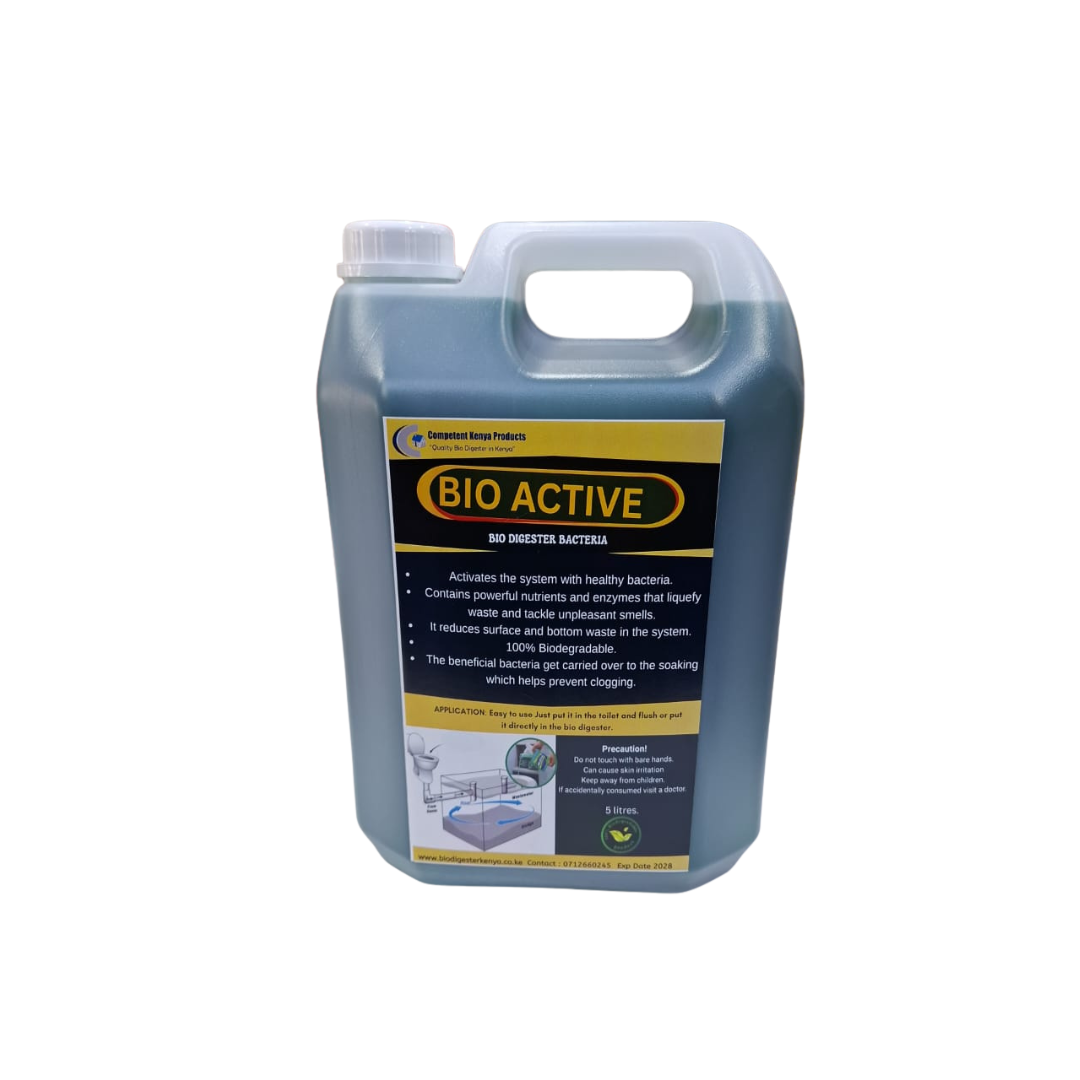
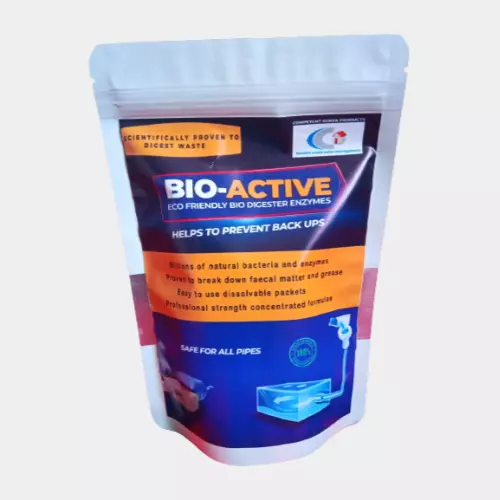
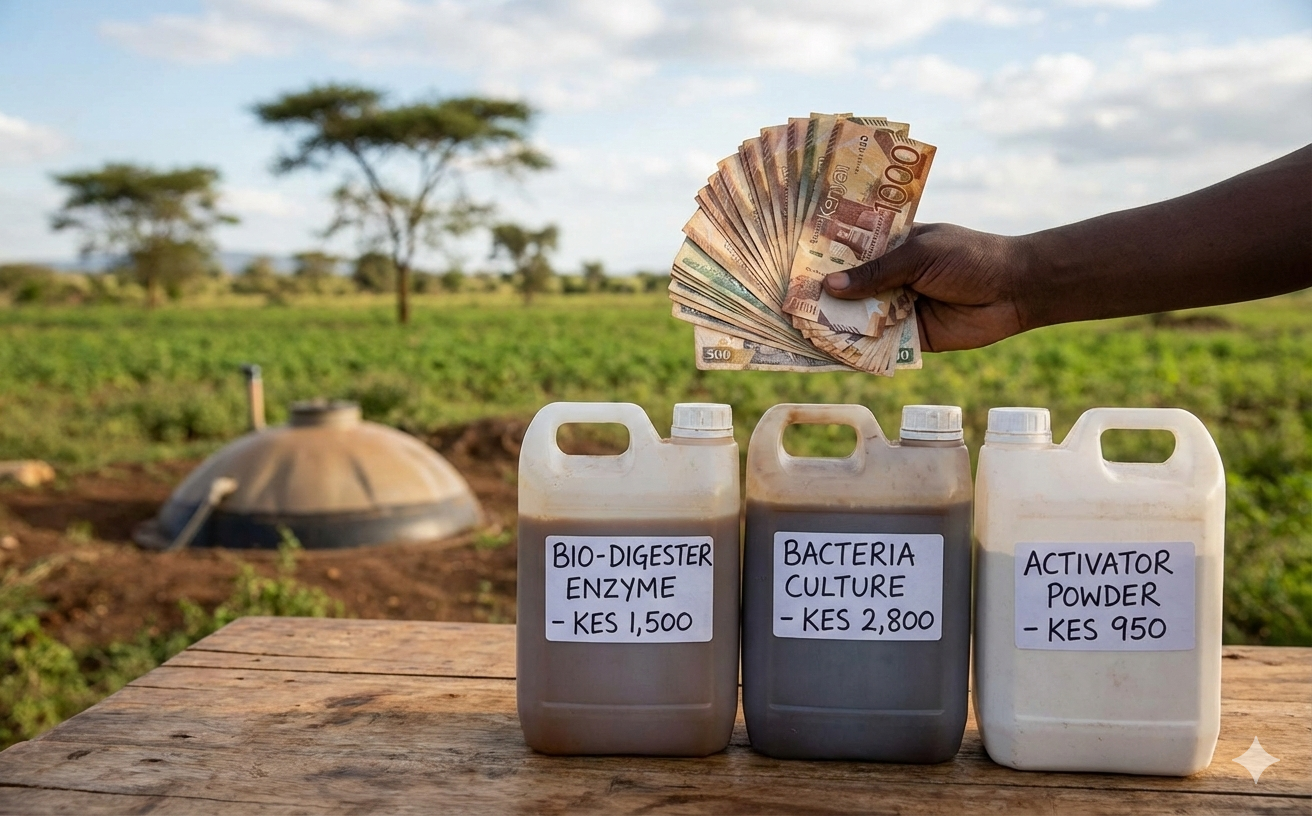
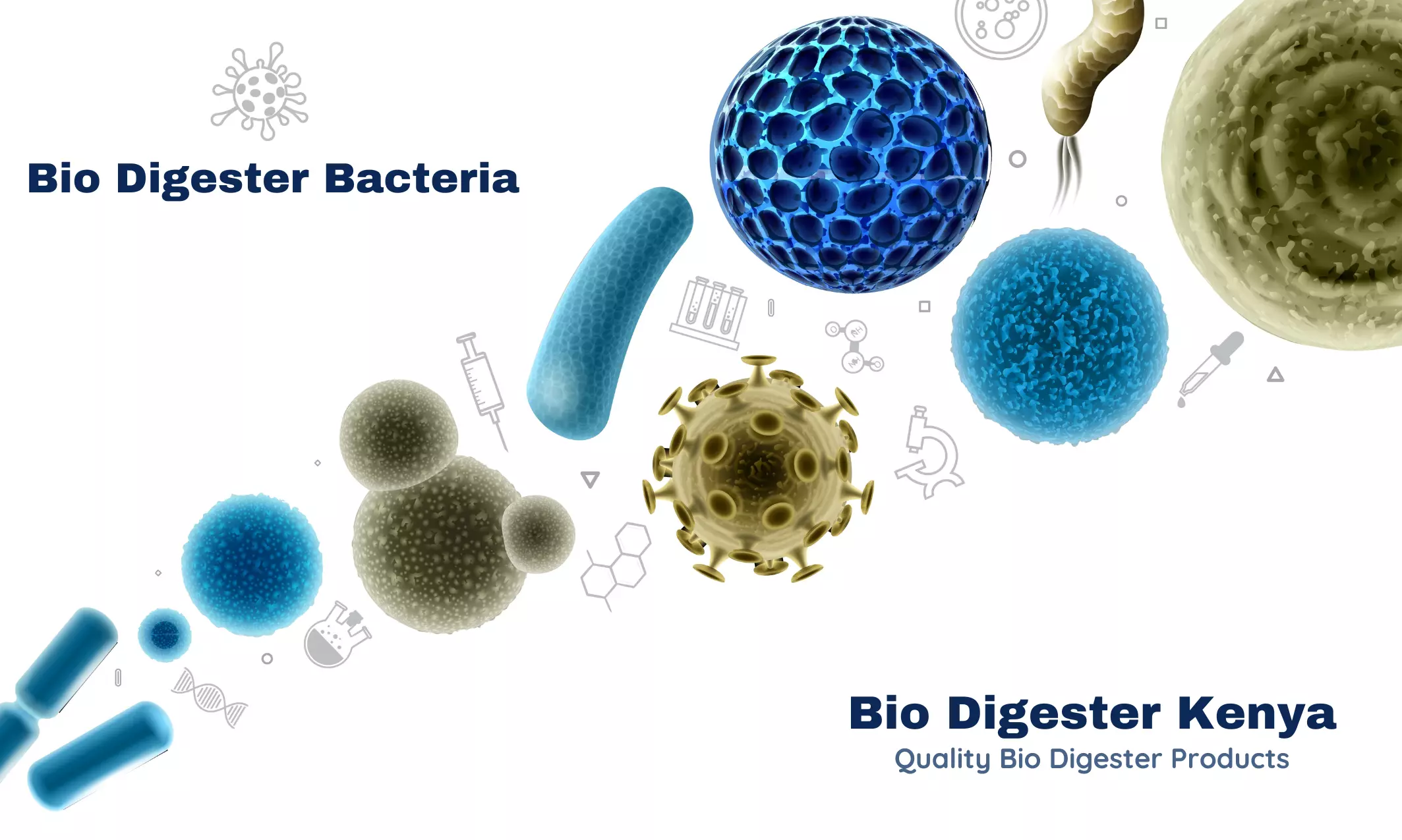
For routine upkeep, regular use of Bio Digester Bacteria ensures that the digestion process continues at maximum capacity.
Maintaining your system is simple, but expert guidance is always just a click away.
Reach out to Bio Digester Kenya for a site assessment or to purchase a Bio Digester Bacteria – 400g pack today.
Conclusion
Transitioning from an old-fashioned septic tank to a high-efficiency biodigester is more than just a plumbing upgrade; it is a move toward environmental sustainability and long-term financial freedom.
By choosing a professional installation that complies with NEMA standards, you protect your property value and eliminate the cycle of waste accumulation that plagues many Kenyan estates.
Our solutions provide the peace of mind that comes with a permanent, odorless, and eco-friendly sanitation system.
Frequently Asked Questions
- Does a biodigester smell?
No, when functioning correctly through anaerobic digestion, the system is completely odorless. - How often do you add enzymes?
We recommend adding our specialized bacterial cultures once every 3 to 6 months to maintain optimal digestion rates. - Can I install a biodigester in a small plot?
Yes, our systems have a small footprint and are designed specifically for the space constraints found in modern Nairobi residential estates. - Do I need to empty my biodigester?
Unlike a septic tank, a properly installed biodigester rarely requires emptying because the enzymes fully break down solid waste into treatable water. - Is the treated water safe for the environment?
Yes, the output is treated liquid that can be safely absorbed into the ground through a French drain without contaminating groundwater.