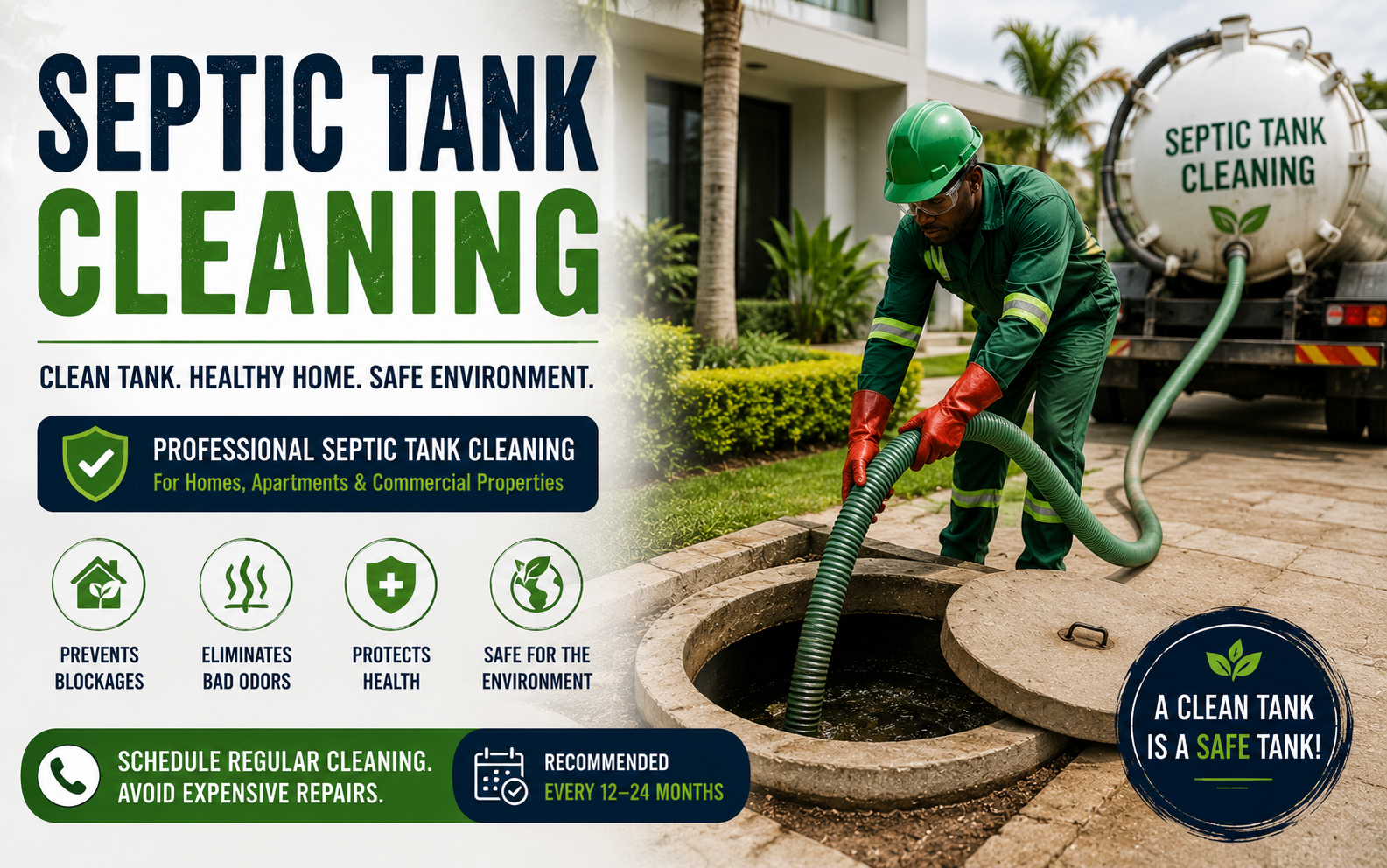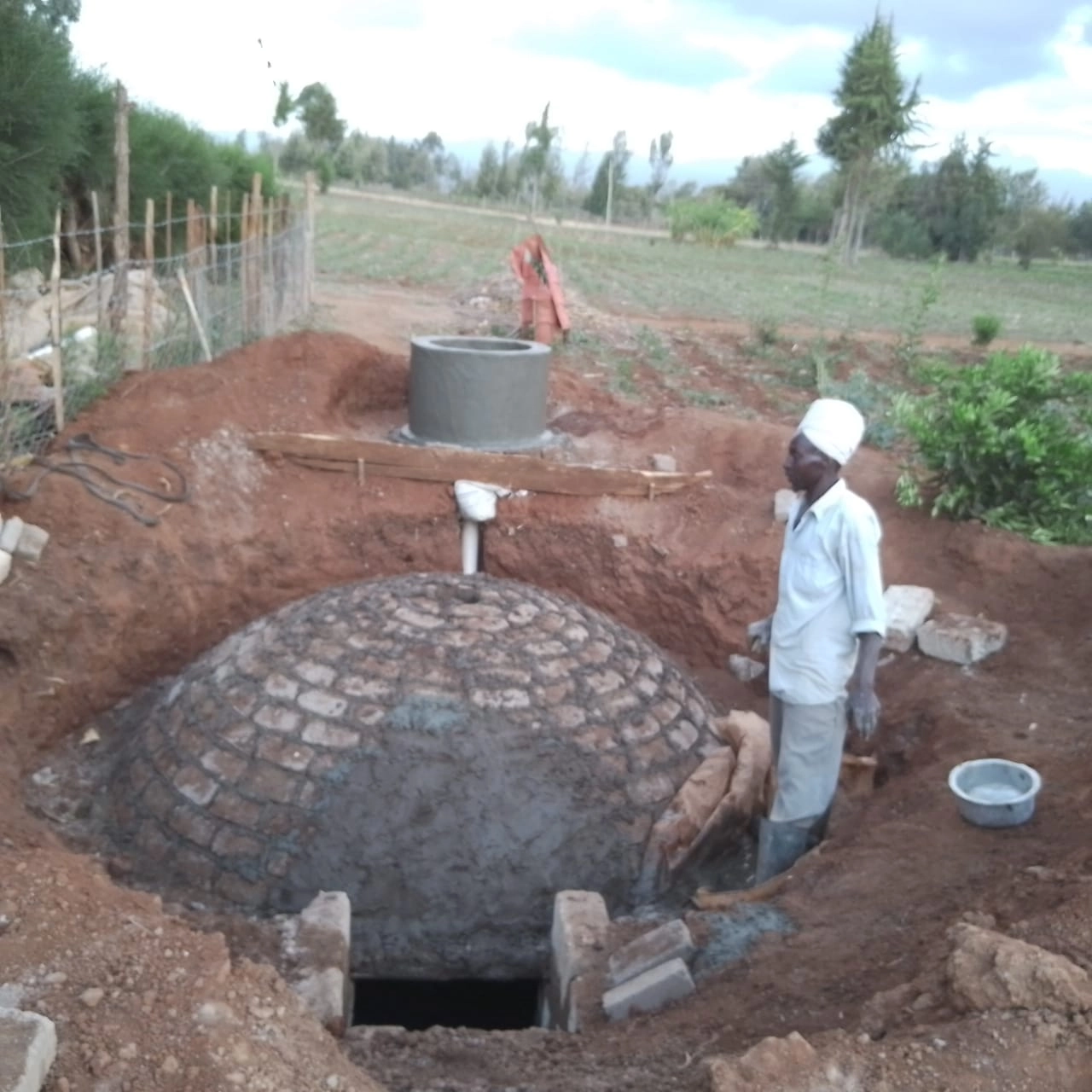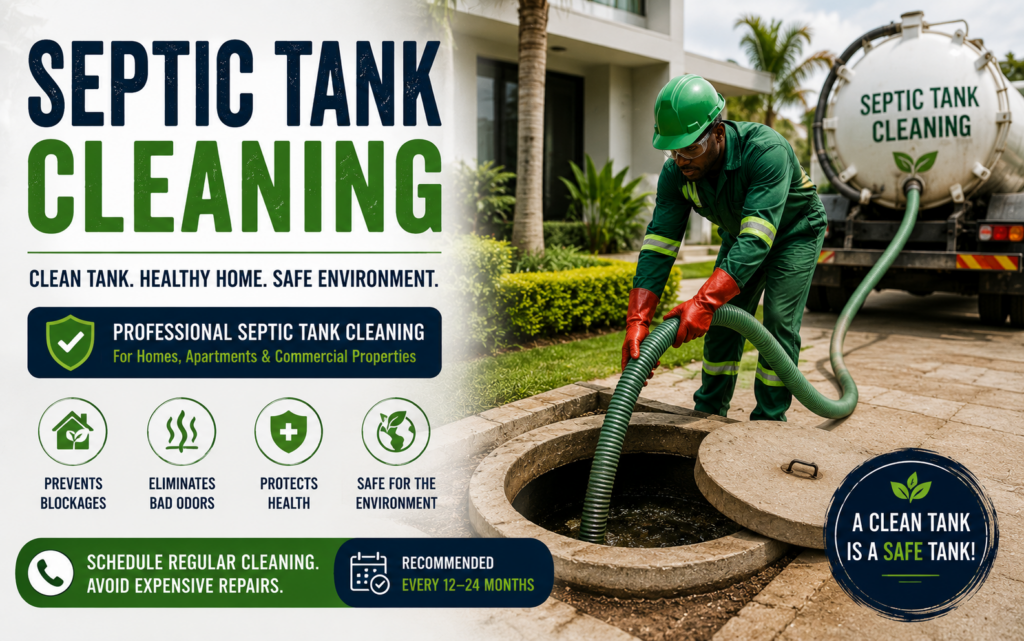
Septic tank cleaning is the process of removing accumulated sludge and scum from a wastewater system using an exhaust bowser to prevent overflows.
In the Kenyan context, while traditional pumping is a temporary fix, switching to a bio-digester eliminates this need by using enzymes to convert waste into treated water and odorless air.
The Reality of Traditional Septic Tank Cleaning in Kenya
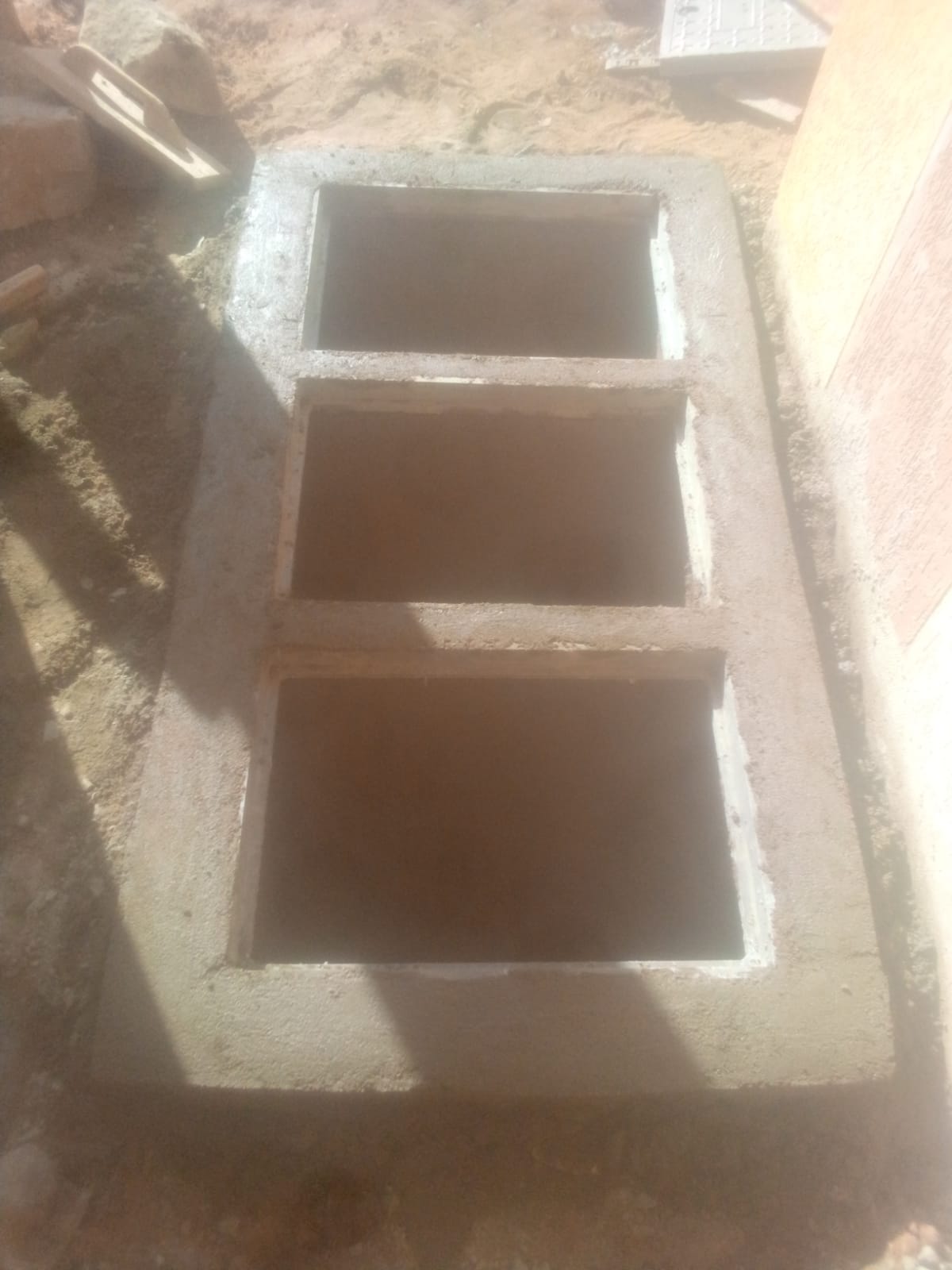
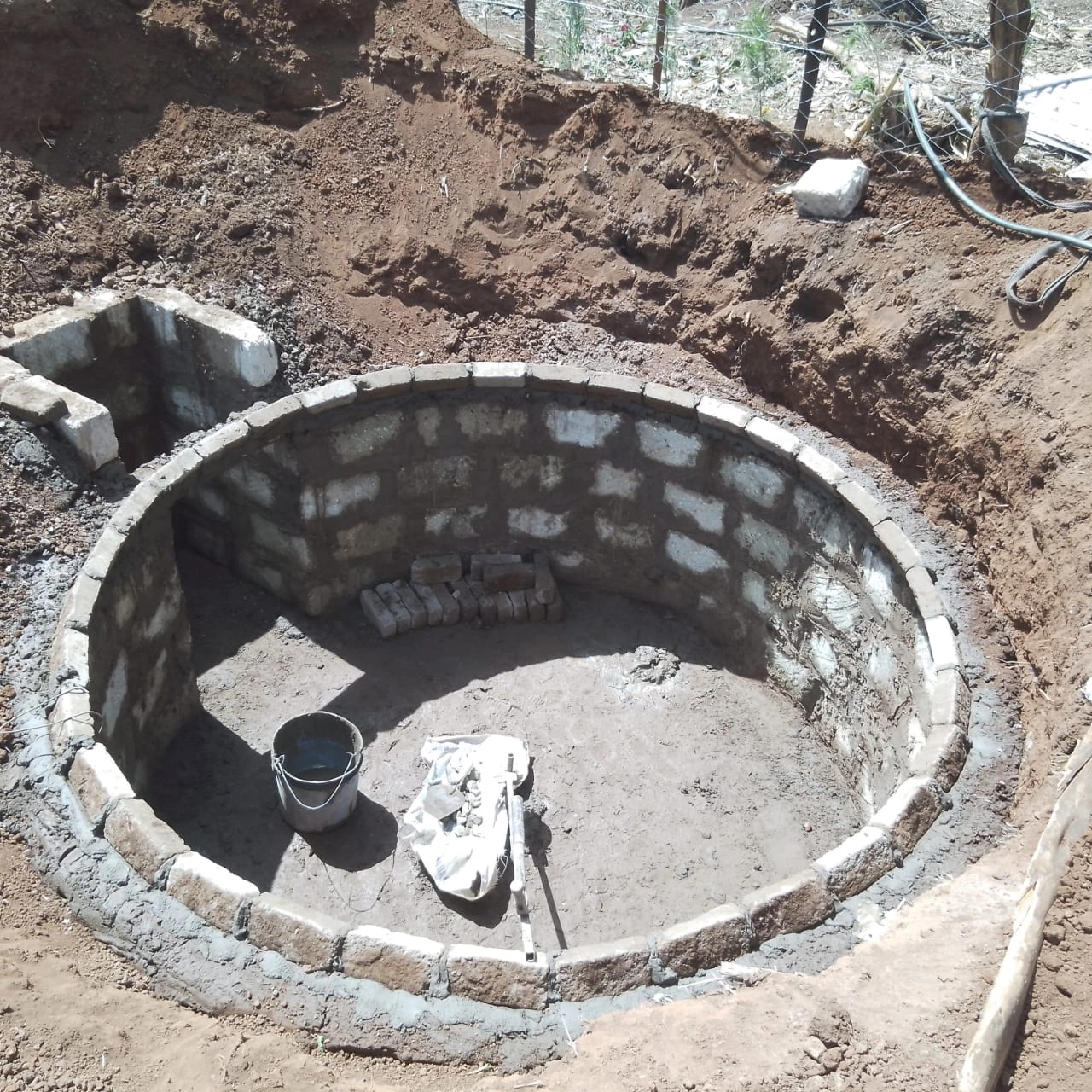
For most property owners in Nairobi, Kiambu, or Kajiado, the cycle is predictable: you build a concrete ring septic tank, and every two to five years, you pay a bowser service to pump it out.
This “cleaning” is often misunderstood.
Most exhaust services only remove the liquid effluent and some floating scum, leaving the heavy sludge at the bottom.
Over time, this sludge hardens, reducing the tank’s capacity and forcing you to call the bowser more frequently.
The financial drain is significant.
Between the cost of the exhaust service and the risk of groundwater contamination, the traditional model is outdated.
Furthermore, in areas with heavy black cotton soils common in Kitengela or Kamulu the soak pit often fails because the soil cannot absorb the effluent fast enough.
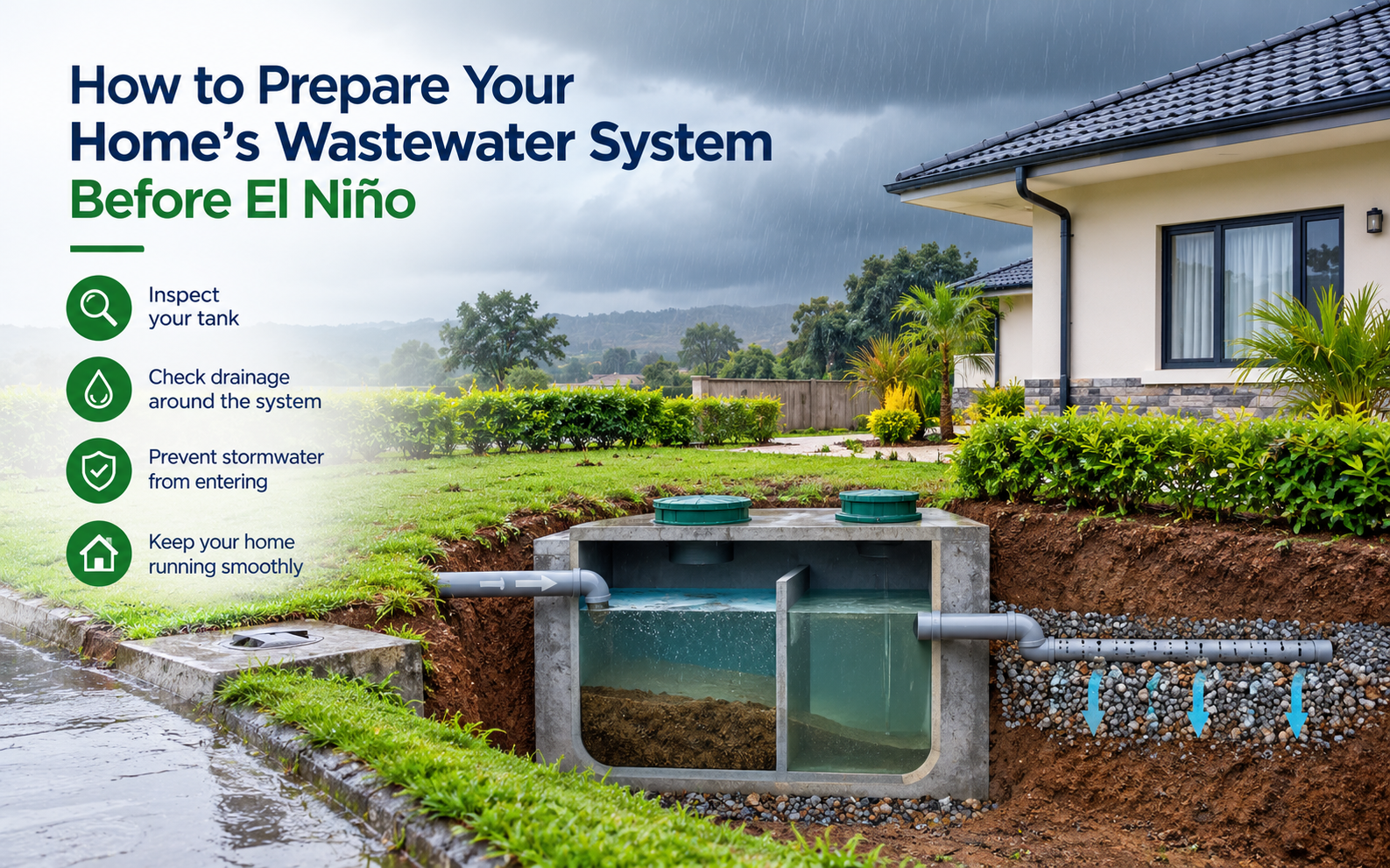
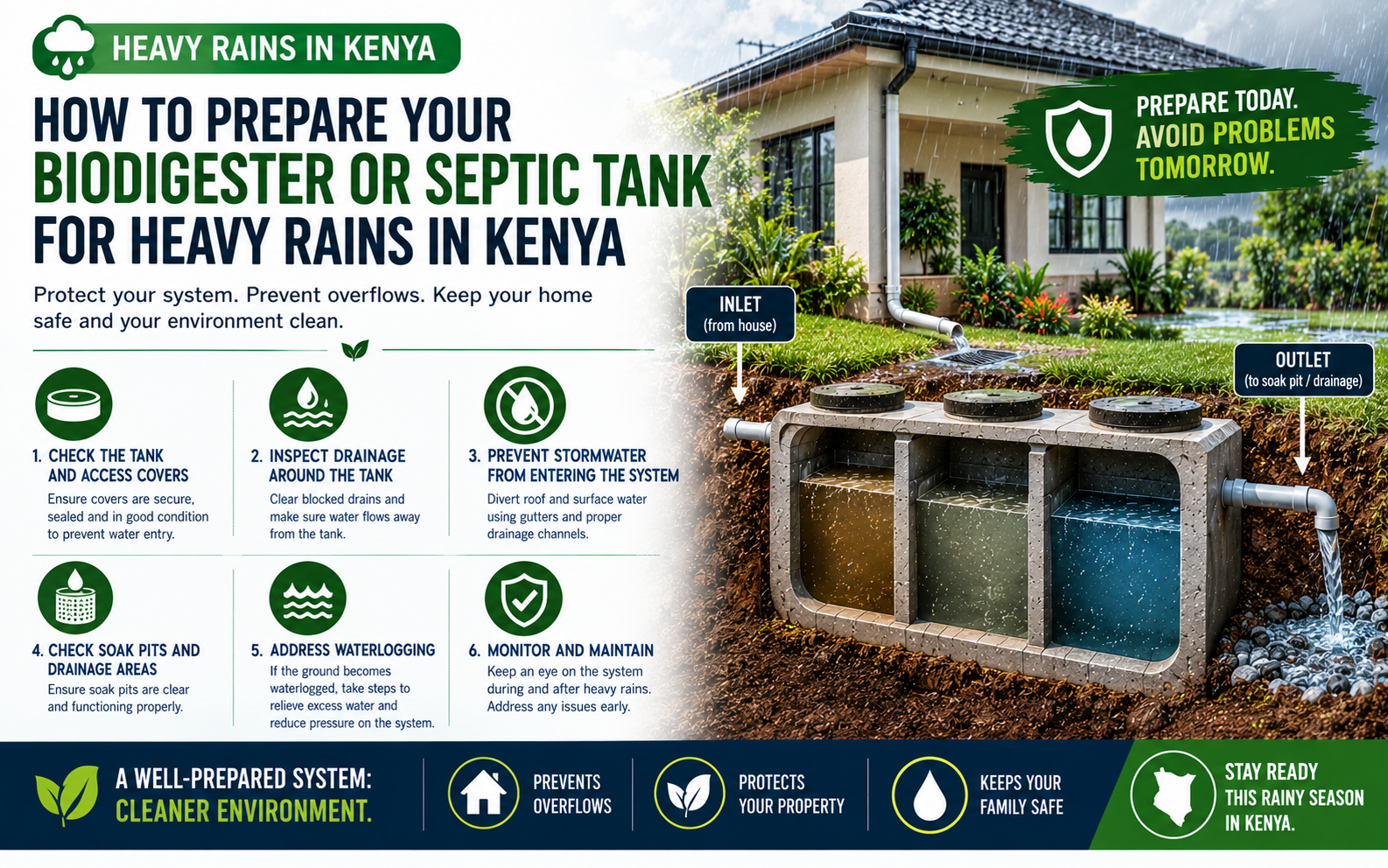
This leads to the dreaded “pooling” effect in your compound during the rainy season.
Warning Signs Your System Needs Urgent Attention
You don’t always have to wait for a total overflow to know your system is struggling.
As an engineer on the ground, I tell my clients to watch for these specific red flags:
- Slow Drainage: If your toilets or sinks are draining sluggishly despite no visible blockages in the pipes.
- Unpleasant Odors: Strong sewage smells emanating from the manhole or the yard, signaling that the aerobic balance is gone.
- Saturated Ground: Patches of unusually lush, green grass or soggy soil around your soak pit area.
- Gurgling Sounds: Air bubbles pushing back up through the pipes when you flush.
If you are experiencing these issues, you can attempt immediate Septic Tank Maintenance, but if the tank is full of sludge, a pump-out is the only immediate relief.
Phone: Call +254 712 660 245
Email: Email info@biodigesterkenya.co.ke
Why Constant Cleaning is a Symptom of a Larger Problem
The fundamental flaw of the traditional concrete tank is that it is a storage vessel, not a treatment plant.
It relies on basic sedimentation.
When the solids build up, the system fails.
Many contractors in Kenya install undersized tanks to save on initial costs, which only accelerates the need for frequent septic tank cleaning.
This is where the engineering shift happens. Instead of managing waste through storage and removal, we now move toward biological treatment.
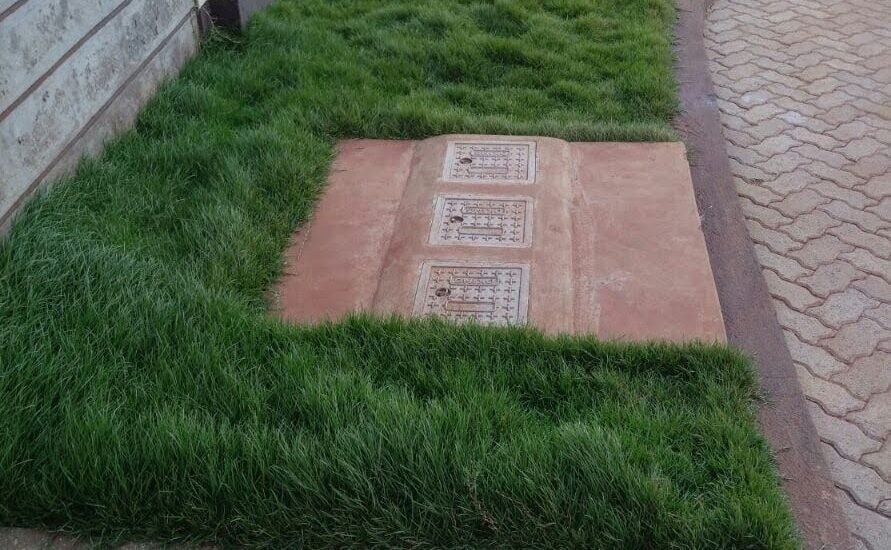
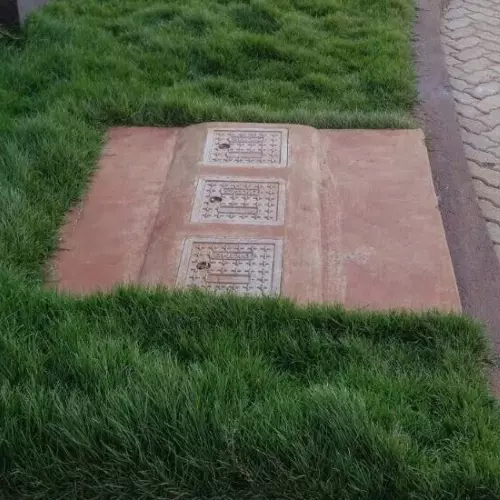
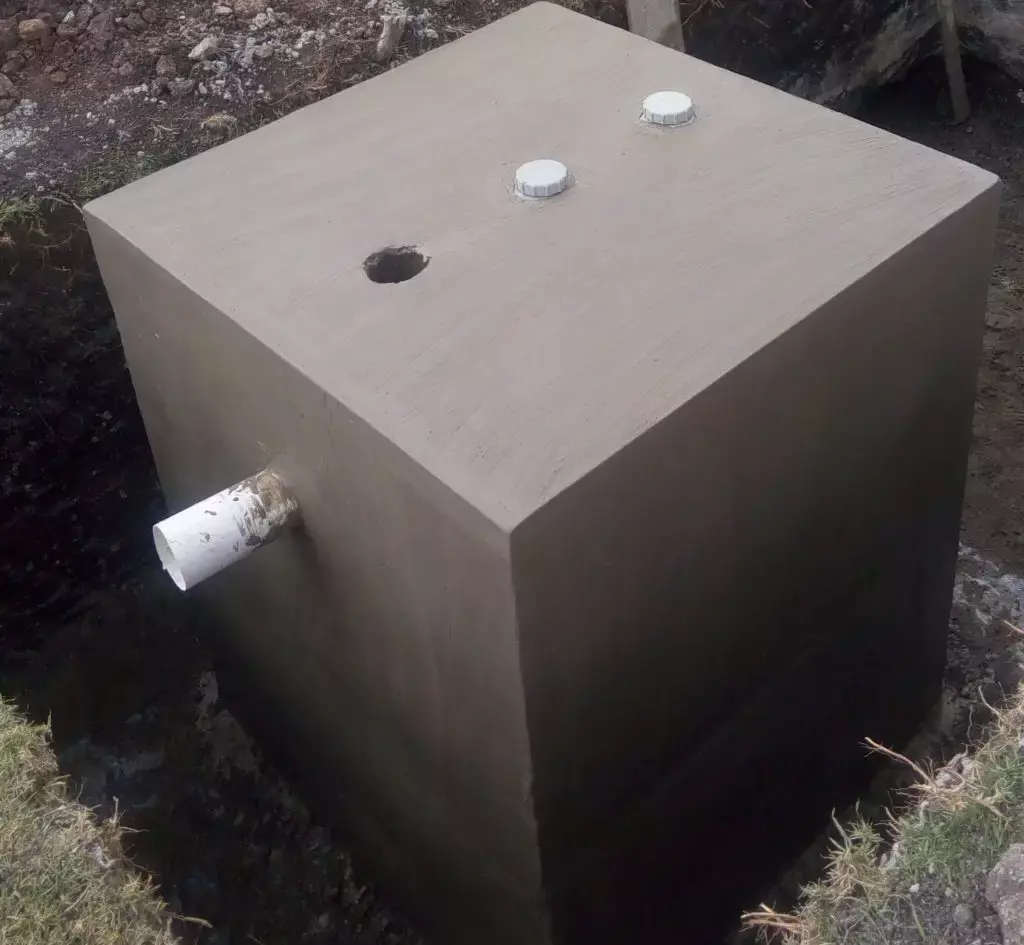
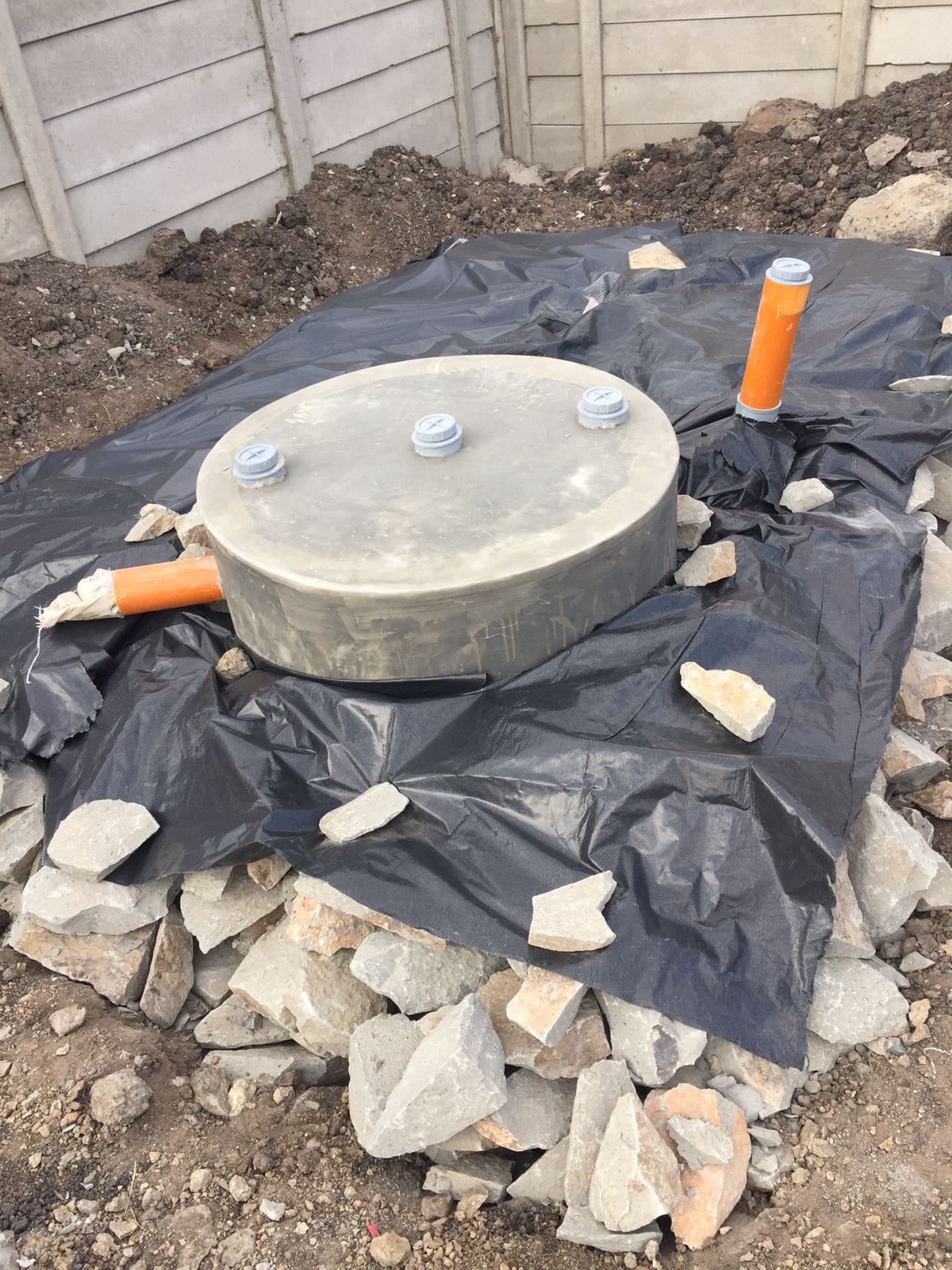
By integrating Precast Bio Digesters, you move away from the “pump and pay” cycle entirely.

The Engineering Shift: How Bio Digesters End the Cleaning Cycle
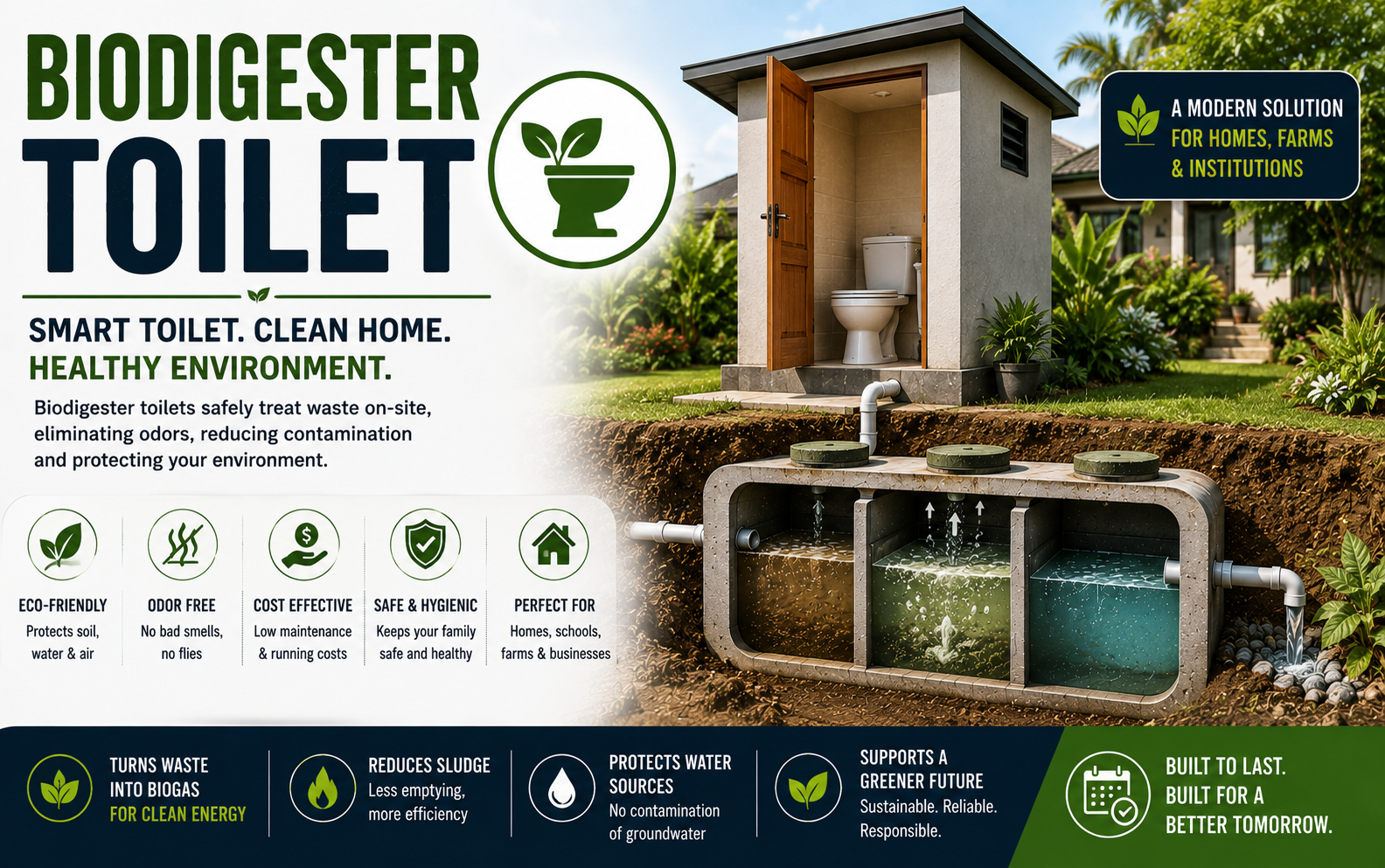
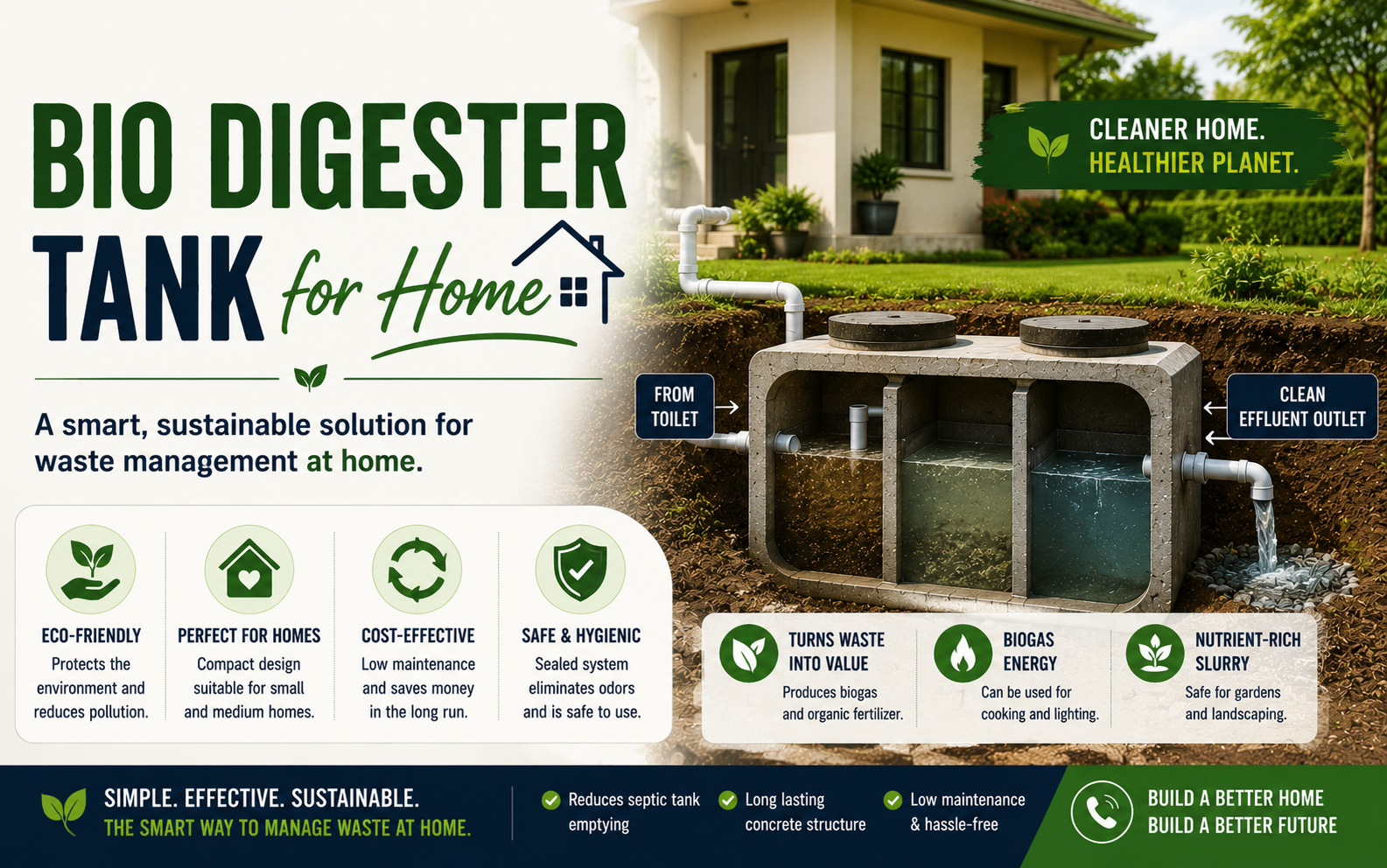
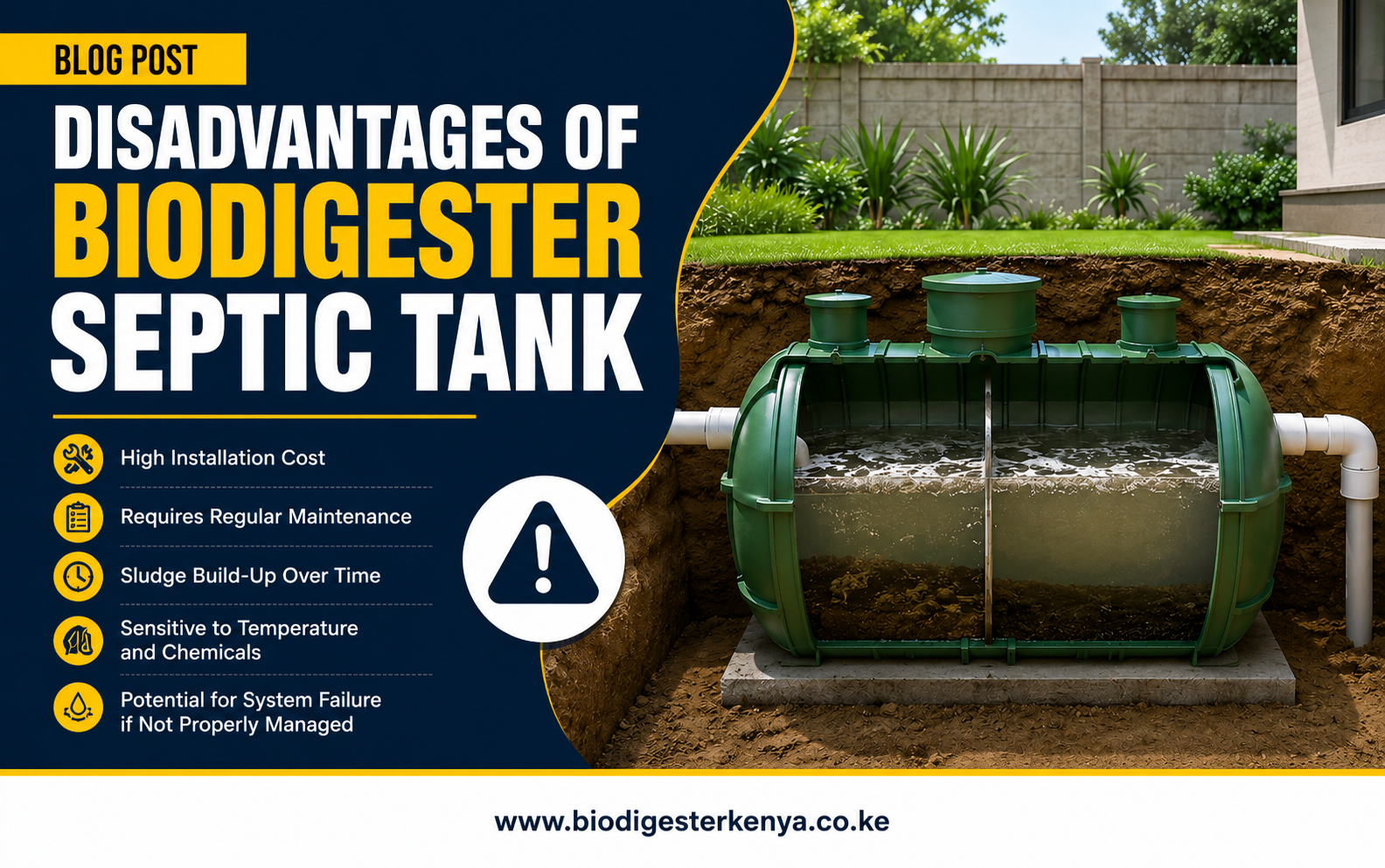
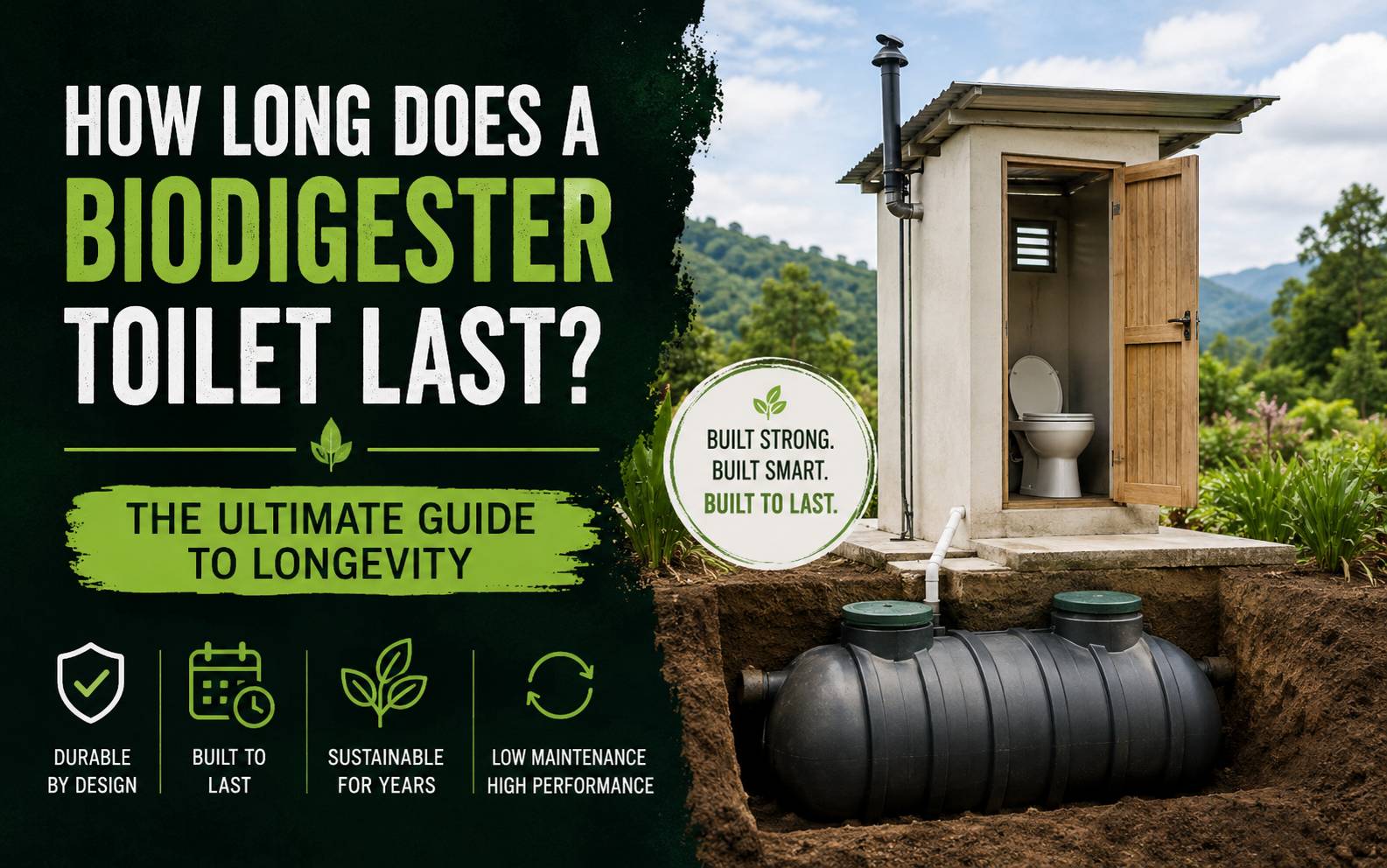
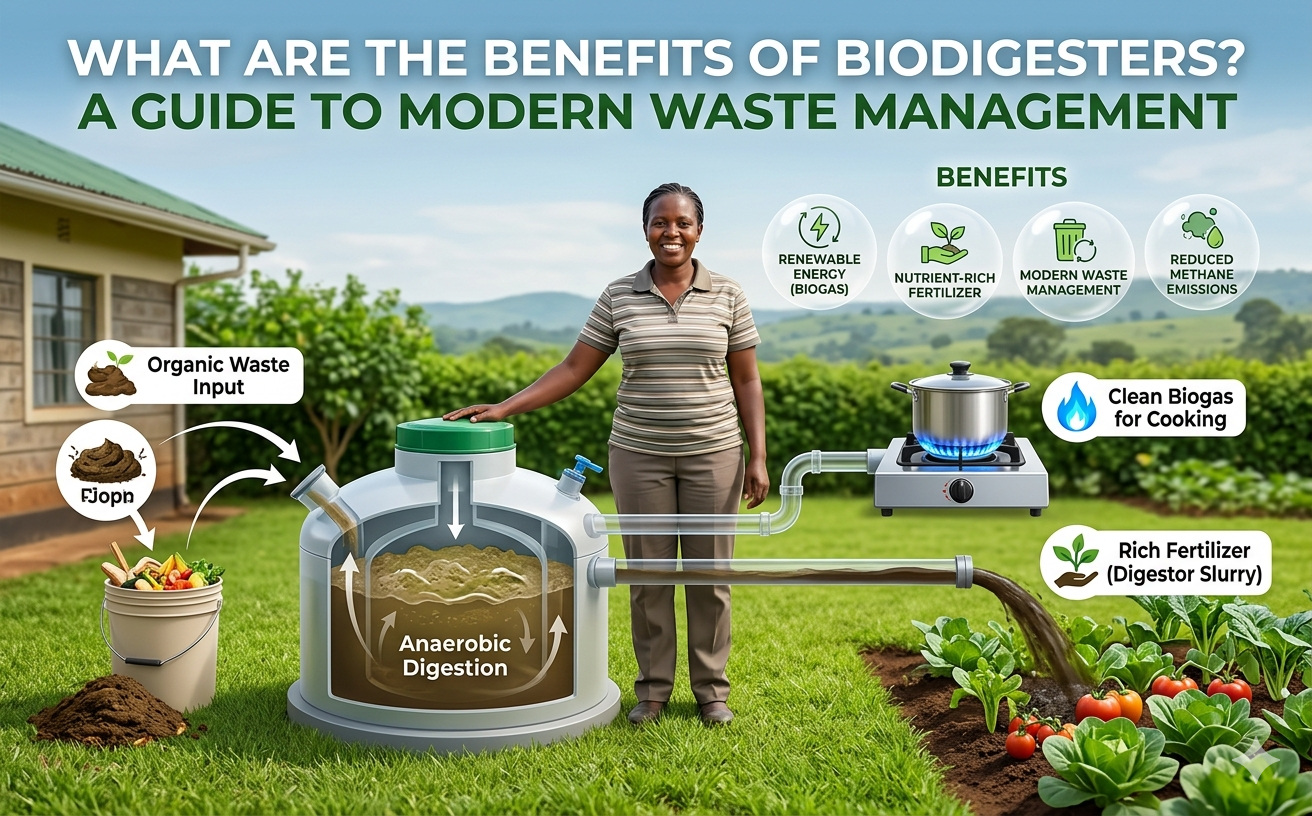
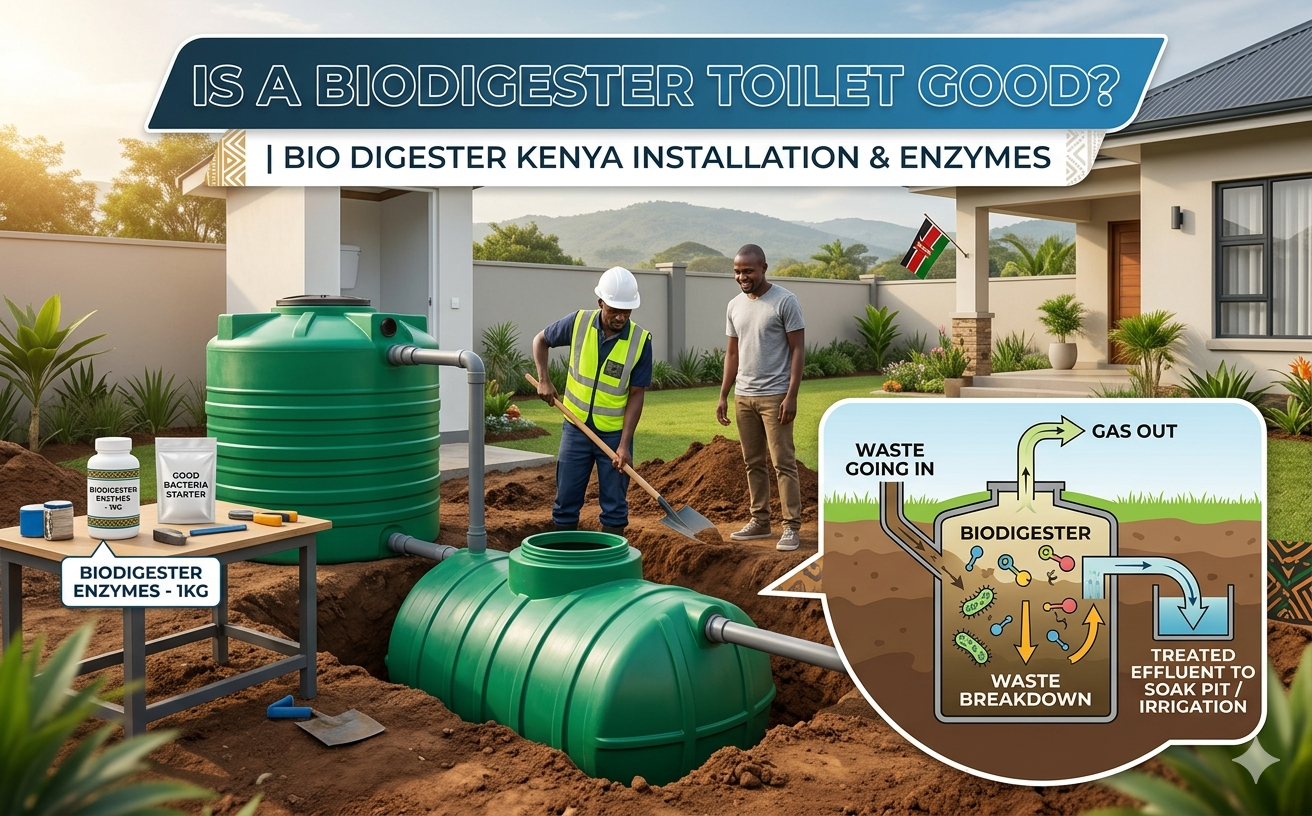
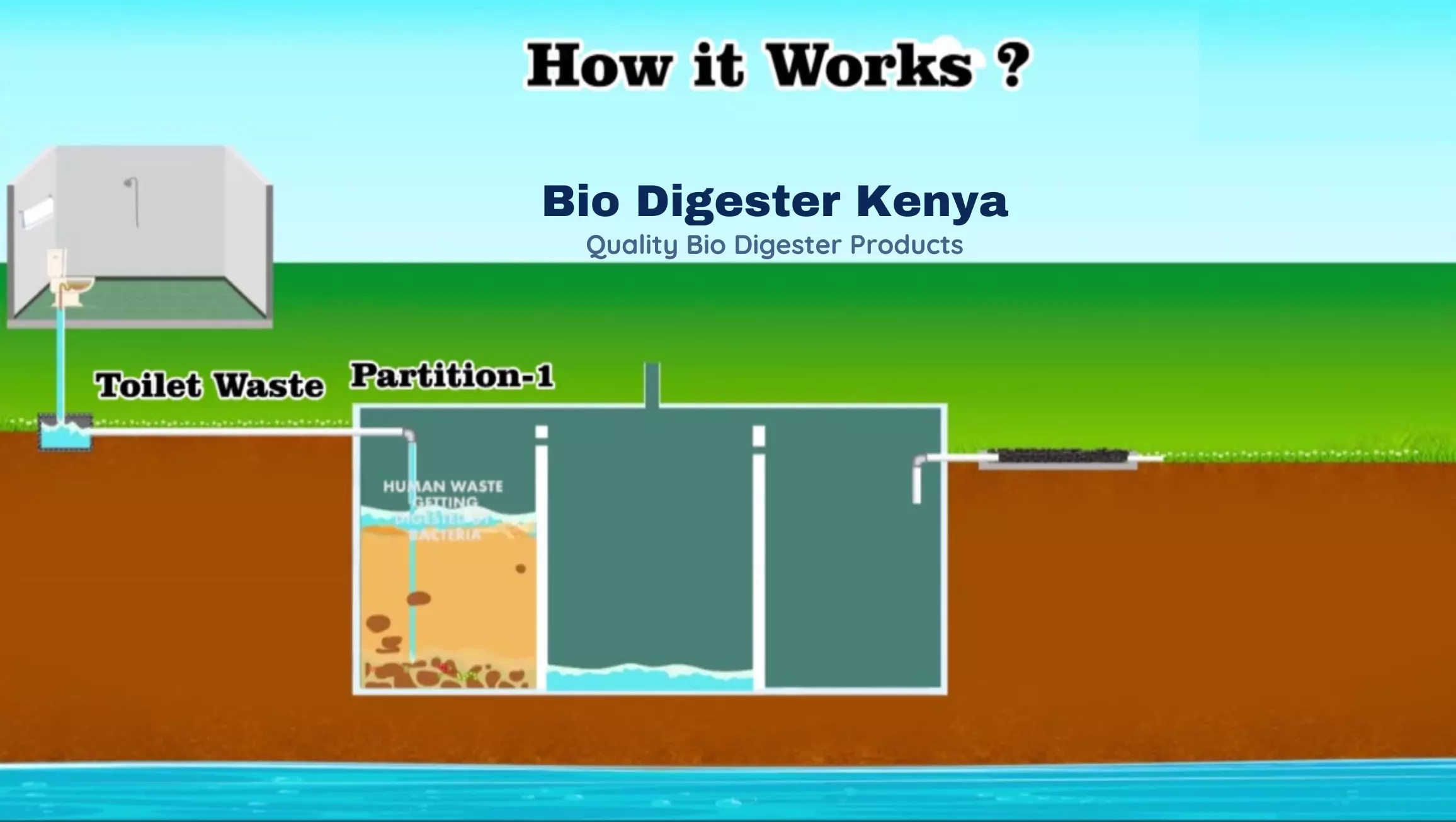
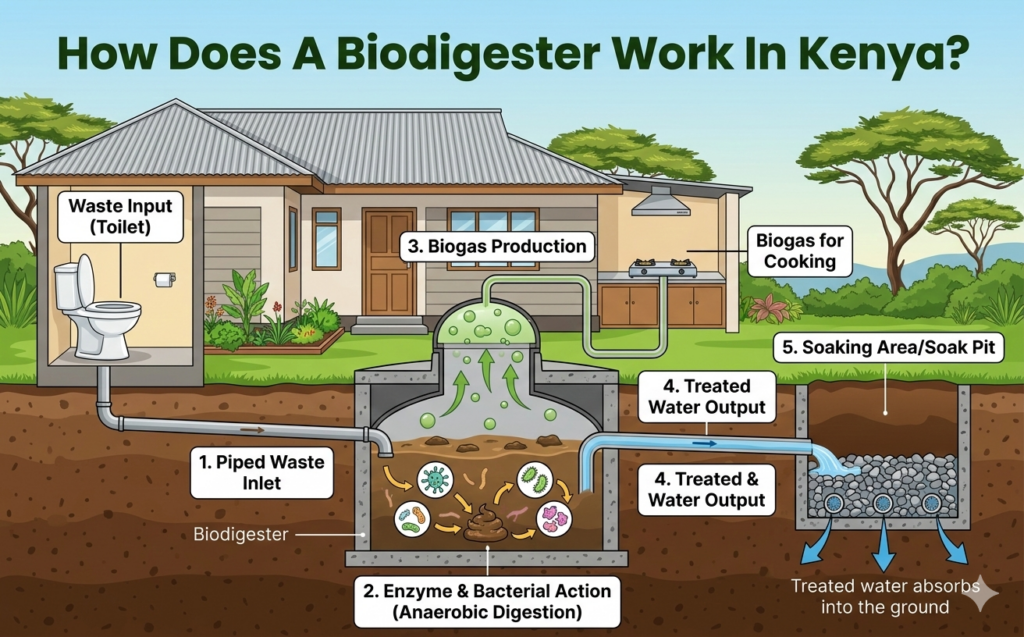
Unlike a traditional tank that just holds waste, the system from Bio Digester Kenya functions as a modern human waste management solution for residential homes and commercial spaces.
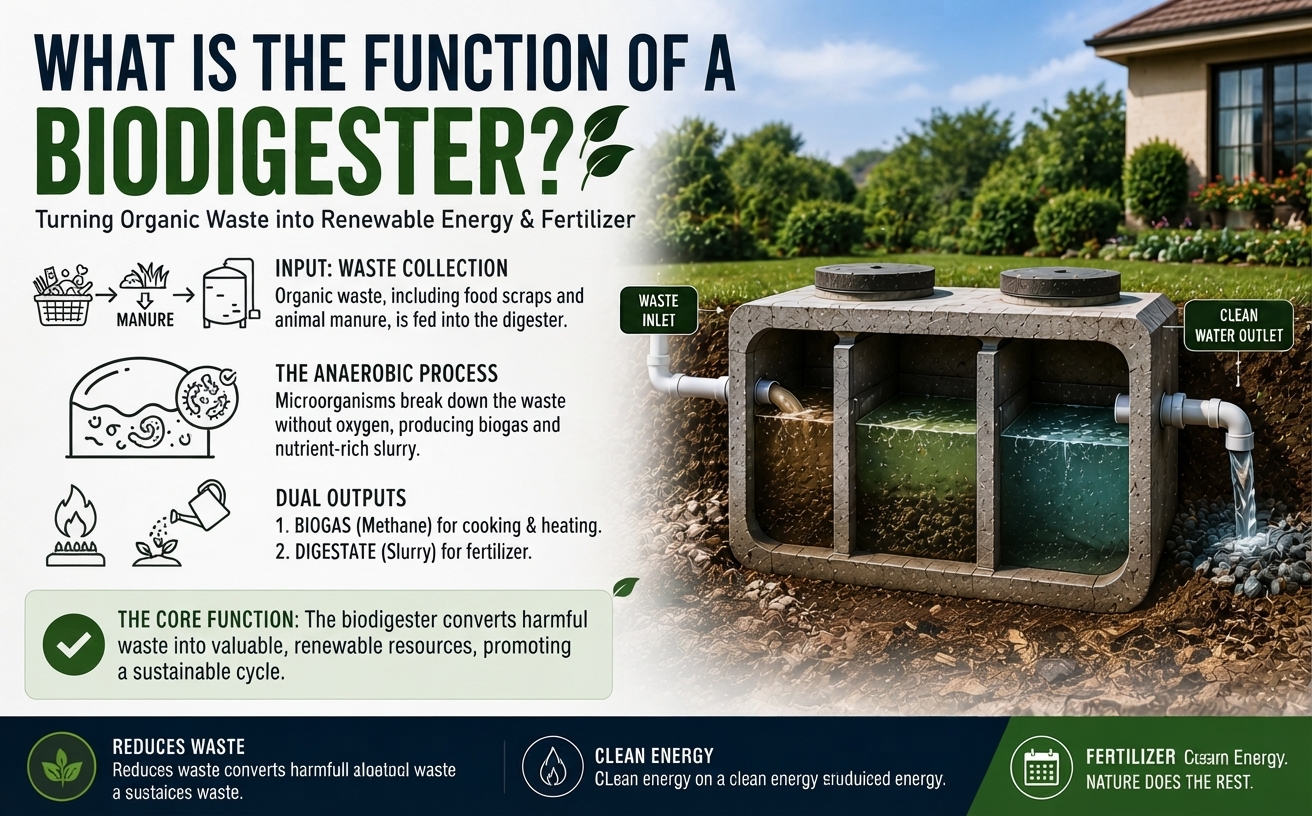
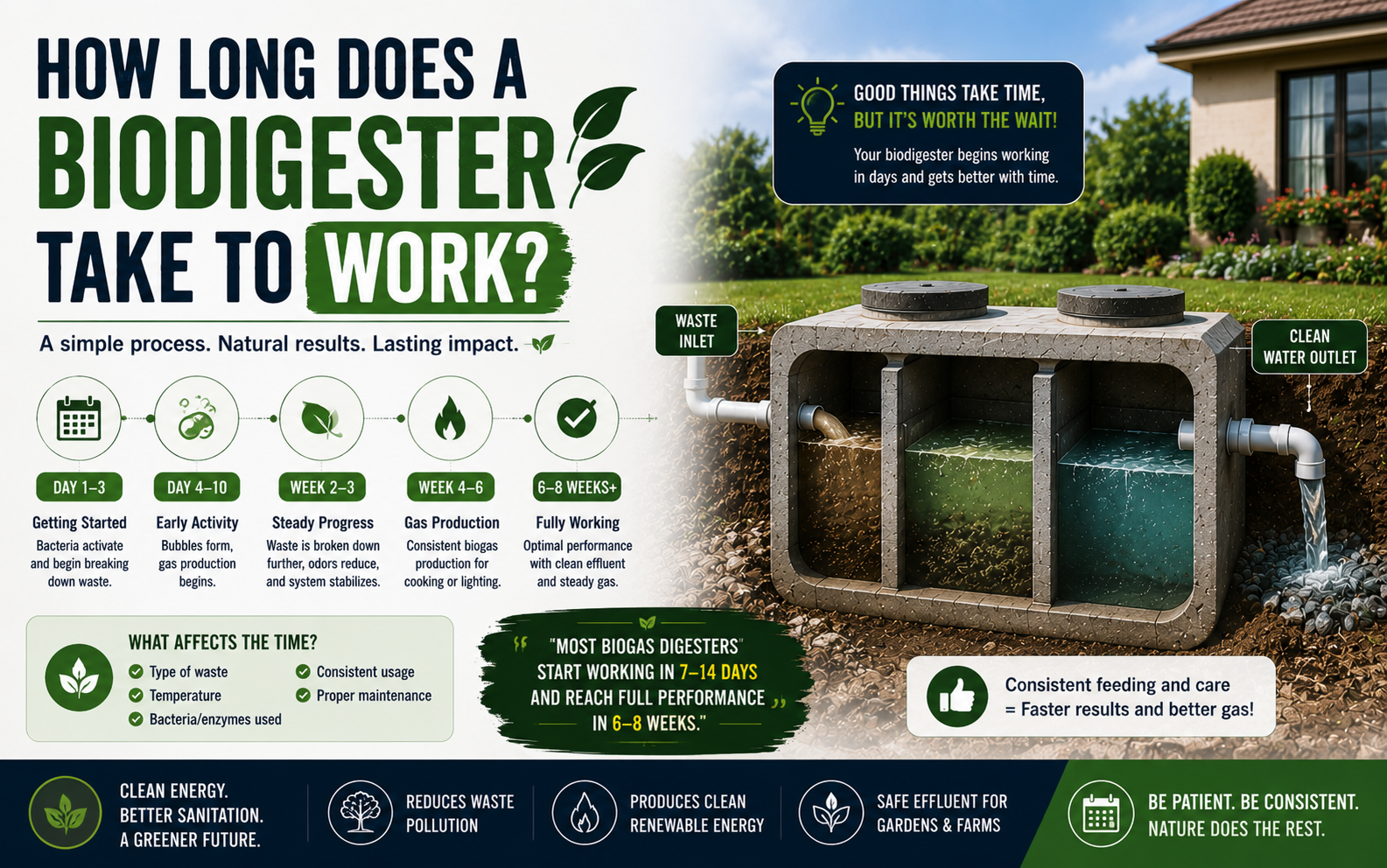
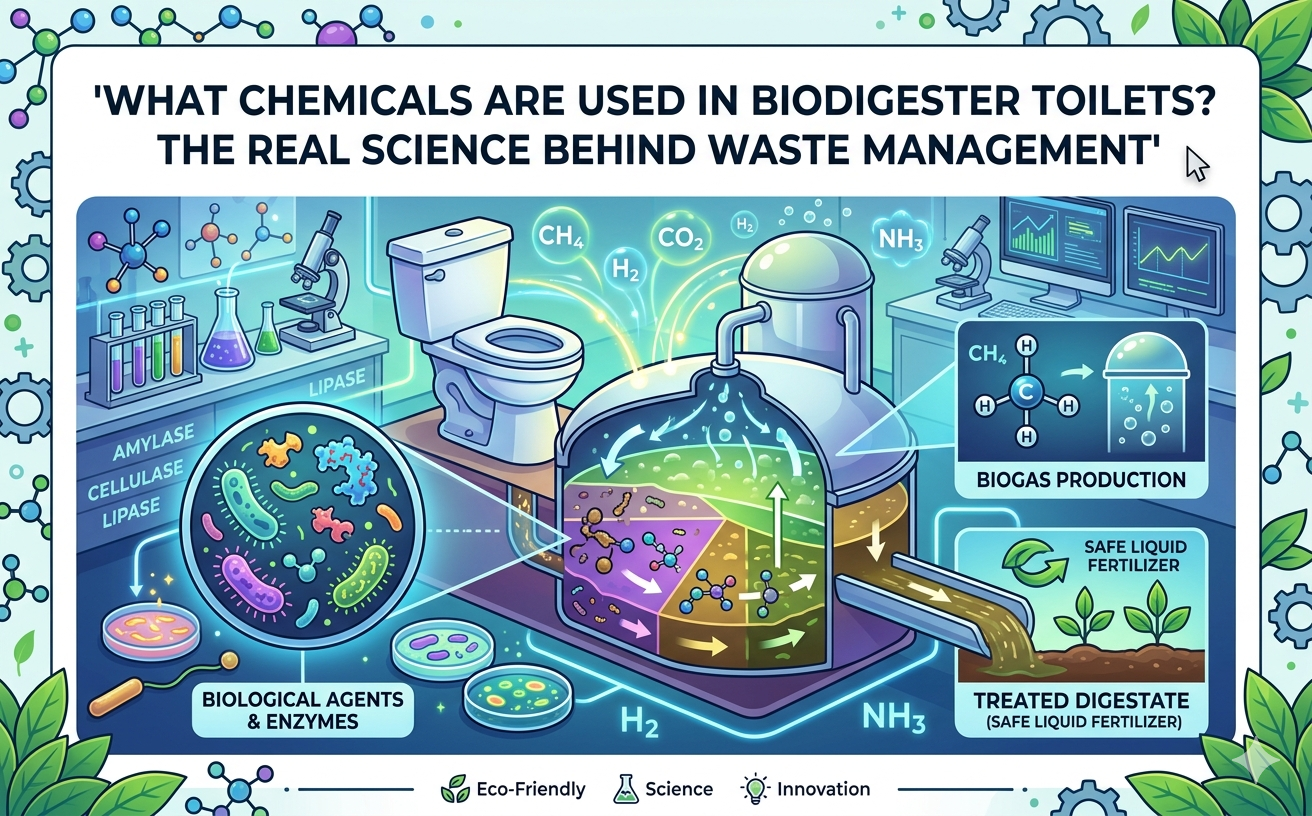
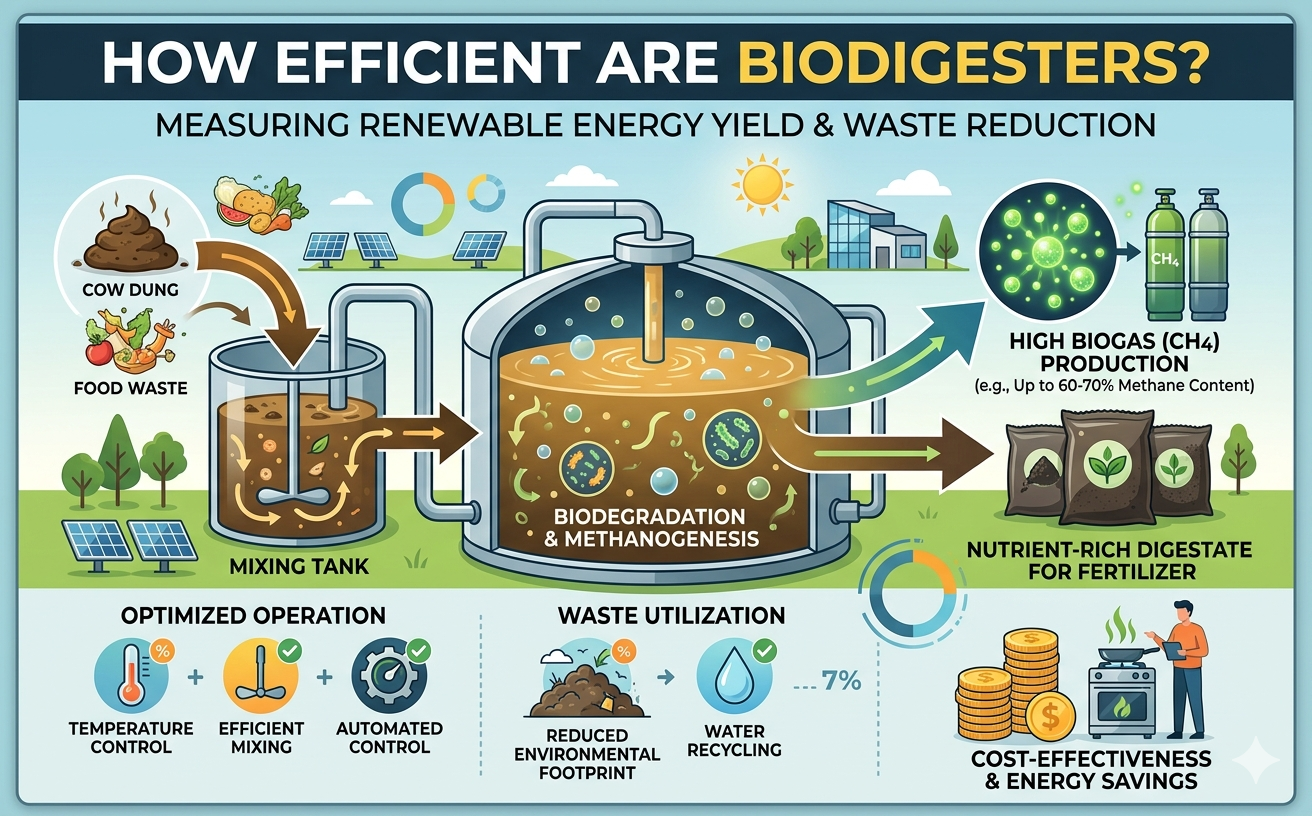
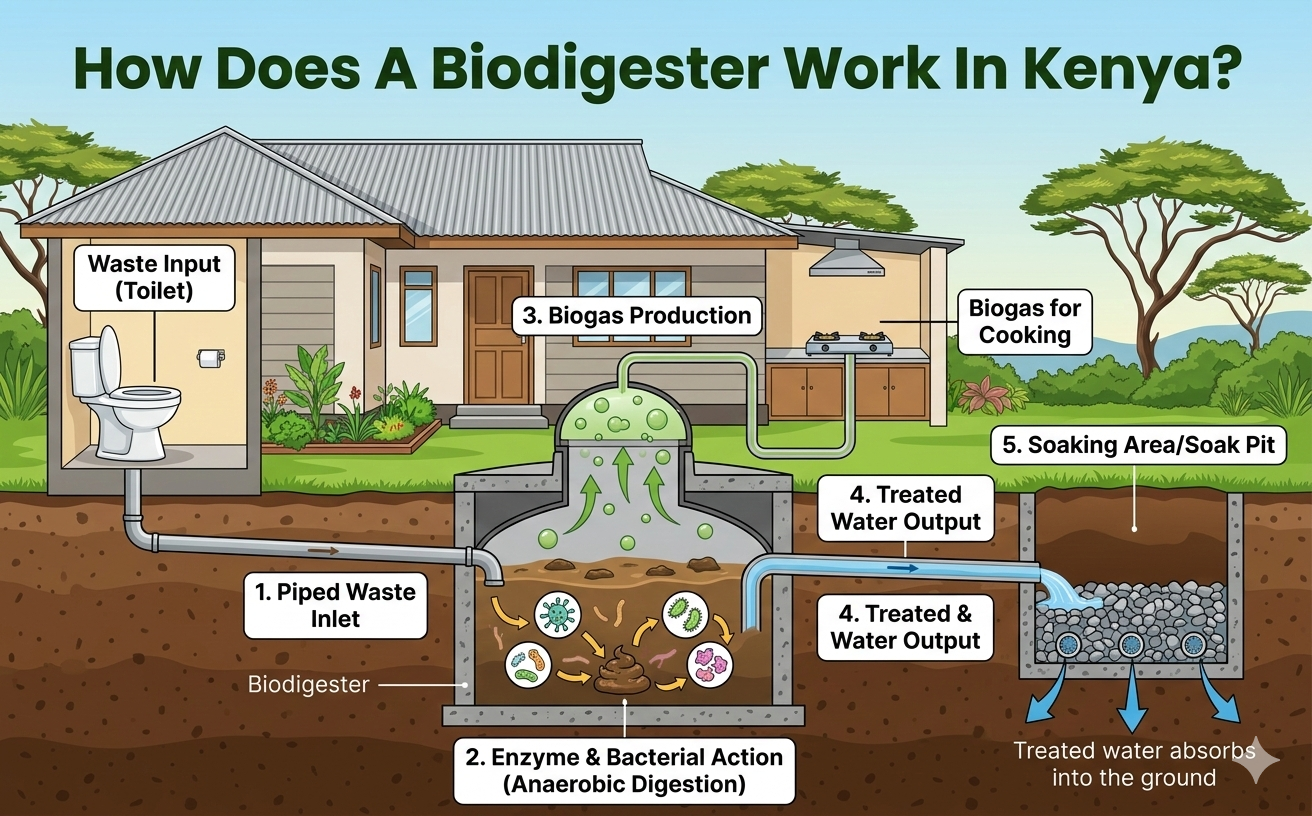
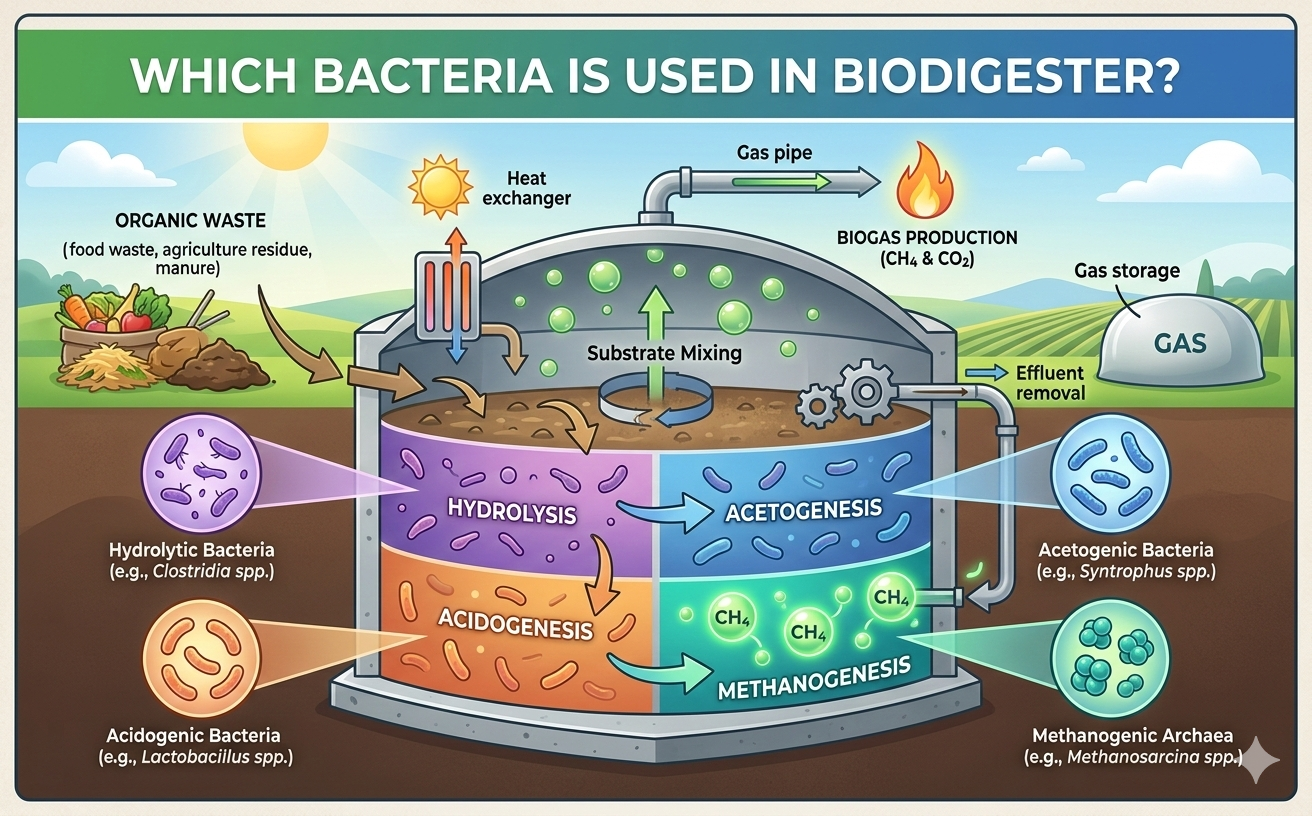
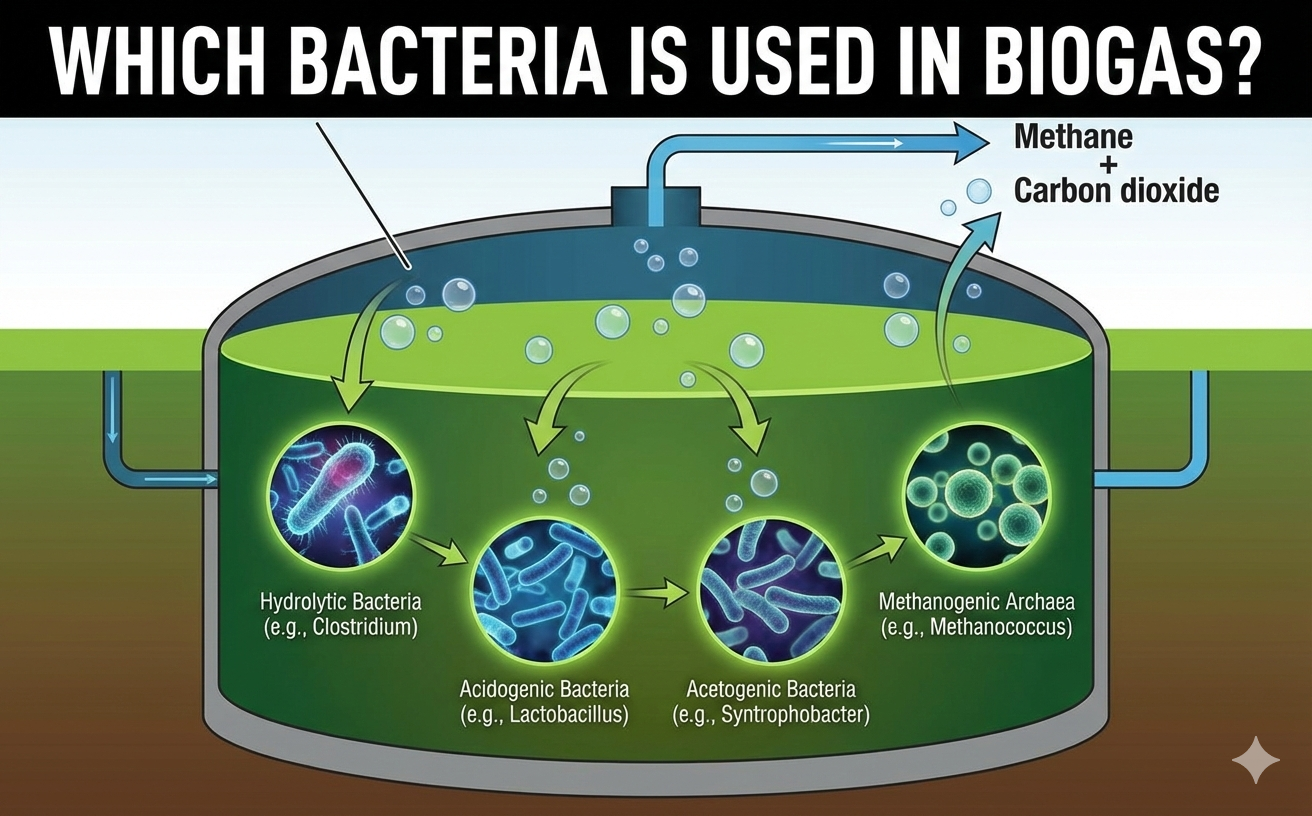
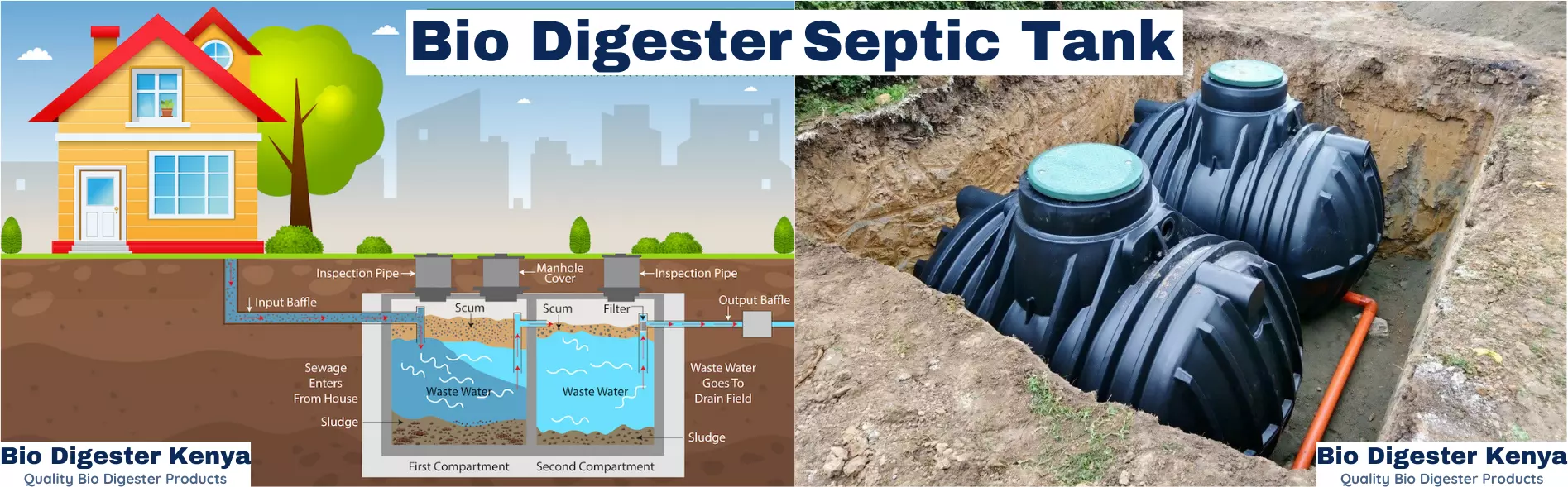
The mechanics are based on anaerobic digestion rather than simple sedimentation.
Waste is piped directly into the biodigester where specialized biodigester enzymes break down and consume the solid waste.
These enzymes act as biological catalysts, eating through the organic matter that would normally form the sludge that necessitates a bowser.
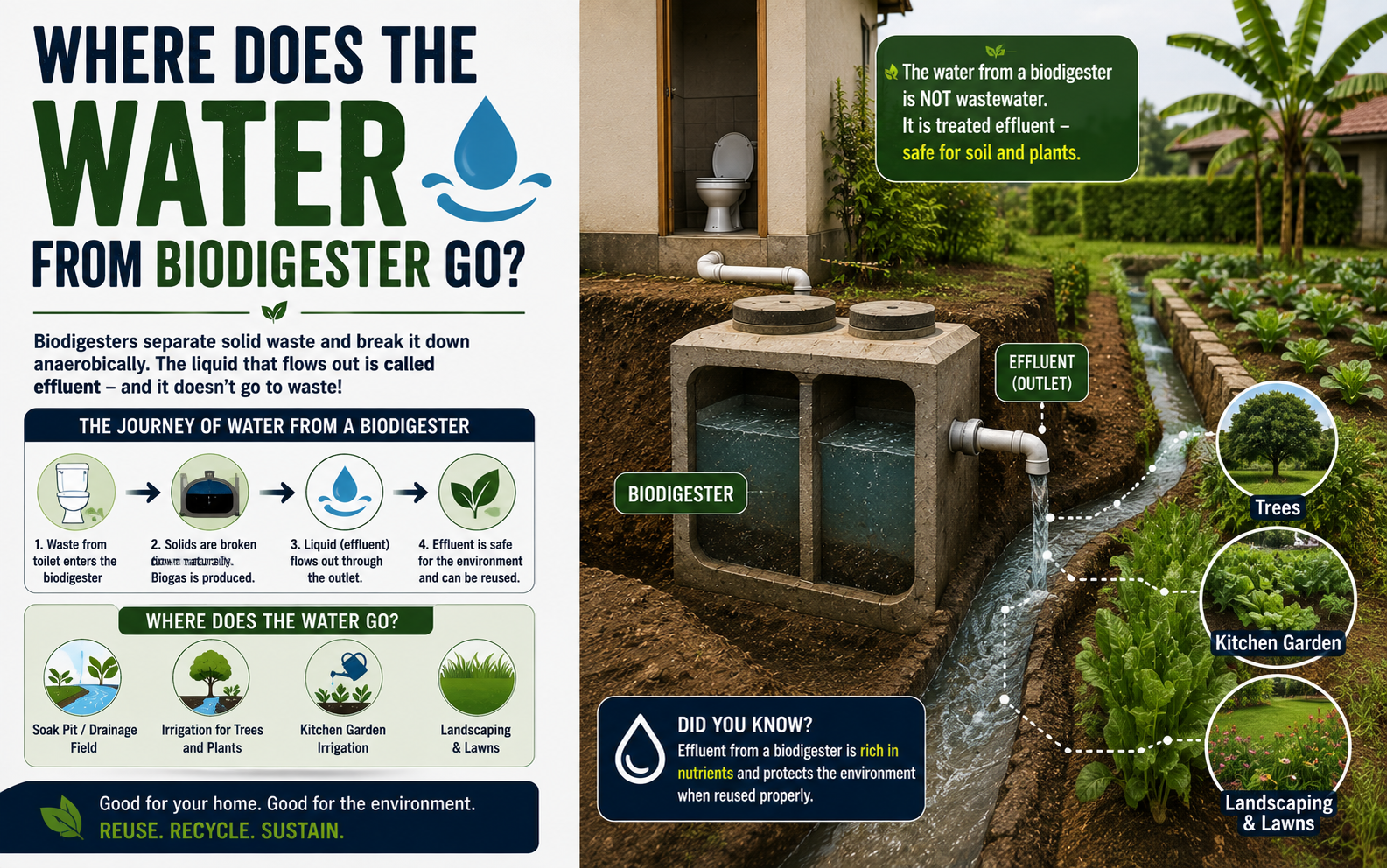
The biological end result is strictly treated water and odorless air.
This treated water is then directed to a localized soaking area or French drain where it is safely absorbed into the ground.
Because the solids are consumed by the bacteria, there is no sludge buildup, effectively eliminating the need for recurring exhaust tank emptying.
This is a game-changer for small plots in Nairobi estates where space for massive soak pits is unavailable.
Restoring a Sluggish System with Biological Additives
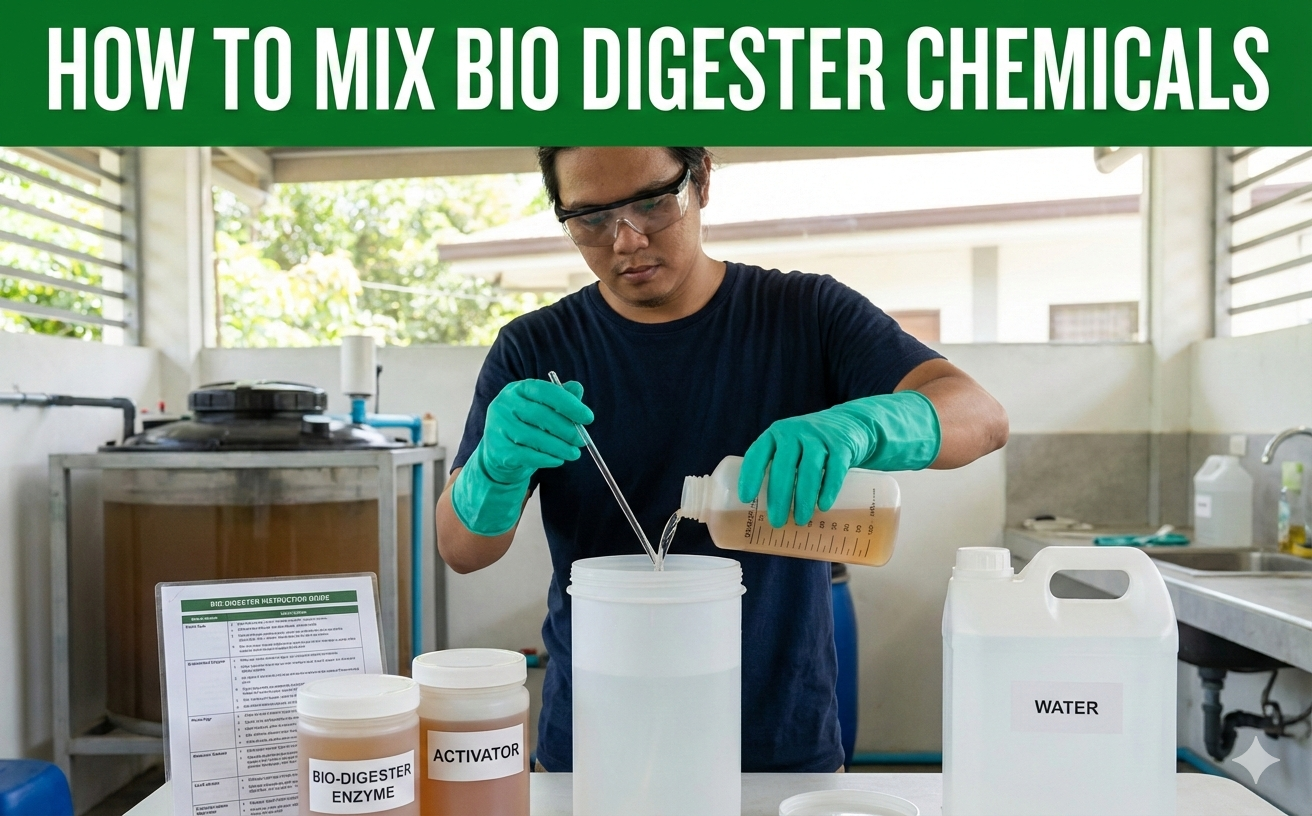
If you aren’t ready for a full Bio Digester Installation but your current tank is smelling or draining slowly, you can introduce biological activity manually.
Traditional chemicals often kill the natural bacteria in your tank, making the sludge harder and the smell worse.
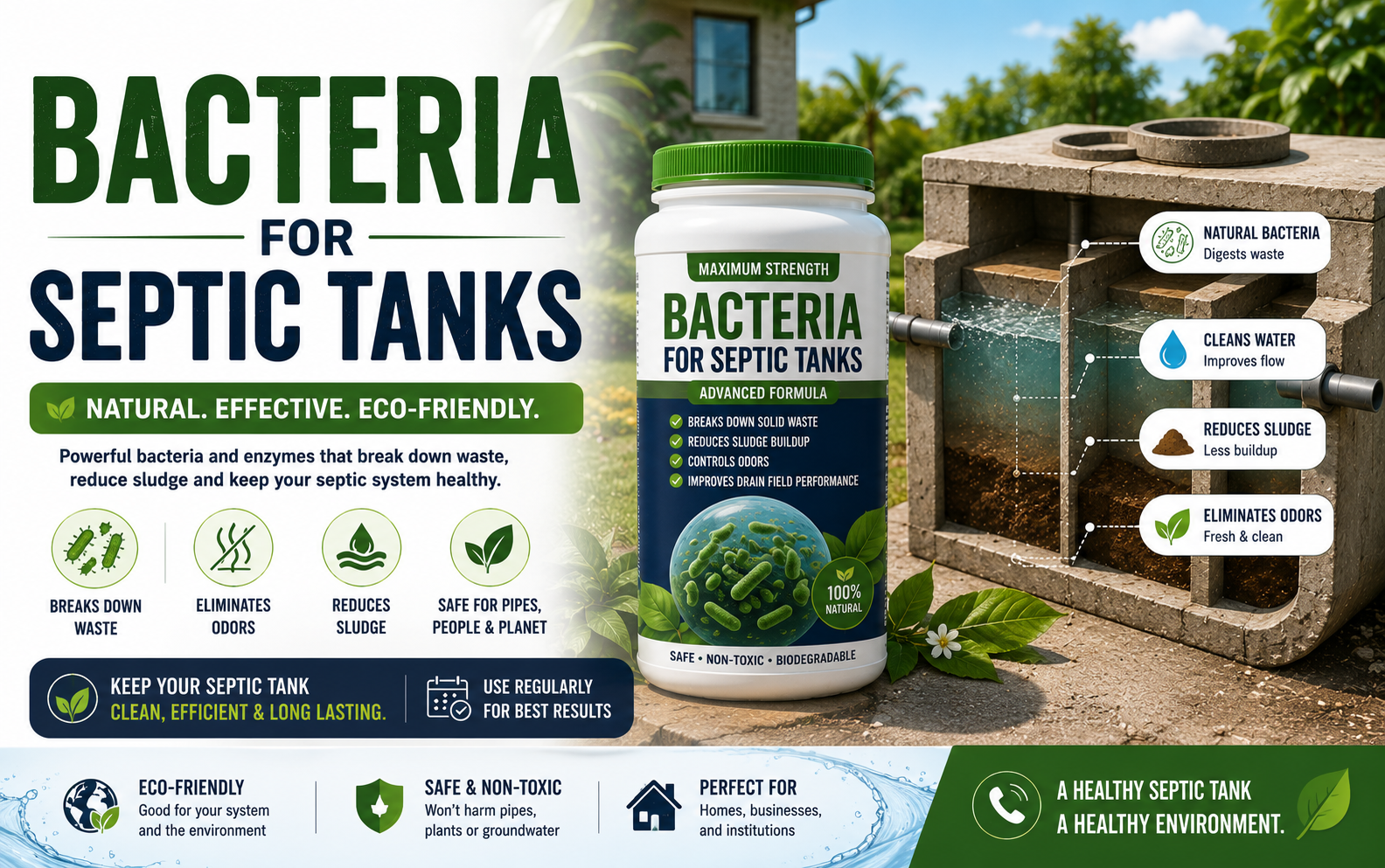
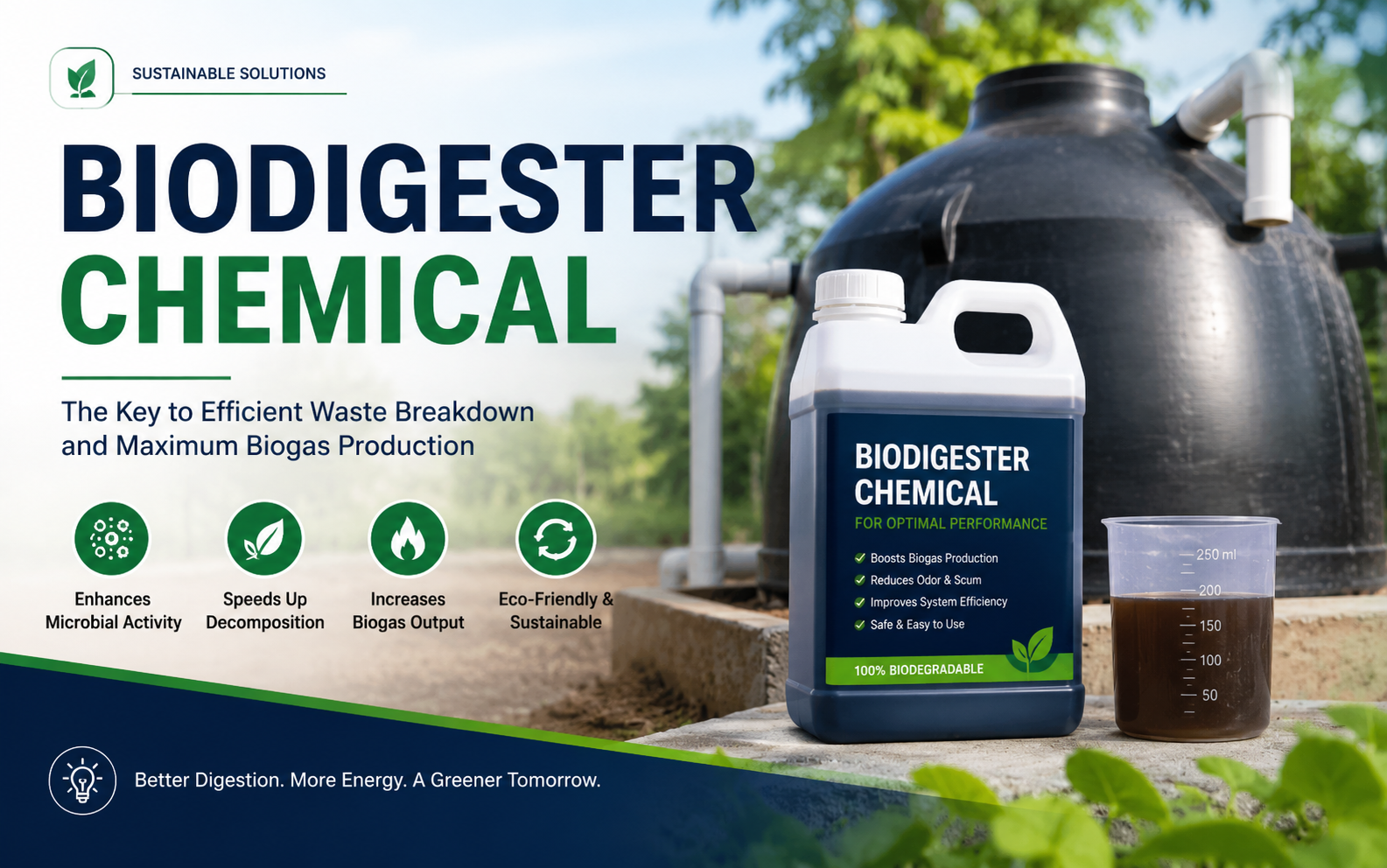
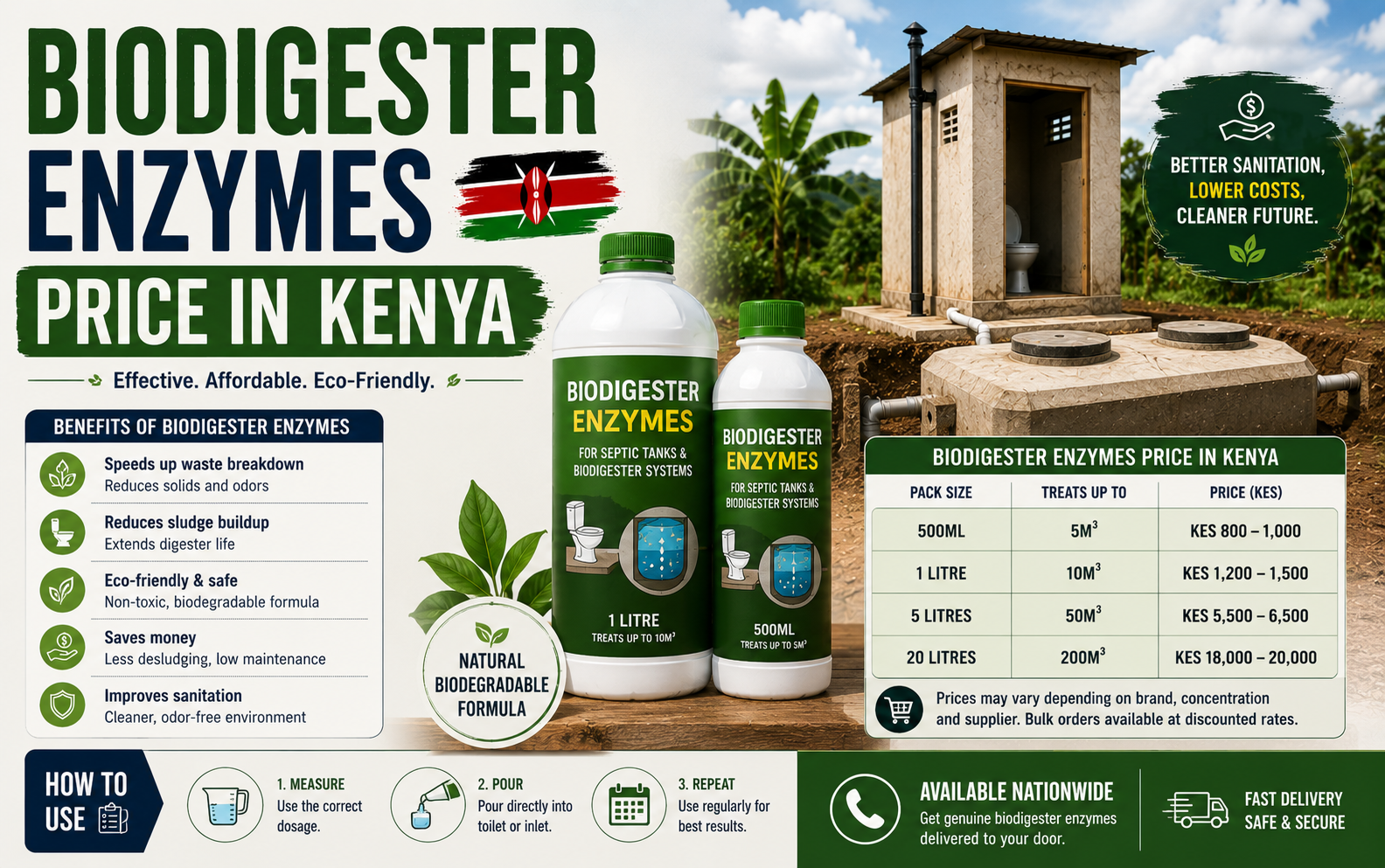
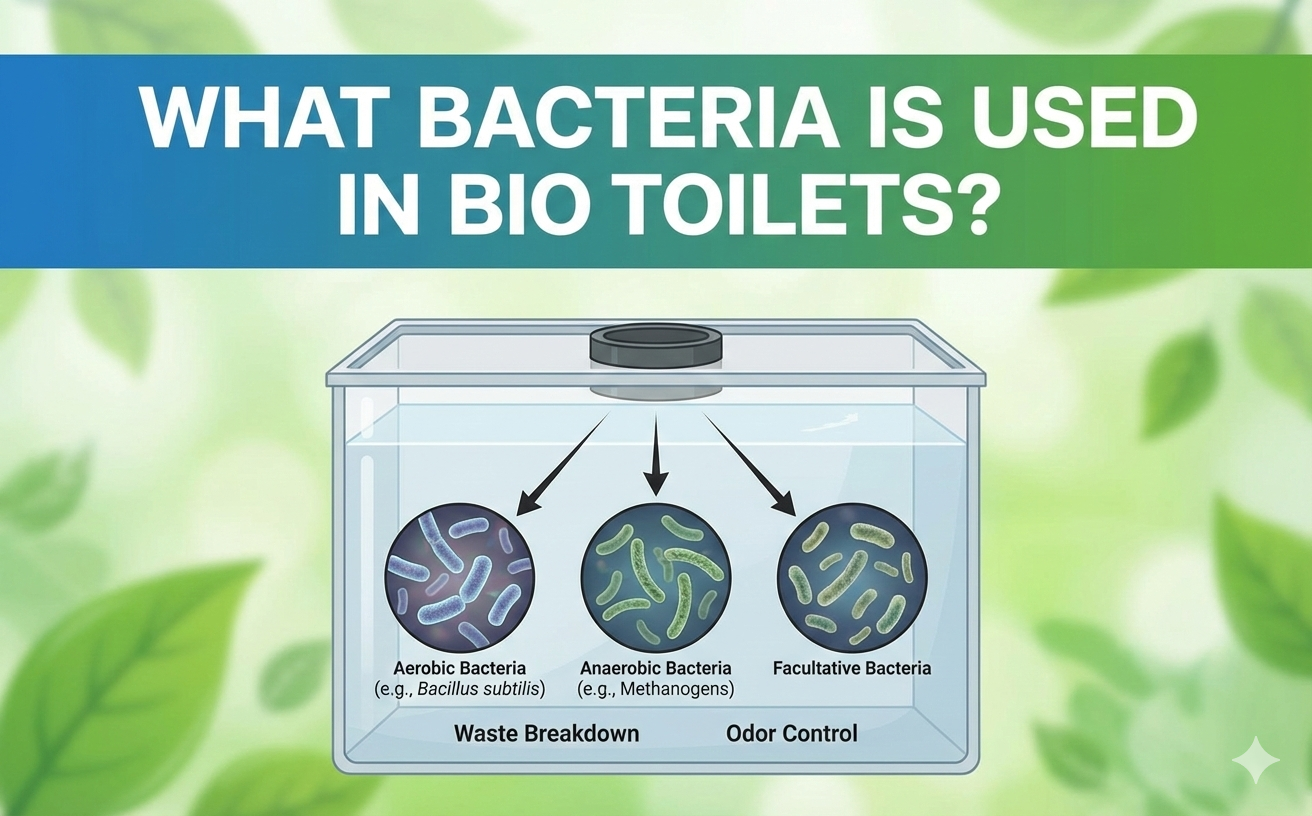
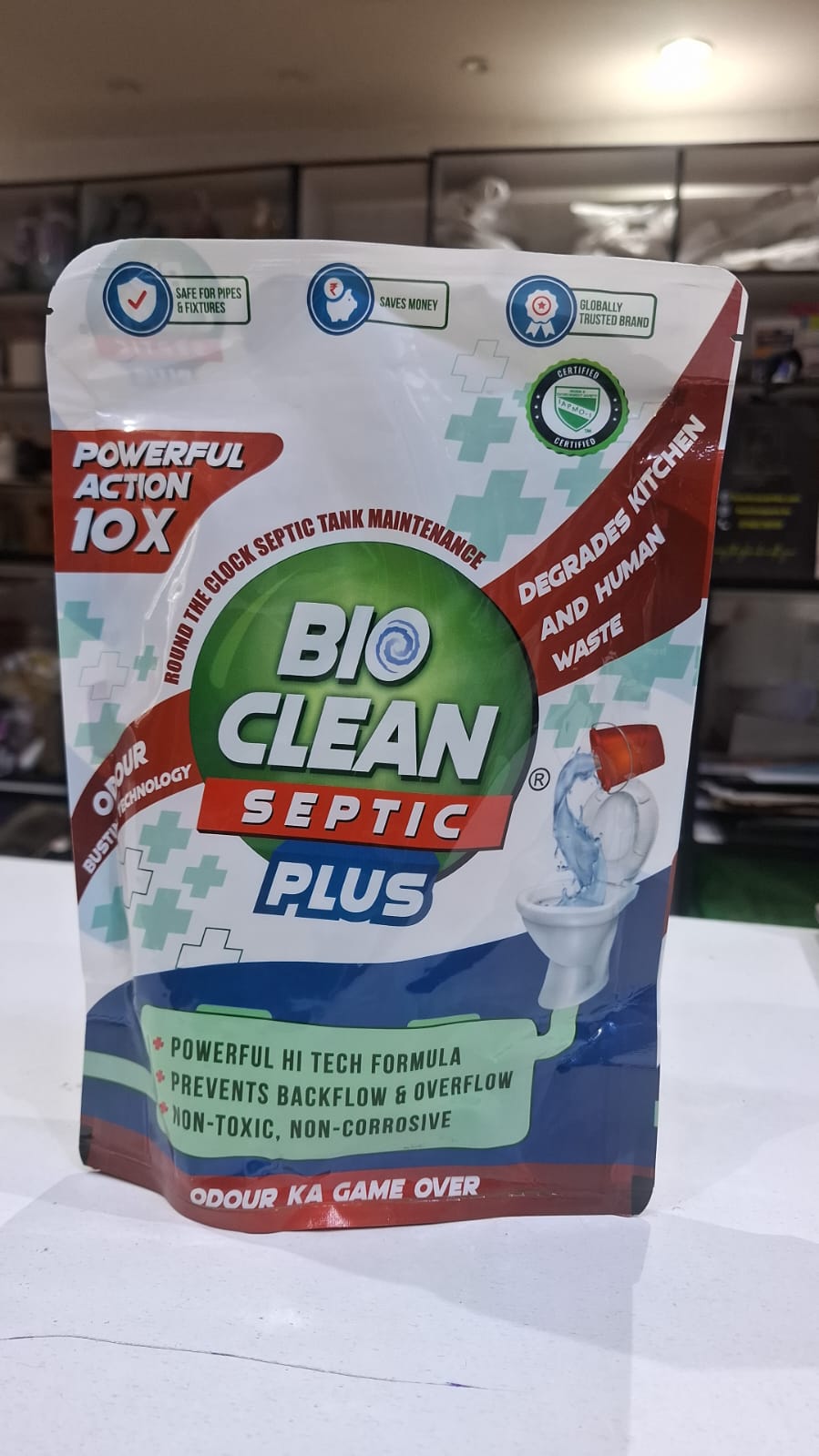
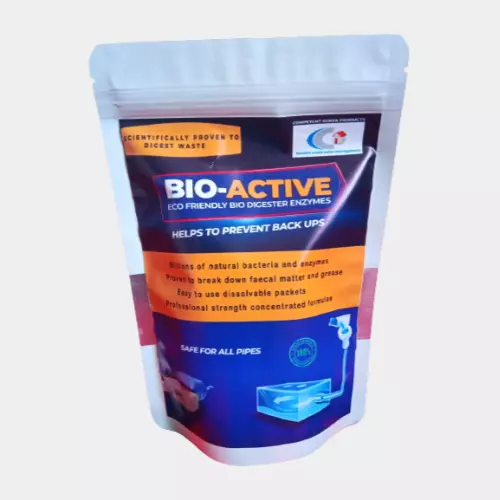
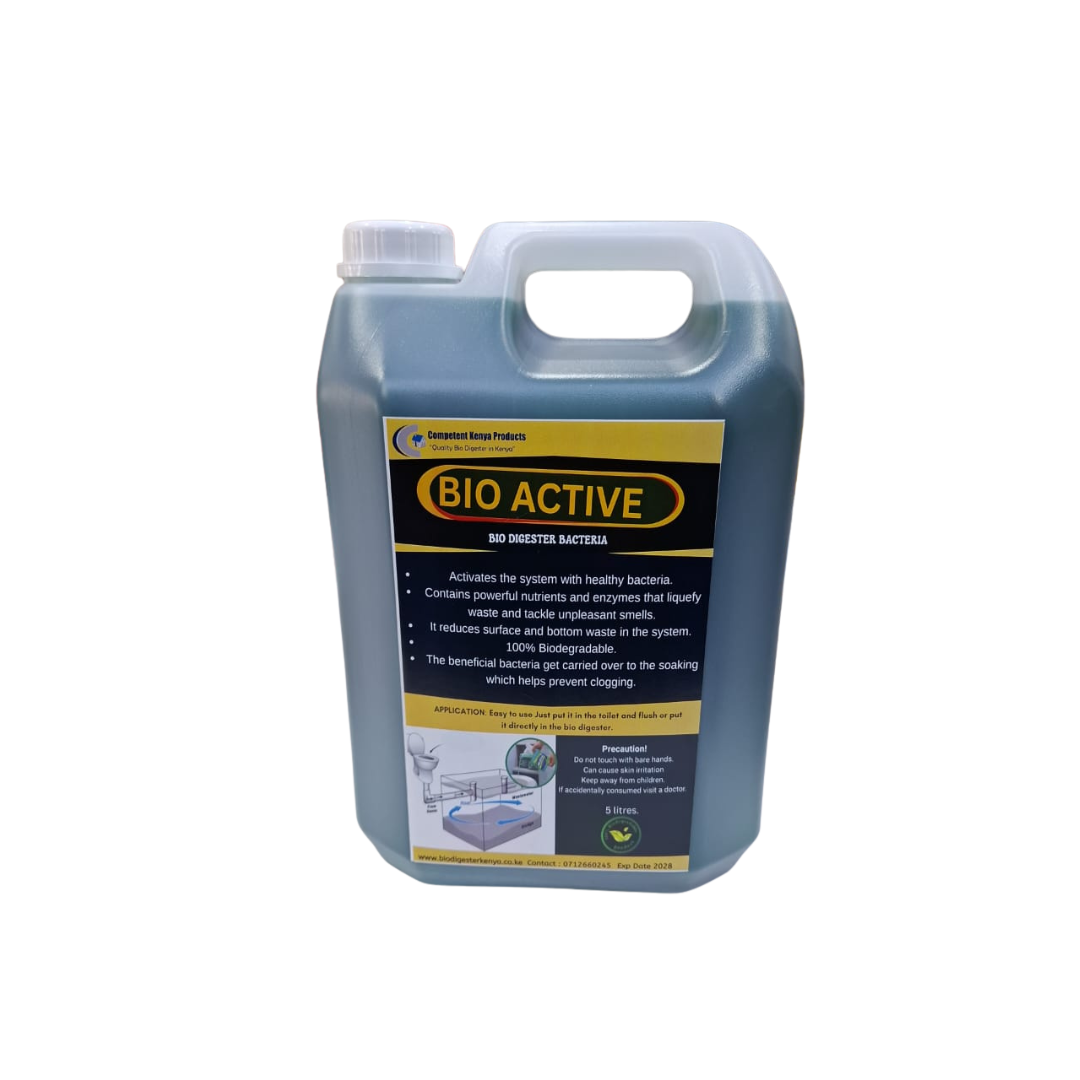
To restore the biological balance, I recommend using high-grade Bio Digester Bacteria.
For smaller residential systems, the Bio Digester Bacteria – 400g pack is sufficient to kickstart the digestion process.
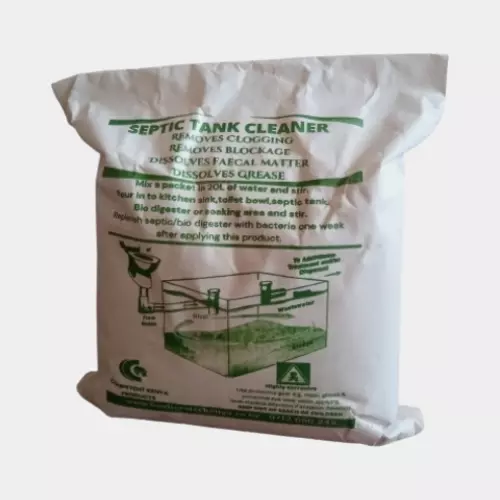
For larger, older concrete tanks that have become stagnant, applying a professional Septic Tank Cleaner can help break down the accumulated organic crust and improve flow.
Phone: Call +254 712 660 245
Email: Email info@biodigesterkenya.co.ke
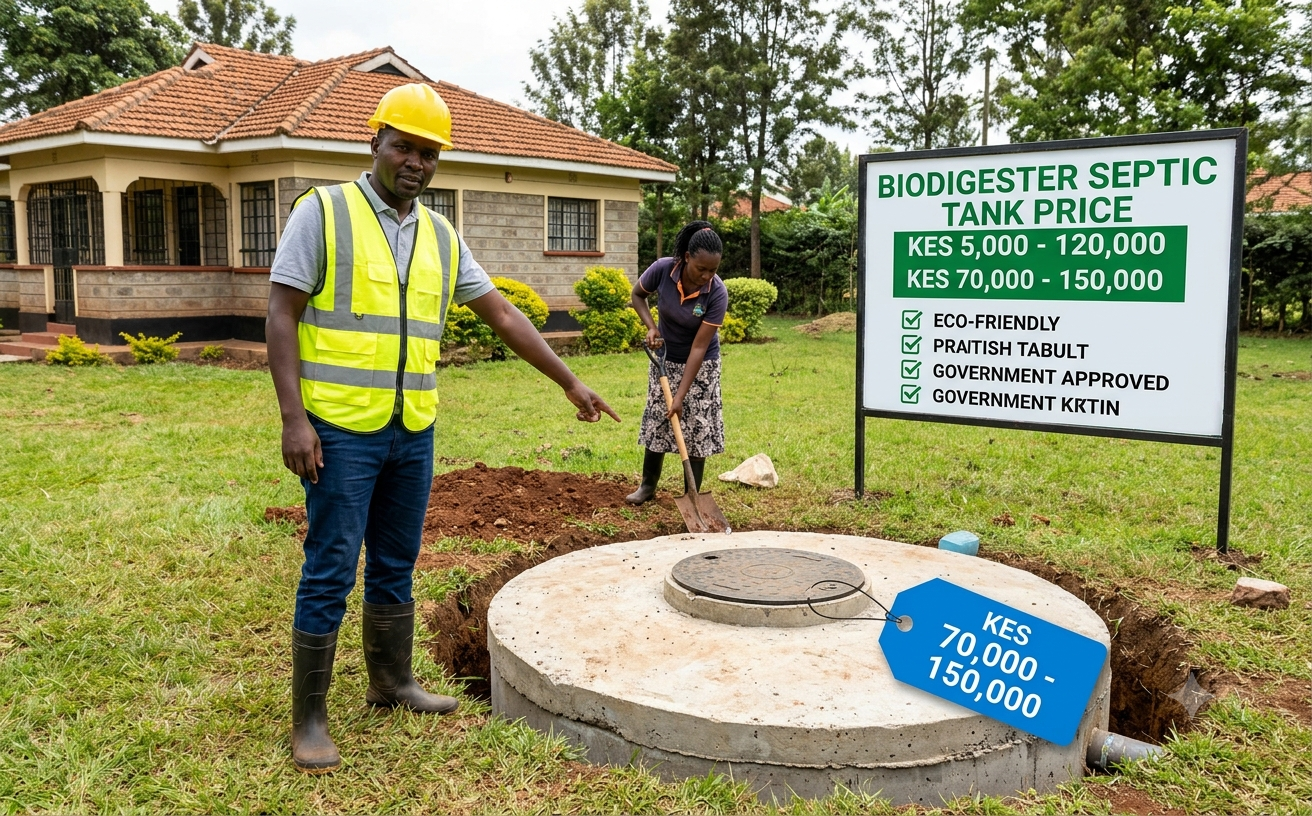
Comparing Long-Term Costs: Traditional vs. Bio-Digester
When developers look at costs, they often only see the initial installation price.
However, the “Life Cycle Cost” tells a different story.
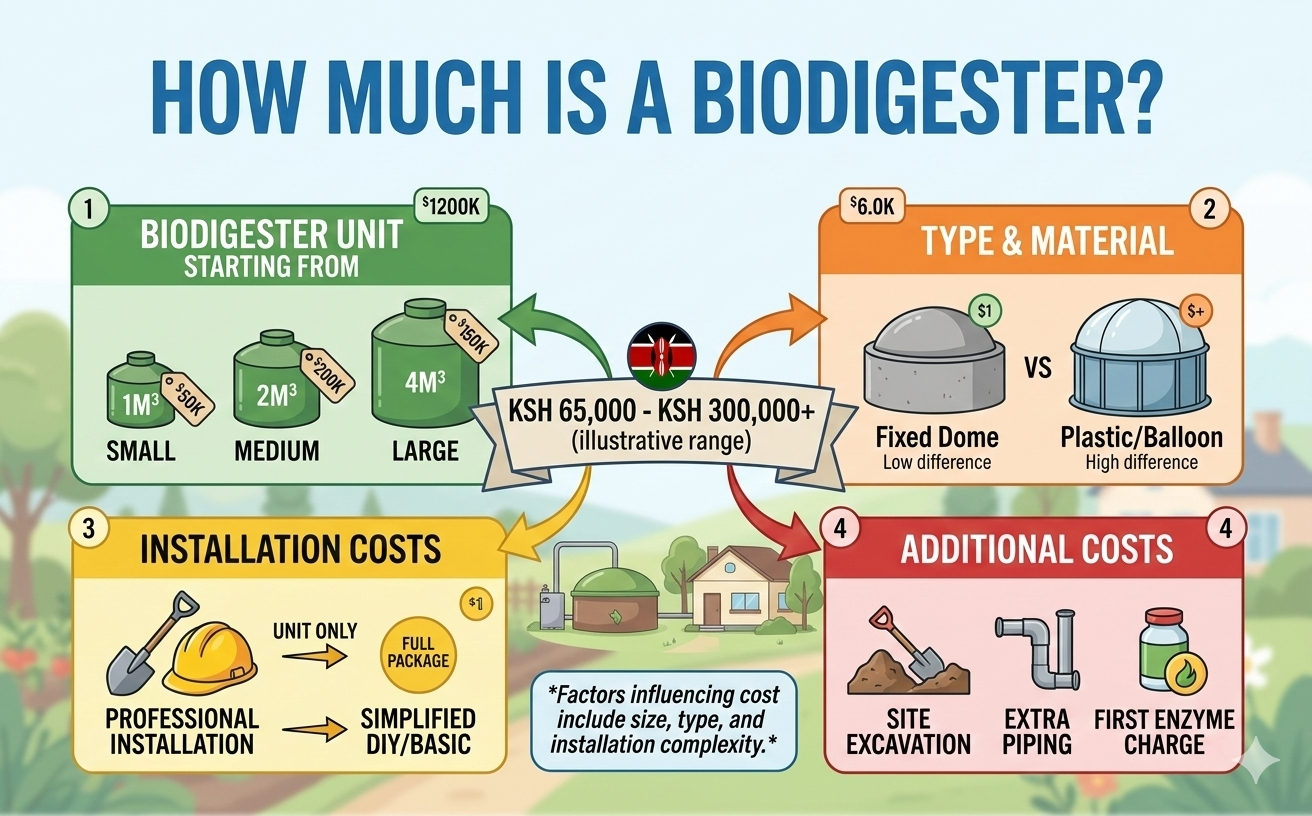
A traditional tank requires expensive excavation, massive amounts of concrete and reinforcement, and a lifetime of exhaust bowser fees.
A bio-digester requires a smaller footprint and almost zero maintenance once the enzyme colony is established.
If you are undecided, reviewing a detailed biodigester vs septic tank comparison will show you that the system pays for itself within a few years by eliminating cleaning costs.
Conclusion
Relying on perpetual septic tank cleaning is an expensive and inefficient way to manage sanitation.
By shifting from stagnant storage to active biological treatment, Kenyan homeowners can secure environmental freedom and significant financial savings.
Moving away from old concrete rings to Bio Digester Kenya installations ensures that your property remains odorless, NEMA-compliant, and free from the hassle of exhaust bowsers.
Ready to stop paying for bowser services?
Phone: Call +254 712 660 245
Email: Email info@biodigesterkenya.co.ke
FAQs
- Does a biodigester smell?
No, because the enzymes break down the waste completely into odorless air and water, unlike traditional tanks that release methane and sulfur gases. - How often do you add enzymes?
Depending on the load, most systems require a bacterial boost every 6 to 12 months to maintain peak digestion efficiency. - Can a bio-digester work in black cotton soil?
Yes, provided a properly engineered French drain or localized soaking area is installed to handle the treated effluent. - Do I need to empty a bio-digester ever?
When functioning correctly with the right bacteria, a bio-digester does not require the traditional “exhausting” or emptying process. - Is it possible to convert an old septic tank into a bio-digester?
Yes, by cleaning out the heavy sludge and inoculating the tank with specialized bio-digester bacteria to start the anaerobic process.