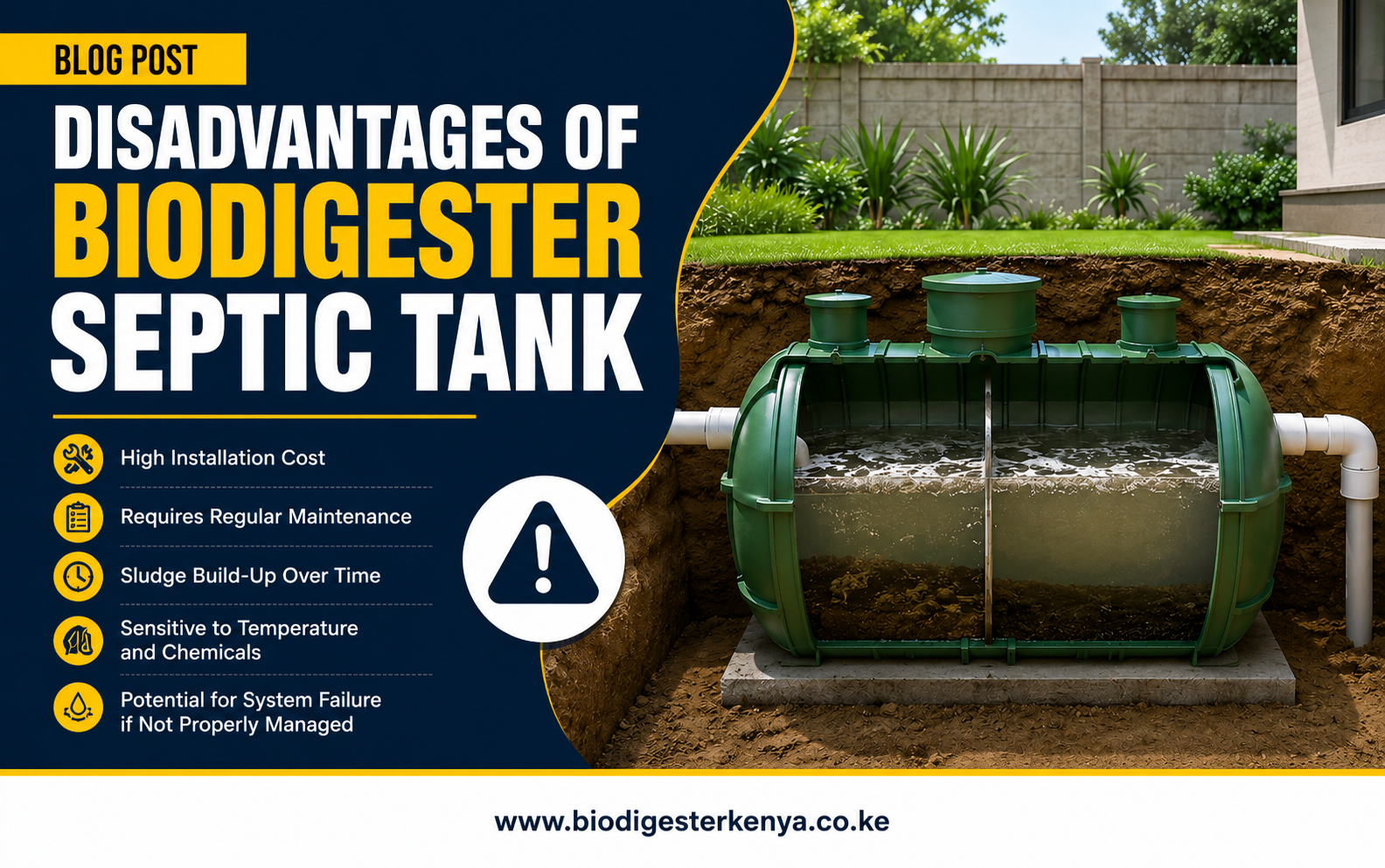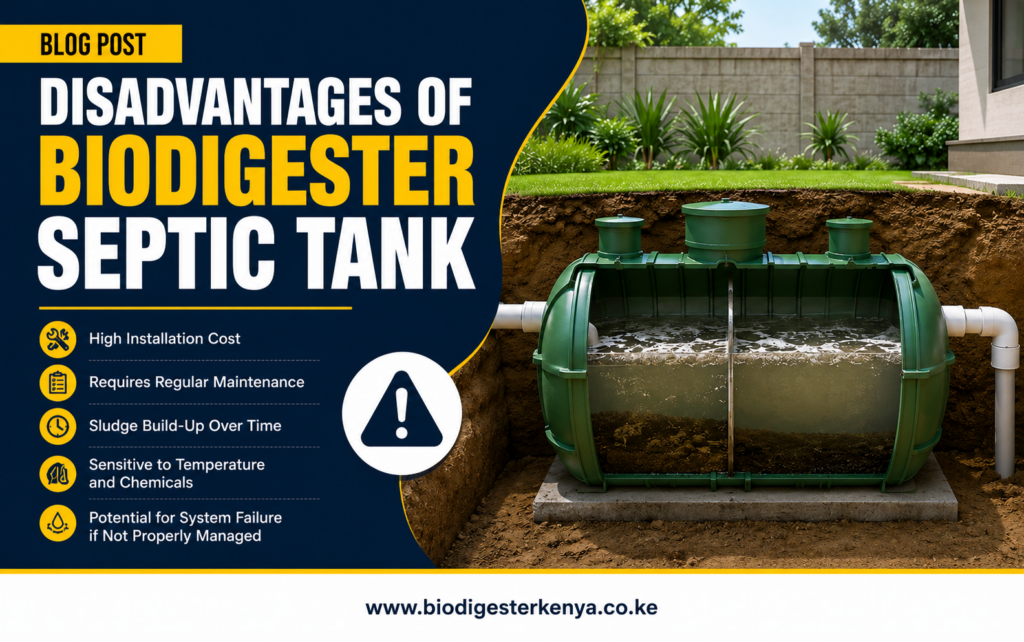
The primary disadvantages of biodigester septic tank systems center on their sensitivity to chemical shocks (such as excessive bleach), the requirement for precise enzyme maintenance, and potential soil absorption challenges in heavy black cotton areas.
When installed by amateurs, these systems can fail, but professional engineering eliminates these risks.

The Technical Reality of Biodigester Limitations
As an engineer who has spent a decade in the trenches of Nairobi, Kiambu, and Kajiado, I can tell you that no system is “magic.”
While biodigesters are vastly superior to old-school concrete rings, they operate on biological principles.
If you treat a living biological system like a dead concrete hole, you will encounter problems.
Sensitivity to Chemical Interference
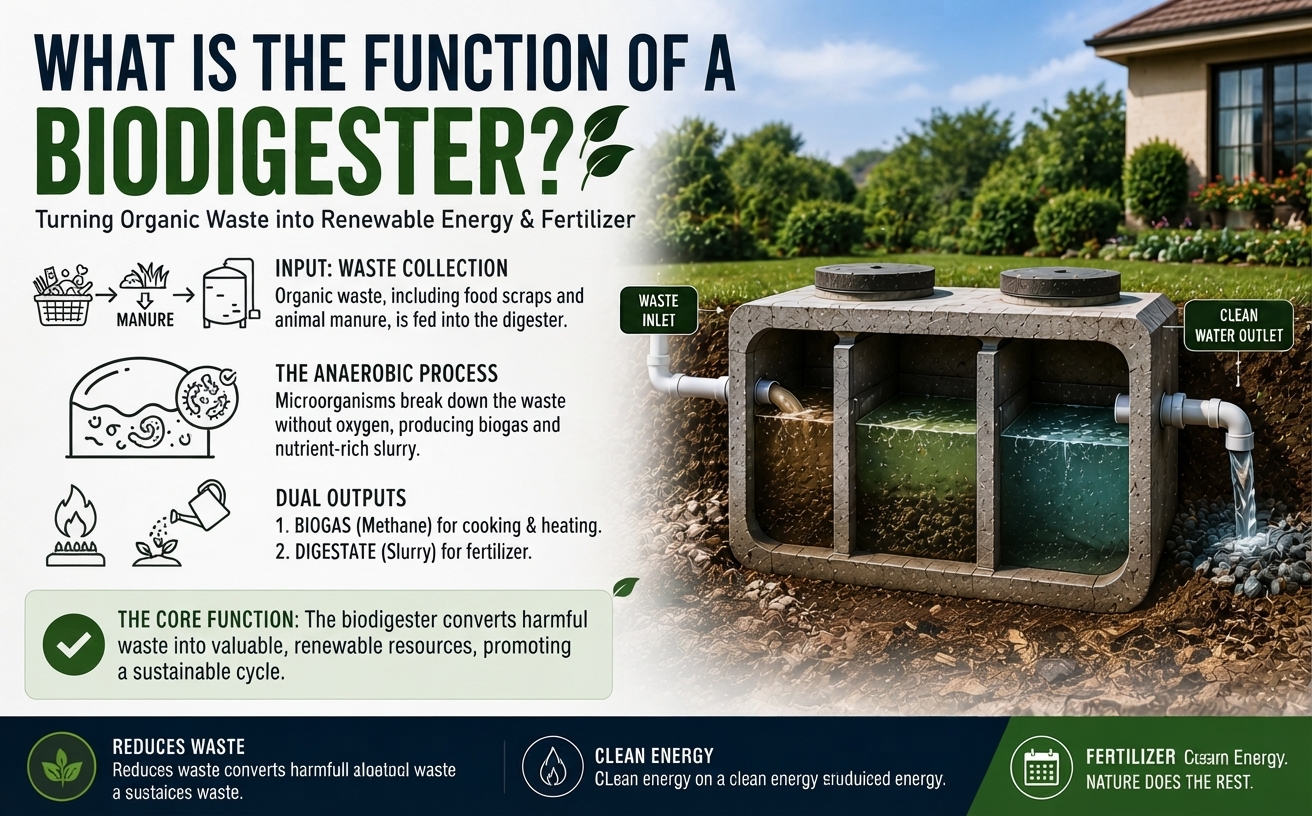
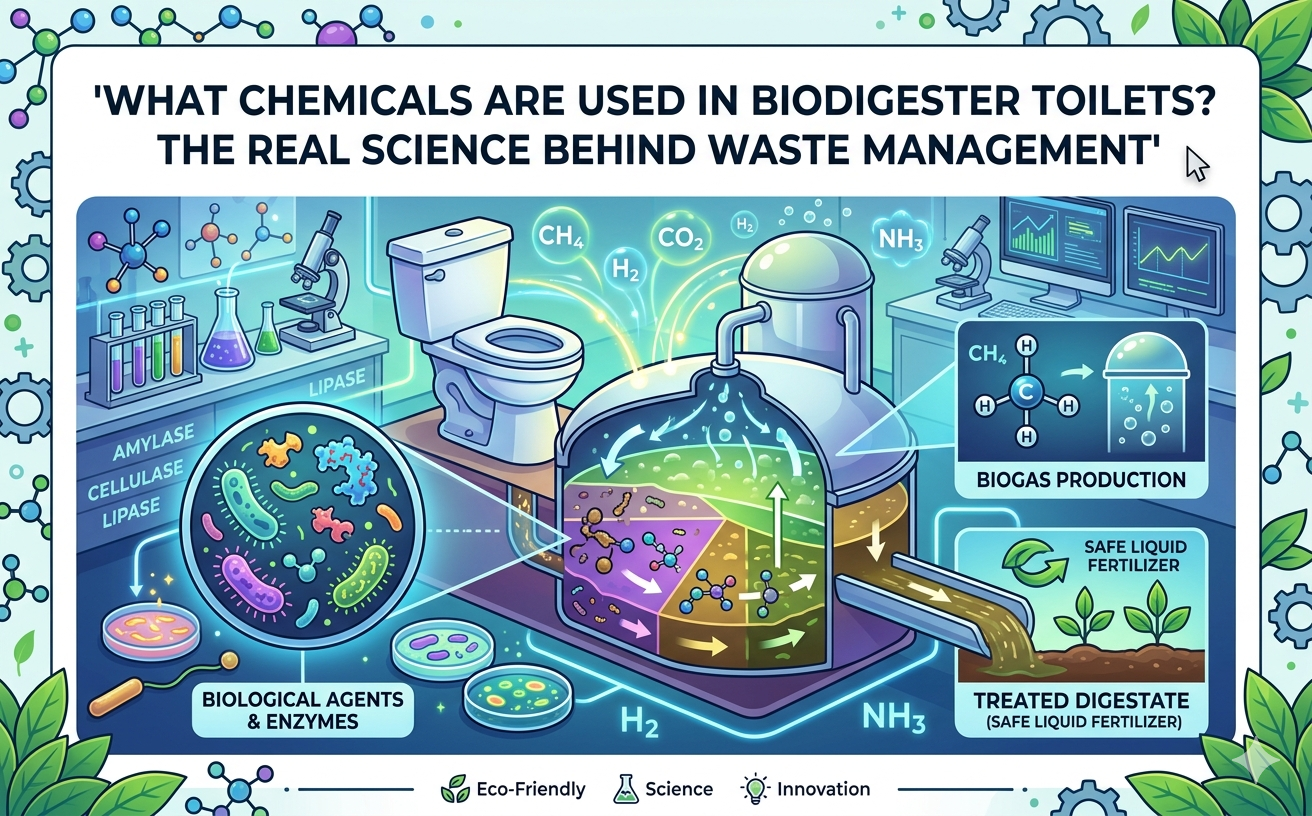
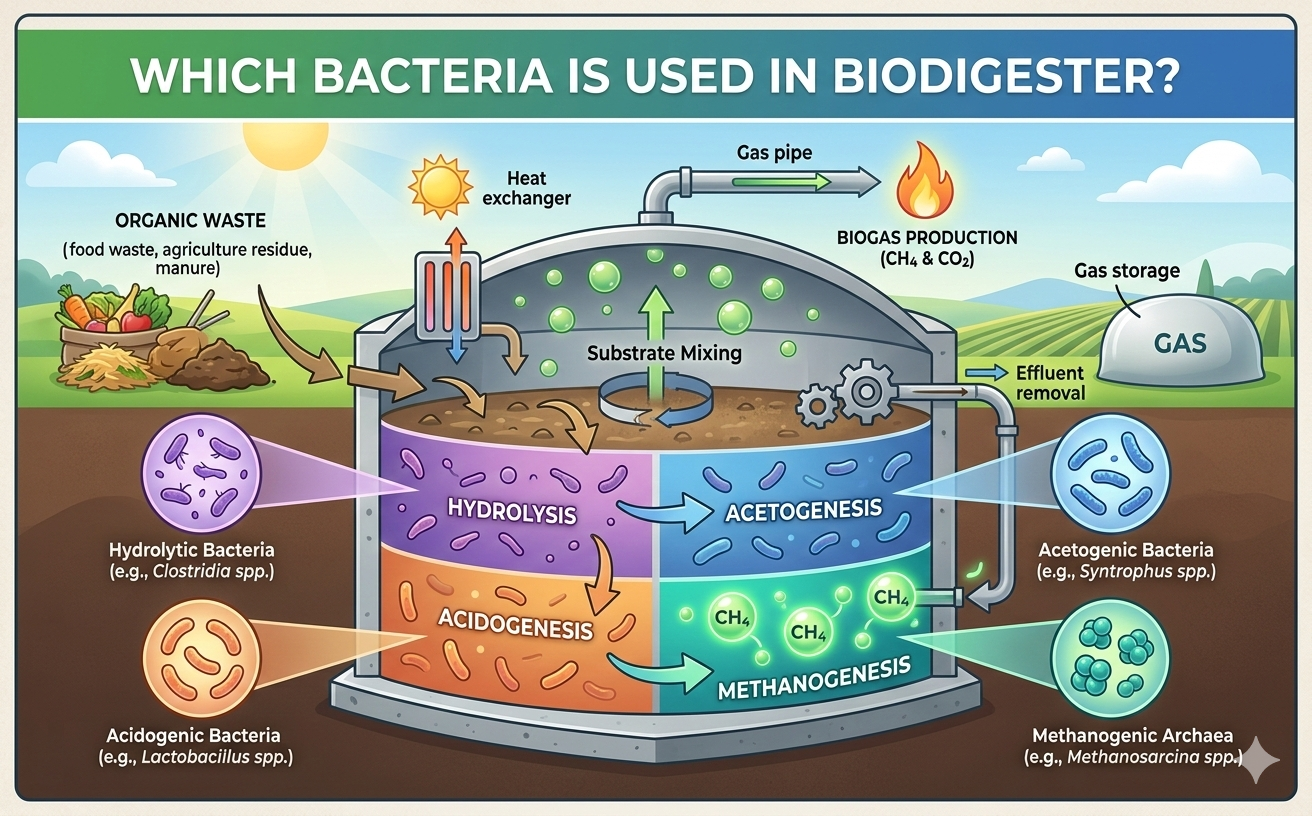
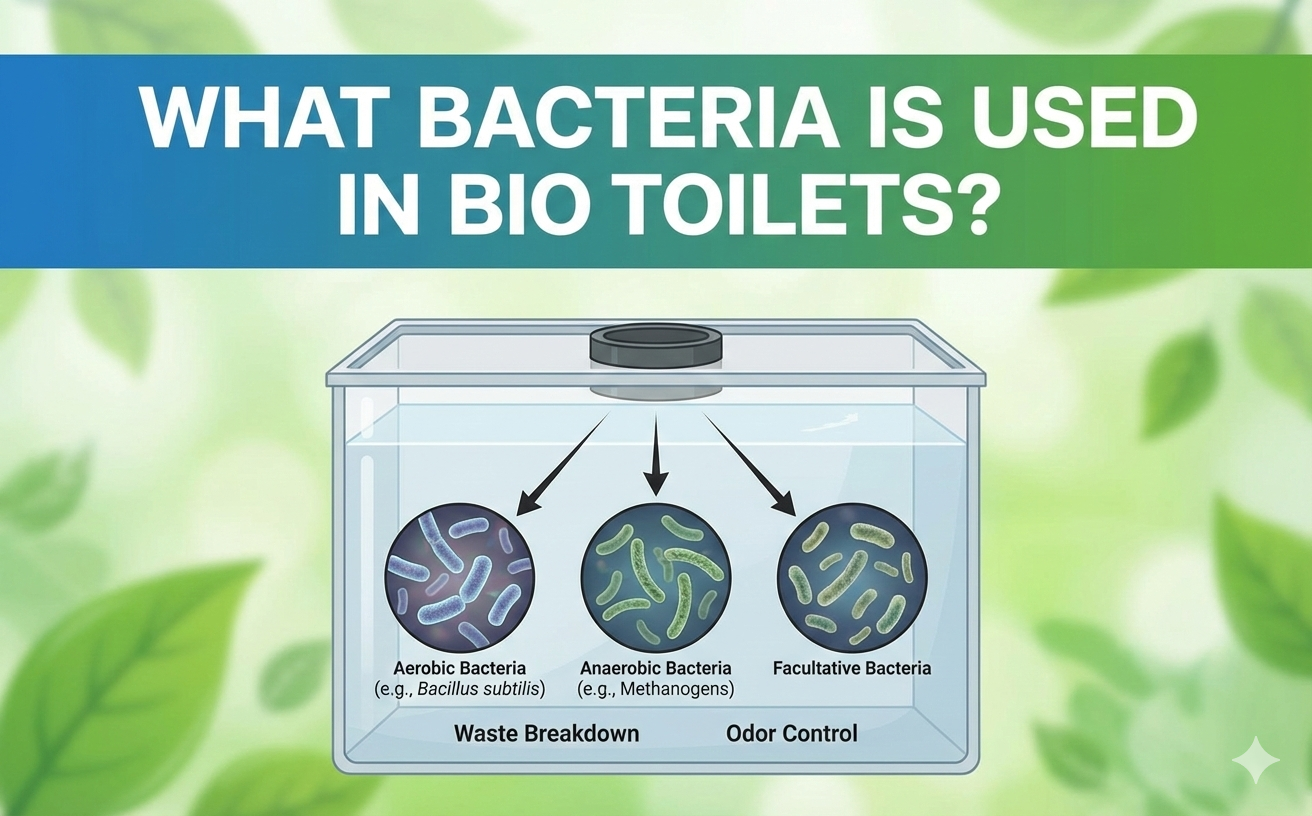
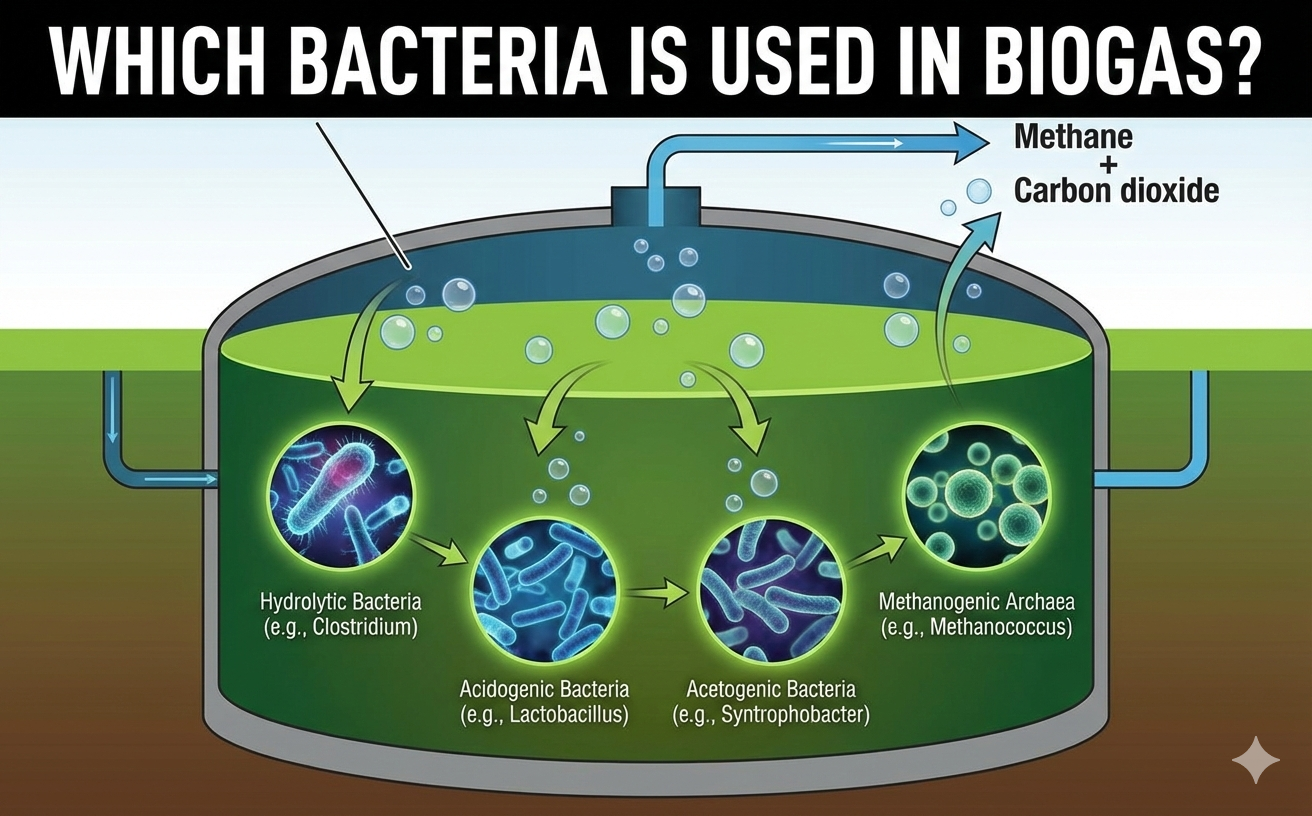
The most significant vulnerability is the reliance on anaerobic bacteria.
Many Kenyan homeowners make the mistake of pouring concentrated bleach or strong caustic soda down their drains to “clean” the pipes.
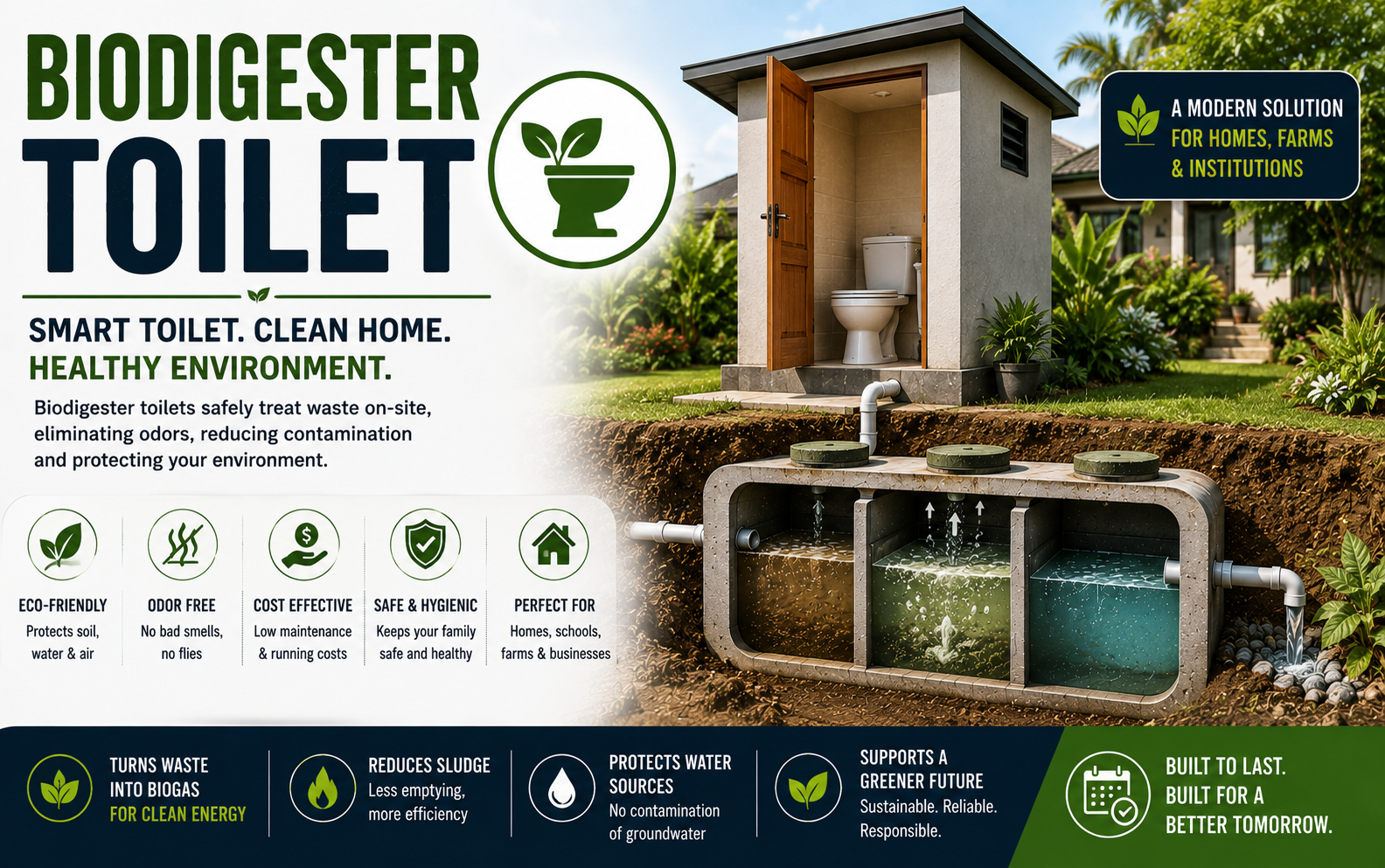
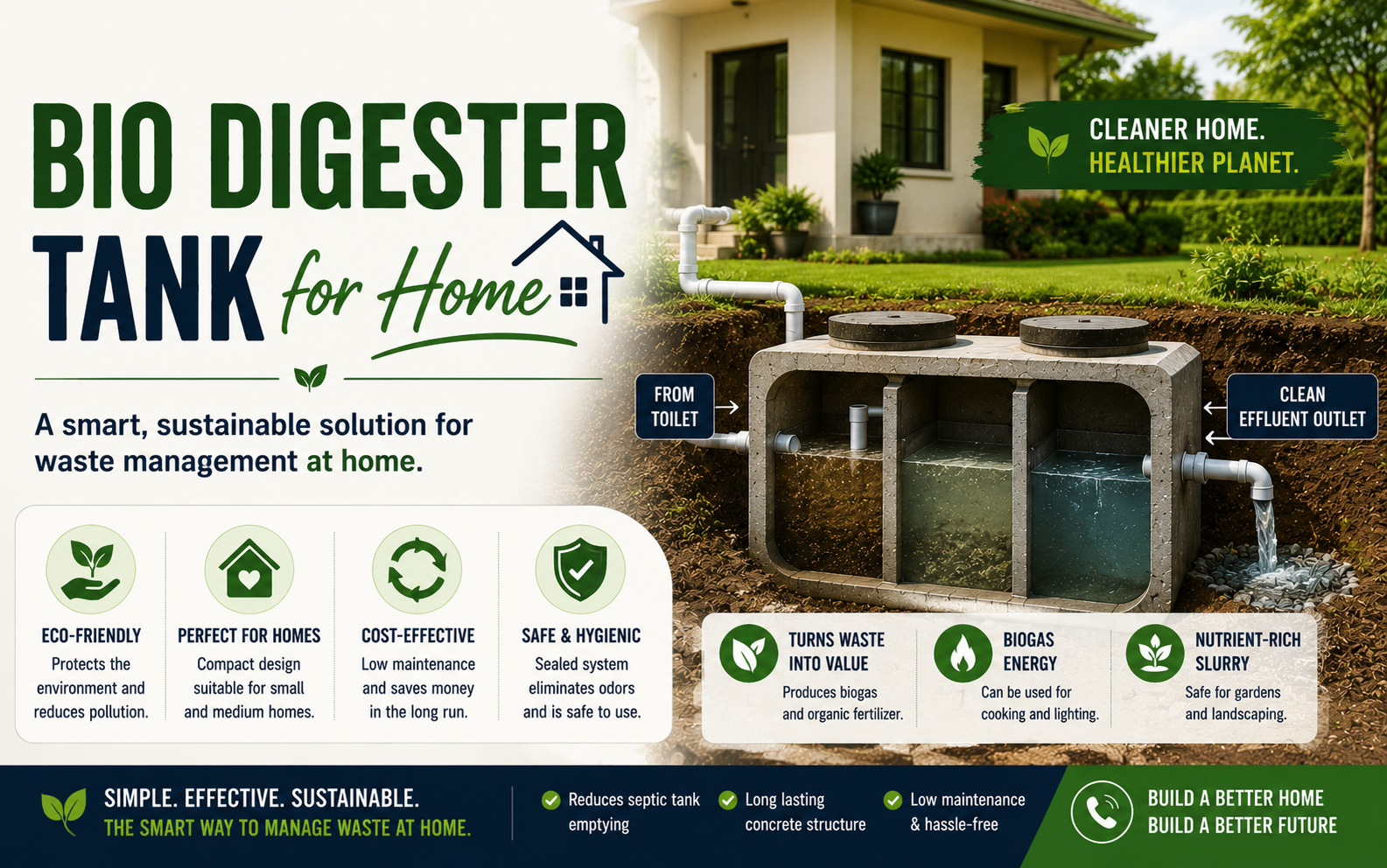
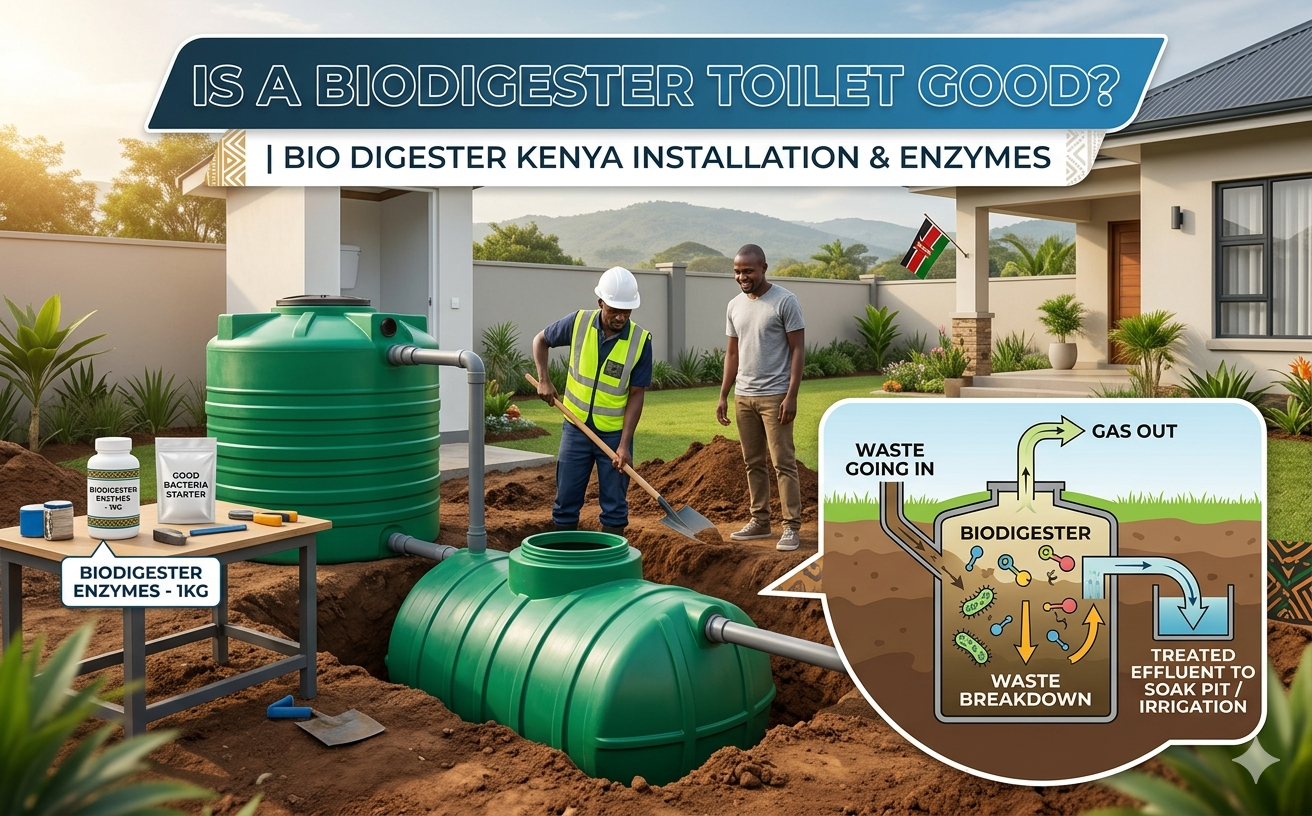
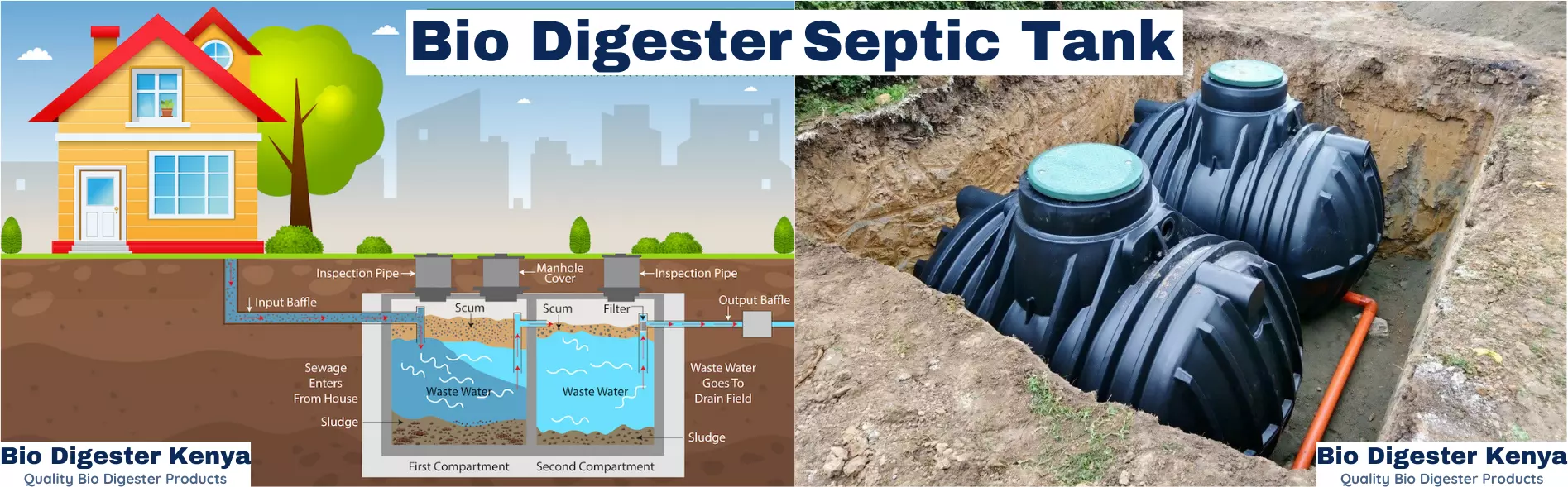
Because the system functions as a modern human waste management solution for residential homes and commercial spaces, it relies on a delicate colony of microbes.
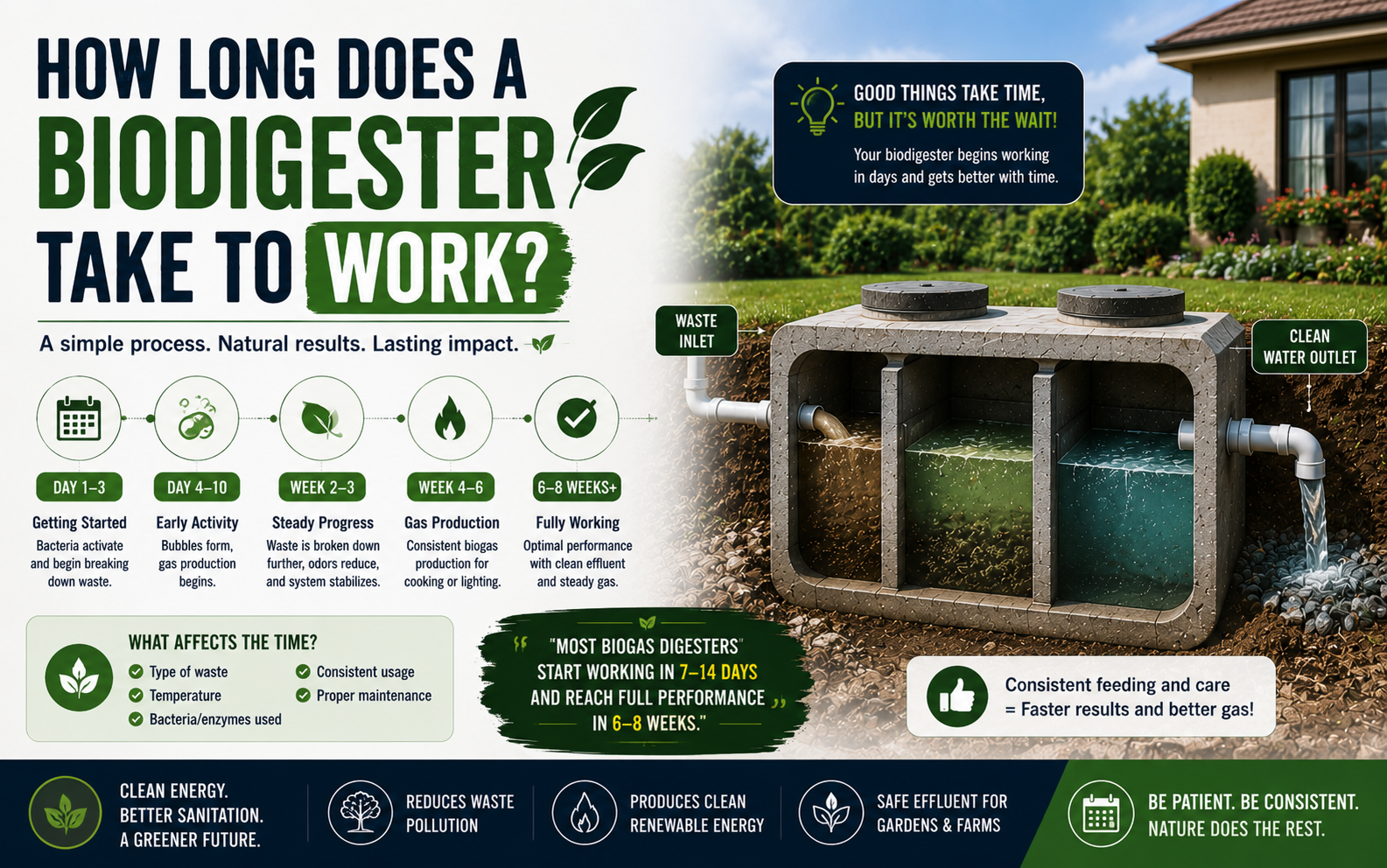
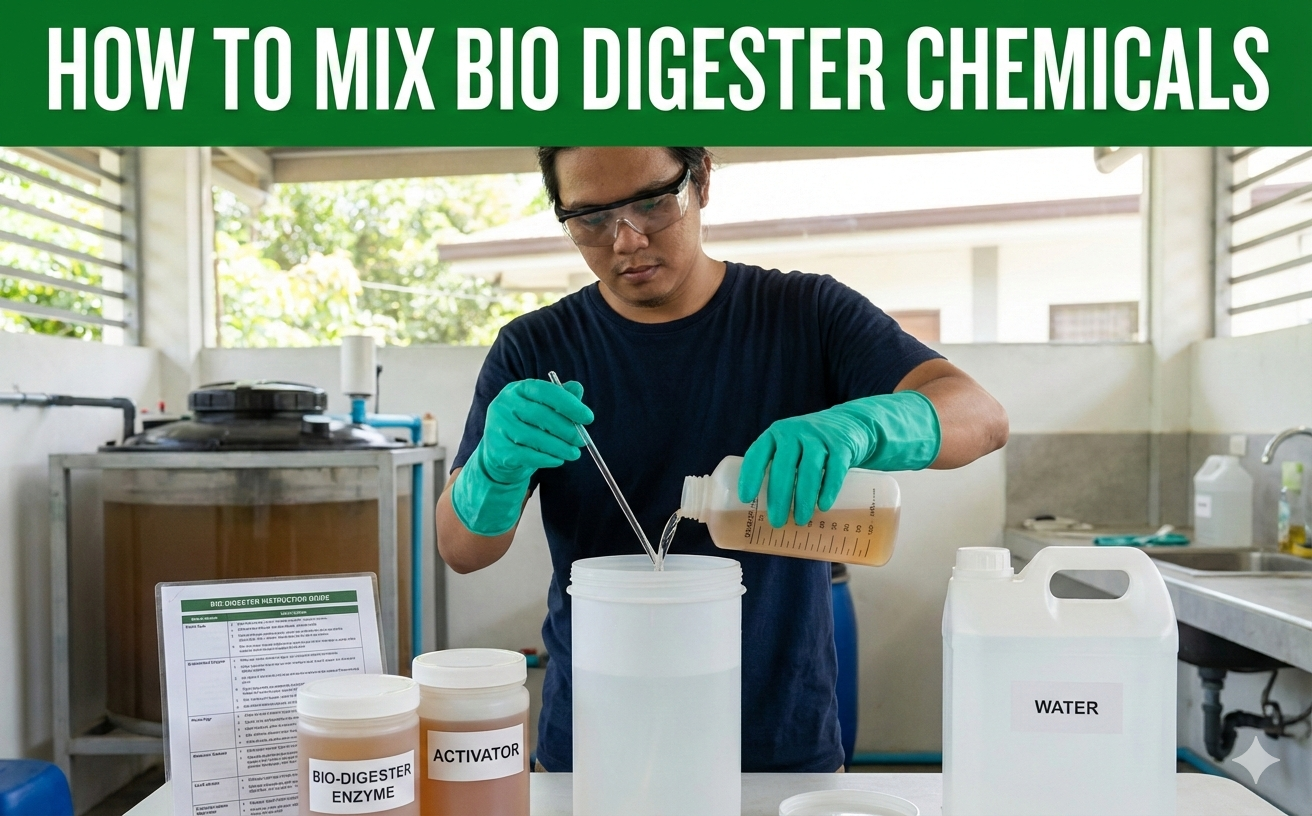
Overloading the system with harsh chemicals can kill the specialized biodigester enzymes that break down and consume the solid waste, leading to a sluggish system or odors.
Soil Percolation and Site Geography
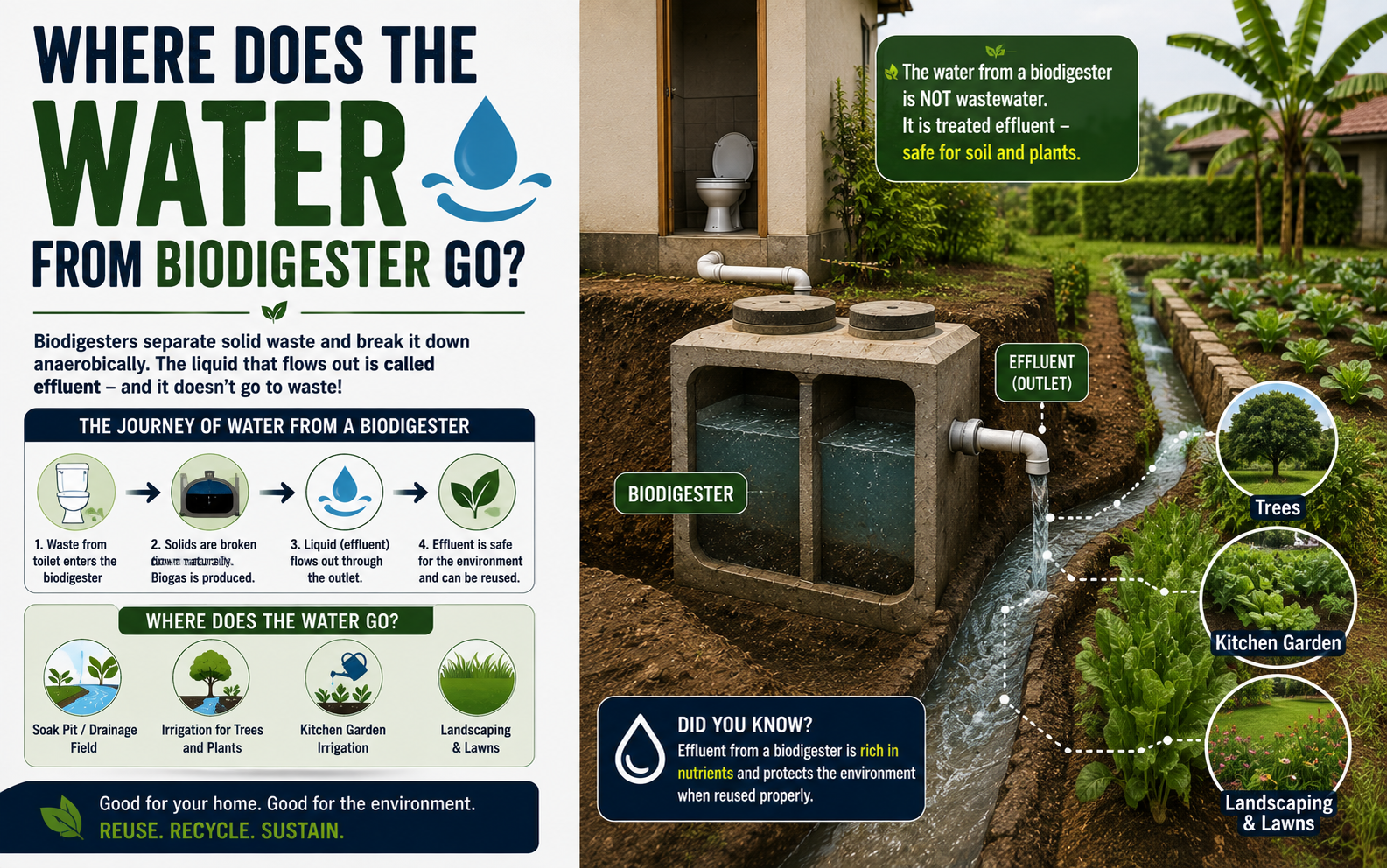
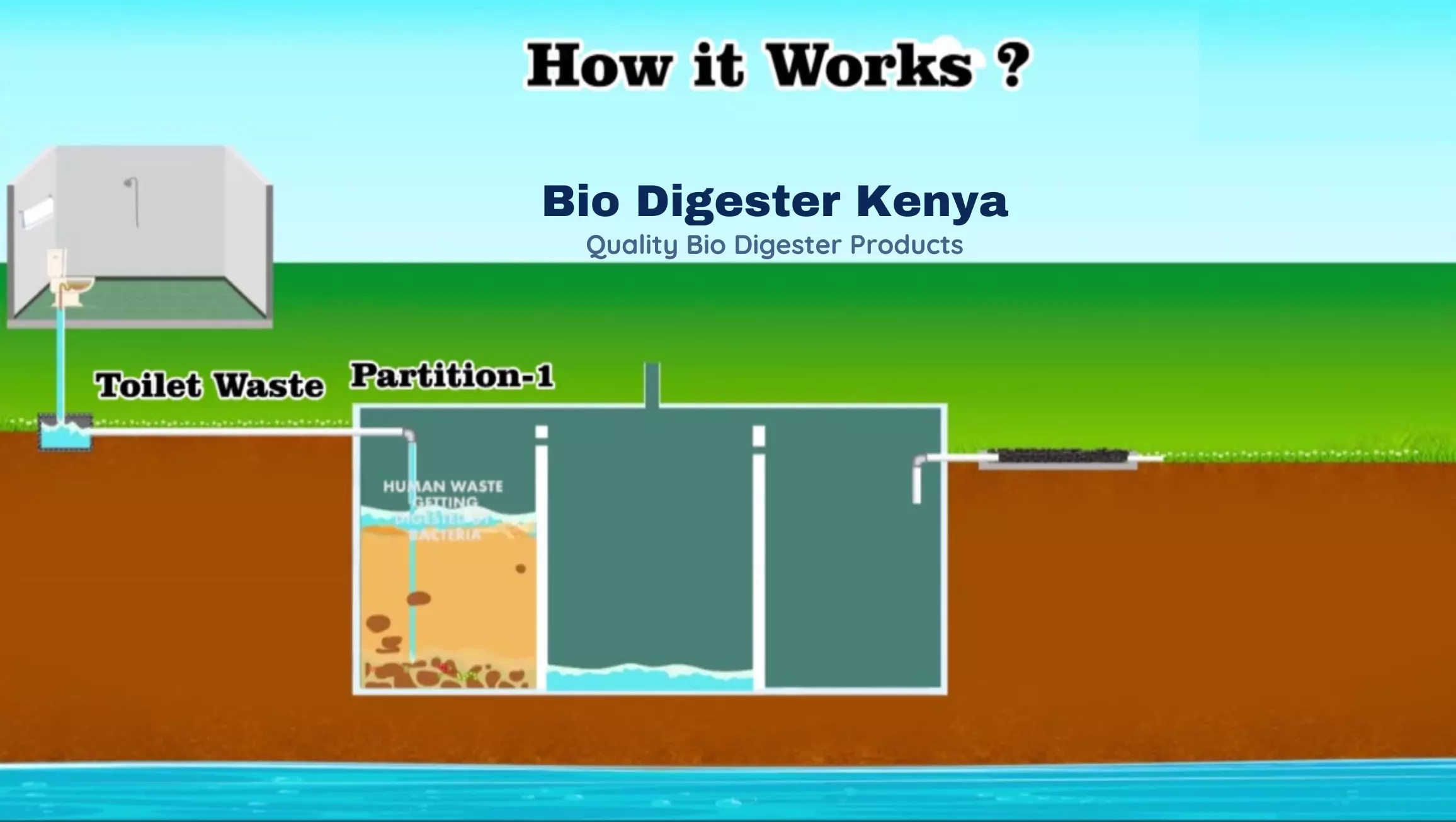
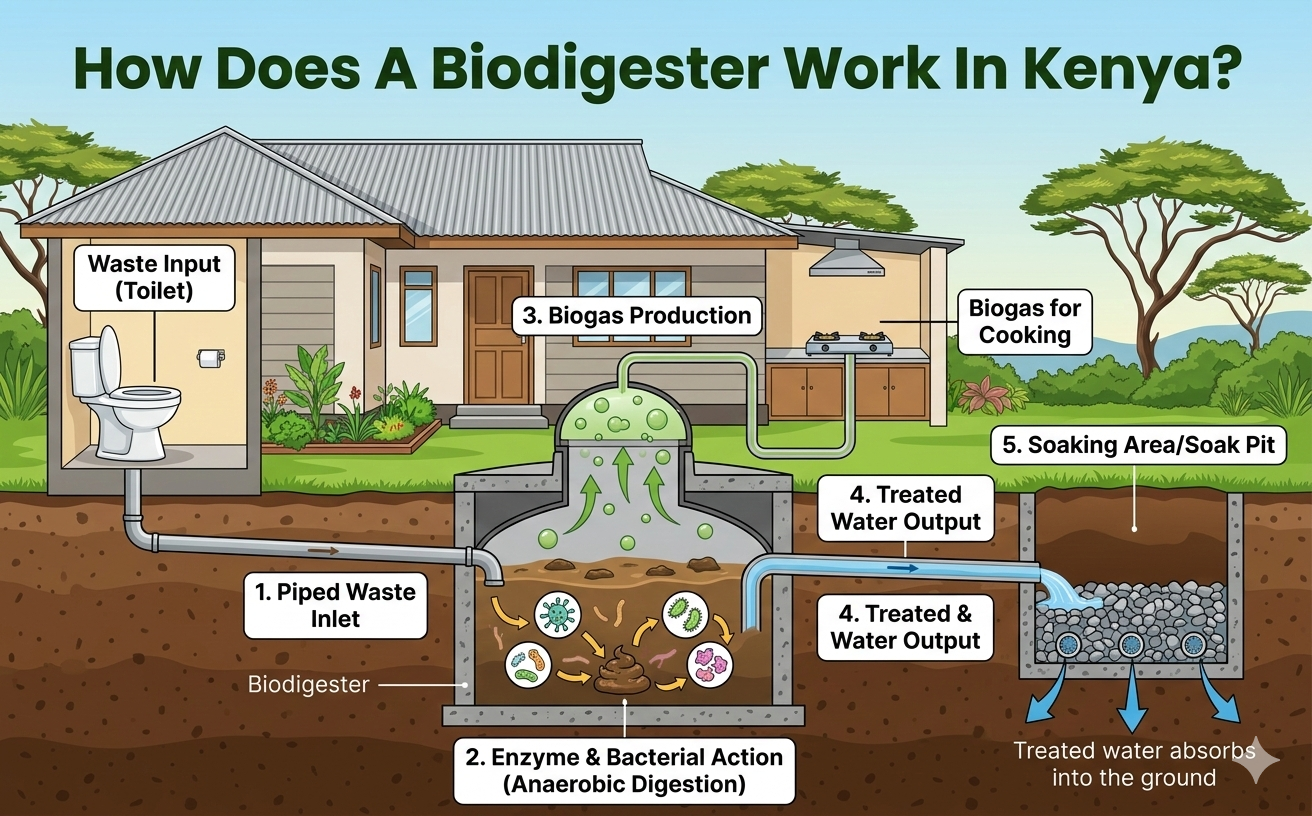
In regions like Kitengela or Kamulu, we deal with heavy black cotton soils. The biological end result of a biodigester is strictly treated water and odorless air.
This treated water is directed to a localized soaking area or French drain.
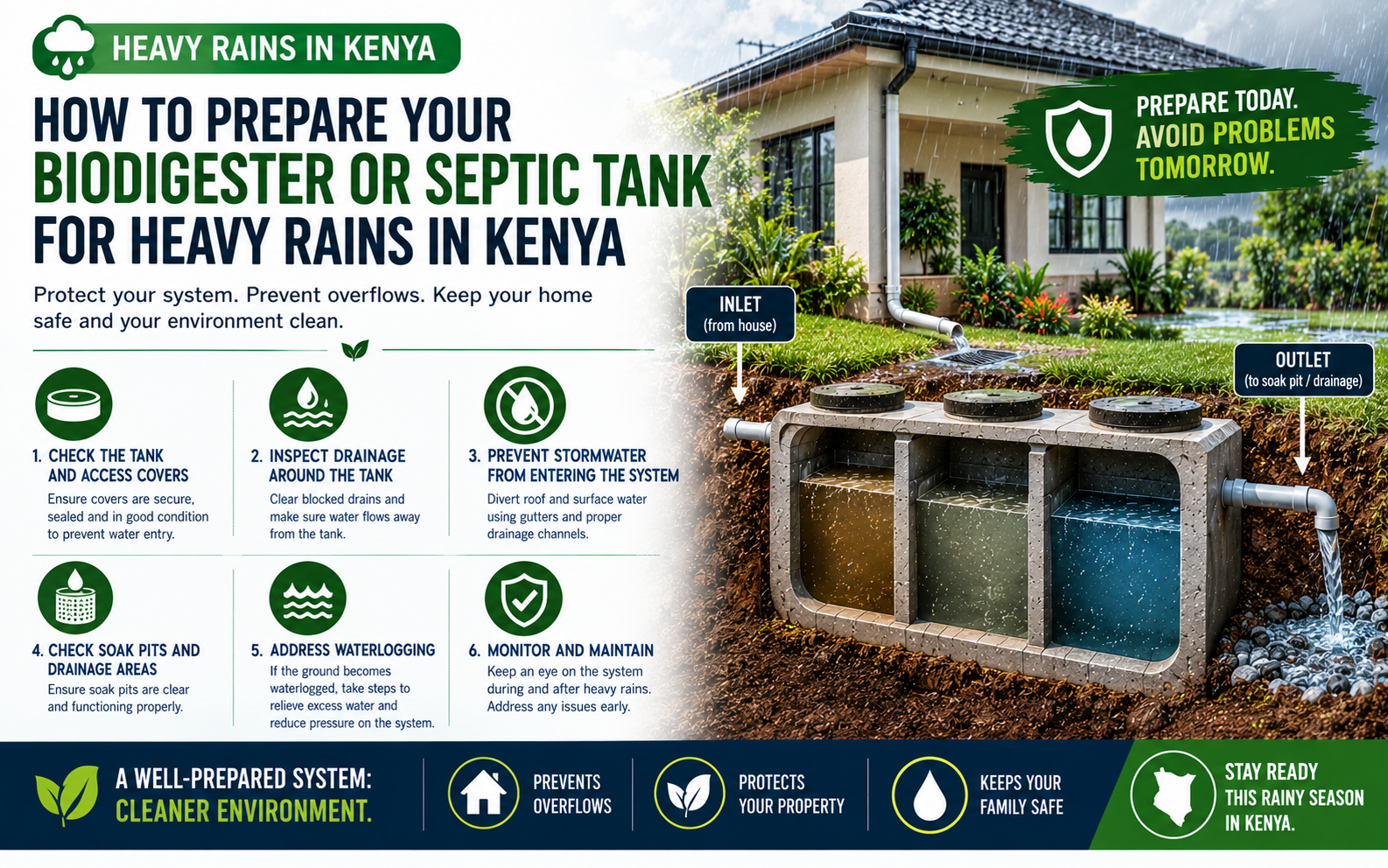
In soils with extremely low infiltration rates, a poorly designed soaking pit can saturate, leading to surface pooling during the rainy season.
This isn’t a failure of the biodigester itself, but rather a failure of the site engineering to account for local soil absorption rates.
The Risk of Poor Installation
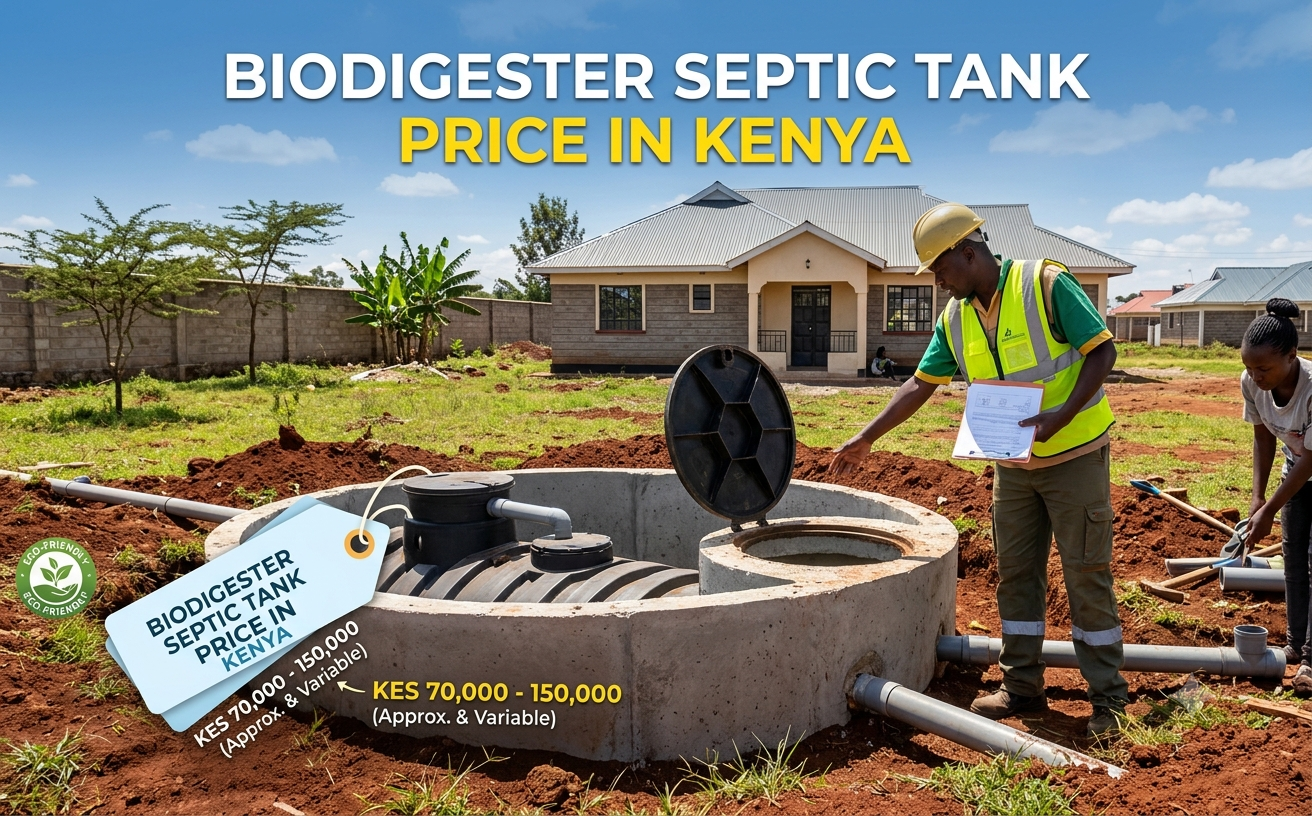
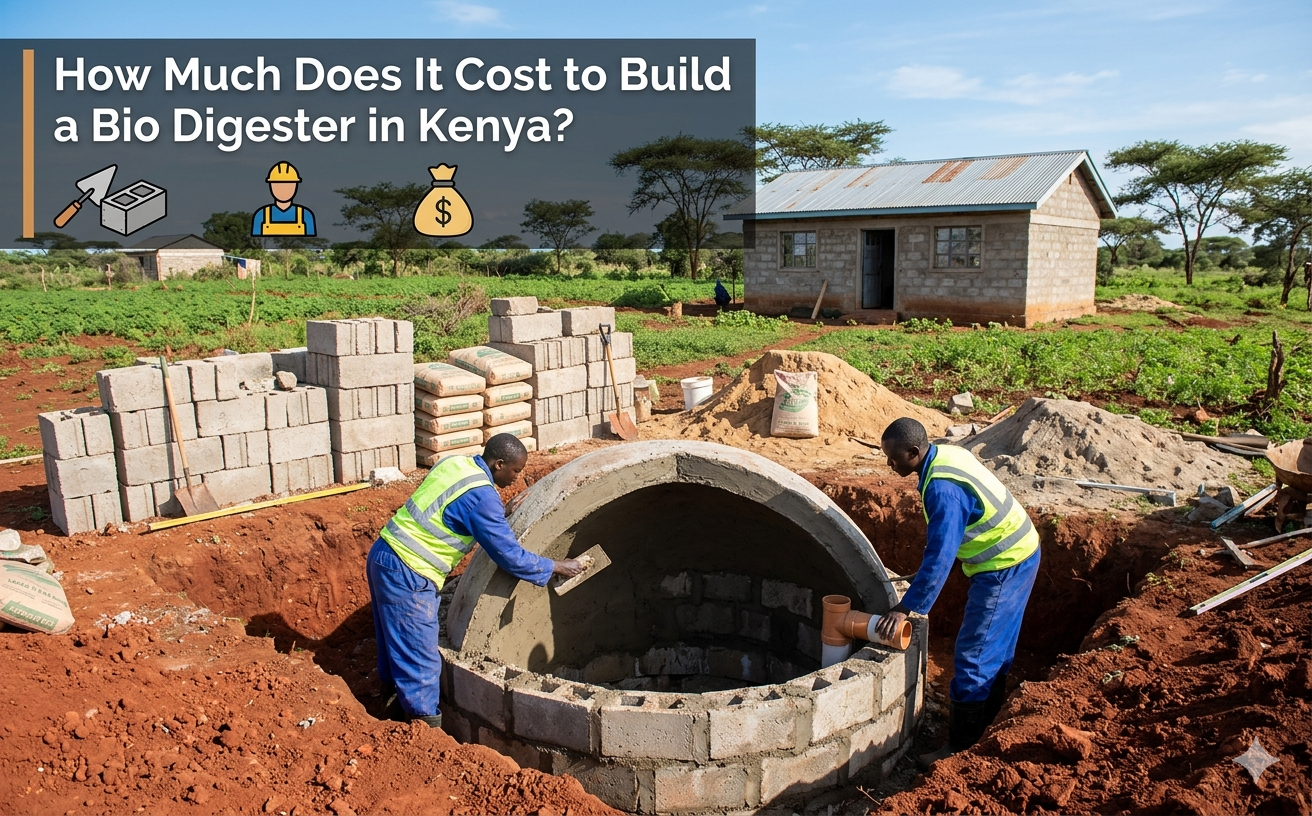
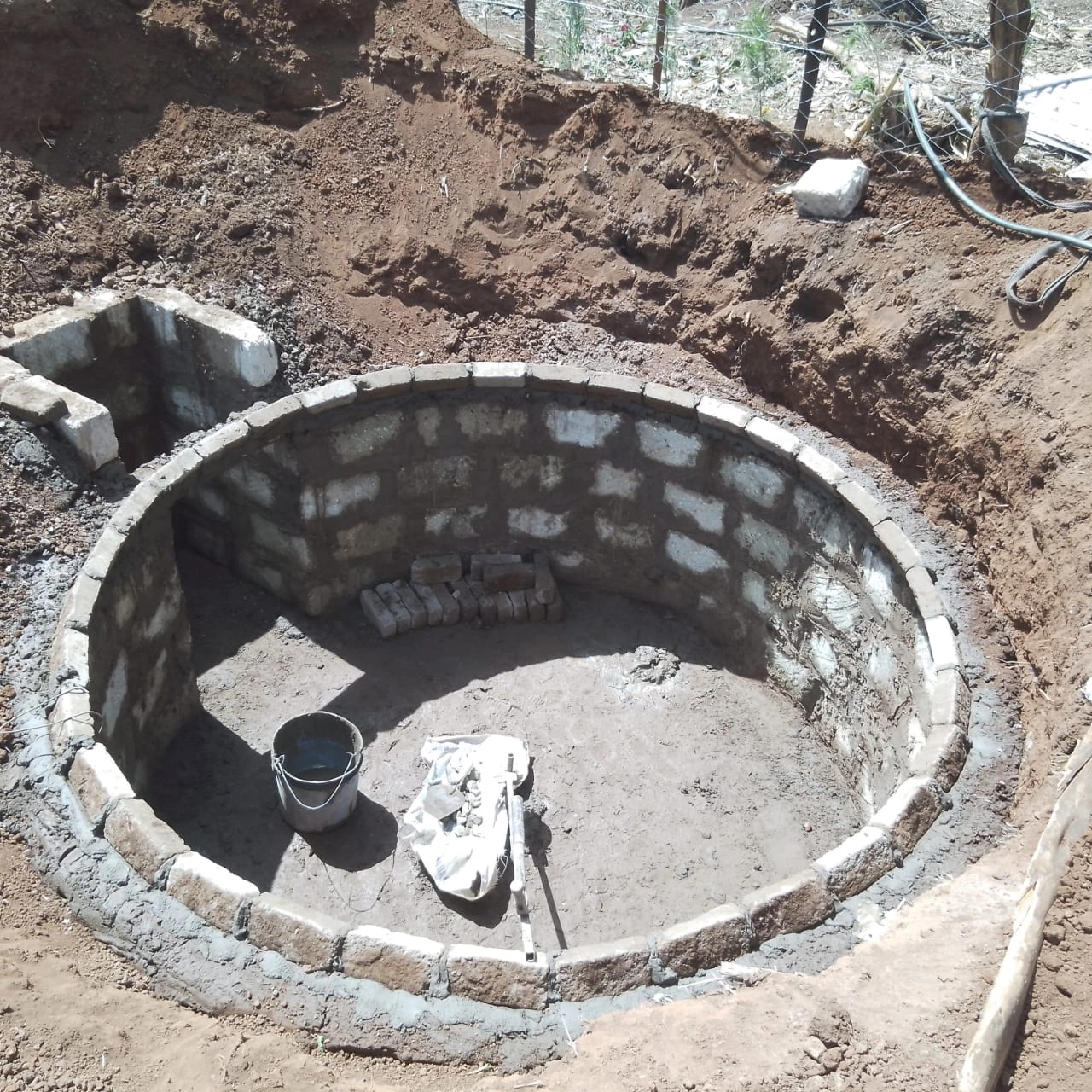
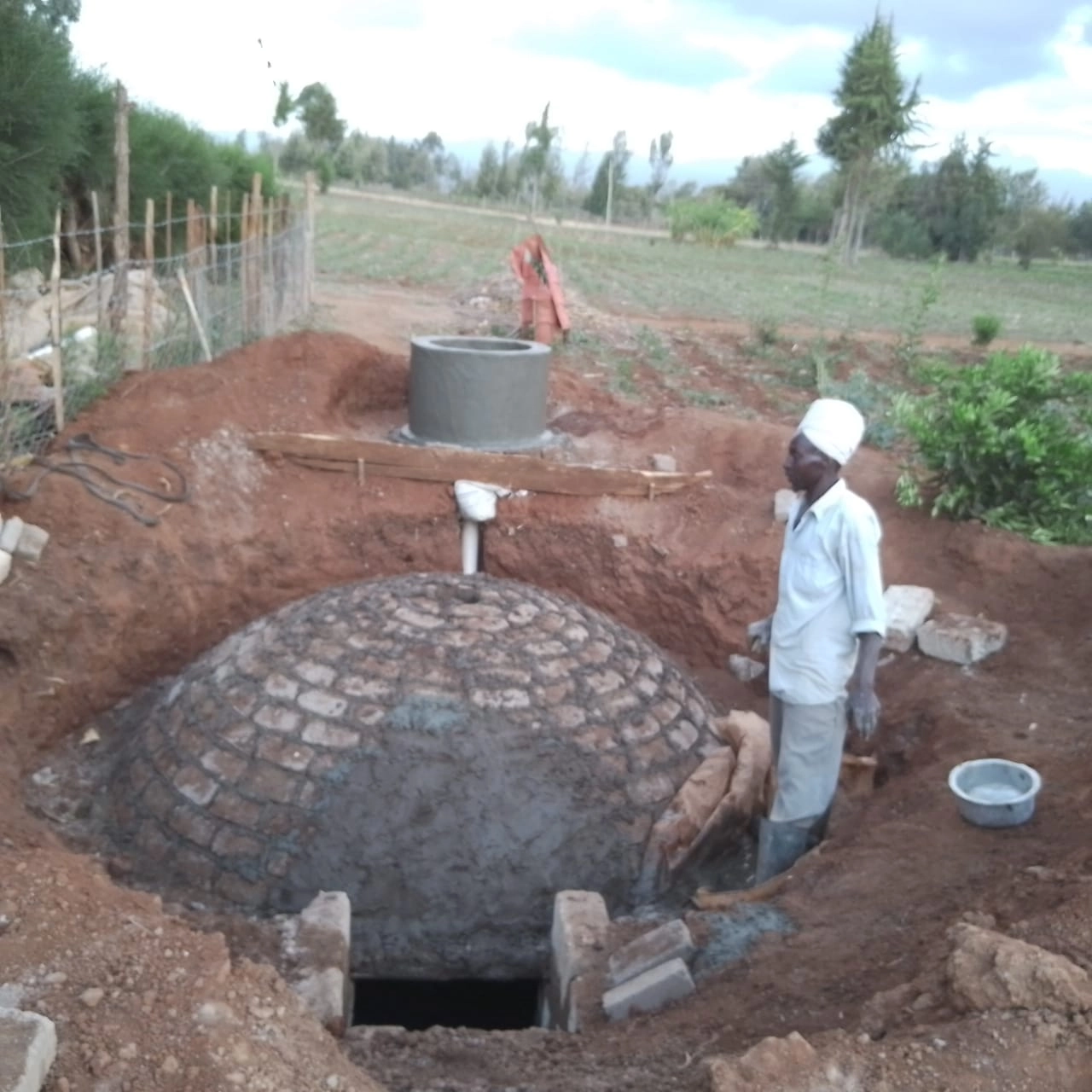
The market is currently flooded with “quack” installers who dig a hole and throw in a plastic tank without calculating the slope or the load-bearing capacity of the soil.
A biodigester installed without the correct gradient will suffer from backflow, and one installed without proper venting will struggle with gas release.
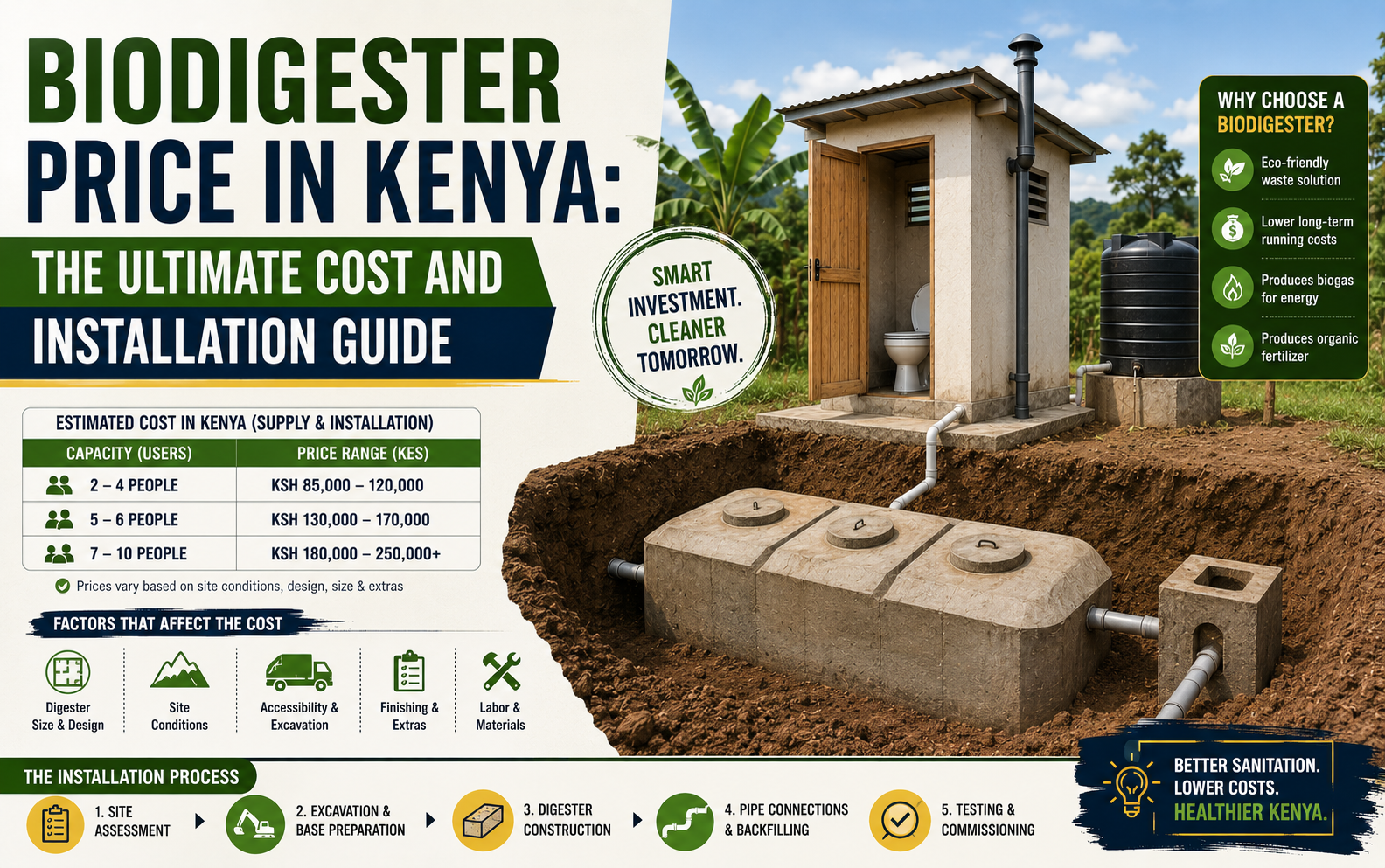
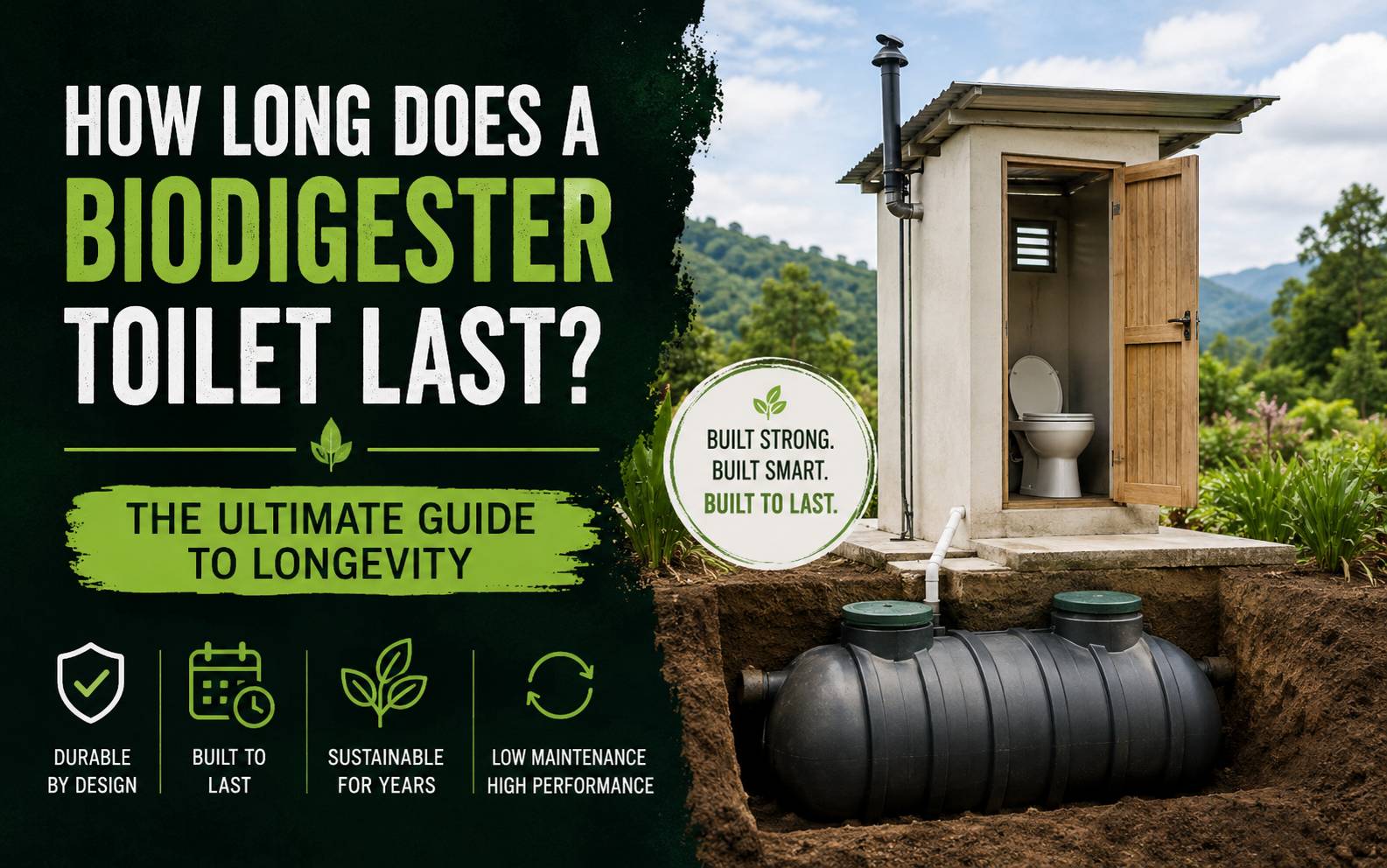
Professional Bio Digester Installation is the only way to ensure the system performs for its intended 20+ year lifespan.
Need technical advice on your site’s soil type? Phone: Call +254 712 660 245
How Bio Digester Kenya Overcomes These Disadvantages
We don’t just sell tanks; we engineer sanitation solutions.
We have developed specific protocols to turn the perceived “cons” of biodigesters into non-issues for the Kenyan property owner.
Optimizing for Black Cotton and Red Soils
For sites in Kiambu with red soils, absorption is generally high.
However, for the clay-heavy regions of the Eastlands or Kajiado, we implement expanded French drains and specialized filter media in the soaking area.
This ensures the treated water is safely absorbed into the ground, eliminating the need for recurring exhaust tank emptying and preventing the “swamp effect” during April rains.
Ensuring Biological Resilience
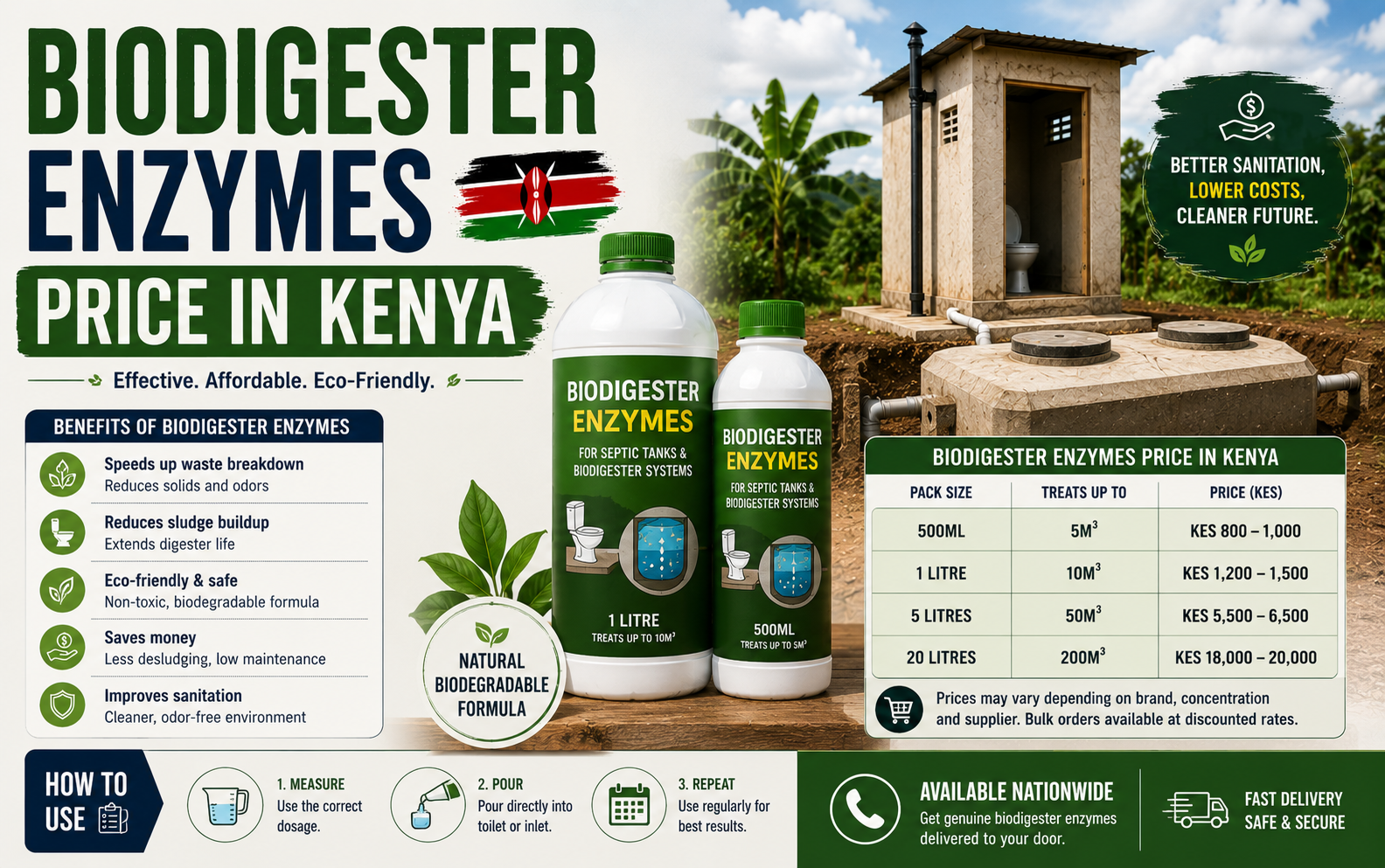
To prevent the system from stalling due to chemical use or overloading, we emphasize the role of biological catalysts.
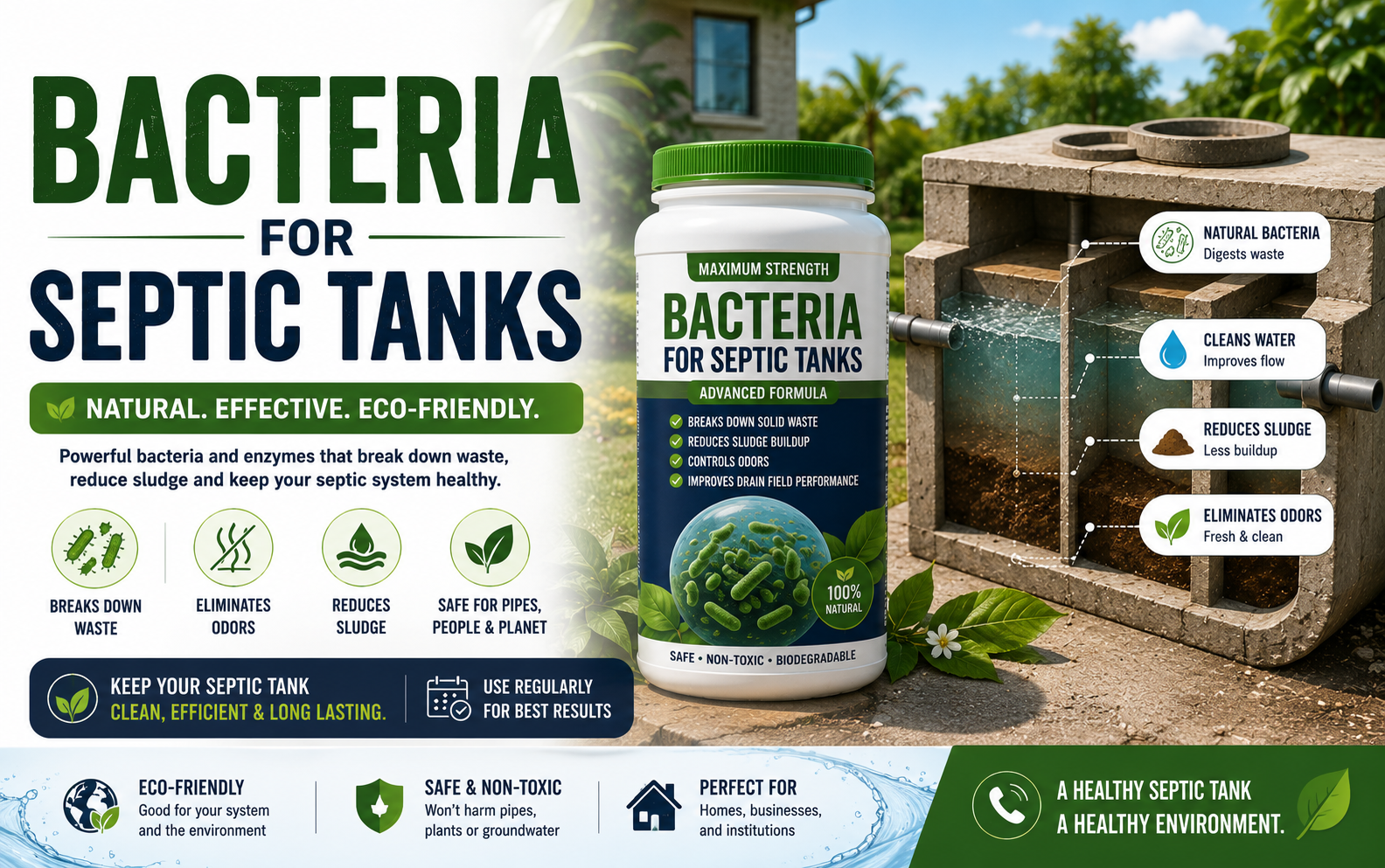
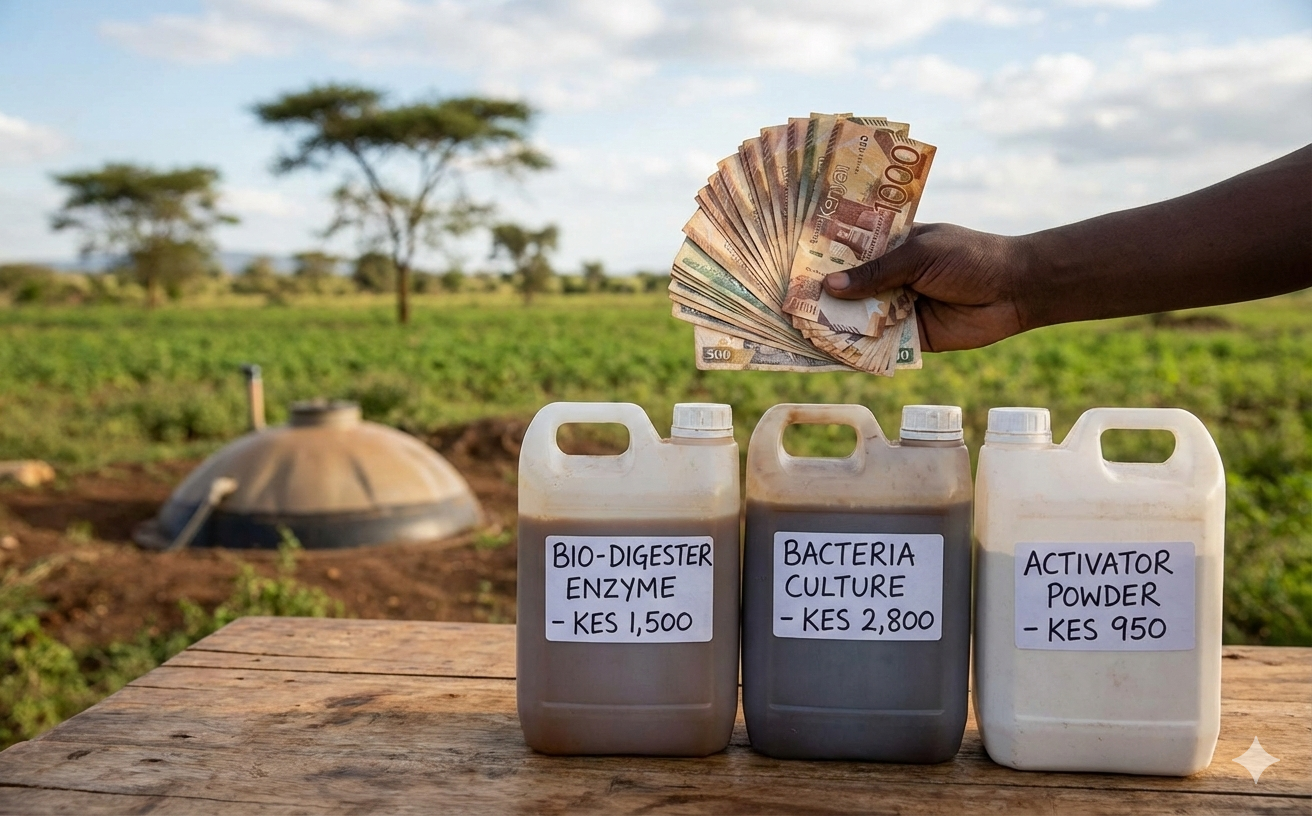
If a system becomes sluggish, we recommend applying Bio Digester Bacteria to replenish the microbial colony.
For older systems that have accumulated inorganic sludge, using a professional-grade Septic Tank Cleaner restores the flow and digestion efficiency without destroying the tank’s integrity.
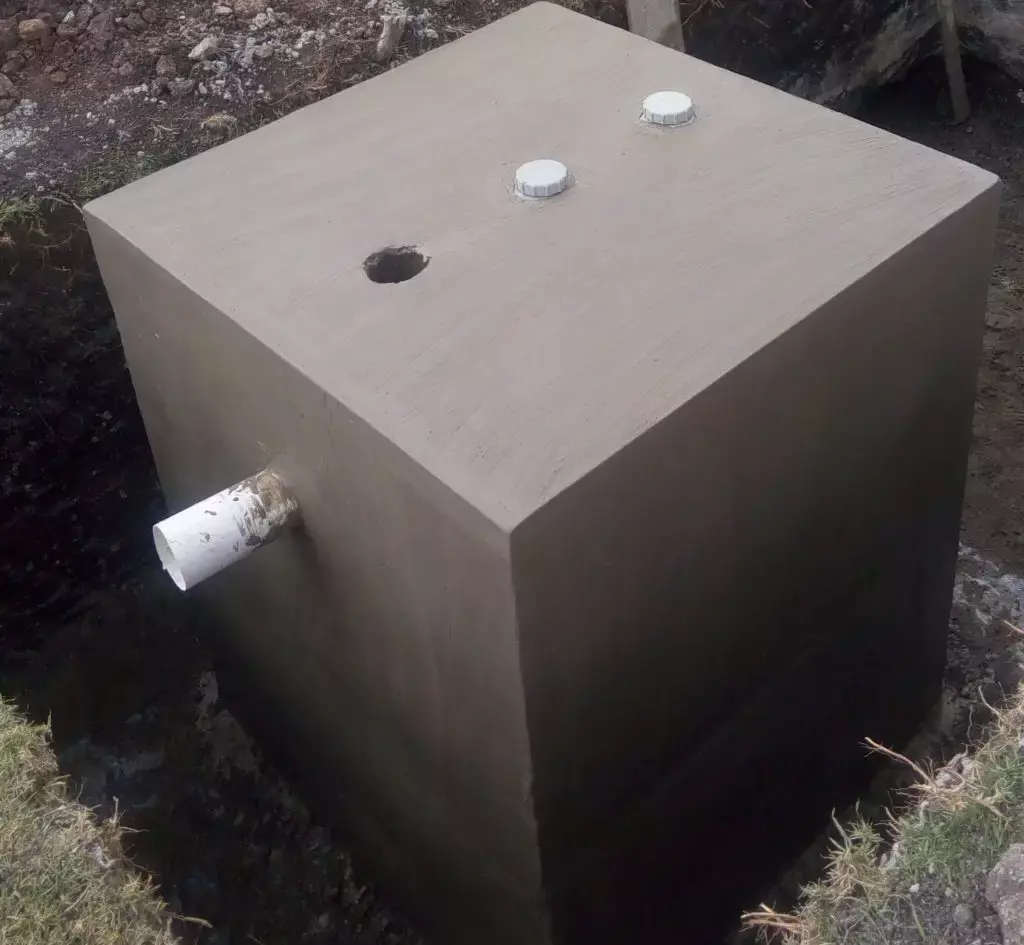
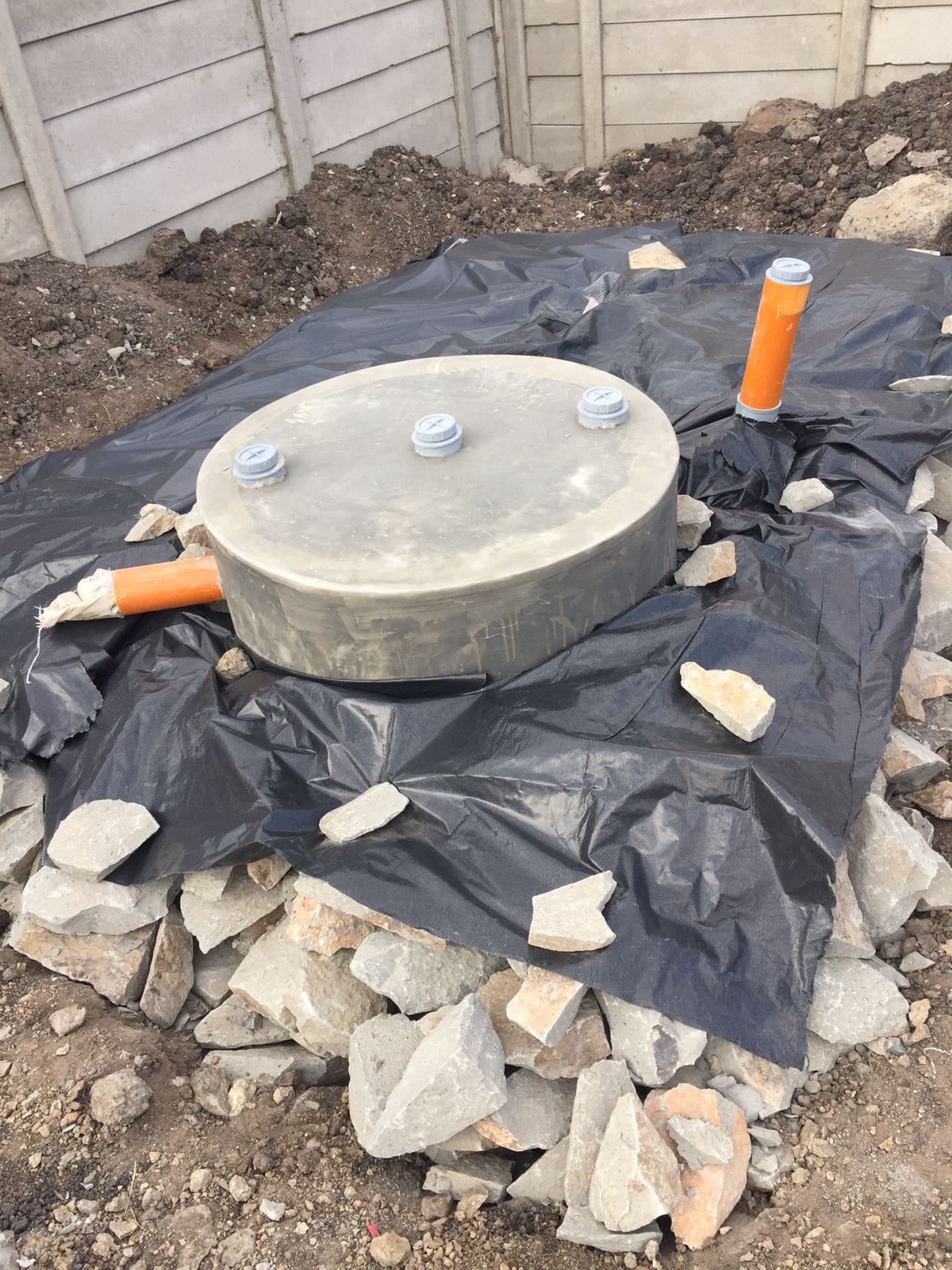
For those with limited space in Nairobi estates, our Precast Bio Digesters provide a reinforced, leak-proof alternative that prevents groundwater contamination and structural collapse.
Get a professional site assessment today. Email: info@biodigesterkenya.co.ke
The Economic Trade-off: Biodigester vs. Traditional Septic
When analyzing the disadvantages, one must compare them to the nightmares of traditional systems.
Traditional concrete tanks are essentially “storage” units—they store waste until it is full.
This leads to the high lifetime cost of hiring exhaust bowsers every 2-3 years, which is both expensive and disruptive.
A biodigester is a “treatment” unit.
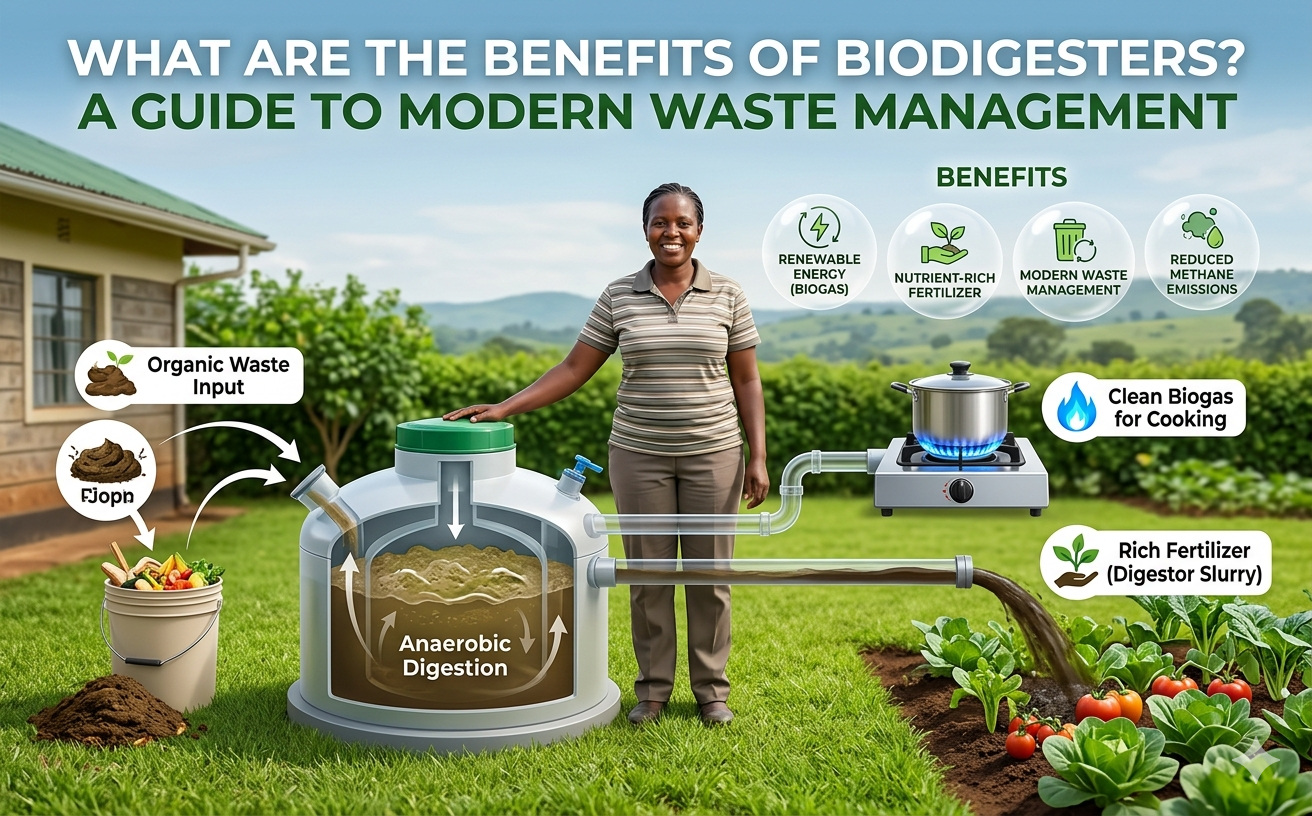
By converting waste into treated water and air, you move from a cycle of “filling and emptying” to a cycle of “digesting and absorbing.”
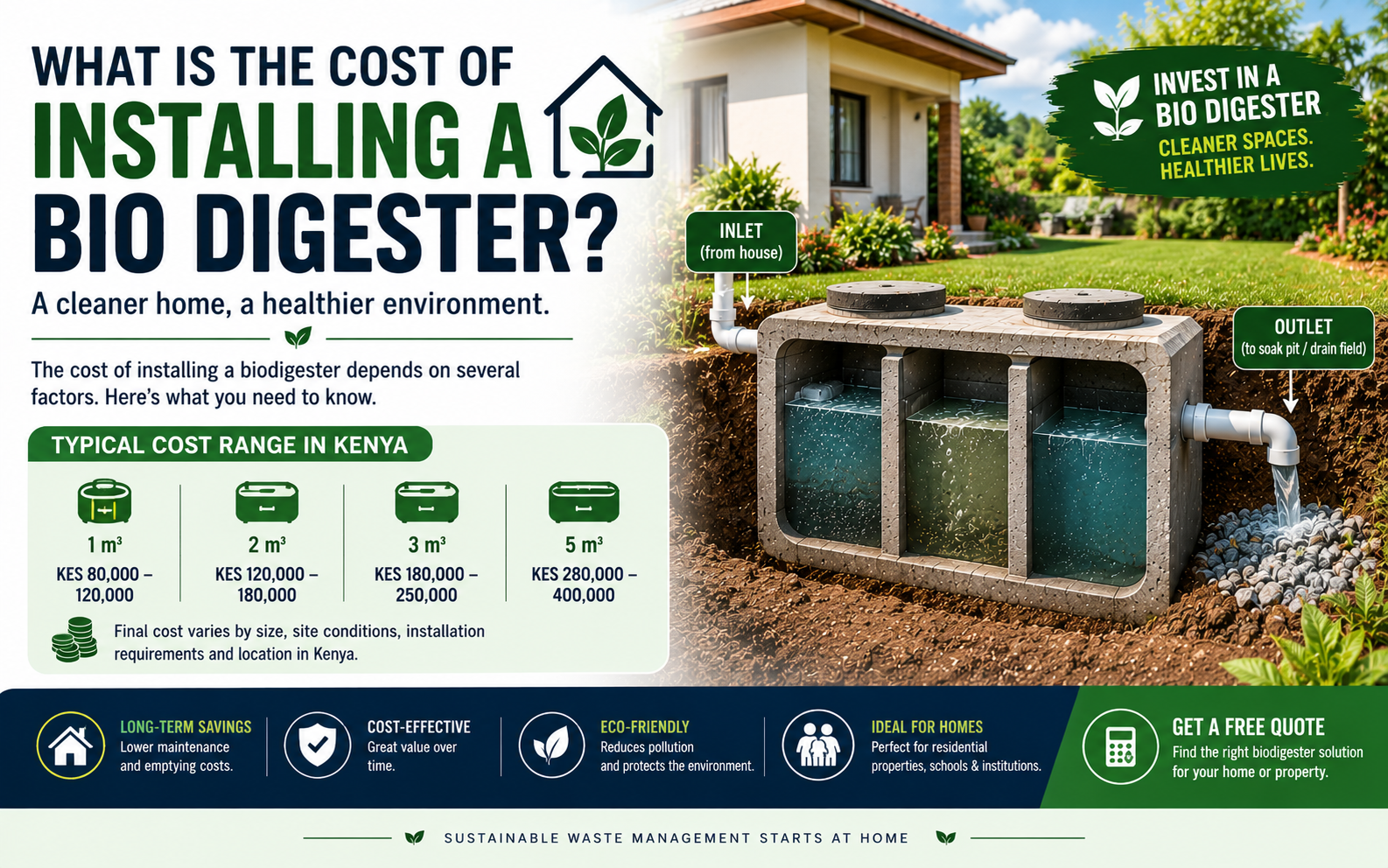
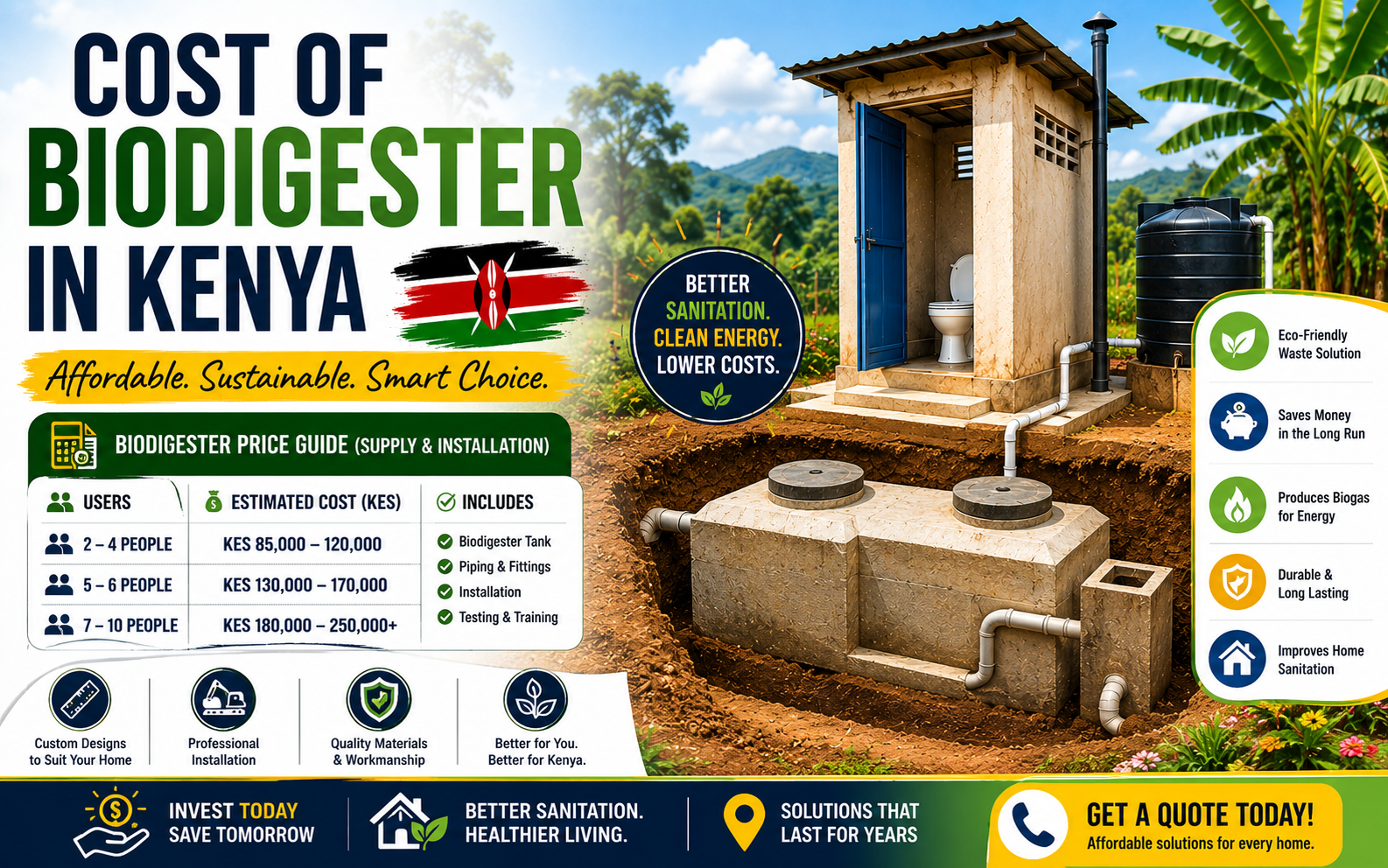
While the biodigester requires a small amount of biological maintenance, it saves you hundreds of thousands of shillings in bowser fees over a decade.
For a detailed structural breakdown, see our biodigester vs septic tank comparison.
Professional Maintenance for Long-Term Success
To keep your system running at peak efficiency and avoid the common pitfalls, follow these industry-standard guidelines:
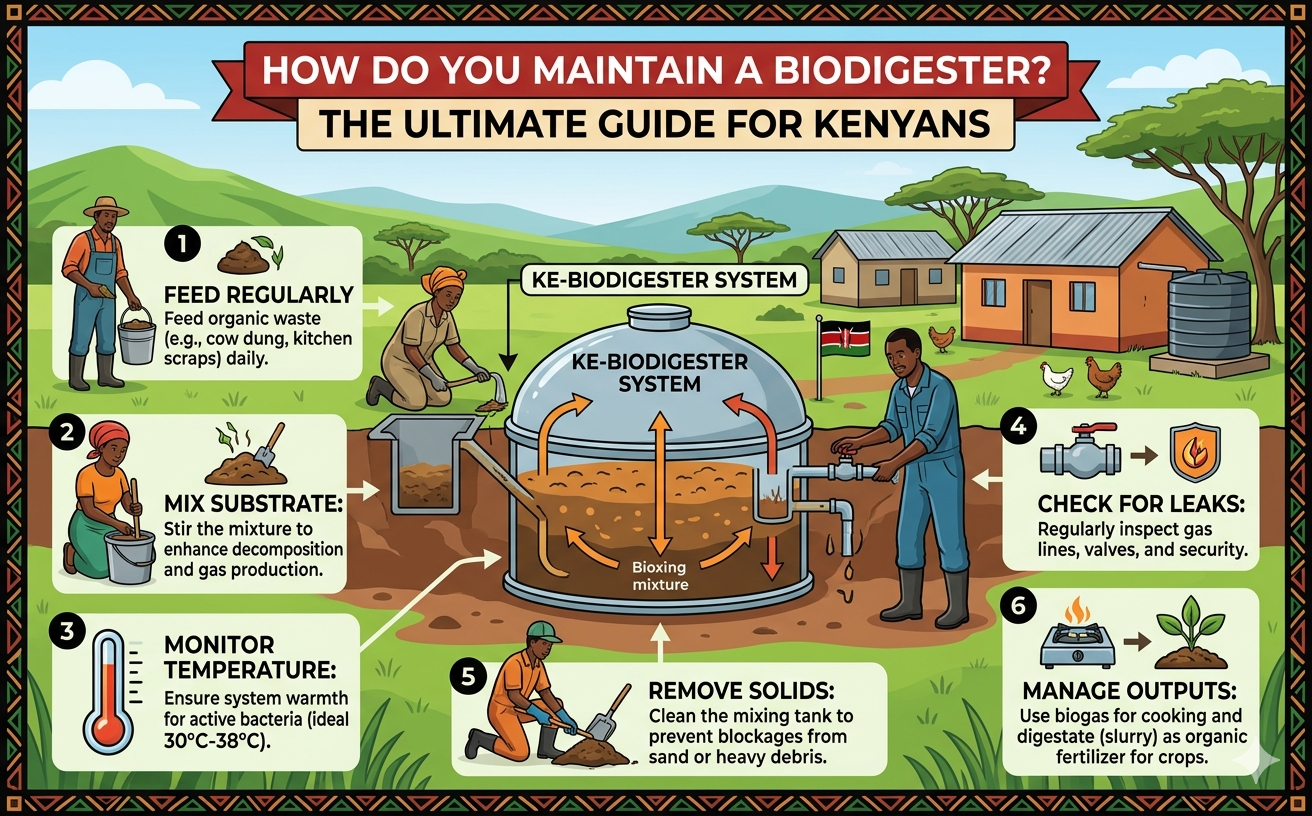
- Avoid Harsh Chemicals: Switch from concentrated bleach to biodegradable cleaners where possible.
- Periodic Enzyme Boosting: Every 6-12 months, add Bio Digester Bacteria – 400g to ensure the anaerobic colony remains robust.
- Monitor the Soaking Area: Ensure no heavy structures are built directly on top of your French drain, as this compacts the soil and ruins absorption.
- Schedule Expert Reviews: Periodic Septic Tank Maintenance checks can identify issues before they become costly failures.
Conclusion
While there are theoretical disadvantages to biodigesters, they are almost entirely mitigated by correct engineering and basic biological upkeep.
Moving away from outdated, leaking concrete tanks to Bio Digester Kenya installations provides Kenyan homeowners with economic freedom from bowser services and the peace of mind that comes with an environmentally sustainable, NEMA-compliant sanitation system.
Ready to upgrade your property’s sanitation?
Stop wasting money on exhaust services and invest in a permanent solution.
Phone: Call +254 712 660 245 | Email: Email info@biodigesterkenya.co.ke
Frequently Asked Questions
- Does a biodigester smell?
No. A correctly installed and maintained biodigester is odorless because the anaerobic digestion process breaks down the organic matter completely. - How often do I need to add bacteria enzymes?
Typically every 6 to 12 months, depending on the volume of waste and the types of detergents used in the household. - Can a biodigester work in black cotton soil?
Yes, provided the soaking area is engineered as a French drain with appropriate aggregates to facilitate water movement. - Do I still need an exhaust bowser with a biodigester?
No. The system is designed to treat waste continuously, meaning there is no sludge buildup that requires pumping. - What happens if I pour bleach into my biodigester?
Occasional small amounts are fine, but excessive bleach kills the bacteria, which can lead to slower digestion and potential odors.