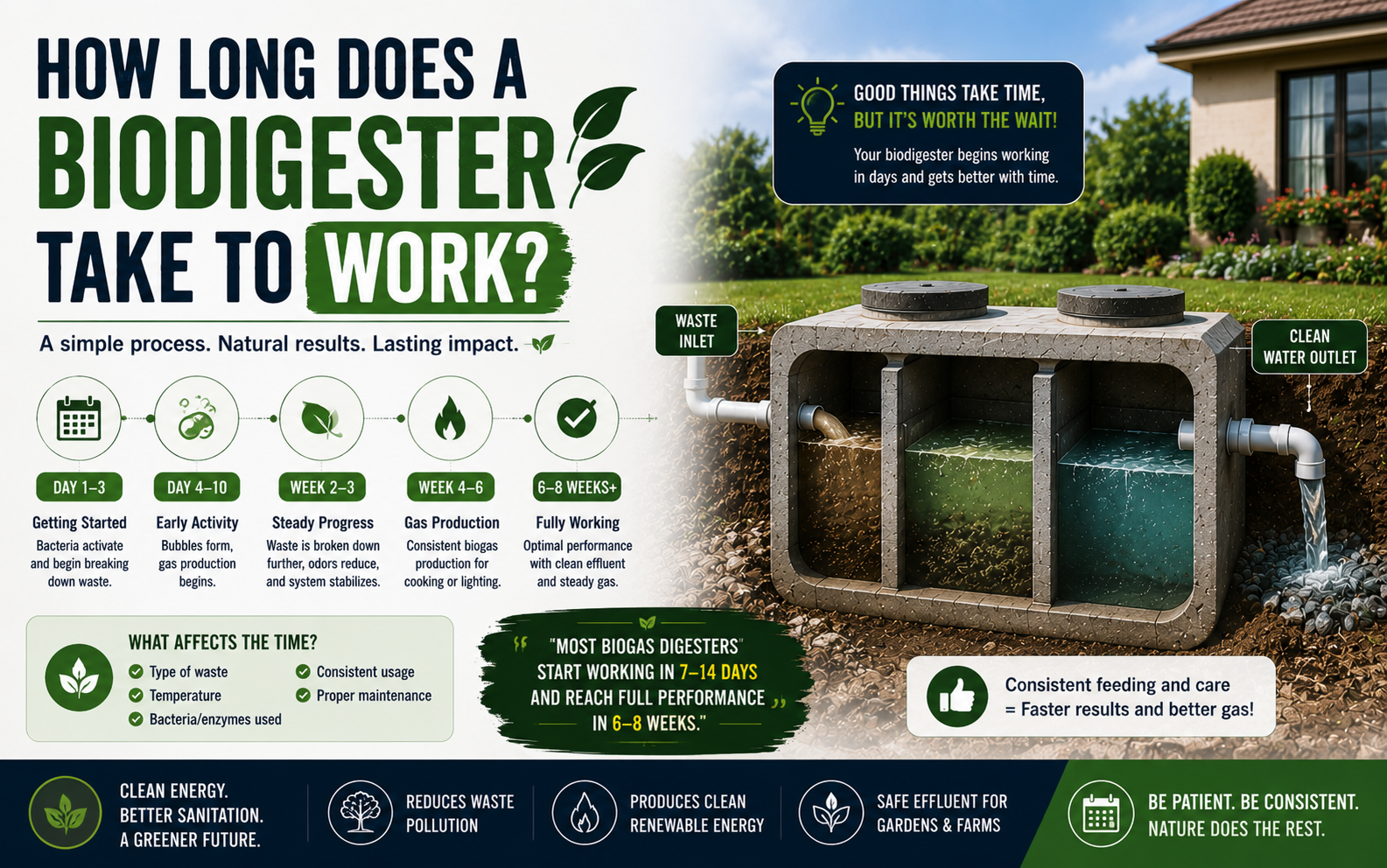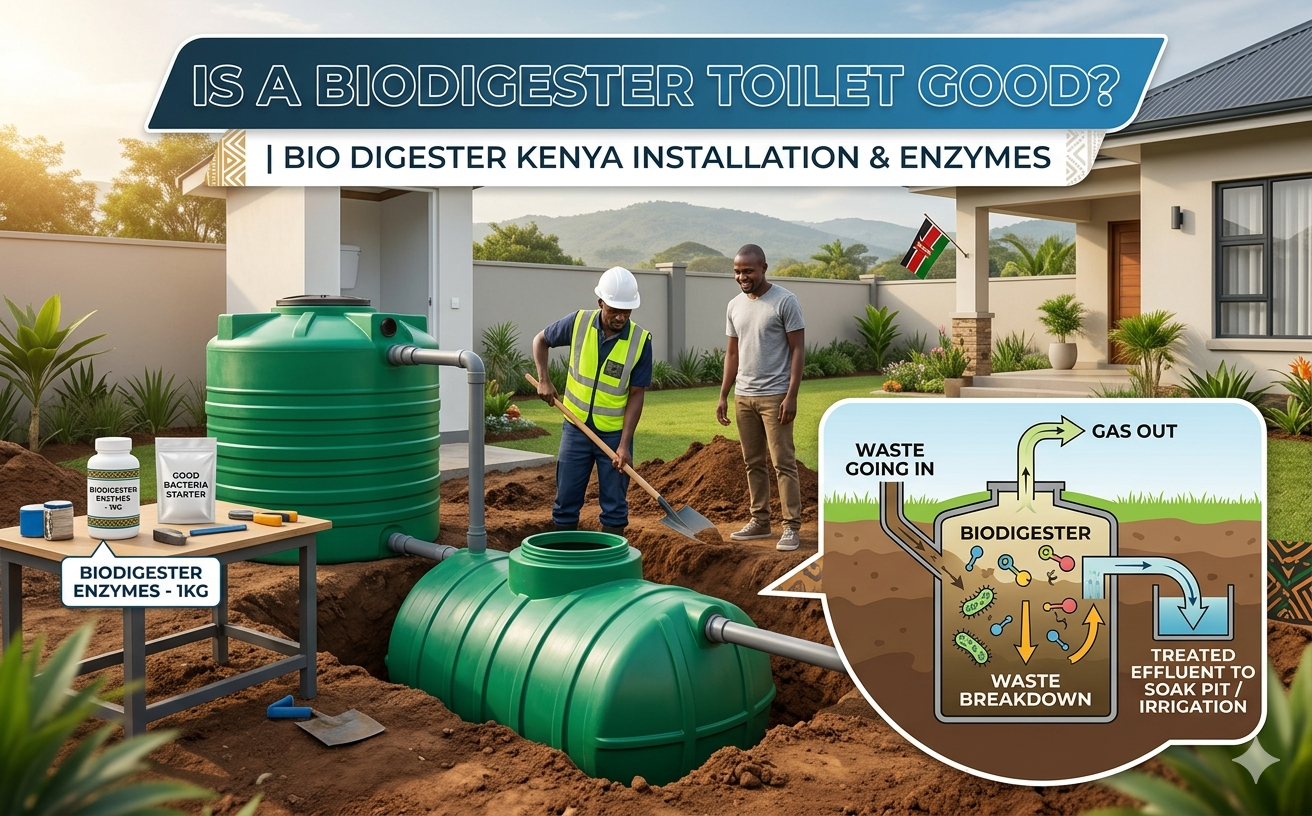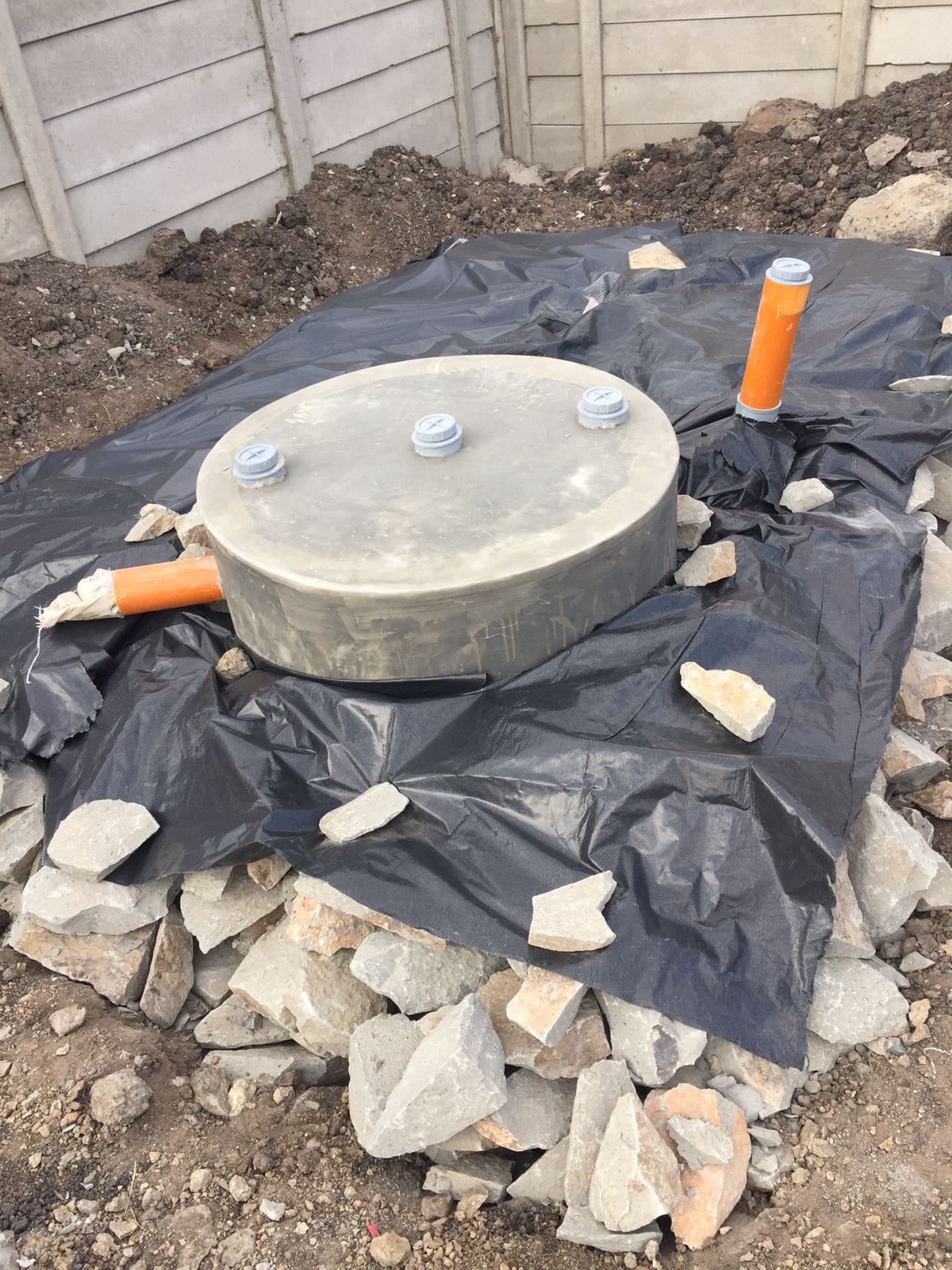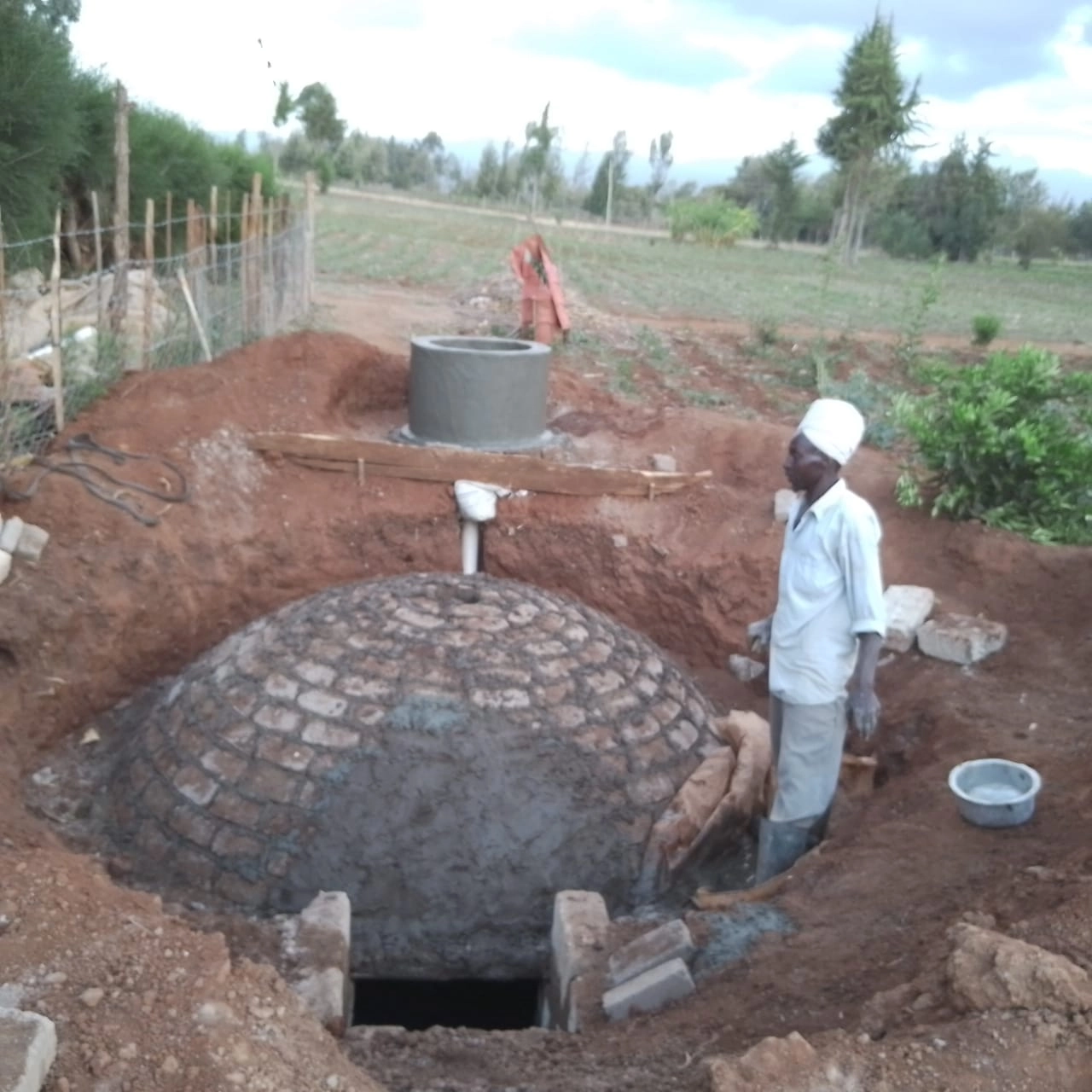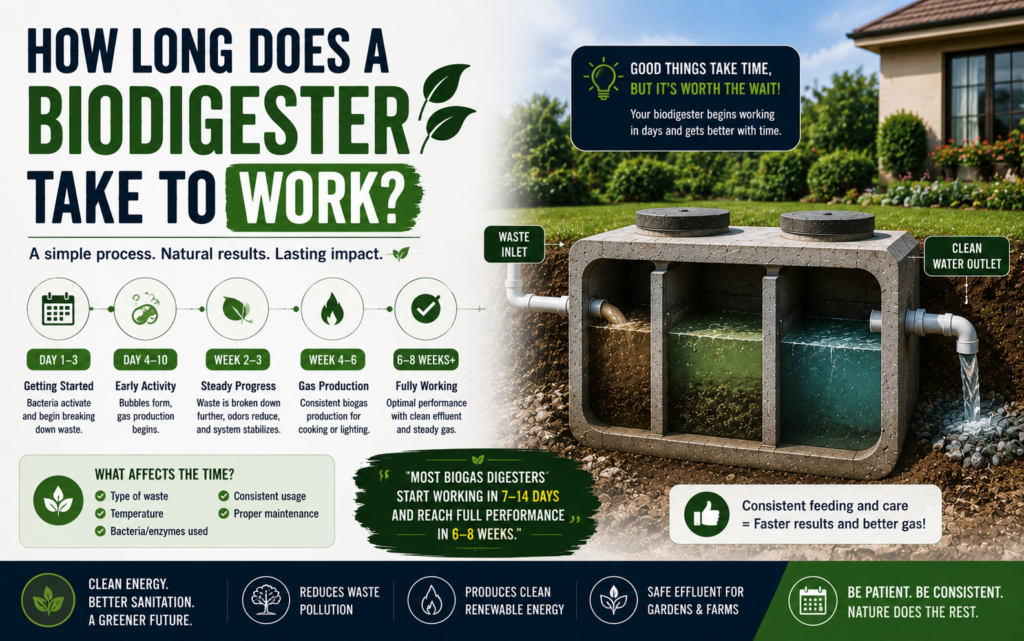
A biodigester takes to work almost immediately upon installation, though it typically reaches peak biological efficiency within 7 to 14 days.
While waste is processed from day one, this window allows the specialized biodigester enzymes to colonize the tank and establish a robust anaerobic colony for maximum waste breakdown.
The Difference Between Mechanical Startup and Biological Activation
When we install a system for a client, there is a distinction between the system being “functional” and being “optimized.”
Mechanically, the system works the second the first flush enters the pipes. The waste flows into the digester, and the physical layers begin separating solids from liquids.
However, the biological engine—the anaerobic digestion process—requires a “seeding” period.
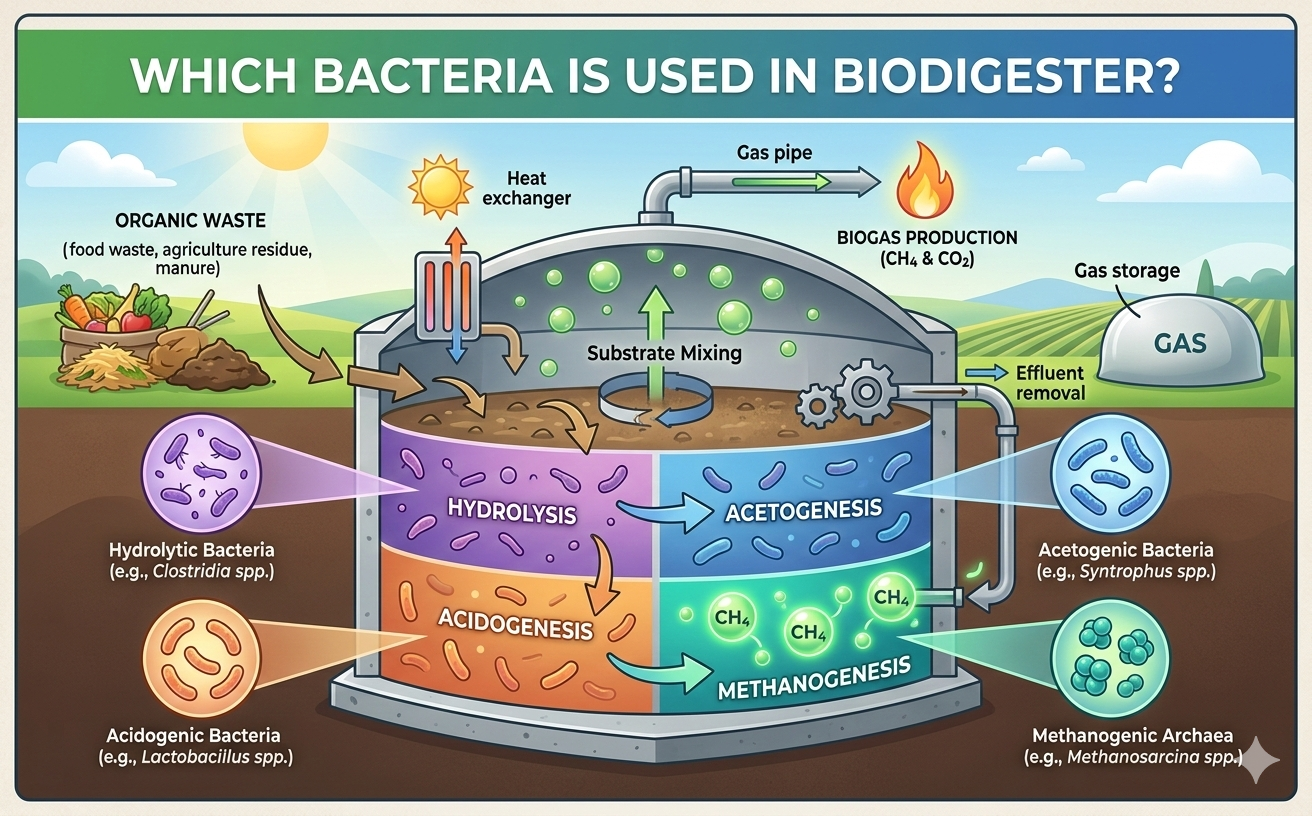
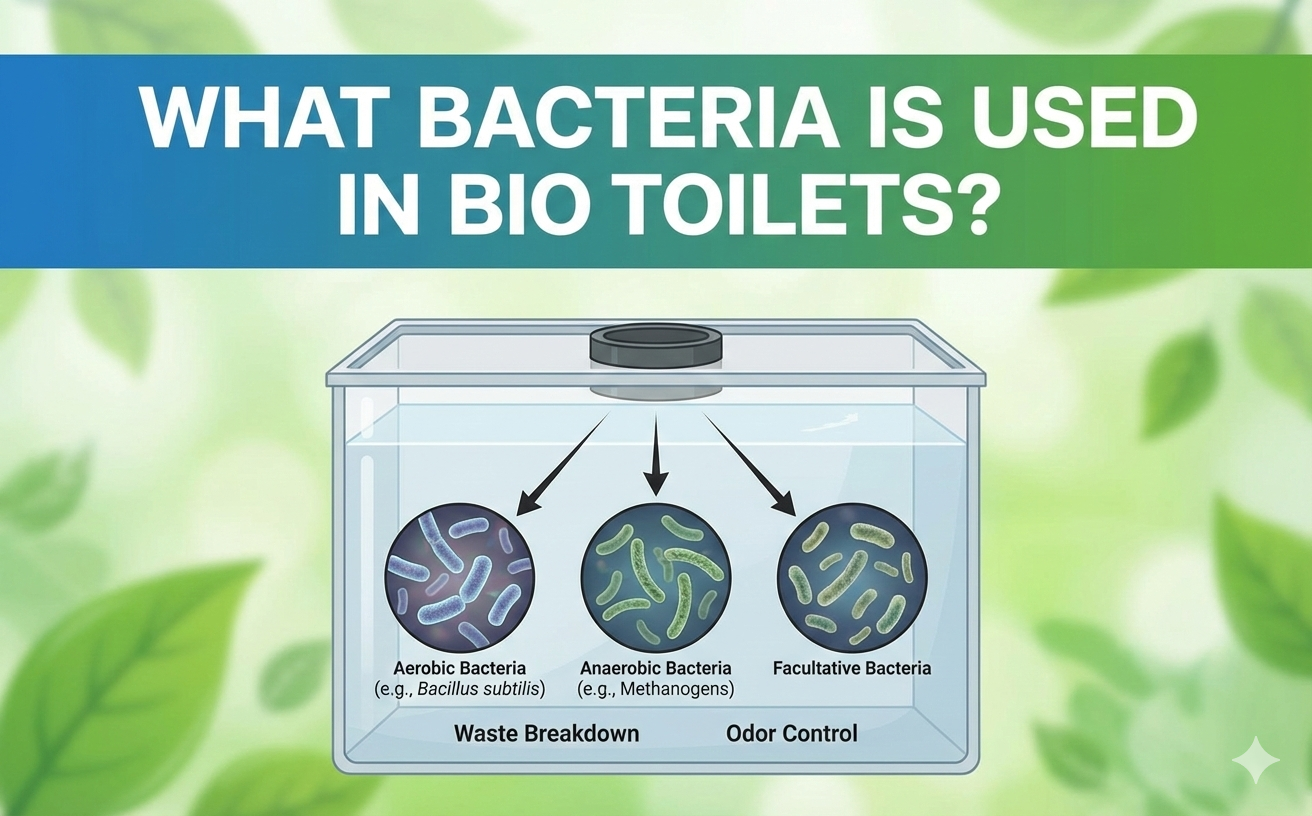
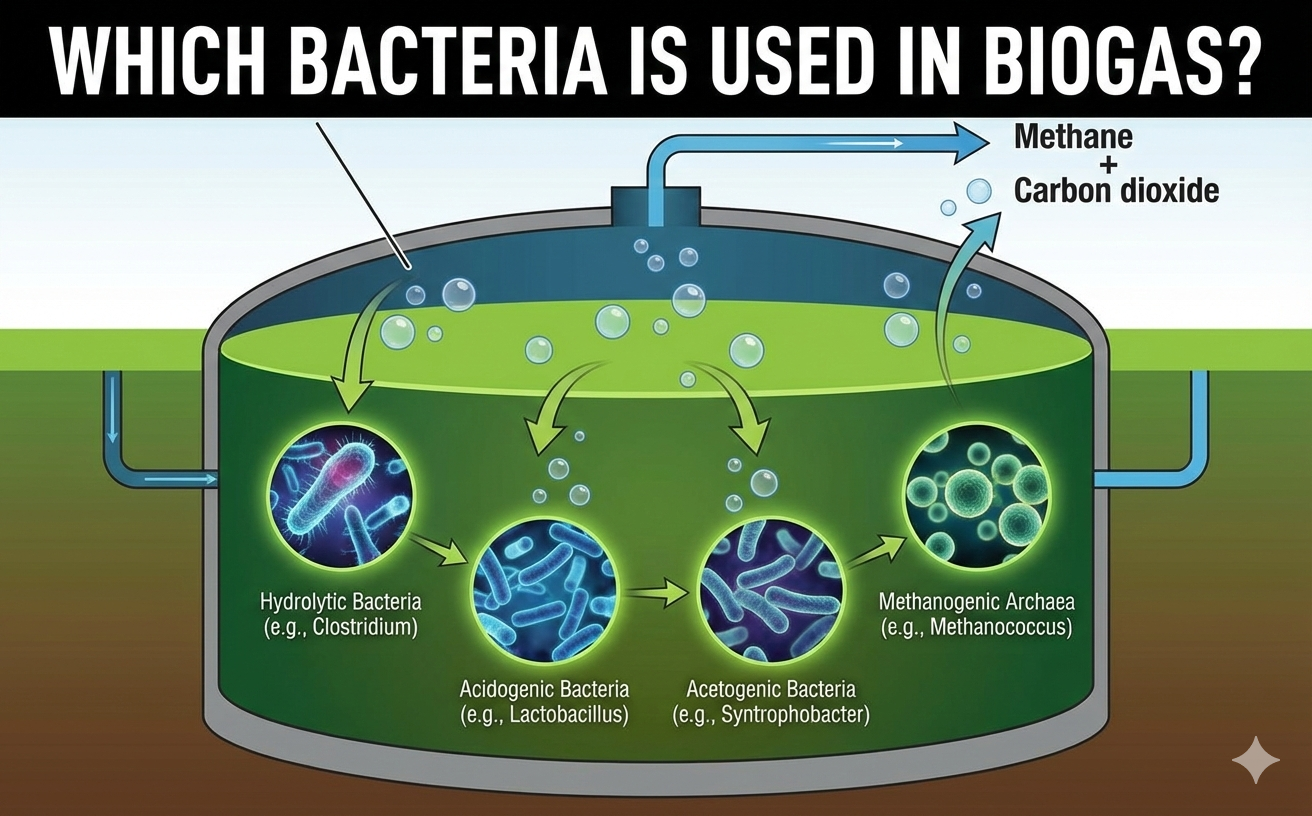
This is where the bacteria begin to multiply and consume the organic matter.
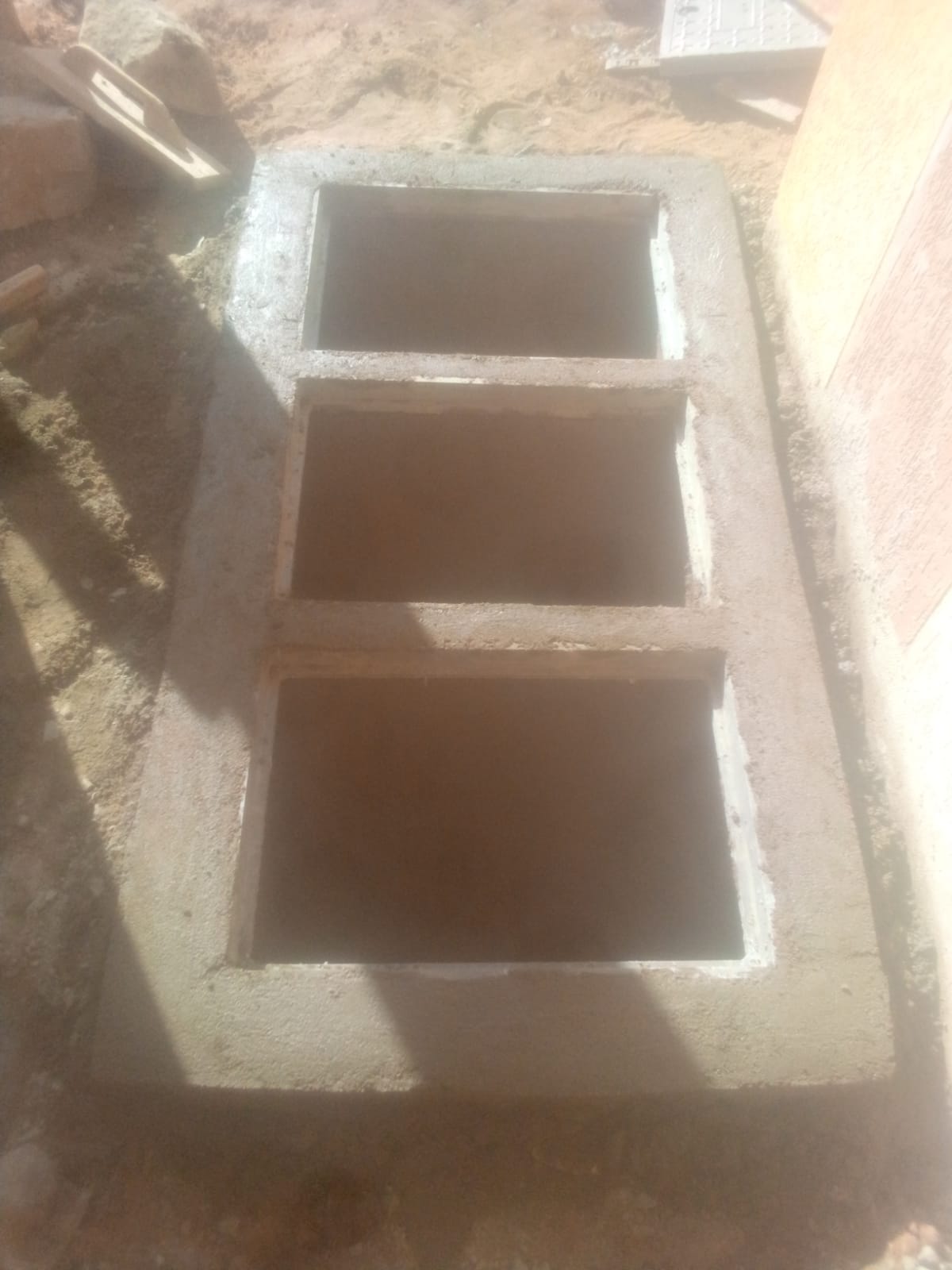
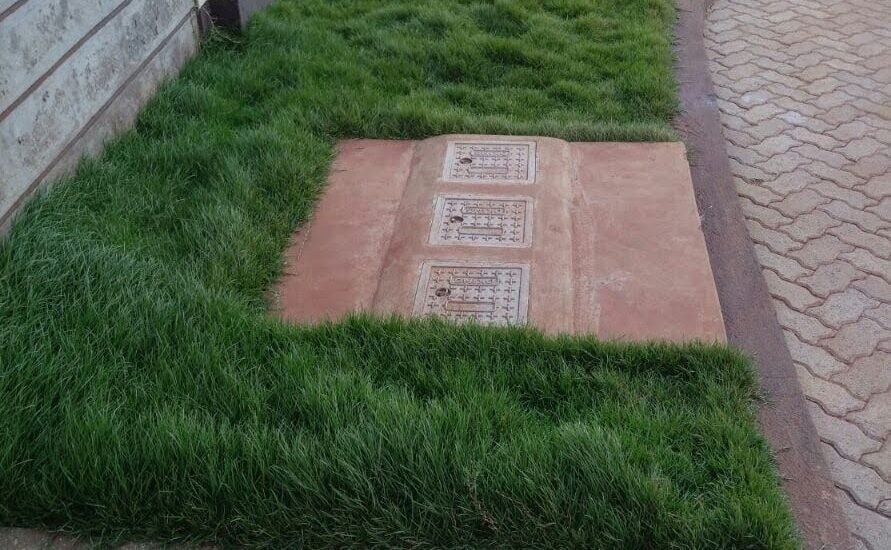
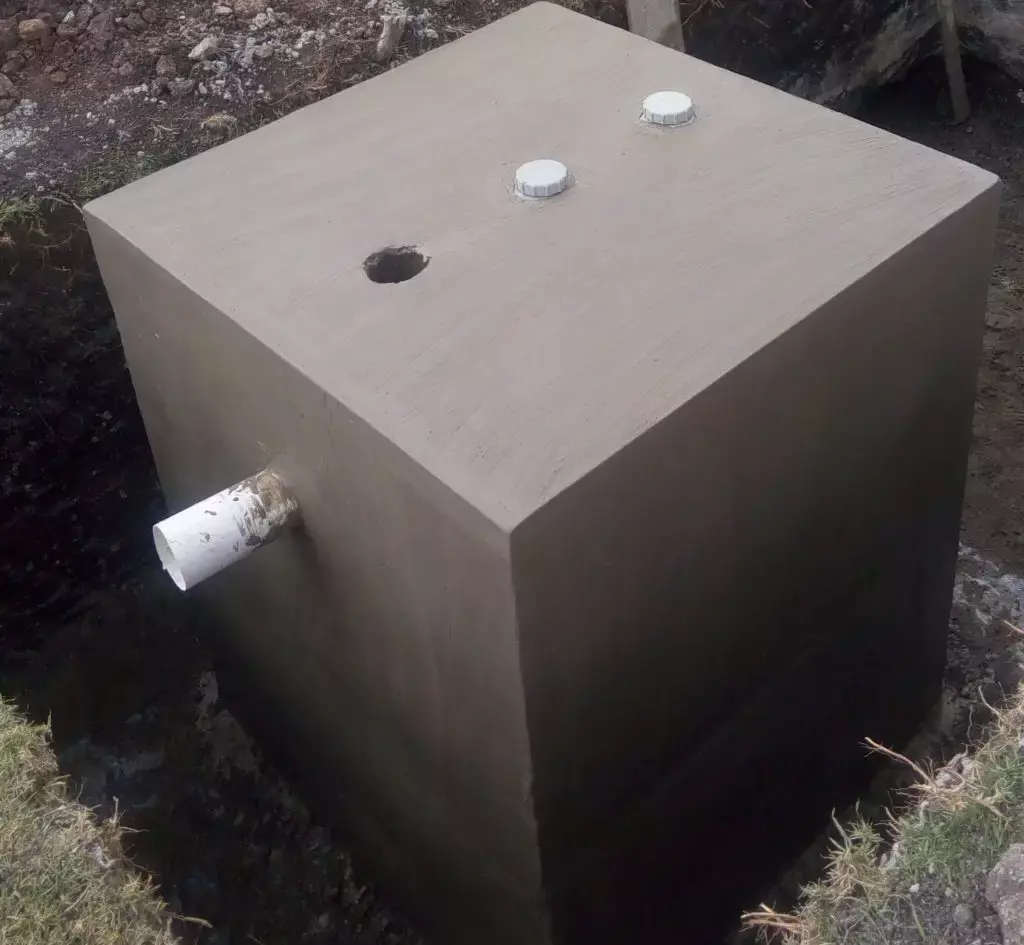
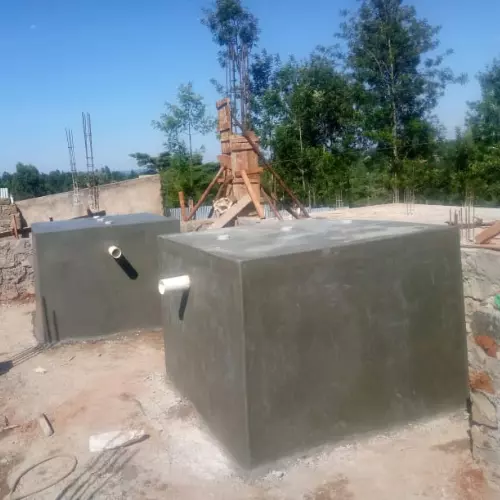
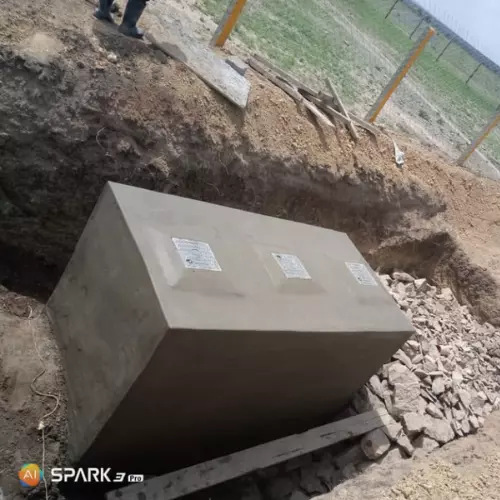
For those using a precast bio digester, this process is streamlined because the structural integrity is already set, allowing the focus to remain entirely on the bacterial colony’s growth.
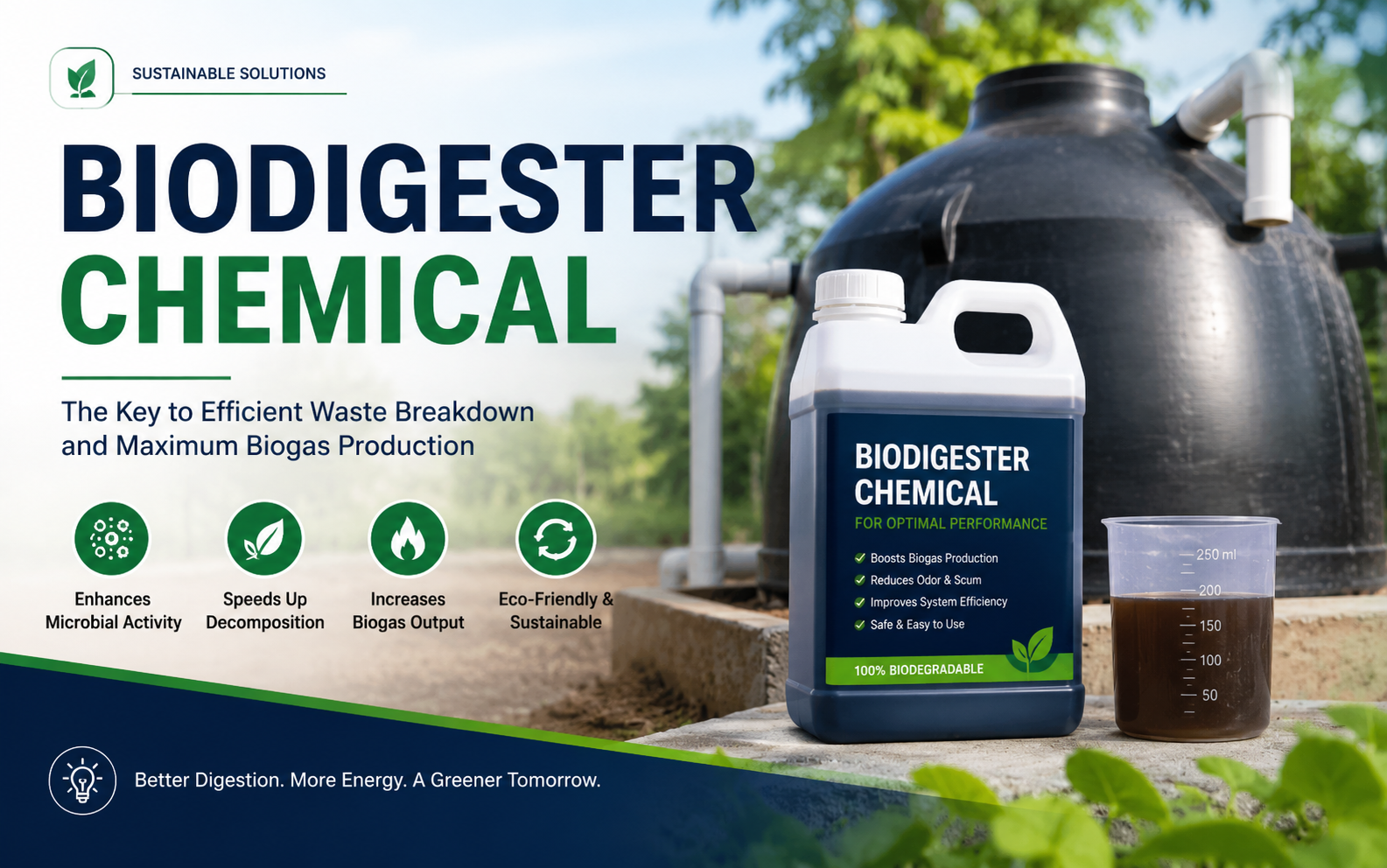
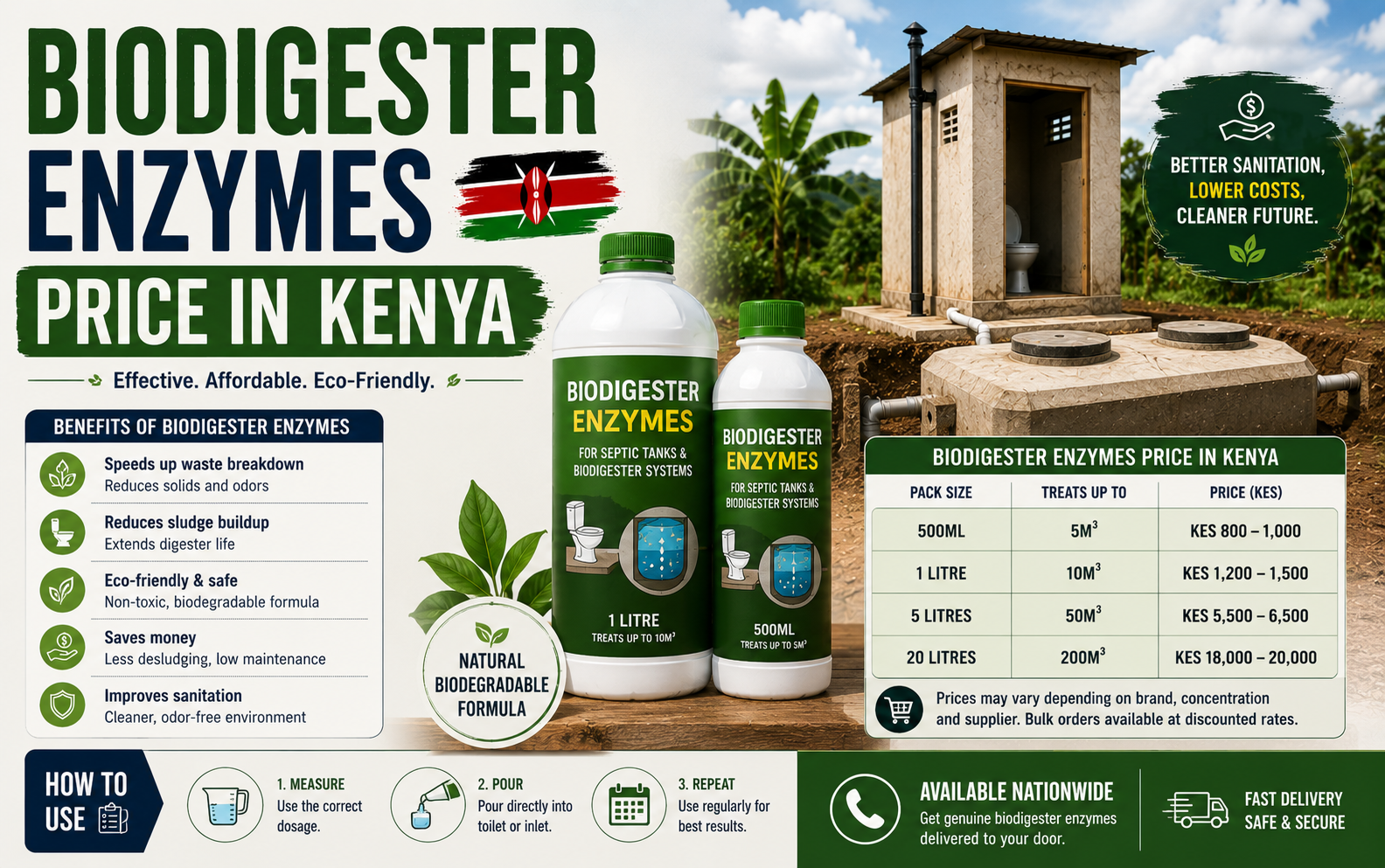
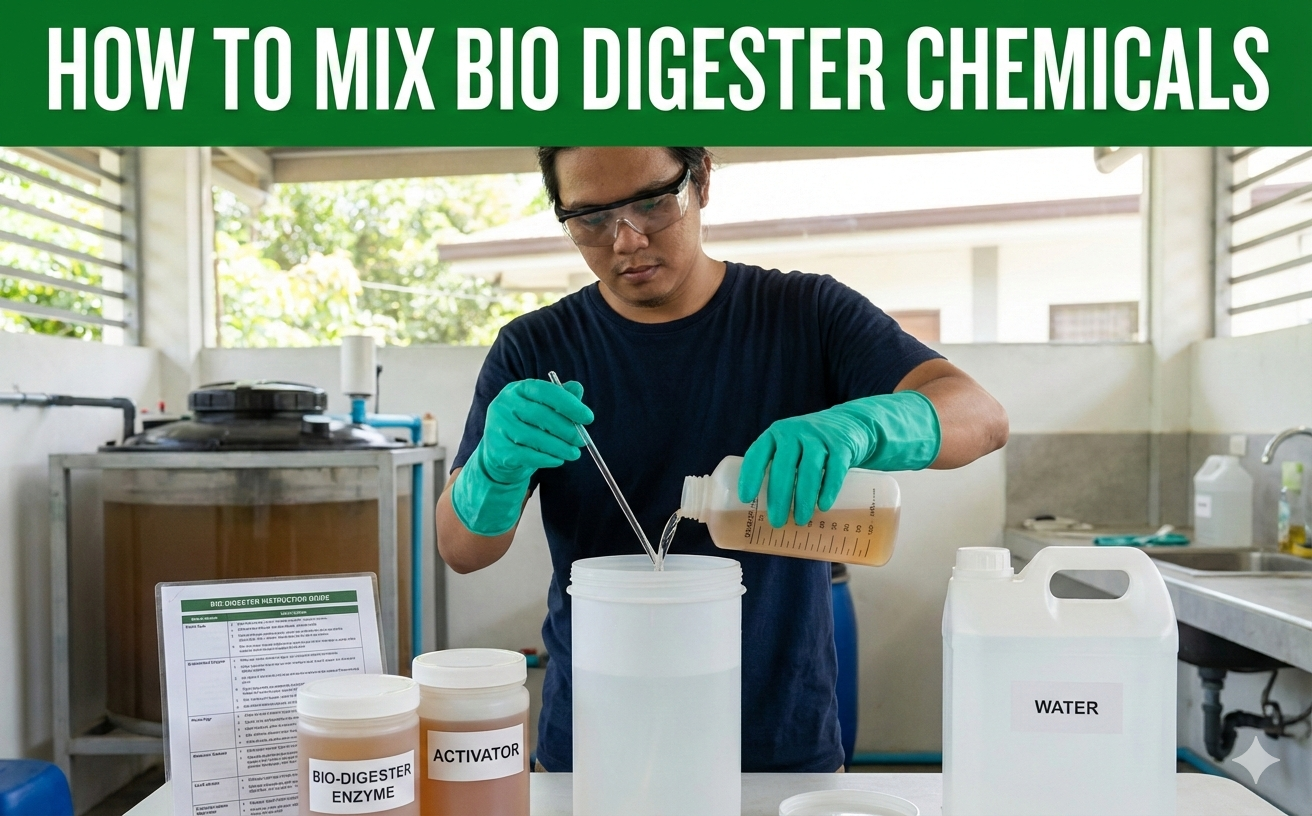
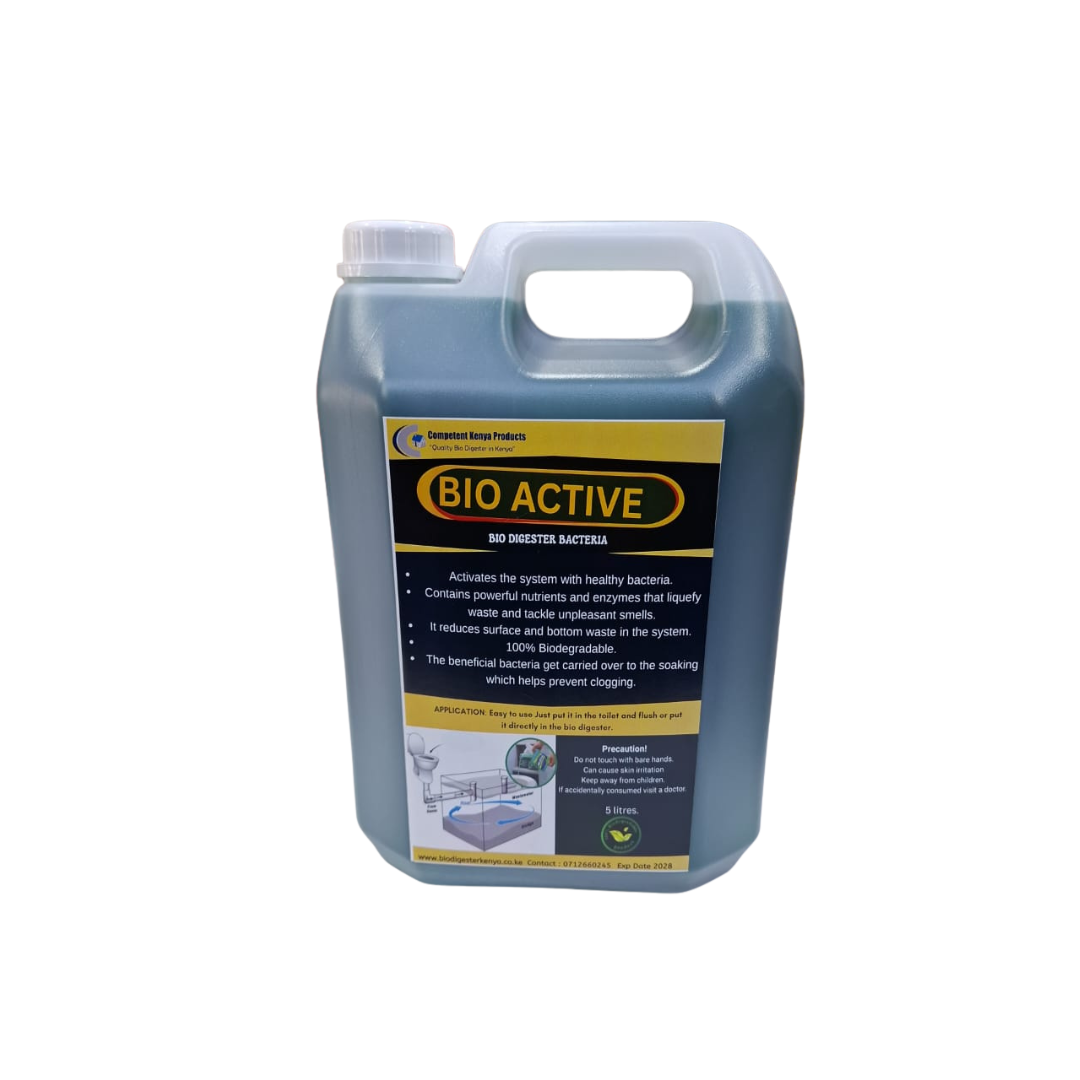
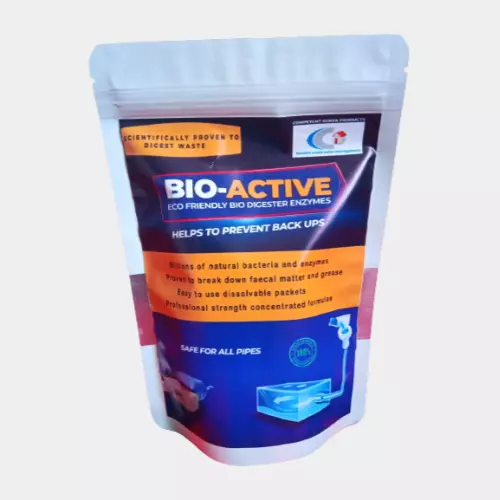
To accelerate this activation phase, we recommend adding Bio Digester Bacteria – 400g during the initial commissioning.
This ensures the system doesn’t struggle with the initial load of household waste, reducing the risk of early-stage odors.
Phone: Call +254 712 660 245 | Email: Email info@biodigesterkenya.co.ke
How the Bio Digester Mechanics Actually Work
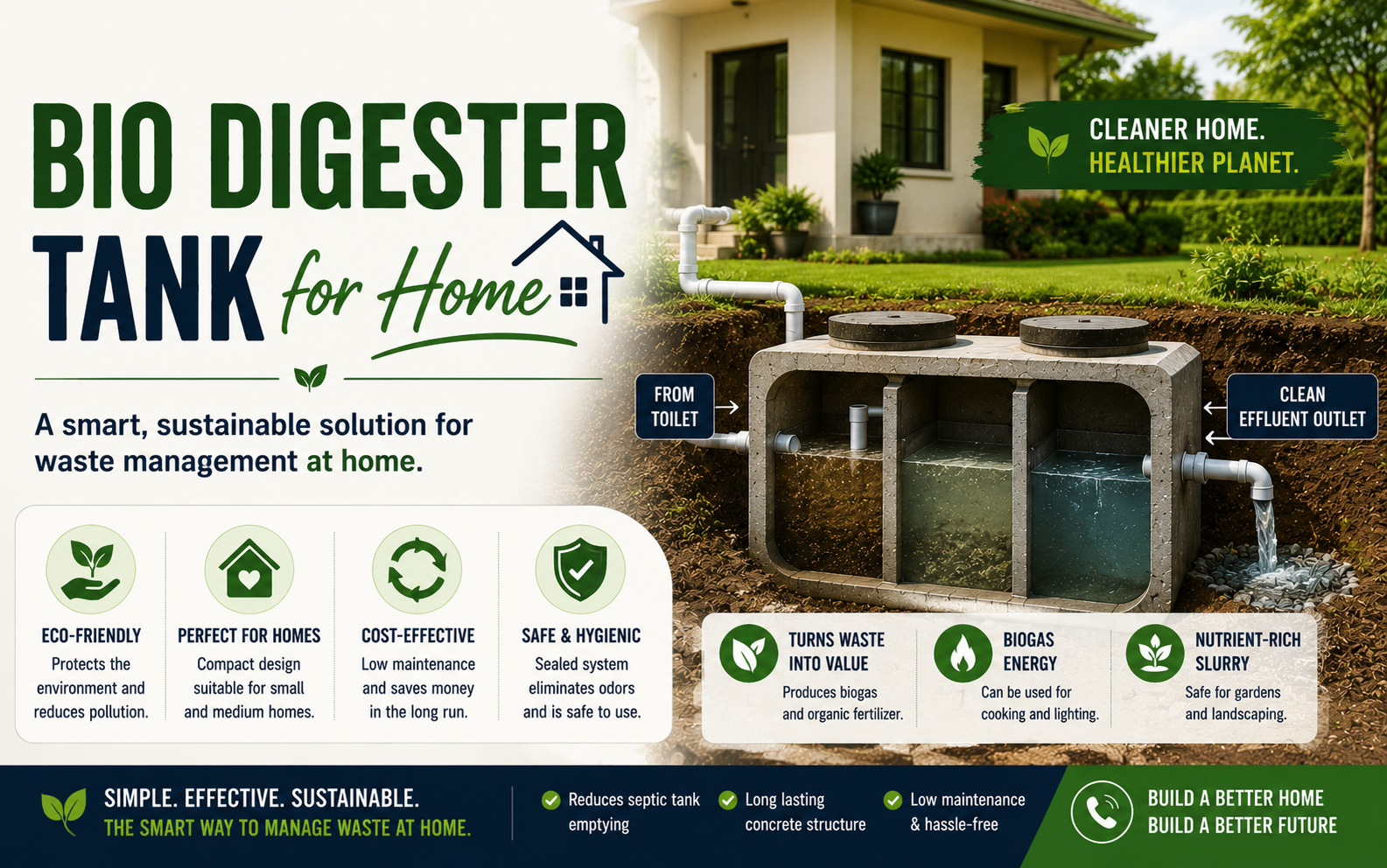
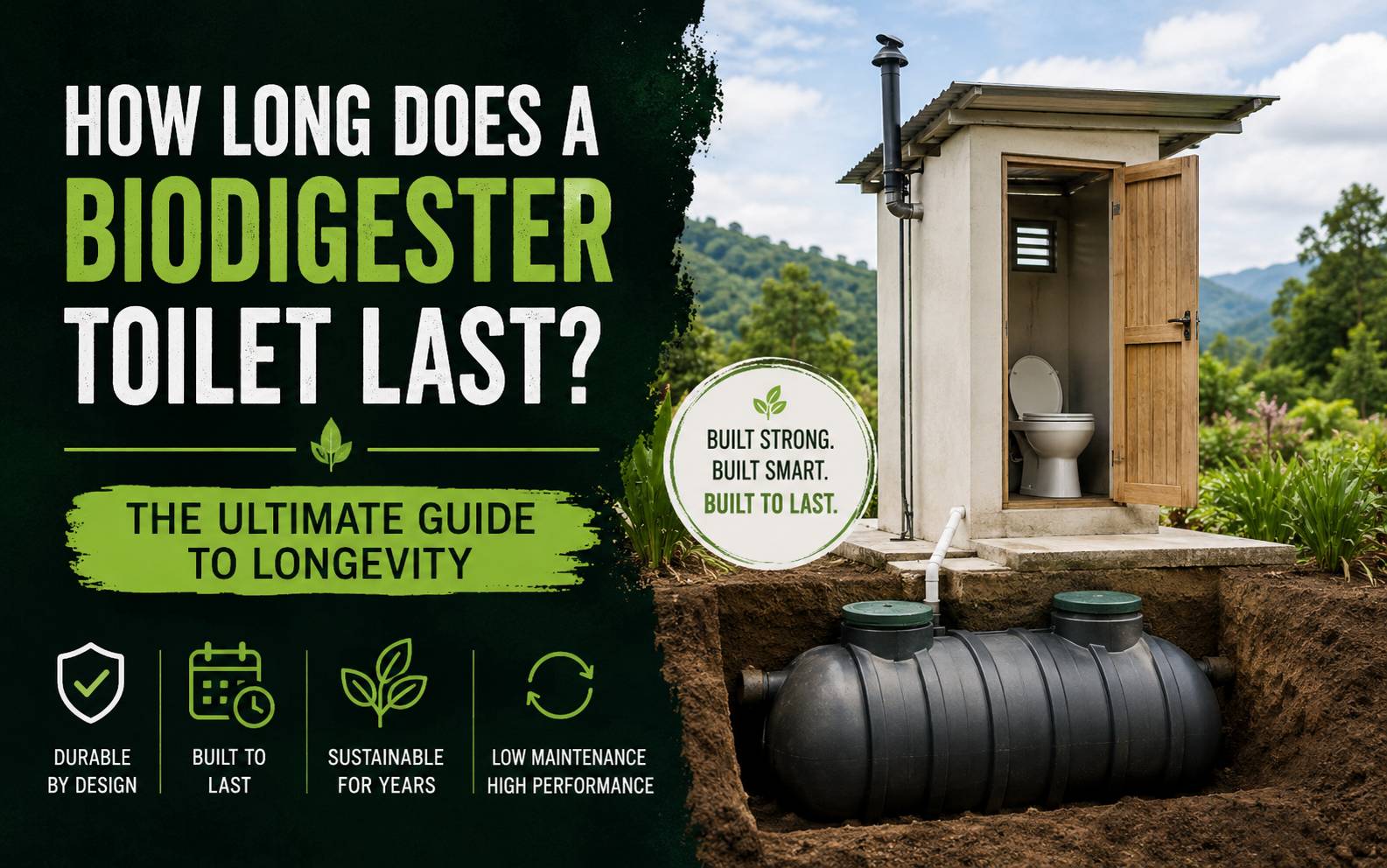
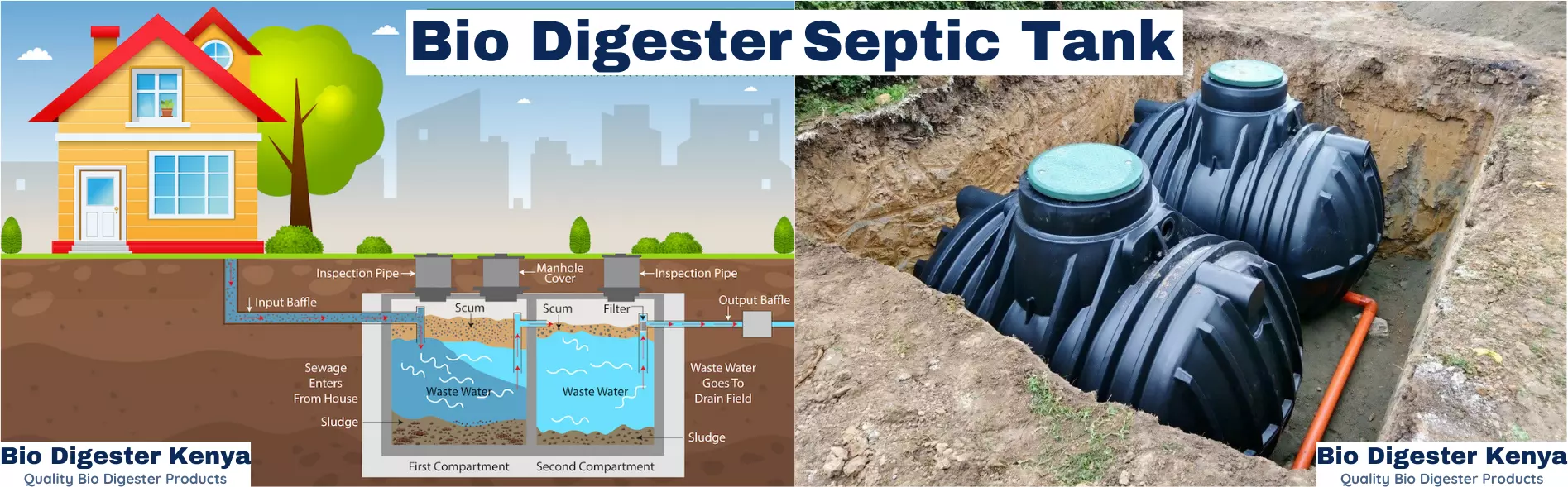
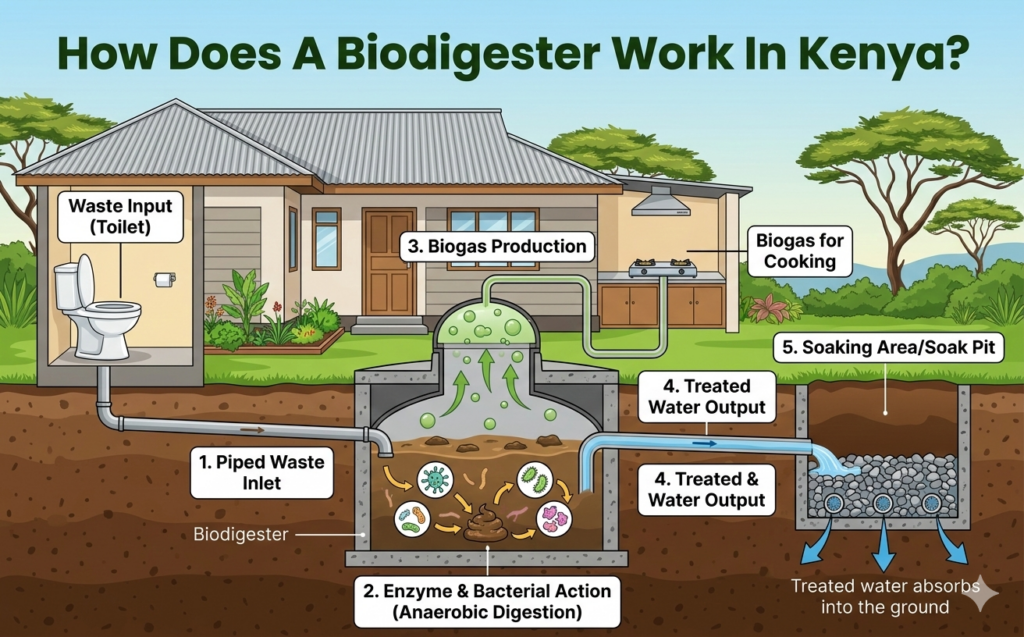
Unlike a traditional concrete septic tank that simply stores waste until it is full, a biodigester is a living treatment plant.
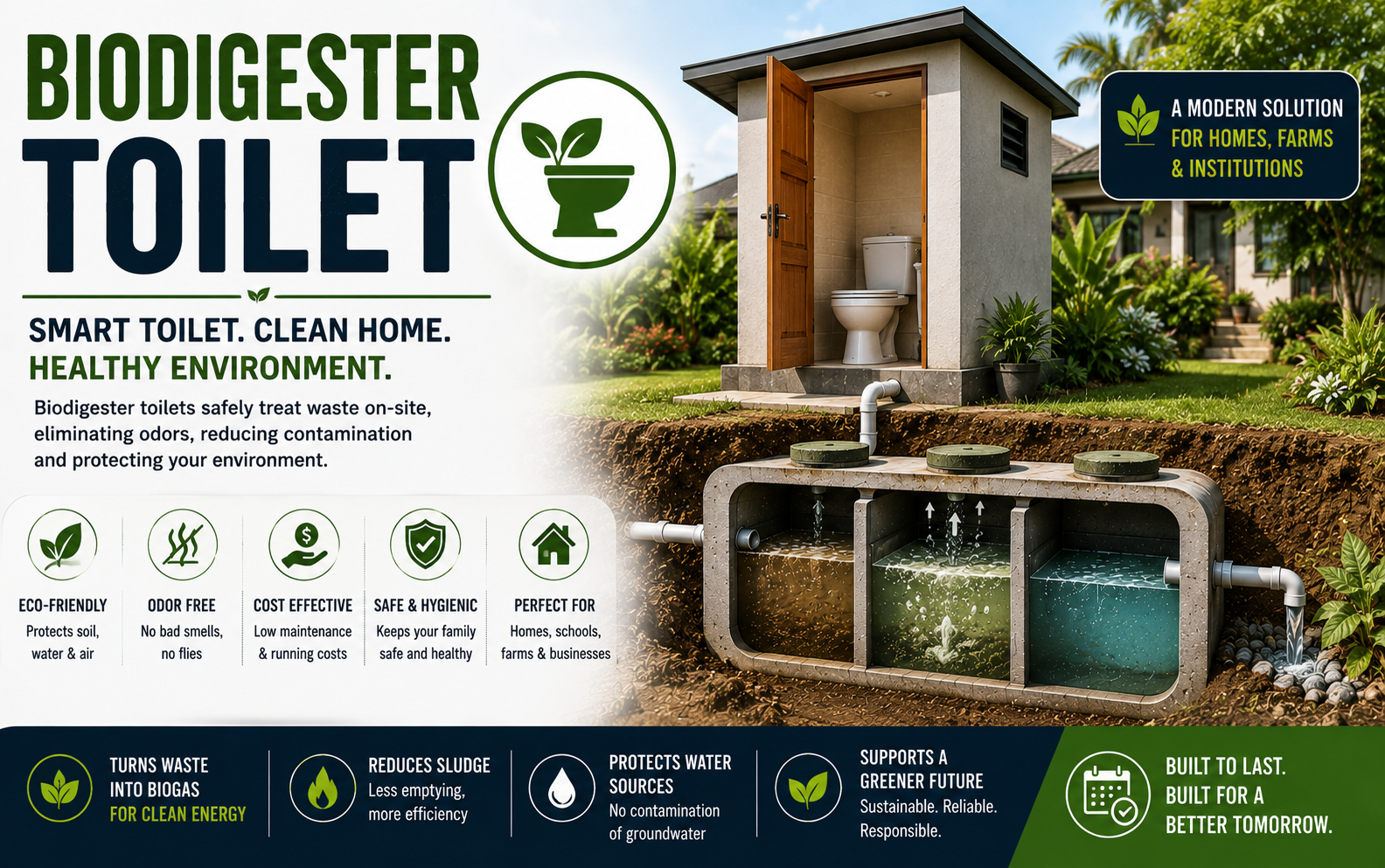
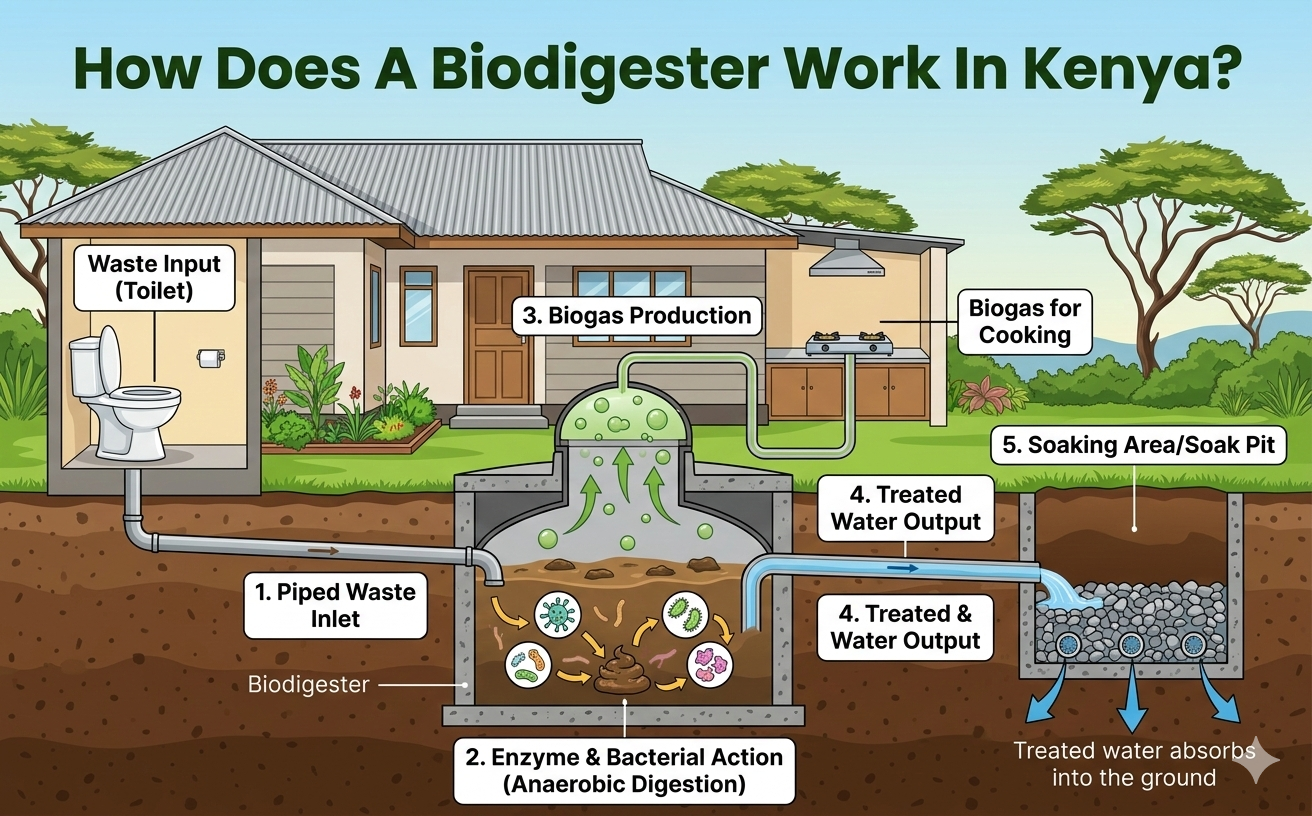
The system functions as a modern human waste management solution for residential homes and commercial spaces by utilizing an active biological process.
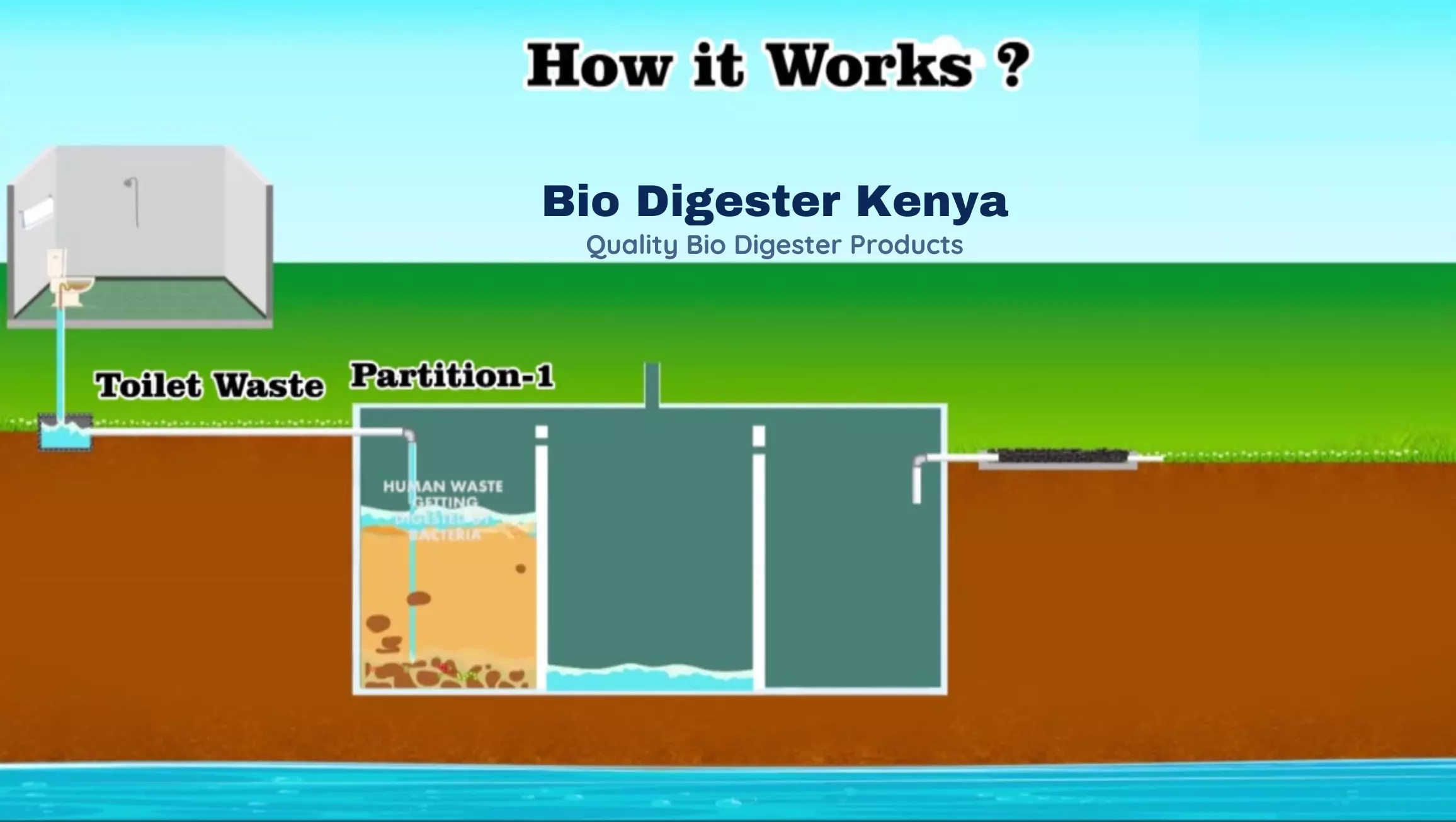
The workflow is precise:
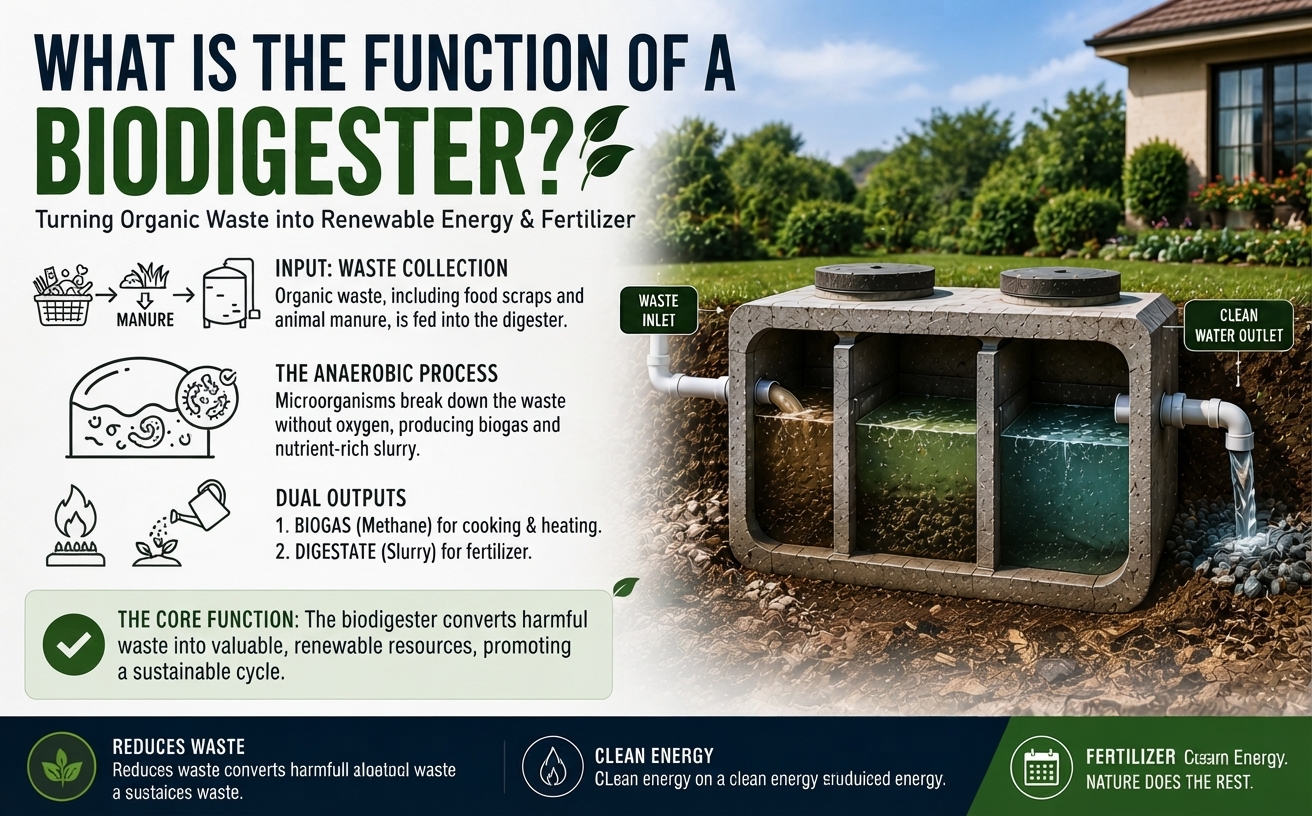
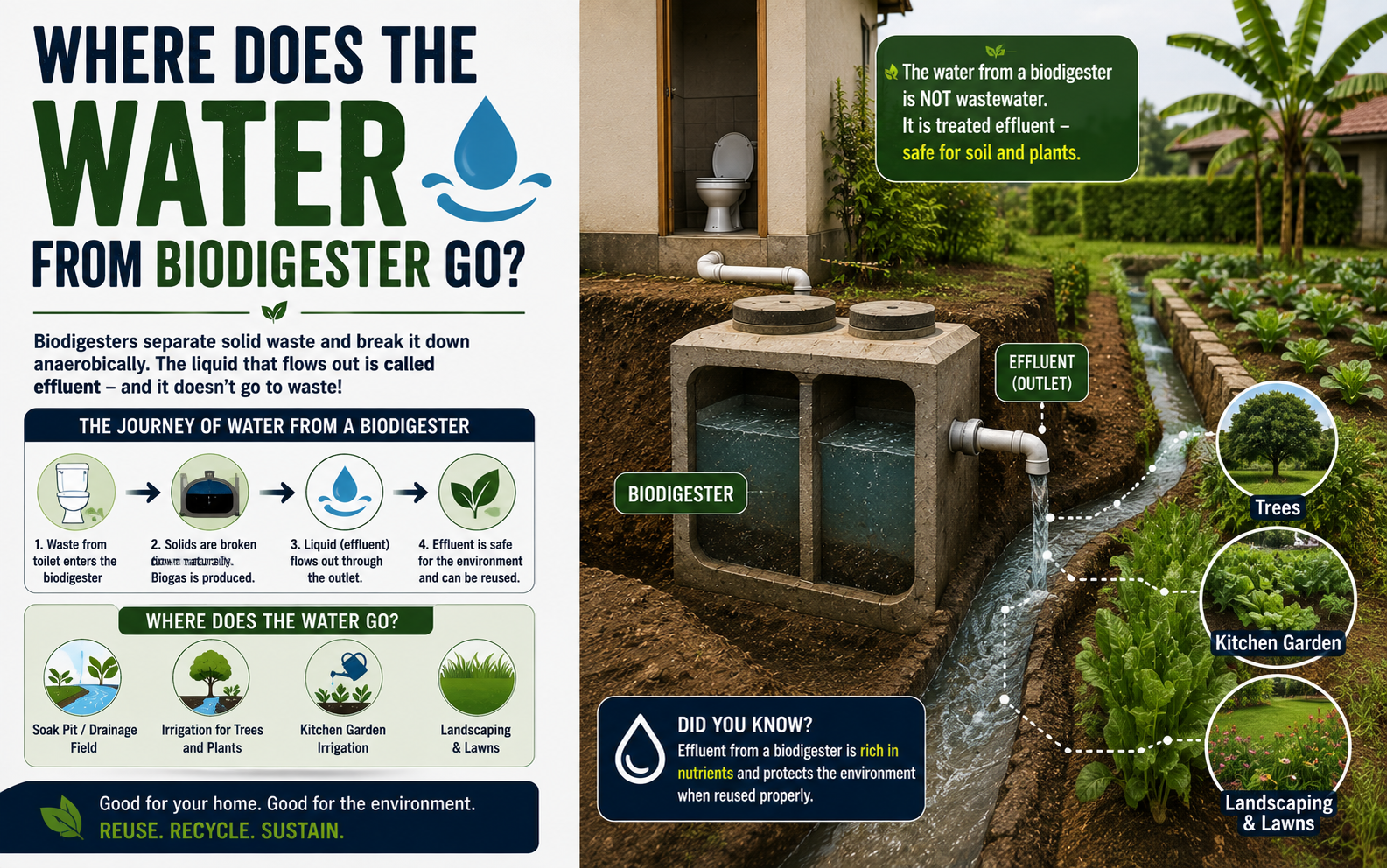
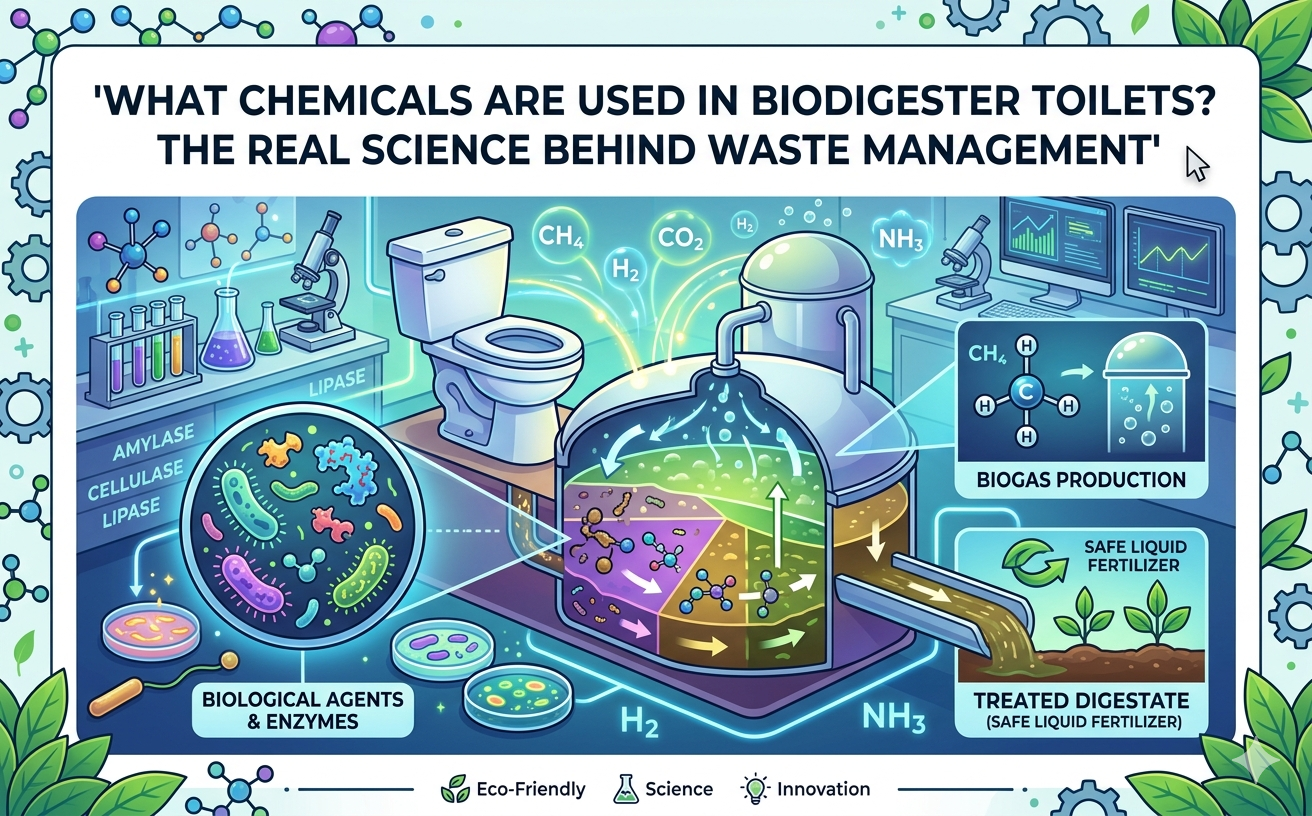
- Waste is piped directly into the biodigester.
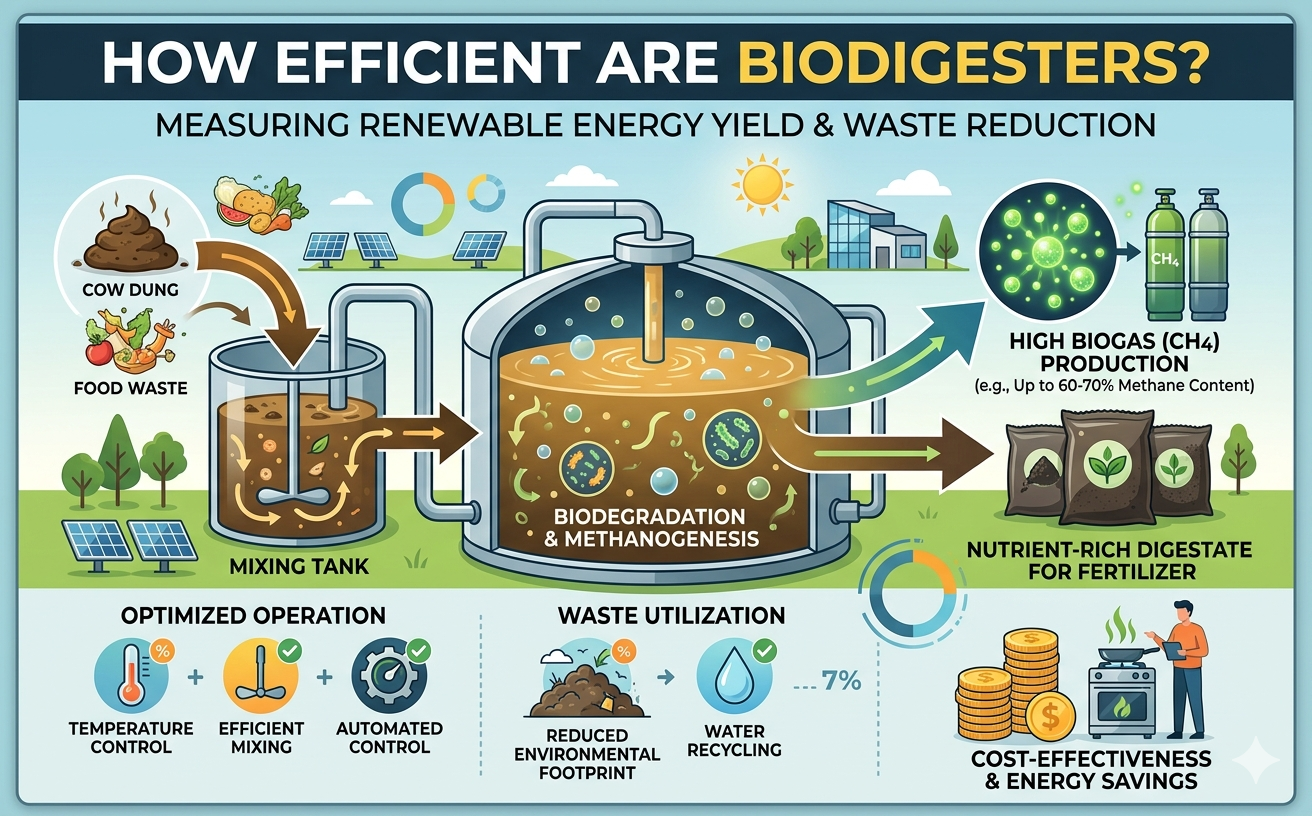
- Specialized biodigester enzymes break down and consume the solid waste through anaerobic digestion.
- The biological end result is strictly treated water and odorless air.
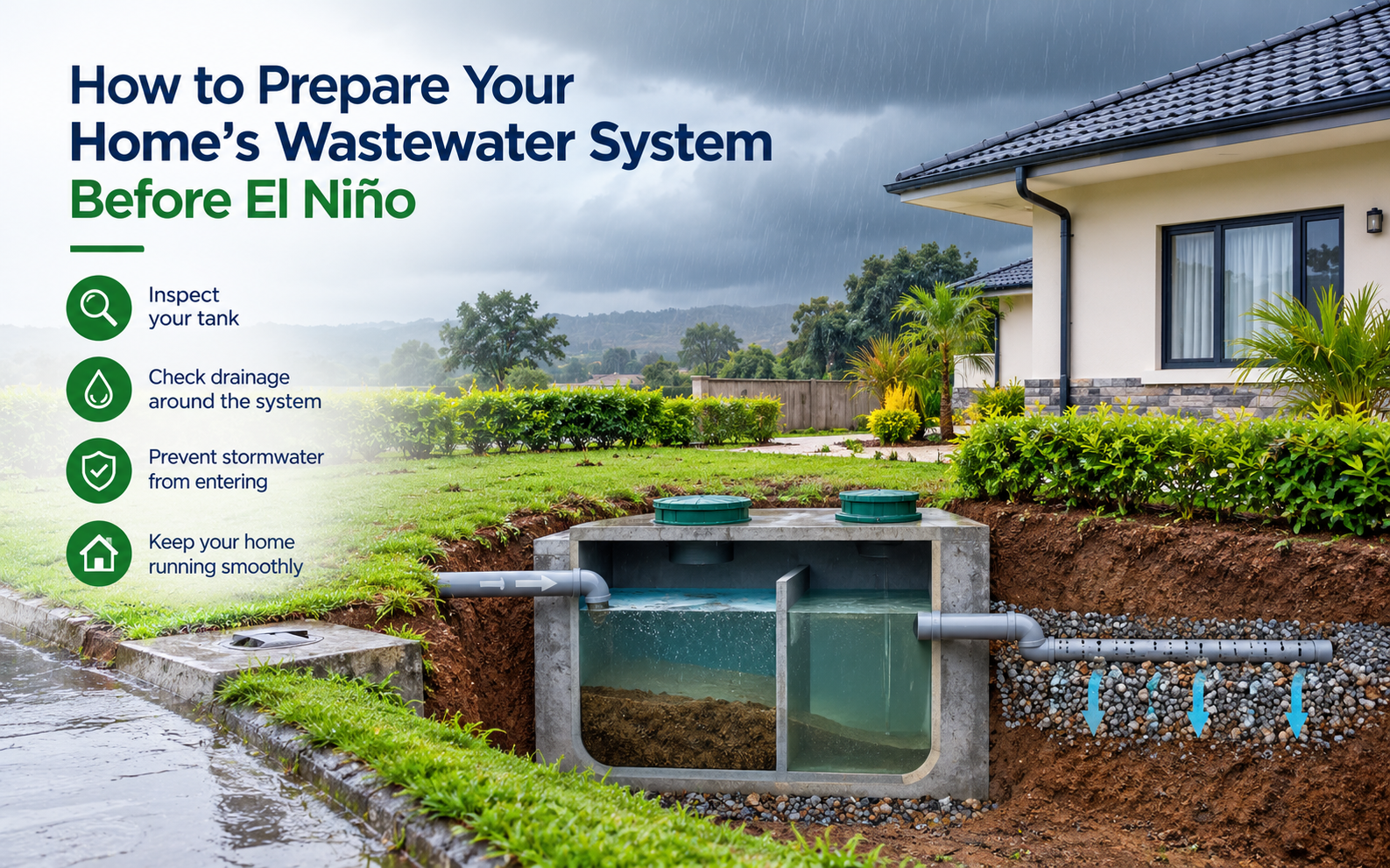
- The treated water is directed to a localized soaking area or French drain.
Because the solids are consumed by bacteria rather than just settling at the bottom, the “working” phase of a biodigester is continuous.
There is no “full” state in a well-maintained system, which is the primary reason homeowners save thousands of shillings by avoiding the recurring cost of exhaust bowser services in Nairobi and surrounding satellite towns.
Environmental Variables: Soil and Location in Kenya
The time it takes for the entire system—including the soakaway—to work effectively depends heavily on your geography.
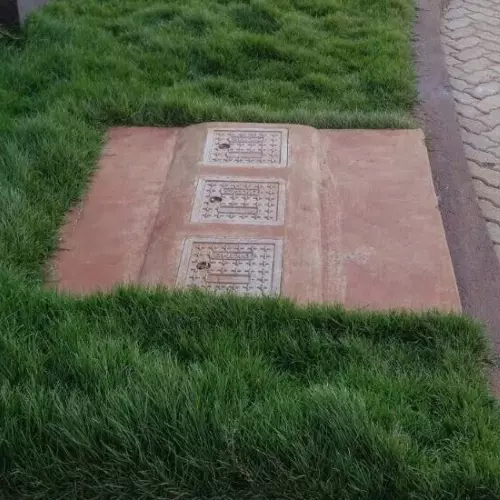
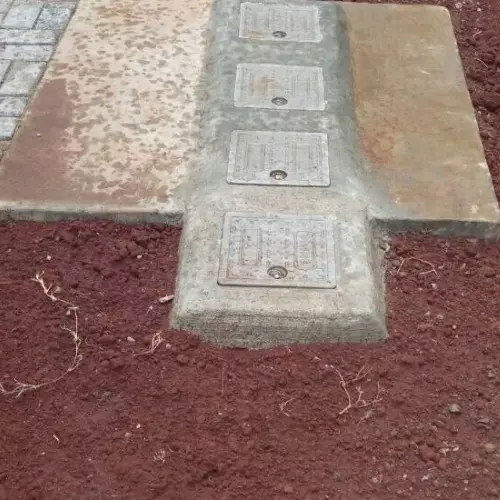
In the red soils of Kiambu or parts of Nairobi, water absorption is rapid, meaning the treated water exits the system and enters the ground almost instantly.
The situation changes in areas like Kitengela or Kamulu, where heavy black cotton soils are common.
Black cotton soil has poor absorption rates, which can make a system feel “sluggish” if the soaking area is not engineered correctly.
In these regions, we emphasize the construction of larger French drains or specialized absorption pits to ensure the treated water doesn’t back up into the digester.
Regardless of the soil, the Bio Digester Installation process must be tailored to the site’s topography to ensure the hydraulic flow remains consistent.
Phone: Call +254 712 660 245 | Email: Email info@biodigesterkenya.co.ke
Maintaining Peak Performance and Avoiding System Sluggishness
A biodigester doesn’t just “work” and then stop; it requires a living ecosystem.
Over time, the use of harsh chemicals such as concentrated bleach or strong caustic sodas can kill the enzyme colony.
When this happens, the system stops “working” efficiently, and you may notice slower drainage or the return of odors.
To restore a sluggish system, we suggest using a Septic Tank Cleaner.
This product helps break down accumulated sludge and reintroduces the necessary biological agents to restart the digestion process.
Regular Septic Tank Maintenance prevents the need for expensive corrective measures later.
Comparing the “Working Life” to Traditional Septic Tanks
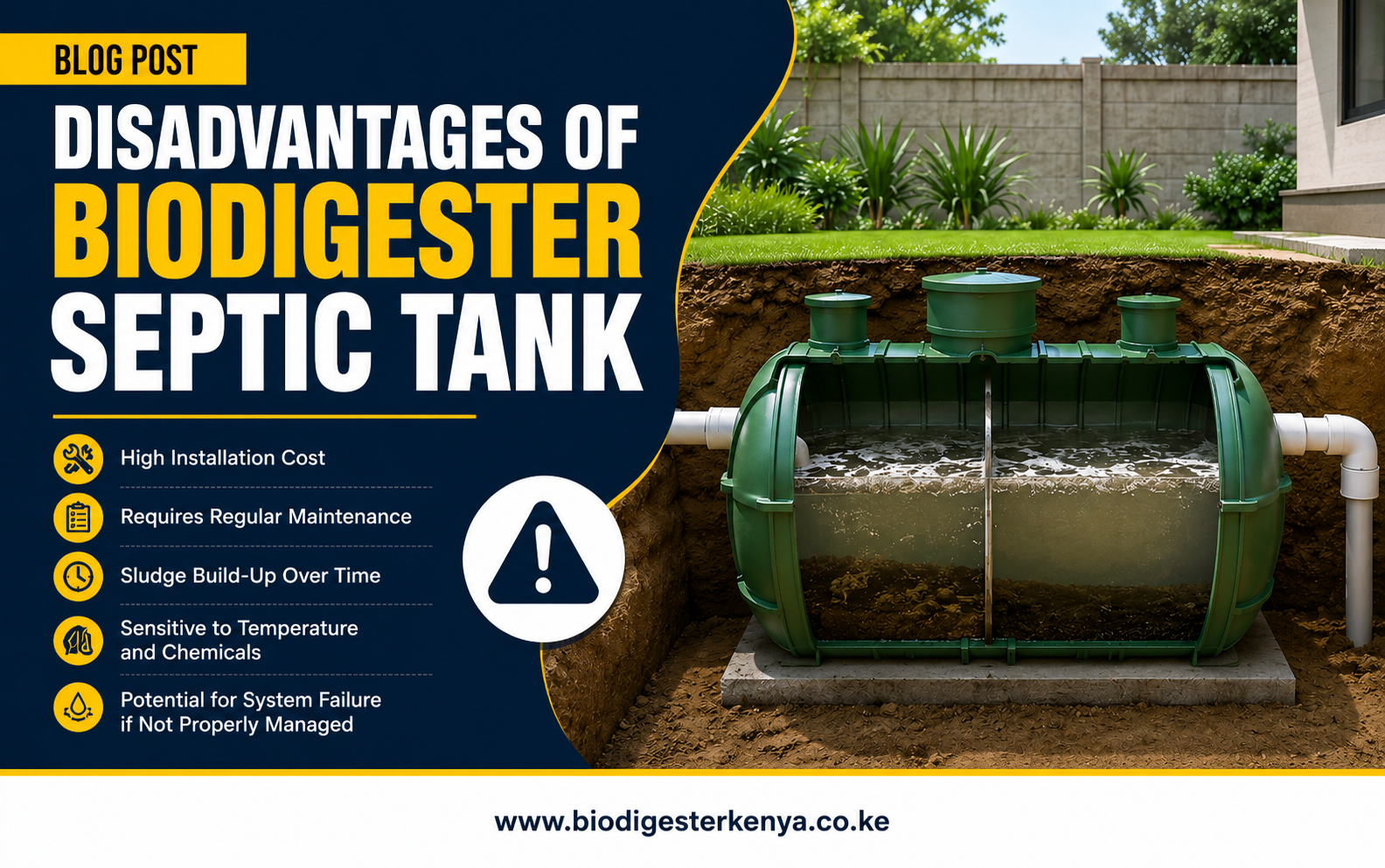
If you are weighing the options, a biodigester vs septic tank comparison reveals a stark difference in longevity.
A traditional tank “works” until it is full, often requiring emptying every 3 to 5 years.
A biodigester, provided the enzymes are active, works indefinitely by converting waste into water.
This shifts the homeowner’s burden from expensive waste removal to simple, low-cost bacterial replenishment.

Conclusion
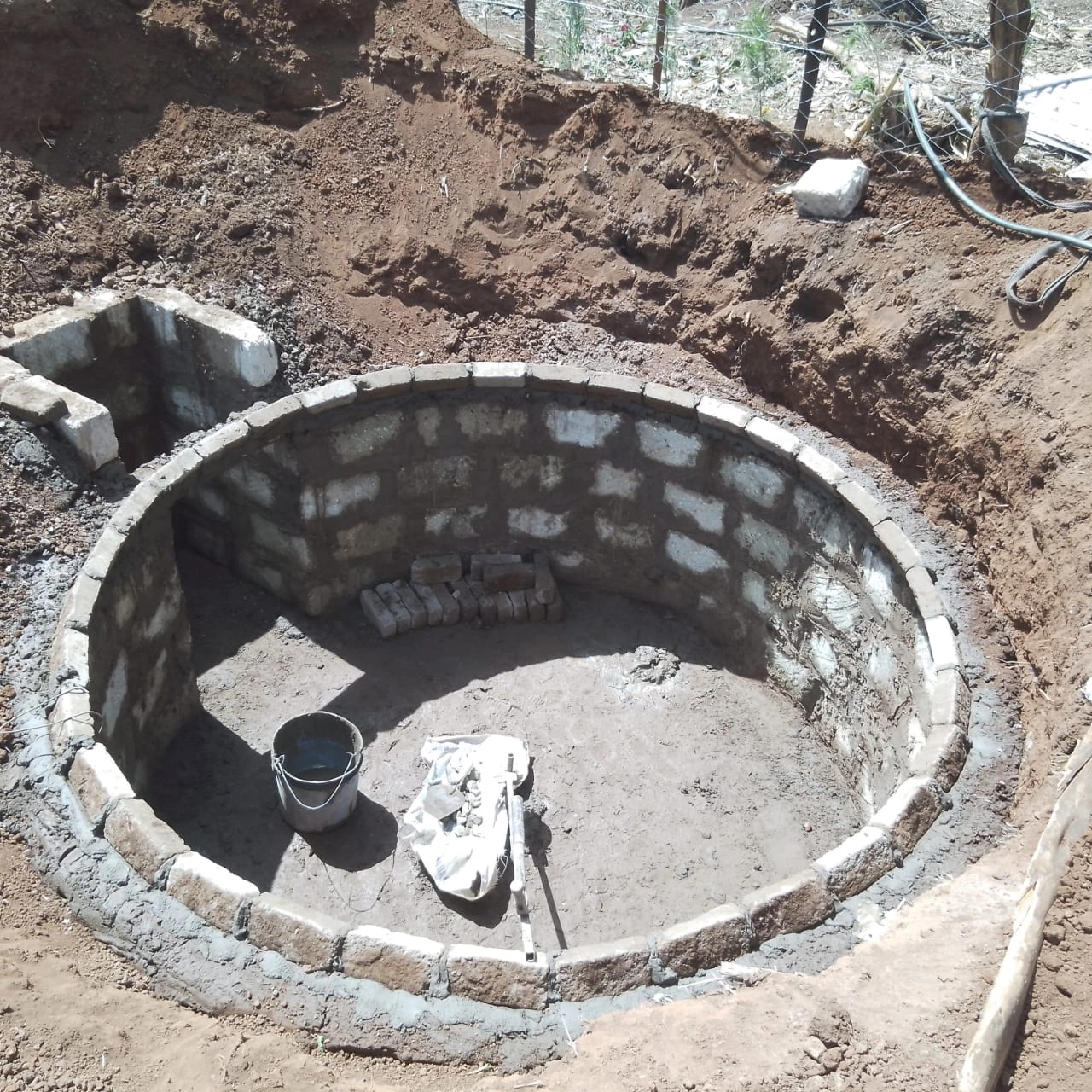
Moving away from outdated concrete rings and the endless cycle of paying for exhaust bowsers is a strategic financial decision for any Kenyan property owner.
By understanding that a biodigester reaches full biological potency within two weeks, you can plan your occupancy and site development with confidence.
Investing in Bio Digester Kenya solutions ensures an environmentally sound, NEMA-compliant, and cost-effective sanitation future.
Ready to eliminate the hassle of exhaust tanks?
Phone: Call +254 712 660 245 | Email: Email info@biodigesterkenya.co.ke
Frequently Asked Questions
- Does a biodigester smell during the first few days?
Occasionally, a slight odor may occur during the initial bacterial colonization phase, but this disappears once the enzyme colony stabilizes. - How often do you add enzymes to keep it working?
We typically recommend adding Bio Digester Bacteria every 6 to 12 months depending on the volume of waste produced. - Can I use bleach in a house with a biodigester?
Occasional use is fine, but excessive use of strong disinfectants kills the bacteria and slows down the waste breakdown process. - Will black cotton soil stop the biodigester from working?
No, but it requires a properly engineered soaking area or French drain to handle the slower absorption rates. - Does it really eliminate the need for a vacuum truck (exhaust bowser)?
Yes, because the enzymes consume the solids, leaving only treated water to soak into the ground, removing the need for emptying.