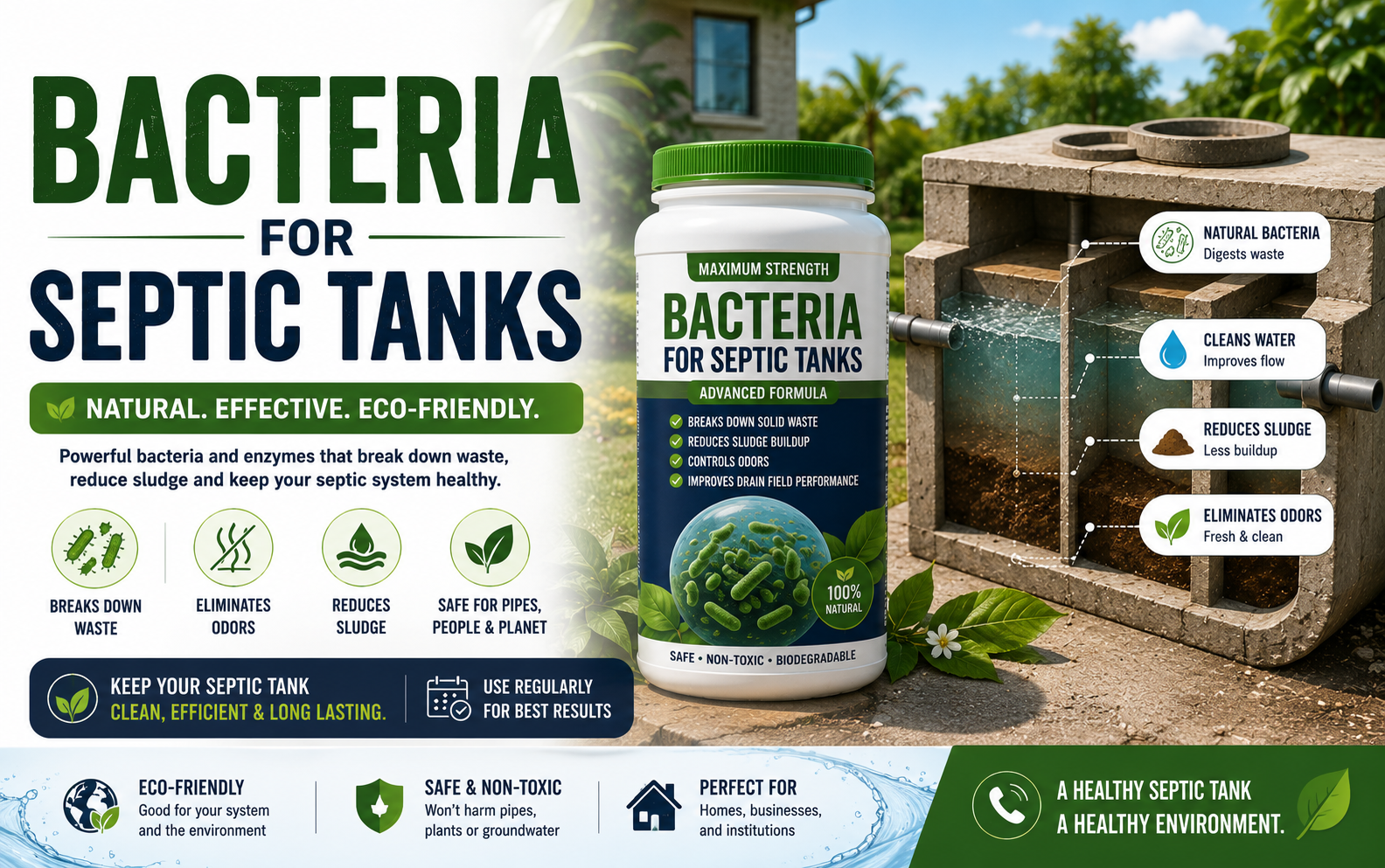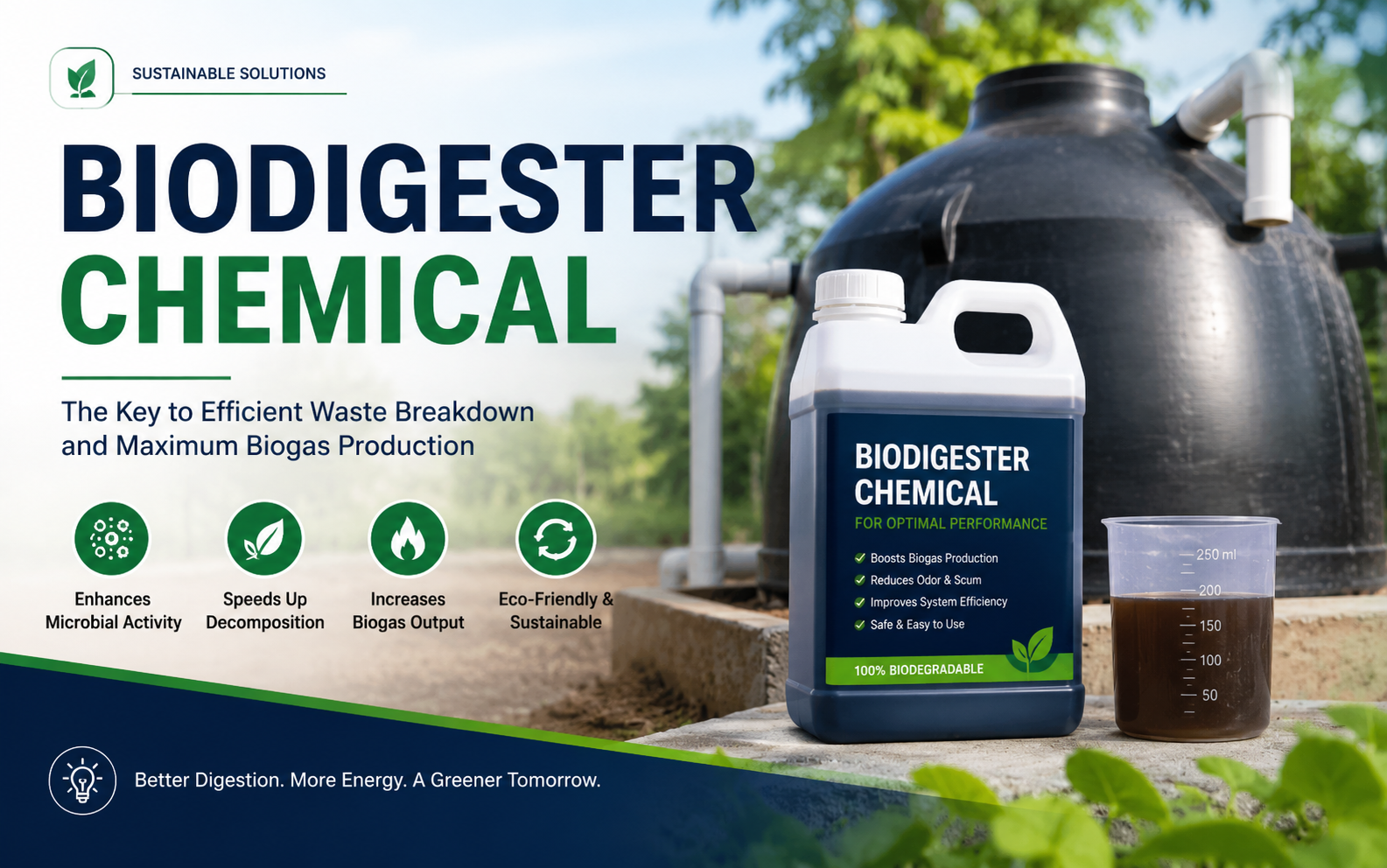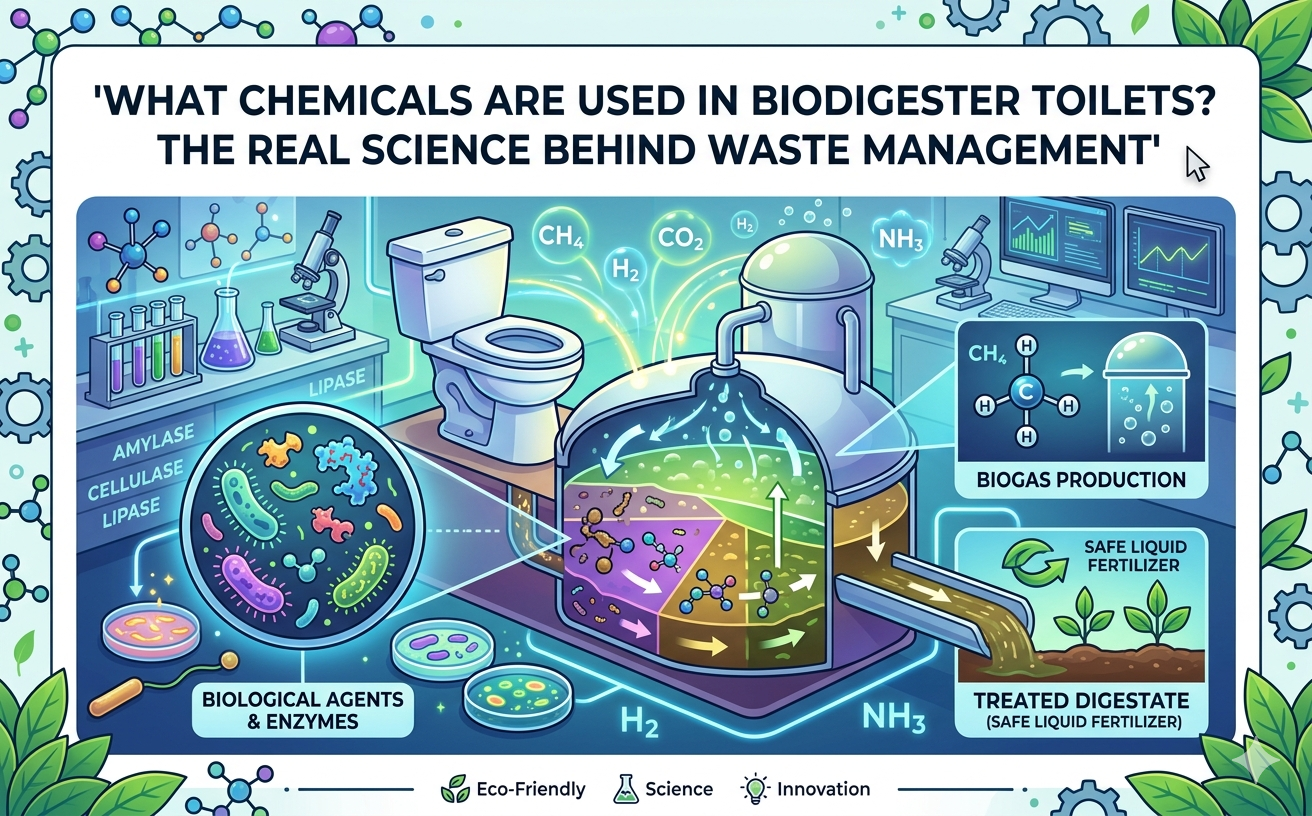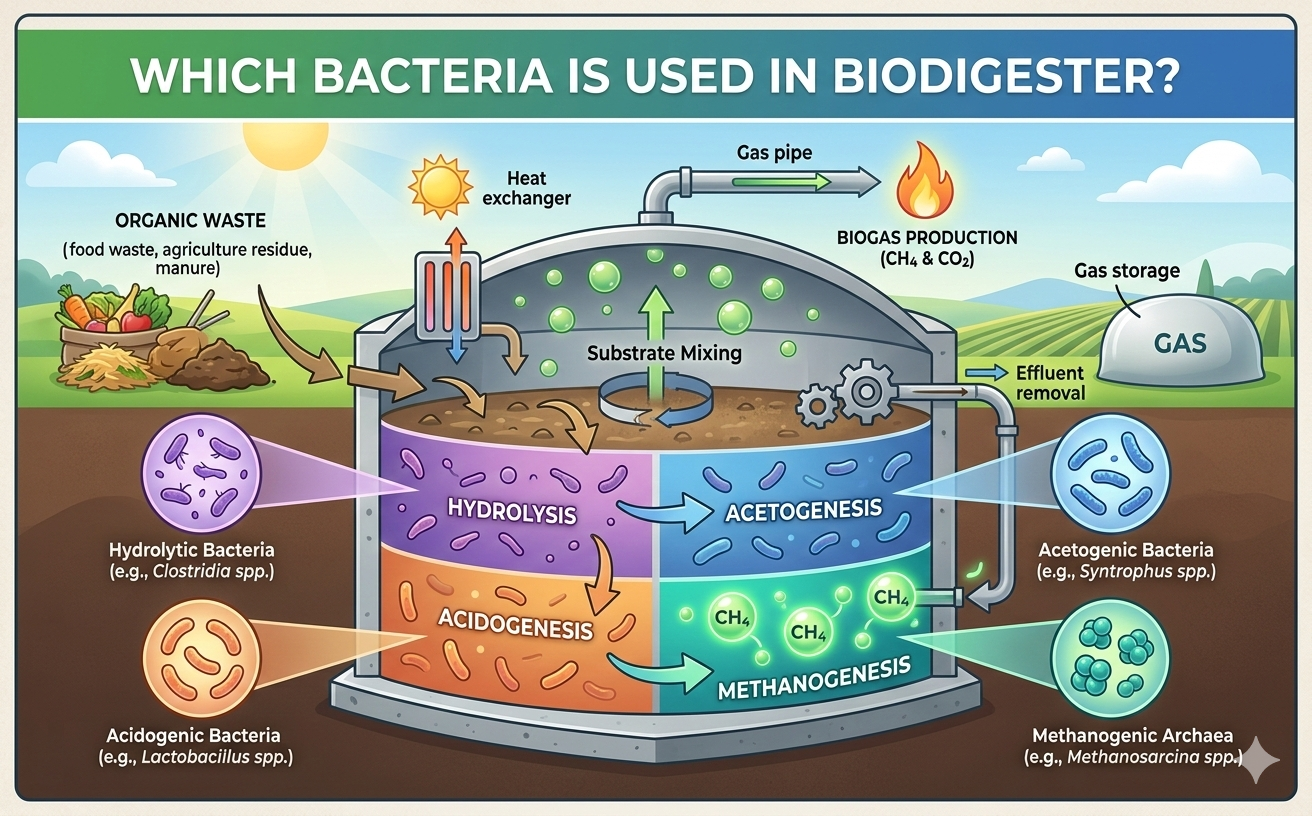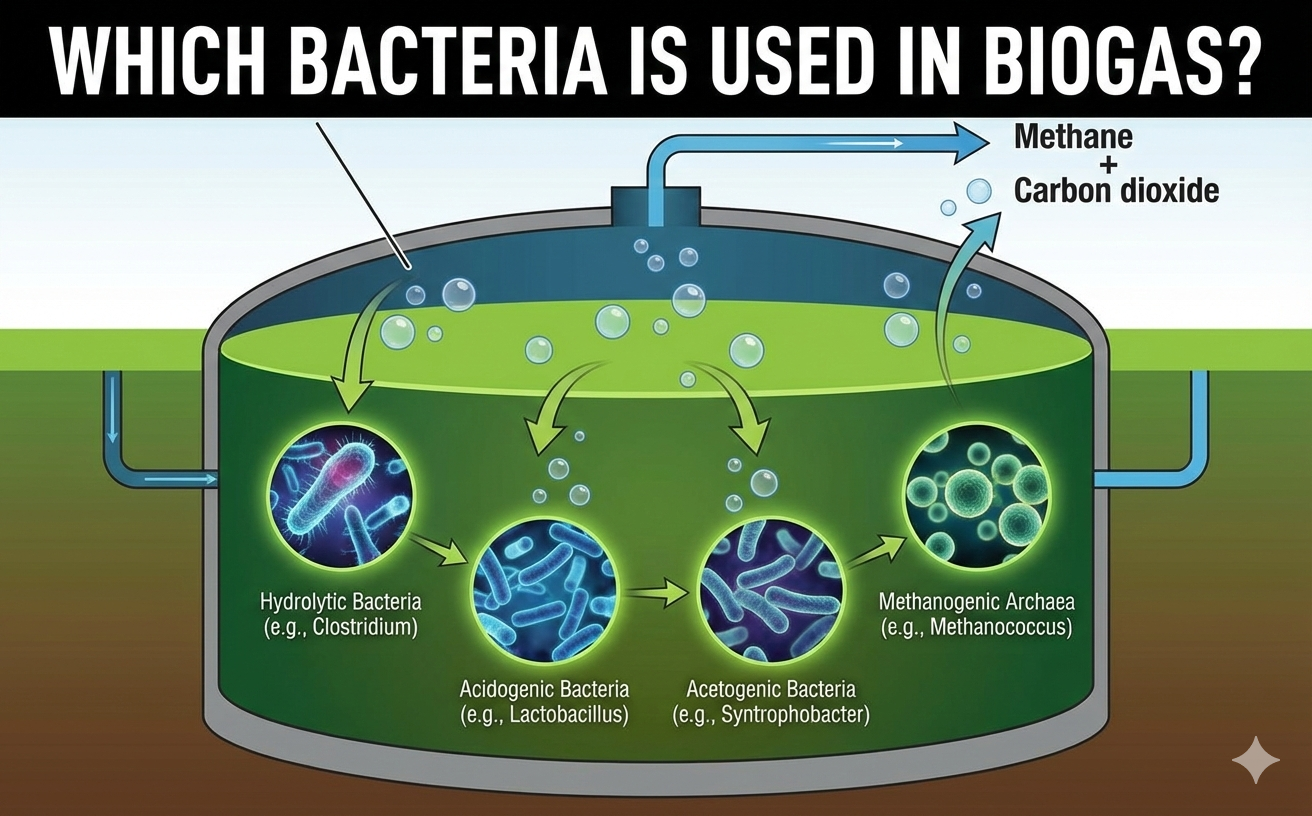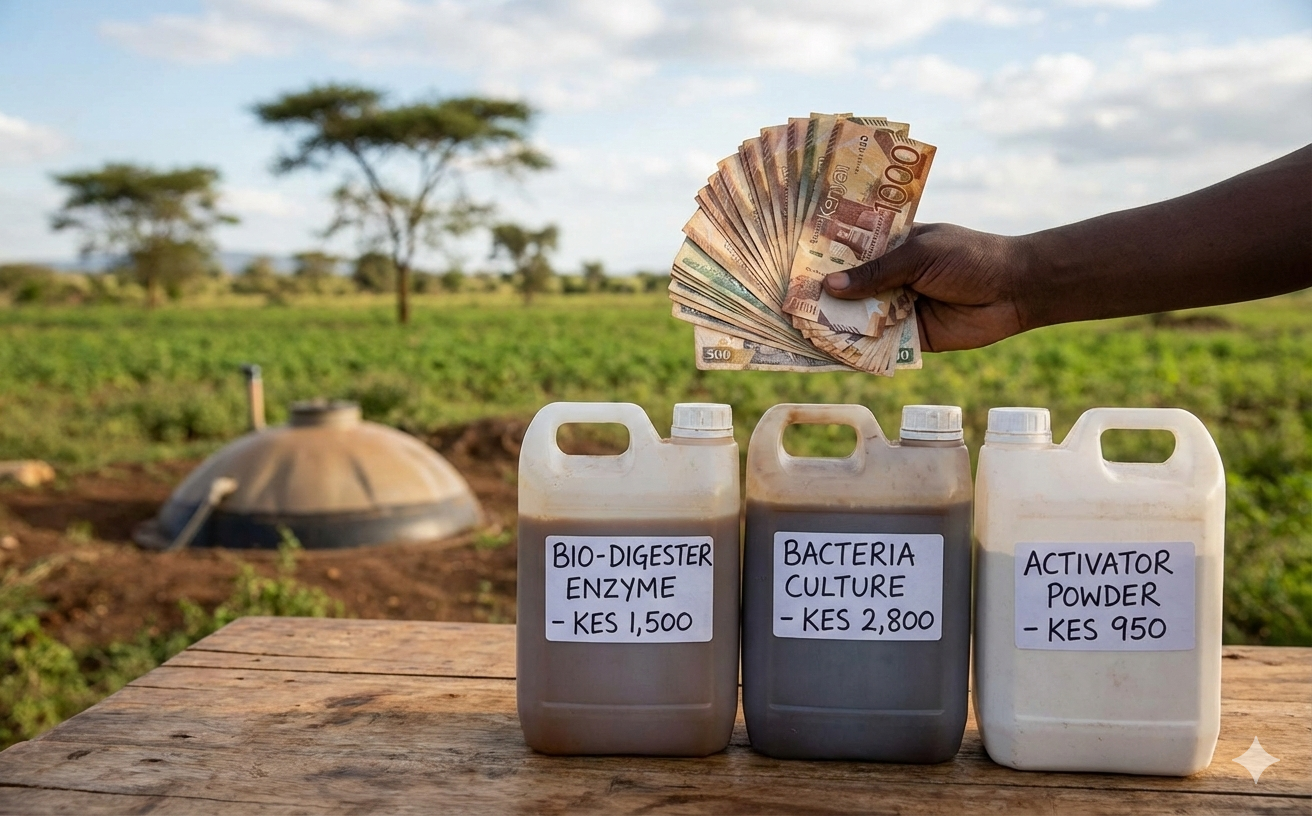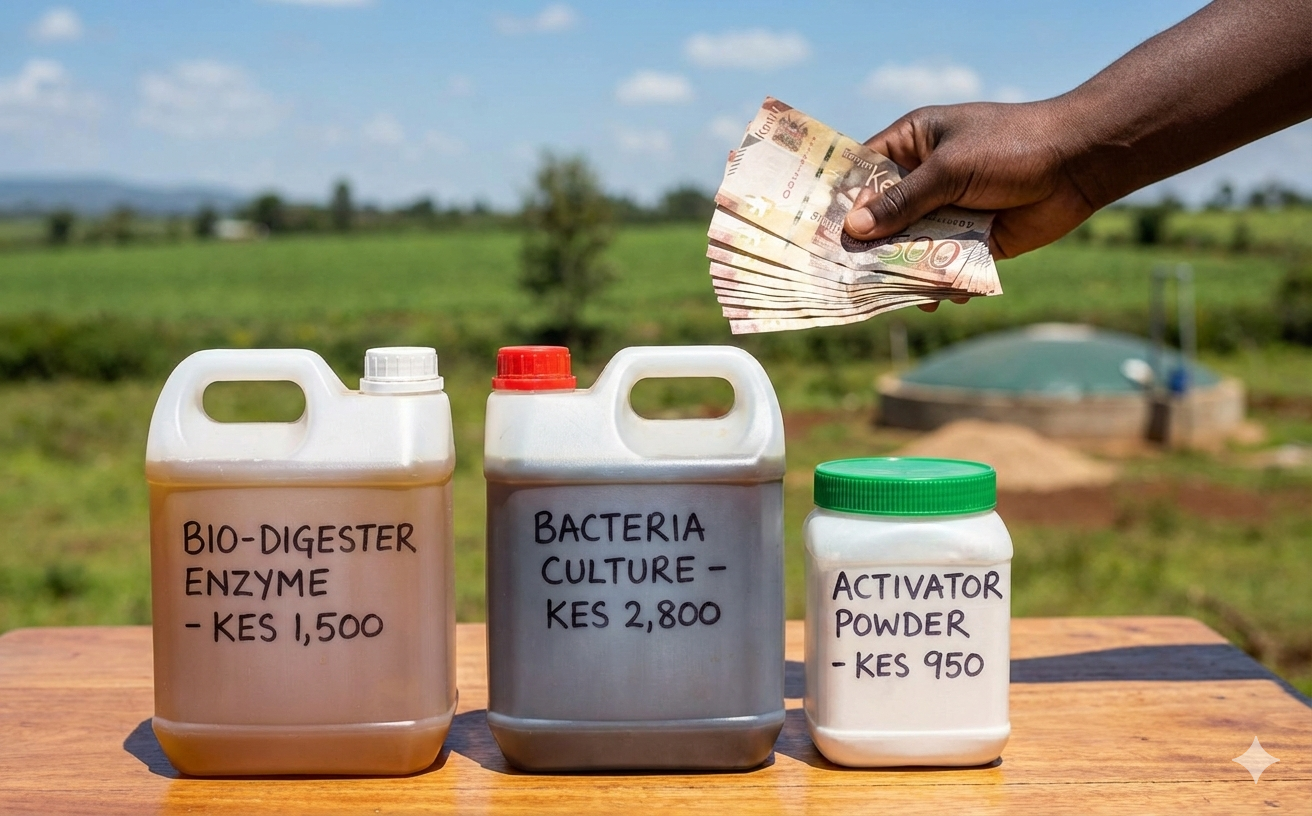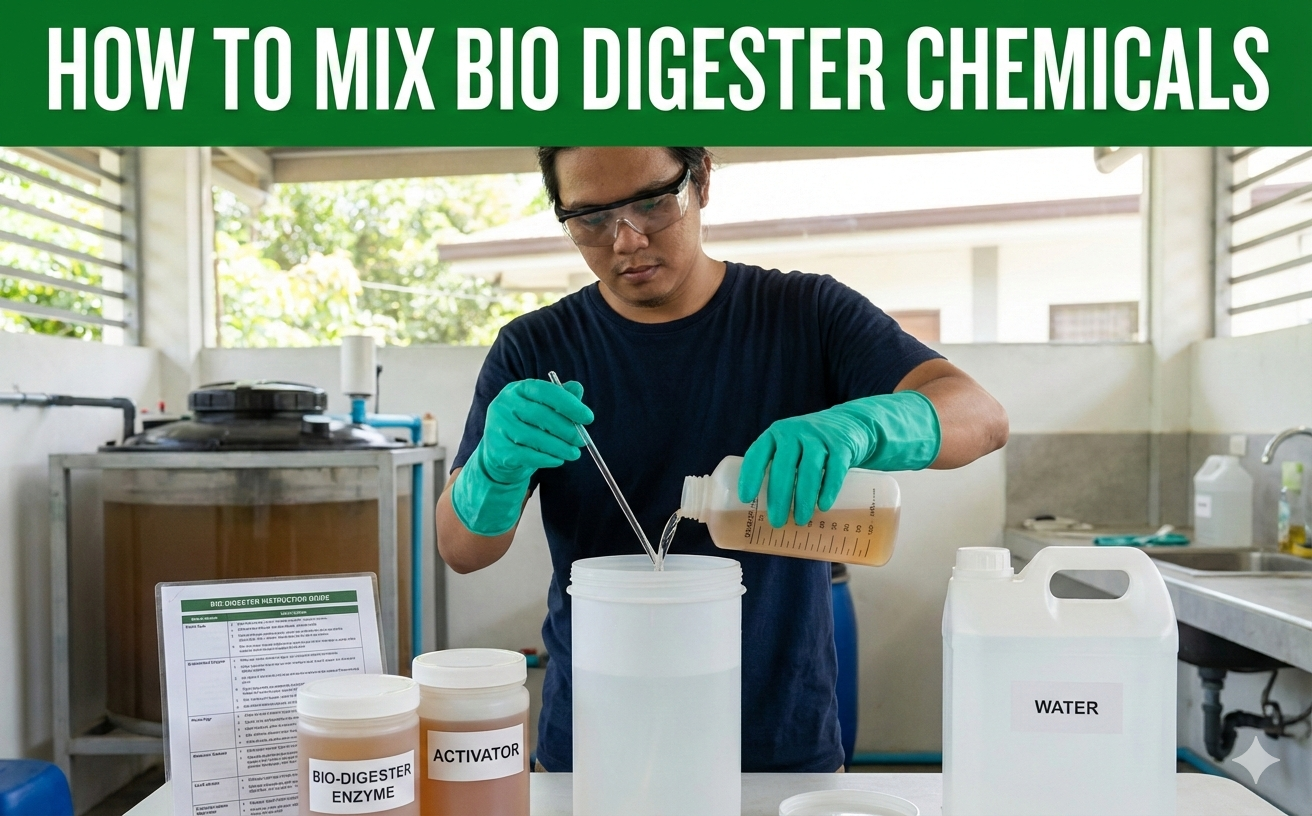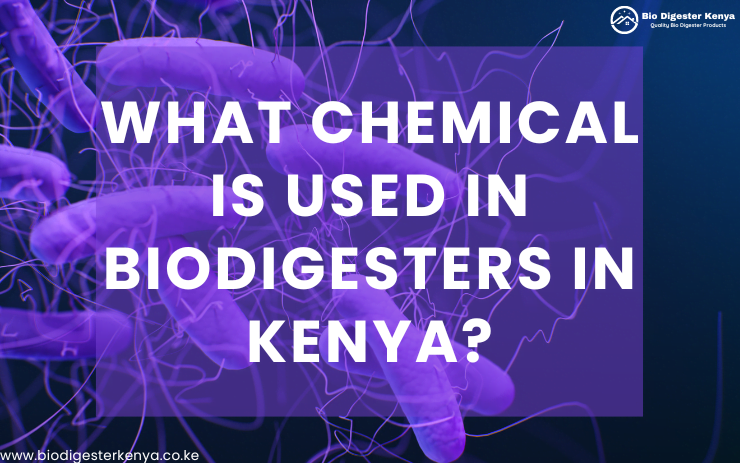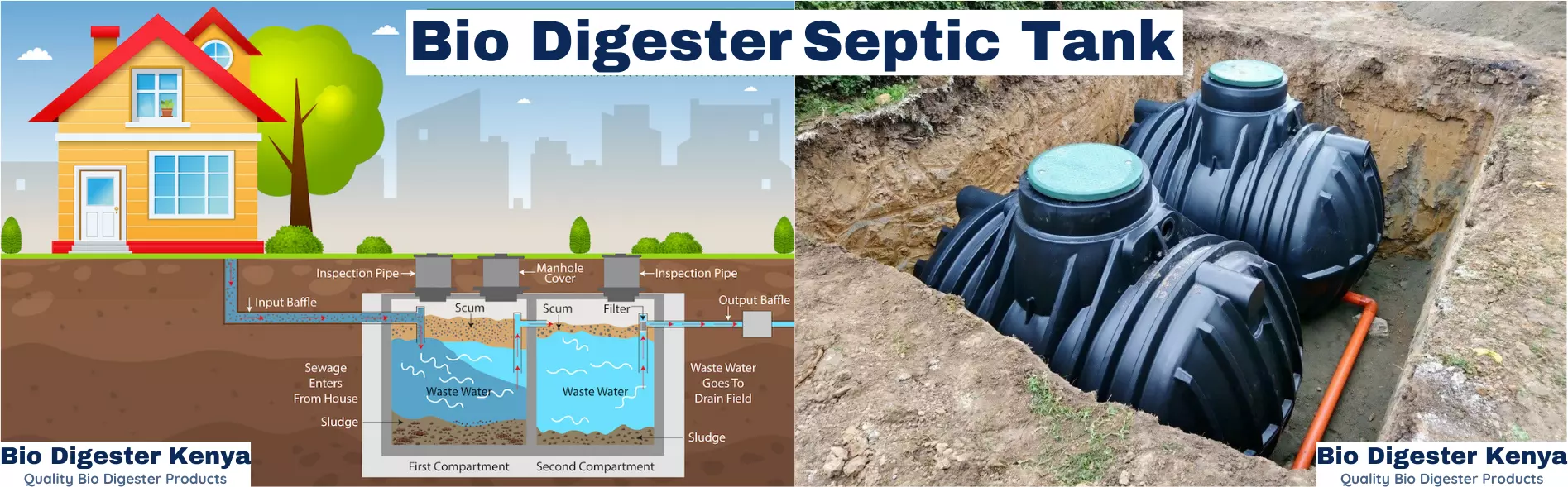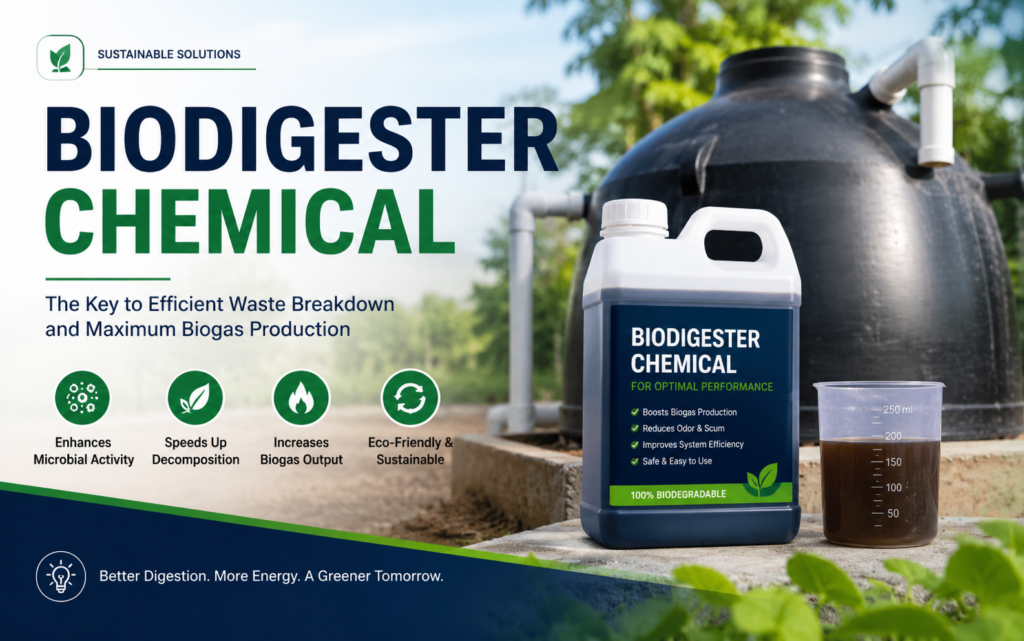
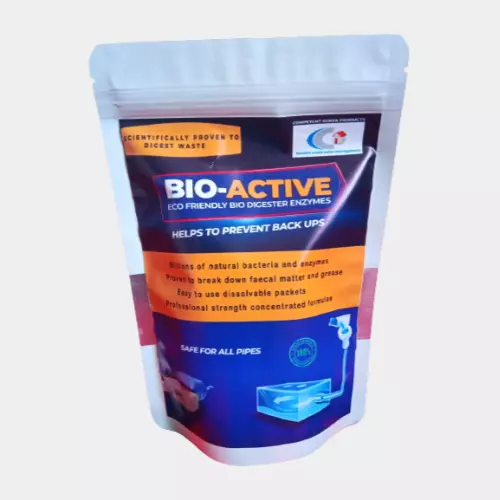
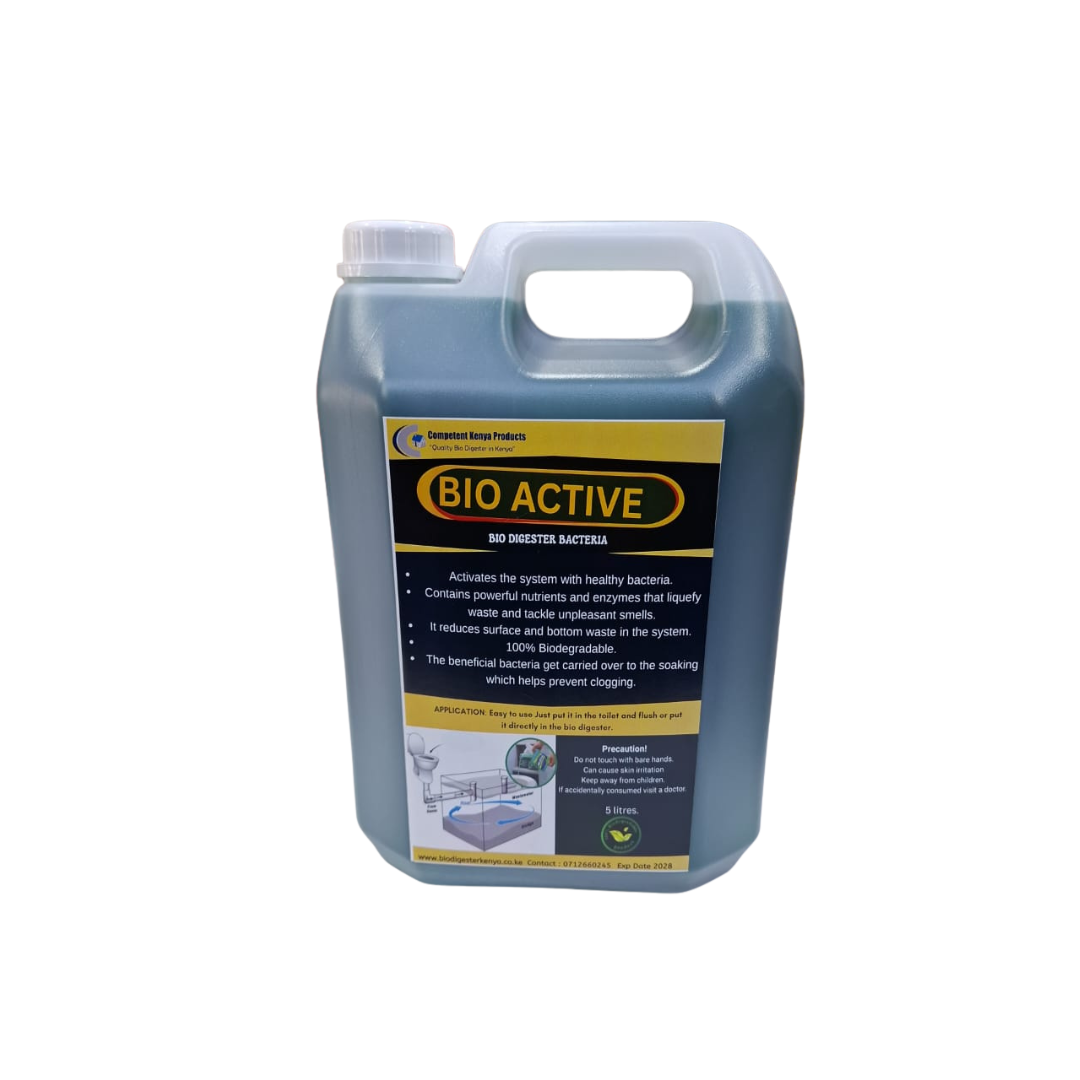
A biodigester chemical is not a synthetic toxin but a concentrated blend of bio-enzymes and anaerobic bacteria designed to accelerate the decomposition of organic waste.
These biological agents break down solids into treated water and odorless air, ensuring the system remains free-flowing and eliminating the need for expensive exhaust bowser services in Kenya.
Understanding the Role of Enzymes in Waste Management
In the Kenyan sanitation market, many property owners mistake “chemicals” for harsh cleaners like caustic soda or bleach.
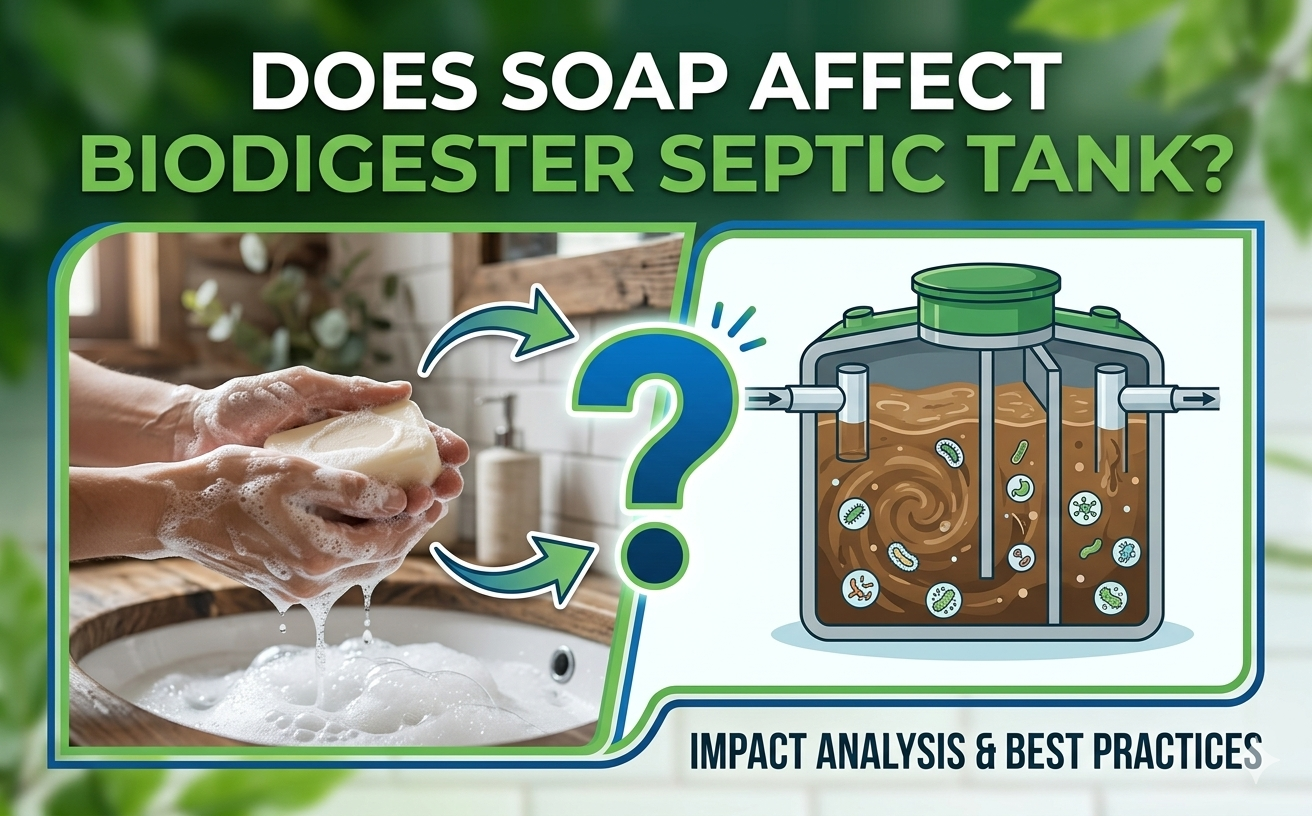
Using these traditional chemicals in a bio-system is a critical error; they sterilize the tank, killing the very microorganisms required for waste breakdown.
A true biodigester chemical is a biological catalyst.
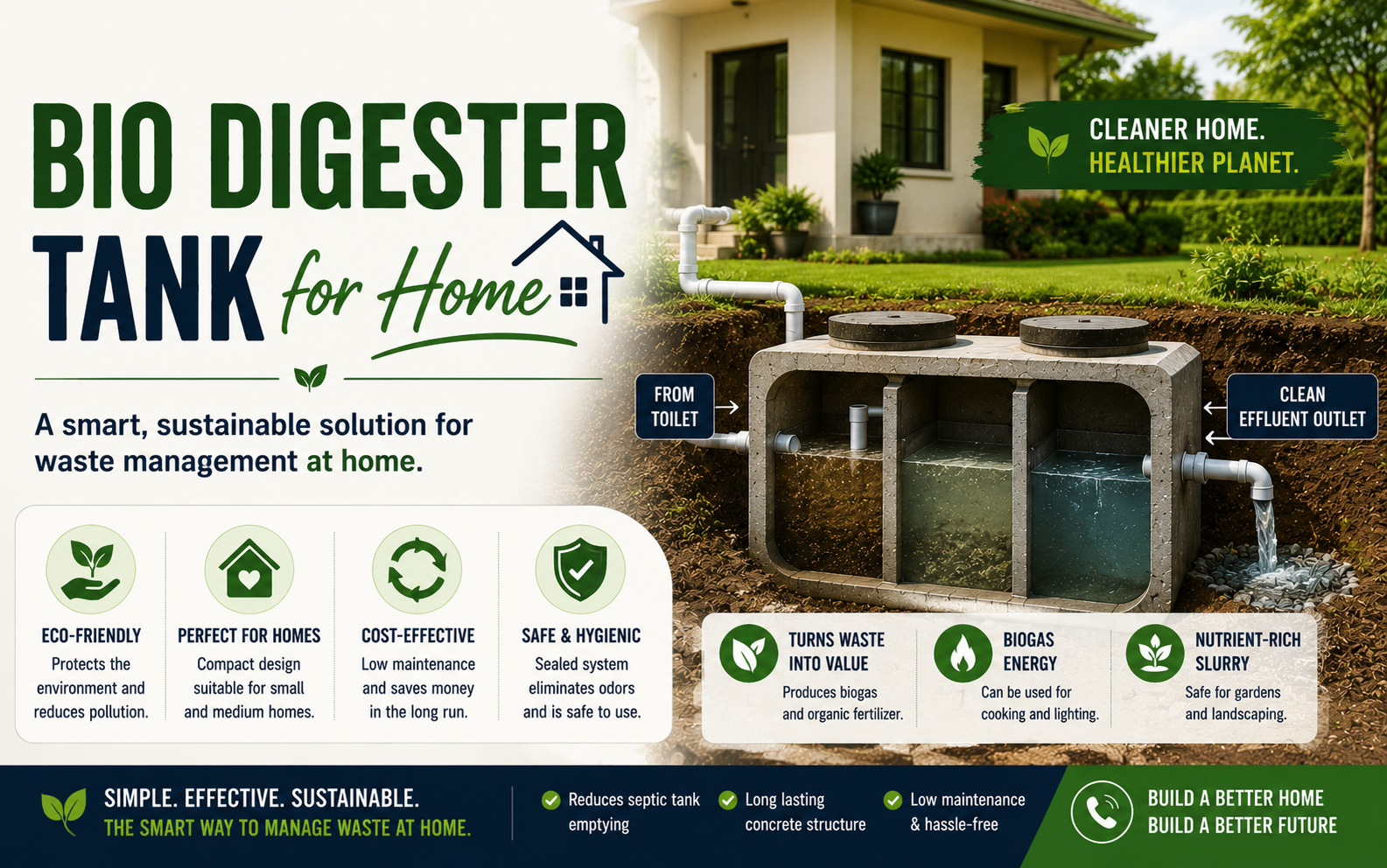
The system functions as a modern human waste management solution for residential homes and commercial spaces.
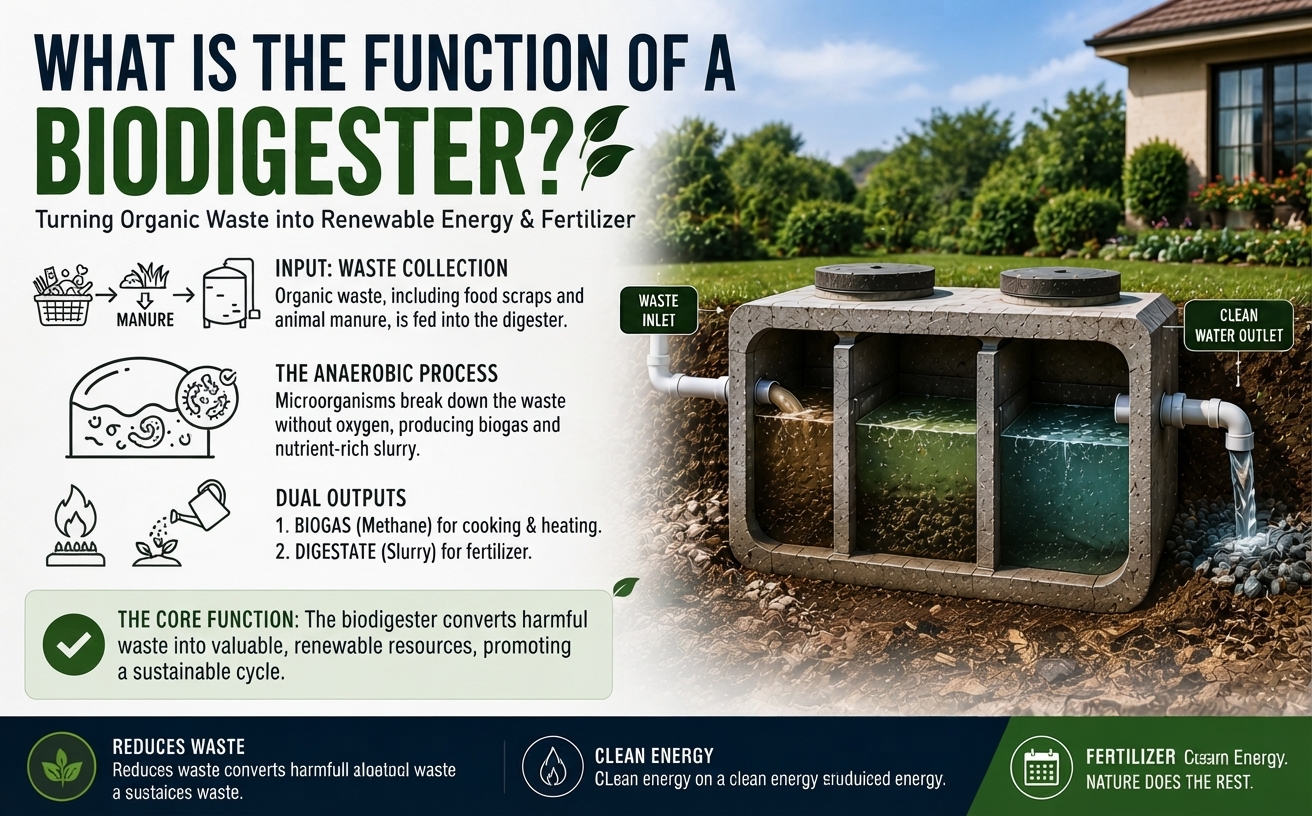
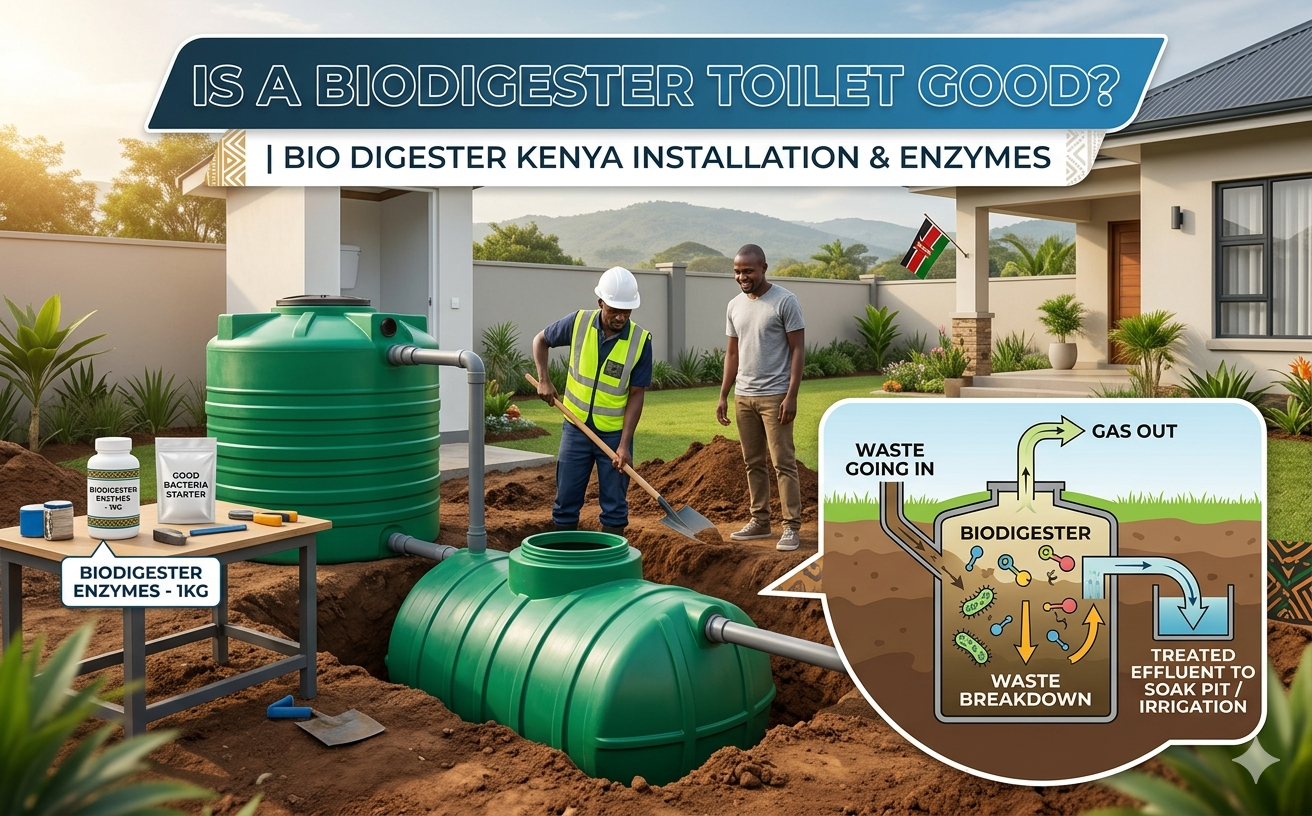
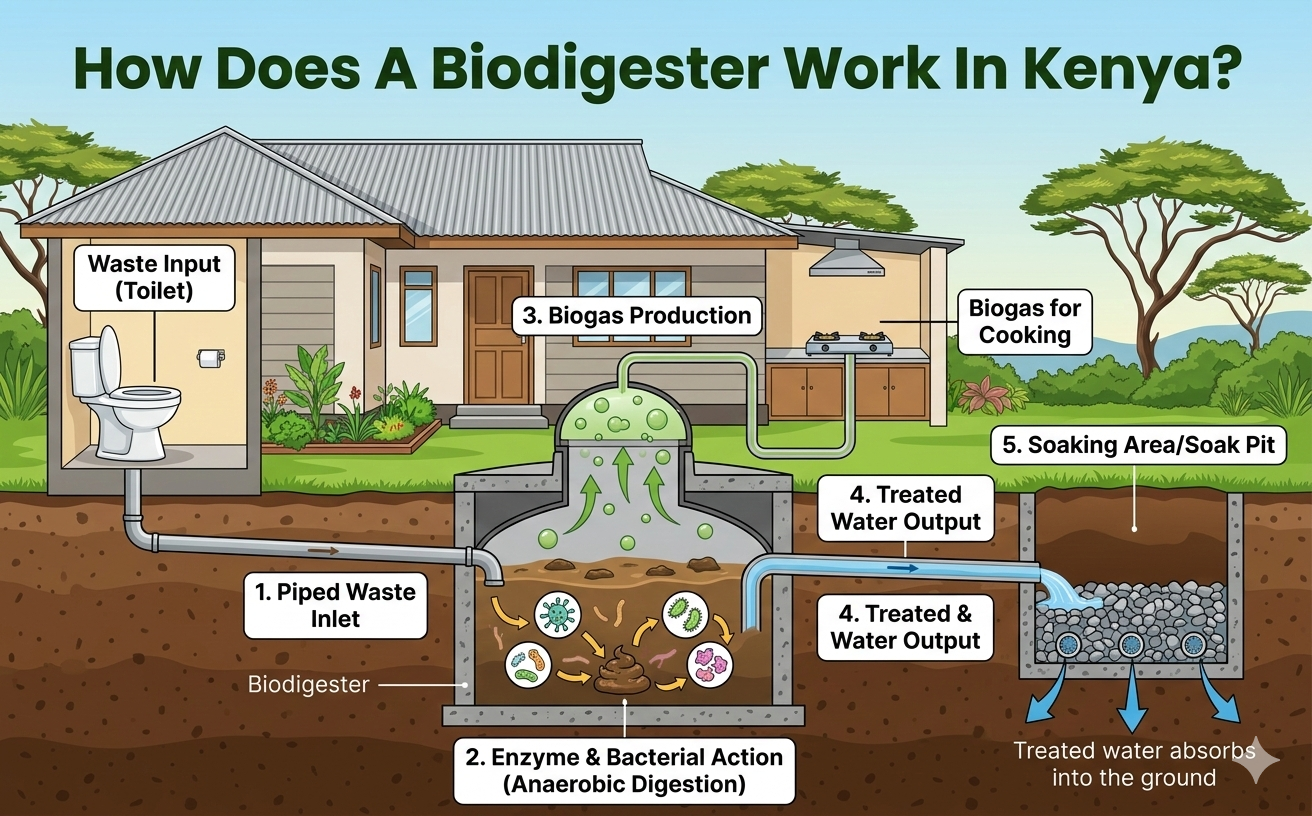
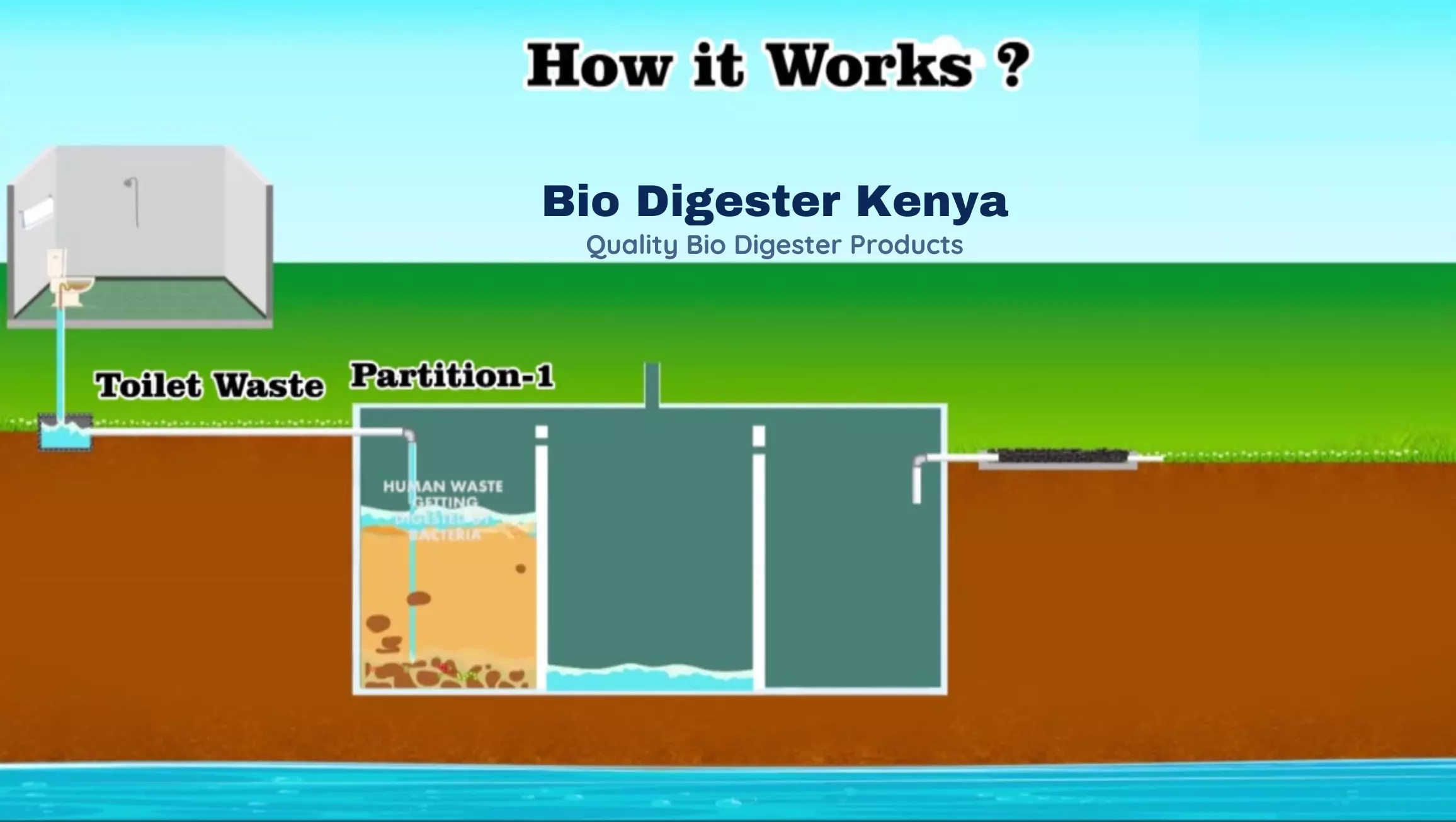
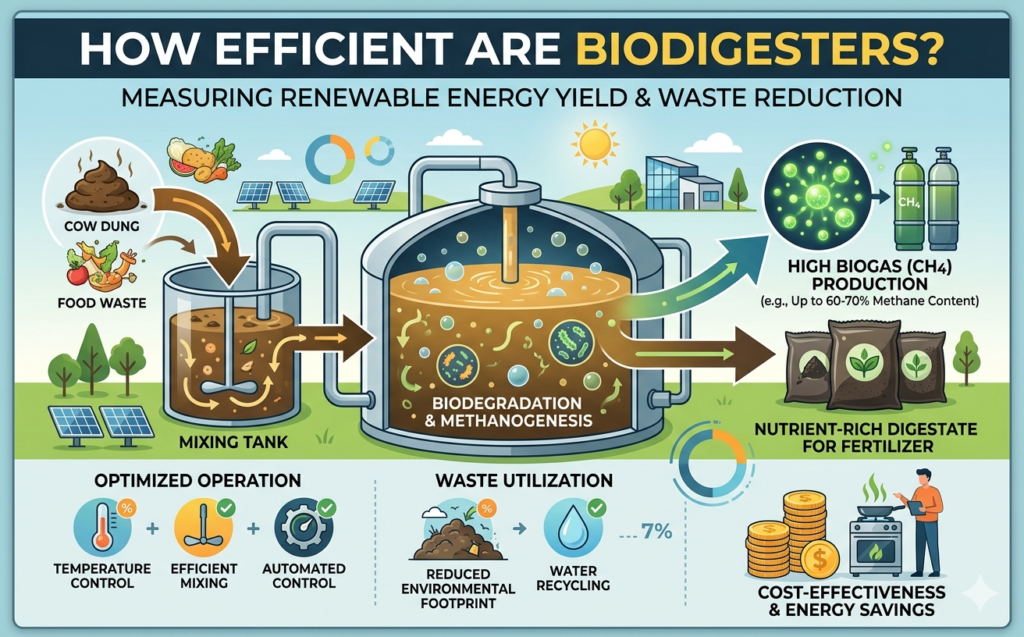
Waste is piped directly into the biodigester where specialized biodigester enzymes break down and consume the solid waste.
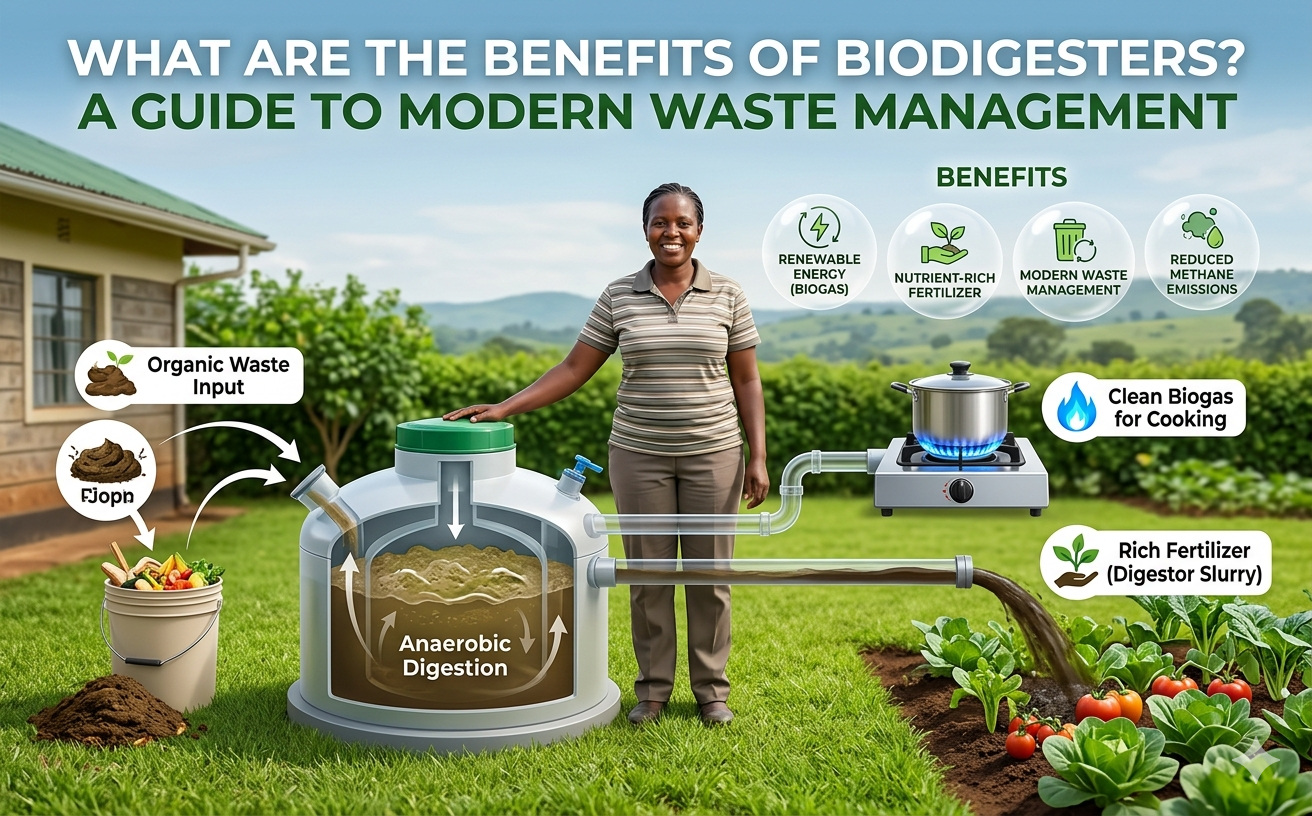
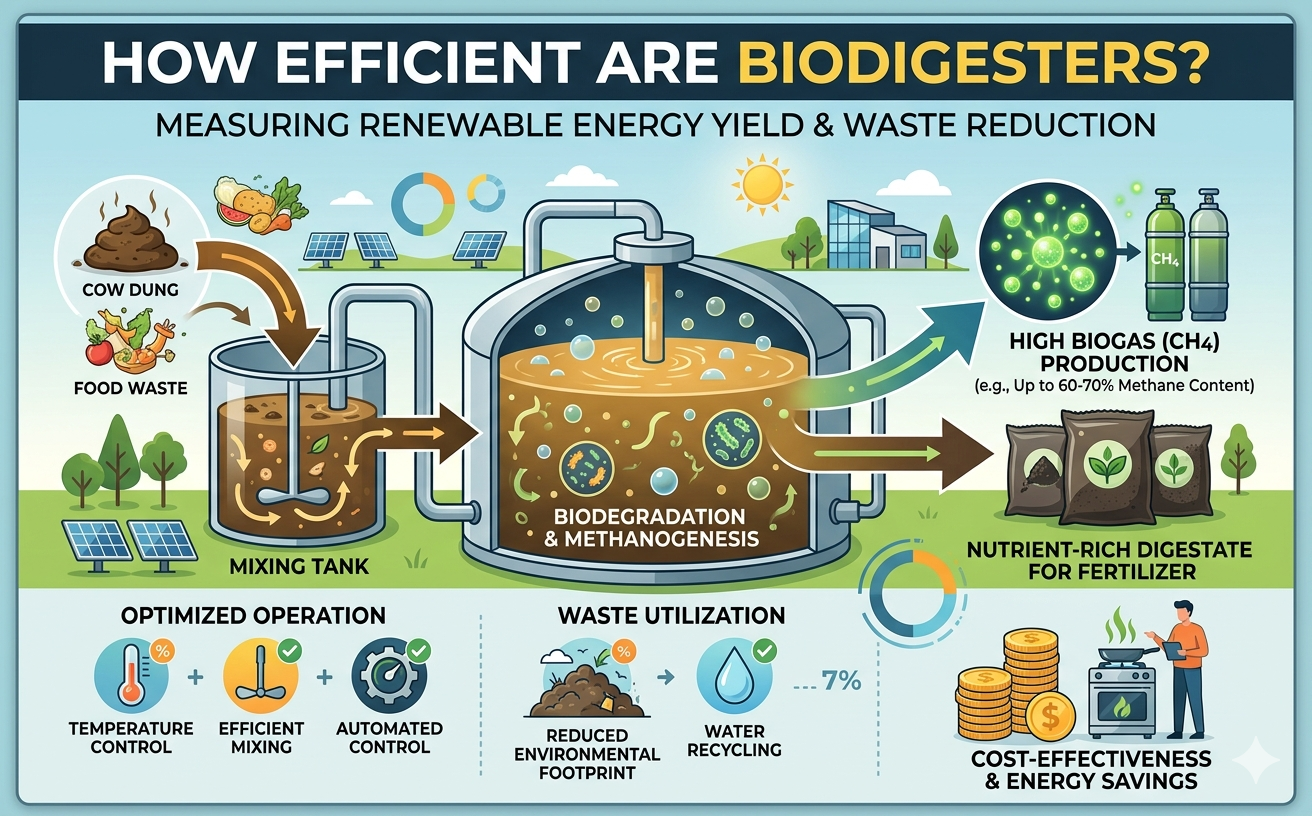
This process, known as anaerobic digestion, converts complex organic matter into simple liquids and gases.
The biological end result is strictly treated water and odorless air.
How the Biological Process Works
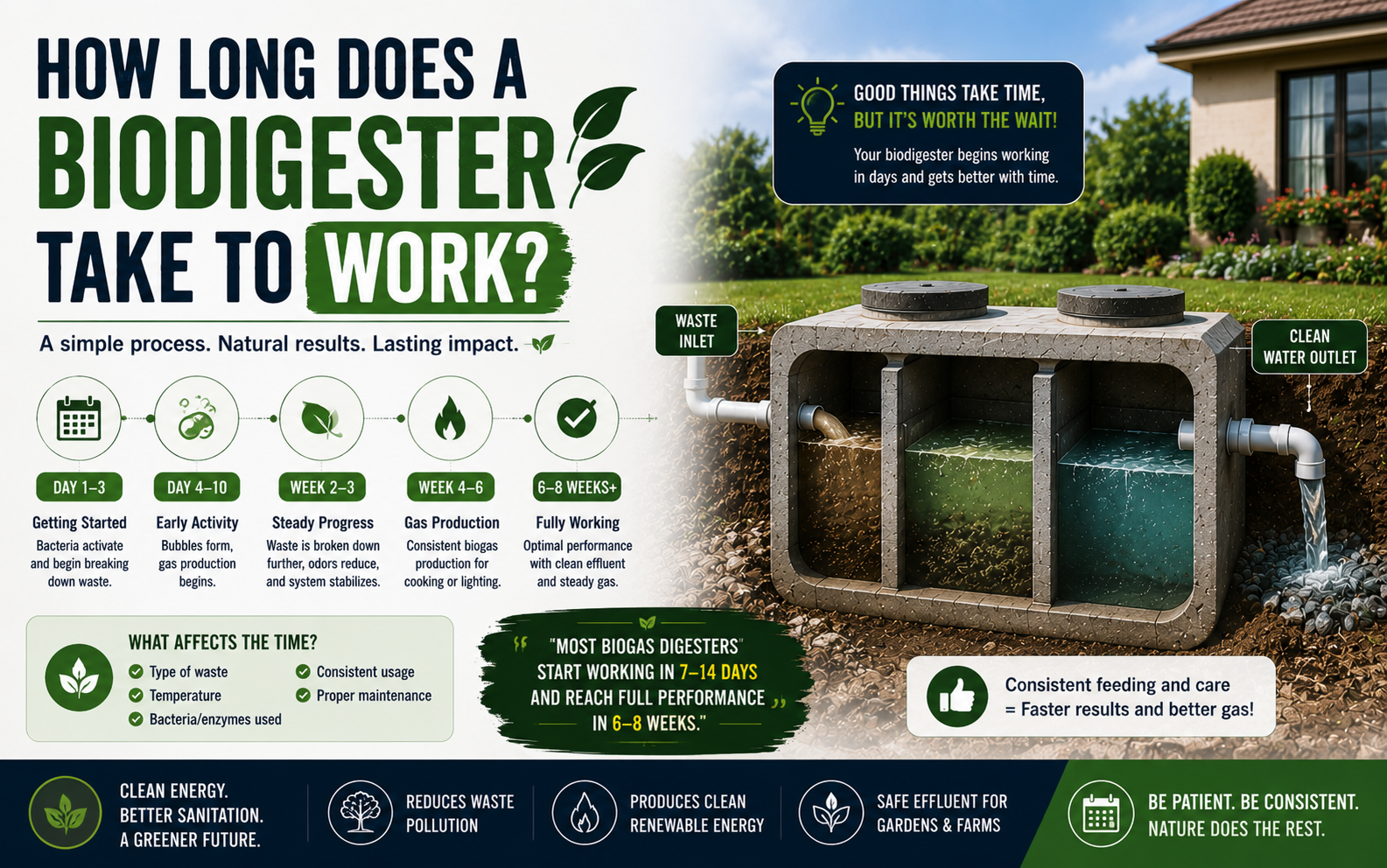
- Enzyme Activation: Once introduced, the bacteria begin breaking down proteins, fats, and carbohydrates.
- Solid Liquefaction: The solid waste is digested, reducing the volume of sludge that typically accumulates in old concrete tanks.
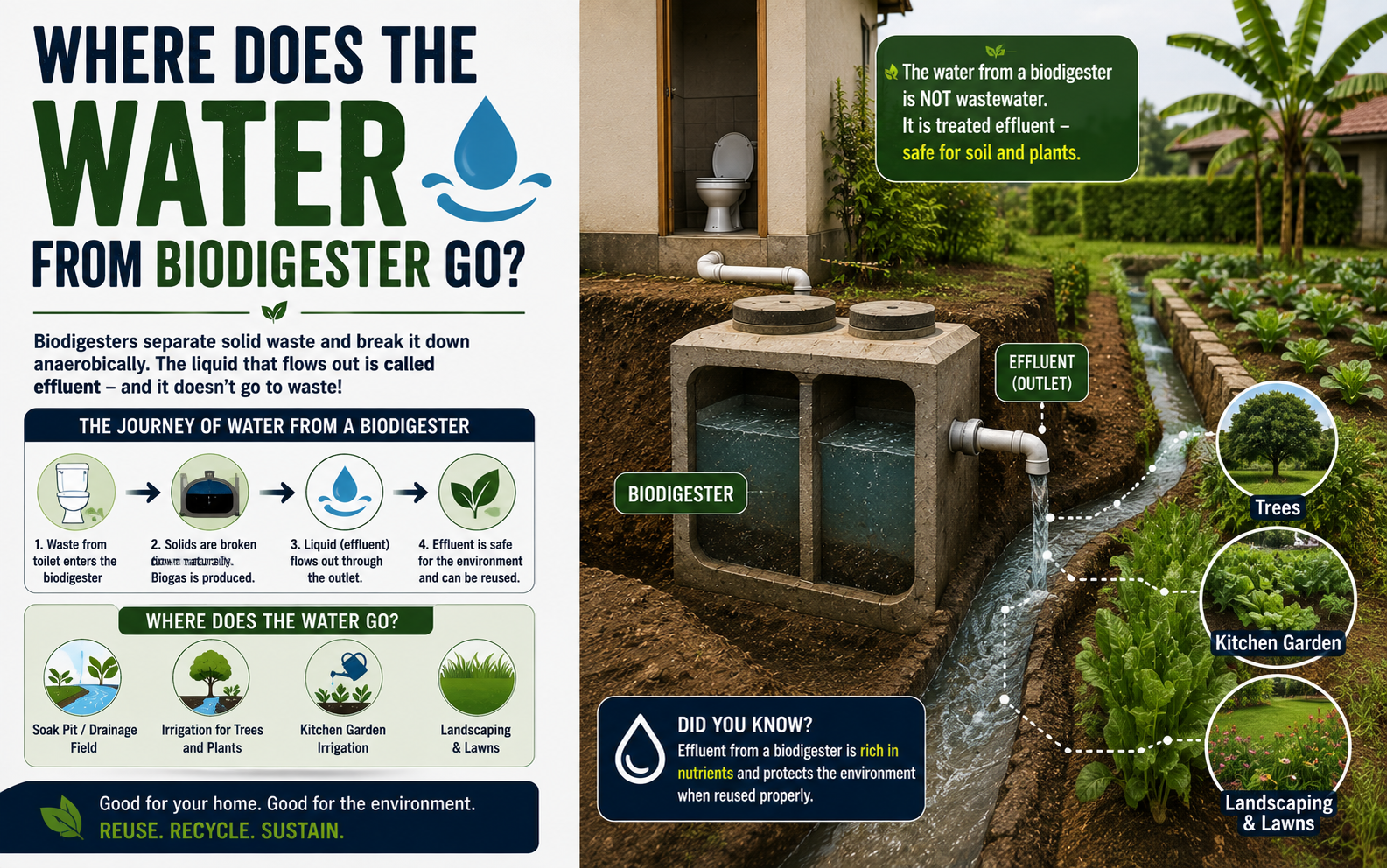
- Filtration and Discharge: The treated water is directed to a localized soaking area or French drain where it is safely absorbed into the ground.
- Atmospheric Venting: Odorless air is released through the vent pipe, ensuring no foul smells linger around the compound.
If you are experiencing a slow system or foul odors, you may need a professional Bio Digester Installation audit to ensure your piping and venting are optimized for these enzymes to work.
Phone: Call +254 712 660 245 | Email: Email info@biodigesterkenya.co.ke
Combatting Kenyan Soil Challenges with Bio-Enzymes
Soil morphology across Kenya dictates how well a sanitation system performs.
In areas like Kitengela, Kamulu, or parts of Kajiado, we deal with heavy black cotton soils.
These soils have poor infiltration rates, meaning the treated water can struggle to soak away, leading to “back-ups” or soggy lawns.
In contrast, the red volcanic soils of Kiambu and Nairobi generally offer better absorption.
However, regardless of the soil type, the efficiency of the “chemical” breakdown inside the tank is what prevents the soaking area from clogging.
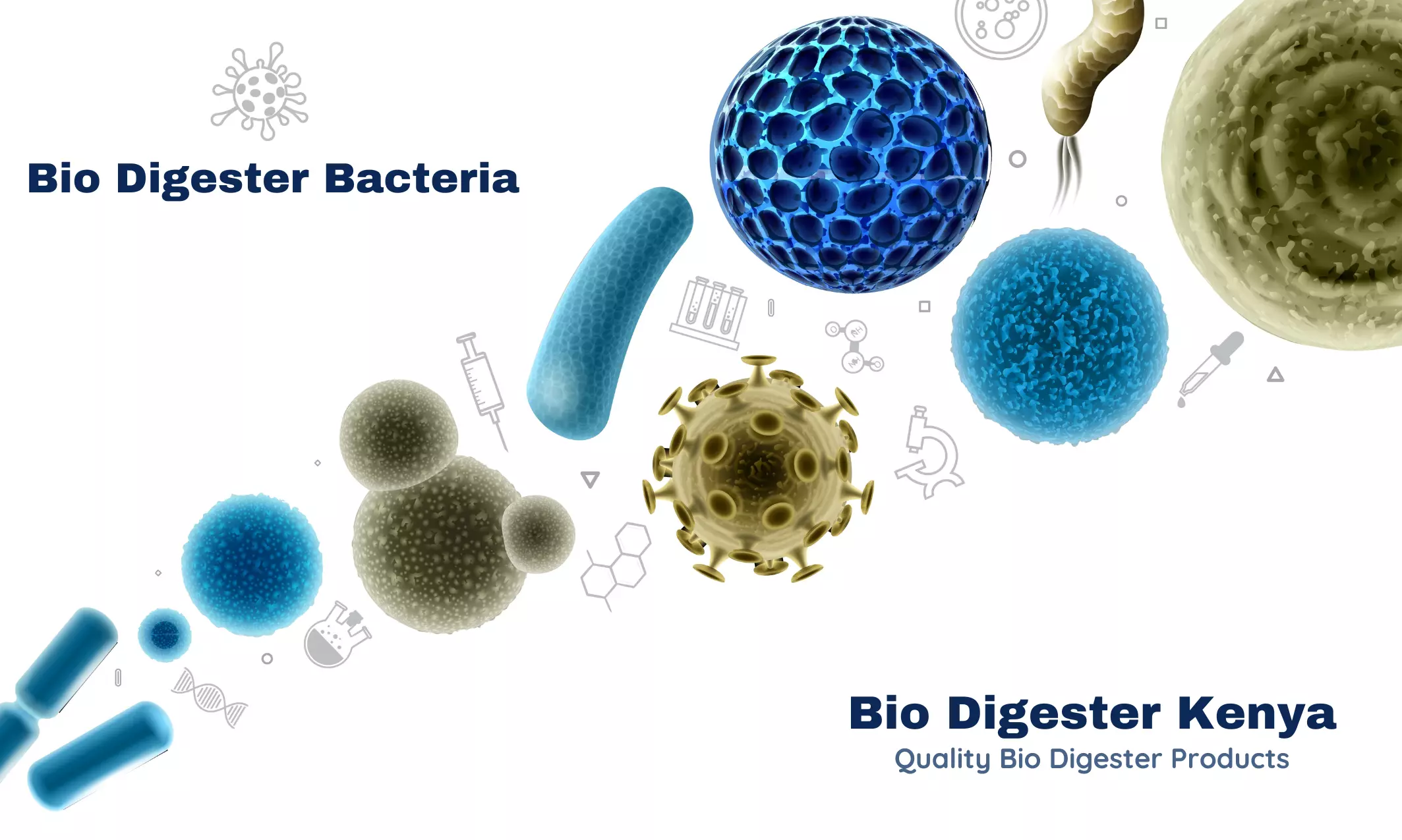
When the waste is fully liquefied by Bio Digester Bacteria, the effluent is clear enough to pass through the soil pores without creating an impermeable sludge layer.
Dealing with System Sluggishness
When a system becomes sluggish, it is usually because the bacterial colony has been depleted or overwhelmed.
This often happens in commercial buildings with high occupancy or homes that use excessive amounts of synthetic detergents.
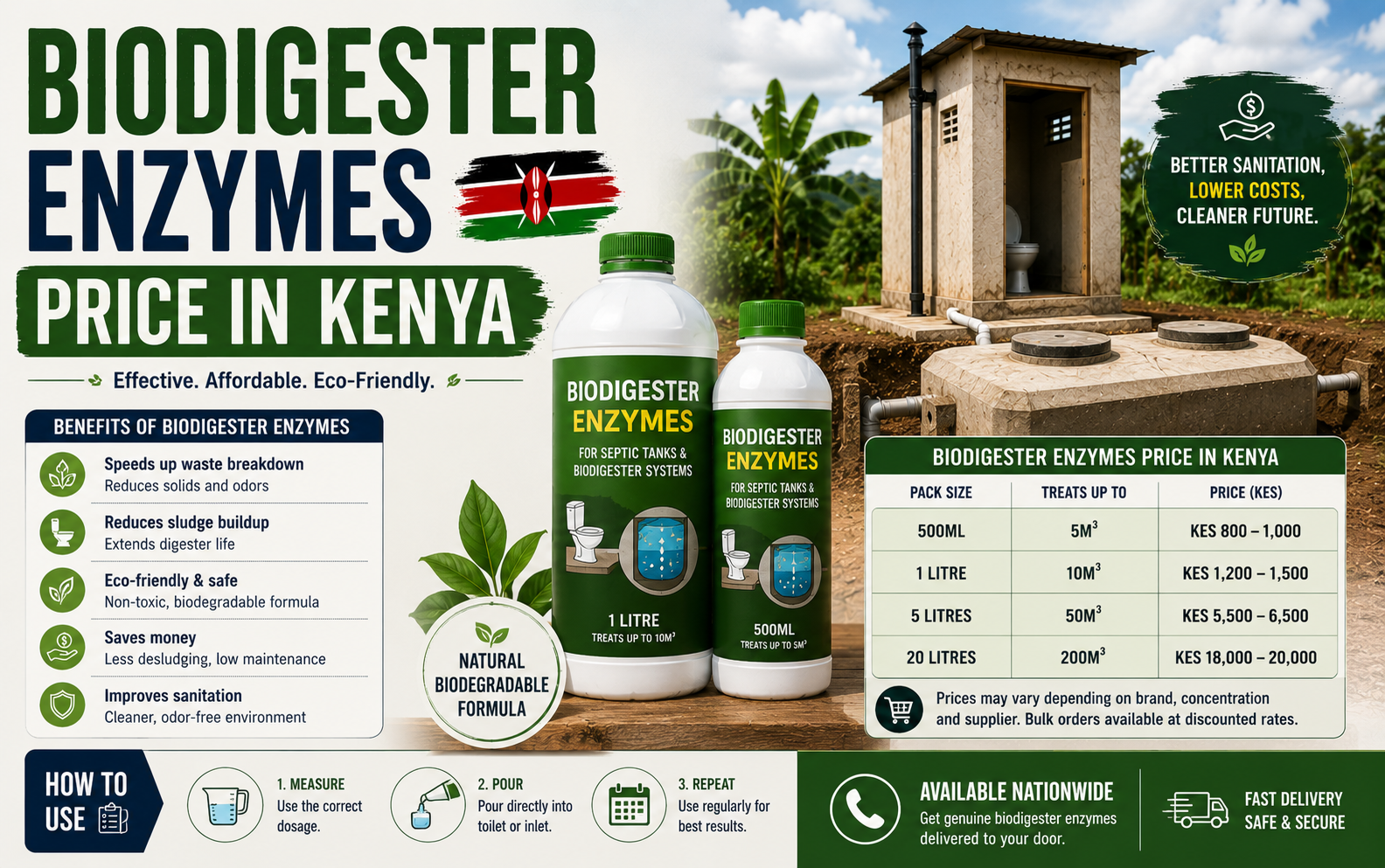
To restore the biological balance, we recommend a targeted dose of Bio Digester Bacteria – 400g to jumpstart the digestion process.
Phone: Call +254 712 660 245 | Email: Email info@biodigesterkenya.co.ke
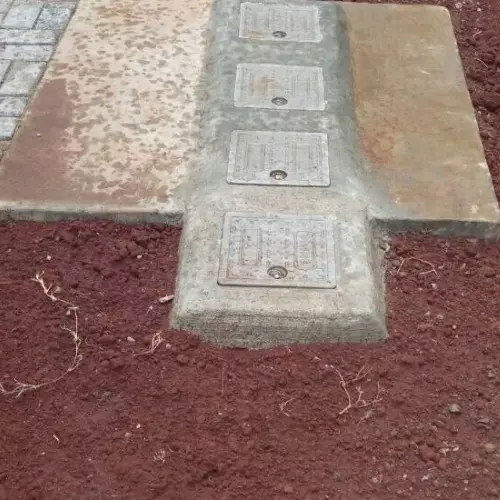
Maintenance: When to Use Biodigester Chemicals
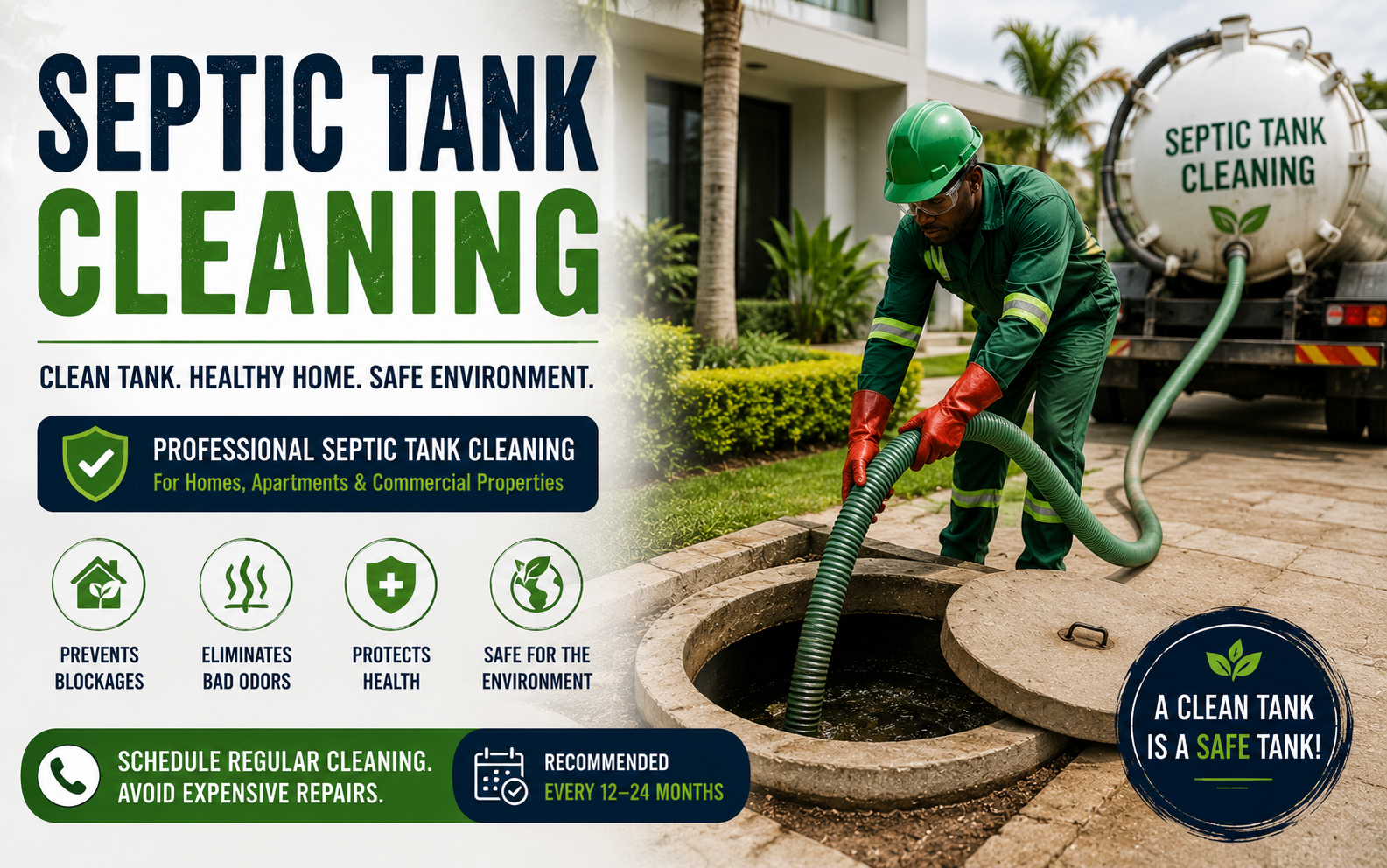
Unlike traditional septic tanks that require a bowser every 2-3 years, a well-maintained biodigester should theoretically never be emptied.
However, the biological engine needs fuel. Regular Septic Tank Maintenance involves the periodic addition of enzymes to ensure the breakdown rate keeps pace with the waste input.
Signs Your System Needs a Biological Boost
- Slow Drainage: Toilet flushing becomes sluggish or gurgles.
- Unusual Odors: A sulfur-like smell appearing near the manhole or vent.
- Surface Pooling: Water appearing on the surface of your French drain or soaking pit.
- Post-Renovation: After heavy construction where debris might have entered the system.
For systems that have already accumulated significant sludge or are suffering from severe blockage, we recommend the Septic Tank Cleaner (2KG).
This high-strength formula is designed to aggressively break down hardened waste and clear the path for standard bacterial maintenance.
Precast vs. Concrete: The Impact on Chemical Efficiency
The structural integrity of your tank affects how these enzymes perform.
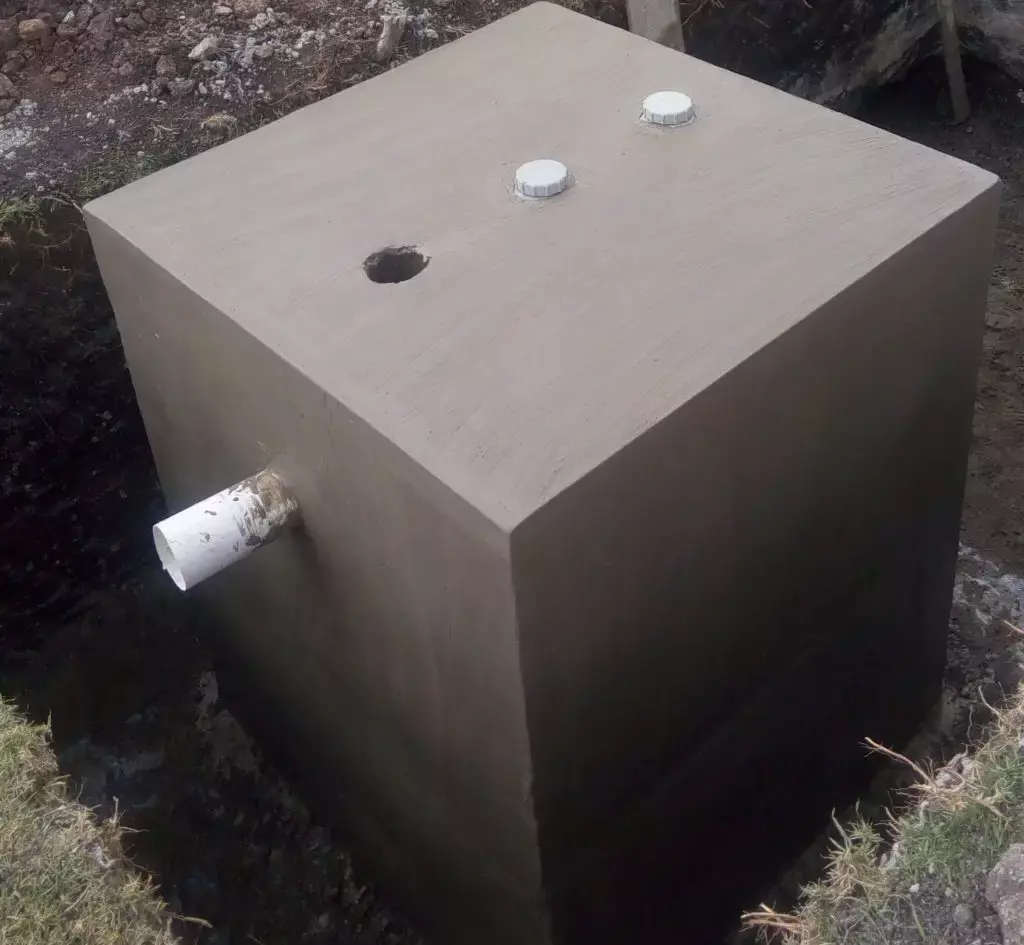
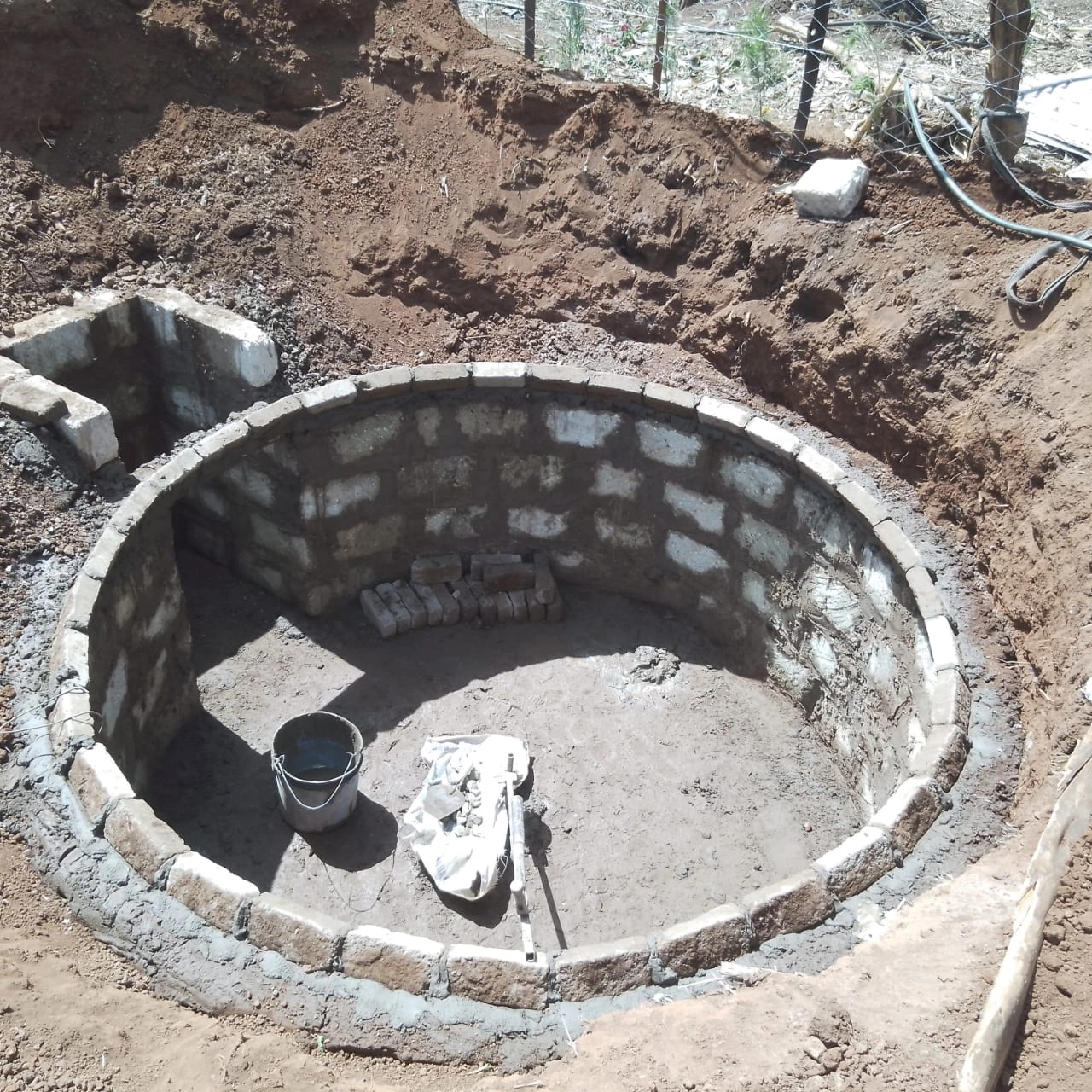
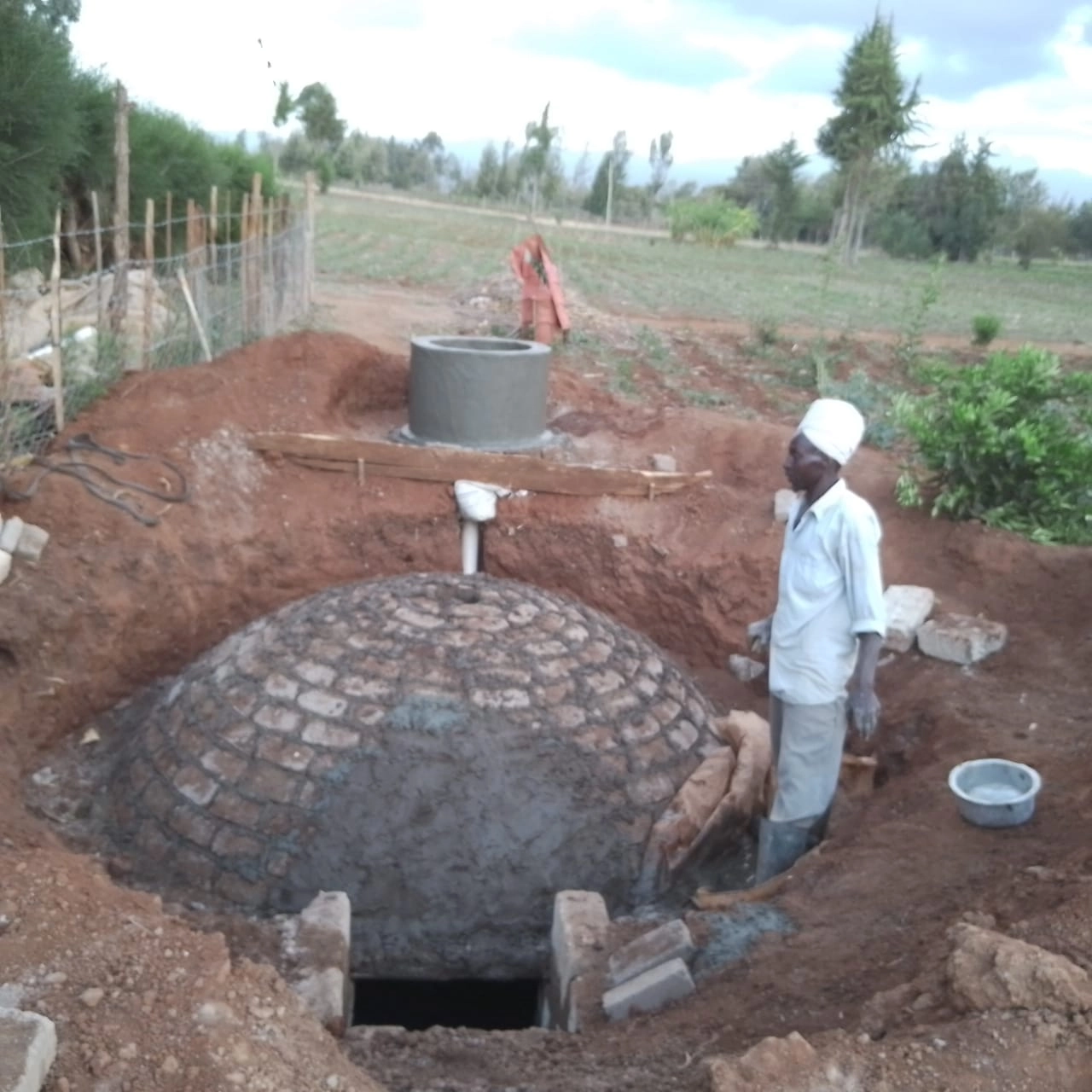
Traditional concrete rings are porous and prone to cracking, which can leak untreated waste into the groundwater in direct violation of NEMA regulations.
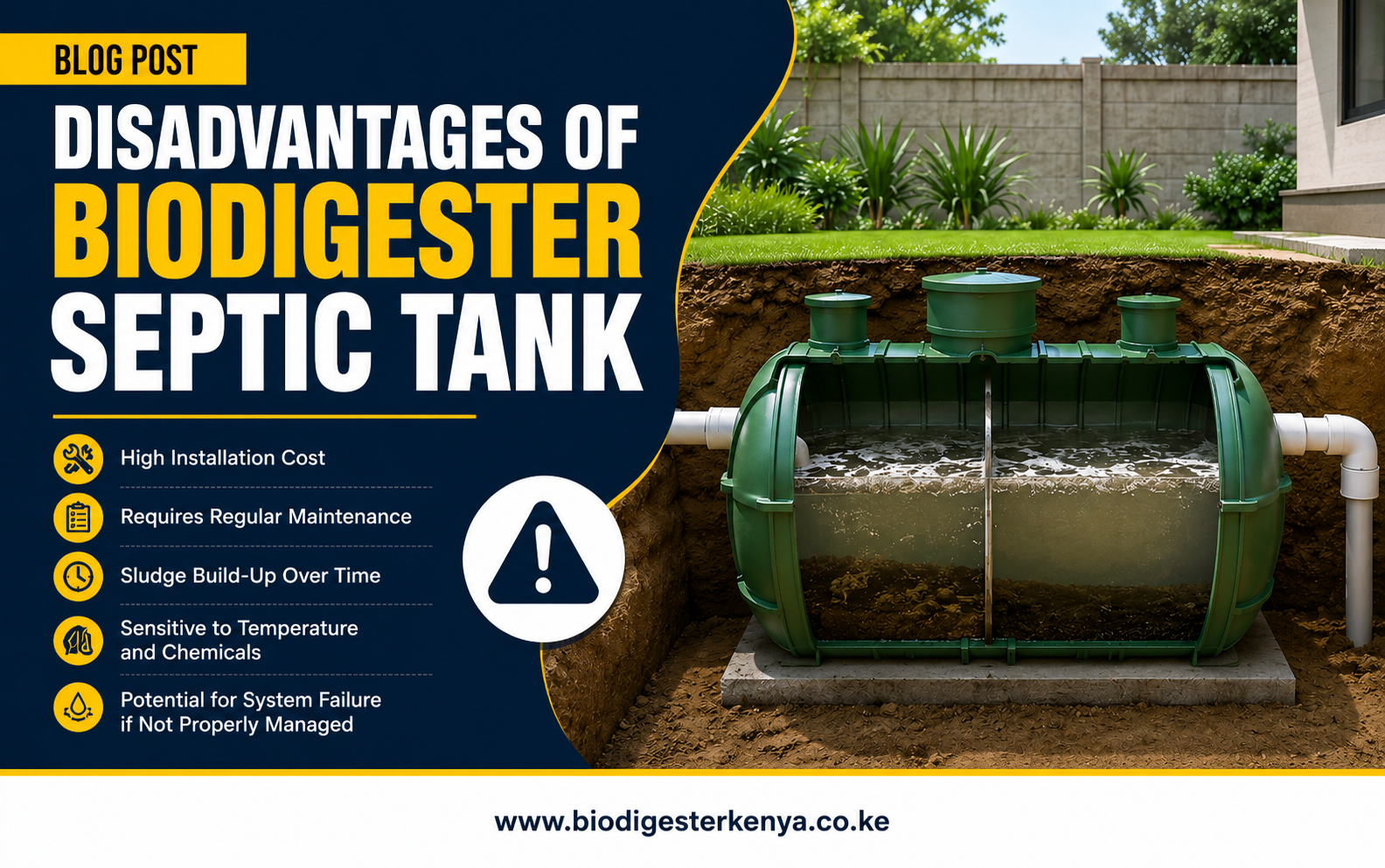
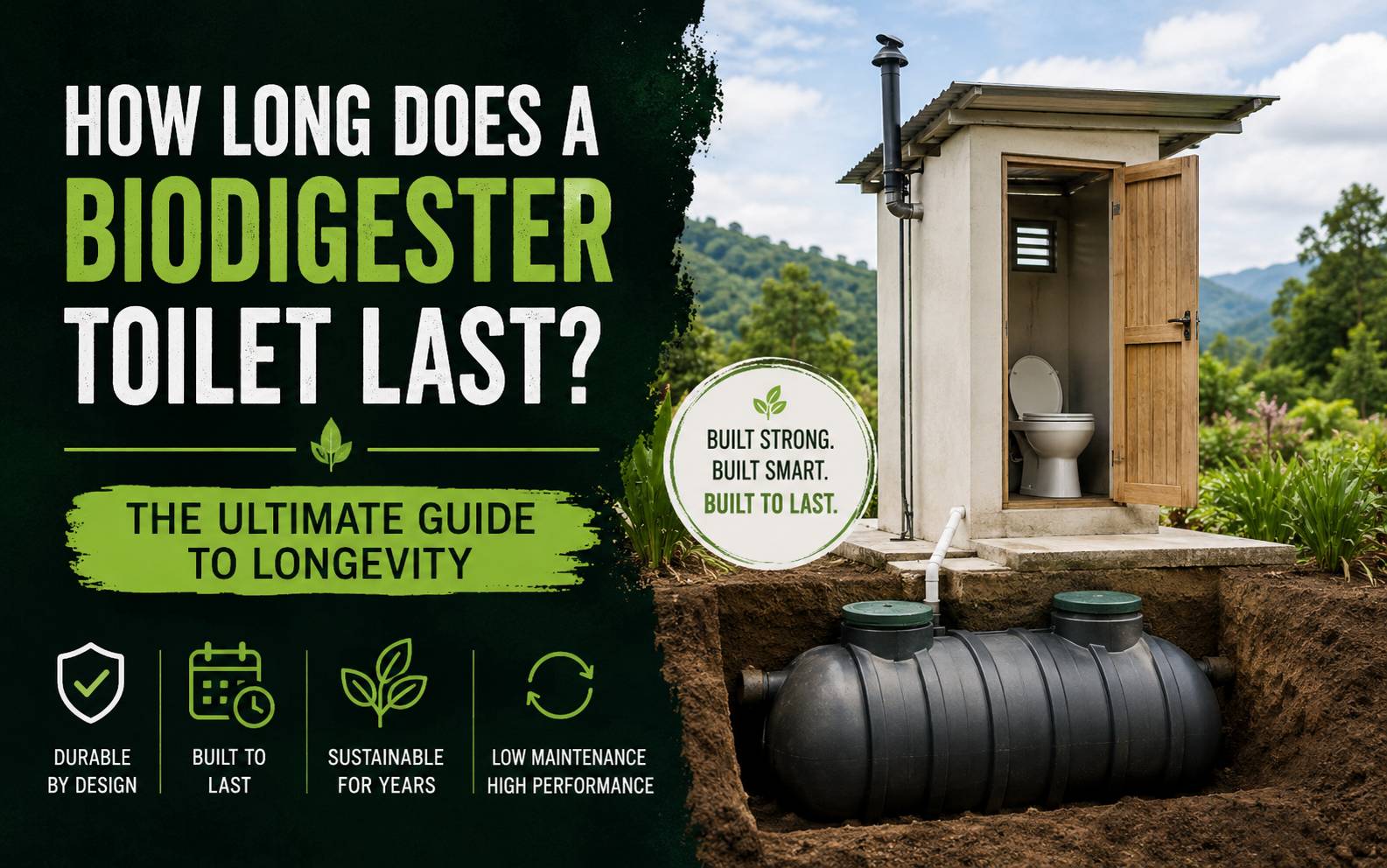
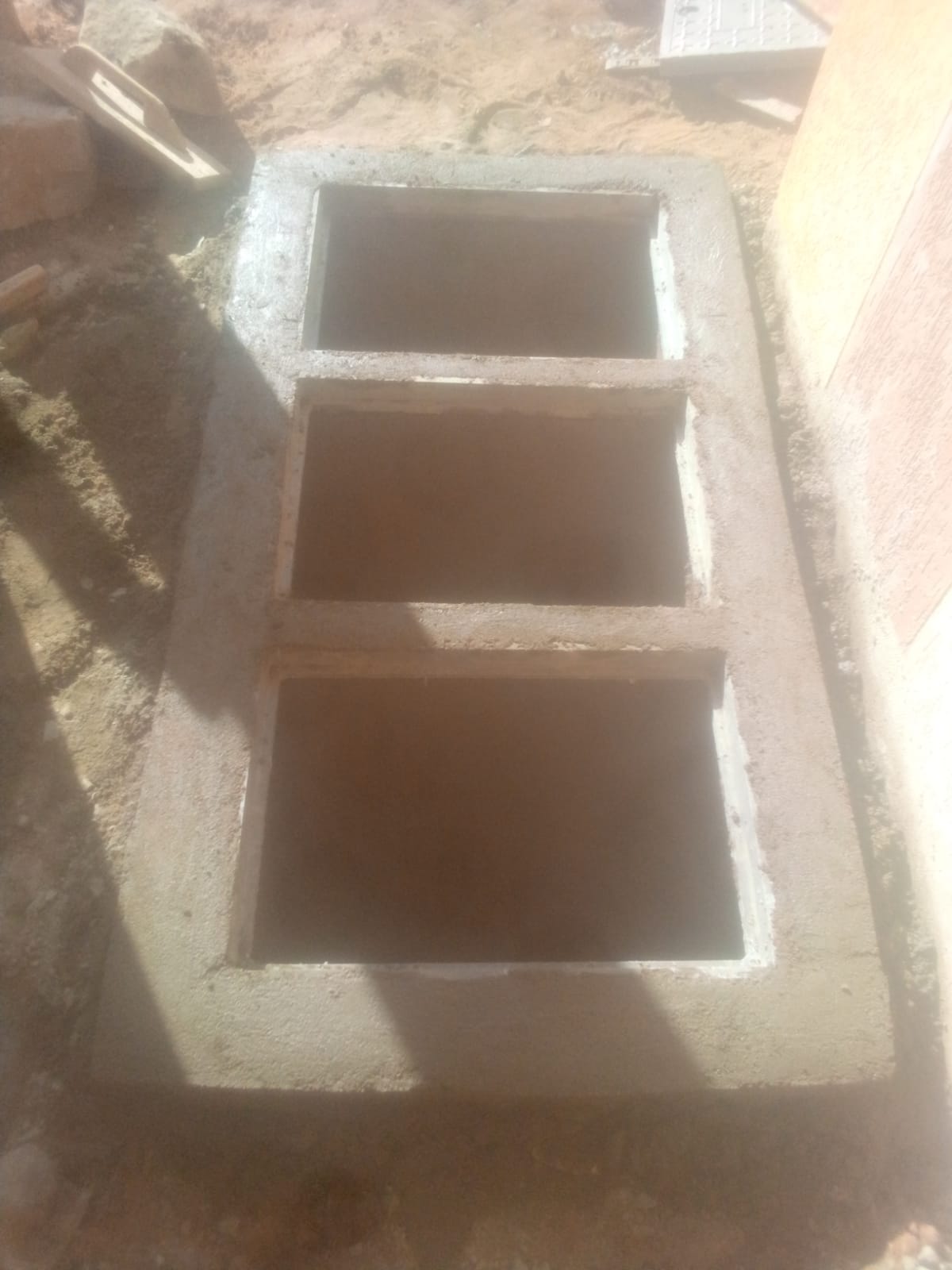
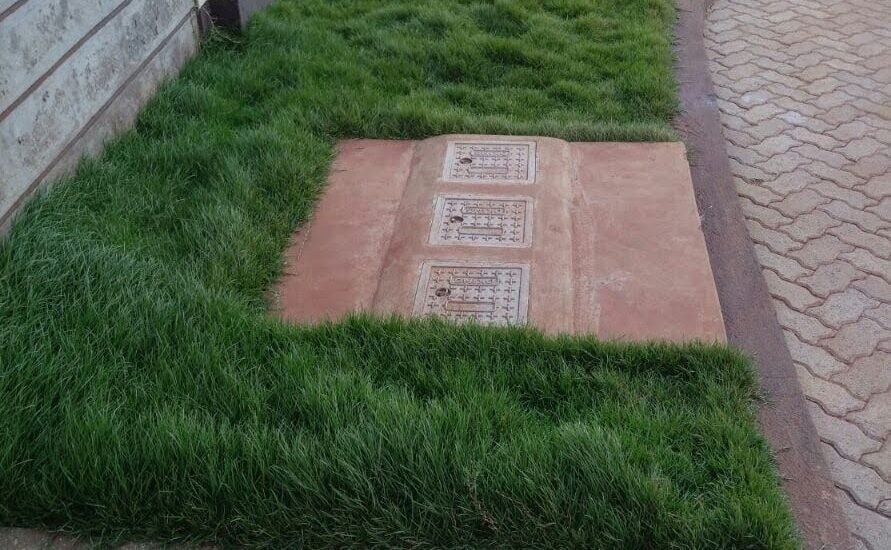
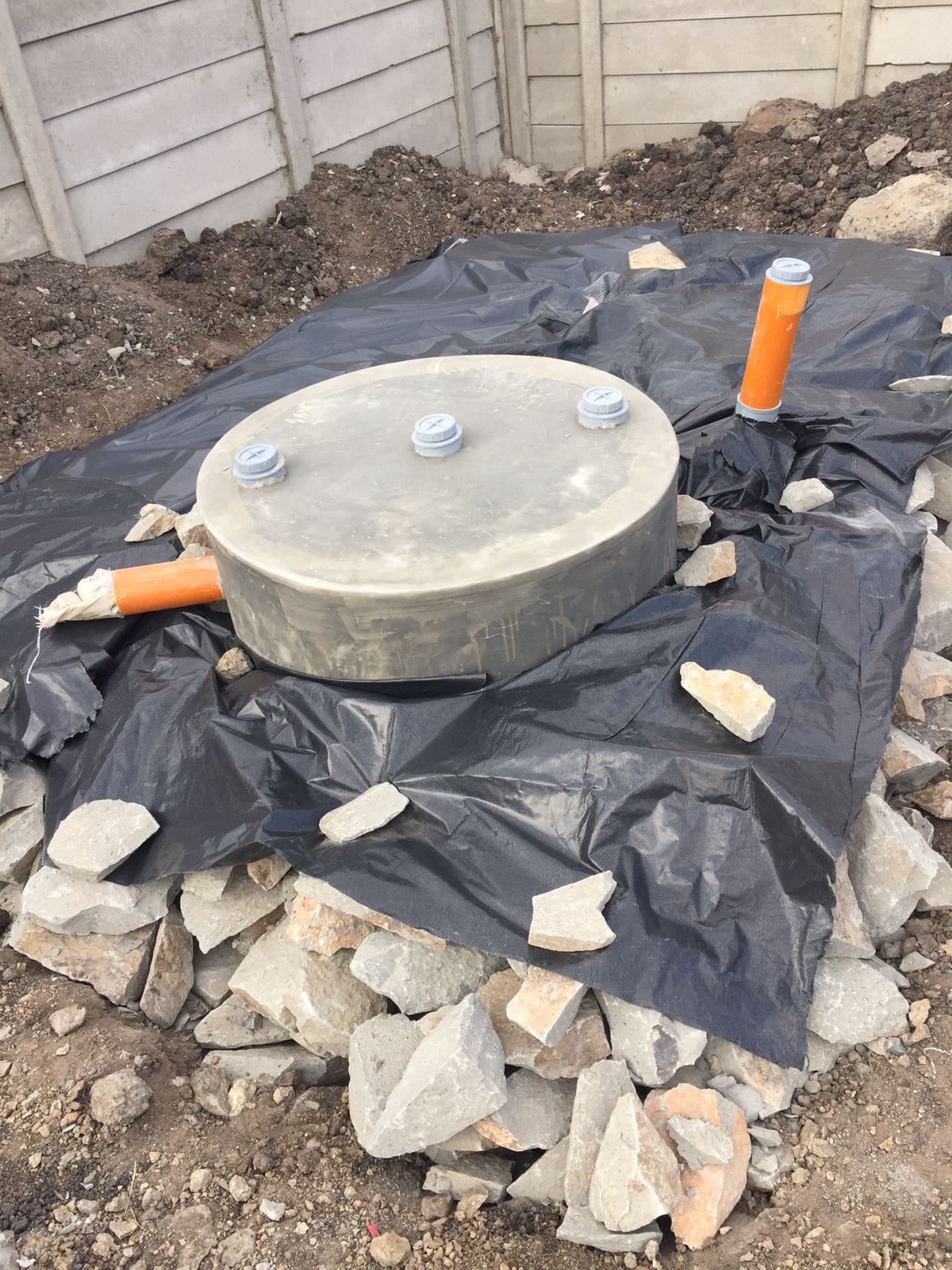
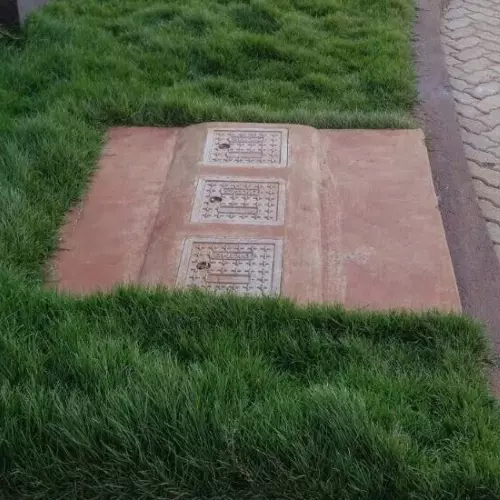
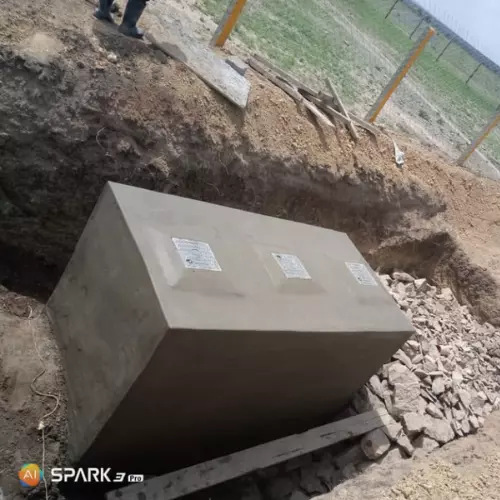
Precast Bio Digesters are engineered for airtightness, which is essential for anaerobic digestion.
Since anaerobic bacteria thrive in oxygen-free environments, a sealed precast system maximizes the efficiency of the biodigester chemicals.
This ensures a faster breakdown of waste and a longer lifespan for your soaking area.
If you are still weighing your options, check out our biodigester vs septic tank comparison to see the long-term cost differences.
Ready to end the cycle of expensive exhaust bowsers? Contact Bio Digester Kenya today for a professional installation or to purchase high-grade biological catalysts for your existing system.
Phone: Call +254 712 660 245 | Email: Email info@biodigesterkenya.co.ke

Conclusion
Moving away from antiquated concrete septic tanks to a bio-engineered system offers Kenyan property owners unprecedented economic and environmental freedom.
By utilizing the correct biodigester chemicals specifically biodigester enzymes and bacteria you transform a waste liability into a self-sustaining biological process.
No more scheduling bowser trips, no more foul smells, and no more worries about soil saturation in black cotton areas.
Frequently Asked Questions
- Does a biodigester smell?
A correctly installed and maintained system is odorless; smells usually indicate a venting issue or a need for more bio-enzymes. - How often do you add enzymes?
For most residential homes, adding bacterial cultures every 6 to 12 months is sufficient to maintain peak efficiency. - Can I use bleach in a biodigester?
Avoid excessive bleach, as it kills the anaerobic bacteria and will stop the waste breakdown process, leading to system failure. - Will the chemicals work in black cotton soil?
Yes, the enzymes ensure the waste is fully liquefied, which is the only way to achieve drainage in low-absorption soils. - Is the treated water safe for the environment?
Yes, the biological process removes pathogens and organic loads, resulting in water that safely absorbs into the ground.