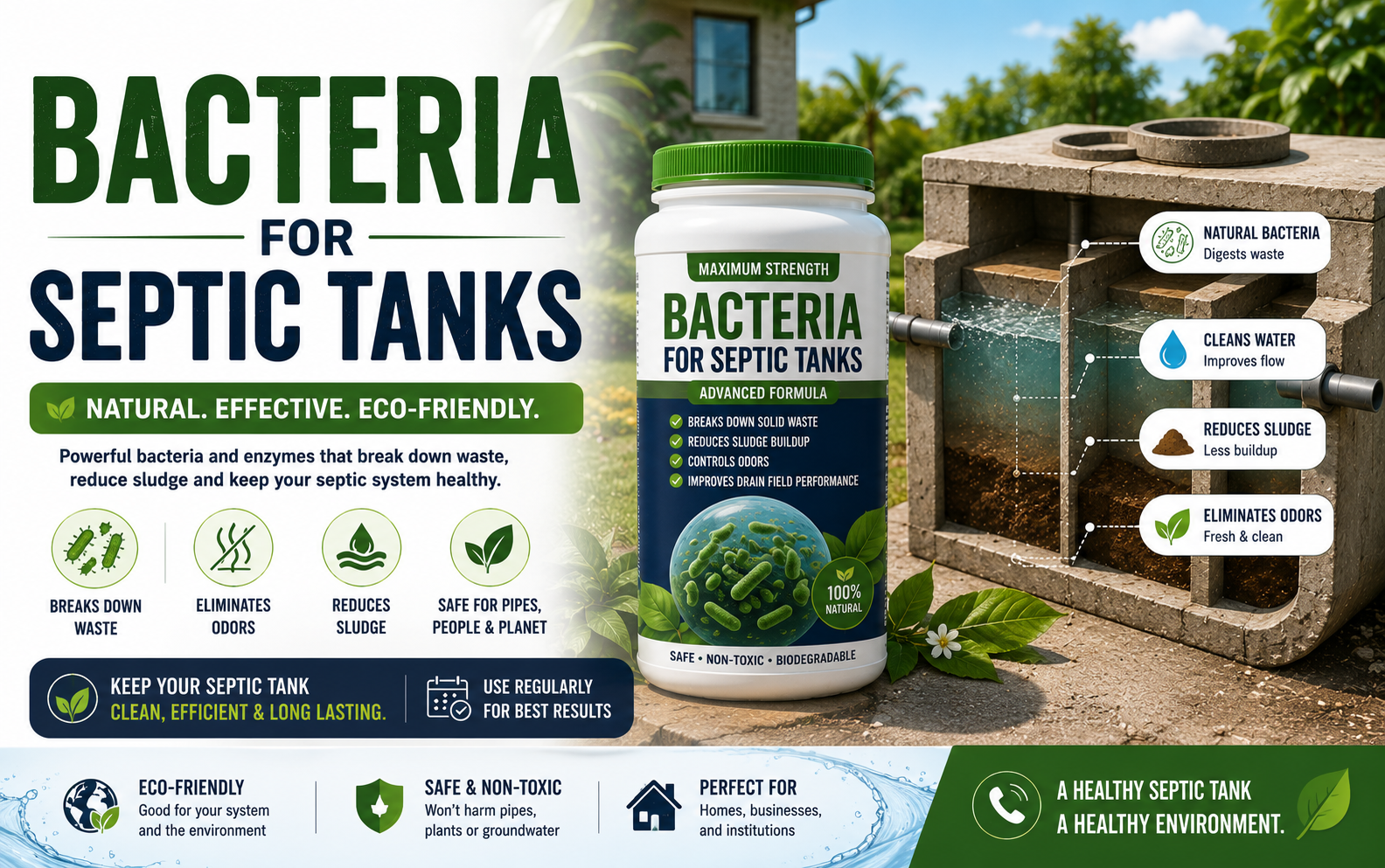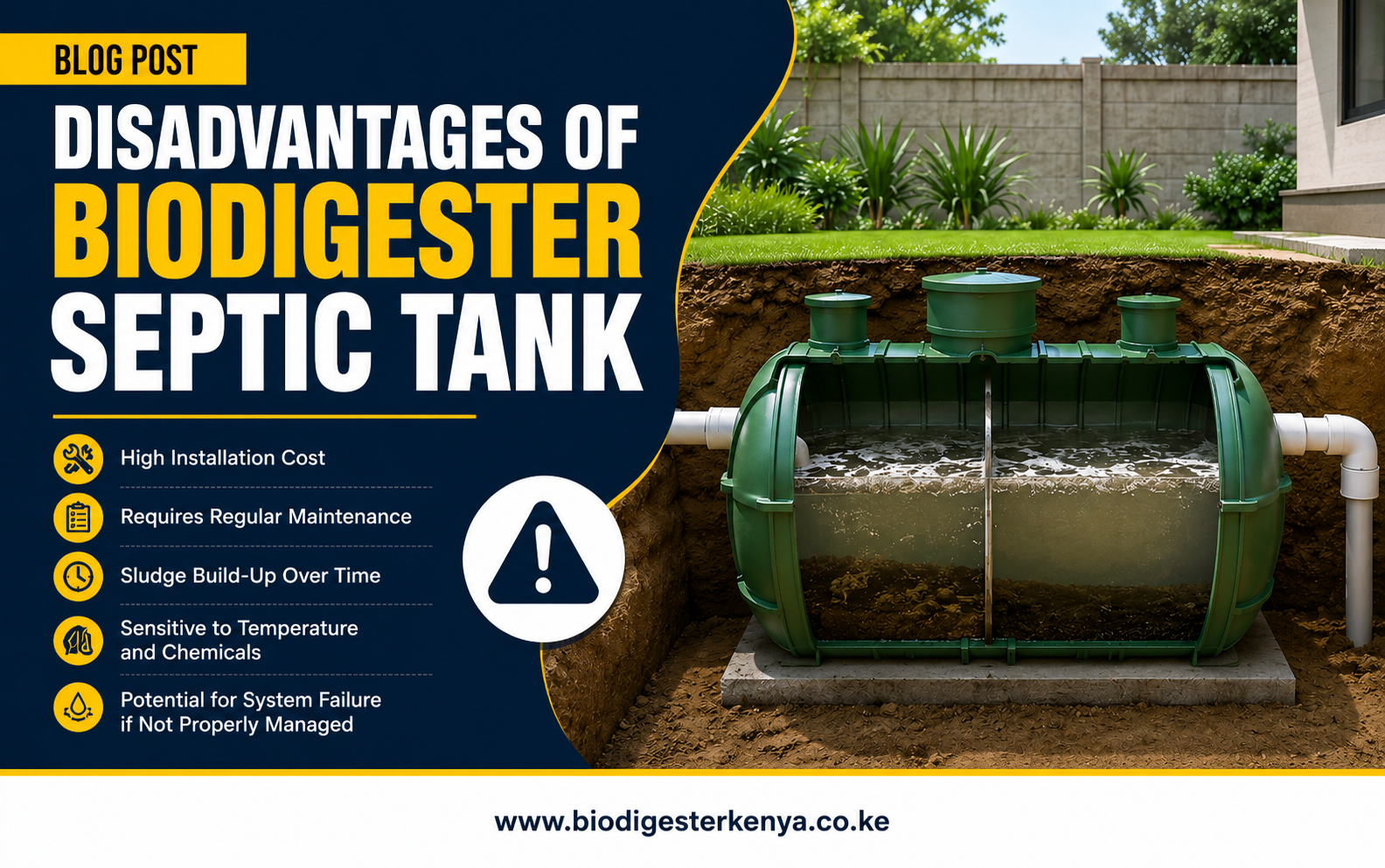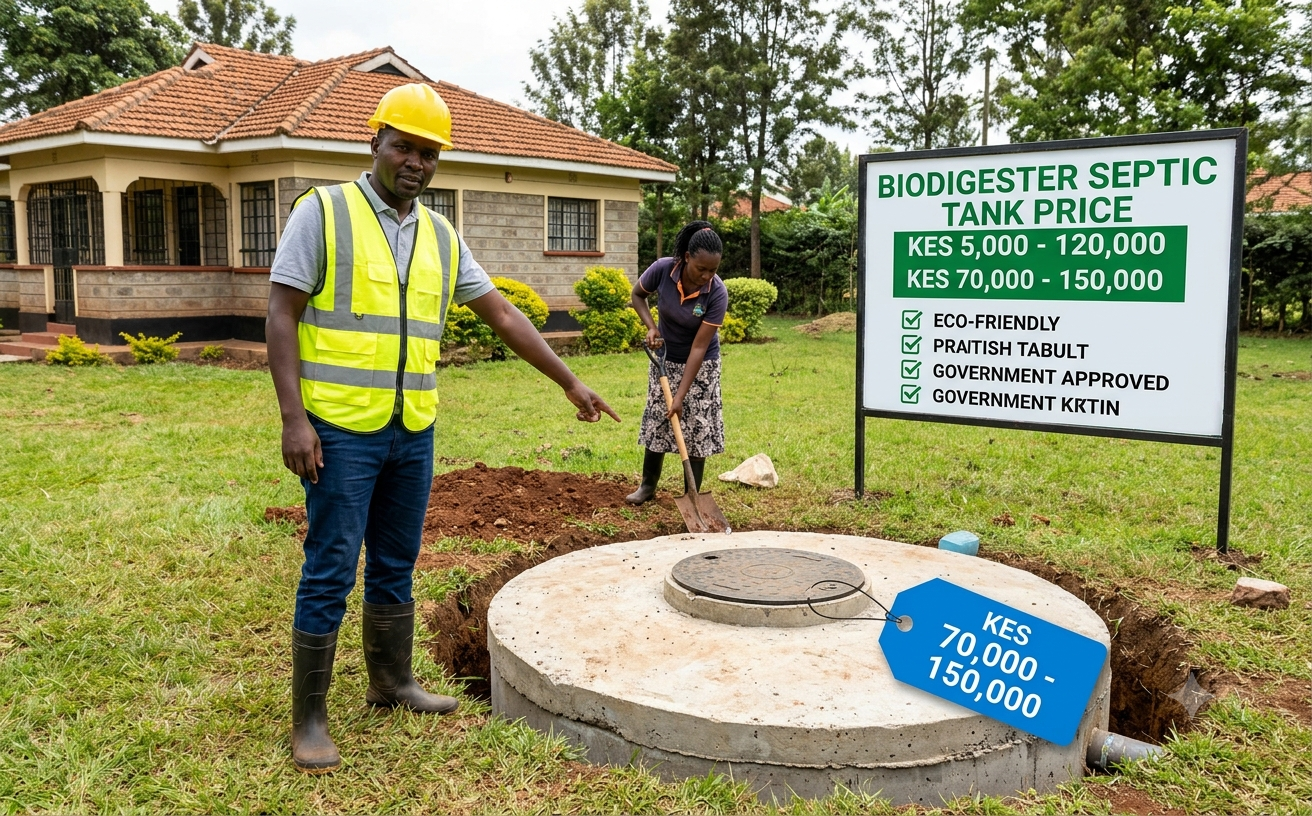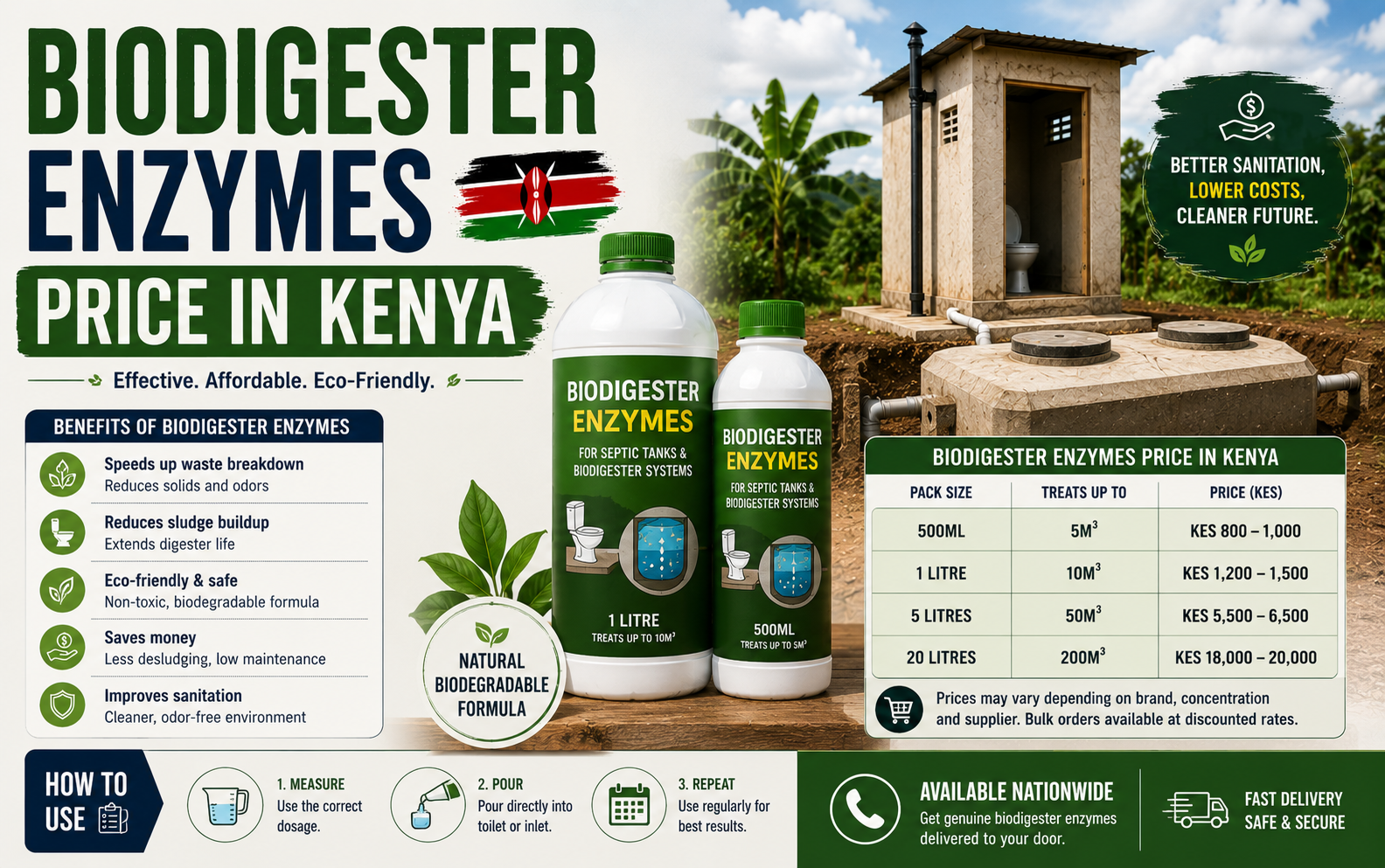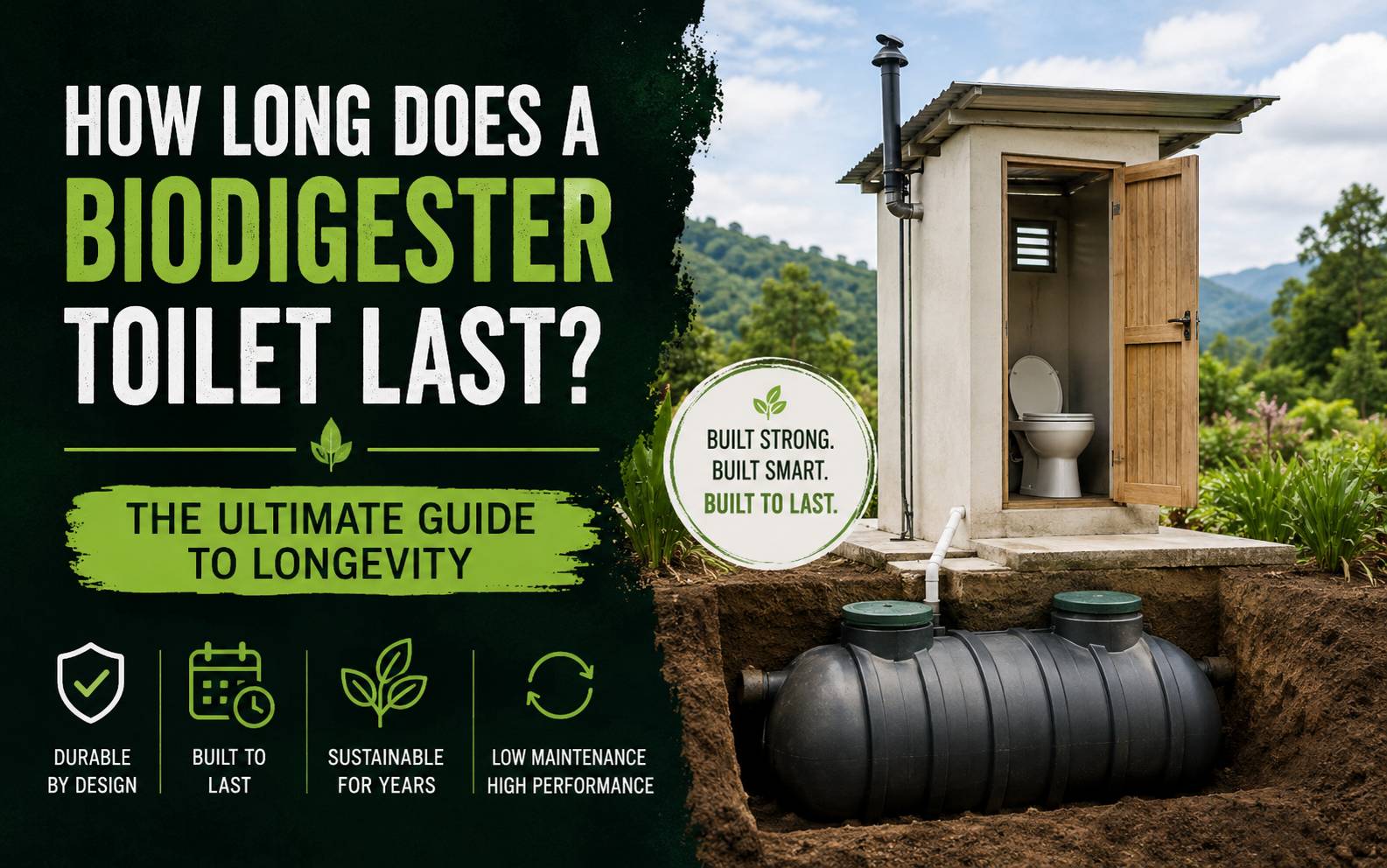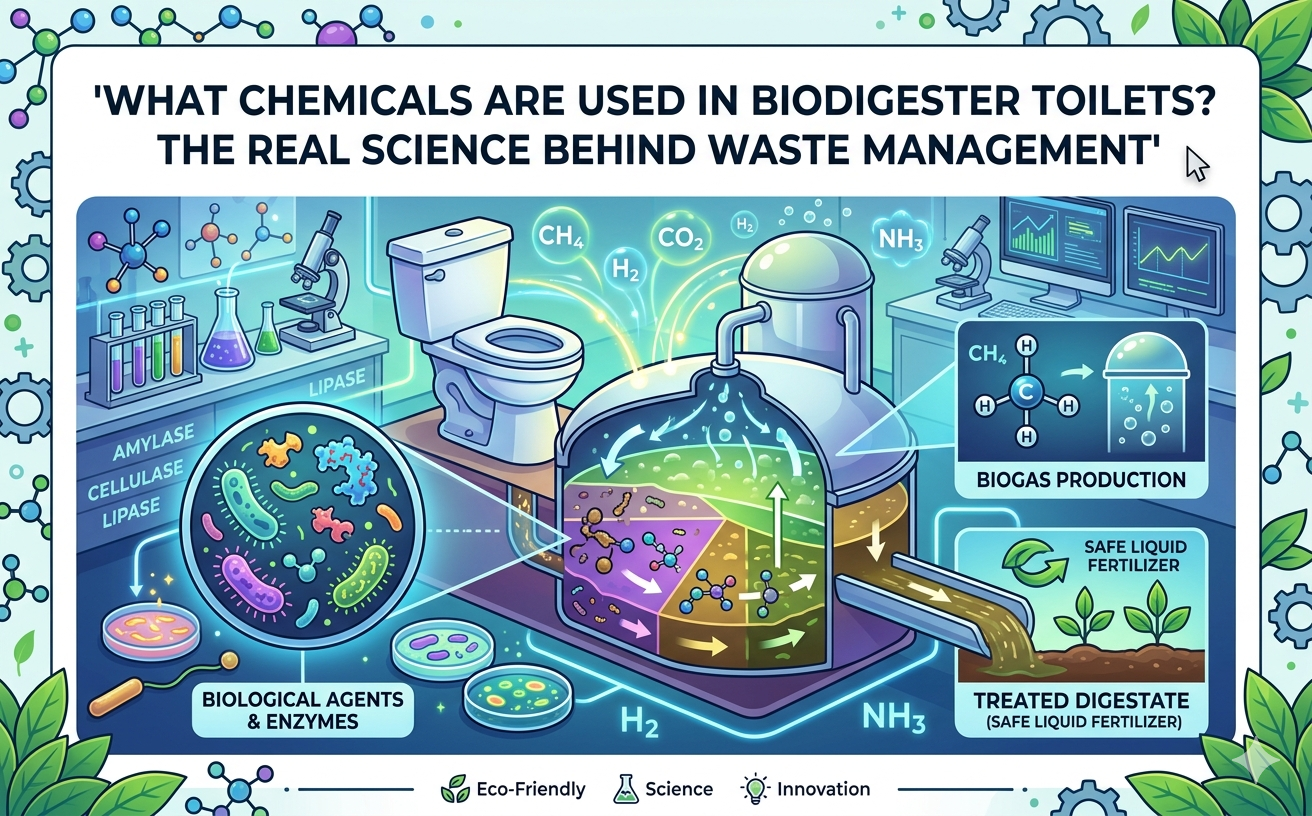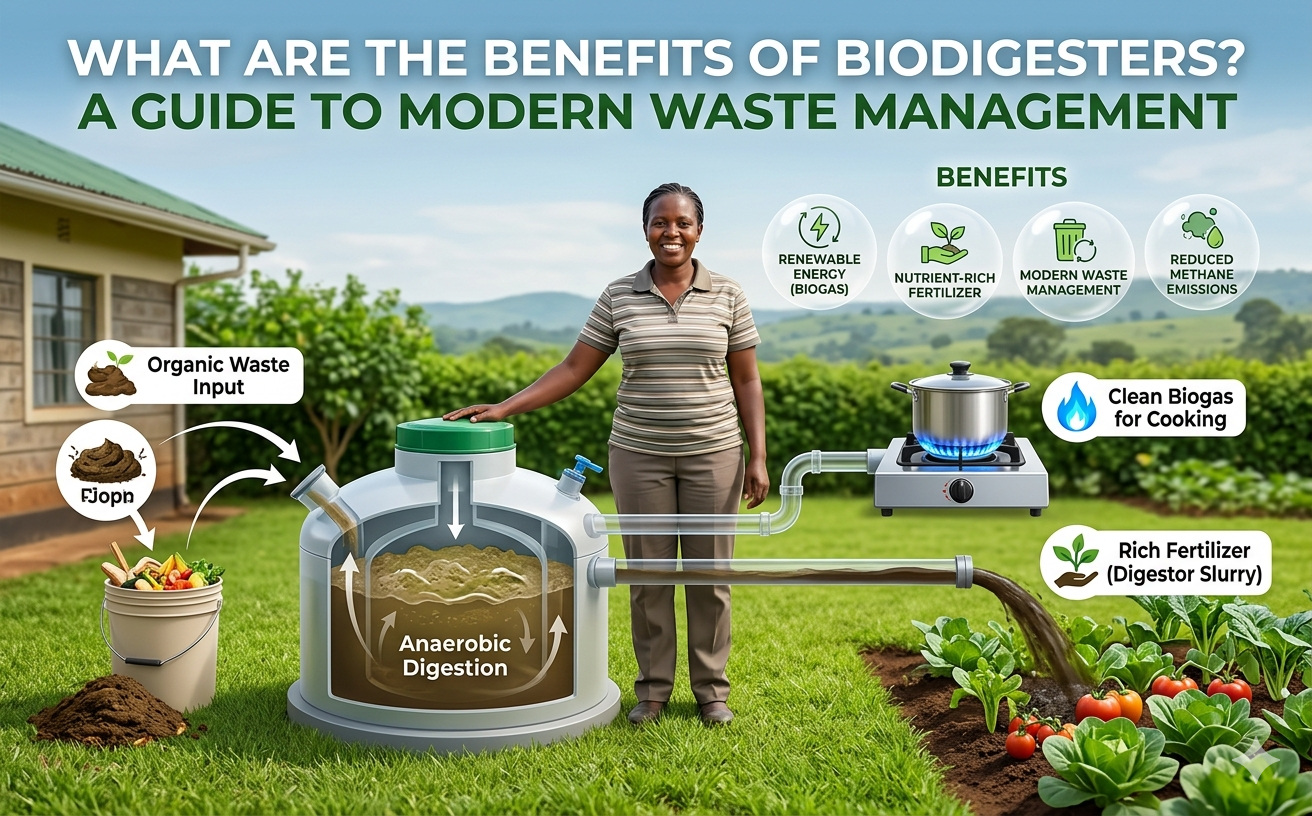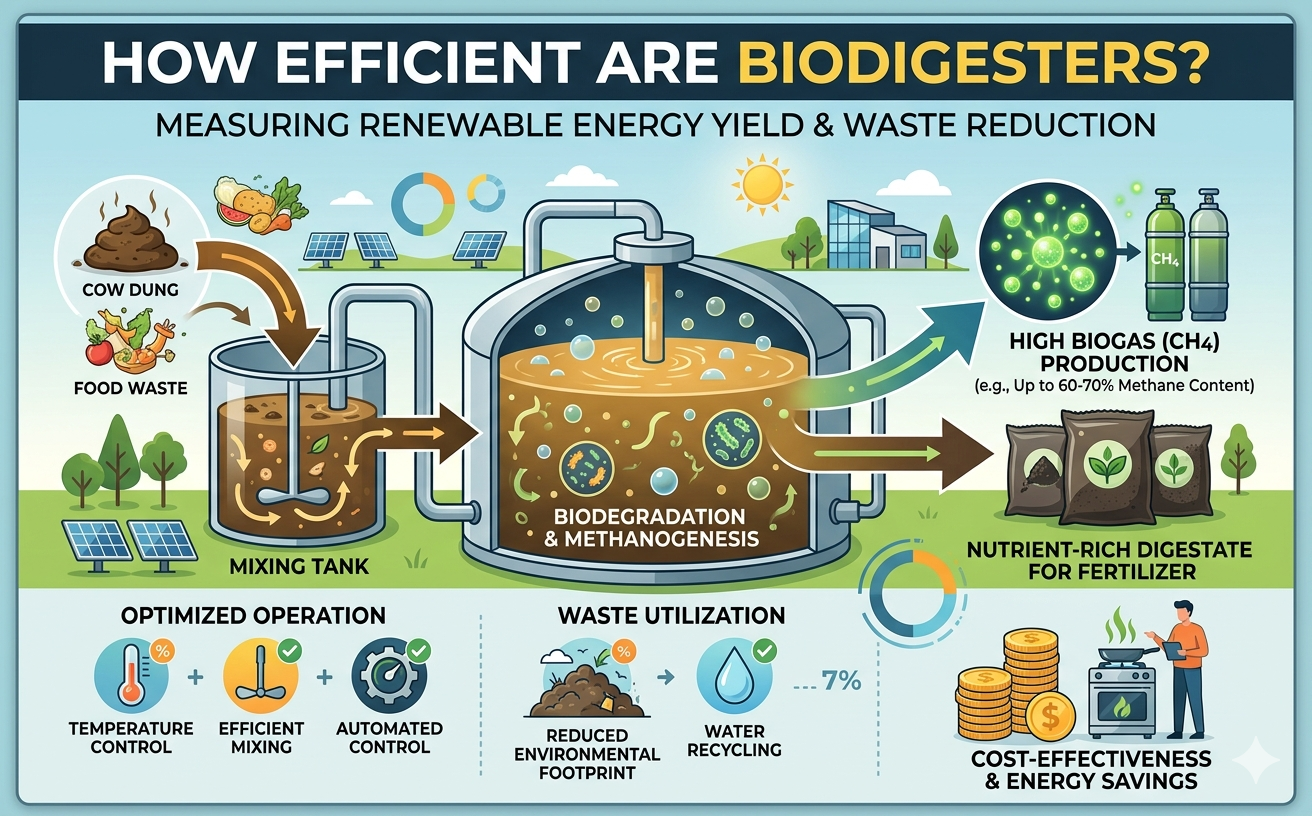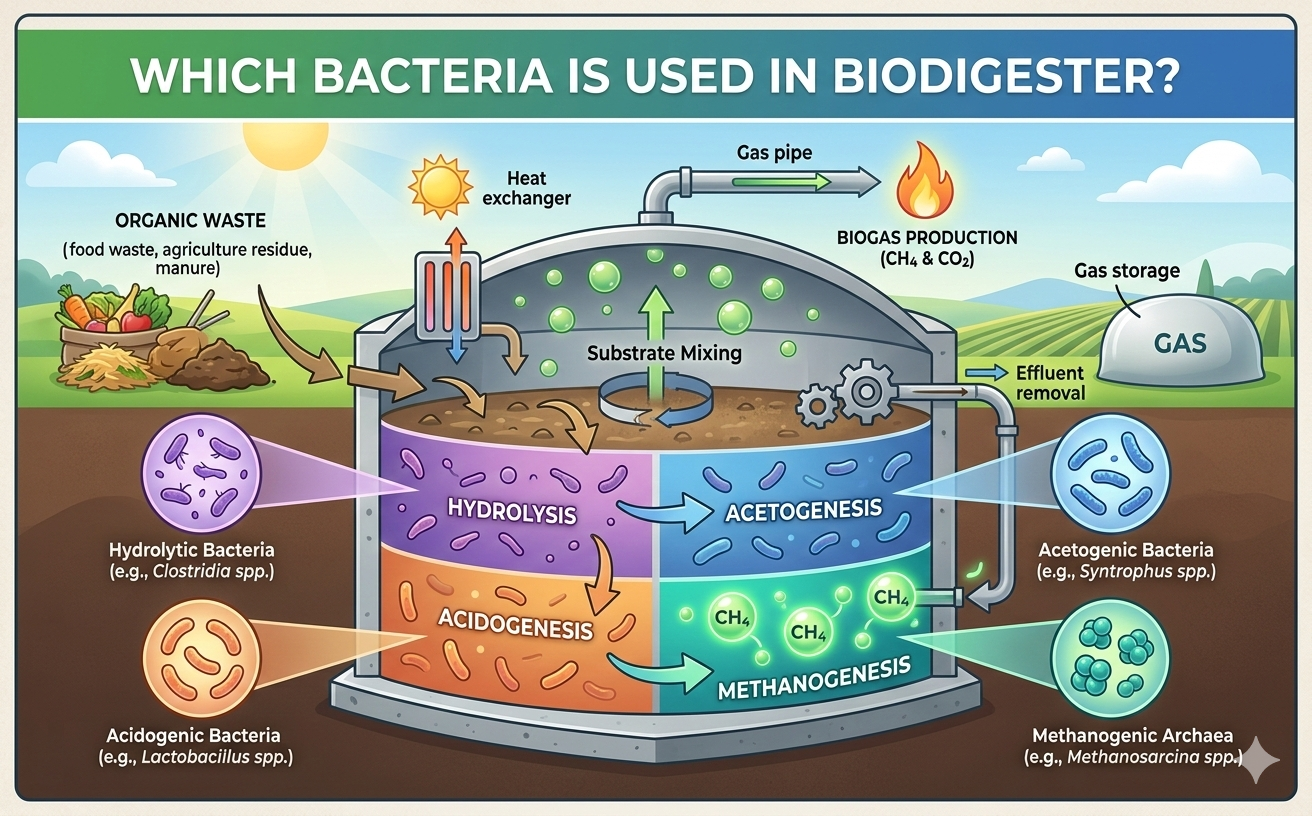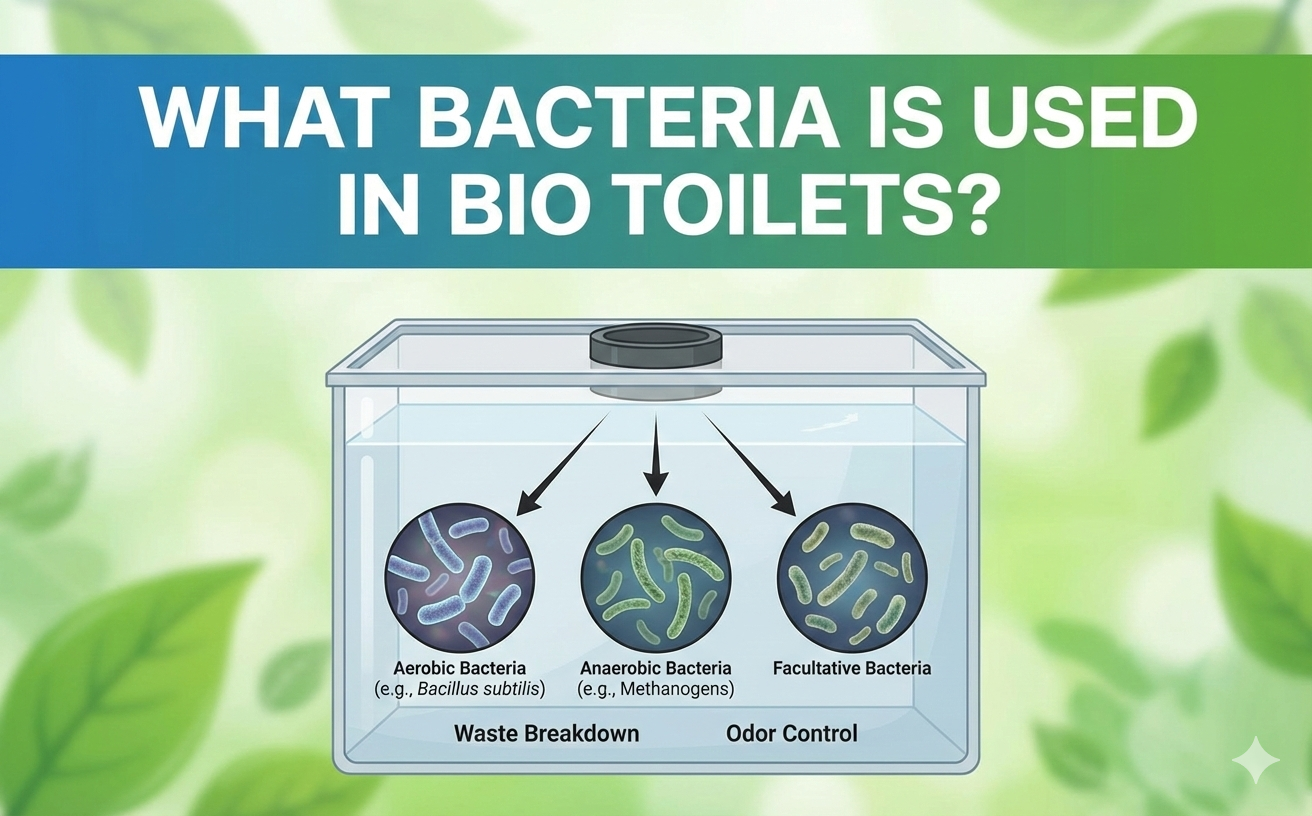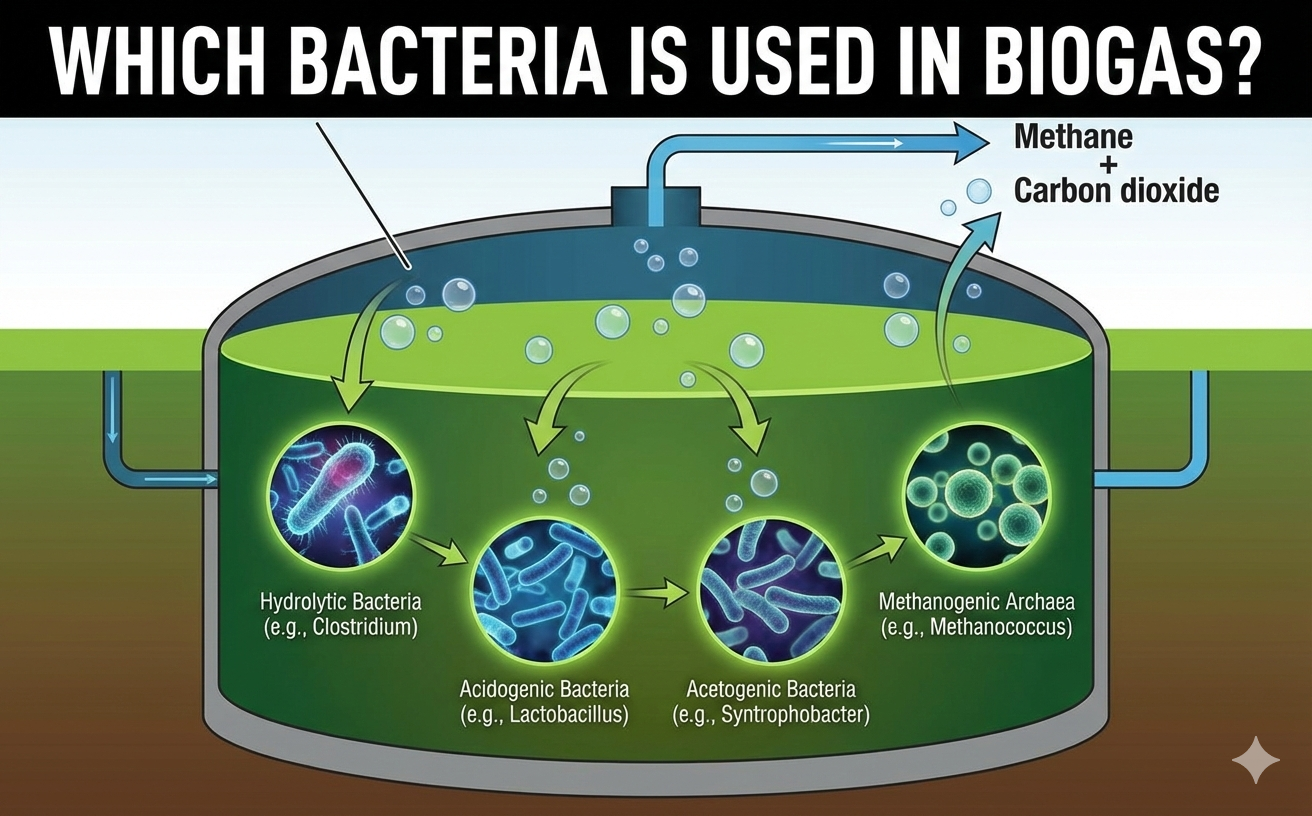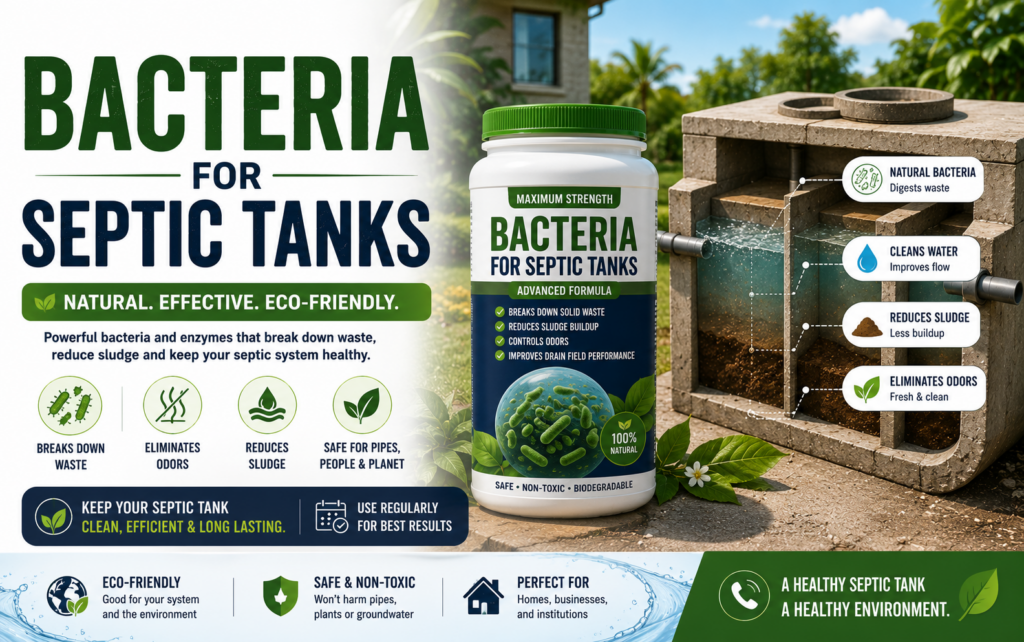
Bacteria for septic tanks are specialized microbial blends, such as anaerobic digesters, that break down organic waste into liquid and gas.
In Kenya, using high-quality biodigester enzymes prevents sludge buildup, eliminates foul smells, and reduces the frequency of expensive exhaust services by accelerating the decomposition of solids.
How Septic Bacteria Actually Work in Kenyan Soil
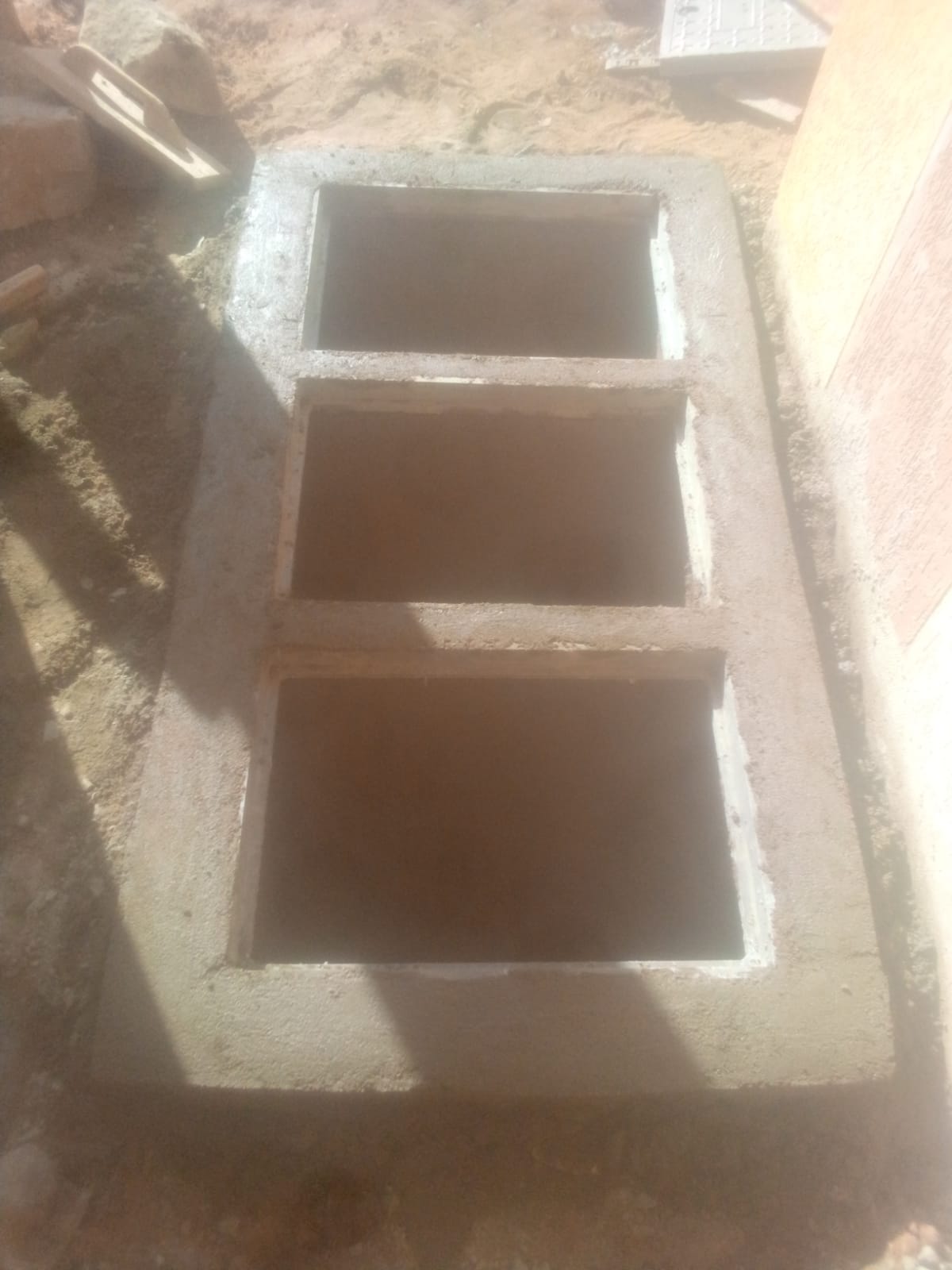
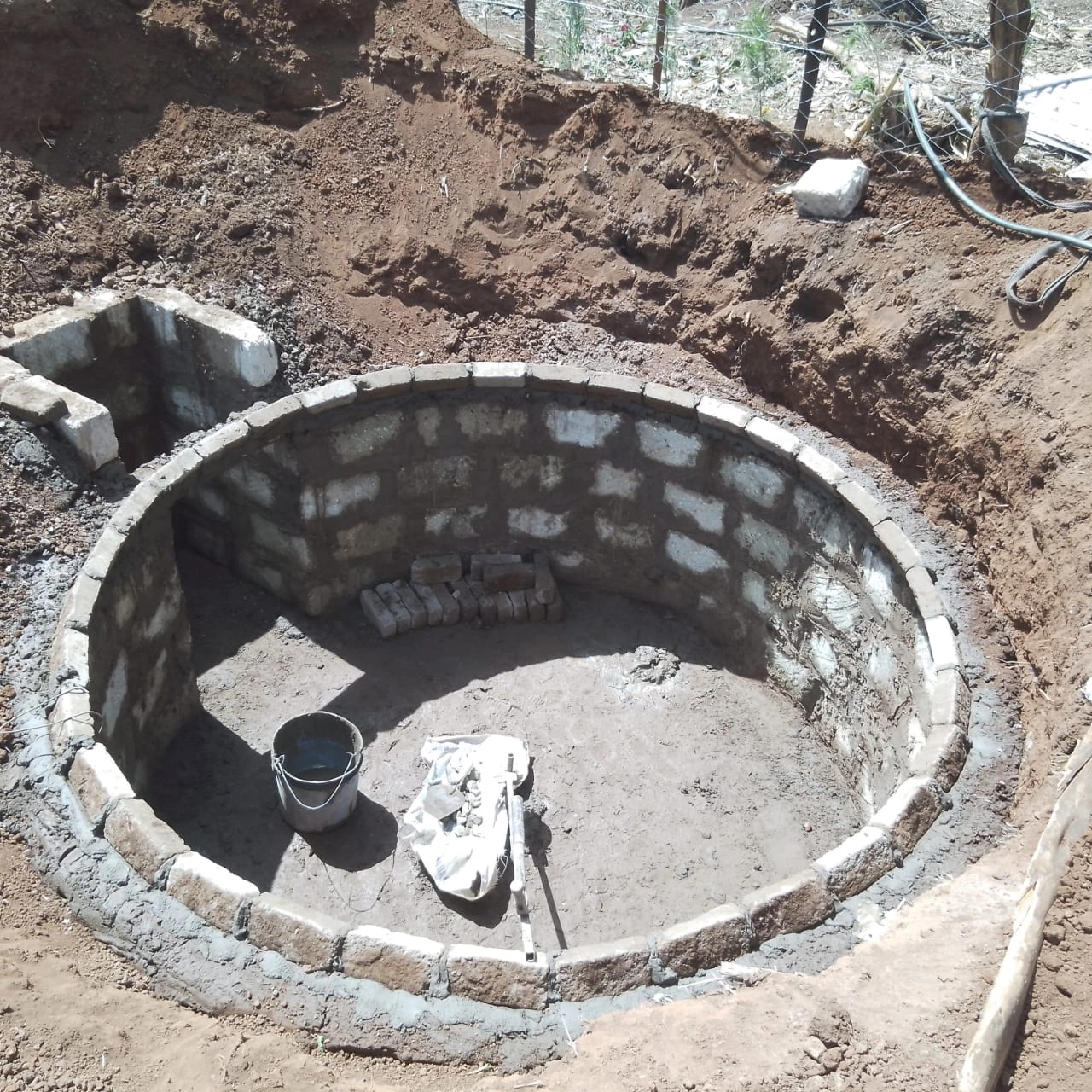
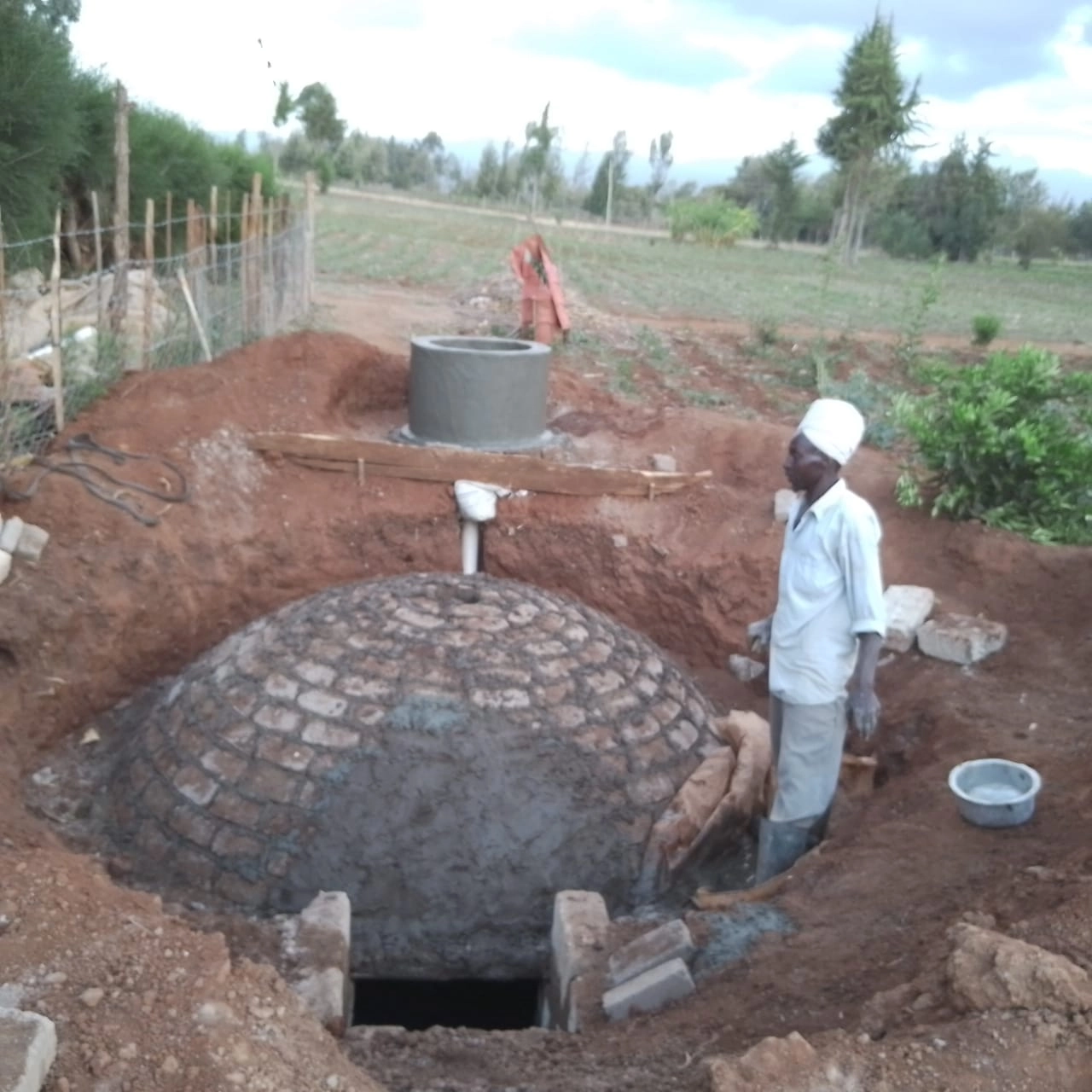
Most traditional sanitation systems in Nairobi and its environs rely on concrete rings and a soakaway pit.
These systems depend on naturally occurring bacteria to digest waste.
However, the reality on the ground is that these natural colonies are often insufficient, especially when dealing with the heavy black cotton soils found in Kitengela or Kamulu, which have poor absorption rates and often lead to premature tank filling.
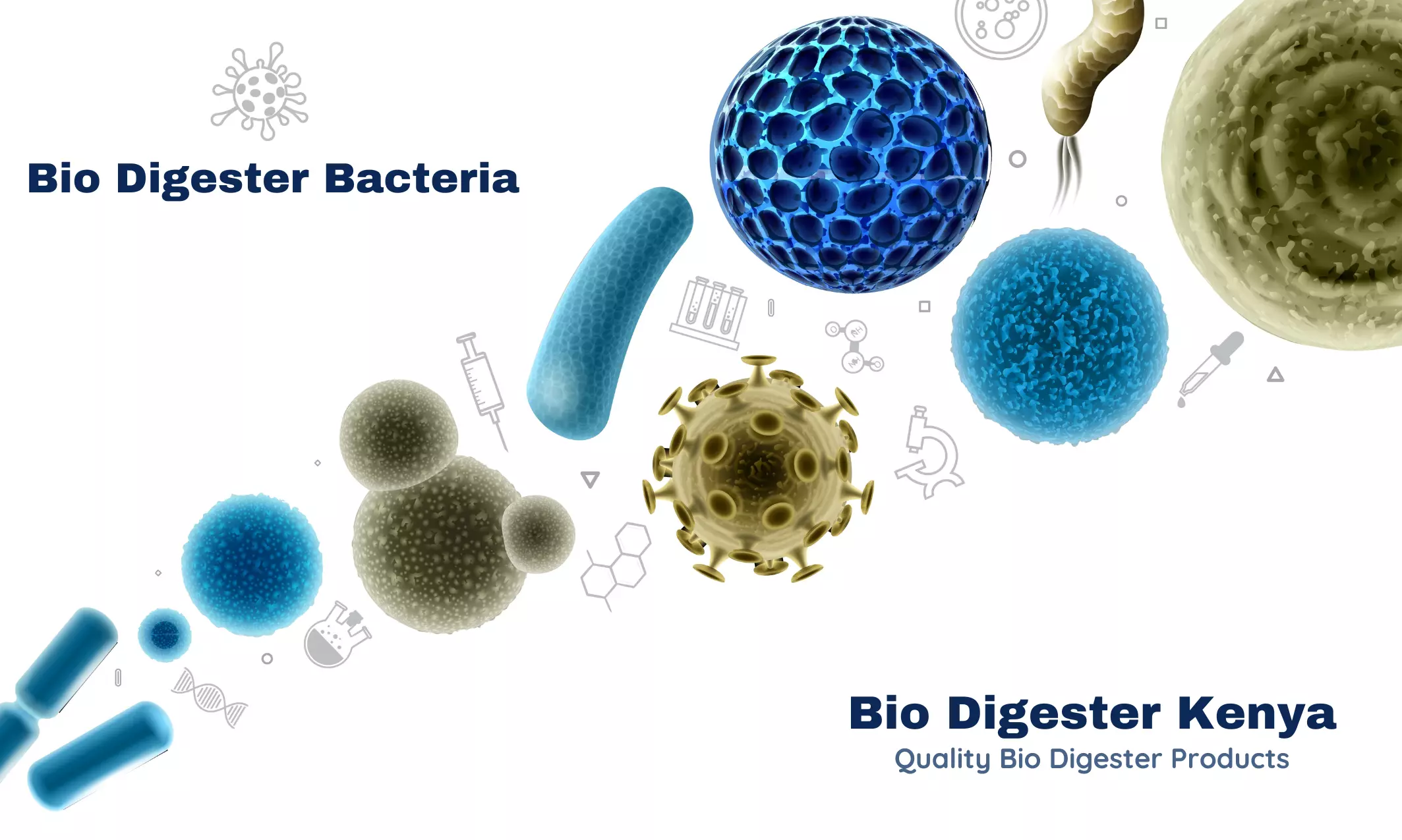
When you introduce concentrated bacteria for septic tanks, you are essentially adding a biological workforce.
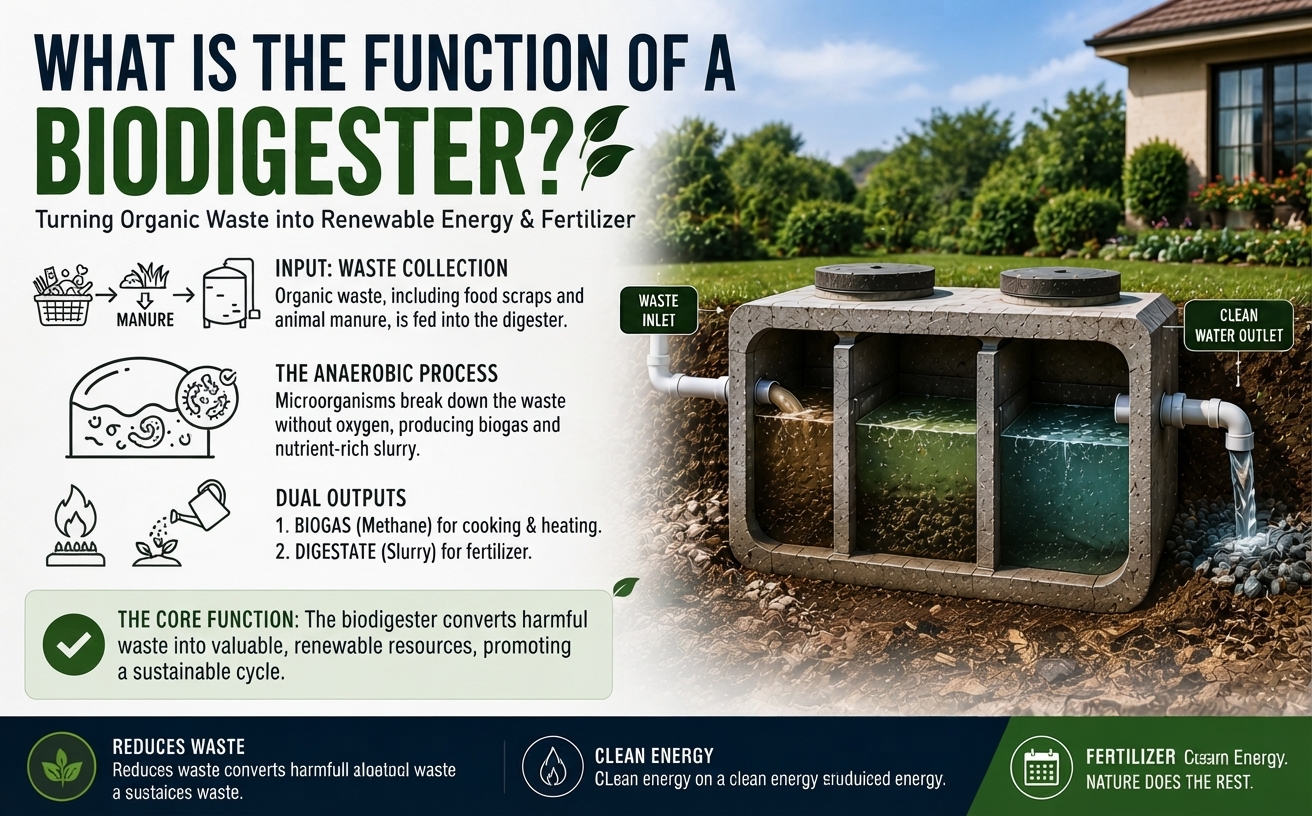
These microorganisms perform anaerobic digestion, attacking the fats, oils, and proteins in human waste.
Without these enzymes, solids accumulate as thick sludge at the bottom of the tank.
Once this sludge reaches the outlet pipe, it clogs your soakaway, leading to the dreaded “full tank” scenario and a costly call to the exhaust bowser.
In the red soils of Kiambu, drainage is generally better, but the biological breakdown remains the bottleneck.
If the bacteria aren’t active, the liquid exiting the tank isn’t fully treated, which can contaminate groundwater and lead to NEMA compliance issues for commercial developers.
The Bio Digester Advantage: More Than Just Bacteria
While adding bacteria to an old concrete tank is a helpful stop-gap, the industry has moved toward a more engineered approach.
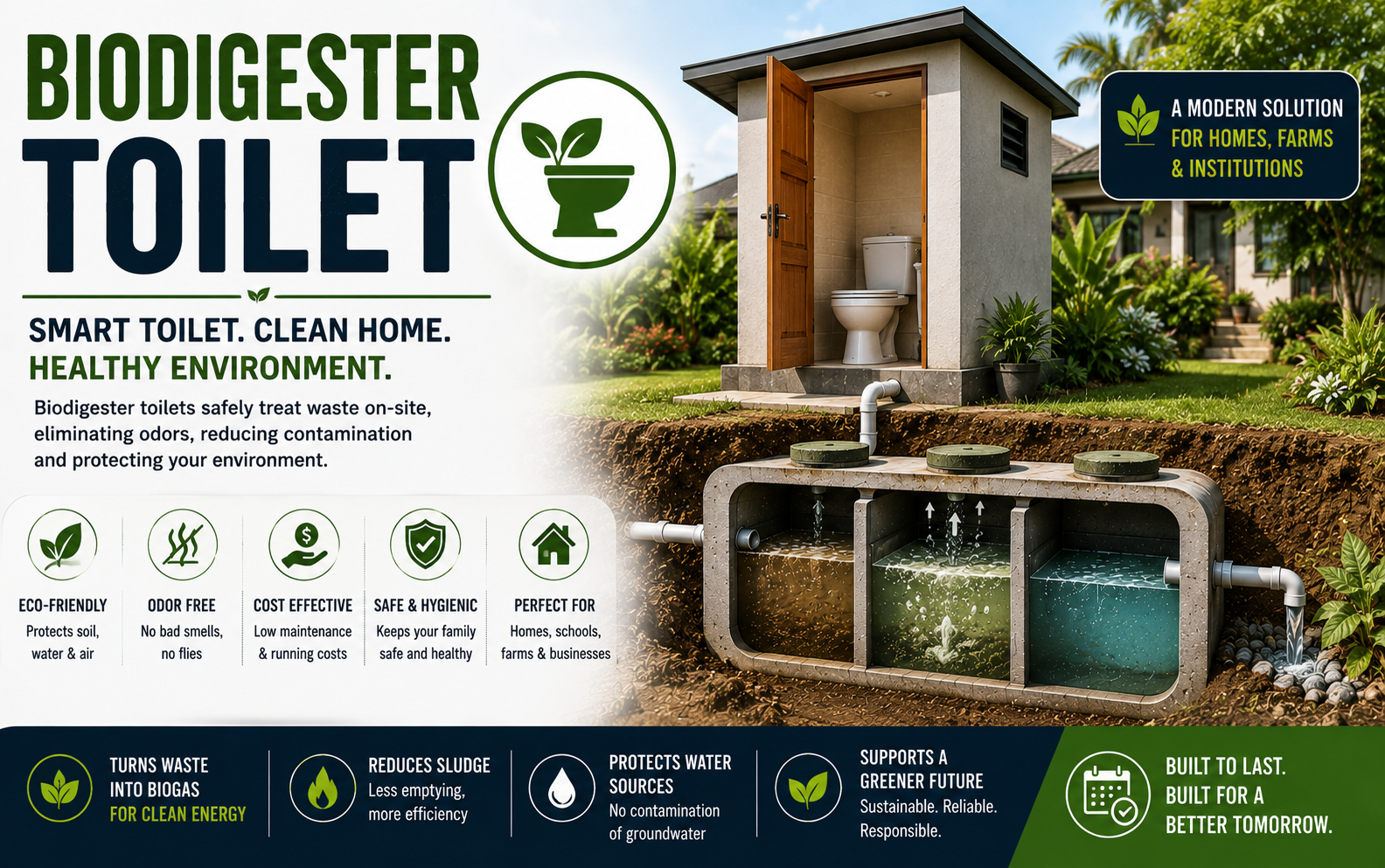
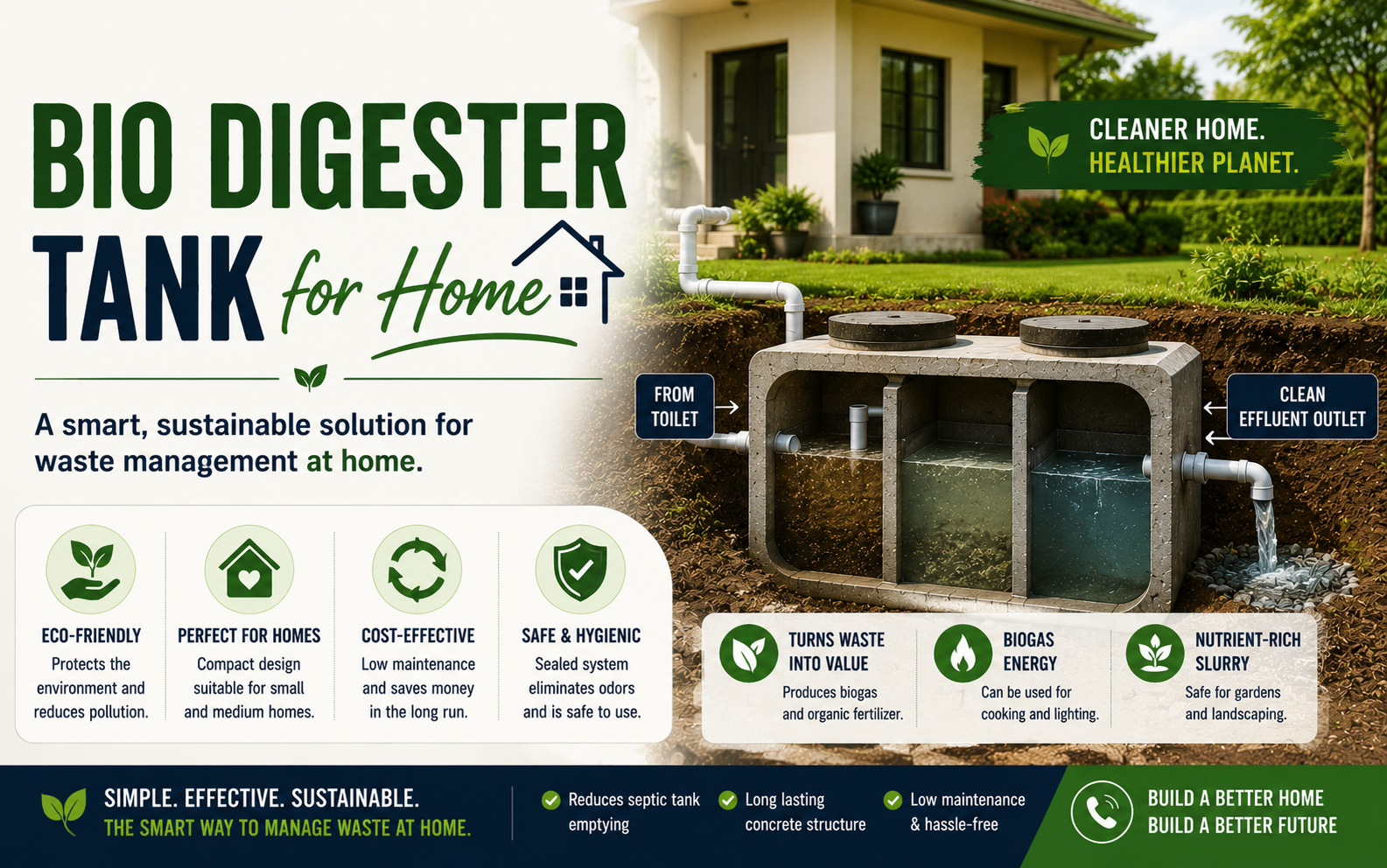
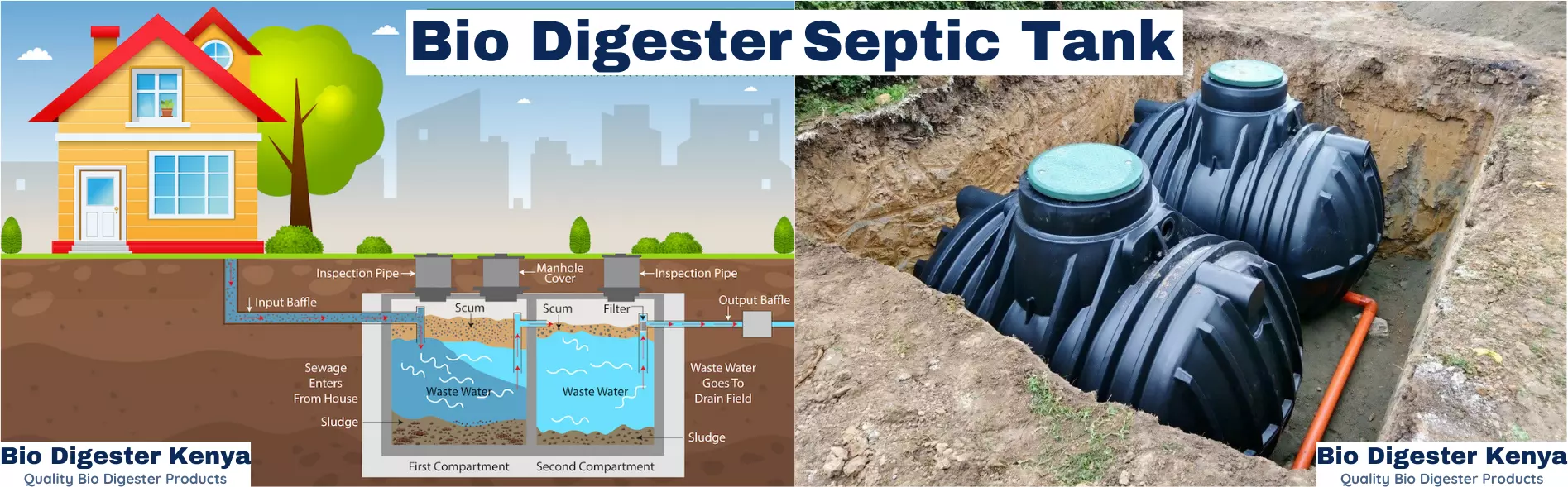
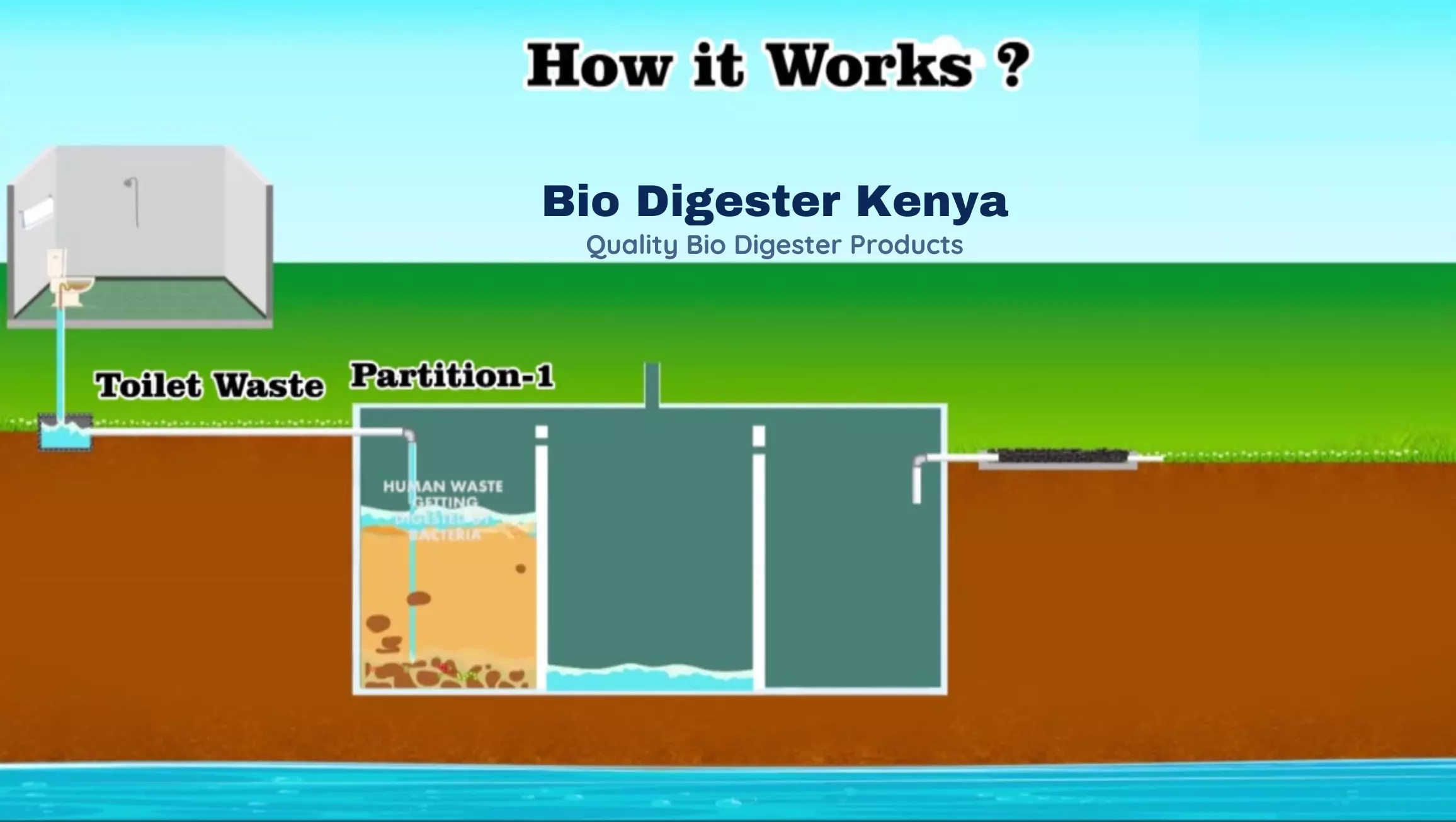
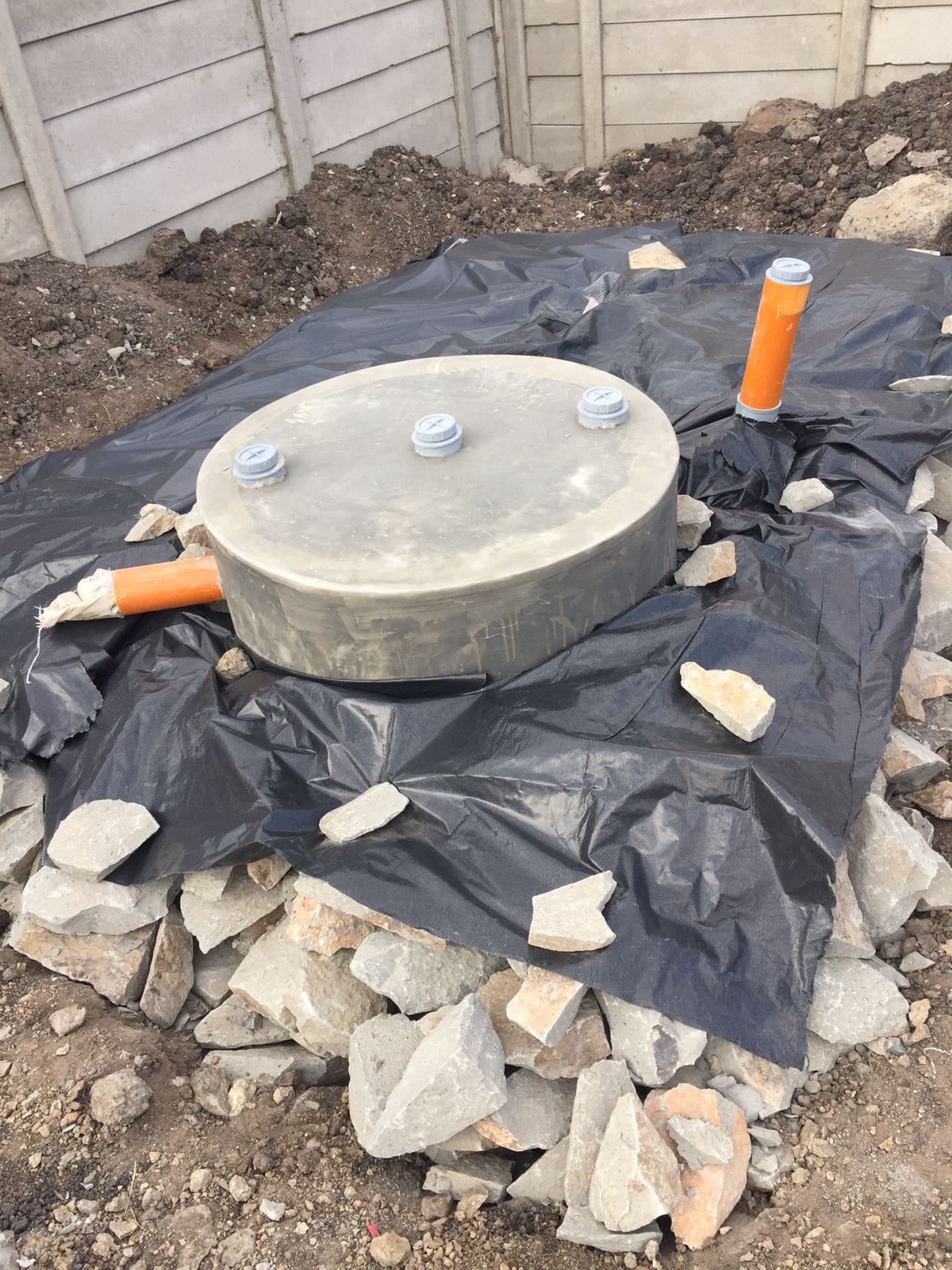
A modern system from Bio Digester Kenya doesn’t just “hold” waste; it processes it.
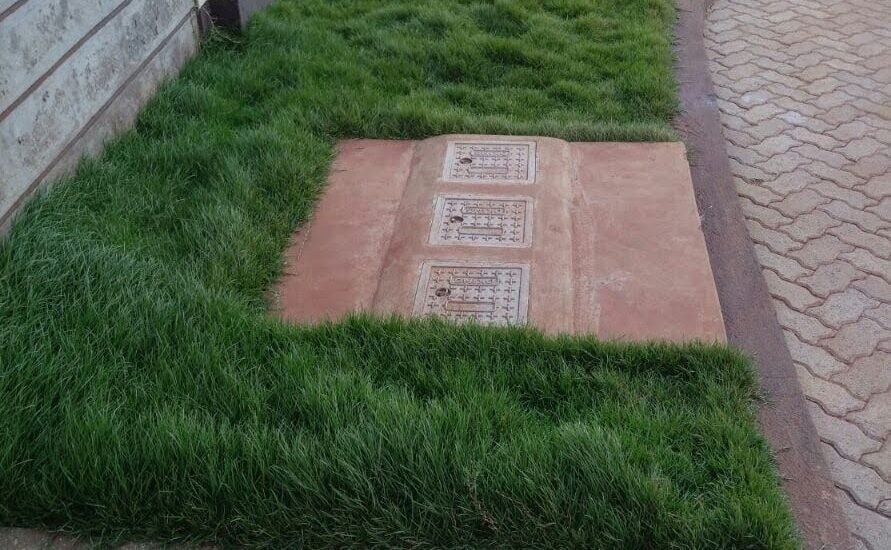
The system functions as a modern human waste management solution for residential homes and commercial spaces.
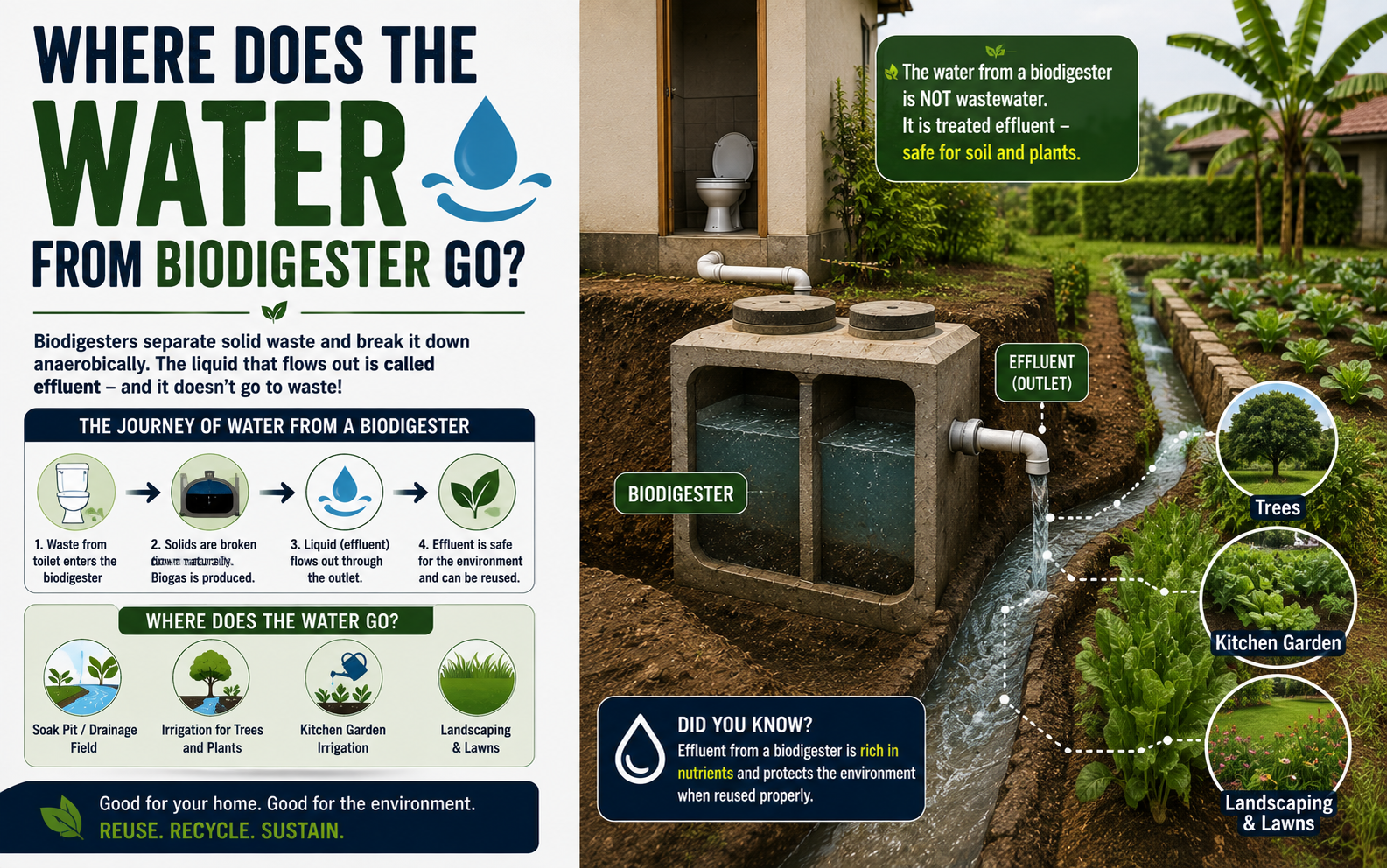
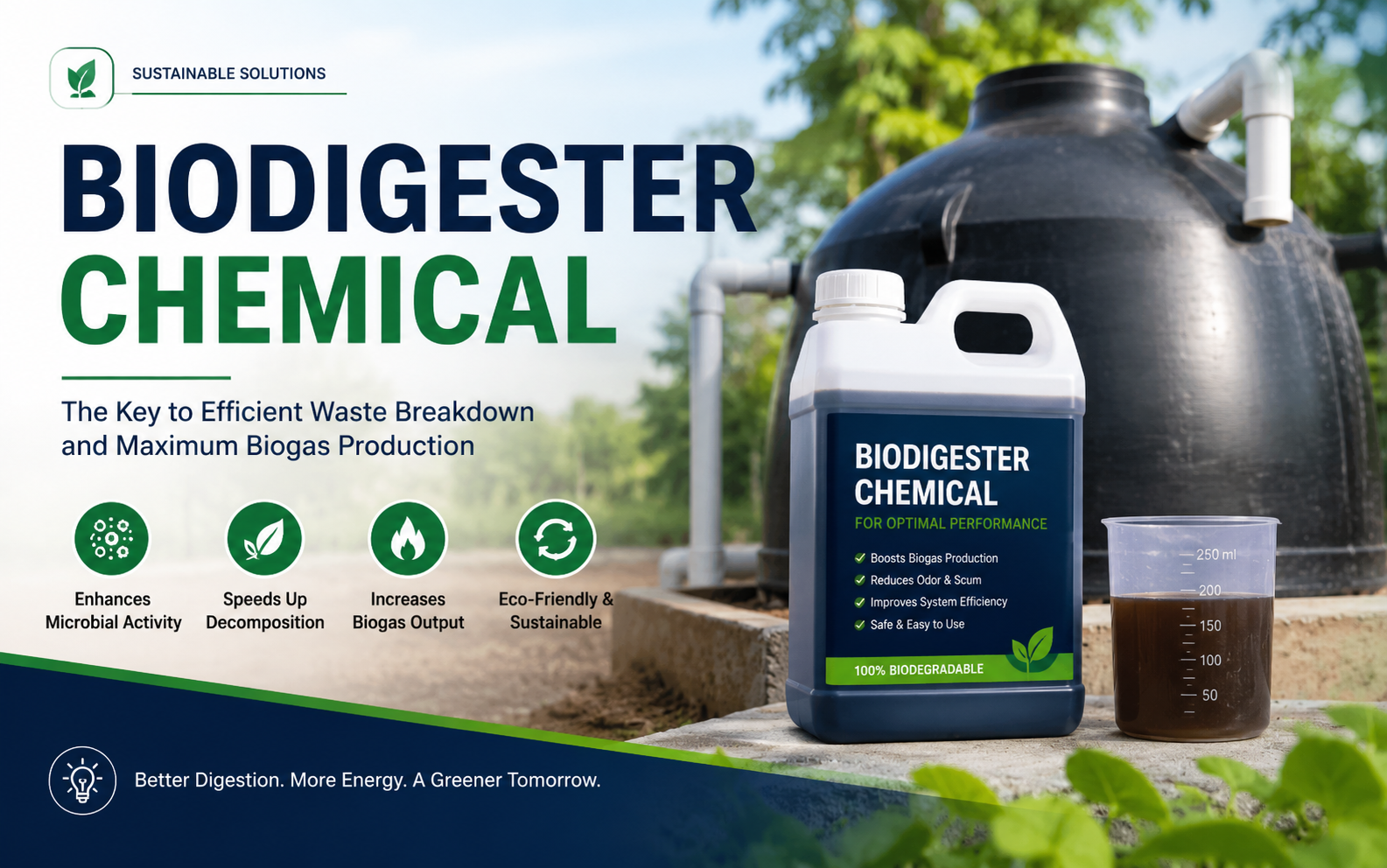
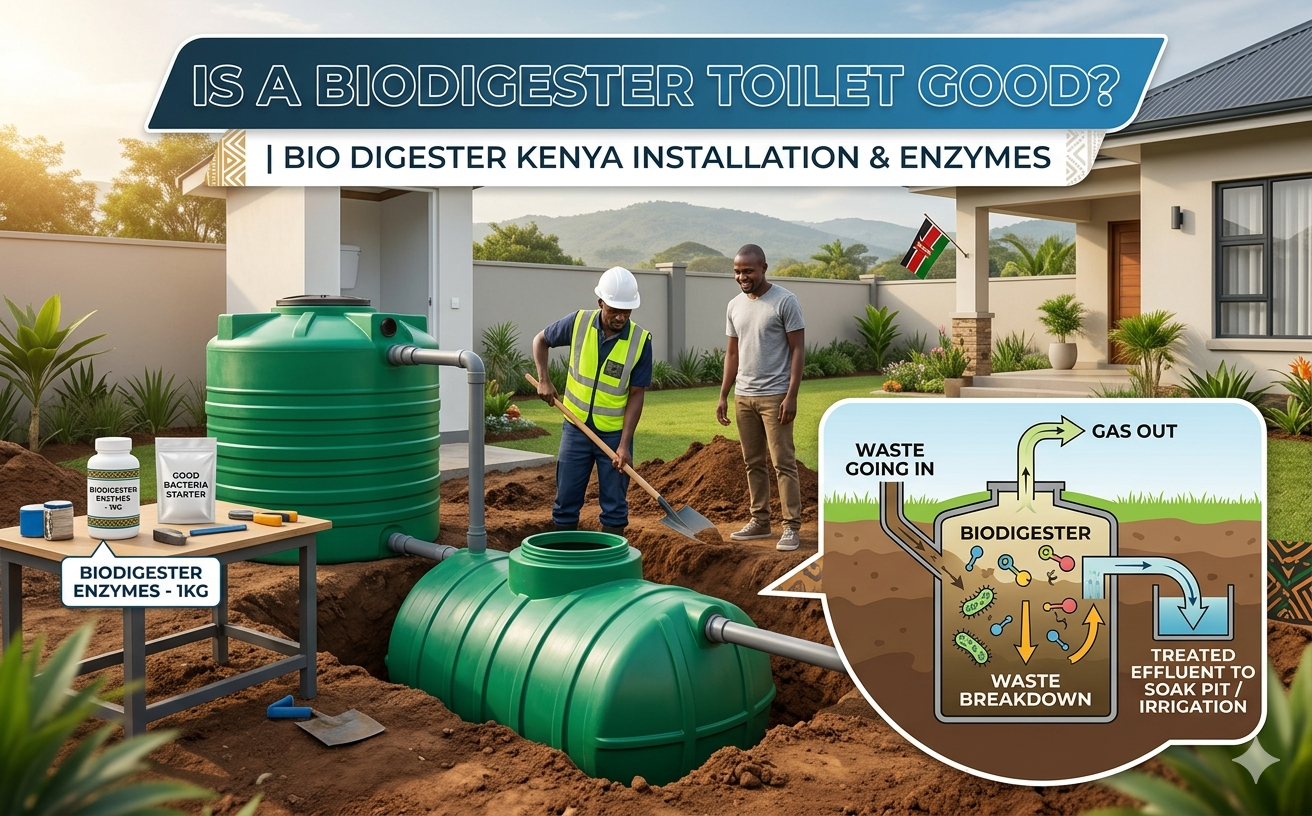
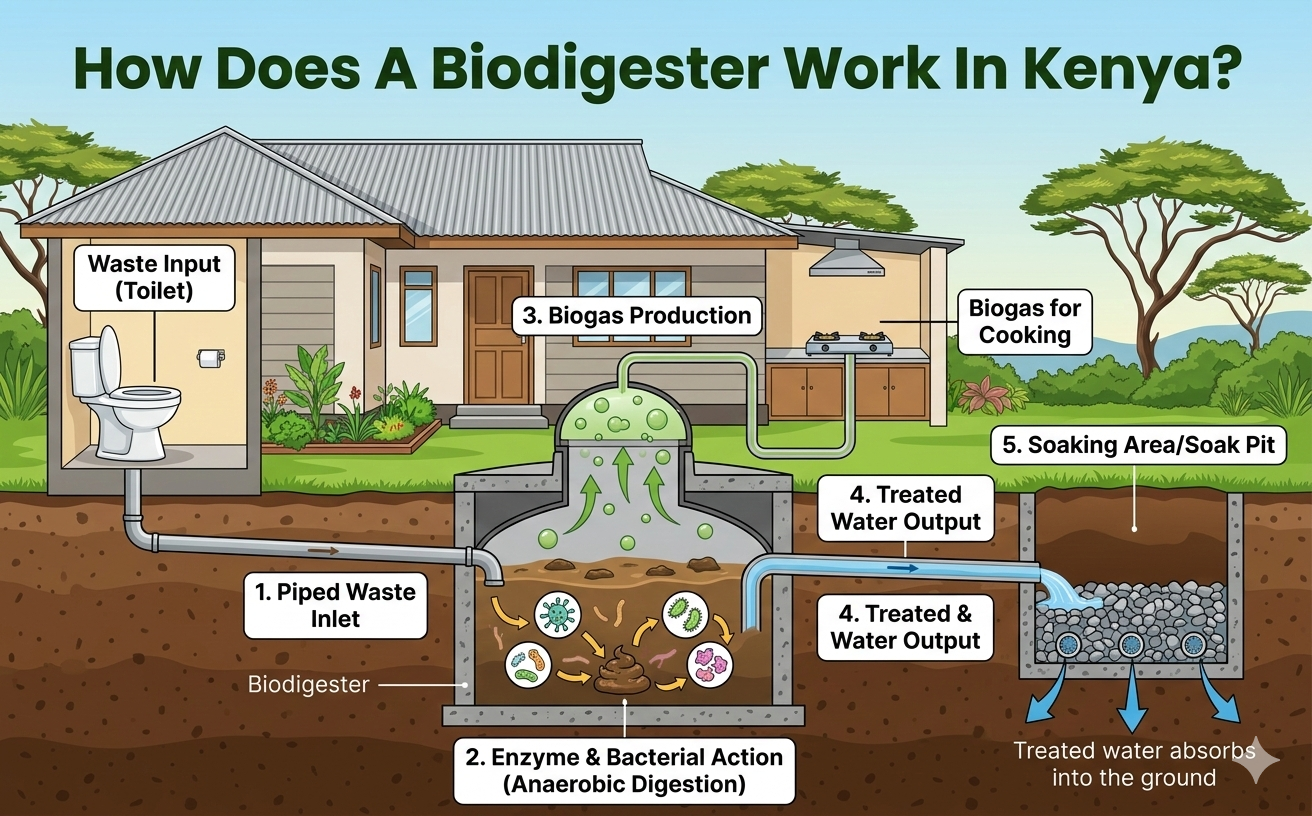
Waste is piped directly into the biodigester where specialized biodigester enzymes break down and consume the solid waste.
Unlike old tanks that simply separate solids from liquids, this biological action is aggressive and efficient.
The biological end result is strictly treated water and odorless air.
This treated water is then directed to a localized soaking area or French drain where it is safely absorbed into the ground, eliminating the need for recurring exhaust tank emptying.
If you are still weighing the pros and cons of your current setup, checking a detailed biodigester vs septic tank comparison will show you why the biological approach wins on lifetime cost.
Phone: +254 712 660 245
Email: info@biodigesterkenya.co.ke

Signs Your System Needs Biological Treatment
As a contractor, I often see homeowners ignore the warning signs until the toilet literally overflows.
If you notice any of the following, your bacterial colony is likely dead or dormant:
- Slow Drainage: Water takes longer to go down the drain than it did a year ago.
- Sewer Gas: A persistent “rotten egg” smell around the manhole or inside the bathrooms.
- Soggy Lawns: Unexplained wet patches or lush green grass specifically around your soakaway area.
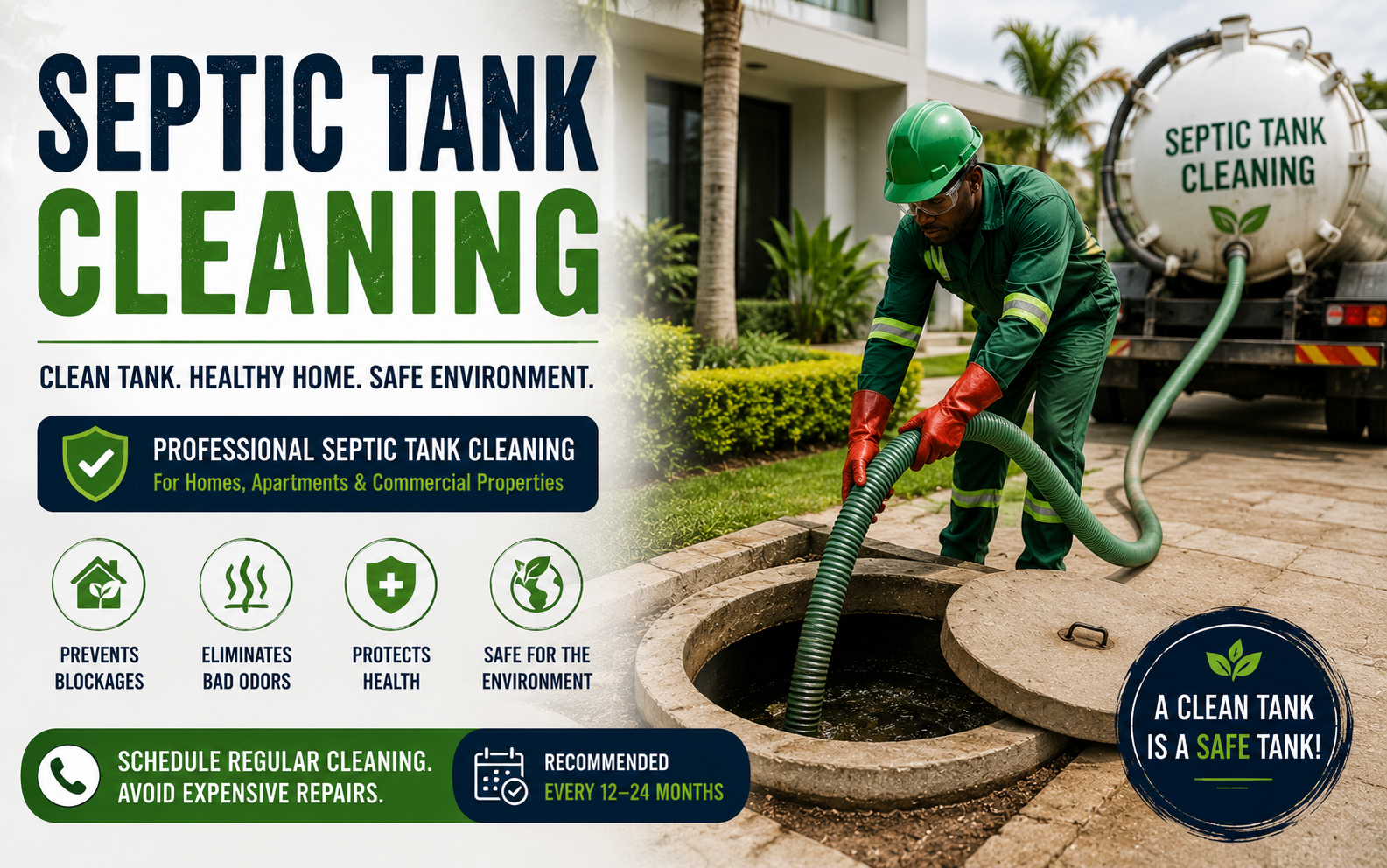
- Frequent Exhausting: Having to call a bowser every 6 to 12 months is a clear sign of biological failure.
When these symptoms appear, the first line of defense is restoring the microbial balance.
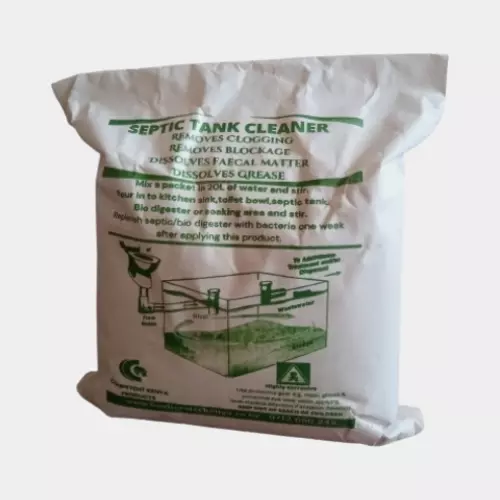
Using a dedicated Septic Tank Cleaner can help strip away the accumulated grease and sludge, creating a clean slate for new bacteria to thrive.
Selecting the Right Bacterial Product
Not all “septic additives” are created equal.
Many generic products are simply detergents that might clear a pipe but kill the very bacteria you need for long-term digestion.
For a system to remain healthy, you need concentrated, dormant spores that activate upon contact with waste.
For Maintenance and Boosts
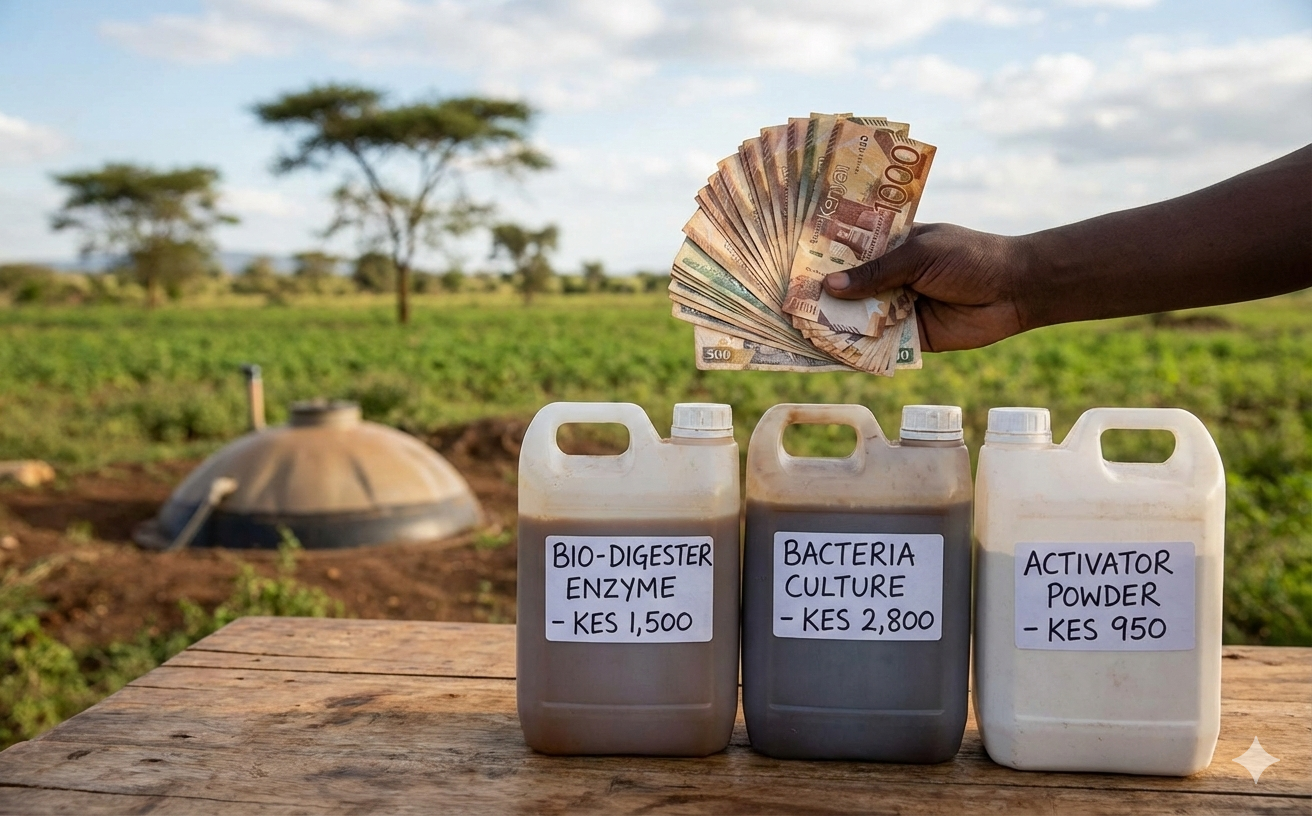
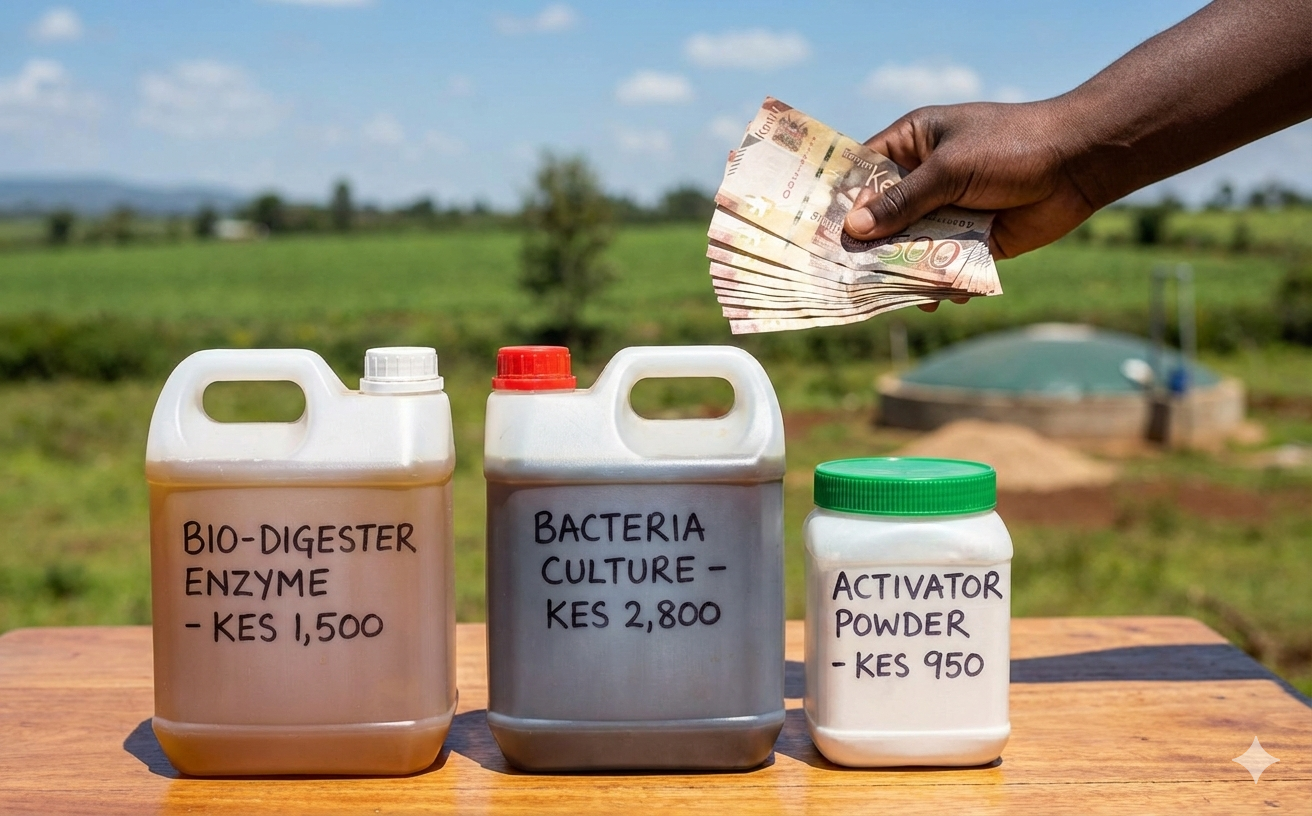
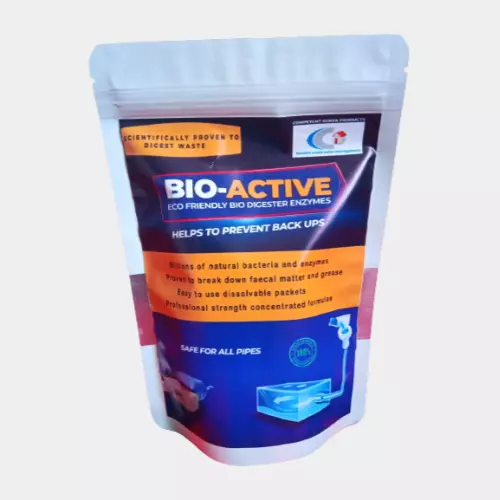
If your system is functioning but you want to prevent odors and extend the time between exhausts, Bio Digester Bacteria – 400g is the ideal maintenance dose. It provides a concentrated burst of enzymes that keep the anaerobic process peaking.
For Severe Sludge Build-up
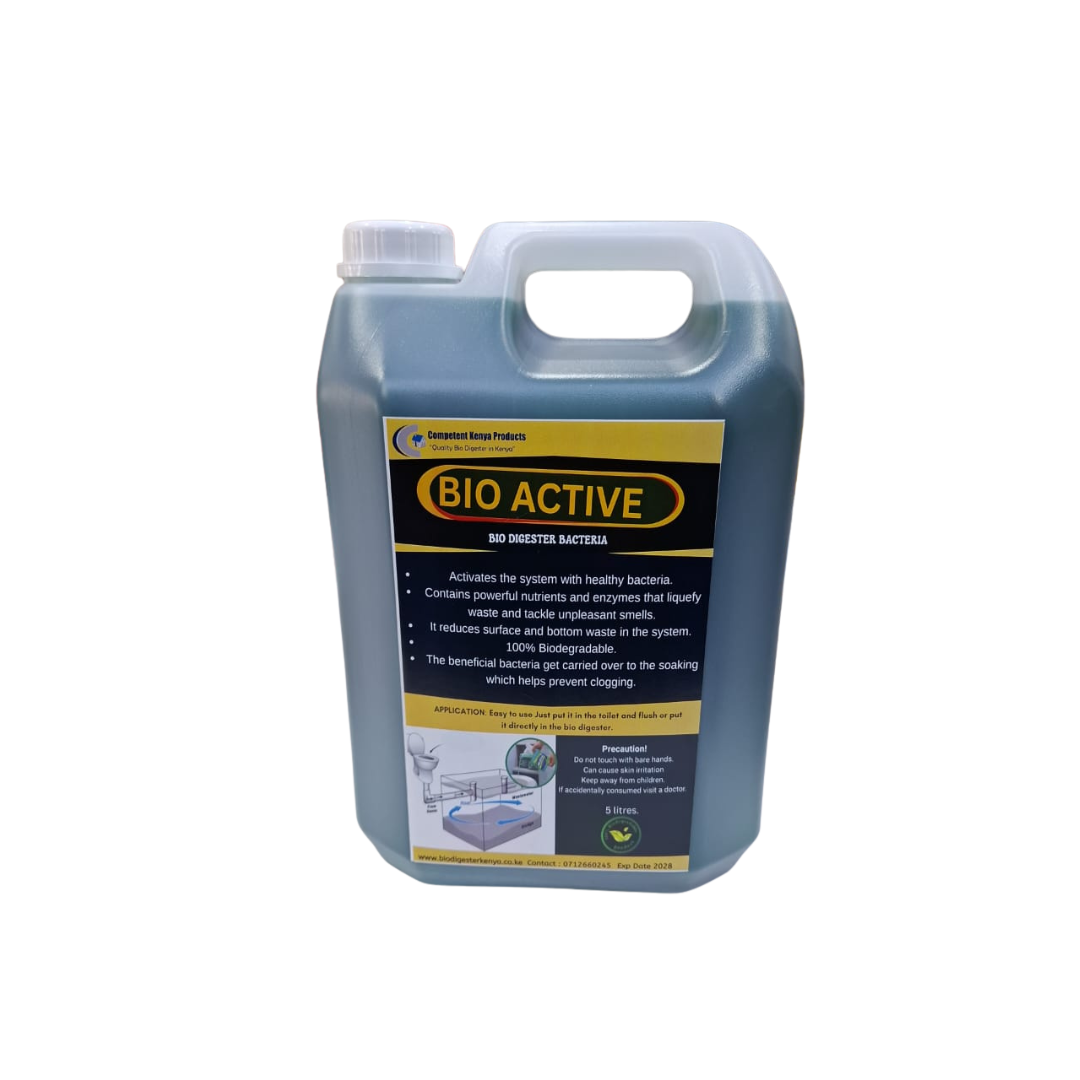
For systems that have become sluggish due to years of neglect or the use of harsh chemicals (like bleach or strong acids), a more robust application of Bio Digester Bacteria is required to restart the digestion cycle from scratch.
Phone: +254 712 660 245
Email: info@biodigesterkenya.co.ke
Long-term Maintenance Strategies for Kenyan Property Owners
To keep your bacteria for septic tanks alive and working, you must change how you treat your plumbing.
The biggest killer of beneficial bacteria in Kenyan homes is the overuse of chlorine-based bleach.
While it makes the bathroom look clean, it sterilizes your tank, leaving you with a dead system that fills up rapidly with non-decomposed waste.
Proper Septic Tank Maintenance involves:
- Avoiding Harsh Chemicals: Use biodegradable soaps and limit bleach usage.
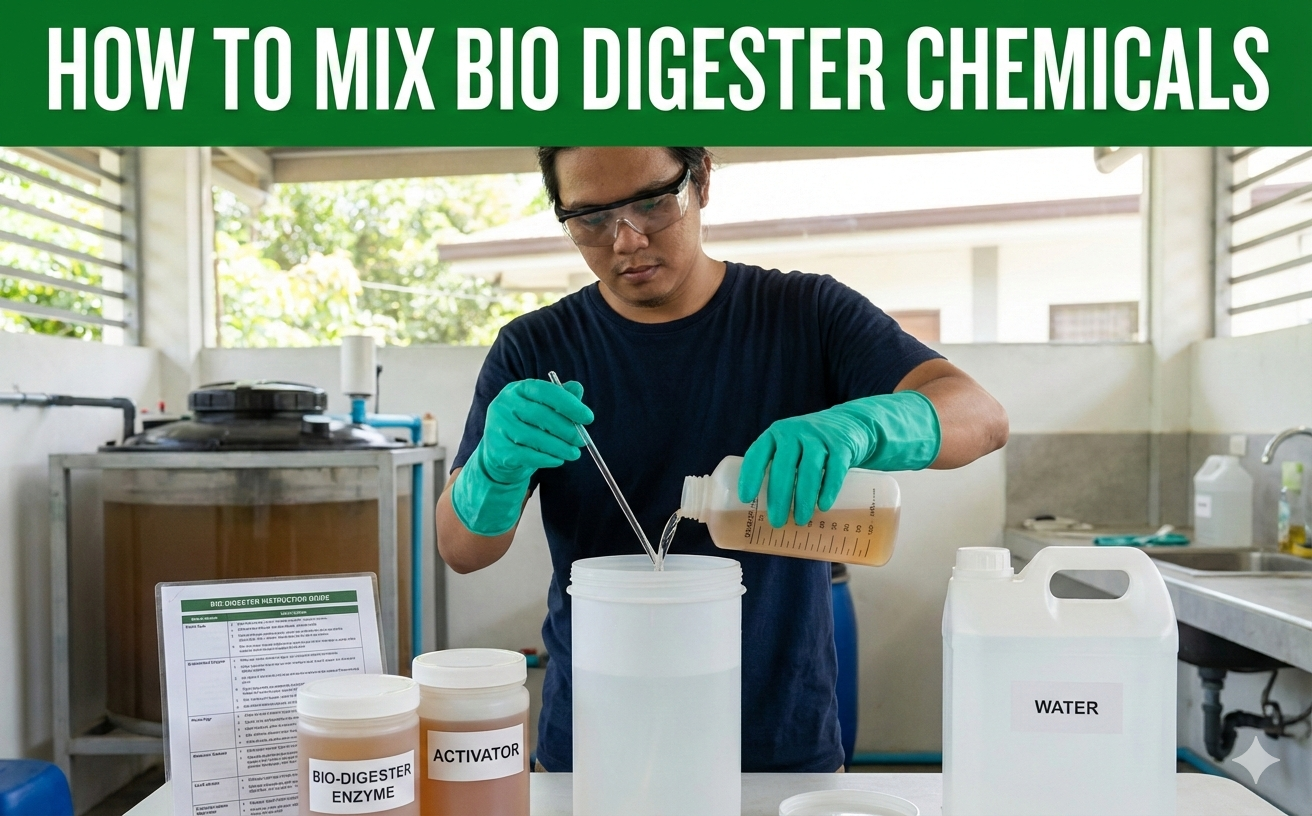
- Regular Enzyme Dosing: Adding bacteria every 6 to 12 months to maintain a healthy colony.
- Water Conservation: Excessive water flow can “flush out” the bacteria before they have time to digest the solids.
Transitioning to a Permanent Solution
If you are tired of the cycle of adding bacteria only to call a bowser a year later, it is time to upgrade the infrastructure.
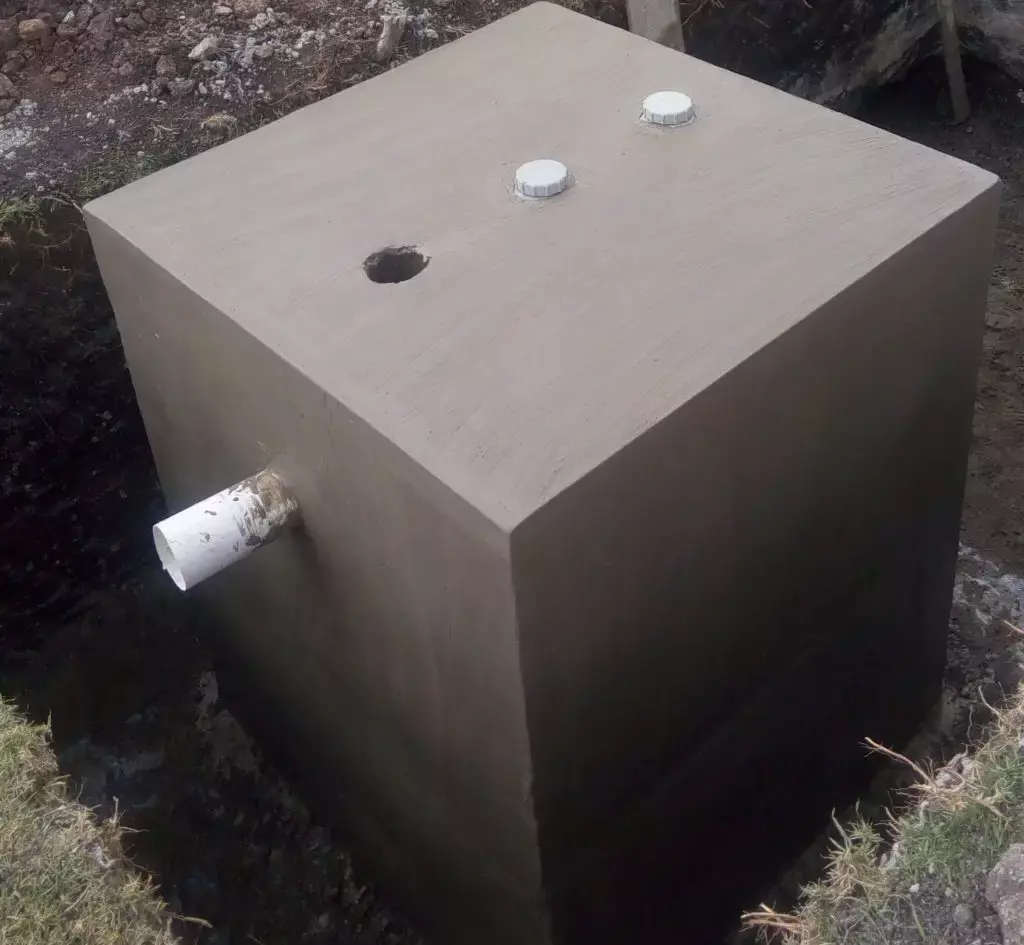
The shift from traditional concrete rings to Precast Bio Digesters represents a permanent fix.
These systems are engineered for maximum surface area contact between the waste and the enzymes.
A professional Bio Digester Installation ensures that the system is placed at the correct gradient and that the French drain is tailored to your specific soil type—whether it is the porous sands of the coast or the challenging clays of the highlands.
Stop managing a failing system and start investing in a sustainable one. Contact our engineering team today to end your reliance on exhaust services forever.
Ready to upgrade your sanitation?
Phone: +254 712 660 245
Email: info@biodigesterkenya.co.ke
Conclusion
Relying on the right bacteria for septic tanks is the difference between a maintenance-free home and a constant battle with sewage smells and expensive bowser bills.
While bacterial additives are excellent for reviving old systems, the ultimate economic and environmental freedom comes from installing a Bio Digester Kenya system.
By leveraging advanced anaerobic digestion, you move away from “storing” waste to “treating” it, ensuring your property remains hygienic and compliant for decades.
Frequently Asked Questions
- Does a biodigester smell?
No. When functioning correctly with active enzymes, the process is anaerobic and the resulting air is odorless. - How often do you add enzymes to a bio digester?
Typically every 6 to 12 months, depending on the number of users and the volume of waste processed. - Can I use bleach if I have a bio digester?
Minimal use is okay, but excessive bleach kills the bacteria, slowing down waste decomposition and leading to system failure. - Do these bacteria work in black cotton soil?
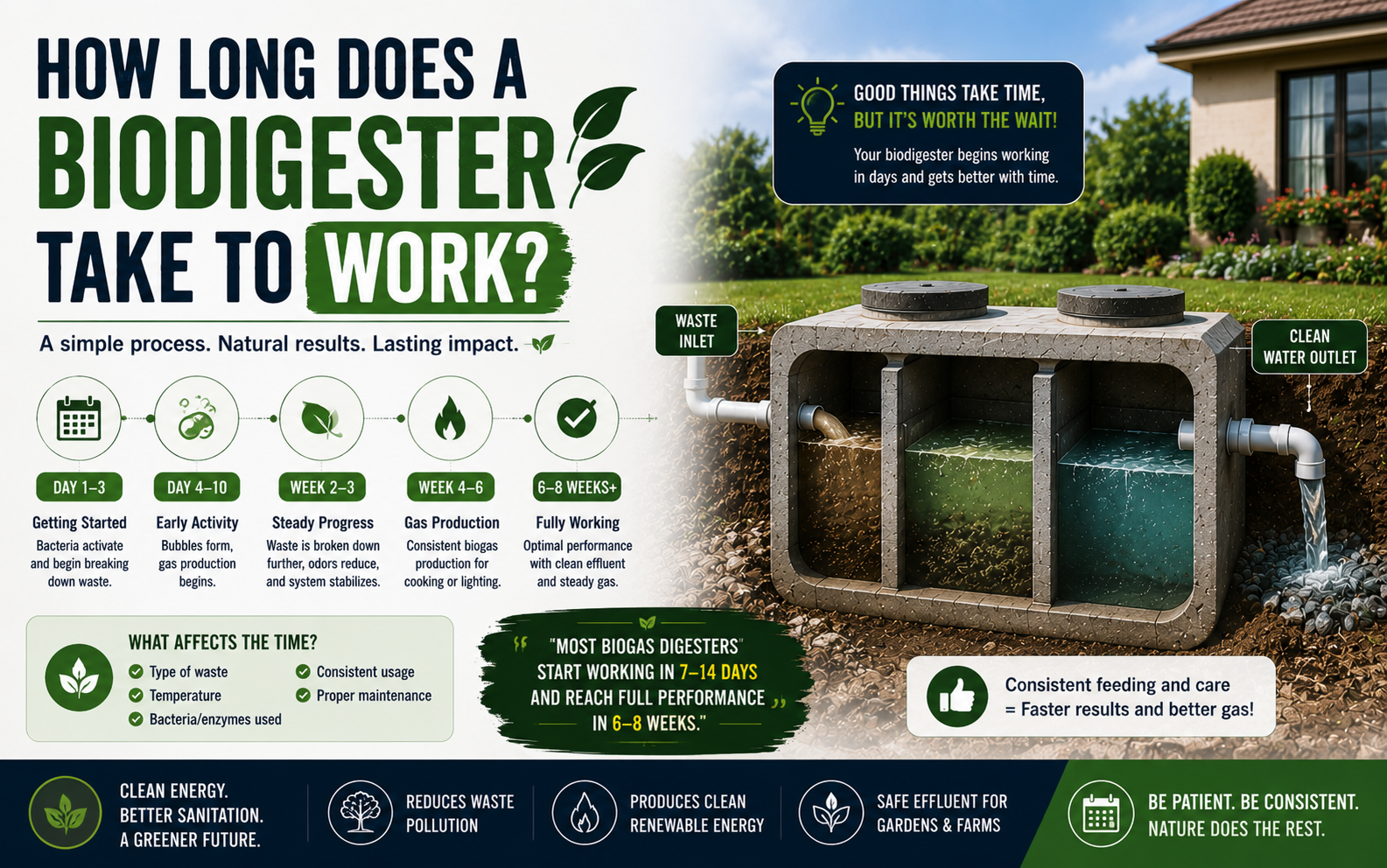
Yes, the bacteria digest the waste, and the treated water is then managed via a French drain designed for low-absorption soils. - How long does it take for the bacteria to start working?
Most high-quality enzymes begin breaking down organic matter within 24 to 72 hours of application.