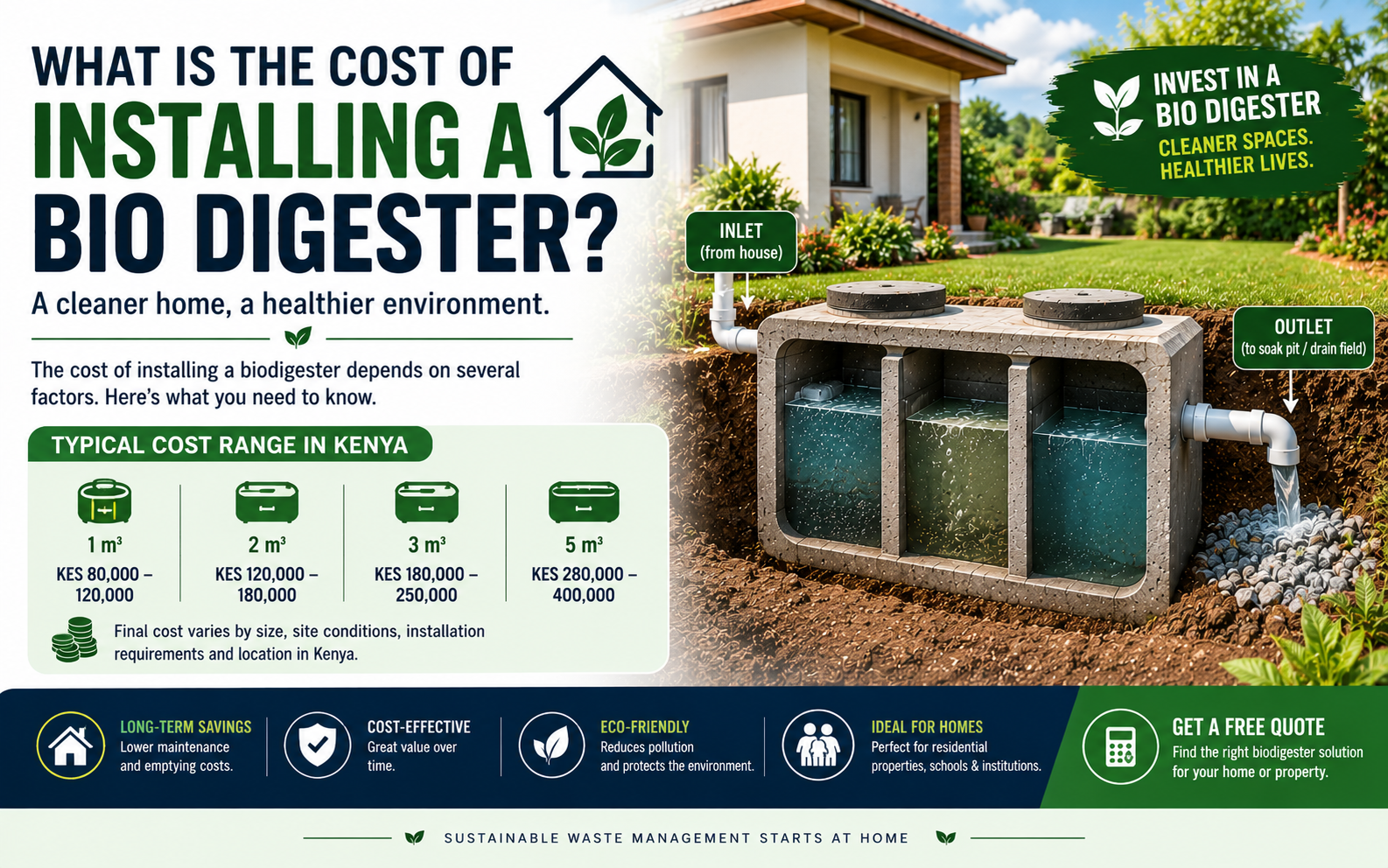
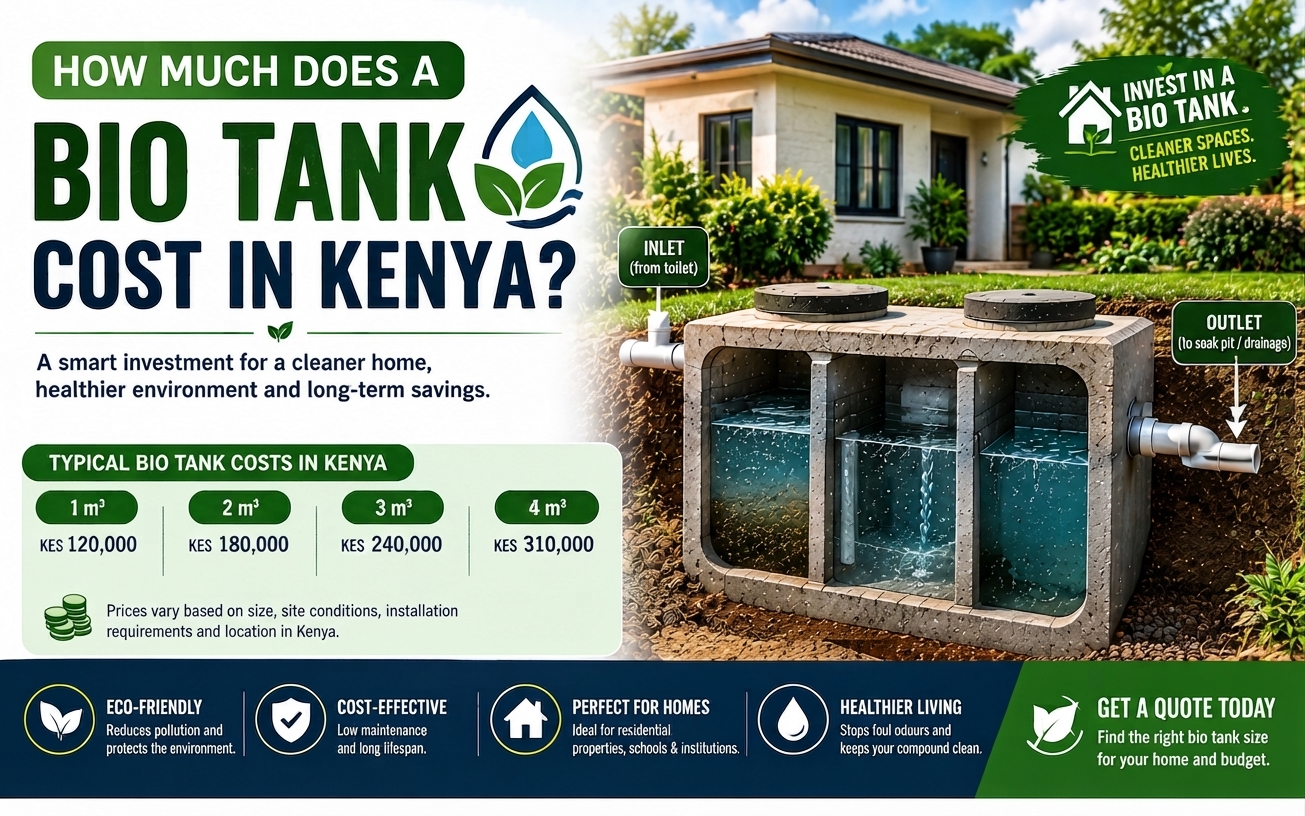
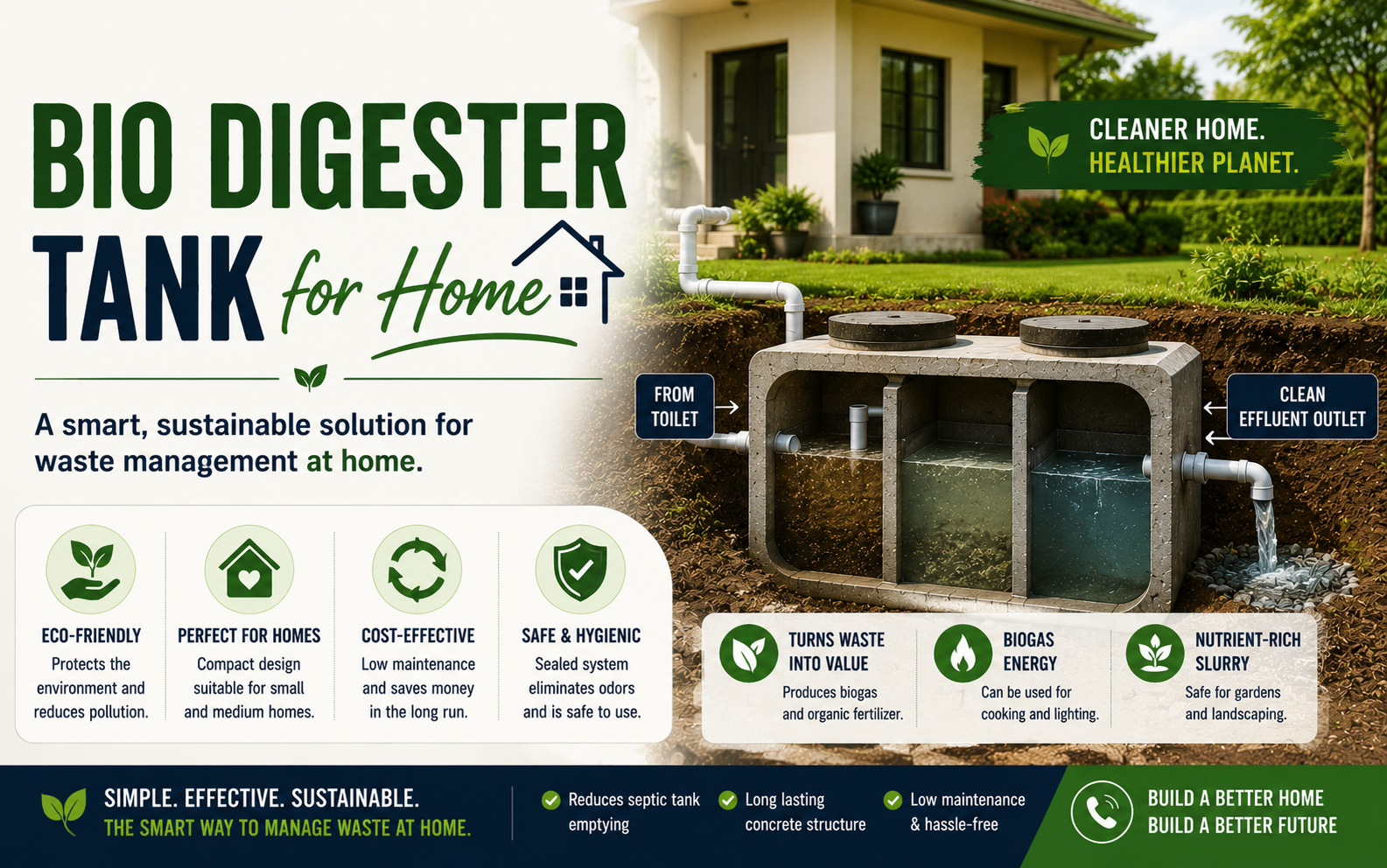
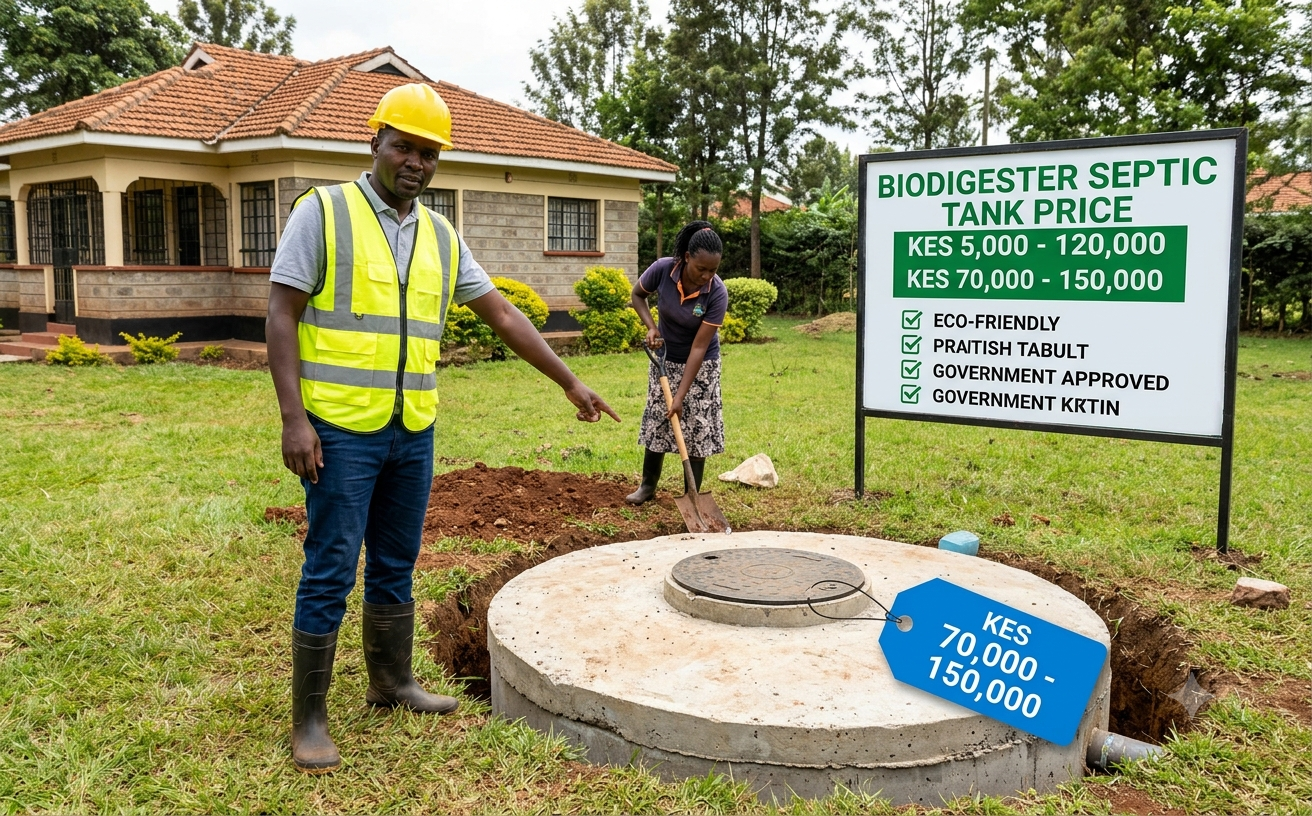
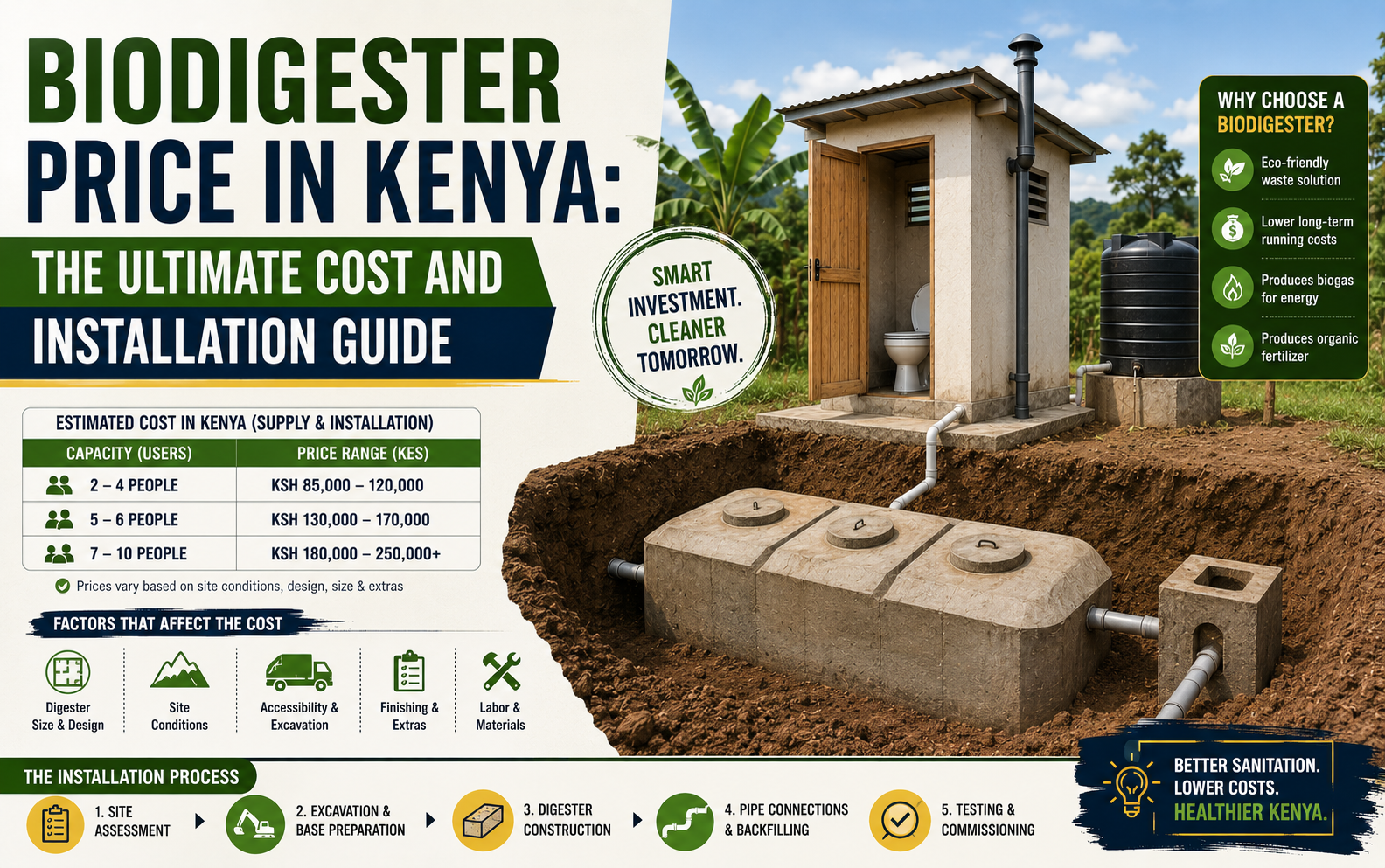
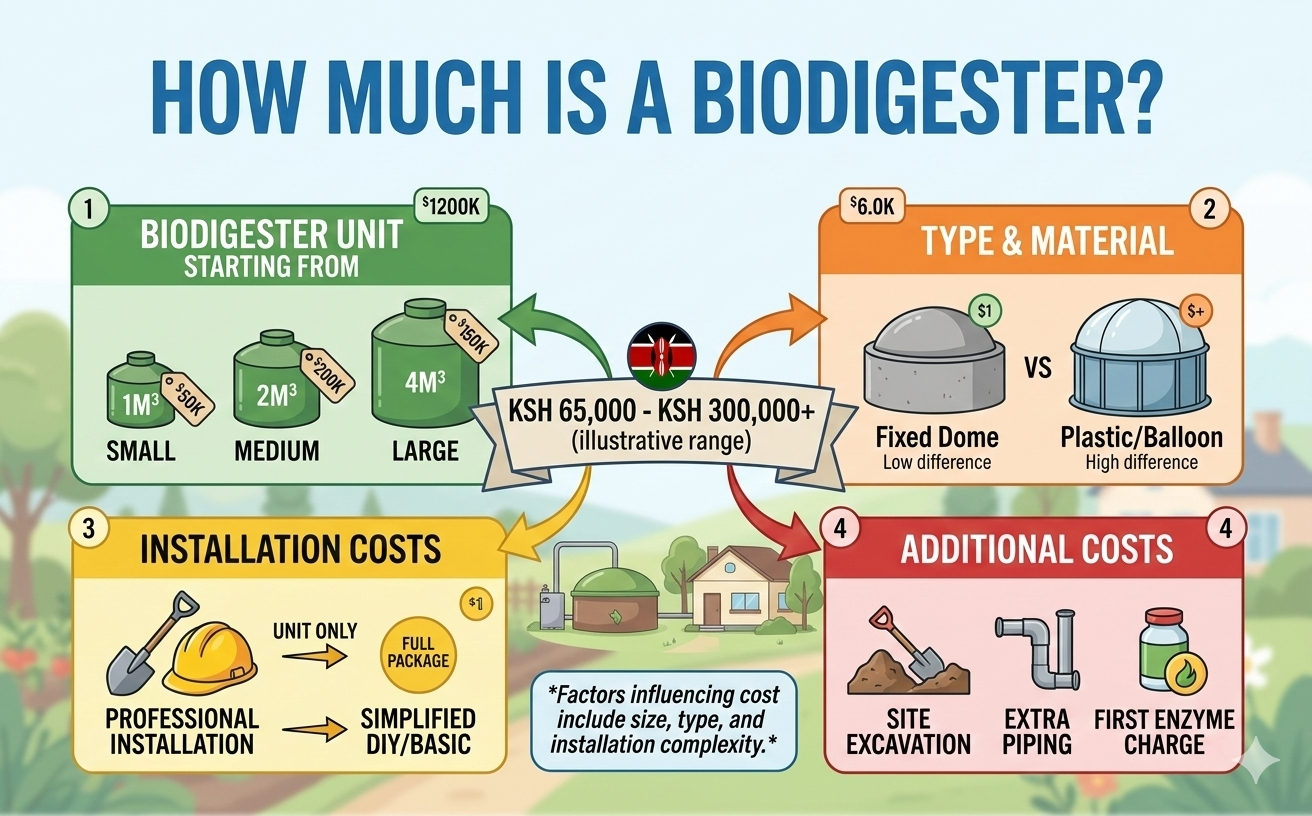
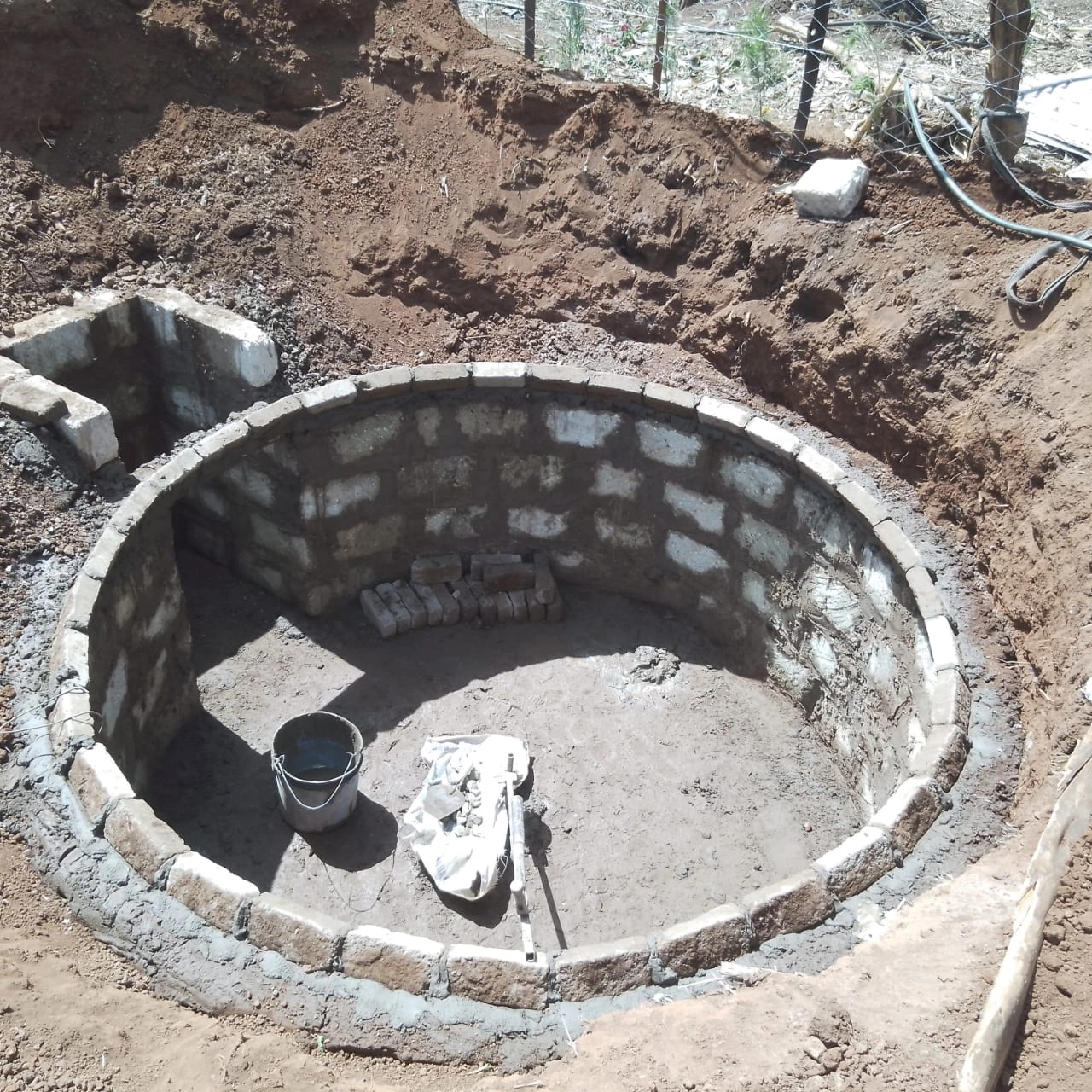
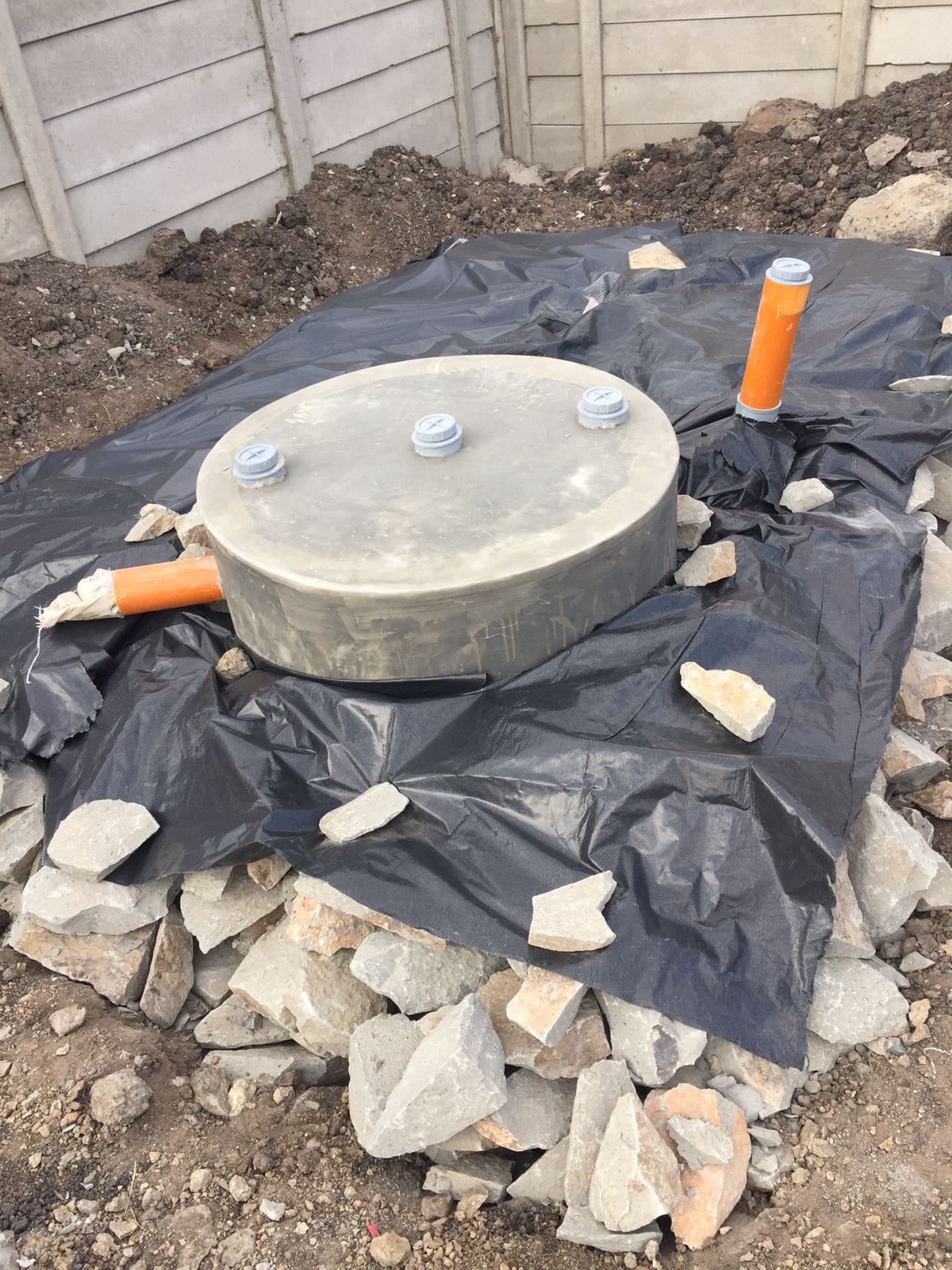
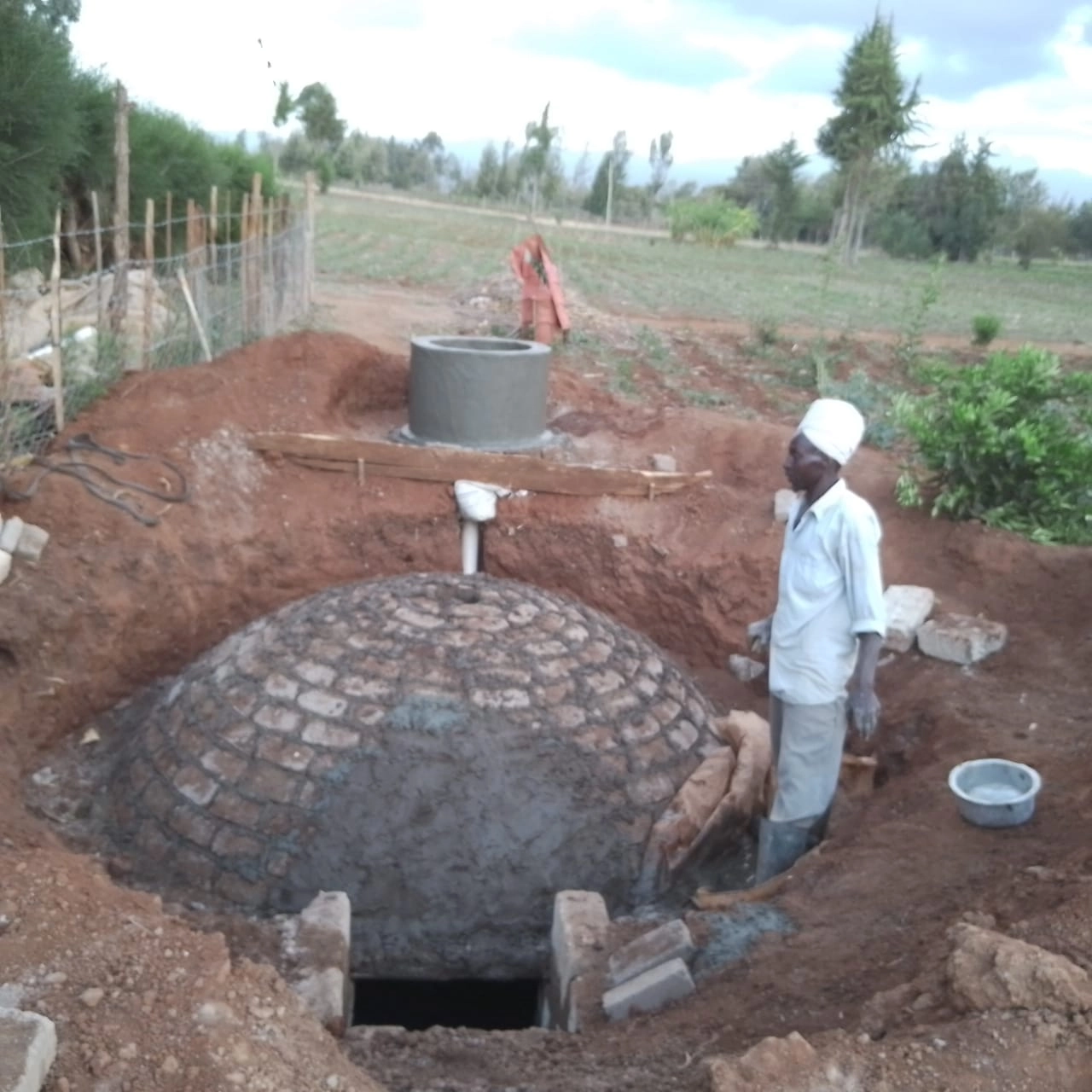
The average bio tank cost in Kenya typically ranges from KES 95,000 to KES 150,000 for standard residential properties, while larger commercial systems or apartments can exceed KES 250,000.
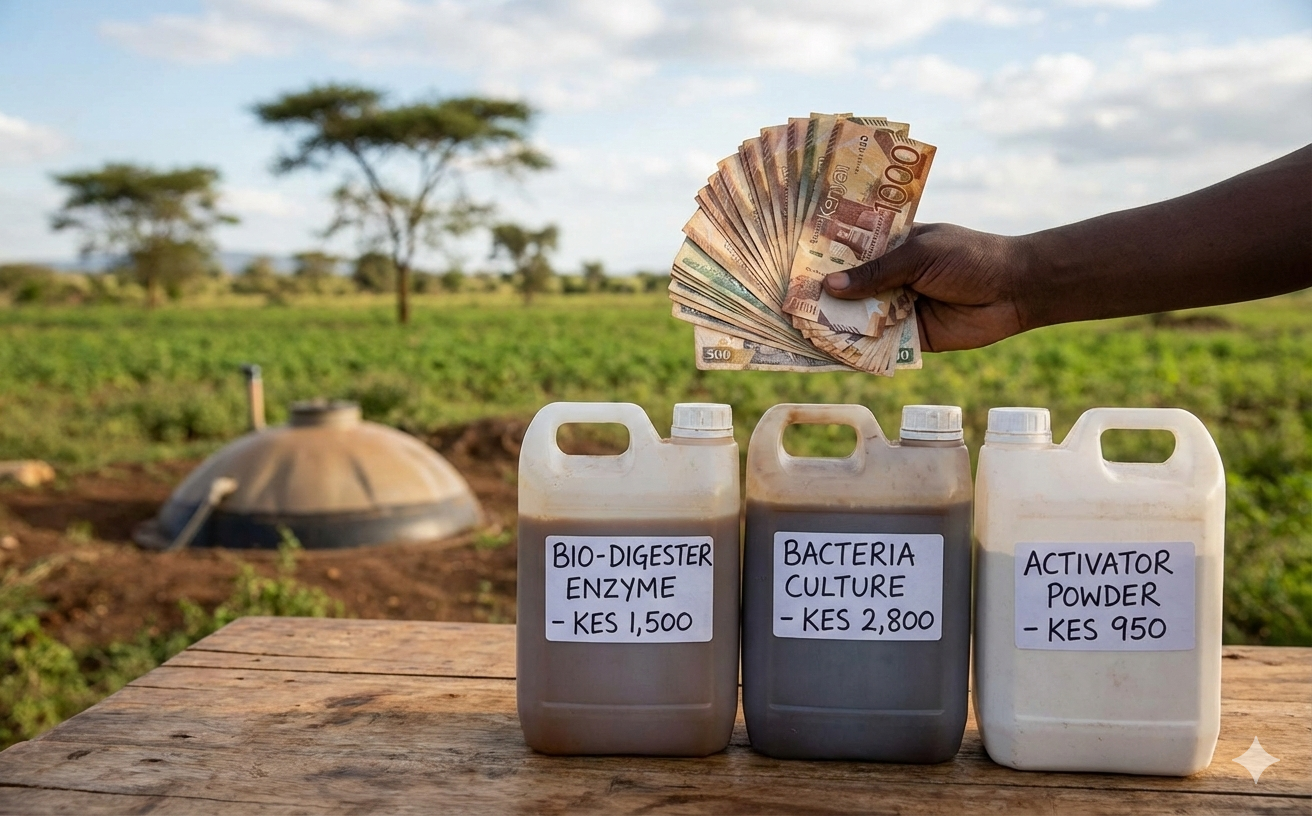
This investment covers the precast bio digester unit, professional bio digester installation, basic piping, and the specialized enzymes required to initiate the biological waste breakdown process.
Understanding the Breakdown of Bio Tank Costs
Pricing for a modern sanitation system isn’t just about the tank itself; it is about engineering a solution that fits your specific plot.
In regions like Syokimau or Kitengela, where heavy black cotton soil is prevalent, the cost may lean toward the higher end due to the specialized design of the soaking area.
Conversely, the red soils of Kiambu or Ruaka offer better drainage, potentially simplifying the drainage layout.
A standard residential system from Bio Digester Kenya is designed to handle waste for 1 to 30 users.
When calculating your budget, you must account for three main pillars: the hardware (the tank), the labor (excavation and masonry), and the biological starters.
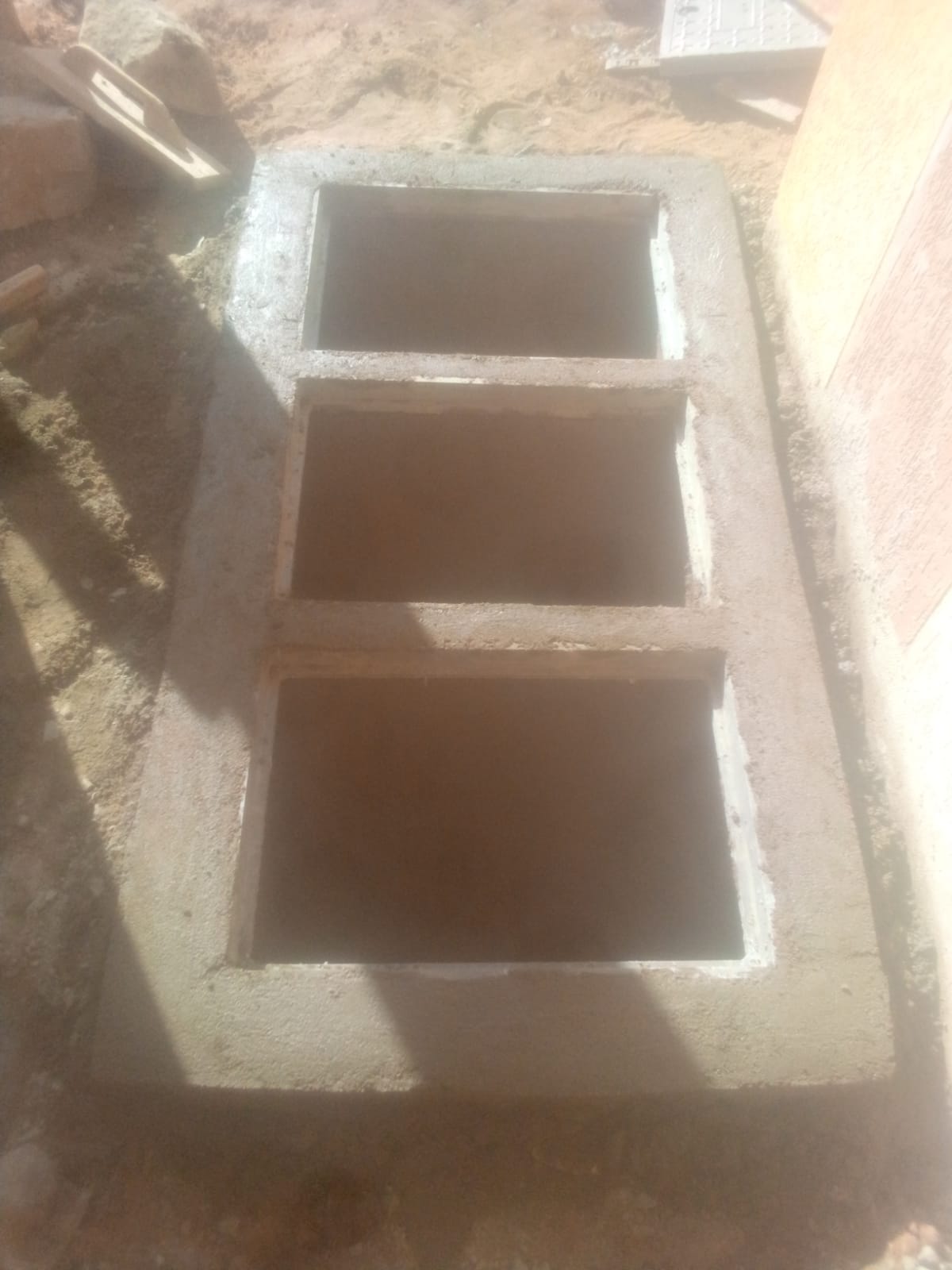
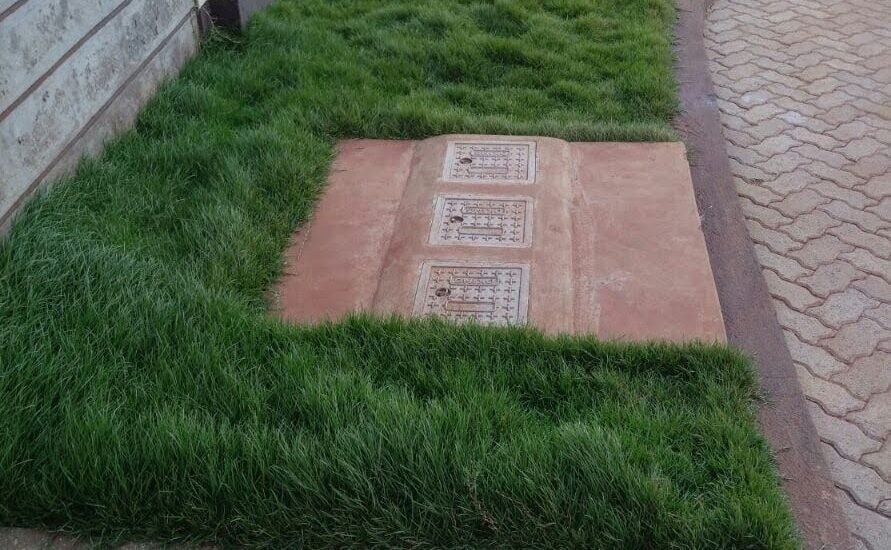
Unlike traditional septic tanks that require massive excavations and expensive concrete walling, a biodigester is compact, saving you significant amounts on both space and material costs from the onset.
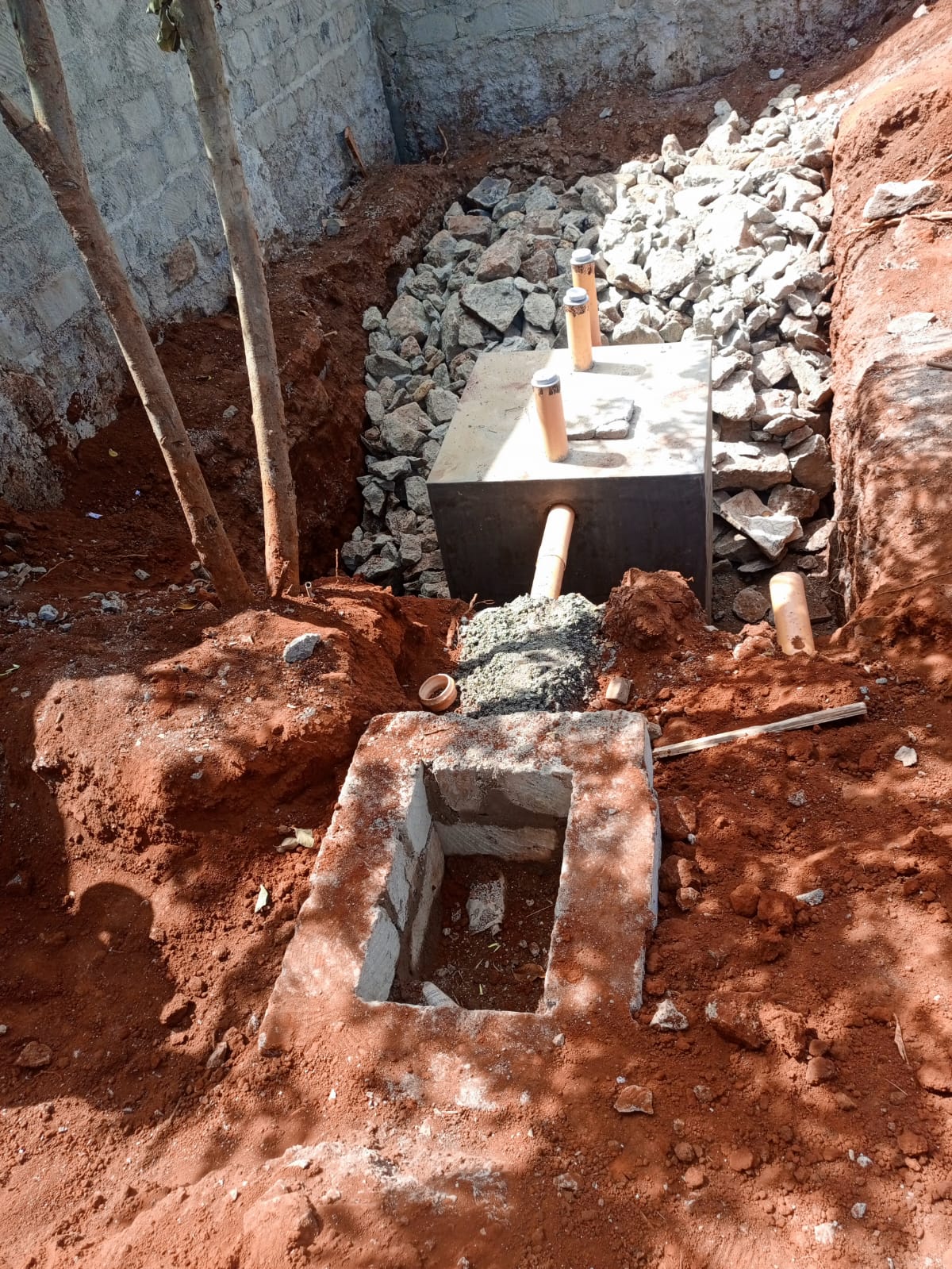
Factors That Influence the Final Installation Price
1. Soil Type and Absorption Rates
The geography of your site dictates the complexity of the soaking area.
If you are building in areas with poor drainage, we must engineer a more robust French drain or a deeper soaking pit to ensure the treated water is absorbed effectively.
This might require additional gravel or perforated pipes, slightly increasing the material cost.
2. System Capacity and User Load
A single-family home in an estate like Kamulu will require a smaller unit compared to a multi-unit apartment block in Kasarani.
We categorize systems based on the volume of blackwater they can process daily.
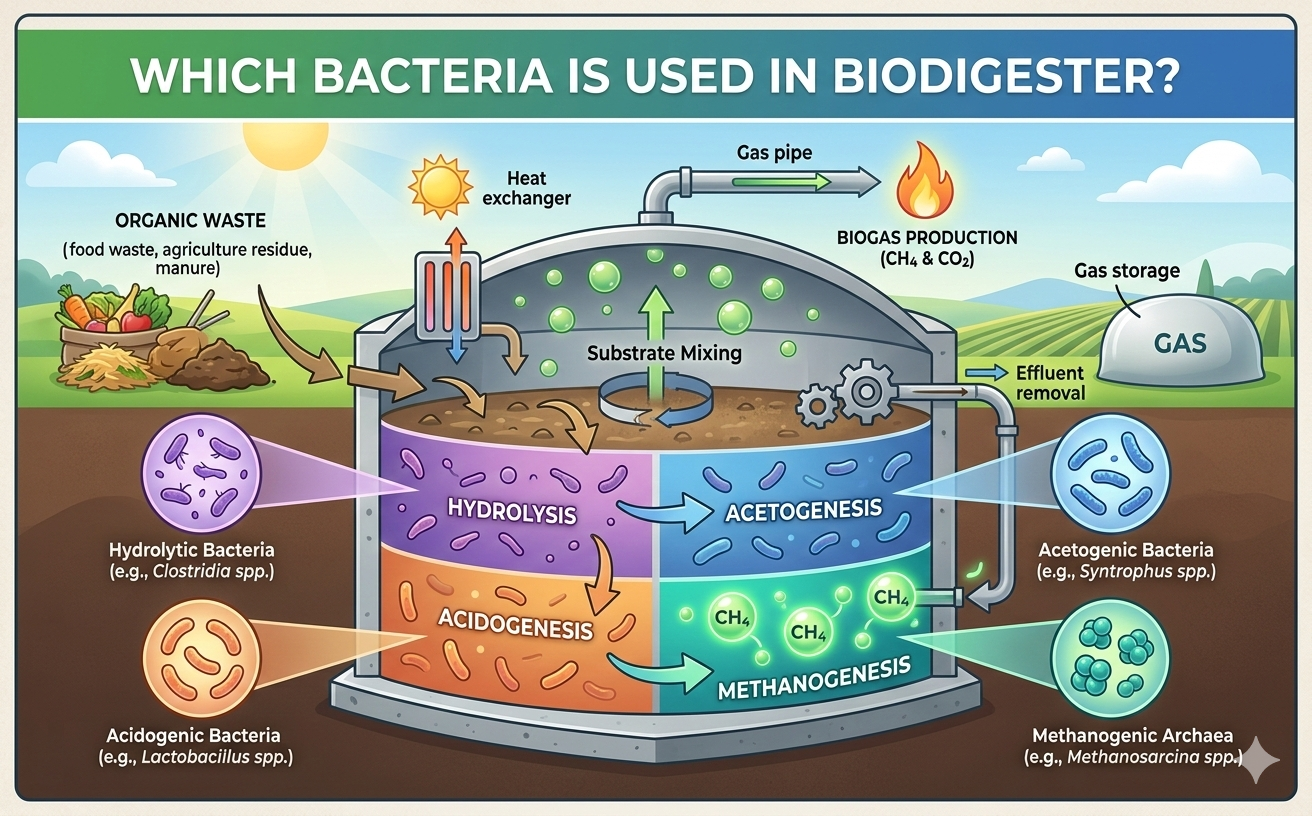
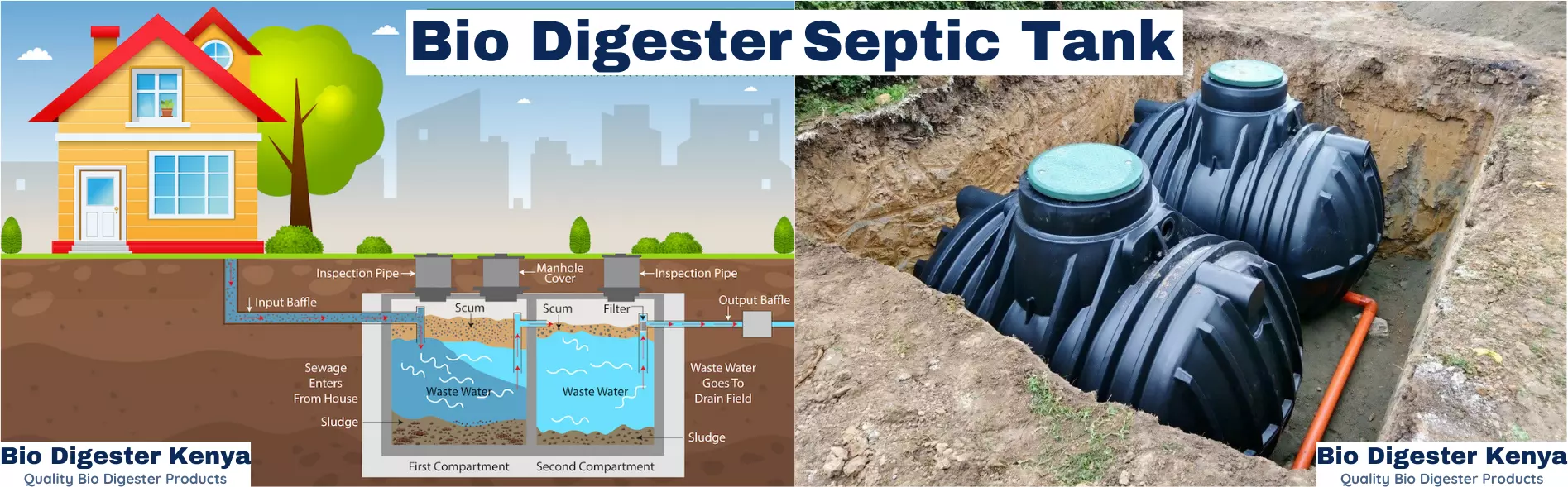
Higher user loads require larger Precast Bio Digesters to ensure the anaerobic digestion process has enough time to break down solids completely before the water exits the system.
3. Distance from the House to the Digester
The amount of UPVC piping required to connect your toilets and bathrooms to the digester impacts the final quote.
We recommend placing the system within 10 to 20 meters of the primary waste exit point to maintain a proper gradient and reduce the cost of plumbing materials.
Need a site-specific quote for your project?
Phone: +254 712 660 245
Email: info@biodigesterkenya.co.ke
How the Biodigester System Works
The mechanics of a bio tank are vastly superior to the “contain and exhaust” method of old concrete tanks.
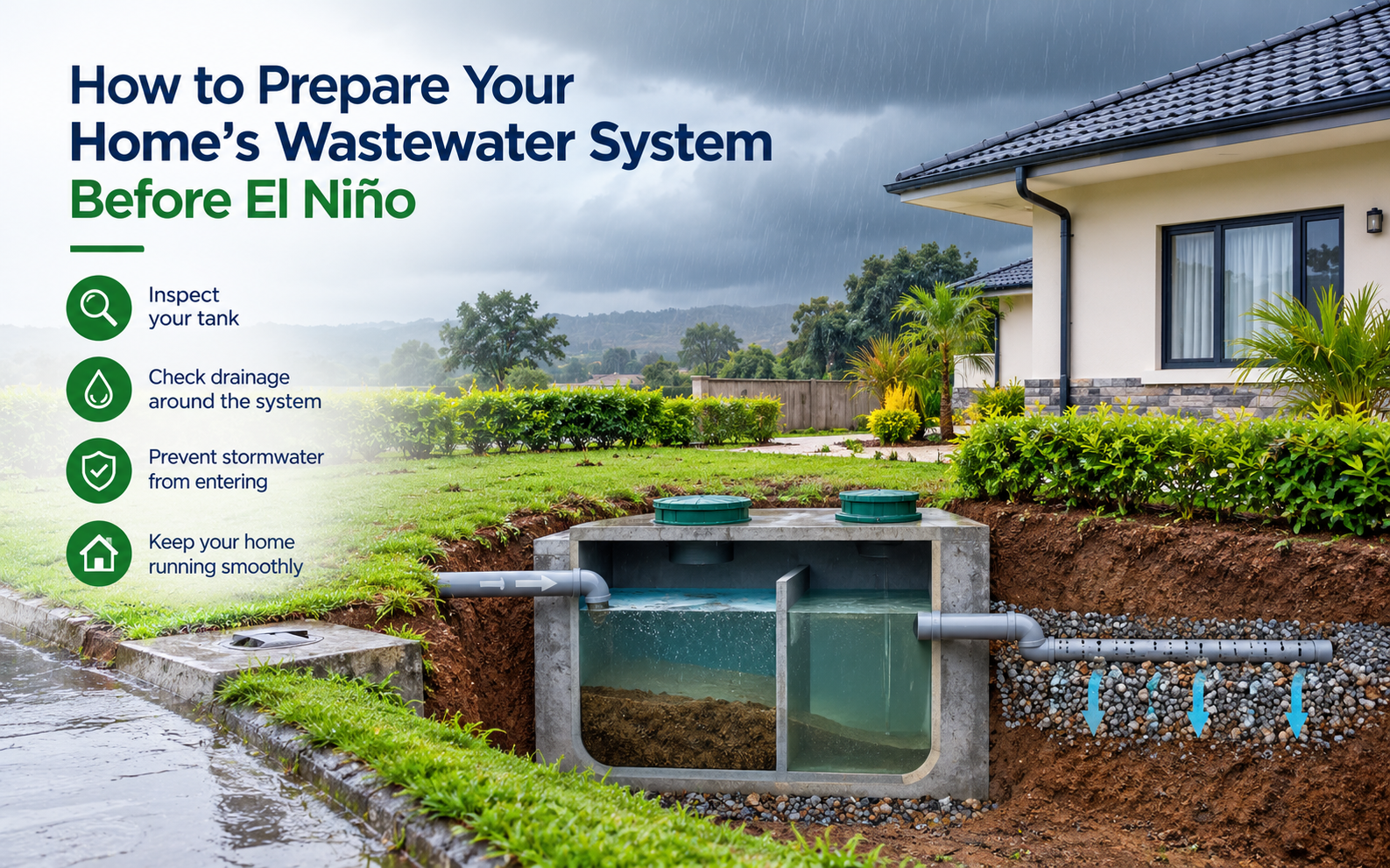
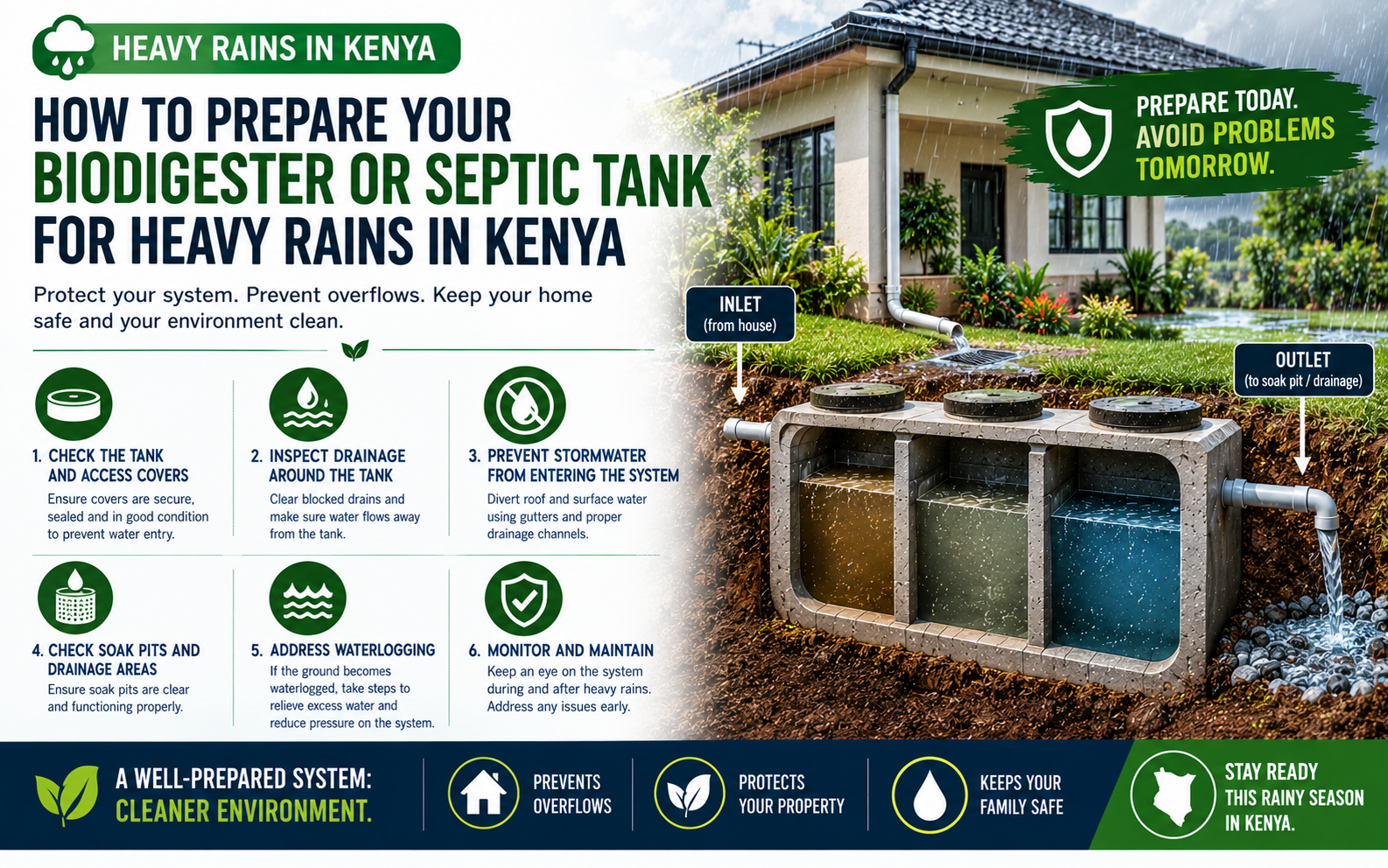
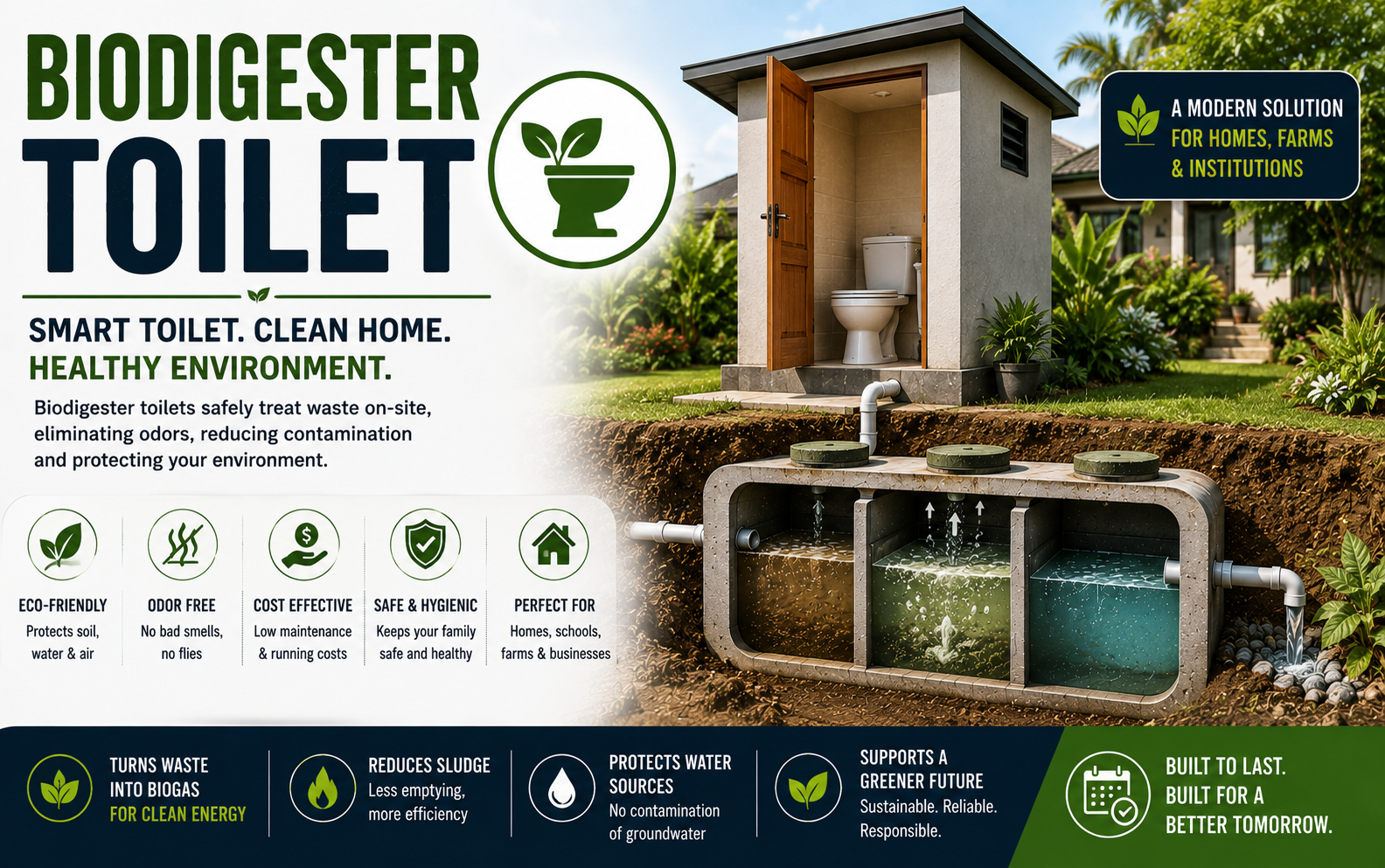
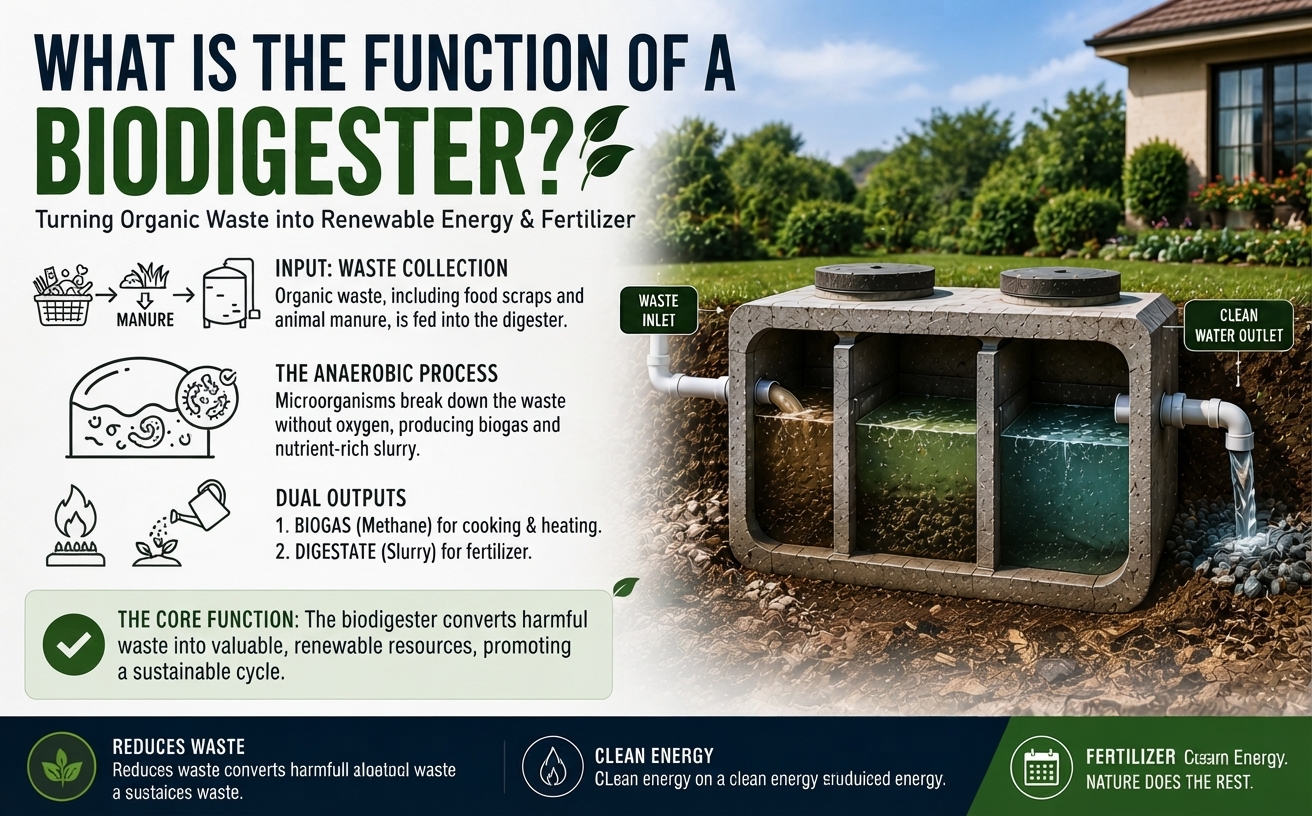
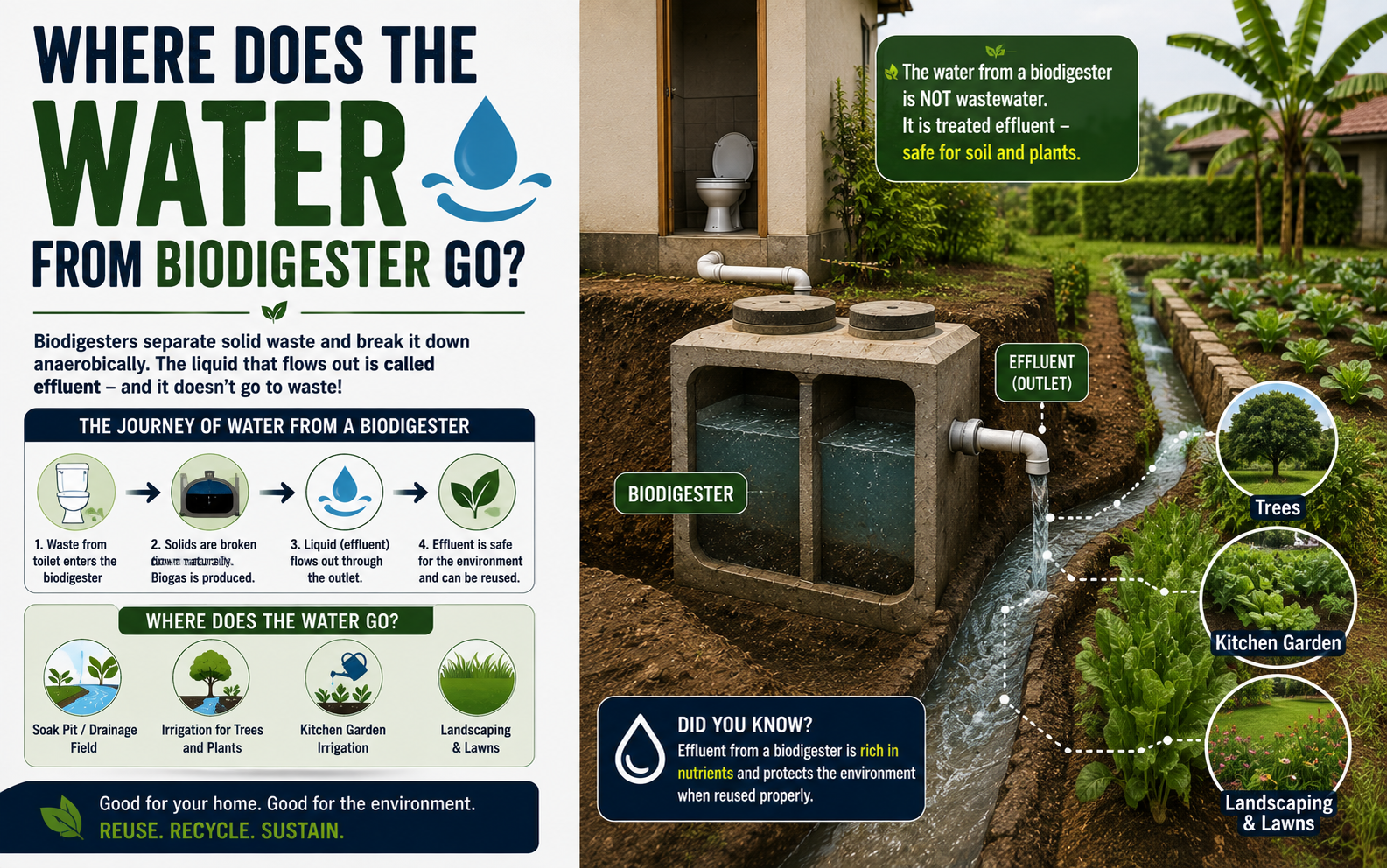
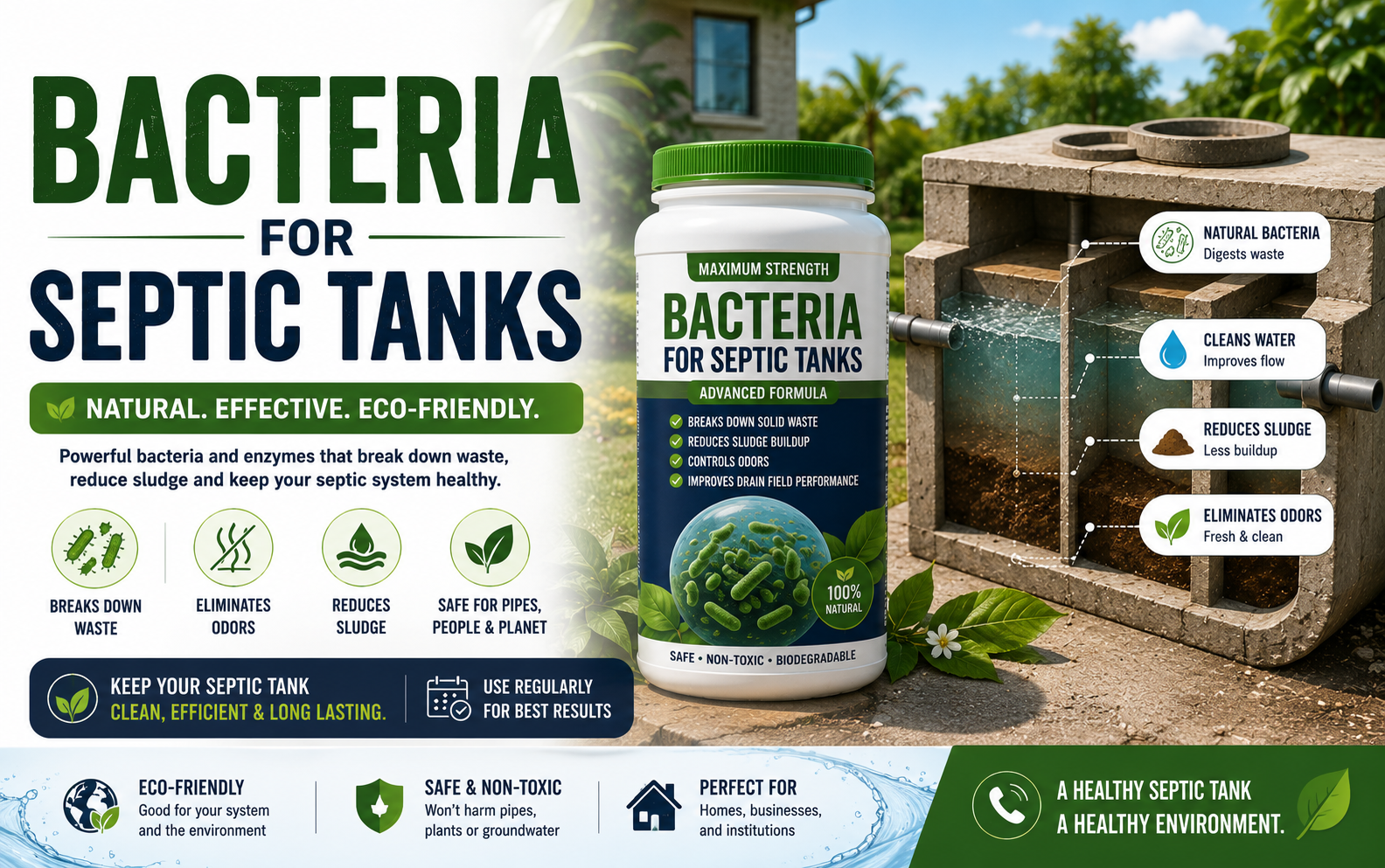
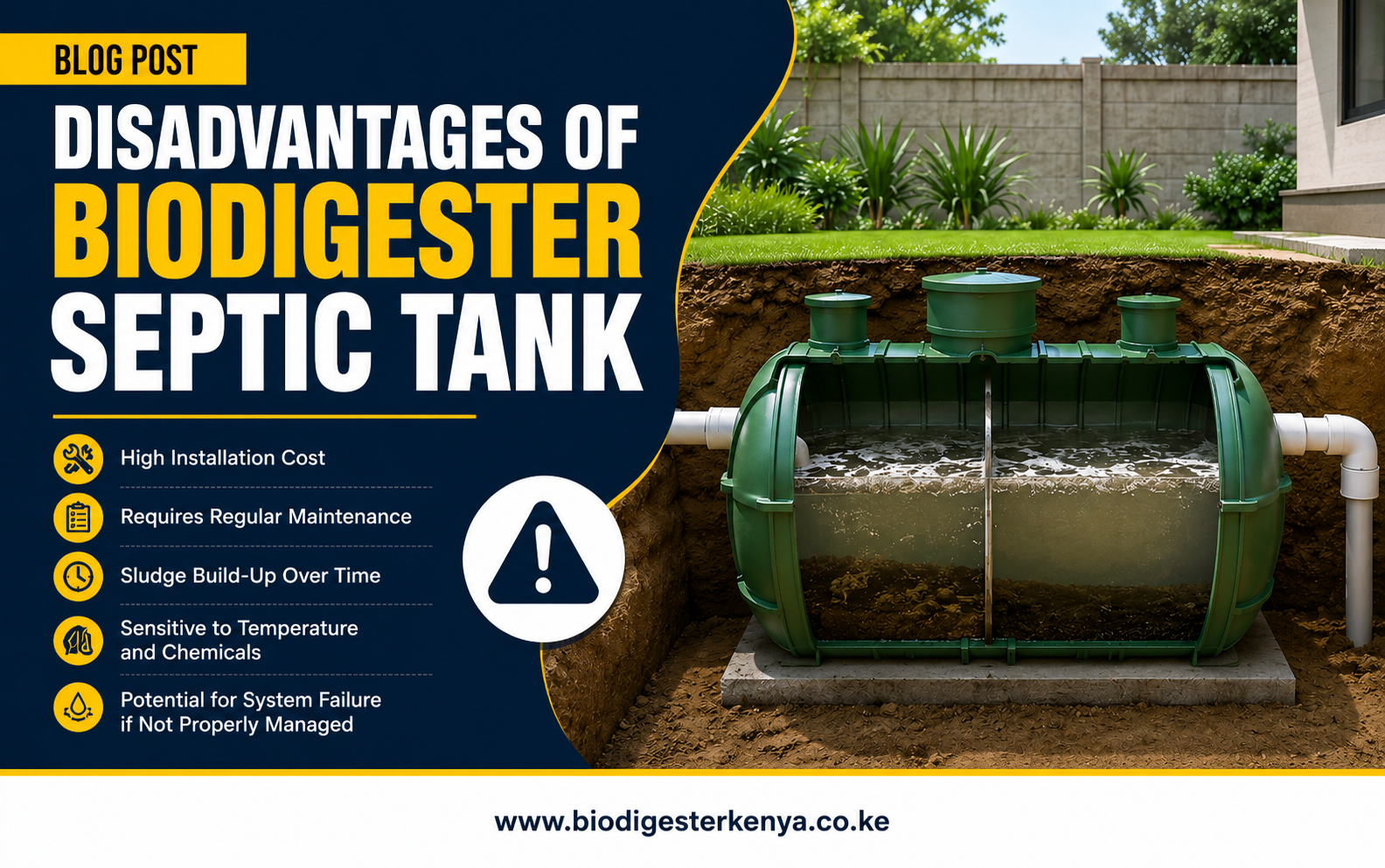
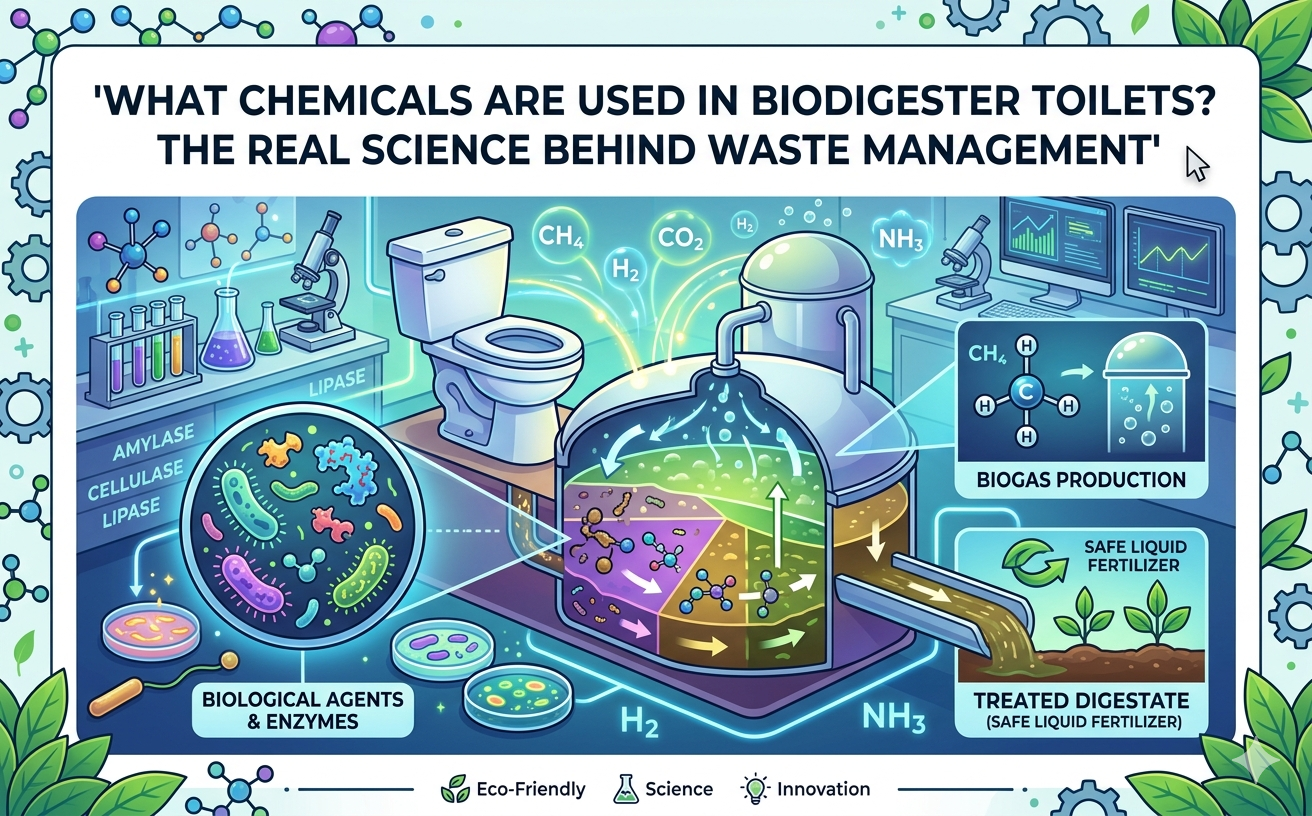
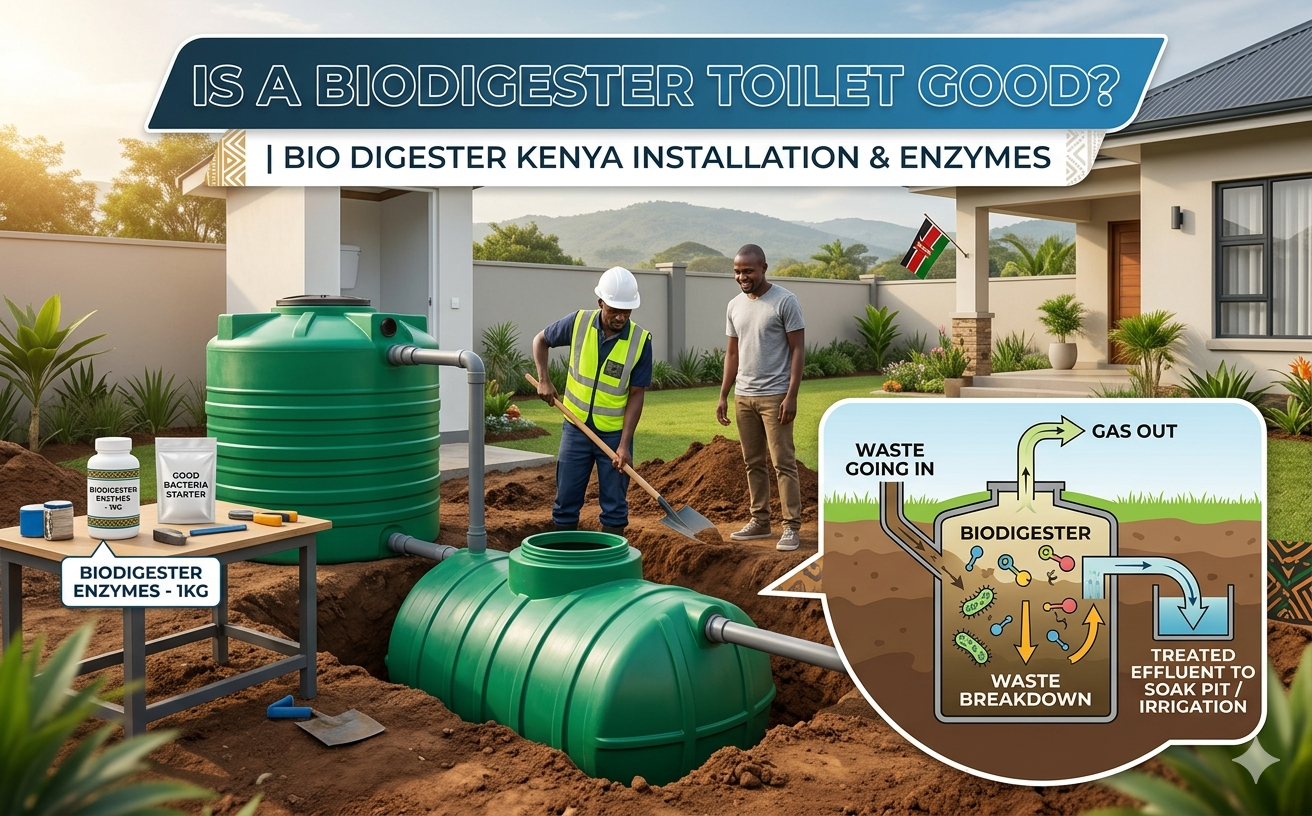
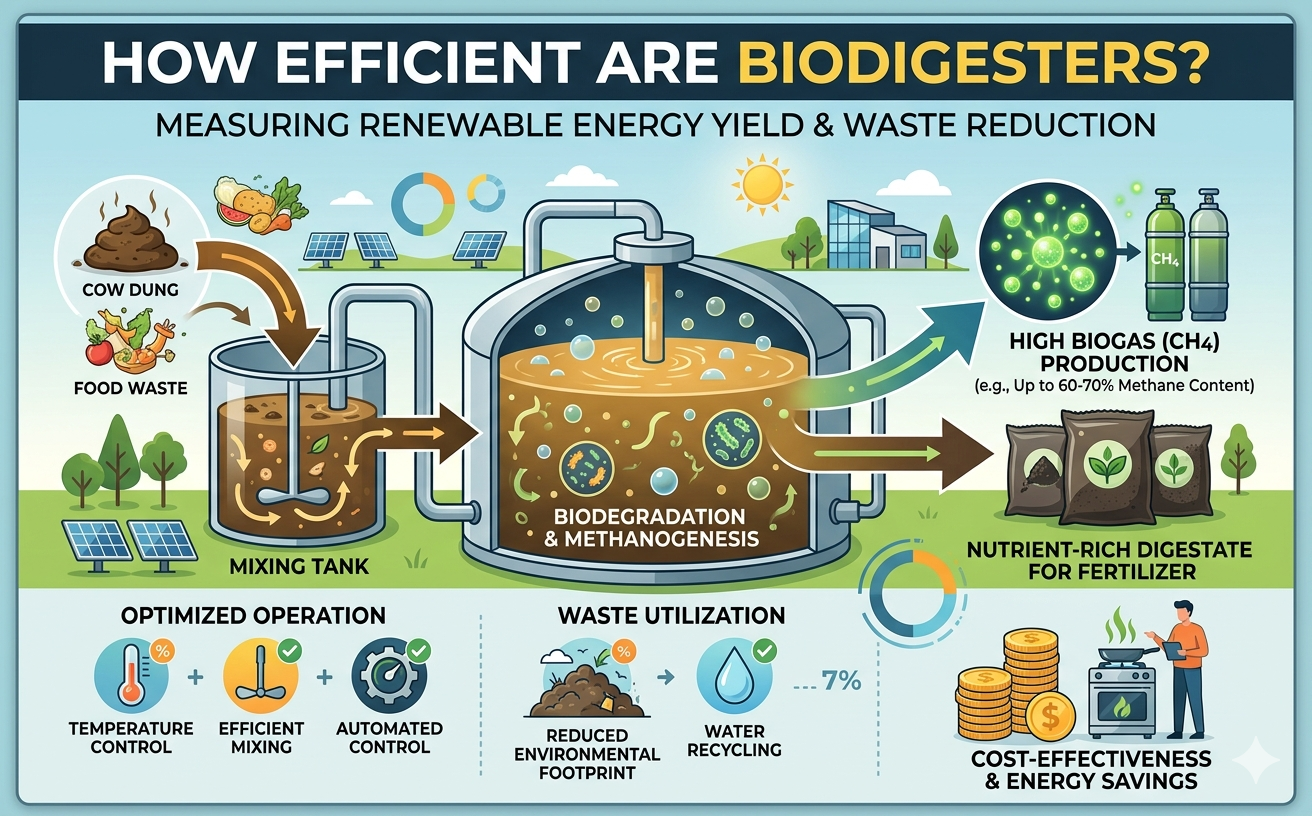
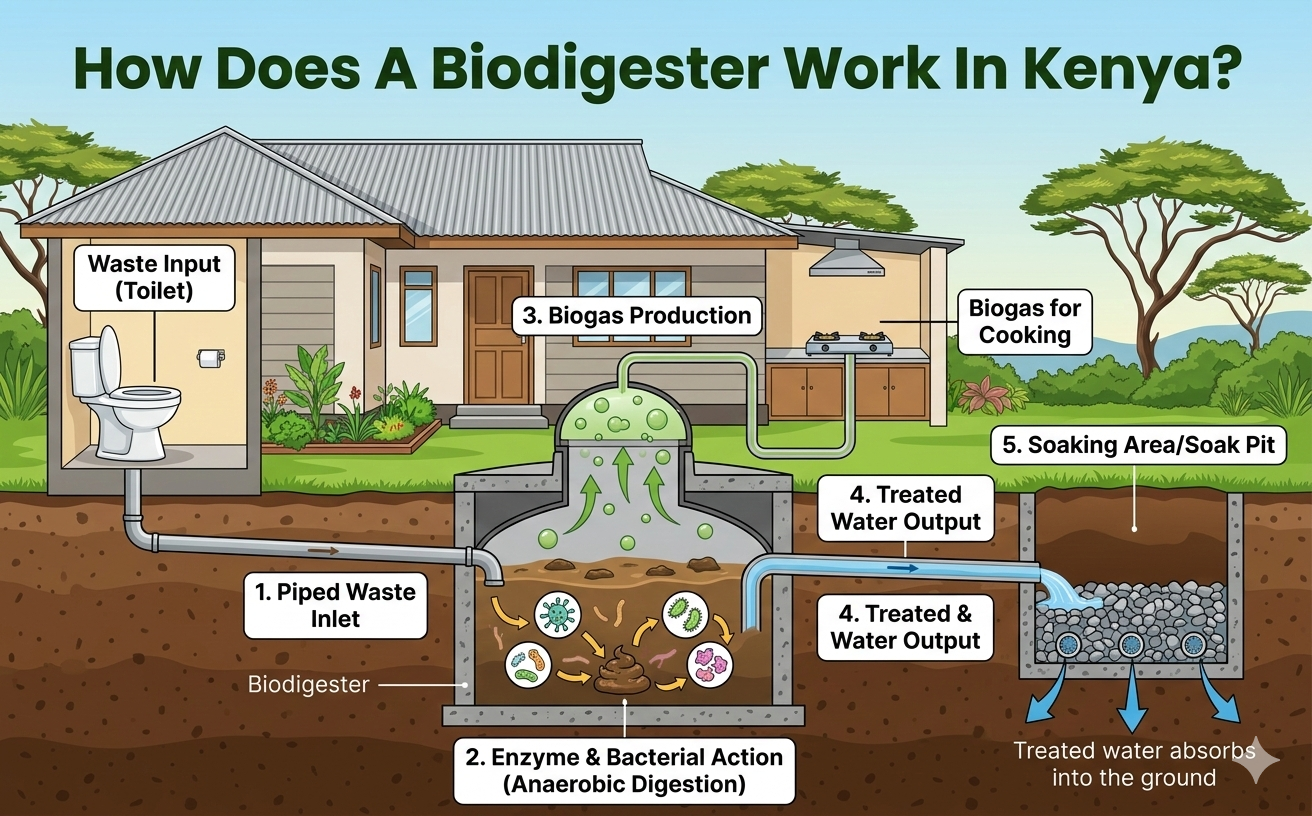
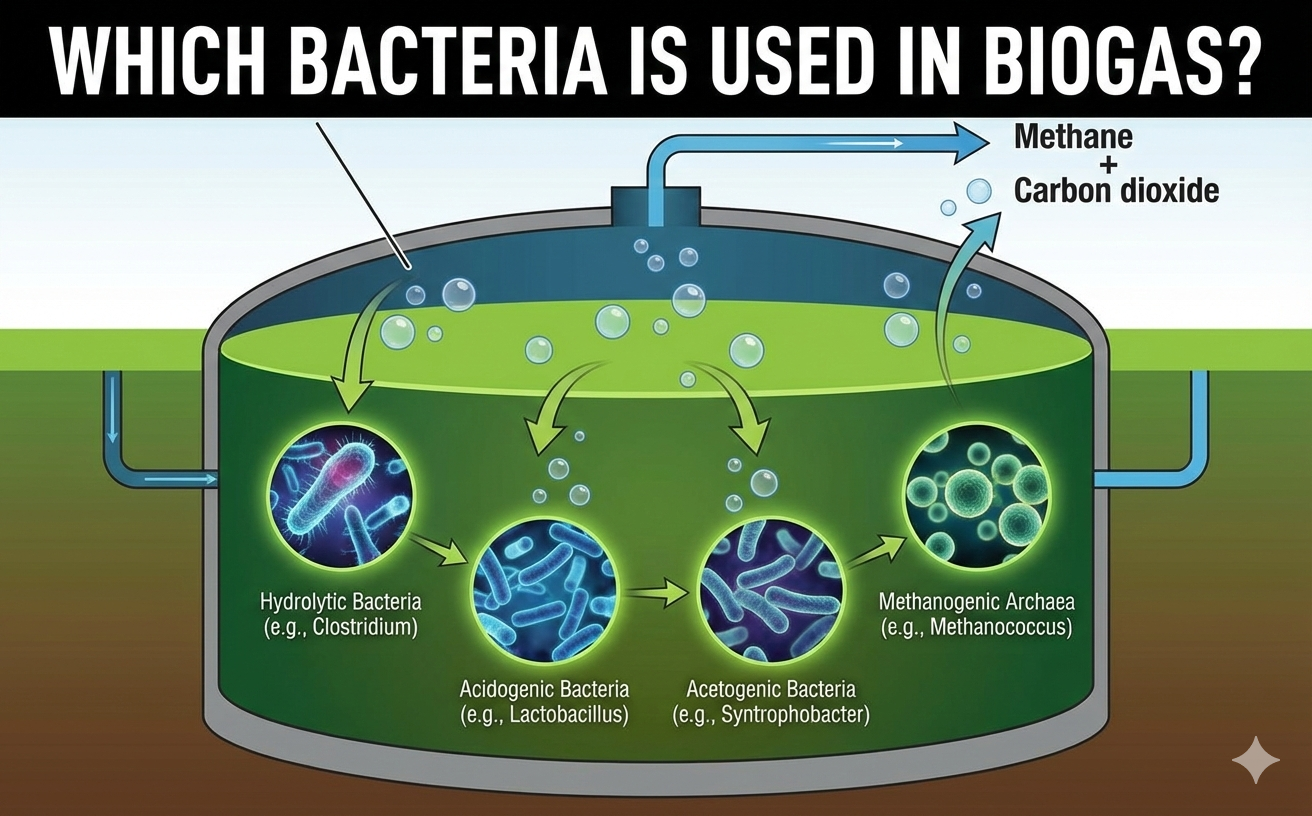
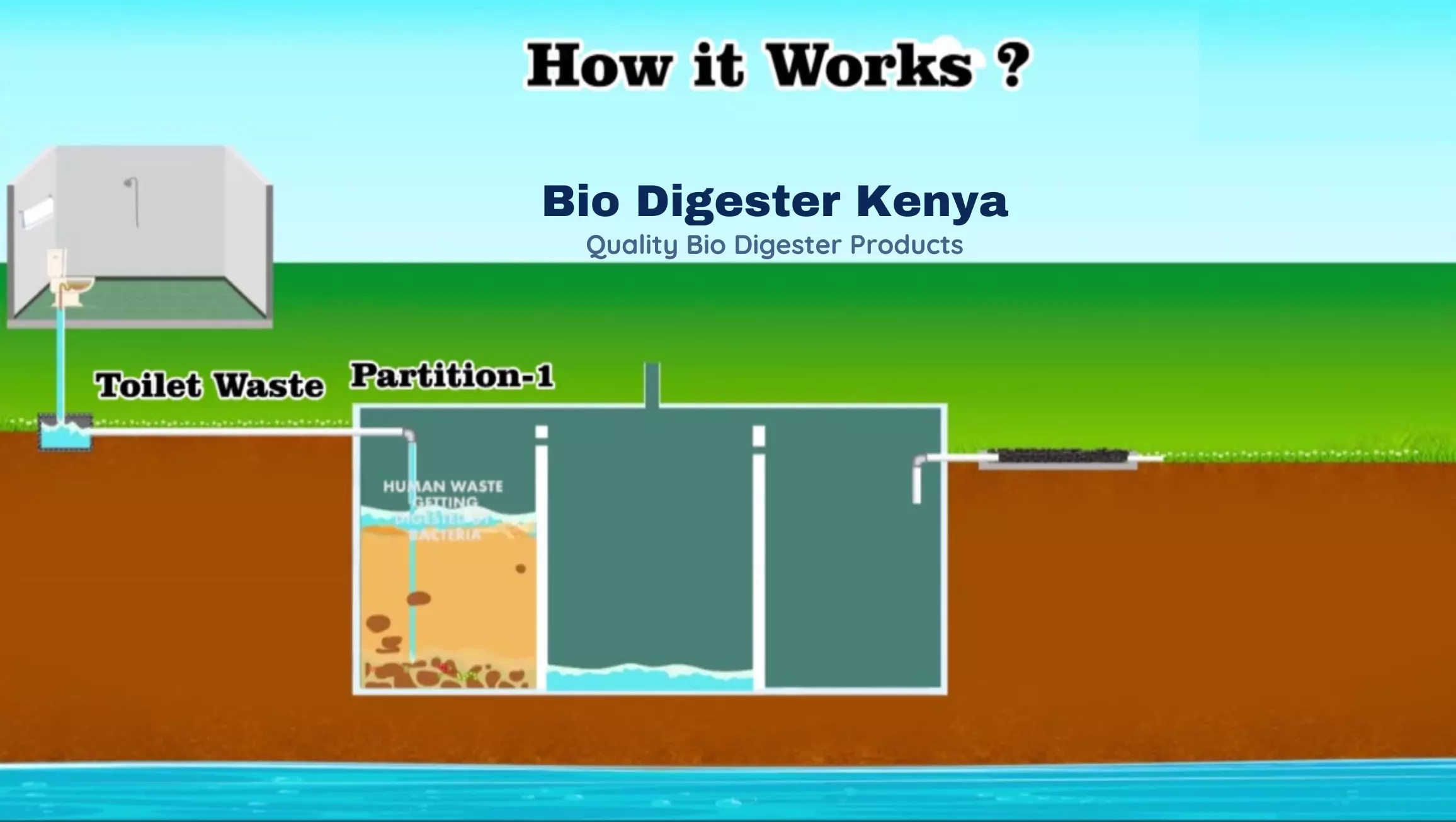
Waste is piped directly into the biodigester where specialized Bio Digester Bacteria break down and consume the solid waste.
This is a living biological process that turns sludge into liquid and gas.
The biological end result is strictly treated water and odorless air.
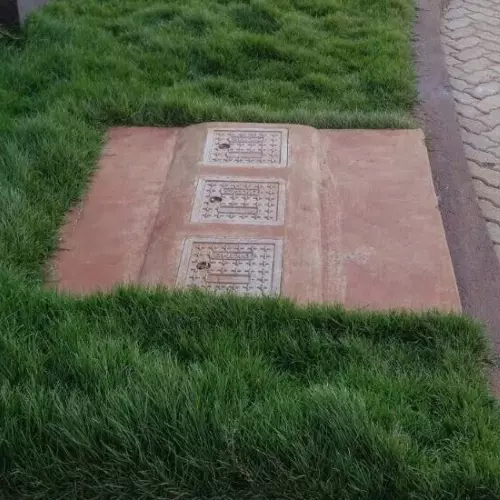
The gas is vented out safely, while the treated water is directed to a localized soaking area or French drain.
Here, the water is safely absorbed into the ground.
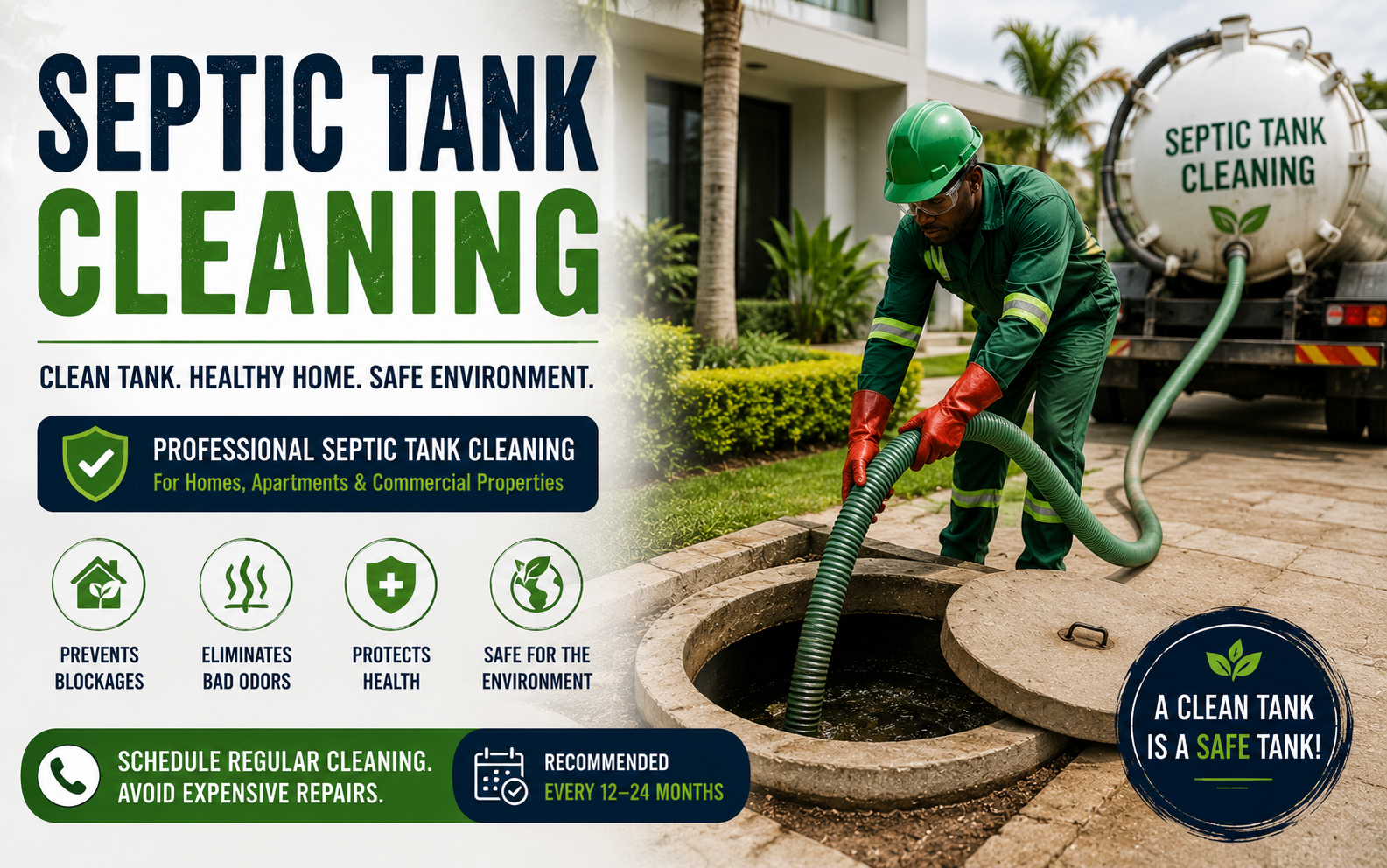
Because the solids are being constantly digested by enzymes, the system does not fill up like a traditional tank, effectively eliminating the need for recurring exhaust tank emptying services that can cost Nairobi residents up to KES 15,000 per trip.

Long-term Savings: Biodigester vs Septic Tank
When conducting a biodigester vs septic tank comparison, the initial price tag can be misleading.
A traditional septic tank might cost KES 200,000 to construct due to the sheer volume of stones, cement, and manual labor required.
Furthermore, a traditional tank is a liability; it will eventually fill up, requiring a honey sucker (exhaust bowser) every few months.
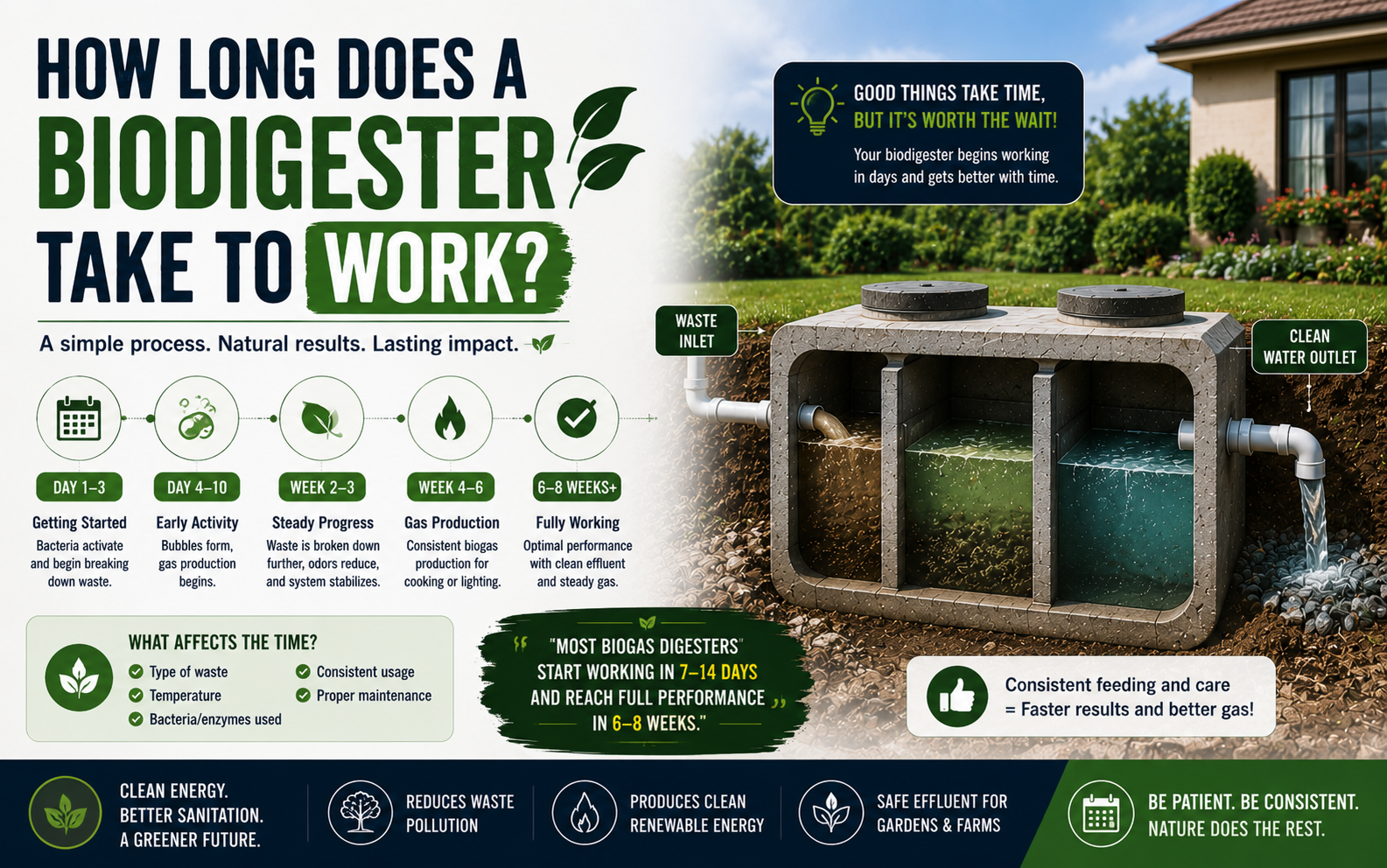
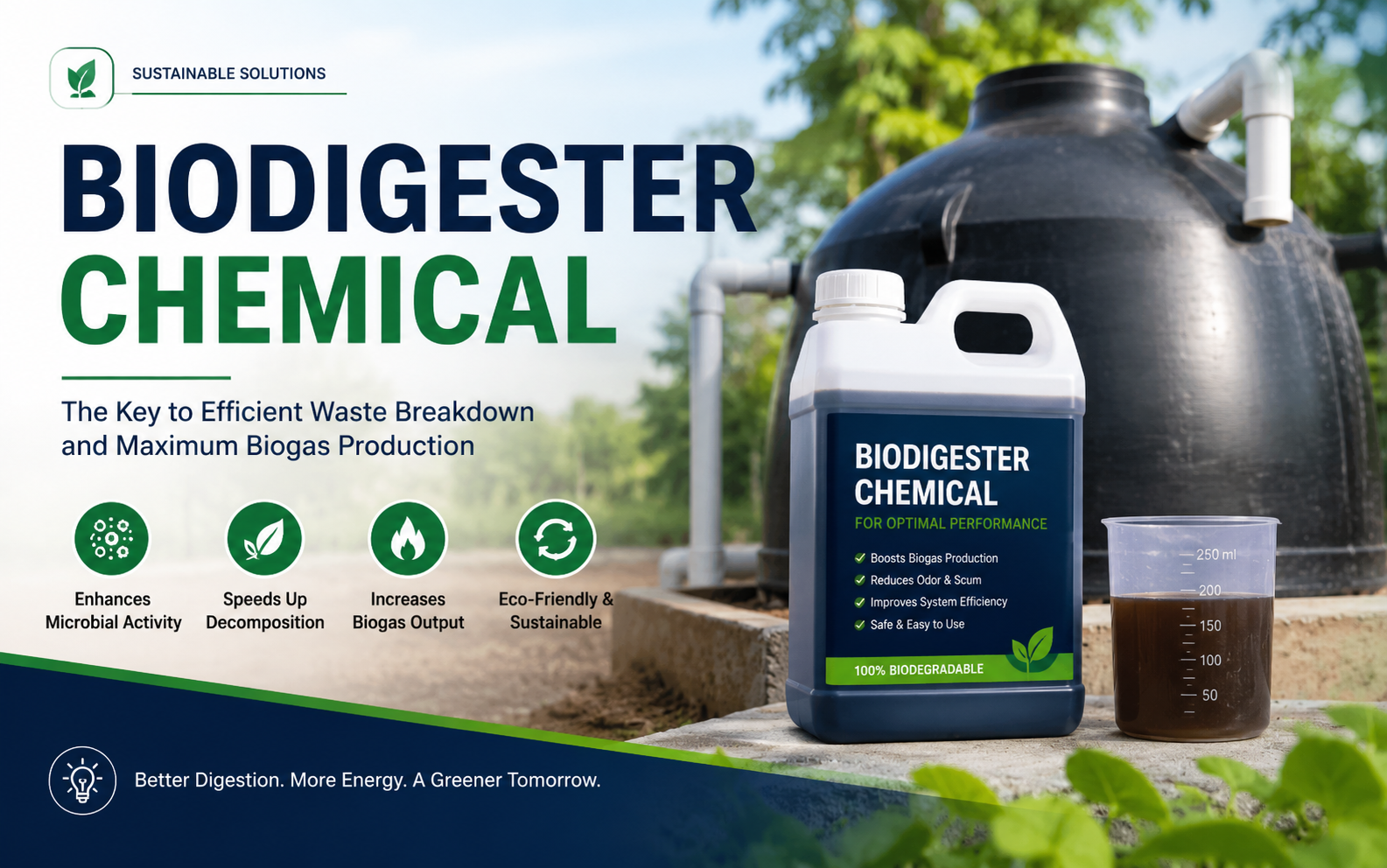
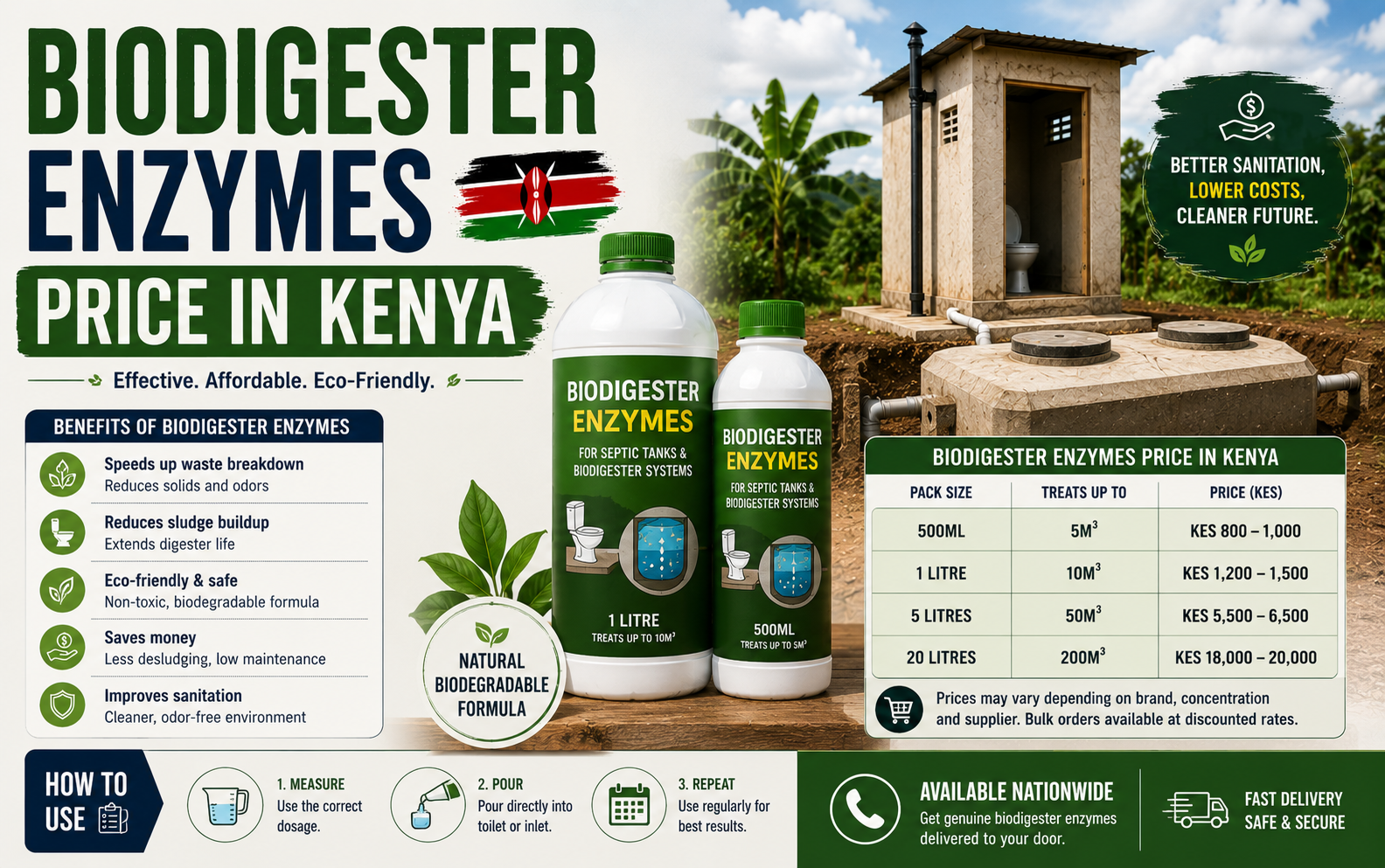
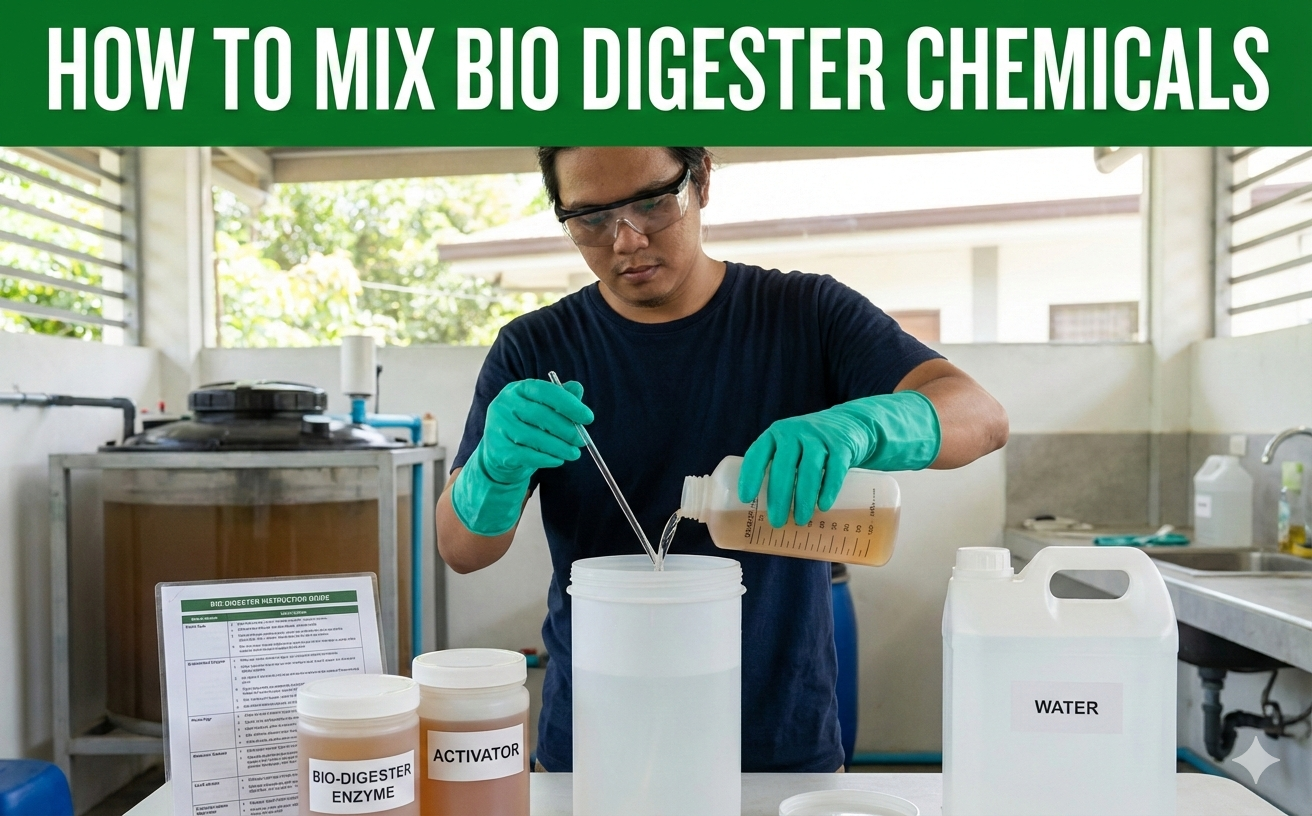
A biodigester is a “fit and forget” solution. Once the Bio Digester Installation is complete, your only recurring cost is a periodic top-up of enzymes every 12 to 24 months to maintain a healthy bacterial colony.
For systems that experience heavy use or show signs of sluggishness, applying a Septic Tank Cleaner or a high-concentration Bio Digester Bacteria – 400g pack ensures the system remains odorless and efficient for decades.
For expert advice on upgrading your home sanitation system:
Phone: +254 712 660 245
Email: info@biodigesterkenya.co.ke

Maintenance and Compliance
Modern developers in Kenya are moving toward biodigesters because they align with NEMA environmental regulations.
By treating waste on-site and releasing clean water back into the soil, you avoid the risk of ground-water contamination.
To keep the system at peak performance, homeowners should avoid flushing harsh inorganic chemicals or non-biodegradable plastics down the drain, as these can kill the active bacteria.
Regular Septic Tank Maintenance involves simple microbial re-stocking, ensuring the anaerobic digestion remains vigorous and the soaking area stays porous.

Conclusion
While the initial bio tank cost in Kenya might seem like a significant outlay, it is the most economically sound decision for any property owner.
By eliminating the monthly “exhaust” bill and reducing the construction footprint, you gain financial freedom and peace of mind.
Investing in a professional installation from Bio Digester Kenya ensures your property remains clean, odorless, and environmentally compliant for years to come.
Frequently Asked Questions
- Does a biodigester smell?
No, a correctly installed system is completely odorless because the enzymes break down waste into water and odorless gases that are vented away. - How often do you add enzymes?
For a standard residential home, we recommend adding a maintenance dose of bacteria once every 12 months to keep the colony healthy. - Can a biodigester be installed in black cotton soil?
Yes, but it requires a specialized soaking area design, such as a raised French drain, to ensure proper water absorption in heavy clay. - What is the lifespan of a bio tank?
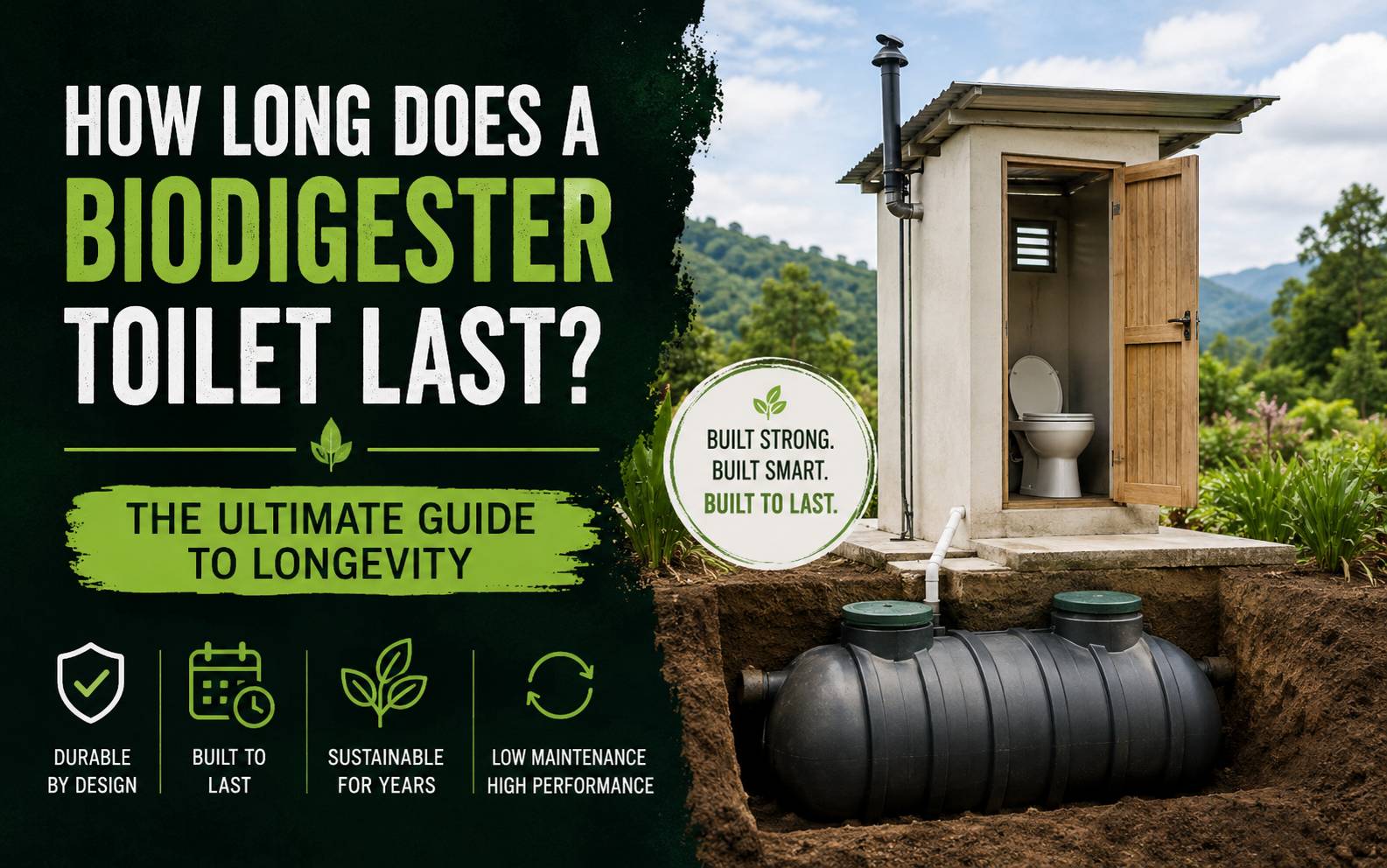
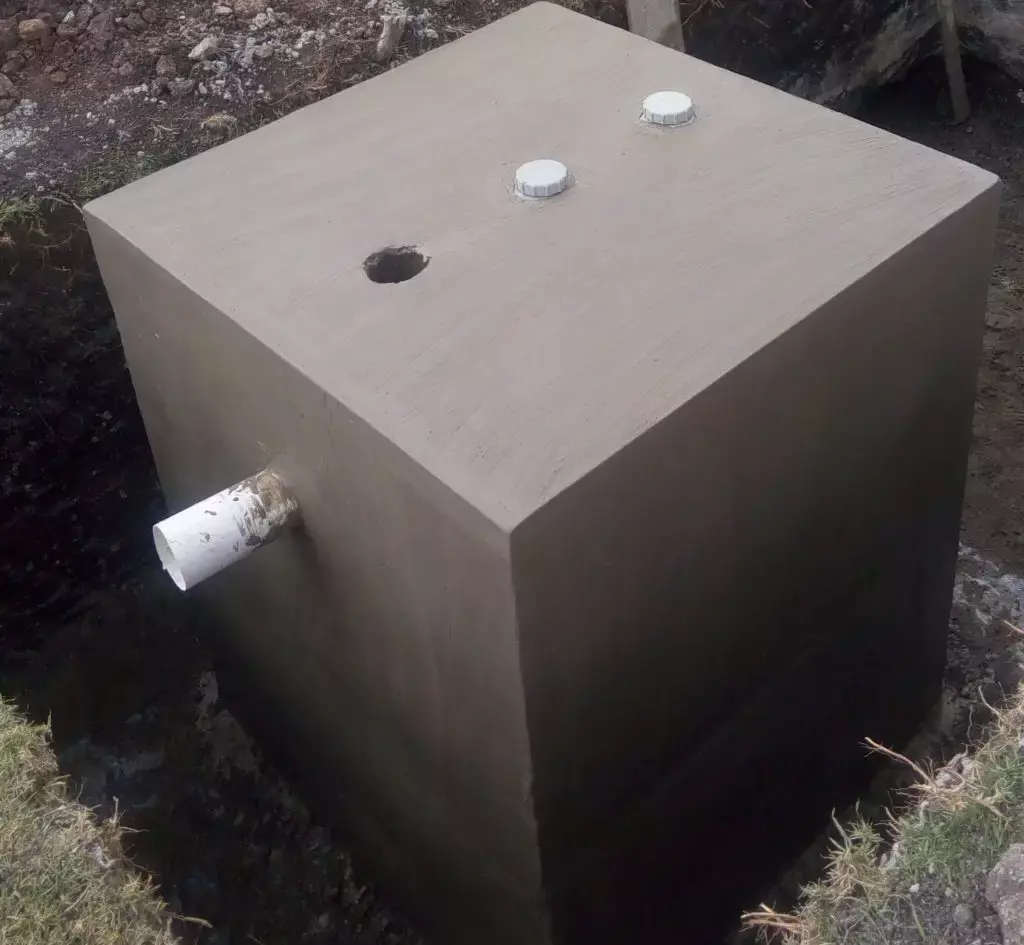
Our precast concrete and plastic biodigesters are built to last over 20 to 30 years with minimal maintenance. - Will a biodigester ever need exhausting?
Under normal operating conditions and proper enzyme use, a biodigester will never need to be emptied by an exhaust bowser.
Ready to install? Contact us today:
Phone: +254 712 660 245
Email: info@biodigesterkenya.co.ke