Introduction: Why Biodigester Pricing Matters in Kenya
In Nairobi, Mombasa, and high-density residential areas across Kenya, space is a premium and the water table is often a serious environmental consideration; that is why the conversation has swiftly shifted from whether to install a septic tank to whether to choose a modern Bio Septic Tank system.
When evaluating the total cost of ownership (TCO) for waste management, the initial capital expenditure for the installation of a biodigester system must be weighed against the perpetual operational costs of a traditional concrete septic tank, which needs emptying every 1–3 years at a cost ranging from Ksh 8,000 to sometimes over Ksh 20,000, depending on your location and access.
The recurring expense for a biodigester, however, is simply the purchase of specialized enzymes—the ‘chemicals’—that do the heavy lifting, turning solid waste into safely disposable water and air, which is a fundamentally more sustainable and predictable financial model for property owners in the Kenyan real estate market.

Understanding Biodigester vs Septic Tank Systems
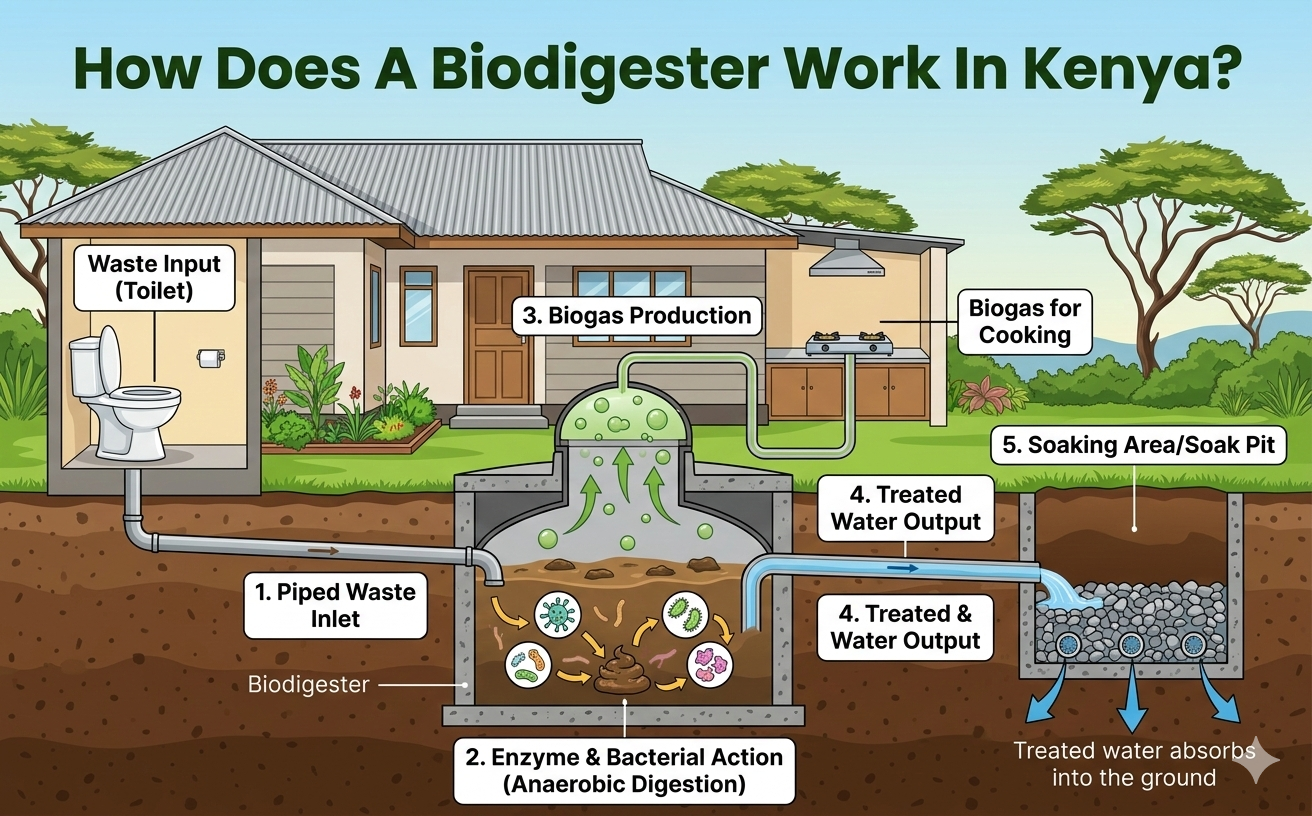
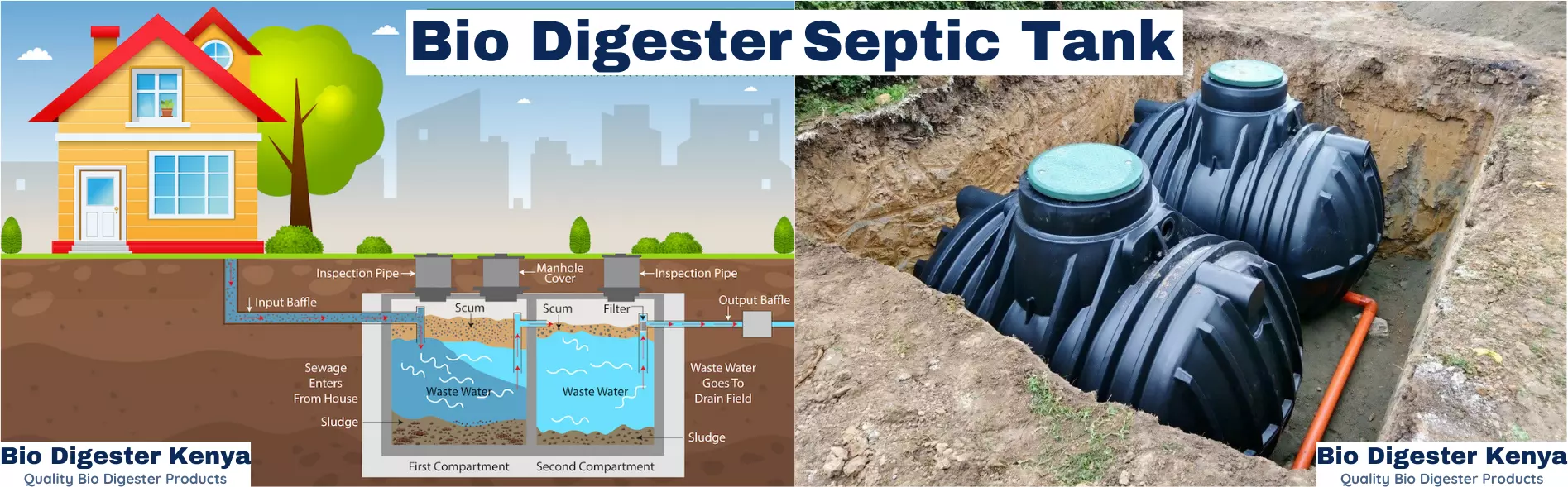
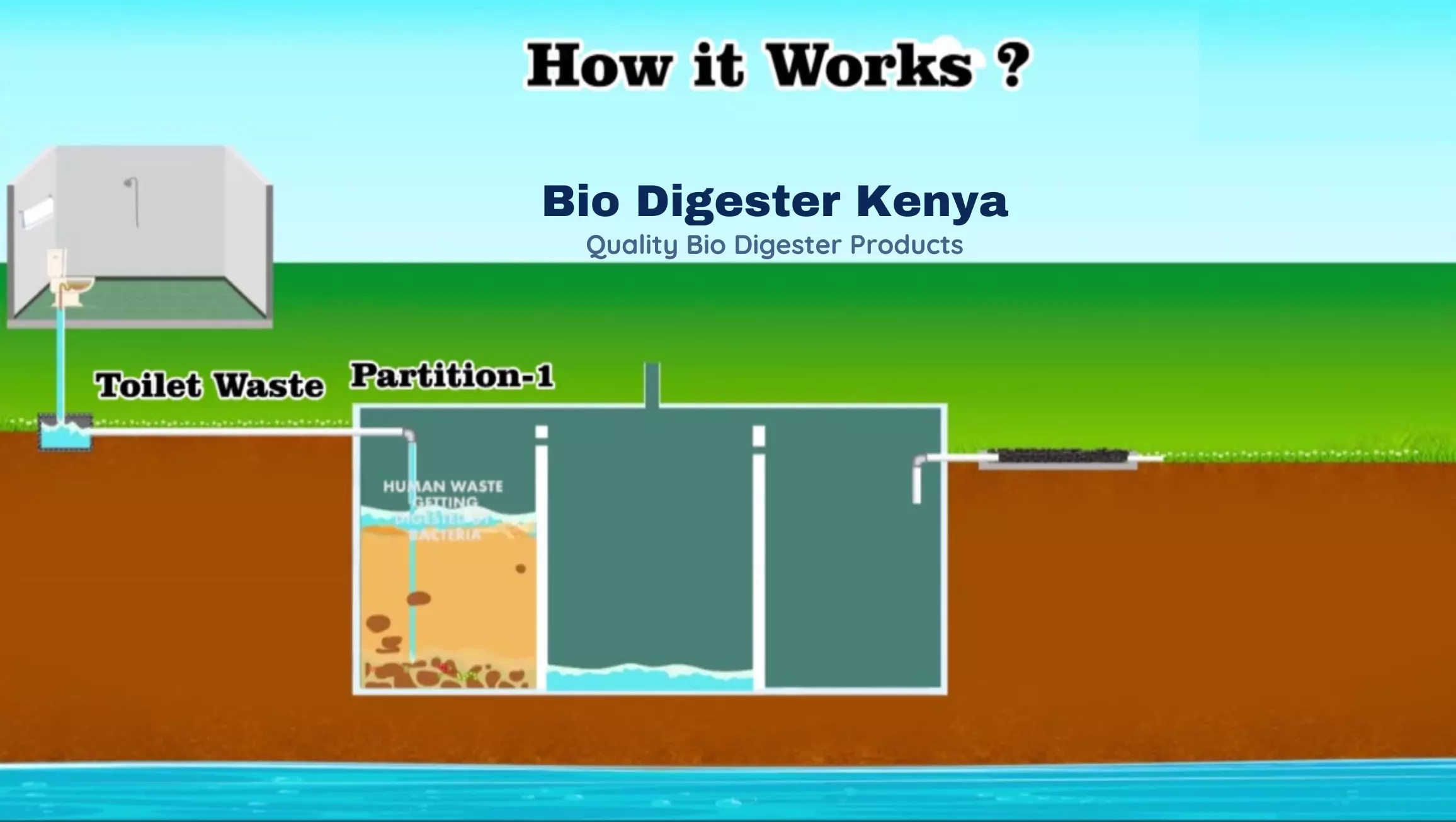
The core difference between a traditional septic system and a modern biodigester septic tank lies in their operational mechanism: one is primarily a settling chamber, and the other is a biological processing unit.
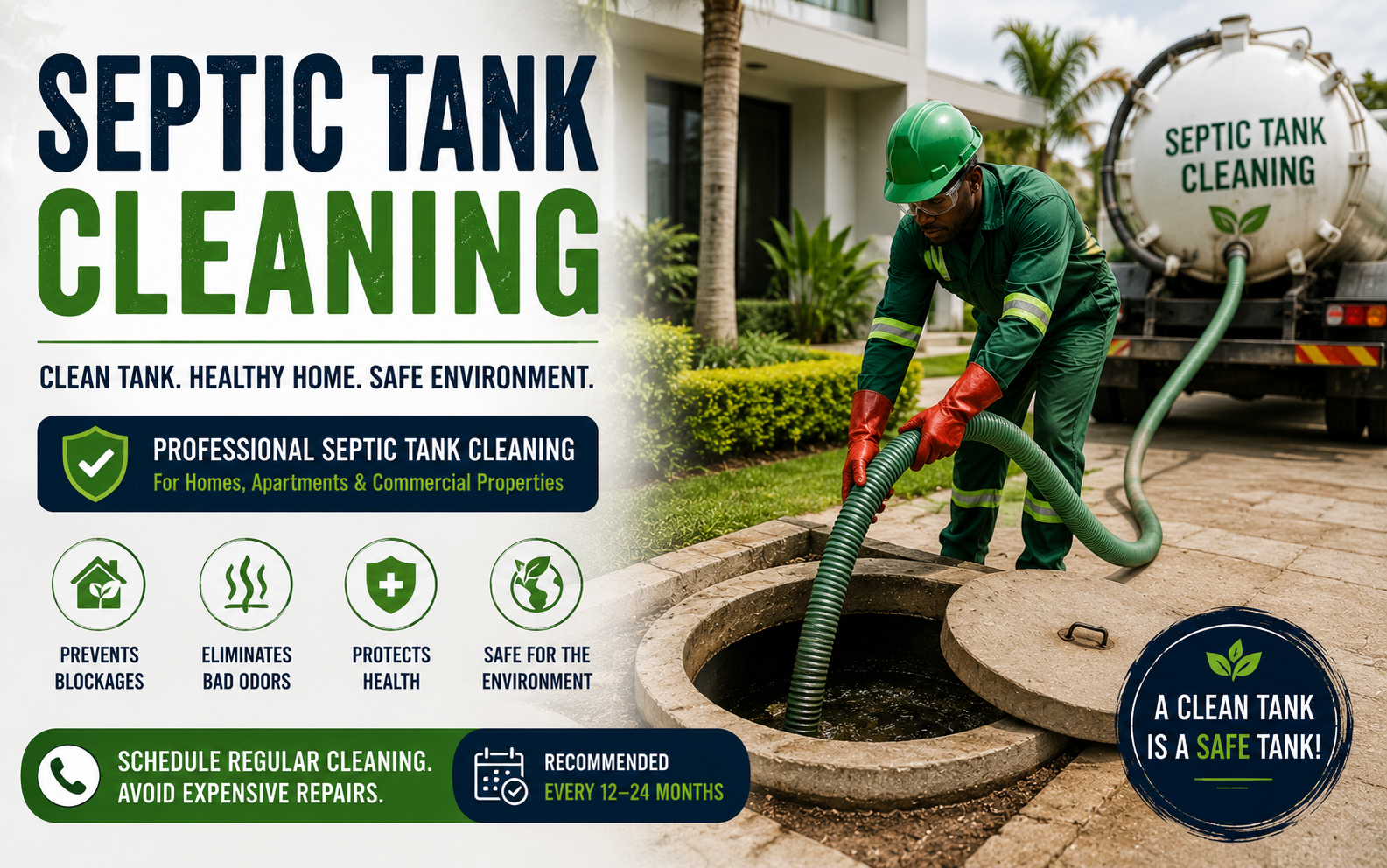
A traditional septic tank is a passive system where solids settle at the bottom, creating heavy, toxic sludge (slurry) that must be physically removed using an exhaust truck; this process is messy, expensive, and disruptive, often leading to unpleasant odors lingering for days across estates.
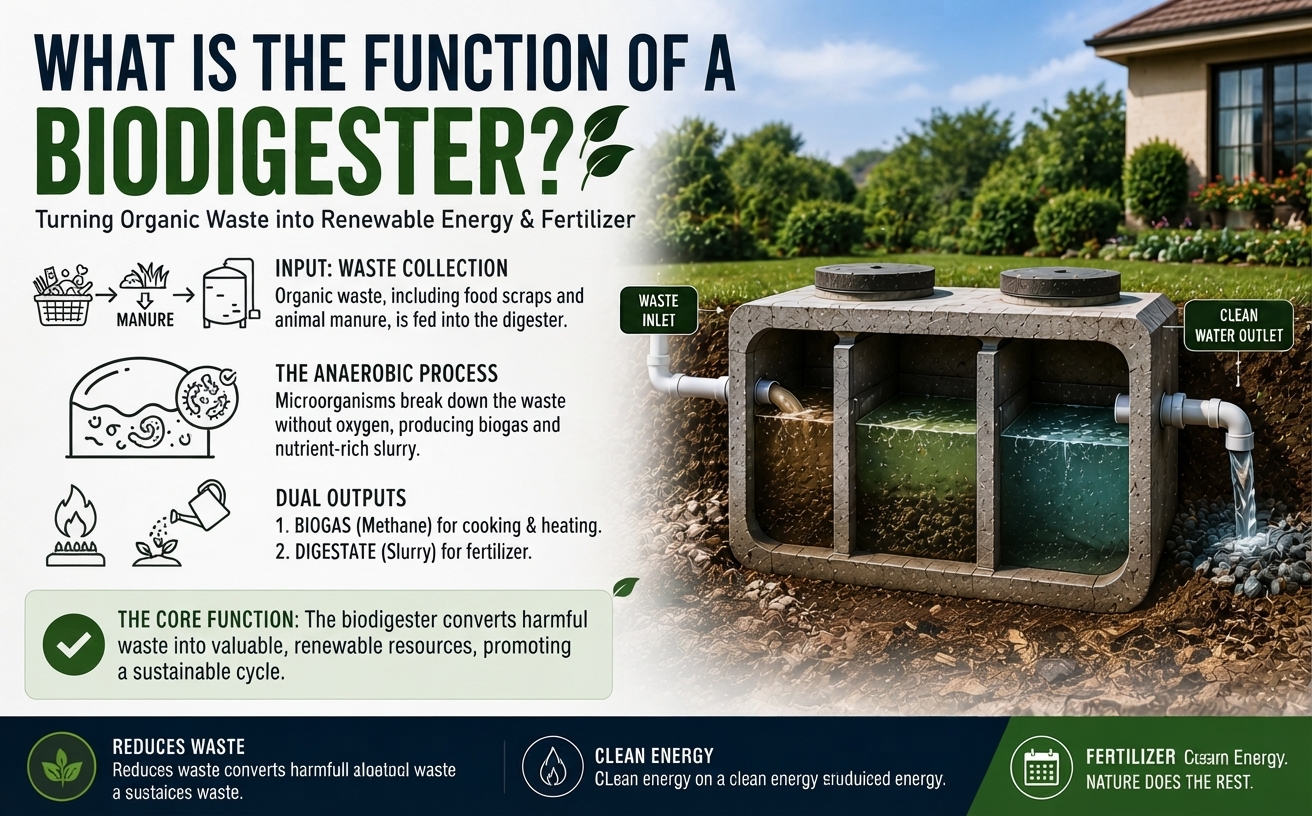
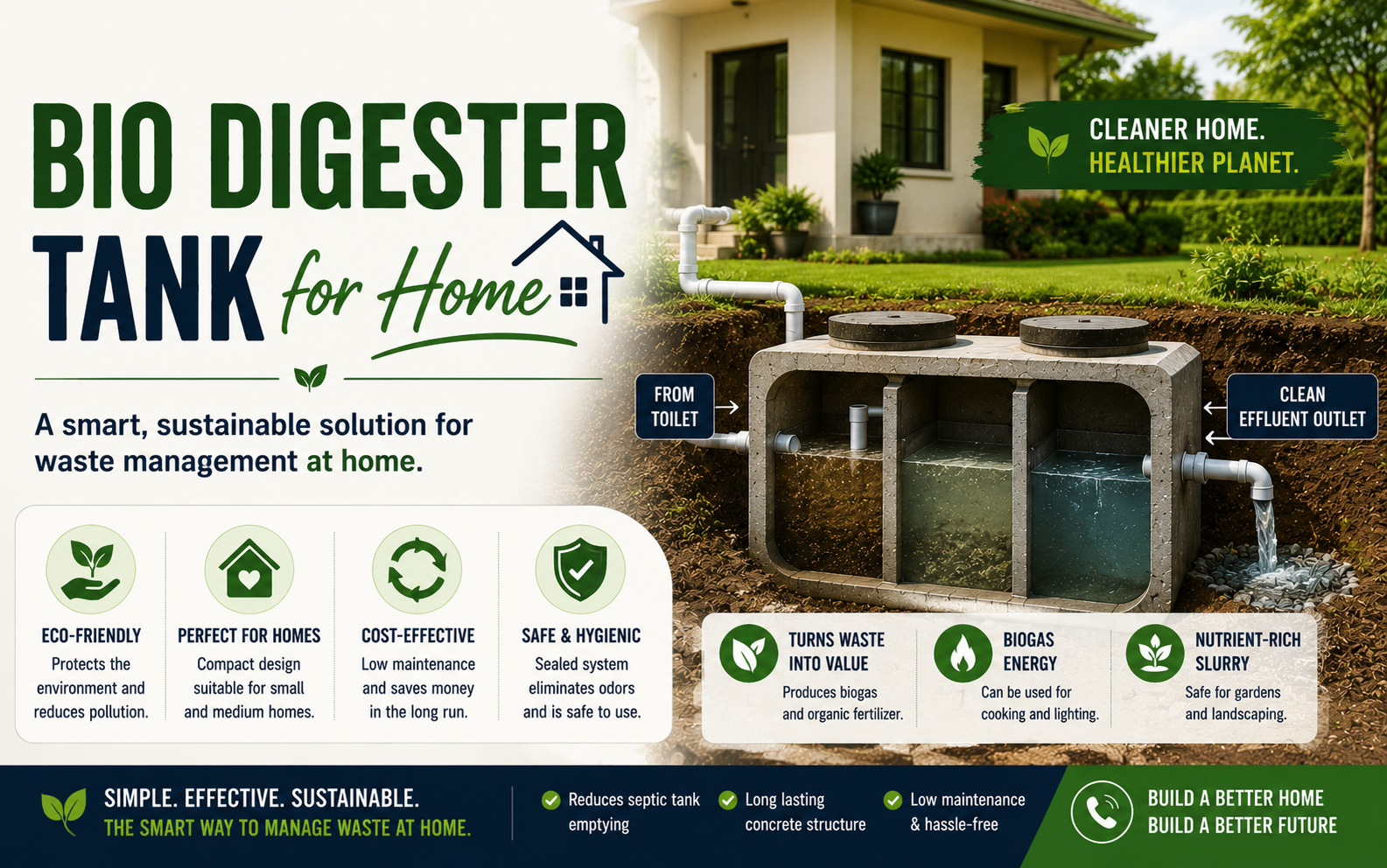
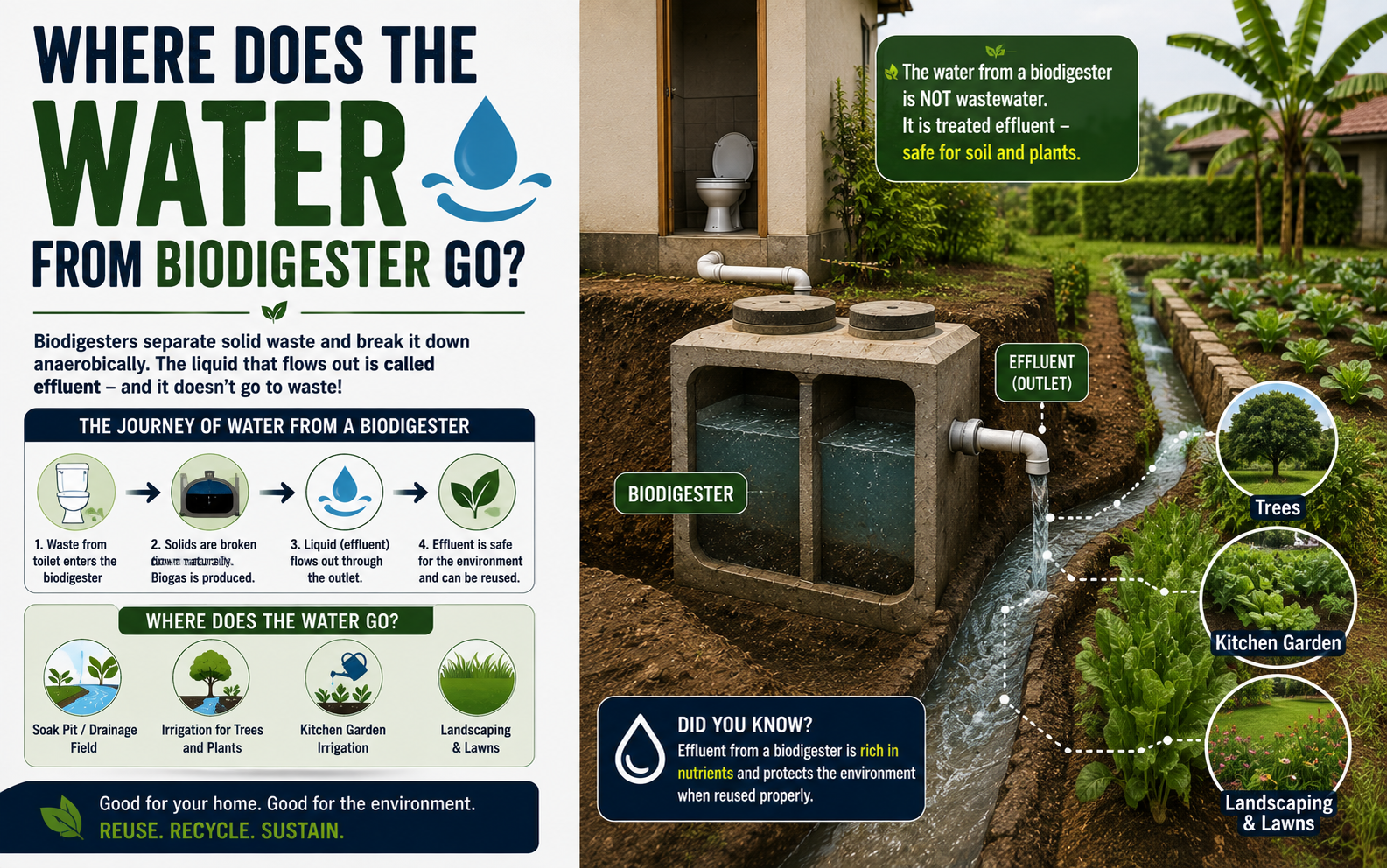
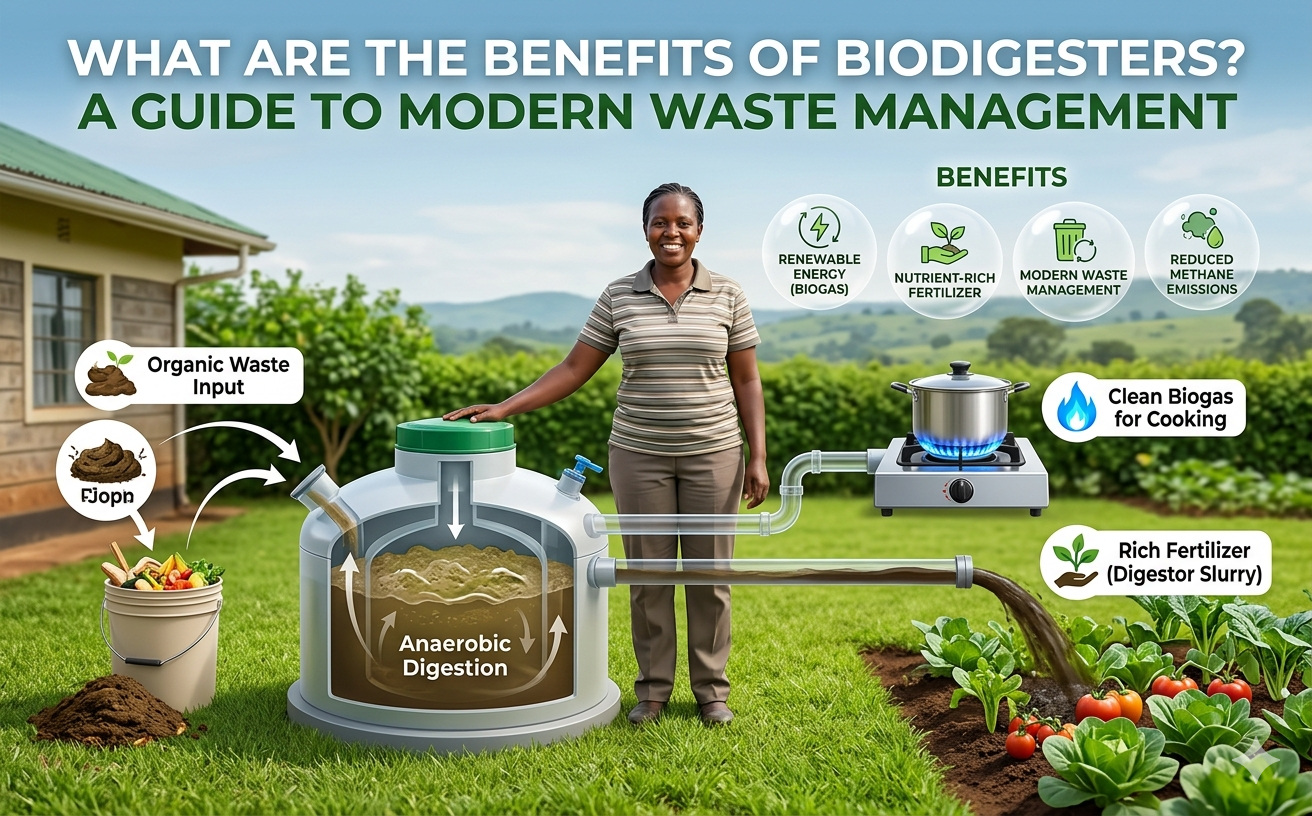
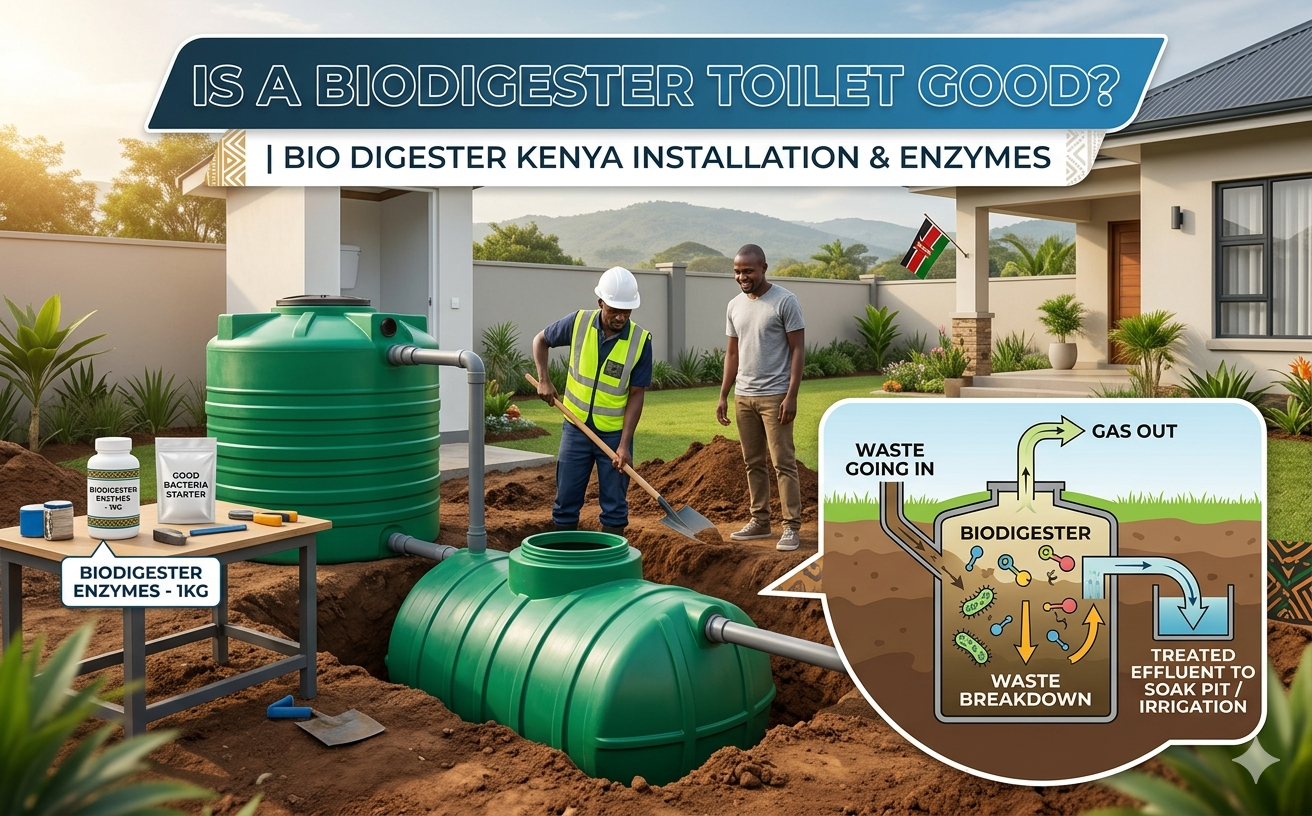
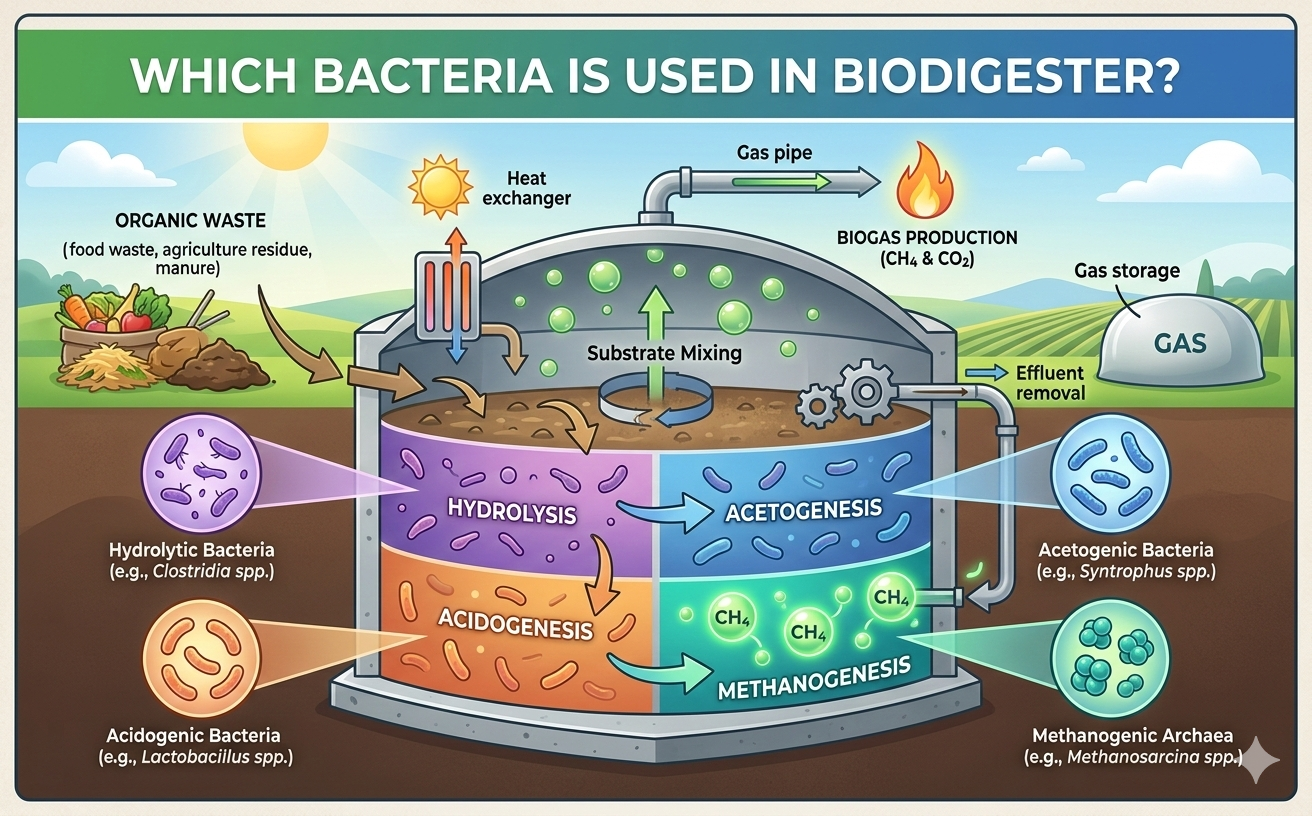
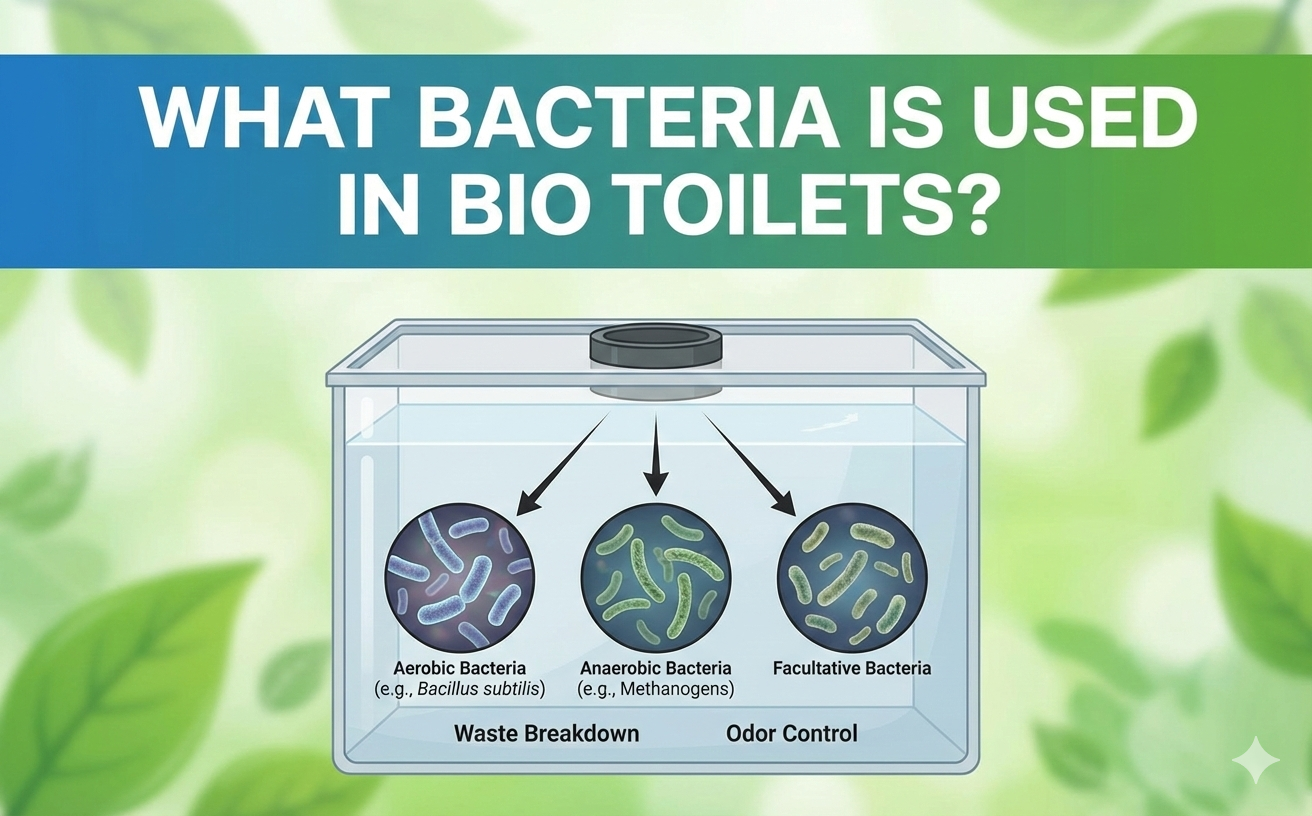
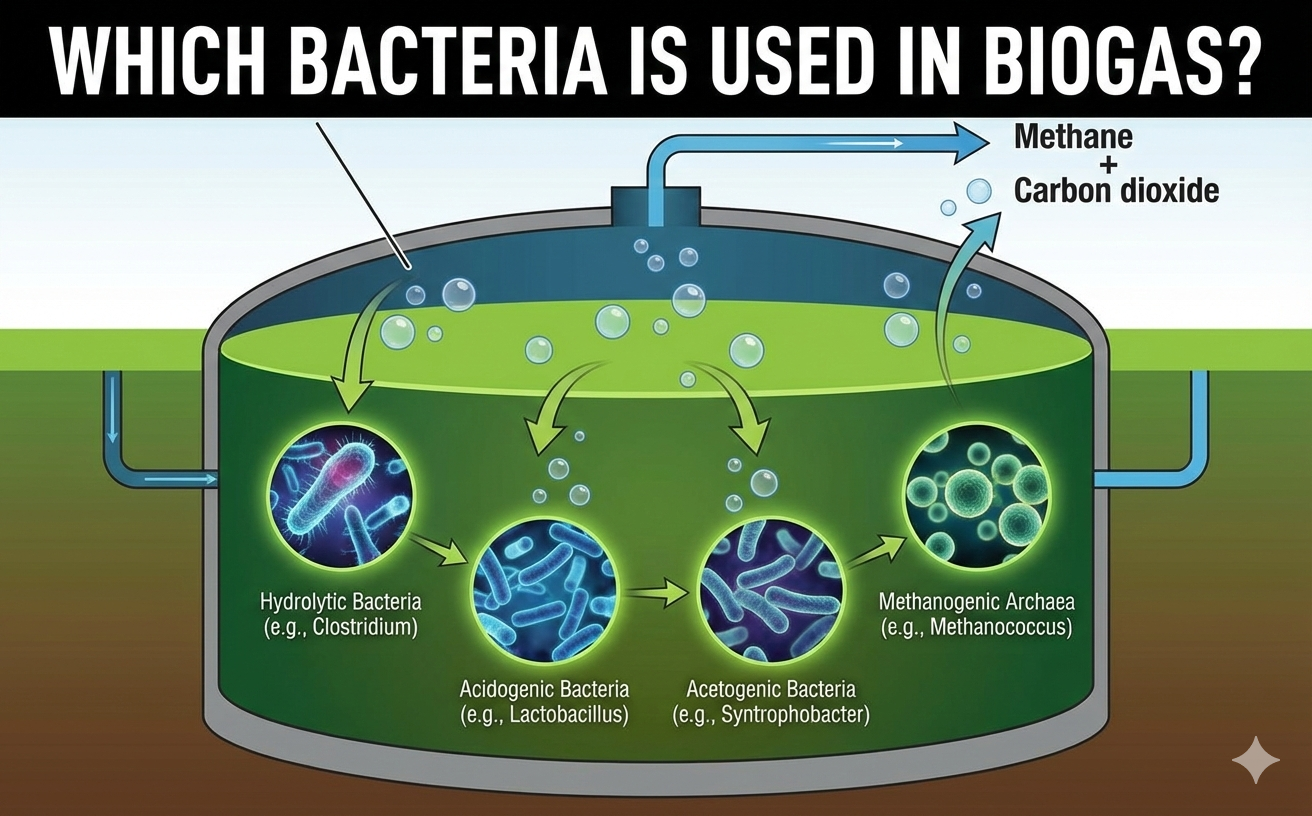
Conversely, a biodigester is an active, engineered system that relies on a potent, non-pathogenic mix of anaerobic and aerobic Bio Digester Bacteria to break down organic solids completely, eliminating up to 99% of the sludge volume by converting it into safe, clean water that harmlessly disperses into the soakaway pit, making it the superior environmental choice for Kenya’s fragile ecosystems.
When considering the environmental and practical advantages, it quickly becomes clear why experts prefer the biodigester, especially in areas with high clay content or small land parcels, common issues for construction projects in counties like Kiambu and Kajiado.
Since the modern biodigester produces virtually no permanent sludge, it means you never have to call the dreaded exhaust service again—a significant saving and quality-of-life improvement.
This permanent solution saves you money and space, as the system itself is often much more compact than the large, slow-working traditional tanks that require extensive digging and large drain fields.
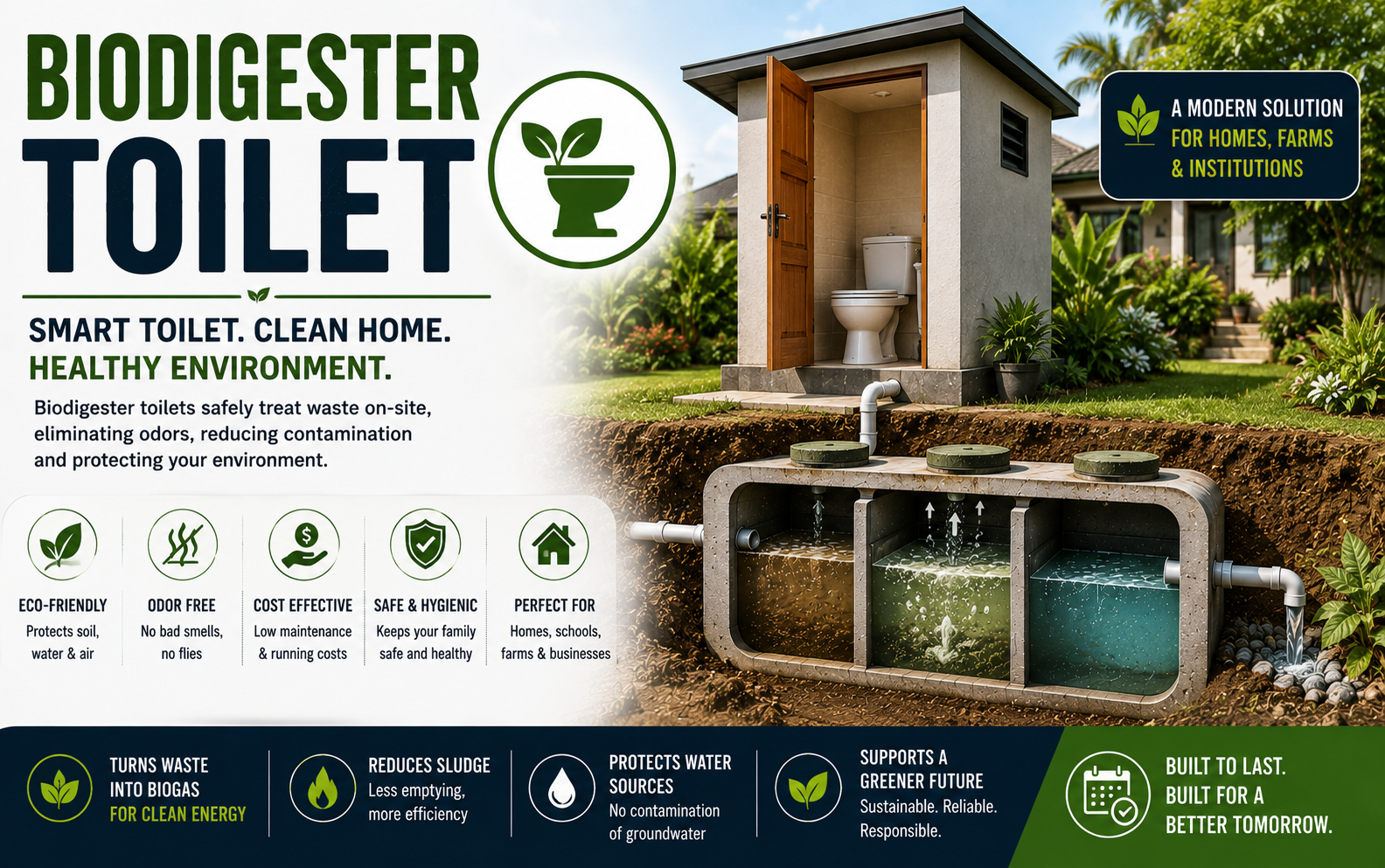
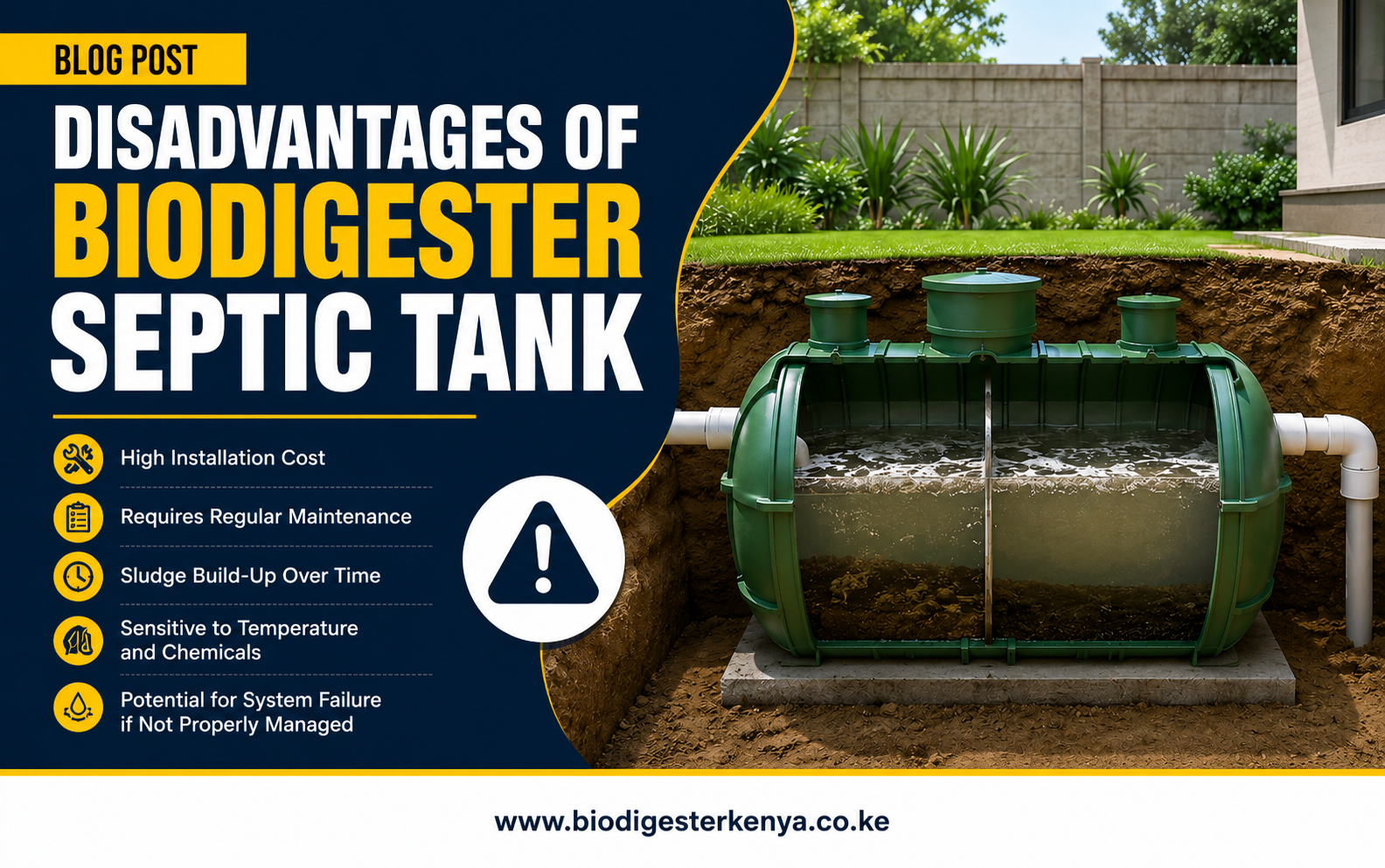
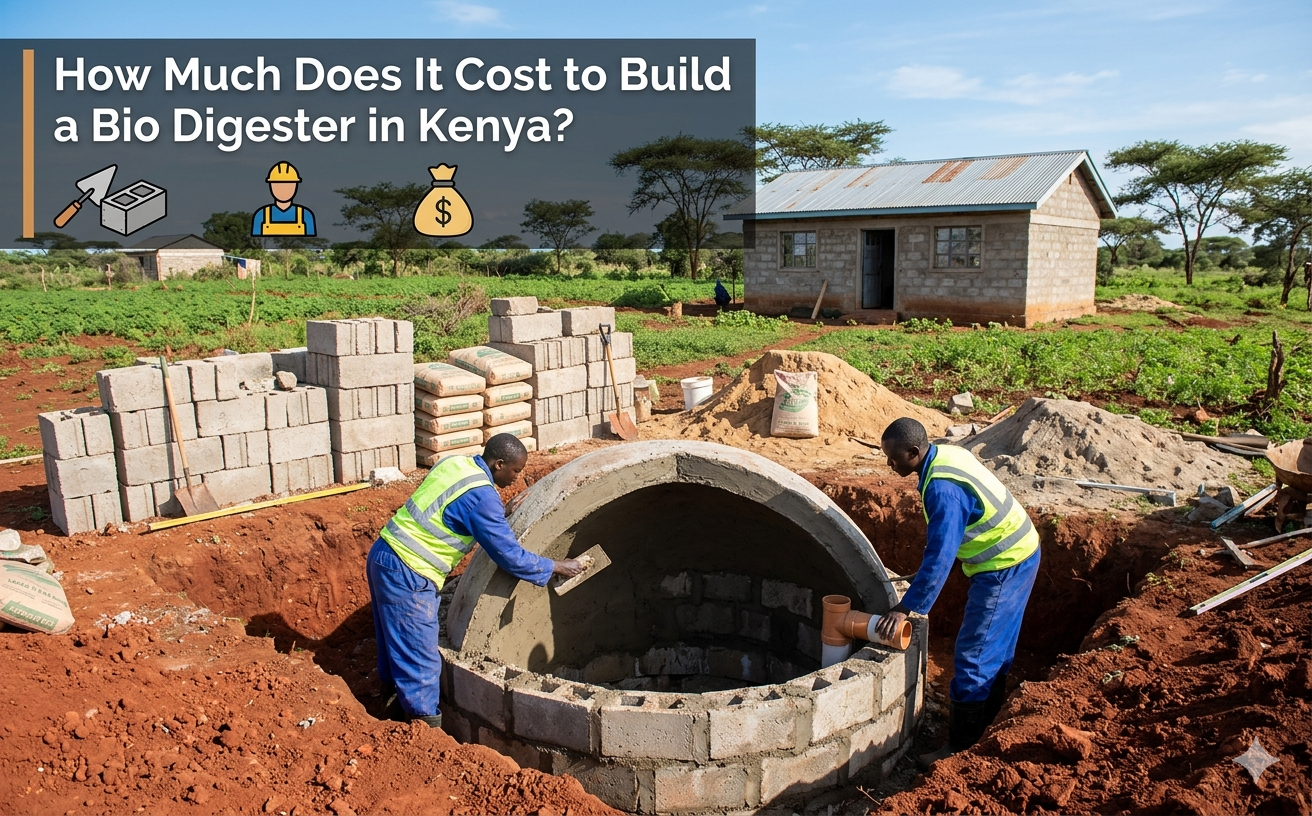
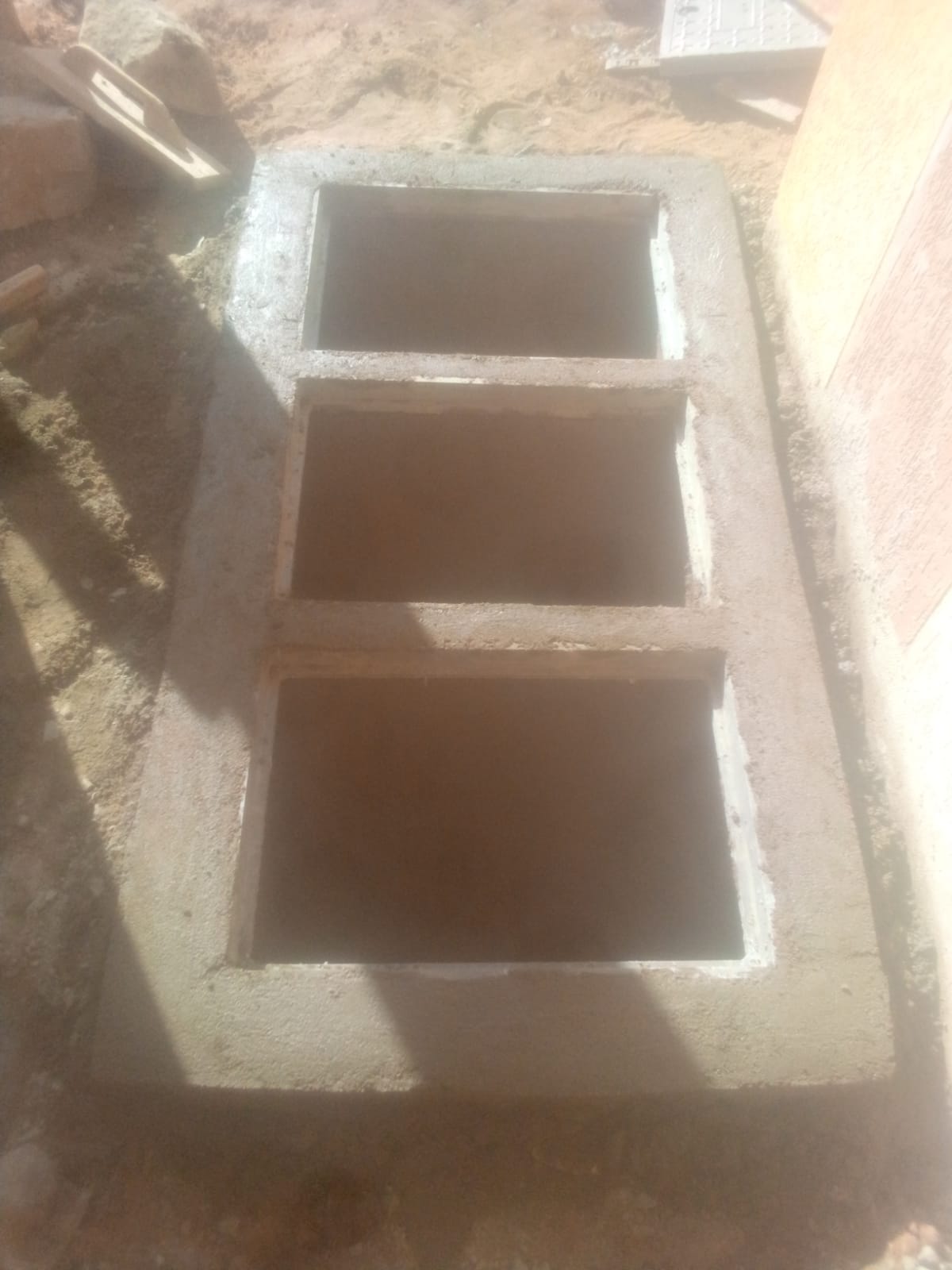
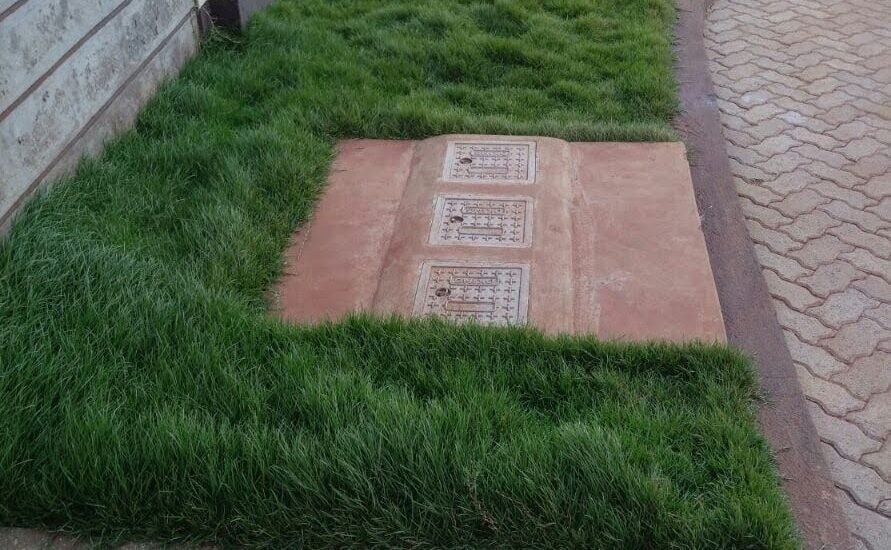
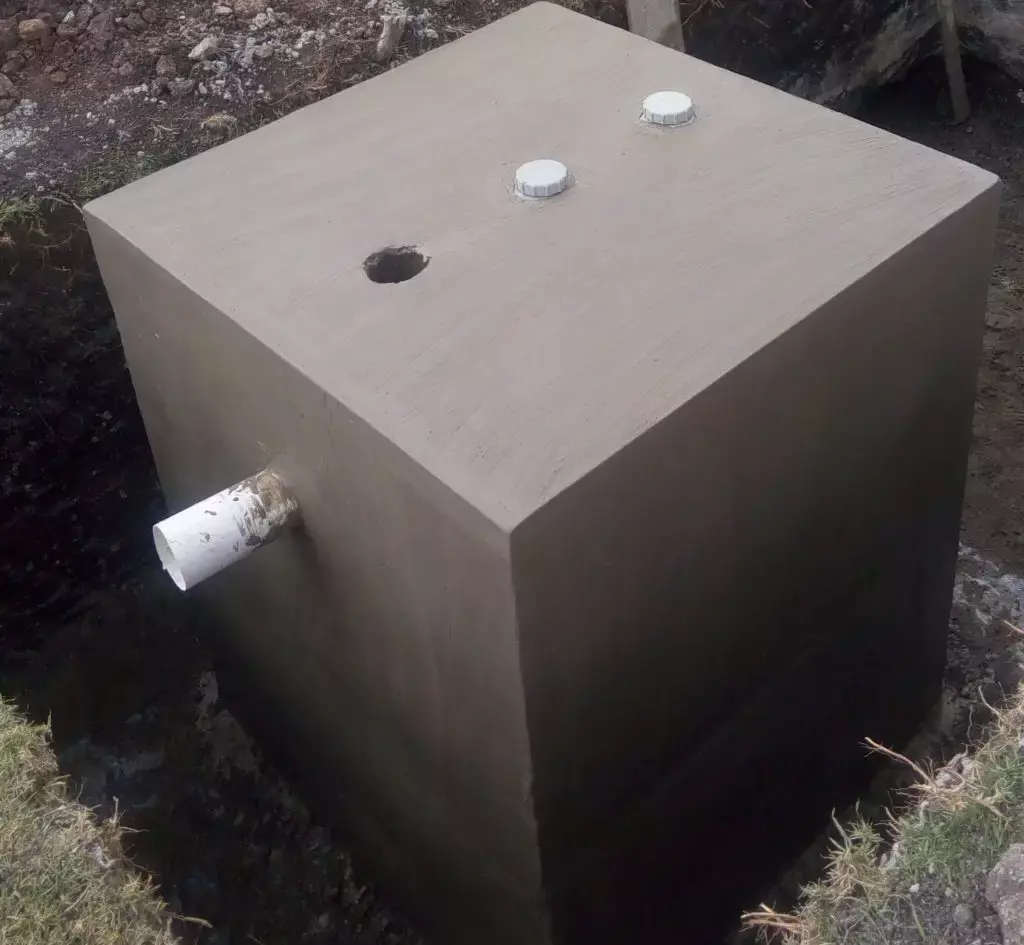
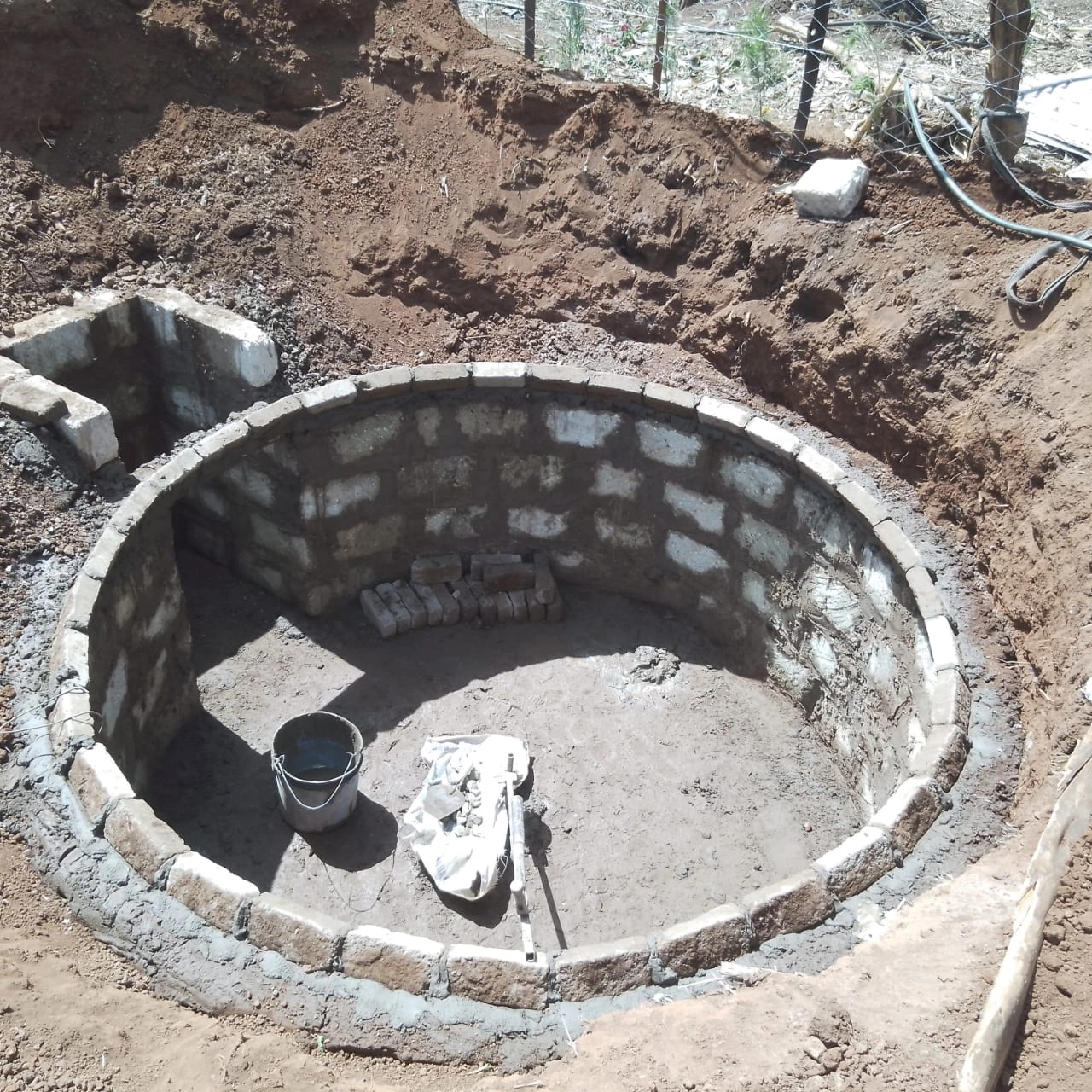
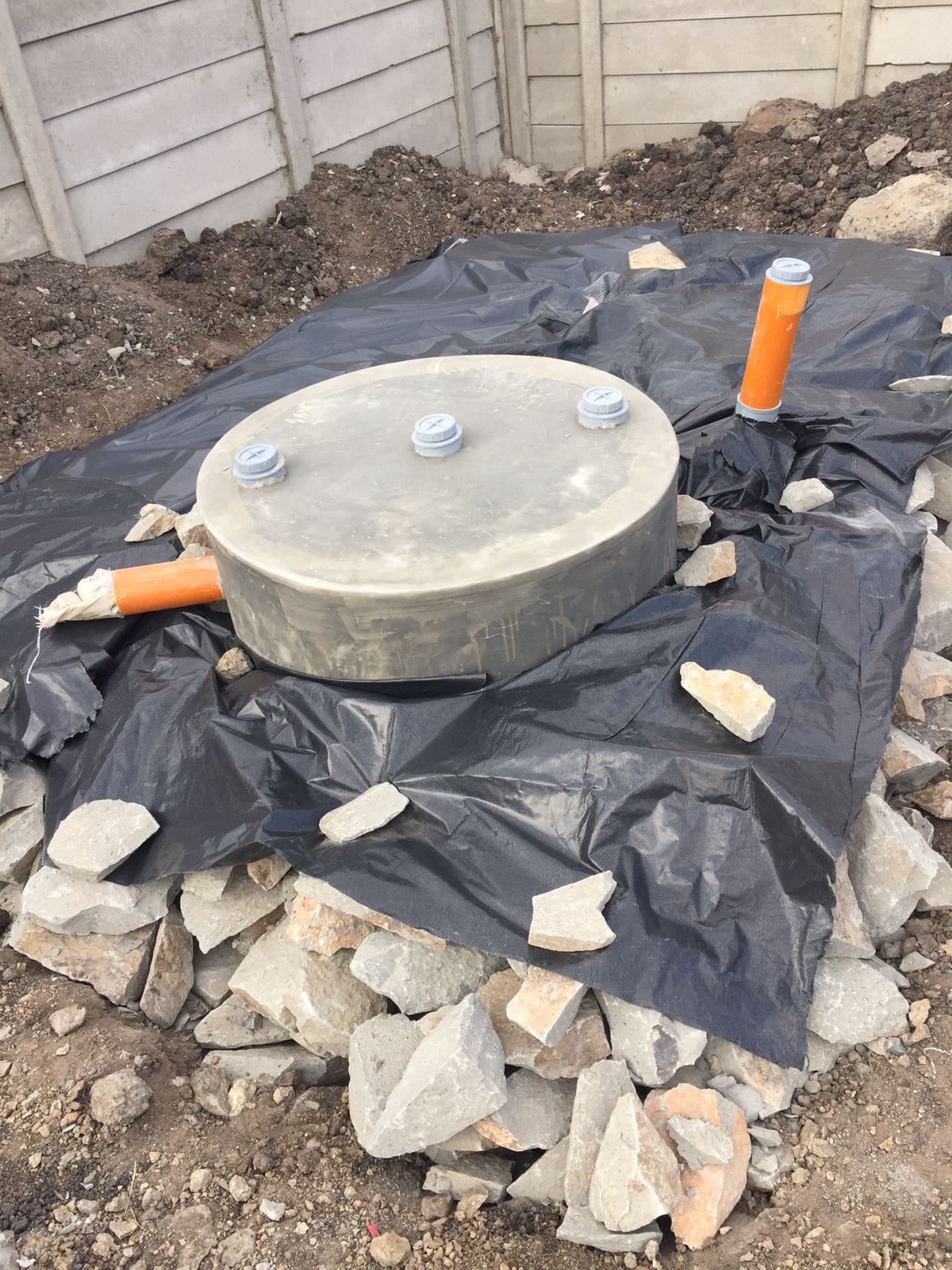
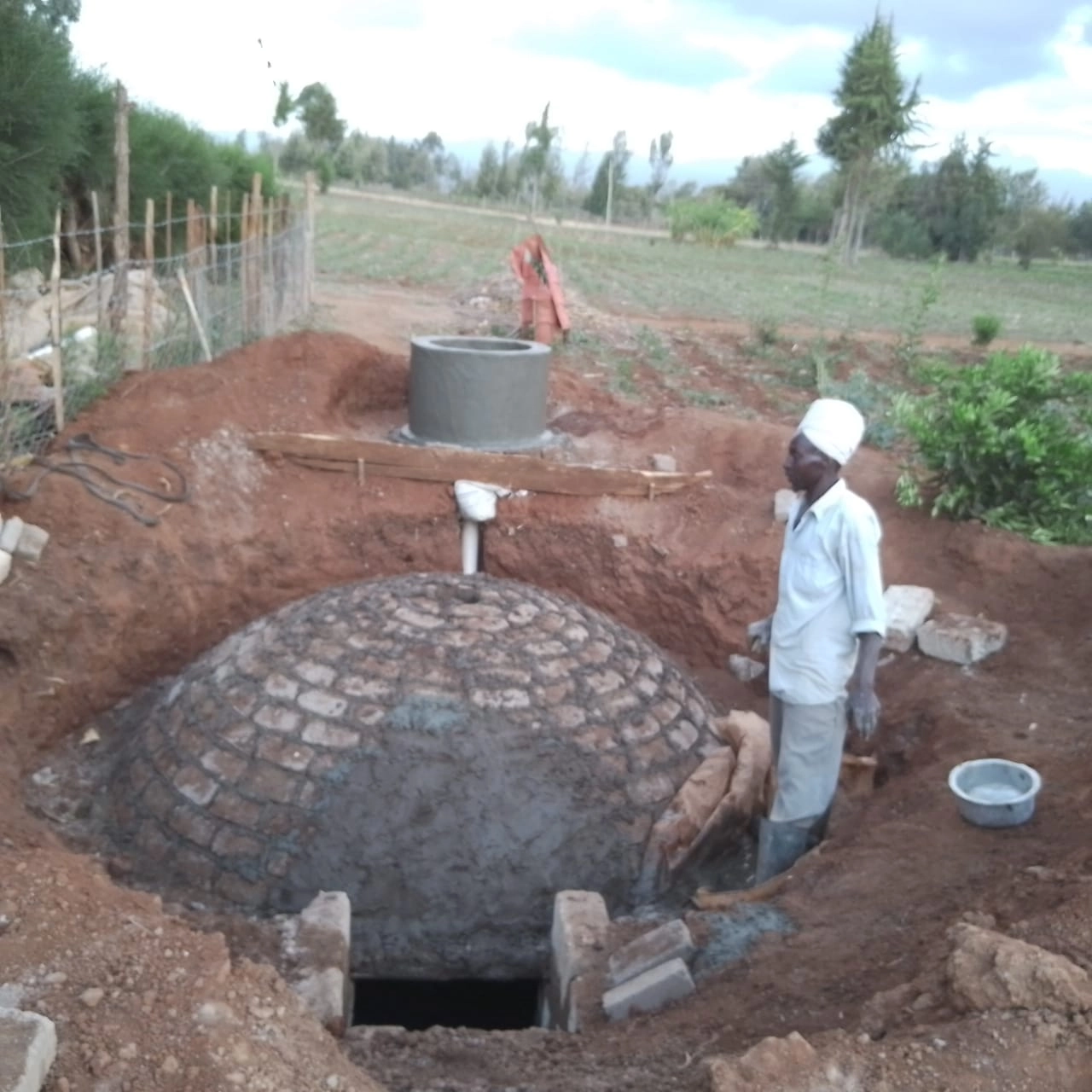
Furthermore, the completely sealed nature of the biodigester installation, which you can see in our Bio Digester Gallery, ensures better hygiene and zero foul odors, protecting your investment and the health of your family or tenants.
Key Components that Influence Biodigester Enzyme Costs
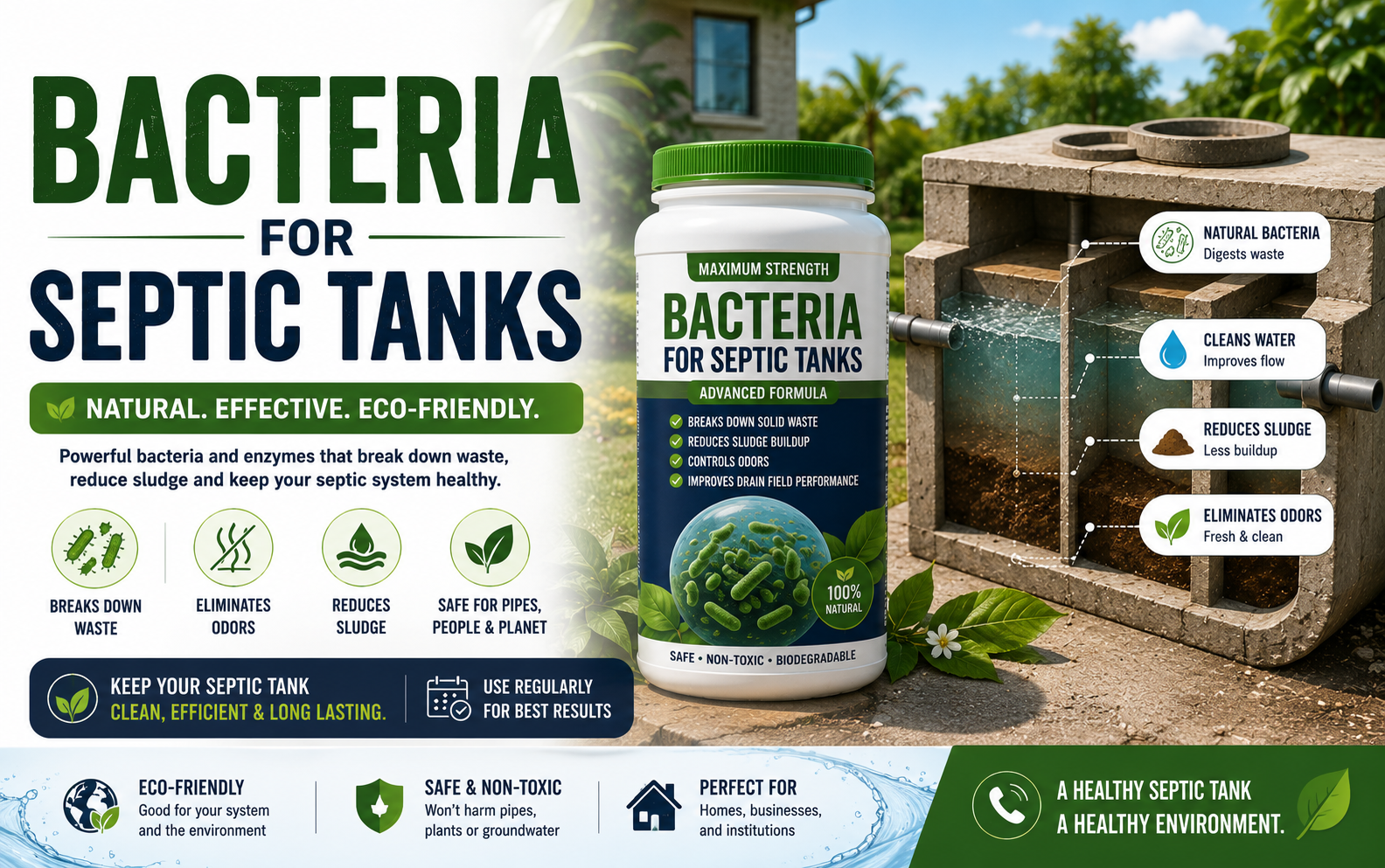
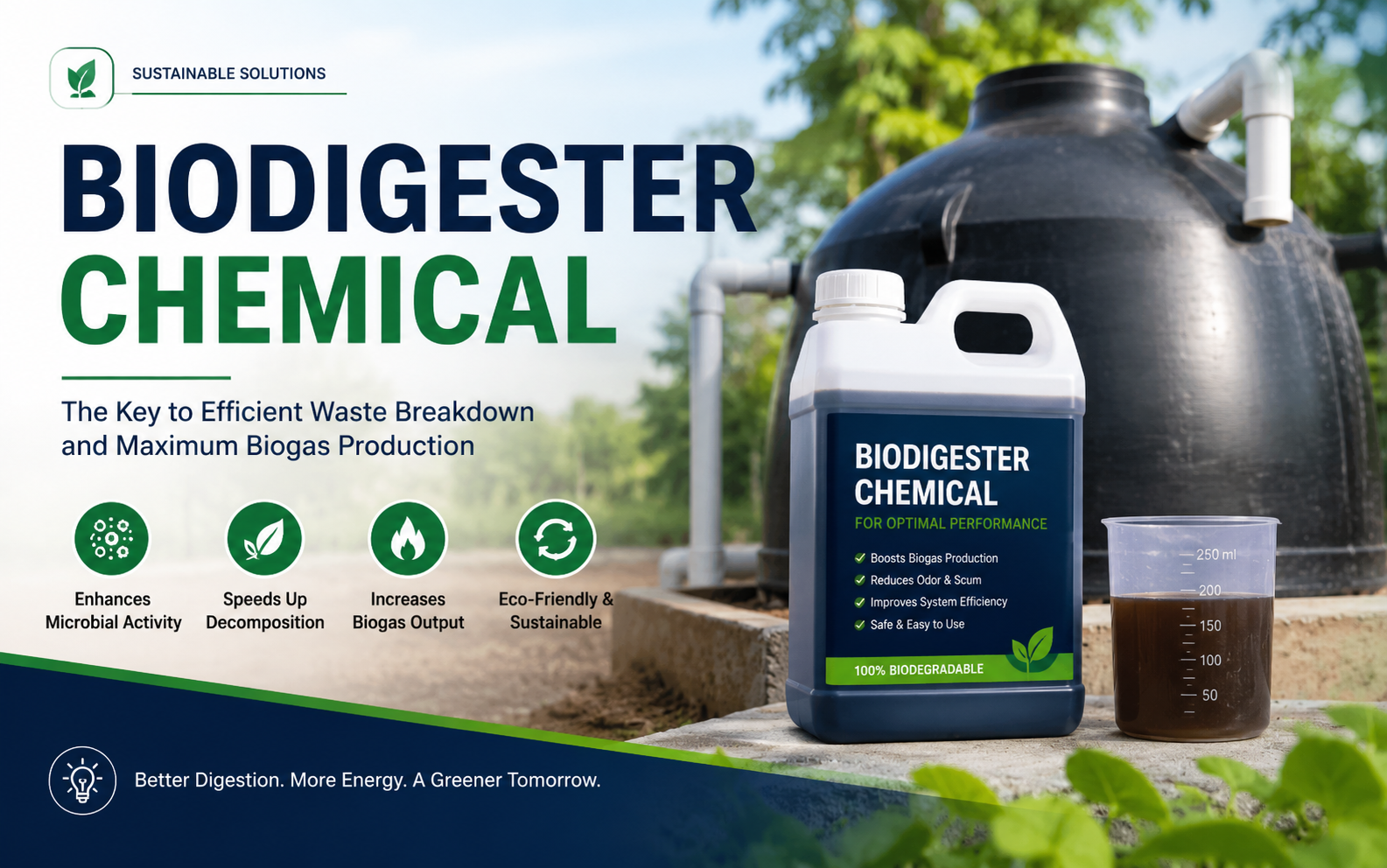
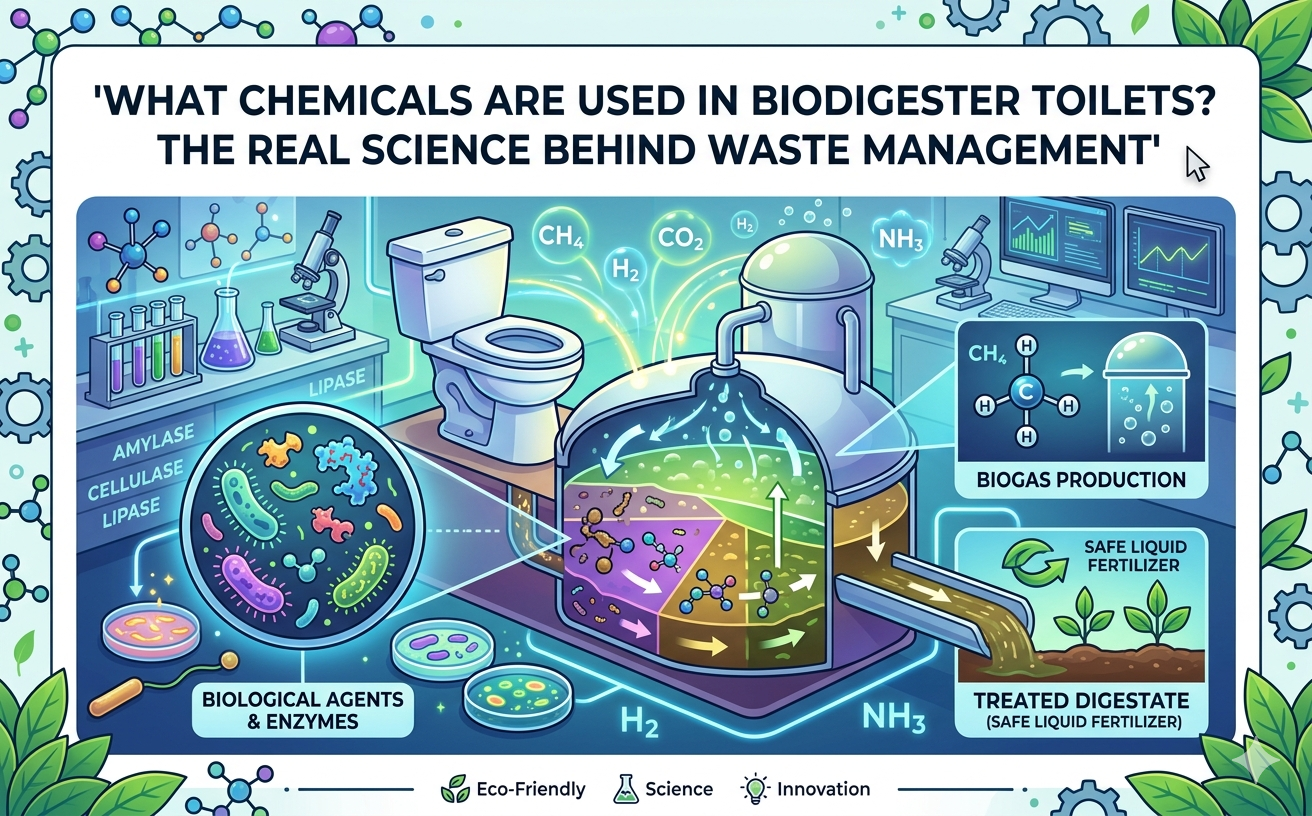
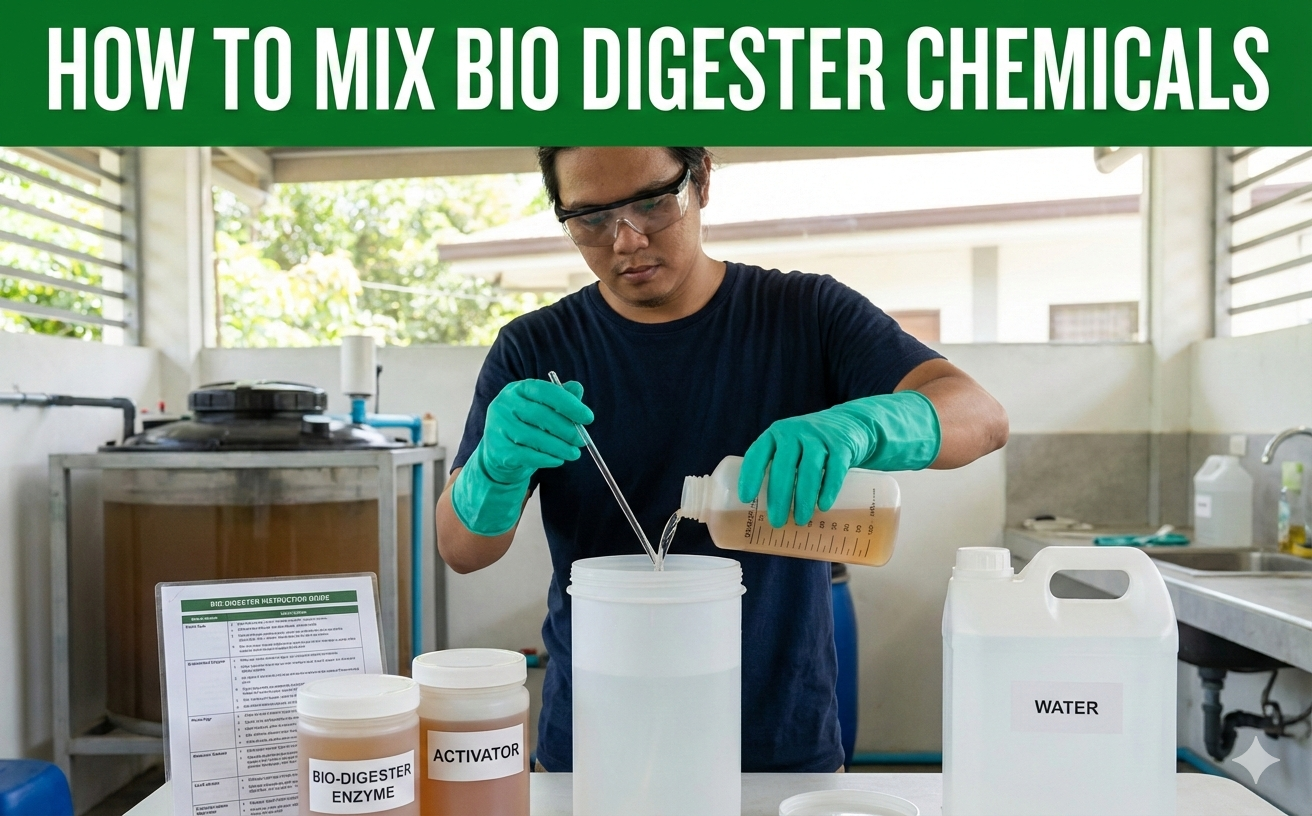
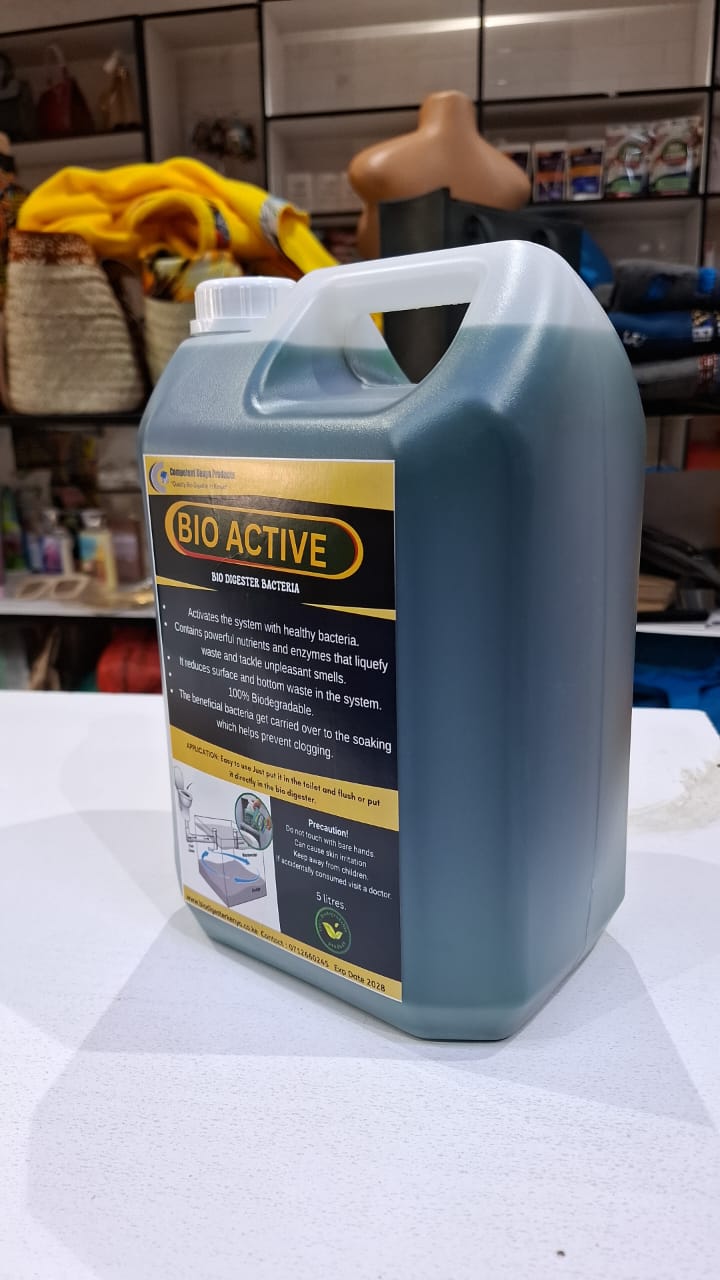
The ‘chemicals’ needed for a biodigester are not harsh, corrosive substances but rather highly concentrated biological agents—powerful mixtures of natural enzymes and specific bacterial cultures designed to rapidly digest human waste, paper, and even grease.
The cost of these enzymes, therefore, is primarily influenced by their quality, concentration, and specialization for the task at hand.
A cheaper, low-quality enzyme may require far more frequent application, effectively erasing any initial cost savings, whereas a high-potency product ensures optimal performance and lower long-term usage.
At Bio Digester Kenya, we stress that the minimal investment in high-quality enzymes is what guarantees your system remains odor-free, sludge-free, and operational year after year, protecting the initial installation investment and providing true value.
Another crucial factor determining the price is the formulation, as different enzymes target different wastes; for instance, some are specifically formulated for standard household waste, while others, such as those used in large commercial kitchens, might include specialized enzymes to tackle large amounts of fats, oils, and grease.
The packaging size is also critical, with bulk purchases often being more economical for large estates or commercial installations that require higher volumes of maintenance.
If you use a substandard product, you risk slow digestion, partial sludge build-up, and eventually, the very blockages you installed the biodigester to avoid, proving that when it comes to maintaining a system this vital, quality should always trump minor cost savings.
Current Market Prices for Biodigester Enzymes in Kenya
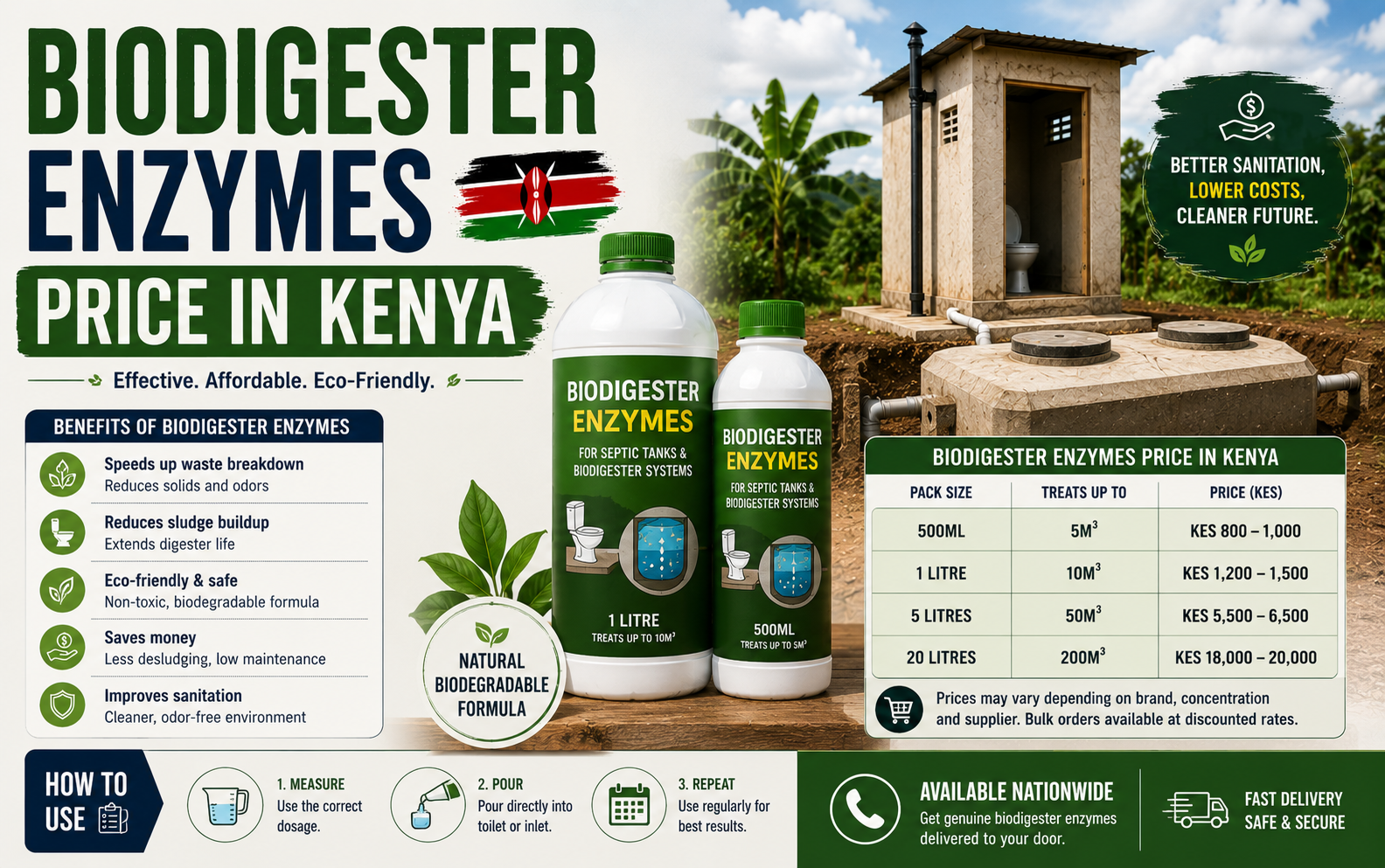
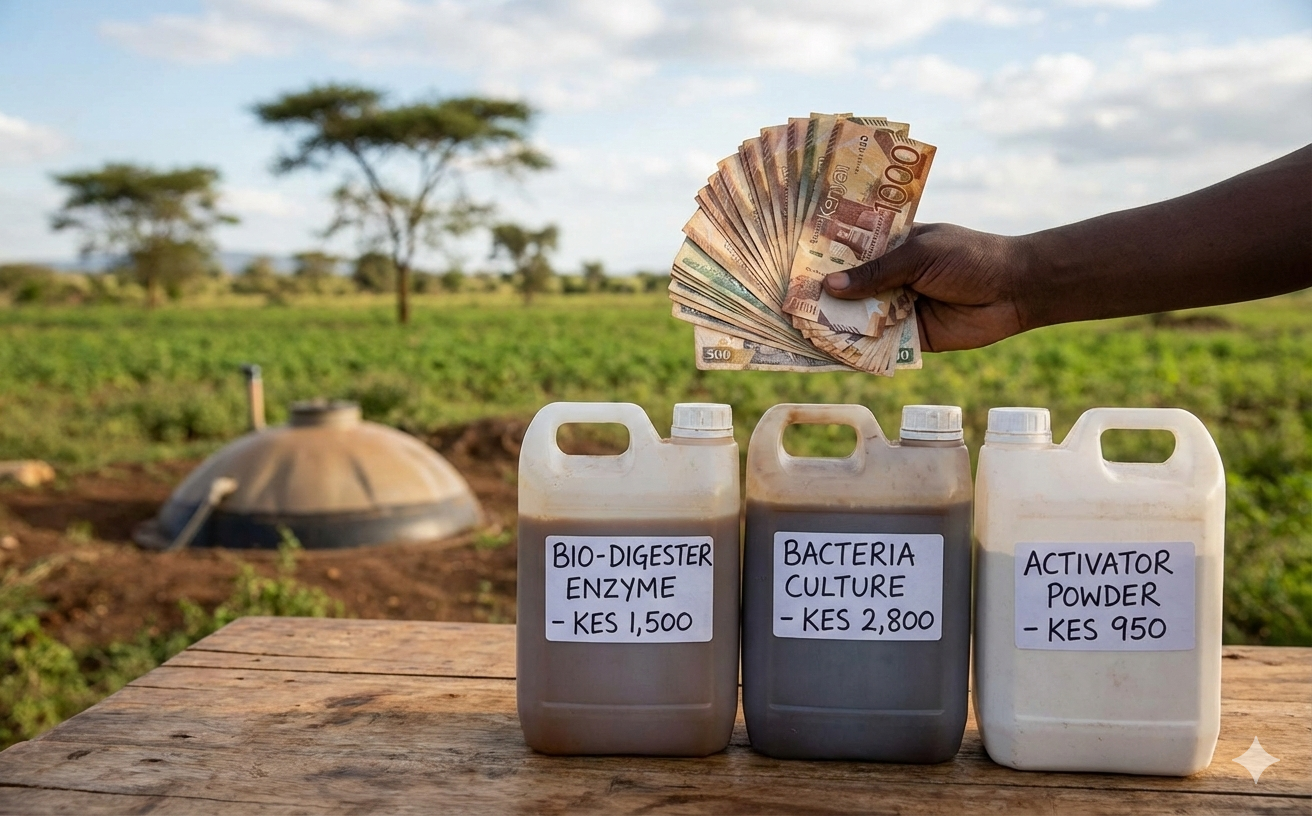
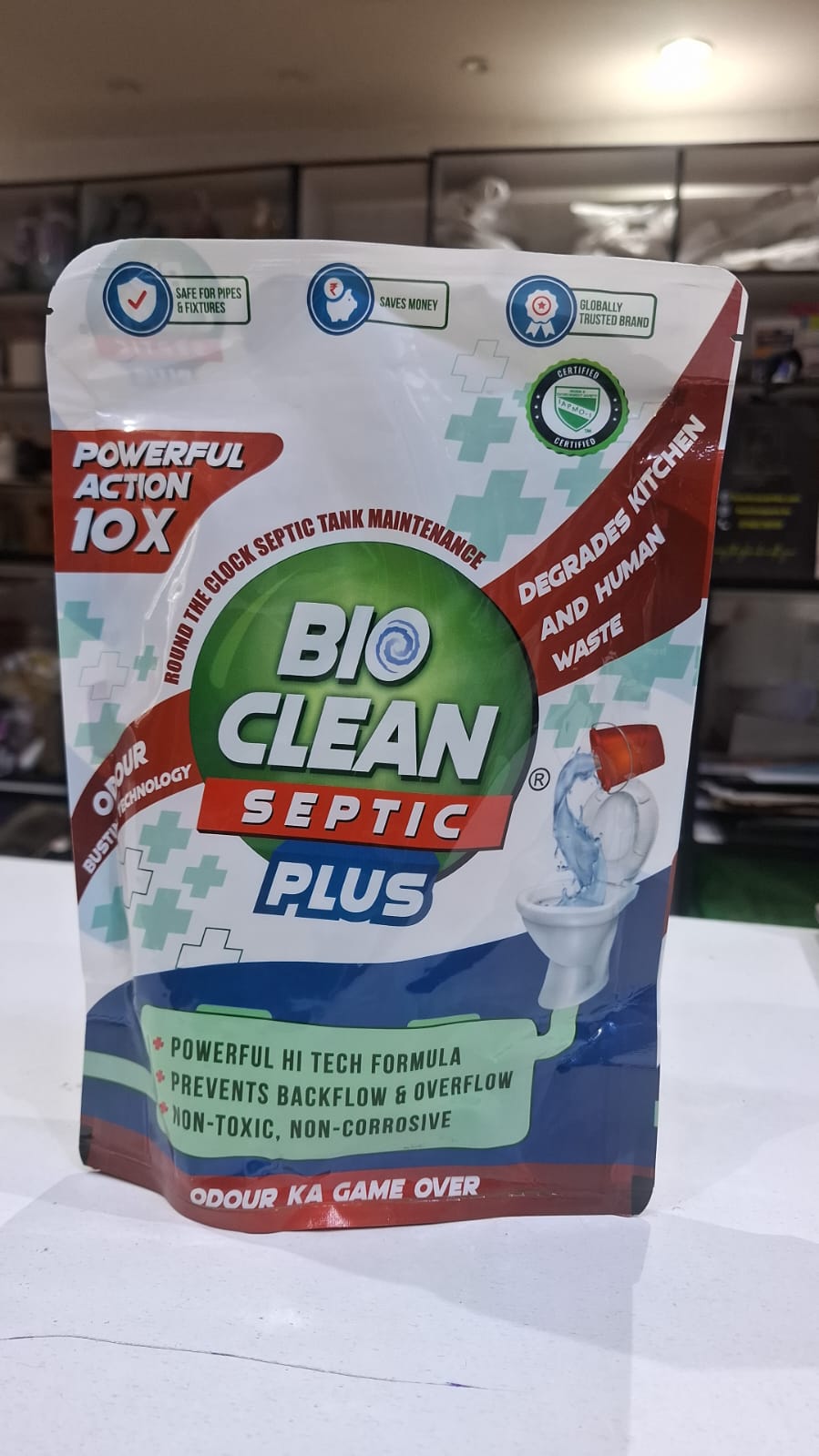
In the current Kenyan market, the biodigester chemical price in Kenya varies significantly based on the supplier and product potency, but reliable maintenance enzymes typically fall within a predictable range.
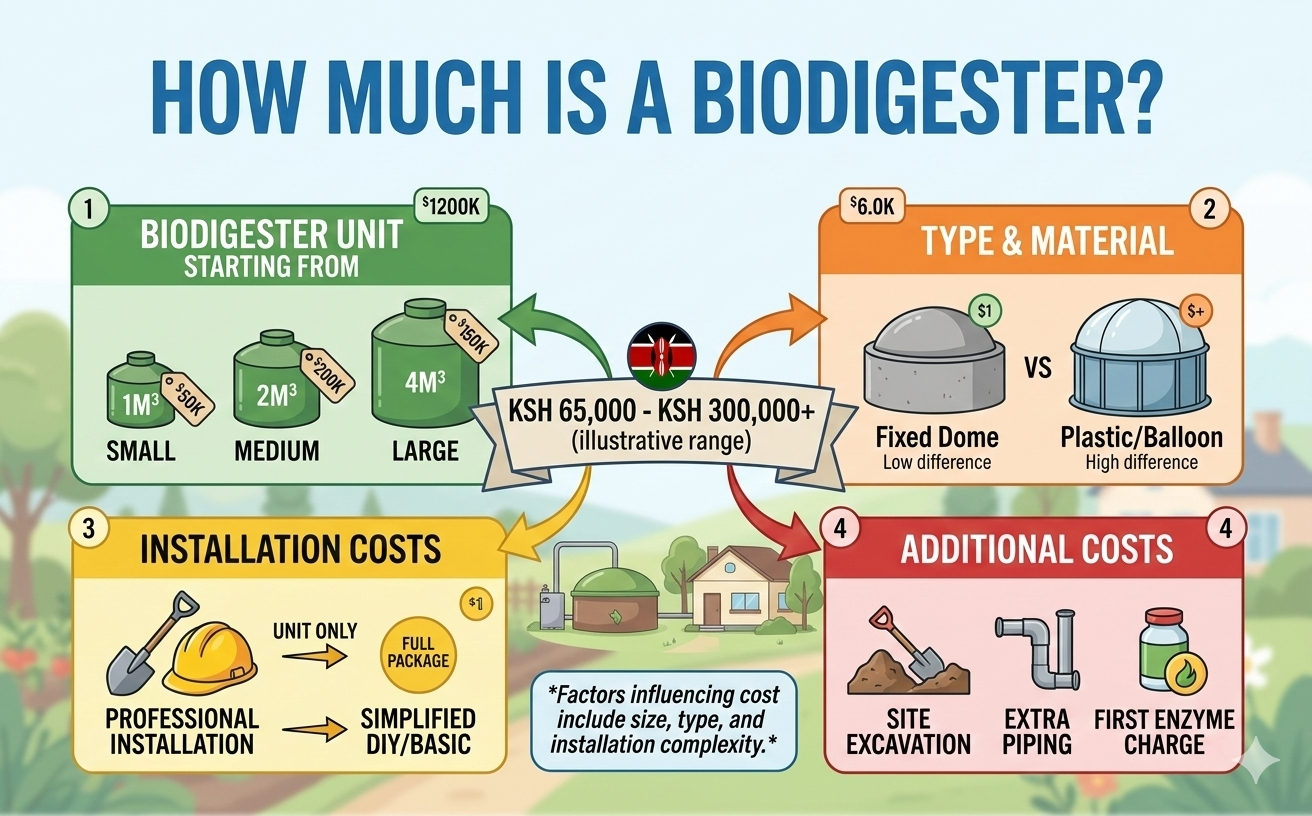
For a standard residential biodigester serving a family home (roughly 1M³ to 2M³ Bio Digester), a maintenance dose of high-quality microbial culture might cost between Ksh 1,500 and Ksh 3,500 per application, depending on the volume and concentration purchased.
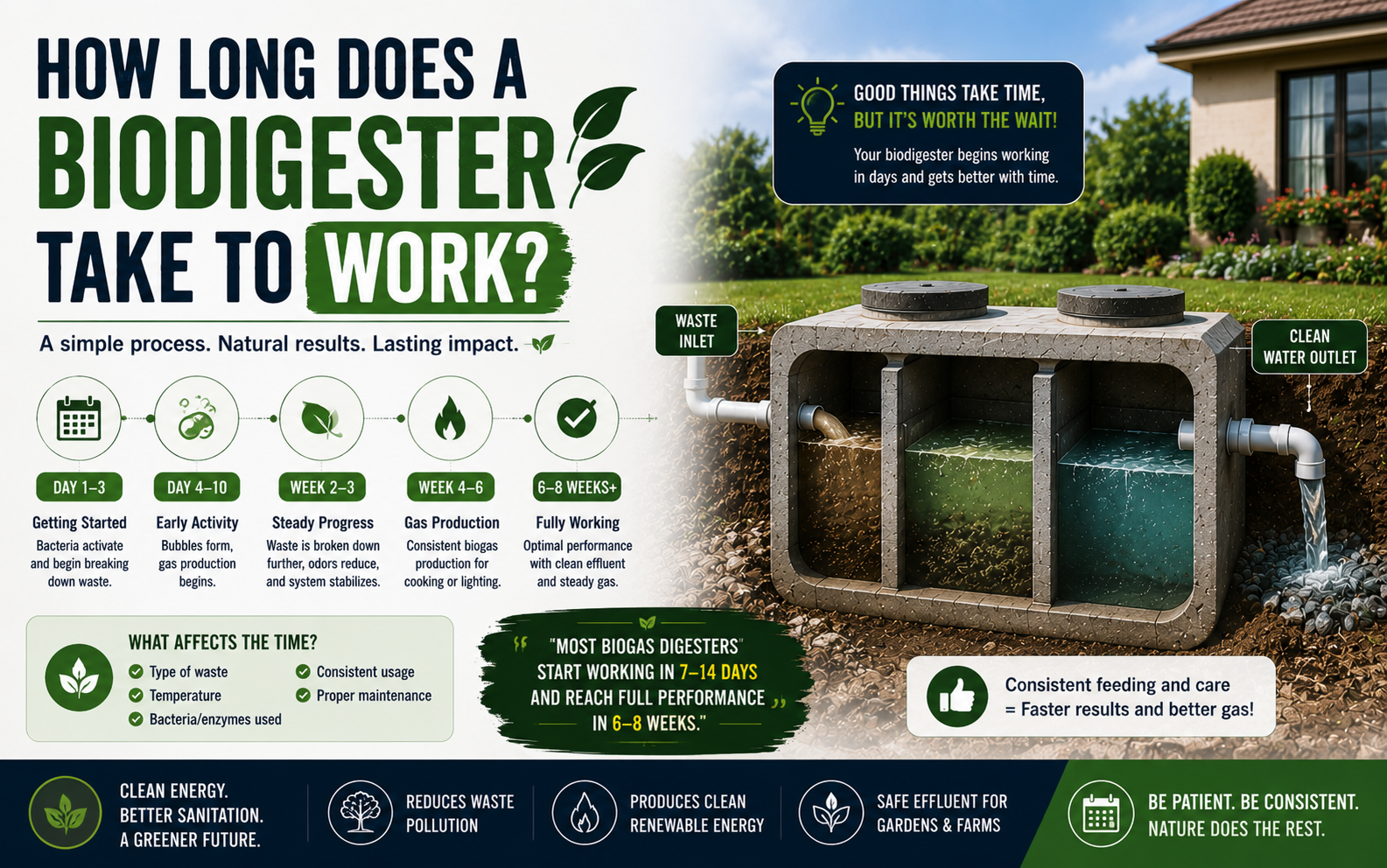
Most homeowners find they need to re-dose every 3 to 6 months to maintain peak efficiency, making the annual maintenance cost highly manageable—a fraction of the price of a single septic tank exhaustion service.
When you look at the economics, spending less than Ksh 10,000 annually on enzymes to maintain a system indefinitely is far superior to spending Ksh 15,000 every two years just to temporarily empty a traditional pit that will immediately start filling up again with sludge.
For larger commercial or estate applications, the pricing structure often moves towards bulk liquid or large-quantity powder formats, such as the Bio Digester Bacteria – 5L size, which offers better unit pricing.
However, pricing is also determined by the supplier’s commitment to quality control and NEMA standards compliance.
We highly recommend purchasing enzymes from the same specialized providers, like Bio Digester Kenya, who installed your system, ensuring compatibility and guaranteed results.
If you are ever tempted by suspiciously cheap enzymes on the open market, remember that you are risking the functionality of your entire expensive wastewater management system, which is a classic case of being penny-wise and pound-foolish—a risk no property developer or conscientious homeowner should take.
Factors That Can Reduce Your Biodigester Operating Costs
While the recurring cost of enzymes is unavoidable for maintaining the biological function, smart system management can significantly reduce the frequency and amount of enzymes needed, thereby lowering your overall operational costs.
The single most important factor is the effective management of household habits; avoiding the disposal of harsh chemicals (like excessive bleach, strong detergents, and corrosive drain cleaners) down the drain is paramount, as these substances kill the beneficial bacteria that constitute the Bio Digester Bacteria.
If the colony is healthy, it digests faster and requires less supplemental boosting, meaning fewer enzyme purchases.
Furthermore, ensuring proper water flow and preventing physical blockages contributes immensely to system longevity.
A well-designed system, coupled with professional Services, should not suffer from frequent issues.
We always educate our clients on what materials can and cannot enter the system; for example, while biodigesters can handle toilet paper, disposing of thick wipes or sanitary pads is strongly discouraged, as they are non-biodegradable and will impair the flow, stressing the system.
By treating your biodigester like a valued living ecosystem rather than just a hole in the ground, you maximize its efficiency, keep the enzyme costs low, and ensure decades of reliable, odor-free operation.
If you are tired of the constant worry and high costs associated with traditional pits, perhaps it’s time for a free consultation to explore a permanent solution; Call +254 712 660 245 today.
How Bio Digester Kenya Provides Value‑Driven Solutions
As experts in the Kenyan sanitation space, Bio Digester Kenya doesn’t just install a system and walk away; we design, install, and provide long-term maintenance support, which is critical for maximizing the life and minimizing the operational costs of your biodigester septic tank.
Our systems are engineered specifically for the challenging ground conditions and variable water usage patterns found across Kenya, from the high water table areas near Lake Victoria to the rocky substrates of the Rift Valley.
We ensure the correct sizing, whether you need a small residential unit or a major commercial solution, avoiding the pitfall of under-sizing the system, which is a common cause of failure and increased maintenance frequency among inexperienced installers.
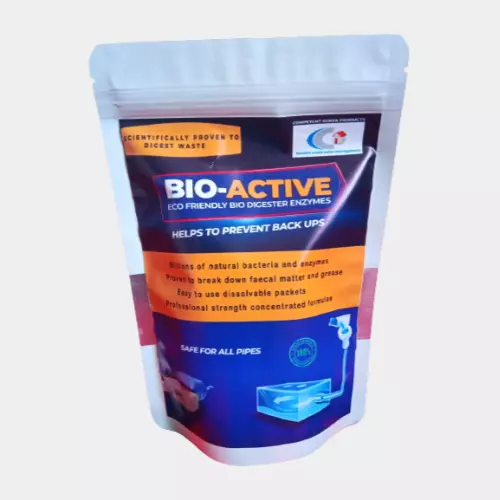
Crucially, we also supply the exact, high-potency enzymes needed to keep our installations running optimally, guaranteeing you are getting quality products specifically suited for local conditions, rather than generic chemical agents that may prove ineffective.
Our commitment to transparent pricing and superior installation methodology means that the initial investment in our Service:Bio Digester Installation is protected by a system that requires minimal intervention and predictable, low-cost maintenance.
We aim to empower Kenyan property owners with sustainable, NEMA-compliant solutions that eliminate the need for costly exhaustion forever, positioning the biodigester as the definitive modern replacement for outdated waste management methods.
Choosing the Right System for Residential vs Commercial Use
The choice between system types—and the resultant enzyme cost—is heavily dictated by whether the application is residential or commercial, largely due to differences in volume, flow rate, and waste composition.
A typical residential biodigester receives relatively consistent, manageable organic waste volumes, allowing for standard, general-purpose enzyme applications at low doses.
The challenges here are usually related to inconsistent use (e.g., during holidays) or occasional misuse of chemicals, which are easily corrected with a standard enzyme booster purchase.
Commercial operations, such as hotels, apartments, or large institutional kitchens, present a different set of challenges, often involving higher flow peaks and higher concentrations of specific materials like grease from food preparation or harsh cleaning agents from laundry services.
For these systems, which often utilize specialized large-scale Precast Bio Digesters, the maintenance approach must be more robust.
This might necessitate the regular use of specialized products, like Grease Trap & Kitchen Drain Bacteria – 250g, alongside the standard treatment, influencing the overall chemical budget.
However, even with these complexities, the biodigester remains far cheaper to maintain than managing massive septic tanks that require large, dedicated exhaustion trucks and face much higher risks of structural failure and contamination.
Frequently Asked Questions About Biodigester Chemical Pricing
When considering the switch to a biodigester, many clients rightly ask practical questions about the recurring costs, trying to draw a direct comparison between the one-time high cost of exhaustion and the continuous, low-cost maintenance of the biodigester.
It is important to remember that the enzymes are the lifeblood of the system; skimping on them is essentially undermining your investment in a permanent solution.
The low, predictable cost of acquiring quality enzymes ensures that the initial construction of your Bio Digester Septic Tank remains a one-time capital expenditure, unlike the septic tank, which guarantees ongoing, unpredictable operational expenditures.
By proactively budgeting for your enzymes annually, you maintain the superior functionality and environmental safety that the system was designed to provide.
If you are exploring the option of installing a new system or transitioning from a troubled traditional septic tank, understanding the full cost picture is essential.
We encourage you to reach out to us directly for a site assessment.
Our experts at Bio Digester Kenya can provide detailed cost projections based on your specific property size and usage, giving you a clear, honest picture of both the installation costs and the expected annual maintenance budget for the biodigester.
Don’t let myths about high chemical costs deter you from embracing a cleaner, cheaper, and safer long-term sanitation solution for your Kenyan property—get the facts directly from the people who design and maintain these systems every day. Email us info@biodigesterkenya.co.ke for a detailed quote.
Conclusion: Make the Smart Investment with Bio Digester Kenya
The debate between biodigester vs septic tank is settled: the biodigester offers a superior, permanent, and environmentally conscious solution that is perfectly suited to the modern challenges of development in Kenya.
While the biodigester chemical price in Kenya represents a recurring operational cost, it is an incredibly small price to pay for the elimination of sludge, foul odors, septic exhaustion, and the risk of groundwater contamination.
By investing in a high-quality system from Bio Digester Kenya, you are choosing long-term financial stability, predictable maintenance costs, and a commitment to environmental stewardship.
Choose the system that digests waste into water and air, not the one that forces you to call a truck every few years.
Take the first step towards clean, hassle-free sanitation by exploring our Home page or reaching out to our expert team today.
Frequently Asked Questions
- How frequently must I purchase biodigester enzymes in Kenya?
For a typical residential installation installed by Bio Digester Kenya, we recommend applying a maintenance dose of enzymes every 3 to 6 months.However, the exact frequency depends on the usage intensity (the number of people using the system) and the proper avoidance of system inhibitors like excessive bleach or antibiotics.A healthy, well-maintained system can often stretch the maintenance window, but consistent, proactive dosing is the key to lifetime performance.
- Is it possible to convert my existing traditional septic tank into a biodigester system?
Yes, in many cases, conversion is a viable and cost-effective option, particularly if the existing septic tank structure is sound and structurally intact.This usually involves installing a new biological filtration/digestion chamber and integrating the enzyme process.However, the most effective long-term solution is a full, professionally designed Bio Digester installation, so we recommend a site assessment to determine if conversion or full replacement is best for your specific property.
- Why are biodigester enzymes preferred over traditional septic tank cleaners?
Traditional chemical septic cleaners are often harsh, designed for unblocking, and can actually kill the necessary natural bacteria that perform the long-term digestion, leading to system failure down the road.Biodigester enzymes, on the other hand, are non-pathogenic, natural biological agents engineered to enhance and accelerate the natural decomposition process, specifically focusing on turning solids into liquid and gas rather than merely breaking up blockages.
- Does the type of soil in Kenya (e.g., clay soil) affect the biodigester’s performance or enzyme usage?
The biodigester itself is not affected by the soil type because it is a sealed unit, but the soak pit (the final stage where clean water disperses) is highly affected by clay soil, which slows absorption.This challenge makes the biodigester even more essential because, unlike the septic tank which produces thick sludge that clogs clay soil fields, the biodigester only releases pure water, which stands a much better chance of percolation, and its long-term reliability is not dependent on the soil’s ability to handle solid waste.
- What is the typical lifespan of a biodigester system compared to the recurring cost of enzymes?
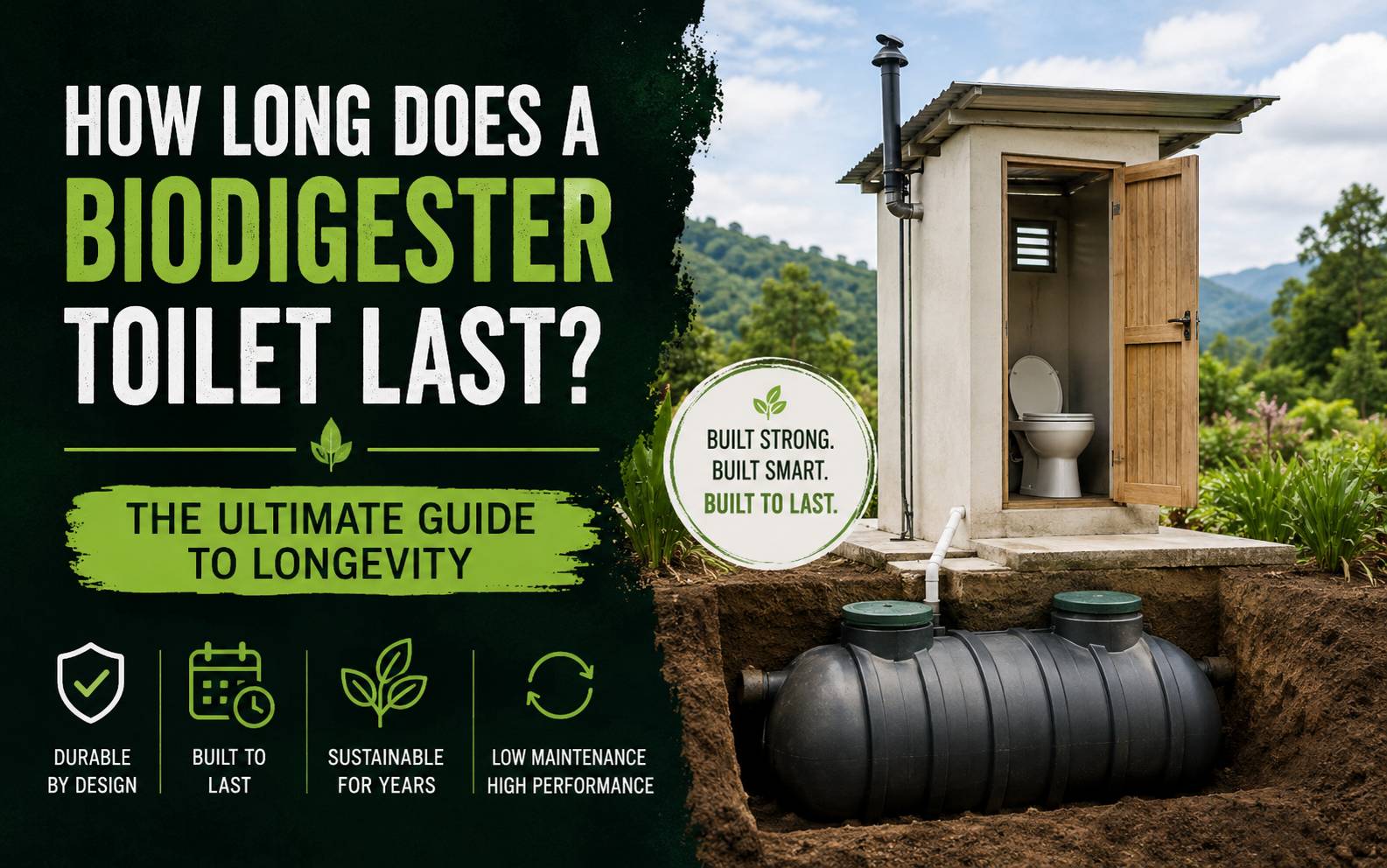
A properly installed and maintained biodigester system from a reputable company like Bio Digester Kenya is designed to last 50 years or more, essentially matching the lifespan of the building itself.When you compare this longevity against the minimal, predictable annual cost of the enzymes (typically less than Ksh 10,000 annually for a residence), the financial equation heavily favors the biodigester as a permanent and highly cost-efficient infrastructural investment.