Introduction: Why Bacteria Matter in Digester Tanks
When we talk about sewage treatment, whether on a massive city scale or within your plot in Runda, the heavy lifting is always done by microscopic organisms.
These tiny workers—bacteria and archaea—are responsible for breaking down the complex organic matter we flush away into simpler, safer components.
The efficiency and quality of your waste treatment are 100% dependent on the health and composition of this microbial community.
In Kenya, where space is often limited, and environmental regulations (especially regarding groundwater contamination) are becoming stricter, relying on antiquated methods that encourage sludge build-up is simply unsustainable.
Understanding the microbial process is key to appreciating why investing in a modern Biodigester is not just a trend, but a necessary upgrade for responsible property ownership and development in 2024 and beyond.
Key Bacterial Groups in Conventional Sewage Digesters
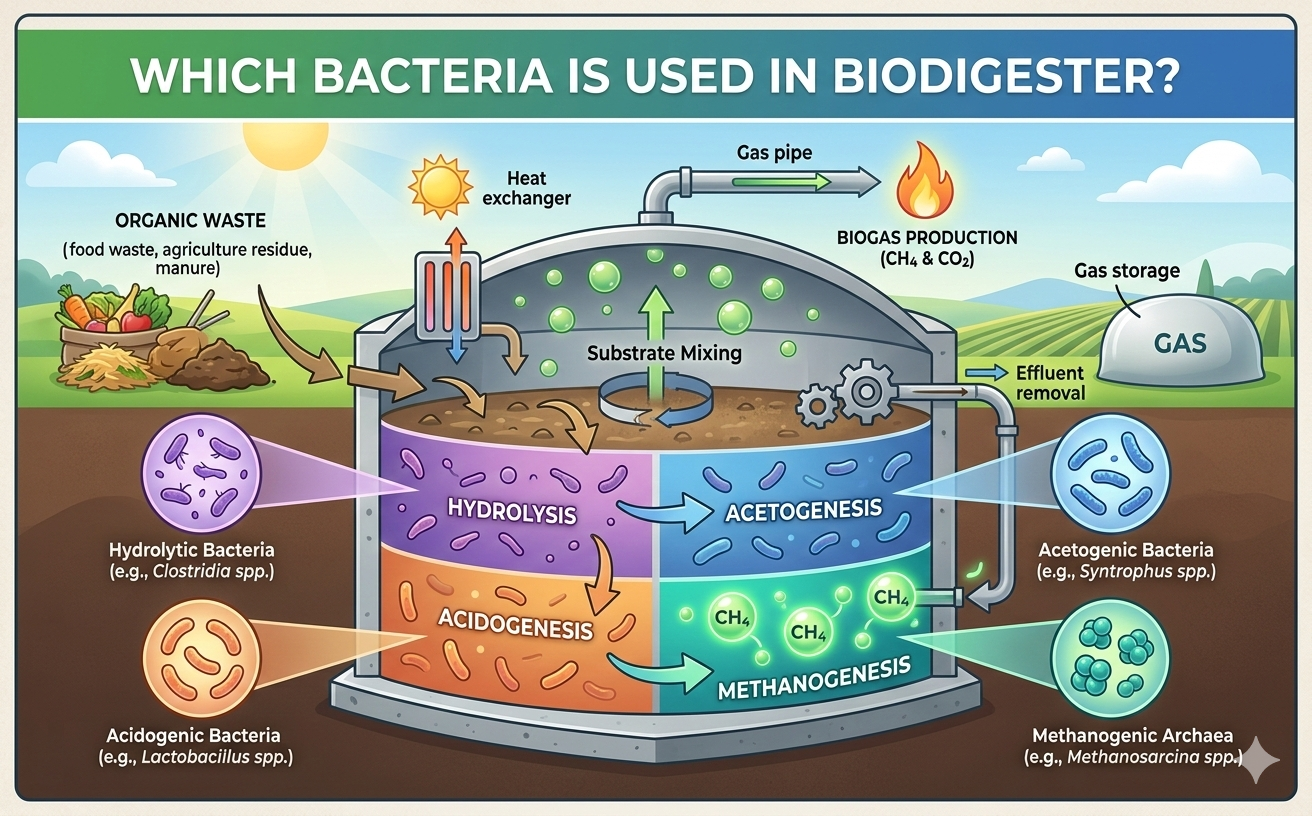
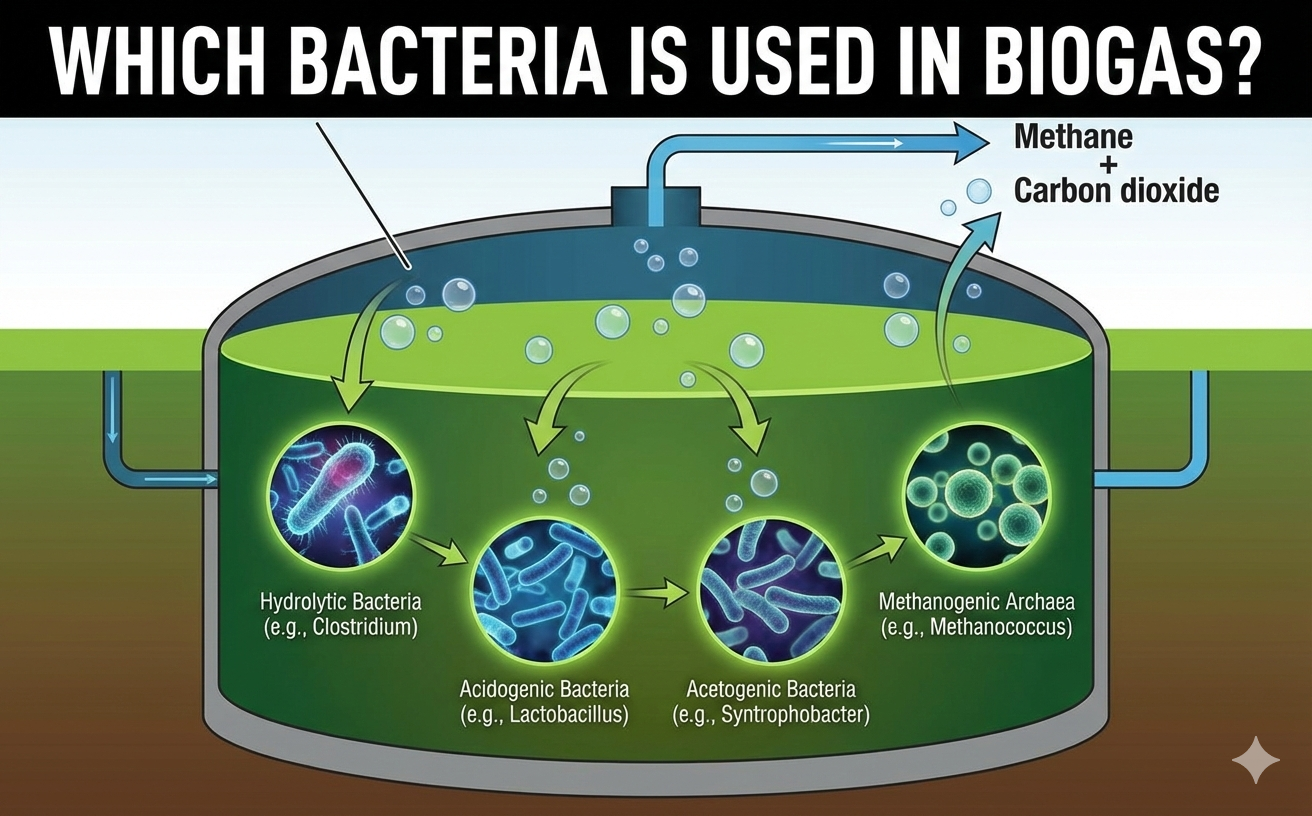
In a traditional septic tank setup, which is unfortunately still common across older estates and rural developments in Kenya, the digestion process relies primarily on anaerobic bacteria—microorganisms that thrive in oxygen-free environments.
These bacteria are effective at breaking down solids but are incredibly slow, leading to the rapid accumulation of sludge.
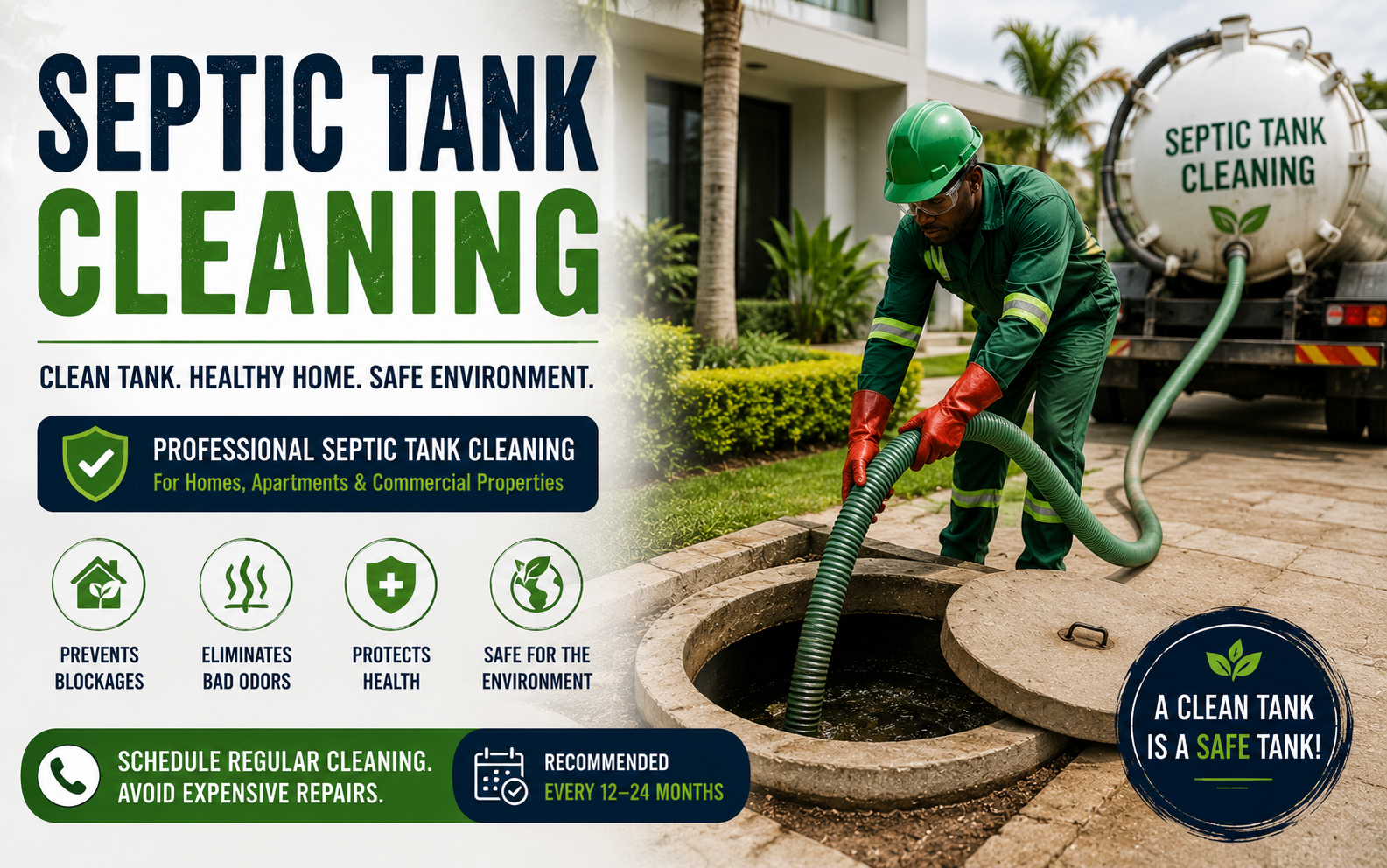
Over time, usually every 1 to 3 years, the solids build up, demanding a costly visit from an exhaust truck, which in Nairobi can set you back upwards of Ksh 10,000, not to mention the mess and foul odor that accompany the emptying process.
Furthermore, conventional systems struggle when faced with modern household chemicals, causing these native microbial populations to die off, leading to blockages and environmental hazards like untreated overflow.
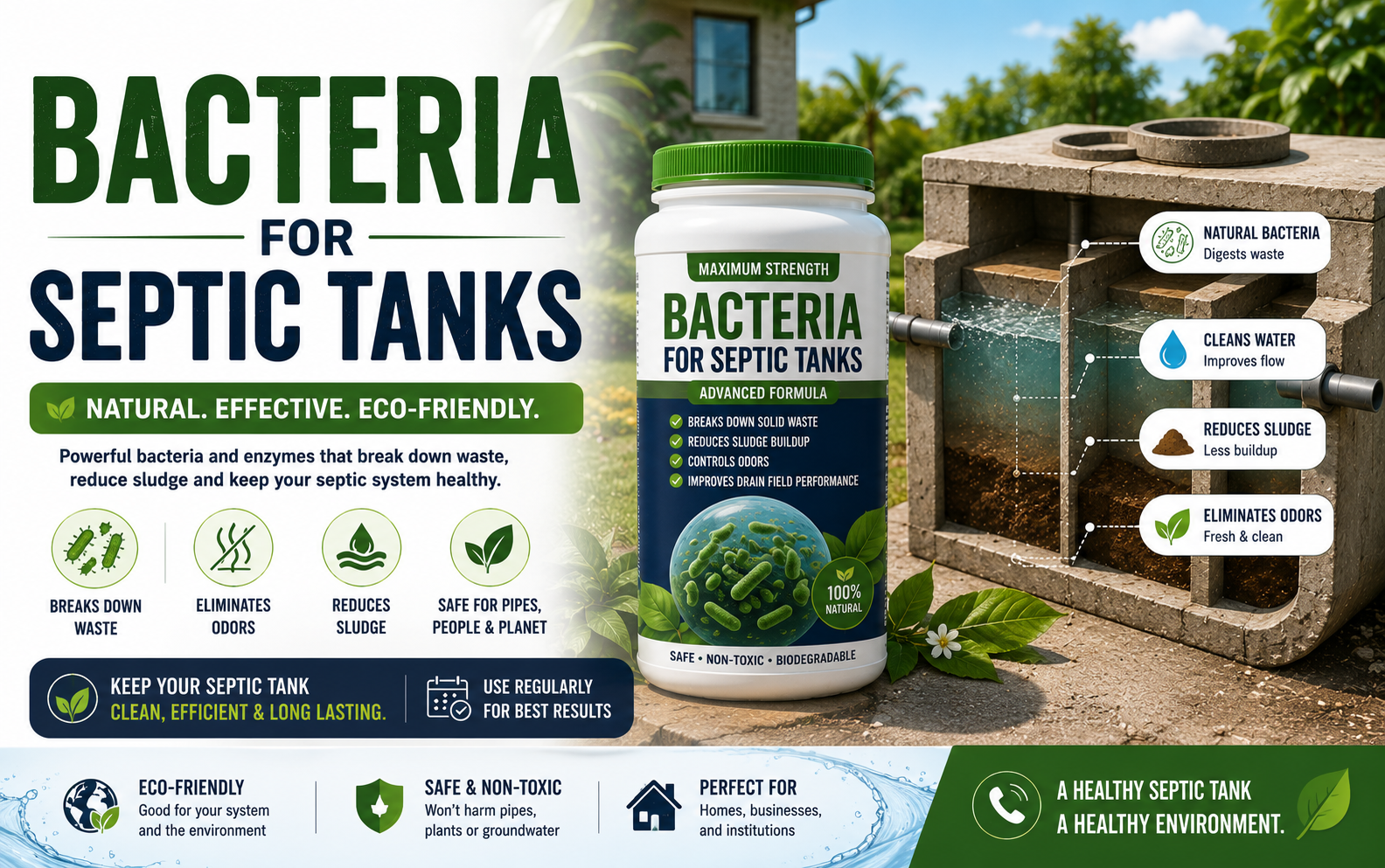
If you are struggling with a poorly functioning system, adding more beneficial microbes can help, and you can find specific products like Septic Tank Bacteria – 250g designed to boost their performance temporarily.
The Role of Anaerobes in Sludge Production
The primary function of anaerobic bacteria in a traditional septic system is hydrolysis, where they liquify complex solids into simpler forms.
This process is highly inefficient because it leaves behind significant inert material (sludge), which must be physically removed.
This sludge is not just inconvenient; it takes up valuable space in your tank and eventually contaminates the environment if the system fails or leaks, posing a severe risk to Kenya’s precious water table, especially in areas with high water tables like parts of Kiambu or coastal regions.
Property owners often mistake the need for frequent exhausting as a system failure, when in reality, it’s the design flaw inherent in relying solely on these slow-acting, sludge-producing anaerobes.
This constant cycle of build-up and costly removal is why many homeowners across Kenya are desperately seeking a reliable, permanent alternative.
How Bio Digester Kenya’s Enzymes Boost Microbial Performance
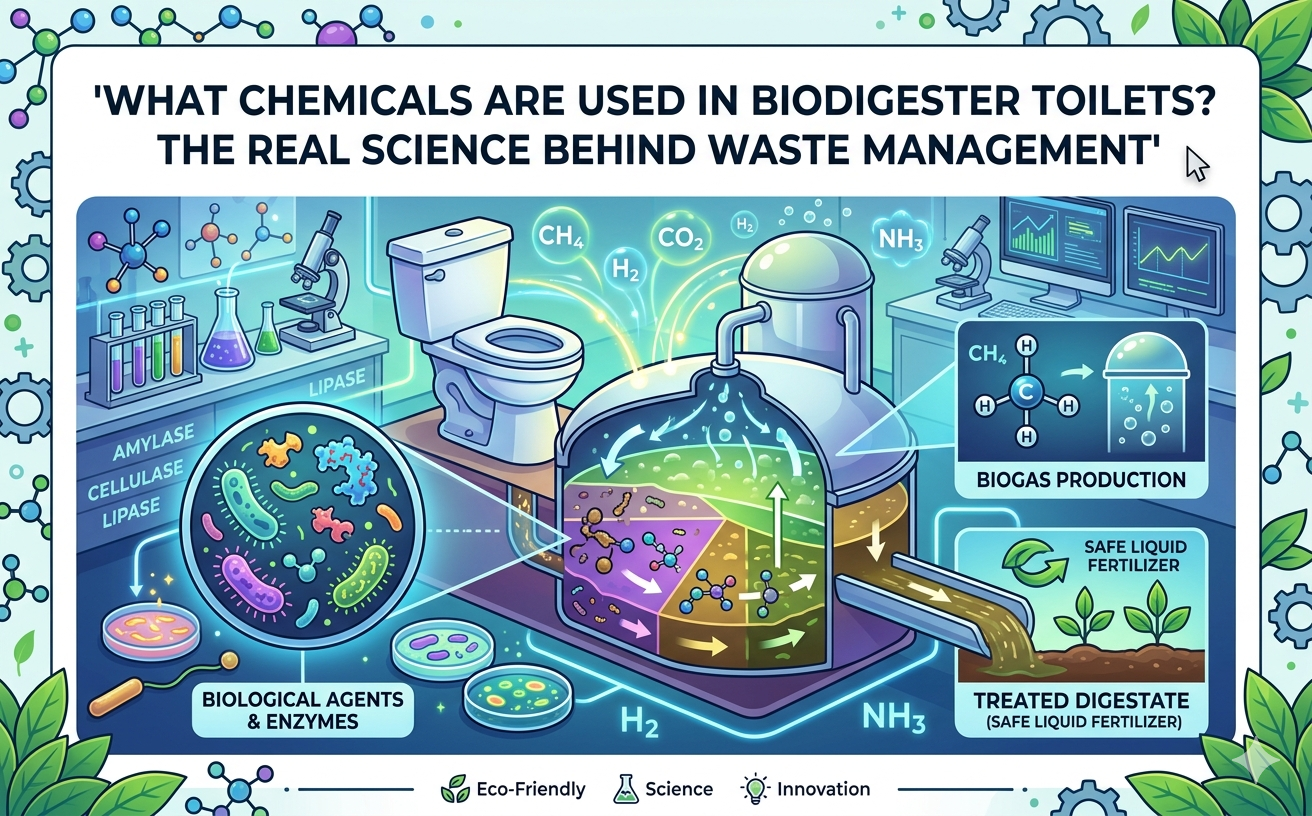
The modern biodigester system fundamentally changes this process by leveraging specialized enzymes—which are not living organisms themselves but powerful protein accelerators—alongside high-efficiency bacteria.
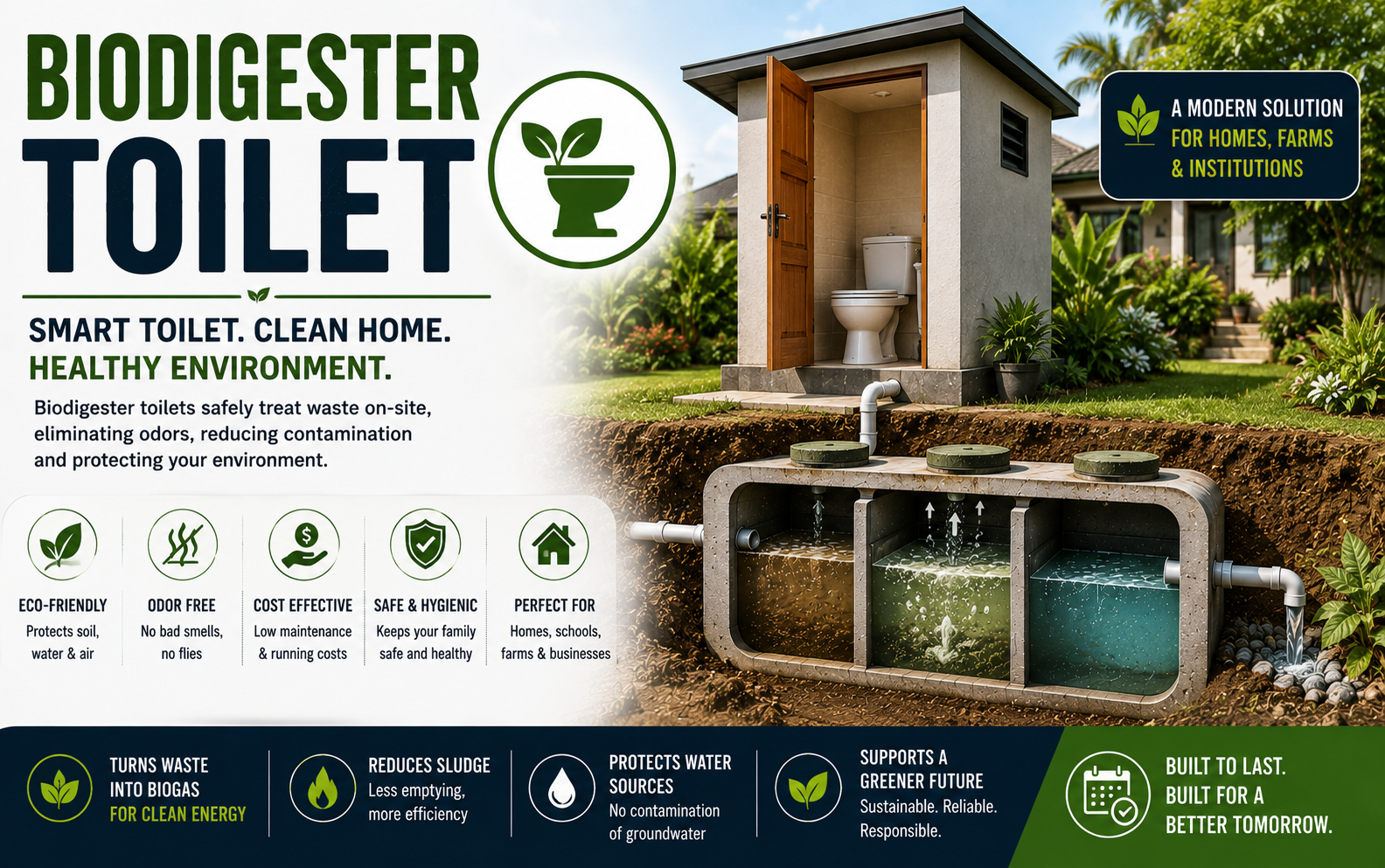
At Bio Digester Kenya, we design systems that create the optimal environment for these enzymes to thrive, ensuring the breakdown process is rapid, complete, and produces virtually no sludge.
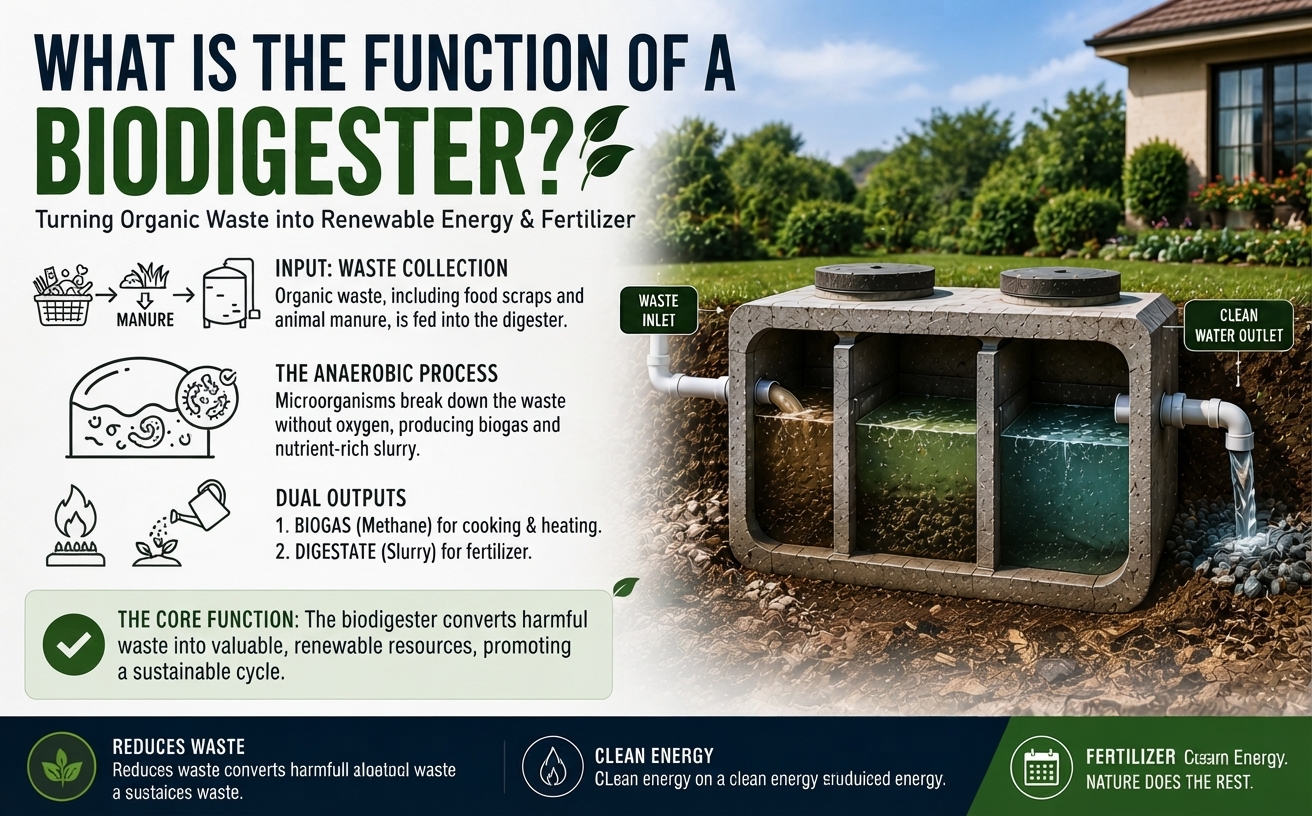
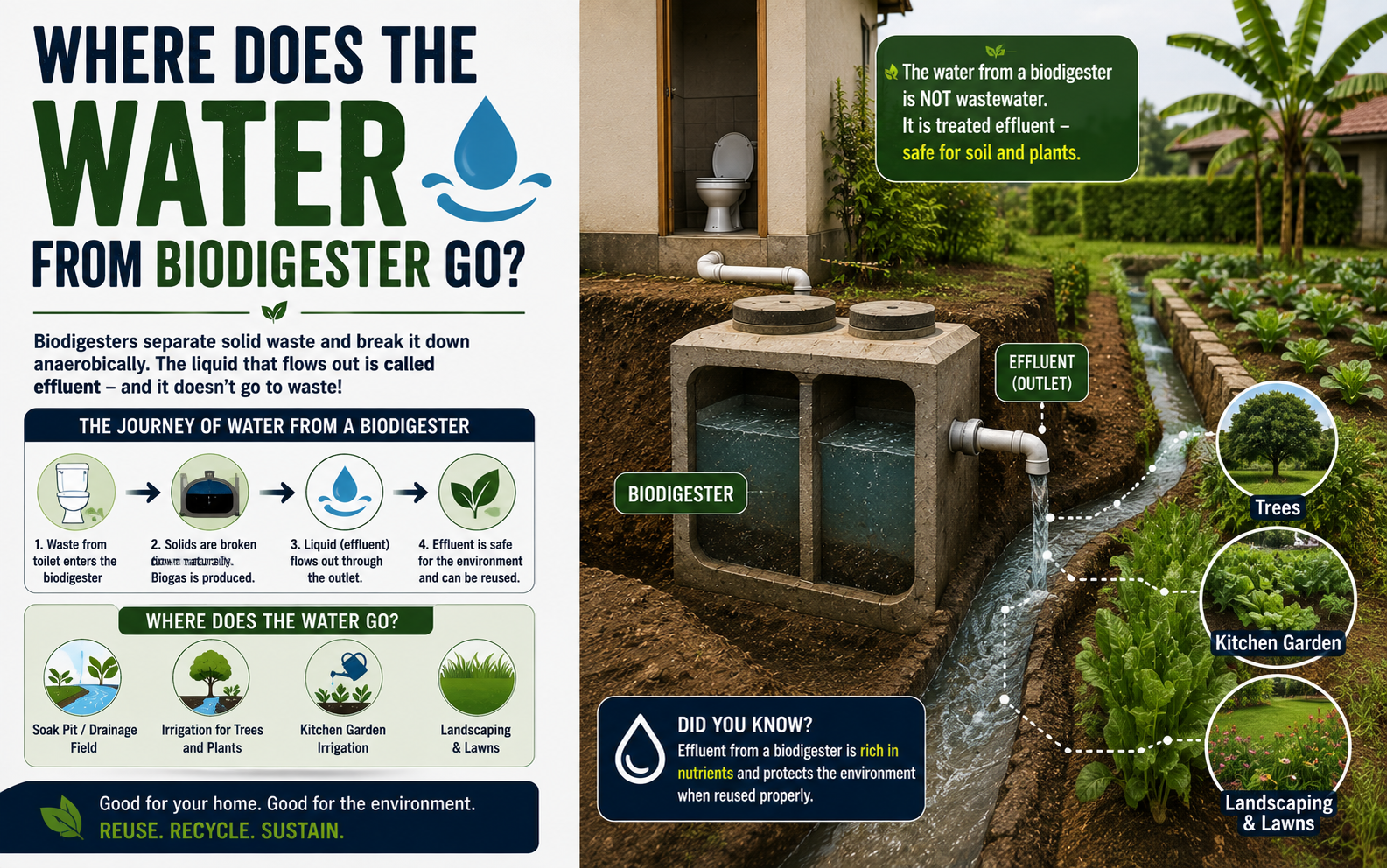
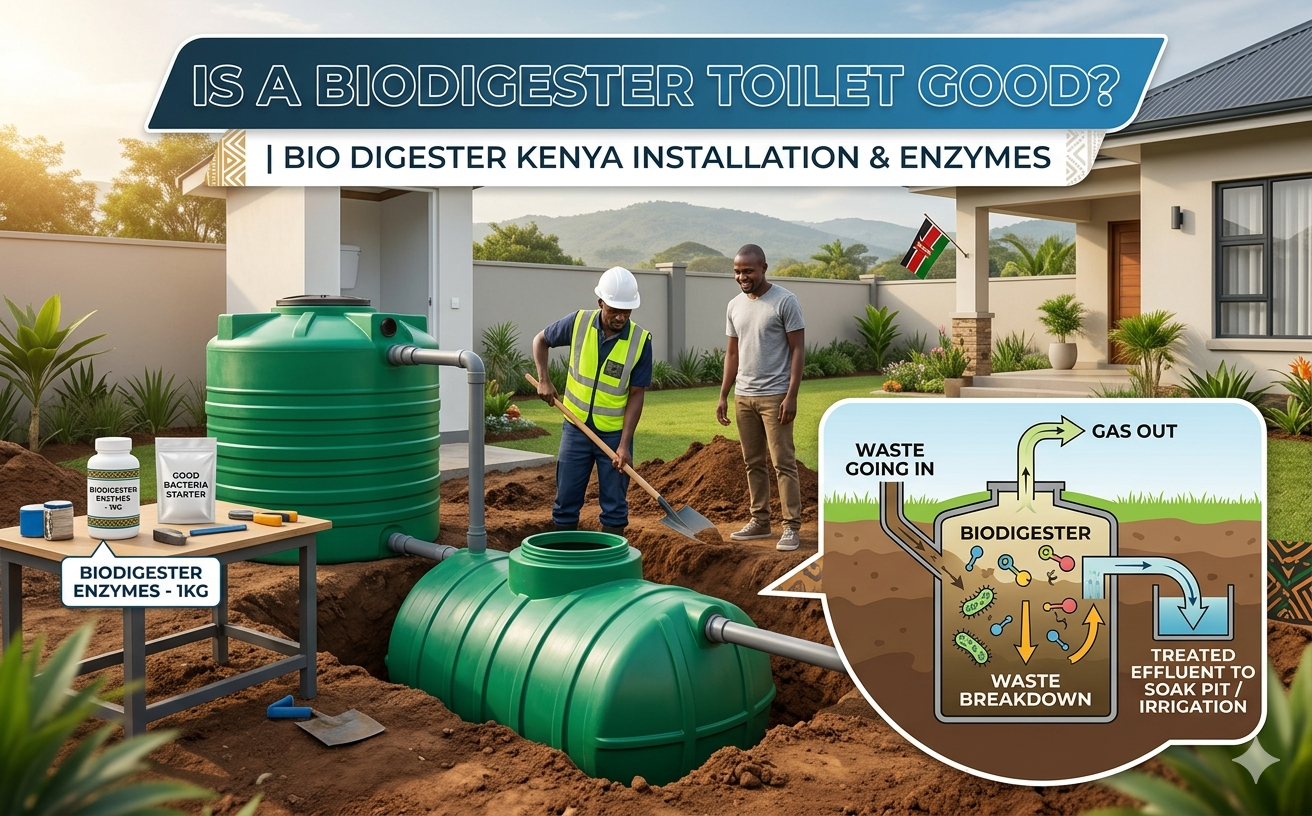
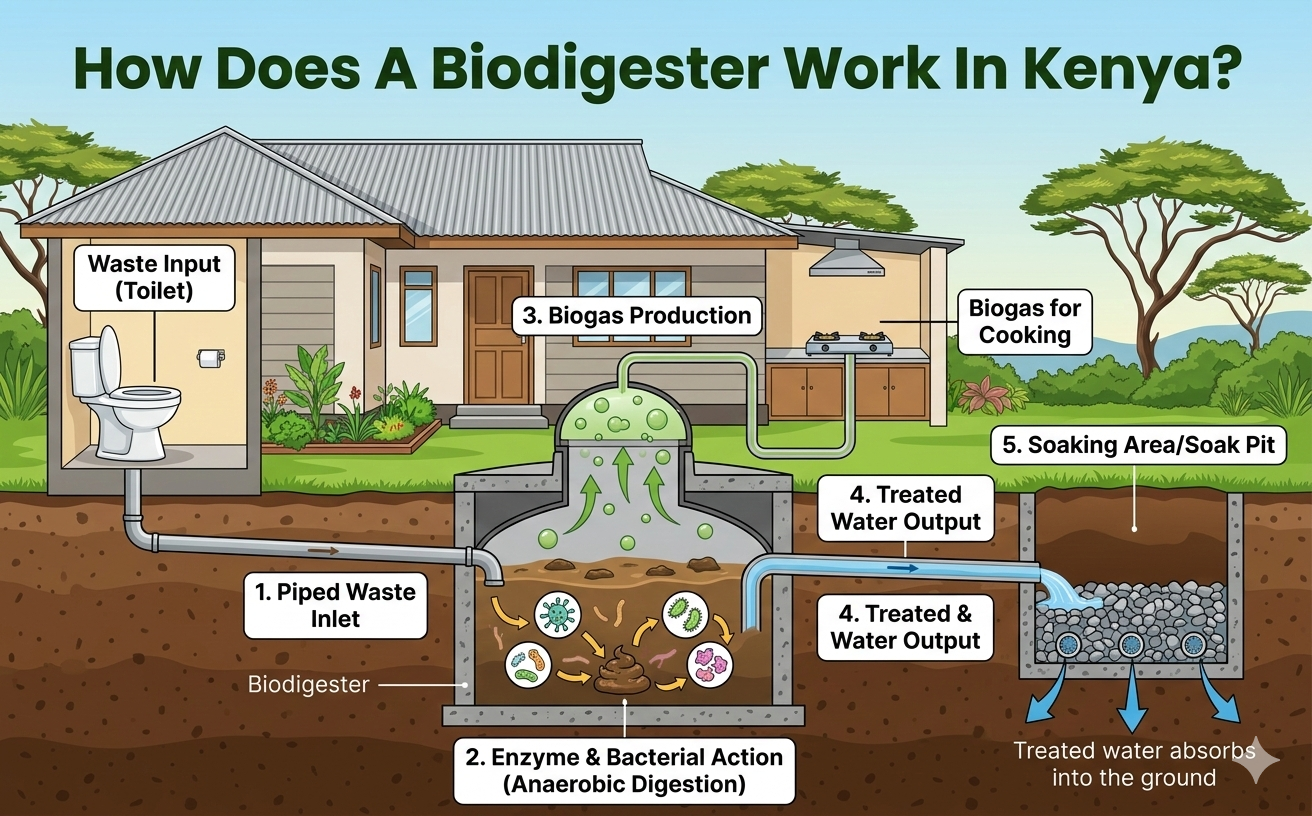
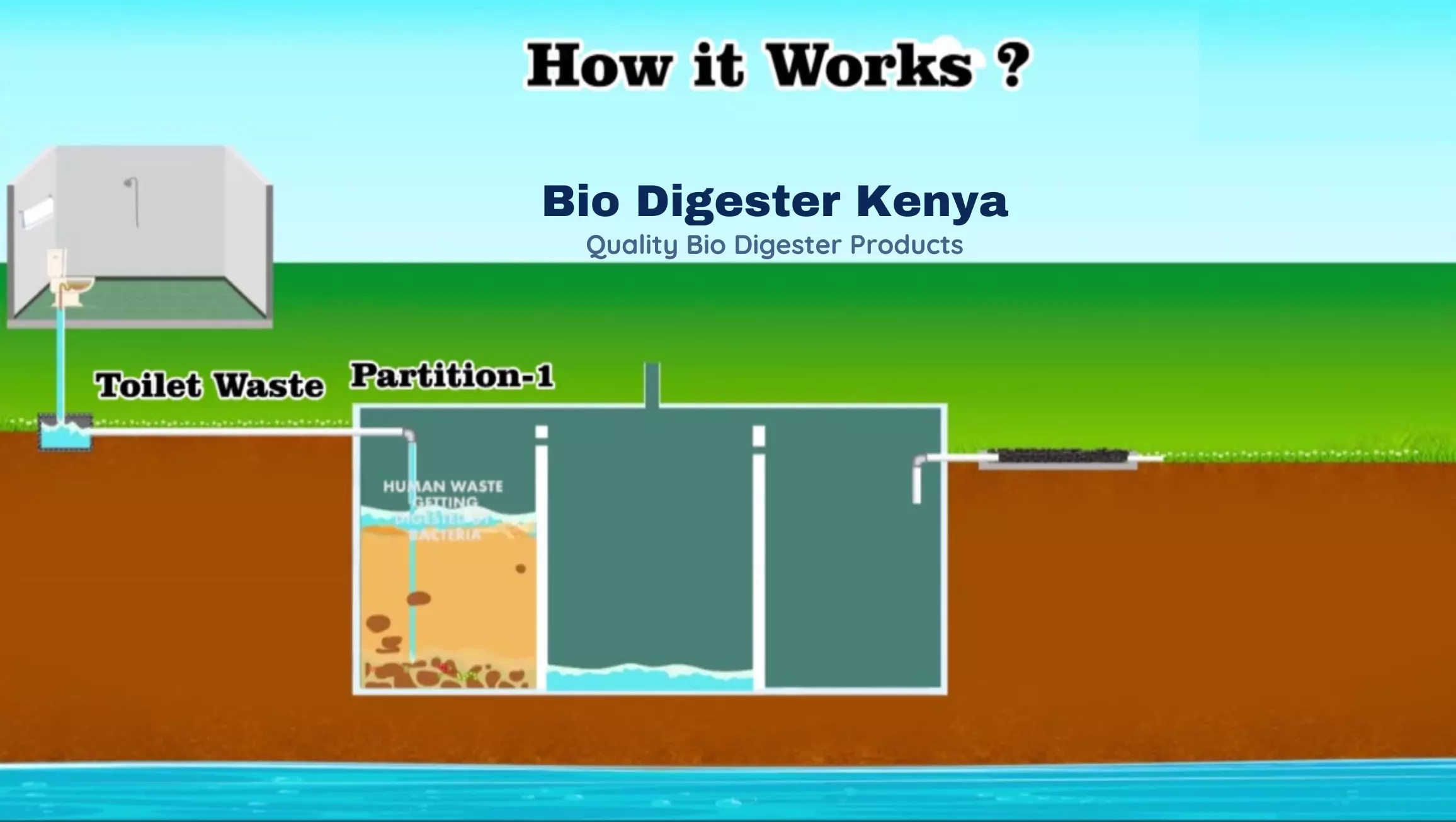
When waste enters the biodigester chamber, these enzymes immediately begin liquefying the solids, preparing the material for the final bacterial breakdown into safe, reusable greywater and natural gases (primarily carbon dioxide and water vapor).
This enzymatic approach is the core reason our biodigesters are permanent, odorless, and never need exhausting—a revolutionary benefit for anyone who has ever had to deal with an overflowing septic tank in the middle of a weekend.
Introducing Specialized Bio Digester Bacteria
Unlike the general-purpose, native microbes found in a standard septic tank, modern biodigester systems often benefit from specifically formulated bacterial enhancers.
We utilize potent microbial formulas to ensure rapid inoculation and sustained performance, even when faced with household shocks like harsh cleaning agents or unexpected grease.
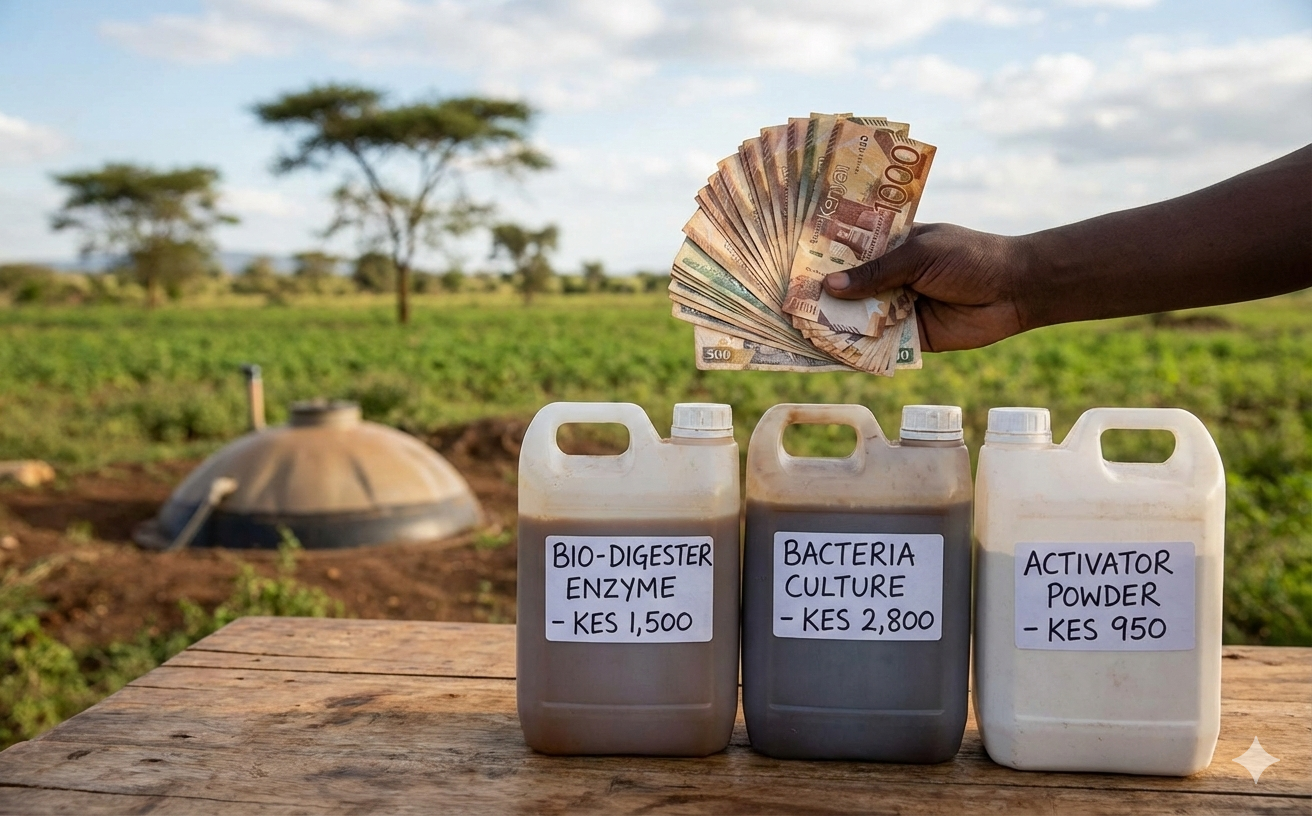
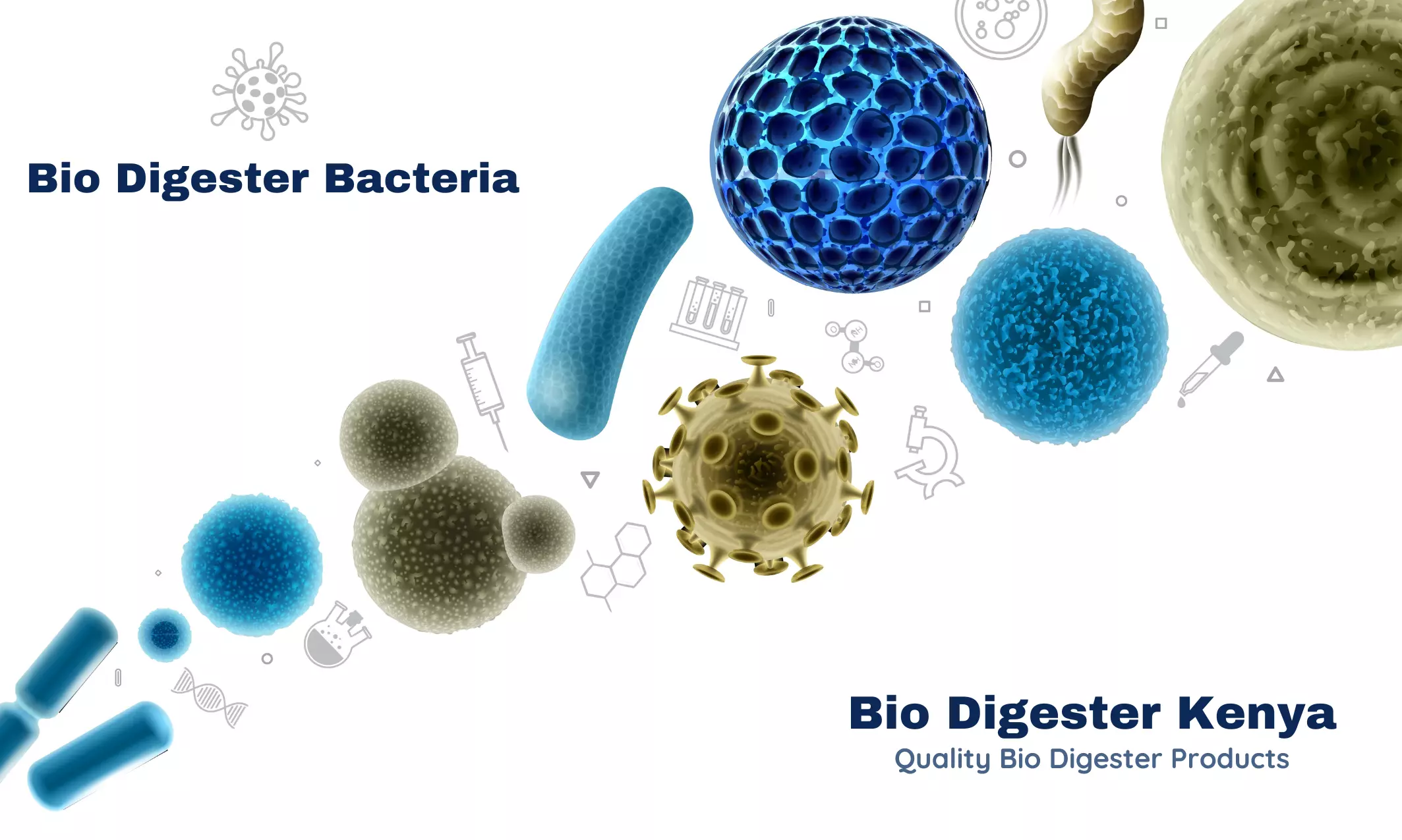
These proprietary formulas, such as the concentrated Bio Digester Bacteria – 400g we supply, maintain a high density of efficient, non-sludge-producing microorganisms, guaranteeing that the system consistently converts waste into clean water.
This targeted biological control is what makes the biodigester a superior “Bio Septic Tank” solution, suitable for high-use commercial properties and densely populated residential estates alike, ensuring environmental compliance and peace of mind.
Biodigester vs Septic Tank: Microbial Differences
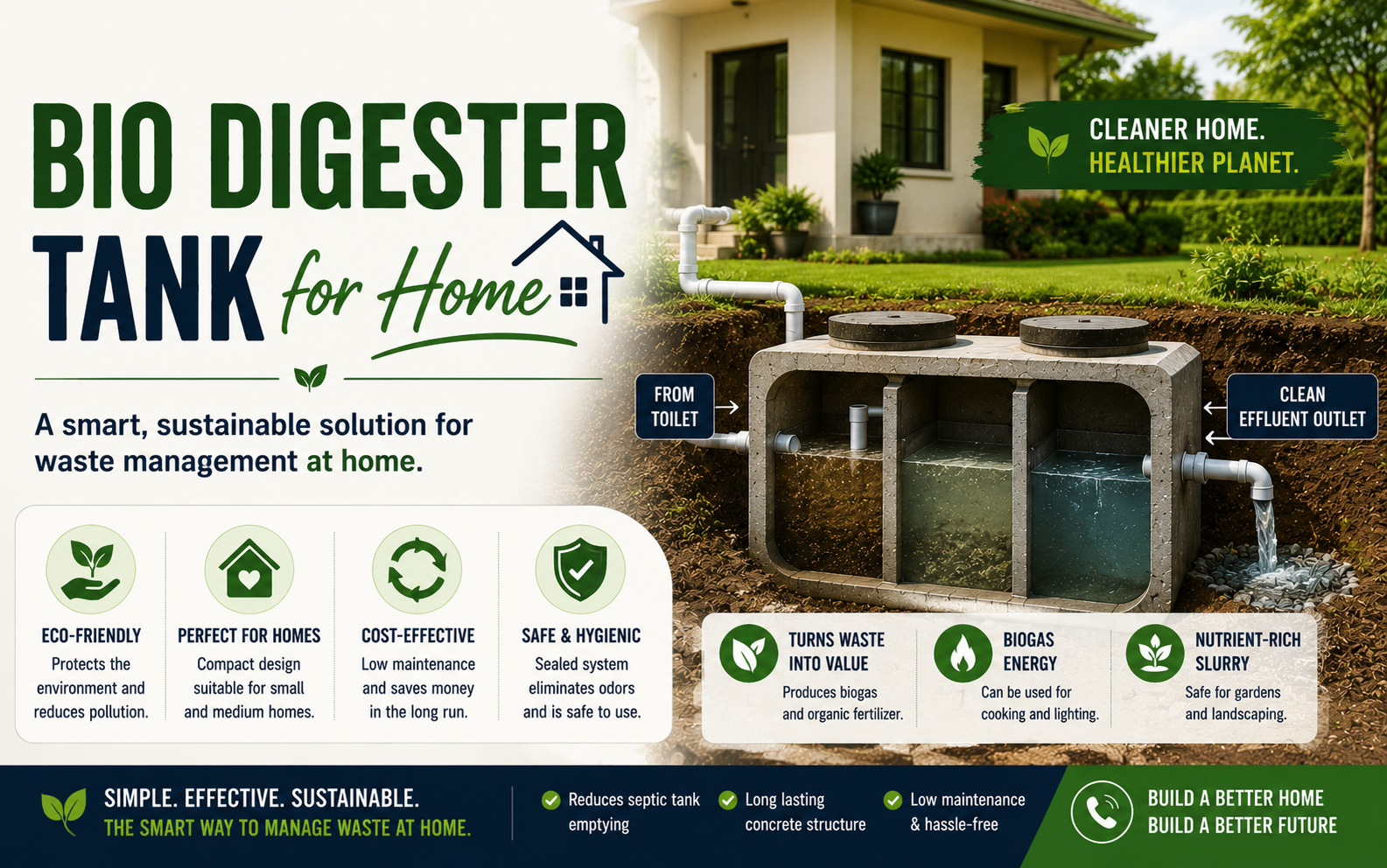
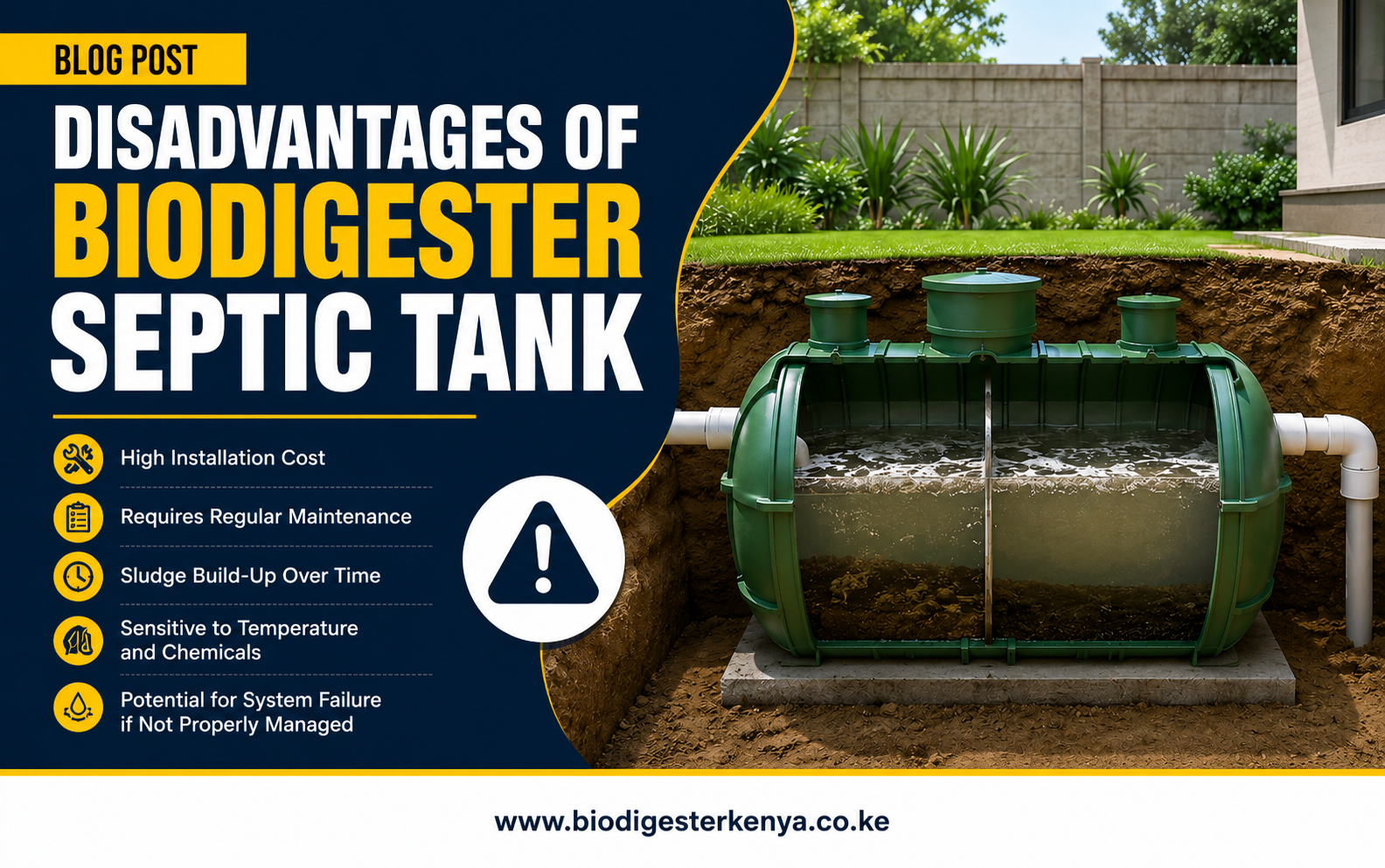
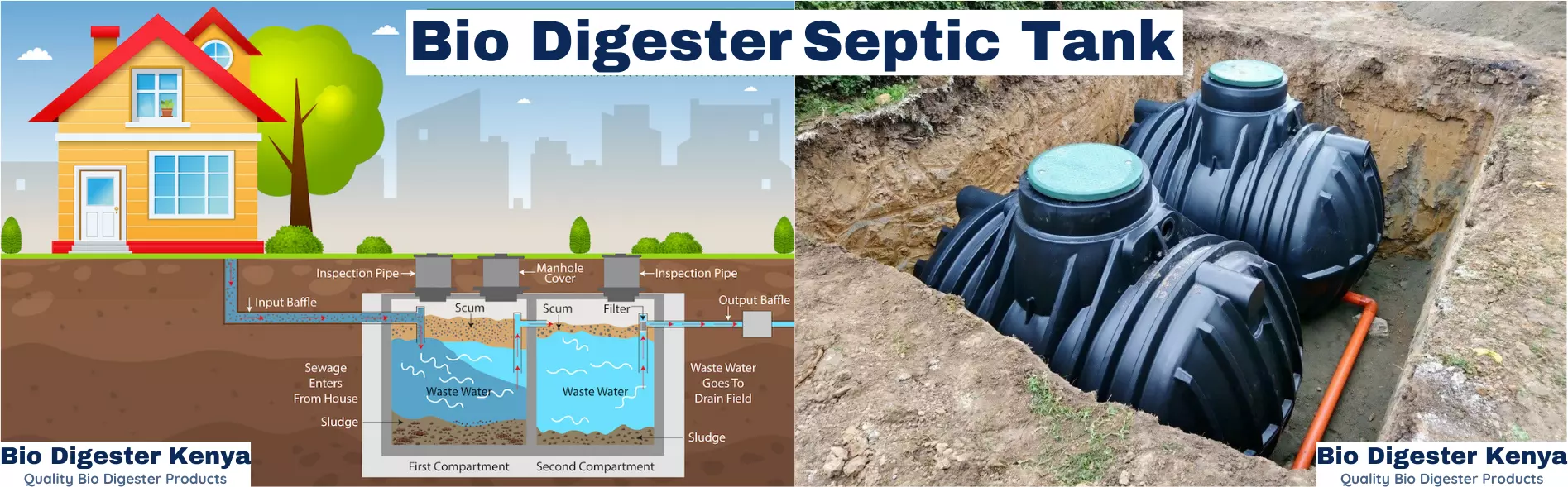
The difference between a Biodigester Septic Tank and a traditional one boils down to efficiency and longevity.
A traditional septic tank relies on passive, slow anaerobic digestion, resulting in 70% liquid effluent and 30% accumulated sludge—a temporary holding measure requiring frequent desludging.
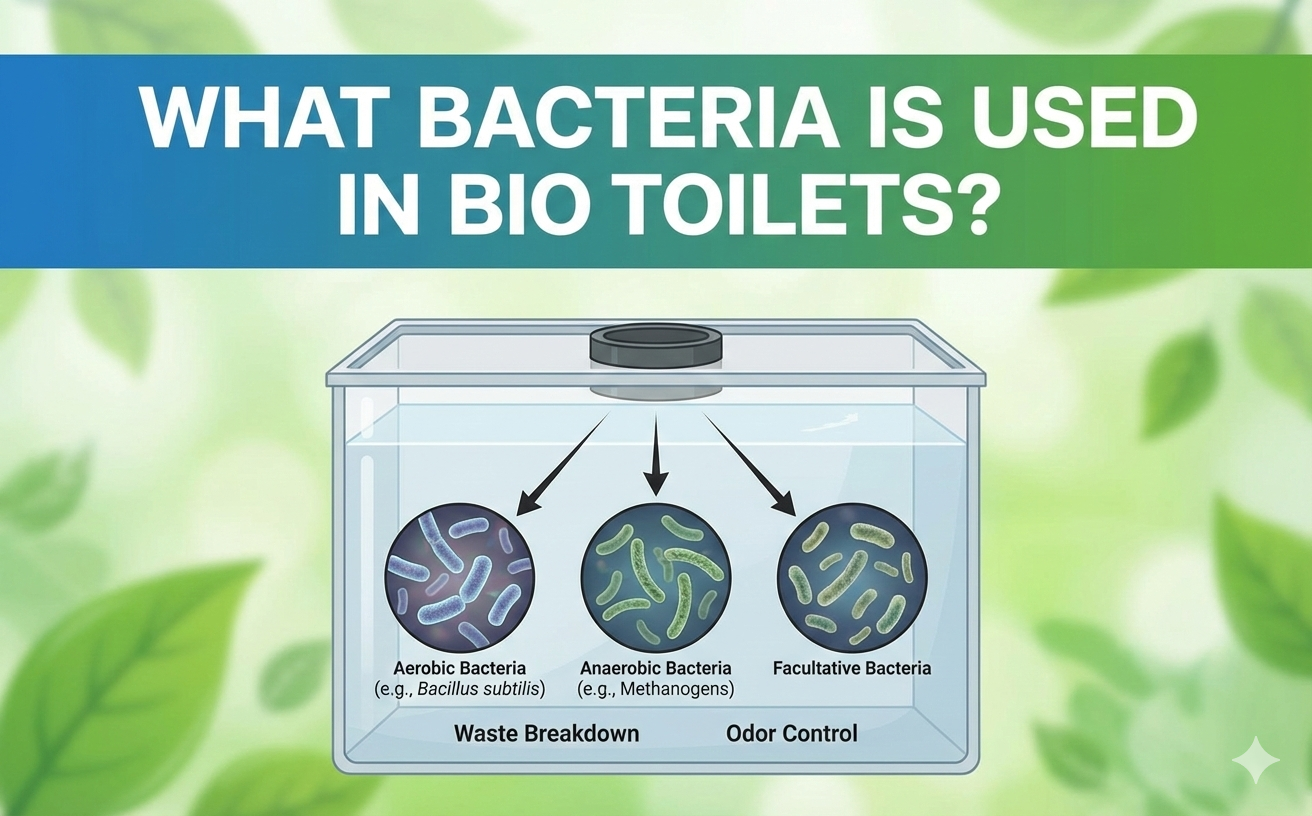
The modern biodigester, however, relies on accelerated enzymatic and aerobic/facultative digestion, breaking down solids into 99% liquid effluent (safe greywater) and inert gas.
This means that instead of accumulating solids, the output is pure water that is harmlessly absorbed into the soak pit, minimizing footprint and maximizing environmental safety.
This efficiency is particularly critical in urban Kenyan areas like Embakasi or Thika, where small plots and high-density housing make the old-fashioned, space-consuming septic system unviable and environmentally risky.
Why Sludge Elimination is Crucial for Kenyan Sanitation
Sludge elimination isn’t just about saving money on exhaust services; it’s a vital public health and environmental issue in Kenya.
Traditional septic tanks leak, overflow, and often contaminate shallow boreholes and local streams, creating breeding grounds for disease.
A true Bio Septic Tank ensures that the waste is fully treated *in situ* before discharge.
The clean water output prevents groundwater contamination and removes the logistical headache of locating the expensive and disruptive exhauster truck.
For property developers managing several units, this reliability translates directly into lower operating costs, fewer tenant complaints about odors, and adherence to increasingly strict NEMA guidelines regarding wastewater management.
Designing an Efficient Biodigester Septic Tank for Kenyan Homes & Businesses
Designing a high-performing Bio Digester Septic Tank requires careful consideration of local conditions—factors like soil type (especially challenging black cotton soil), daily water usage, and the number of users are crucial.
At Bio Digester Kenya, we don’t just install a standard tank; we conduct a thorough site assessment to determine the appropriate sizing and drainage requirements.
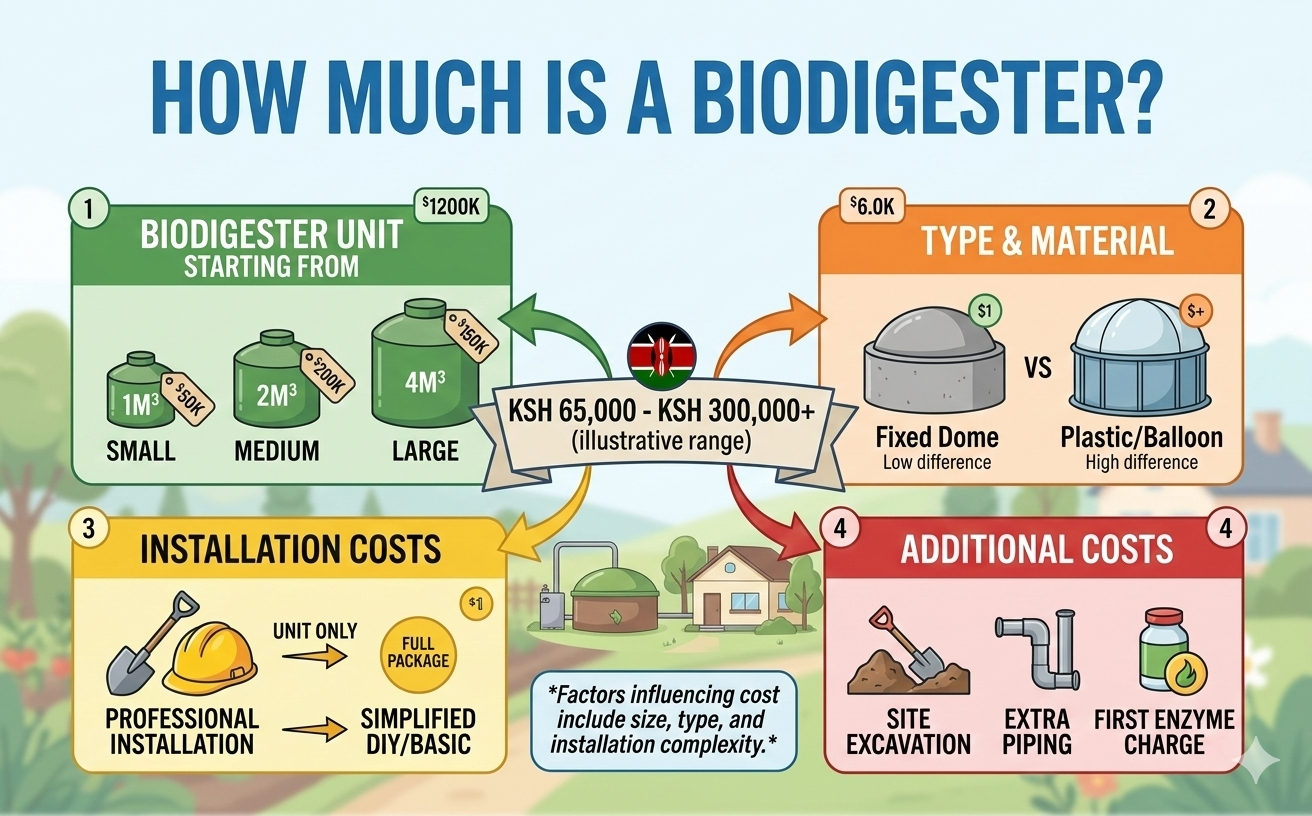
For instance, a small family home might require a 1M³ Bio Digester, while a larger residential block or busy restaurant in Nairobi CBD would need a custom-engineered solution, possibly incorporating several units like the 3M³ Bio Digester to handle higher flow rates.
This bespoke approach ensures the biodigester system is perfectly calibrated for maximum enzymatic activity and minimal maintenance, offering a truly permanent solution where traditional systems always fail.
The Installation Process by Bio Digester Kenya Experts
Proper installation is paramount to the system’s success.
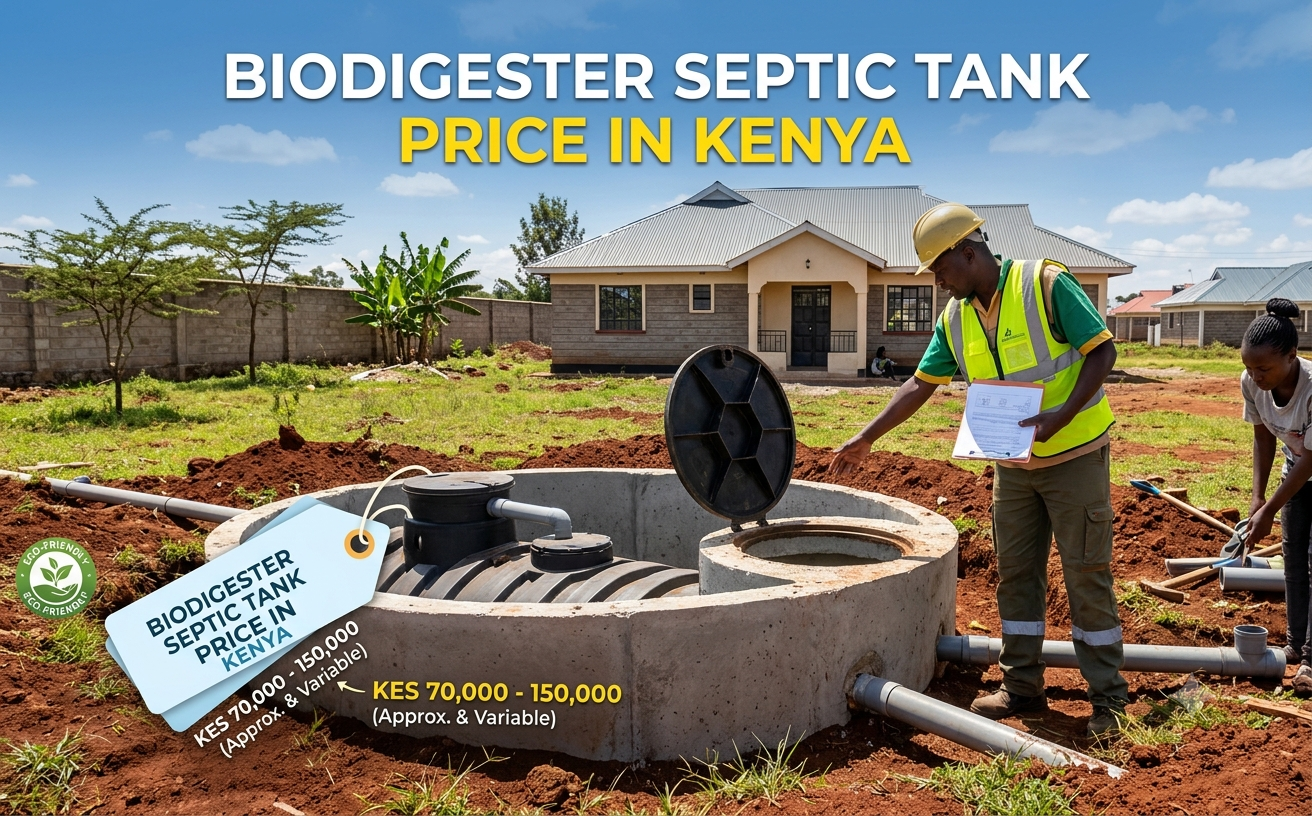
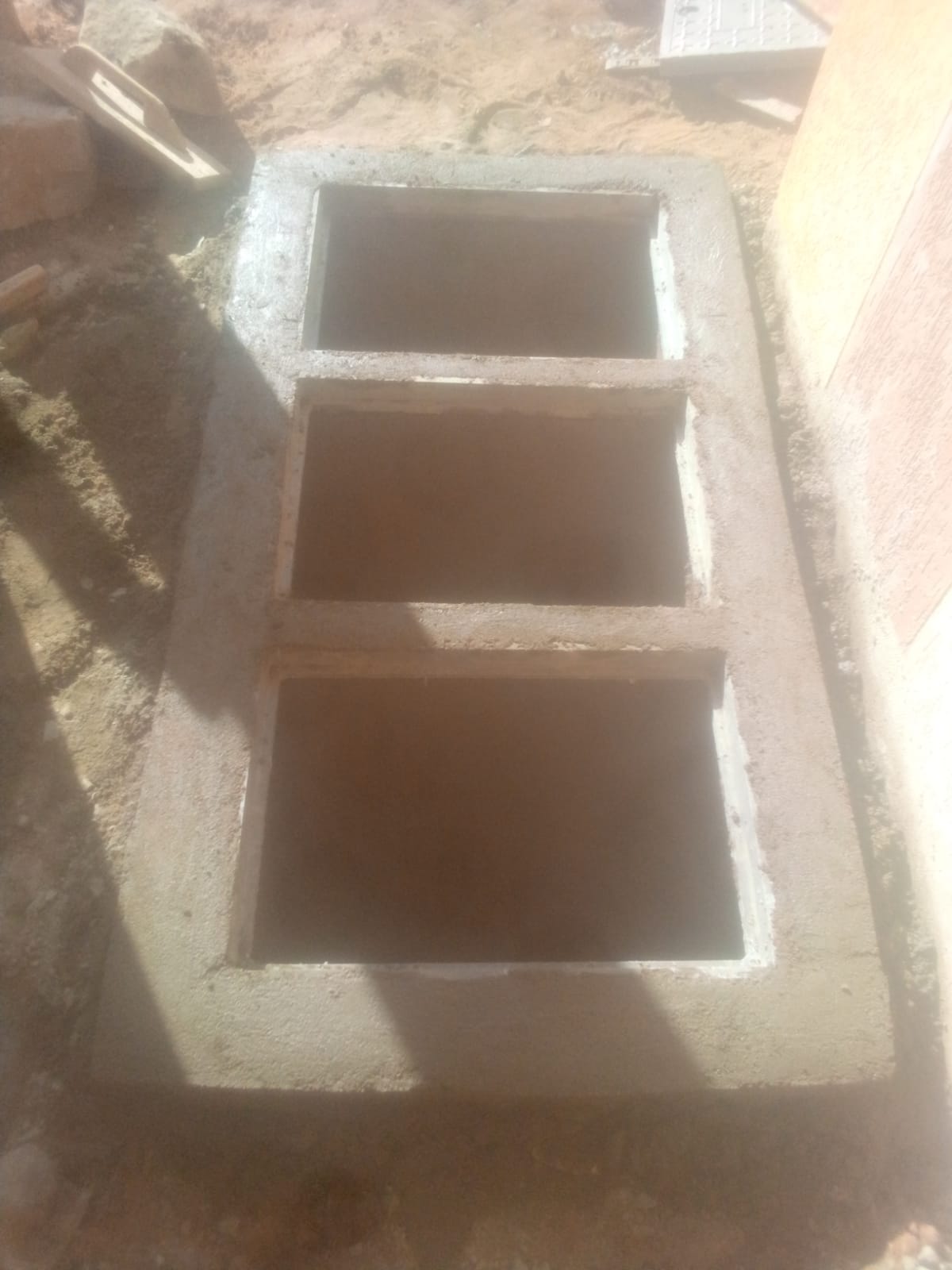
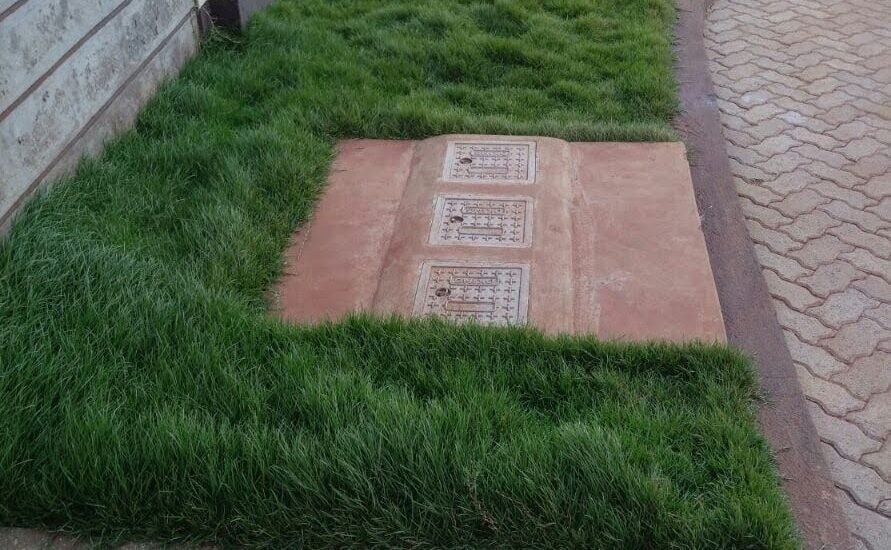
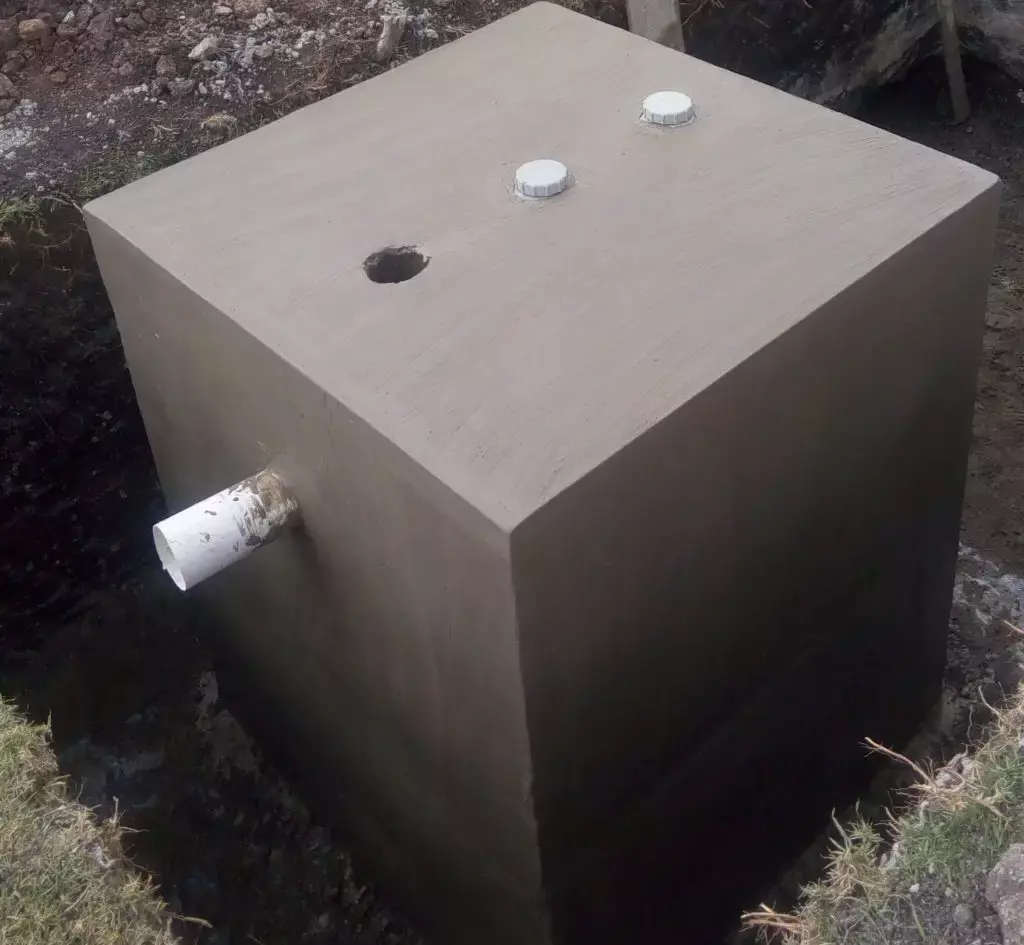
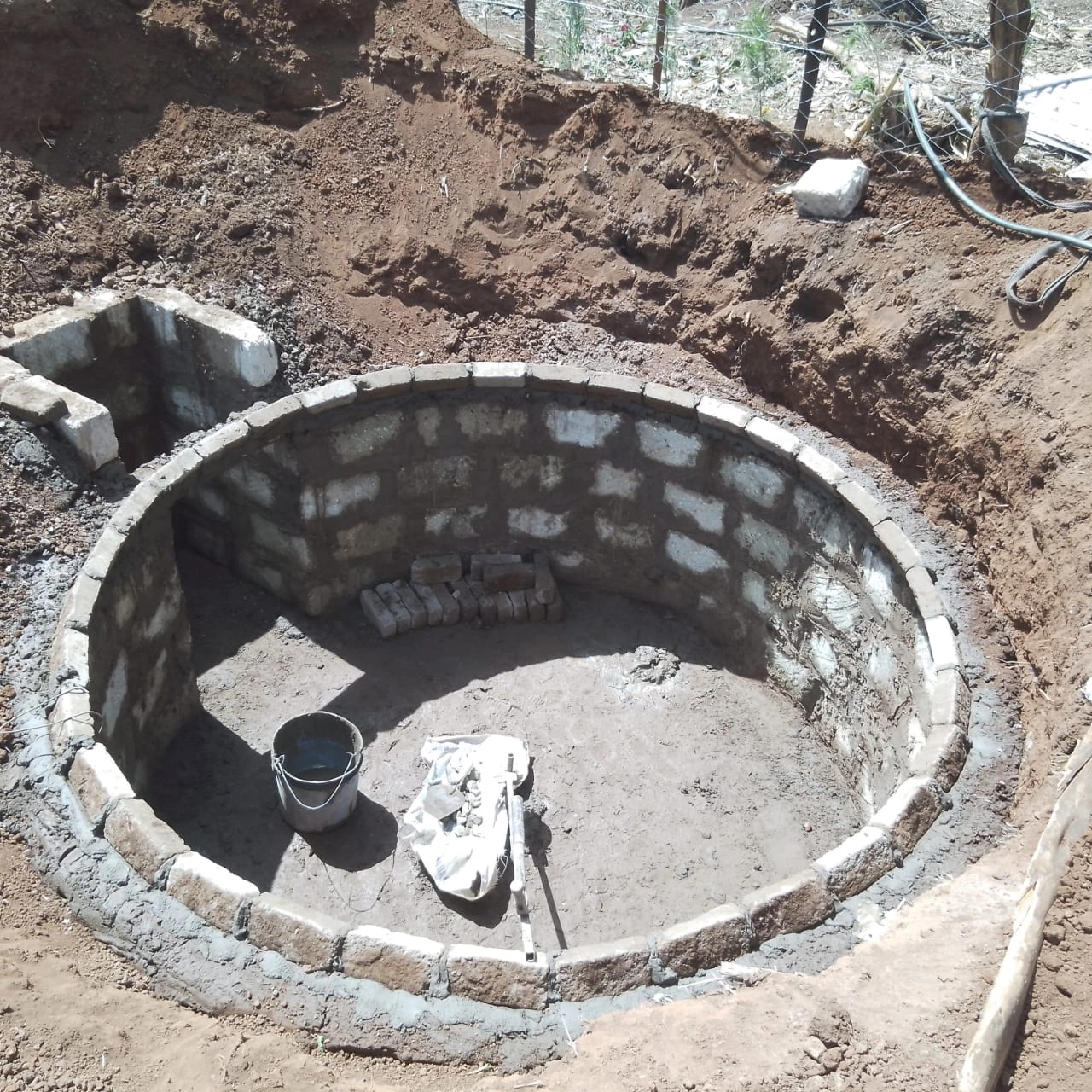
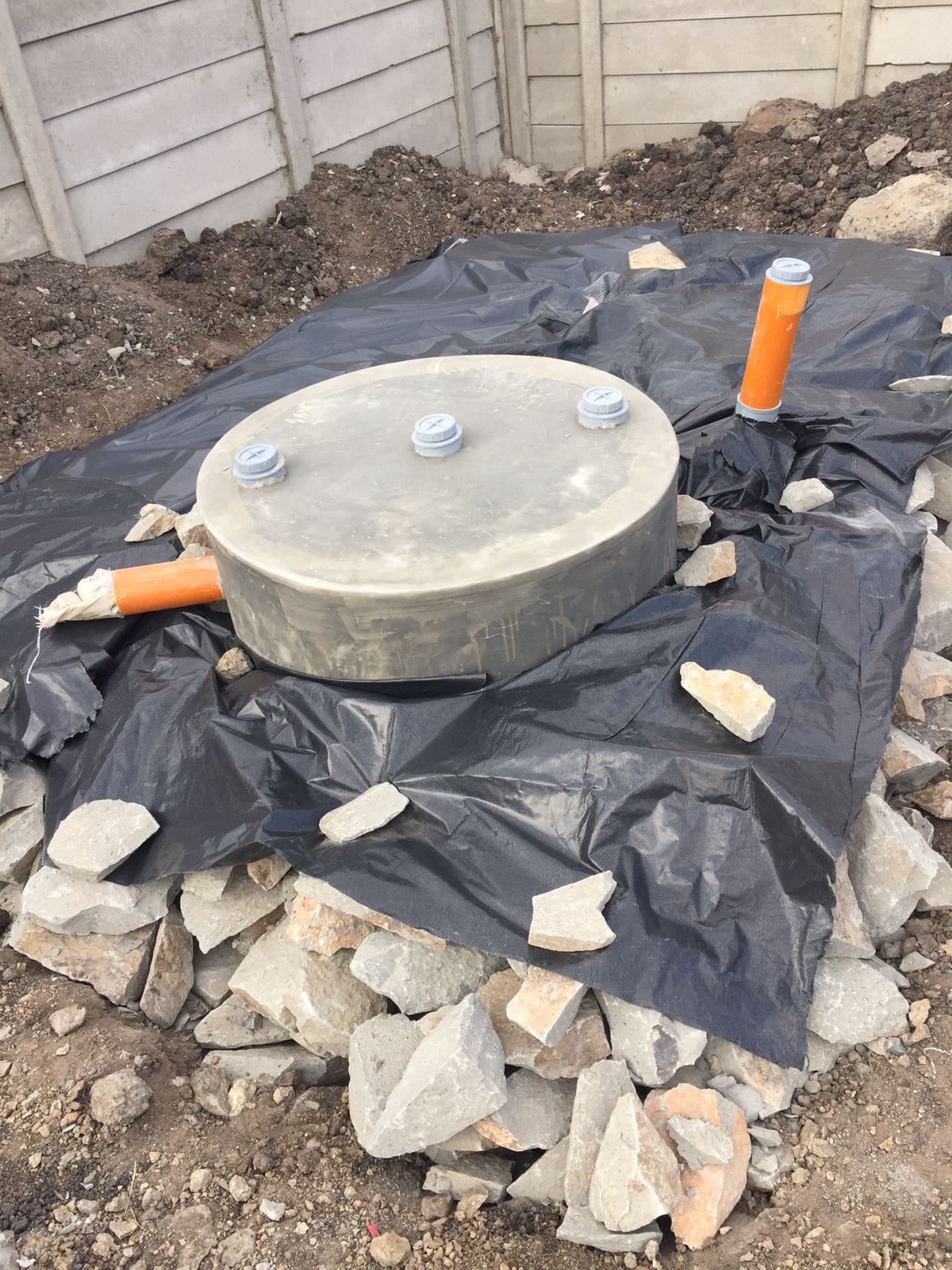
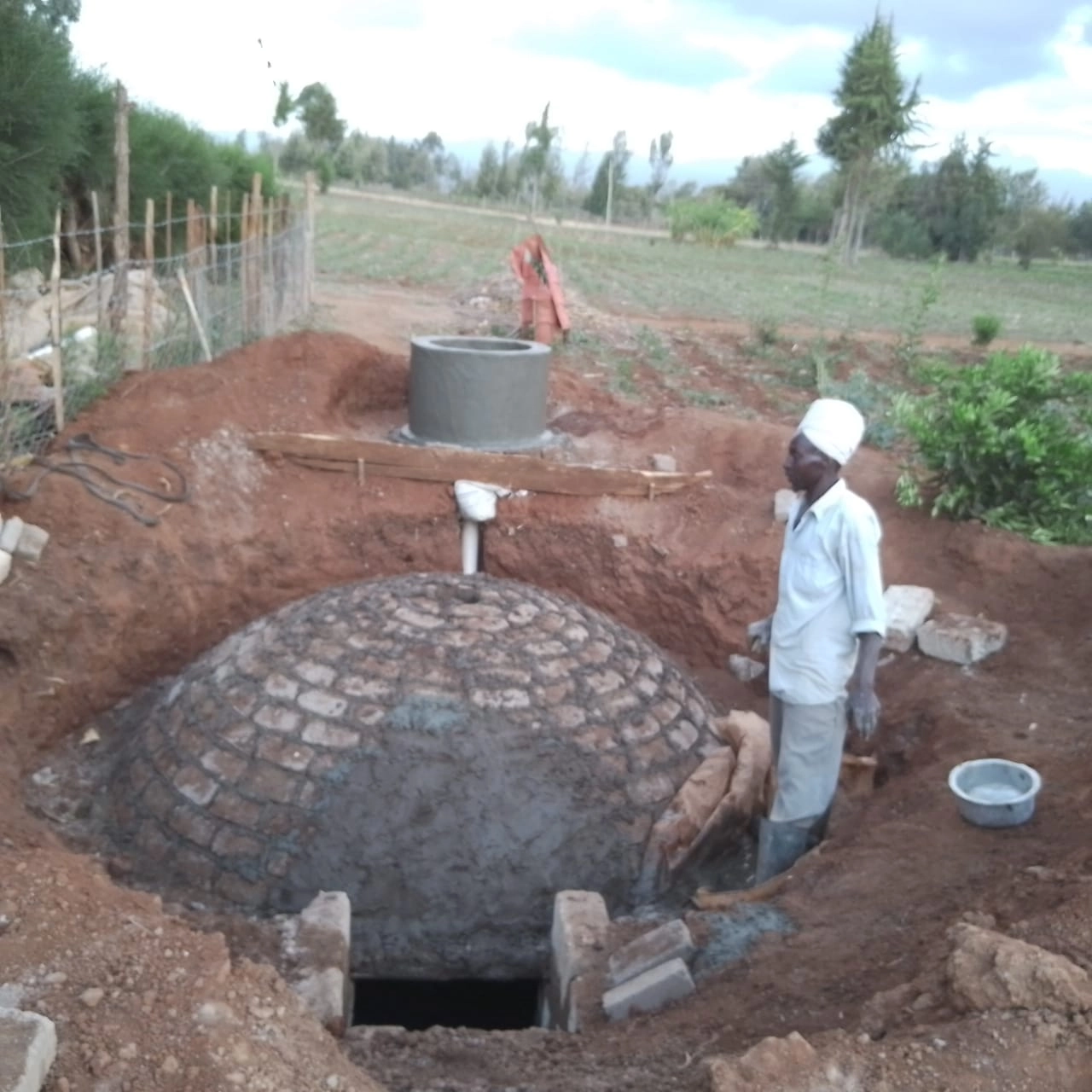
Unlike a simple concrete box, a biodigester requires precise pipework, chamber sealing, and correctly designed drainage—particularly the soak pit, which must safely disperse the clean effluent water into the ground without backing up.
We specialize in providing comprehensive Service:Bio Digester Installation, guaranteeing that the structure is durable, fully sealed, and compliant with all local building codes.
Our expert teams are familiar with the specific geological challenges found across Kenya, from rocky grounds to expansive clay, ensuring that your investment is secure and functional from day one.
If you are a developer looking for certified, reliable sanitation solutions that will stand the test of time, look no further.
Maintenance Tips to Keep Your Bacteria Healthy
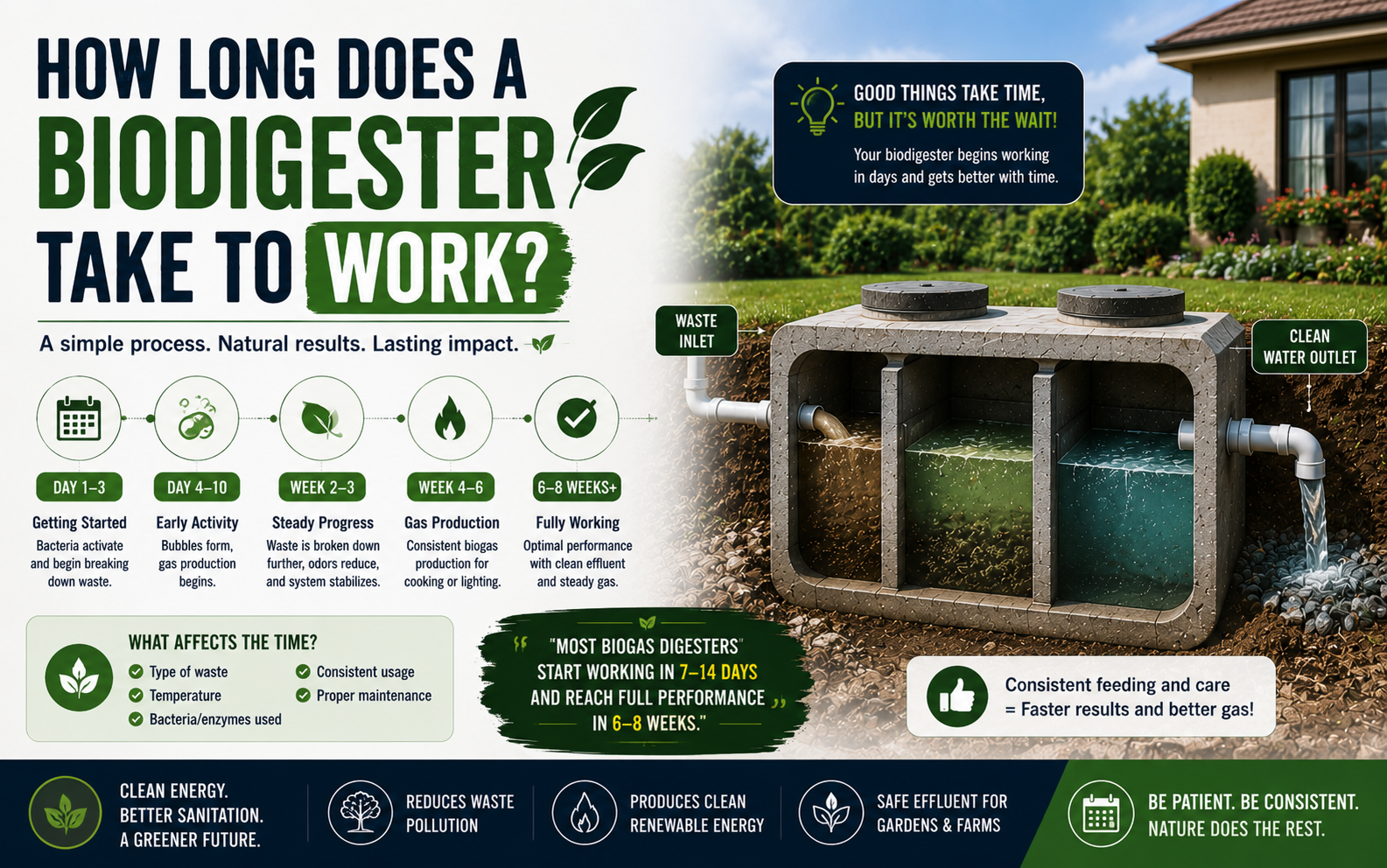
While a modern biodigester requires far less intervention than a traditional system, it still relies on a healthy population of microbes to maintain its performance.
The good news is that maintenance is simple and affordable.
The most common killers of beneficial bacteria are harsh chemicals: excessive use of bleach, strong drain cleaners, or large quantities of antibiotics flushed down the toilet can dramatically reduce the microbial population.
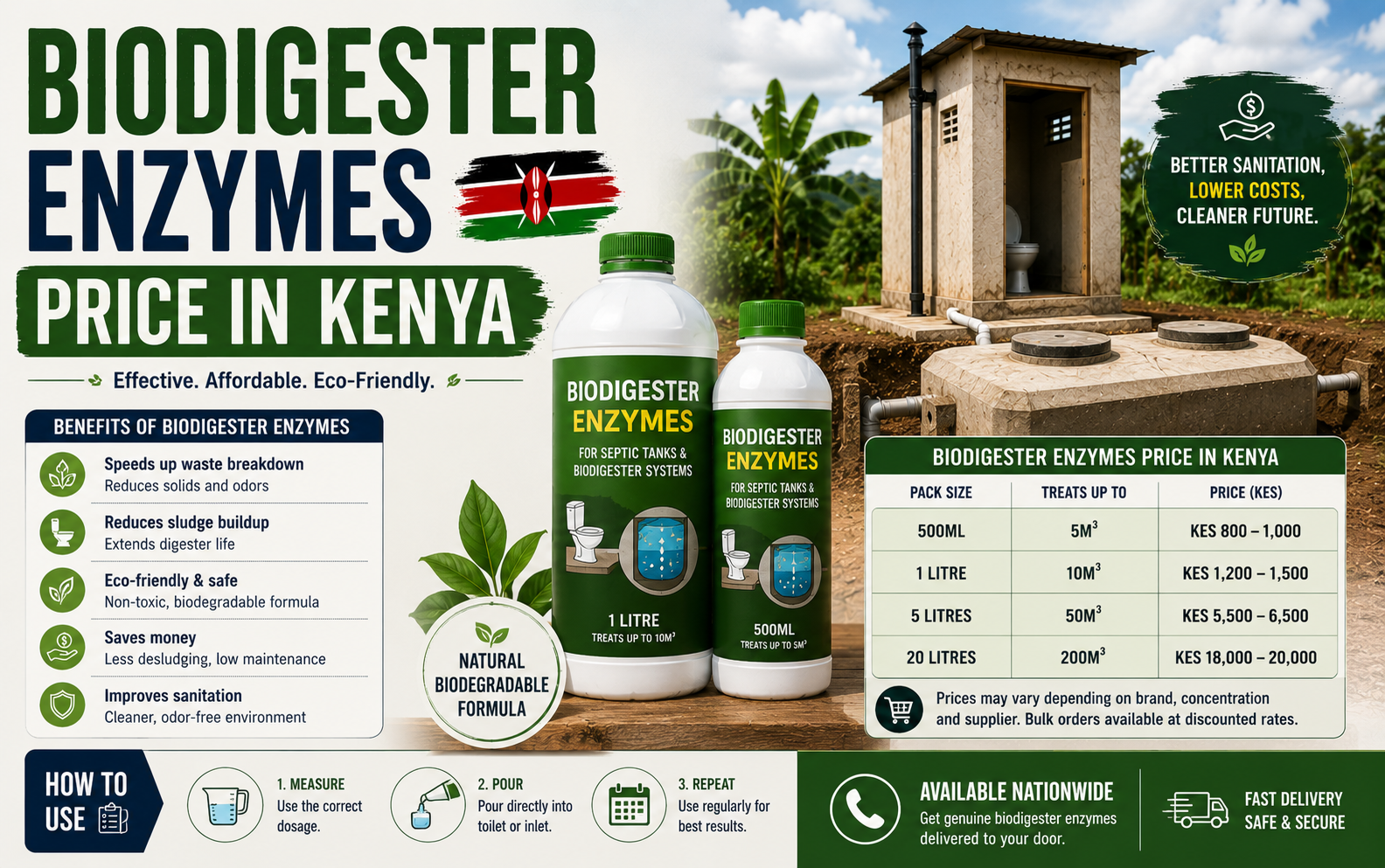
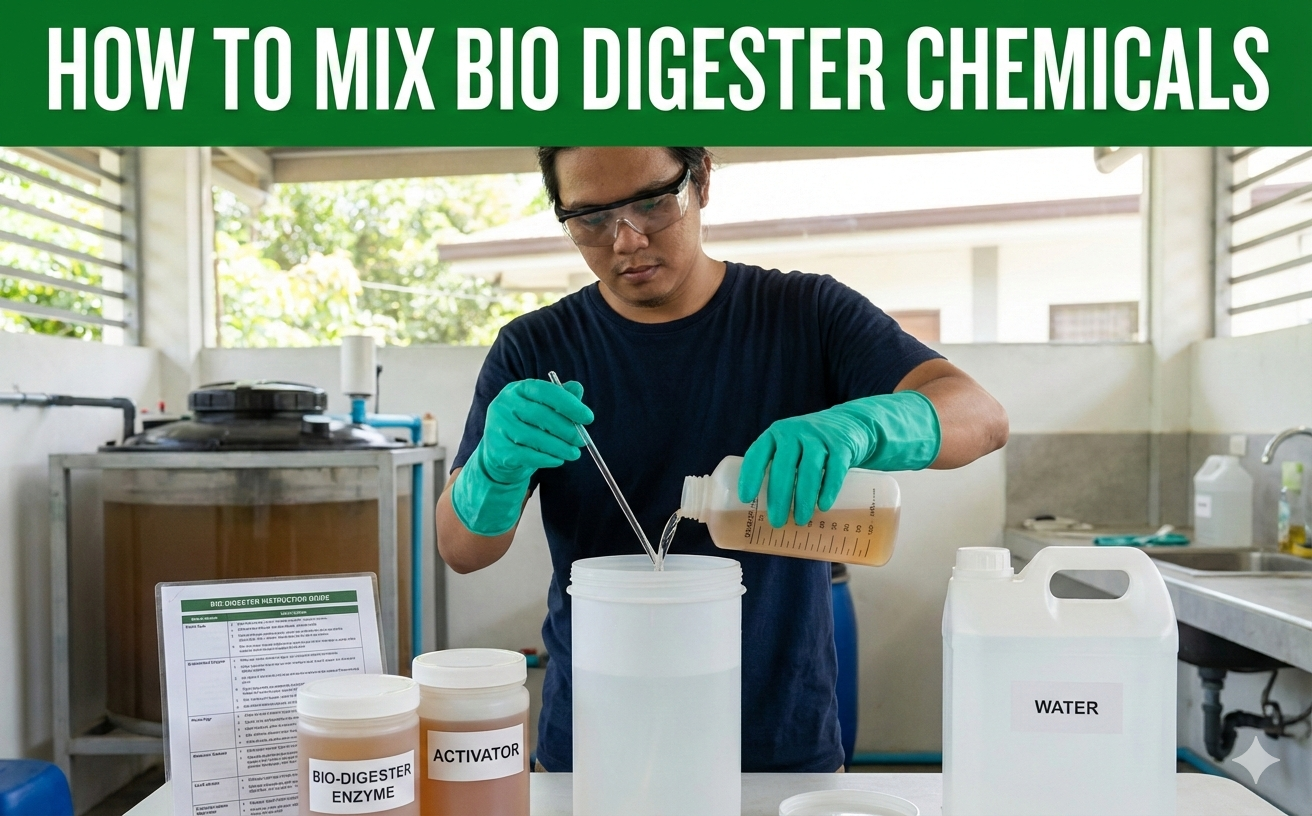
We advise homeowners to use bio-friendly cleaning products and periodically replenish the system with specialized enzymes to guarantee peak performance, particularly if you have had a heavy use period or noticed minor odors.
We provide comprehensive Septic Tank Maintenance advice and products tailored to the Kenyan consumer.
Understanding the Role of Enzymes in Maintenance
The occasional application of specialized biodigester enzymes acts as a preventative health boost for the system.
It helps to break down stubborn materials like cooking oil and hair that might otherwise coat the microbial colonies, reducing their efficiency.
For busy households or commercial kitchens, which often struggle with grease, integrating a dedicated product like the Grease Trap & Kitchen Drain Bacteria – 250g is essential.
By taking these simple, proactive steps—which cost a fraction of one desludging trip—you ensure your biodigester remains a permanent, zero-maintenance asset, continuing to provide clean, odorless waste treatment for decades.
Environmental & Cost Benefits of a Bio Septic Tank
The immediate savings offered by a modern Bio Digester system over a conventional septic tank are dramatic and quantifiable.
Consider the typical Kenyan homeowner paying Ksh 8,000–Ksh 15,000 every two years for desludging; over 20 years, that’s hundreds of thousands of shillings wasted, not factoring in the opportunity cost of ruining your garden or driveway to allow the exhauster access.
A modern biodigester eliminates this recurring expense entirely.
More importantly, the environmental benefits are profound: by ensuring that only clean, safe water is released into the ground, you are protecting the natural ecosystem around your property and adhering to the highest standards of sanitation required by NEMA.
This proactive environmental stewardship adds measurable value to your property, making it a highly attractive feature for future buyers who prioritize clean living.
Investing in Permanent Infrastructure vs.
Temporary Fixes
When you choose a traditional septic tank, you are choosing a temporary holding tank designed to fail when full; it’s infrastructure built on perpetual maintenance debt.
When you choose a modern biodigester from Bio Digester Kenya, you are investing in permanent biological infrastructure.
This system works continuously, transforming waste into benign outputs and requiring minimal biological top-ups.
Whether you are building rental apartments and need low maintenance costs, or a family home where hygiene is paramount, the biodigester provides superior hygiene, eliminates odors, and protects against the severe financial and environmental penalties associated with septic system failure.
Ready to end the desludging cycle and invest in true permanence?
You can view our successful projects in our Bio Digester Gallery.
Choosing the Right Bio Digester Solution for Your Property
Deciding on the correct size and type of biodigester should never be guesswork.
This is where partnering with a local, experienced expert like Bio Digester Kenya becomes invaluable.
We have years of experience navigating the specific regulatory environments and geological challenges across all major Kenyan urban and rural areas.
Whether your site is plagued by rocky ground or requires a complex installation due to slope or proximity to a water source, our team has the technical expertise to deliver a fully customized, guaranteed solution.
Don’t settle for off-the-shelf systems that might fail under Kenyan specific usage patterns; insist on a system designed for high performance and longevity.
We offer robust, customizable solutions and expert Services to meet every need.
The Bio Digester Kenya Advantage: Local Expertise and Reliability
We pride ourselves on offering more than just a product; we offer a complete, reliable sanitation solution designed for Kenya.
From the initial site assessment to the final handover, our focus is on transparency, quality craftsmanship, and long-term support, including the availability of replacement Shop enzymes and troubleshooting services.
If you are tired of the odors, the space constraints, and the crippling costs associated with conventional waste management, the time to switch is now. Call +254 712 660 245 today to speak to an expert about arranging a free site assessment and discovering how affordably you can secure a permanent, environmentally friendly waste solution for your property.
Conclusion
The microbial world within your waste system dictates whether you own a sanitation asset or a liability.
While traditional septic tanks rely on slow, sludge-producing anaerobic bacteria, modern biodigesters leverage accelerated enzymes to break down waste entirely into safe water and air.
This core difference transforms the Biodigester from a temporary holding tank into a permanent, cost-saving, and highly sanitary solution—an essential choice for responsible development in Kenya.
By choosing Bio Digester Kenya, you are partnering with certified local experts who understand the unique challenges of the Kenyan market and who provide guaranteed installation and the necessary Contact us support (including enzyme refills) to ensure your system never fails.
Take the step towards zero desludging, zero odor, and maximum environmental compliance today by contacting us via Email info@biodigesterkenya.co.ke.
Frequently Asked Questions (FAQs)
- Are biodigesters legal and approved by NEMA in Kenya?
Yes, modern biodigesters are fully compliant with NEMA regulations as they treat wastewater efficiently on-site, discharging only safe water that protects the environment.They are generally viewed as a superior alternative to traditional soak pits and septic systems.
- How much does a biodigester cost compared to a traditional septic tank?
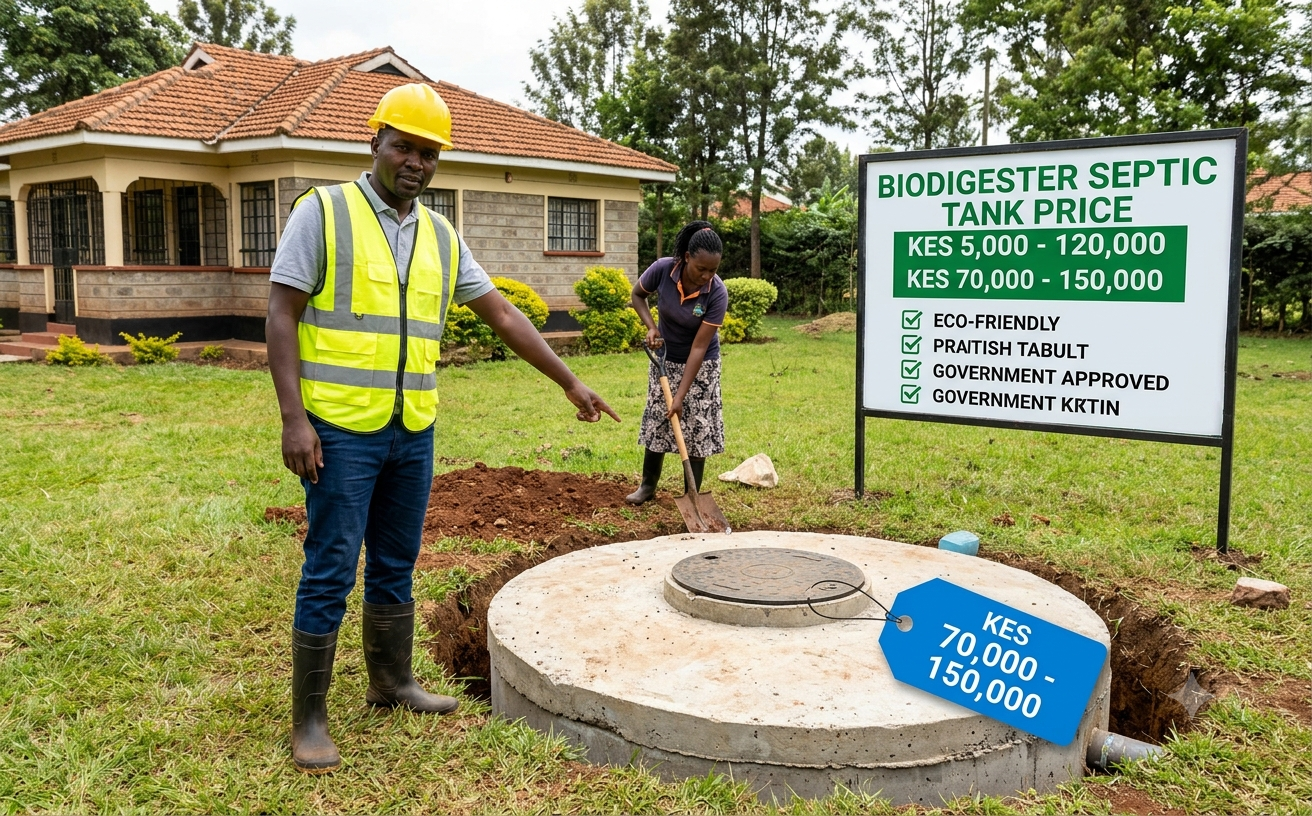
While the upfront installation cost might be slightly higher or comparable to a concrete septic tank, the long-term cost of a biodigester is significantly lower due to the complete elimination of recurring desludging fees.You save thousands of shillings annually on maintenance.
- Do I need to add enzymes regularly, and where can I buy them?
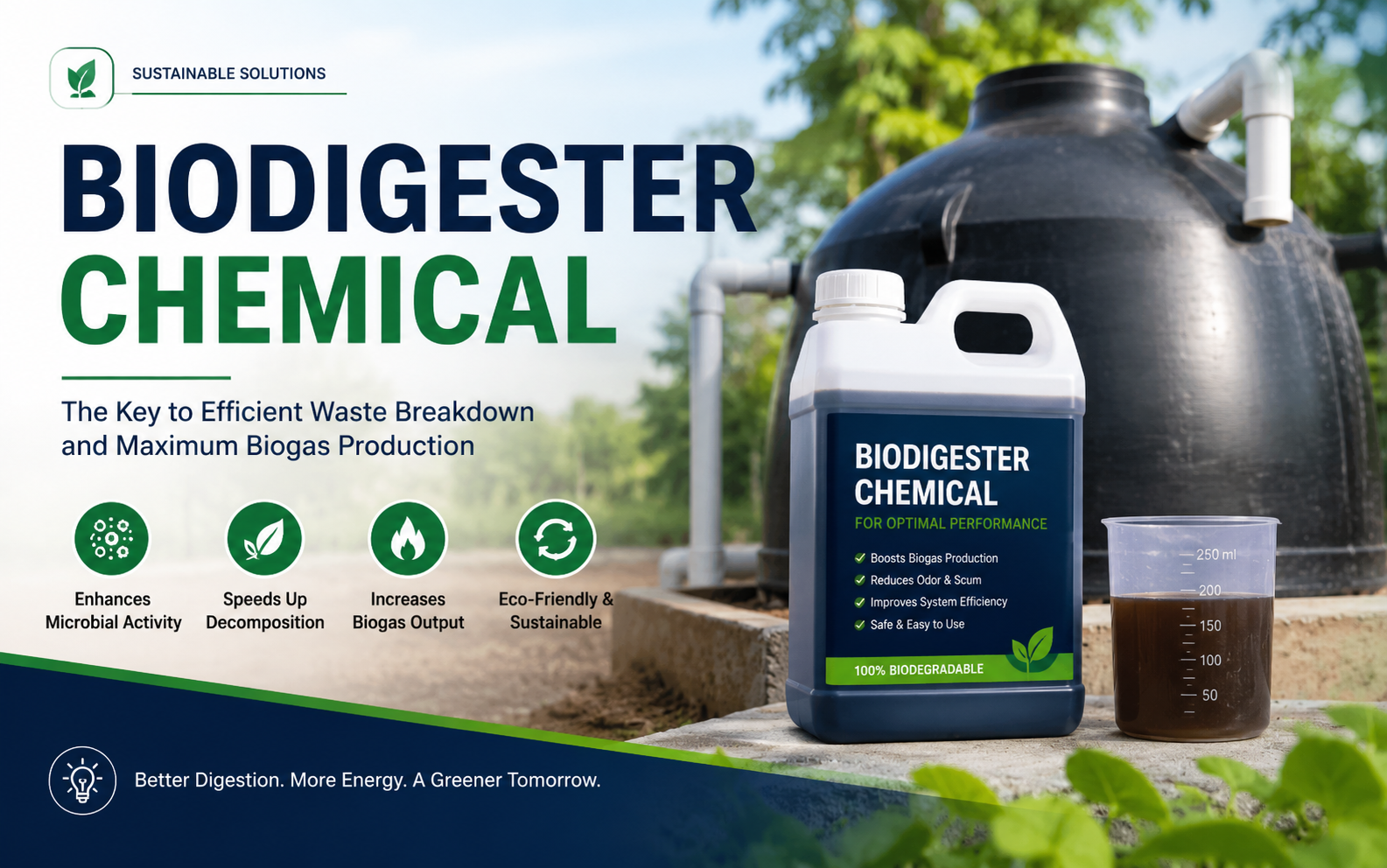
Yes, periodic enzyme addition is recommended to maintain optimal biological performance, especially after using harsh chemicals; you can purchase Bio Digester Bacteria directly from specialized suppliers like Bio Digester Kenya. - Can a biodigester be installed in black cotton or clay soil environments common in Kenya?
Yes, modern biodigesters are designed to work in challenging soil conditions; the key is proper installation and engineering of the soak pit to handle the clean effluent water effectively, preventing backups. - What happens if I stop using my biodigester for a long period?
If left unused, the microbial population may decrease, but the system itself will not be damaged; simply restart the system by flushing water and adding a fresh dose of Bio Digester Bacteria when you resume usage.