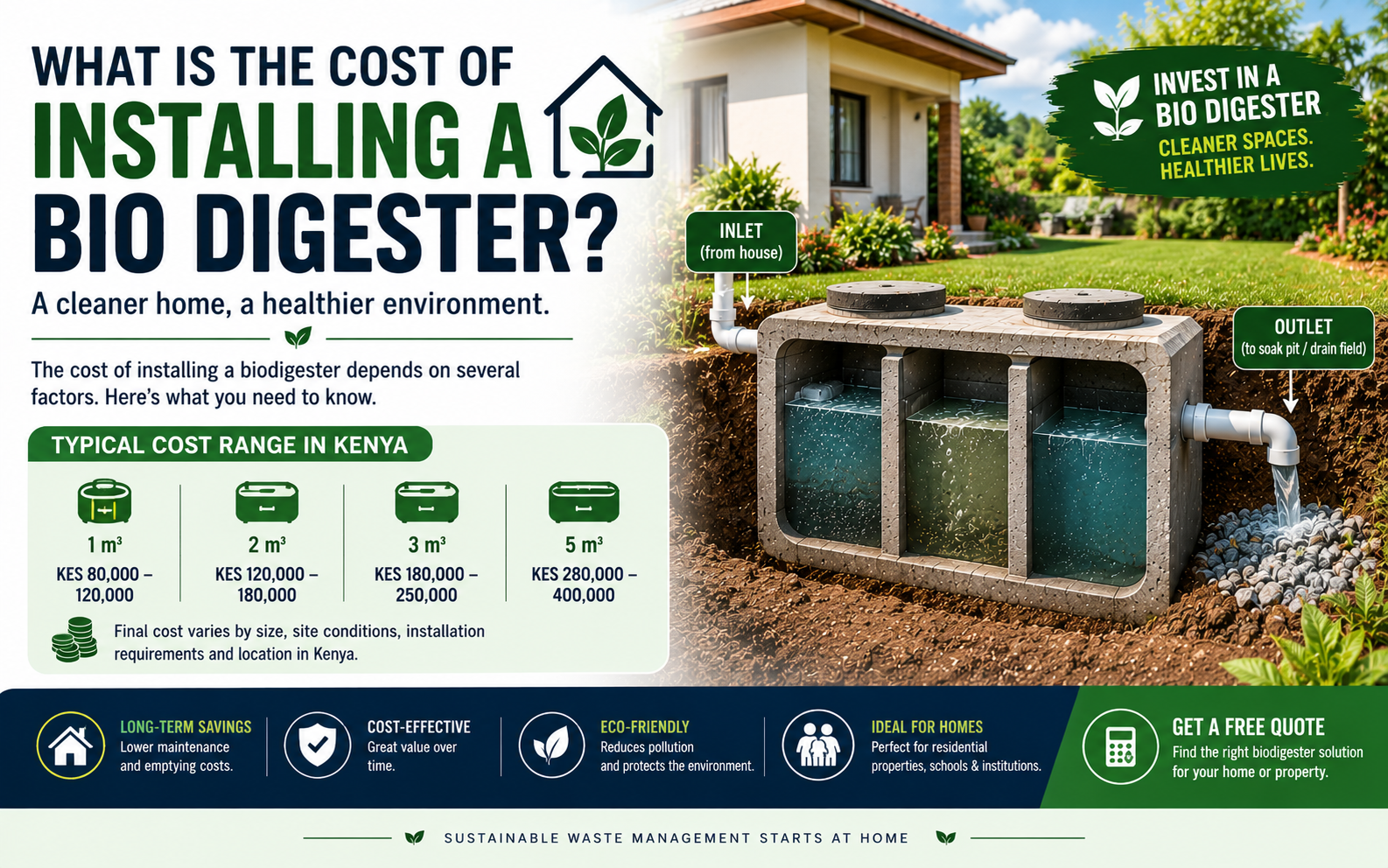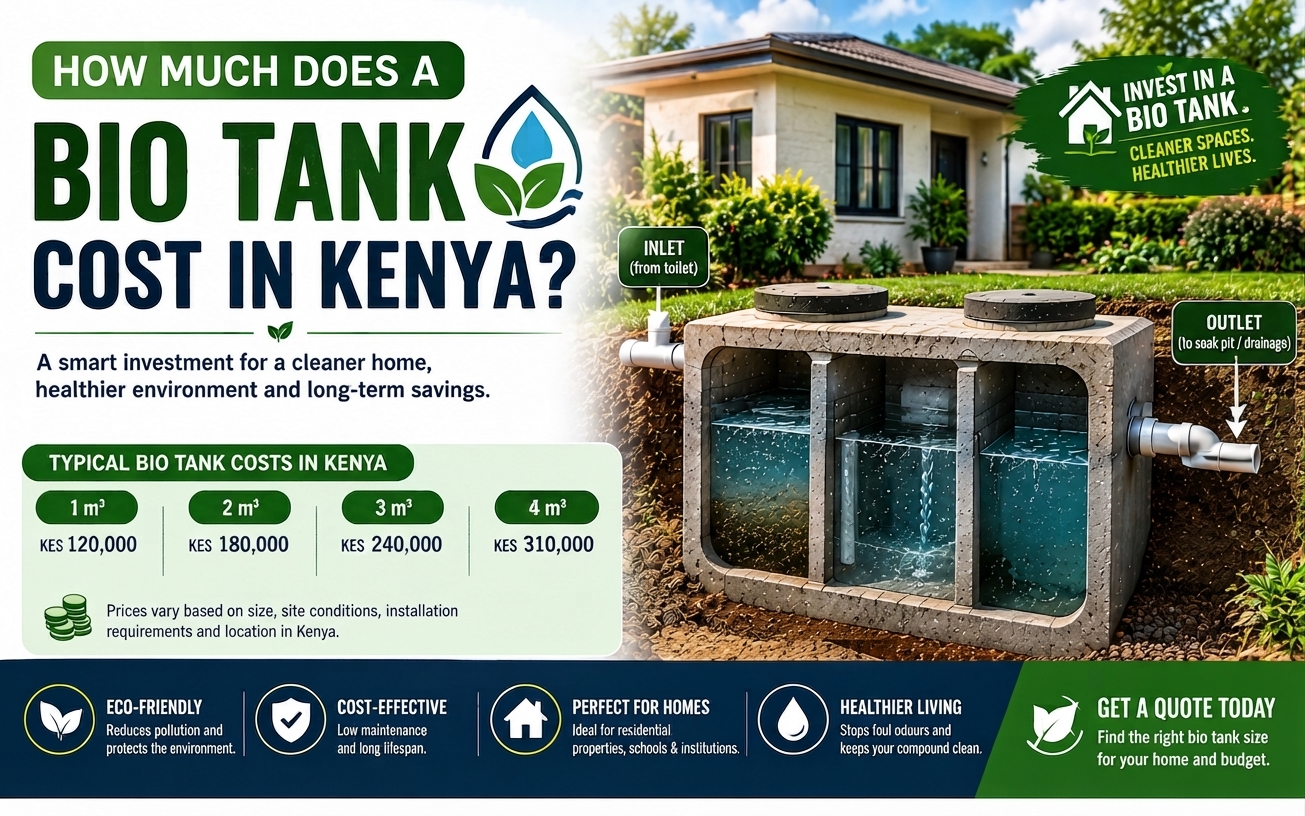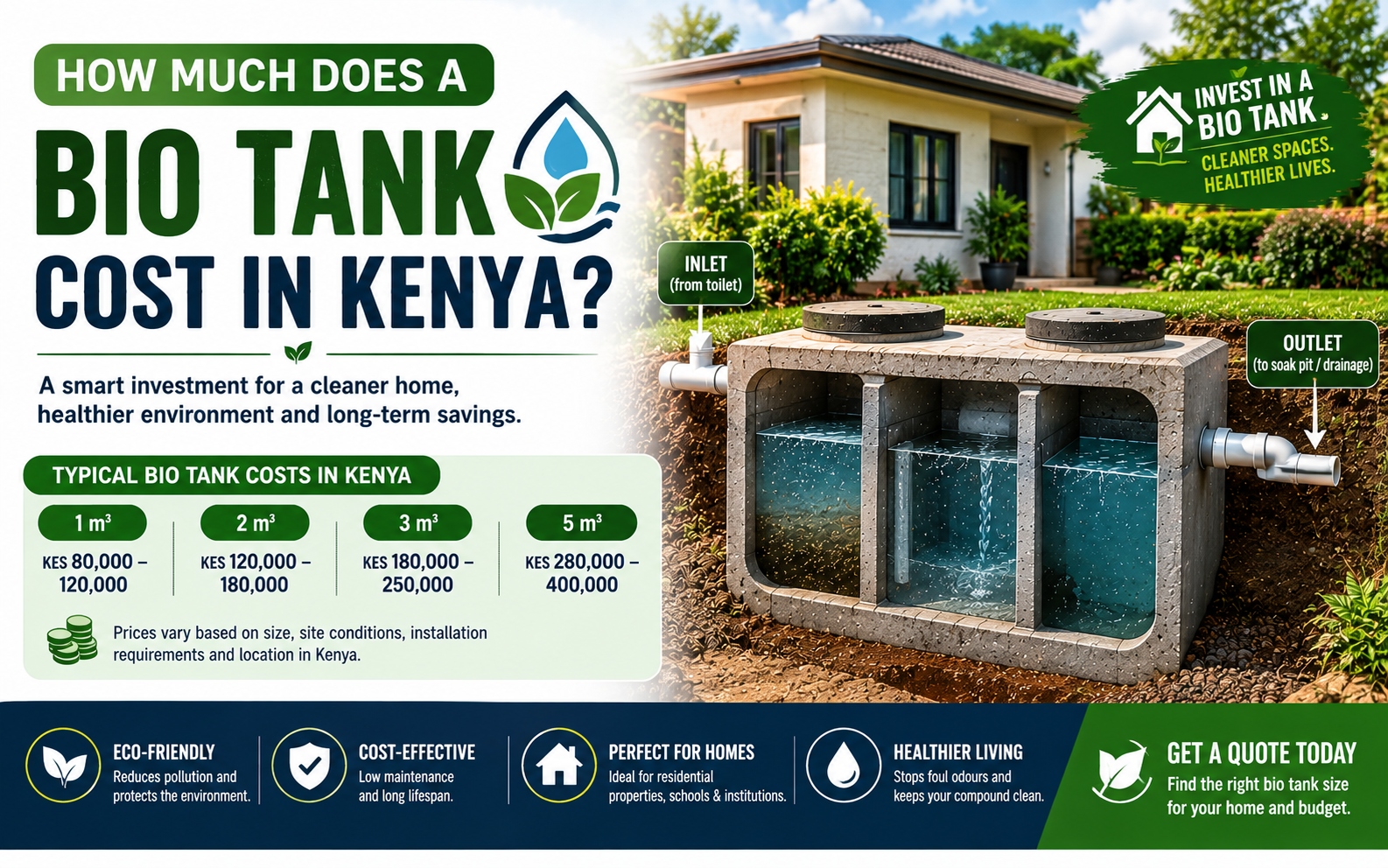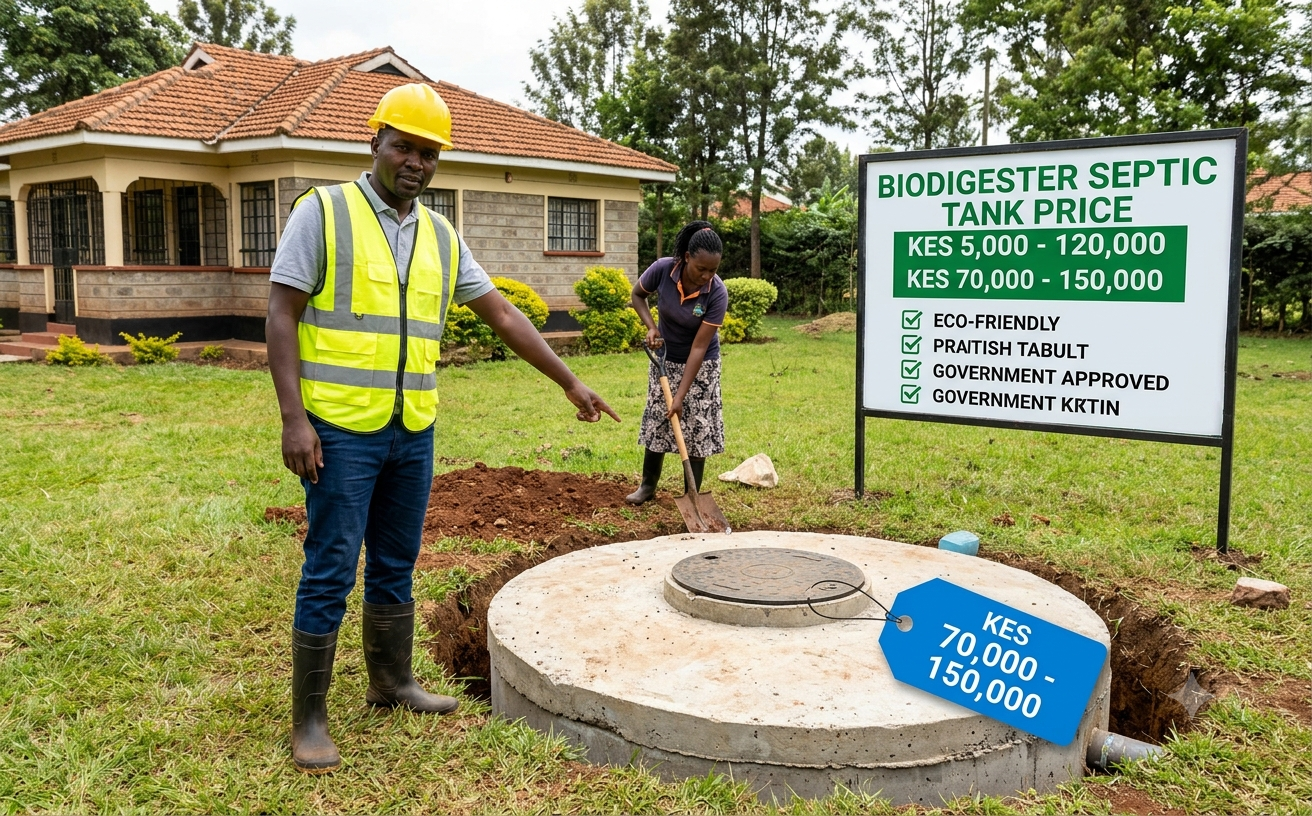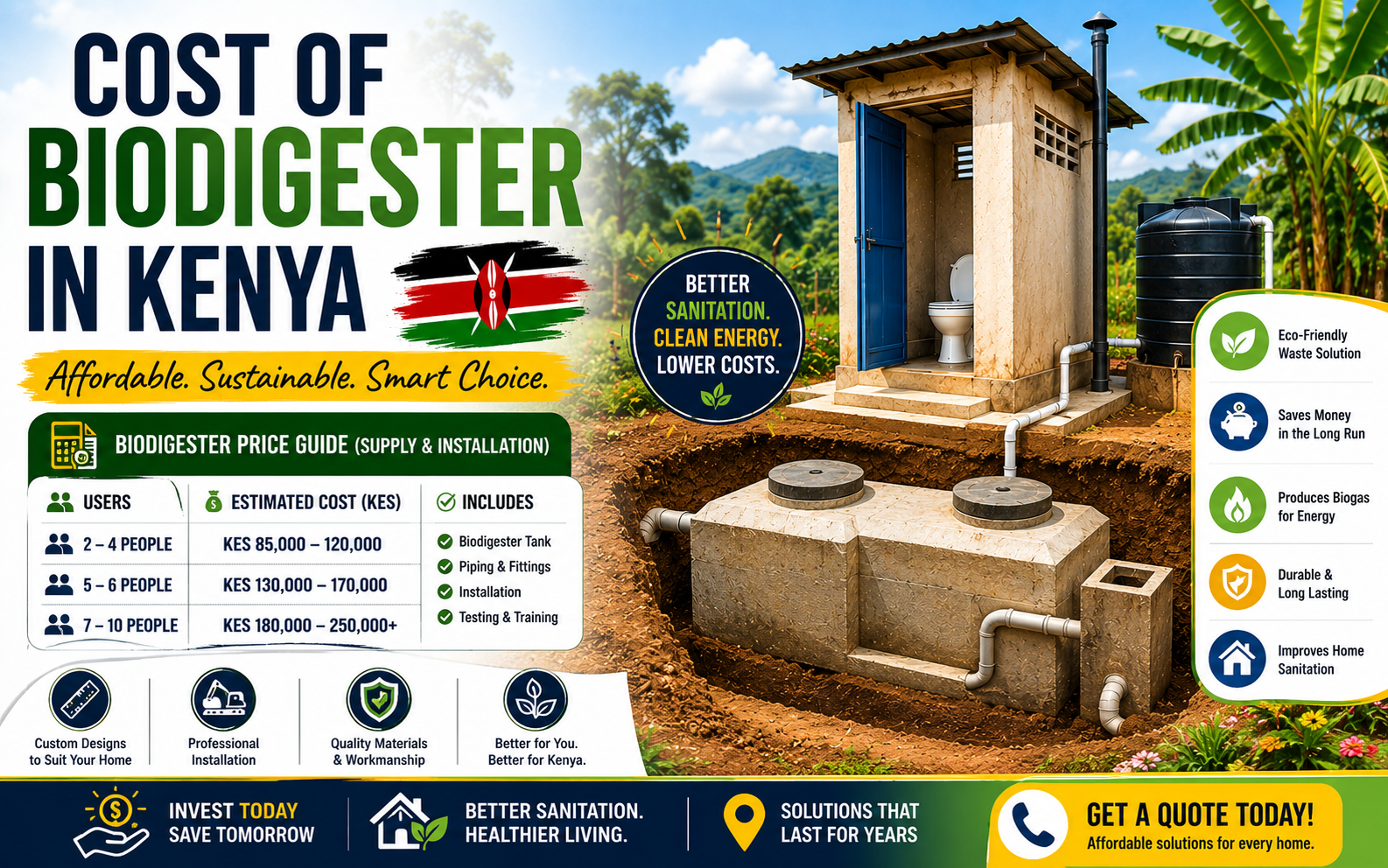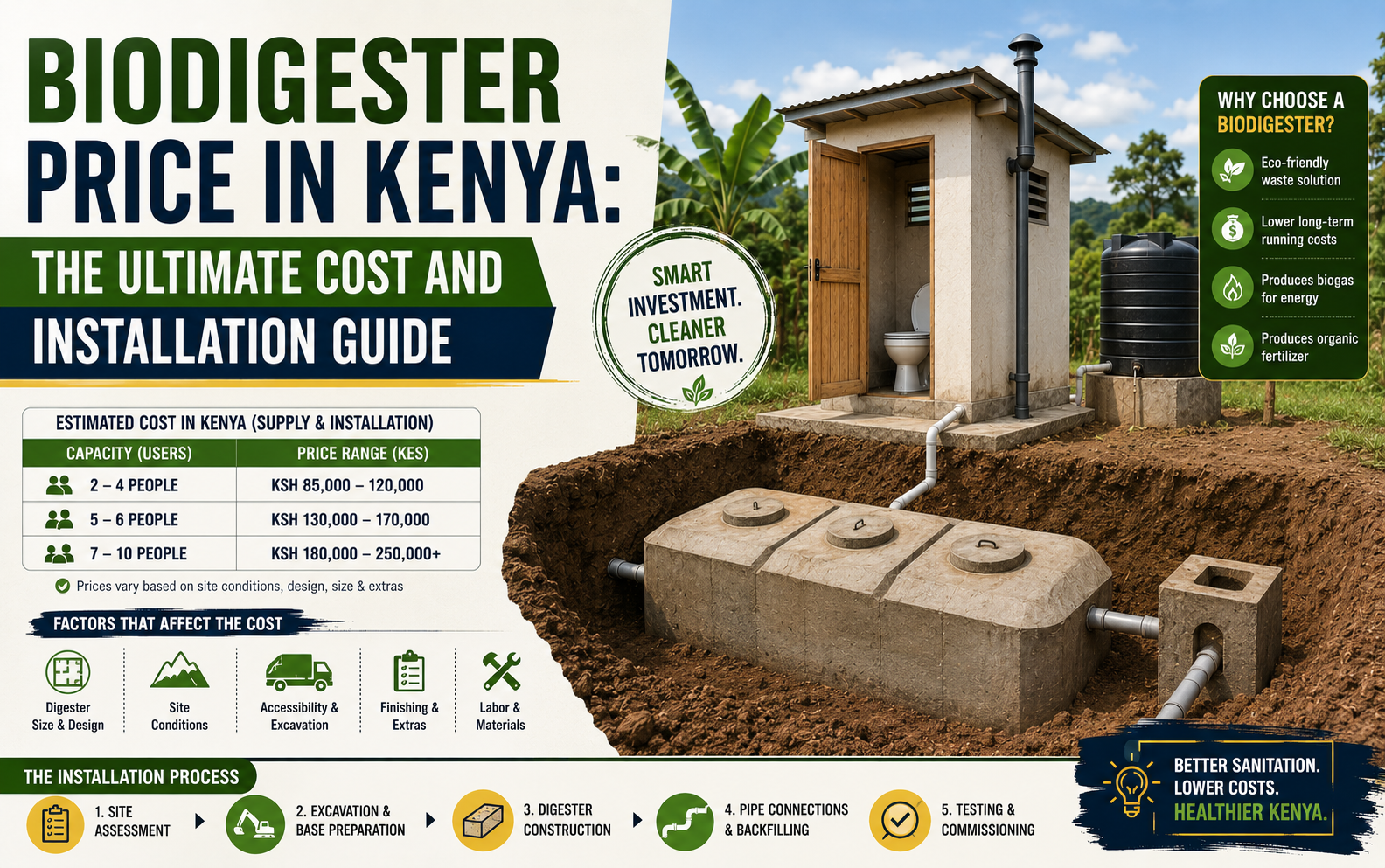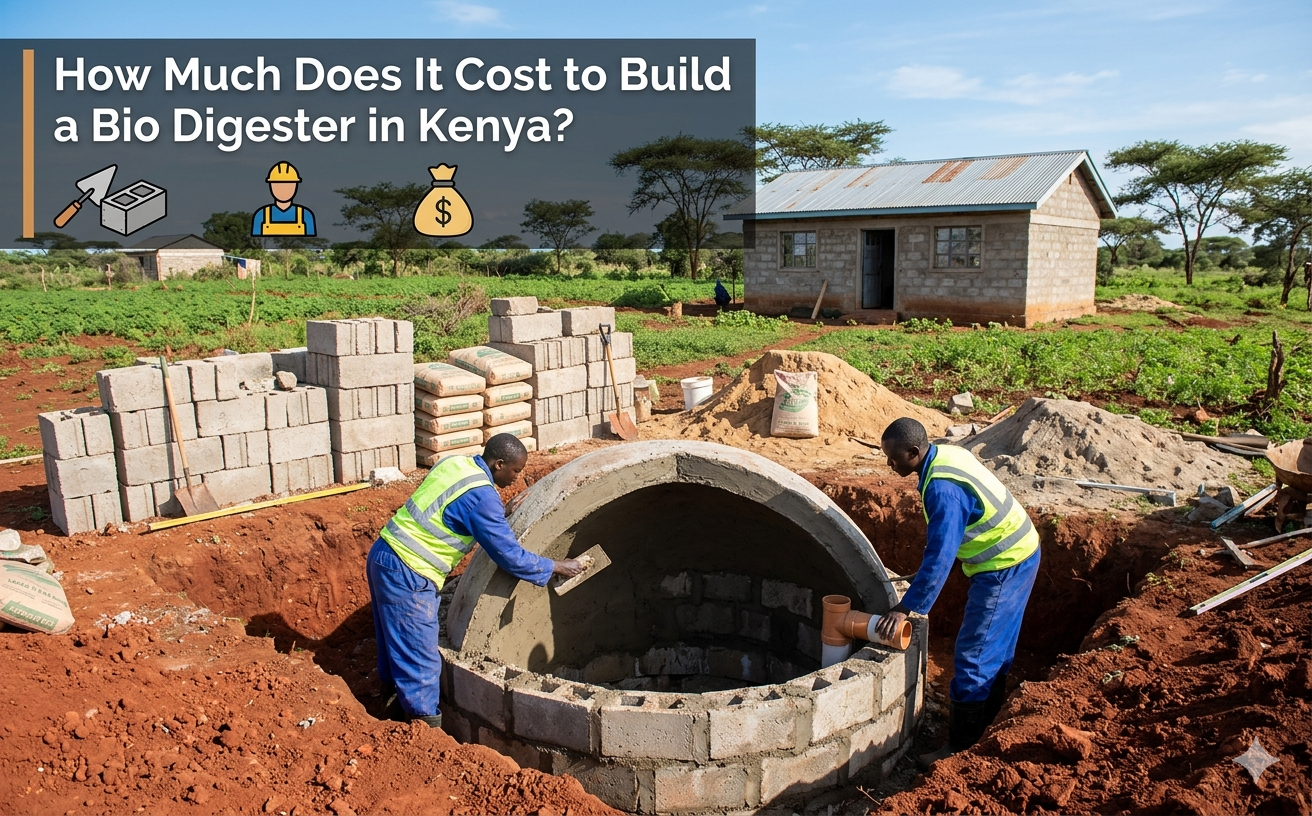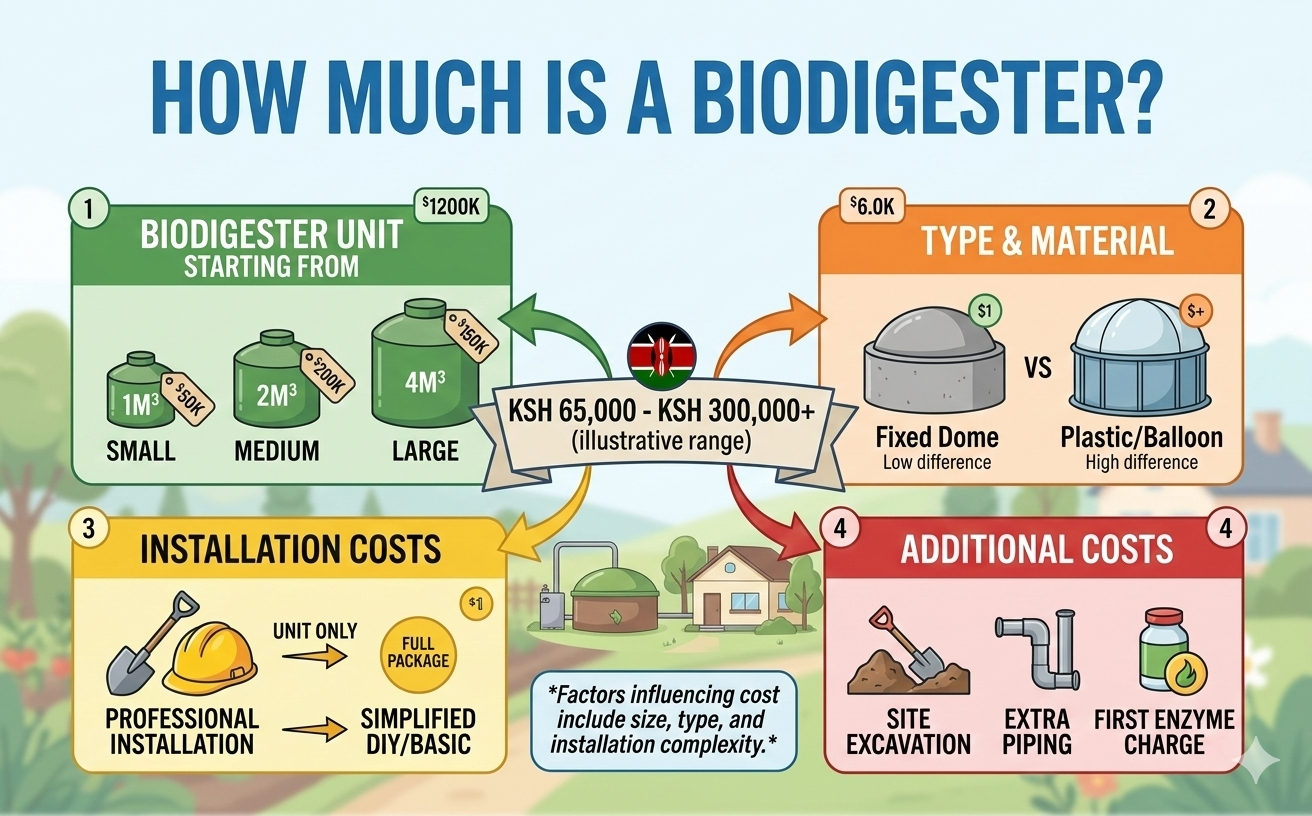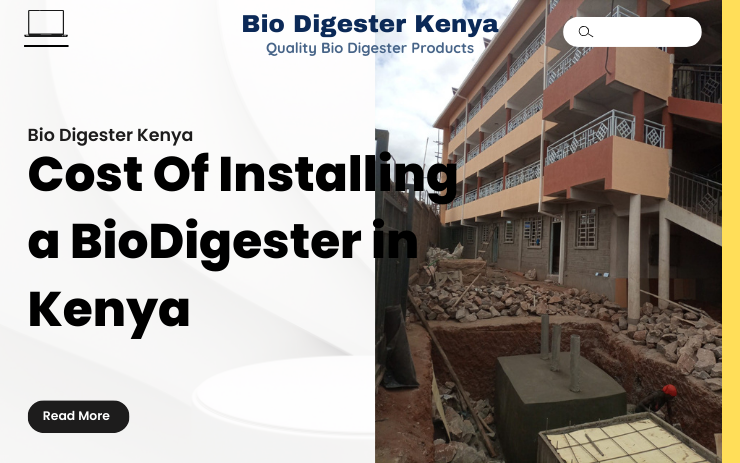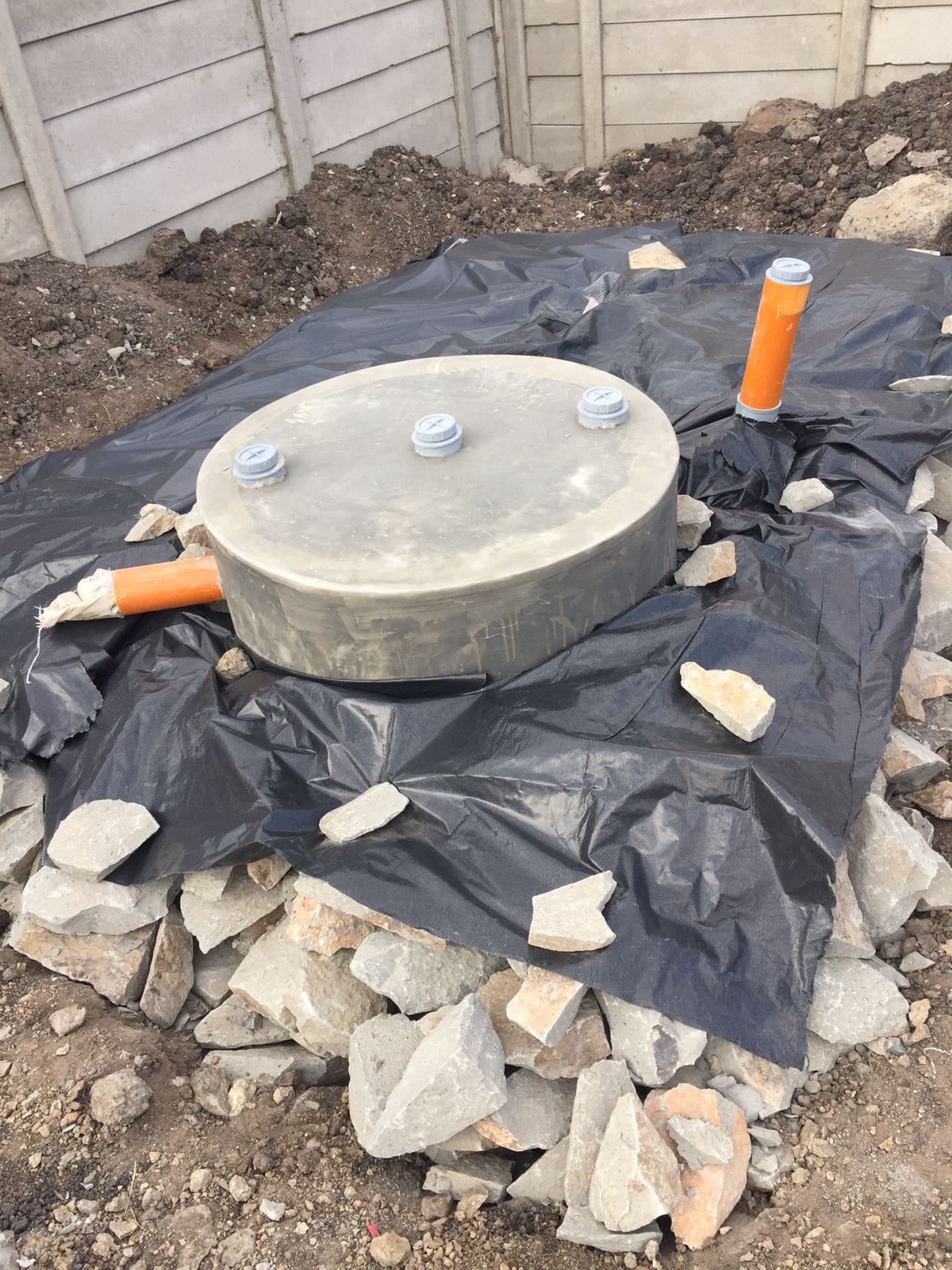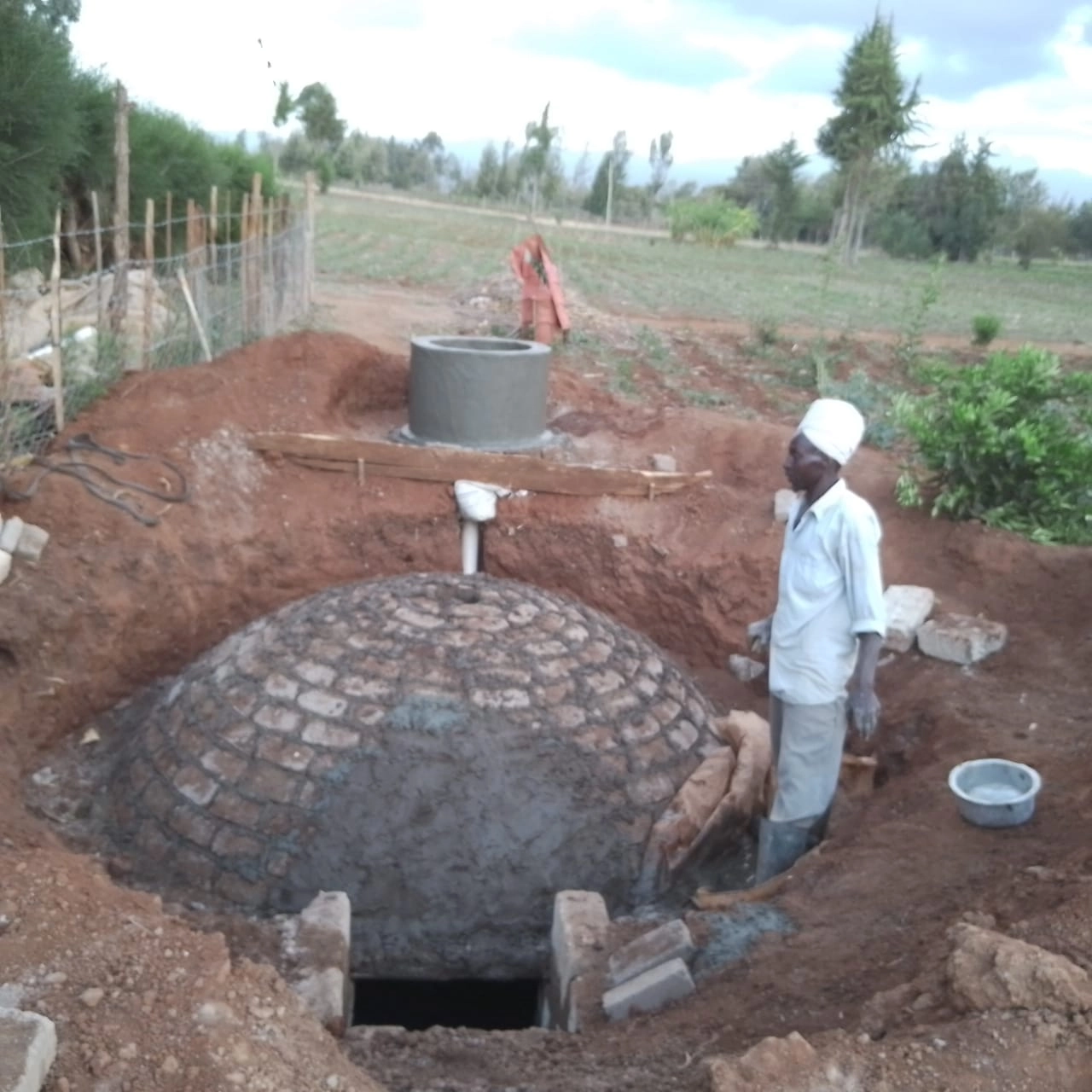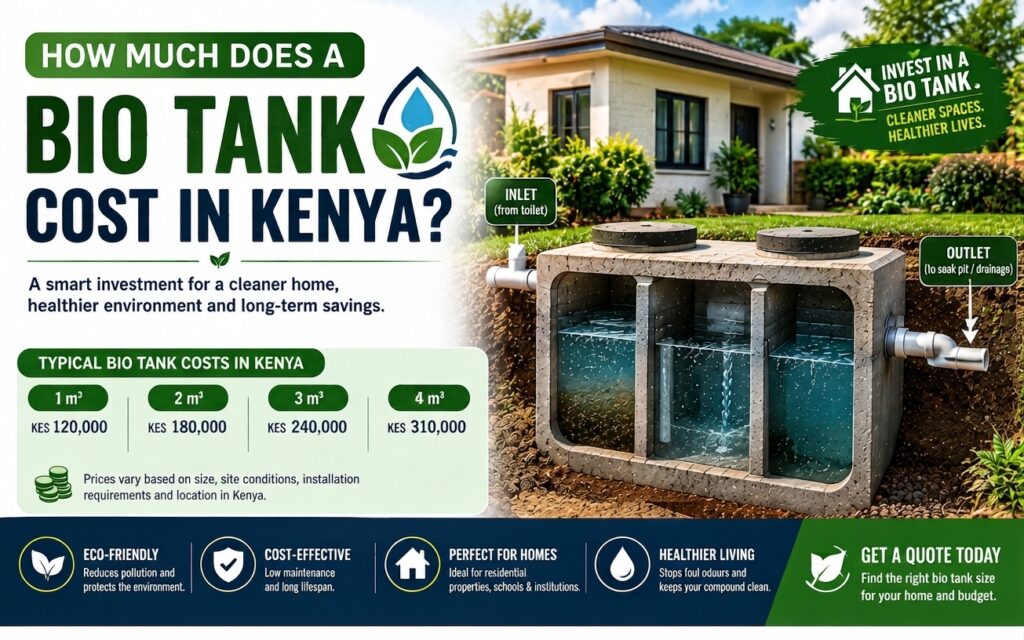
In Kenya, the cost to build a digester for a standard residential home typically ranges from KES 95,000 to KES 150,000.
This investment covers professional excavation, structural installation, and initial enzyme charging.
Commercial systems for apartments or institutions are custom-quoted based on daily waste volume and localized soil absorption rates.
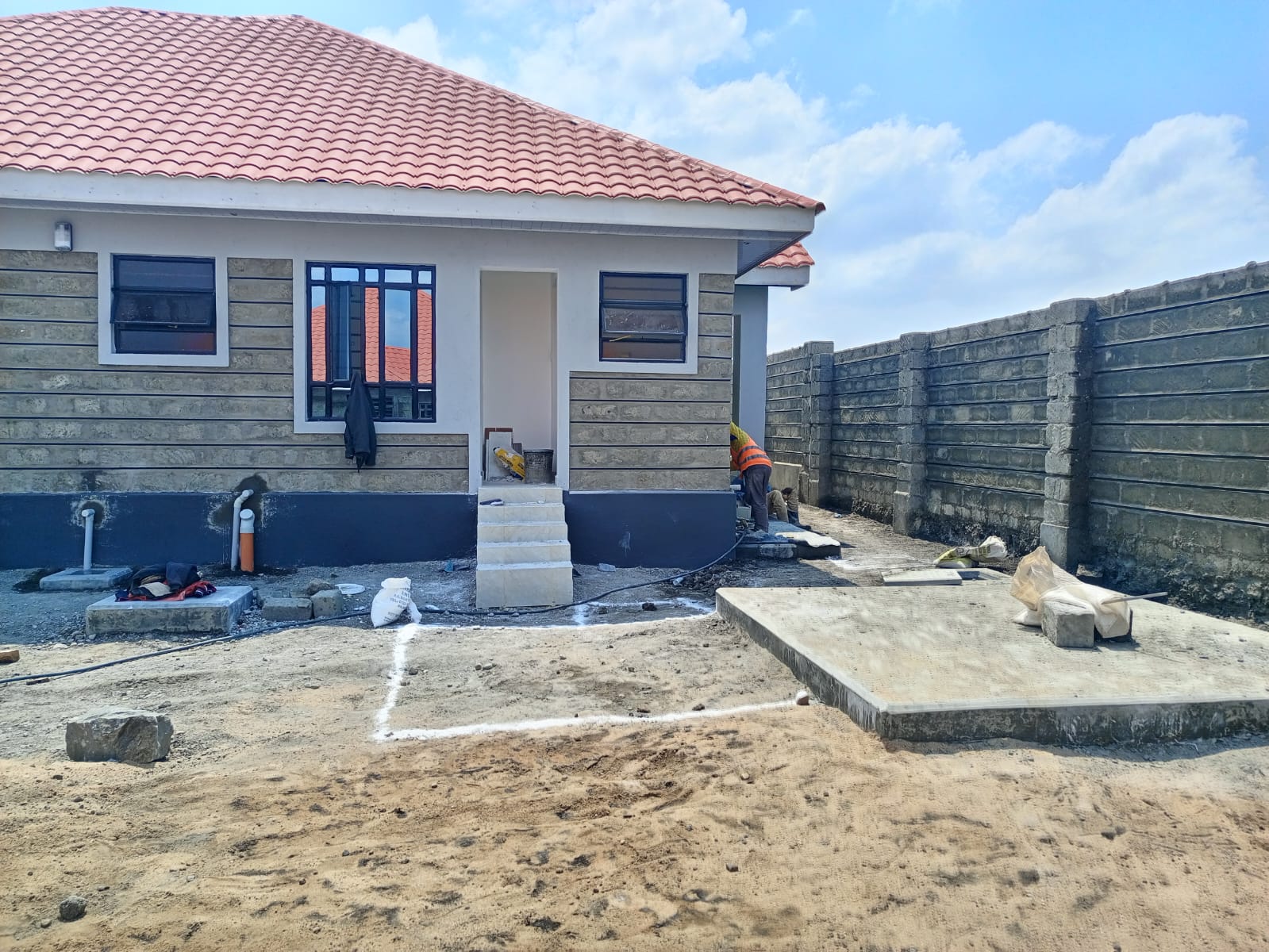
Breaking Down the Cost to Build a Digester in Kenya
When calculating the budget for modern sanitation, developers must look beyond the initial price tag.
The total expenditure is influenced by the size of the property, the number of daily users, and the geographical location.
For instance, installing a system in the red soils of Kiambu is often more straightforward and affordable than managing the heavy black cotton soils found in Kitengela or Kamulu, which require specialized soaking area engineering.
A standard residential system designed for a family of 5 to 10 people generally falls into the mid-range of KES 100,000.
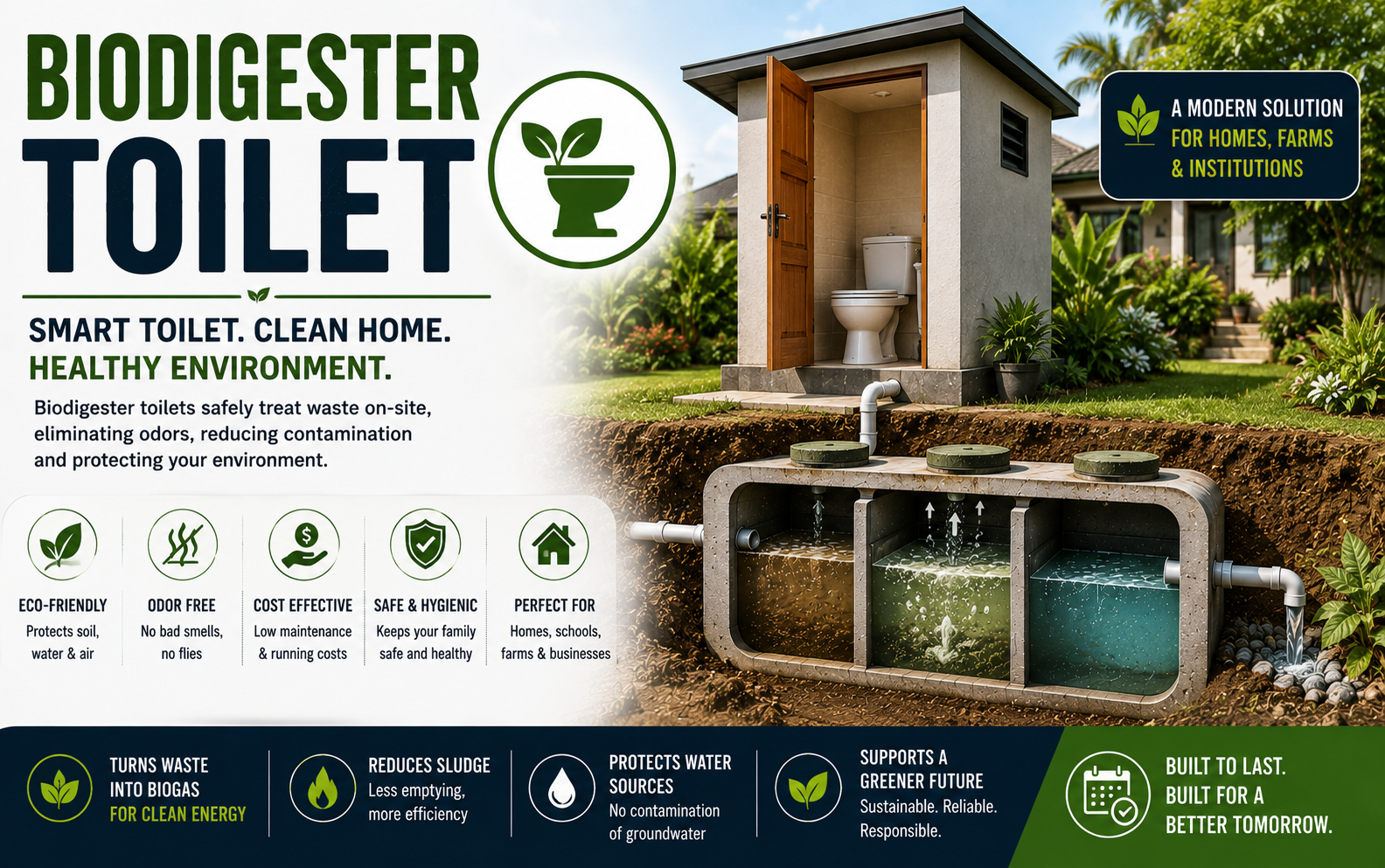
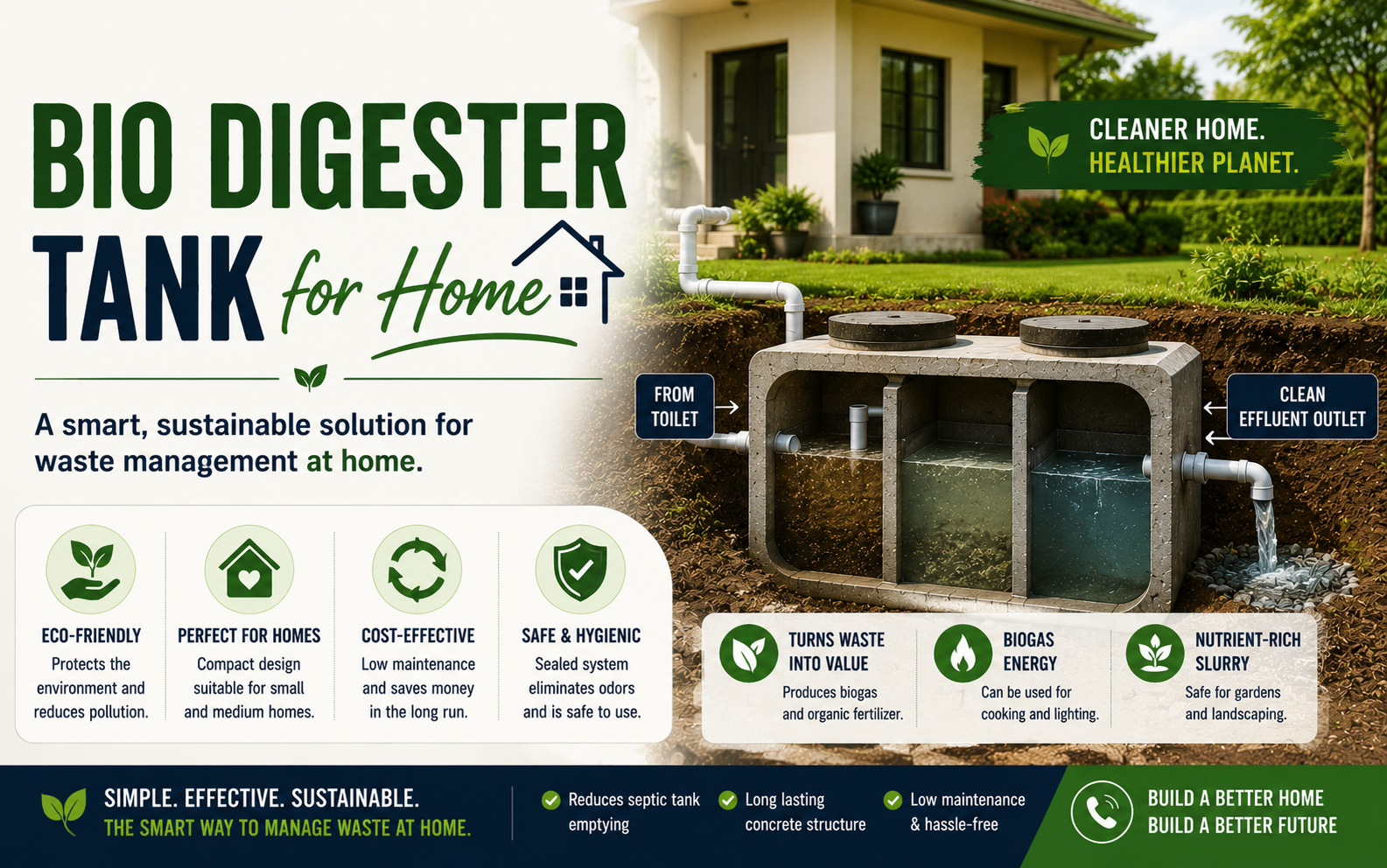
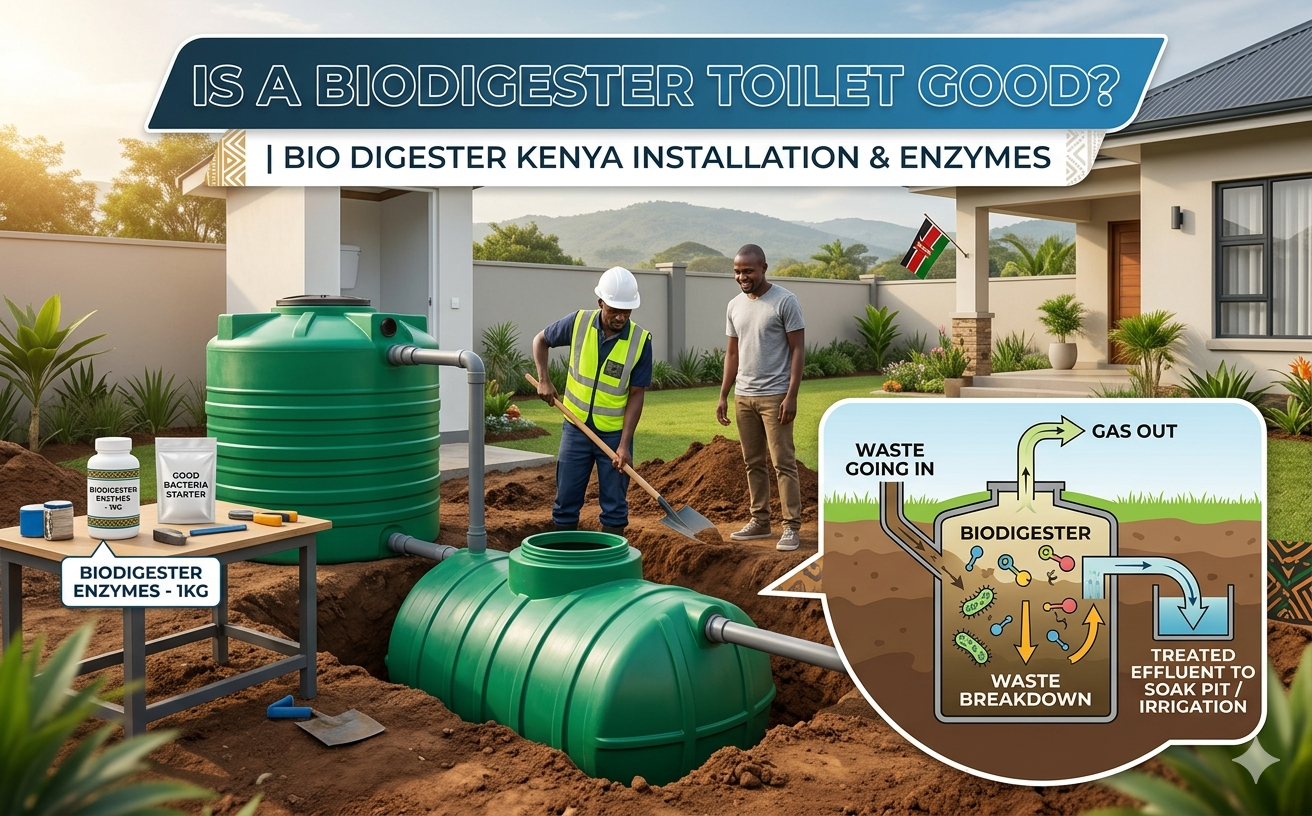
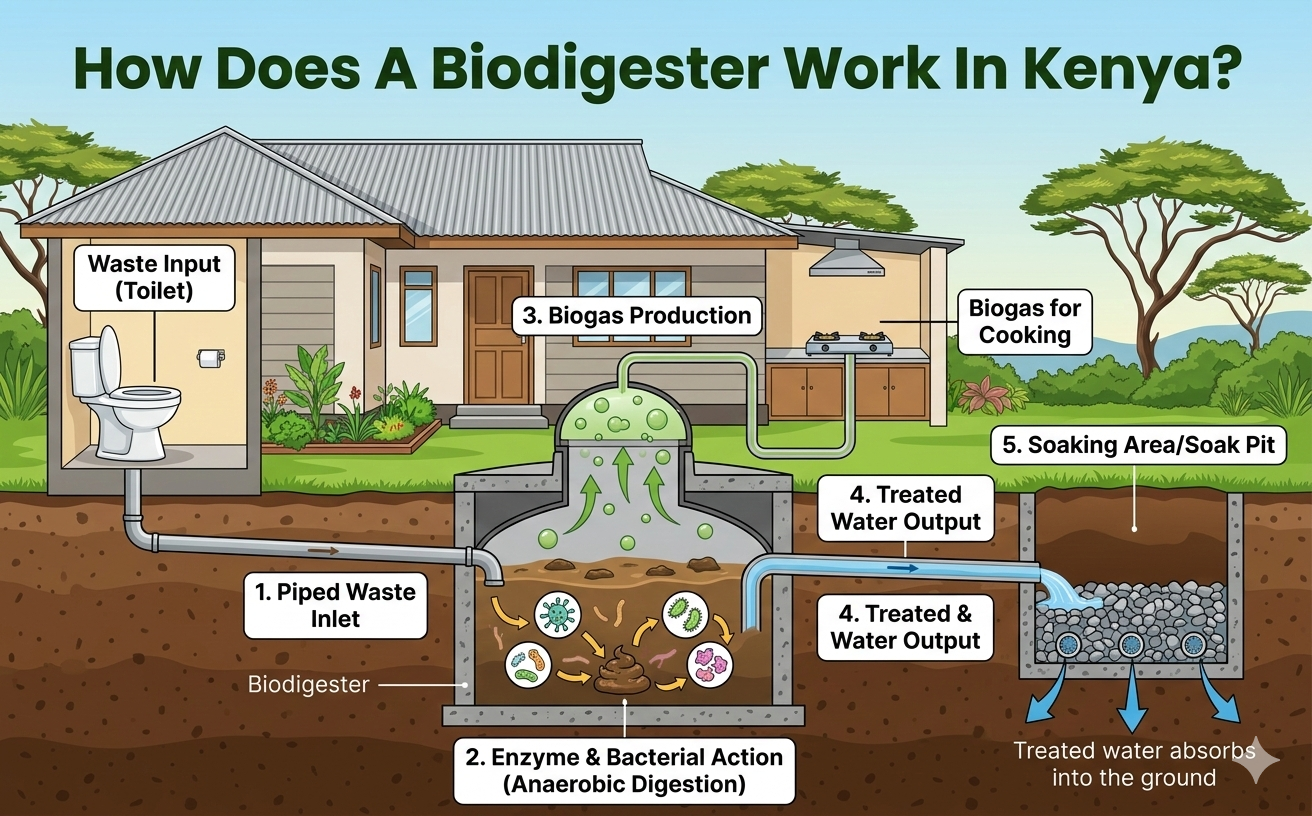
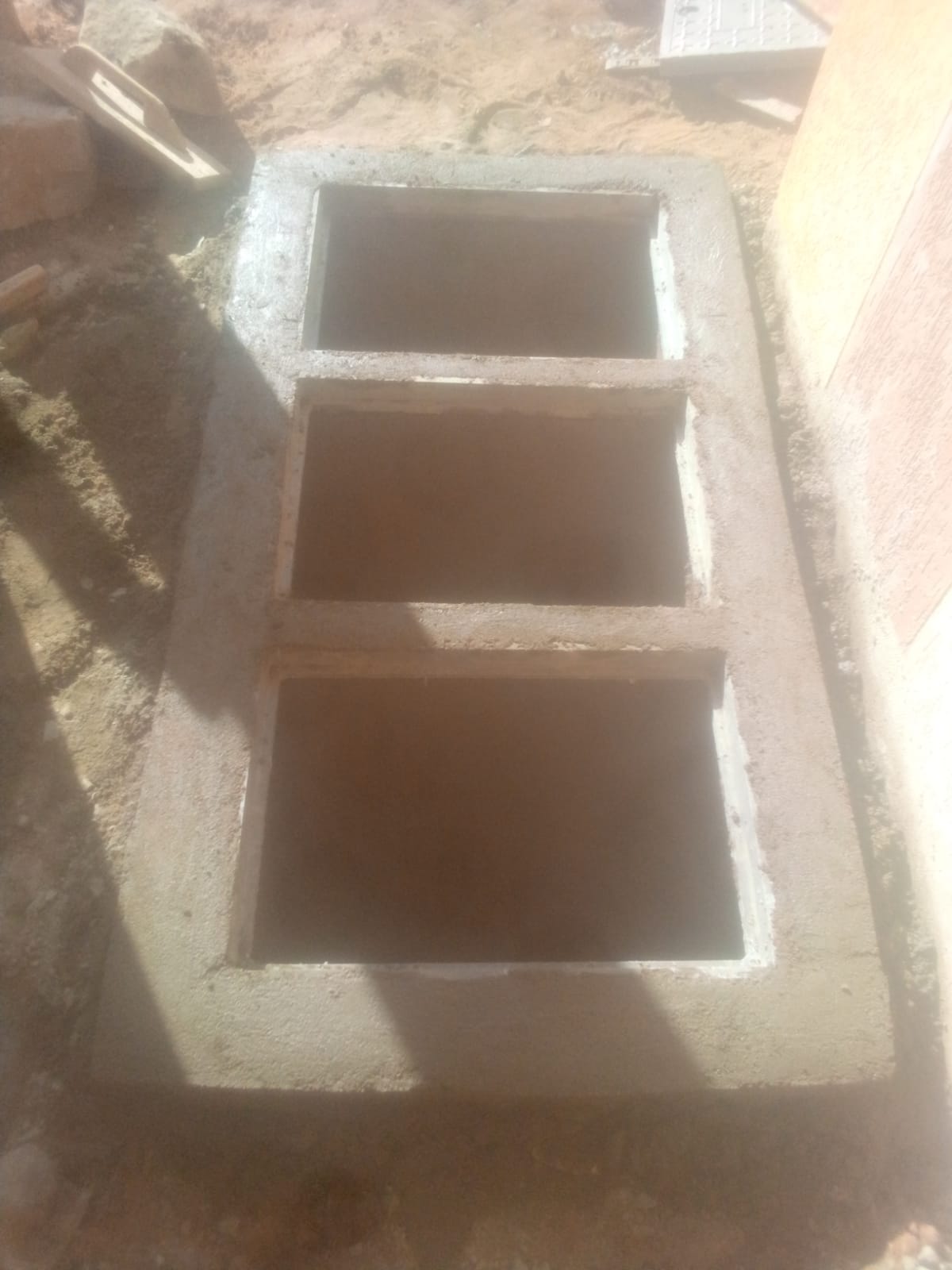
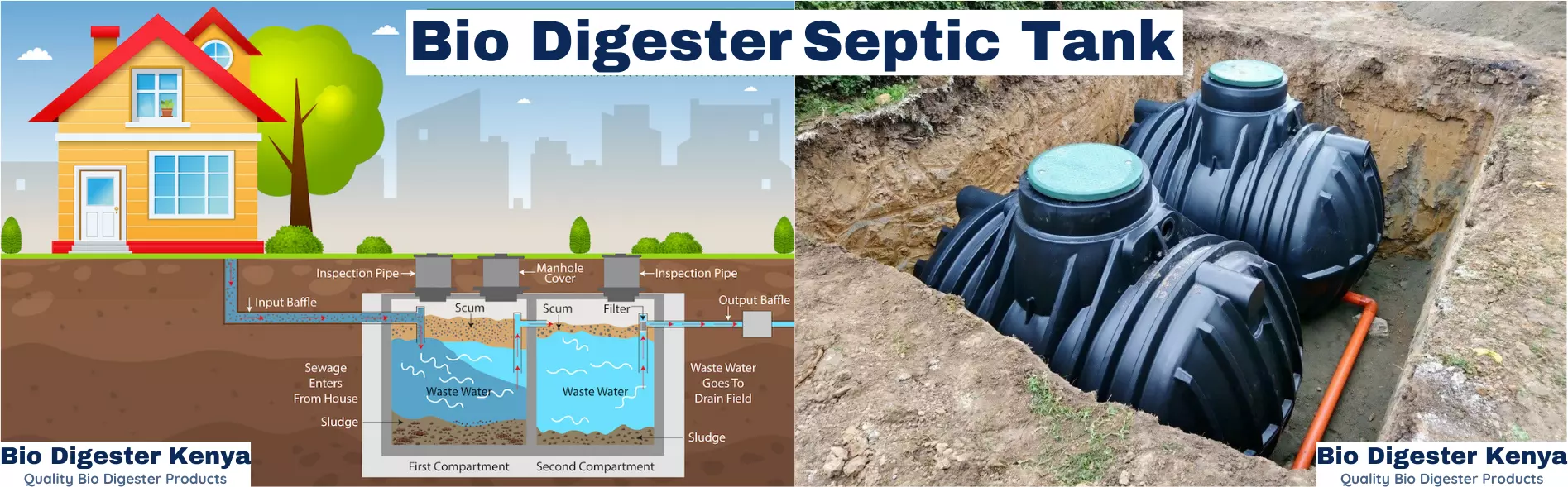
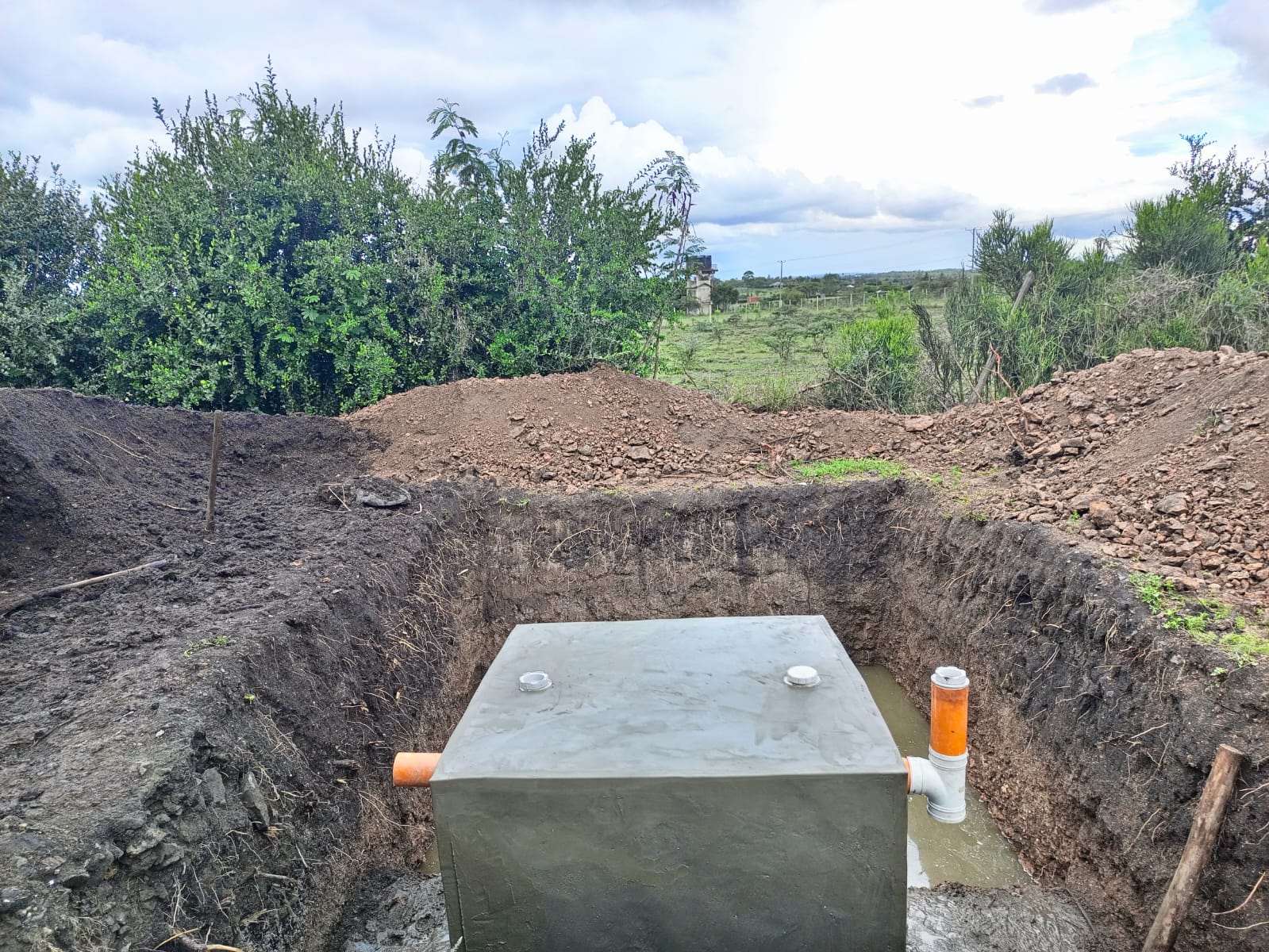
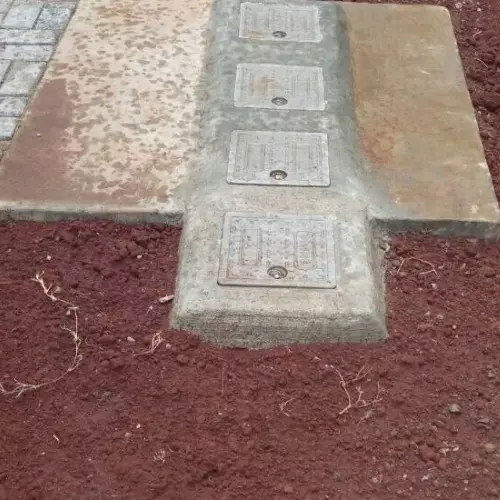
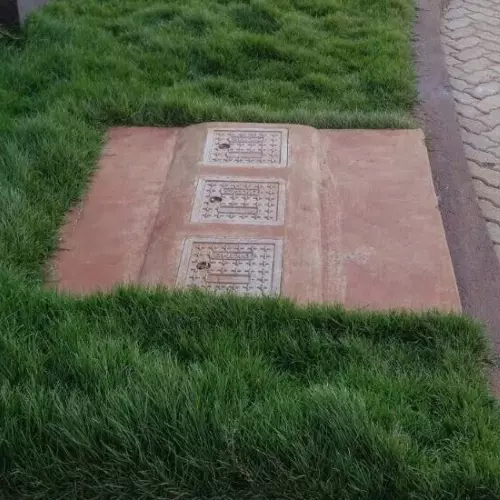
This includes the professional bio digester installation process, where waste is piped directly into the unit.
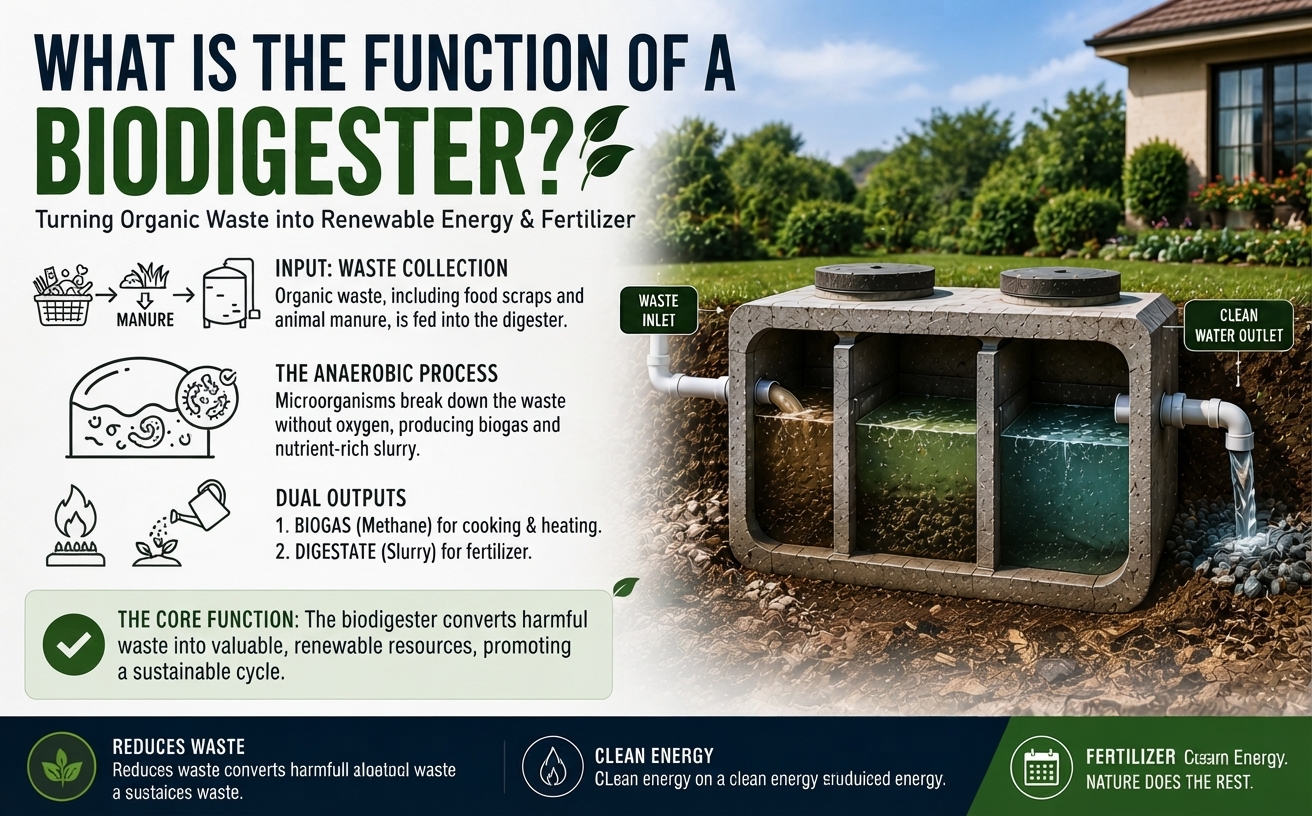
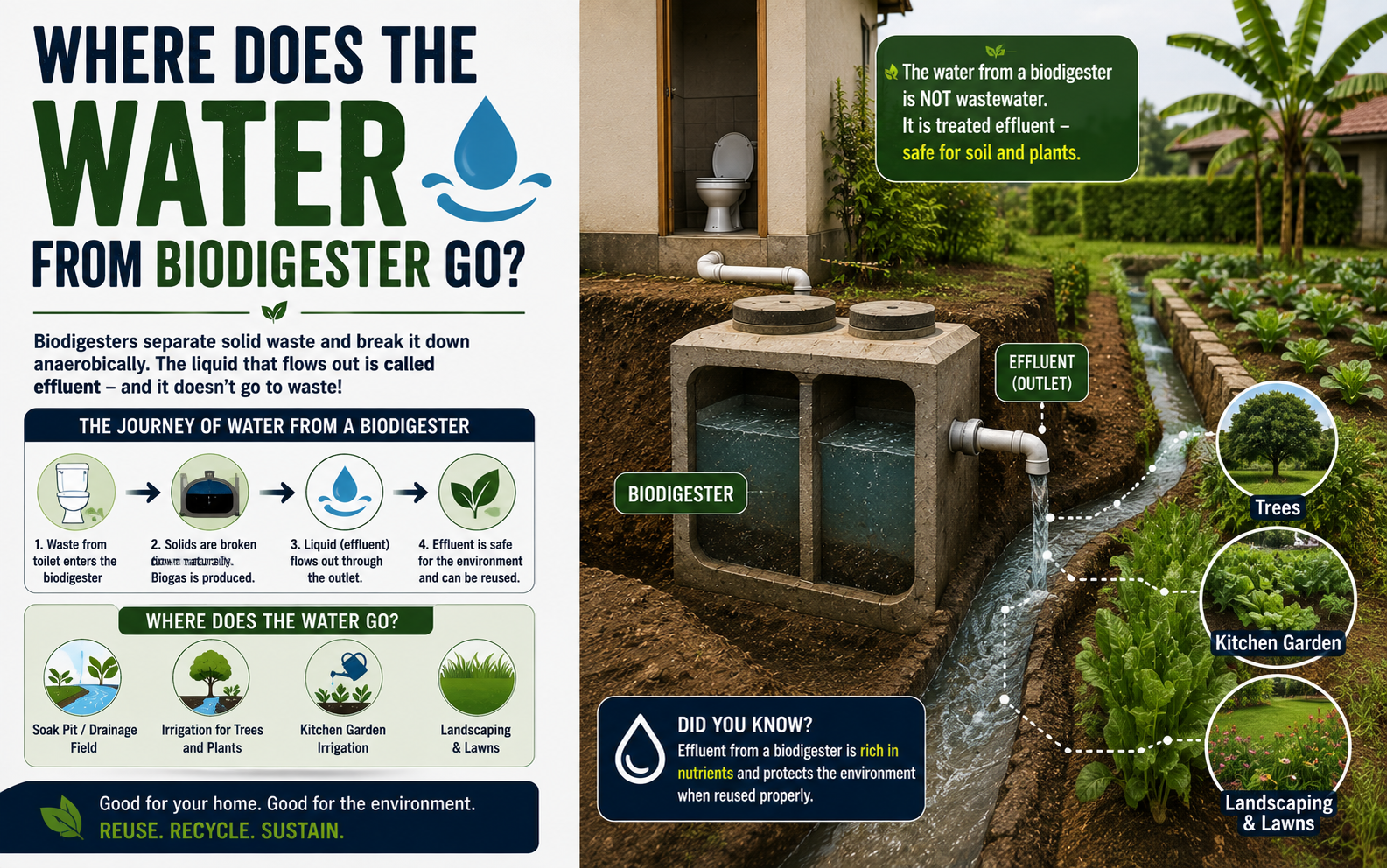
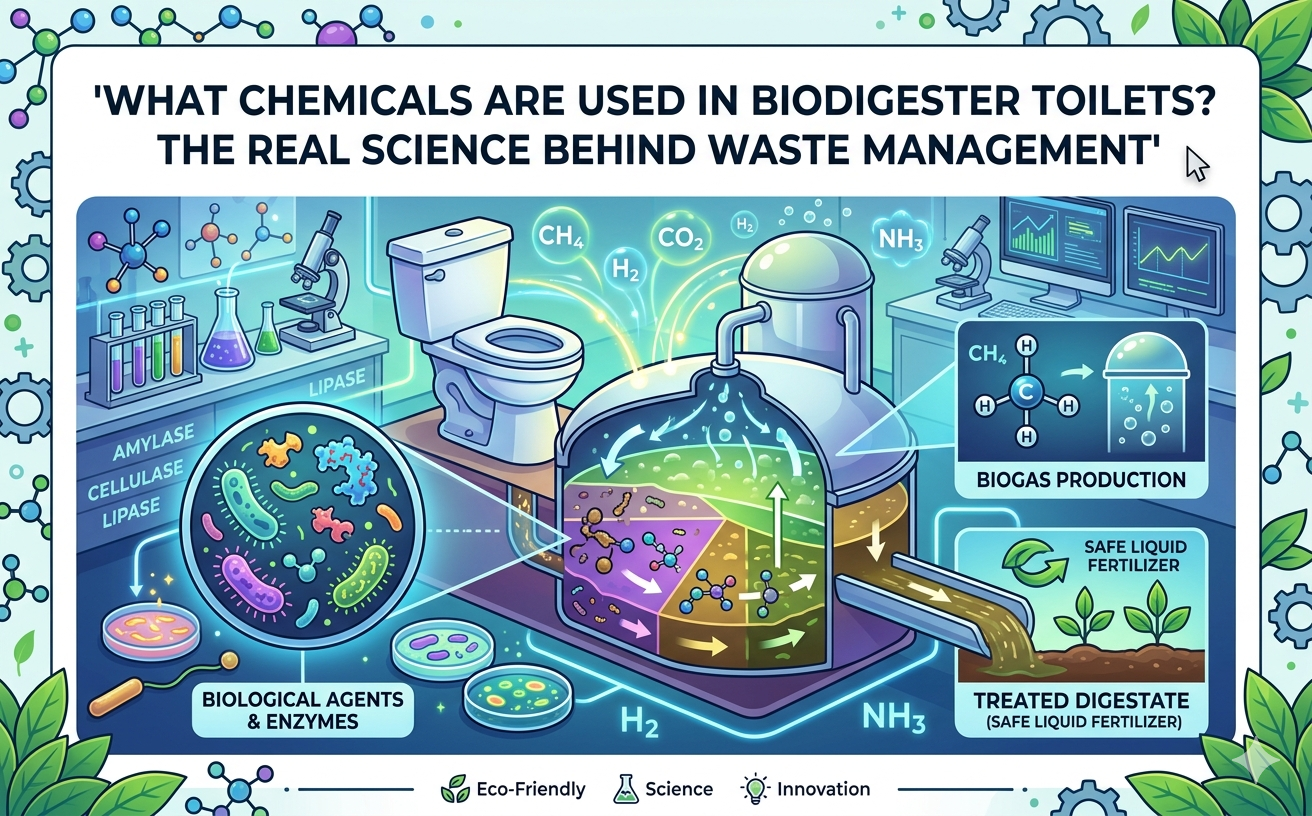
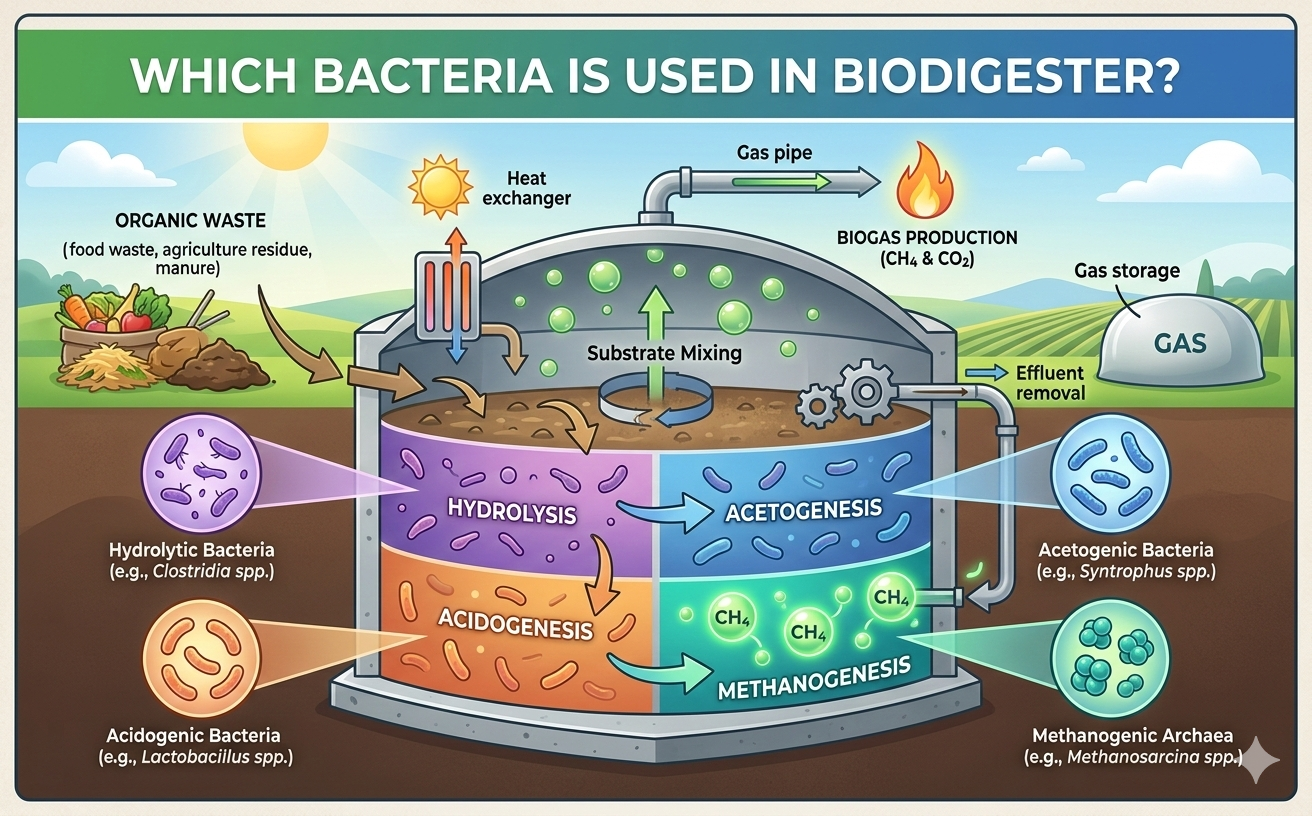
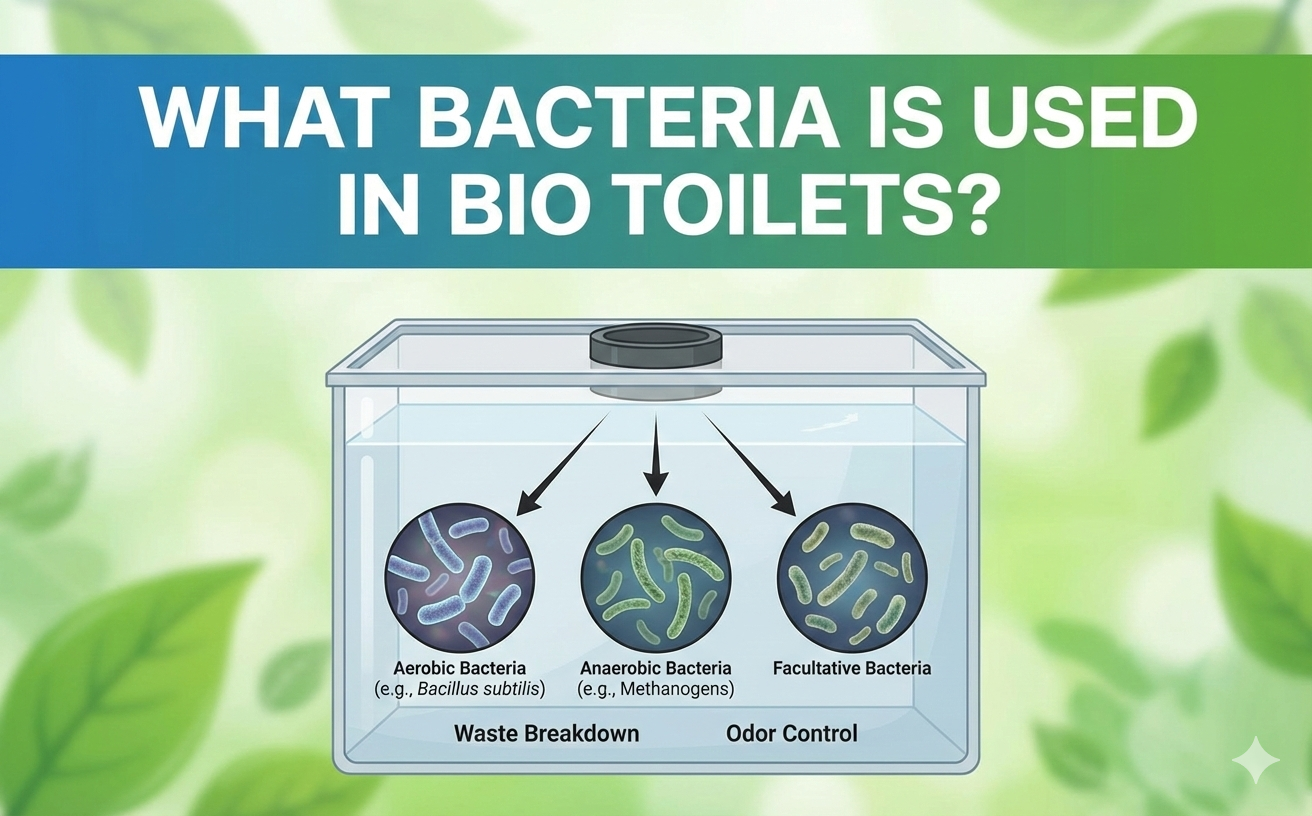
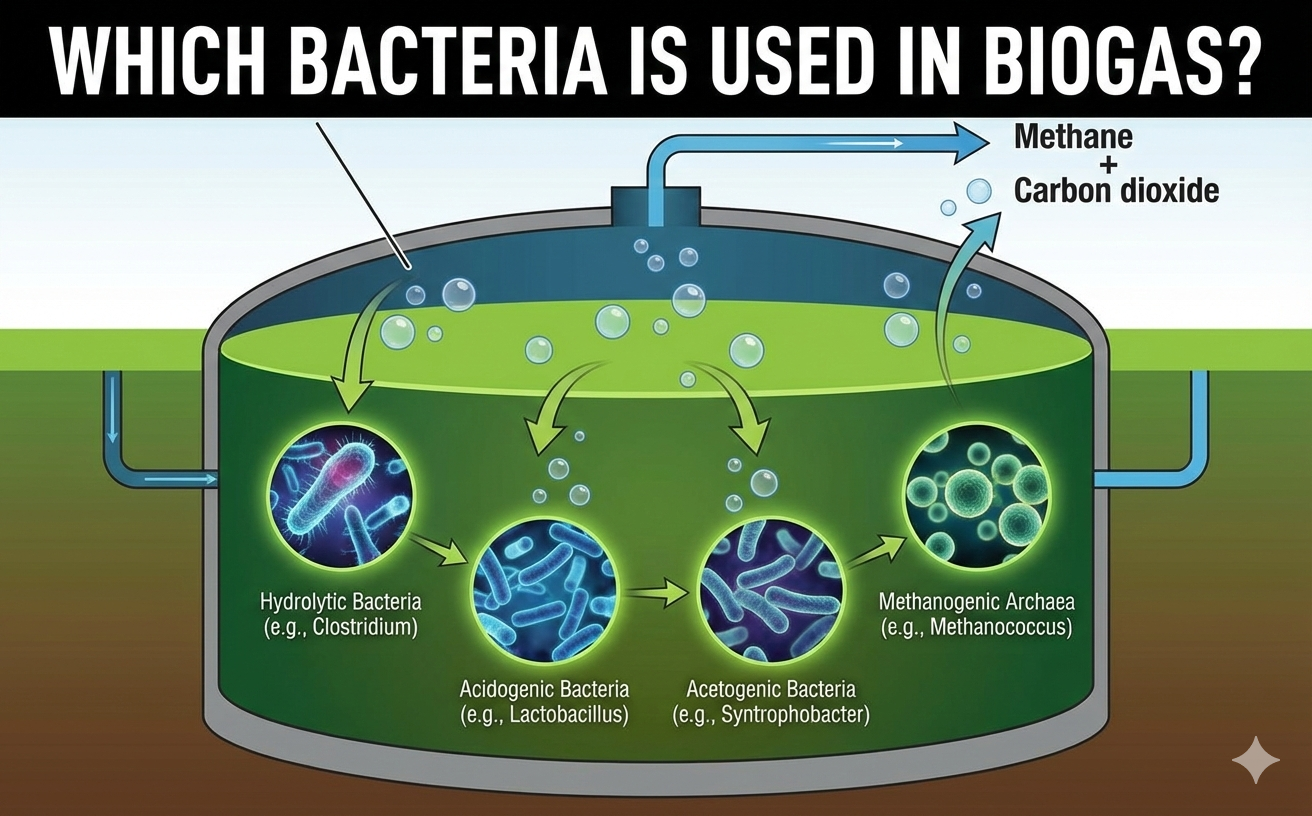
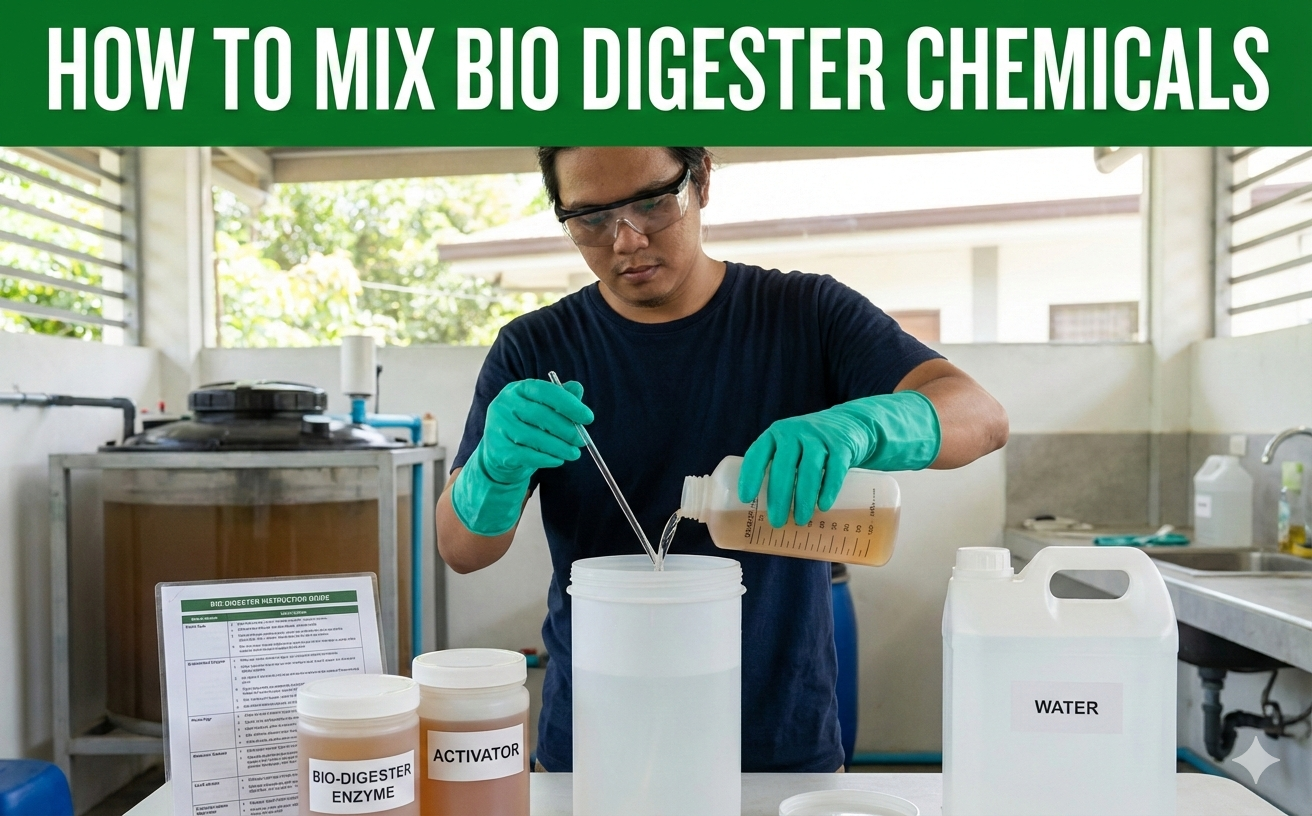
Inside, specialized bio digester bacteria are introduced to consume solid waste, converting it into treated water and odorless air.
Factors That Influence Your Final Quote
- System Capacity: A small domestic unit is cheaper than a high-capacity system required for a flat or a school.
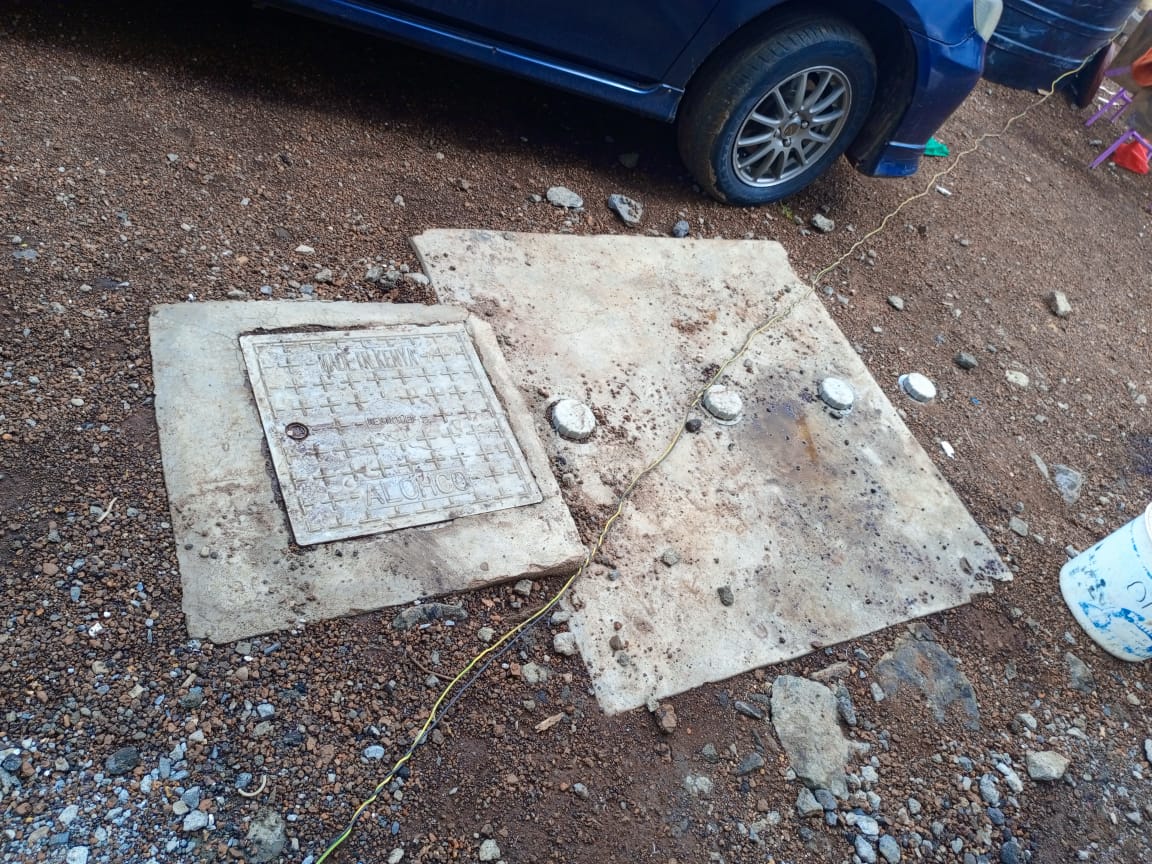
- Soil Topography: Areas with poor drainage require more extensive French drains or soaking areas to ensure the treated water is safely absorbed into the ground.
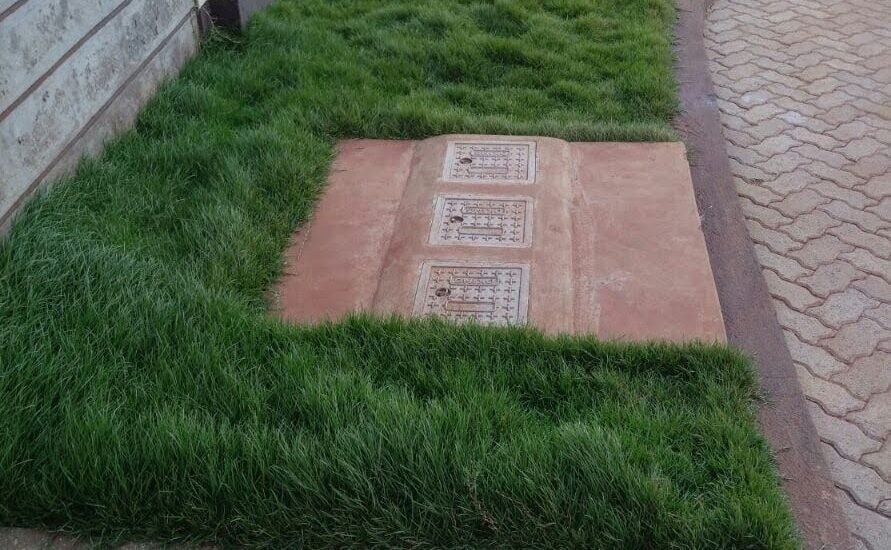
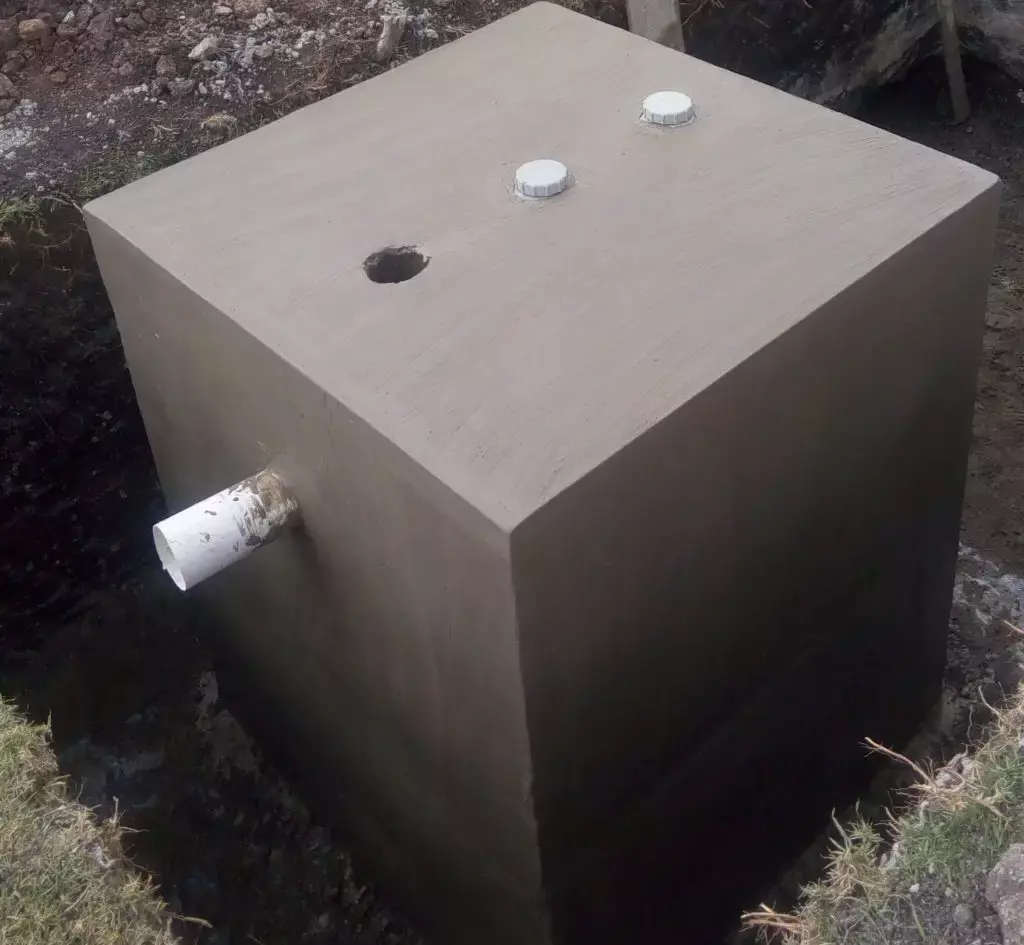
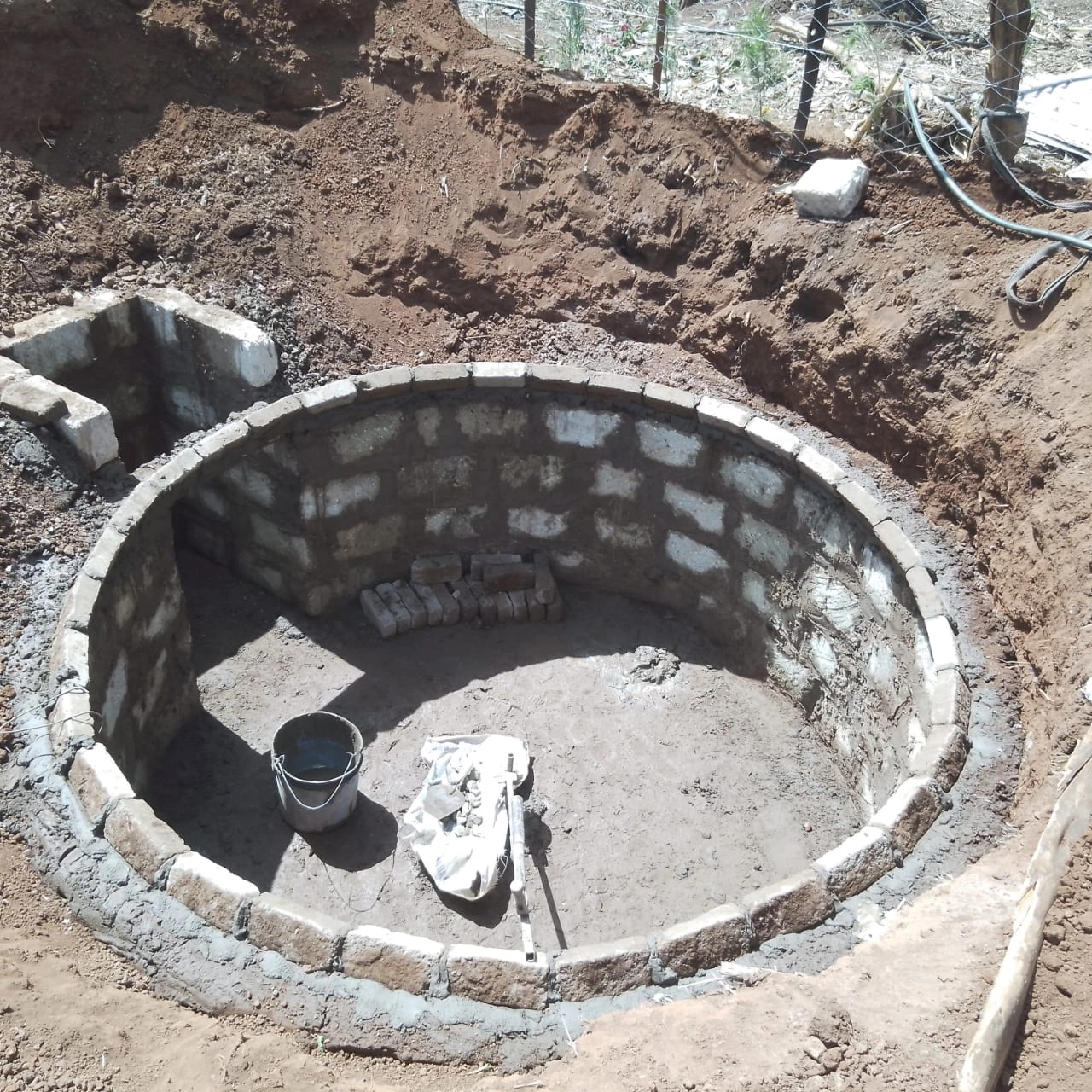
- Material Choice: Choosing precast bio digesters can often reduce labor time and onsite mess compared to traditional masonry-built units.
For a tailored quote and site assessment:
Phone: +254 712 660 245
Email: info@biodigesterkenya.co.ke
Investment vs. Long-Term Savings
Many Kenyan homeowners mistakenly believe that a traditional concrete septic tank is cheaper.
However, when you perform a biodigester vs septic tank comparison, the financial winner is clear.
A traditional septic tank requires a massive footprint, high construction material costs, and the recurring, expensive headache of hiring an exhaust bowser every few months.
In Nairobi estates, a single exhaust trip can cost between KES 8,000 and KES 15,000.
Over five years, a homeowner could easily spend over KES 200,000 just on emptying a failing septic tank.
By paying the upfront cost to build a digester, you eliminate these bowser trips entirely.
The treated water is naturally discharged into a localized soaking area, making the system self-sustaining and eco-friendly.
Maintenance Costs and Biological Health
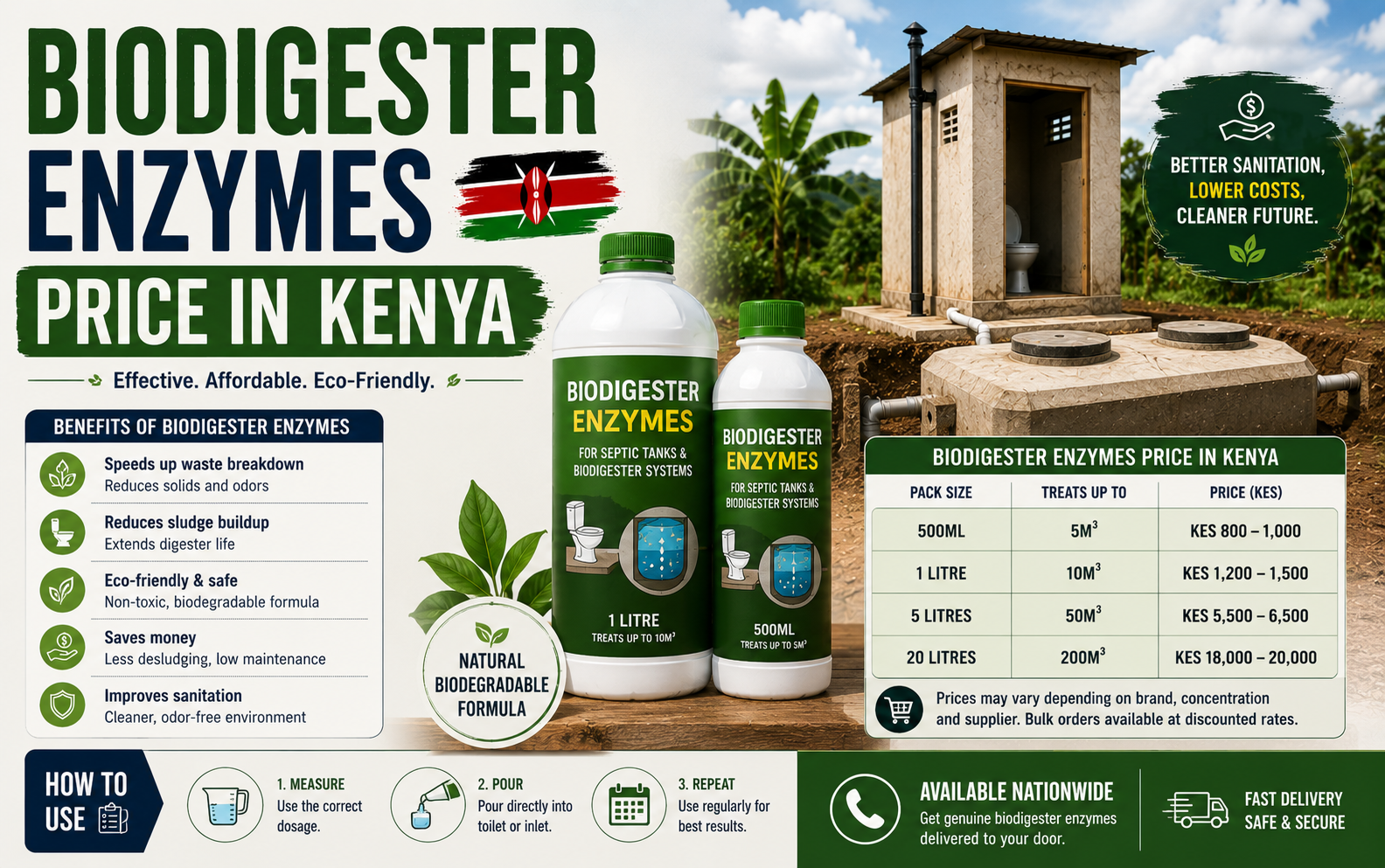
Once the system is built, the only recurring cost is the occasional replenishment of the biological flora.
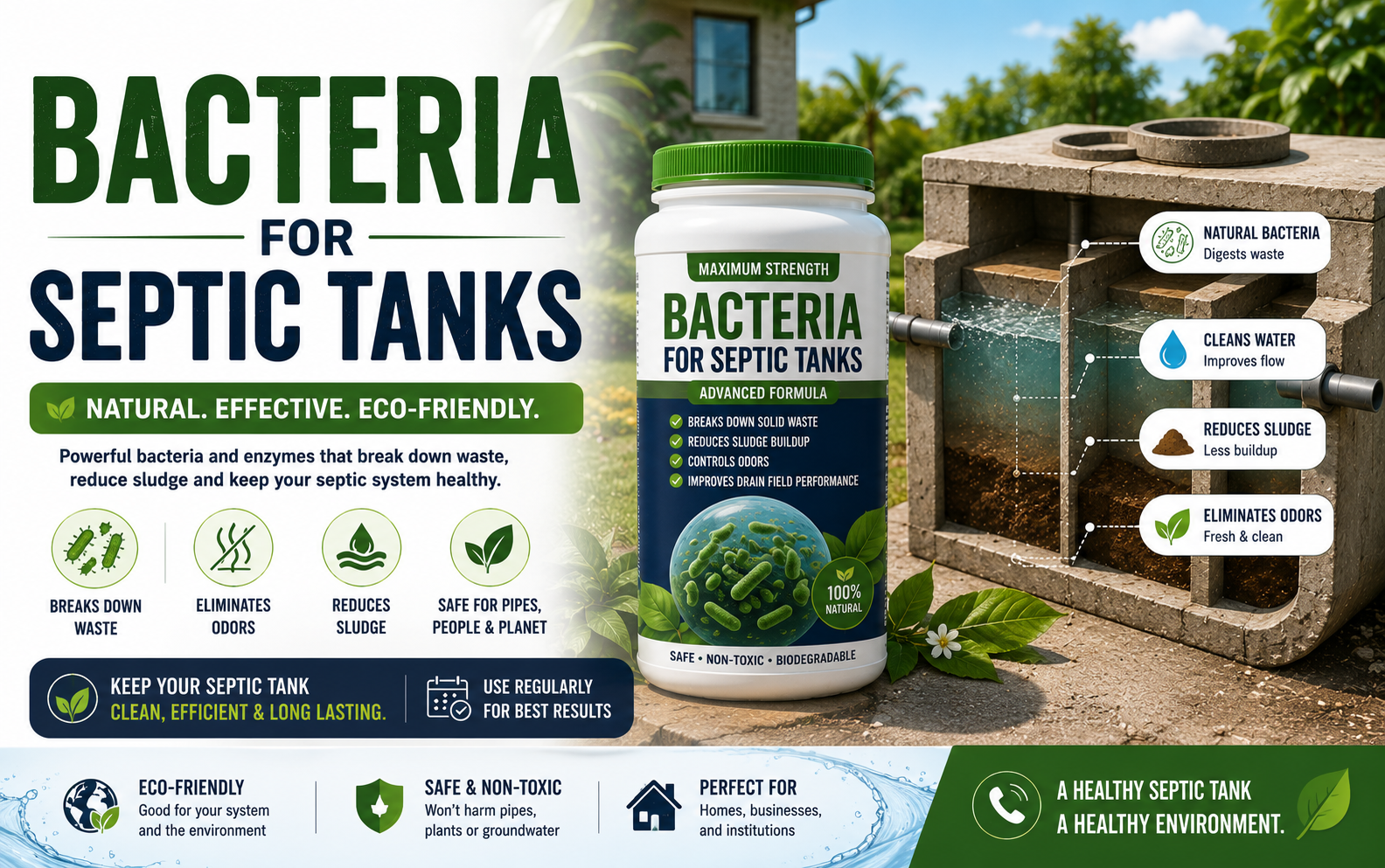
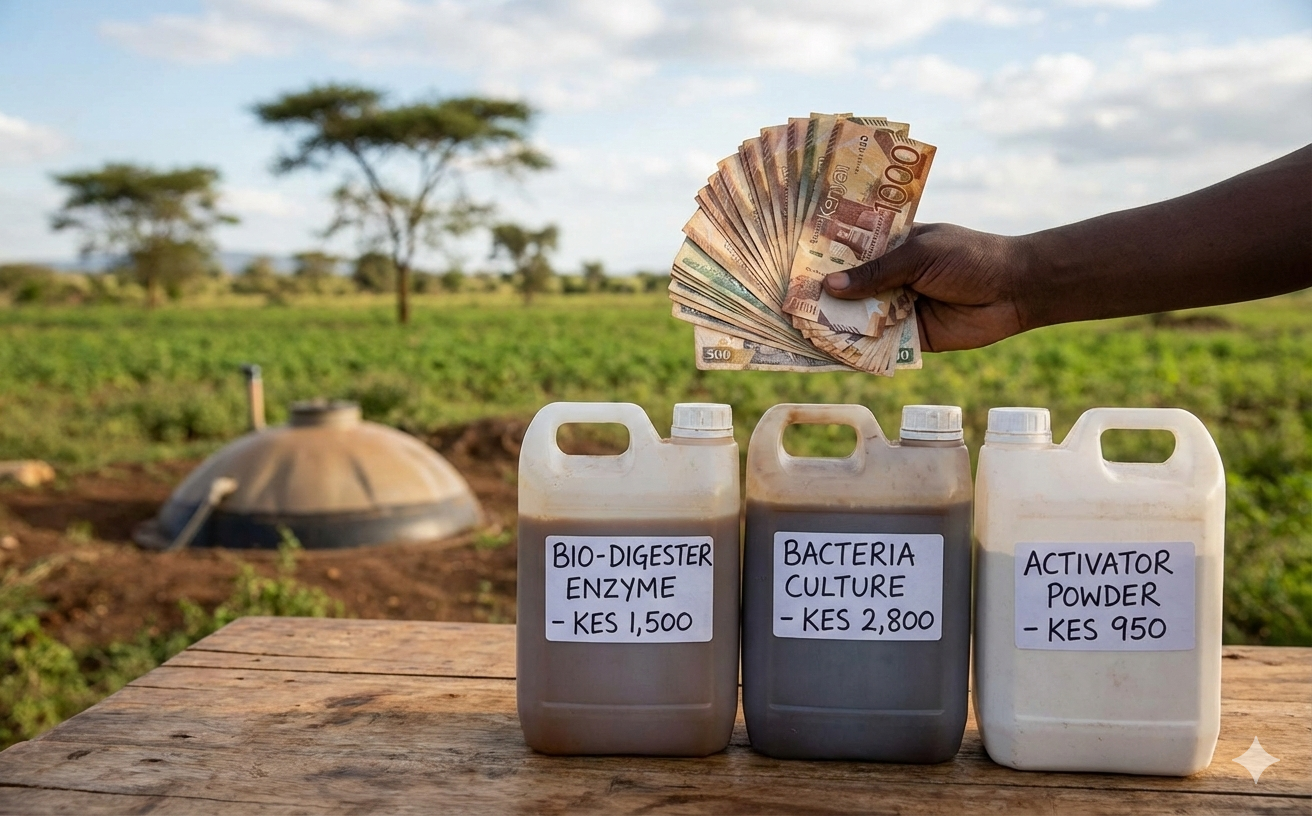
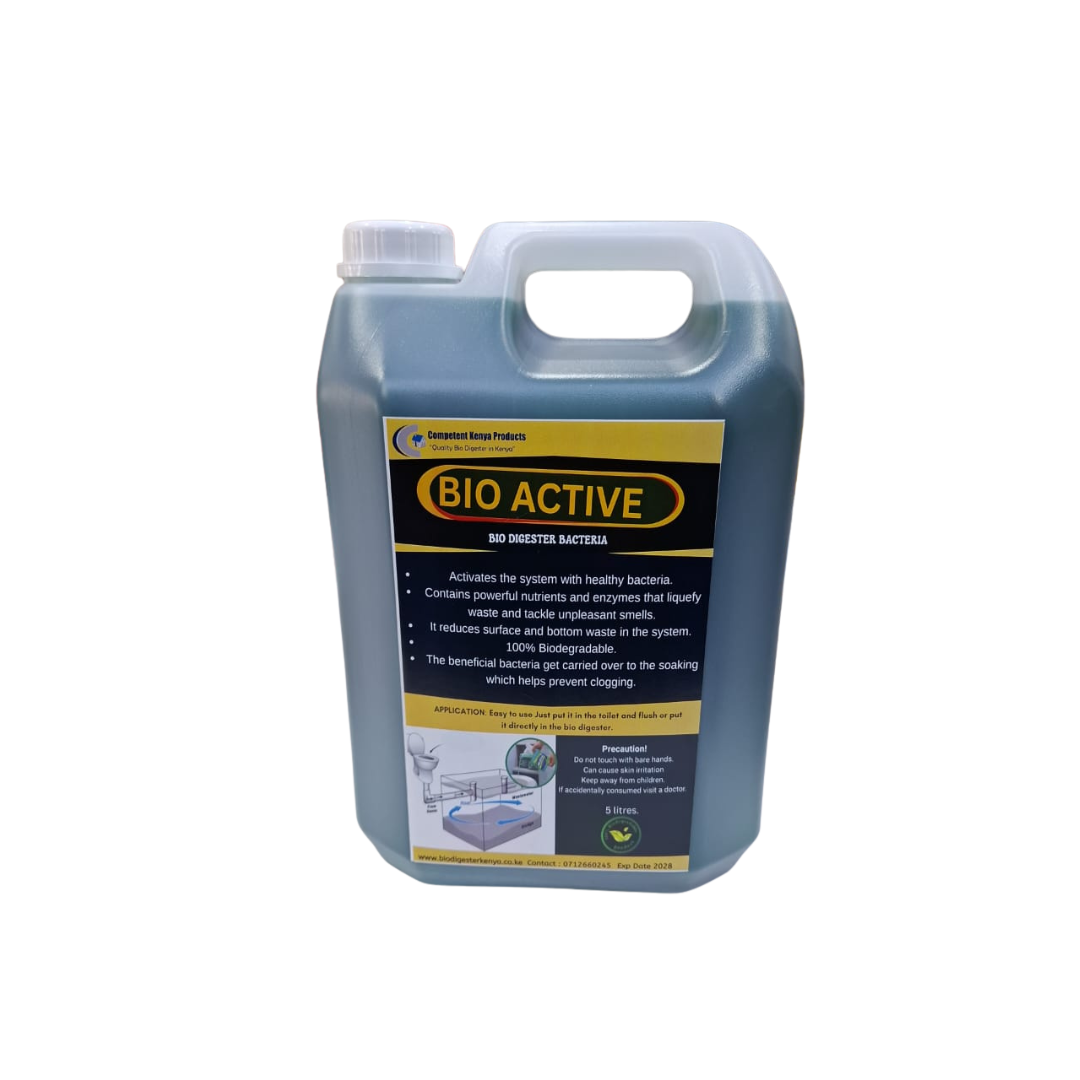
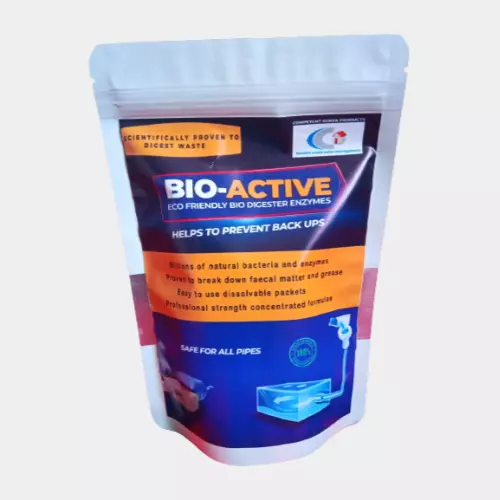
For systems that experience high volume or heavy chemical use, adding a Bio Digester Bacteria – 400g pack once or twice a year keeps the anaerobic digestion process efficient.
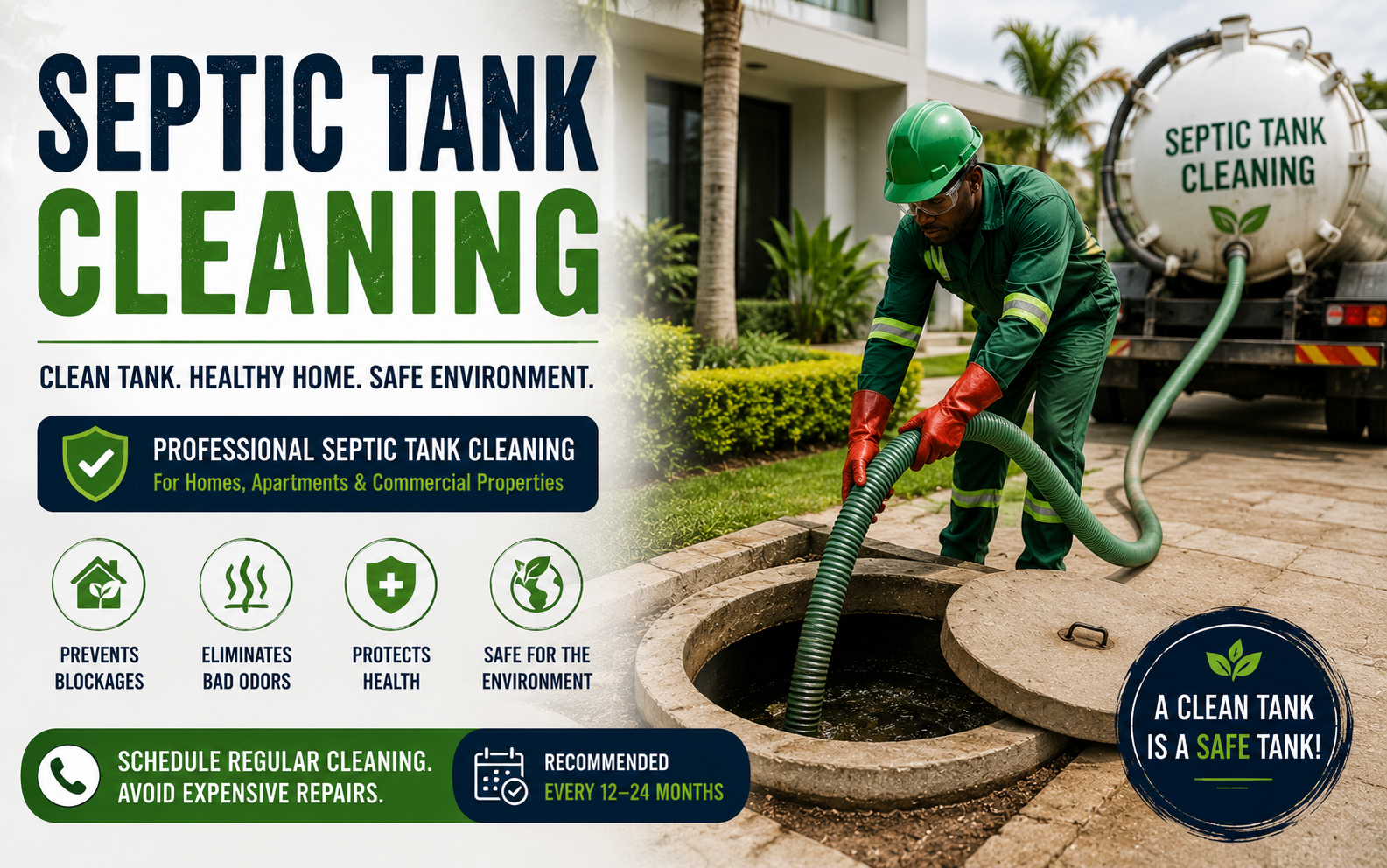
For older, sluggish systems or larger commercial tanks, we recommend our septic tank cleaner to break down stubborn sludge and prevent blockages.
Interested in upgrading your property’s sanitation?
Phone: +254 712 660 245
Email: info@biodigesterkenya.co.ke

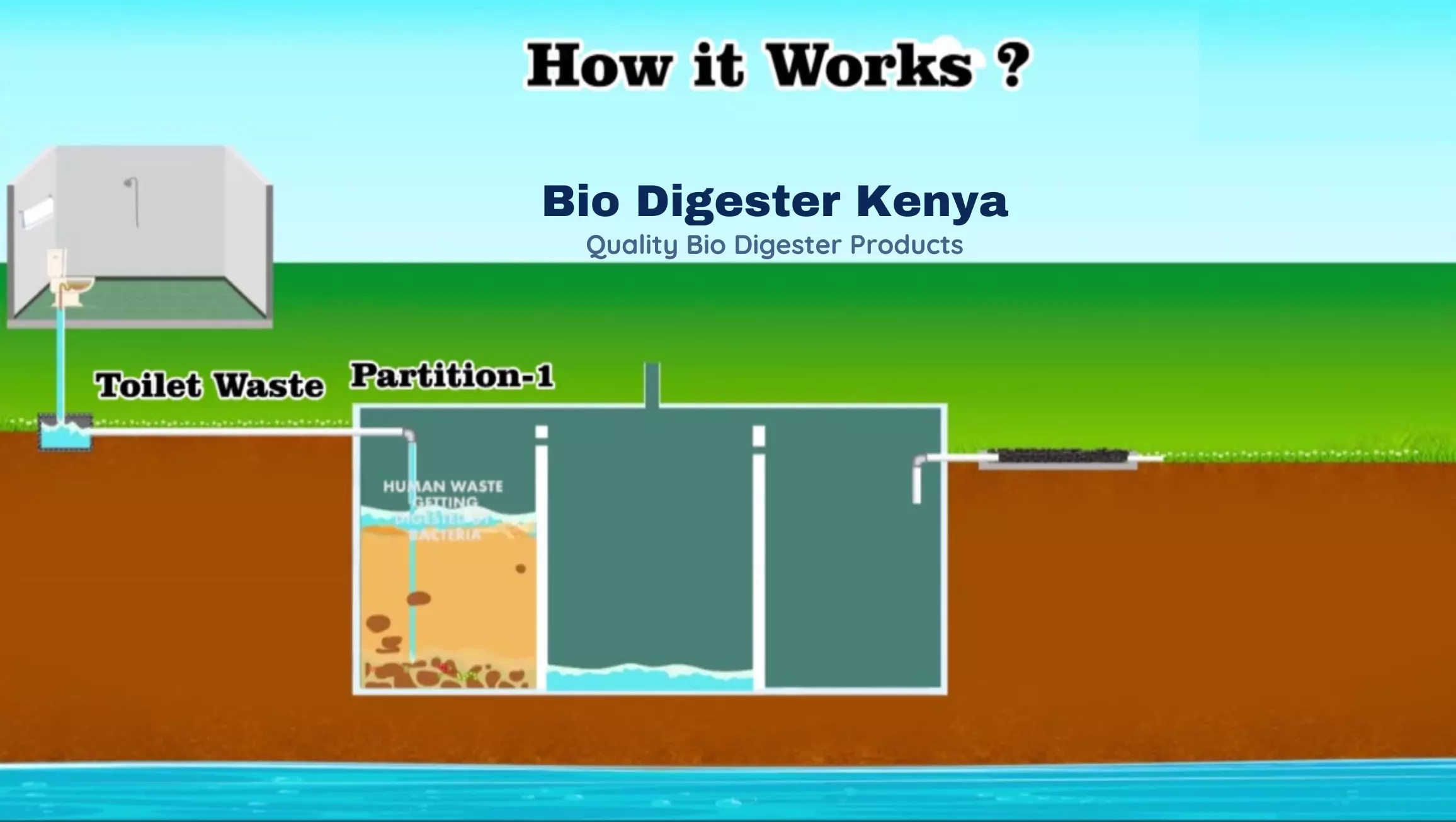
The Engineering Mechanics: How it Works
At Bio Digester Kenya, we follow a strict engineering protocol.
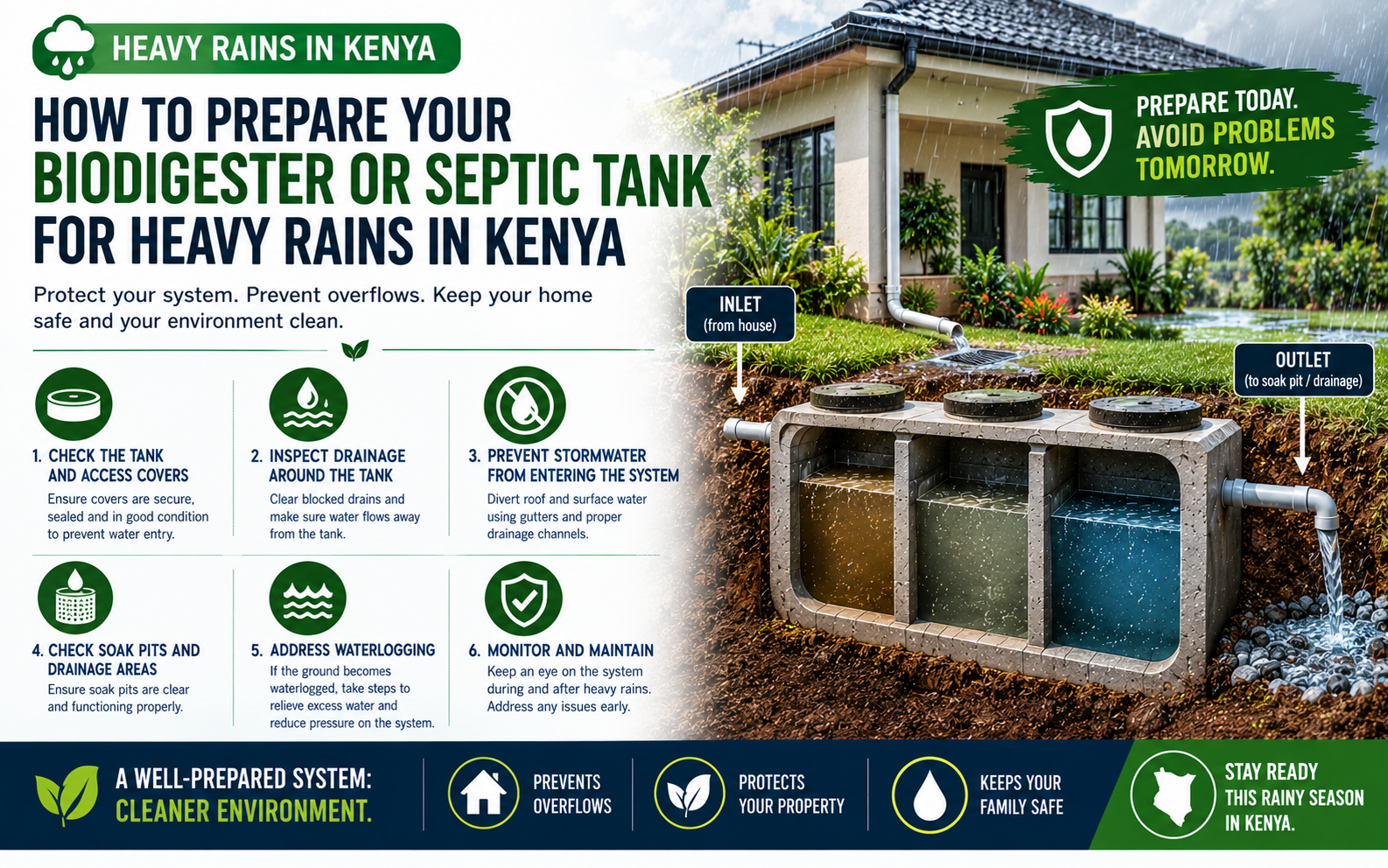
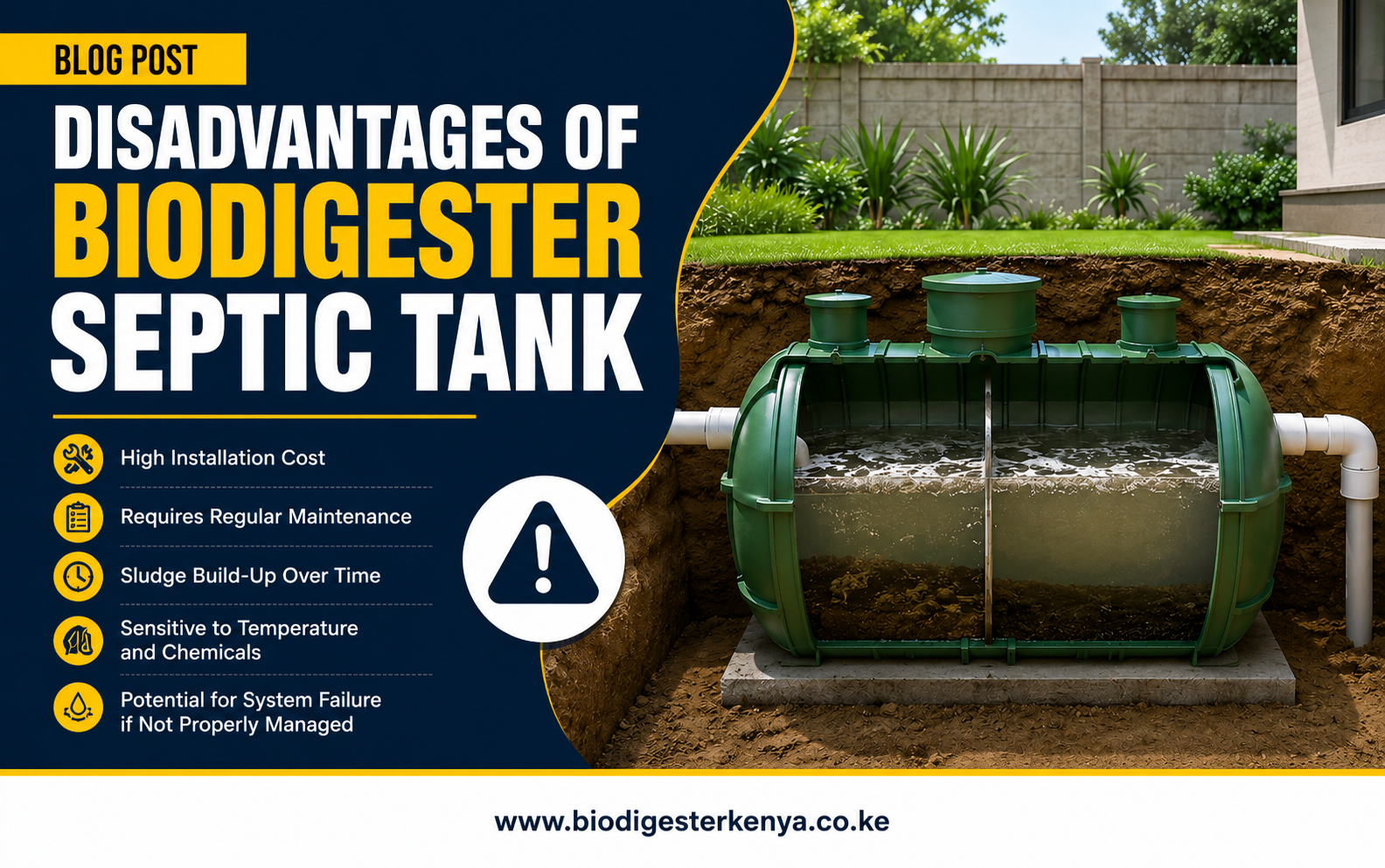
The waste enters the primary chamber where anaerobic bacteria begin the breakdown.
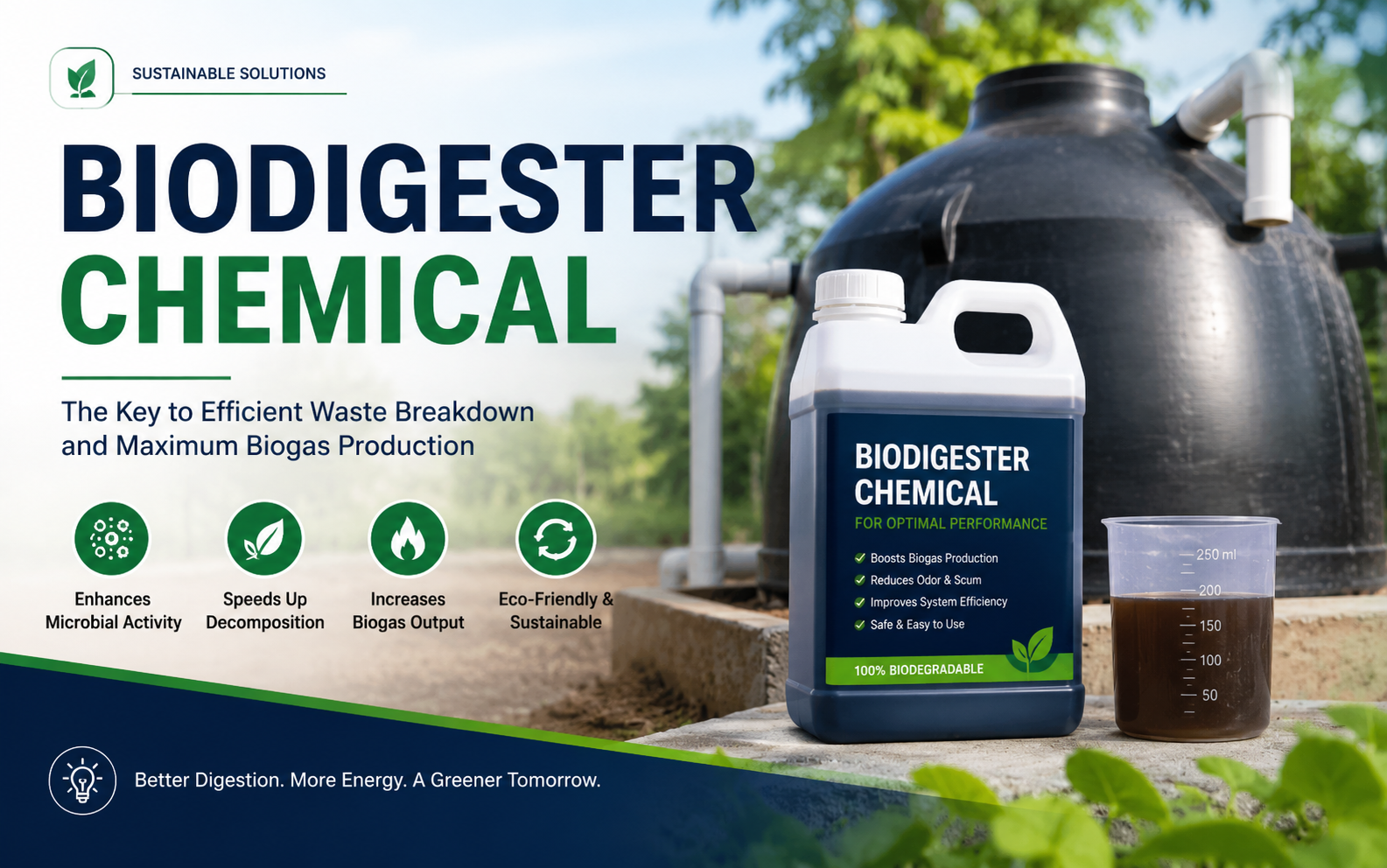
Because the system utilizes specialized biodigester enzymes, the solids are liquefied rapidly.
The biological end result is strictly treated water and odorless air.
The water then exits into a French drain, where it is absorbed back into the environment without contaminating groundwater, adhering to NEMA regulations and public health standards.
Conclusion
Understanding the cost to build a digester is the first step toward environmental and financial freedom for any Kenyan property owner.
While the initial setup requires a professional investment, the elimination of monthly exhaust services and the minimized footprint make it the most logical sanitation choice in 2026.
Transitioning to a modern biodigester ensures your home or commercial project remains odorless, compliant, and cost-effective for decades to come.
Frequently Asked Questions
- Does a biodigester smell?
No, a correctly installed system produces only odorless air and treated water because the enzymes break down all organic waste completely. - How often do I need to add enzymes?
For a standard home, you typically only need to add a maintenance dose of bacteria once every 12 months or if you use heavy disinfectants. - Can I build a biodigester in black cotton soil?
Yes, but it requires a specialized soaking area design or a larger French drain to accommodate the slower water absorption rate of the soil. - How long does the installation take?
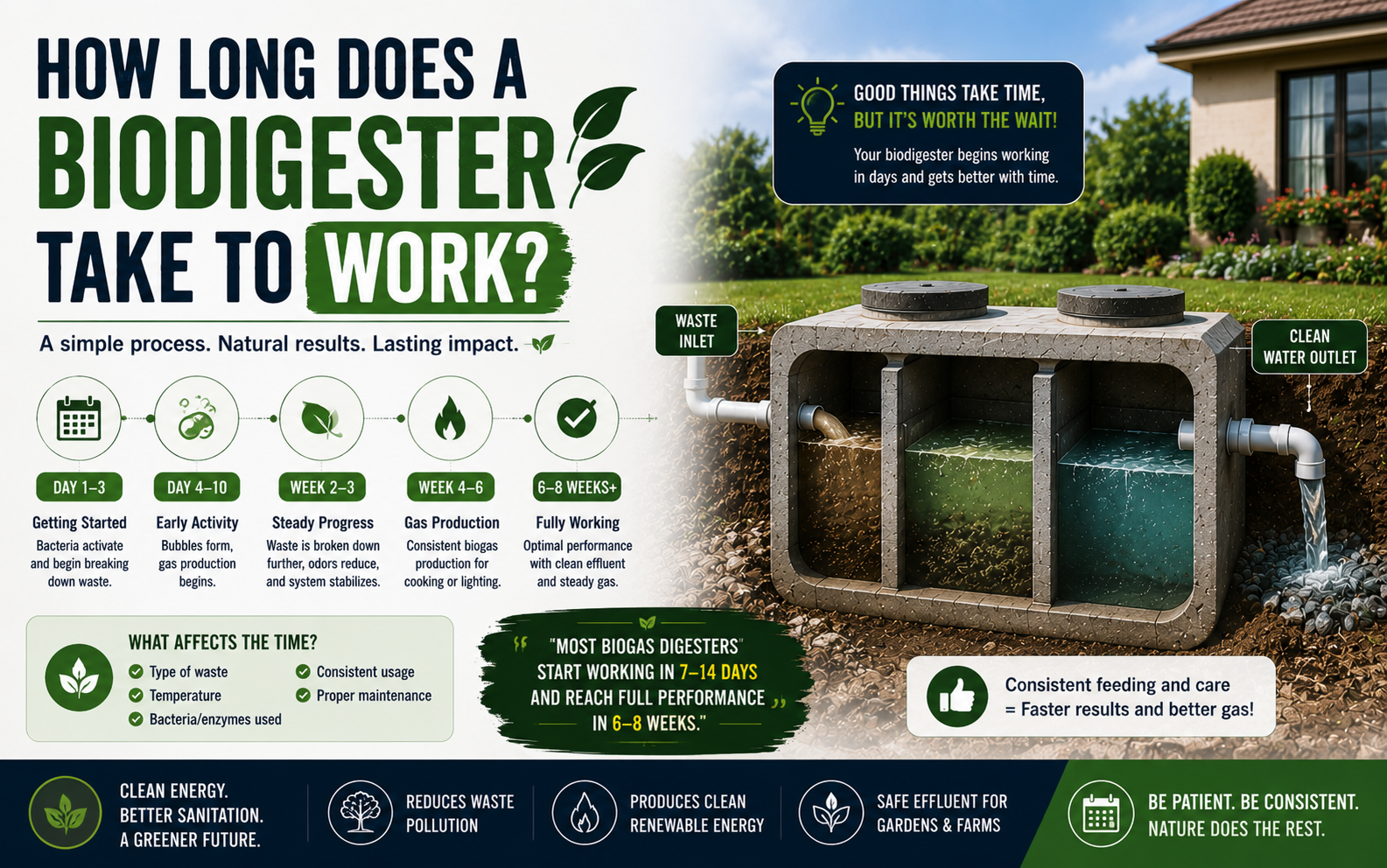
A professional residential installation usually takes between 2 to 4 days from excavation to the final commissioning of the system. - Will a biodigester ever need to be emptied?
If properly maintained and not fed non-biodegradable materials like plastics or stones, a biodigester never needs to be emptied by an exhaust bowser.
Contact the experts at Bio Digester Kenya today for a site visit:
Phone: +254 712 660 245
Email: info@biodigesterkenya.co.ke