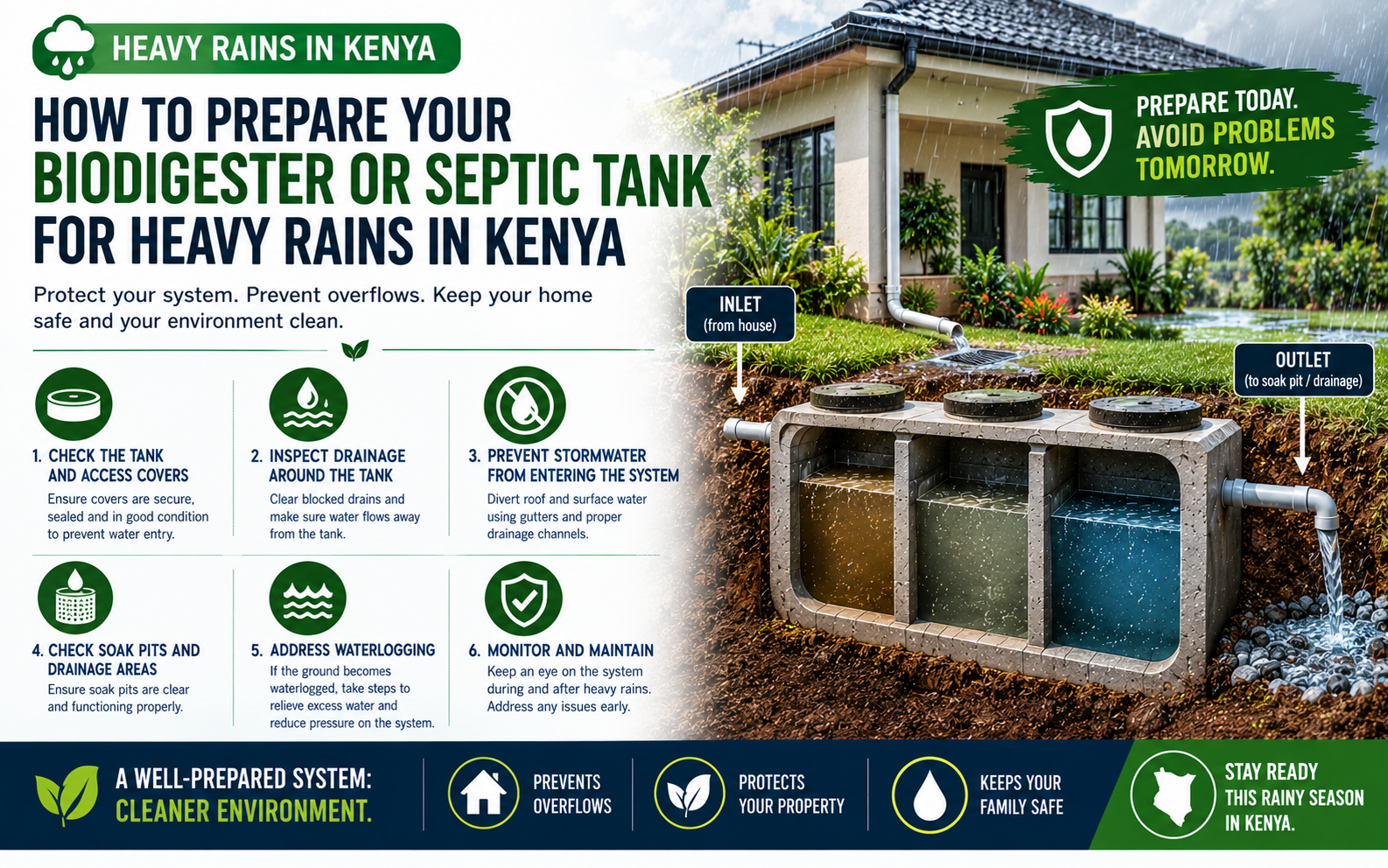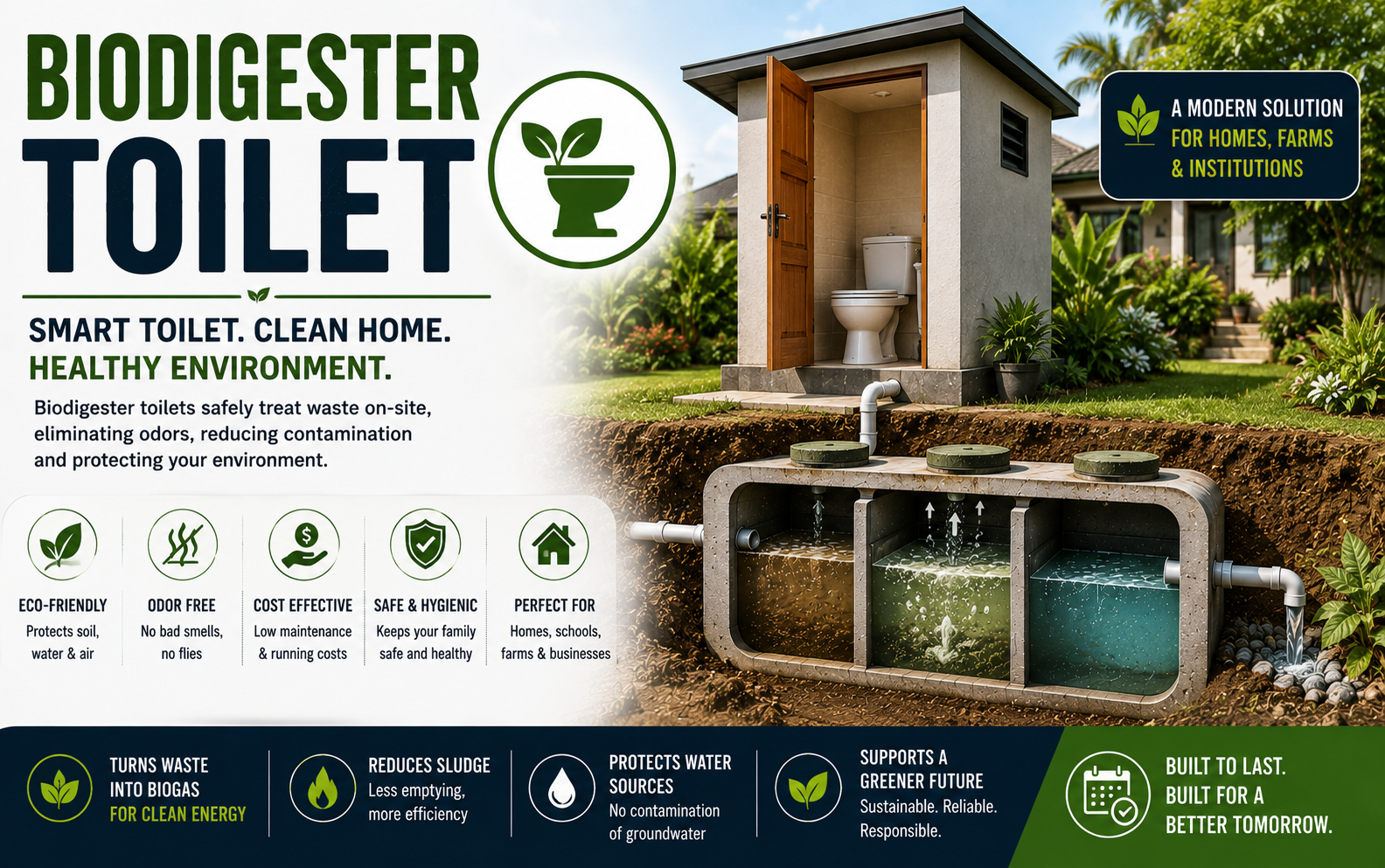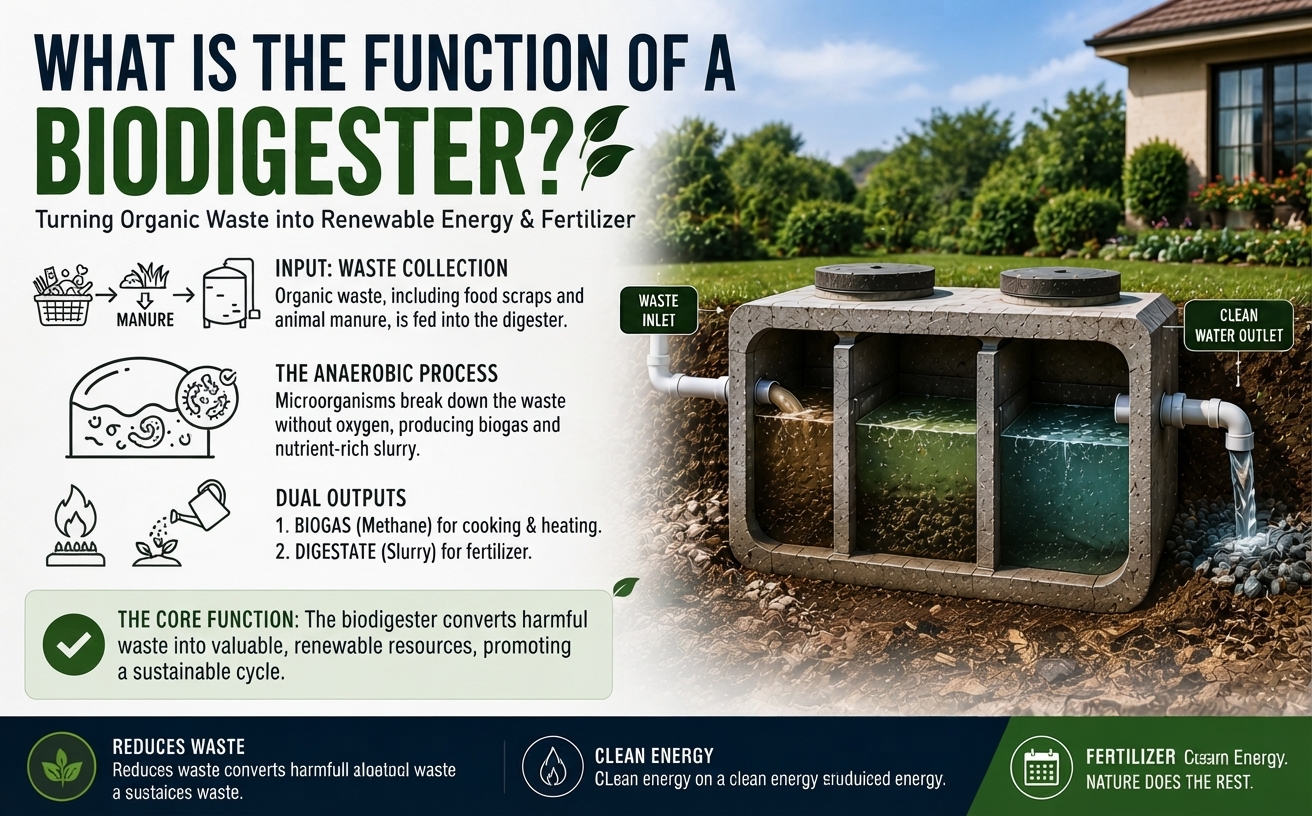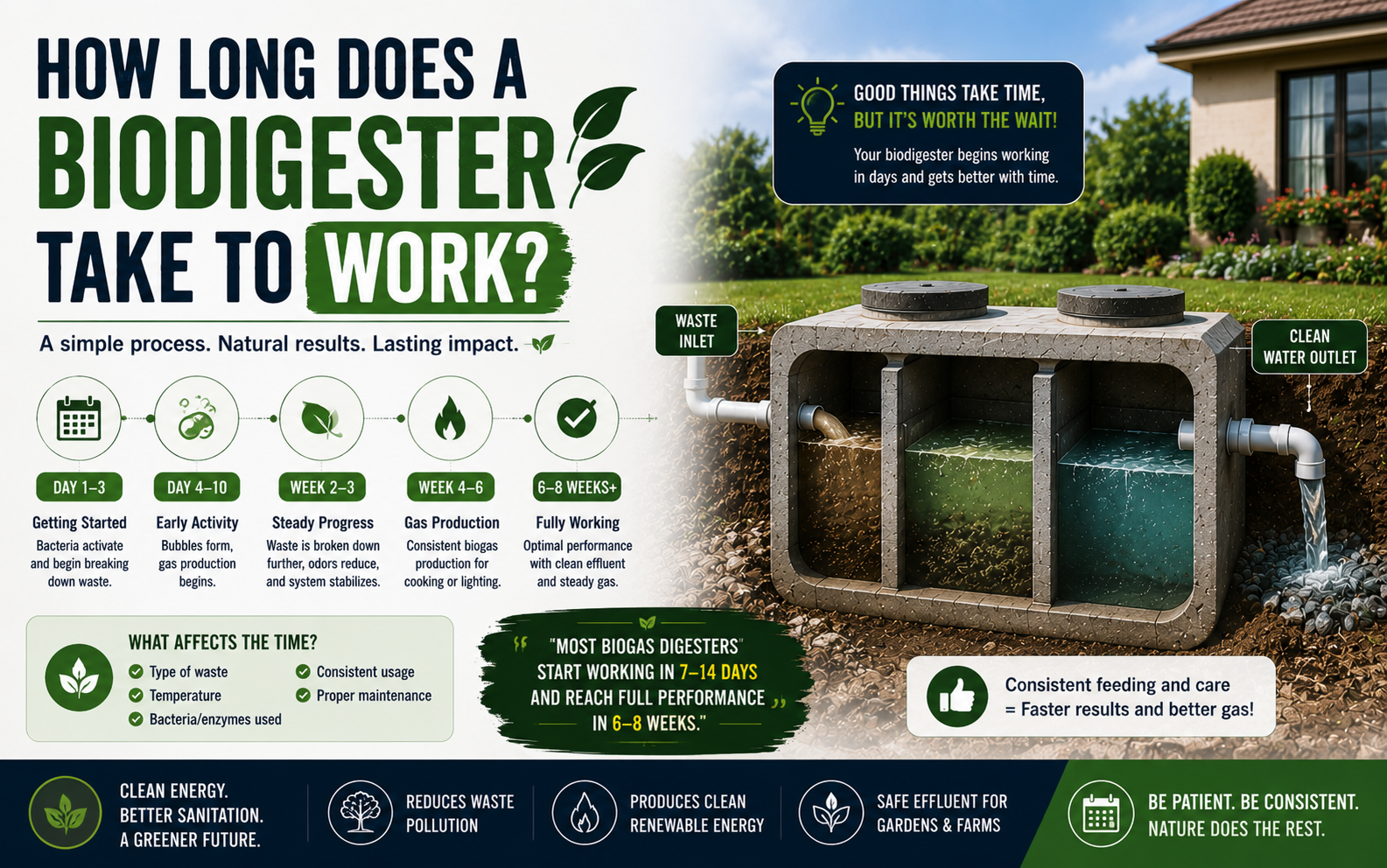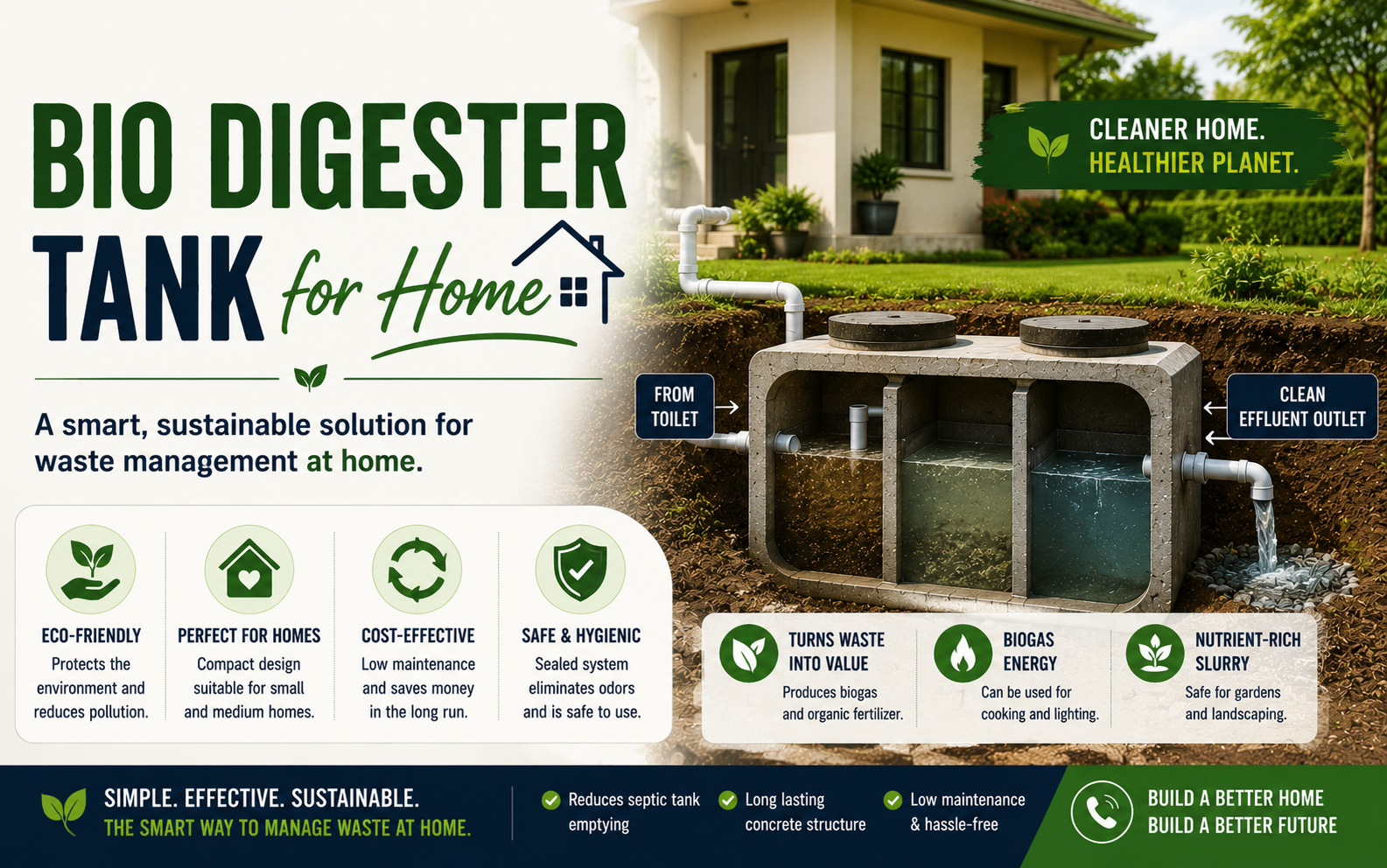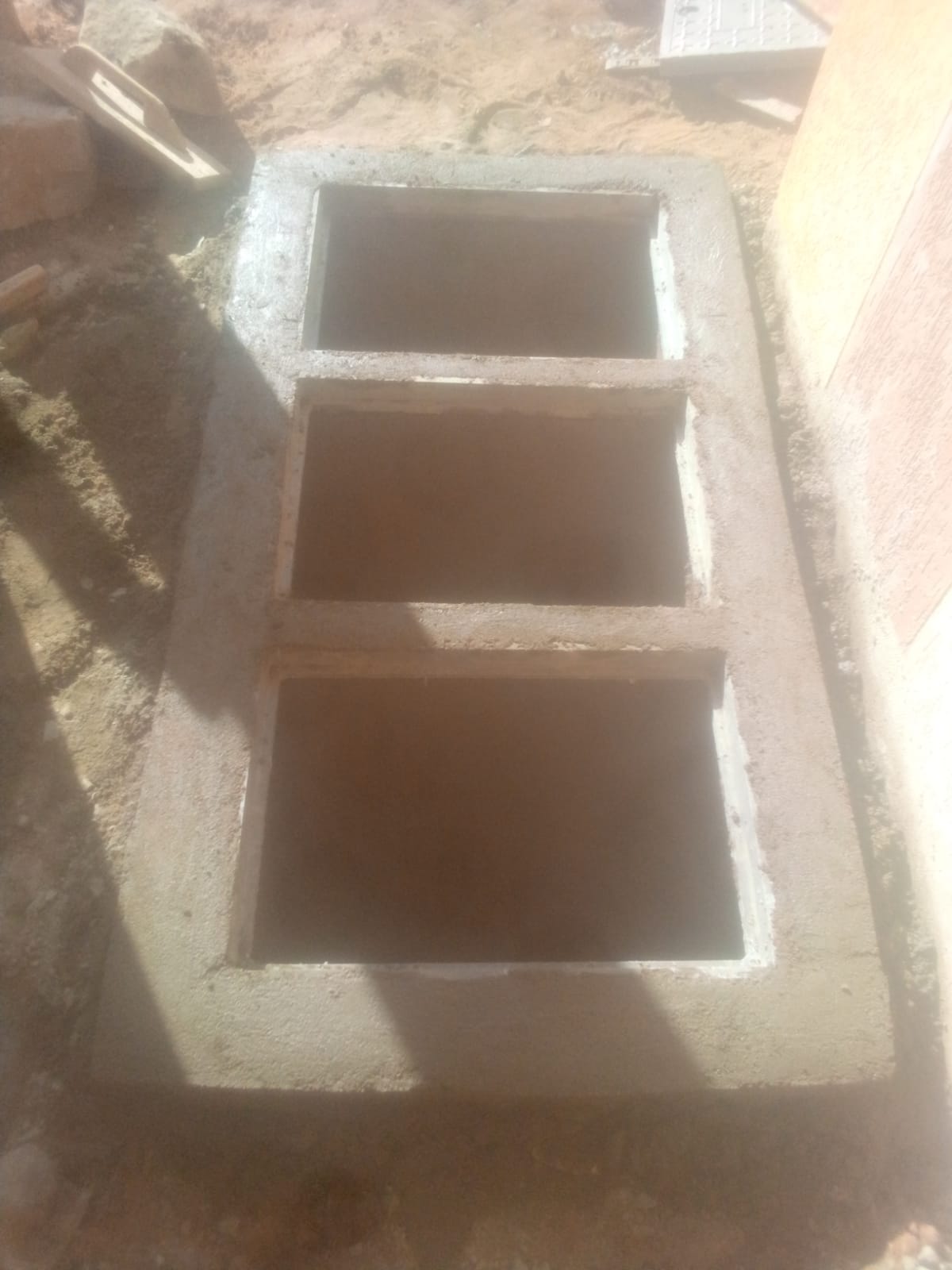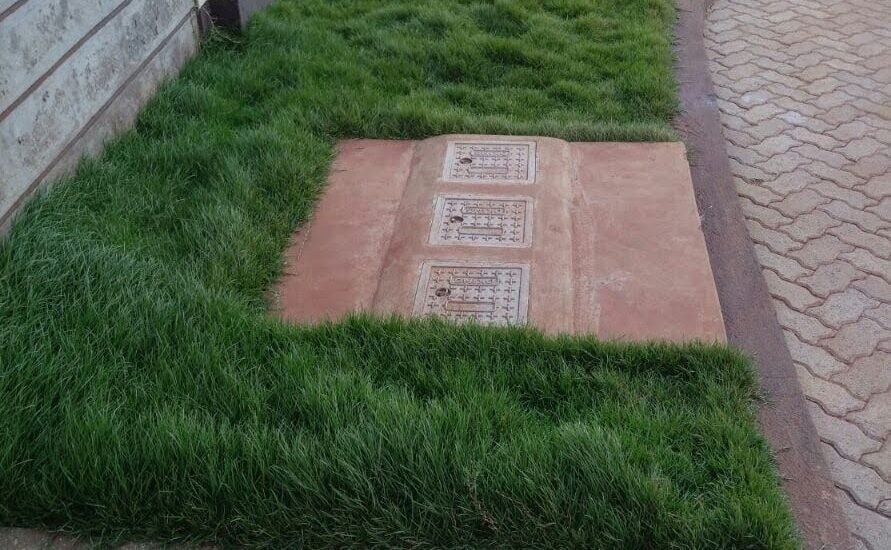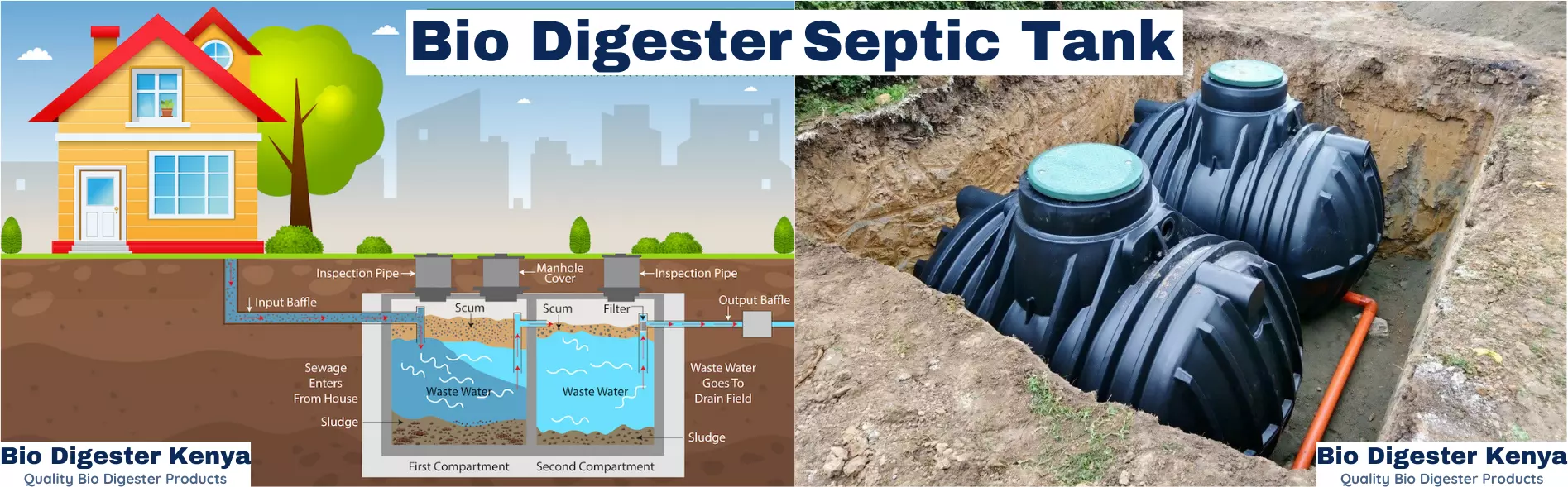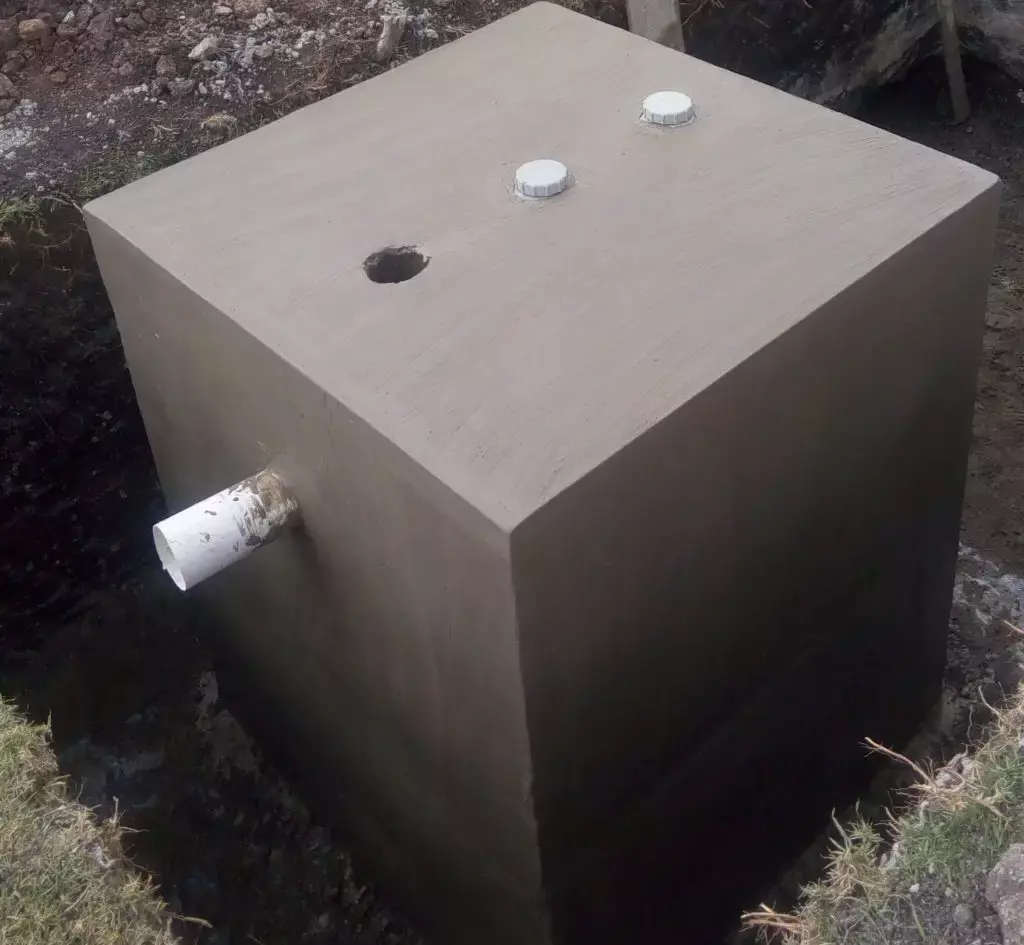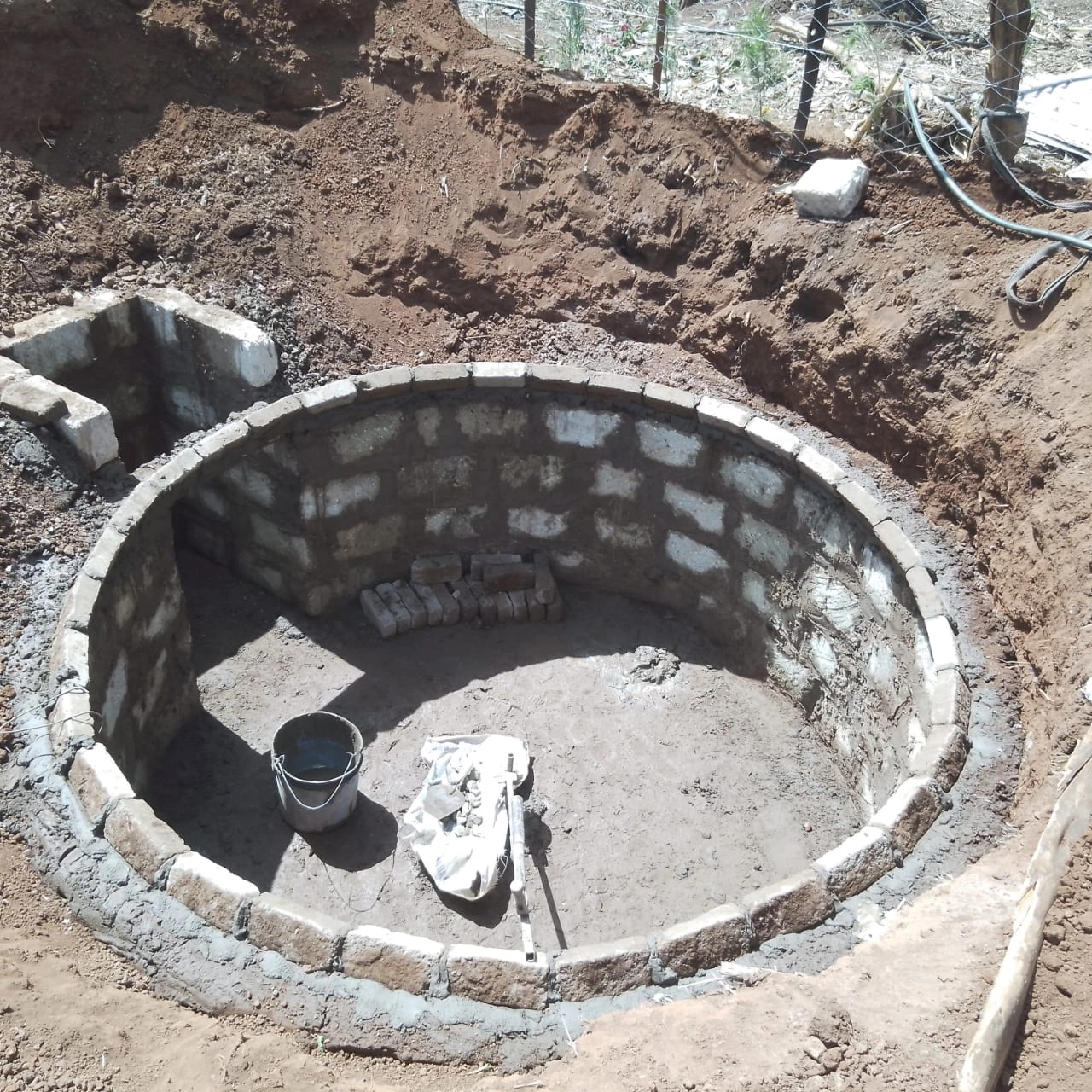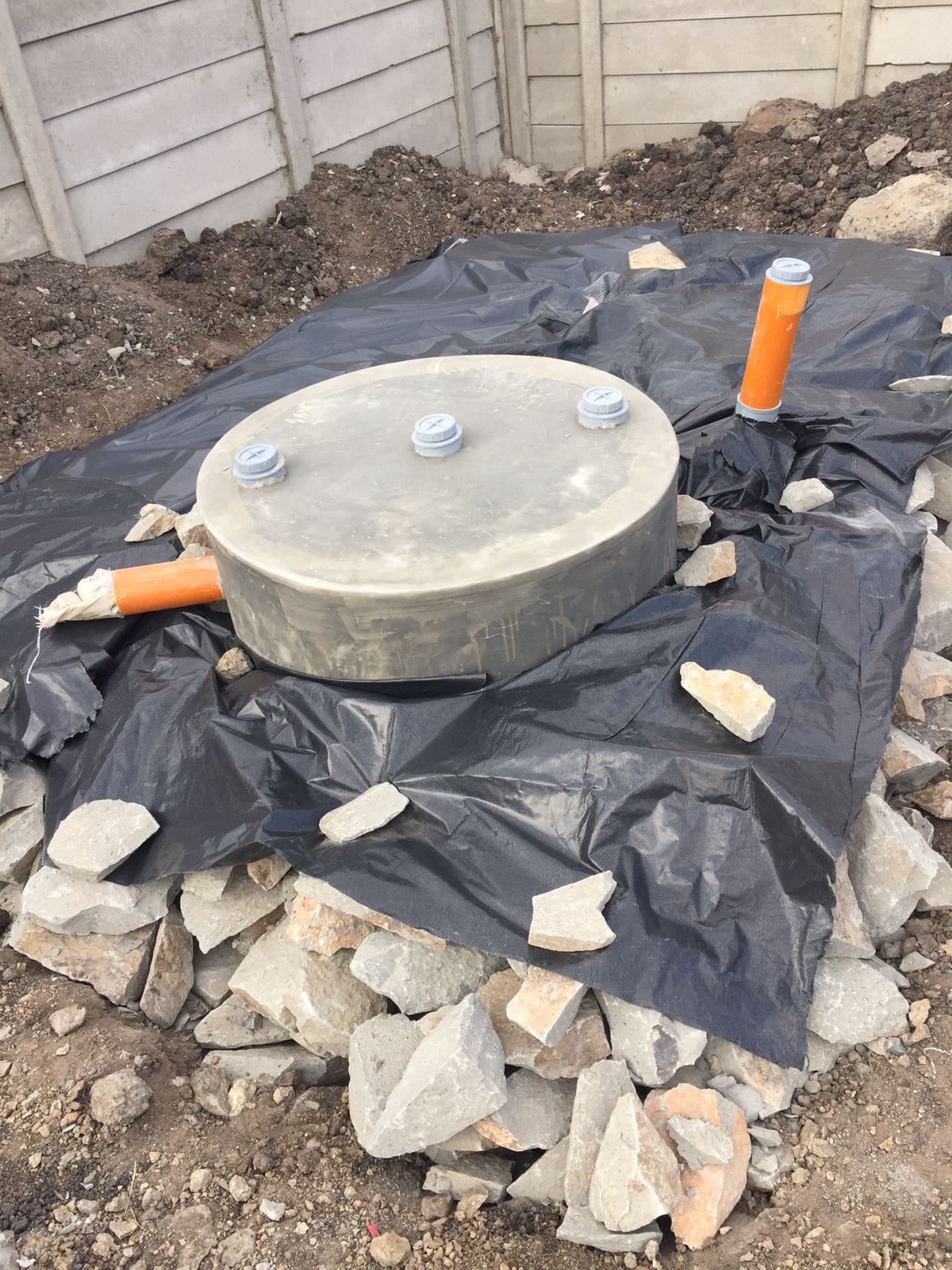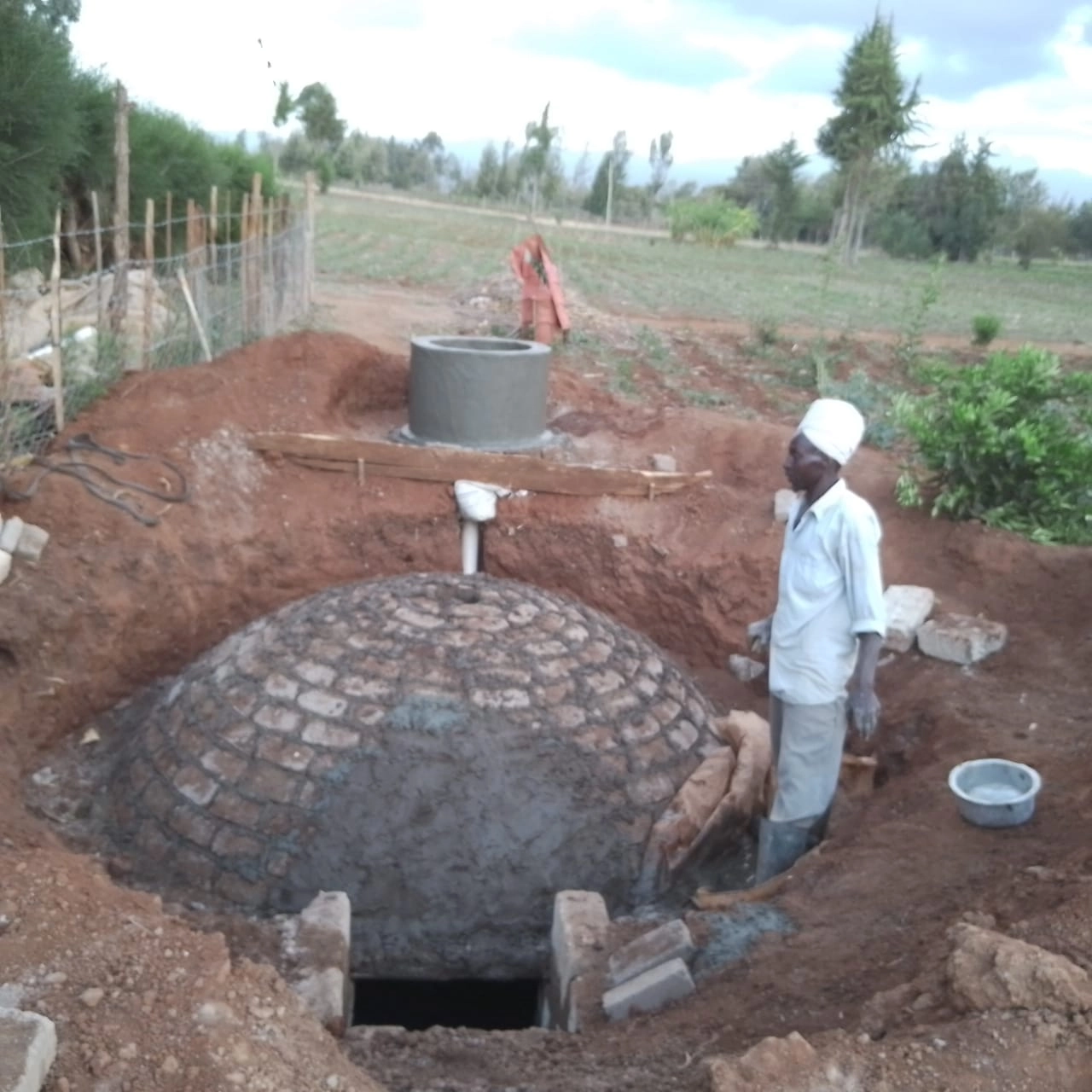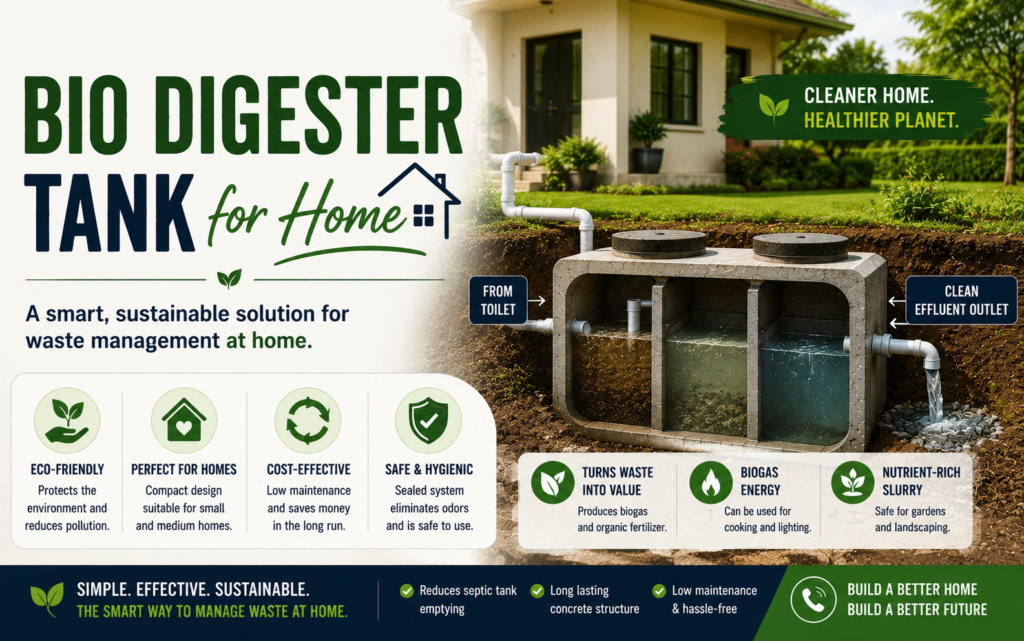
A bio digester tank for home is a high-efficiency anaerobic waste treatment system that uses specialized enzymes to break down human waste into treated water and odorless air.
Unlike traditional septic tanks, it eliminates the need for recurring exhaust emptying by directing filtered water into a localized soaking area.
Why Traditional Septic Tanks are Failing Kenyan Homeowners
For decades, the standard for Kenyan residential construction has been the concrete ring septic tank.
However, for anyone building in Nairobi’s expanding estates or the denser corridors of Kiambu and Machakos, the traditional model is becoming a liability.
Large concrete tanks consume valuable plot space, a luxury you don’t have on a 50×100 plot in a modern gated community.
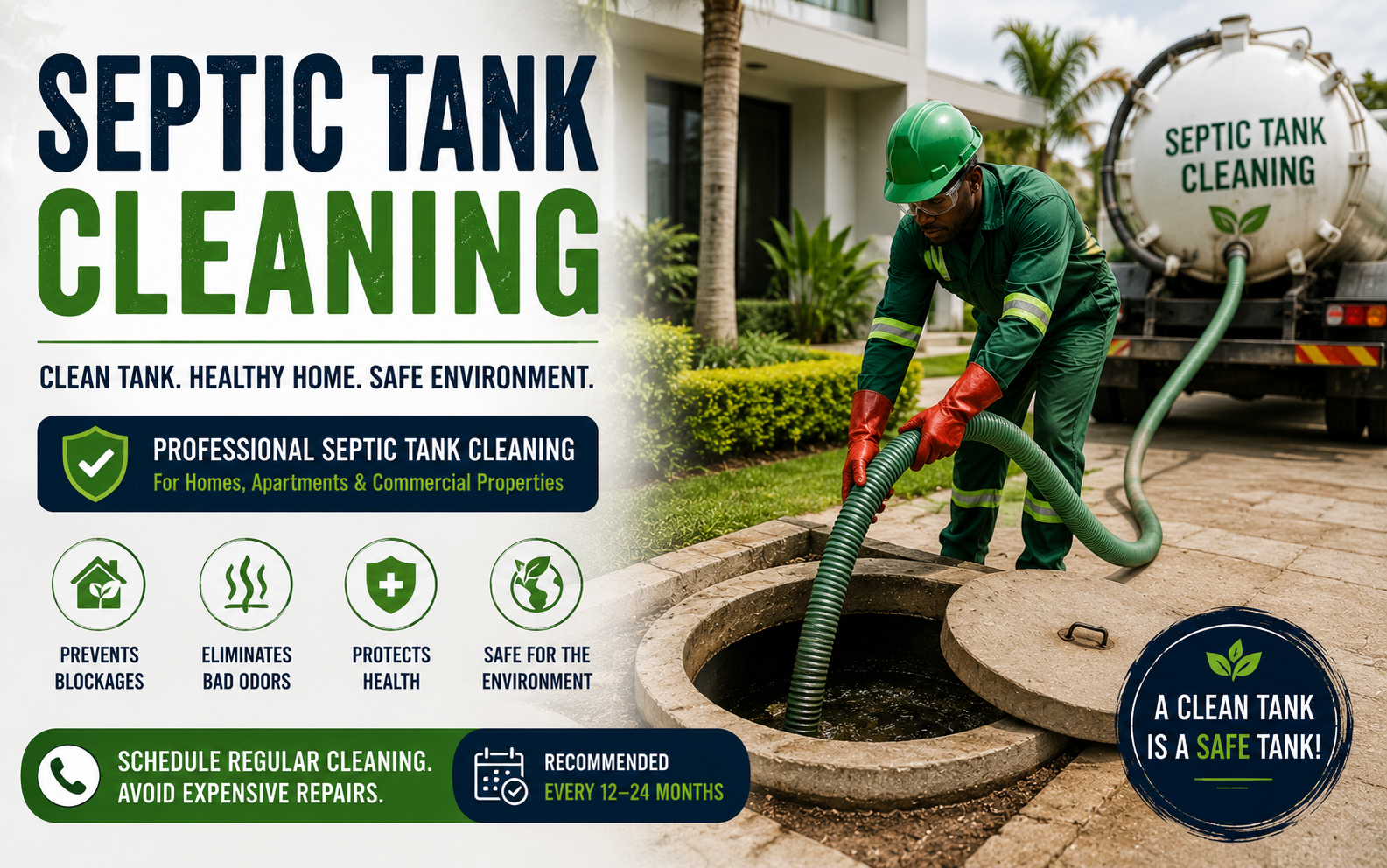
Beyond space, there is the “exhaust trap.” Relying on exhaust bowsers is an endless financial drain.
In many Nairobi neighborhoods, the cost of emptying a full tank has skyrocketed, and the logistical nightmare of coordinating a bowser in a tight estate is a common frustration for property owners.
If you are weighing your options, a biodigester vs septic tank comparison reveals that the long-term operational costs of a bio-system are nearly zero.
The Engineering Behind the Bio Digester System
A bio digester isn’t just a hole in the ground; it is a biological reactor.
The system functions as a modern human waste management solution for residential homes and commercial spaces, utilizing the principles of anaerobic digestion.
The Waste Breakdown Process
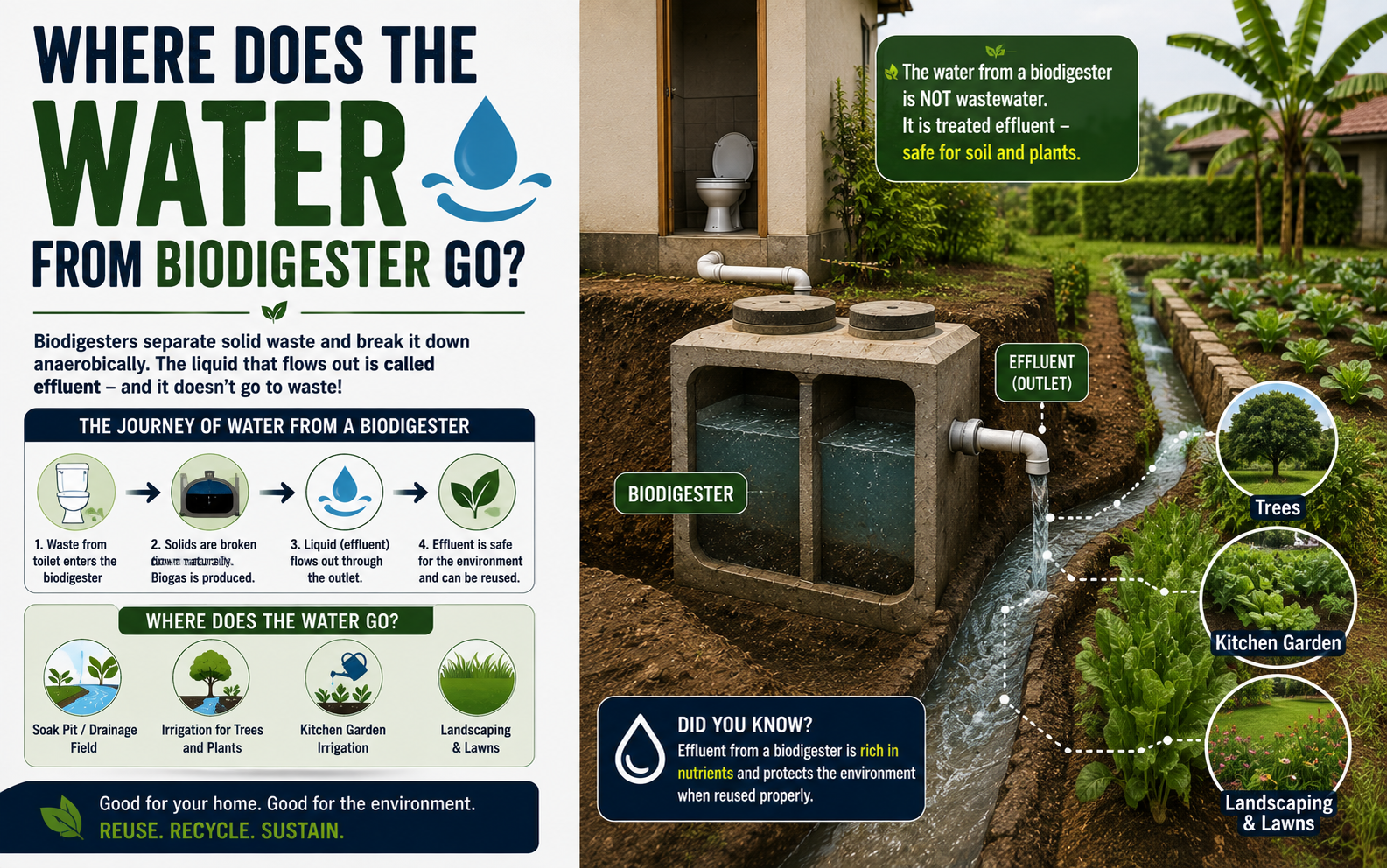
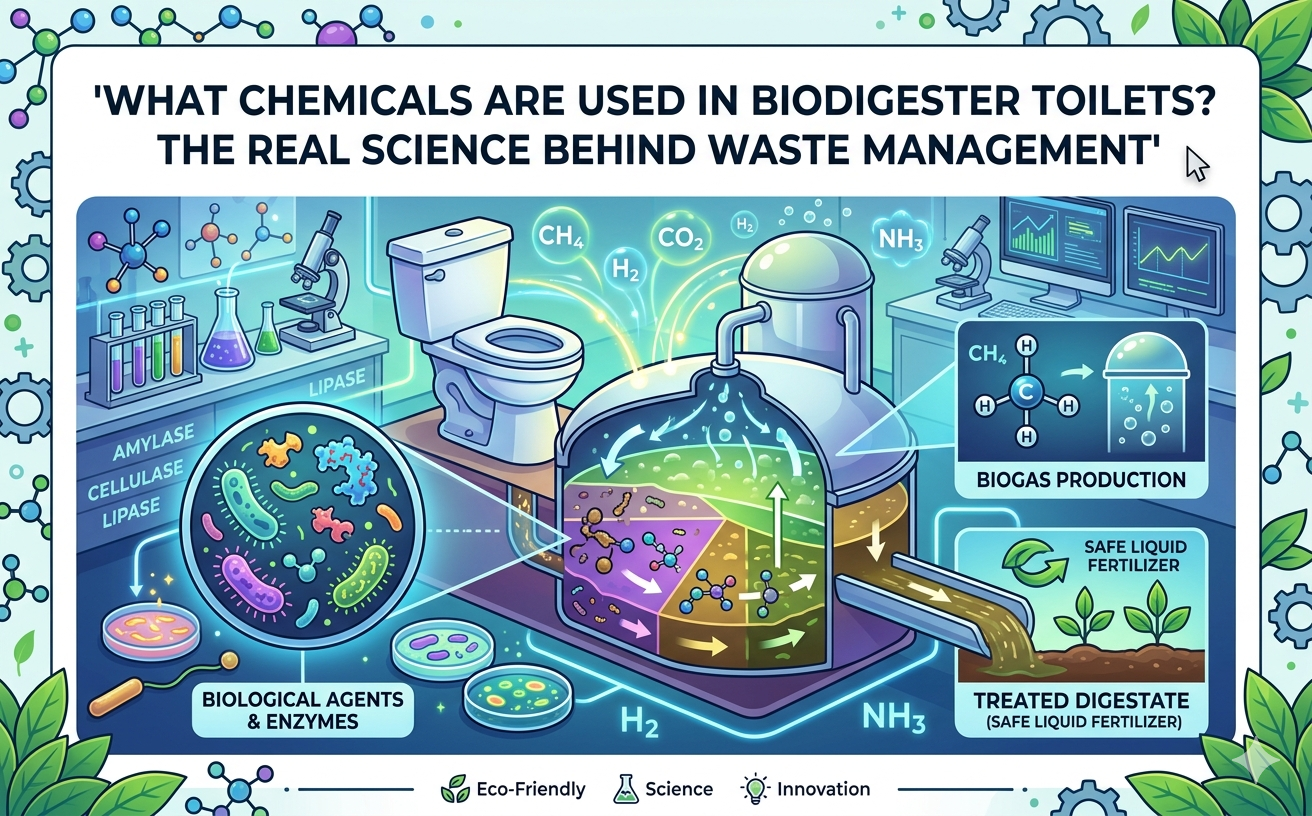
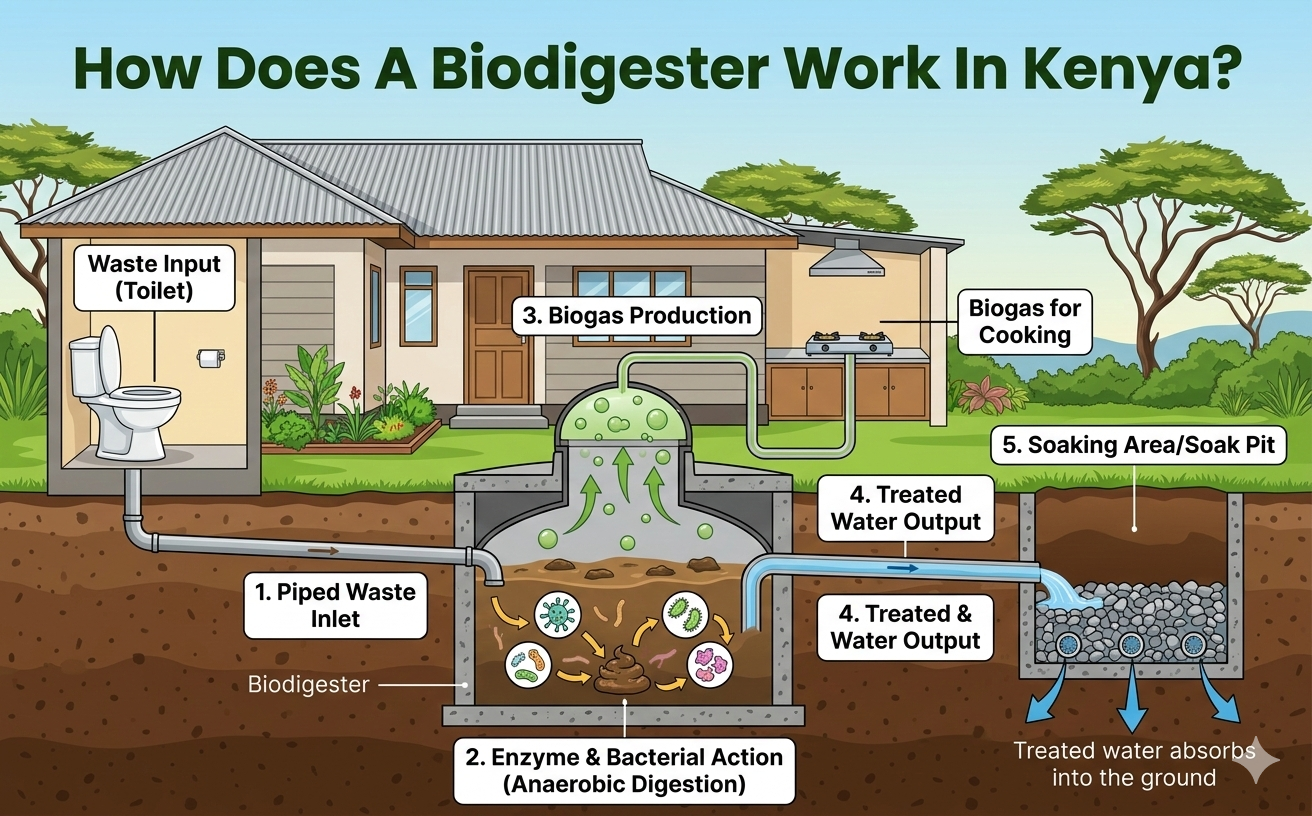
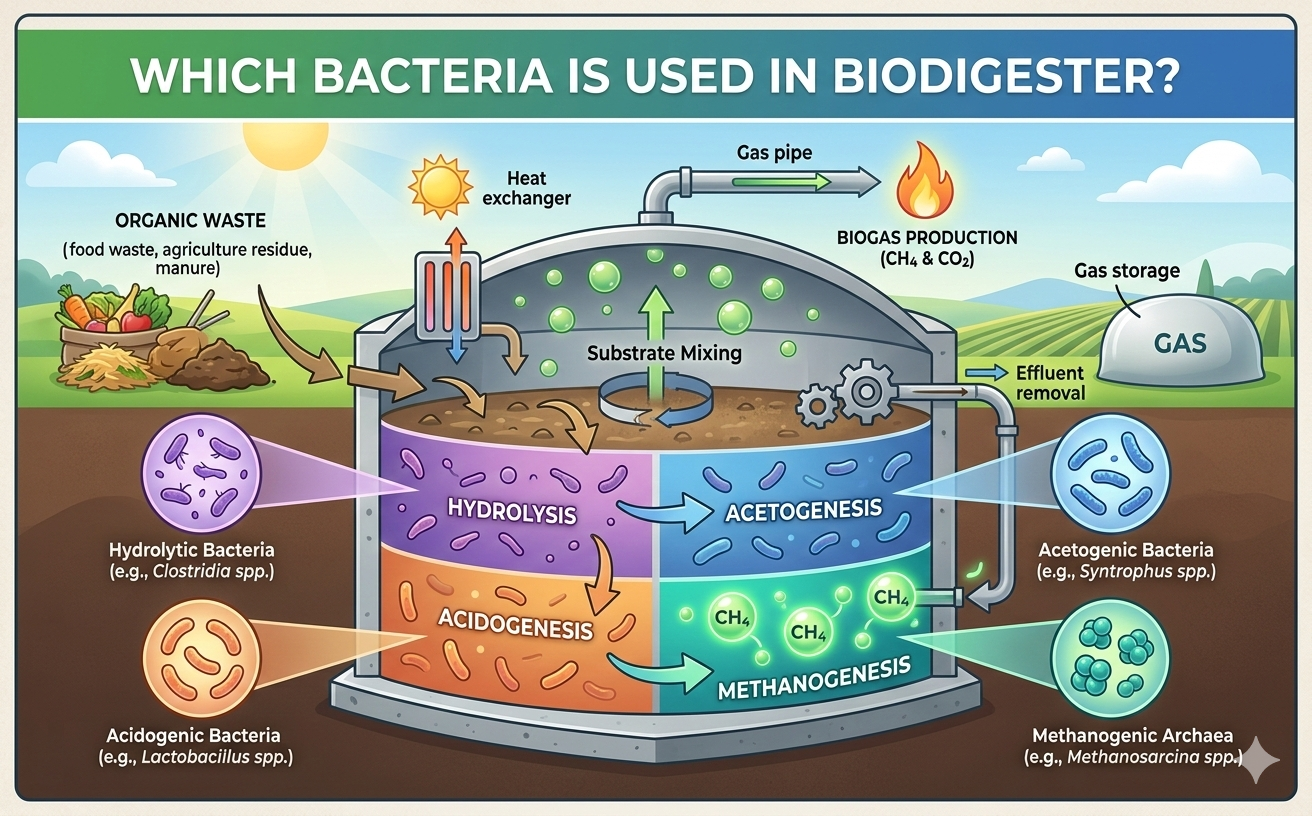
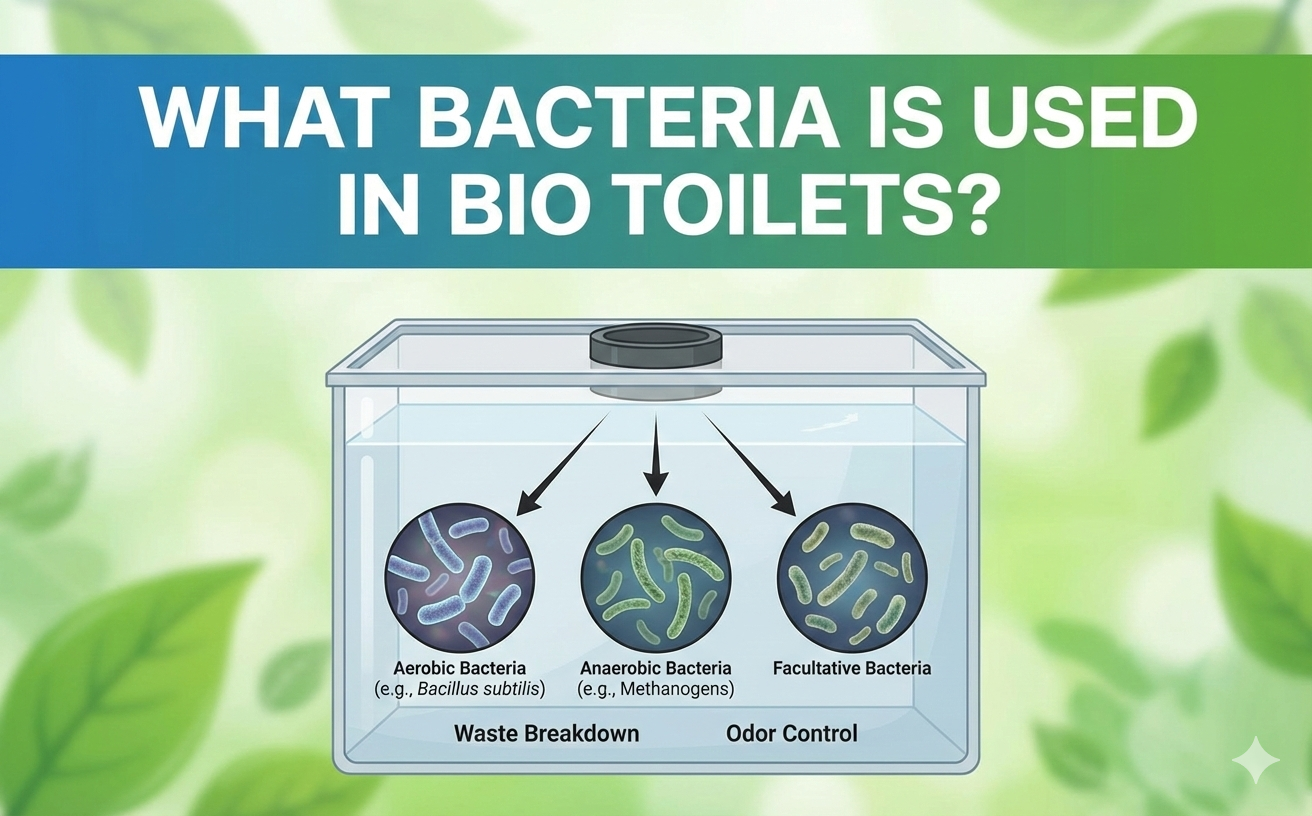
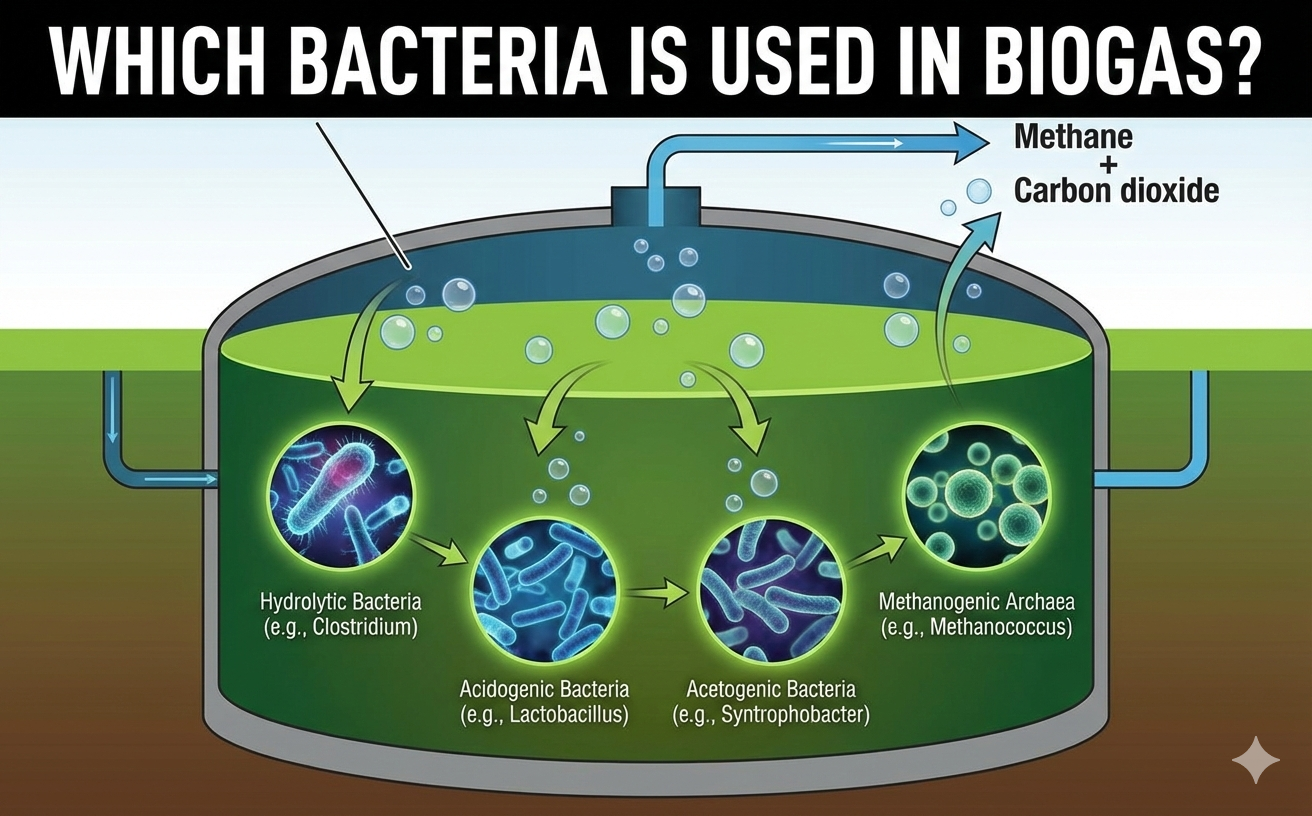
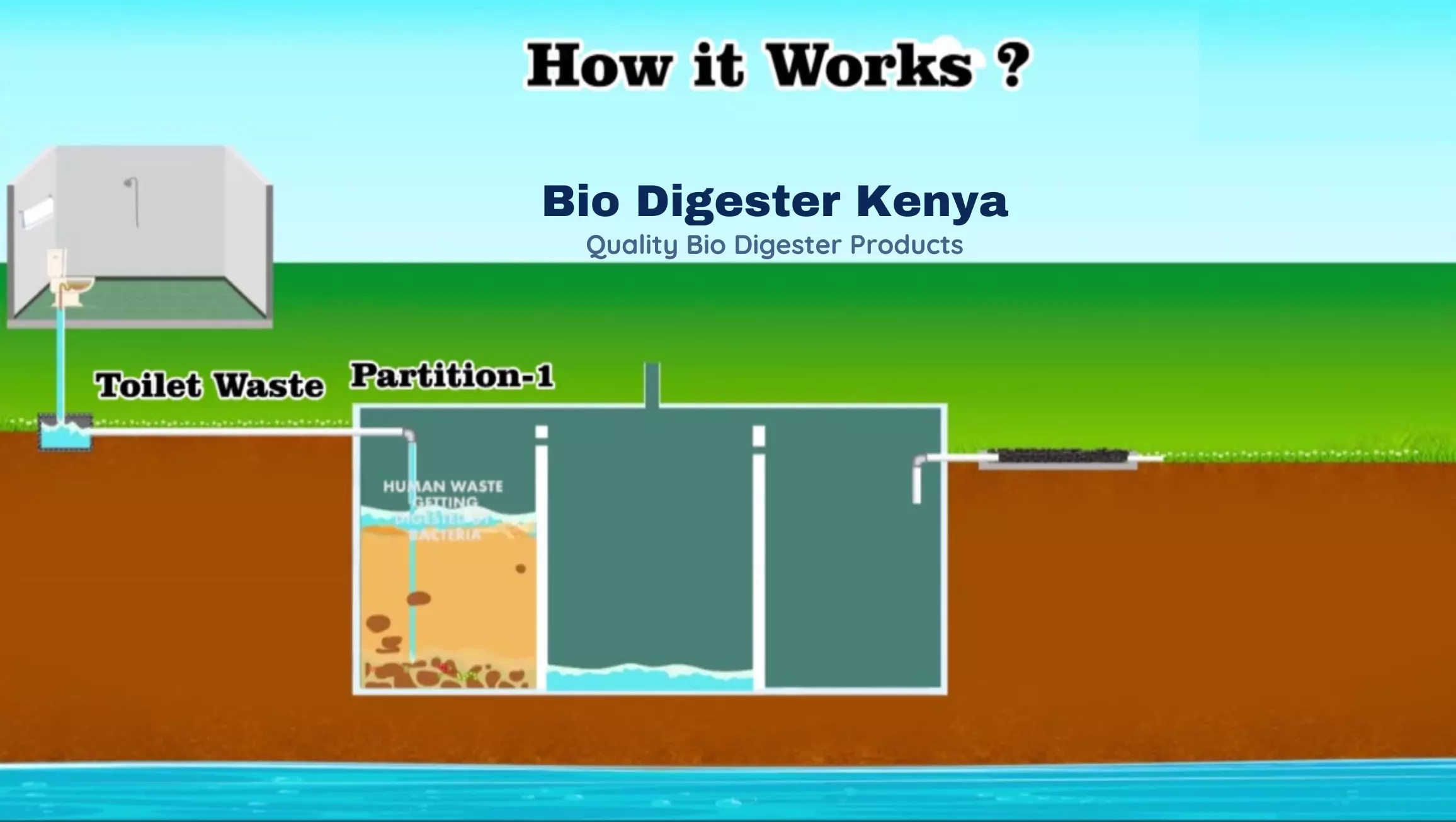
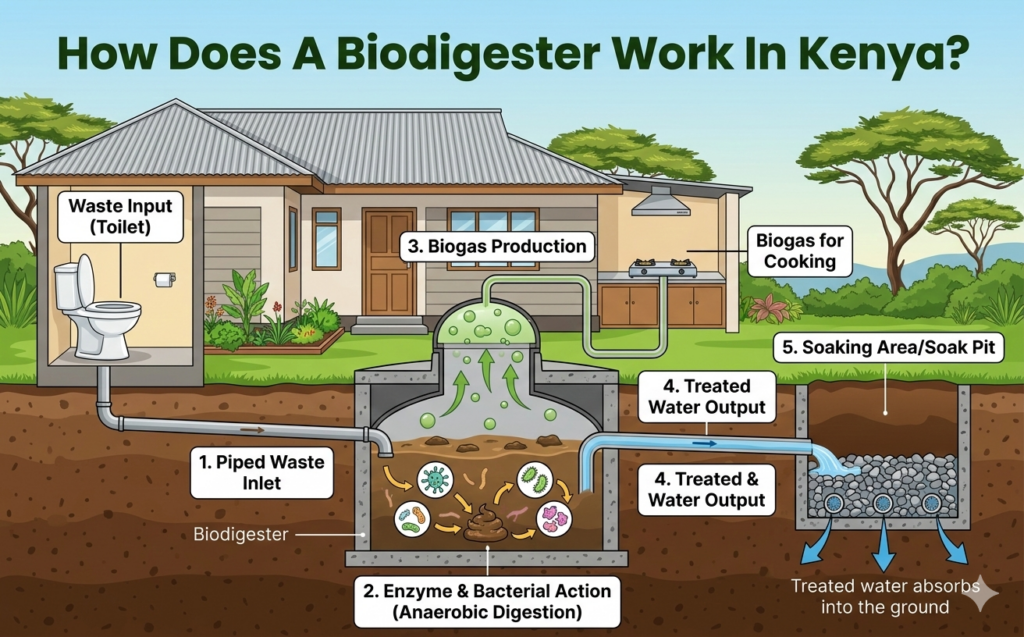
Waste is piped directly into the biodigester where specialized biodigester enzymes break down and consume the solid waste.
These bacteria attack the organic matter, converting solids into liquid and gas through a precise biochemical reaction.
Because this process is highly efficient, the biological end result is strictly treated water and odorless air.
Disposal and Soil Integration
The treated water is directed to a localized soaking area or French drain where it is safely absorbed into the ground.
This design eliminates the need for recurring exhaust tank emptying because there is no “sludge” buildup in the way traditional tanks experience.
Instead, the system maintains a continuous flow of treated effluent.
Need technical advice for your specific site layout?
Phone: Call +254 712 660 245 | Email: Email info@biodigesterkenya.co.ke
Adapting to Kenyan Soil Realities
As an expert who has installed systems from the coast to the highlands, I can tell you that soil type dictates your Bio Digester Installation success.
You cannot use a “one size fits all” approach in Kenya.
- Black Cotton Soils (Kitengela, Kamulu, Athi River): These soils have poor absorption rates and expand when wet. In these areas, we engineer larger French drains or utilize specialized aggregates to ensure the treated water doesn’t pool around the tank.
- Red Volcanic Soils (Kiambu, Nairobi suburbs): These soils generally offer excellent percolation, allowing for a more compact soaking area.
- Sandy Soils (Coastal Regions): While absorption is fast, we focus on ensuring the system is structurally reinforced to prevent shifting.
Choosing Between Precast and Cast-in-Situ Systems
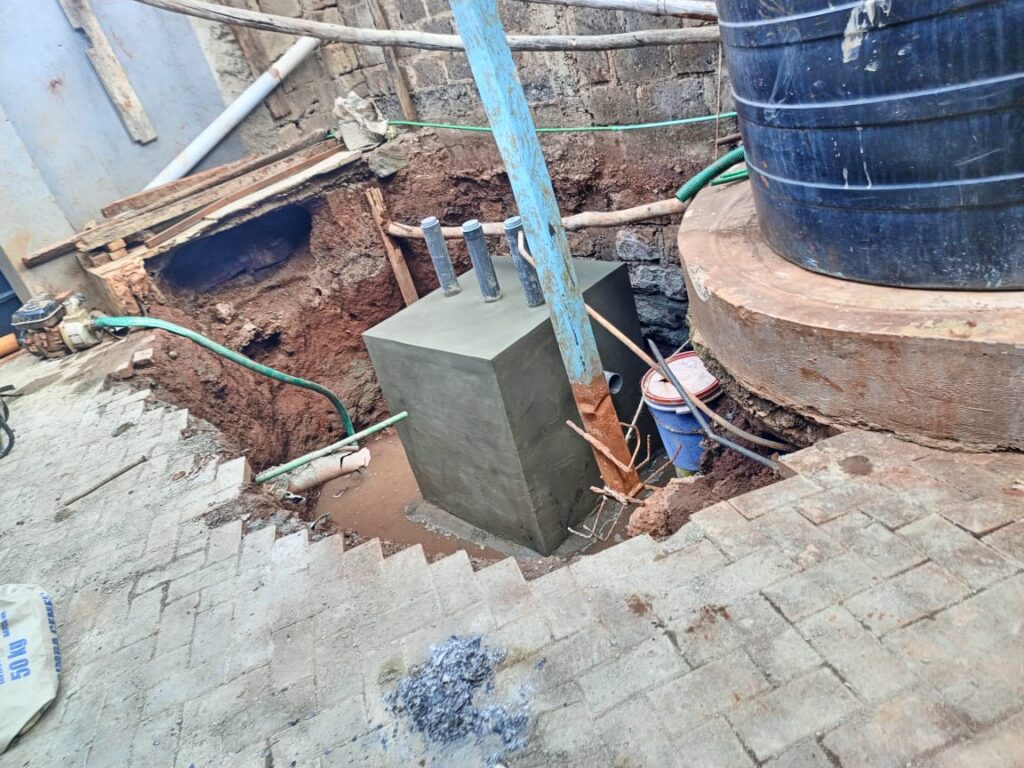
When selecting a bio digester tank for home, you have two primary engineering paths.
For those on tight construction schedules, Precast Bio Digesters are the gold standard.
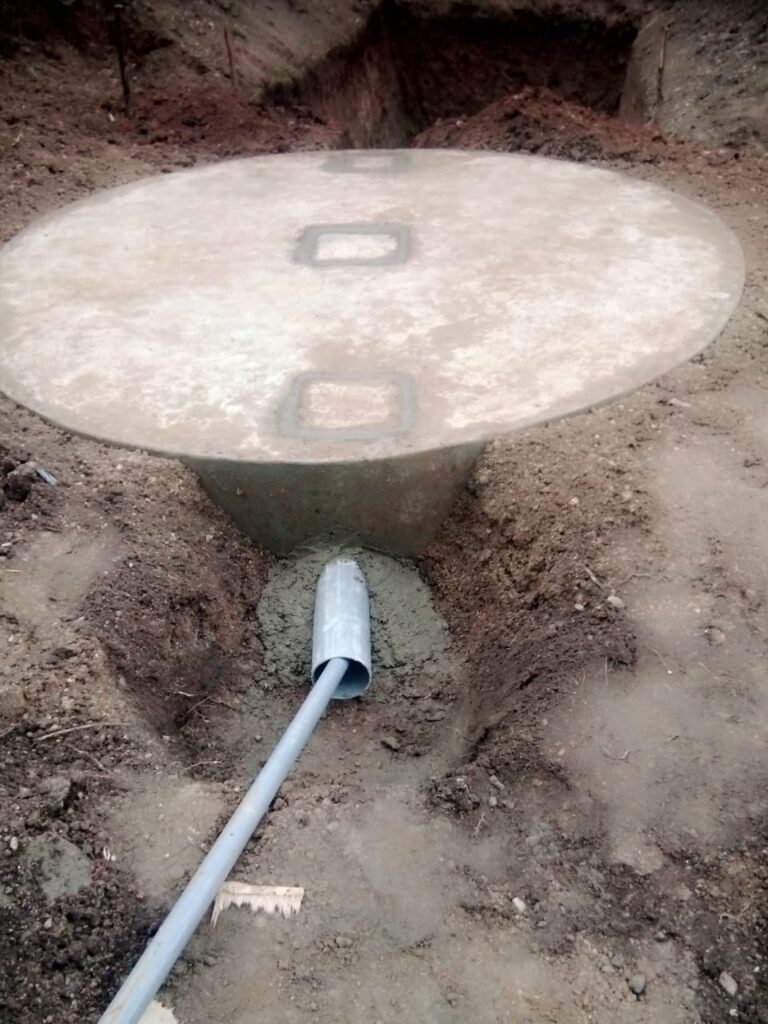
They are manufactured in a controlled environment, ensuring the walls are watertight and the internal baffles are precisely placed.
Cast-in-situ systems are built on-site. While flexible, they depend heavily on the skill of the local contractor.
A poorly mixed concrete wall can lead to groundwater contamination, which is a violation of NEMA regulations.
This is why professional installation is non-negotiable for sustainable sanitation.
Not sure if your soil can handle a standard drain?
Phone: Call +254 712 660 245 | Email: Email info@biodigesterkenya.co.ke
Maintaining System Efficiency and Enzyme Health
A bio digester is a living system.
The enzymes doing the heavy lifting can be killed by harsh chemicals, such as excessive bleach or strong acid-based cleaners poured down the drain.
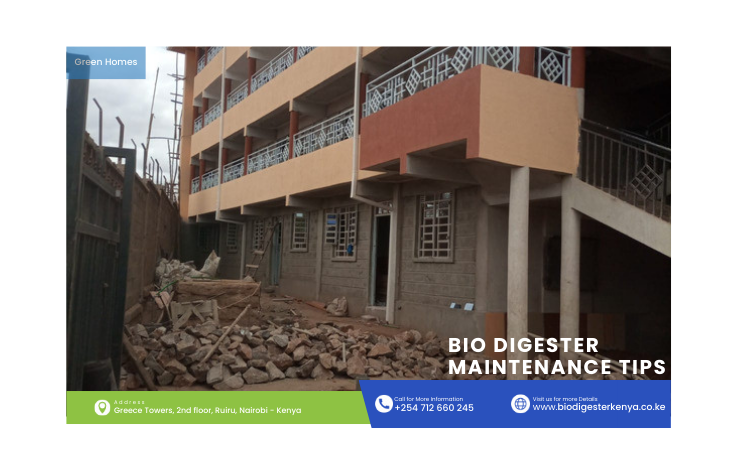
To keep the system running at peak capacity, you must prioritize Septic Tank Maintenance.
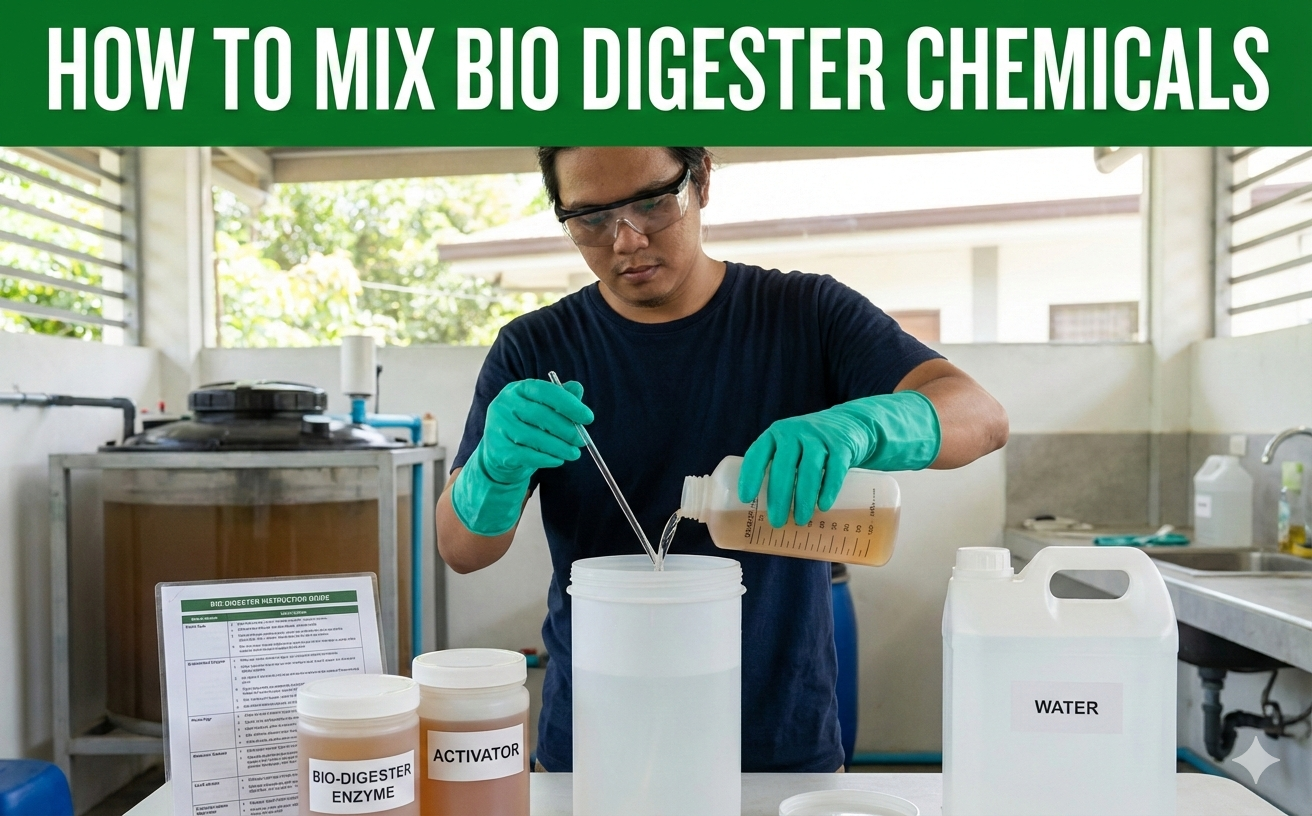
If you notice the system becoming sluggish or if you’ve used too many harsh chemicals, you need to “re-seed” the tank.
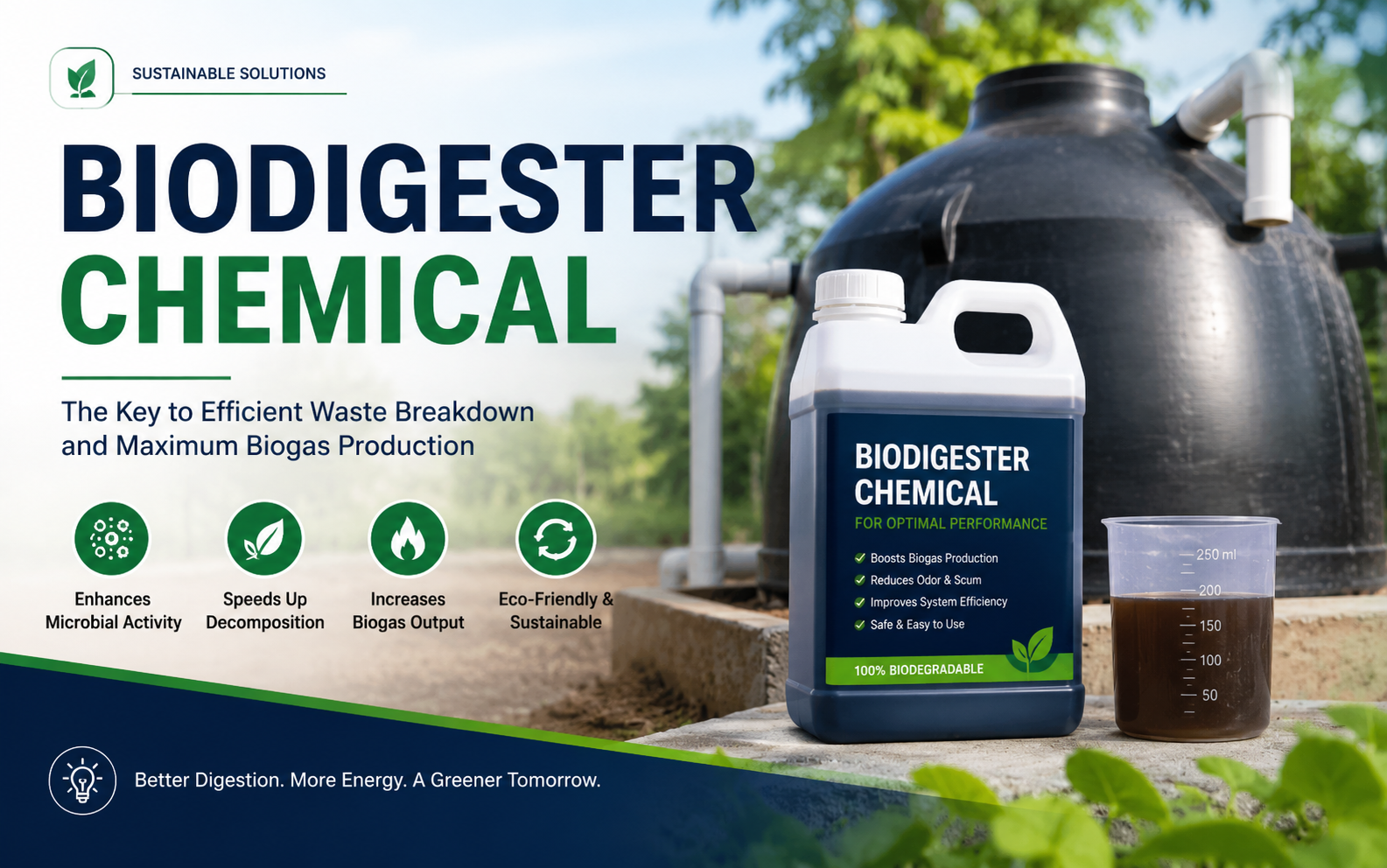
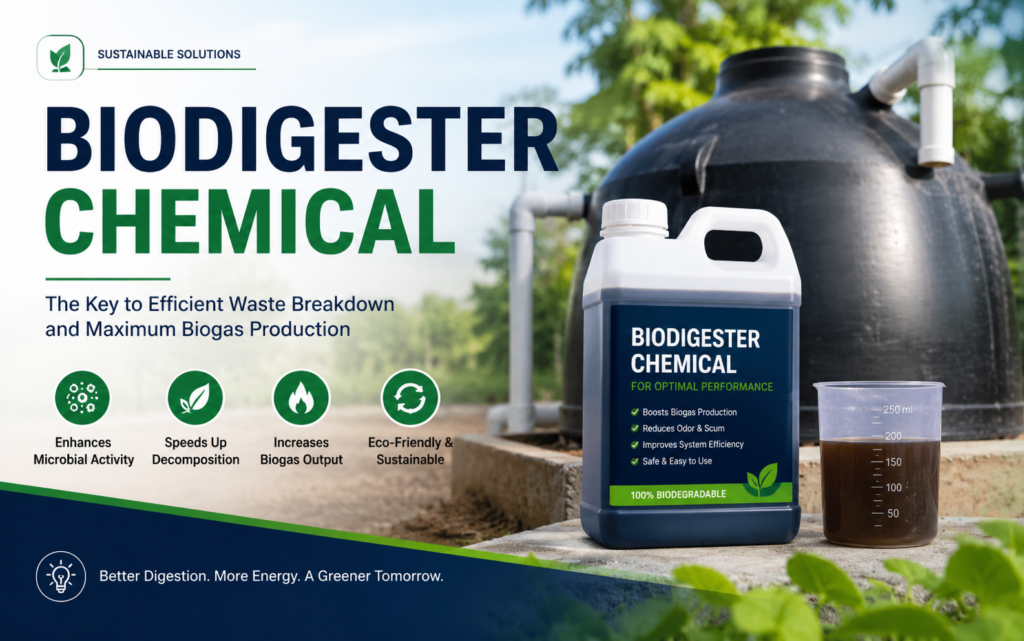
Introducing high-quality Bio Digester Bacteria restores the anaerobic population, ensuring that solids are broken down rapidly.
For routine monthly boosts, we recommend Bio Digester Bacteria – 400g.
For older systems that have accumulated inorganic debris or heavy sludge, using a professional-grade Septic Tank Cleaner can clear the lines and restore flow.
Conclusion
Investing in a bio digester tank for home is a move toward economic and environmental freedom.
By removing the dependency on exhaust bowsers and reducing the physical footprint of your sanitation system, you increase the usable value of your land and lower your monthly overheads.
Moving away from outdated concrete rings to Bio Digester Kenya installations ensures your home remains sustainable, odor-free, and compliant with modern environmental standards.
Ready to upgrade your home sanitation? Contact our engineering team today for a site assessment and quote.
Frequently Asked Questions
- Does a bio digester smell?
No. Because the enzymes fully break down organic matter into odorless air and water, there is no stagnant sludge to produce foul smells. - How often do I need to add enzymes/bacteria?
Generally, every 5 to 7 years, depending on the number of users and the types of cleaning agents used in the home. - Can it be installed in a small plot?
Yes, it takes up significantly less space than a traditional septic tank, making it ideal for urban plots in Nairobi. - Is it NEMA approved?
Yes, provided it is installed correctly with a proper soaking area that prevents groundwater contamination. - What happens if the soaking area gets full?
Unlike a septic tank, a well-designed bio digester’s soaking area rarely “fills up” because it handles treated water, but a bacteria boost can often resolve flow issues.