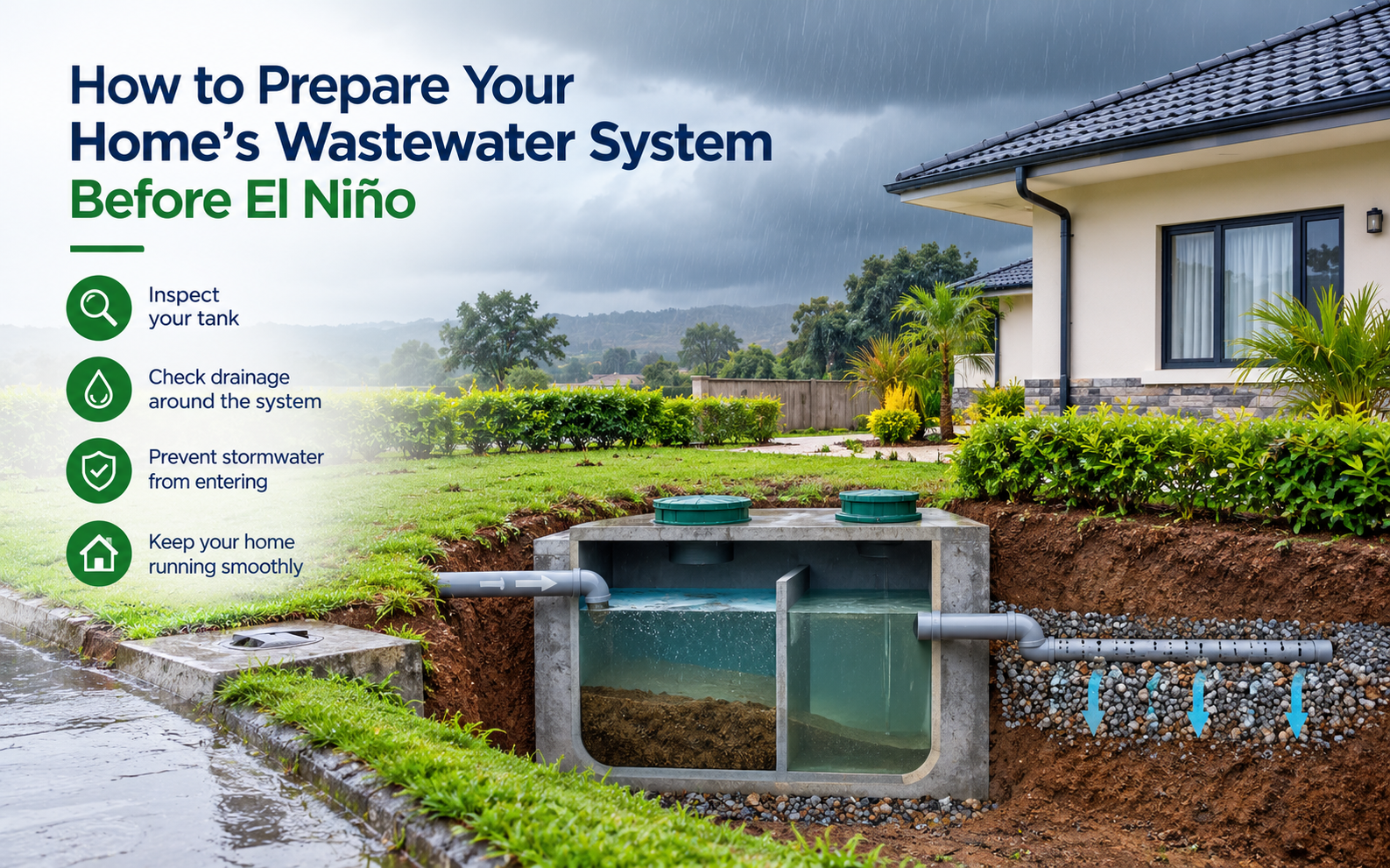
Heavy rains can put unexpected pressure on a home’s wastewater system.
When a lot of rain falls in a short time, the ground becomes saturated, drainage channels overflow, and poorly protected septic tanks, biodigesters and soak pits can run into trouble.
For homeowners in Kenya, preparing before the rains arrive can prevent bad smells, slow drainage, wastewater backing up into the house, overflowing inspection chambers and other costly problems.
Problems usually start when stormwater enters the wastewater system, when the surrounding ground becomes waterlogged, or when drainage and effluent disposal were already inadequate.
Whether you have a concrete biodigester or a septic tank, these practical checks can help before the next heavy downpour.

Why Does Heavy Rain Affect Septic Tanks and Biodigesters?
Heavy rainfall interferes with your system in three main ways.
Stormwater entering the system.
Rainwater from roofs, driveways and compounds should be managed separately from household wastewater.
Soil saturation.
Many systems rely on the surrounding soil to receive treated effluent. When the ground is saturated, water has nowhere to go, drainage slows and wastewater may start surfacing.
Surface flooding.
If the area around the tank, inspection chambers or disposal area floods, the system can be affected even when the tank itself is structurally sound.
This is why preparation involves more than checking whether the tank is full.

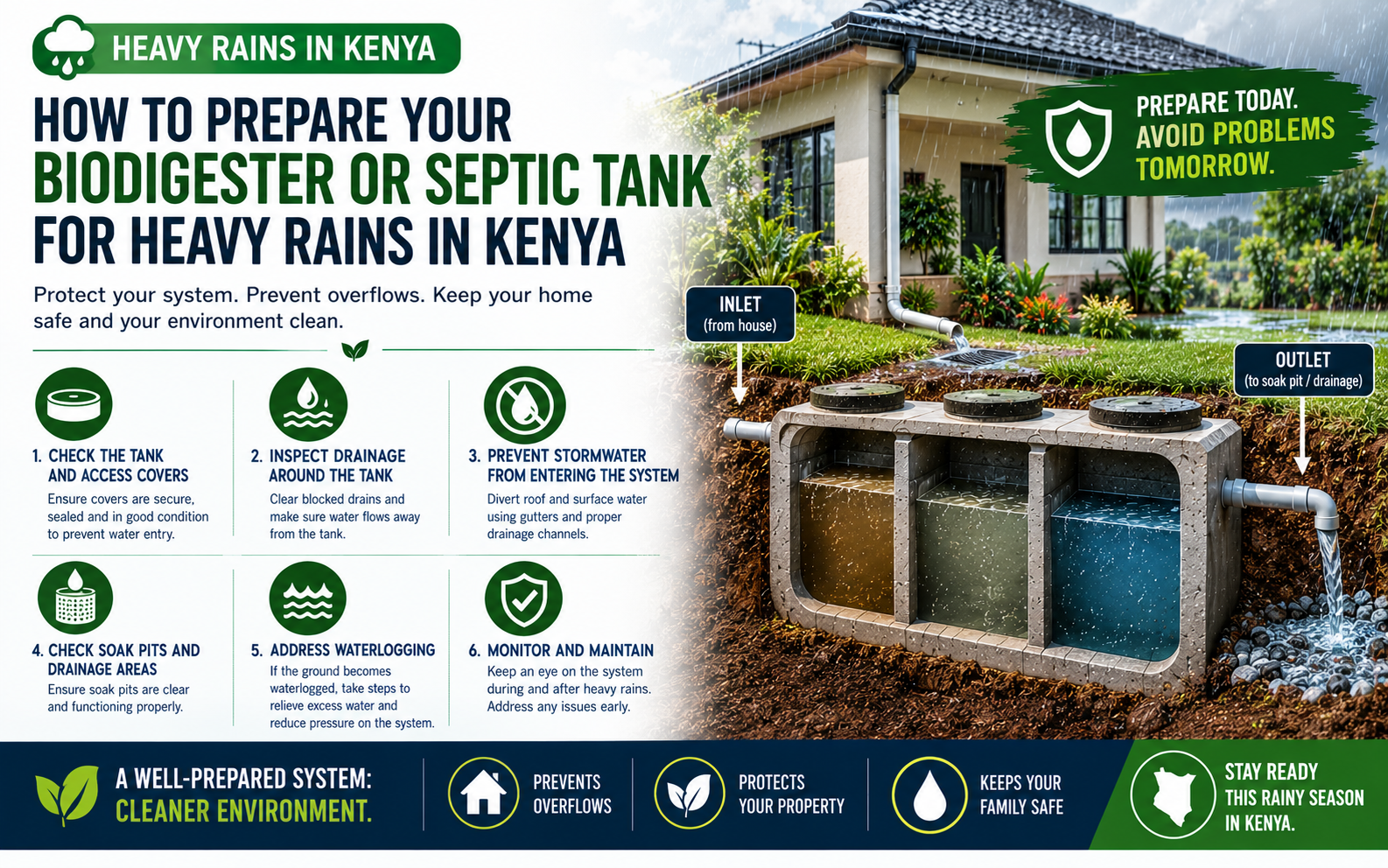
1. Check the Access Covers
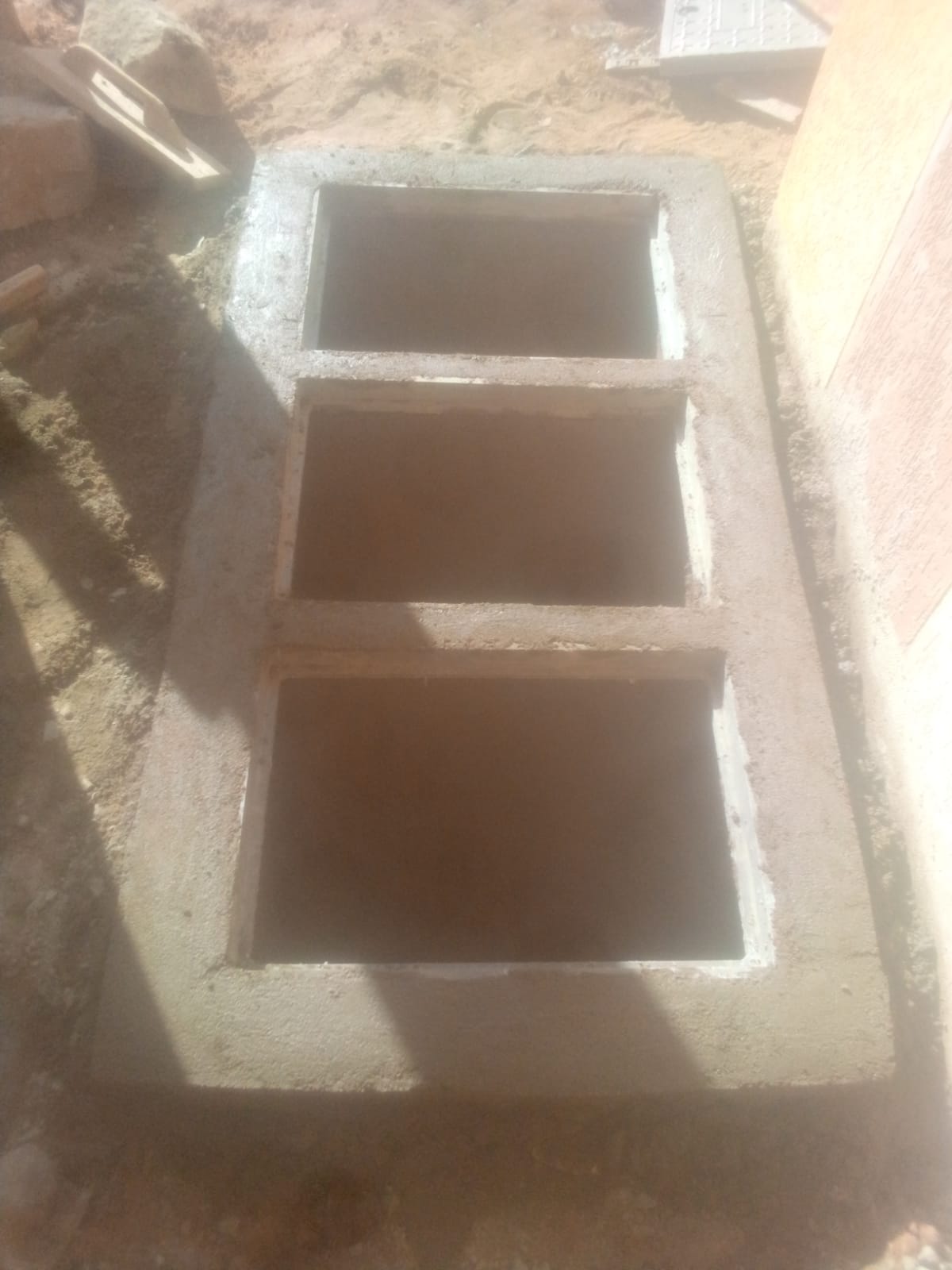
Inspect all covers, inspection chambers and other openings.
They should fit properly and sit so that surface water cannot flow in.
Look for:
-
- Cracked, missing or ill-fitting covers
-
- Gaps around inspection chambers
-
- Chambers sitting lower than the surrounding ground
-
- Soil erosion or standing water around covers
If a chamber sits in a depression, rain collects around it and, if the chamber is poorly sealed or damaged, finds its way in.
Older systems are especially prone to deteriorated covers. Don’t simply bury the problem with soil, because access points must stay accessible for inspection and maintenance.

2. Manage Drainage Around the Tank
Walk around your property and ask: where does rainwater go when it rains heavily?
Pay particular attention if your tank is near a roof downpipe, driveway, compound drain, slope, low-lying area, or a road or neighbouring property that sends water your way.
Stormwater should be directed away from the wastewater system.
If water consistently collects around your tank whenever it rains, fix that before the next major storm.

3. Keep Stormwater Out of the System
Roof water and surface drainage should never be deliberately connected to the pipes leading to your biodigester or septic tank.
Pointing a downpipe into an inspection chamber may seem like an easy fix, but a roof can deliver a substantial volume of water during a downpour.
Check for:
-
- Downpipes discharging near inspection chambers
-
- Open drains flowing toward the tank
-
- Broken drainage channels
-
- Floodwater entering low-level inspection points
-
- Improper connections between stormwater and wastewater pipes
If you find rainwater entering the system, have it corrected now rather than letting the rainy season expose the problem.

4. Check Your Soak Pit and Effluent Area
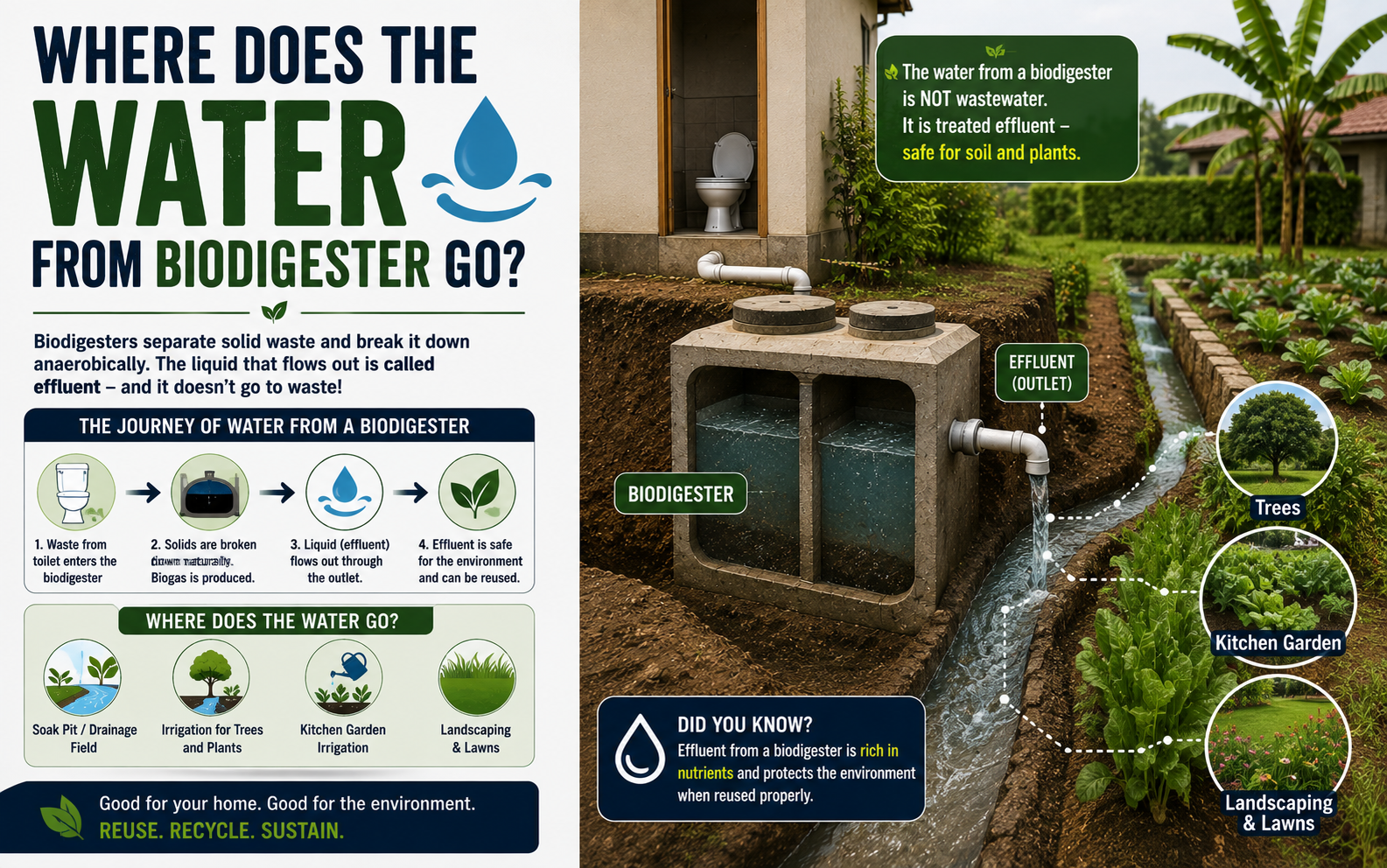
A soak pit is not just a hole in the ground. Its performance depends on the surrounding soil and the design of the system.
In prolonged rain, saturated soil can accept much less water. Look for:
-
- Persistent standing water or unusually wet ground
-
- Foul smells
-
- Wastewater surfacing or flowing back toward the property
-
- Soil erosion
-
- Ground that stays wet long after the rain stops
One wet patch after an exceptional storm doesn’t mean your system has failed, but persistent wetness or surfacing wastewater should not be ignored.
If you can’t tell whether the problem lies in the tank, effluent pipe, soak pit or soil, get a professional assessment.
5. Clear Gutters and Surface Drains
Before the rains, clean roof gutters, downpipes, compound drains, surface channels, drainage grates and culverts, anywhere leaves, soil or rubbish can block water flow.
Blocked gutters overflow and send large volumes of water onto the ground around the tank.
If part of your compound already floods in heavy rain, investigate the drainage now rather than when the water is rising.
Even a well-installed system can struggle if the whole area around it regularly floods.

6. What If the Ground Becomes Waterlogged?
When the ground is heavily waterlogged, avoid random modifications.
Don’t immediately:
-
- Dig another soak pit without assessing the site
-
- Open the tank or pump everything out unnecessarily
-
- Redirect wastewater into a random drainage channel
-
- Connect stormwater to the wastewater system
-
- Pour chemicals into the system to “fix” it
Instead, reduce water use if wastewater is backing up, keep people away from areas where wastewater has surfaced, and arrange an assessment if the problem persists.

7. Watch for Warning Signs
Your system usually gives warnings before a serious problem develops:
- Slow drains: If several fixtures slow down at once, the problem is probably further down the system rather than with one drain.
- Toilets backing up: Don’t ignore it, especially during or after heavy rain.
- Persistent bad smells: An occasional smell isn’t necessarily failure, but a strong, continuous one needs attention.
- Standing water or wet patches around the tank, chambers or disposal area.
- Surfacing wastewater: Call a professional rather than trying to conceal it.
- Overflowing inspection chambers: This can point to a blockage, a capacity issue or a drainage problem.
8. Be Careful What Goes Into the System
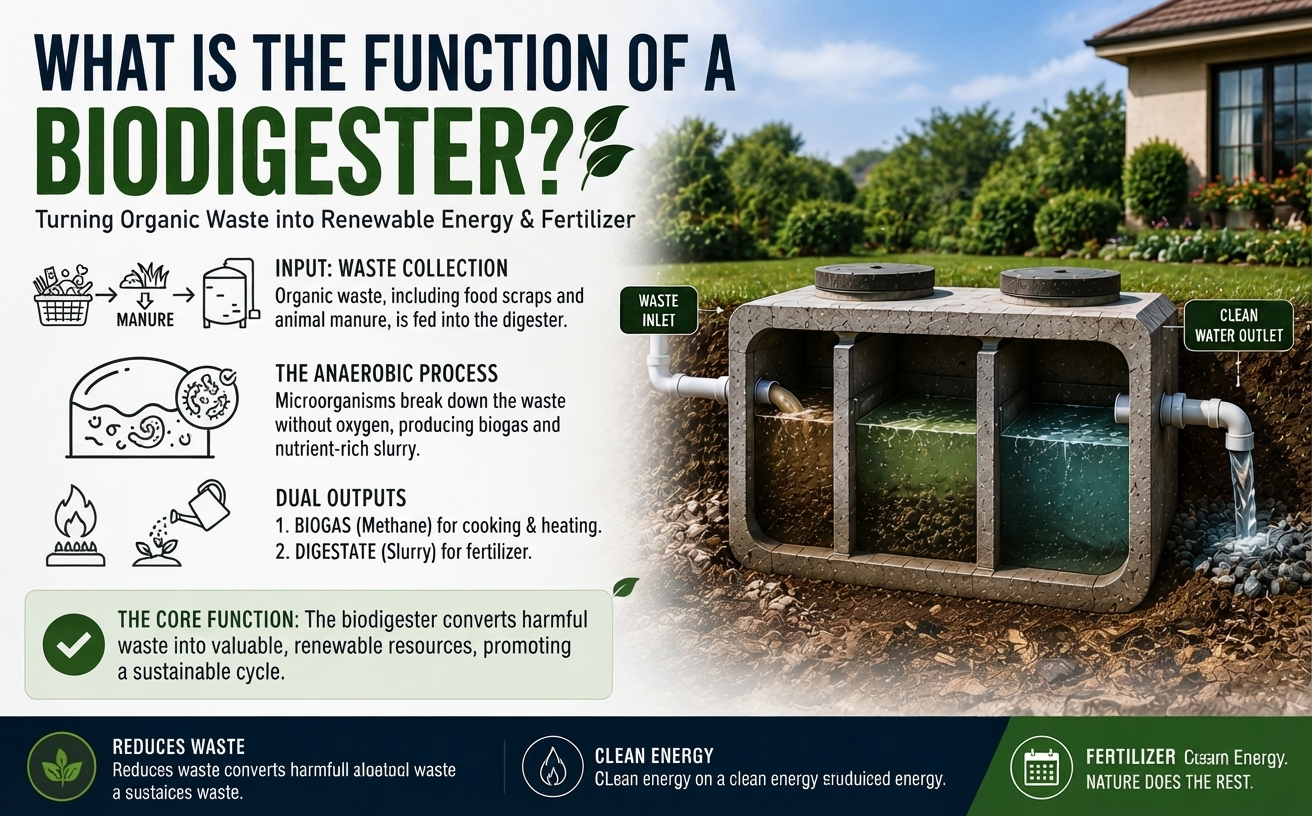
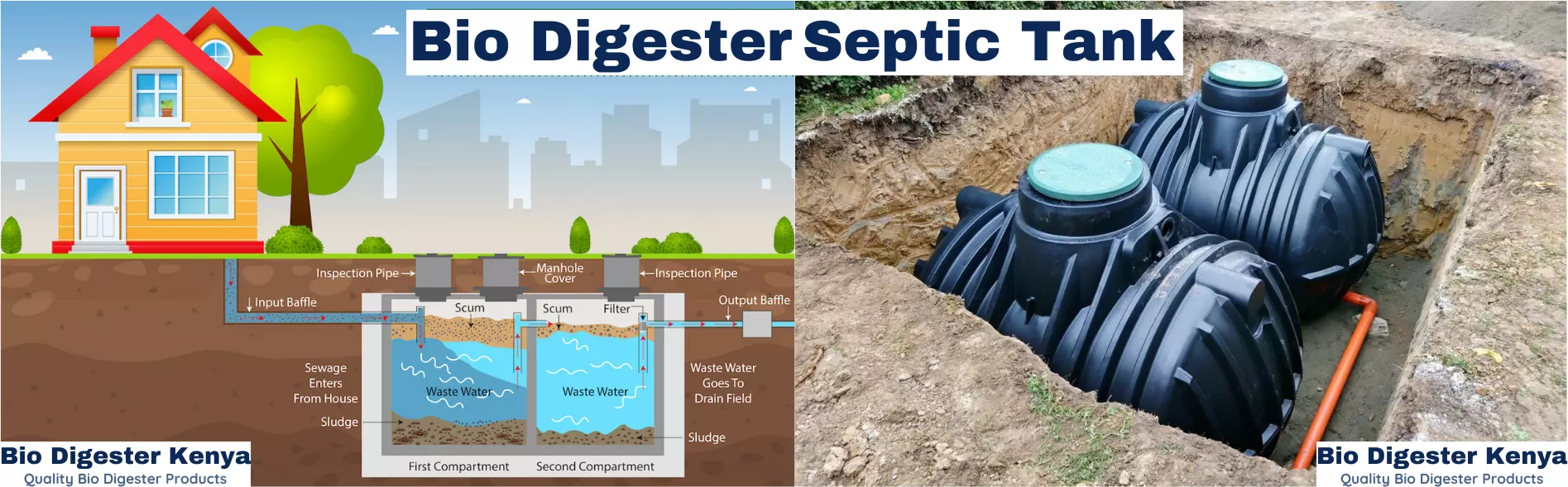
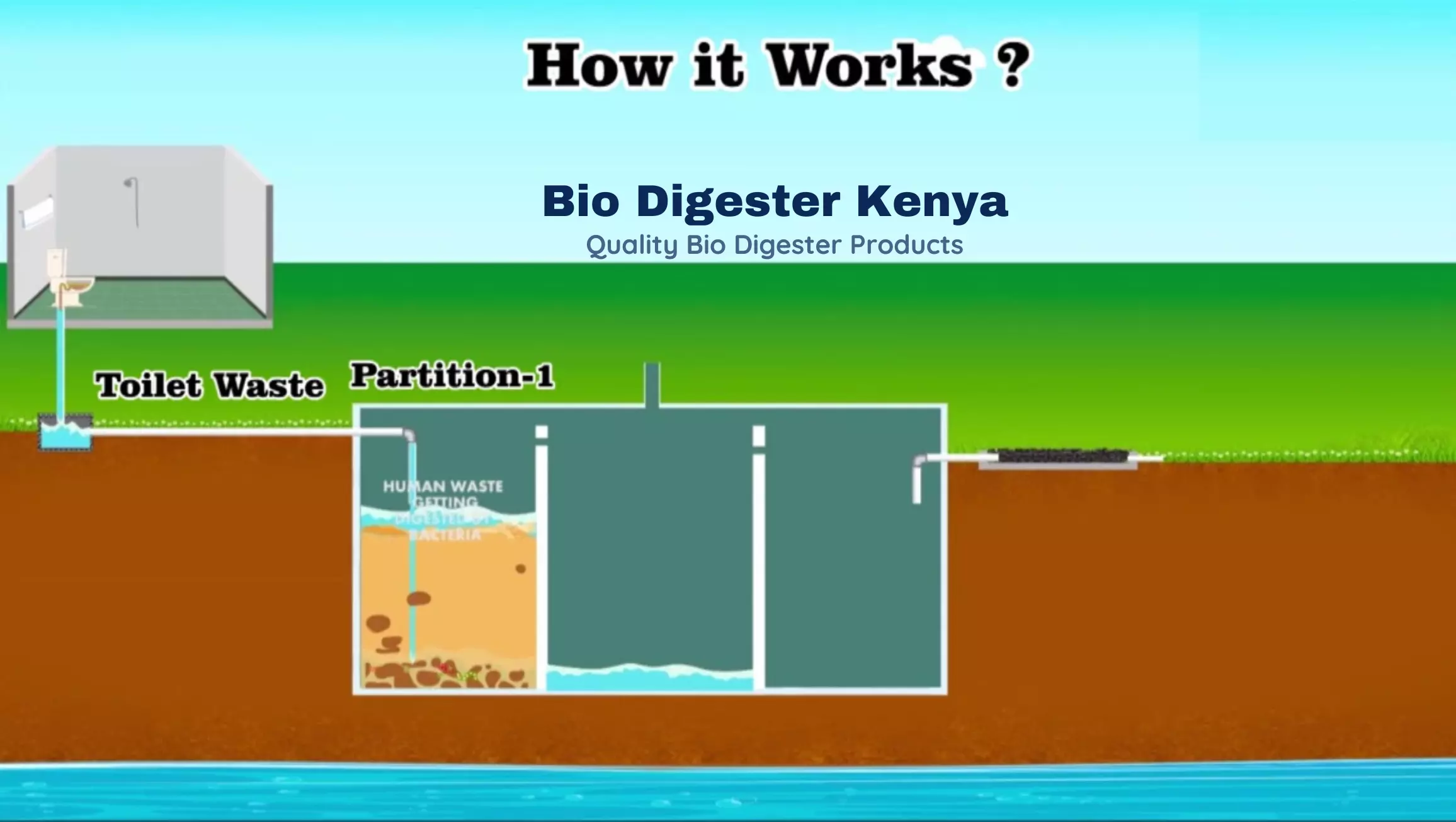
A biodigester or septic system treats household wastewater.
It isn’t a general disposal point.
Avoid flushing or pouring down plastics, sanitary products, unsuitable wet wipes, cooking oil and grease, paints, harsh chemicals, solvents and other non-biodegradable waste.
Large quantities of chemicals can disrupt the biological processes that treat wastewater. A healthy system starts with what goes down the drain.

9. Don’t Assume Pumping Is the Answer
Emptying is sometimes appropriate, but if the real cause is stormwater entering the system, a blocked pipe, poor surface drainage, a saturated soak pit, groundwater or a damaged chamber, pumping won’t fix it. Identify the cause, not just the symptom, especially if the same problem returns every rainy season.

10. If Your System Overflows
Take it seriously. Reduce water use immediately and hold off on laundry and other heavy water use.
Keep children and pets away, don’t handle sewage with bare hands, and avoid walking through contaminated water.
Then check whether one fixture or several are affected. Multiple affected fixtures suggest a problem with the main line or treatment system, while a single one suggests a local blockage.
If the problem persists or wastewater appears around the tank or disposal area, have the system professionally assessed.

11. When to Call a Professional
Contact a qualified professional if you notice:
-
- Repeated backups or sewage surfacing
-
- Persistent flooding around the tank
-
- Strong, continuous sewage smells
-
- Overflowing inspection chambers or a permanently saturated soak pit
-
- Structural damage or cracked covers
-
- Problems that return every rainy season
A wastewater system is more than a tank.
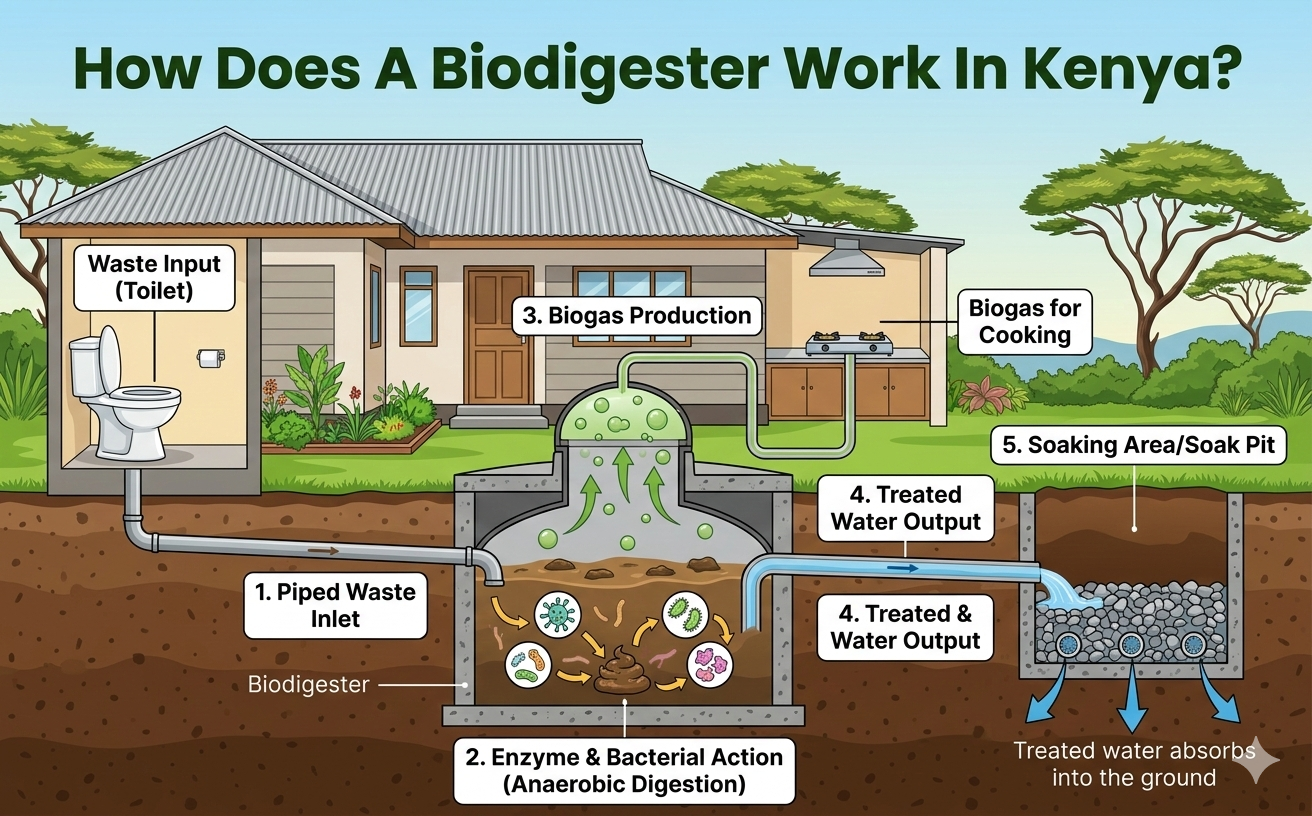
It includes the incoming plumbing, treatment chamber, inspection points, effluent outlet, drainage and surrounding site conditions. A professional can assess all of it together.

Quick Pre-Rain Checklist
Around the tank
☐ Covers secure and undamaged
☐ Debris cleared from access points
☐ No standing water
Around the property
☐ Gutters and drains cleaned
☐ Downpipes discharging away from the system
☐ Low spots where rainwater collects identified
Effluent disposal area
☐ No persistent wet patches or surfacing wastewater
☐ No unusual smells or erosion
Inside the house
☐ No slow drains or backups
☐ Nothing inappropriate being flushed
Prepare Before the First Downpour
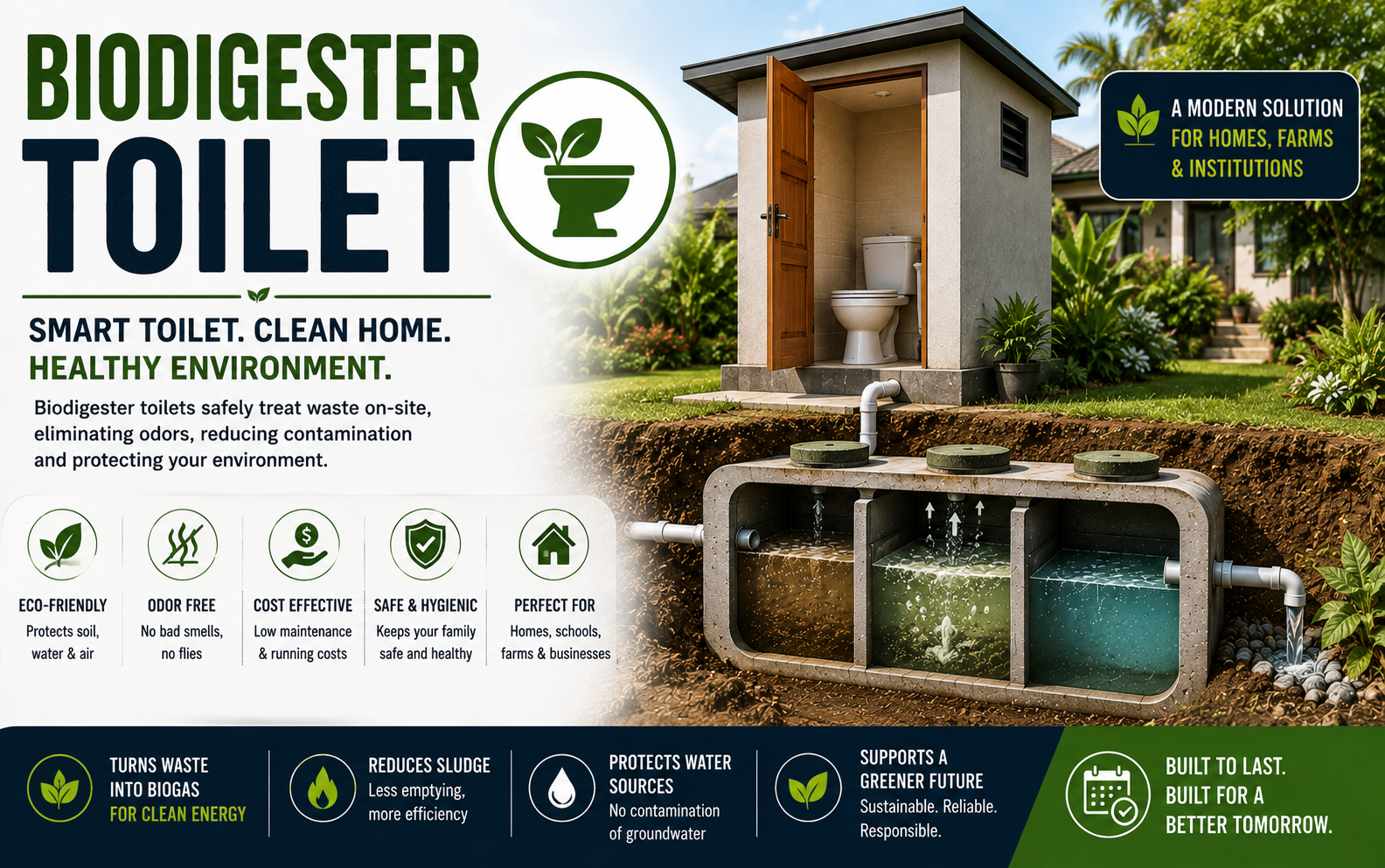
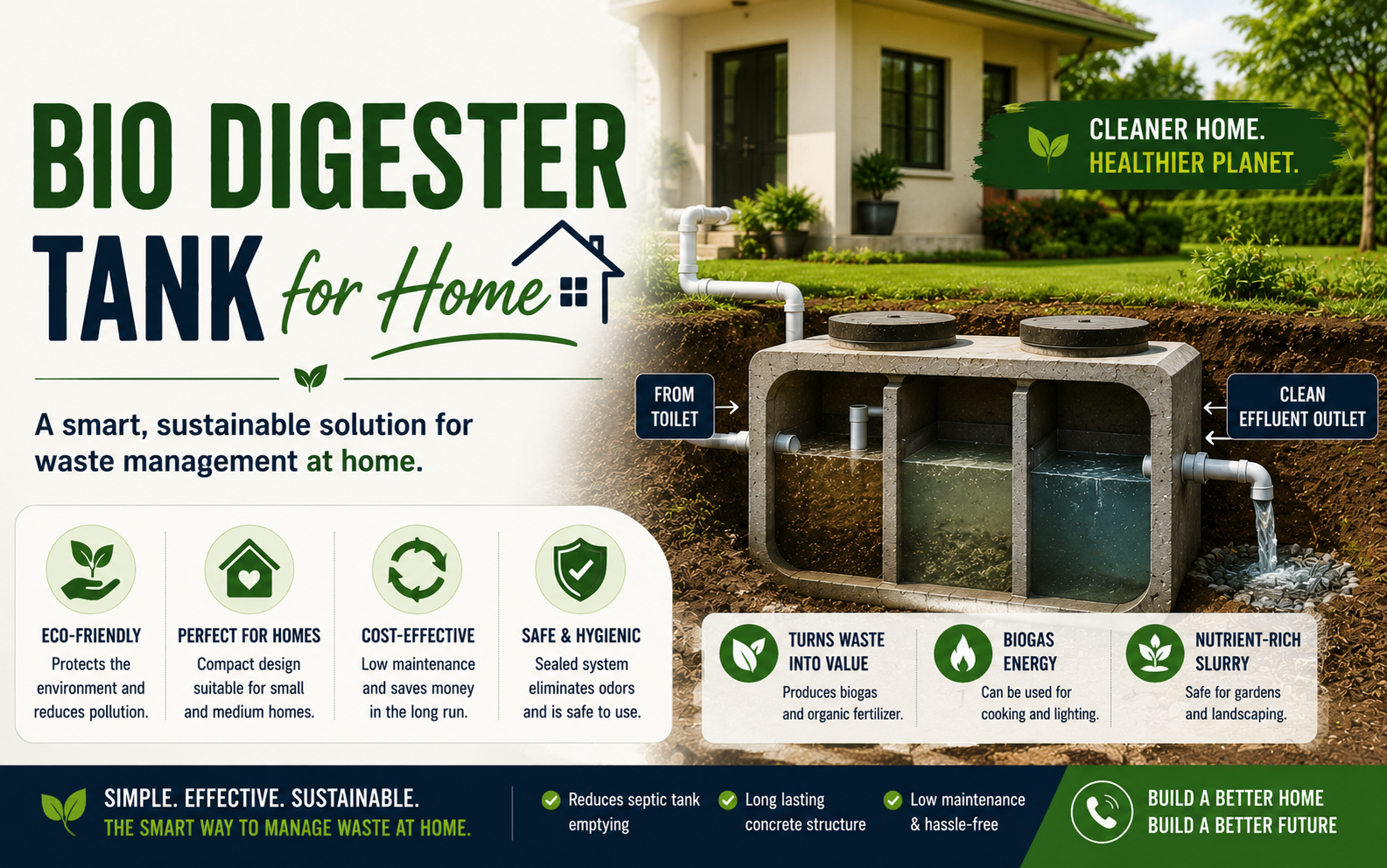
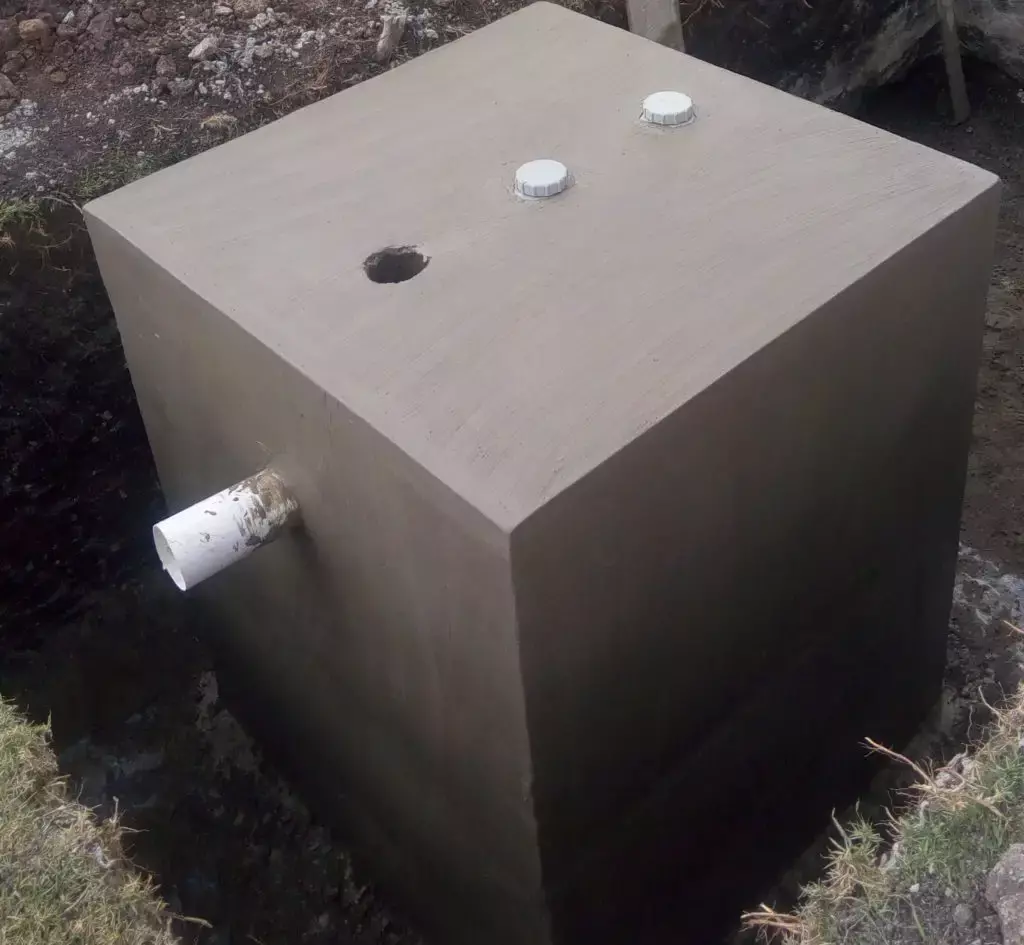
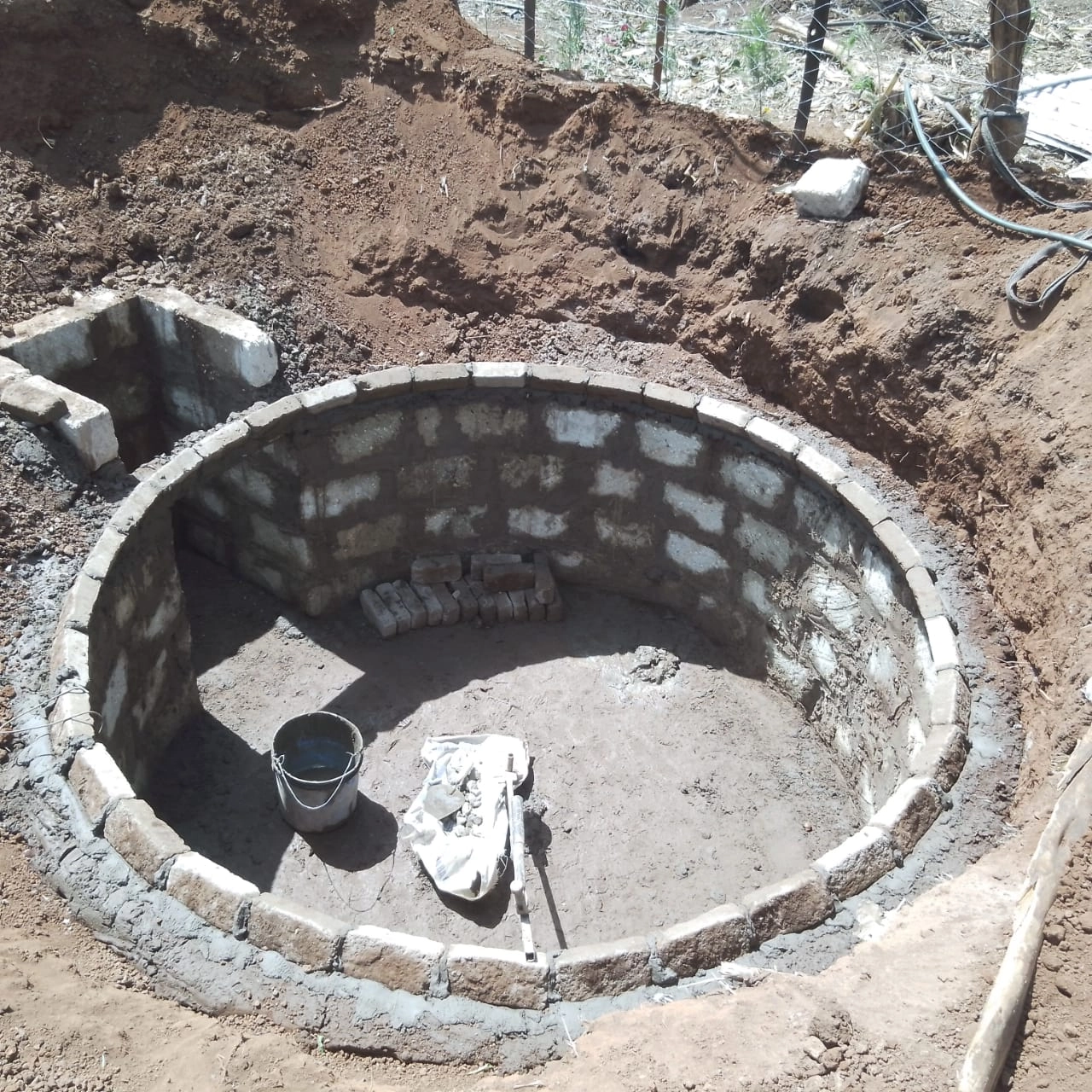
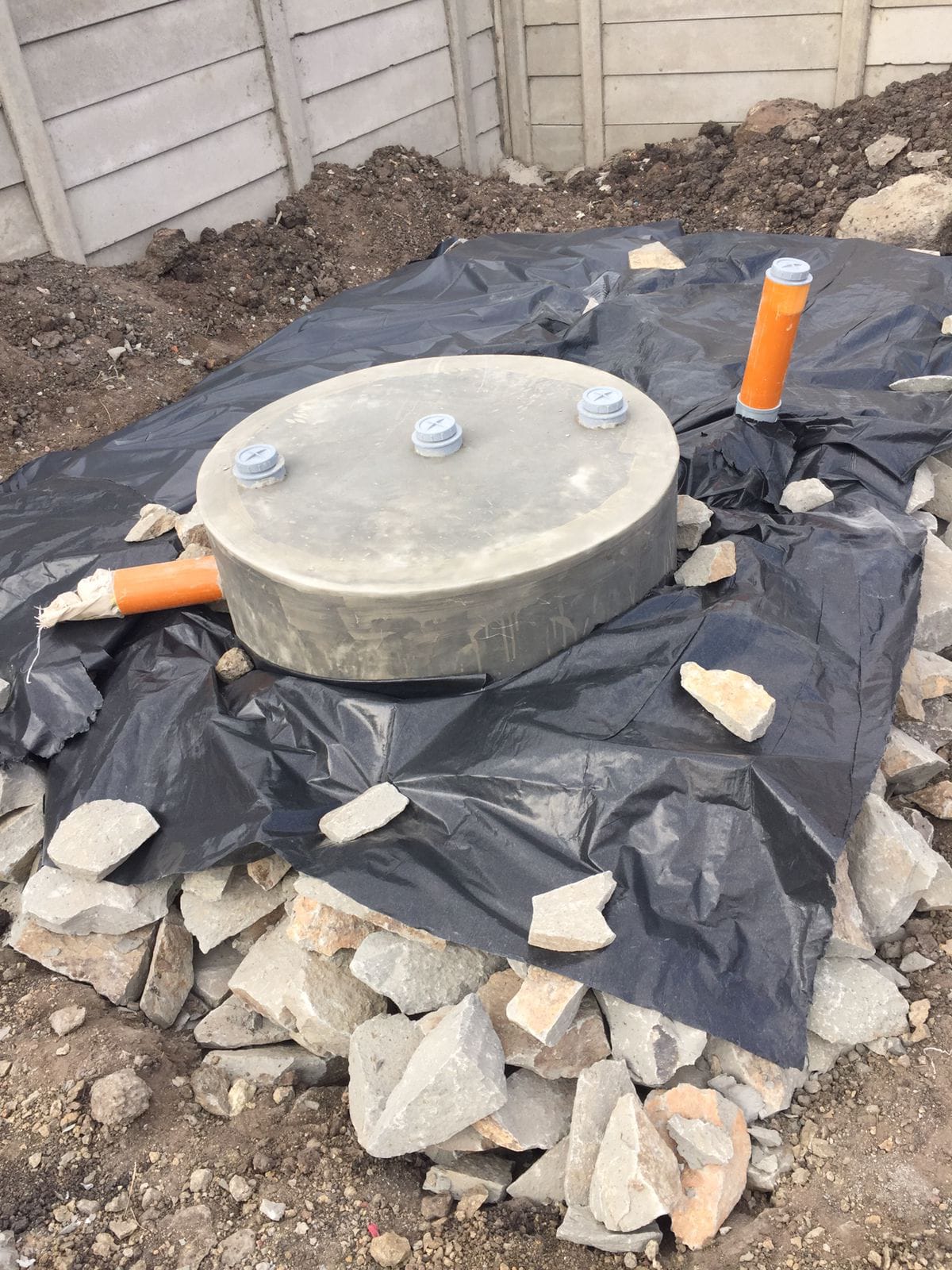
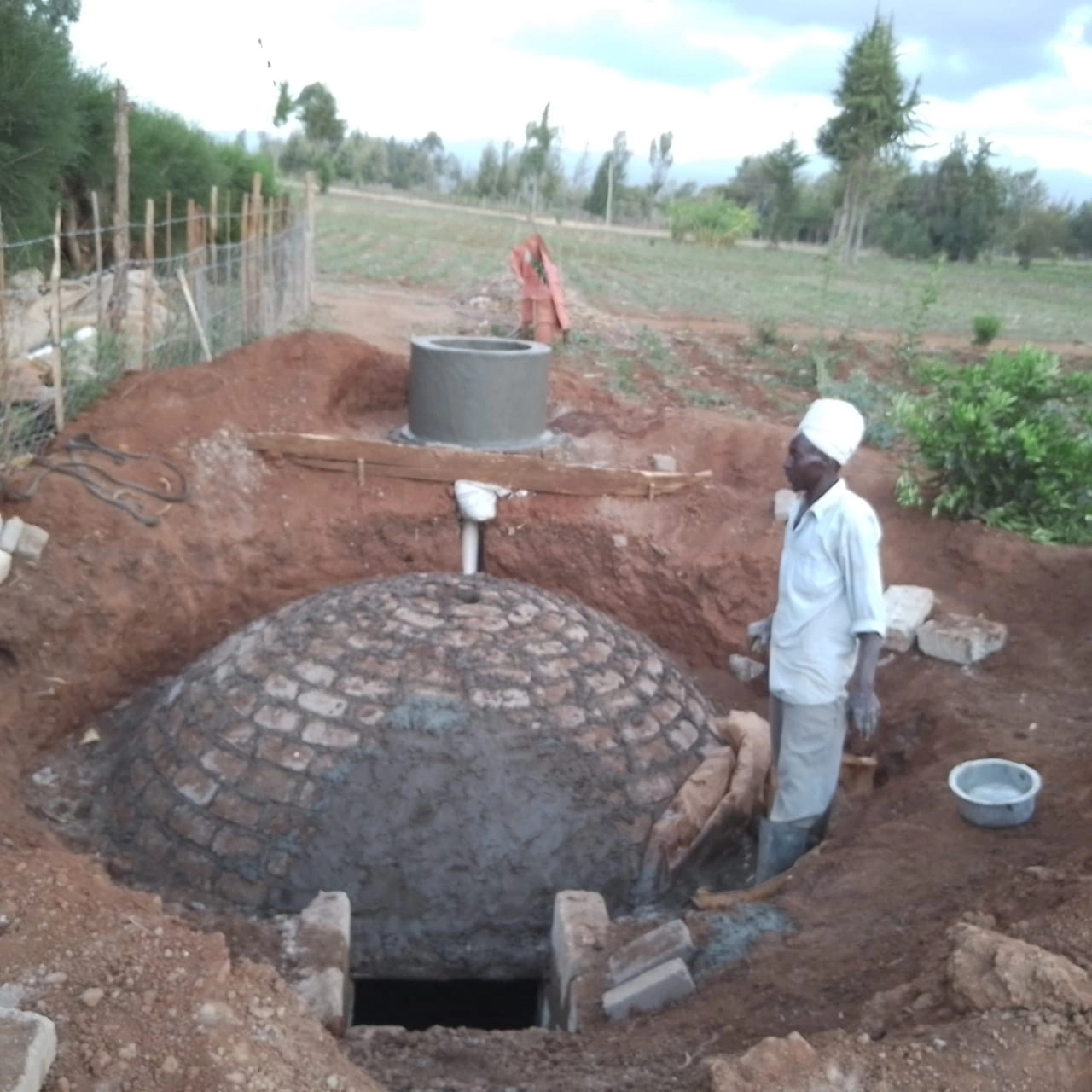
At Biodigester Kenya, we install concrete sealed biodigester systems for homes, apartments, schools, churches and commercial properties.
Whether you’re having problems with an existing system or planning a new one, a proper assessment can help find the right solution for your property.