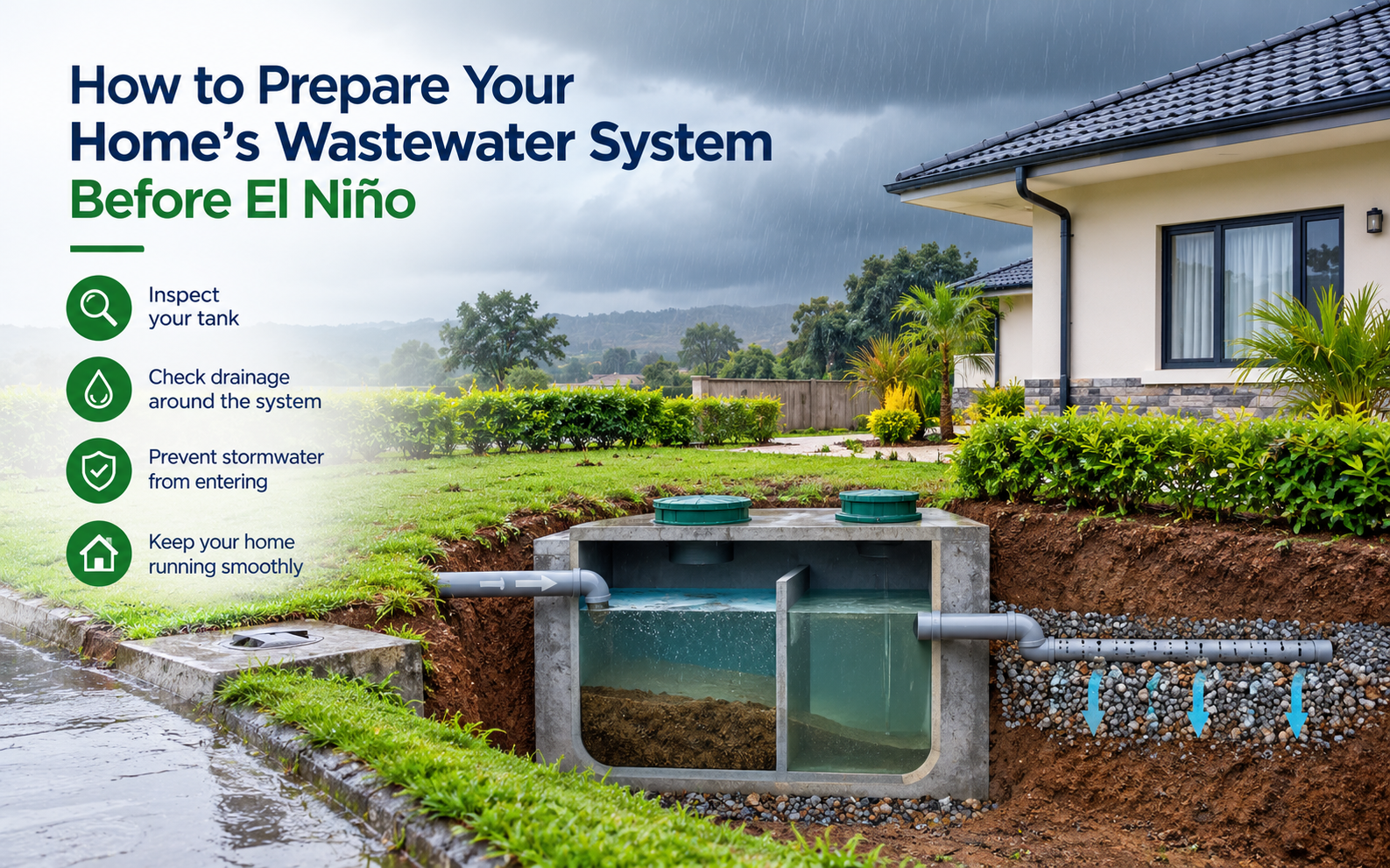
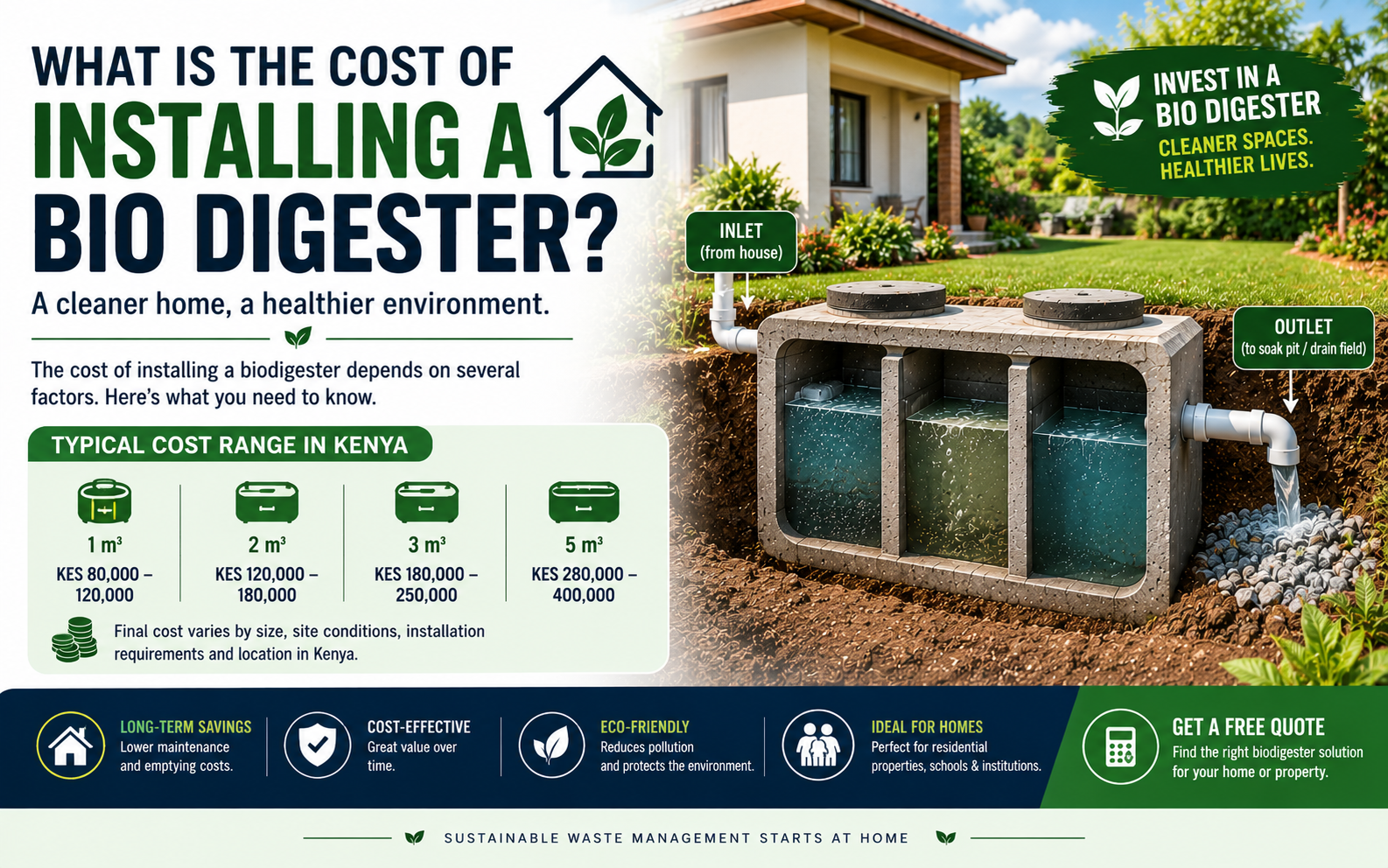
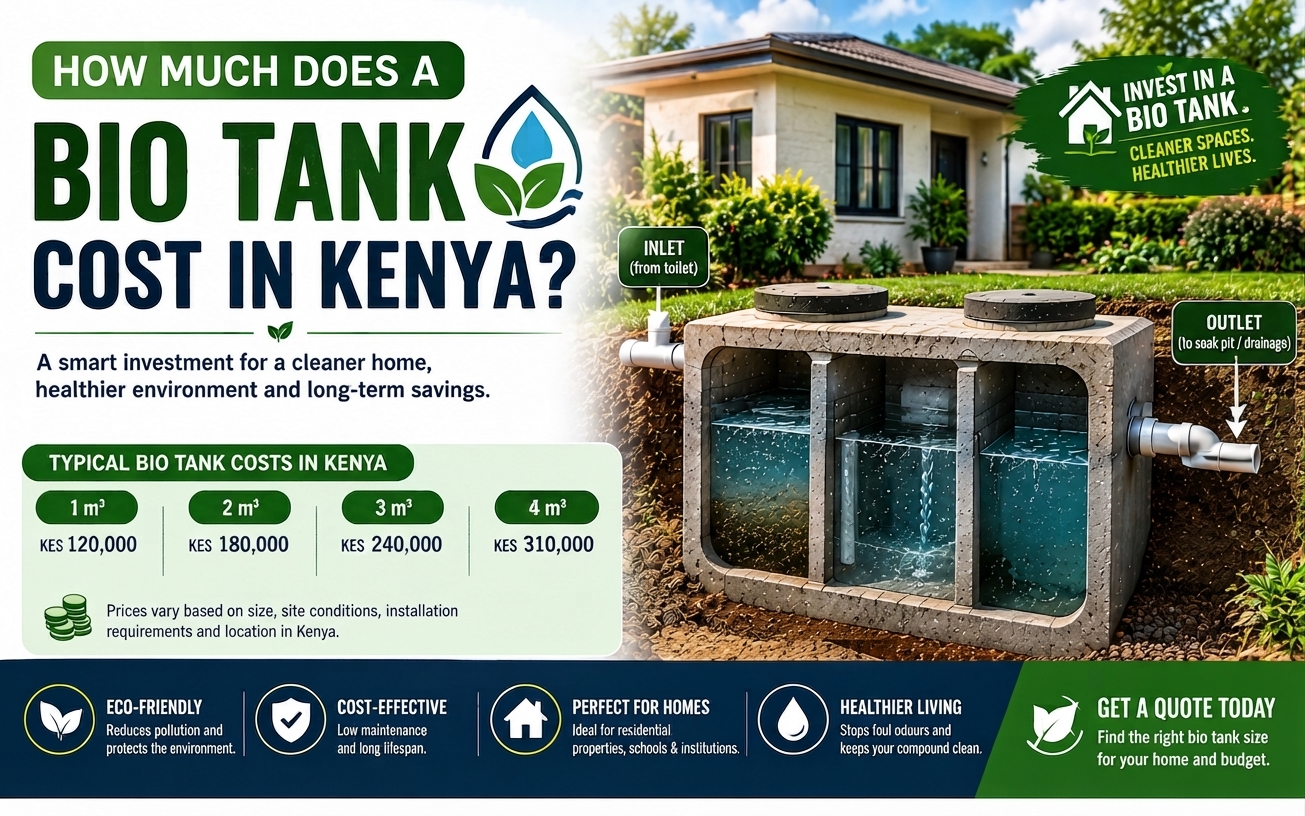
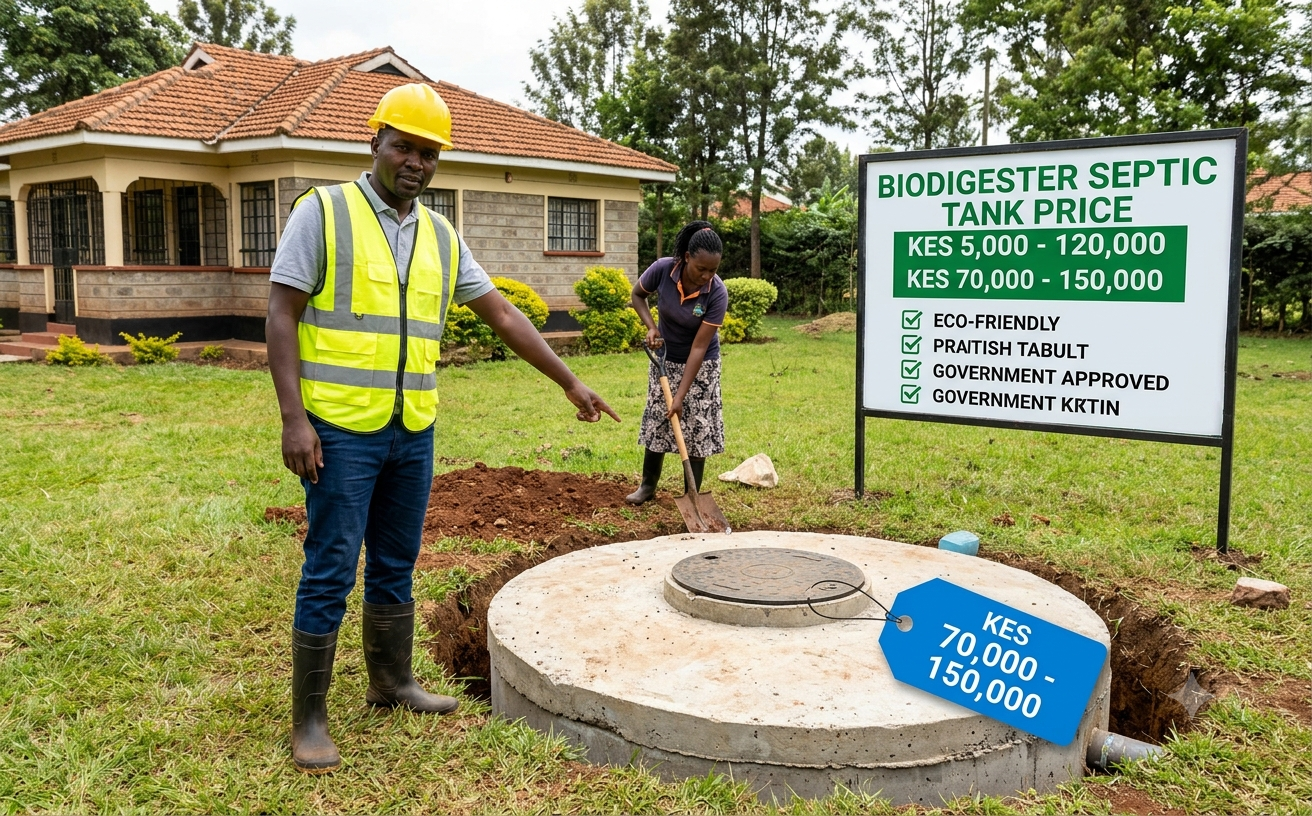
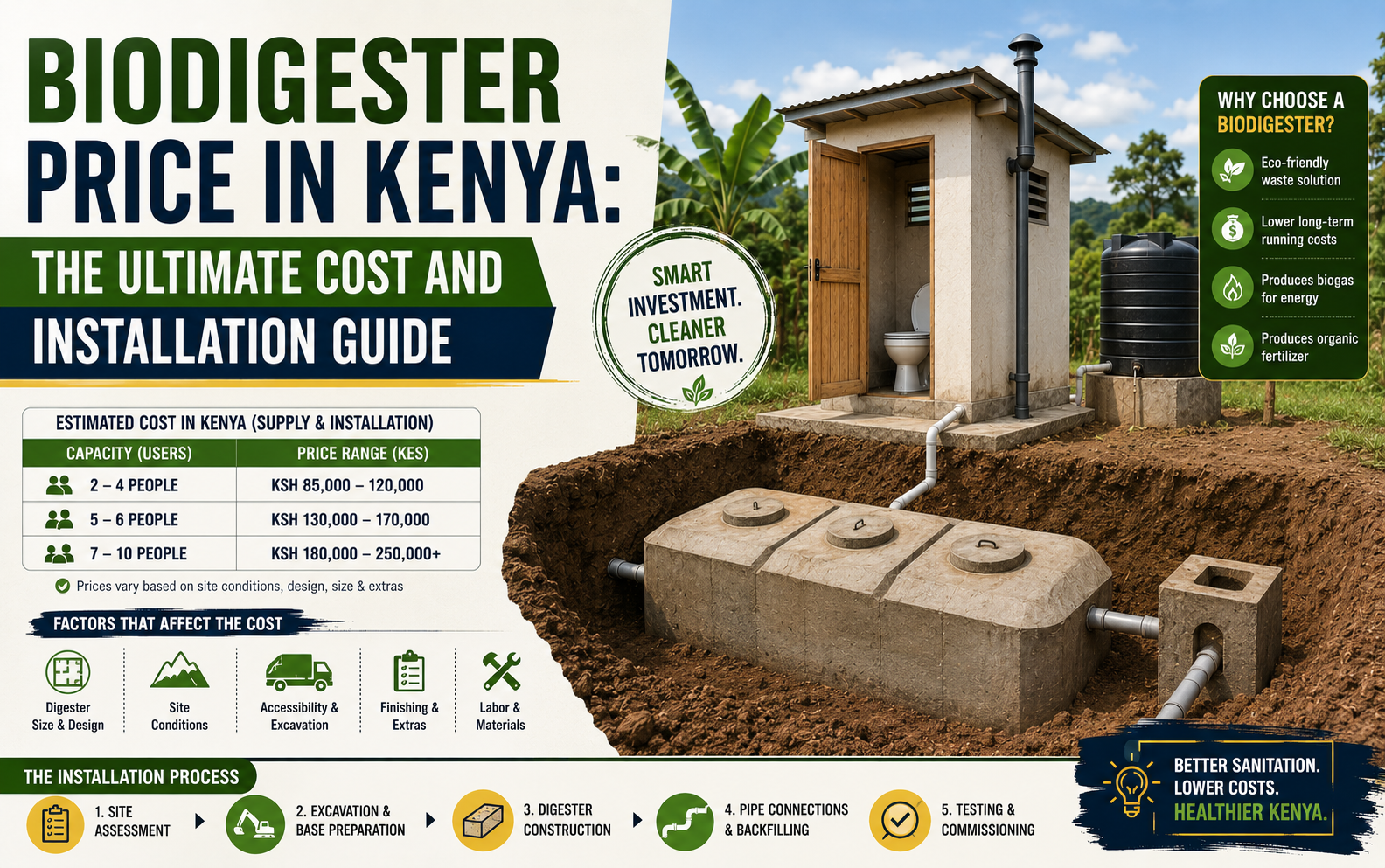
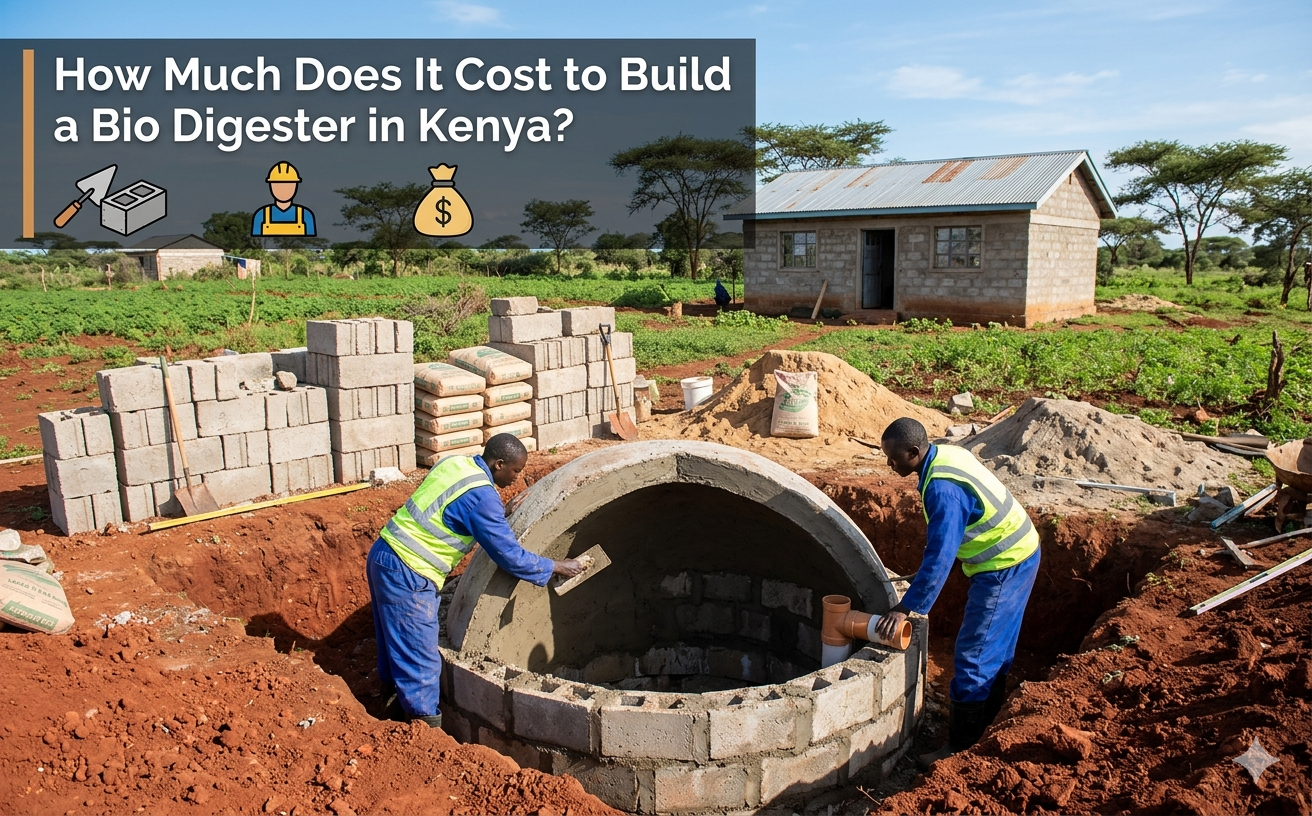
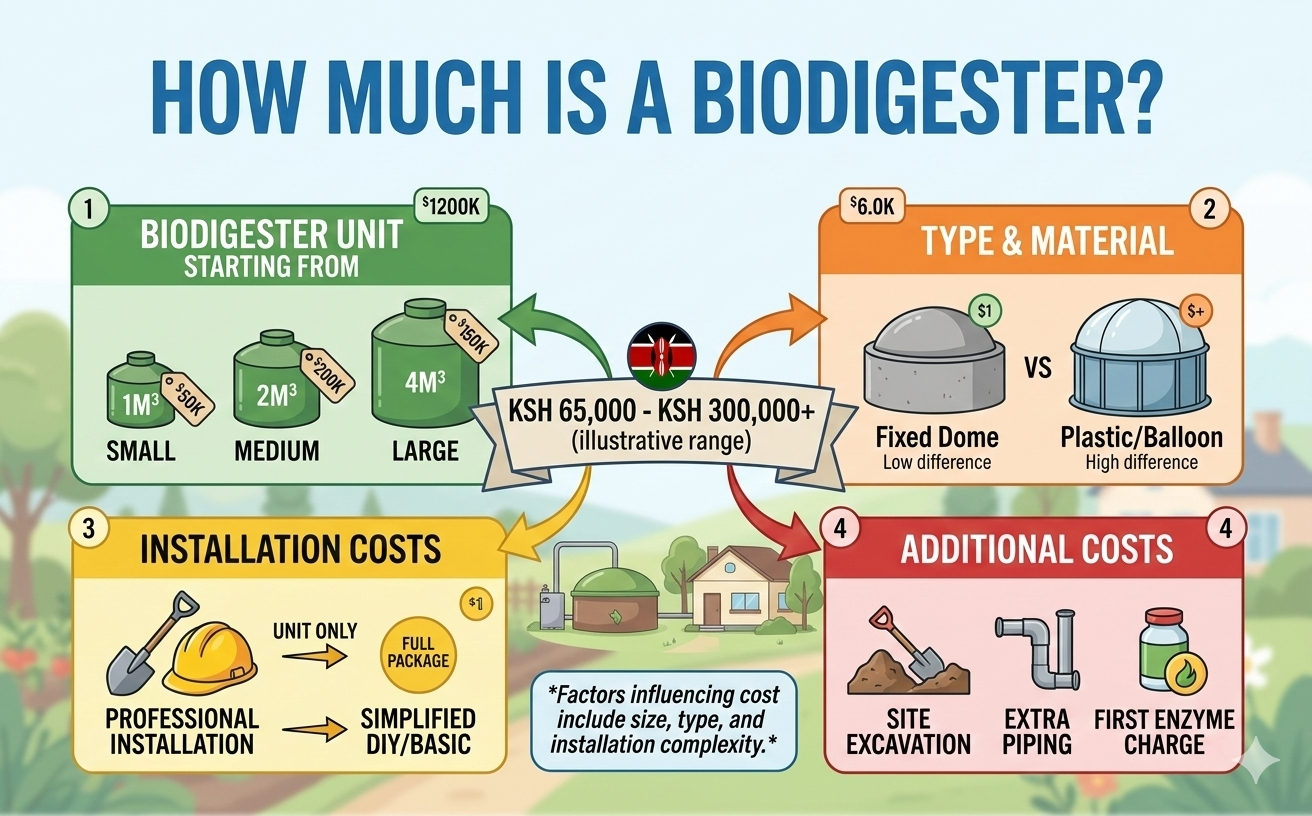
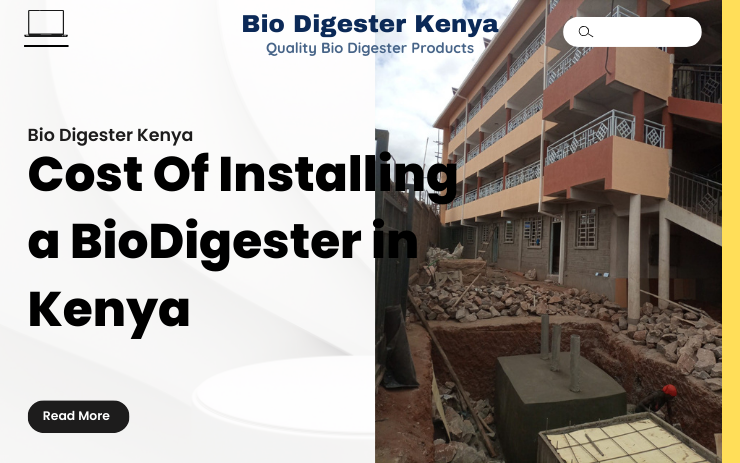
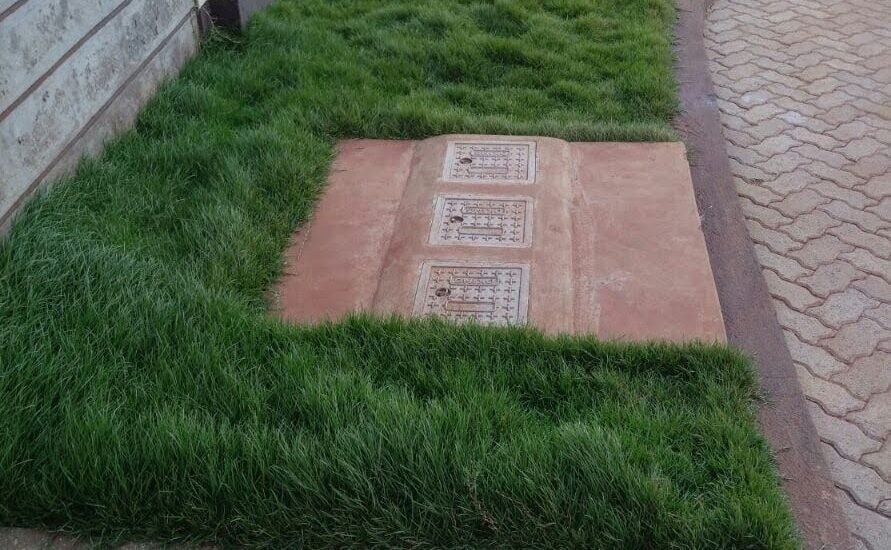
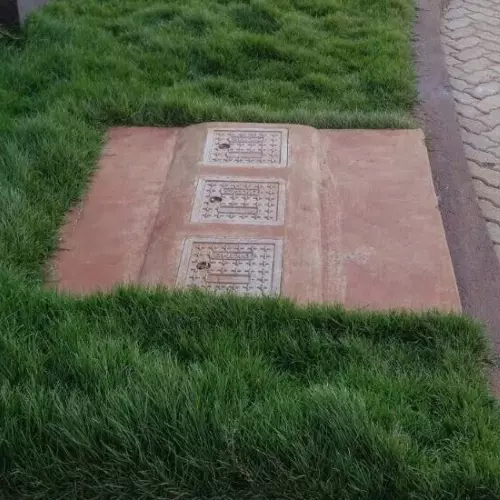
The cost of installing a bio digester in Kenya typically ranges between KSh 80,000 and KSh 150,000 for a standard residential unit.
This price includes the physical tank, excavation, plumbing connections, and the initial charge of Bio Digester Bacteria. Final costs vary based on family size, soil absorption rates, and site location.
Understanding the Price Drivers of Bio Digester Installation
When budgeting for a waste management system, it is vital to look beyond the initial quote.
In Kenya, the structural integrity of your system depends on specific environmental factors that influence the final price point.
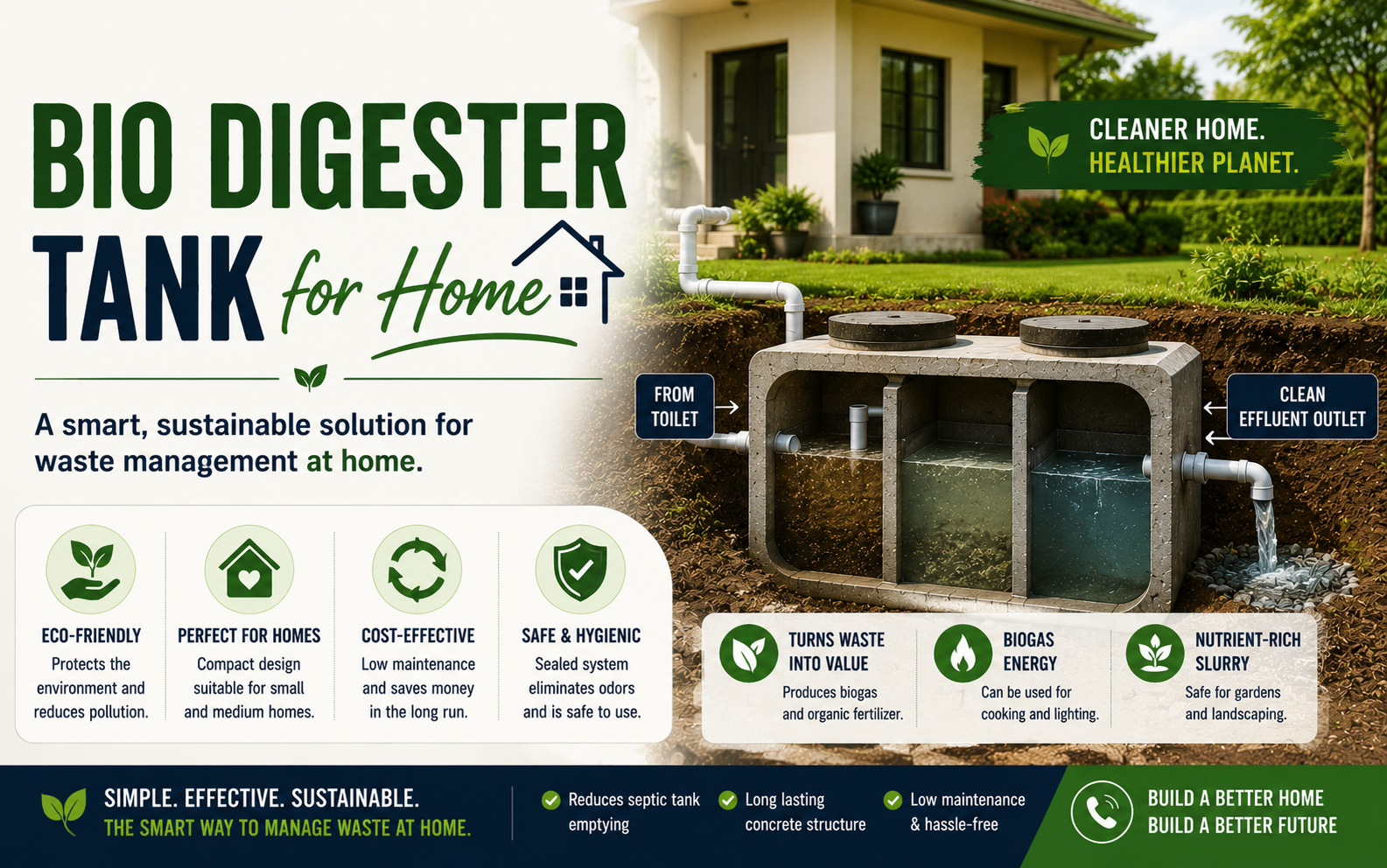
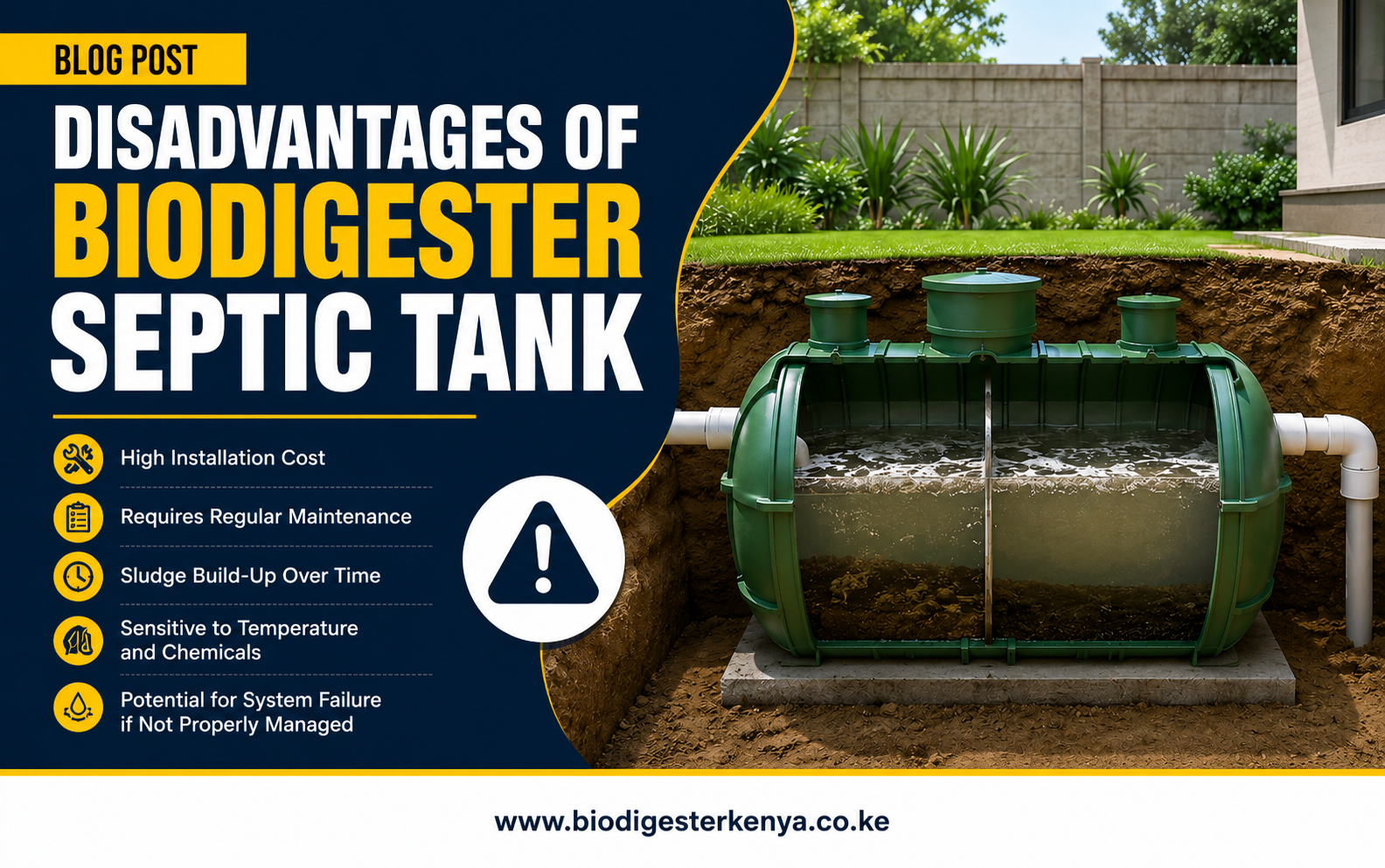
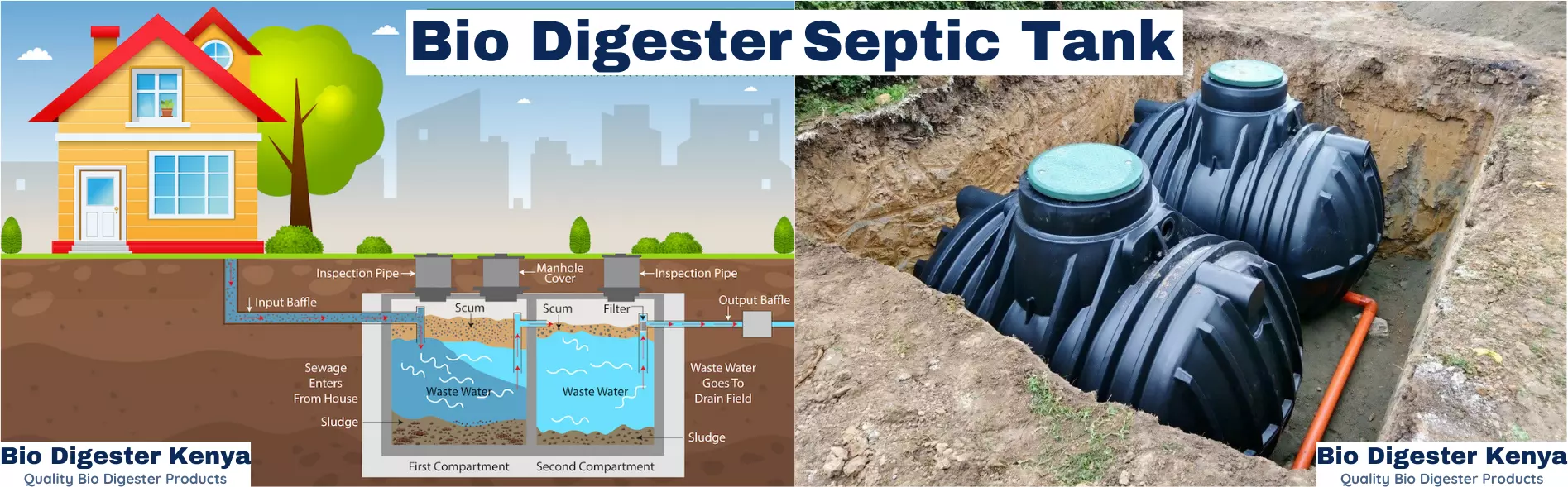
Unlike a traditional septic tank which is essentially a holding box for waste, a biodigester is a biological processing plant.
System Capacity and Occupancy
The primary factor in determining the cost is the number of people the system serves.
A standard 1-cubic-meter digester is sufficient for a household of up to 20 people.
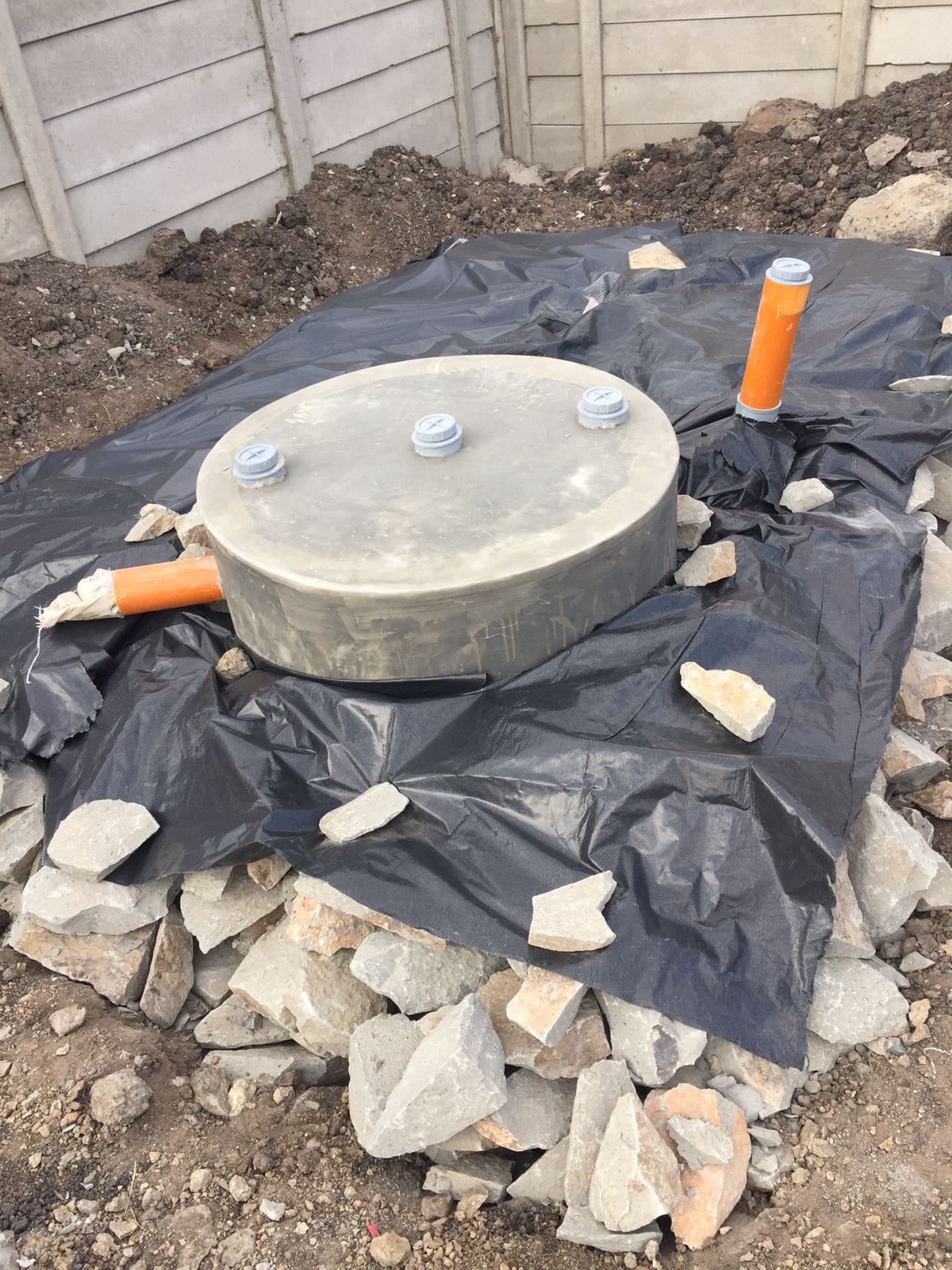
However, for commercial blocks in Nairobi or large gated communities, larger Precast Bio Digesters are required.
As the volume of blackwater increases, the size of the digestion chamber and the amount of enzyme-rich substrate needed for startup also increase.
Soil Type: Black Cotton vs. Red Soil
The geological reality of your plot significantly impacts labor and material costs.
If you are building in areas with heavy black cotton soil like Kitengela, Kamulu, or parts of Syokimau, the soakage pit or French drain requires more extensive engineering.
These soils have poor absorption rates, often necessitating a larger soaking area with more hardcore and ballast to ensure treated water disperses effectively.
Conversely, the stable red soils of Kiambu or Ruiru allow for faster, more affordable excavation and simpler drainage designs.
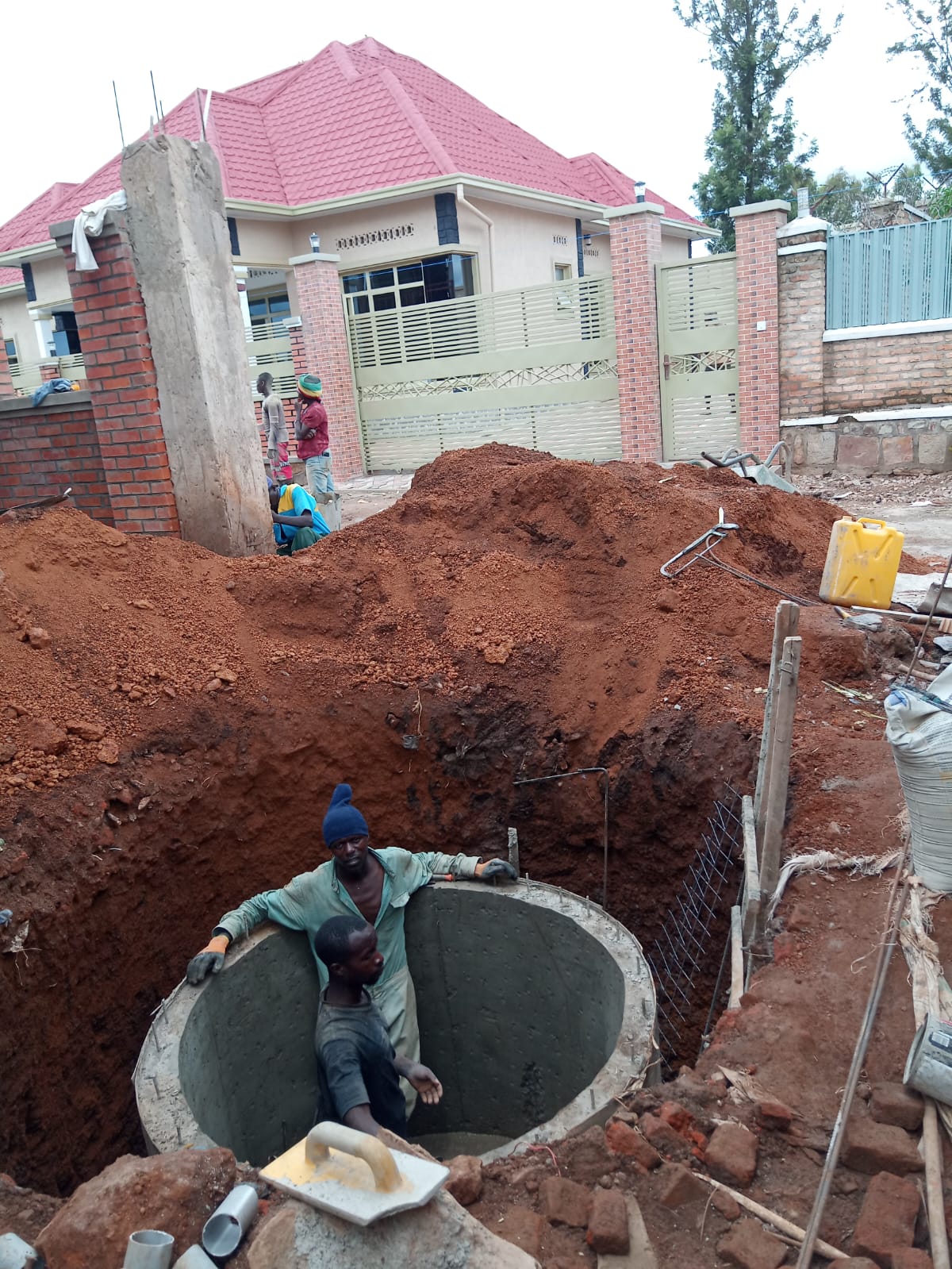
The Mechanics: Why It Costs Less Than a Septic Tank Long-Term
Modern Bio Digester Installation is an investment in biological engineering.
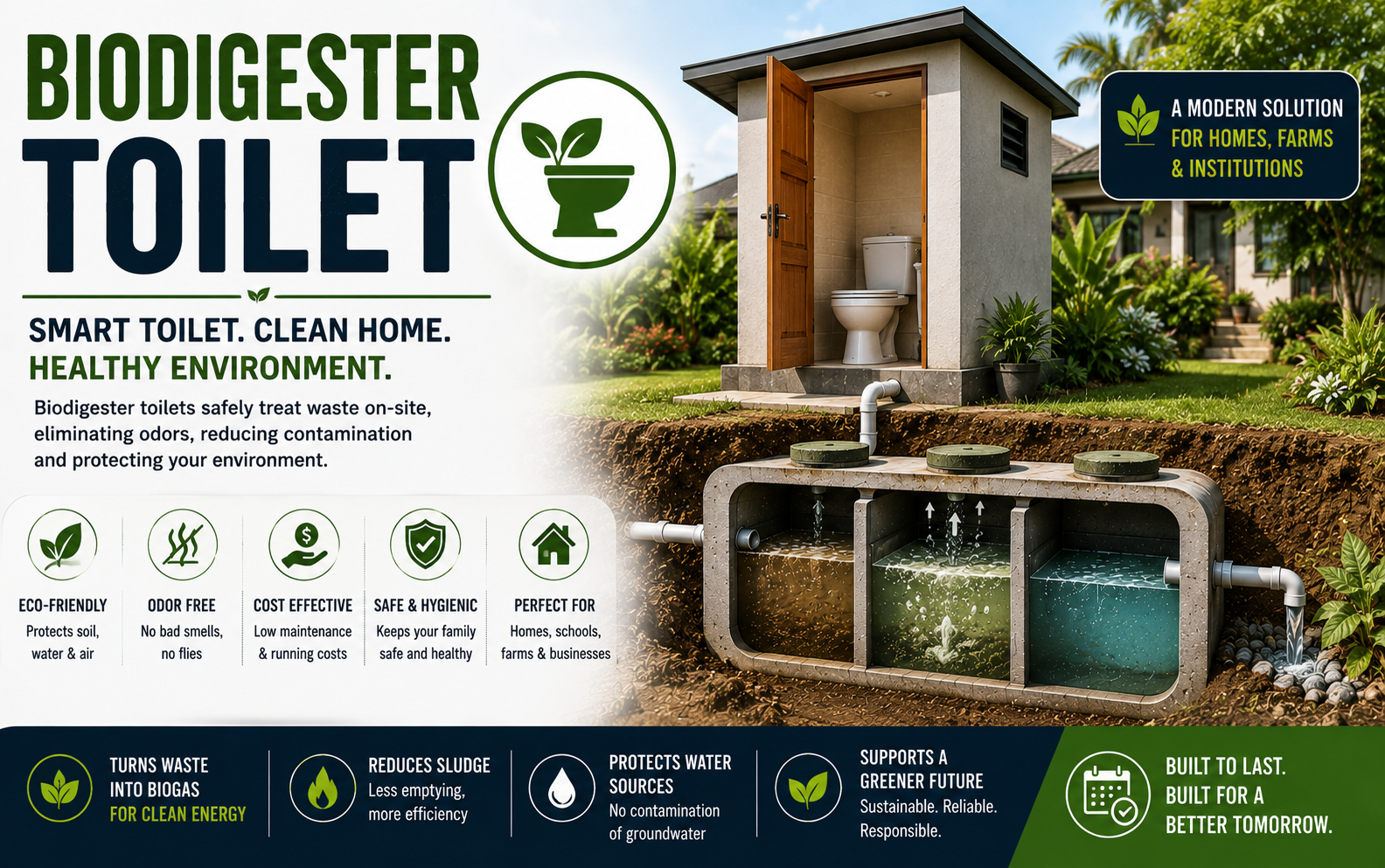
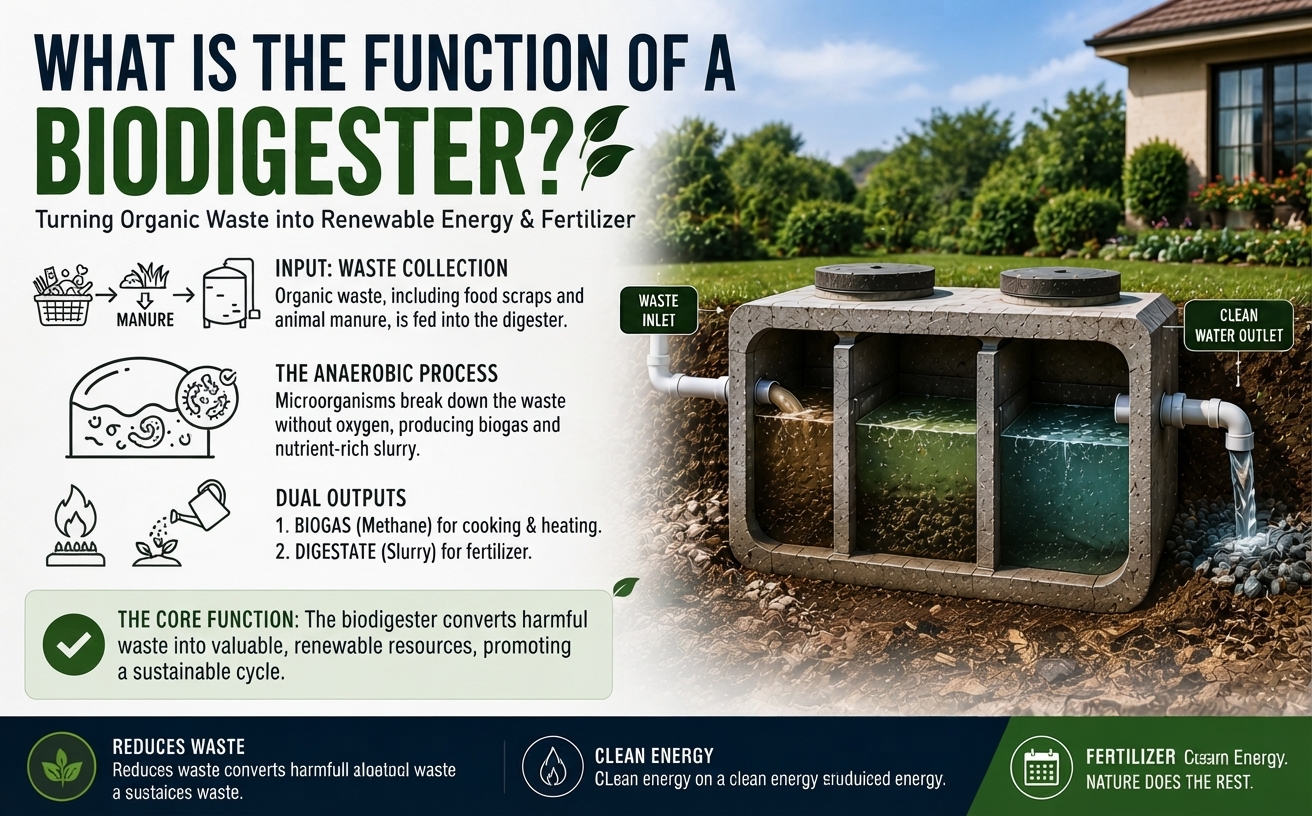
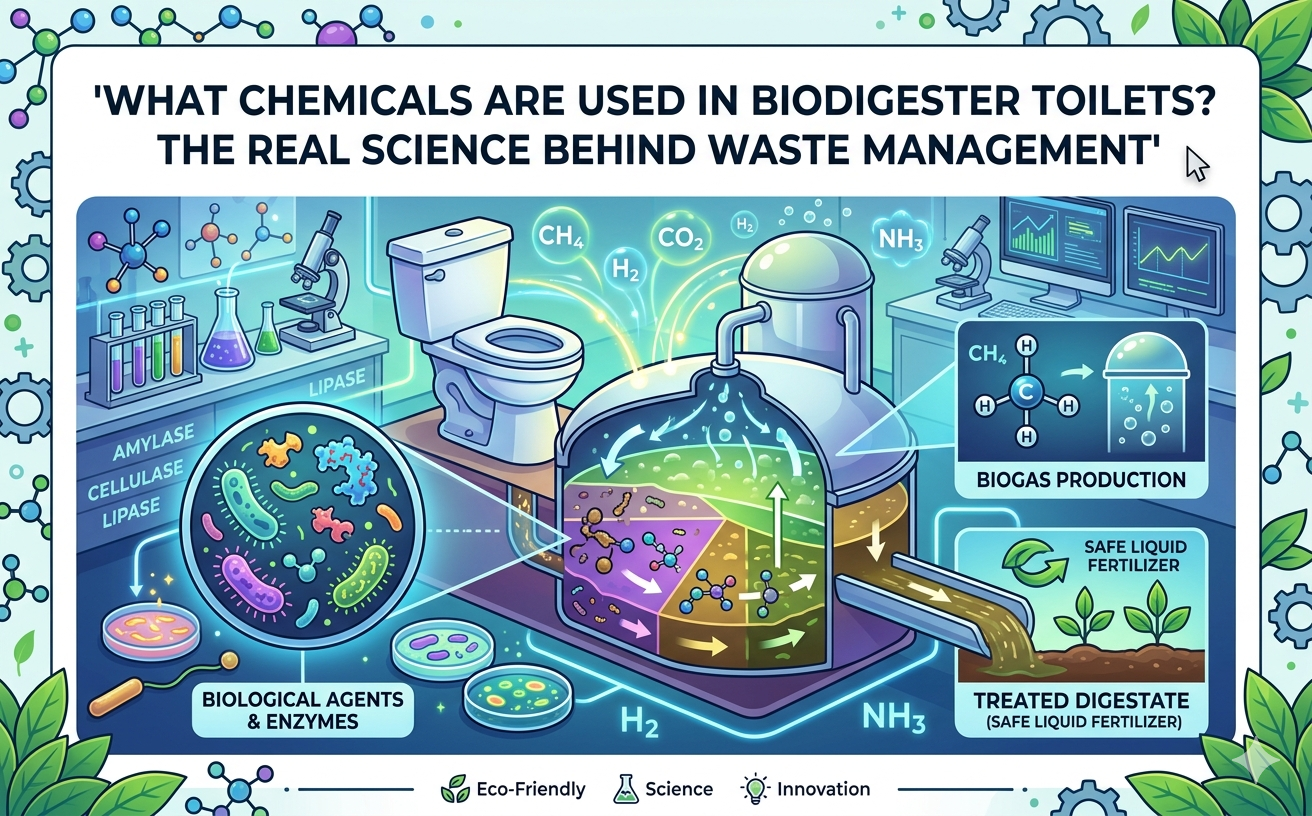
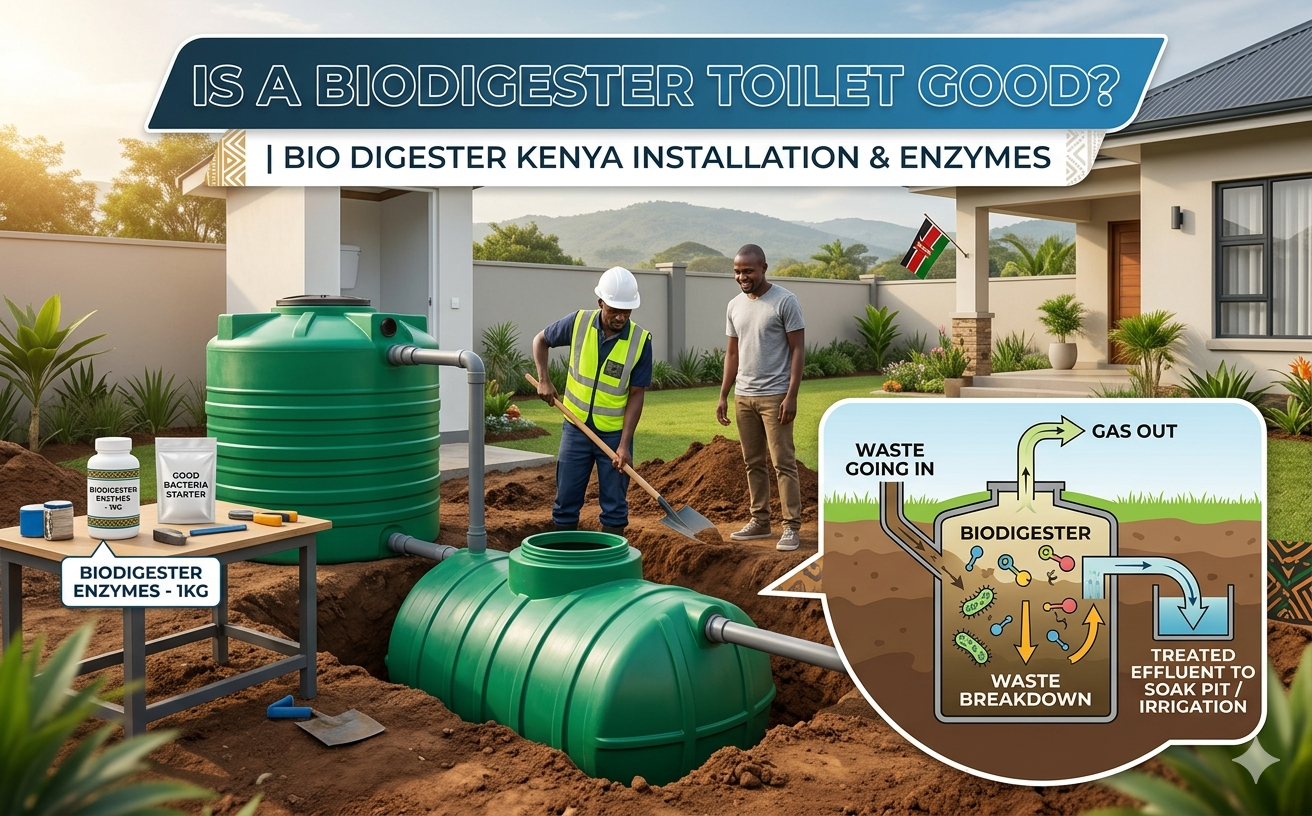
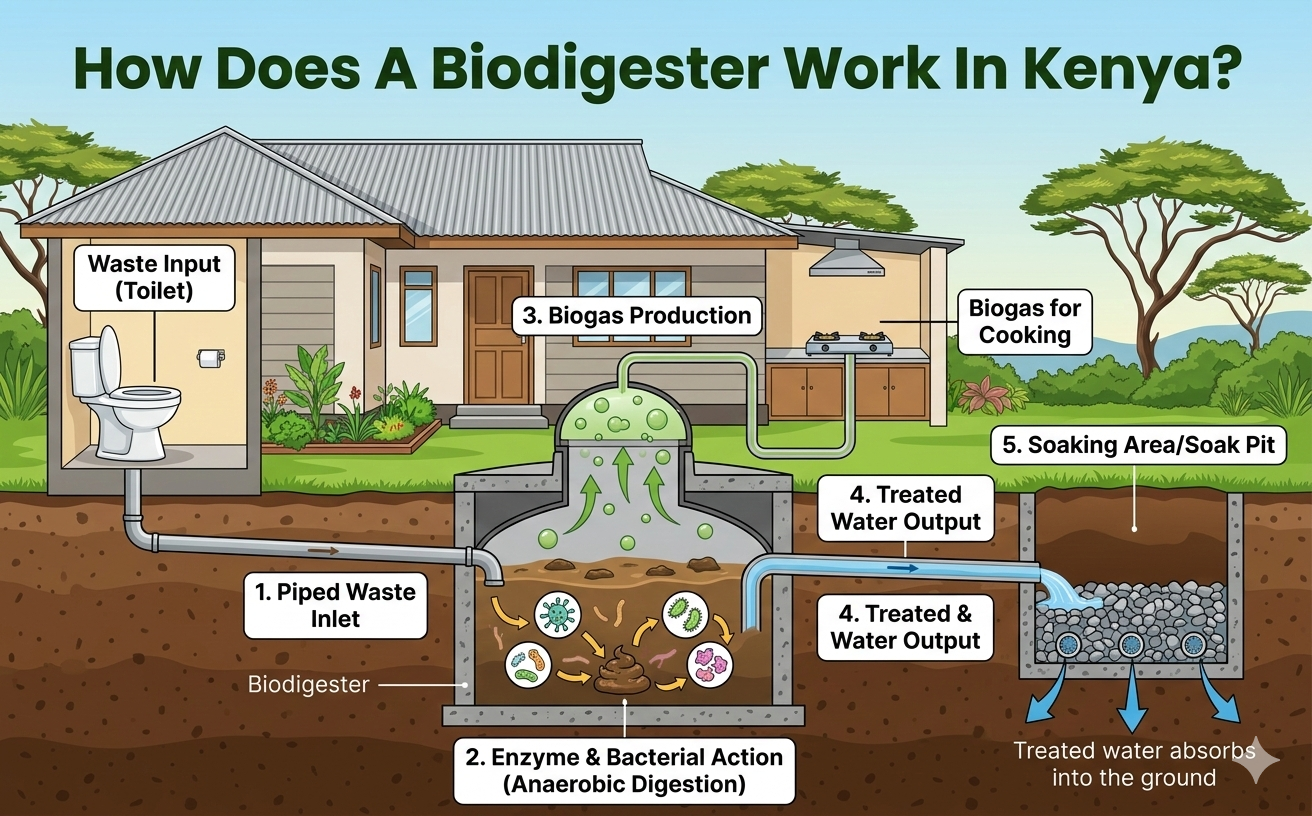
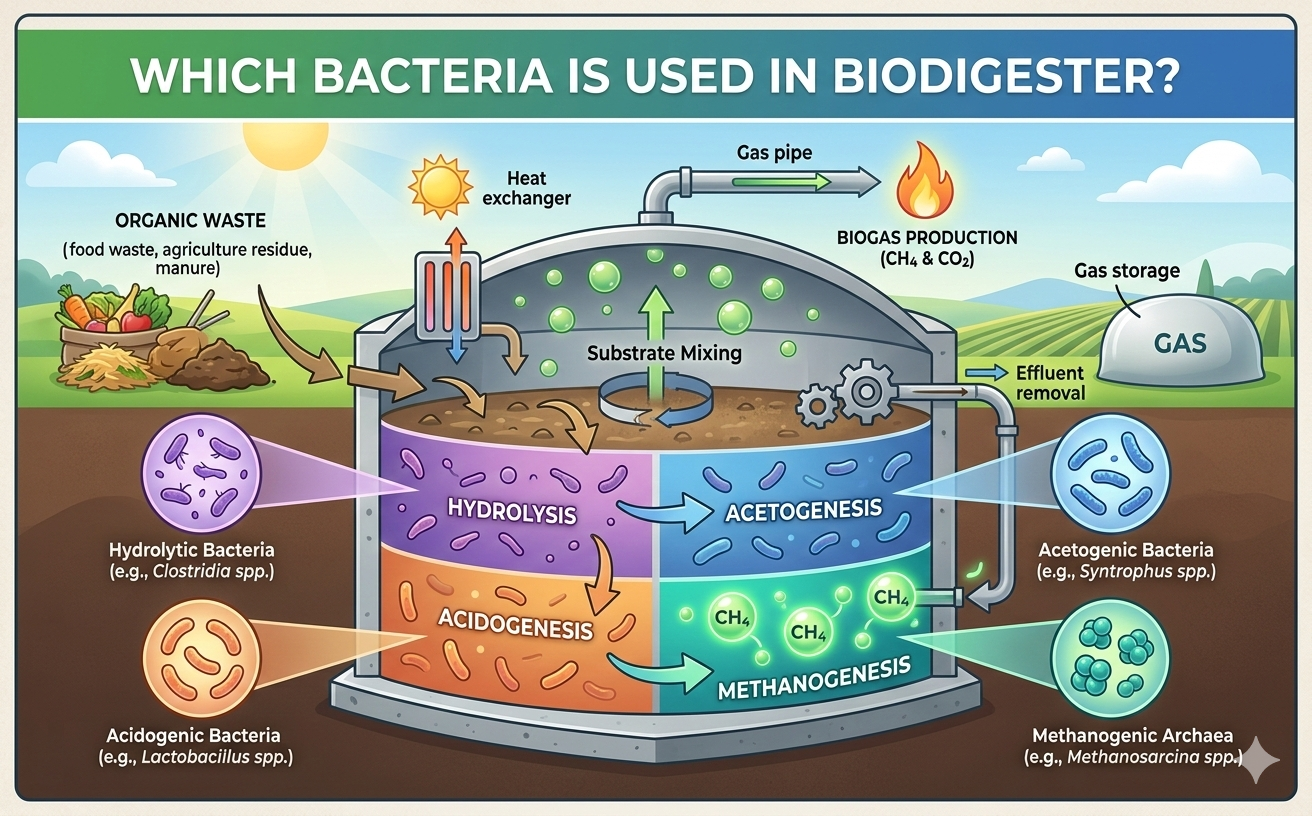
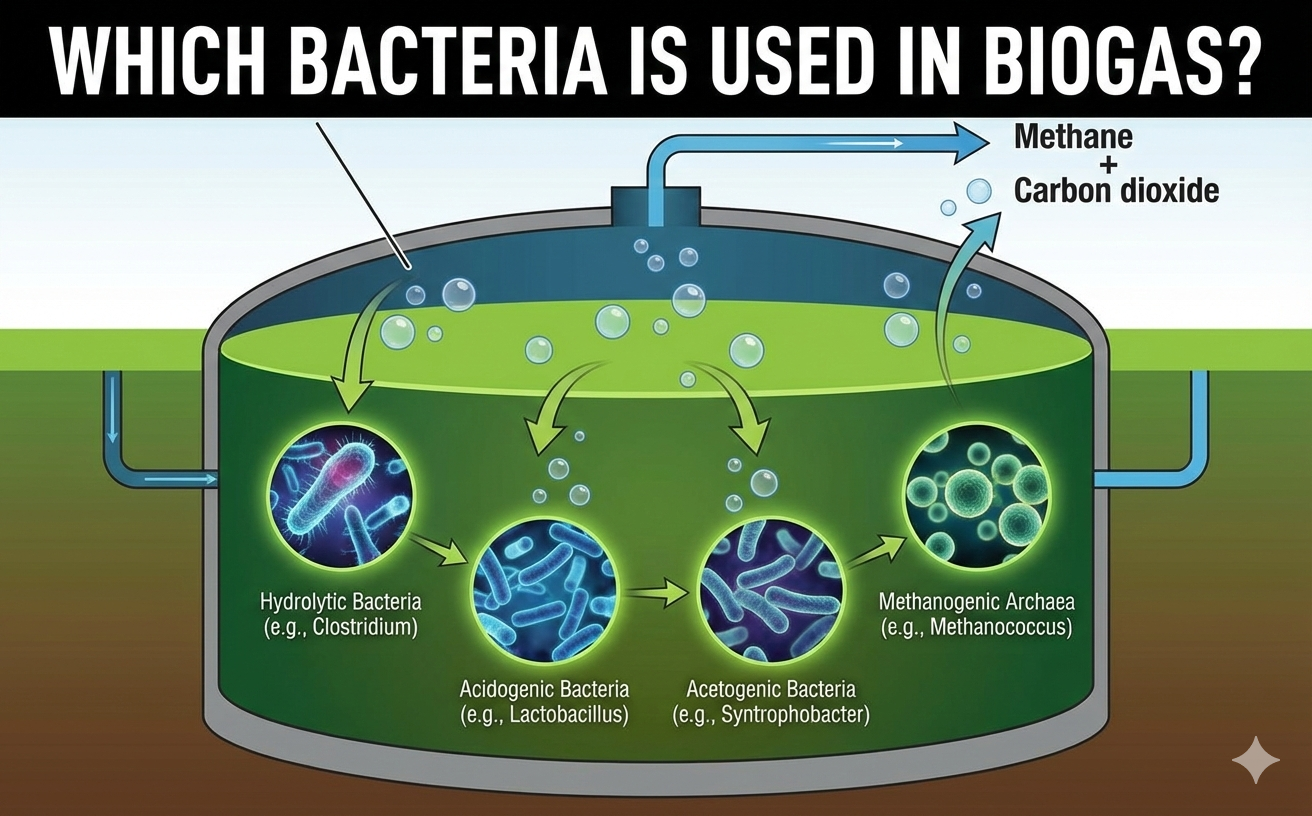
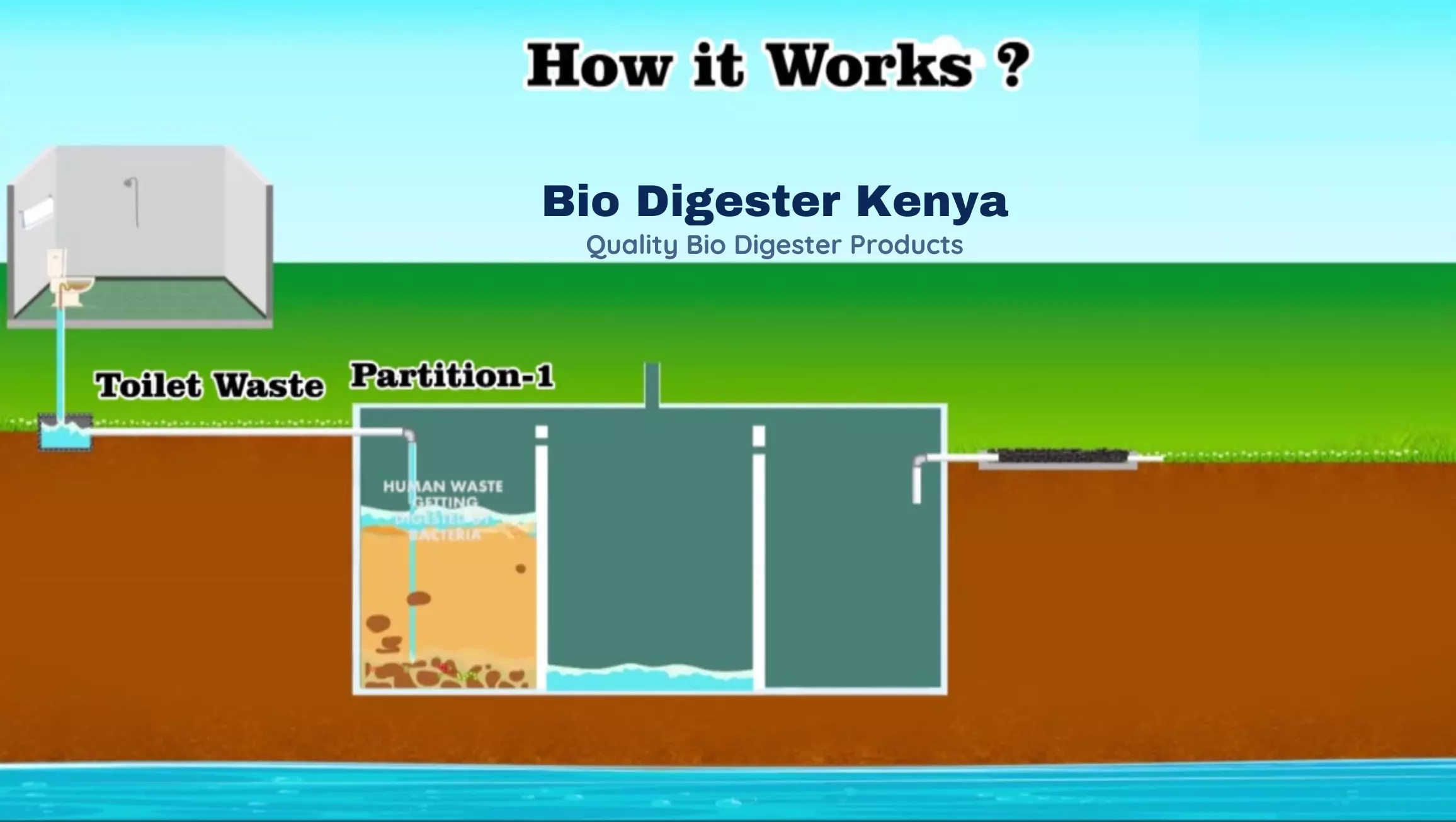
Waste is piped directly into the digester where specialized Bio Digester Bacteria break down and consume the solid waste through anaerobic digestion.
The biological end result is strictly treated water and odorless air.
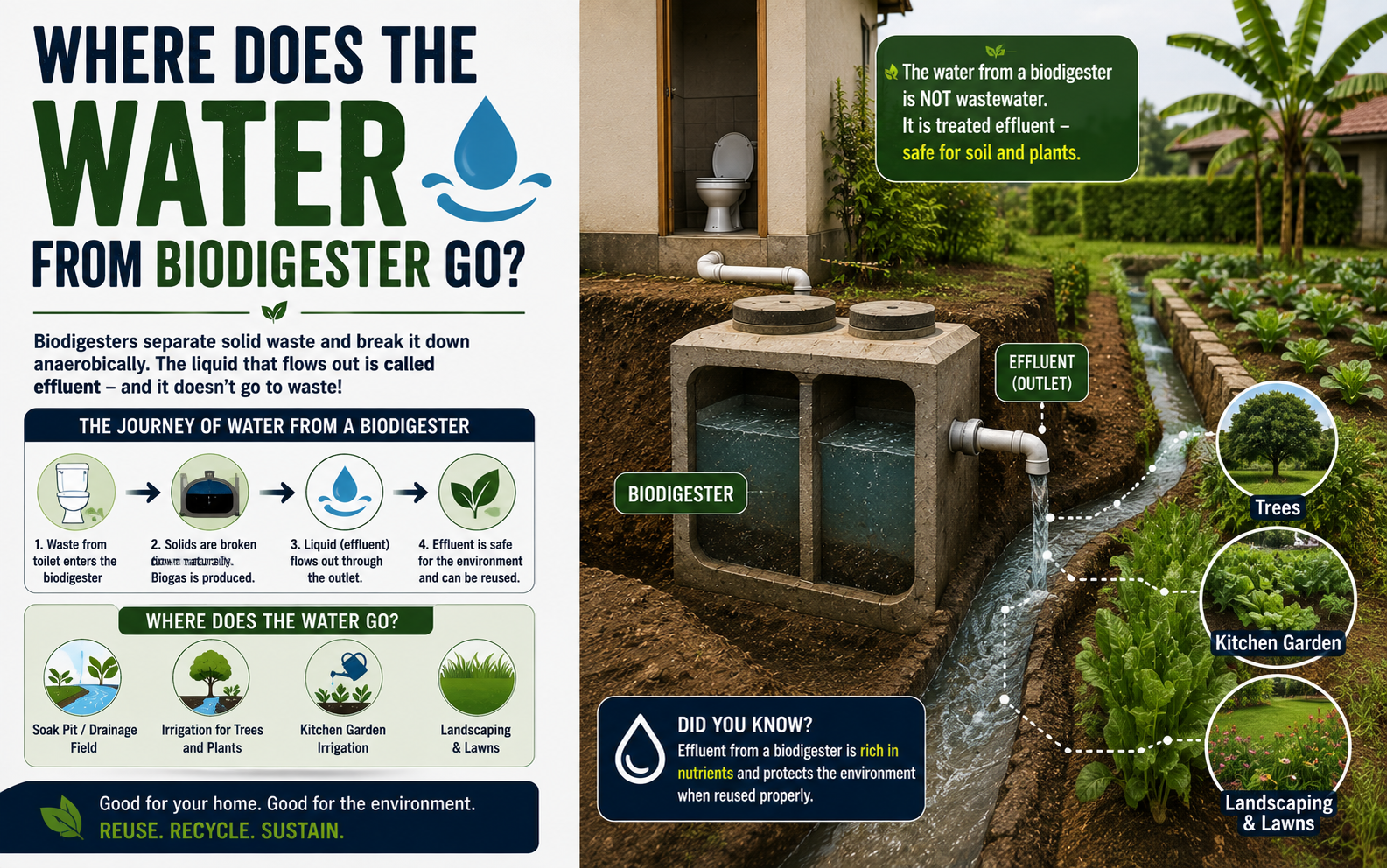
Because the solids are liquefied, the treated water is directed to a localized soaking area or French drain where it is safely absorbed into the ground.
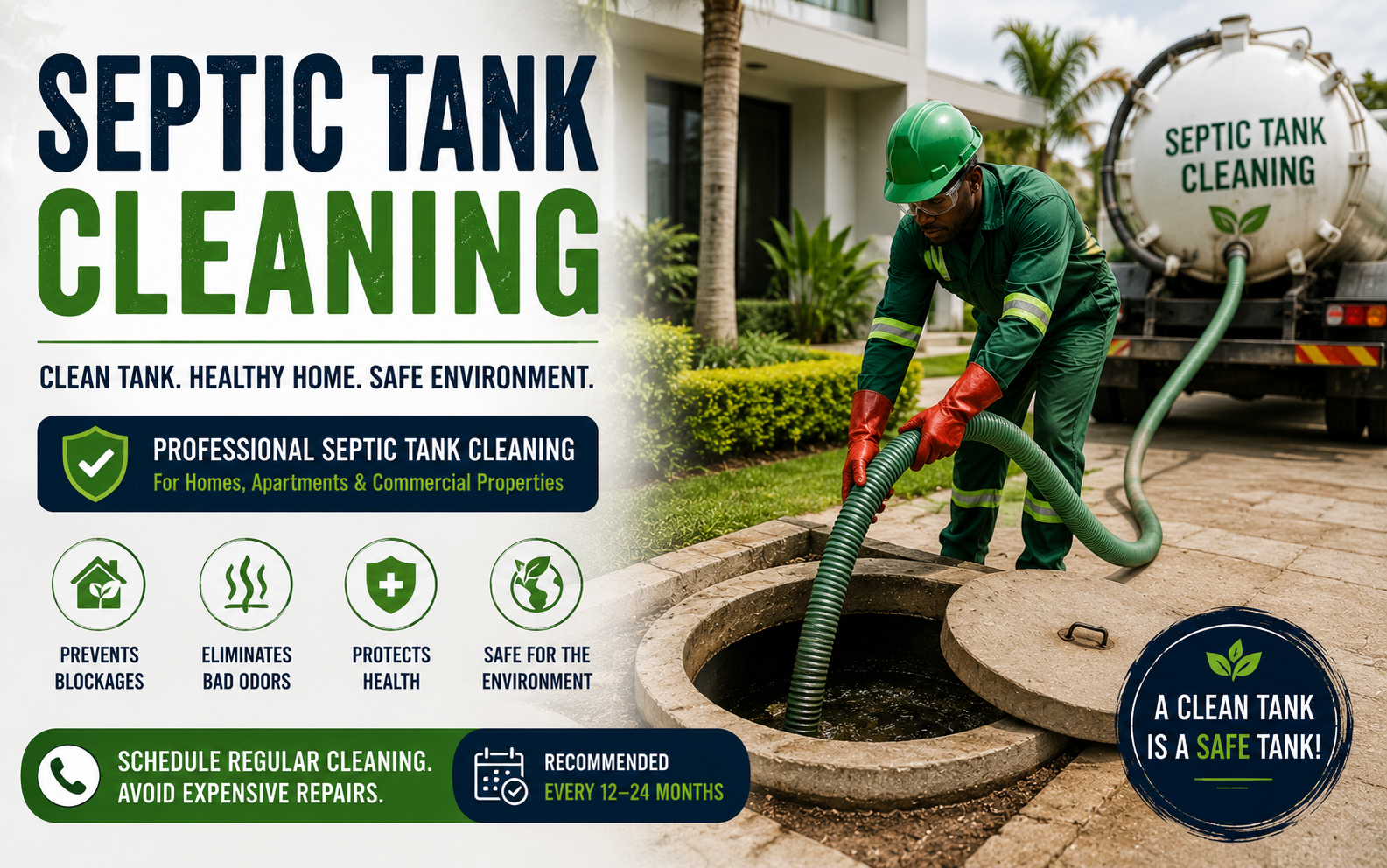
This process completely eliminates the need for recurring exhaust tank emptying services, which can cost a Nairobi homeowner upwards of KSh 10,000 per trip.
Over five years, the biodigester pays for itself through these savings alone.
Need a technical site survey for your property?
Phone: +254 712 660 245
Email: info@biodigesterkenya.co.ke
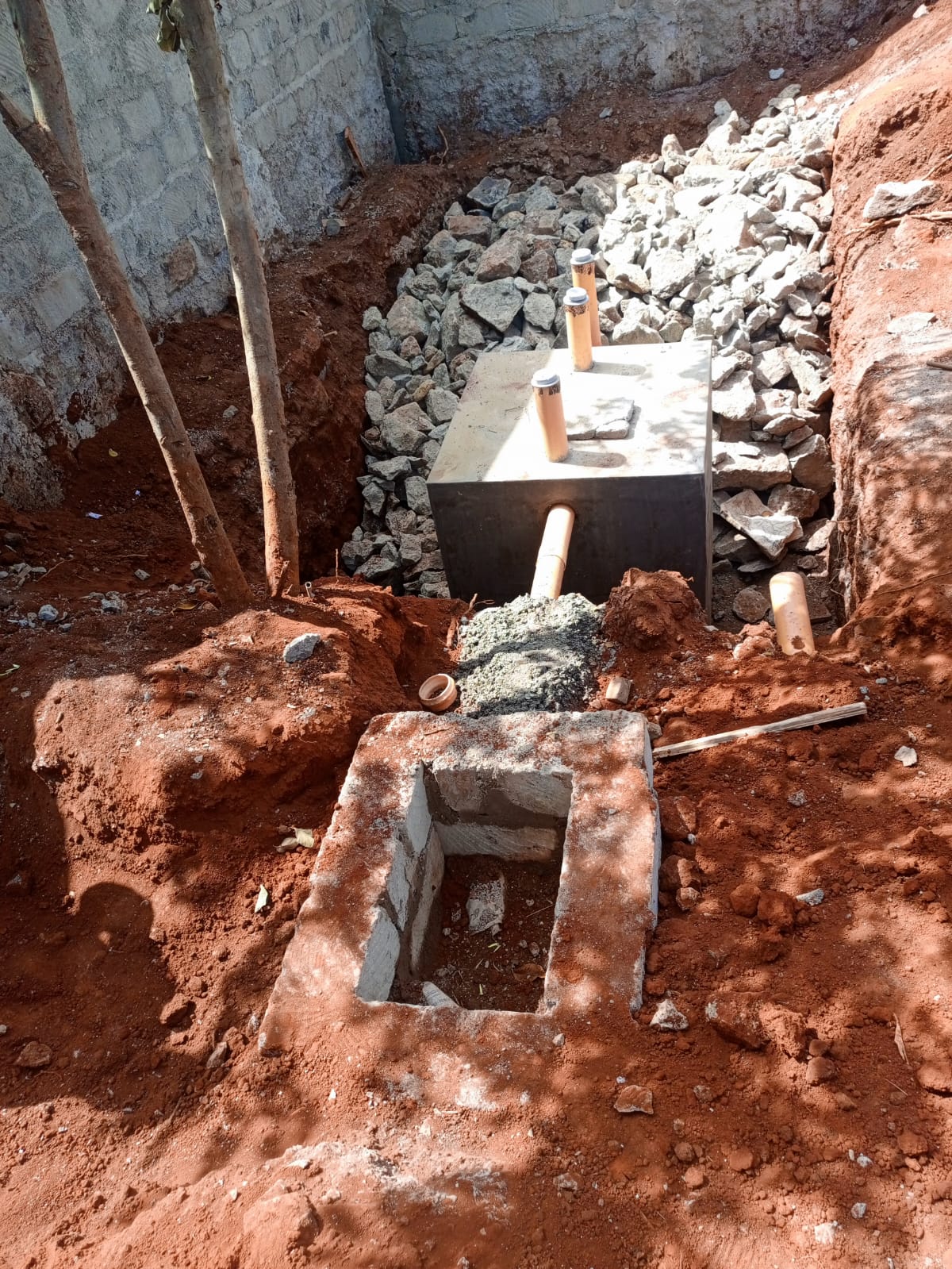
Breakdown of Material and Labor Costs
When you receive a quote from Bio Digester Kenya, it generally covers the following essential components:
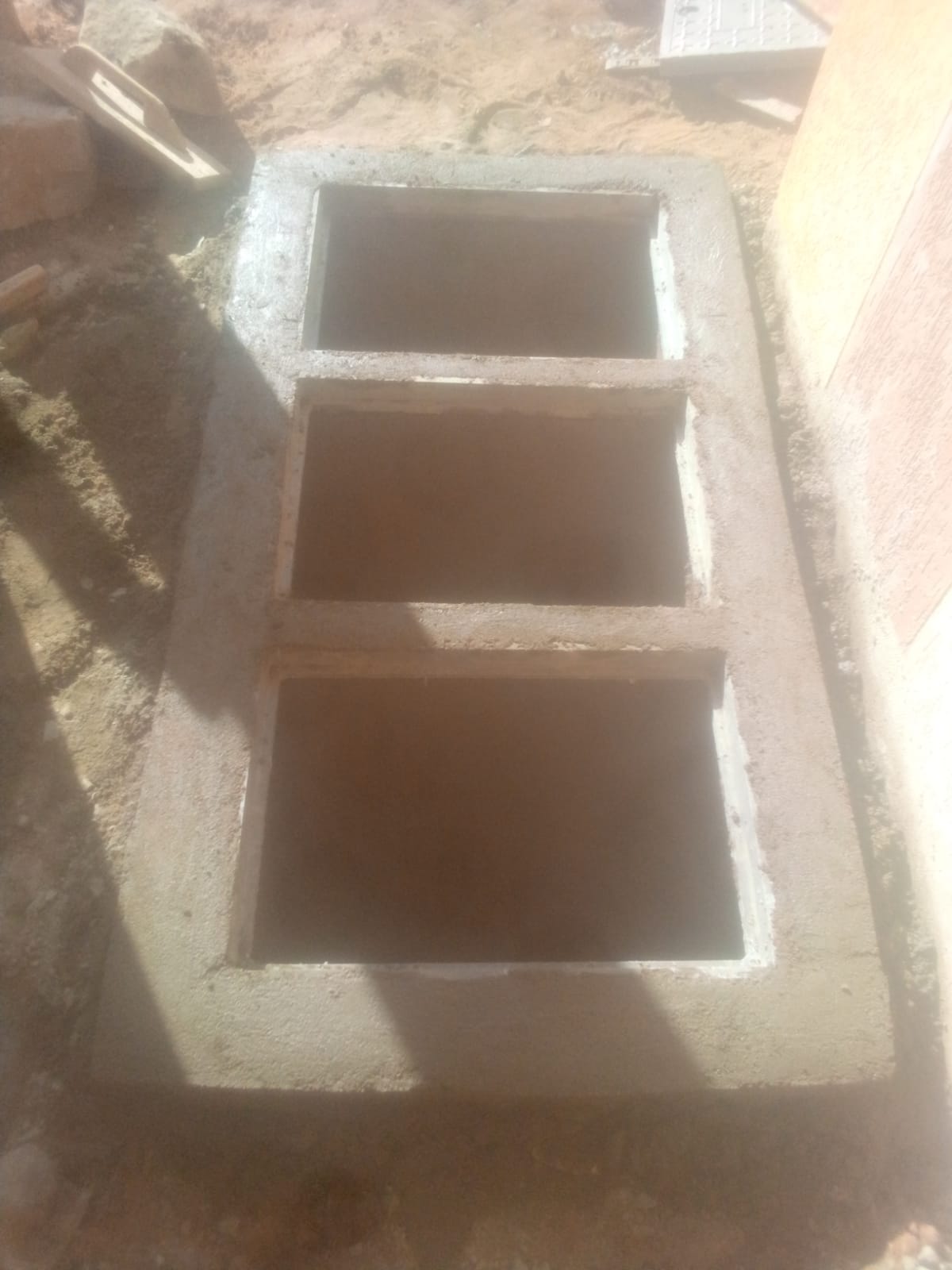
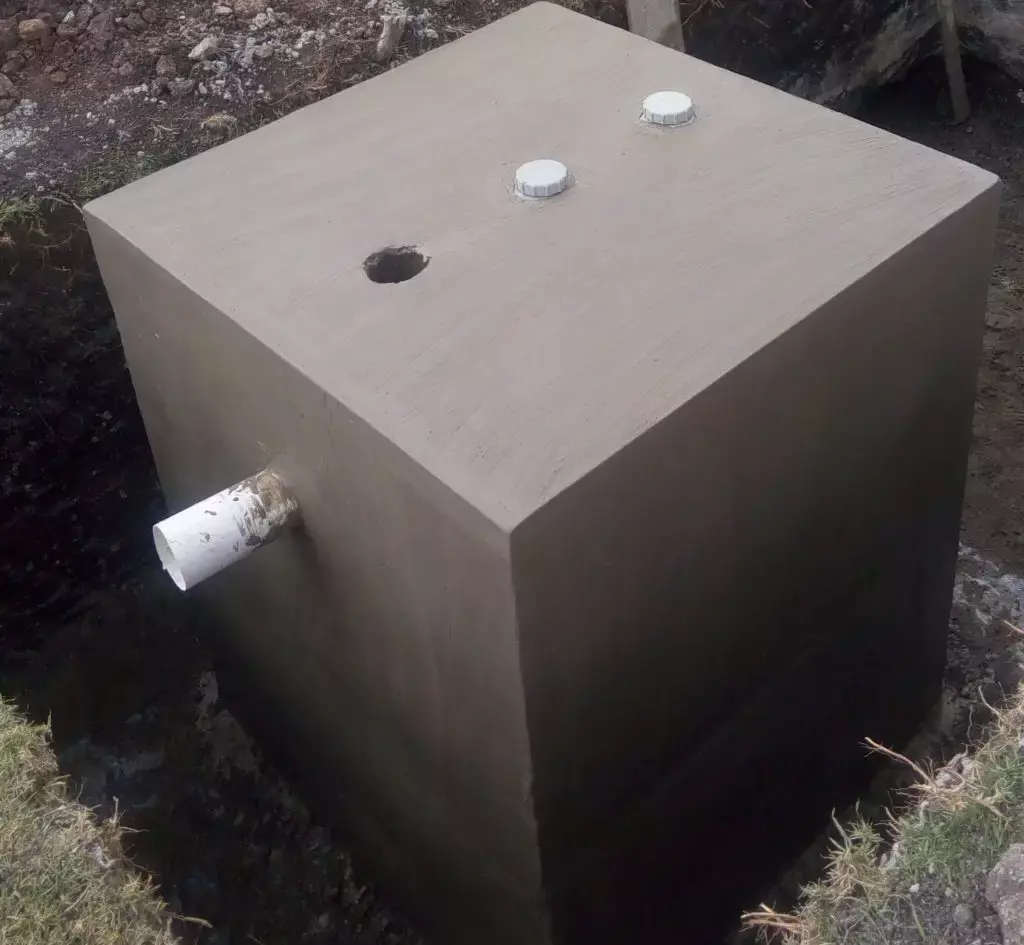
- The Digester Tank: Either a precast concrete model or a high-density plastic unit designed to withstand ground pressure.
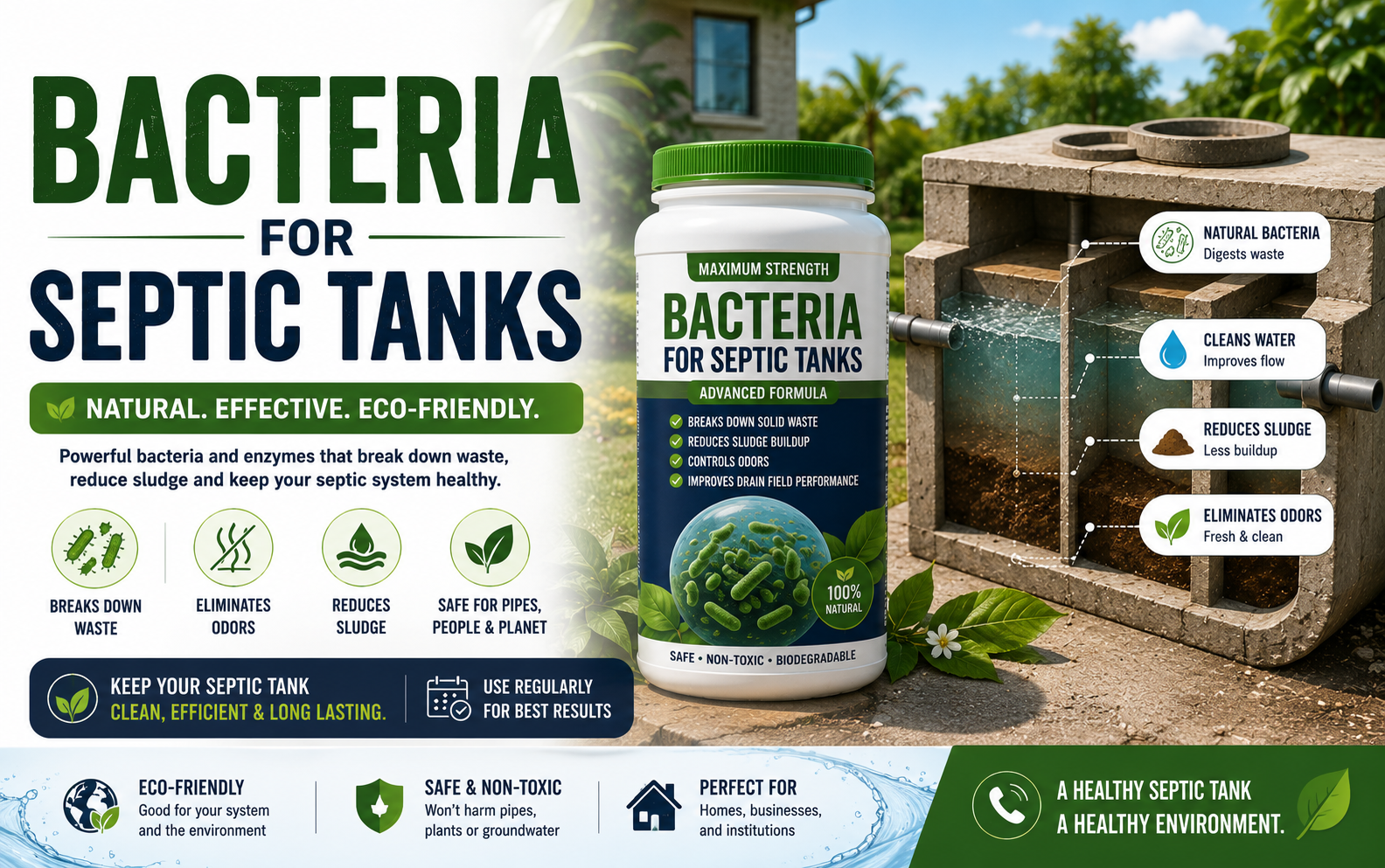
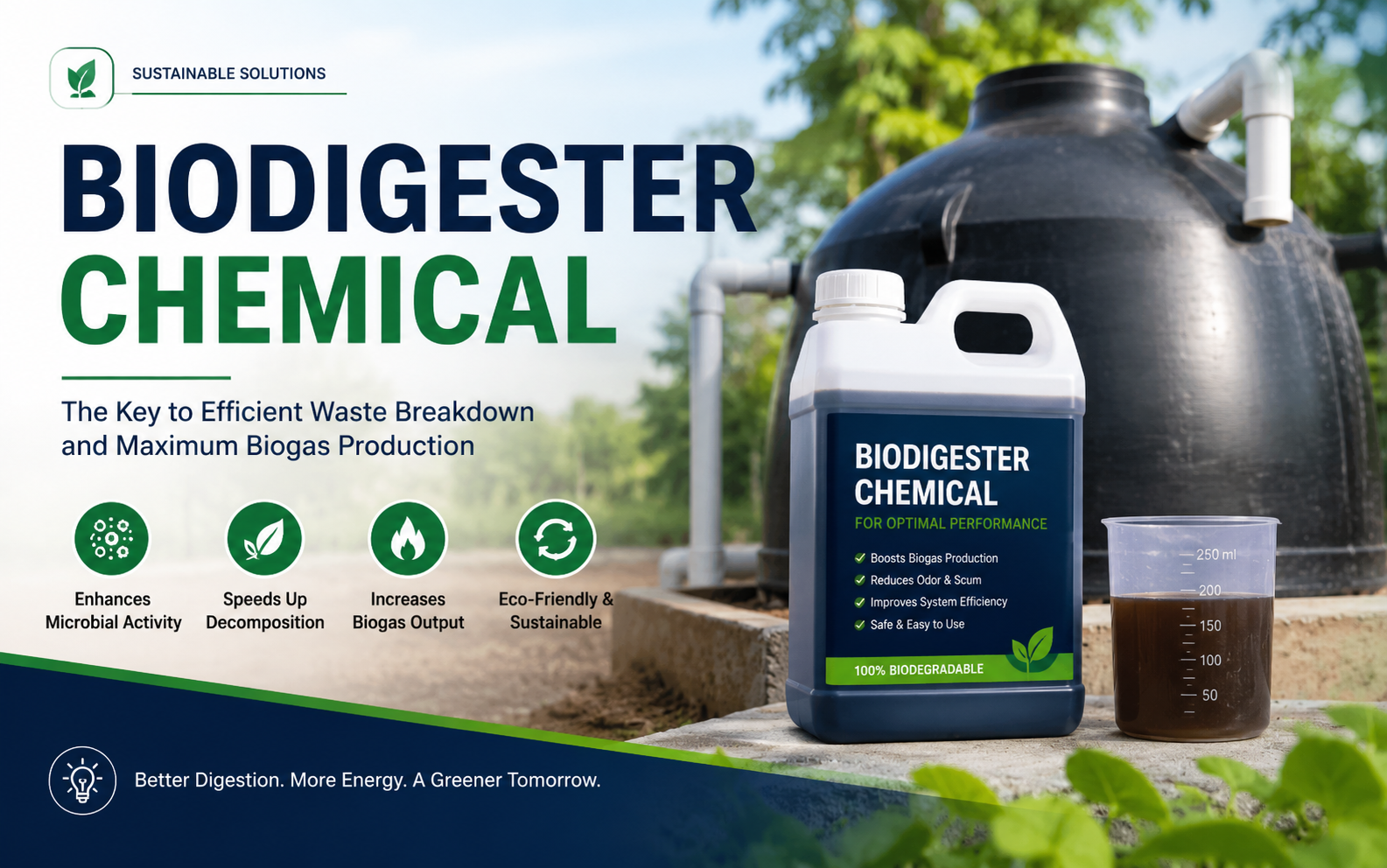
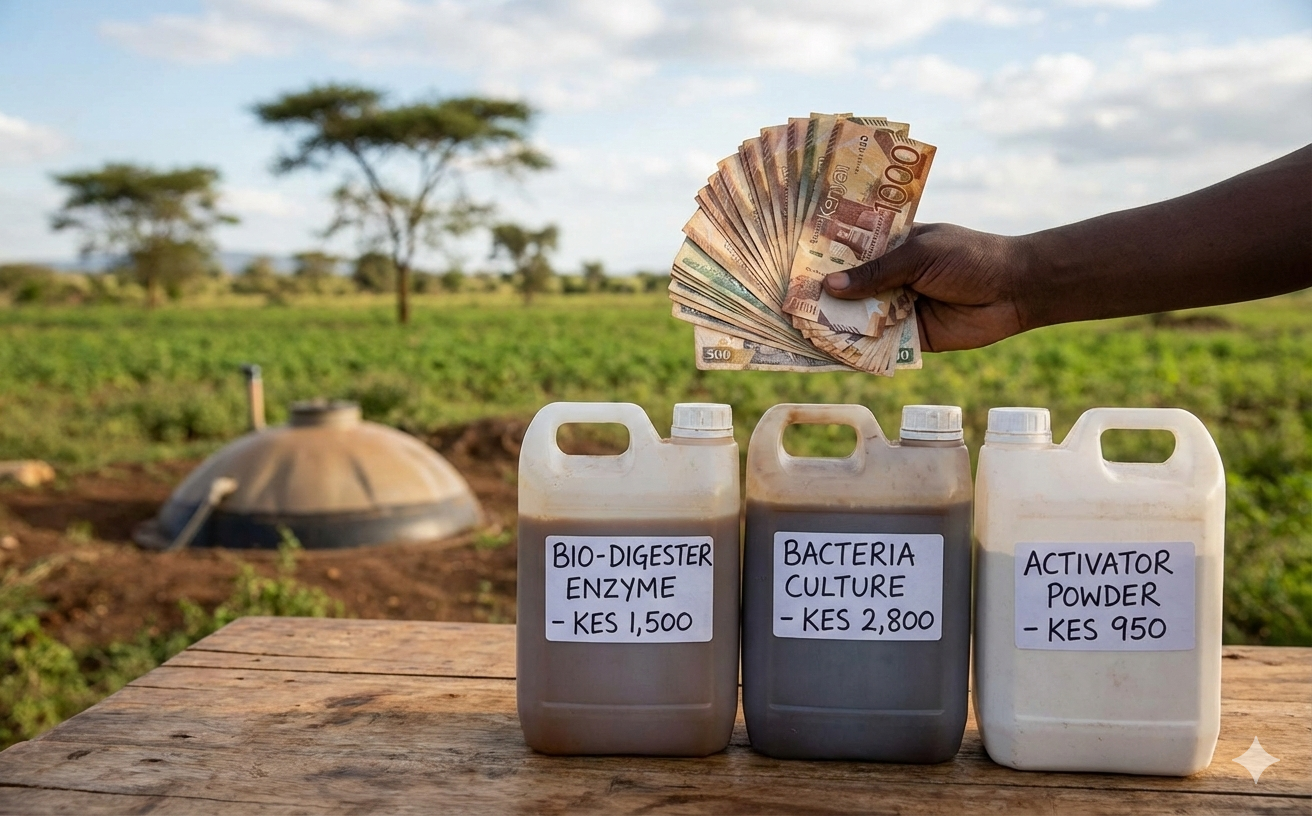
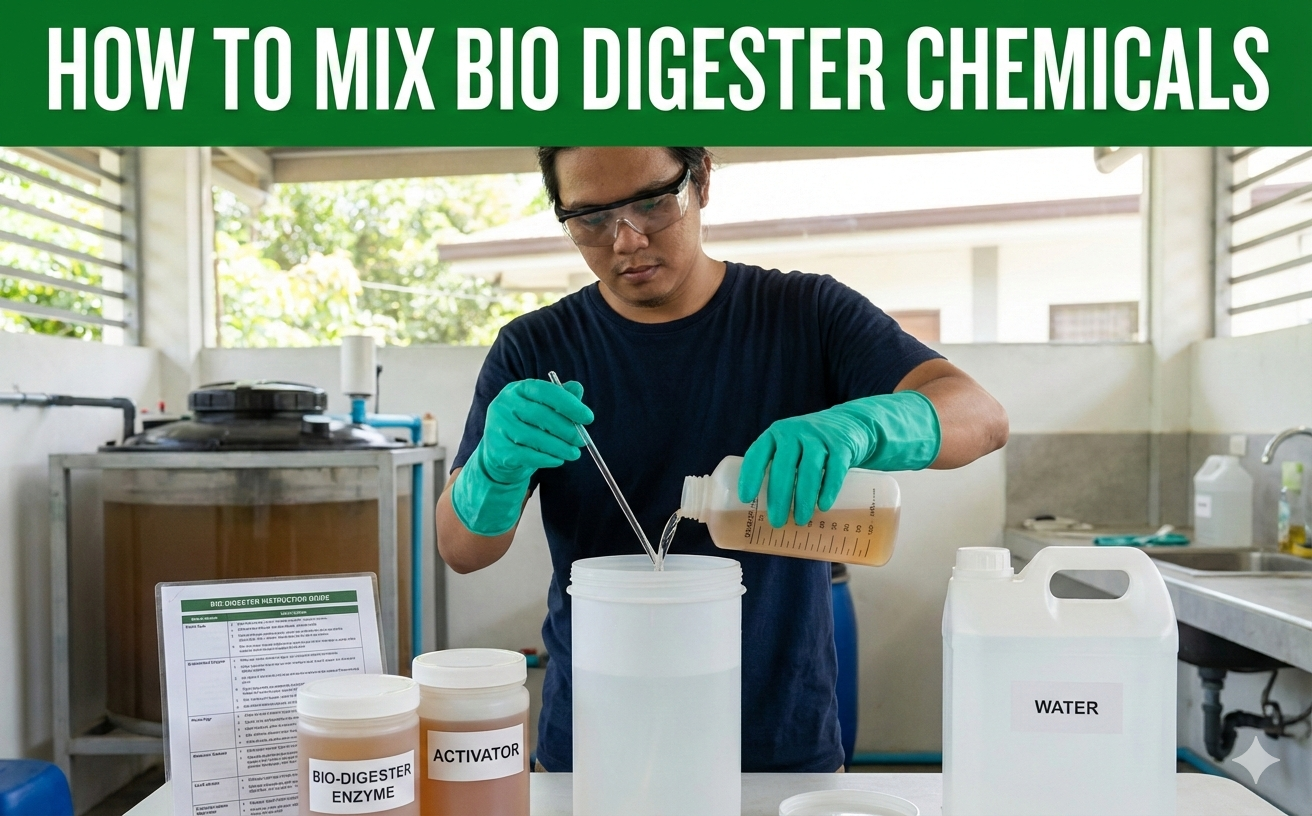
- Enzyme Activation: A high-concentration dose of Bio Digester Bacteria – 400g to kickstart the anaerobic process.
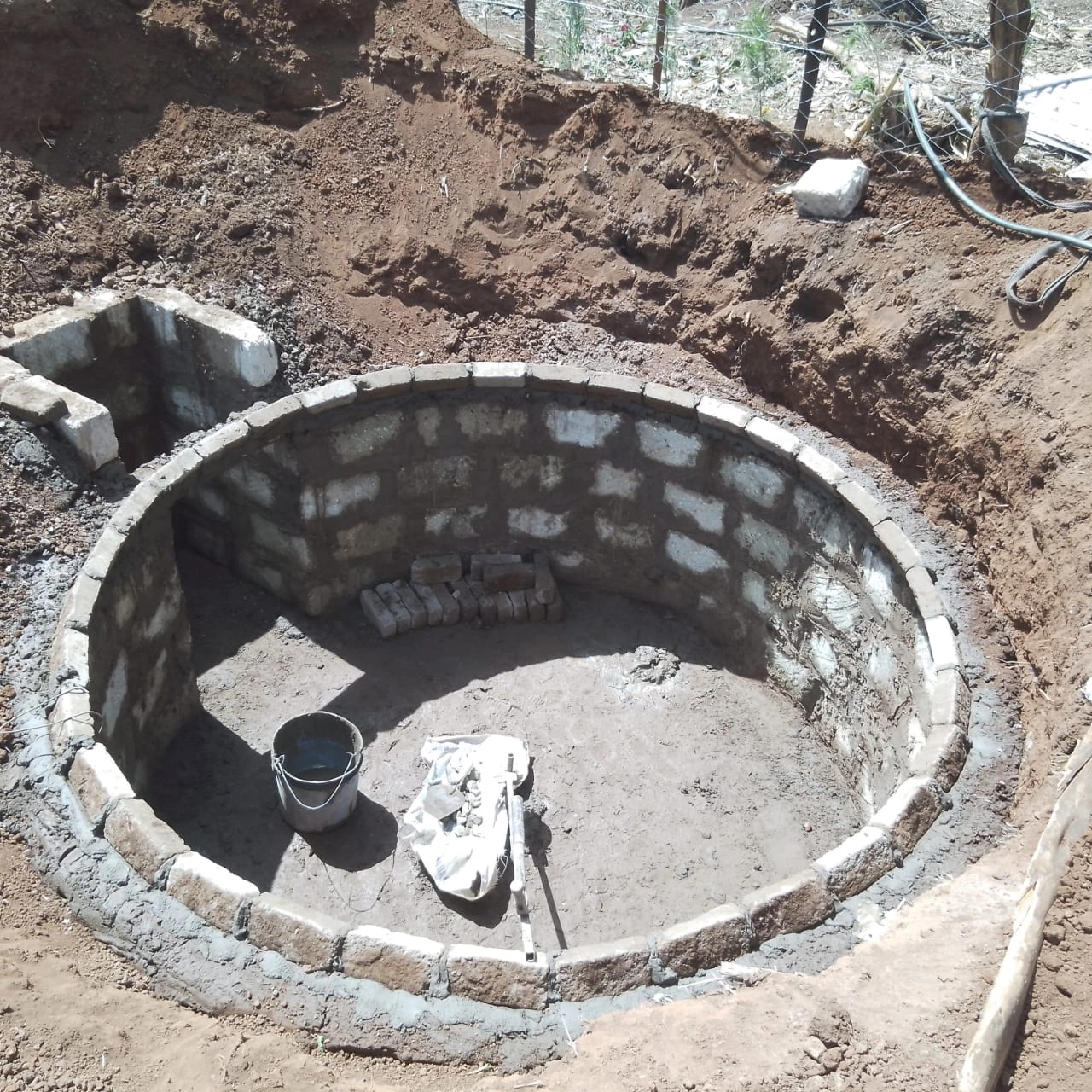
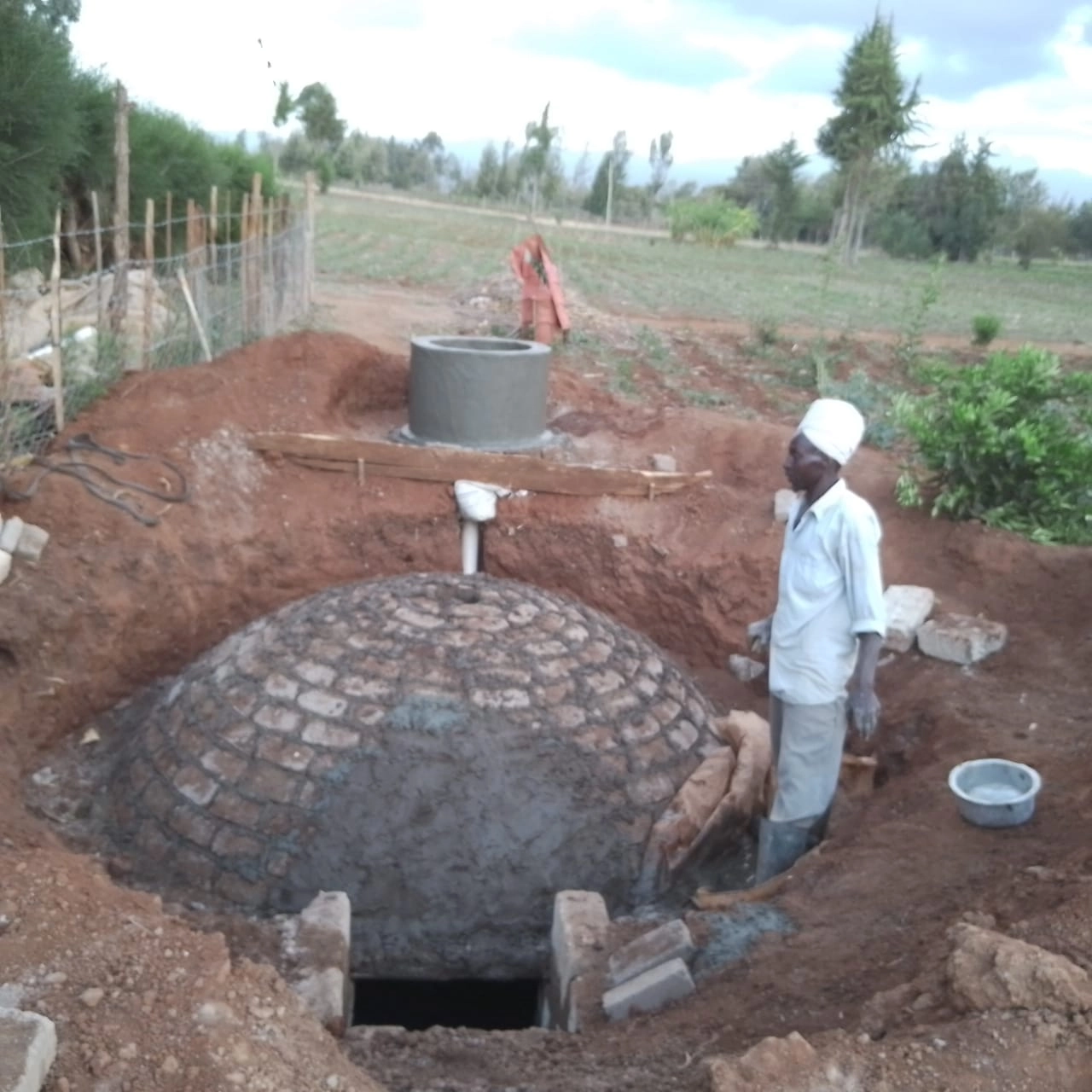
- Excavation and Backfilling: The labor-intensive process of preparing the pit and the French drain.
- Plumbing and Venting: High-quality PVC piping to transport waste from the house and vent odorless gases safely.
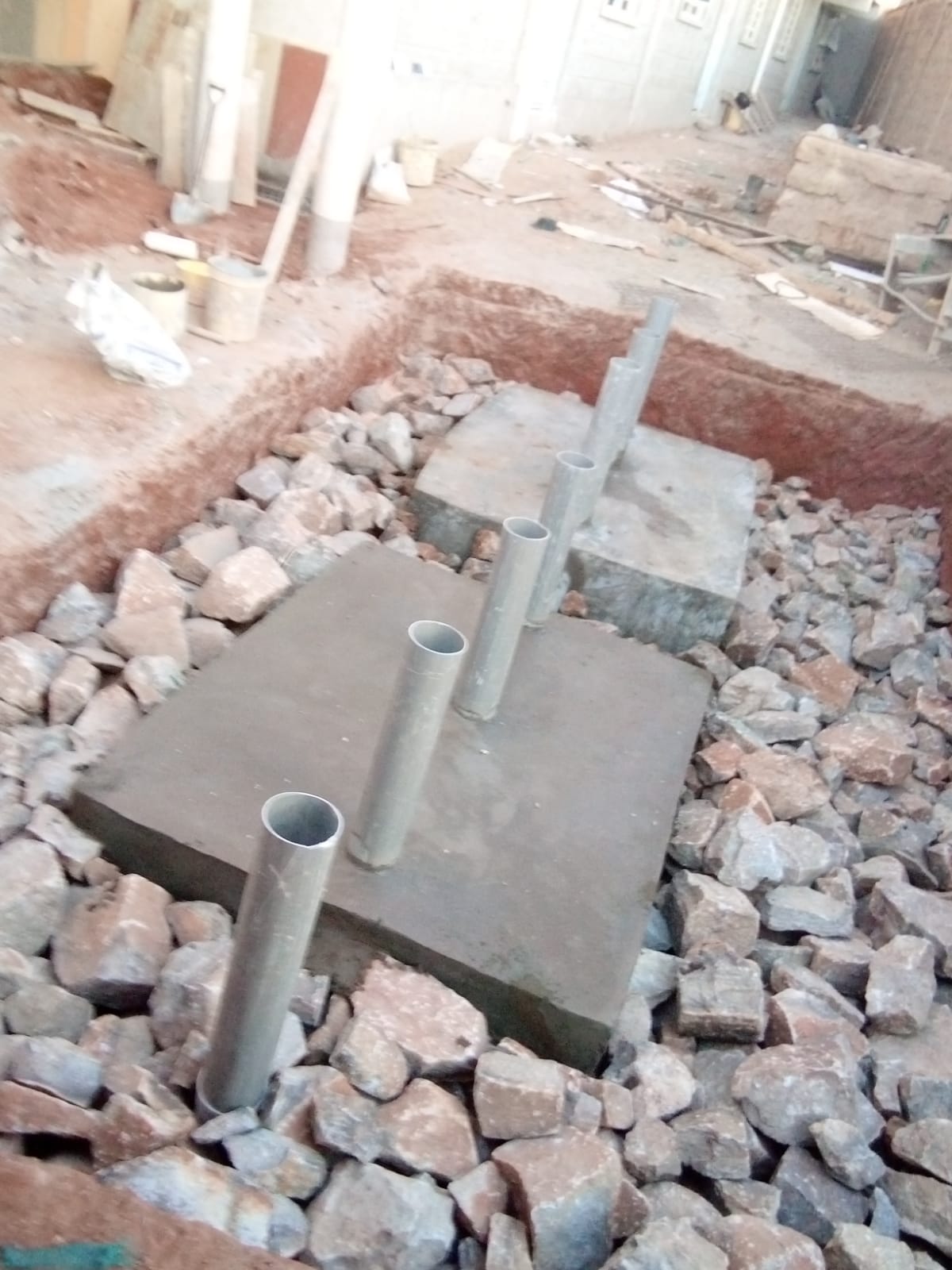
Operational Maintenance and Longevity
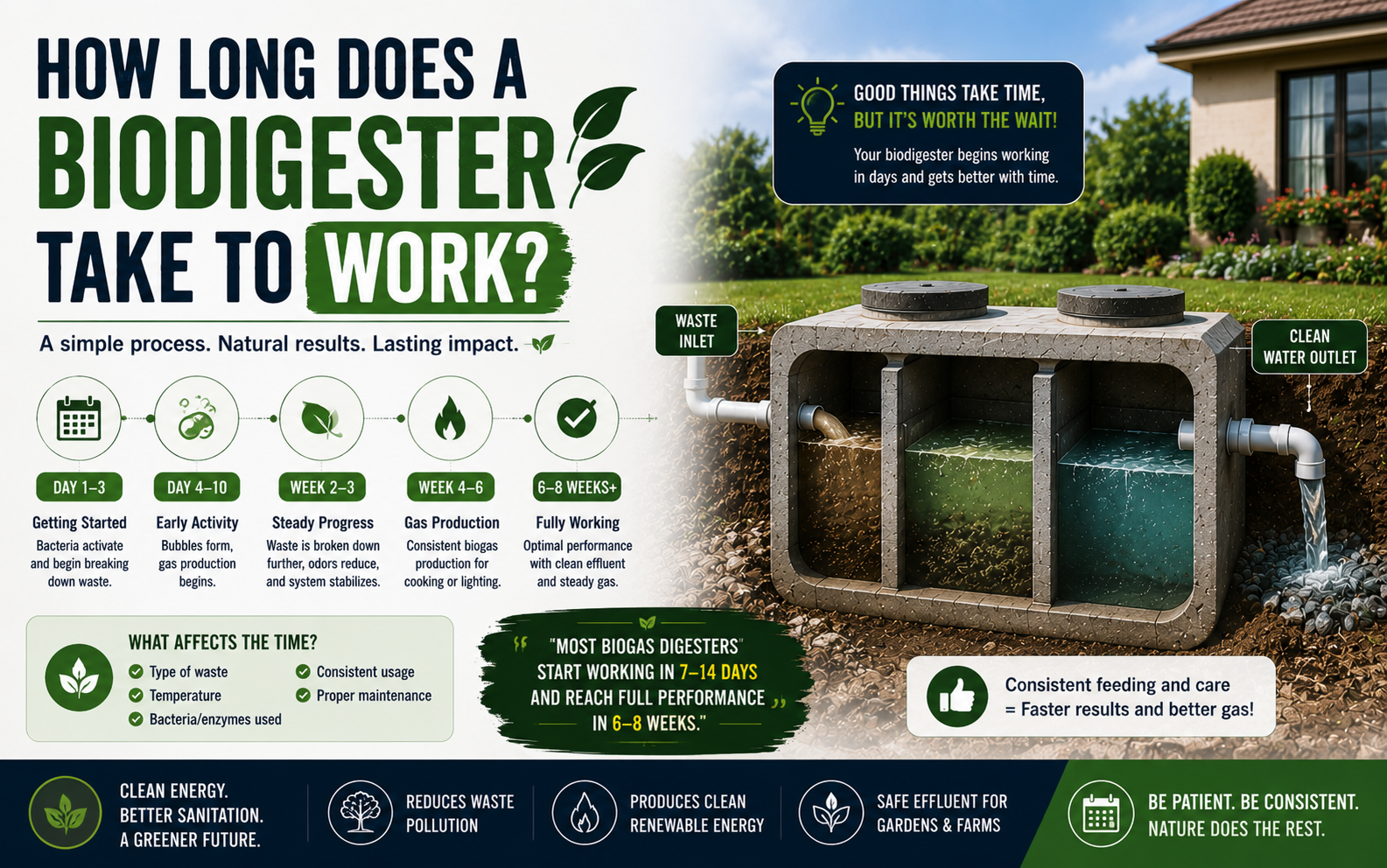
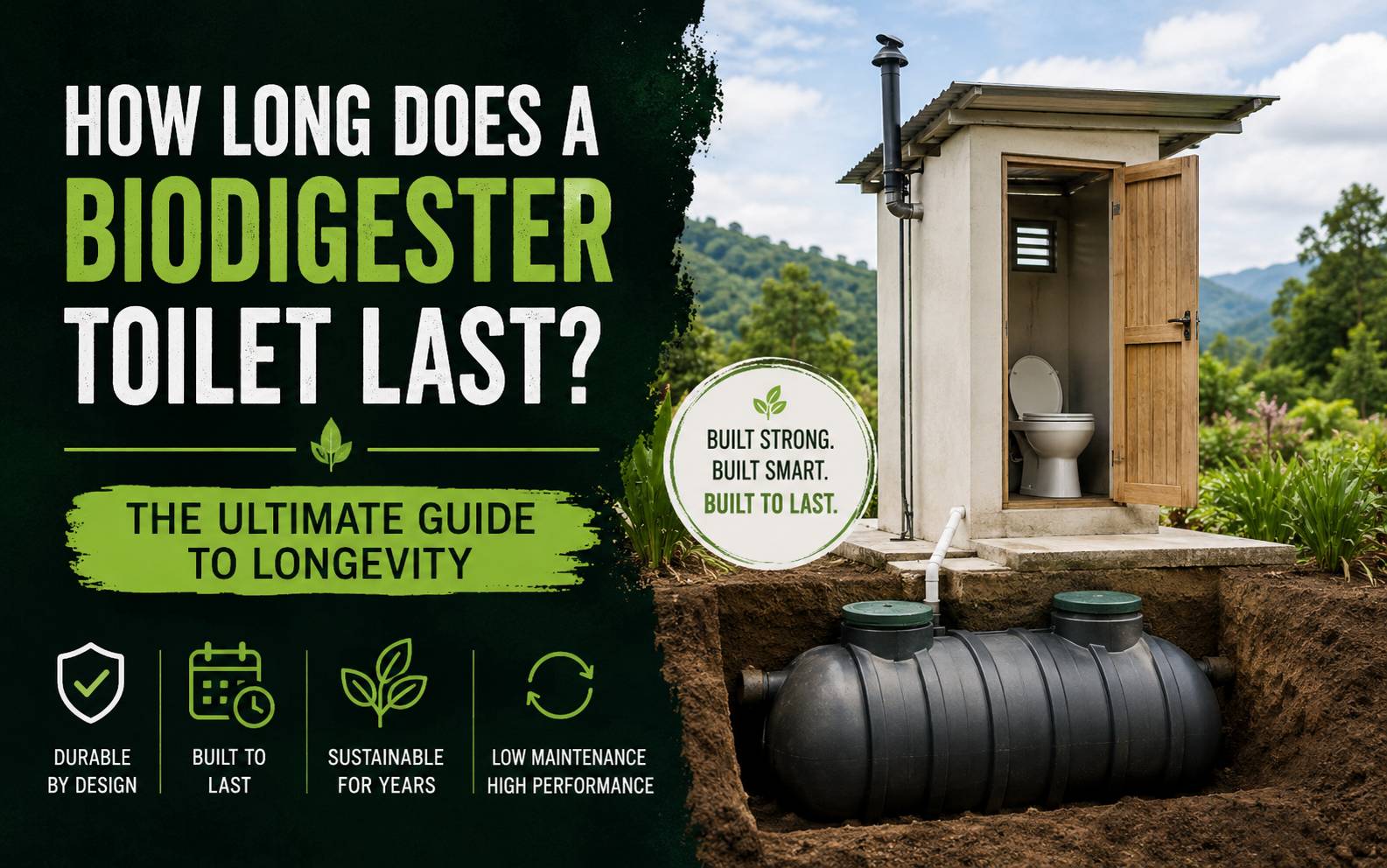
While the initial installation is a one-time cost, maintaining the biological health of the system ensures it lasts for decades.
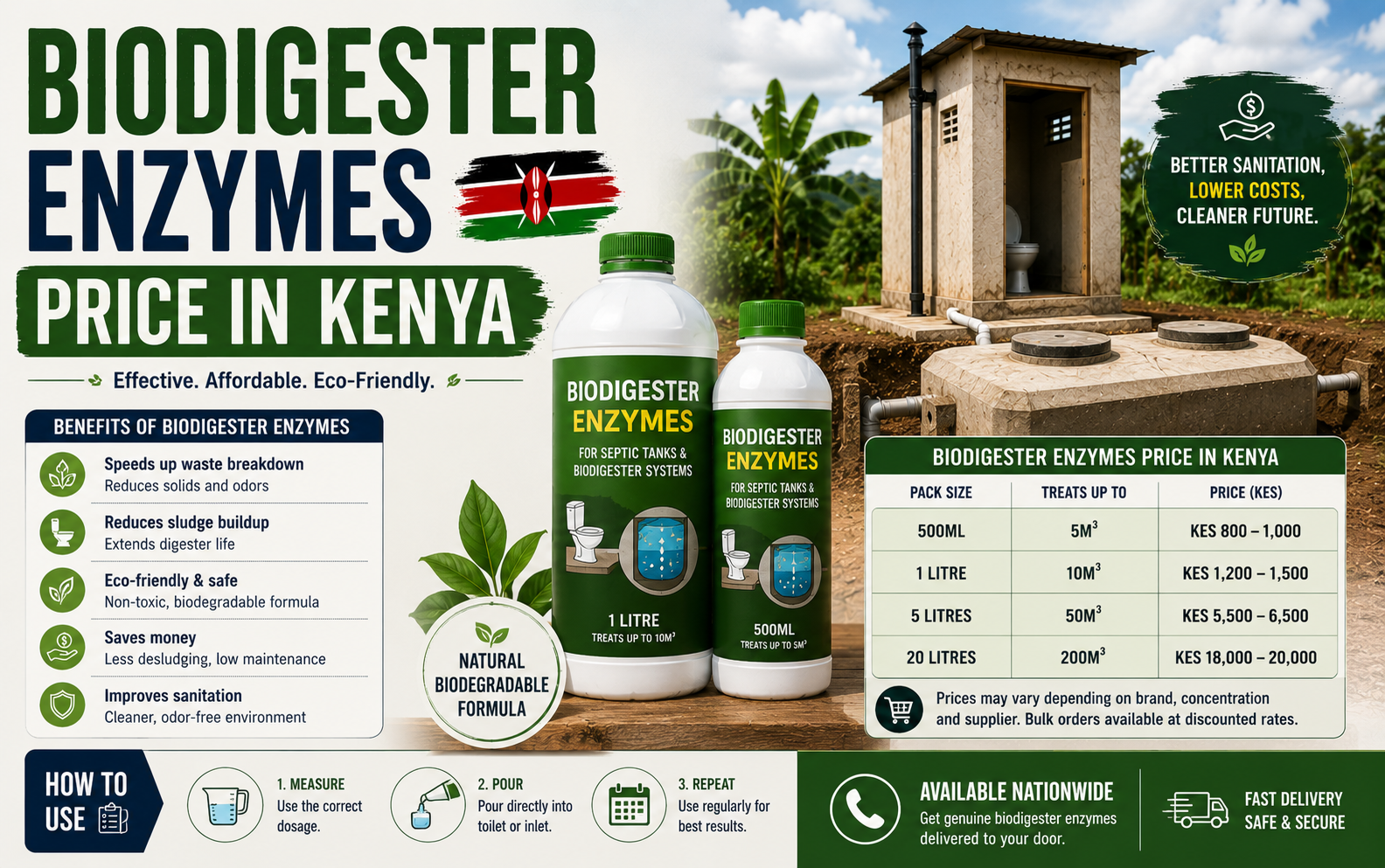
If the system becomes sluggish due to the excessive use of harsh chemicals or bleach, you may need to re-introduce enzymes.
For routine upkeep, applying Septic Tank Cleaner helps maintain the bacterial colony and prevents sludge buildup.
Proper Septic Tank Maintenance in a biodigester context involves avoiding the disposal of non-biodegradable items like sanitary pads or plastic, which the enzymes cannot digest.
By following these simple rules, you avoid the massive structural repair costs associated with old-fashioned concrete tanks that frequently crack and leak into the water table.
For a detailed breakdown of how these systems compare to traditional methods, read our biodigester vs septic tank comparison to see the long-term financial benefits.
Get a customized quote today:
Phone: +254 712 660 245
Email: info@biodigesterkenya.co.ke

Conclusion
The cost of installing a bio digester is a strategic capital investment that frees Kenyan property owners from the perpetual cycle of exhaust bowser fees and foul odors.
By leveraging anaerobic digestion and high-efficiency enzymes, Bio Digester Kenya provides a sanitation solution that is not only environmentally compliant with NEMA standards but also significantly cheaper than maintaining an outdated septic system over the building’s lifespan.
FAQs
- Does a bio digester smell?
No, a correctly installed and vented bio digester is completely odorless because the bacteria fully break down organic waste into water and gas. - How often do you add enzymes?
Under normal residential use, you only need to add a maintenance dose of enzymes once every 6 to 12 months to keep the system efficient. - Can I install a bio digester in a small plot?
Yes, biodigesters are much more compact than traditional septic tanks, making them ideal for 40×60 or 50×100 plots in Nairobi estates. - What happens to the water?
The treated water is channeled into a soaking area or used for sub-surface irrigation, where it naturally filters back into the soil. - Does the price include NEMA approvals?
While we provide all the technical drawings and specifications required for NEMA and county approvals, the permit fees are usually paid directly by the property owner.