Is biodigester better than septic tank?
A biodigester is significantly better than a septic tank because it utilizes anaerobic digestion and specialized enzymes to break down waste into treated water and odorless gas. Unlike traditional septic tanks that require recurring, expensive emptying by exhaust bowsers, a biodigester is a permanent, space-saving solution that eliminates the need for “ex-exhaust” services entirely.
Structural and Functional Differences
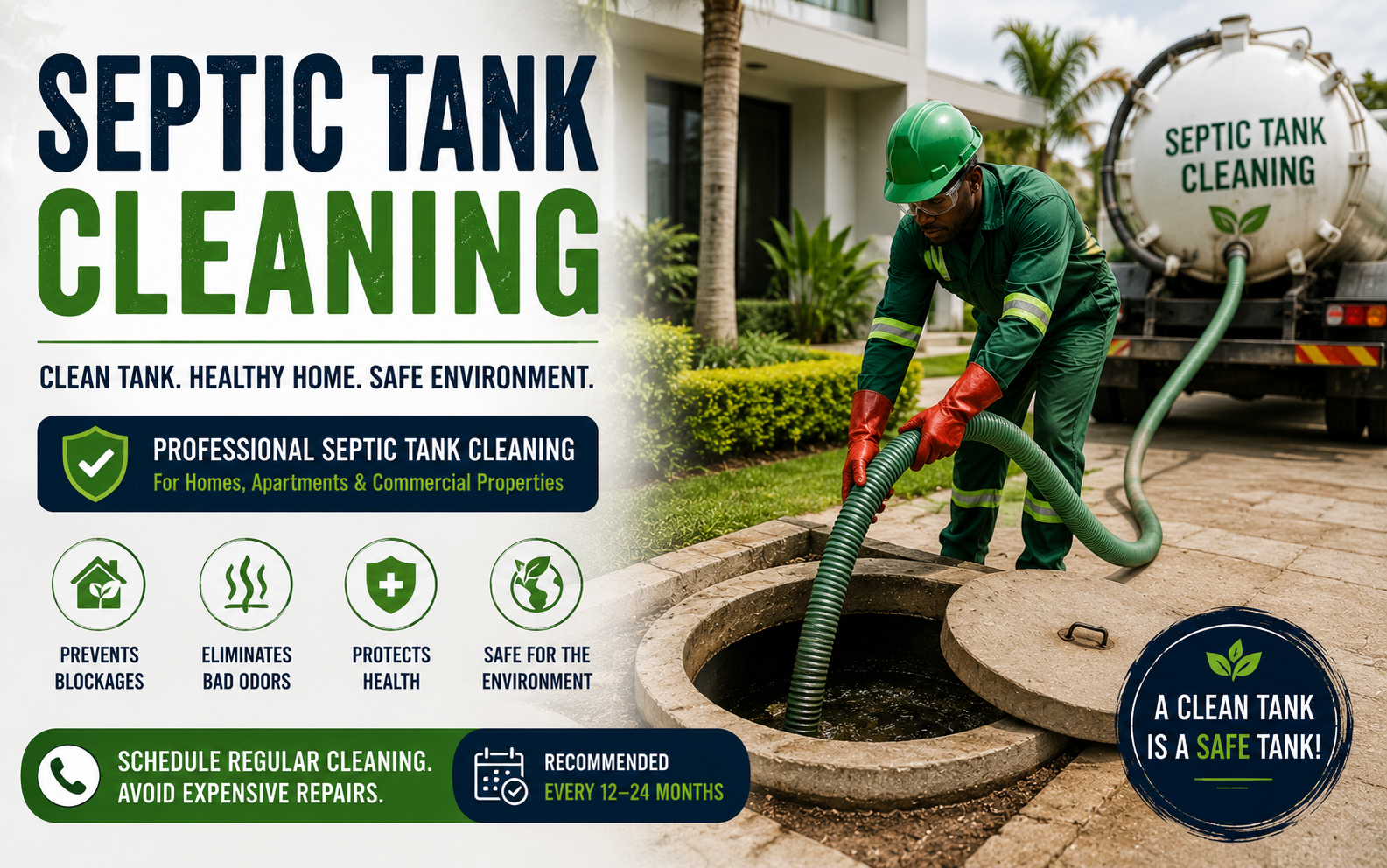
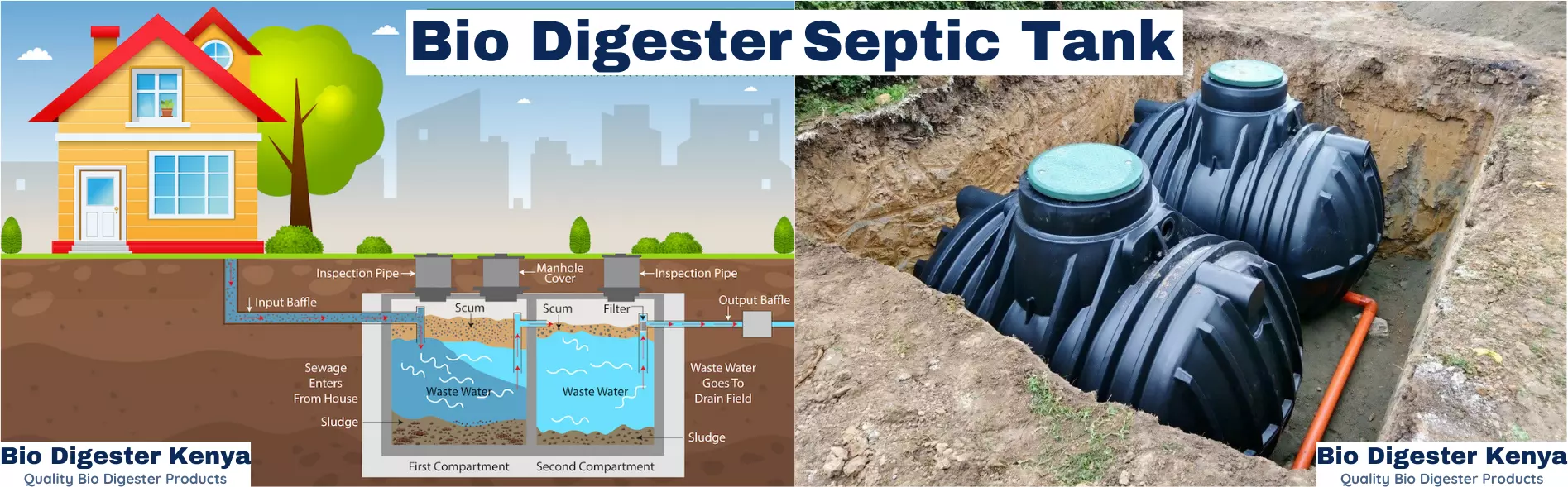
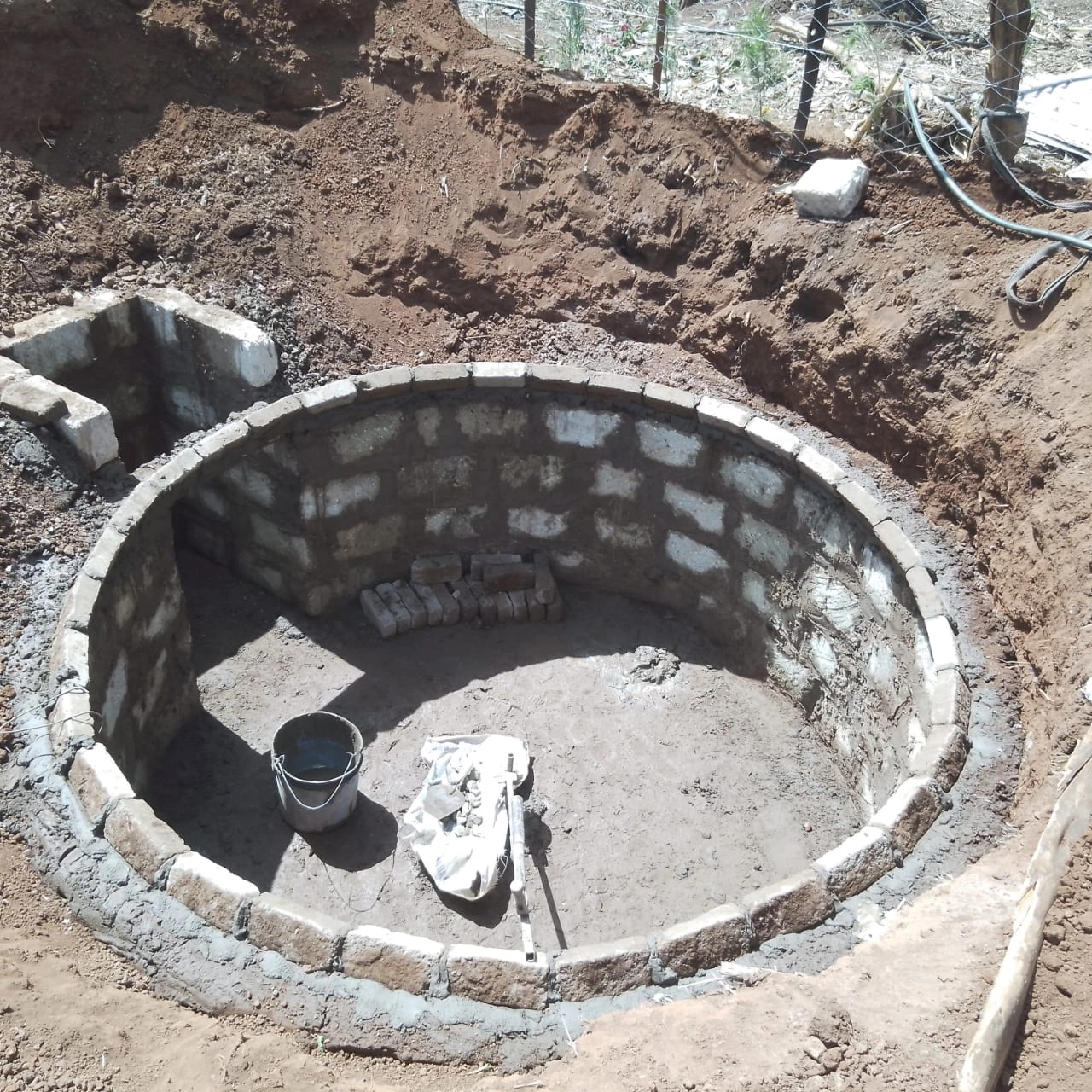
The fundamental difference lies in how waste is processed. A traditional septic tank is essentially a large, underground storage box designed to hold raw sewage. Over time, the solids settle at the bottom (sludge) while the liquid flows into a soak pit. Eventually, the sludge fills the tank, necessitating a call to a vacuum tanker service, which is a significant recurring cost for property owners in estates like Syokimau or Ruiru.
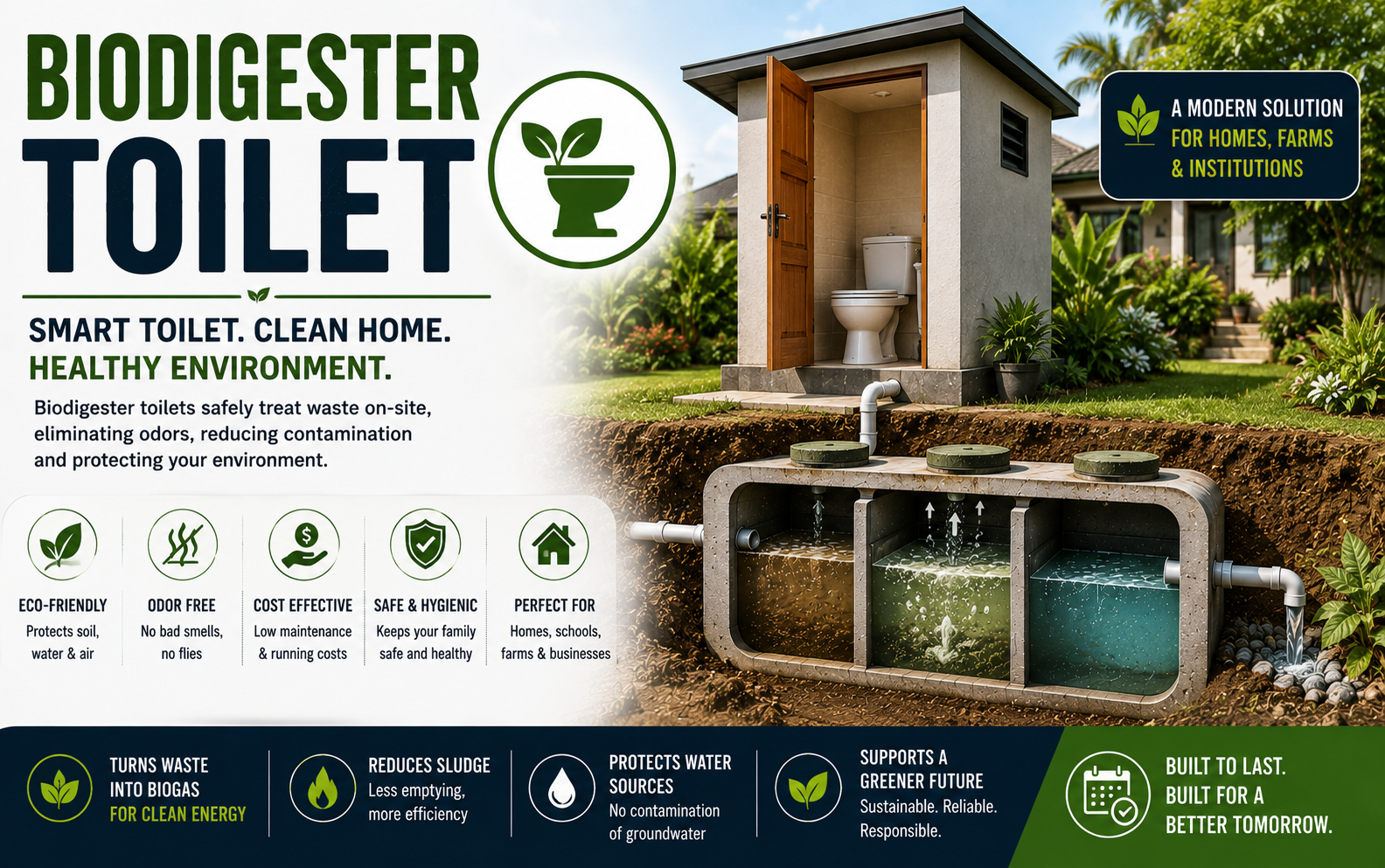
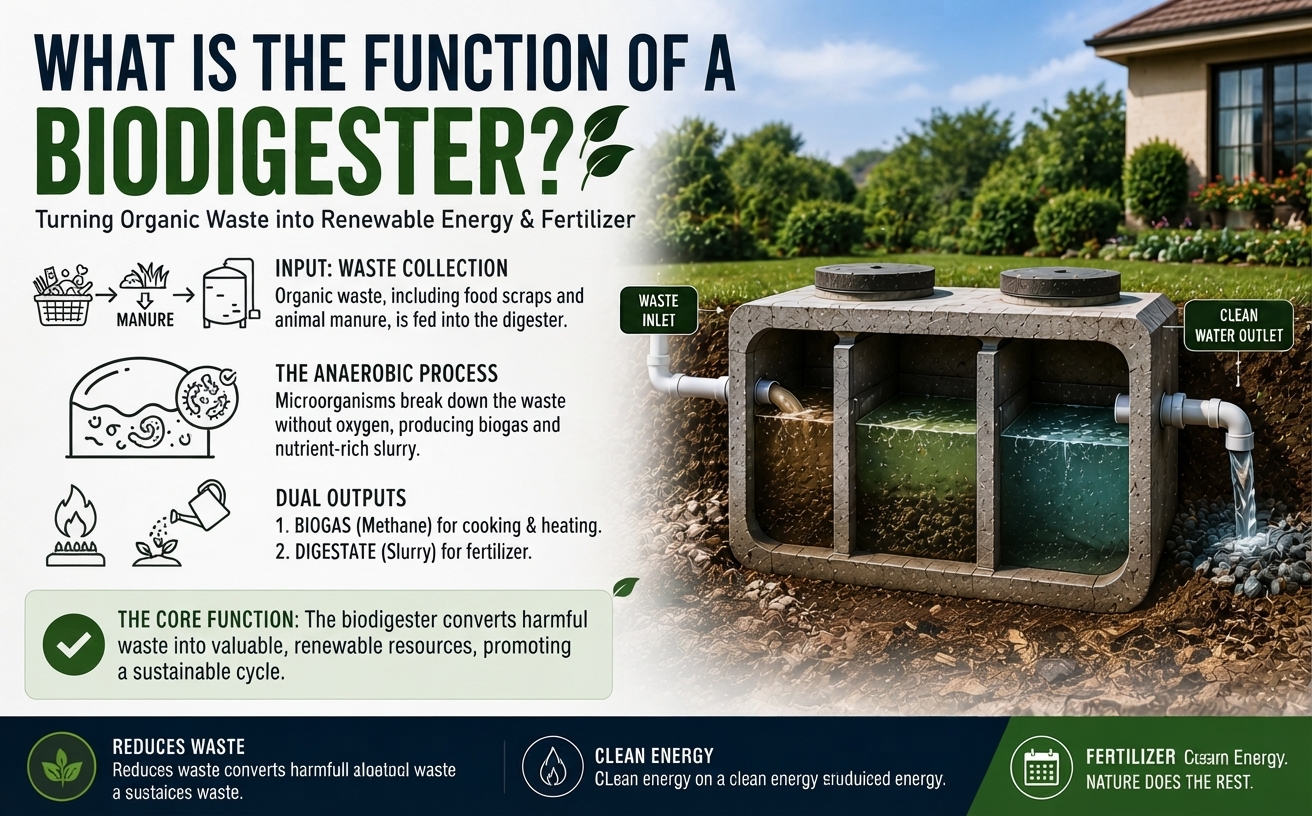
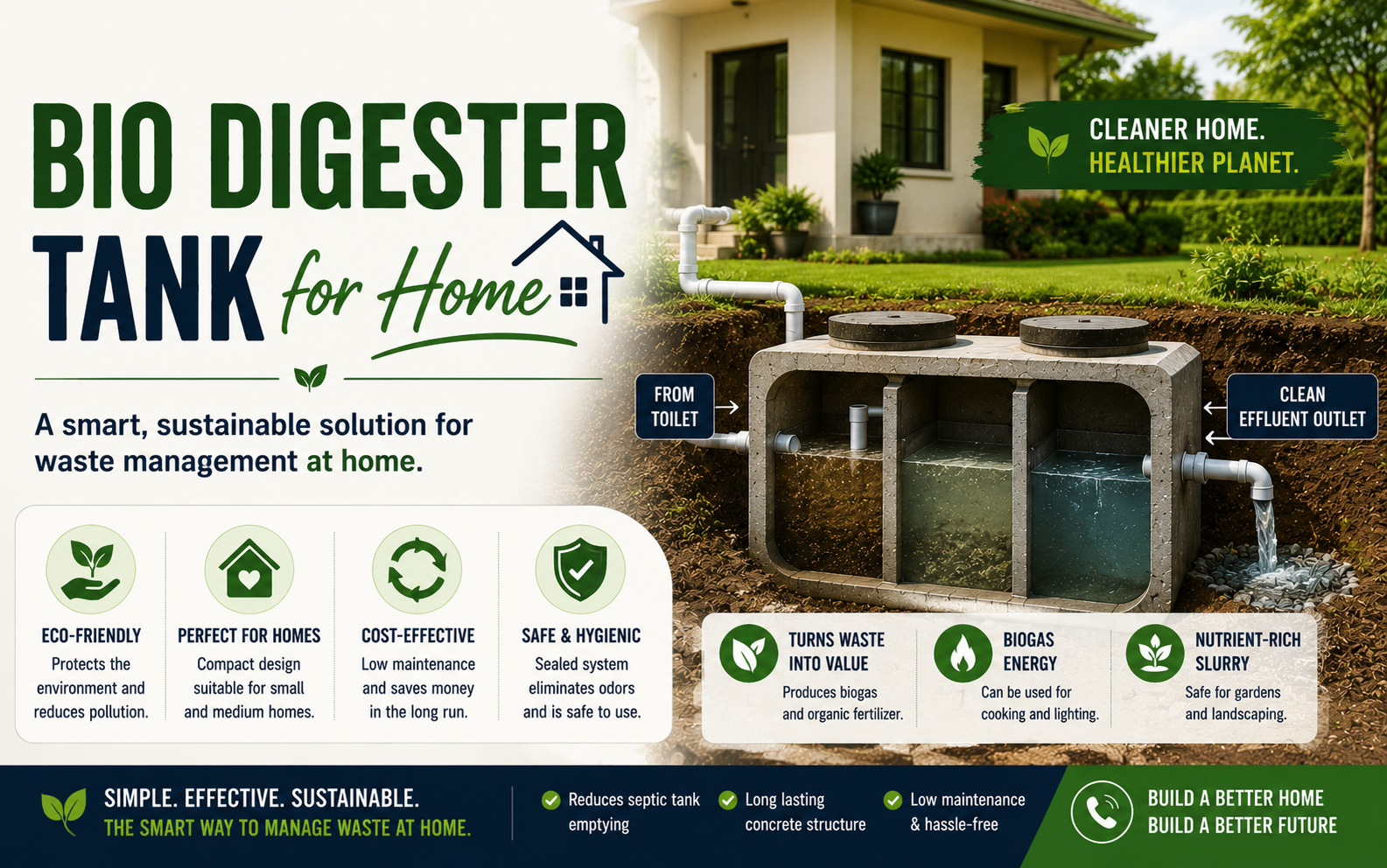
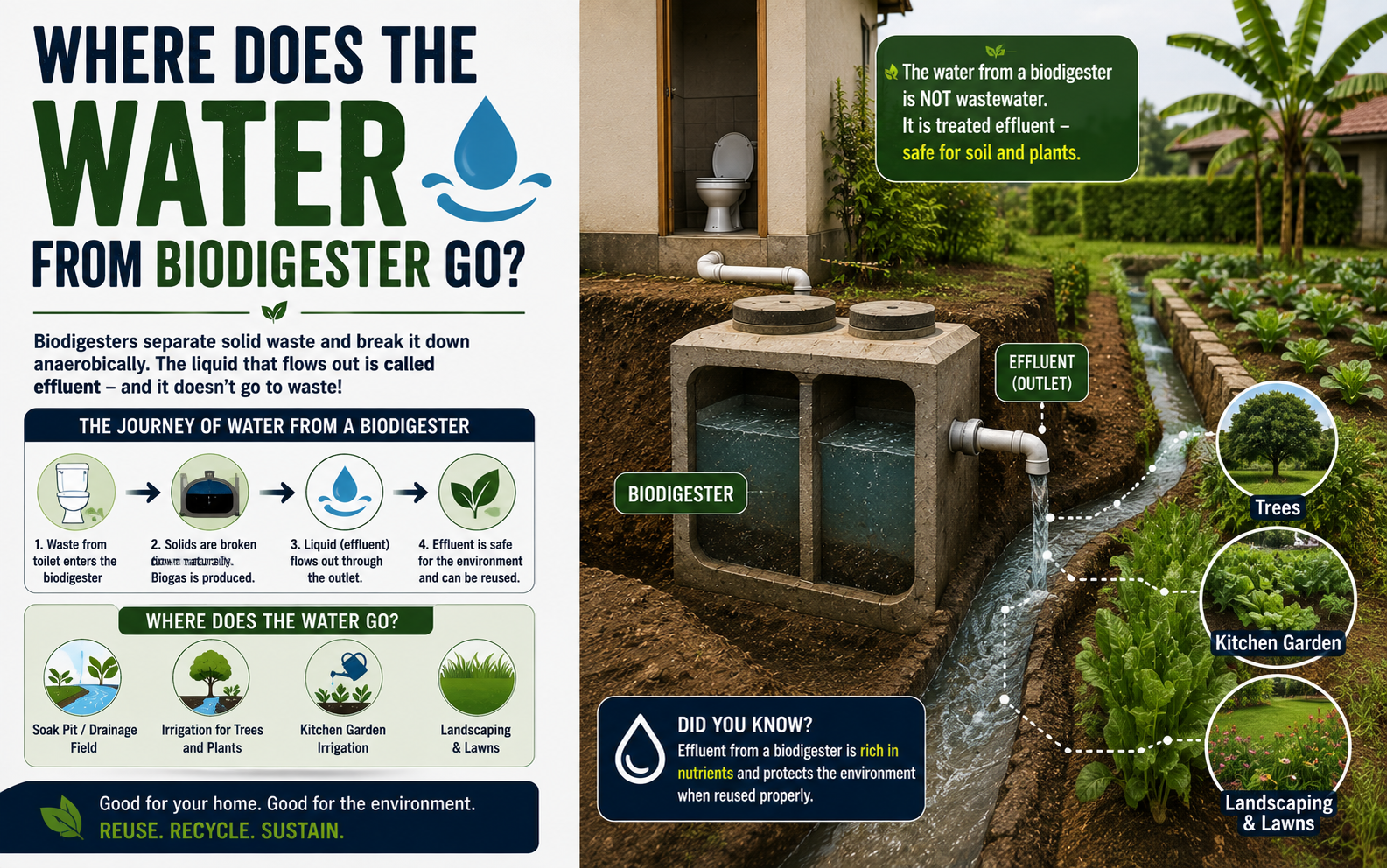
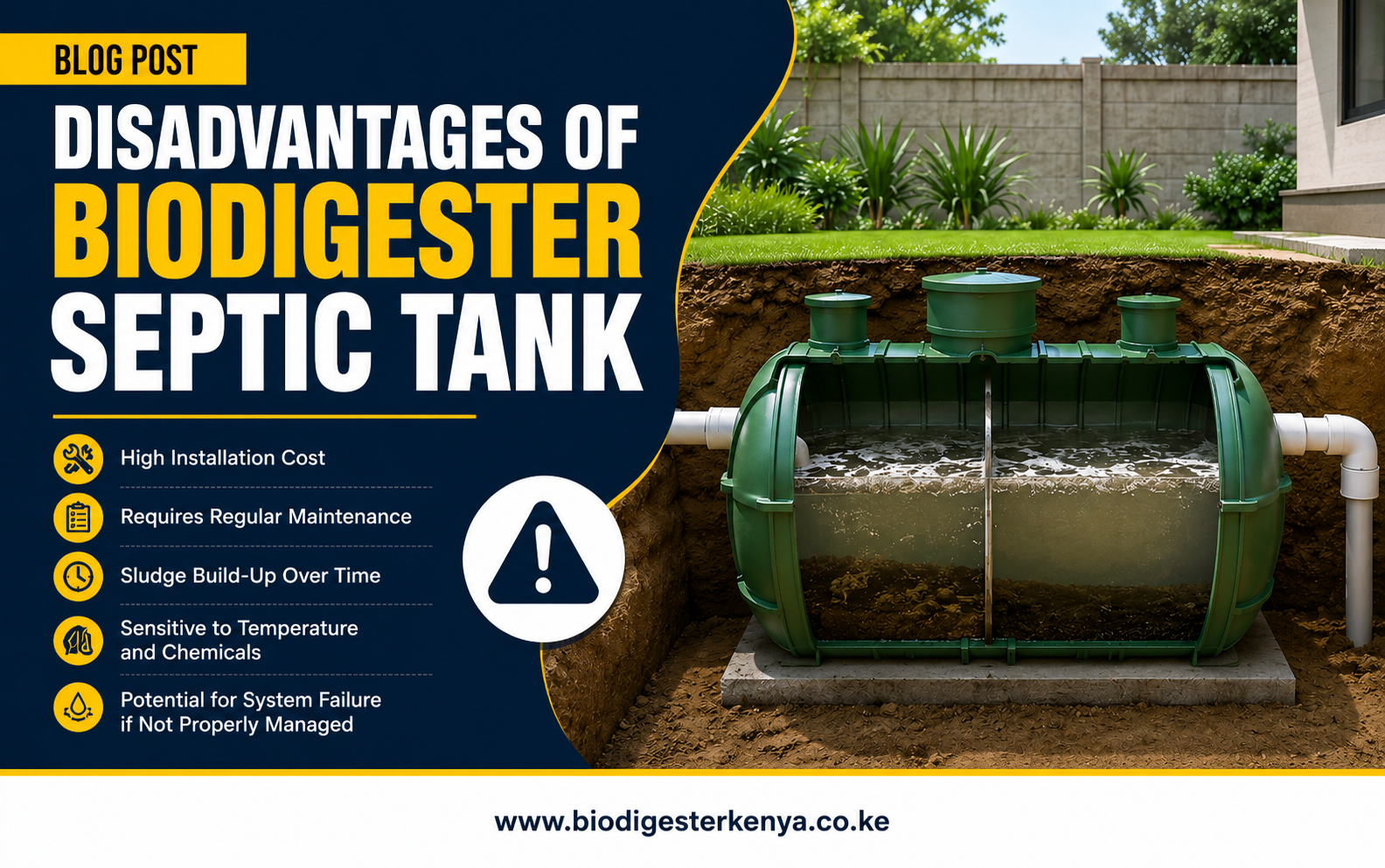
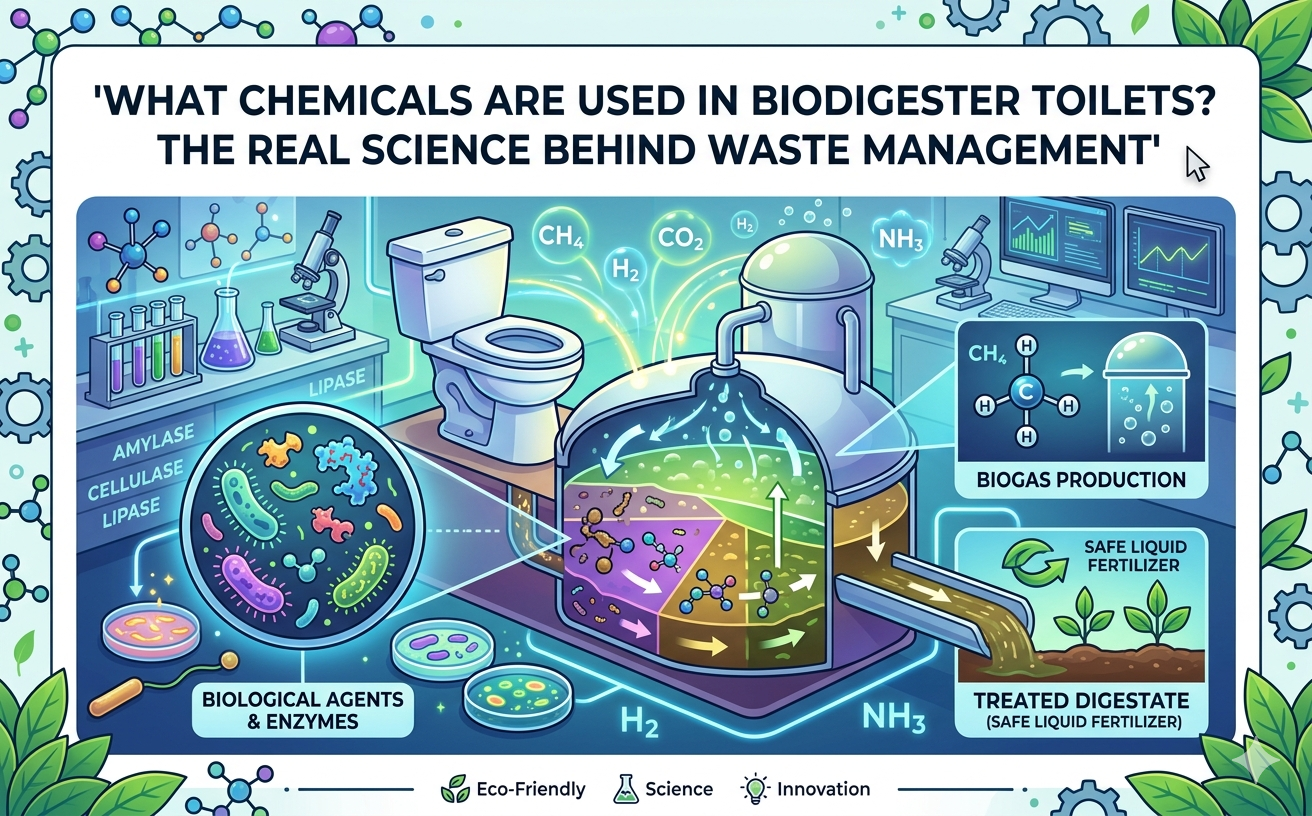
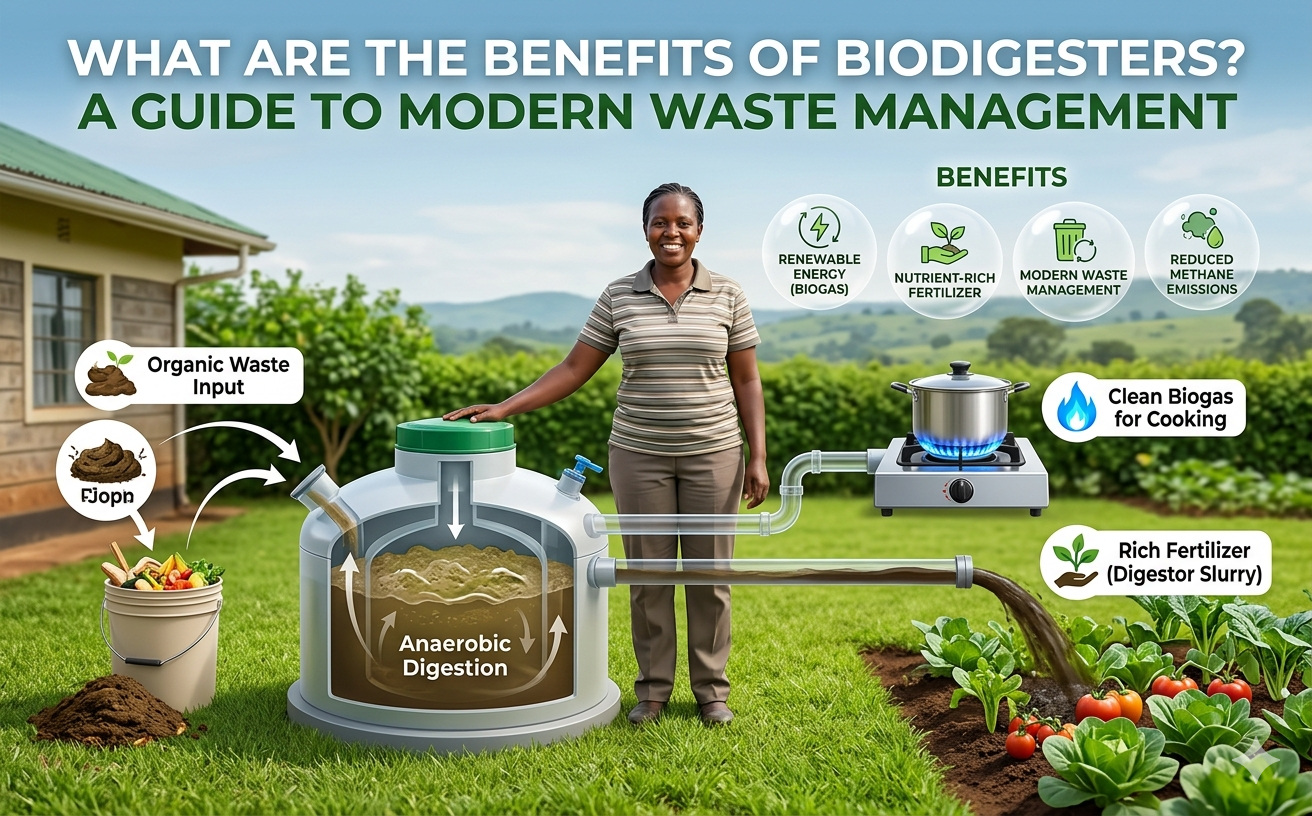
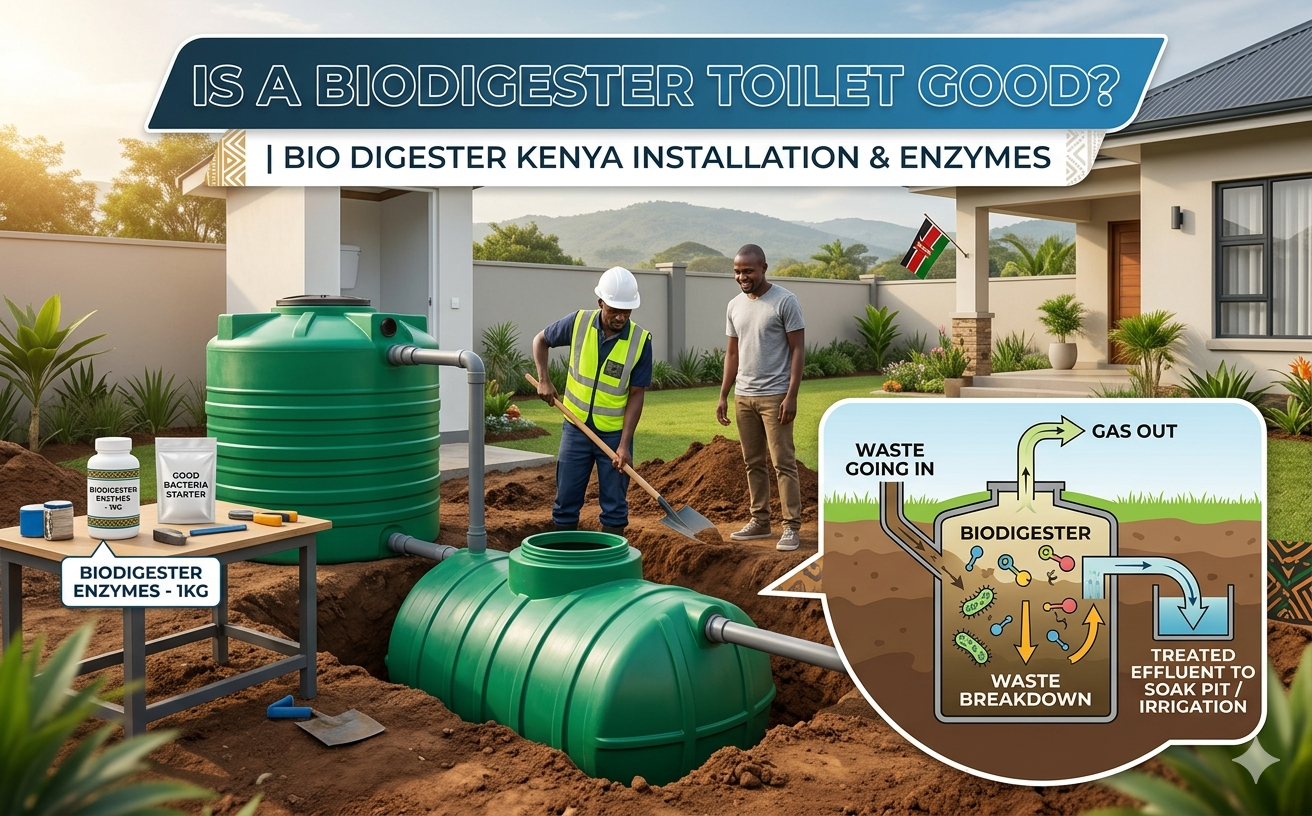
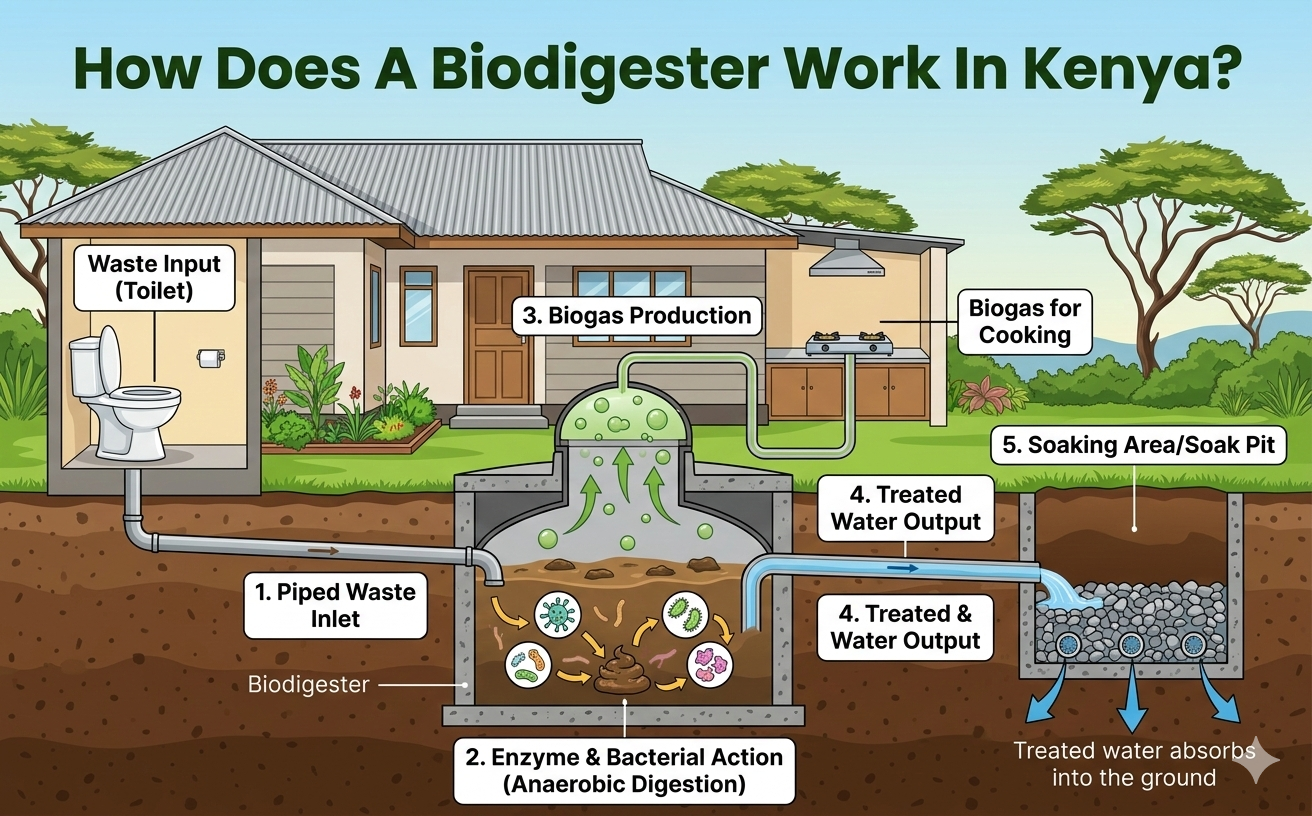
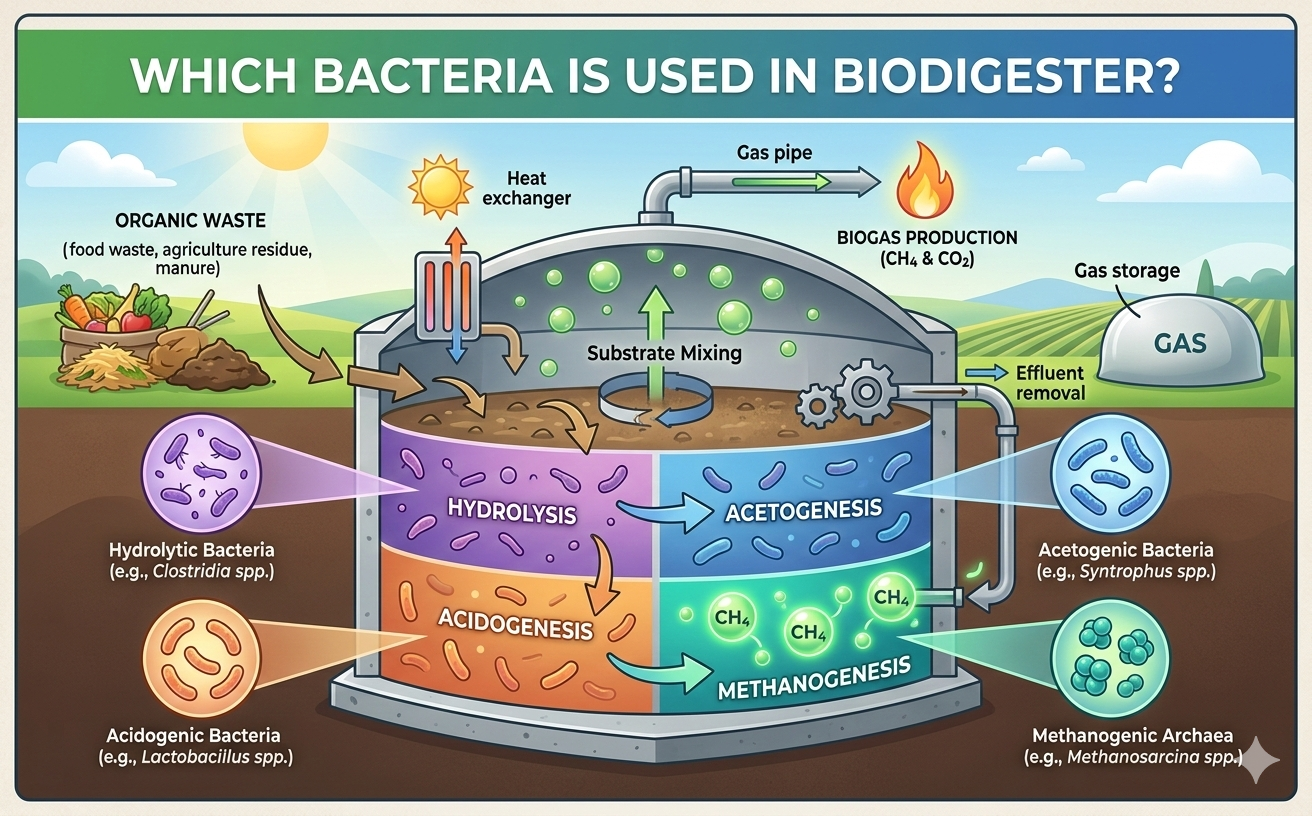
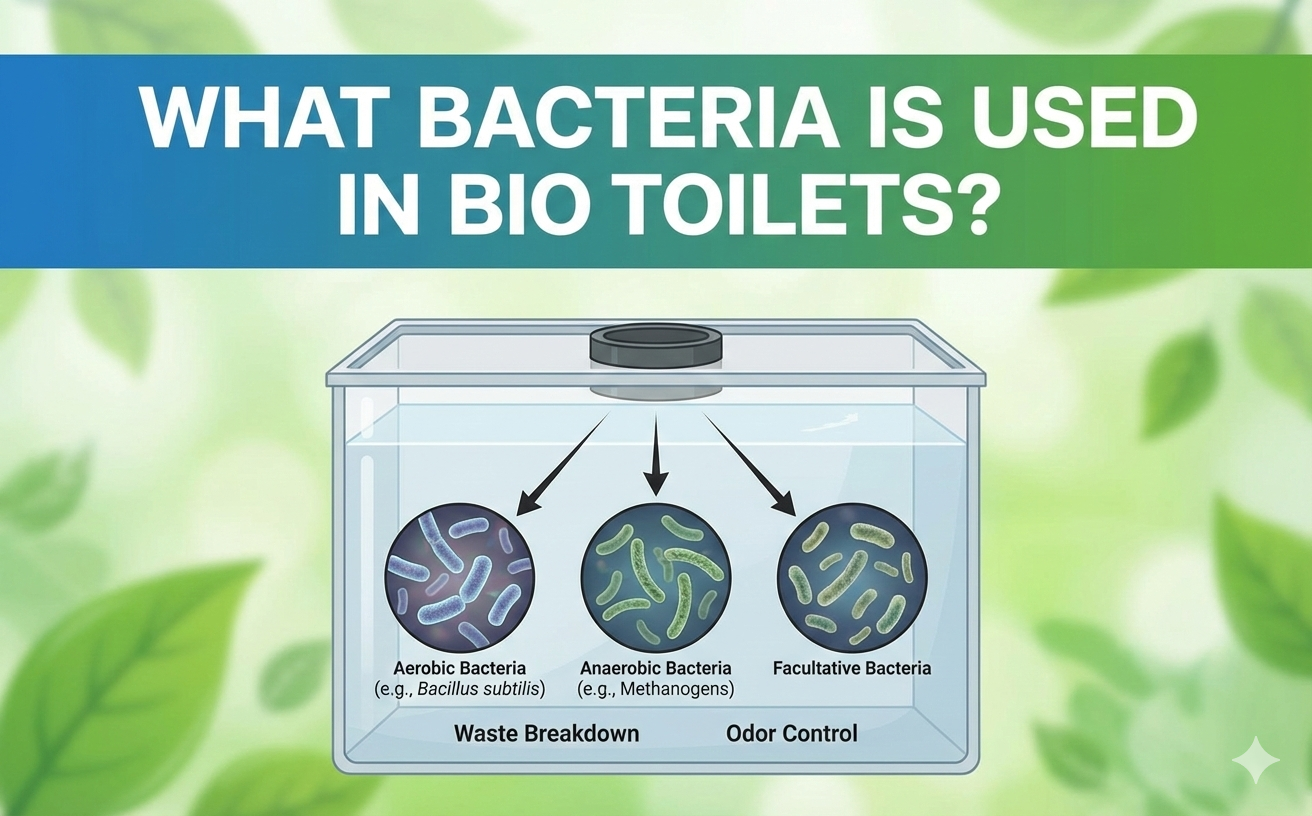
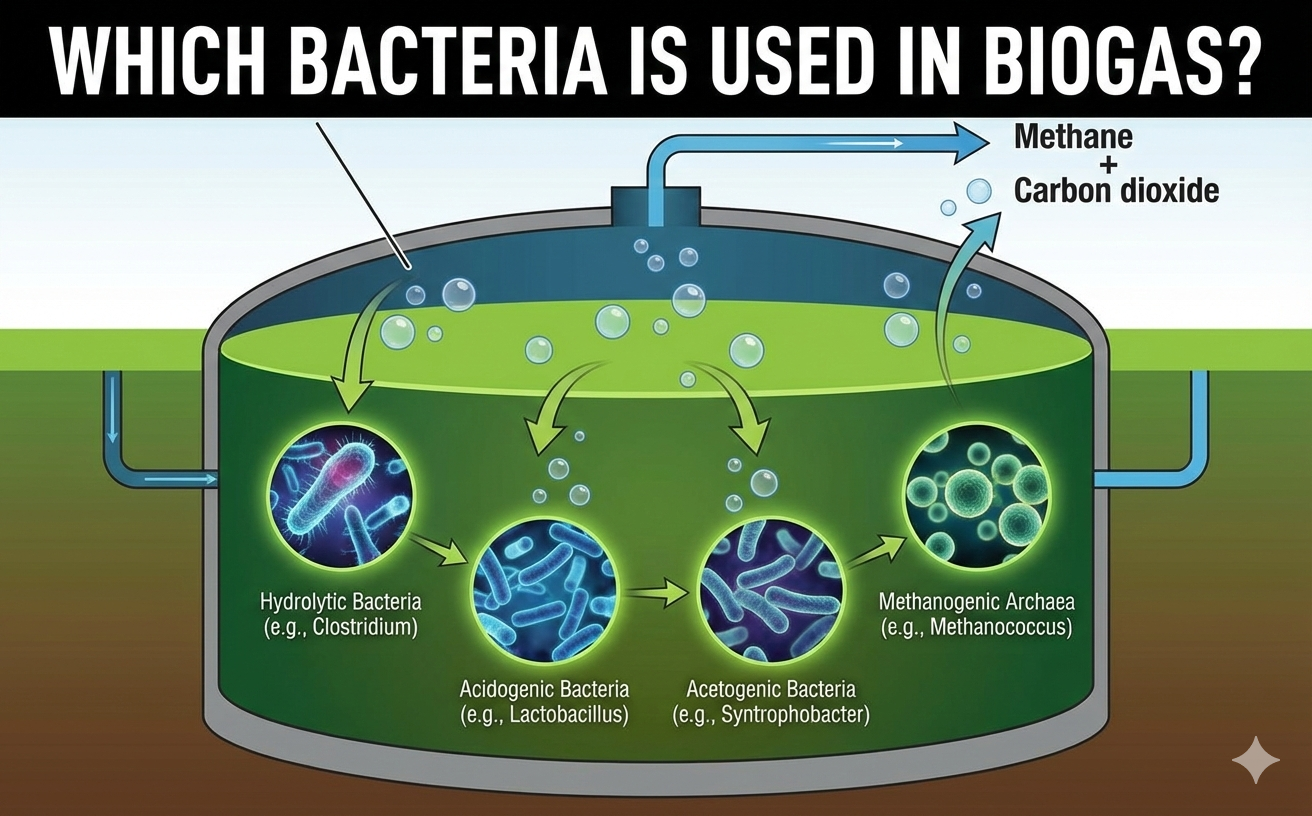
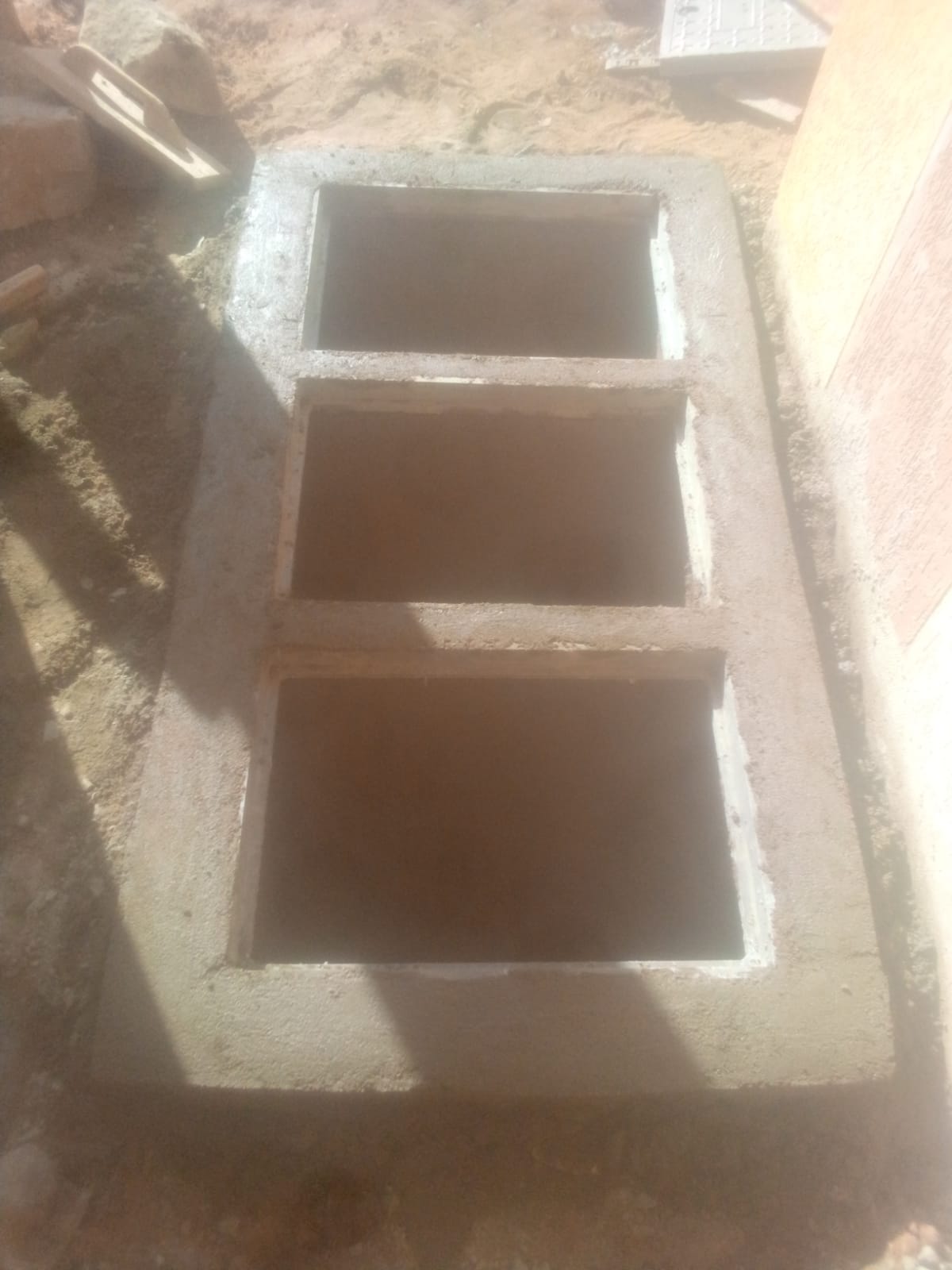
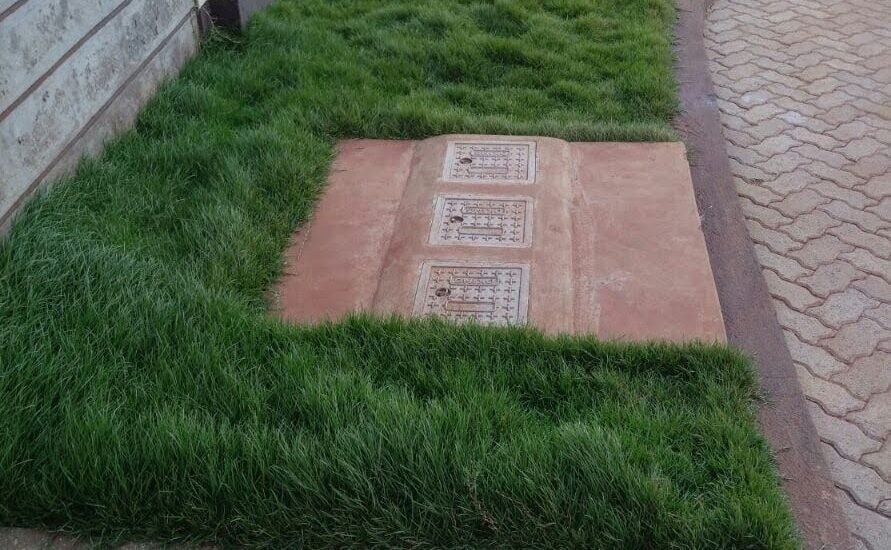
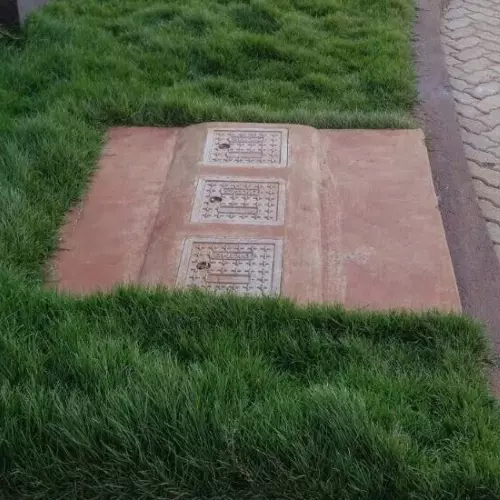
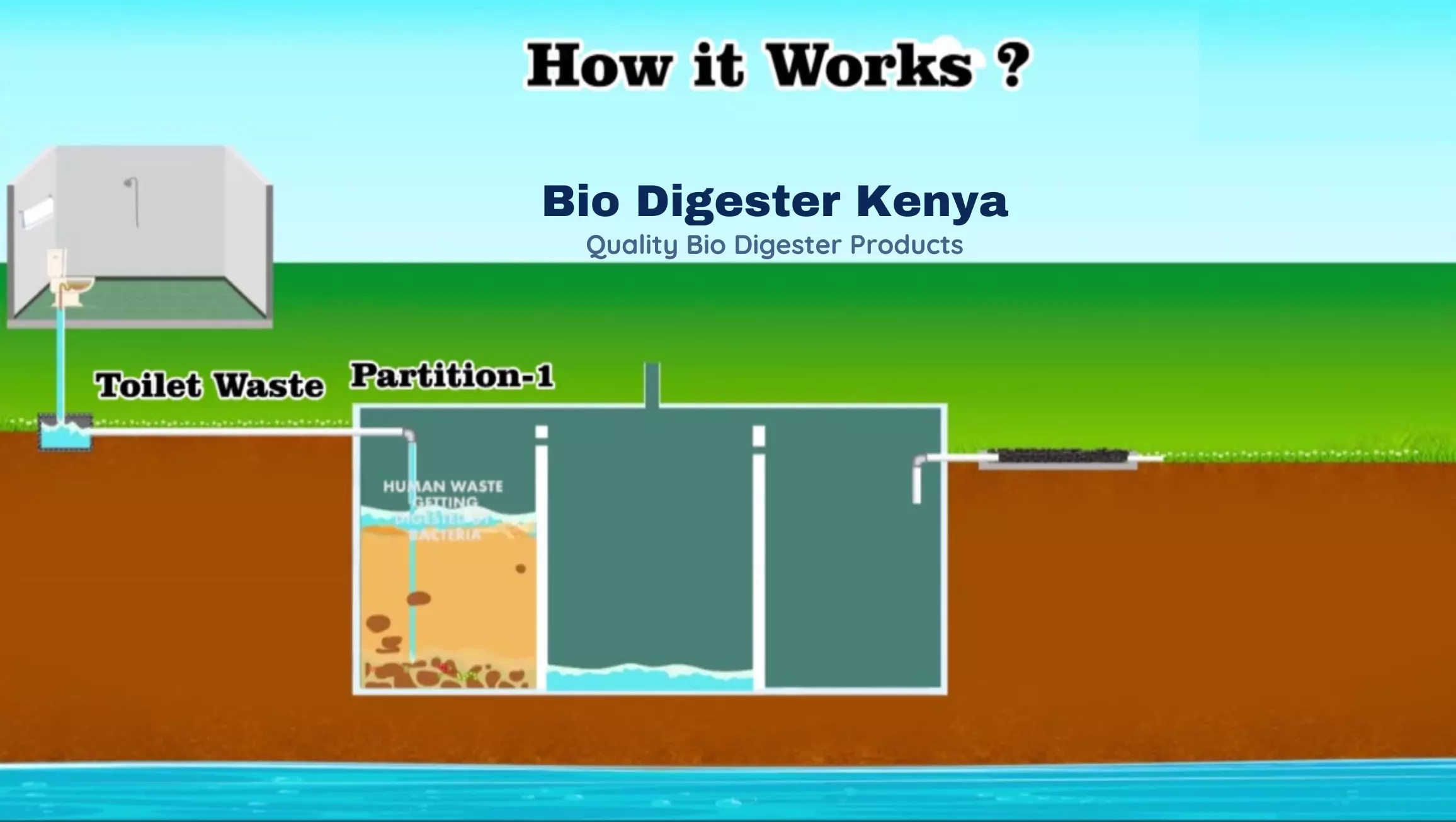
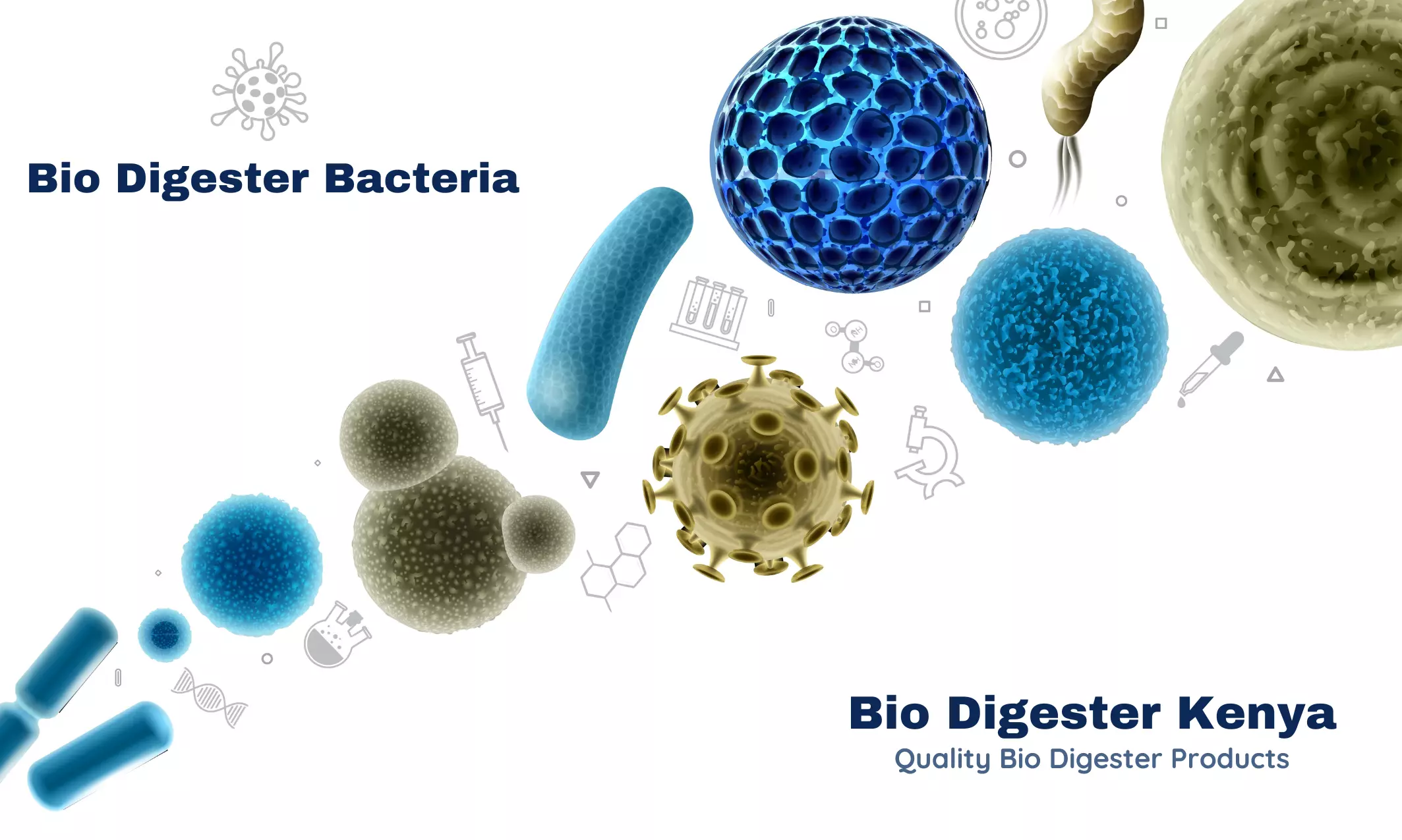
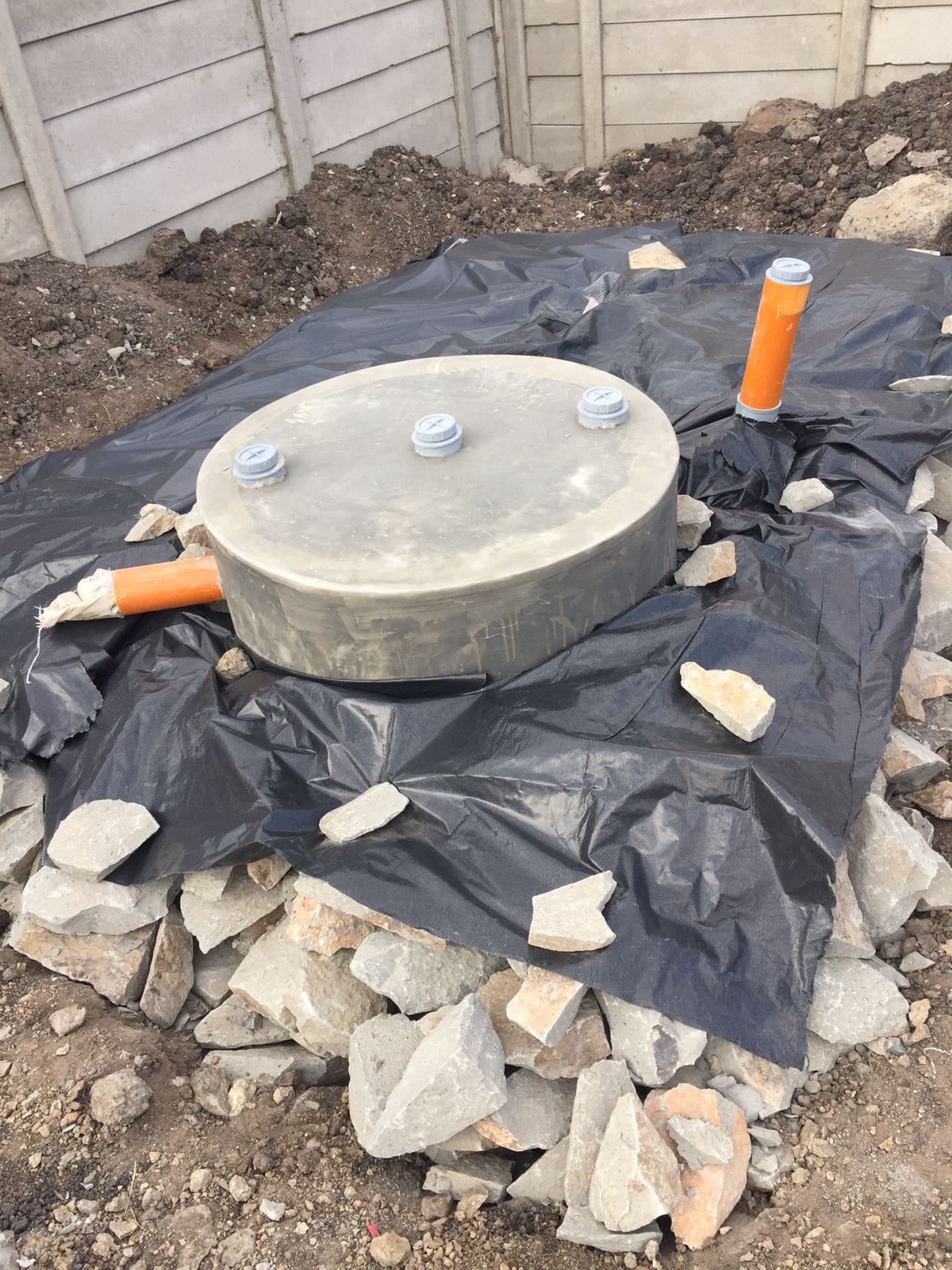
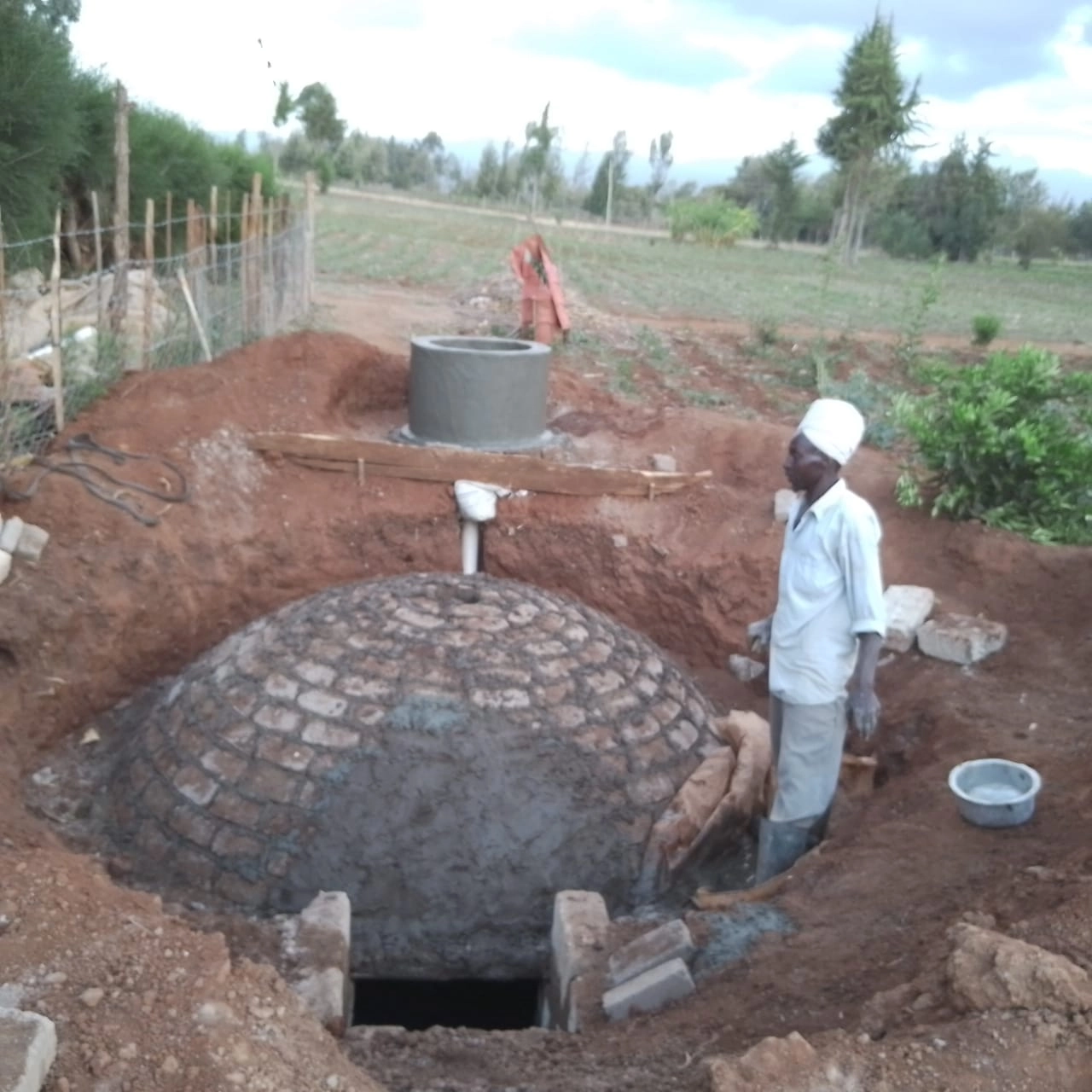
In contrast, the modern solutions from Bio Digester Kenya function as active biological processors. Waste is piped directly into the system where Bio Digester Bacteria and specialized enzymes break down and consume the solid human waste. The biological end result is strictly treated water and odorless air. This treated water is then directed to a localized soaking area or French drain where it is safely absorbed into the ground without the risk of groundwater contamination.
Cost Analysis: Initial Investment vs. Lifetime Savings
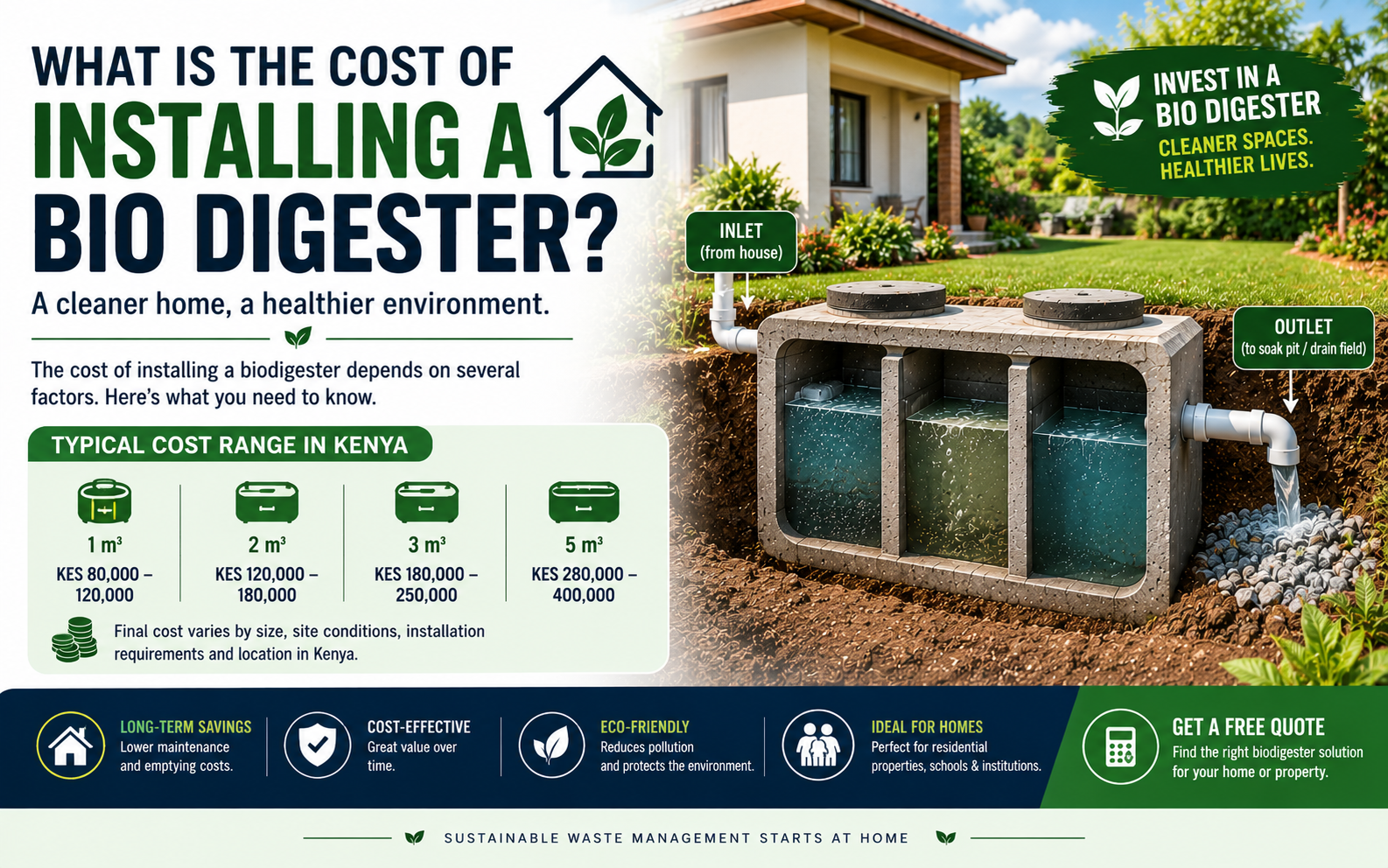
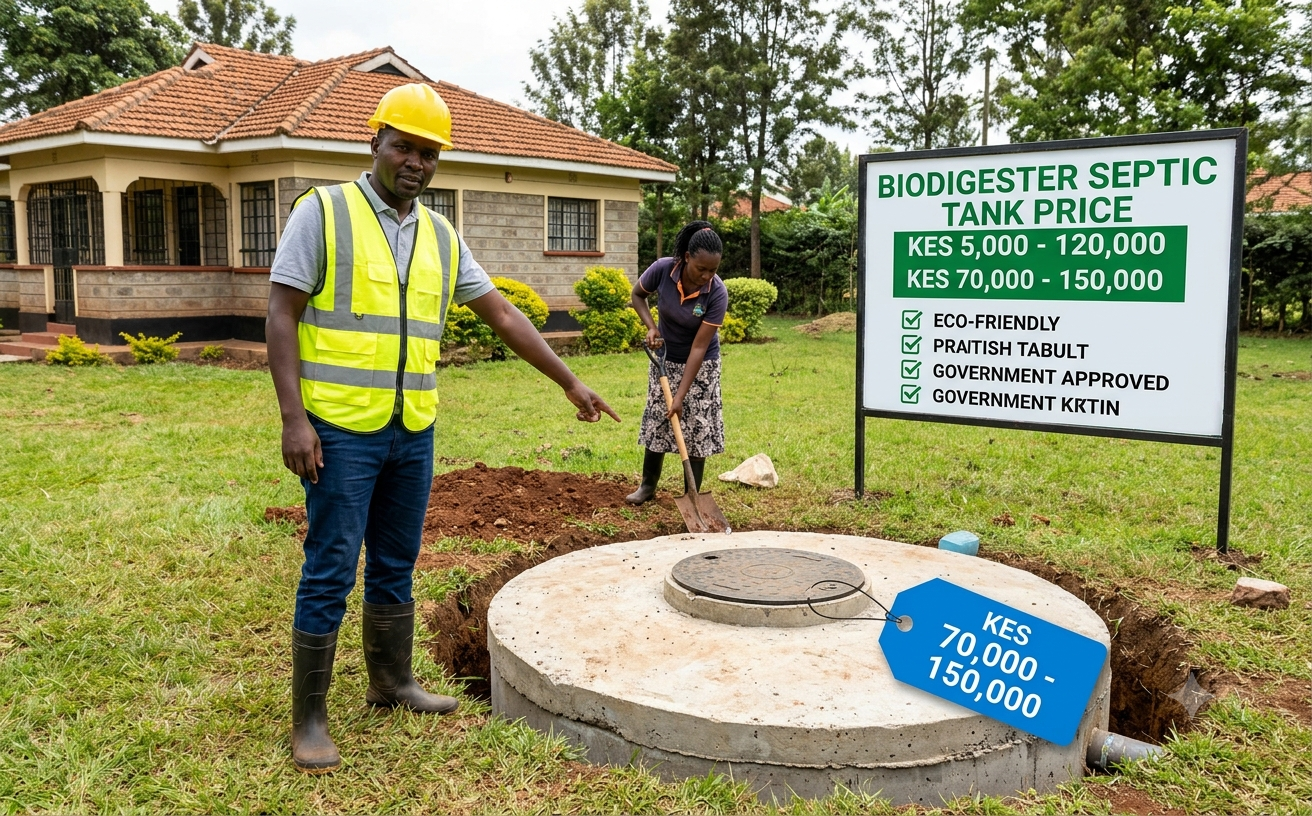
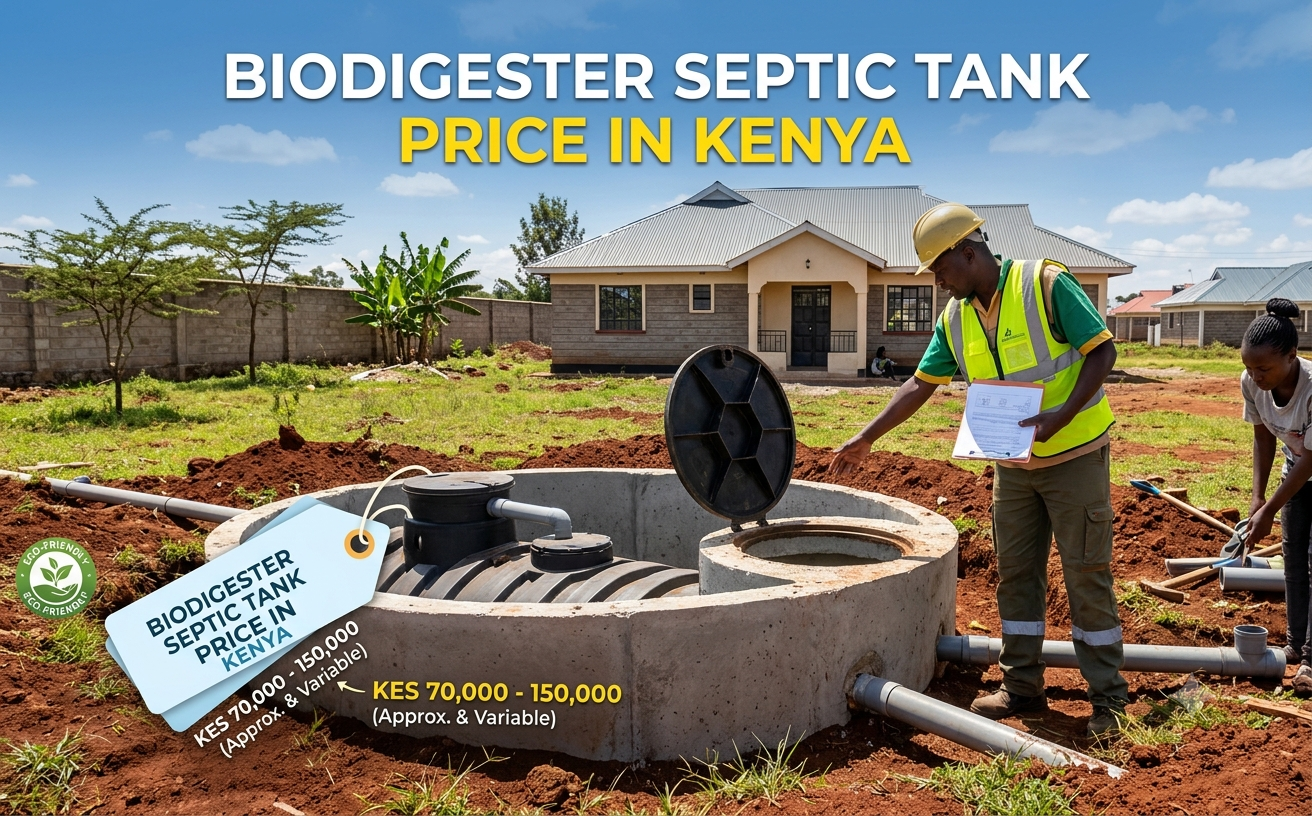
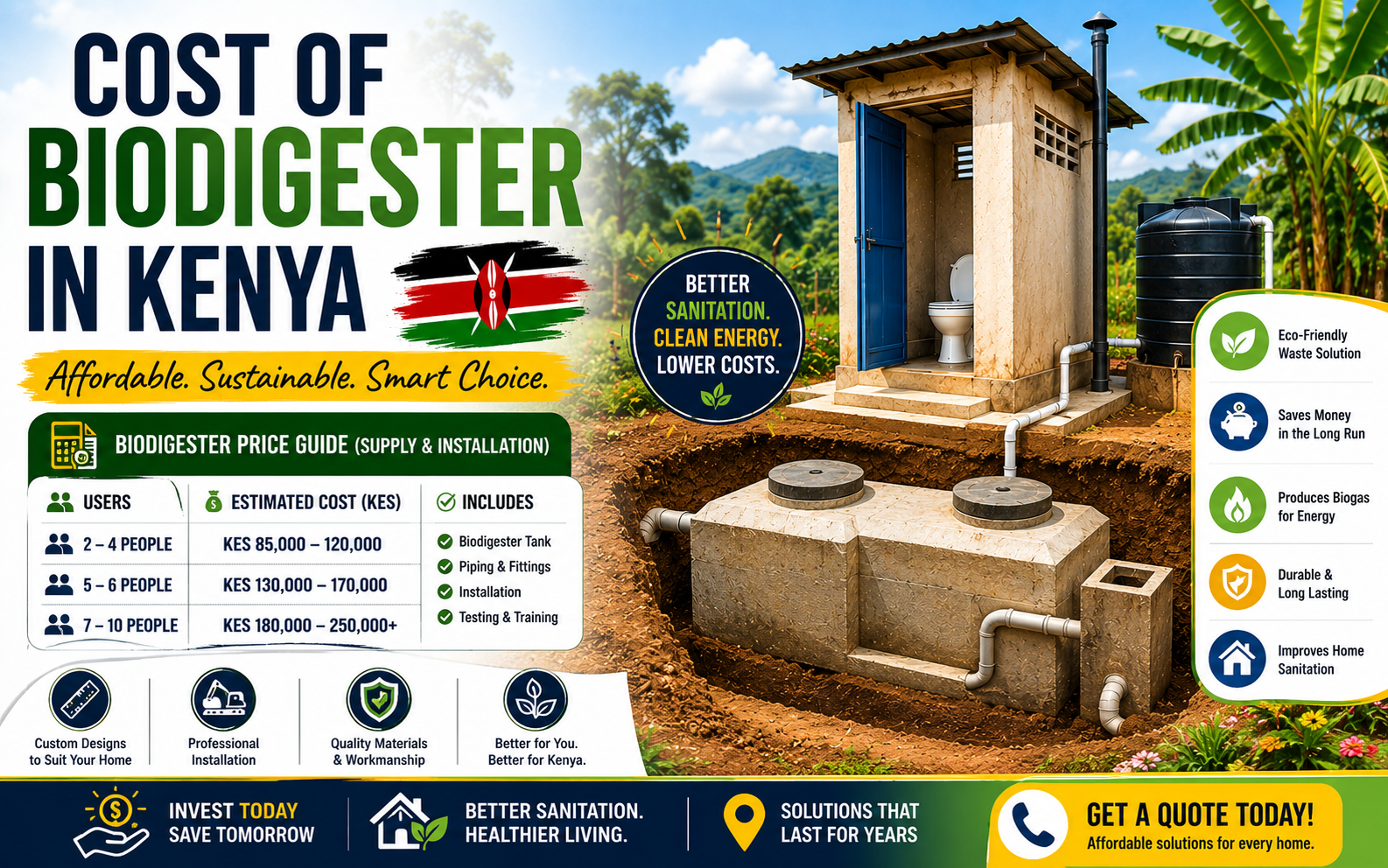
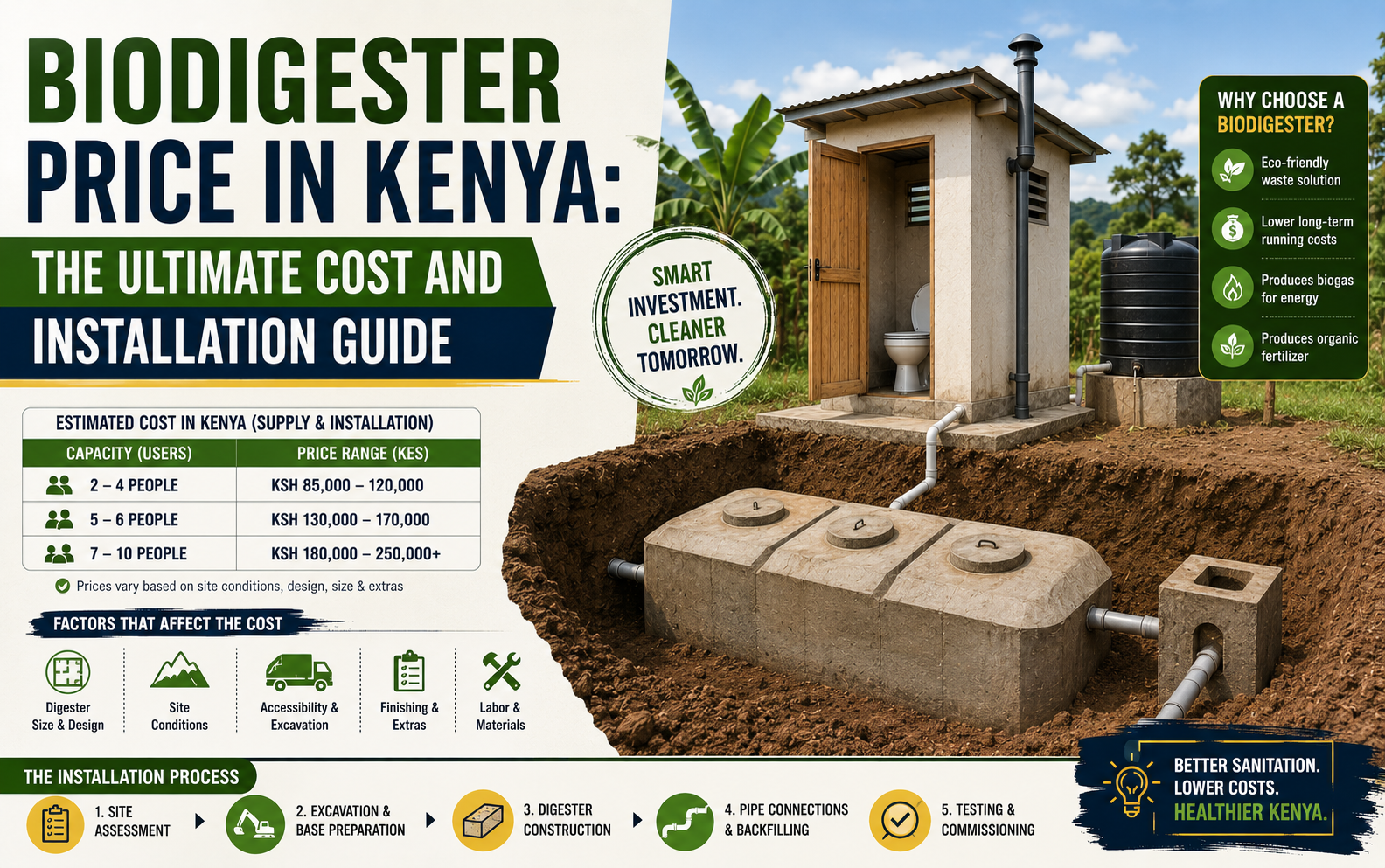
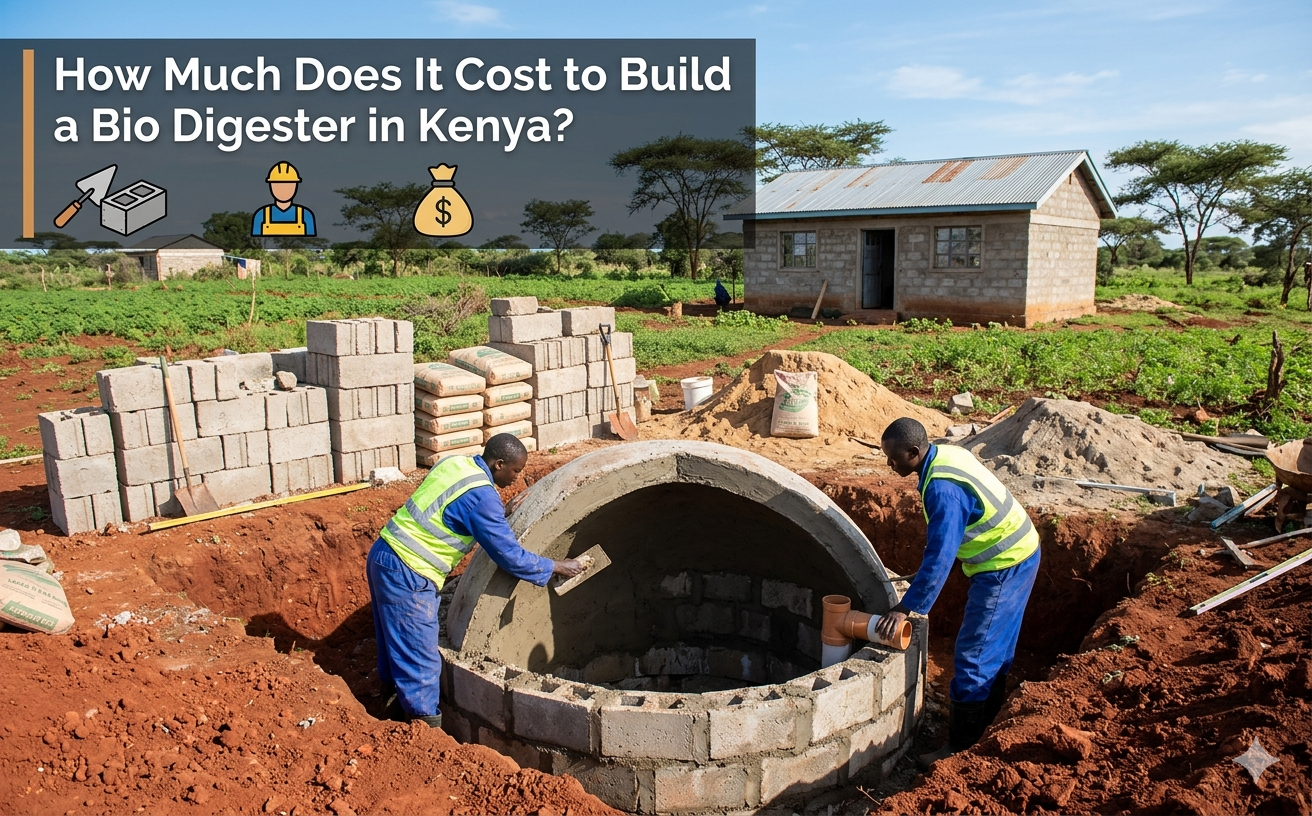
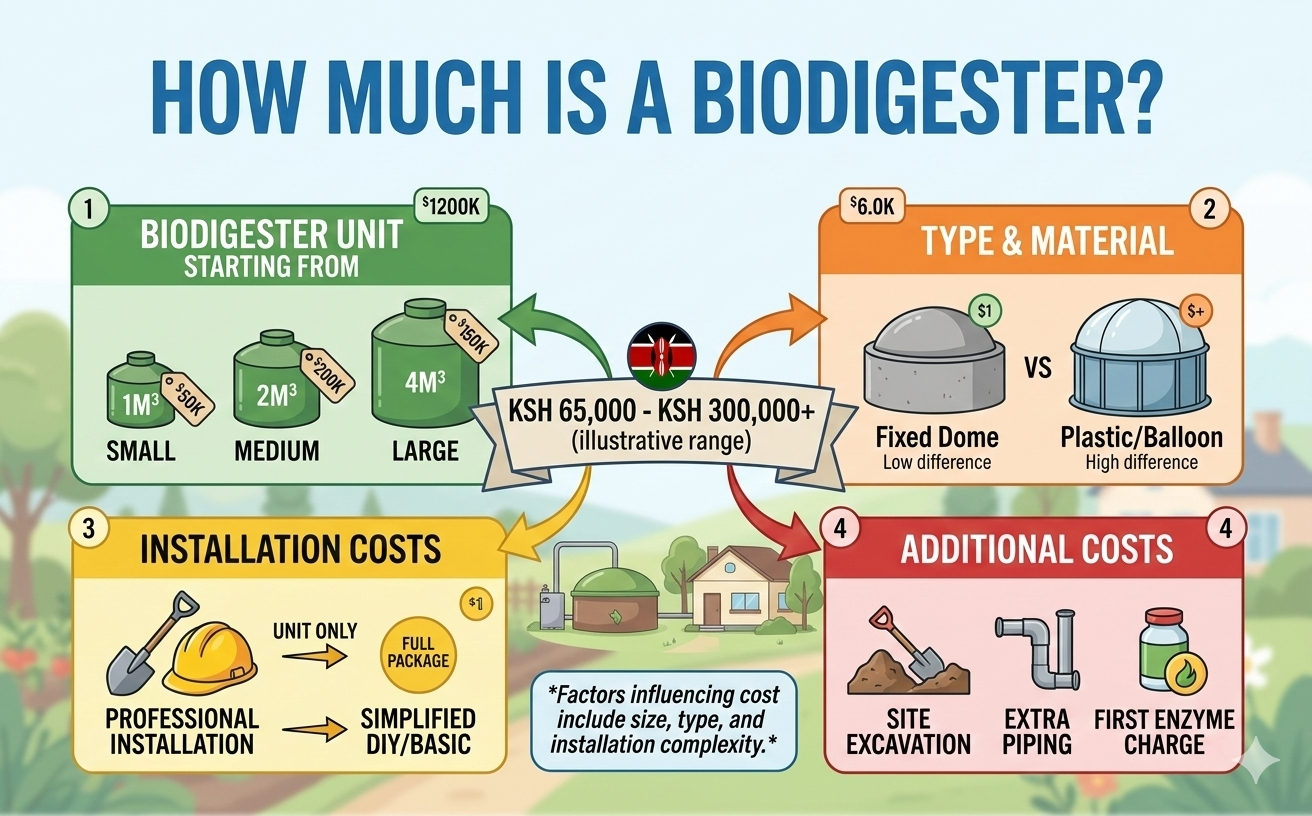
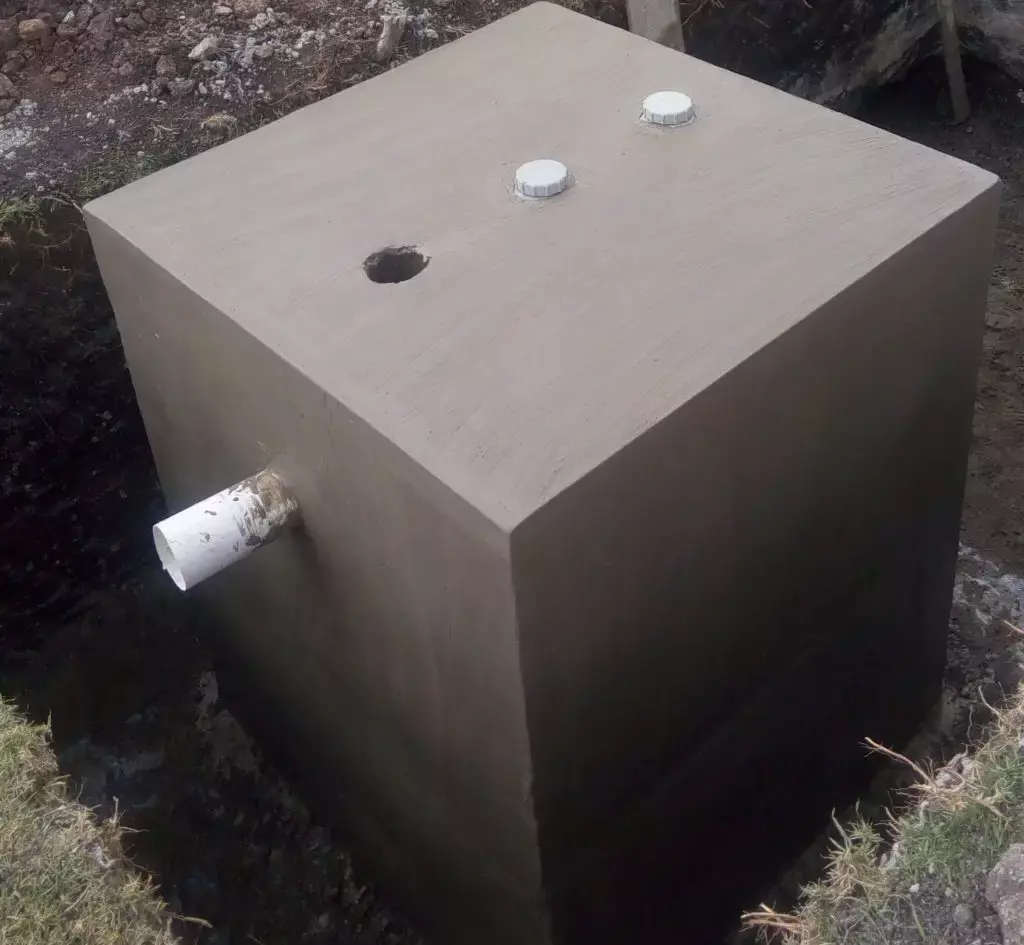
While the initial cost of a Bio Digester Installation might seem comparable to a large masonry septic tank, the long-term economics favor the biodigester. Building a traditional concrete septic tank requires extensive excavation, expensive waterproofing, and a large footprint on your land.
- Exhaust Costs: In Nairobi, a single exhaust trip can cost between KES 5,000 and KES 15,000. For a busy commercial building or a large household, these costs compound into hundreds of thousands over a decade.
- Space Efficiency: On a 50×100 plot in Kamulu or Kitengela, every square foot matters. Biodigesters occupy a fraction of the space required by septic tanks, allowing more room for parking or landscaping.
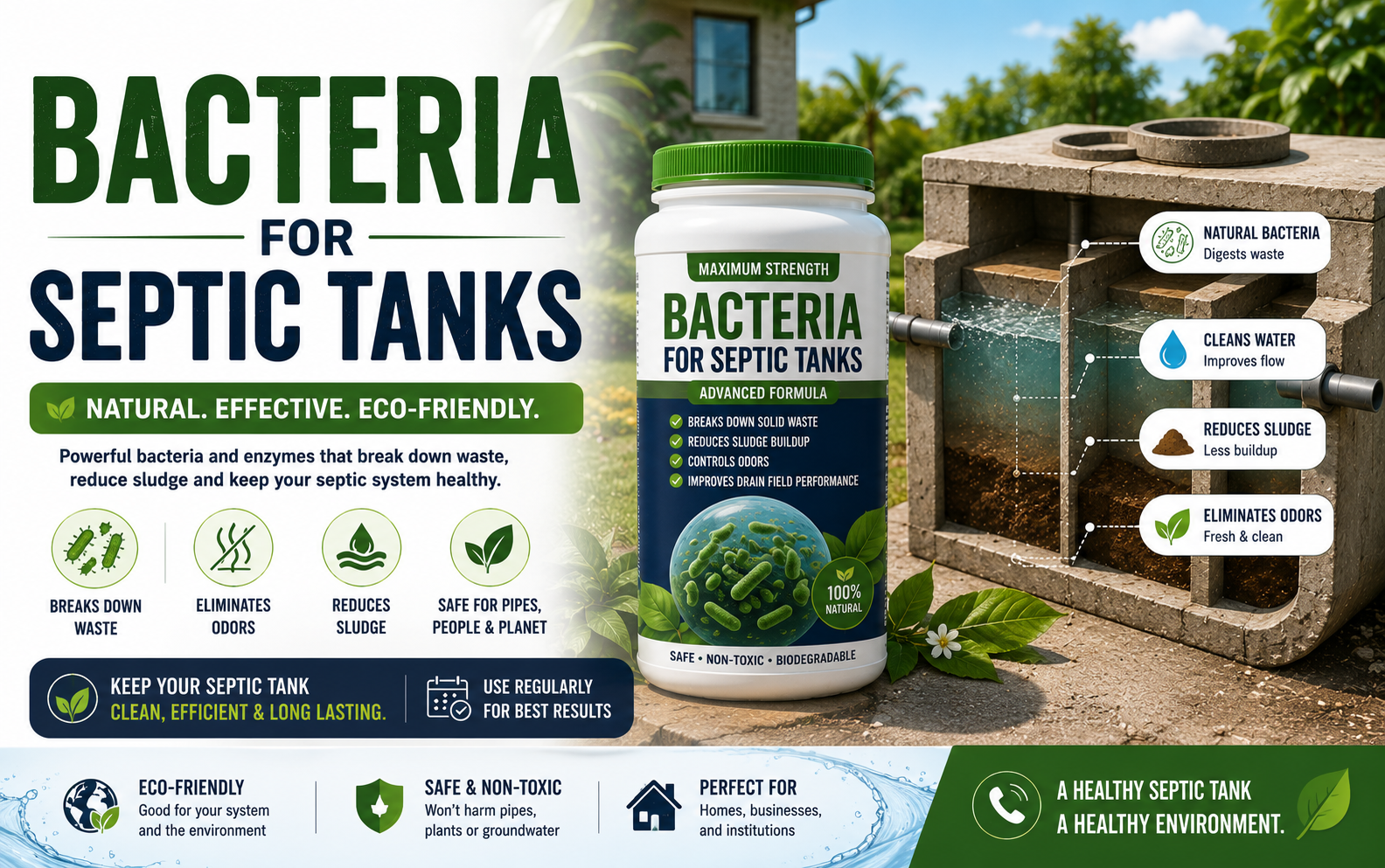
- Maintenance: A biodigester requires only a periodic boost of Septic Tank Cleaner or enzymes to keep the microbial colony thriving.
Phone: Call +254 712 660 245
Email: Email info@biodigesterkenya.co.ke
Geographical Realities: Red Soil vs. Black Cotton Soil
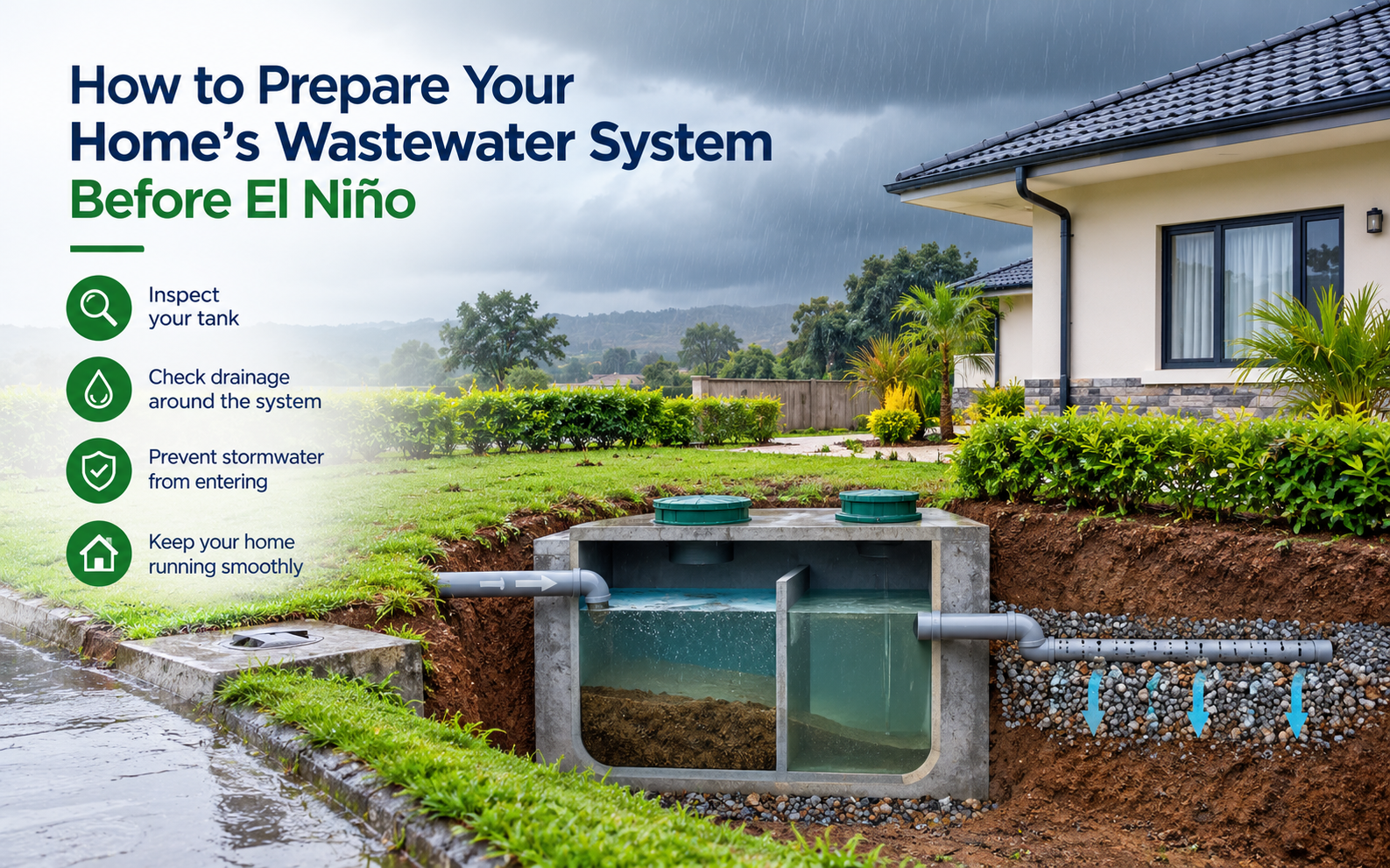
Kenya’s diverse geography demands specific engineering. In the red soils of Kiambu or Karen, drainage is generally efficient. However, in areas with heavy black cotton soil like Athi River or parts of Lang’ata, traditional septic tanks often fail. Black cotton soil expands when wet and has poor absorption rates, leading to septic tanks filling up prematurely or even collapsing under pressure.
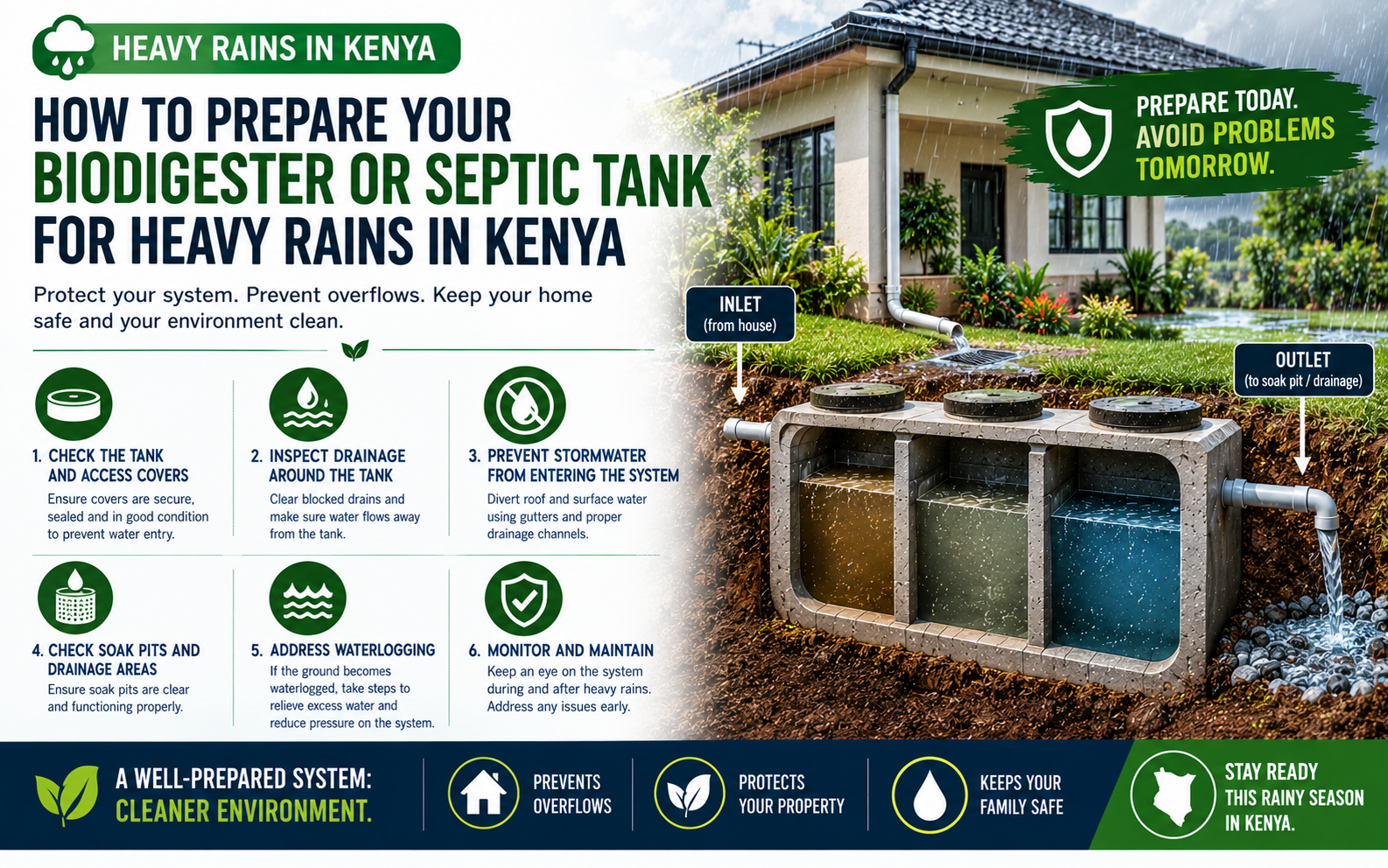
A Precast Bio Digester is engineered to handle these conditions. Because the system focuses on high-speed biological degradation, the volume of effluent released into the soaking area is cleaner and more easily absorbed, even in challenging soil profiles. This makes it a far more reliable choice for Kenyan developers looking to avoid the nightmare of overflowing sewage during the rainy season.
Environmental Impact and NEMA Compliance
NEMA regulations in Kenya are becoming increasingly strict regarding wastewater management. Traditional septic tanks often leak, contaminating the water table with pathogens. The biodigester vs septic tank comparison clearly shows that the former is the “greener” choice. The anaerobic process inside the digester kills most harmful pathogens, ensuring that the water entering your French drain is safe for the environment.
Maintenance and Enzyme Activation
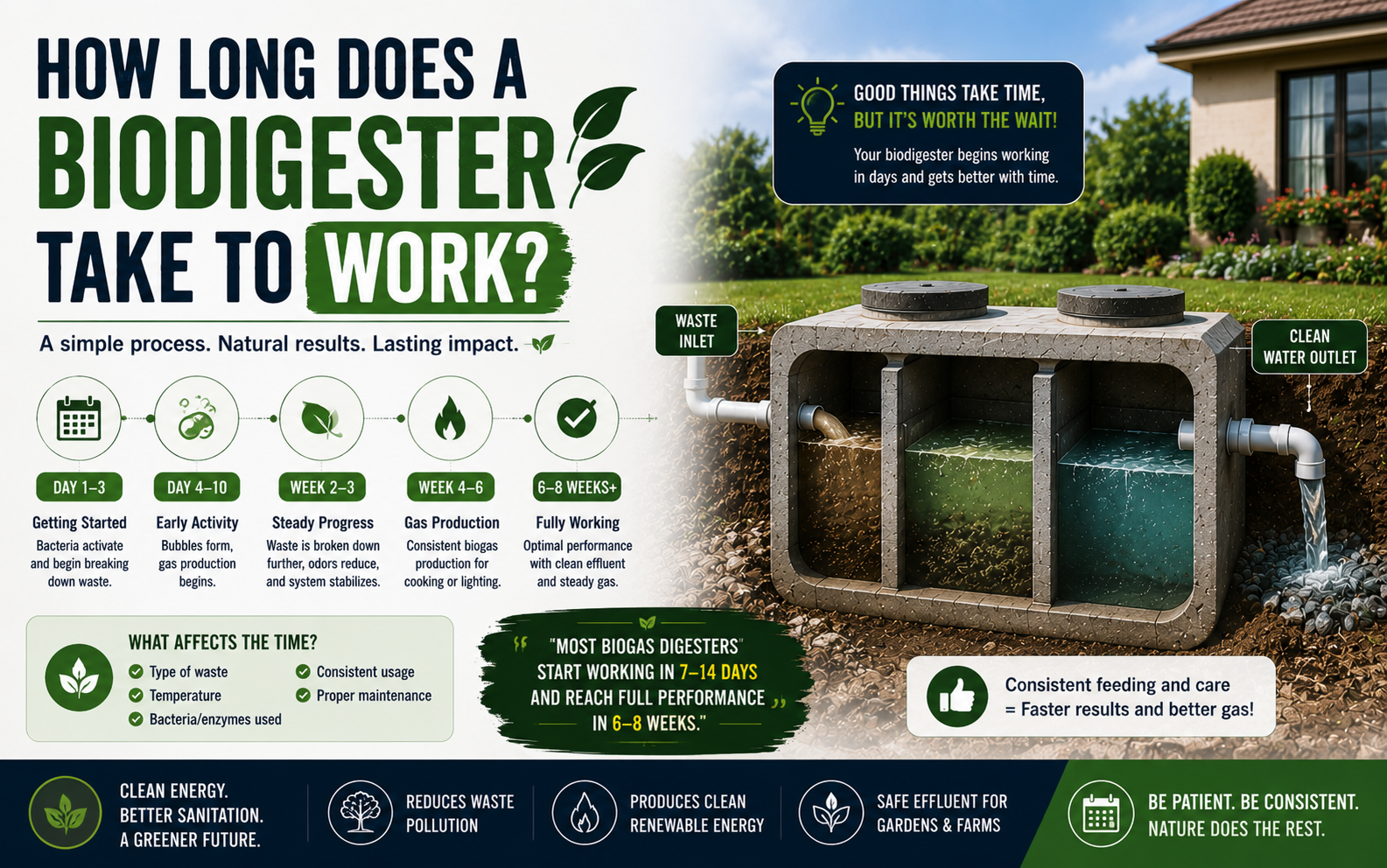
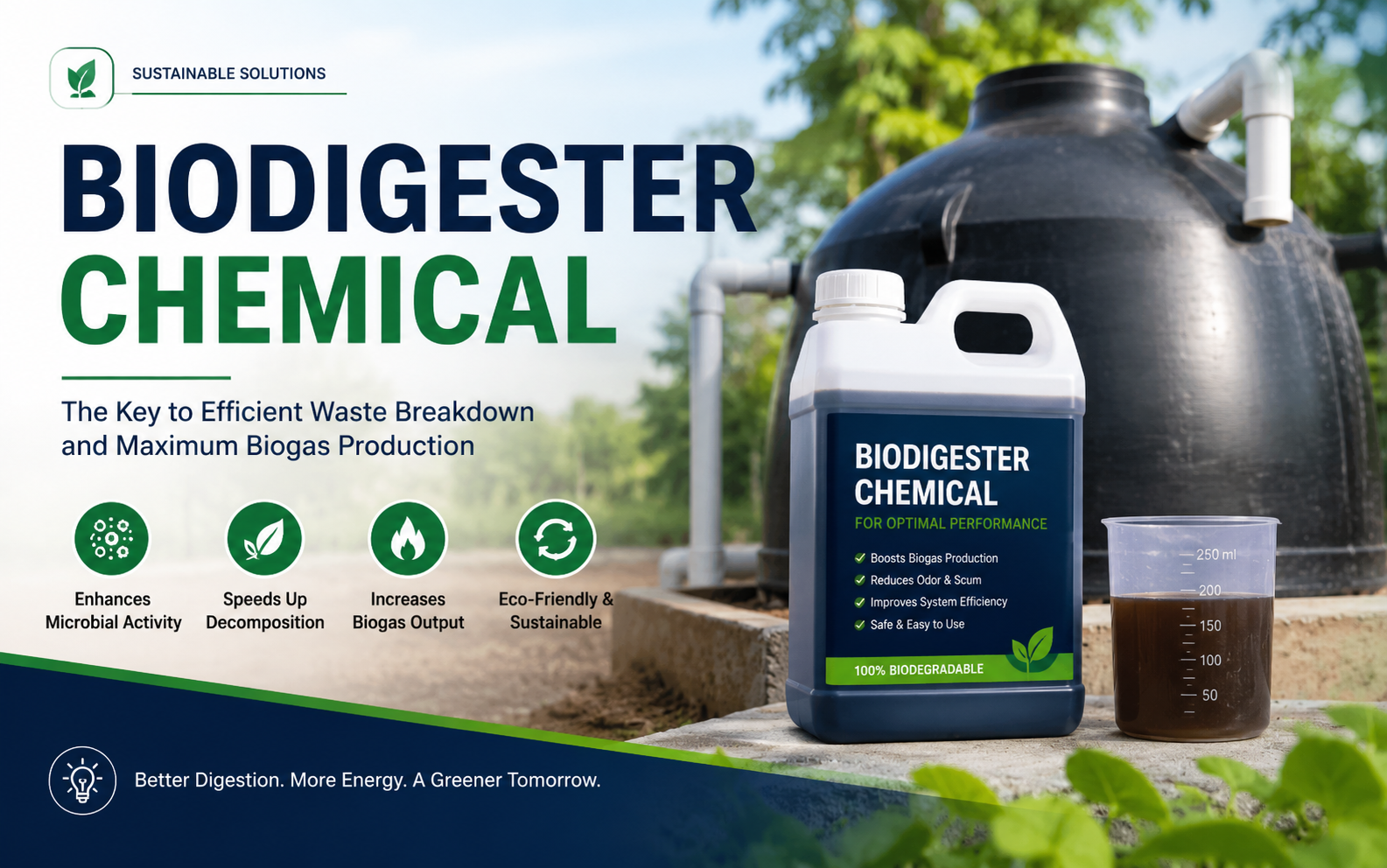
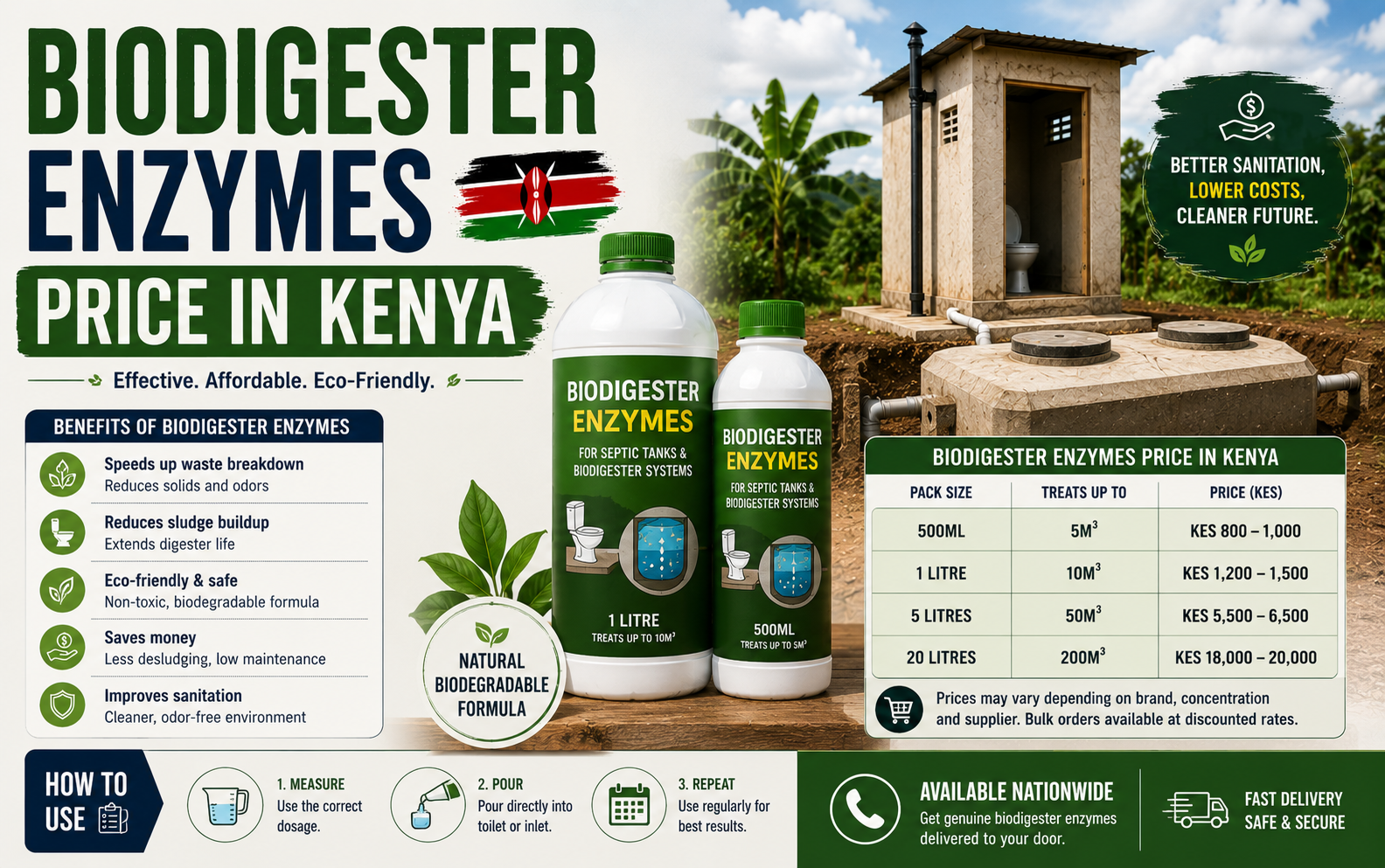
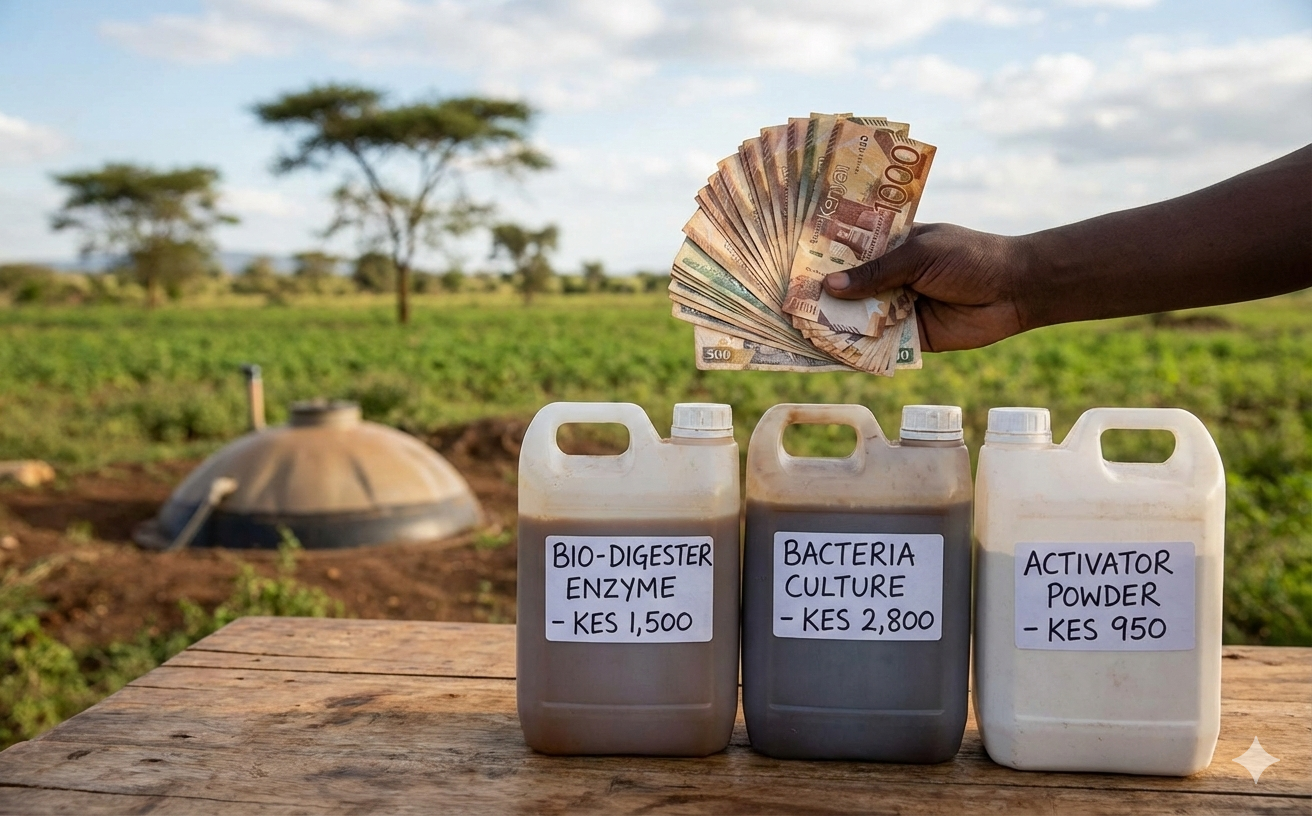
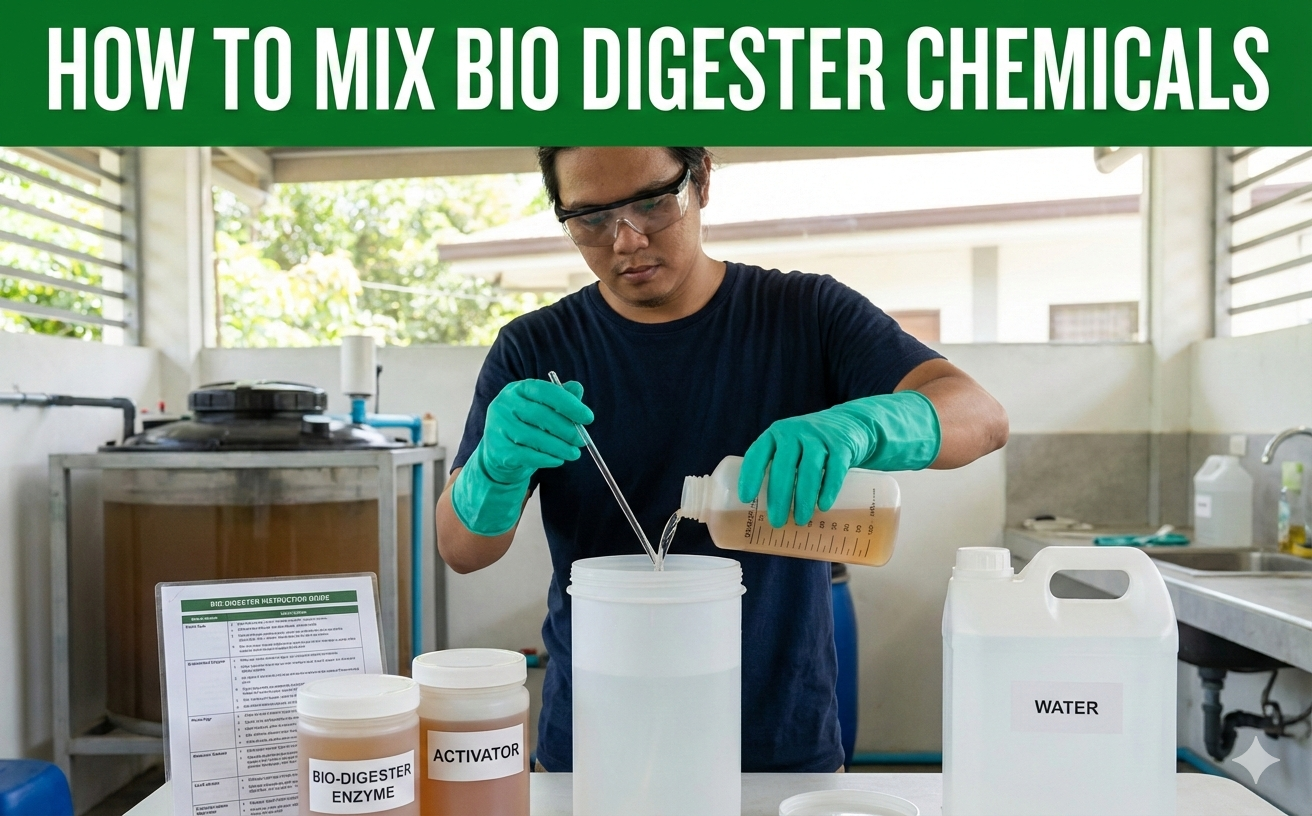
For a biodigester to function at peak performance, the microbial flora must be maintained. If your system becomes sluggish due to the use of harsh chemicals or excessive bleach, adding Bio Digester Bacteria – 400g can jumpstart the digestion process. This is a simple, DIY task that replaces the need for a noisy, smelly exhaust truck in your driveway.
Phone: Call +254 712 660 245
Email: Email info@biodigesterkenya.co.ke
Conclusion
Switching from an archaic septic system to a Bio Digester Kenya installation provides property owners with economic freedom and peace of mind. By choosing a system that processes waste biologically, you eliminate the perpetual expense of exhaust bowsers, protect the Kenyan environment, and maximize the utility of your land. Whether you are building in a high-density Nairobi estate or a rural setup, the biodigester remains the gold standard for modern sanitation.
Frequently Asked Questions
-
Does a biodigester smell?
No, a properly installed biodigester is completely odorless because the anaerobic process breaks down gases and uses a vent pipe for any minimal air displacement. -
How often do I need to add enzymes?
Under normal usage, you only need to add Bio Digester Bacteria once every 6 to 12 months to maintain the microbial colony. -
Can I use a biodigester for a commercial building?
Yes, biodigesters are highly scalable and are used for malls, schools, and apartment blocks where Septic Tank Maintenance would otherwise be too frequent and costly. -
Will a biodigester work in black cotton soil?
Yes, though it requires a professionally engineered soaking area or French drain designed to handle the lower absorption rates typical of such soils. -
Does it require electricity?
Standard residential biodigesters are passive systems that rely on gravity and biology, meaning they require zero electricity to operate.
Ready to upgrade your sanitation system? Contact Bio Digester Kenya today for a site assessment and professional installation.
Phone: Call +254 712 660 245
Email: Email info@biodigesterkenya.co.ke