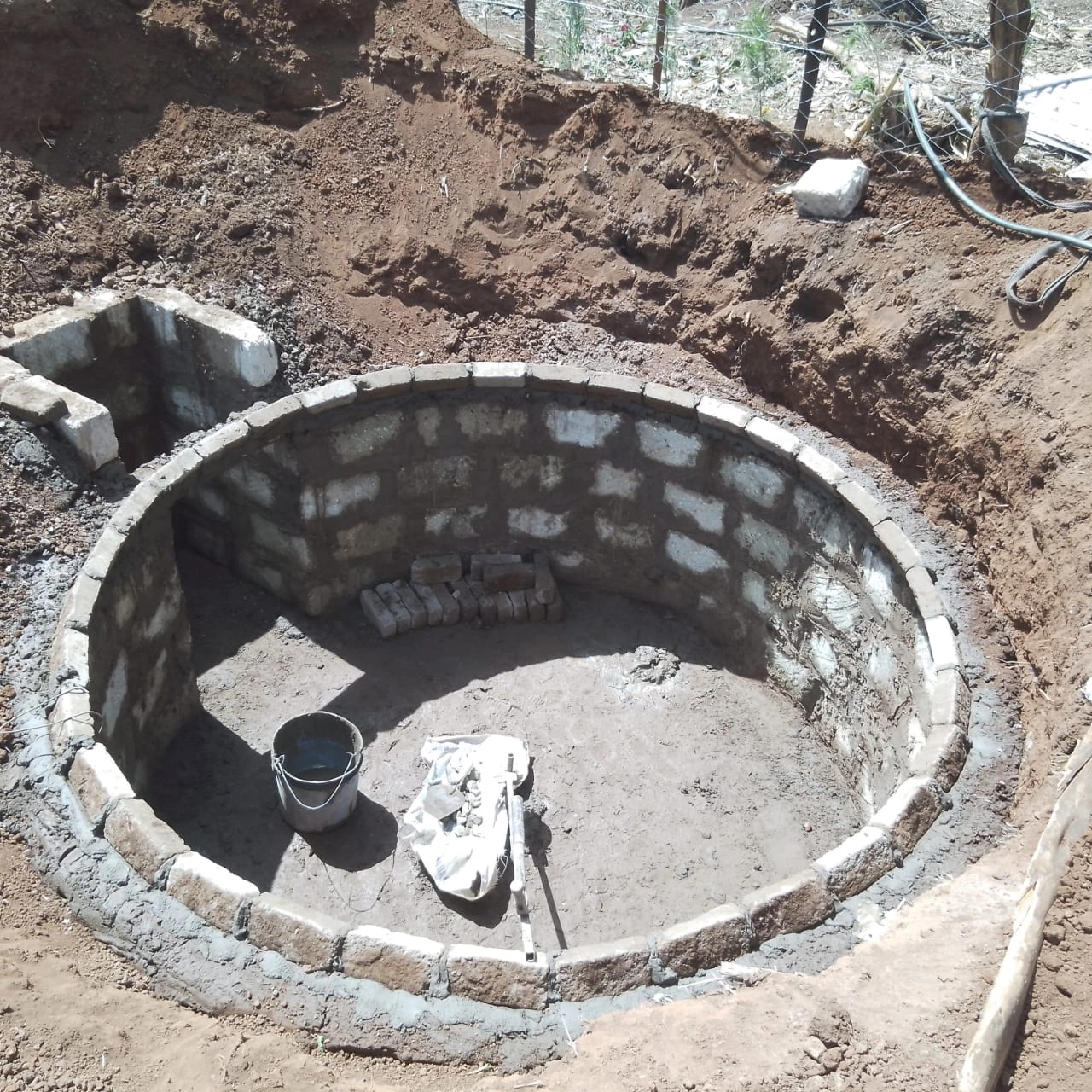
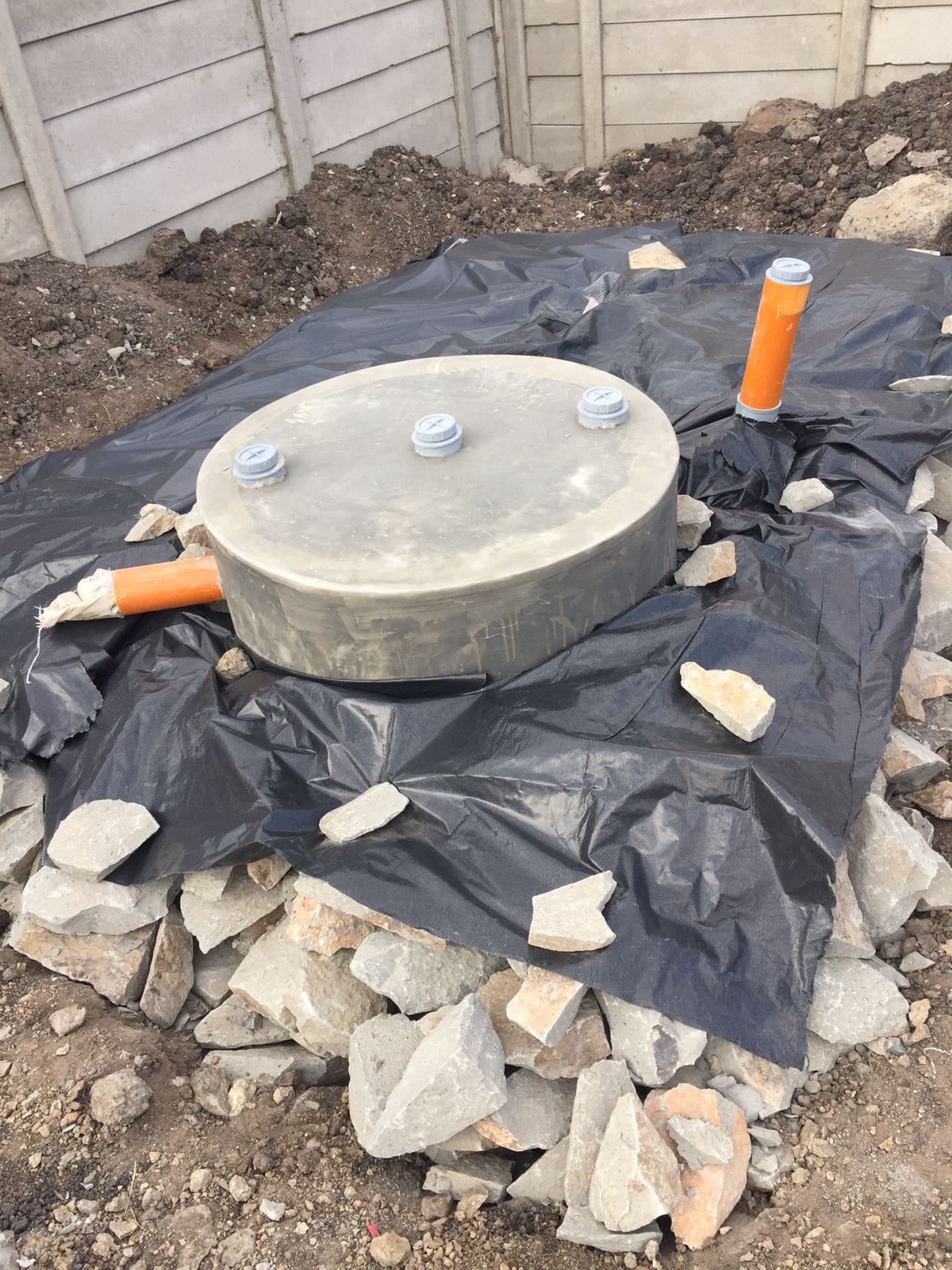
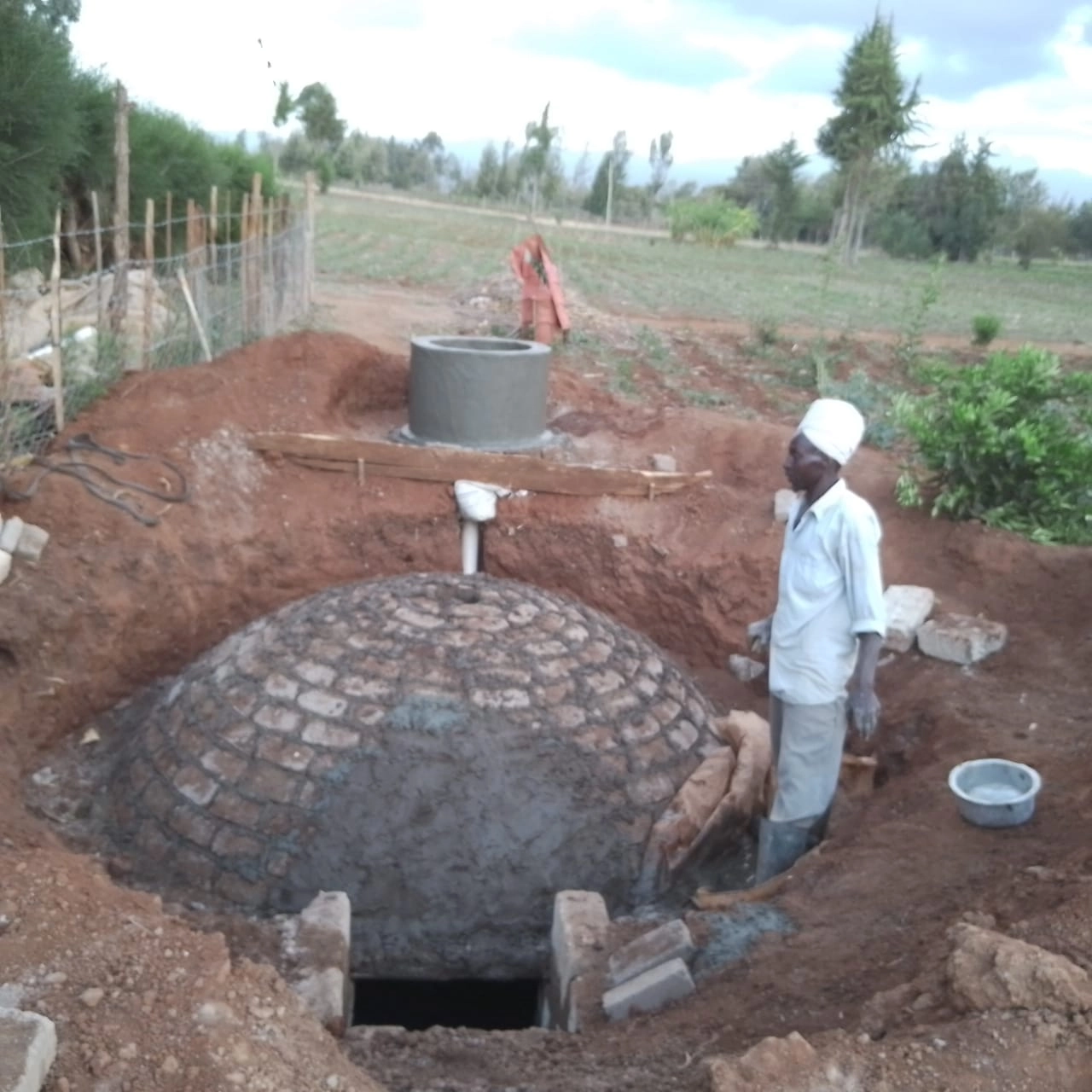
Introduction to Biodigesters in Kenya
The rise of the modern Biodigester in the Kenyan construction sector isn’t just a trend; it’s a direct response to the inadequacy of conventional waste management systems that rely on exhausters, which charge steep fees ranging from Ksh 5,000 to over Ksh 15,000 depending on location and accessibility.
Traditional septic tanks require large footprints, often interfering with landscaping or future expansion, and they are notorious for groundwater contamination, especially in areas with a high water table.
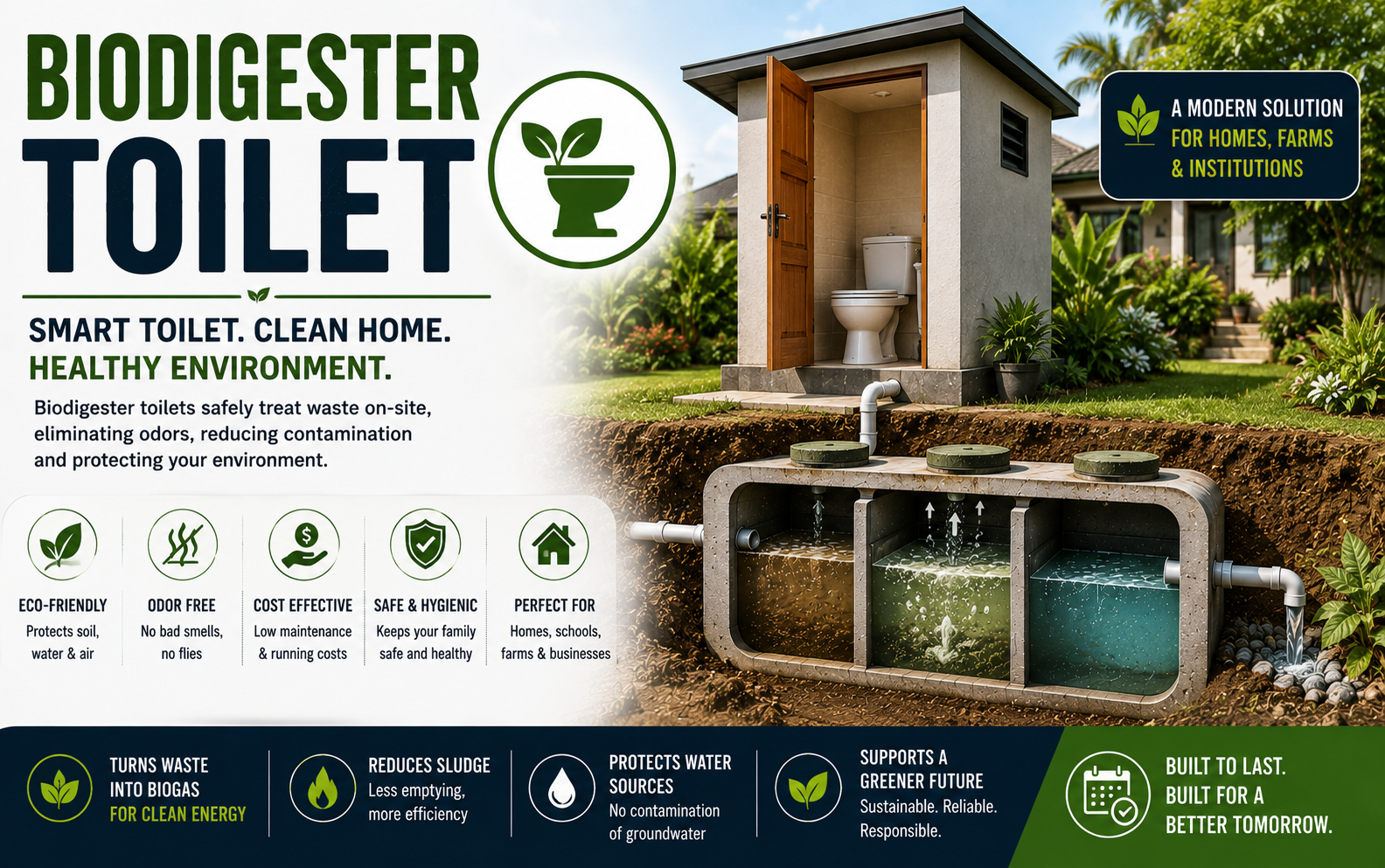
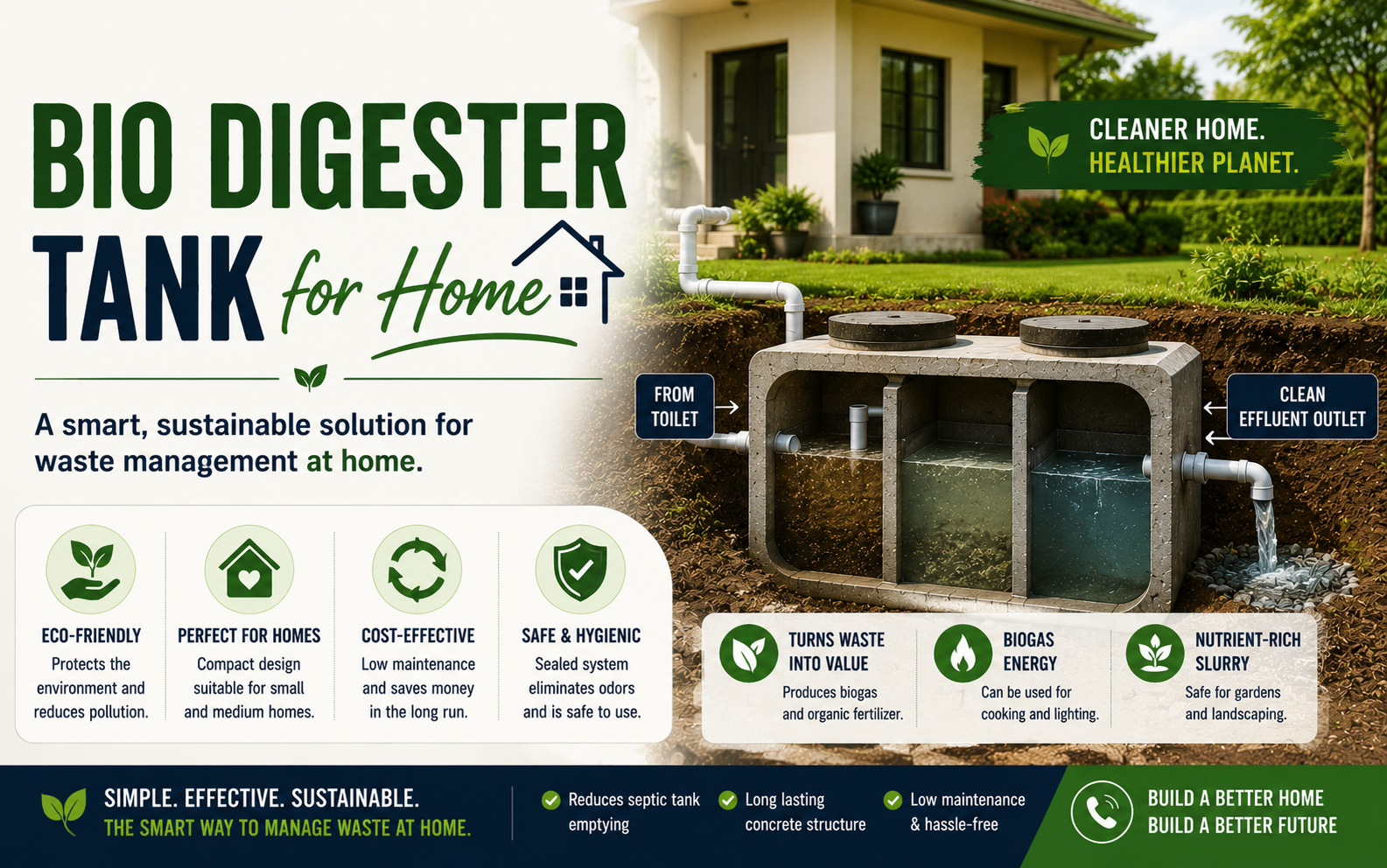
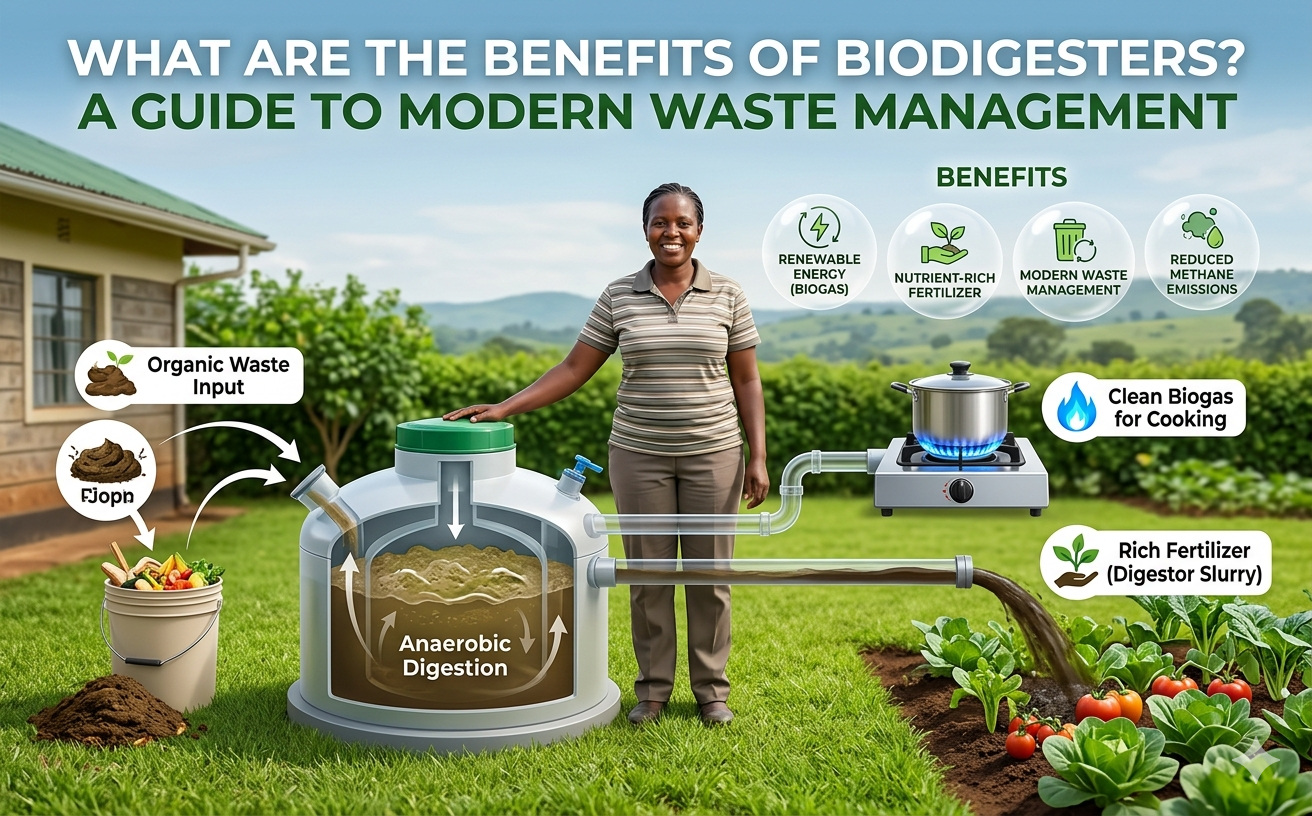
Conversely, the biodigester offers a compact, sealed, and permanent solution that utilizes natural biological processes to transform wastewater into harmless, reusable components, addressing the pressing environmental and practical concerns faced by property owners in our rapidly developing country.
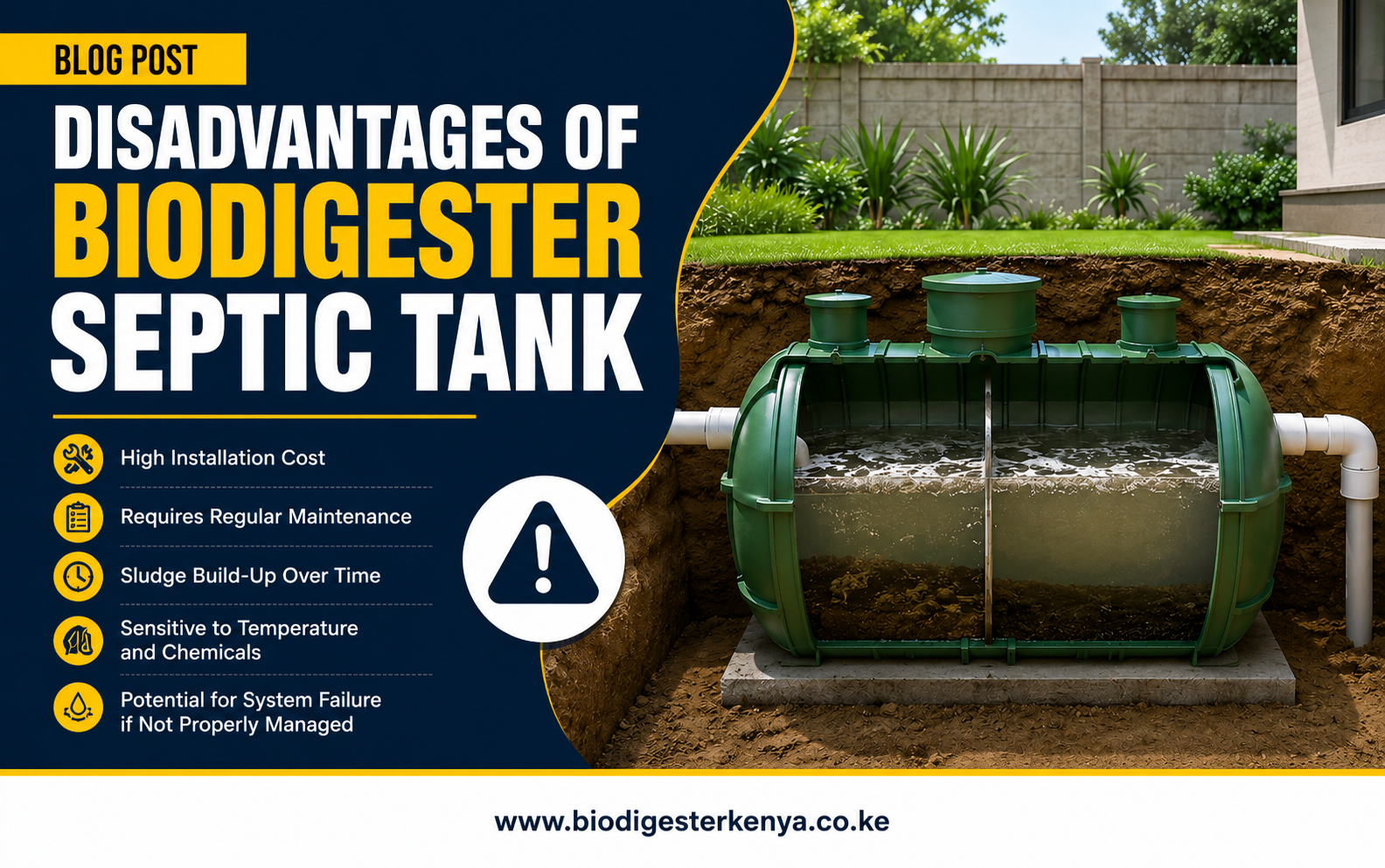
How a Biodigester Works: From Waste to Water & Air
Understanding the mechanism of a modern biodigester is crucial, as it fundamentally differs from a simple holding chamber like a septic tank.
Think of the biodigester not as a container, but as a mini, optimized ecosystem specifically designed to break down organic waste immediately upon entry.
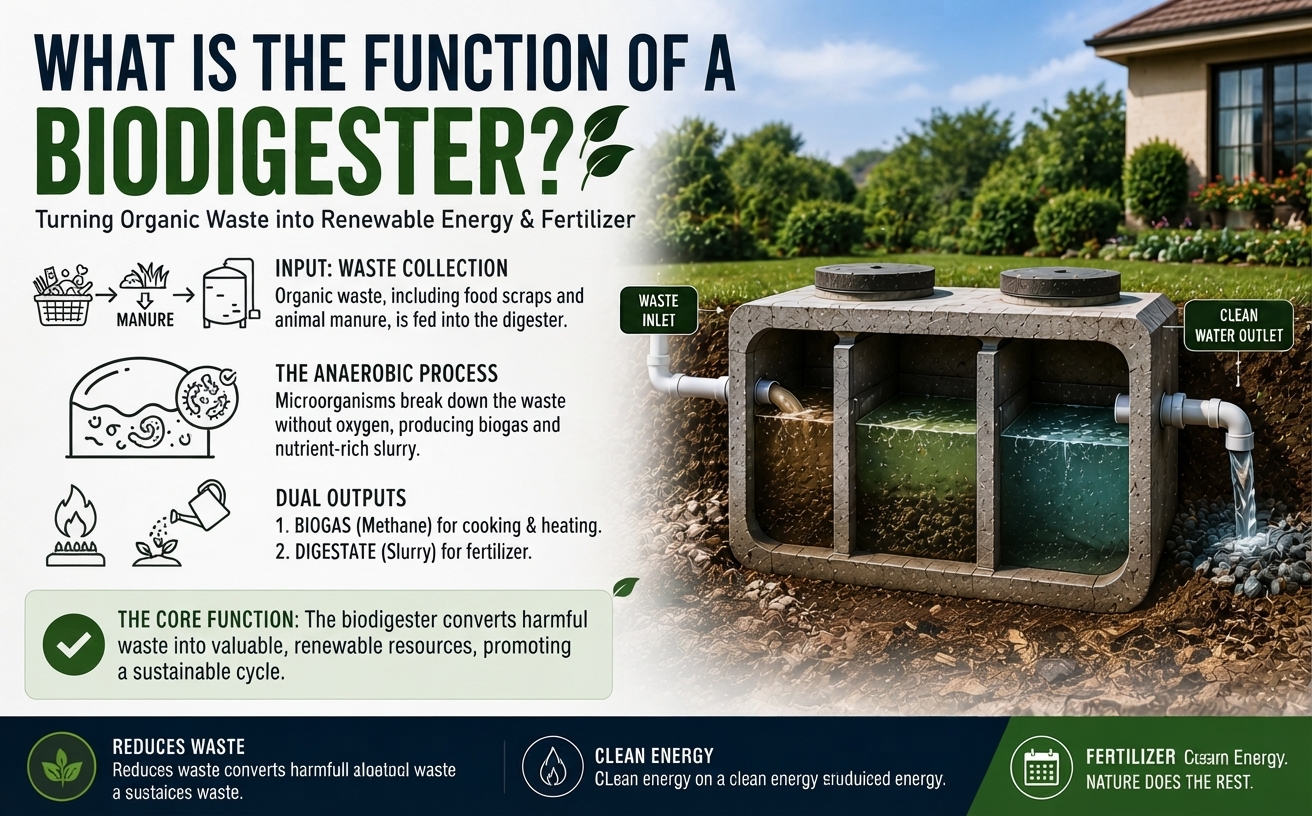
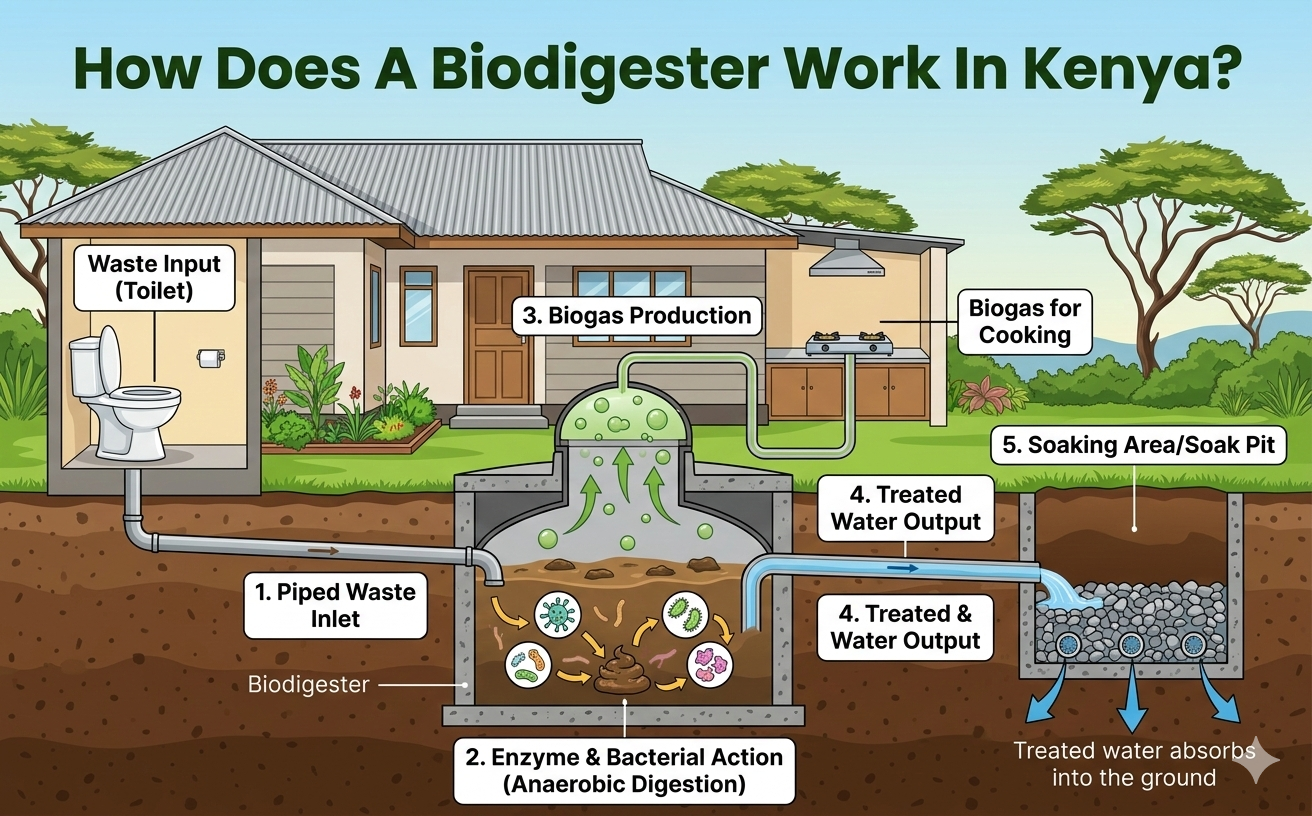
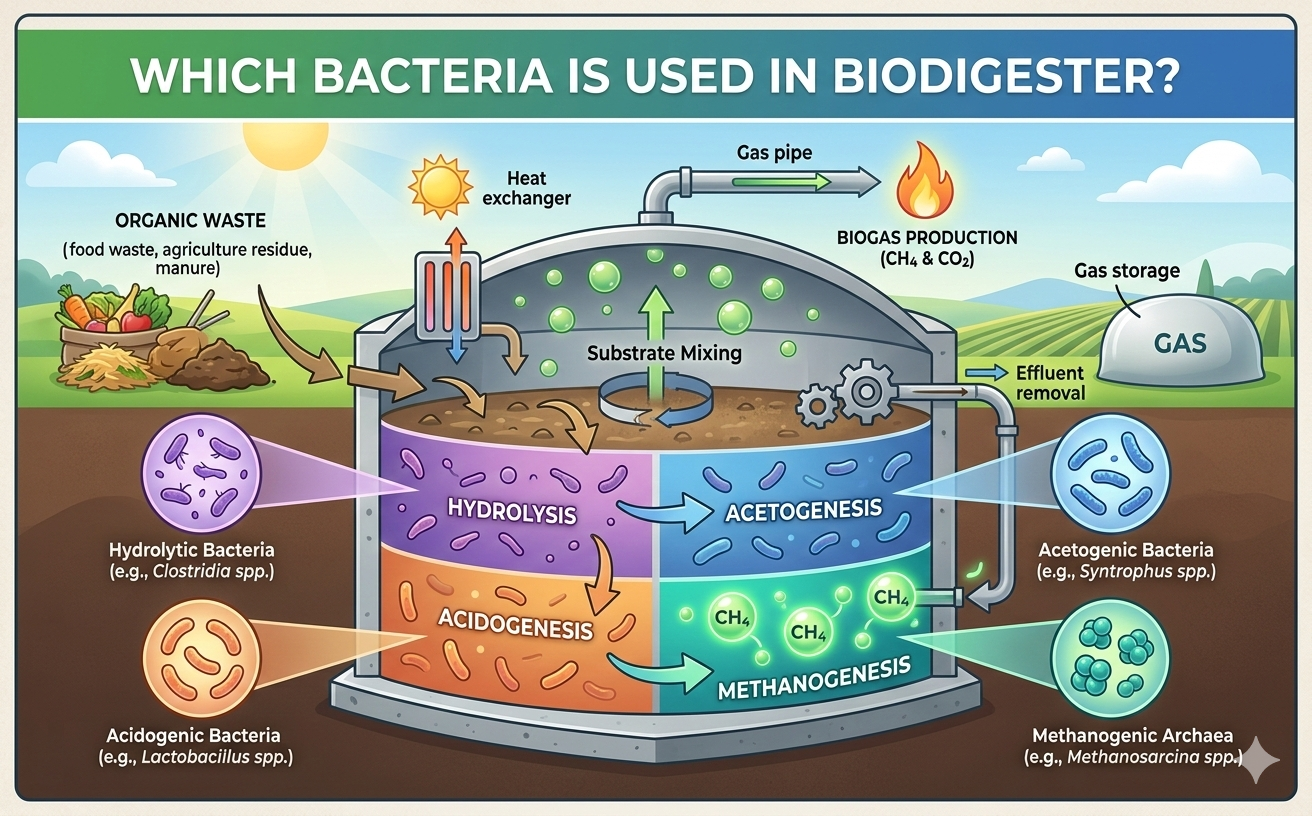
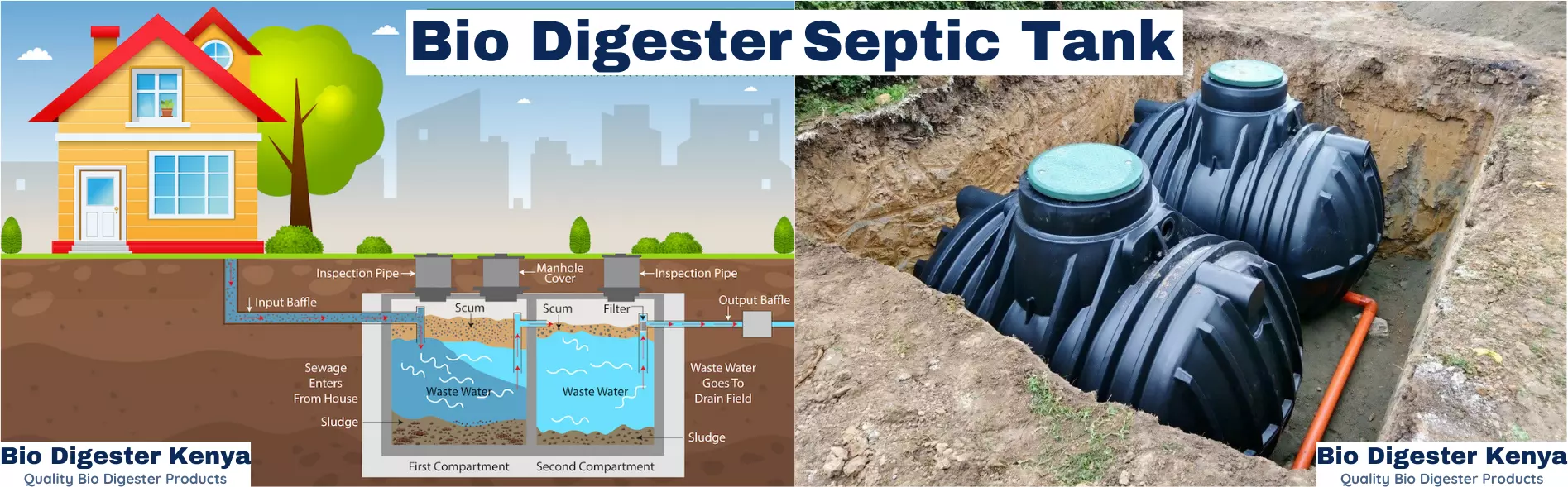
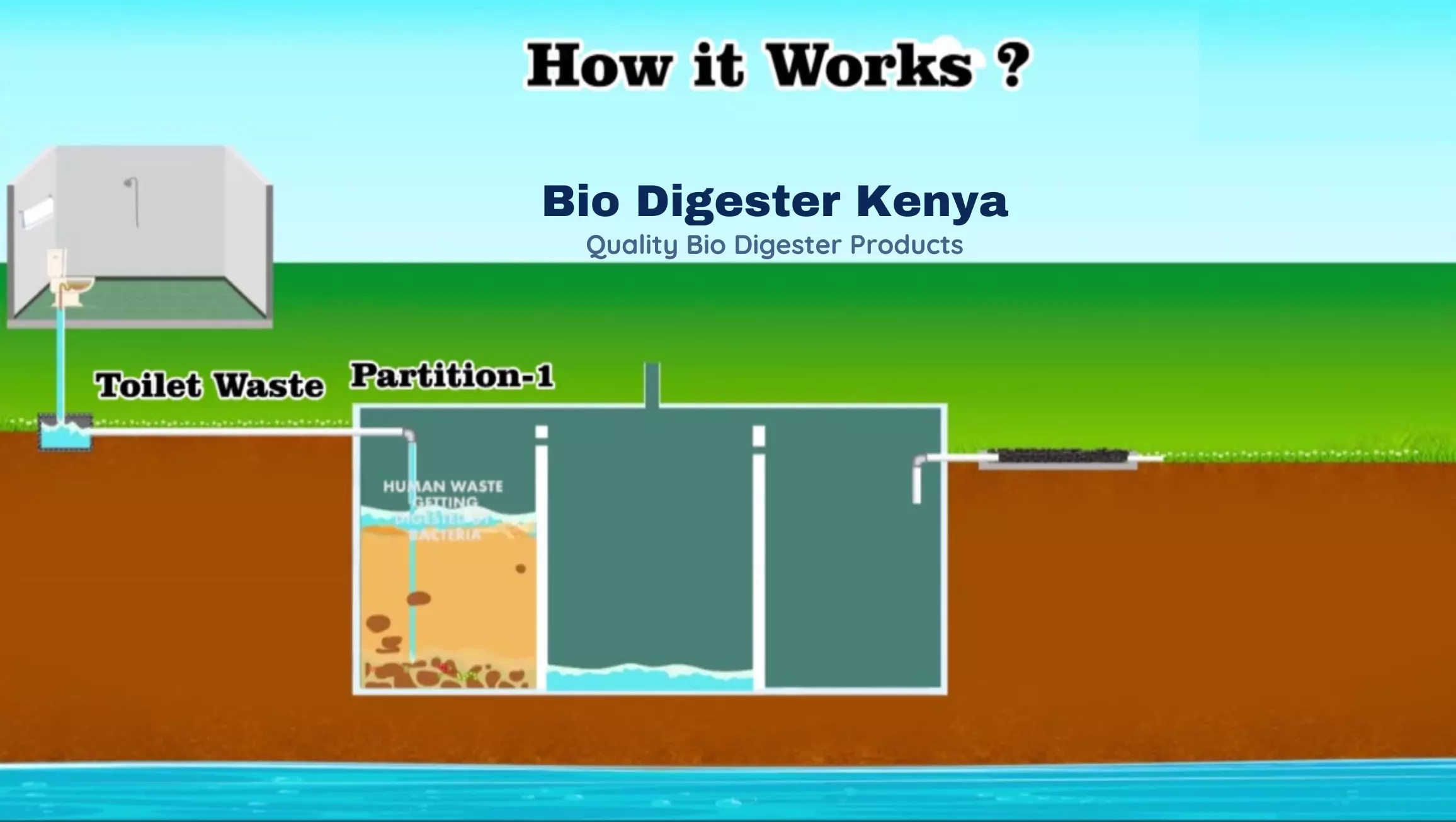
When sewage waste is piped into the system, it enters a multi-chamber tank that is already teeming with specialized, non-pathogenic bacteria and enzymes.
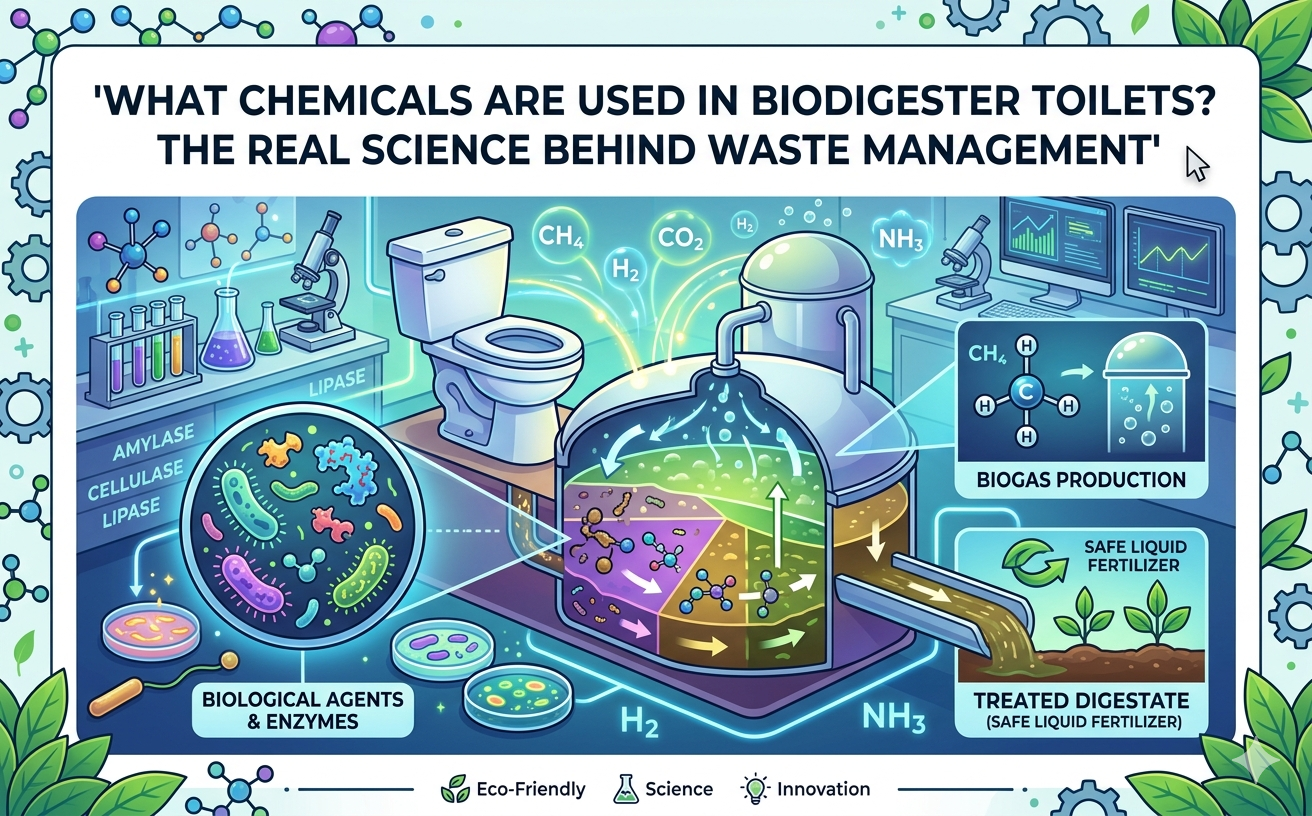
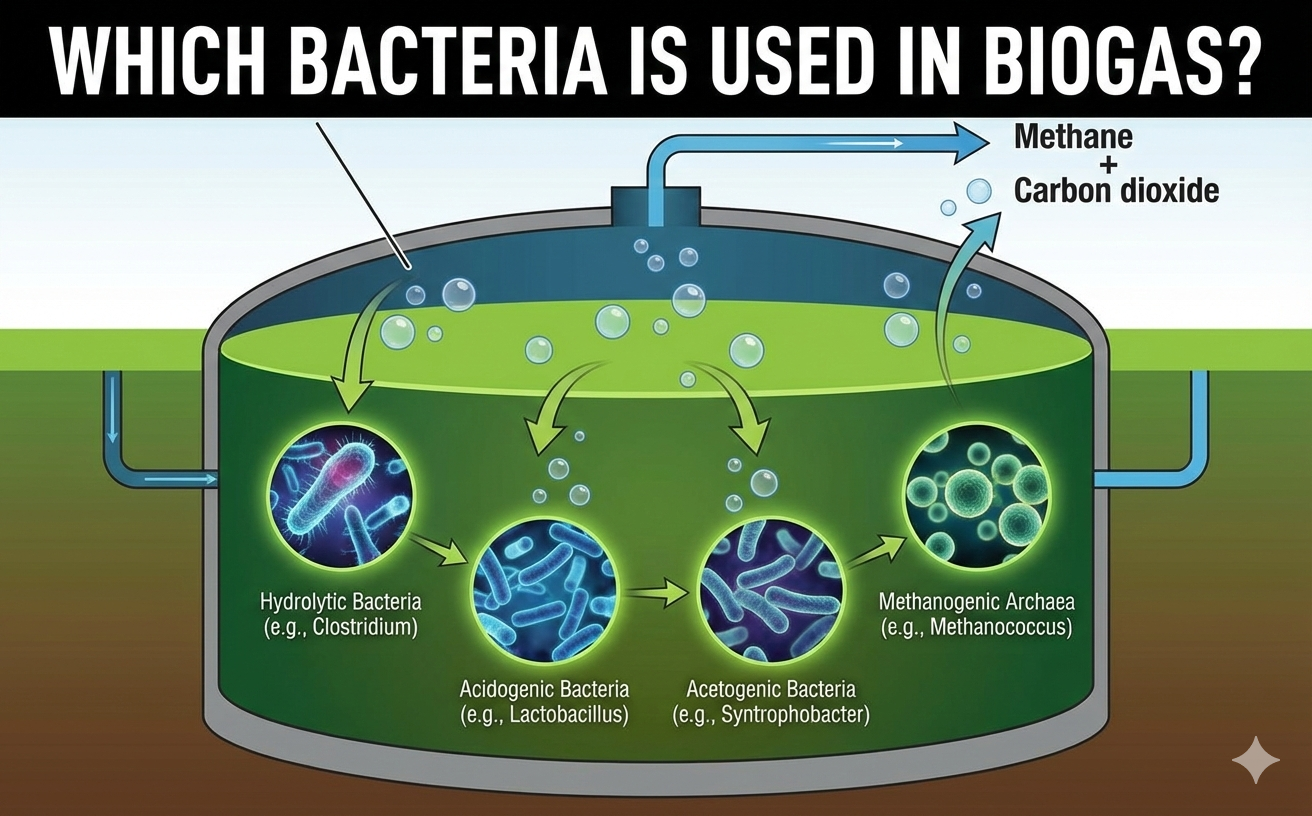
These biological agents, which are the core of what we refer to as the “biodigester chemical,” are anaerobes, meaning they thrive in the absence of oxygen and actively consume the organic solids, breaking down complex molecules of human waste (feces, toilet paper, oils, fats) into their most basic, non-toxic components: primarily water and gases (methane, carbon dioxide, etc.).
The beauty of the biodigester system—and where it truly becomes a permanent solution—is what happens next.
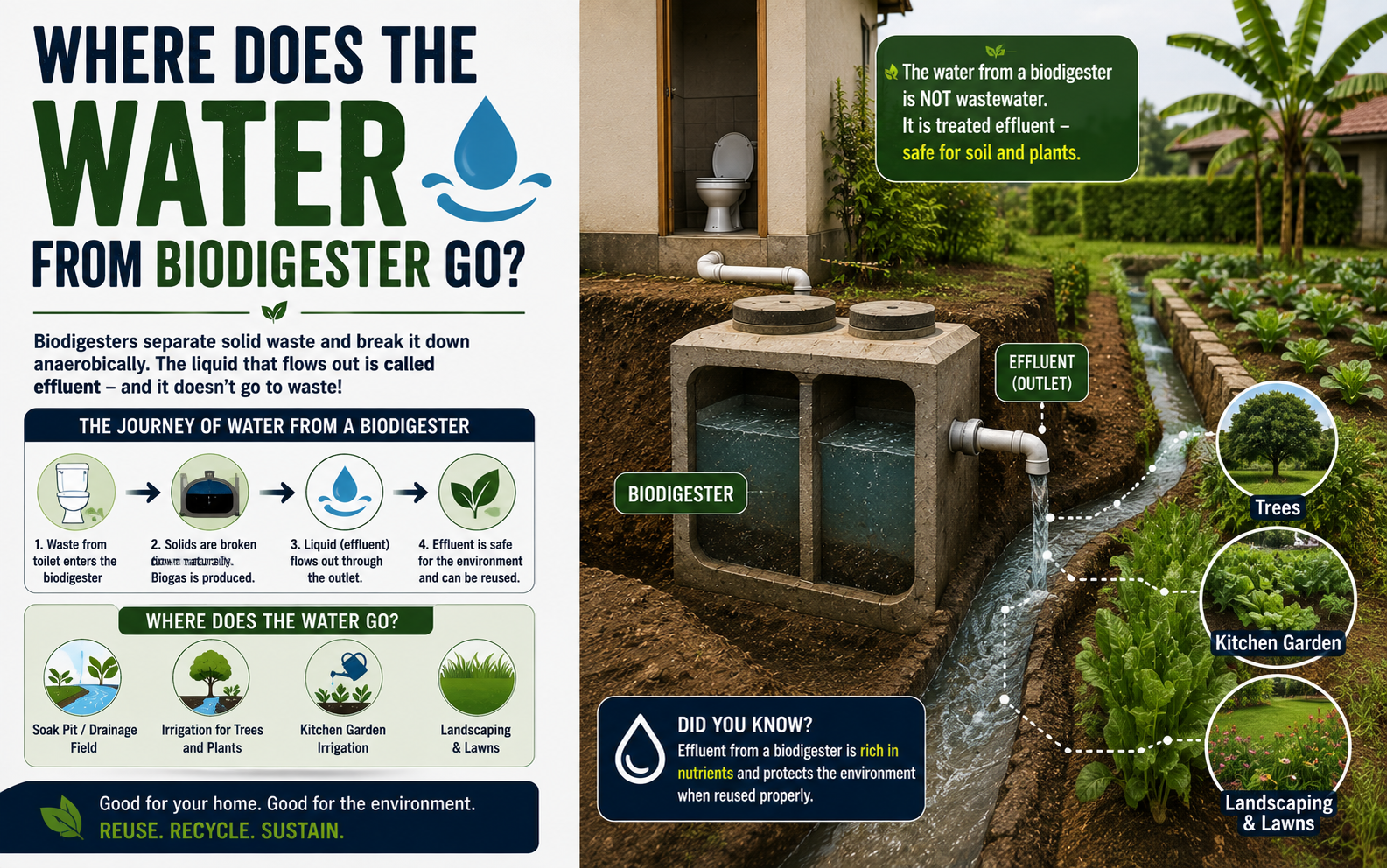
Unlike a conventional system where sludge accumulates at the bottom, forcing the homeowner to budget for frequent exhauster services, the highly purified effluent water from the biodigestion process is separated.
This clear, colorless, and odorless water is then safely released into a properly constructed soak pit or drainage field.
Because the majority of harmful solids have been converted biologically, the water is significantly safer for the environment, posing minimal risk to the local water table—a critical concern in regions like Nairobi or Kisumu where borehole reliance is high.
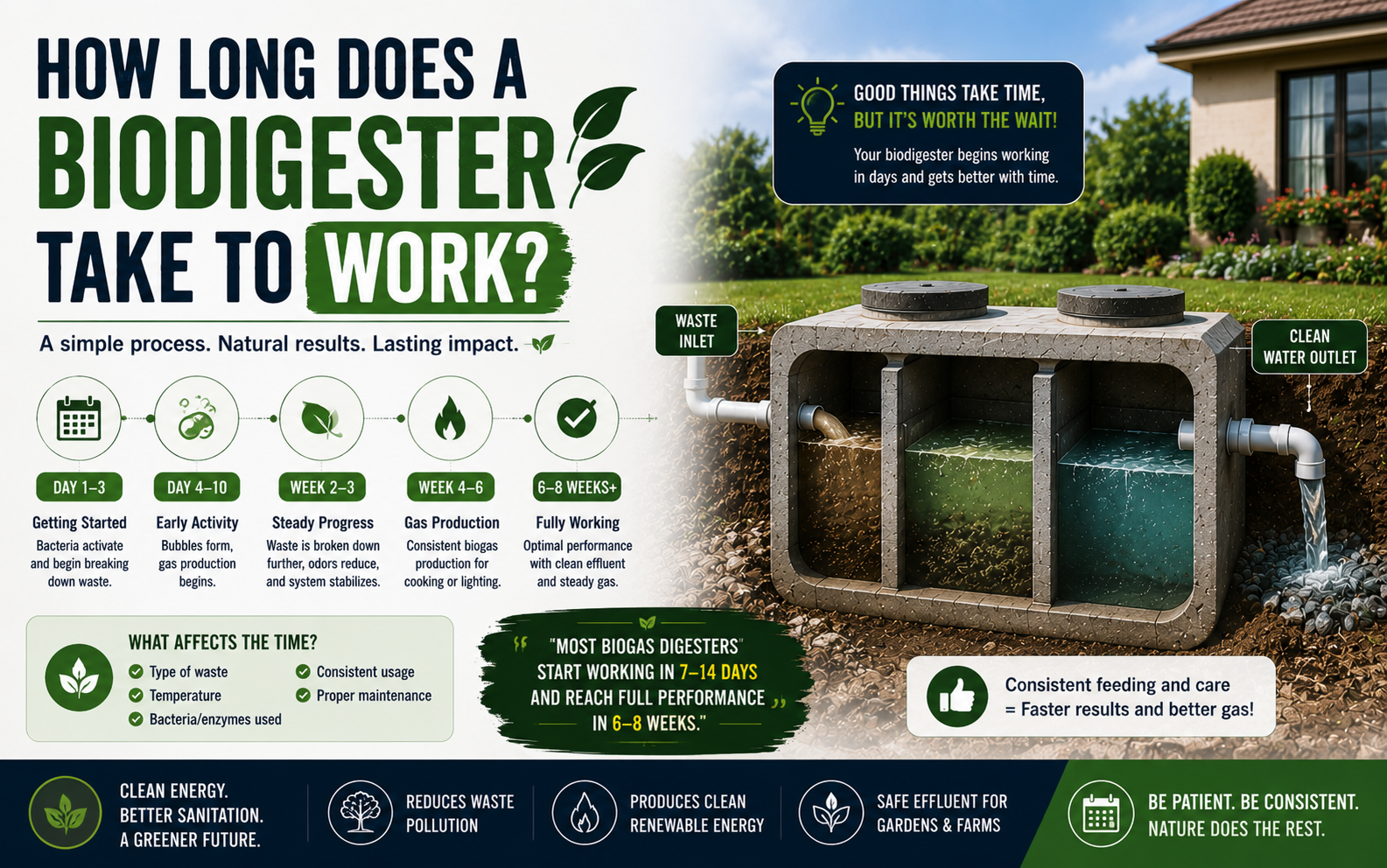
This continuous digestion and discharge cycle is what gives the biodigester its zero-maintenance reputation, requiring only occasional enzyme replenishment to keep the biological process running at peak efficiency.
Biodigester Chemicals & Enzymes: What You Need to Know
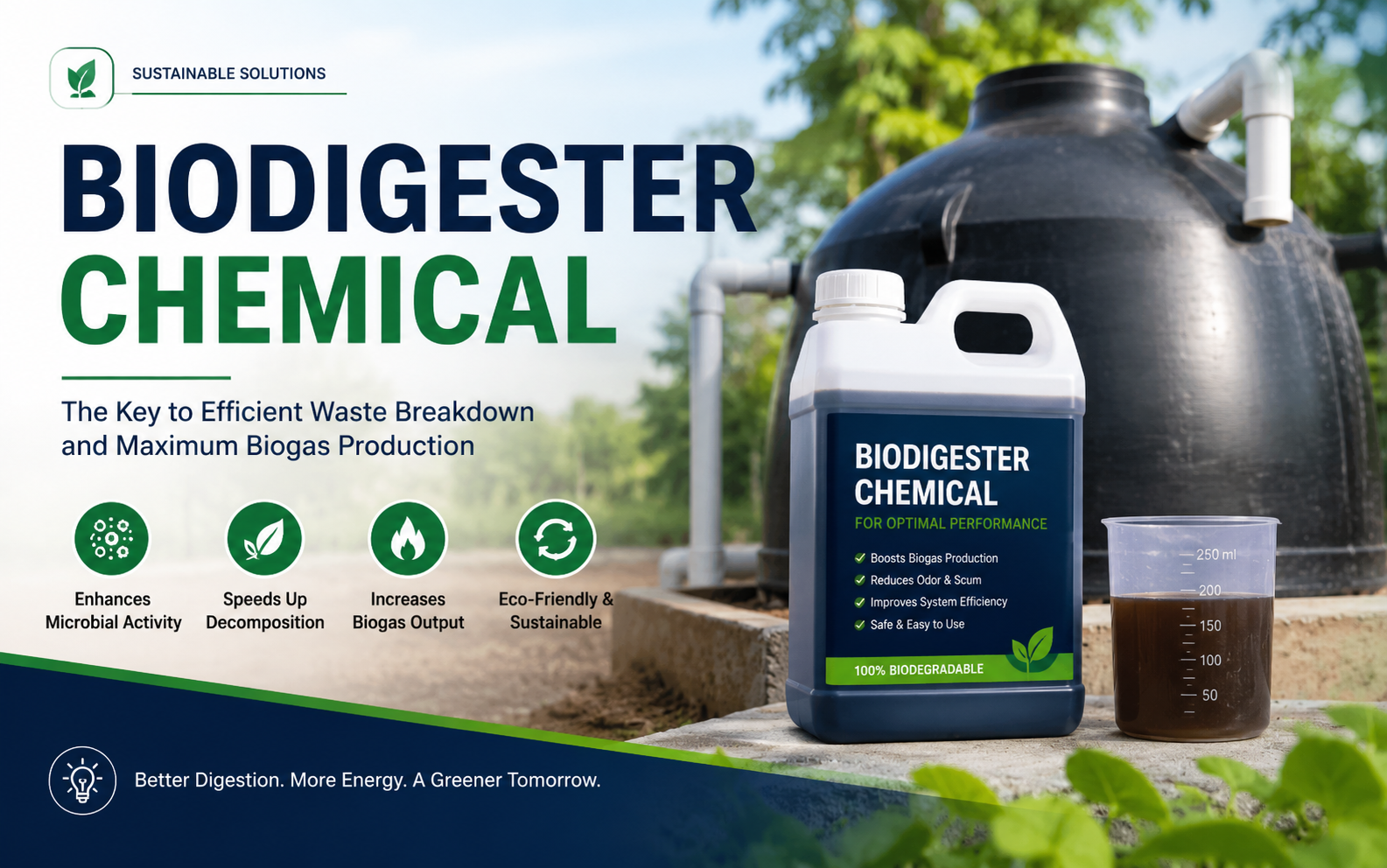
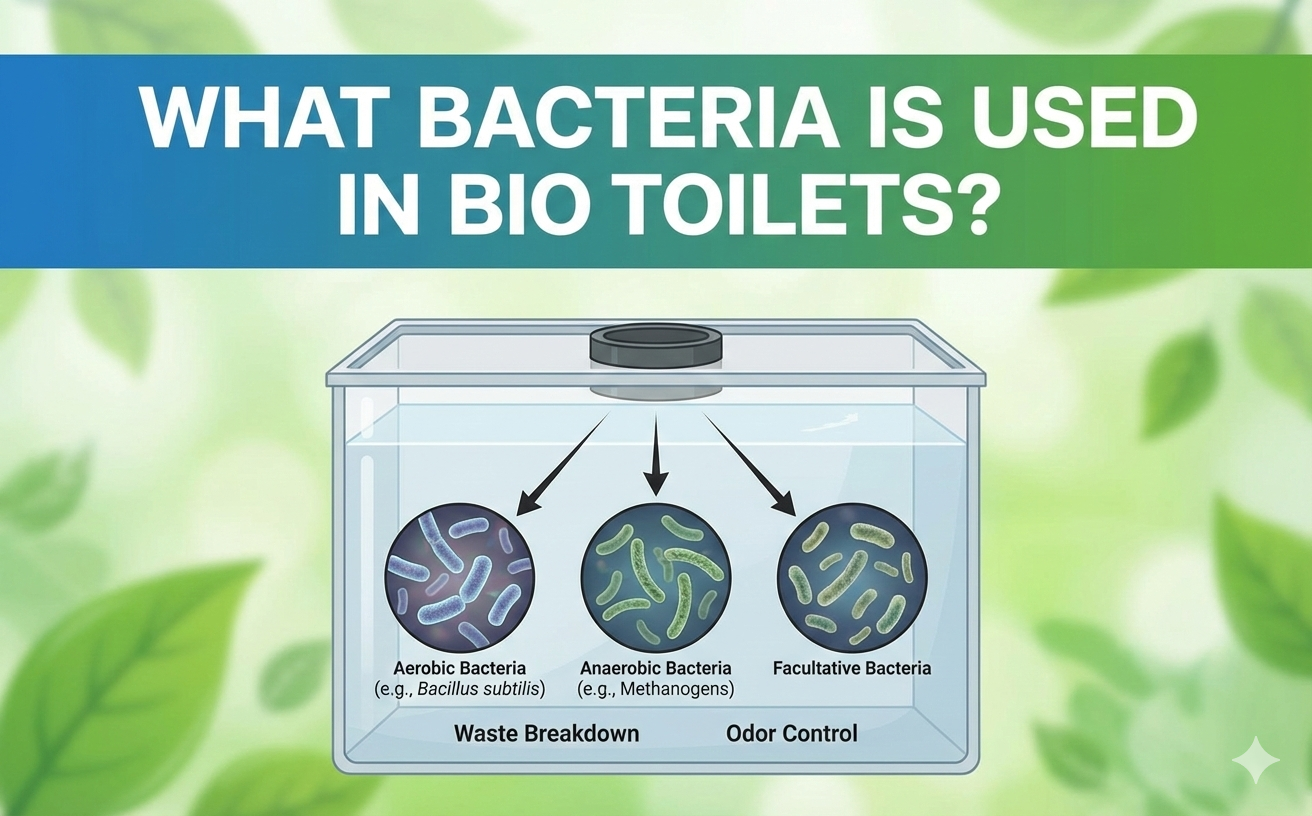
When we talk about “biodigester chemicals,” we are generally referring to the specialized biological agents—the enzymes or bacteria—and not harsh, corrosive chemicals like bleach or strong acids.
In fact, introducing traditional harsh household chemicals into a biodigester is highly discouraged, as these substances would kill the beneficial bacterial colony responsible for the digestion process, effectively turning your efficient system back into a temporary holding septic tank.
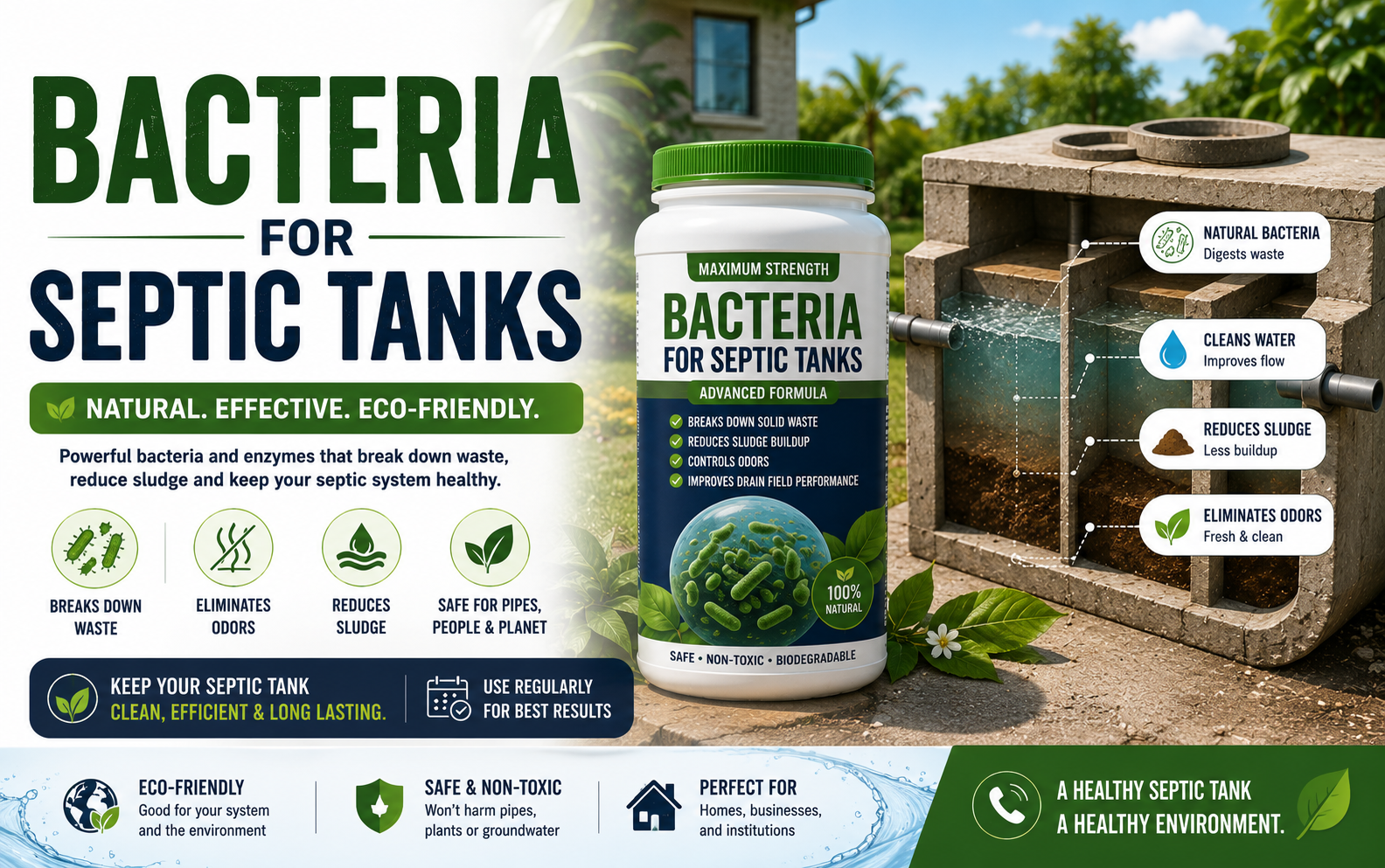
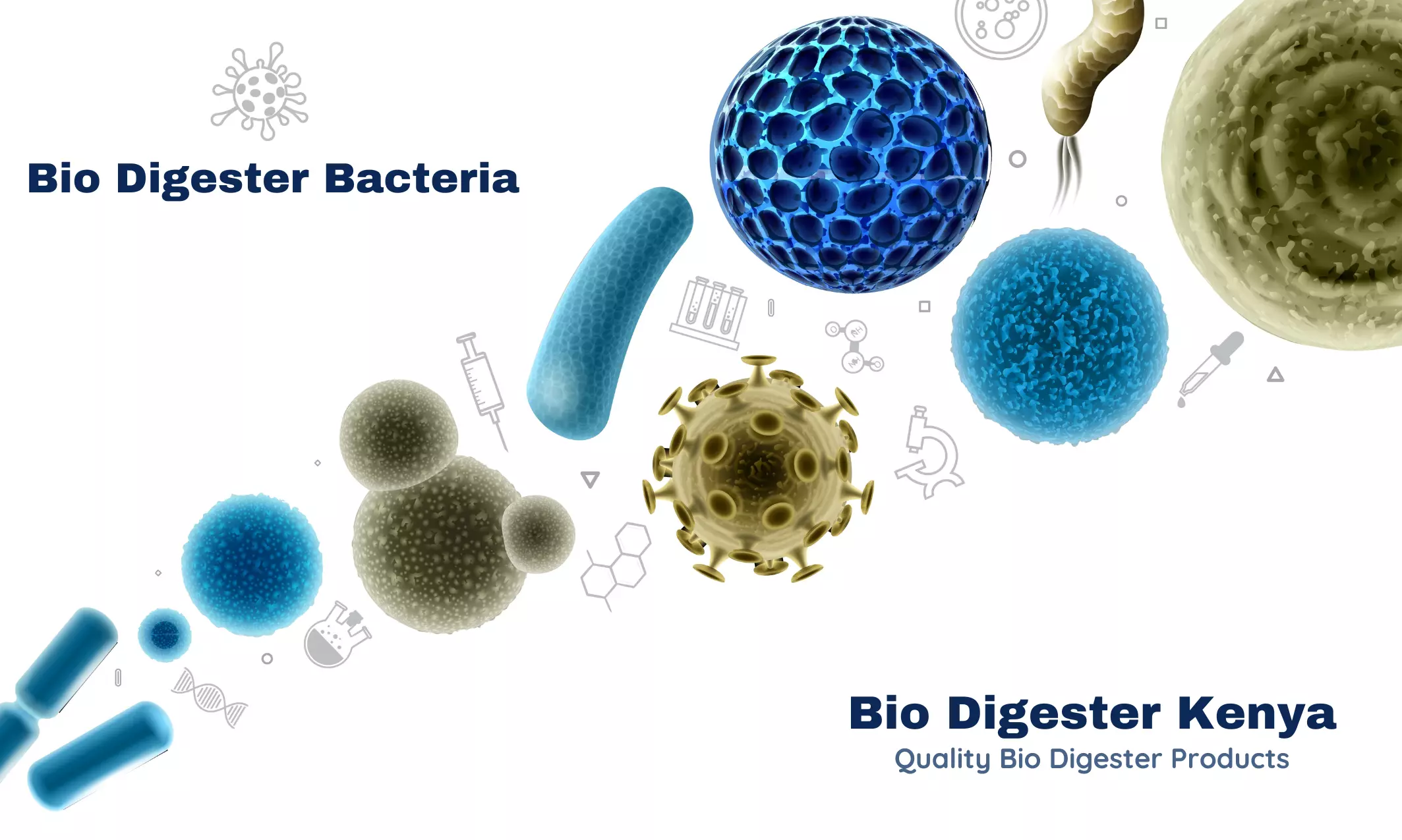
The crucial component is the starter and maintenance dose of high-quality microbial culture, often branded as Bio Digester Bacteria, which jumpstarts and sustains the digestion process indefinitely.
These biological agents are naturally occurring, safe, and specifically selected to aggressively break down organic material, minimizing odor and maximizing volume reduction.
It is important to understand the role of these specialized Bio Digester Bacteria: they are the engine of the entire system.
When a new system is commissioned or when the system experiences a shock (perhaps due to excessive use of strong detergents), these enzymes are added to replenish the population.
They are usually sold as dry powder or concentrated liquid cultures, tailored specifically for biodigester systems.
For property owners and developers concerned with long-term reliability, securing a steady supply of high-quality, locally formulated enzymes is paramount.
At Bio Digester Kenya, we not only design and install the physical structure but also provide the specialized enzymes necessary for optimal operation, ensuring our clients receive a product formulated for Kenyan waste characteristics and environmental conditions.
Biodigester vs Septic Tank: Cost, Efficiency & Environmental Impact
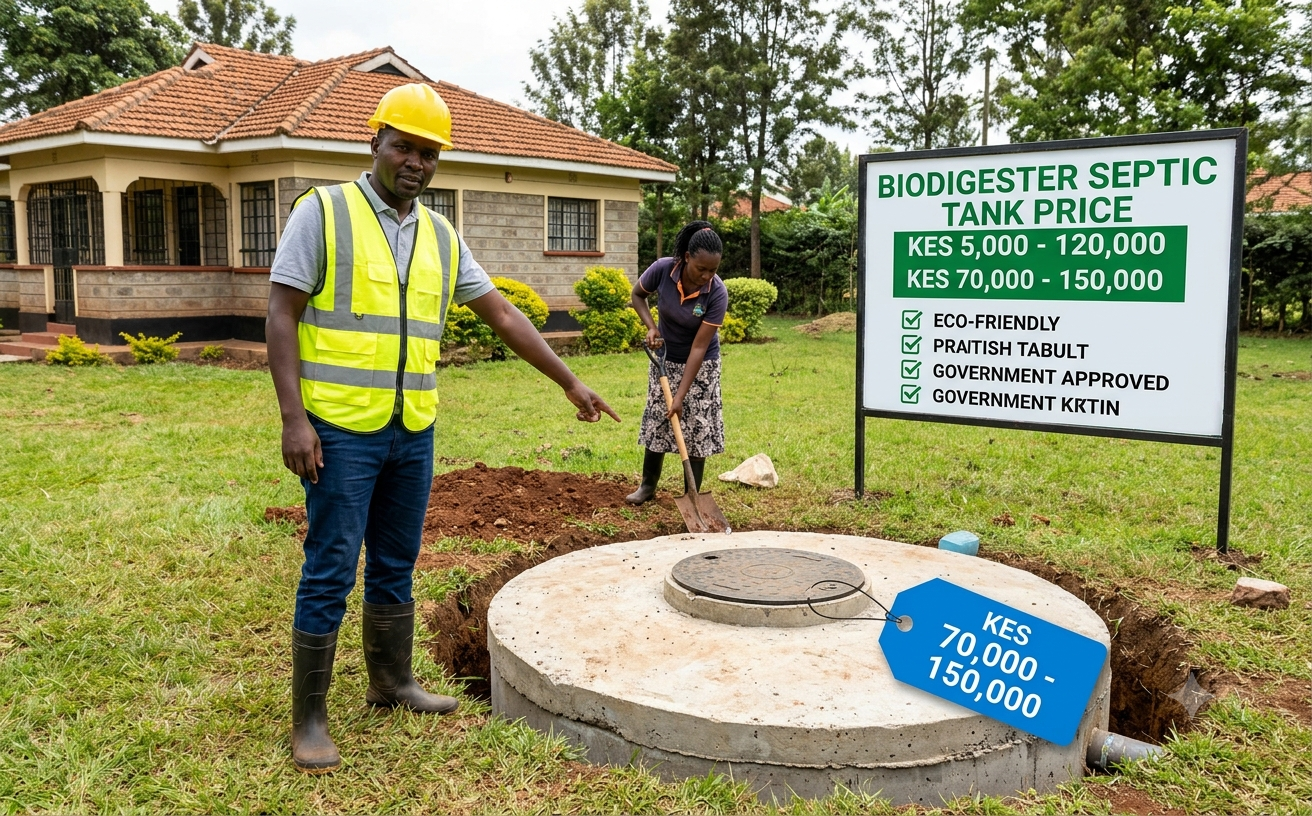
Choosing between a biodigester vs septic tank system is often initially viewed through the lens of upfront construction cost, but this perspective fails to capture the true long-term financial and environmental consequences.
While a traditional septic tank might appear slightly cheaper to construct initially—mostly because it is a simple concrete box—this saving is immediately negated by the perpetual, escalating cost of maintenance.
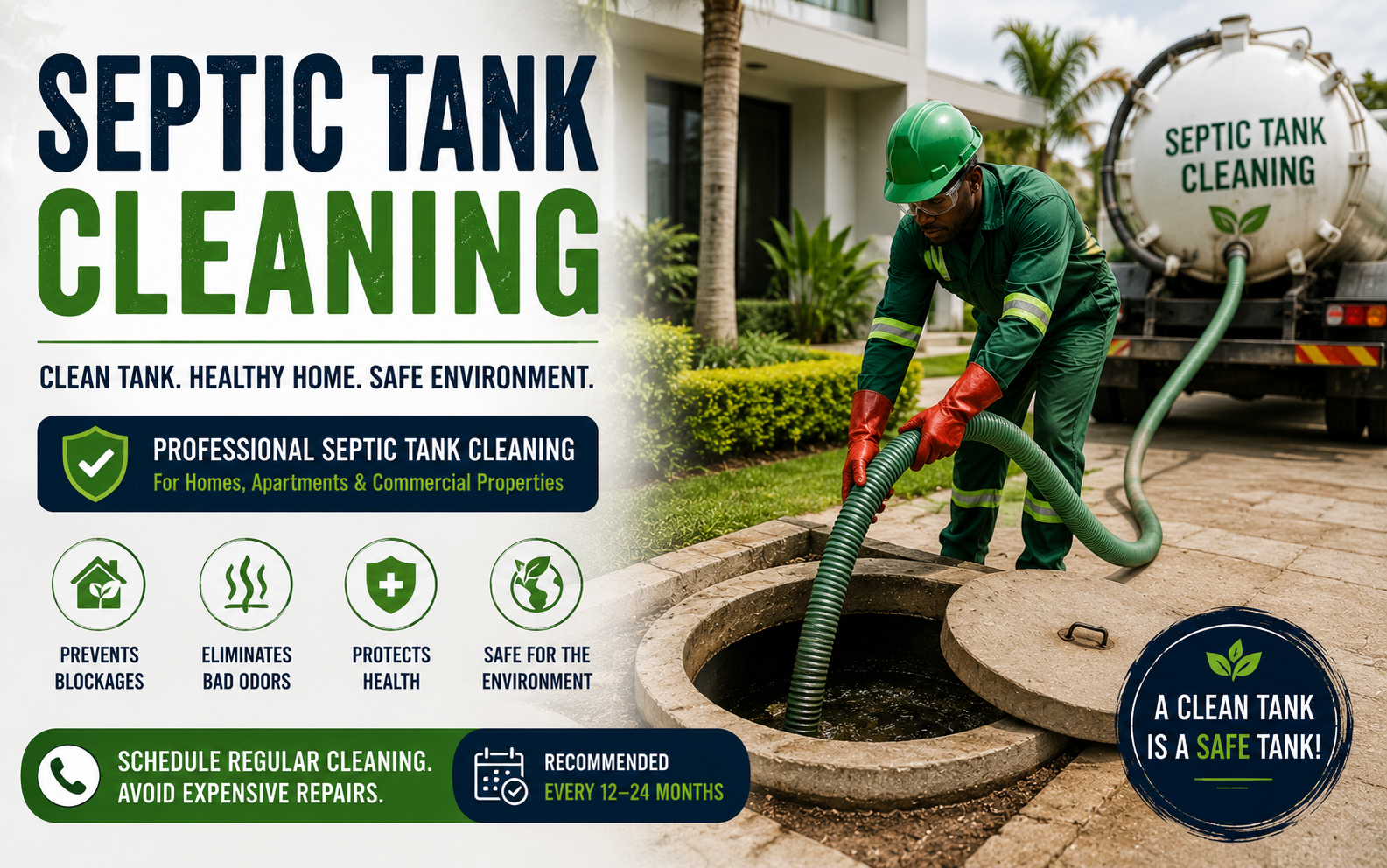
In Kenya, a septic tank necessitates emptying every 1 to 5 years, depending on household size and usage, a recurring expense that costs thousands and disrupts daily life.
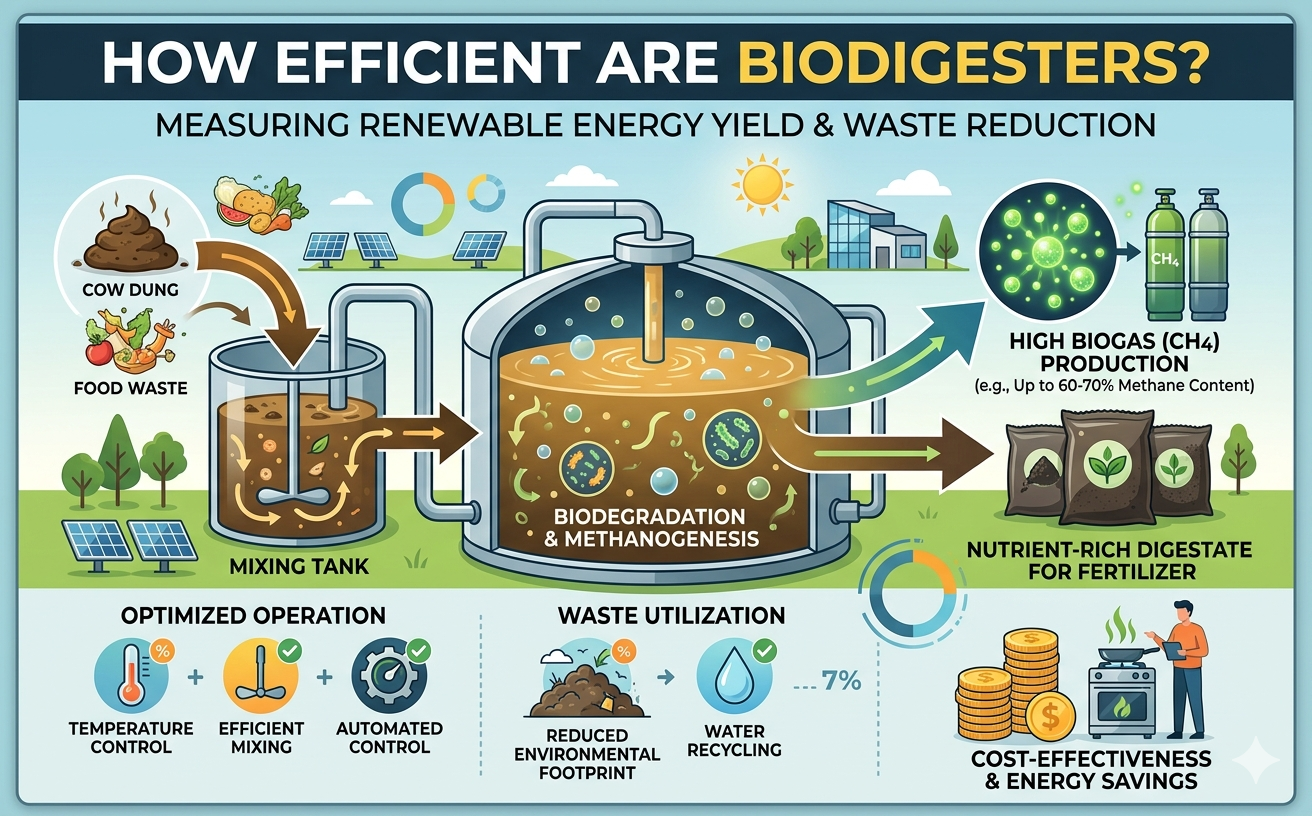
The modern biodigester, however, requires zero desludging for life, meaning the minor cost of enzyme maintenance is the only running expense, saving you hundreds of thousands of shillings over the lifespan of the property.
From an efficiency standpoint, the difference is night and day.
Septic tanks occupy massive space, requiring careful planning to ensure they are far enough from the structure and the boundary wall, which is a significant issue for high-density plots common in urban areas.
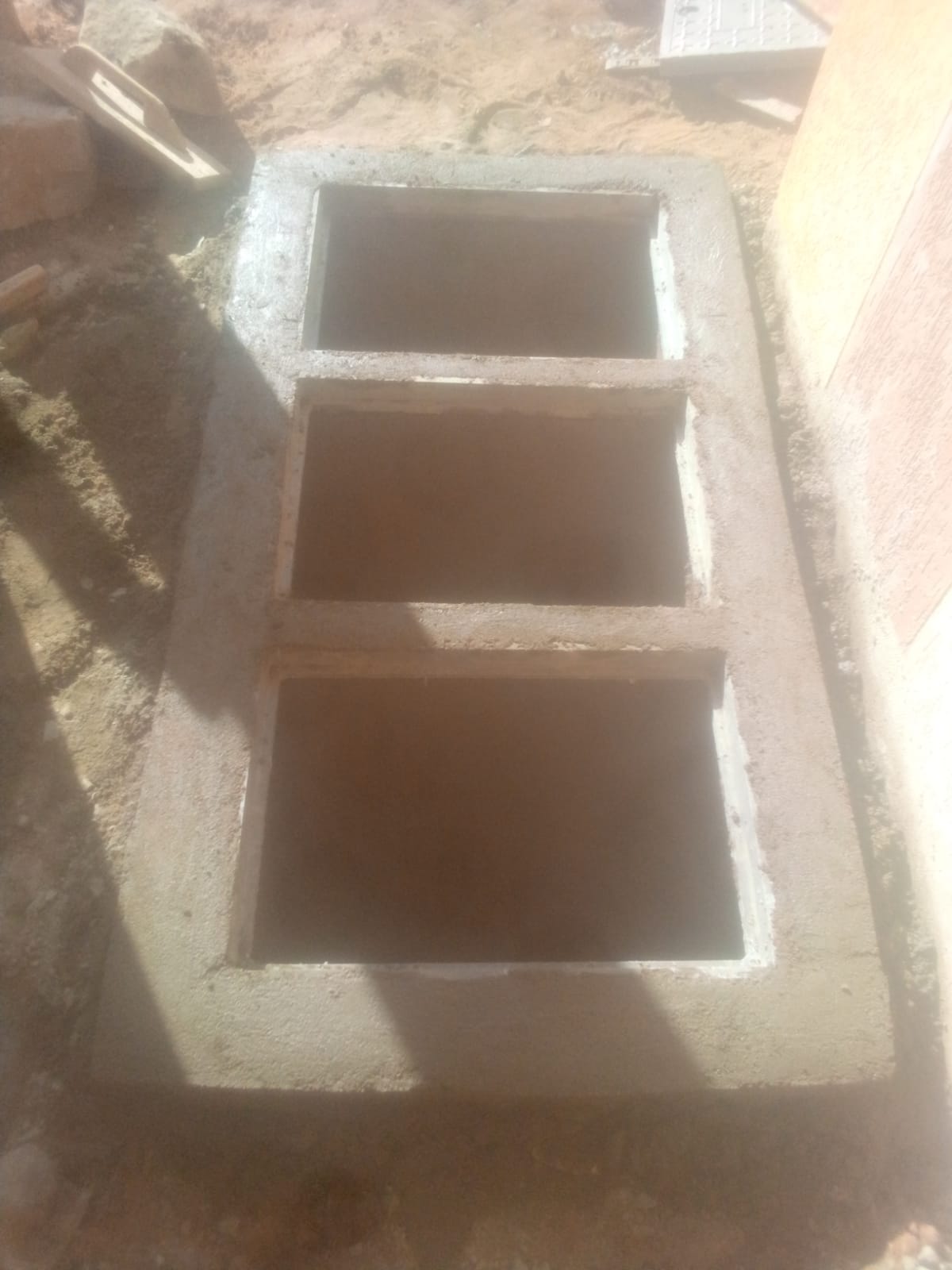
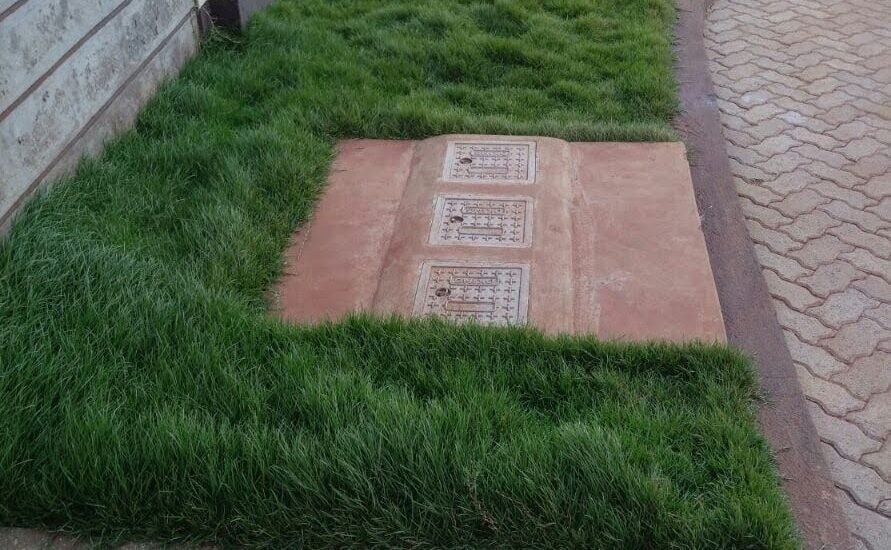
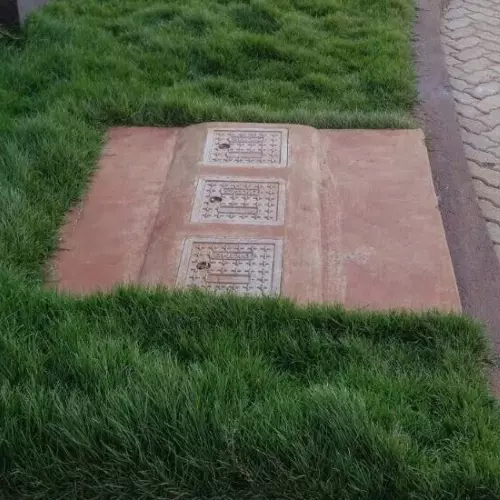
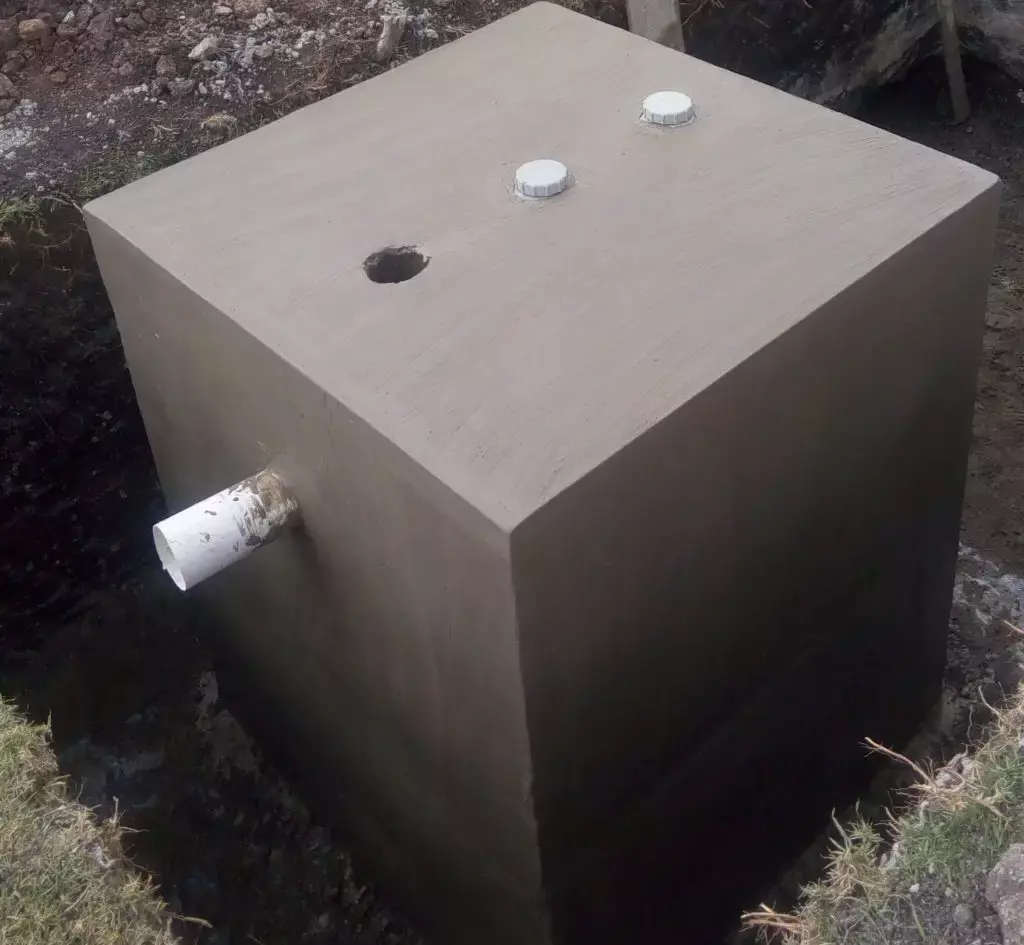
A modern Bio Septic Tank or biodigester is significantly more compact, often fitting comfortably under a driveway or a small garden patch without requiring a large manhole for exhauster access.
Environmentally, the biodigester is the responsible choice for Kenya’s future.
Traditional tanks leach poorly treated effluent into the ground, jeopardizing boreholes and natural water sources, whereas the biodigester only returns clean, biologically treated water, protecting the precious local water table—a commitment we take seriously when planning every Bio Digester Installation we undertake.
The Permanent Solution: Why Zero Desludging is Key for Kenyans
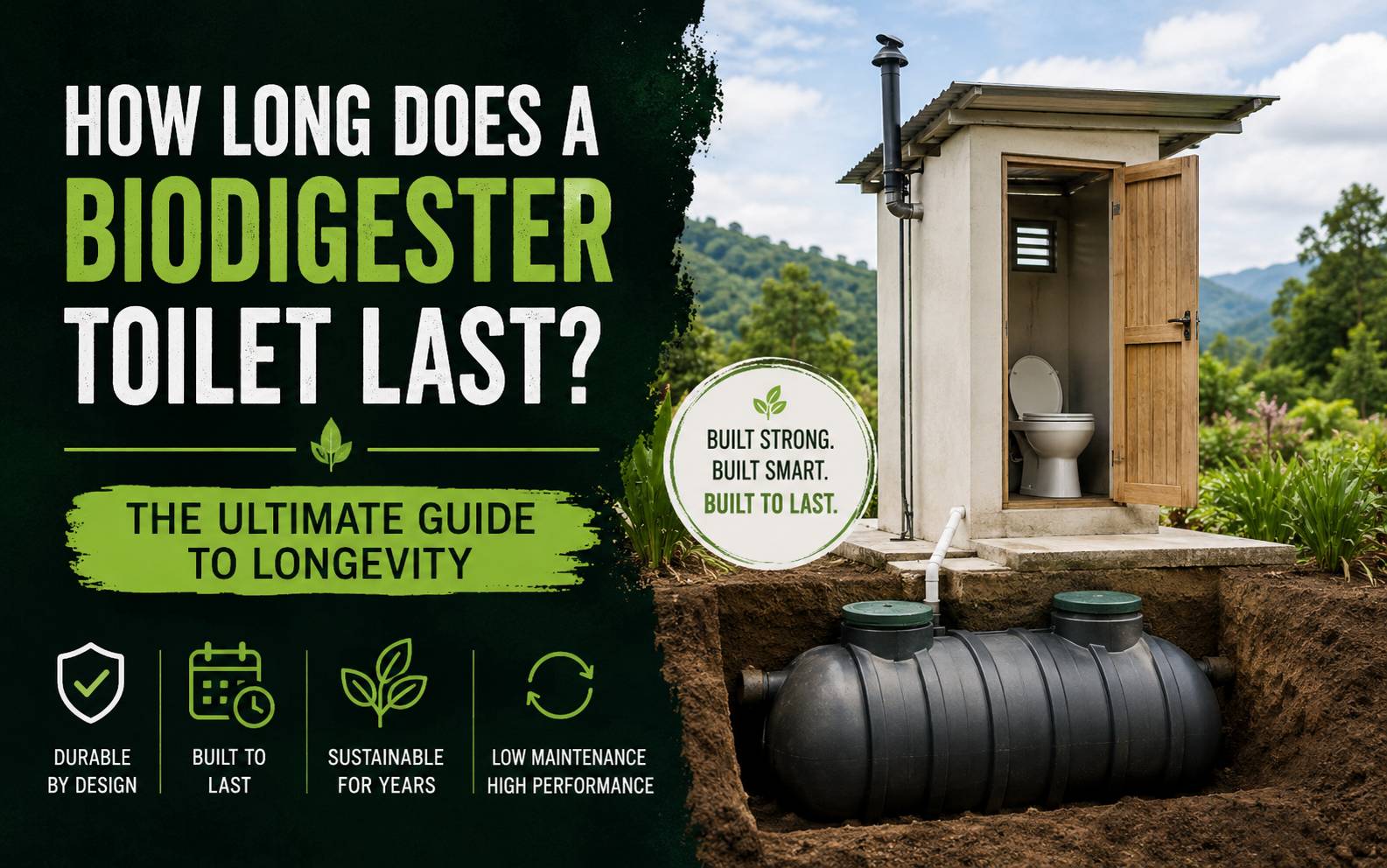
The core proposition of the biodigester, particularly relevant in the context of Kenyan infrastructure, is its permanence.
Think about the logistical nightmare of a full septic tank: calling the exhauster, negotiating the price, worrying about the truck fitting down narrow access roads, and dealing with the unpleasant smell and inconvenience of the process.
This inconvenience vanishes completely with a quality biodigester system.
By continuously digesting solids into liquid and gas, the system is designed to run forever, needing only the biological boost provided by enzymes to keep the process optimal.
This means less stress for the homeowner, guaranteed hygiene, and no unforeseen budget shocks from necessary maintenance—a massive advantage over the inherently temporary nature of a conventional holding tank system.
Current Prices of Biodigester Chemicals & Enzymes in Kenya
Now that we have established why enzyme maintenance is infinitely preferable to frequent desludging, let’s talk about the specific financial commitment.
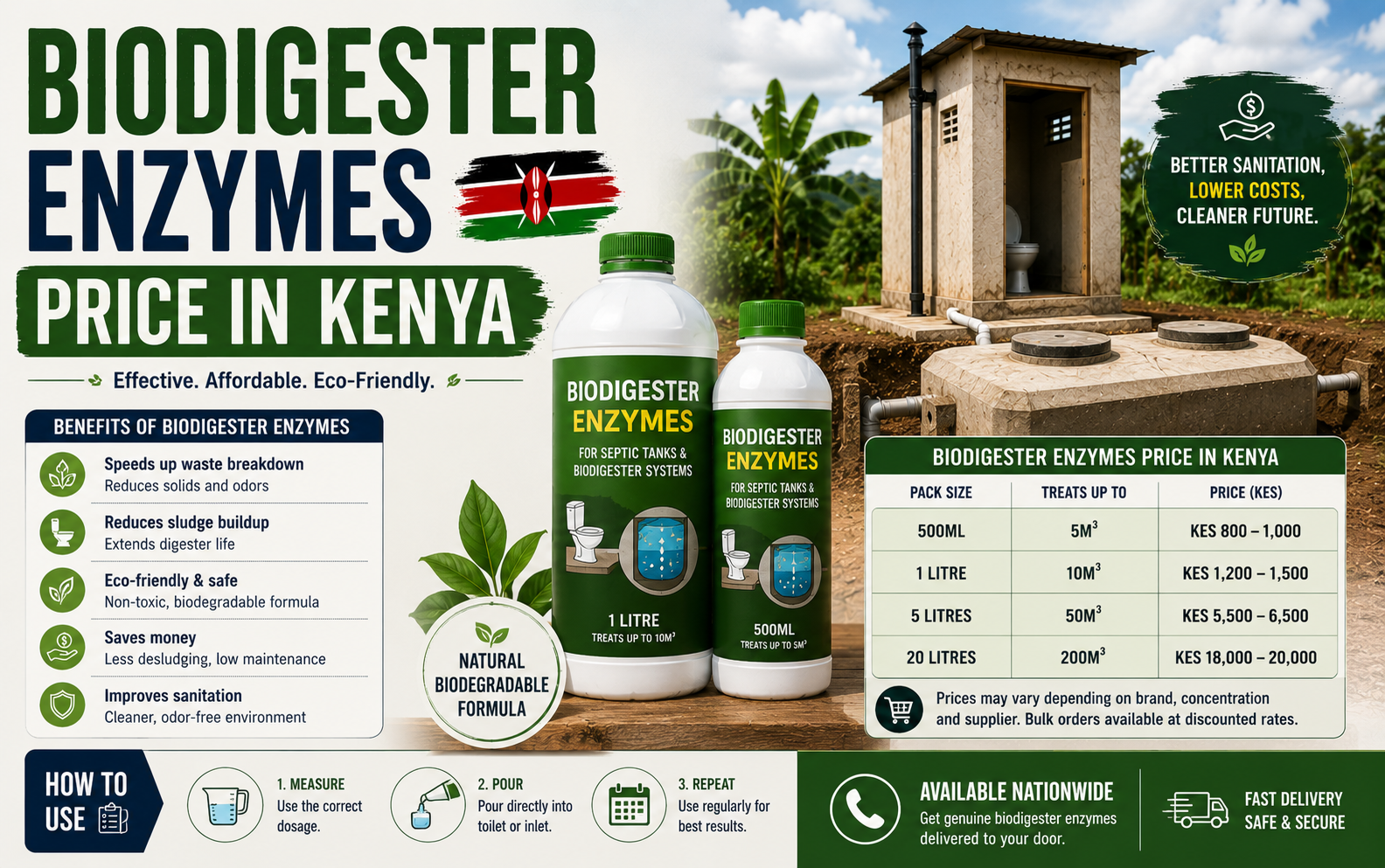
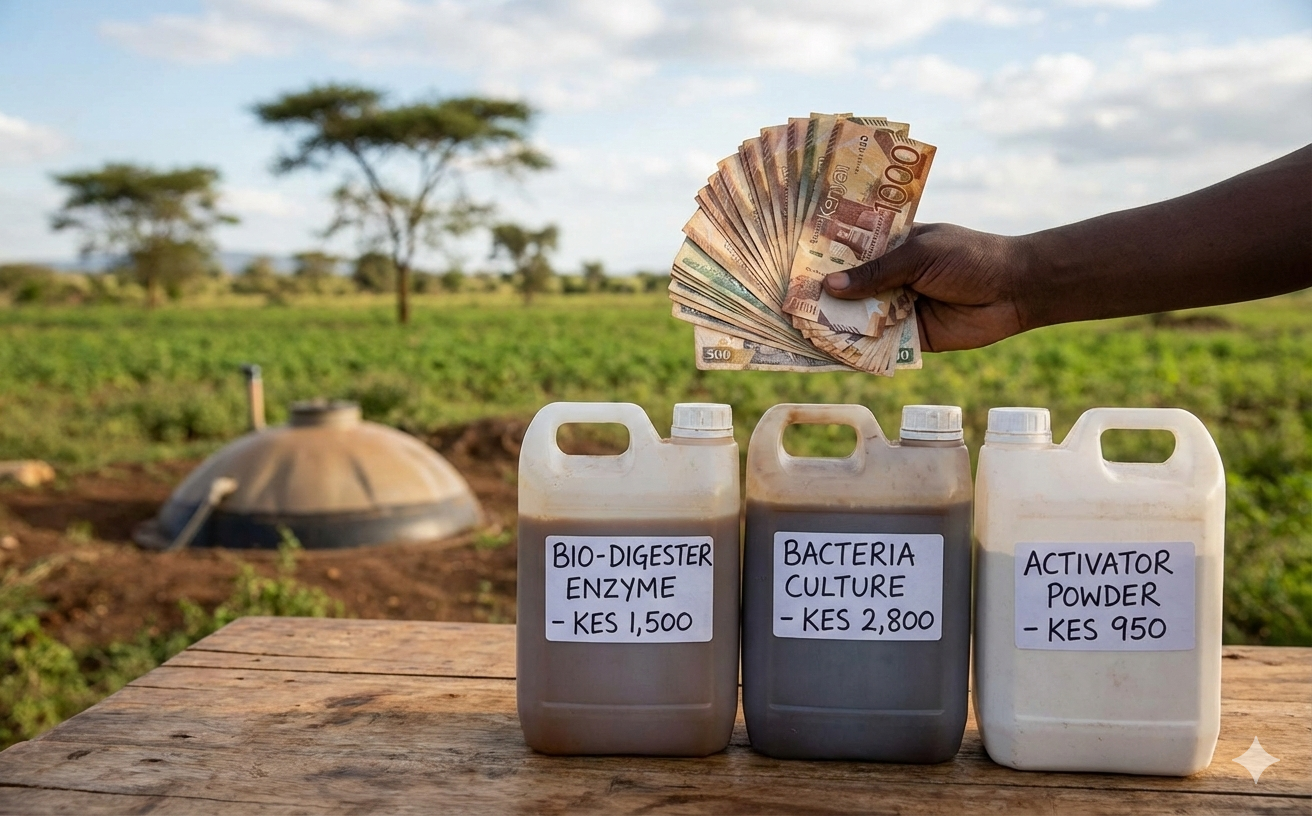
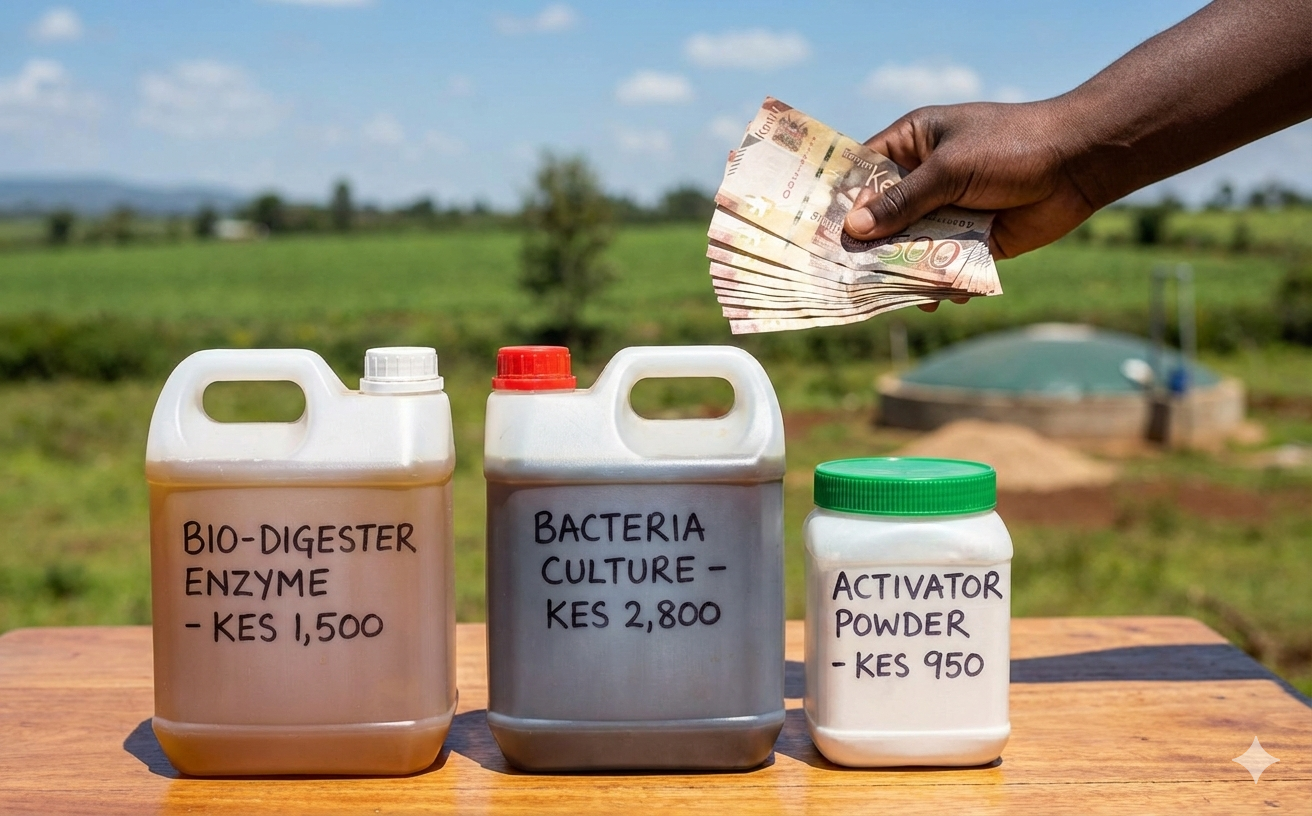
The current prices of high-quality Biodigester enzymes and bacteria in Kenya generally vary based on the packaging size, concentration, and supplier quality, but they remain highly affordable compared to the cost of a single exhauster trip.
For standard residential use (a single family unit), a maintenance dose usually ranges from 200g to 400g, designed to be applied once every 3 to 6 months, depending on usage.
You can expect high-quality local products, like those offered by Bio Digester Kenya, to fall within a price range of approximately Ksh 800 to Ksh 2,500 per maintenance pack.
Larger commercial properties, such as apartment blocks, schools, or hotels, will require higher volumes of enzymes for effective maintenance.
These doses often come in kilogram packs or 5-liter liquid concentrates.
For instance, you might find a 5KG pack of specialized Bio Digester Bacteria – 5L concentrate priced between Ksh 8,000 and Ksh 15,000, which might last a large facility for half a year or more.
The most crucial factor when purchasing these chemicals is not just the sticker price, but the quality and concentration of the microbes.
A cheaper product that requires monthly application is often more expensive in the long run than a slightly pricier, highly potent enzyme blend that only requires quarterly dosing, ensuring optimal performance from your system.
Key Factors That Influence Biodigester Chemical Pricing
Several variables impact the final price a Kenyan consumer pays for biodigester enzymes, and being an informed buyer means looking beyond the initial cost per packet.
Firstly, the Source and Formulation are critical; locally manufactured or formulated enzymes often benefit from shorter supply chains, which helps reduce costs, but imported, highly concentrated microbial blends might carry a premium due to guaranteed purity and specific bacterial strains optimized for breaking down difficult kitchen or industrial waste.
Secondly, the Packaging Size and Format matters significantly; a small 250g jar of Bio Digester Bacteria – 200g powder designed for a residential home will have a high unit cost compared to bulk purchases made by property management companies or developers.
Thirdly, the Supplier Reliability and Technical Support plays a role.
When you purchase enzymes from an established provider like Bio Digester Kenya, you are often paying for technical expertise and assurance that the product is suited for the system they installed, complete with guidance on correct dosing and trouble-shooting advice, which is invaluable if you encounter any operational issues like slow drainage or temporary odors.
Lastly, the Demand and Economic Factors common in Kenya, such as fluctuating fuel prices affecting transport and the imposition of various duties on raw materials, will inevitably influence retail prices.
Always look for transparent pricing and clear instructions regarding the exact frequency and quantity required for your specific type and size of biodigester to accurately compare running costs.
Why Choose Bio Digester Kenya for Design, Installation & Enzyme Supply
Choosing the right partner for your sanitation solution is arguably the most important decision you can make when investing in a property, and in Kenya, that partner needs to possess deep local expertise—not just theoretical knowledge.
At Bio Digester Kenya, we specialize exclusively in the design, installation, and maintenance of superior biodigester systems across the residential, commercial, and institutional sectors.
We don’t just sell tanks; we provide a complete, engineered solution guaranteed to meet or exceed local NEMA environmental standards.
Our systems are optimized for the challenging soil conditions common across many parts of Kenya, including the high clay content often found around Nairobi and Thika, ensuring that the critical drainage element works efficiently for decades.
Furthermore, because we are the experts who design and install systems from the ground up, we have an integrated approach to long-term maintenance.
We stock and supply our own line of high-quality, proven microbial agents perfectly calibrated for the systems we build, ensuring maximum longevity and effectiveness.
We take the confusion out of the maintenance cycle, providing our clients with a simple, scheduled dosing plan for our Bio Septic Tank solutions.
If you are tired of the uncertainty and mounting costs associated with old-fashioned septic systems and are ready for a reliable, hygienic, and environmentally responsible wastewater solution, we encourage you to request a site assessment.
Don’t wait until your current septic tank fails or starts causing environmental issues—take the proactive step towards modern sanitation today by calling us for a consultation.
You can reach our expert team directly at Call +254 712 660 245 to discuss your project needs.
Buying Guide, Maintenance Tips & Frequently Asked Questions
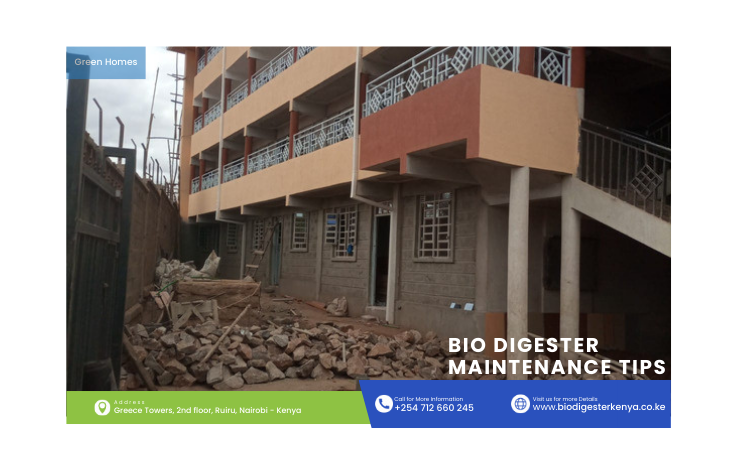
A properly installed biodigester is remarkably robust, but its long-term success relies heavily on adhering to a few simple maintenance protocols, primarily centered around enzyme management and responsible household chemical use.
Firstly, always purchase your enzymes from a reliable supplier who can vouch for their efficacy and concentration.
Be wary of generic products marketed vaguely; insist on high-grade Bio Digester Septic Tank bacteria formulated for anaerobic digestion.
Secondly, minimize the use of antibacterial agents, strong bleach, and corrosive drain cleaners in your home, as these are the biggest threats to the beneficial bacteria colony.
If you must use bleach, ensure it is diluted and used sparingly, ideally minimizing the amount that enters the wastewater system.
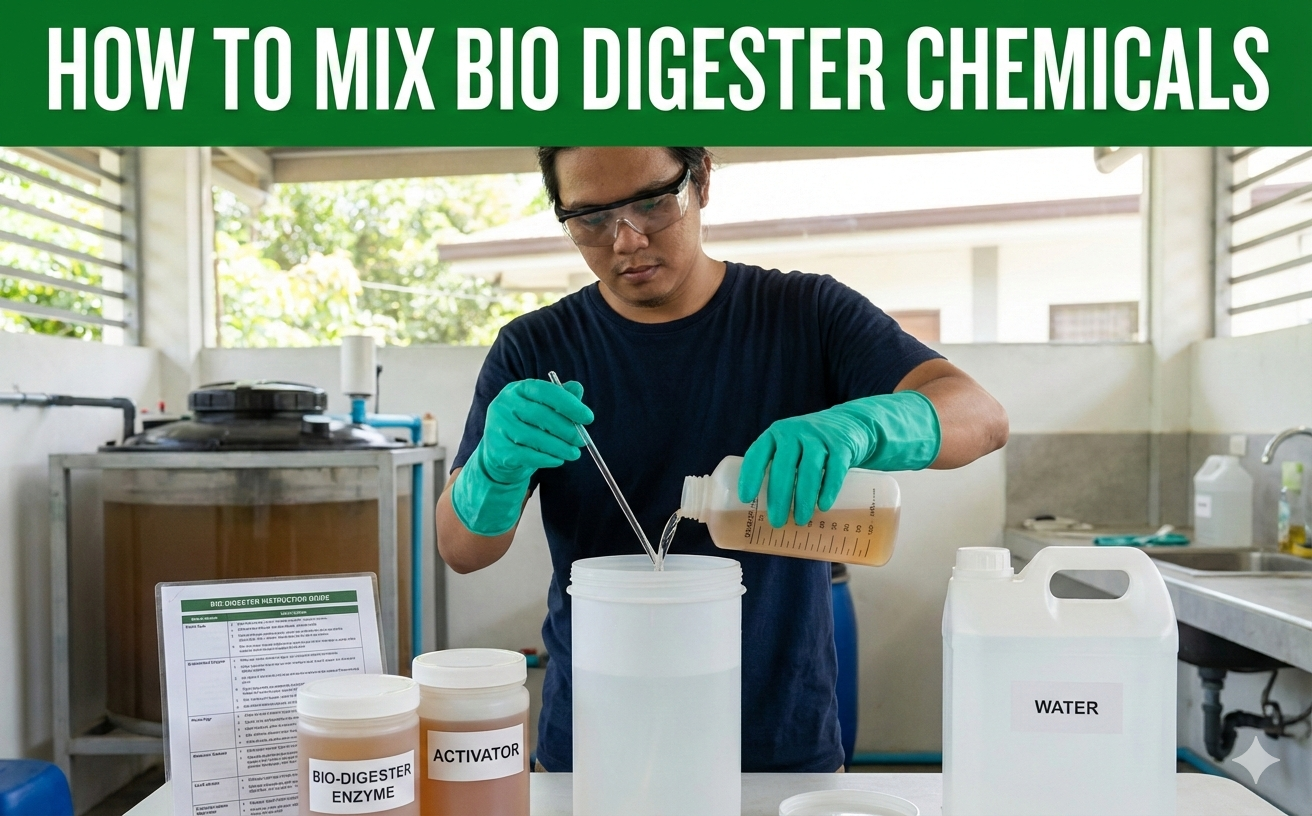
For dosing, follow the instructions precisely.
For a standard residential biodigester, a maintenance dose every three to six months is usually sufficient, but properties with high greywater volumes (e.g., restaurants or large laundries) might require more frequent application of Grease Trap & Kitchen Drain Bacteria – 250g or similar specialized products to manage fats and oils.
If you notice any signs of slow drainage or persistent odors, it is an immediate signal that your bacterial culture needs replenishment—or that you need to contact a professional for a check-up.
We at Bio Digester Kenya always advise our clients to keep a maintenance pack on hand and stick to a fixed schedule.
For any technical questions regarding your specific system design or enzyme requirements, do not hesitate to Email info@biodigesterkenya.co.ke or visit our main site to explore our range of services.
Conclusion
The choice between a traditional septic system and a modern Biodigester is clear: the biodigester offers unmatched longevity, superior hygiene, massive long-term cost savings by eliminating desludging, and is the responsible environmental choice for every development in Kenya.
While there is a small, recurring cost associated with purchasing high-quality enzymes—the price of the biodigester chemical—this expense is negligible compared to the thousands you will save on exhauster services and the priceless peace of mind you gain from a permanent, odor-free sanitation solution.
Bio Digester Kenya remains committed to providing these essential services, from expert design and seamless installation to the reliable supply of the necessary Bio Digester Kenya Landing page bacteria, ensuring your investment serves you reliably for generations.
Make the intelligent switch today and secure the future of your property’s sanitation.
Frequently Asked Questions (FAQs)
- Is a biodigester more expensive than a traditional septic tank installation in Kenya?
The upfront installation cost of a biodigester system is often comparable to or slightly higher than a septic tank, but its long-term cost is dramatically lower due to zero desludging fees and minimal maintenance. - How often do I need to add biodigester chemicals or enzymes?
For typical residential use, high-quality enzymes should be added every three to six months to maintain optimal bacterial concentration and ensure continuous waste digestion. - Can I use a biodigester in areas with black cotton or heavy clay soil in Kenya?
Yes, biodigesters are highly suitable; the system focuses on breaking down solids into clean water, and the drainage element is customized and engineered to handle challenging soil conditions effectively. - What happens to the water released by the biodigester?
The waste is biologically treated by the bacteria into clear, odorless, and harmless water, which is safely absorbed back into the ground via a dedicated soak pit. - Are the biodigester enzymes safe for children and pets?
Yes, the biological agents used are specialized, non-pathogenic bacteria and enzymes that are entirely natural, safe, and designed only to break down organic waste material.