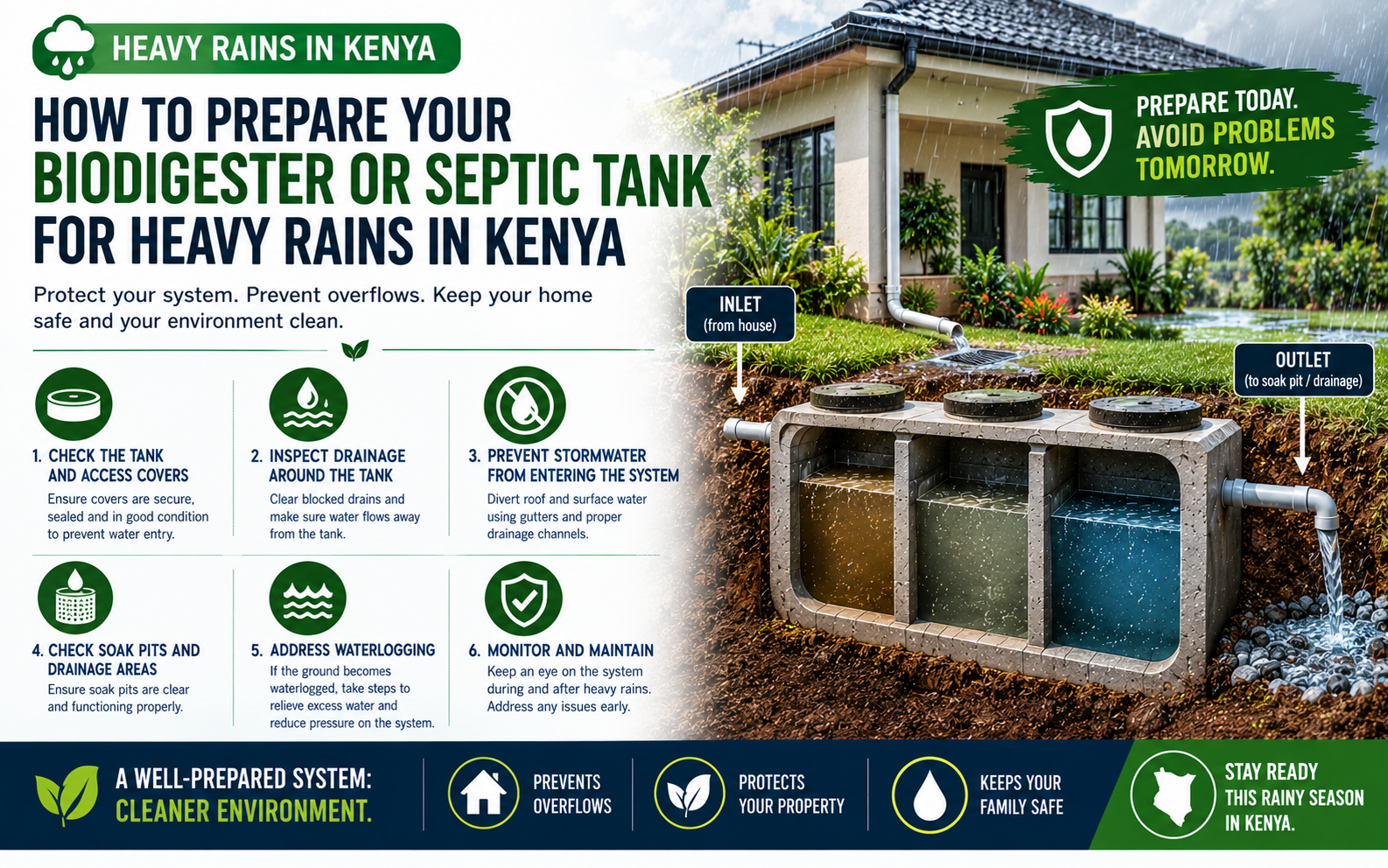
Heavy rains can put unexpected pressure on a home’s wastewater system.
When large amounts of rainwater fall within a short period, the ground can become saturated, drainage channels can overflow, and poorly protected septic tanks, biodigesters and soak pits can experience problems.
For homeowners in Kenya, preparing your wastewater system before the rains arrive can help prevent unpleasant smells, slow drainage, wastewater backing up into the house, overflowing inspection chambers and other costly problems.
It is important to understand that rain itself does not automatically make a properly designed and installed biodigester or septic system fail.
Problems often occur when stormwater is allowed to enter the wastewater system, when the surrounding ground becomes heavily waterlogged, or when drainage and effluent disposal systems are already inadequate.
Whether your home uses a concrete biodigester or a septic tank, there are several practical checks you can make before the next period of heavy rainfall.
Why Does Heavy Rain Affect Septic Tanks and Biodigesters?
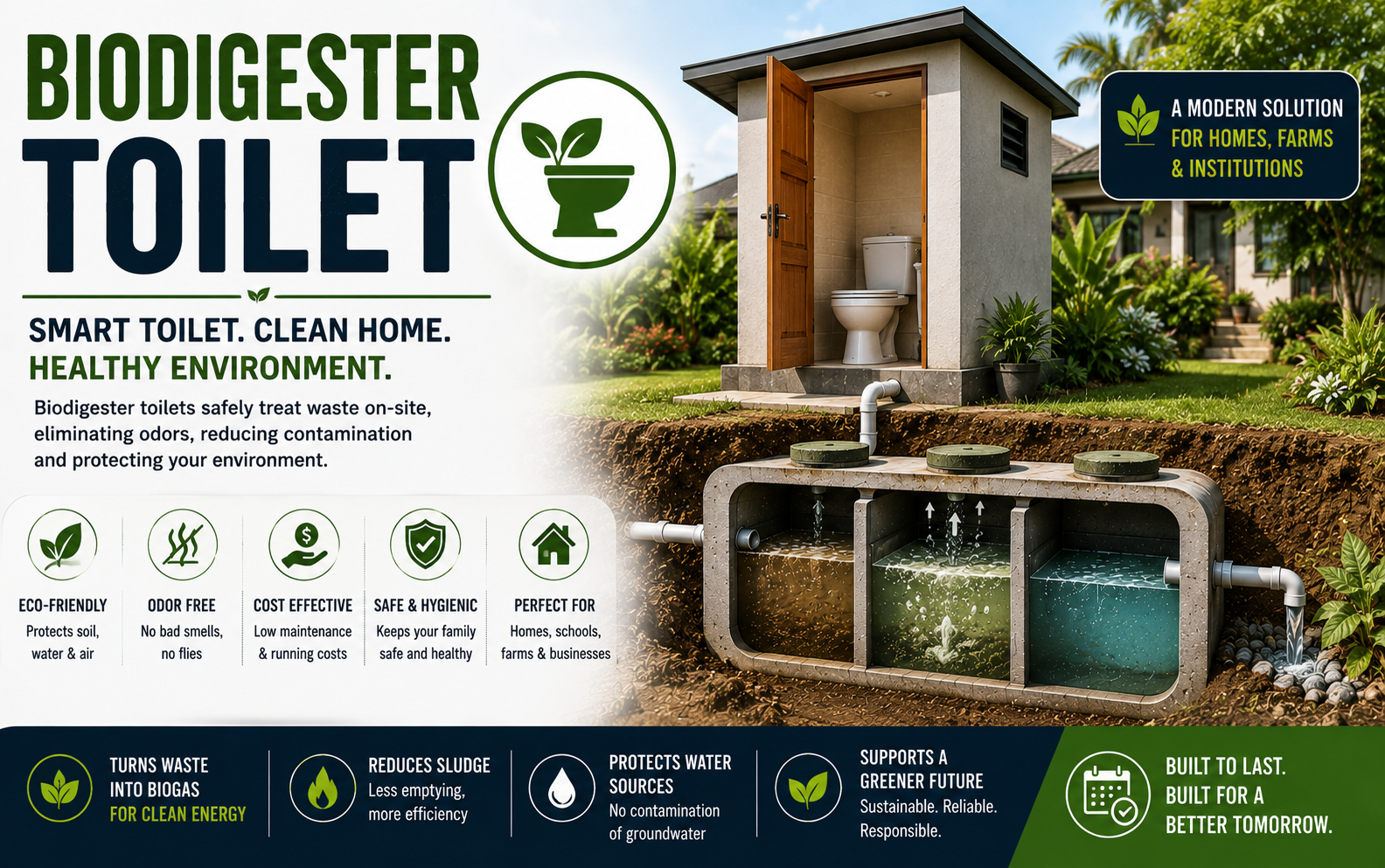
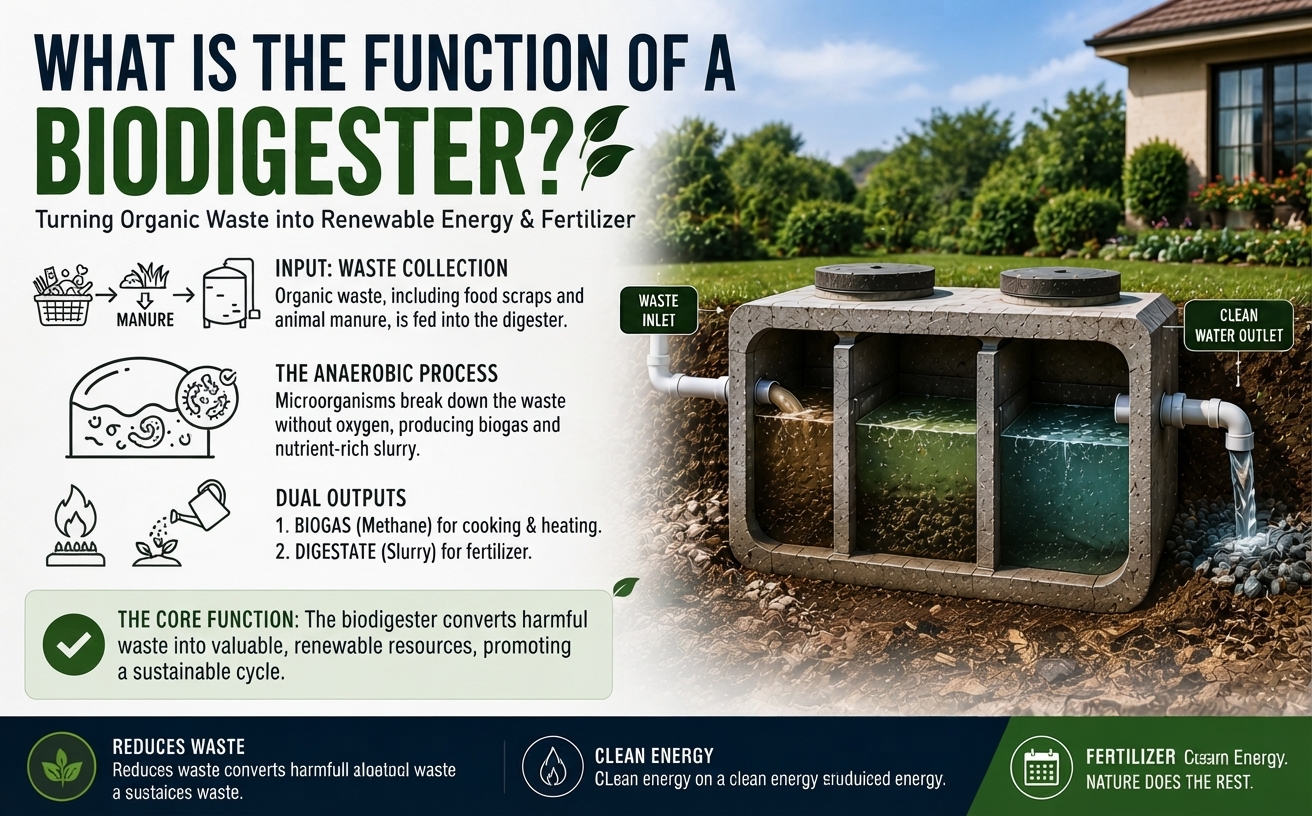
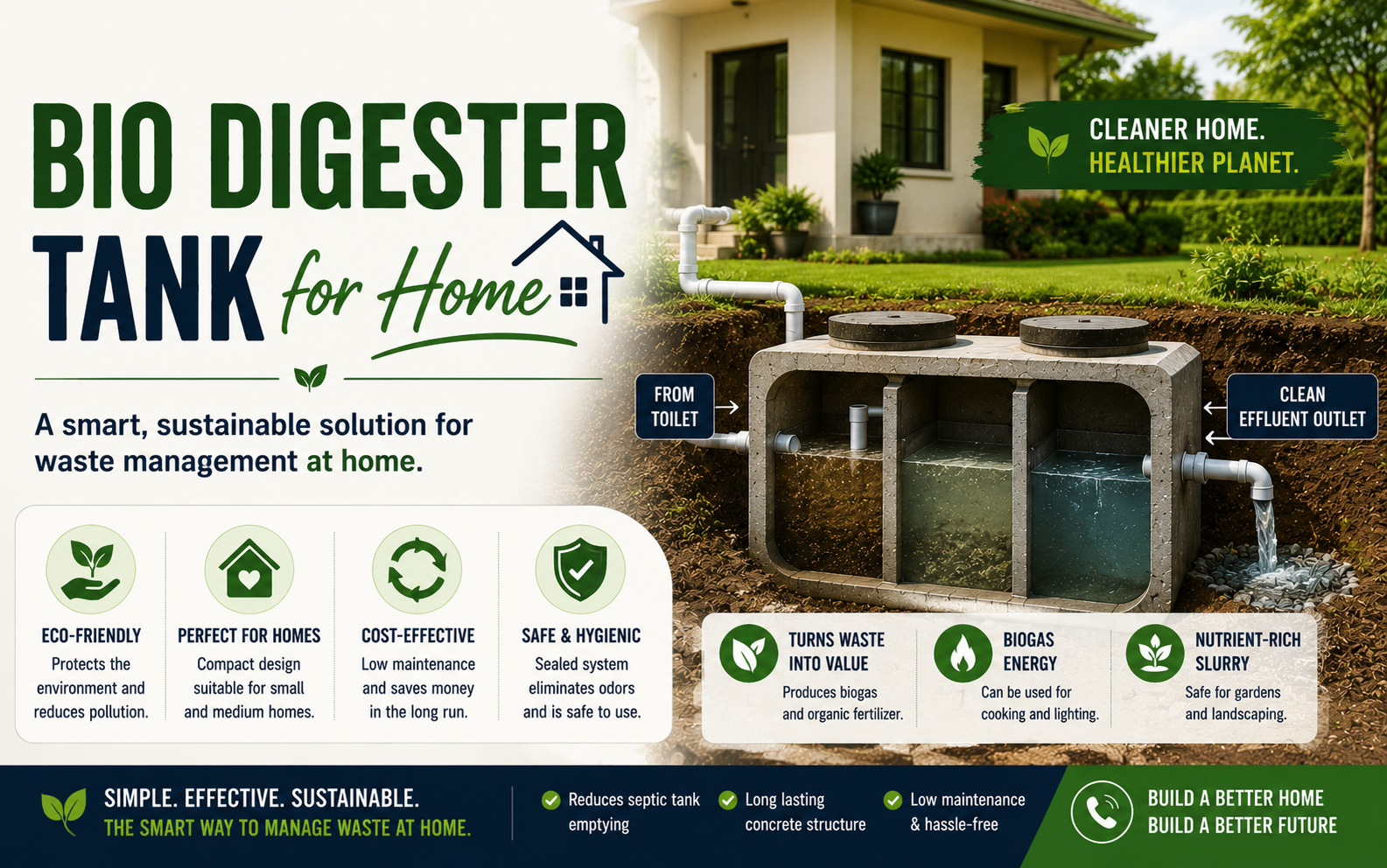
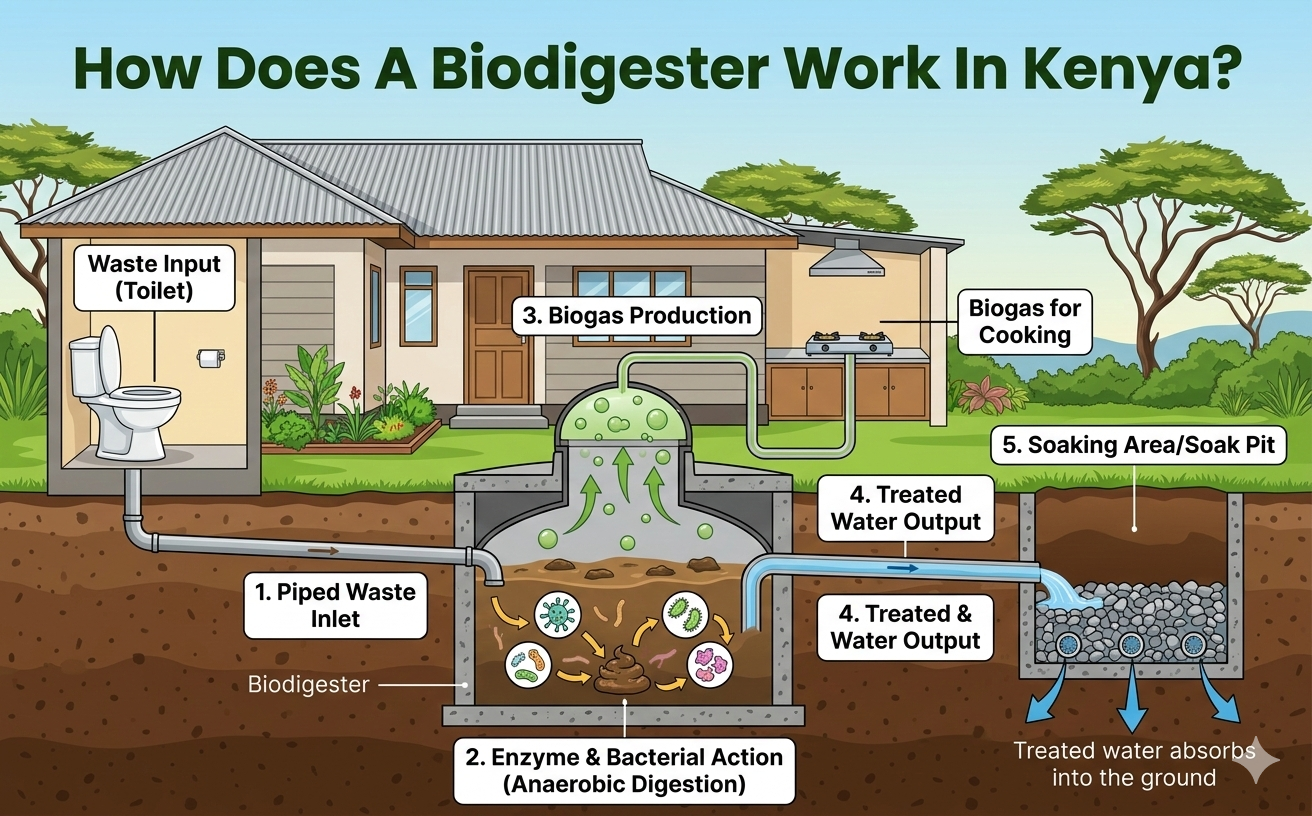
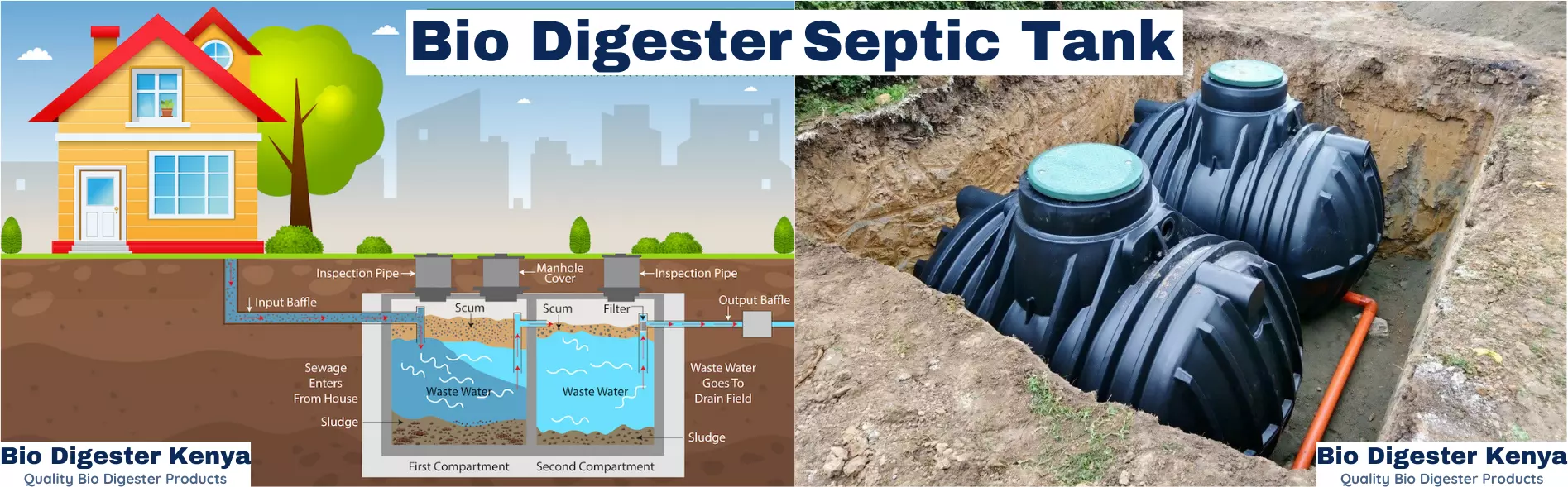
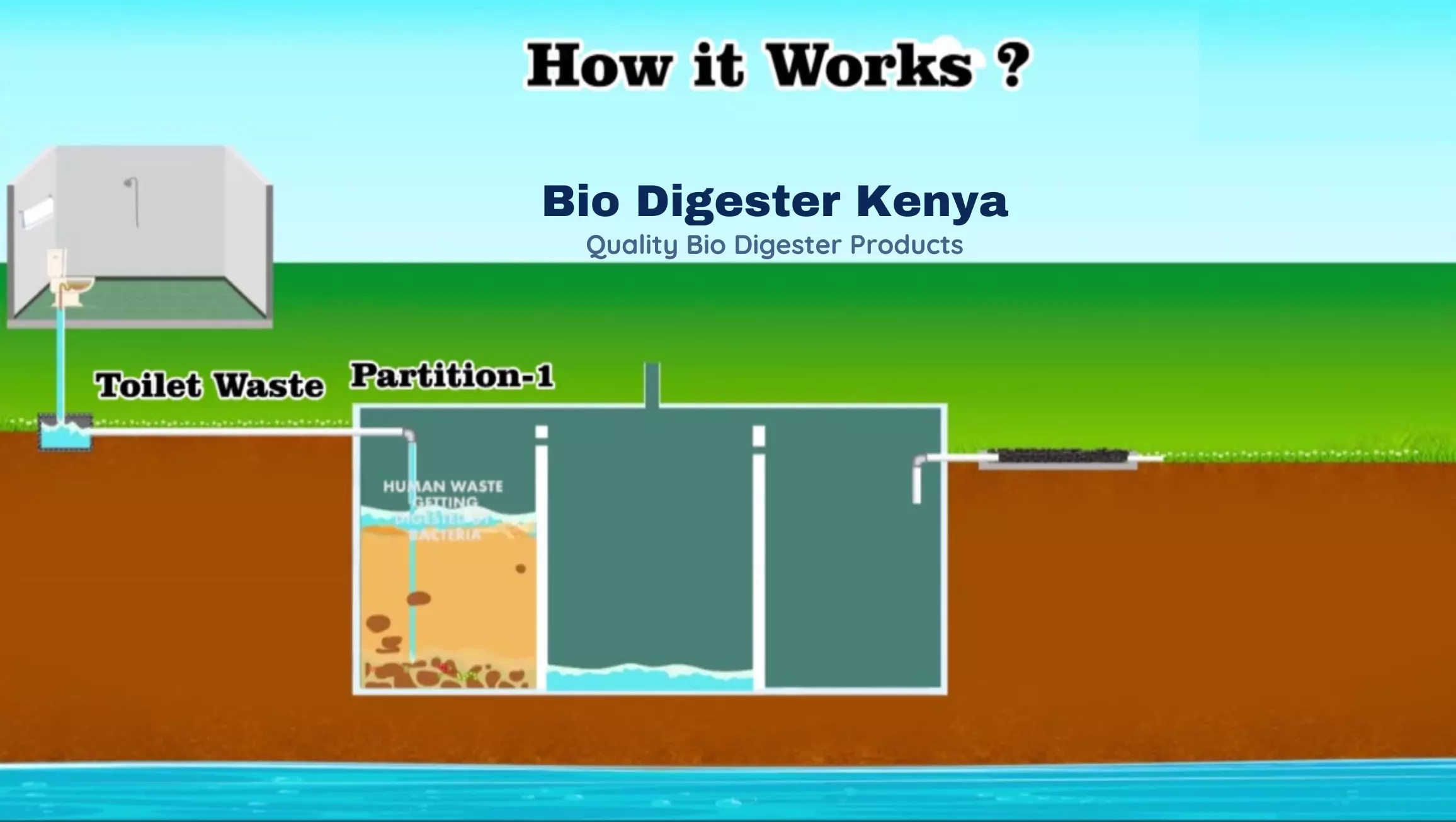
A septic tank or biodigester is designed to receive wastewater from the property and treat it as part of a wastewater management system.
The system needs to work together with the surrounding drainage and, depending on the design, an appropriate method of handling the treated effluent.
Heavy rainfall can interfere with this process in several ways.
The first is stormwater entering the wastewater system.
Rainwater from roofs, driveways, compounds and drainage channels should generally be managed separately from household wastewater.
If large volumes of rainwater find their way into a septic tank or biodigester through damaged covers, poorly sealed chambers, incorrect connections or surface runoff, the system can receive far more water than it was designed to handle.
The second problem is soil saturation.
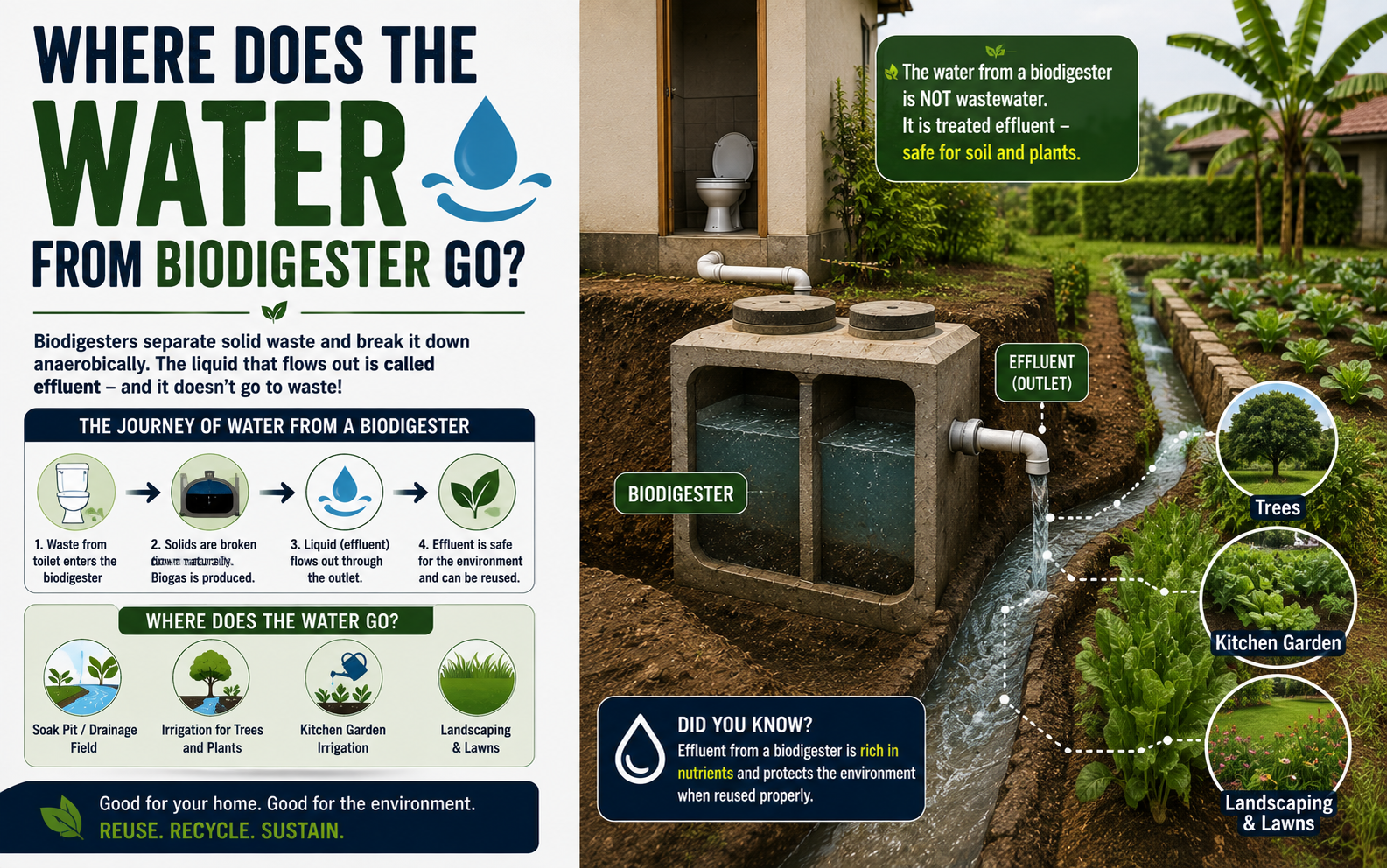
Many wastewater systems depend on the surrounding soil and drainage arrangements to receive or manage treated effluent.
During prolonged rainfall, the ground may become saturated with water. If there is nowhere for additional water to move, drainage can become slower and wastewater may start surfacing.
The third issue is surface flooding.
If the area around the tank, inspection chambers or effluent disposal area floods, the wastewater system can be affected even if the tank itself is structurally sound.
This is why preparing your system for heavy rain involves more than simply checking whether the tank is full.
1. Check the Biodigester or Septic Tank Access Covers
One of the simplest checks a homeowner can make is also one of the most important.
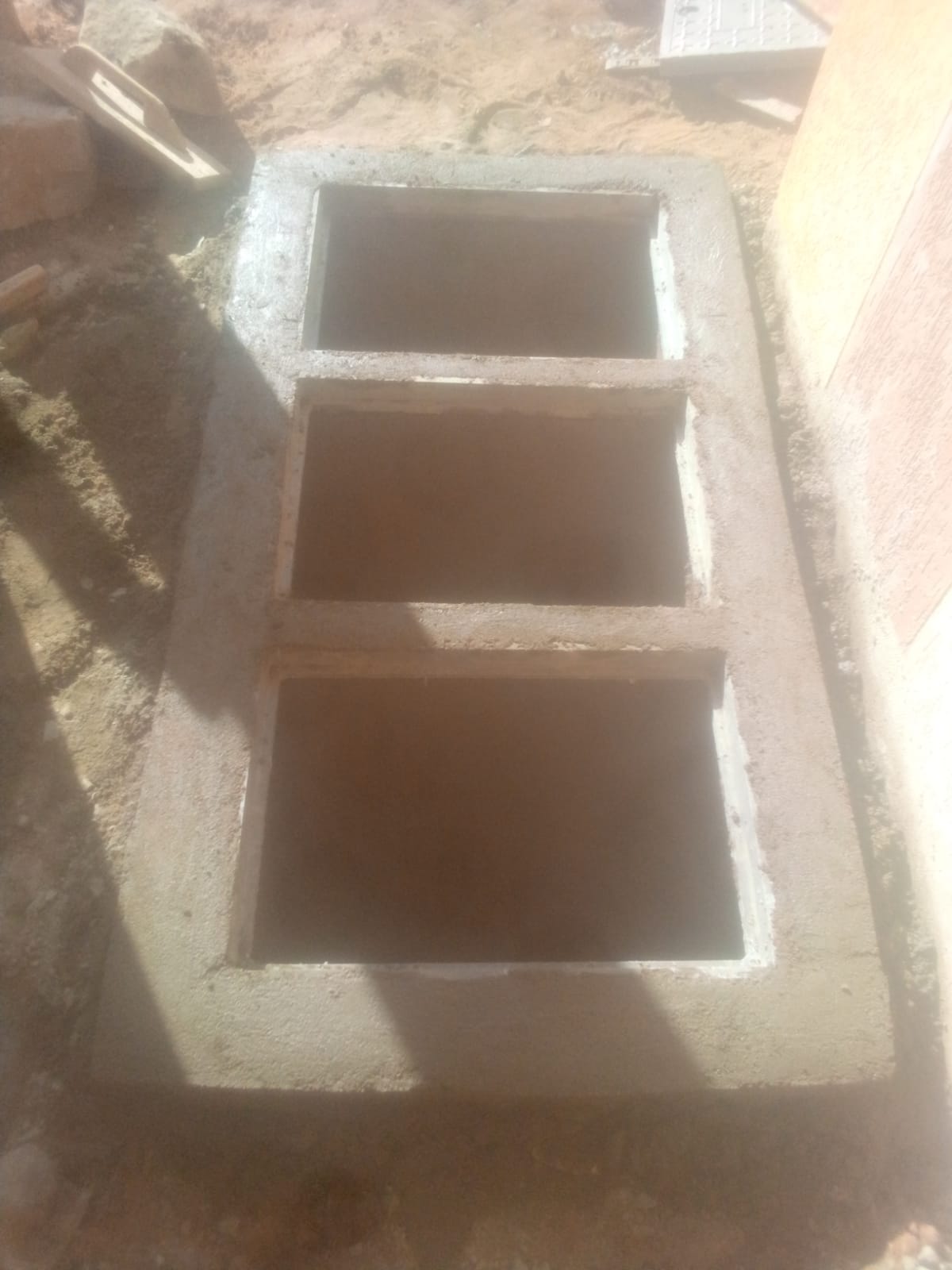
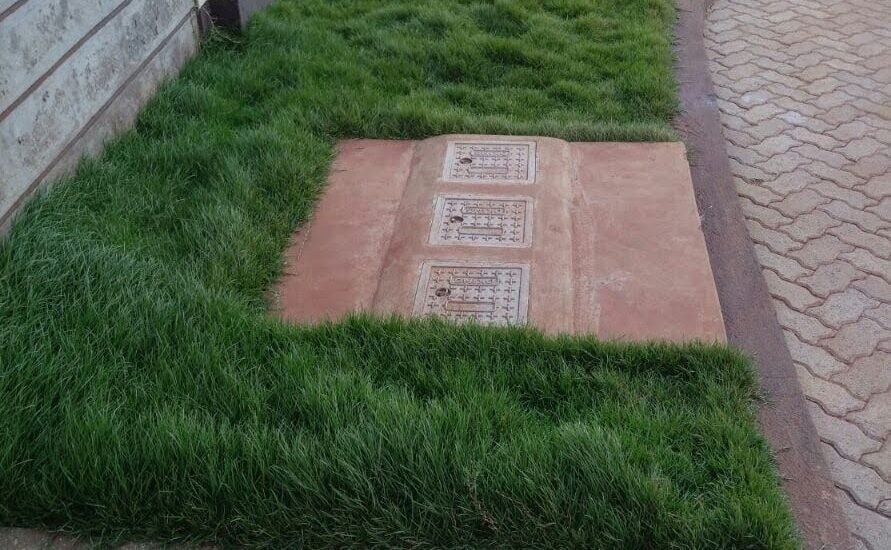
Inspect the access covers, inspection chambers and other openings associated with your wastewater system.
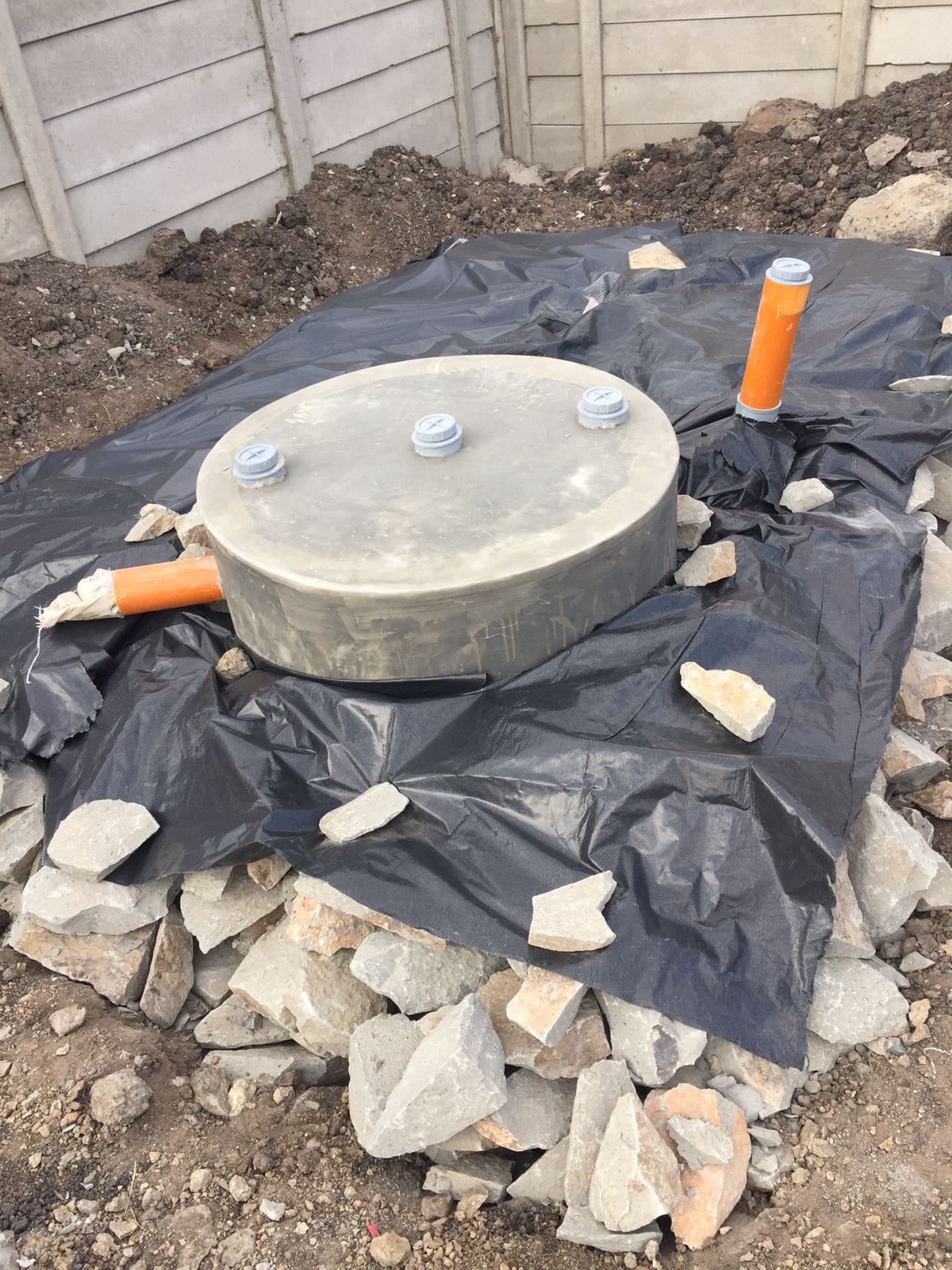
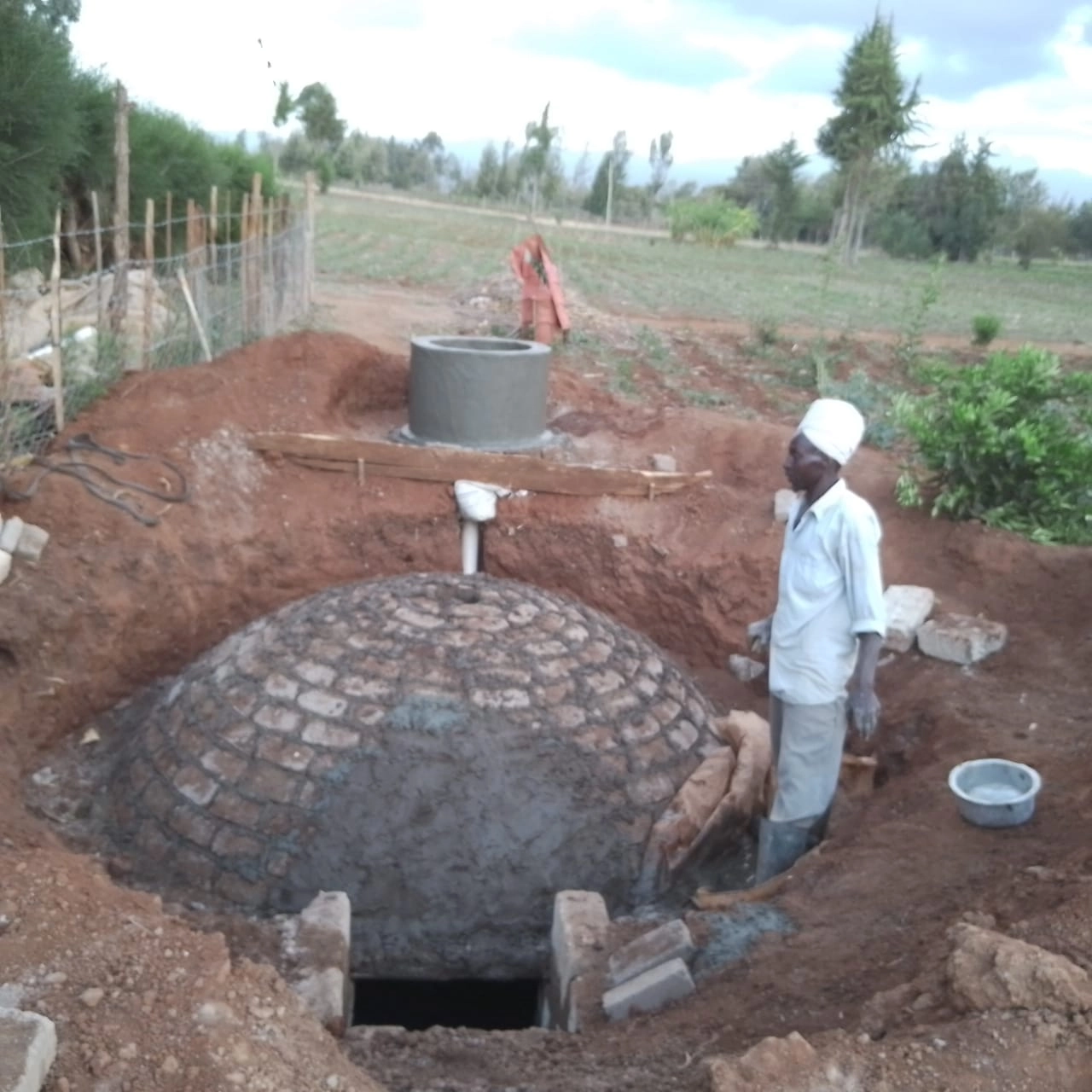
The covers should be properly fitted and positioned so that surface water cannot easily flow into the system.
Look for:
- Cracked or damaged covers
- Missing covers
- Covers that do not fit properly
- Gaps around inspection chambers
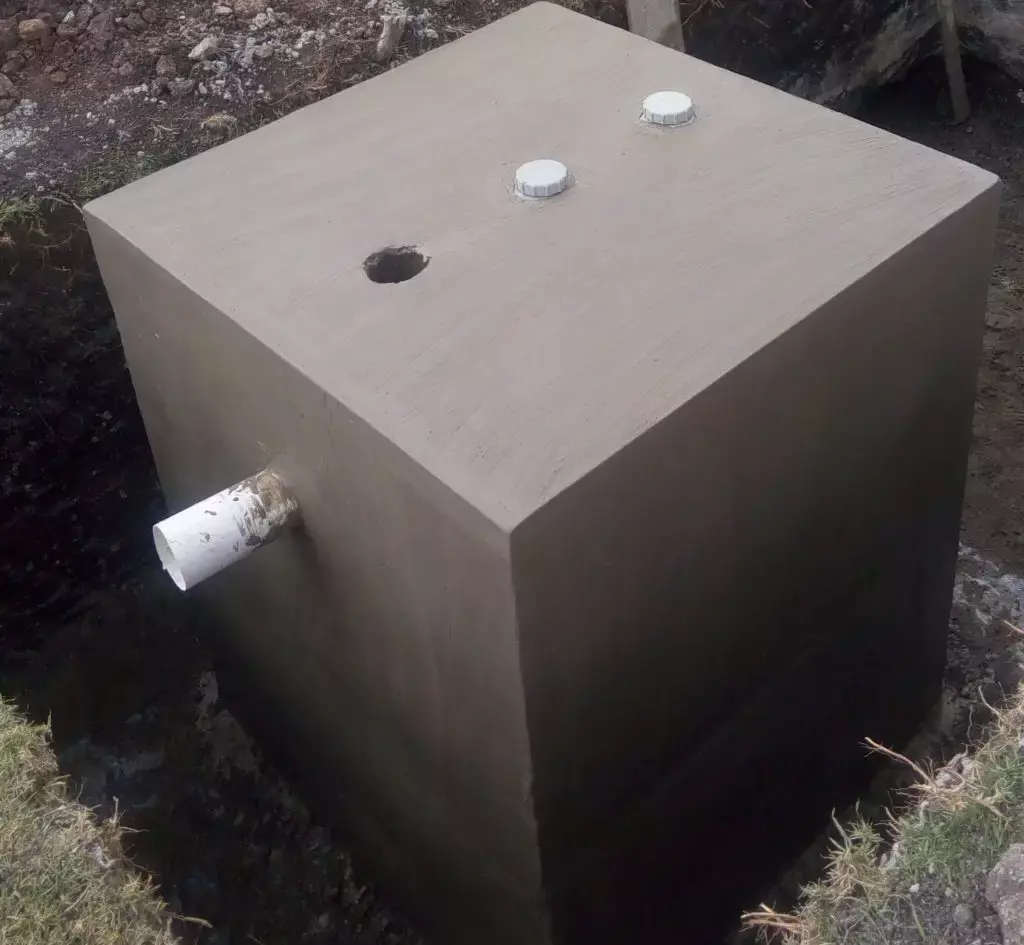
- Chambers that sit lower than the surrounding ground
- Soil erosion around the covers
- Standing water around inspection points
If an inspection chamber is located in a depression, heavy rain can cause water to collect around it. If the chamber is poorly sealed or damaged, that water may find its way into the wastewater system.
This is particularly important for older systems where covers may have deteriorated over time.
Do not simply cover the problem with soil. The access point may still need to remain accessible for inspection and maintenance. Instead, the drainage and level around the chamber should be assessed and corrected appropriately.
2. Inspect the Drainage Around the Tank
Before heavy rains arrive, walk around your property and look at where rainwater goes.
This is especially important if your septic tank or biodigester is located close to:
- A roof downpipe
- A driveway
- A compound drainage channel
- A sloping section of the property
- A road or neighbouring property from which water may flow
- A low-lying section of the compound
The key question is simple:
Where does rainwater go when it rains heavily?
Ideally, stormwater should be directed away from the wastewater treatment system.
Clean gutters and roof drainage systems are part of this preparation. Gutters filled with leaves and debris can overflow, sending large amounts of water directly onto the ground around the tank.
Likewise, blocked compound drains can cause water to accumulate around wastewater infrastructure.
If you notice that water consistently collects around your biodigester or septic tank whenever it rains, that is something worth addressing before the next major rainfall.
3. Prevent Stormwater From Entering the System
One of the most important rules for protecting your wastewater system is to keep rainwater and household wastewater separate.
Your roof water should not be deliberately connected to the wastewater pipes leading to your biodigester or septic tank.
The same applies to surface drainage from the compound.
For example, directing a roof downpipe into an inspection chamber might seem like an easy way to get rid of rainwater, but it can introduce a large volume of water into a system designed primarily for household wastewater.
During a heavy downpour, the amount of water coming from a roof can be substantial.
Check your property for:
- Roof downpipes discharging near inspection chambers
- Open drains flowing toward the tank
- Surface runoff collecting around the tank
- Broken drainage channels
- Floodwater entering low-level inspection points
- Improper connections between stormwater and wastewater pipes
If you discover that rainwater is entering the wastewater system, have the connection corrected rather than waiting for the rainy season to expose the problem.
4. Check Your Soak Pit and Effluent Drainage Area
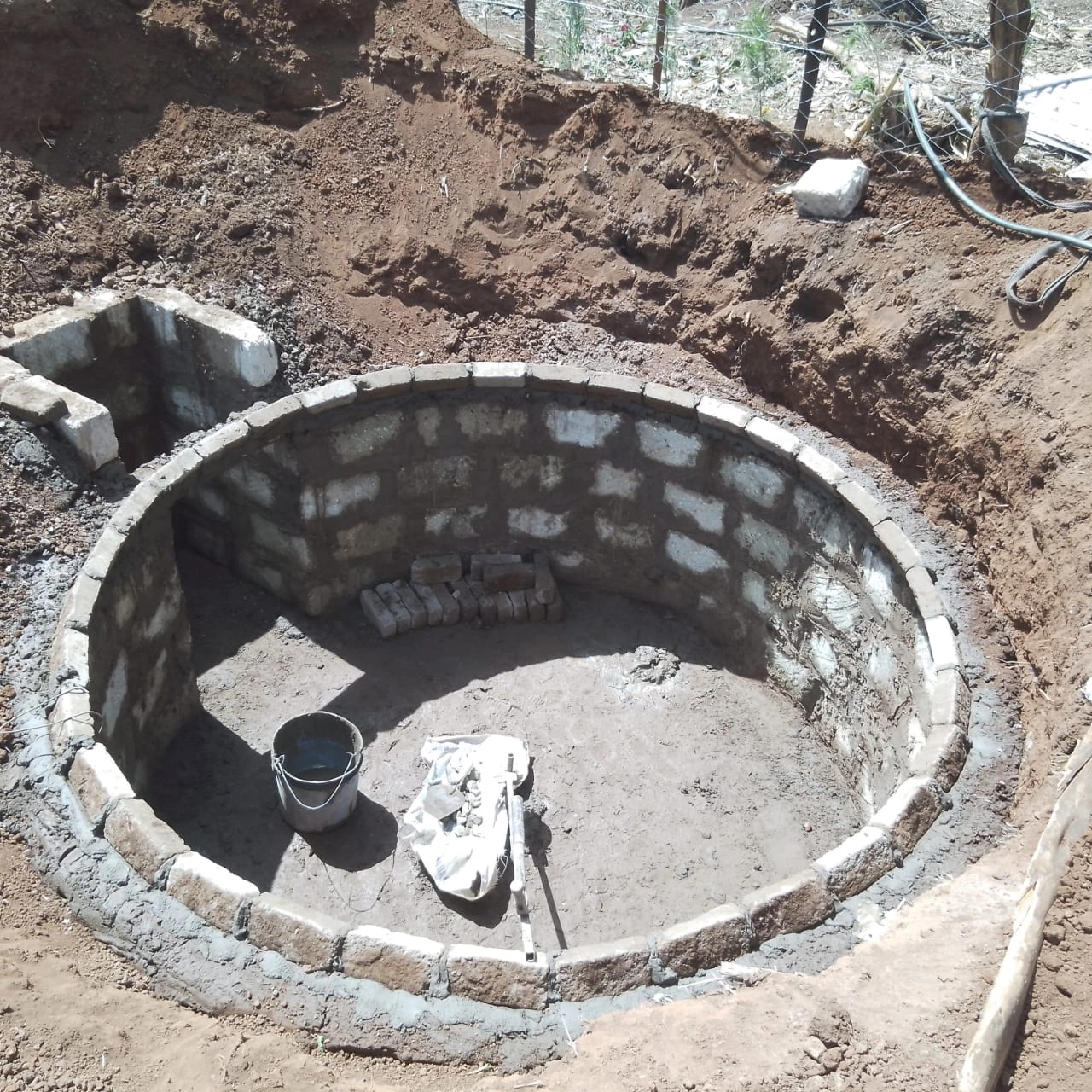
For systems that use a soak pit or another form of soil-based effluent disposal, the area where treated effluent is discharged deserves particular attention before heavy rains.
A soak pit or drainage area should not be treated as simply another hole in the ground.
Its performance depends partly on the conditions of the surrounding soil and the design of the system.
During prolonged rainfall, the surrounding ground can become saturated. If the soil is already holding a large amount of water, it may have less capacity to accept additional water.
Walk around the drainage area and look for signs such as:
- Persistent standing water
- Unusually wet ground
- Foul smells
- Sewage or wastewater surfacing
- Water flowing back toward the property
- Soil erosion
- Excessive vegetation growth in one particular area
- A drainage area that remains wet long after rainfall has stopped
One isolated wet patch after an unusually heavy storm does not automatically mean that your system has failed. However, persistent wetness or wastewater surfacing should not be ignored.
If you are unsure whether the problem is coming from the tank, the effluent pipe, the soak pit or the surrounding soil, a professional assessment can help identify the actual cause.
5. Clear Gutters and Surface Drains Before the Rains
Preparing your biodigester or septic tank also means preparing the rest of the property’s drainage system.
Blocked gutters and drains can redirect water to places where you do not want it.
Before heavy rains, clean:
- Roof gutters
- Downpipes
- Compound drains
- Surface channels
- Drainage grates
- Culverts around the property
- Other points where leaves, soil or rubbish can block water flow
Pay particular attention to areas where water tends to accumulate.
If you already know that part of your compound floods during heavy rainfall, don’t wait until the water is already rising to investigate the drainage.
Even a well-installed wastewater system can struggle if the entire area around it is regularly flooded.
6. What If the Ground Becomes Waterlogged?
Waterlogged ground is one of the more difficult situations for a homeowner because the problem may extend beyond the tank itself.
After prolonged rainfall, the soil around your property may become saturated. If your wastewater system relies on soil conditions for effluent disposal, this can affect how quickly water moves through the ground.
If you notice that the ground around your wastewater system has become heavily waterlogged, avoid making random modifications to the system.
For example, don’t immediately:
- Dig another soak pit without assessing the site
- Open the tank
- Pump everything out unnecessarily
- Redirect wastewater into a random drainage channel
- Connect stormwater to the wastewater system
- Pour chemicals into the system in an attempt to “fix” it
Instead, reduce unnecessary water usage if wastewater is backing up, keep people away from areas where wastewater has surfaced, and arrange for the system to be assessed if the problem persists.
A professional can determine whether the issue is related to the tank, the plumbing, effluent disposal, soil saturation or external drainage.
7. Watch for These Warning Signs During the Rainy Season
Your wastewater system often gives you warning signs before a serious problem develops.
Pay attention to changes in how your toilets, bathrooms and drains behave.
Slow-draining toilets and sinks
If several fixtures in the house suddenly start draining more slowly, the problem may be further down the wastewater system rather than with one individual drain.
Toilets backing up
Wastewater or dirty water coming back through a toilet is a warning sign that should not be ignored.
If this happens during or immediately after heavy rain, investigate the wastewater system and surrounding drainage.
Bad smells
An occasional smell around a wastewater system may not necessarily indicate failure. However, a persistent or unusually strong sewage smell can indicate that something needs attention.
Standing water
Water that repeatedly collects around the tank, inspection chambers or effluent disposal area deserves investigation.
Wastewater surfacing
If wastewater is visibly surfacing from the ground, particularly around the soak pit or drainage area, contact a professional rather than attempting to conceal it.
Overflowing inspection chambers
An inspection chamber that repeatedly fills or overflows can indicate a blockage, capacity issue, drainage problem or another problem within the system.
Unusual wet patches
A consistently wet area of ground around the wastewater system can be an early indication that water is not moving through the system as expected.
8. Be Careful About What Goes Into Your System
Rainy-season preparation is also a good opportunity to remind everyone in the household about proper wastewater practices.
A biodigester or septic system is designed to treat household wastewater. It should not be treated as a general waste disposal point.
Avoid flushing or pouring inappropriate materials into the system, including:
- Plastics
- Sanitary products
- Wet wipes that are not suitable for the system
- Cooking oils and large quantities of grease
- Paints
- Harsh chemicals
- Solvents
- Other non-biodegradable waste
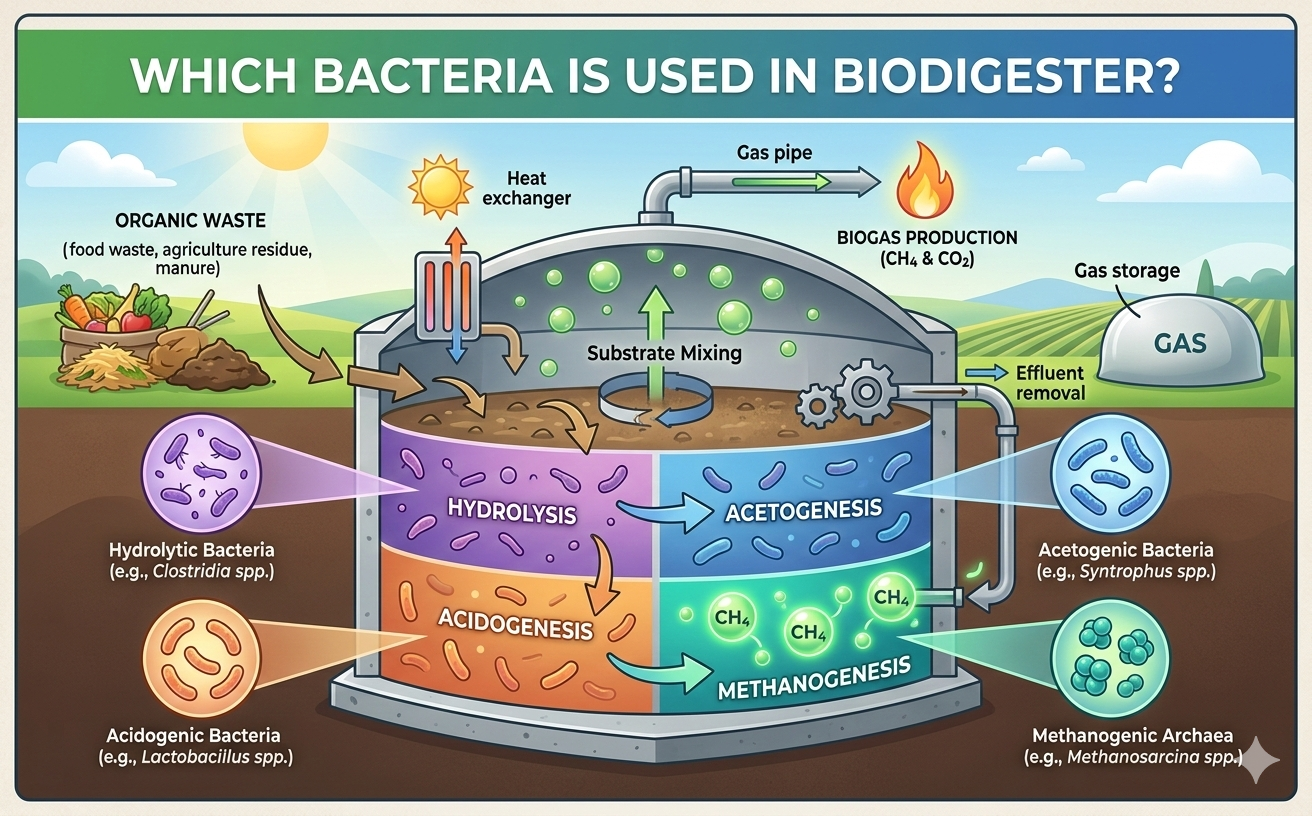
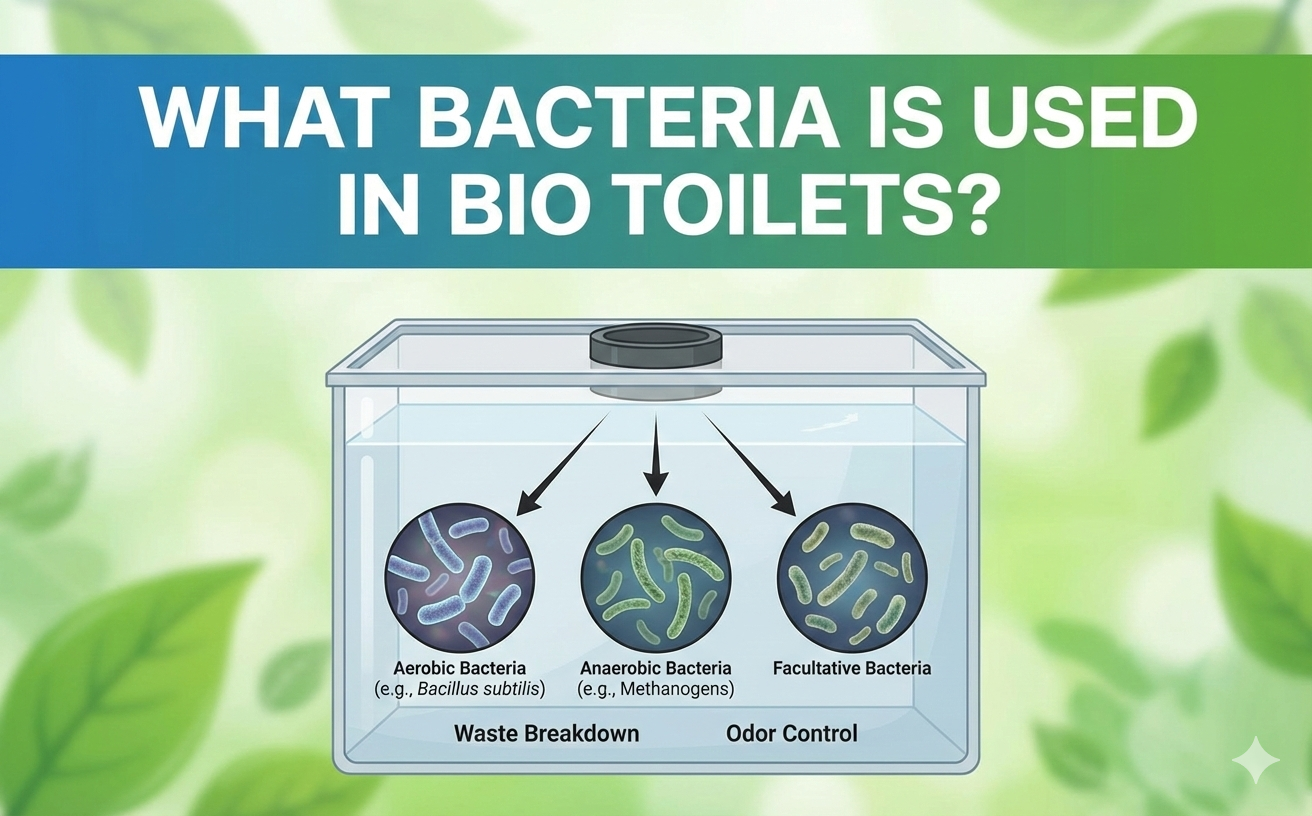
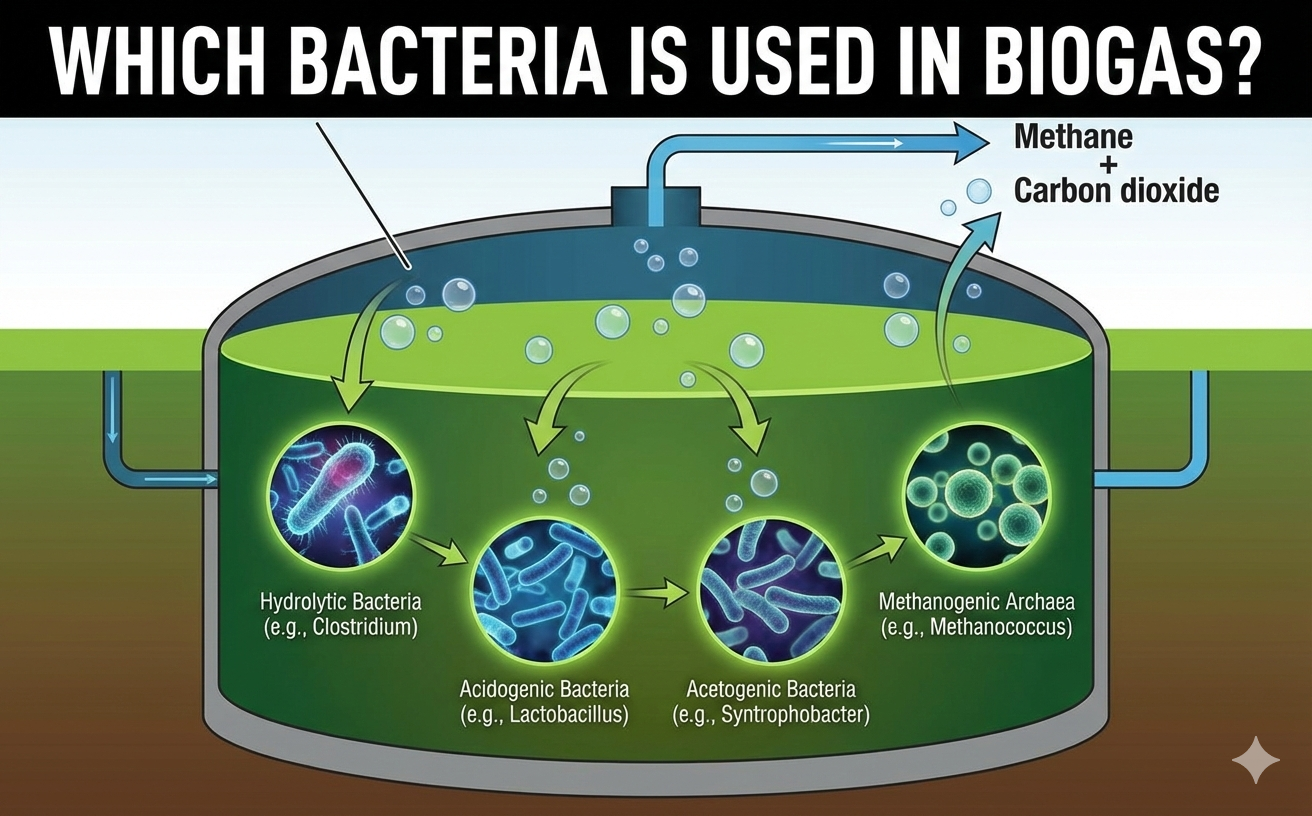
Large quantities of inappropriate chemicals can interfere with the biological processes involved in wastewater treatment.
A healthy wastewater system starts with what goes down the drain.
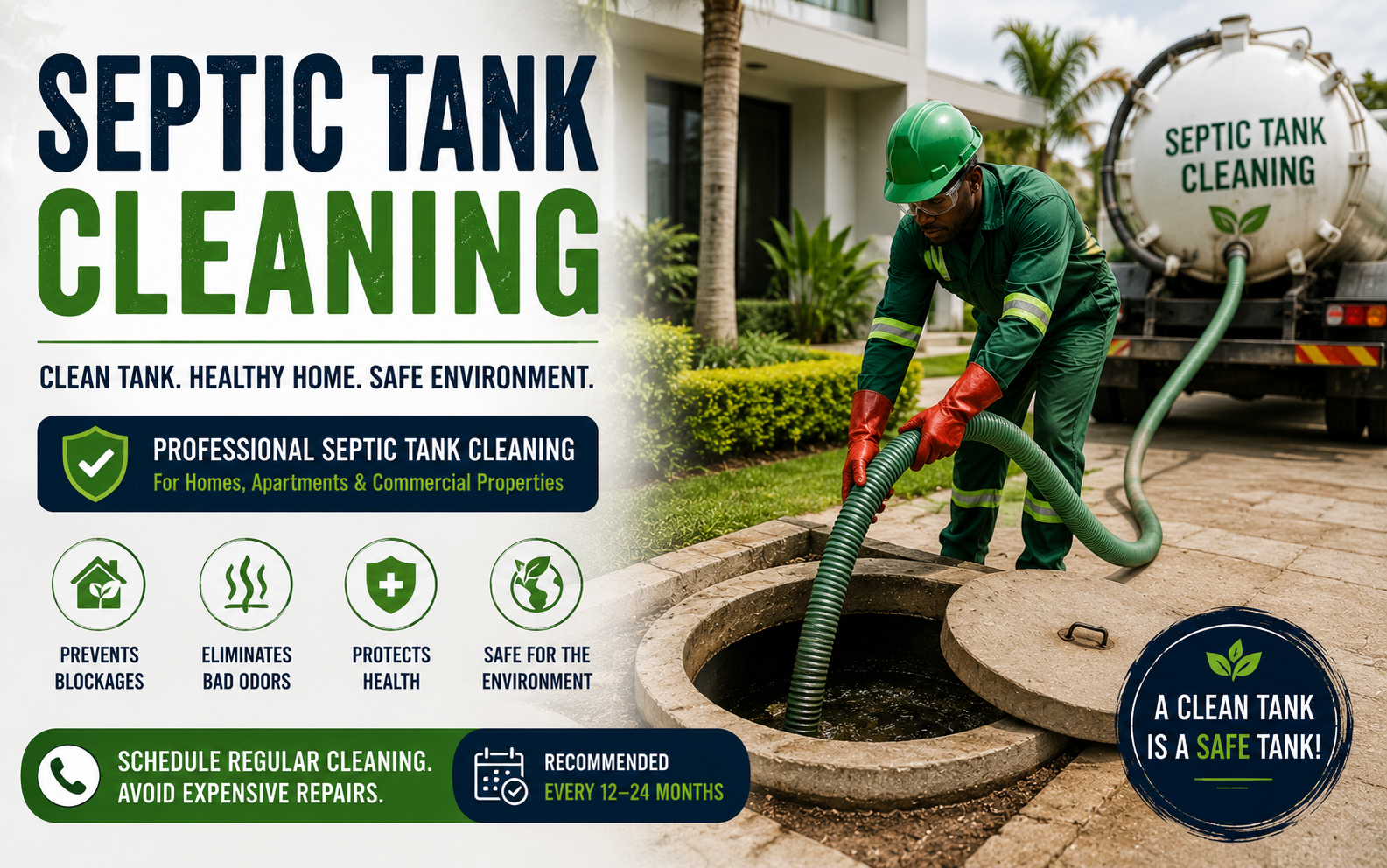
9. Don’t Assume Pumping Will Solve Every Rainy-Season Problem
When a septic tank or biodigester develops a problem during heavy rain, some homeowners immediately assume that the tank needs to be emptied.
Sometimes maintenance or emptying may be appropriate. But it depends on the actual cause of the problem.
If the underlying issue is:
- Stormwater entering the system
- A blocked wastewater pipe
- Poor surface drainage
- A saturated soak pit
- Groundwater conditions
- A damaged inspection chamber
- An unsuitable effluent disposal arrangement
then simply pumping the tank may not solve the underlying problem.
The goal should be to identify the cause, not just deal with the symptom.
This is particularly important if the same problem occurs every rainy season.
10. What Should You Do If Your Septic Tank or Biodigester Overflows?
If wastewater starts backing up into the house or overflowing outside, take the situation seriously.
First, reduce unnecessary water use. Avoid activities such as doing several loads of laundry or running large amounts of water through the plumbing until the cause has been identified.
Keep children and pets away from any area where wastewater has surfaced.
Do not handle sewage with bare hands, and avoid walking through contaminated water.
Next, determine whether the problem is isolated to one fixture or affecting several parts of the house.
If multiple toilets, sinks or drains are affected, the issue may be with the main wastewater line or the treatment system.
If the problem is only affecting one fixture, a local plumbing blockage may be responsible.
Either way, if the problem persists or you see wastewater around the biodigester, septic tank or effluent disposal area, it is better to have the system professionally assessed.
11. When Should You Call a Professional?
Not every rainy-season issue requires professional intervention. But there are situations where trying to solve the problem yourself can make things worse.
Contact a qualified professional if you notice:
- Repeated wastewater backups
- Sewage surfacing from the ground
- Persistent flooding around the tank
- Strong and continuous sewage smells
- An overflowing inspection chamber
- A soak pit that remains saturated
- Structural damage to the tank or chambers
- Cracked or damaged access covers
- Repeated problems every rainy season
- A system that appears unable to cope with normal household wastewater
A professional can inspect the complete system rather than looking at the tank in isolation.
That distinction matters.
A wastewater system is not just a tank. It includes the incoming plumbing, treatment chamber, inspection points, effluent outlet, drainage arrangements and the surrounding site conditions.
Preparing a Biodigester or Septic Tank Before Heavy Rains: A Simple Checklist
If you want a quick checklist to work through before the rainy season, start here.
Around the tank
☐ Check that access covers are secure and in good condition
☐ Look for cracks or damaged inspection chambers
☐ Remove debris around access points
☐ Check for standing water
Around the property
☐ Clean roof gutters
☐ Clear surface drainage channels
☐ Check where roof downpipes discharge
☐ Make sure stormwater is directed away from the wastewater system
☐ Look for areas where rainwater collects
Around the effluent disposal area
☐ Check for persistent wet patches
☐ Look for standing water
☐ Check for wastewater surfacing
☐ Watch for unusual smells
☐ Look for signs of erosion
Inside the house
☐ Watch for slow-draining toilets
☐ Check for unusual smells
☐ Watch for wastewater backing up
☐ Avoid flushing inappropriate materials
☐ Investigate recurring drainage problems before the rains become heavier
Good Preparation Starts Before the First Heavy Downpour
Heavy rainfall can expose weaknesses in a wastewater system that may have gone unnoticed during dry weather.
A tank may appear to be working perfectly for months, but problems can become obvious when the surrounding soil becomes saturated or when large volumes of stormwater are allowed to enter the system.
The good news is that many problems can be identified before they become emergencies.
Check your access covers. Inspect the drainage around the tank. Keep stormwater away from the wastewater system. Clear your gutters and surface drains. Examine your soak pit or effluent disposal area for signs of persistent saturation. And pay attention to changes in how your toilets and drains behave.
Most importantly, don’t wait for wastewater to start backing up into the house before taking action.
If your system has repeatedly struggled during heavy rains, the solution may require more than routine maintenance. The entire wastewater setup may need to be assessed to determine whether the tank, drainage, effluent disposal area and surrounding site conditions are working together properly.
For homeowners planning to install a new system, the rainy season is also a useful reminder that proper site assessment and installation matter. A wastewater treatment system needs to be designed with the property’s soil, drainage, wastewater requirements and surrounding conditions in mind.
At Biodigester Kenya, we install concrete sealed biodigester systems for homes, apartments, schools, churches and commercial properties. If you are experiencing problems with your existing system or are planning a new wastewater treatment system, a proper assessment can help determine the most appropriate solution for your property.