Kenya is rapidly urbanizing, and as land becomes scarcer and plot sizes shrink, the old ways of managing human waste—specifically the large, costly, and high-maintenance traditional septic tank—are simply unsustainable.
We see estates constantly battling foul smells, dealing with expensive exhauster lorries every few months, and worrying about groundwater contamination, particularly in areas like Nairobi where the water table is high.
The shift towards the Bio Digester Kenya movement is driven by a practical need for a compact, odorless, and environmentally compliant sanitation solution that offers permanent peace of mind.
Property developers and discerning homeowners are recognizing that investing in a quality, modern wastewater system from the start dramatically increases property value and avoids future financial drain, making the biodigester the default choice for smart, modern Kenyan construction.

What Is a Biodigester and How Does It Differ From a Traditional Septic Tank?
The core difference between a biodigester septic tank and a traditional one lies in chemistry and biology.
A traditional septic tank is essentially a large, concrete holding and separation chamber.
It uses gravity to separate solids from liquids, but it’s an inefficient process that results in large volumes of raw sludge accumulating rapidly.
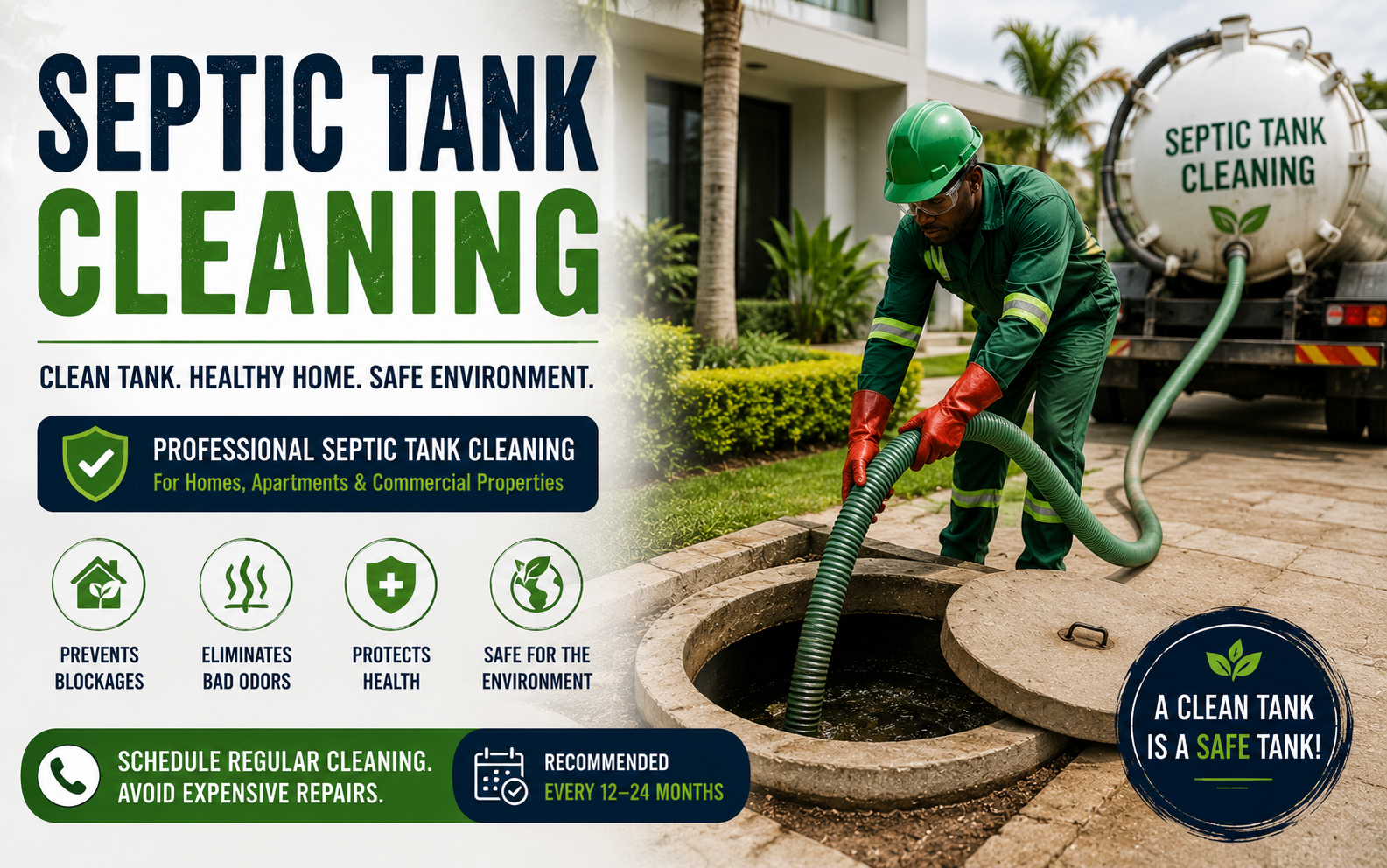
This sludge is what necessitates the frequent, costly visits from the exhauster services—a problem familiar to anyone operating in dense Kenyan neighborhoods.
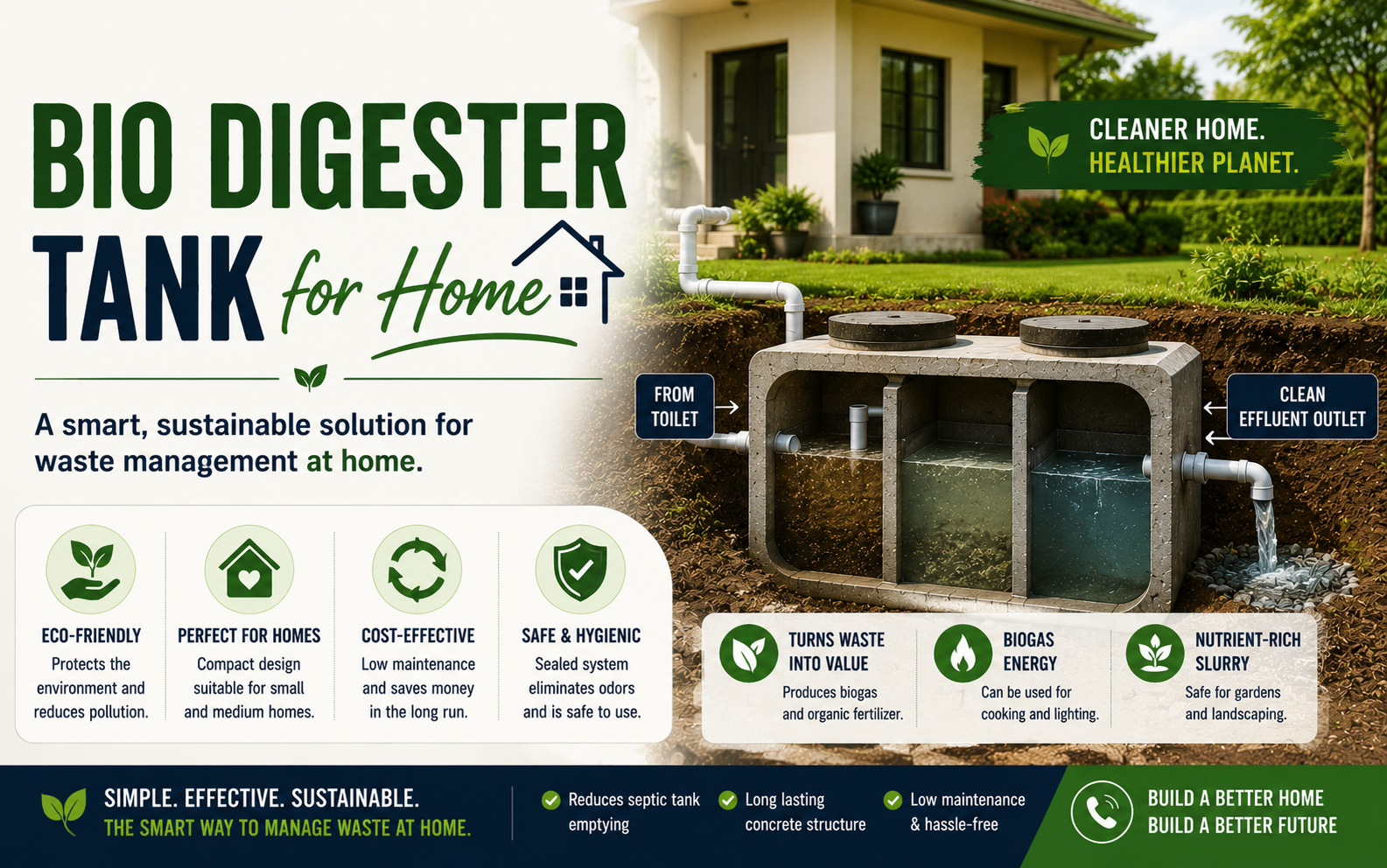
Conversely, a Biodigester is a sealed, high-efficiency biological system designed not just to hold waste, but to actively eliminate it using specially formulated enzymes, resulting in a cleaner, faster, and much less intrusive process overall.
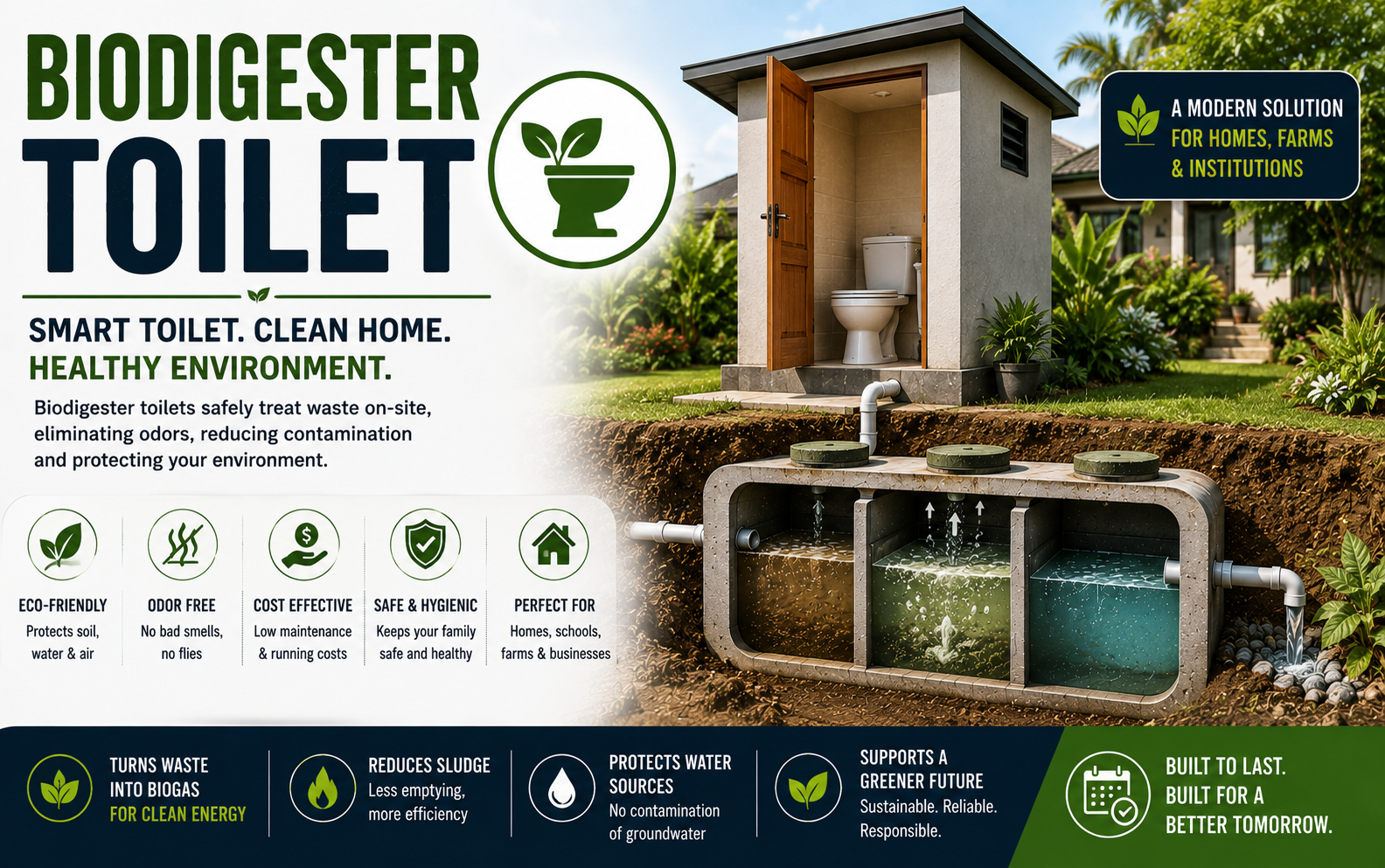
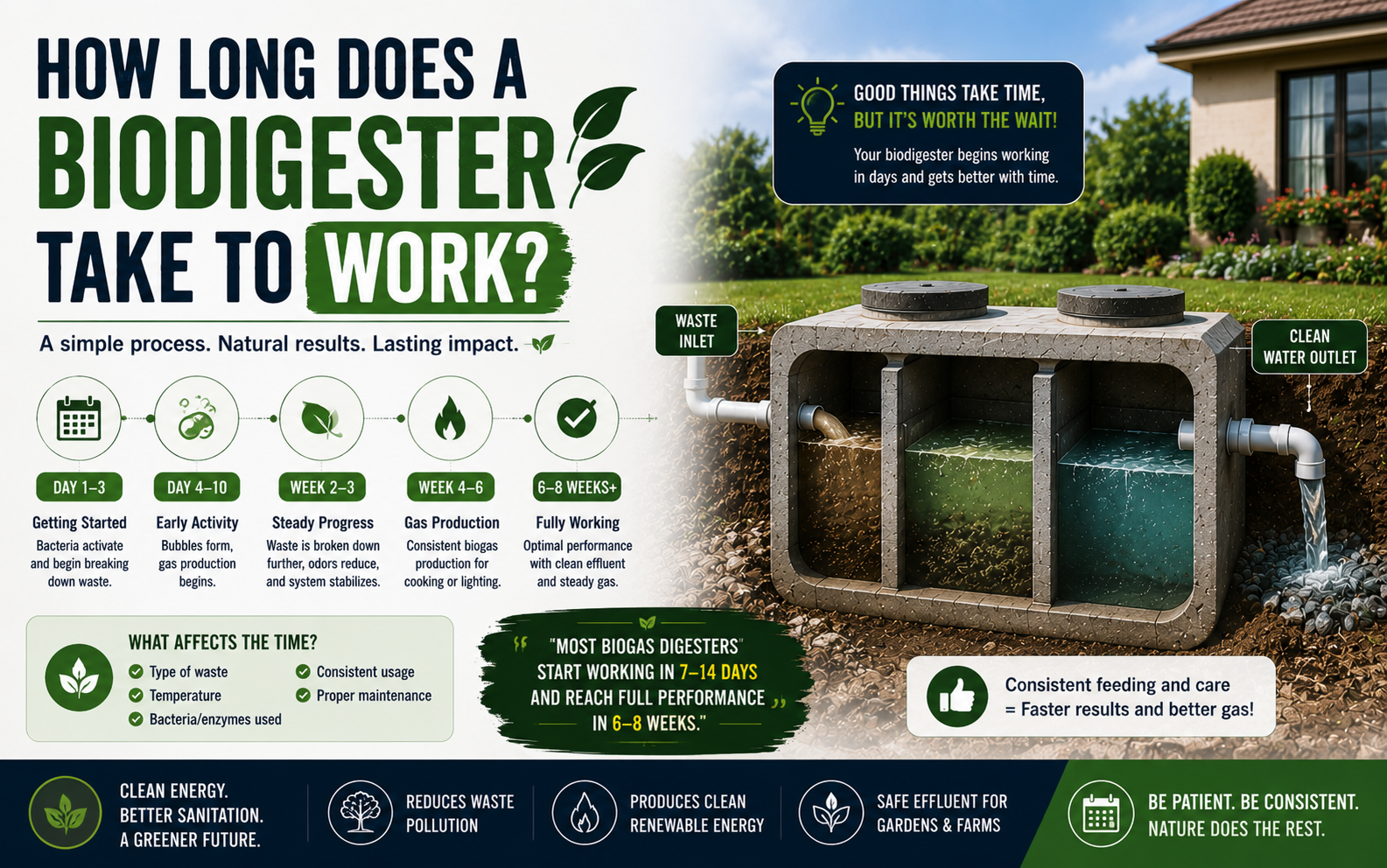
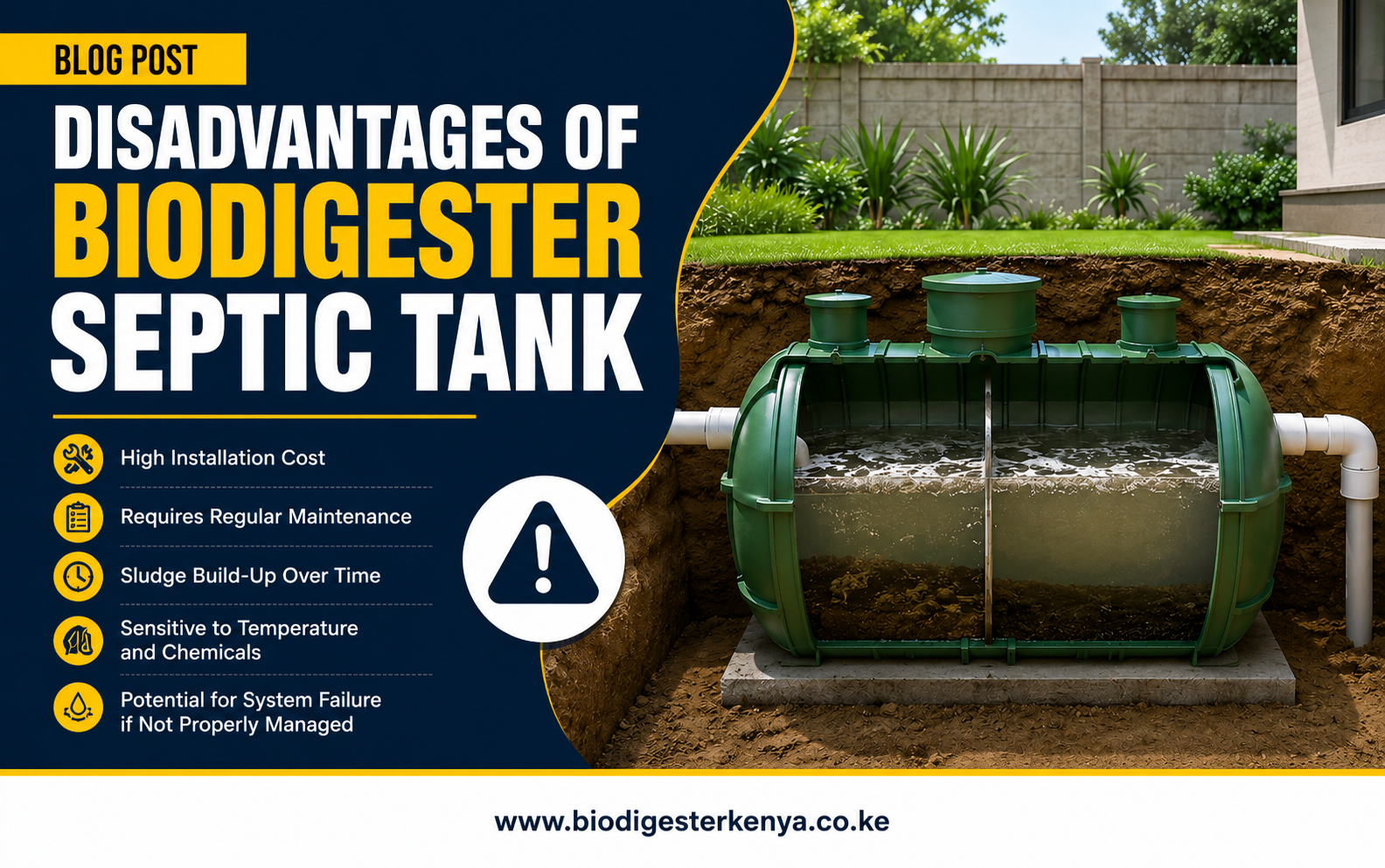
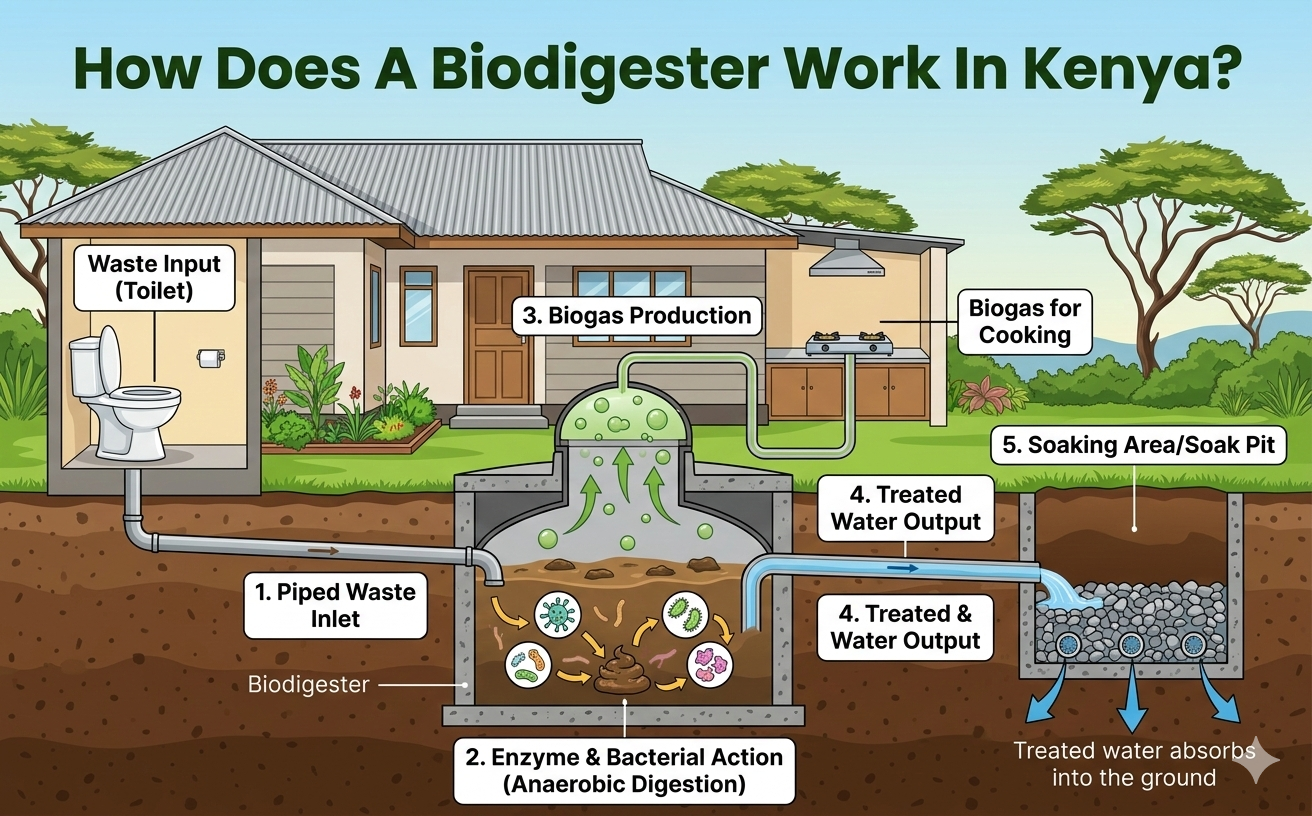
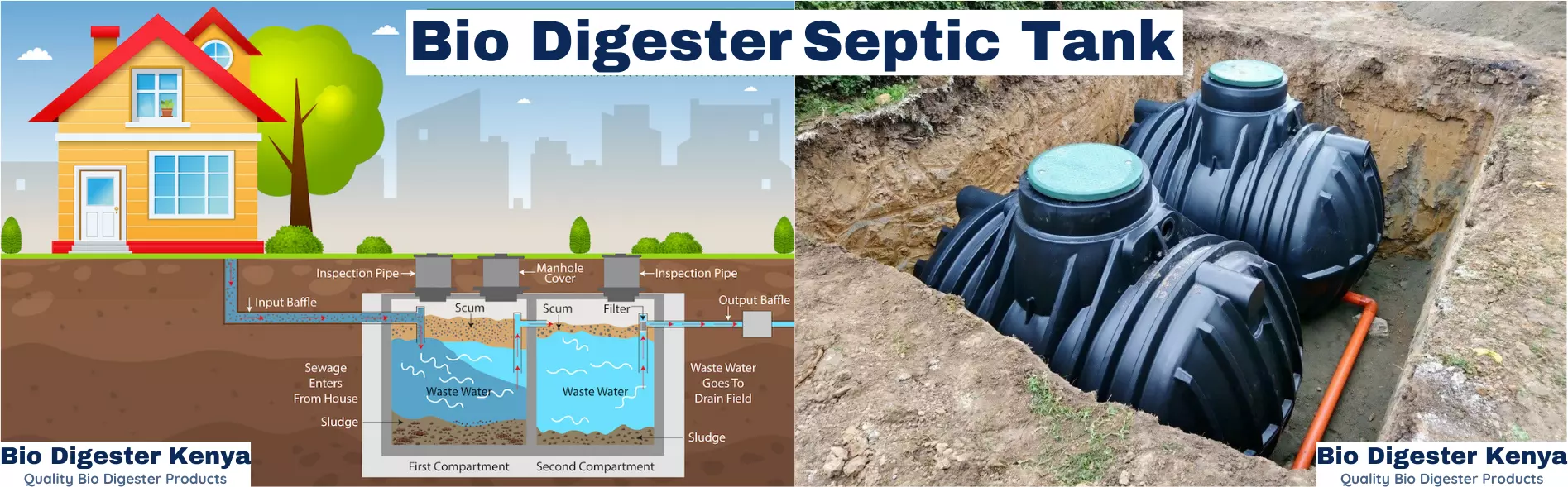
The modern Bio Septic Tank works on a principle of continuous biological digestion.
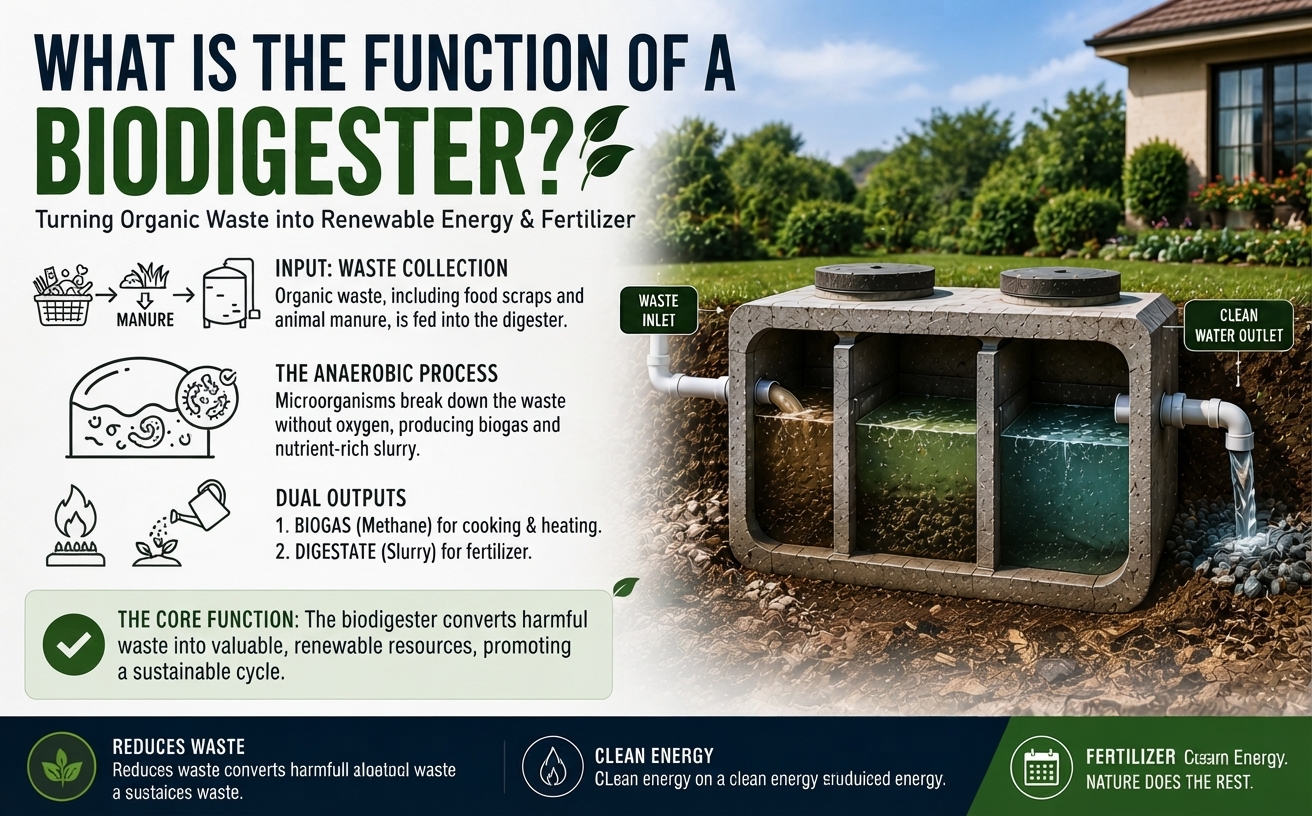
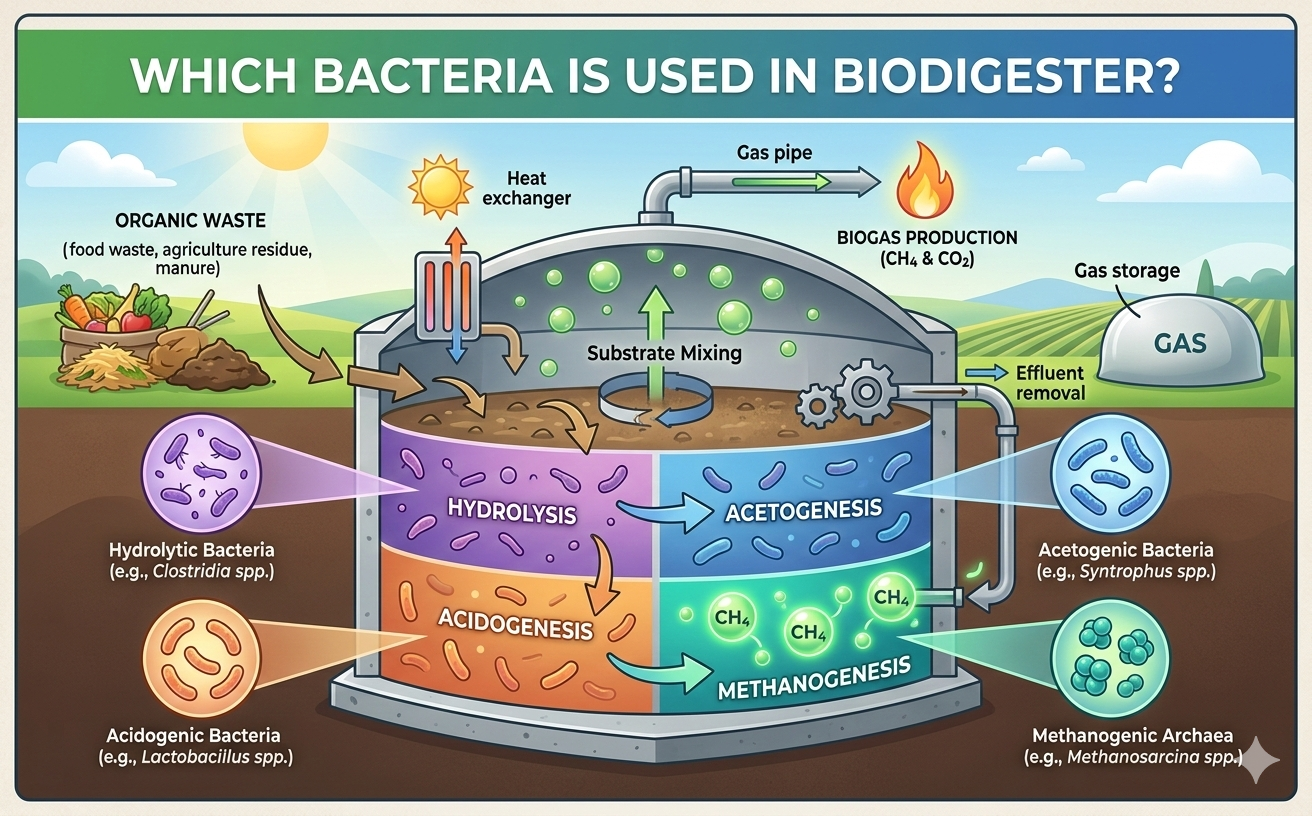
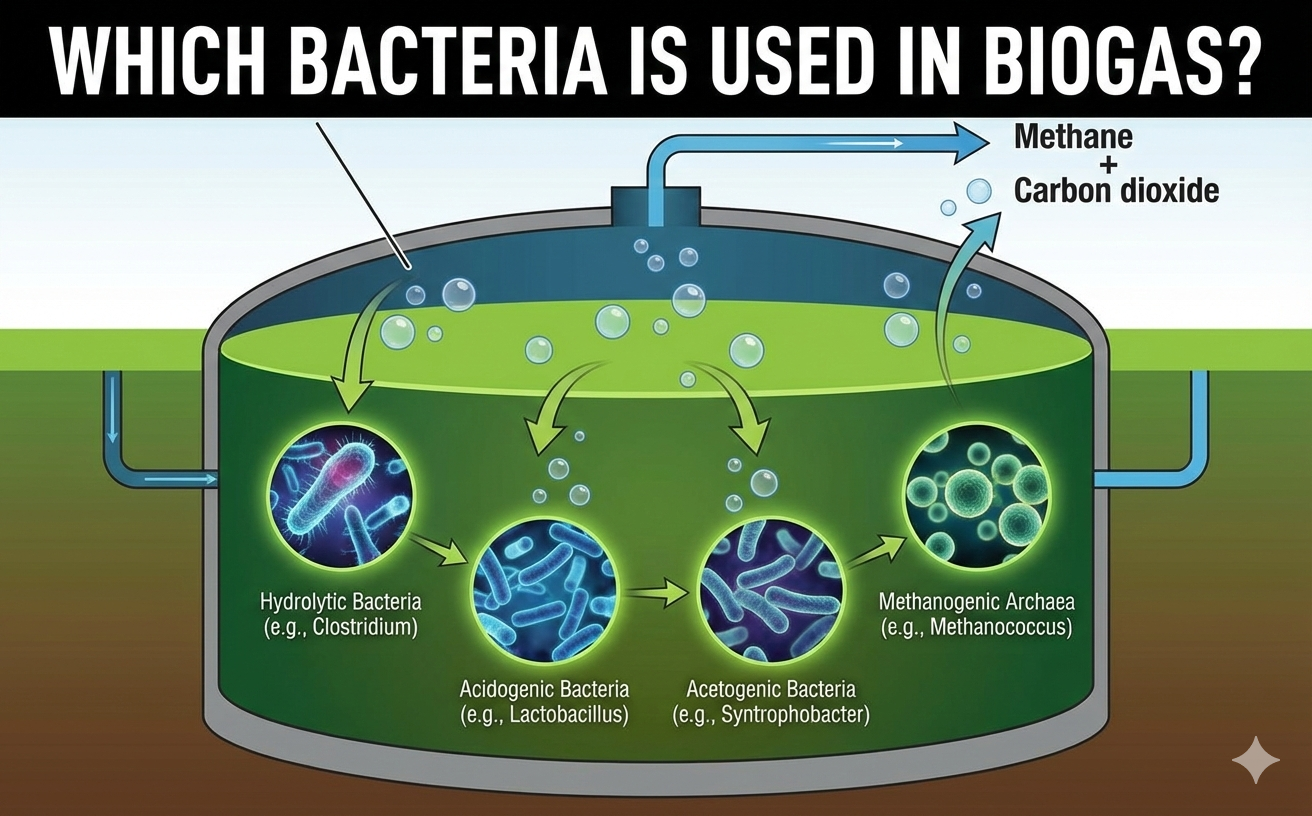
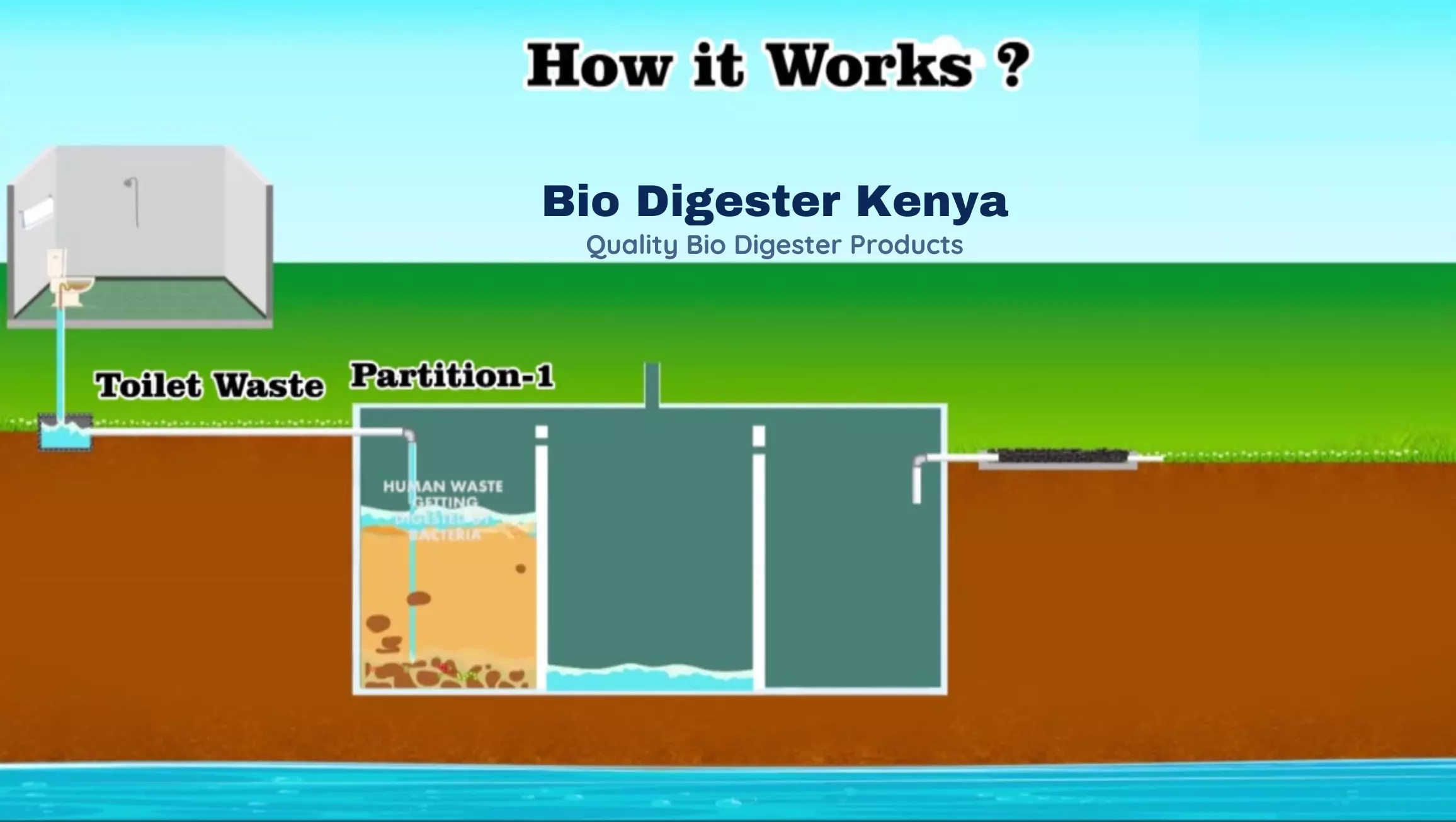
When waste enters the system, the powerful biodigester enzymes (often referred to as ‘bacteria’ or ‘chemicals’) break down the organic solids into their basic elements: clean water and harmless methane/carbon dioxide gas.
Because the waste is broken down to this degree, sludge simply does not accumulate.
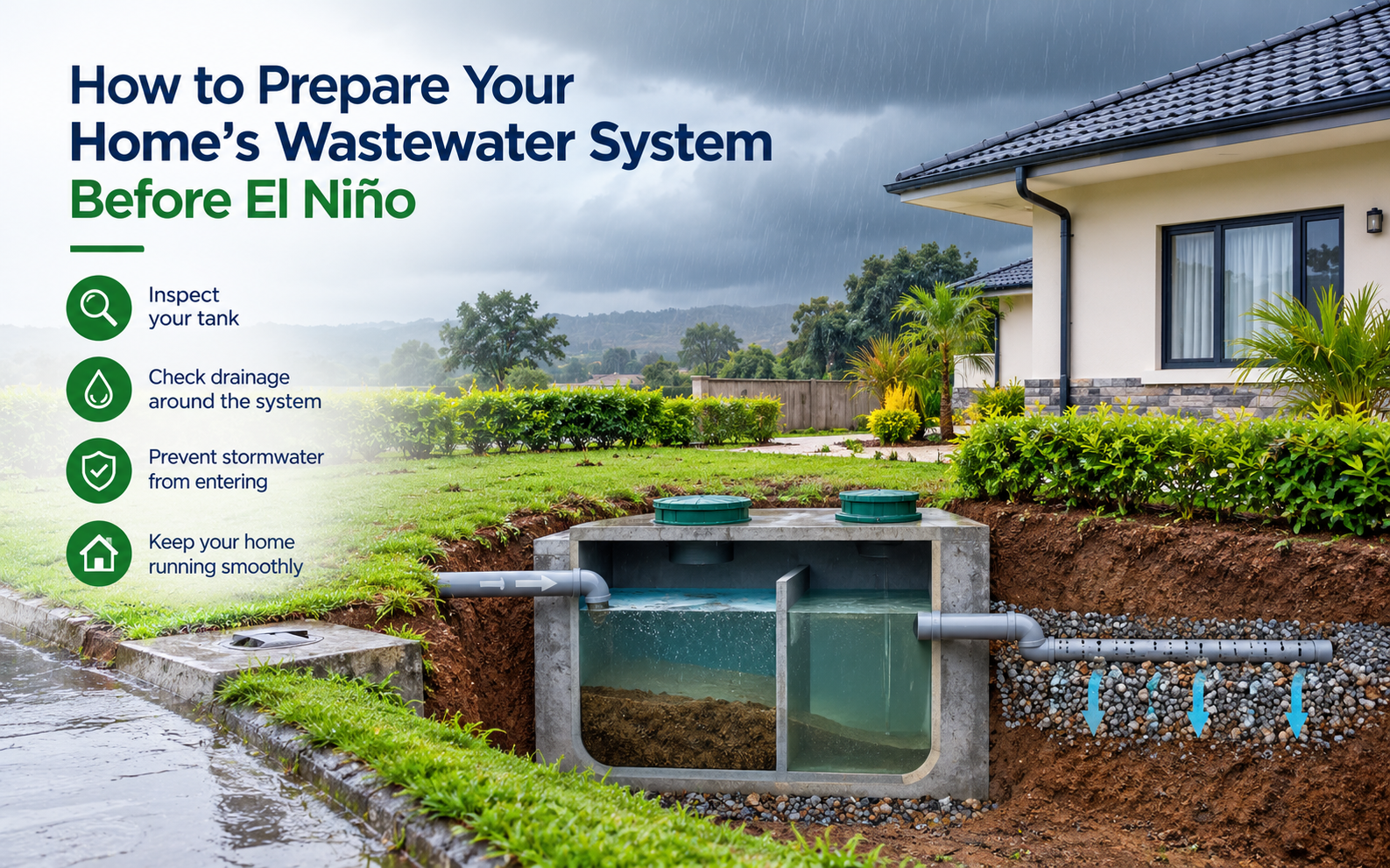
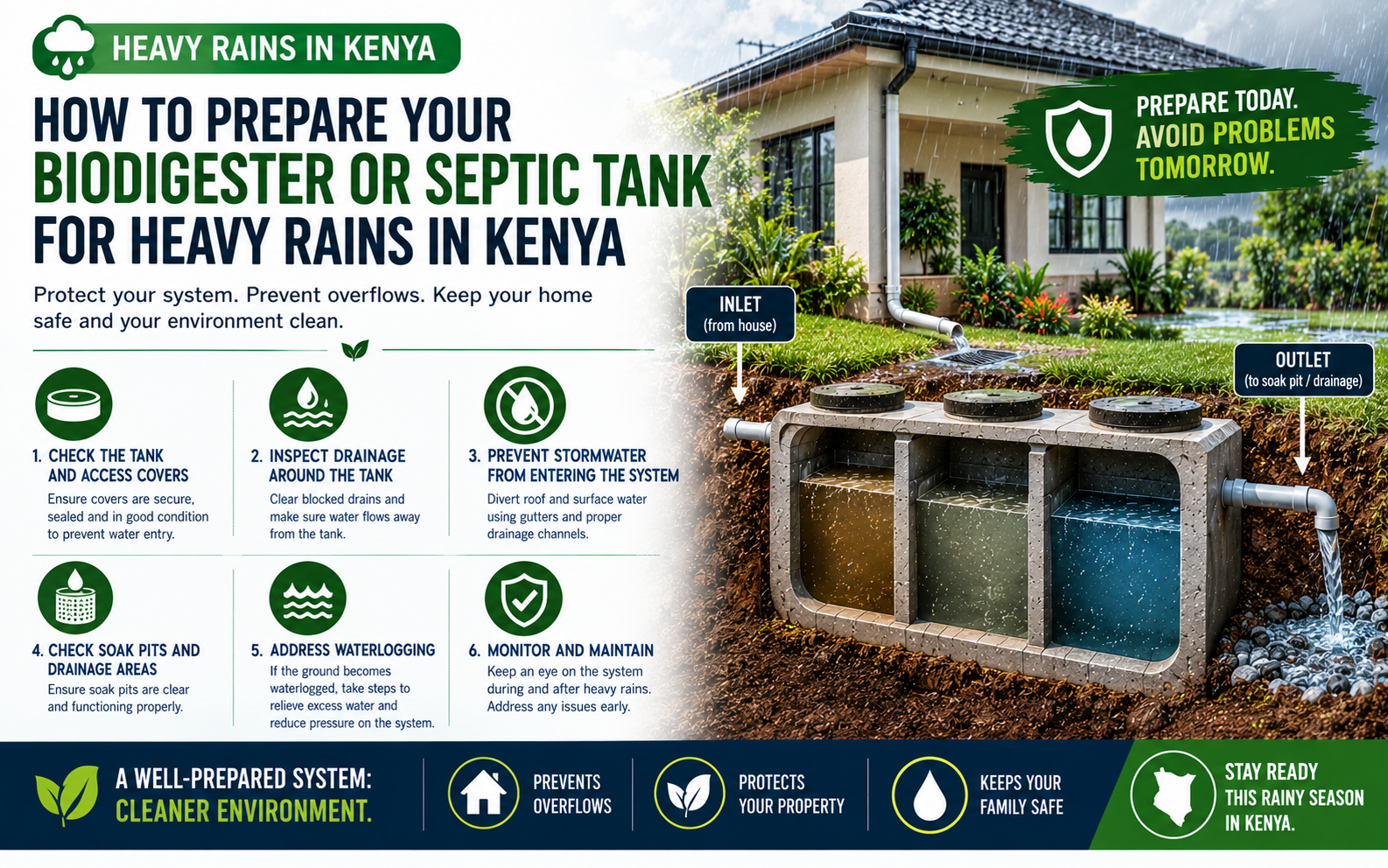
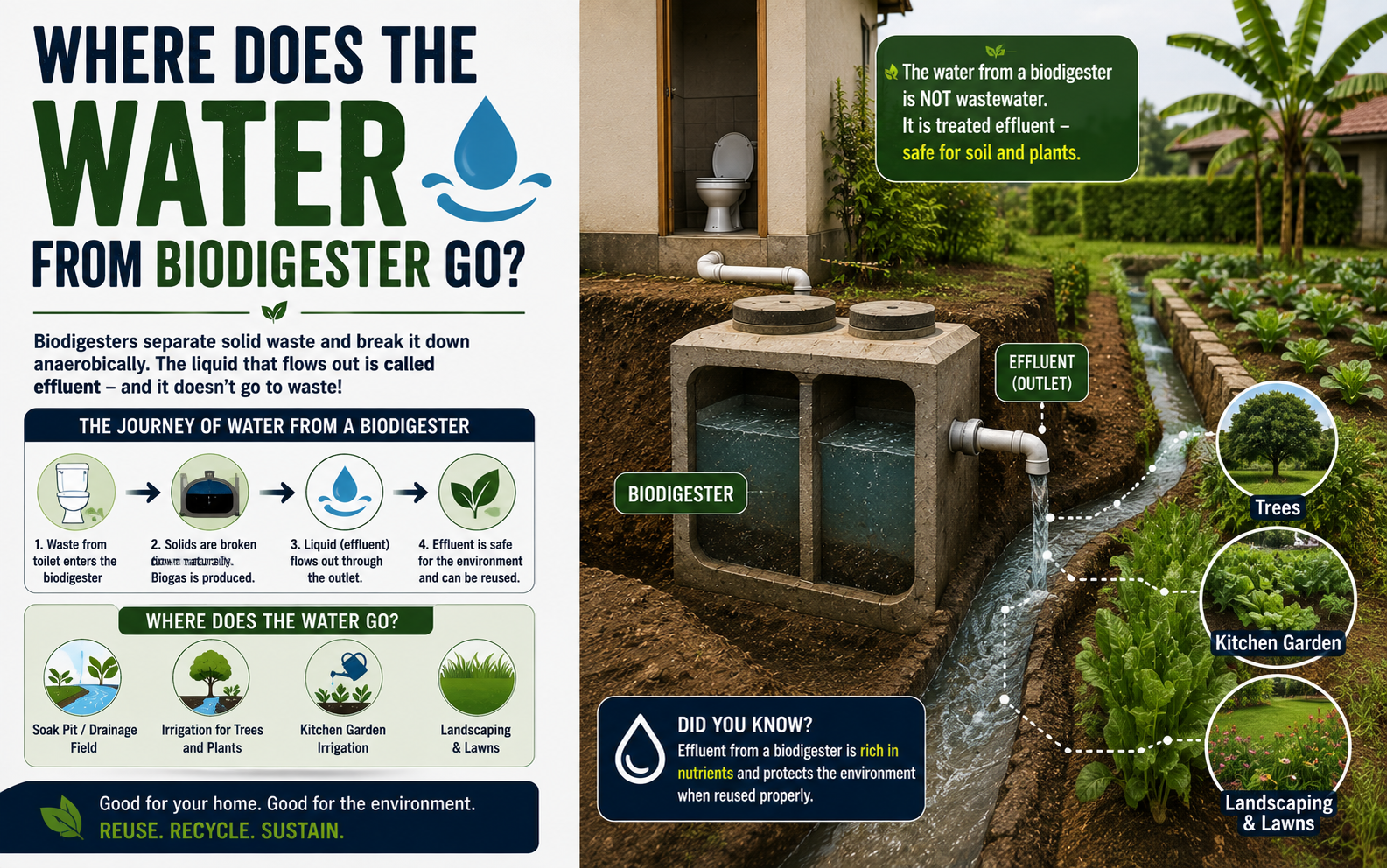
The system is designed to allow the safe, treated water to seep away into the surrounding soil via a soak pit, or safely drain away without environmental risk.
This is a game-changer for environmental safety and site hygiene, ensuring that foul odors, blockages, and overflow issues become historical memories rather than monthly concerns.
How the Biodigester Enzyme System Works – From Waste to Water and Air
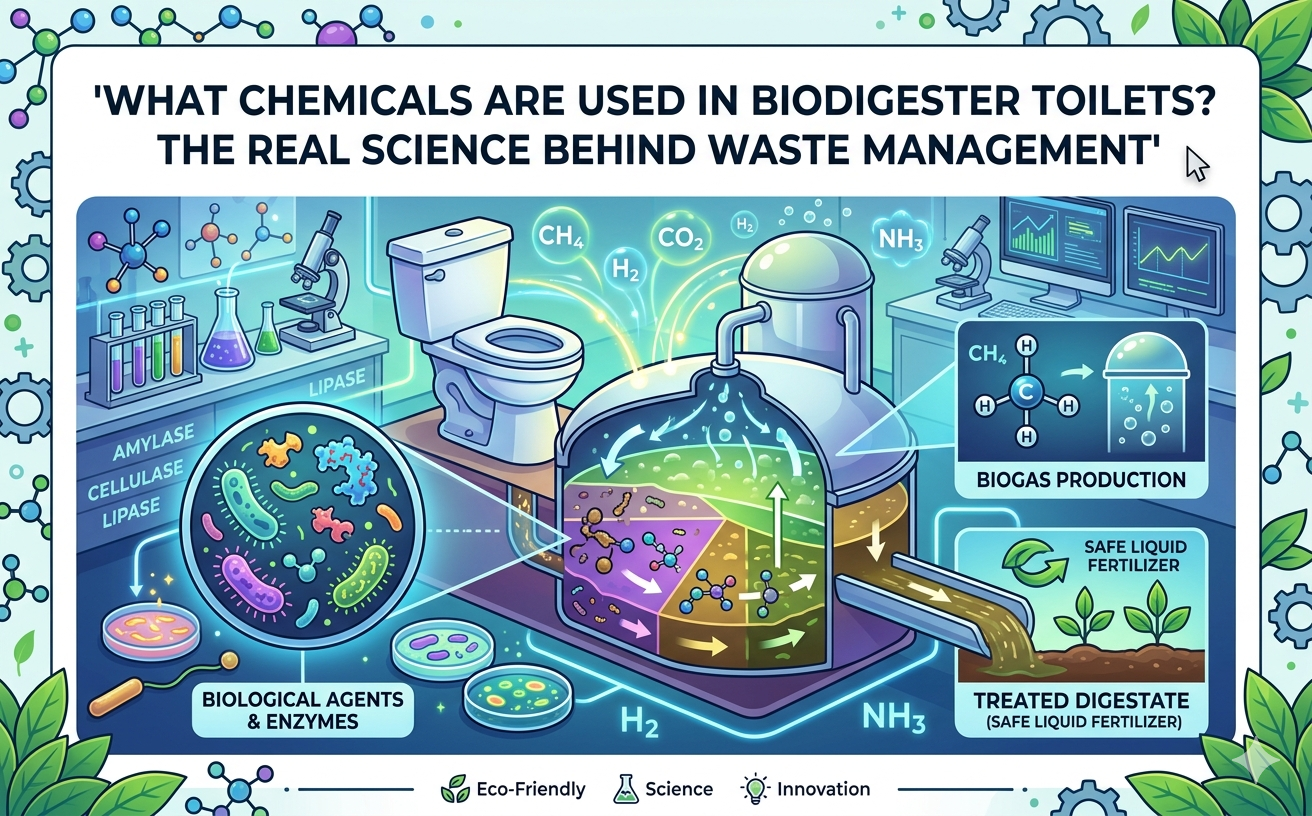
Understanding the role of the biodigester chemicals is crucial because they are the engine of the entire system.
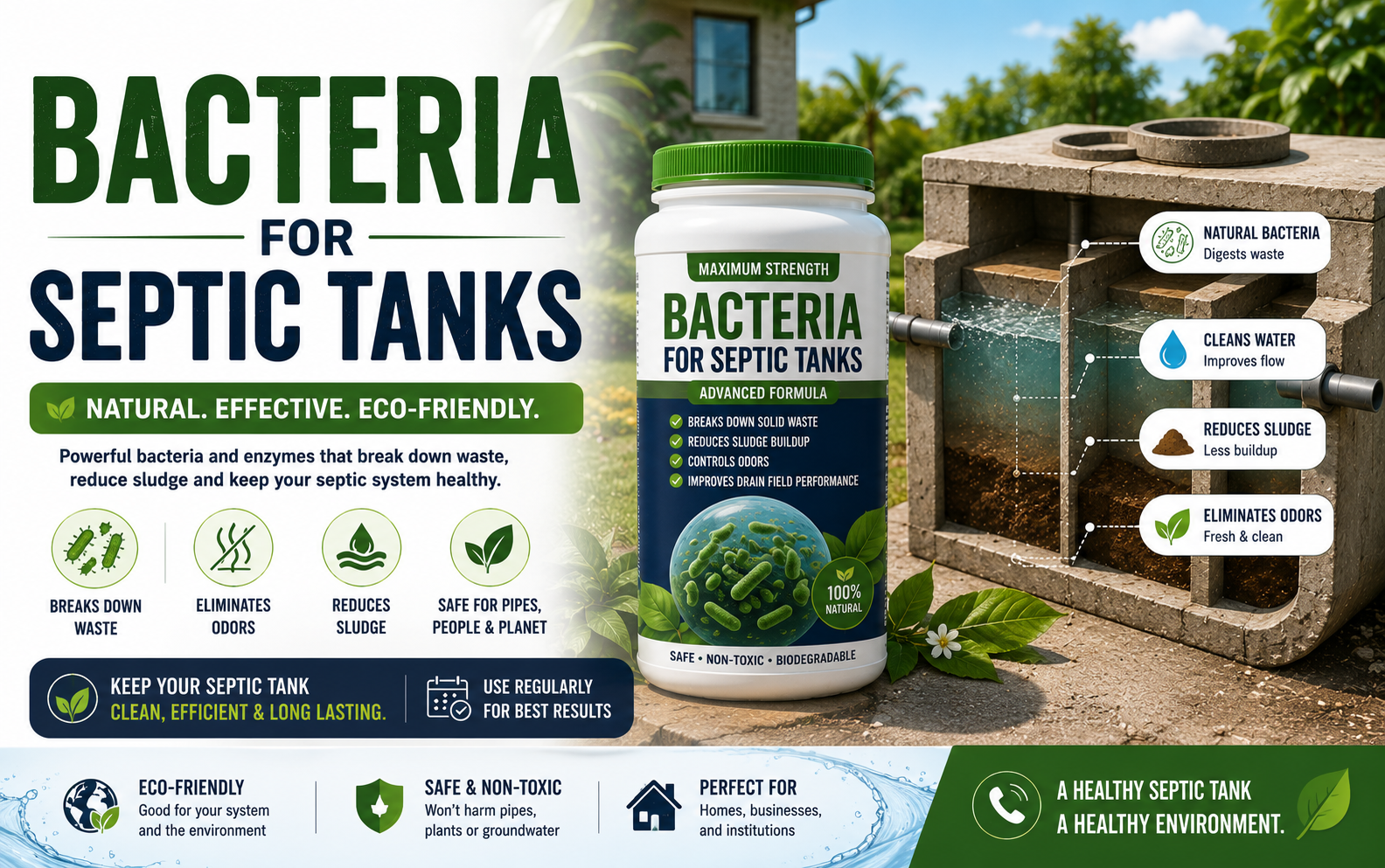
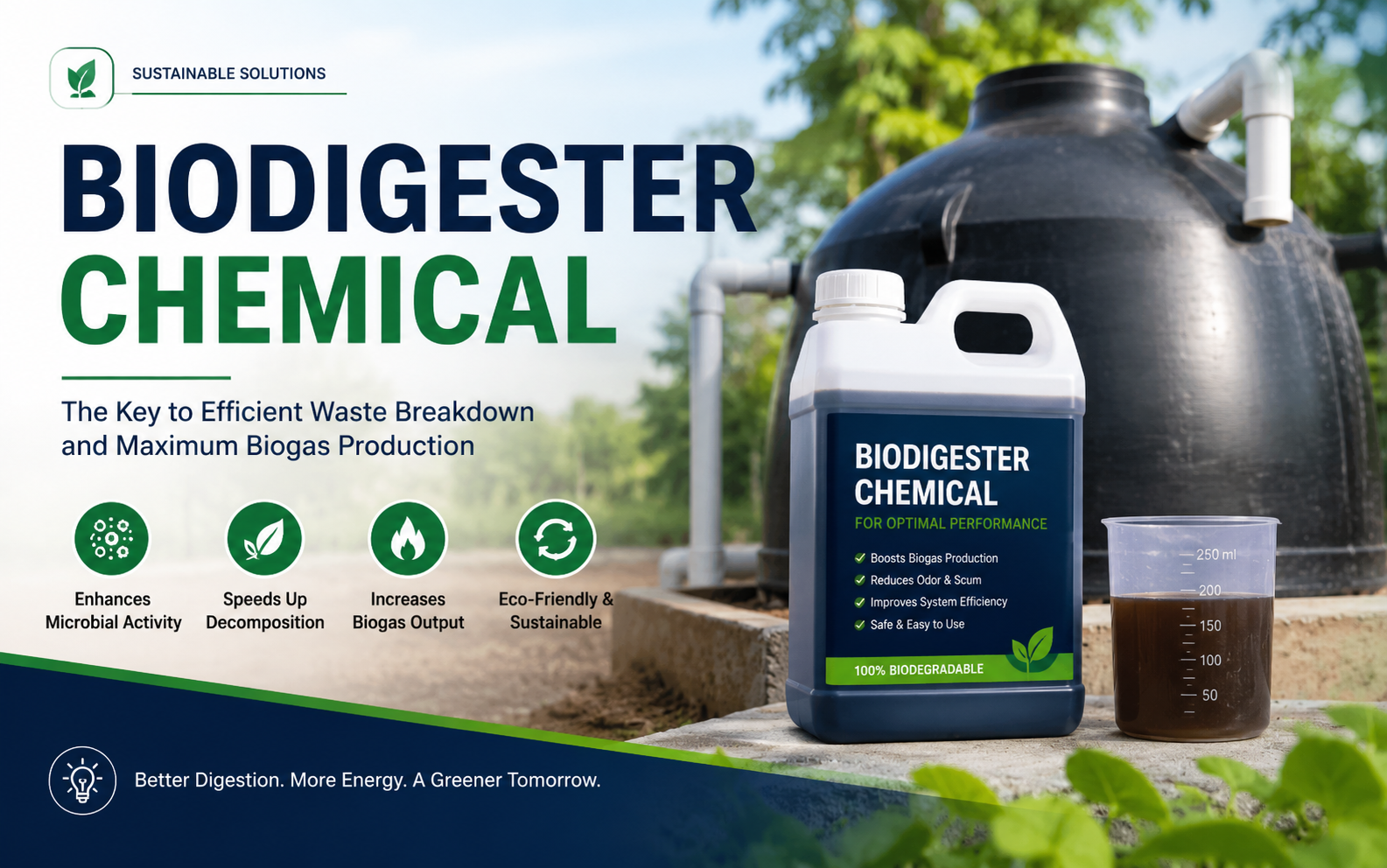
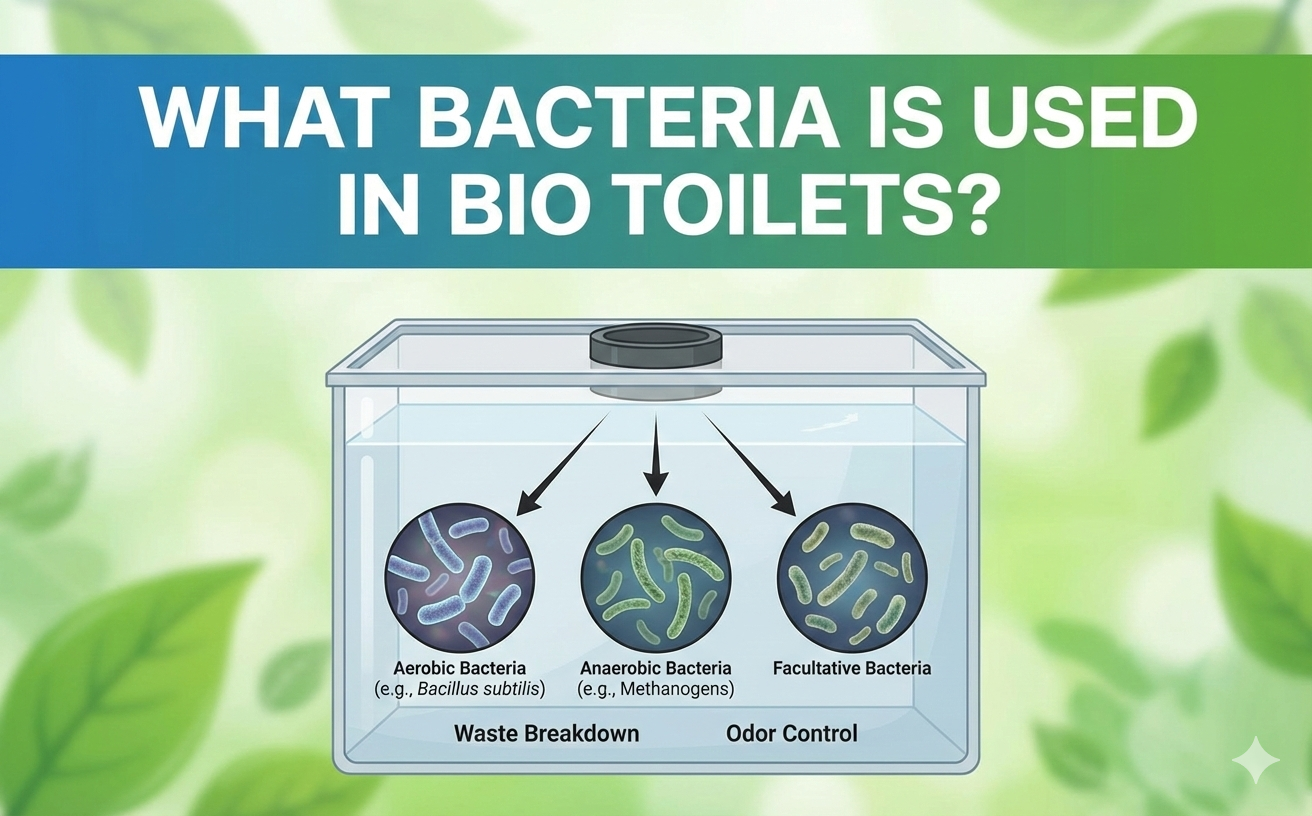
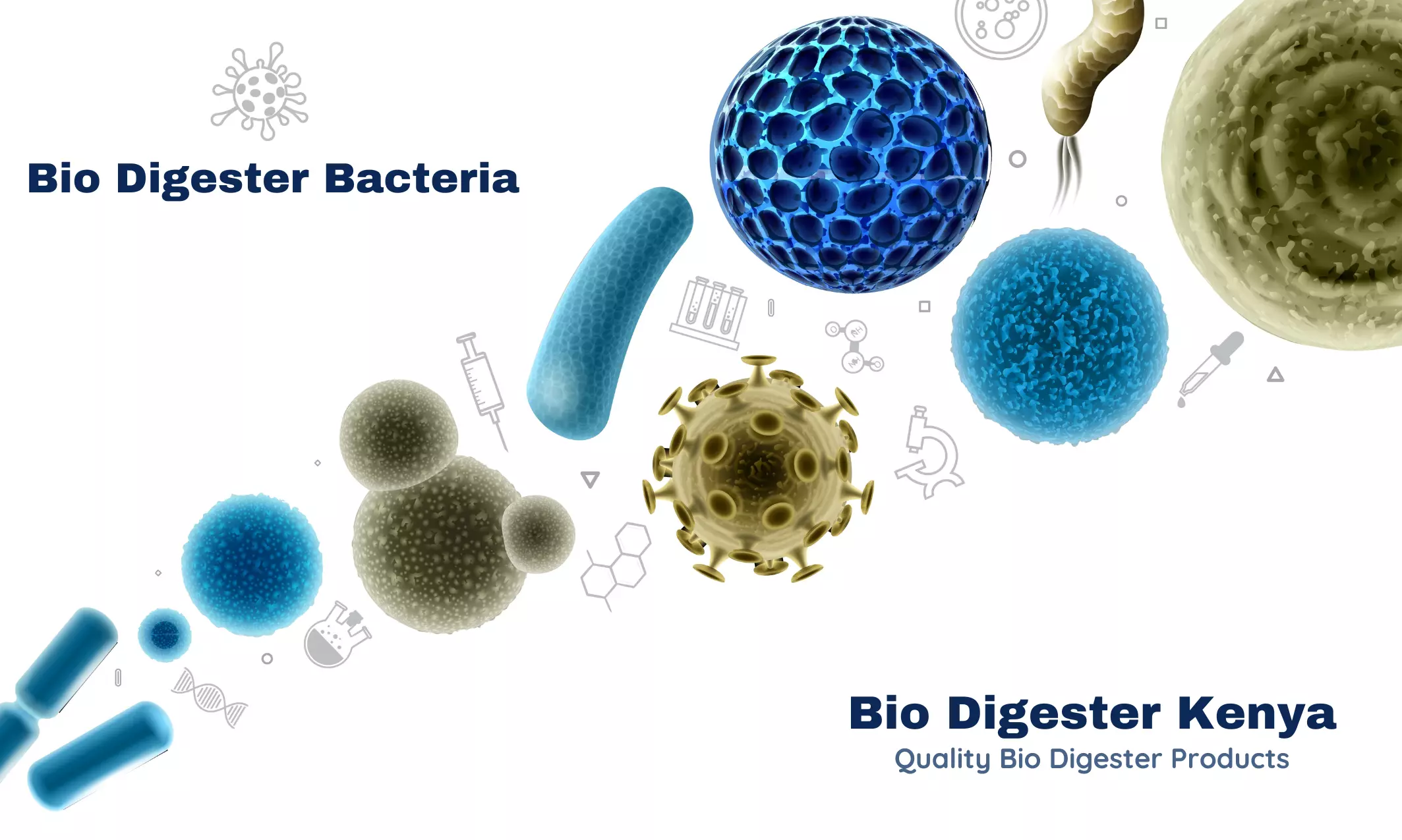
These are not harsh industrial chemicals; rather, they are highly concentrated, naturally occurring, or bio-engineered microbial cultures—enzymes and beneficial bacteria—that accelerate the natural decomposition process.
When waste enters the chamber, these biological agents immediately start consuming the organic matter (feces, toilet paper, oils, etc.).
This active digestion phase is why the system is so efficient; it converts up to 99% of the solid waste volume into non-hazardous liquid effluent.
The result of this highly efficient process is that what leaves the biodigester chamber and enters your soak pit is essentially clear water—not the gray, noxious effluent that often overflows from traditional systems.
This water is safe for ground absorption and meets NEMA (National Environment Management Authority) standards, ensuring your project is compliant and environmentally responsible.
The gas produced is minimal and usually vented safely.
This entire process demonstrates why a modern biodigester is considered a permanent, zero-desludging solution.
If you are serious about long-term, headache-free waste management, the biological action of the enzymes is what makes the whole system possible, and Bio Digester Bacteria is what keeps it running smoothly year after year.

Biodigester vs Septic Tank: Cost, Maintenance, and Environmental Impact
When comparing a biodigester vs septic tank, most Kenyan consumers initially focus on the installation price, but the true cost lies in maintenance over ten years.
A traditional septic tank requires desludging every 1–3 years, costing anywhere from KES 8,000 to KES 25,000 per visit, depending on location and volume.
If you own a large property or commercial space, these costs multiply quickly.
Plus, you must contend with the unpleasant interruption, noise, and smell of the exhauster service every time.
Furthermore, the immense size of a traditional system often eats up valuable land, which is a significant opportunity cost in high-density areas.
In stark contrast, a modern Biodigester Septic Tank offers superior long-term financial benefits.
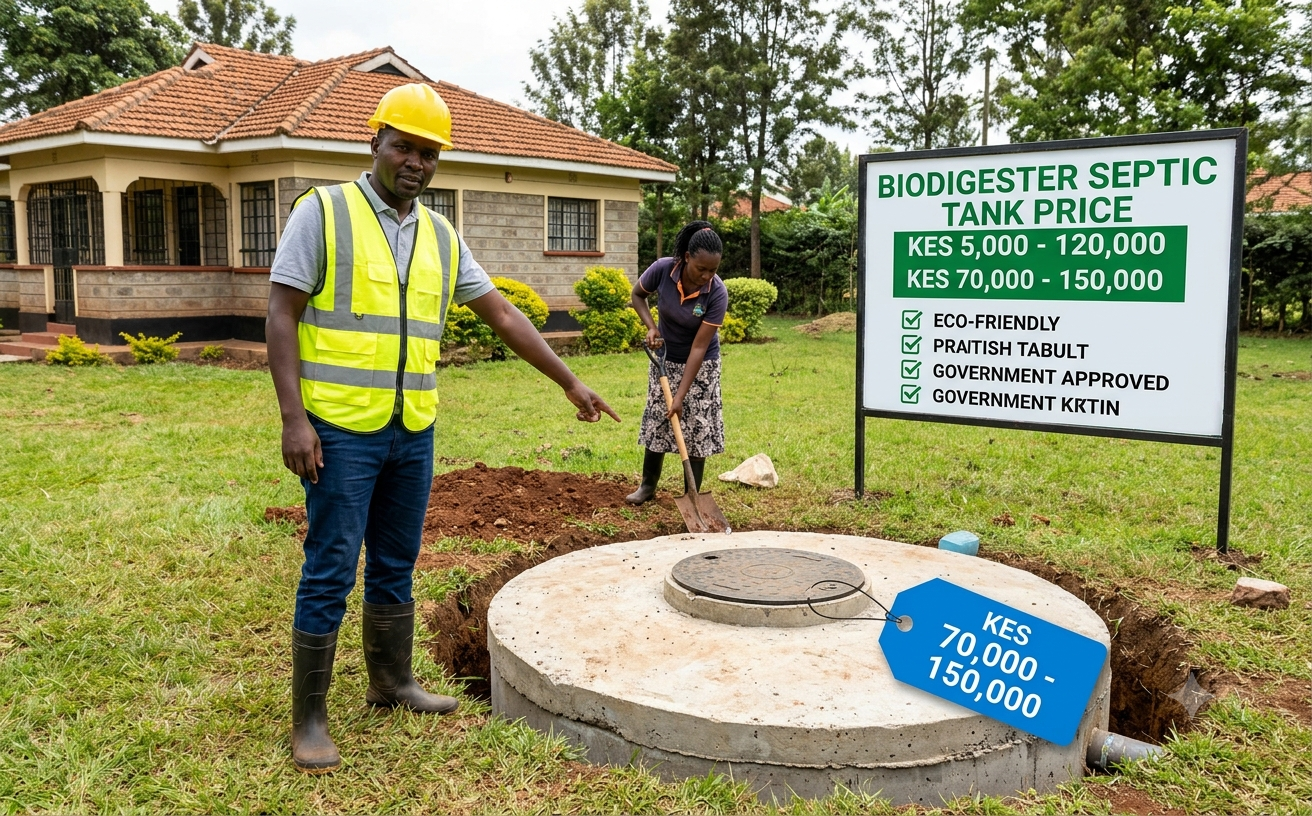
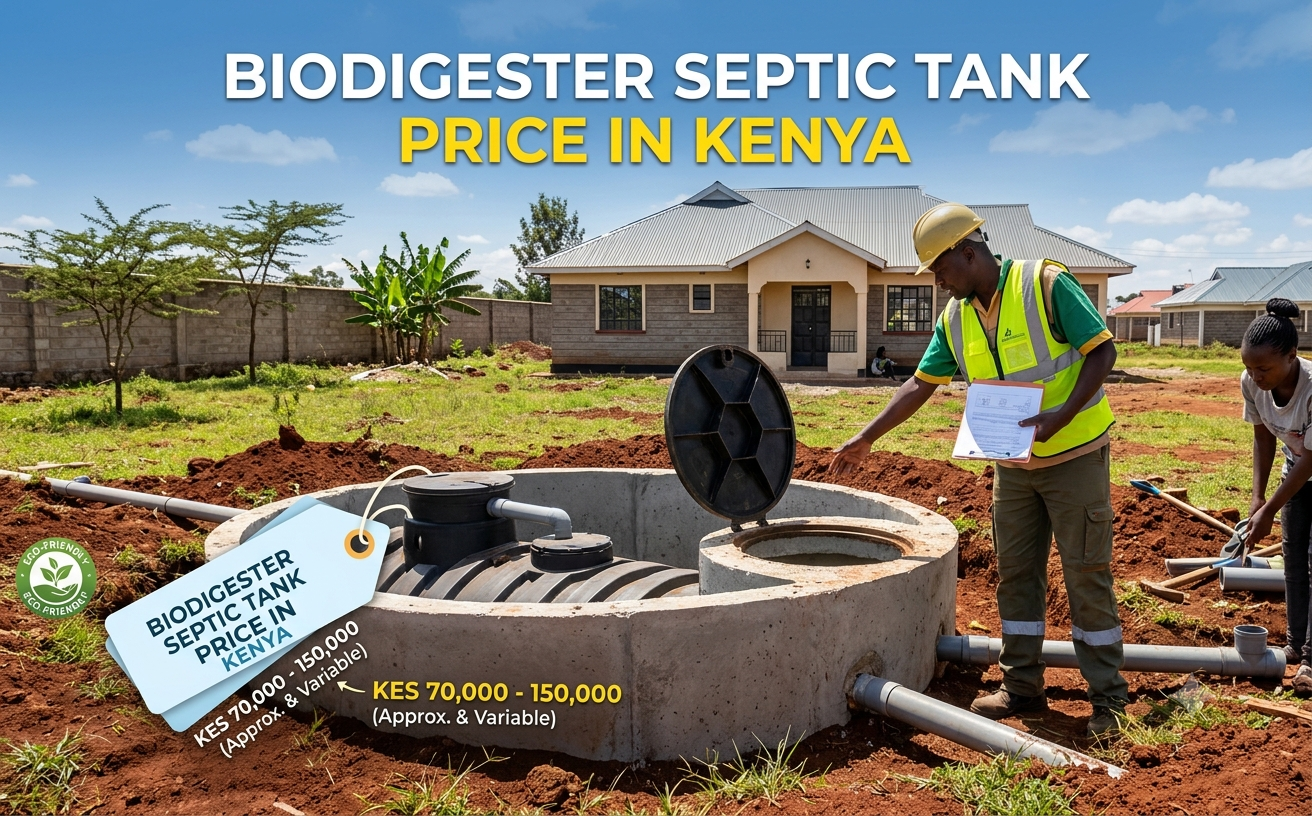
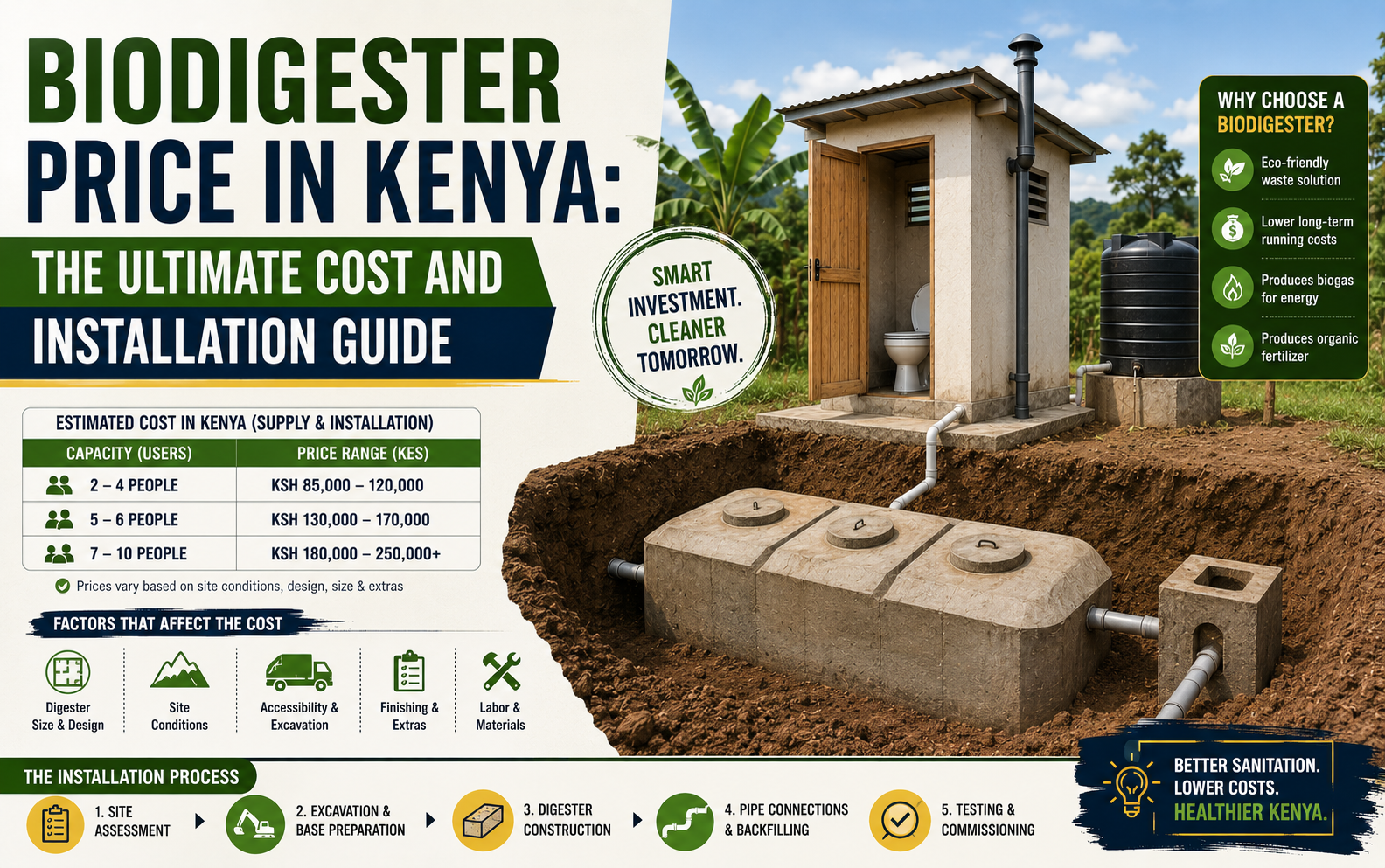
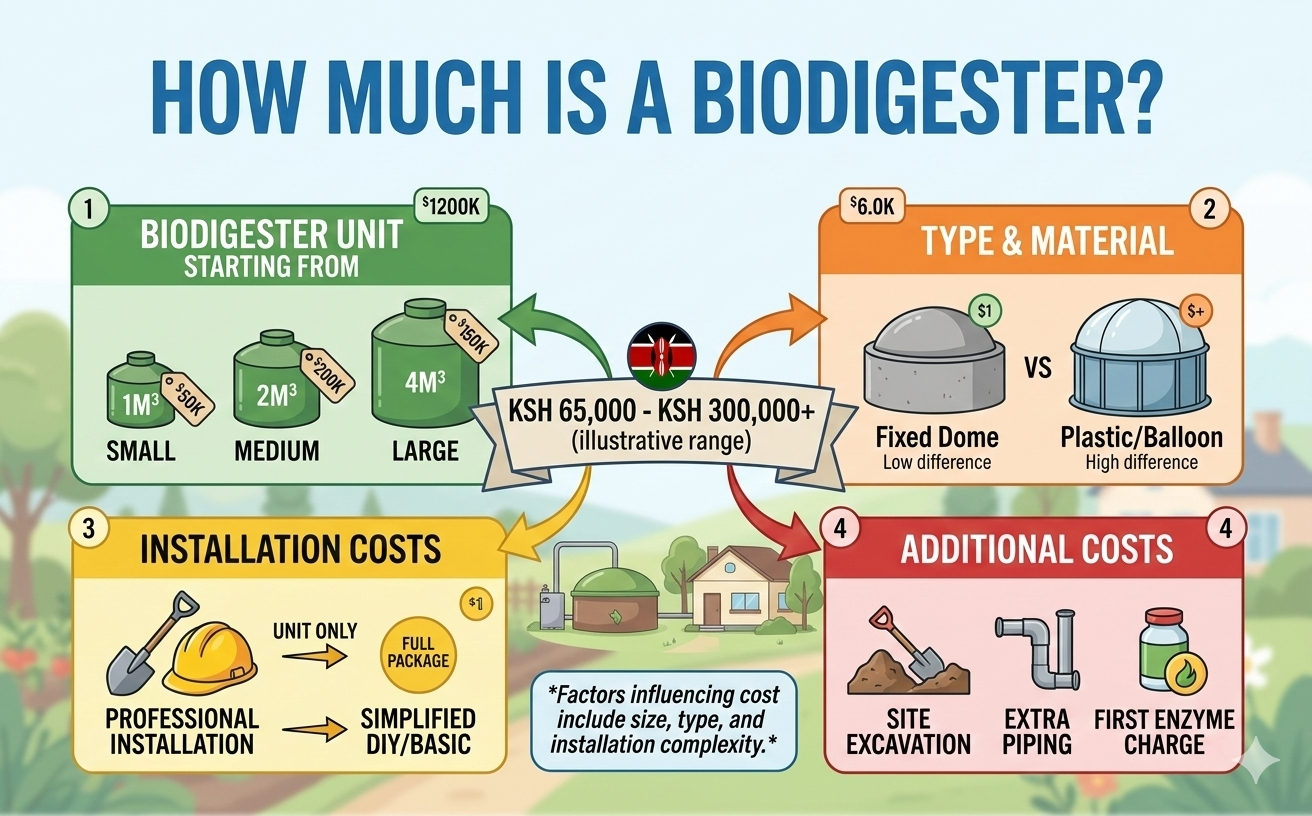
While the initial setup cost for a high-quality system from Bio Digester Kenya might be comparable to, or slightly higher than, a traditional system (especially when factoring in excavation and large concrete costs), the savings start almost immediately.
You incur zero desludging costs, ever.
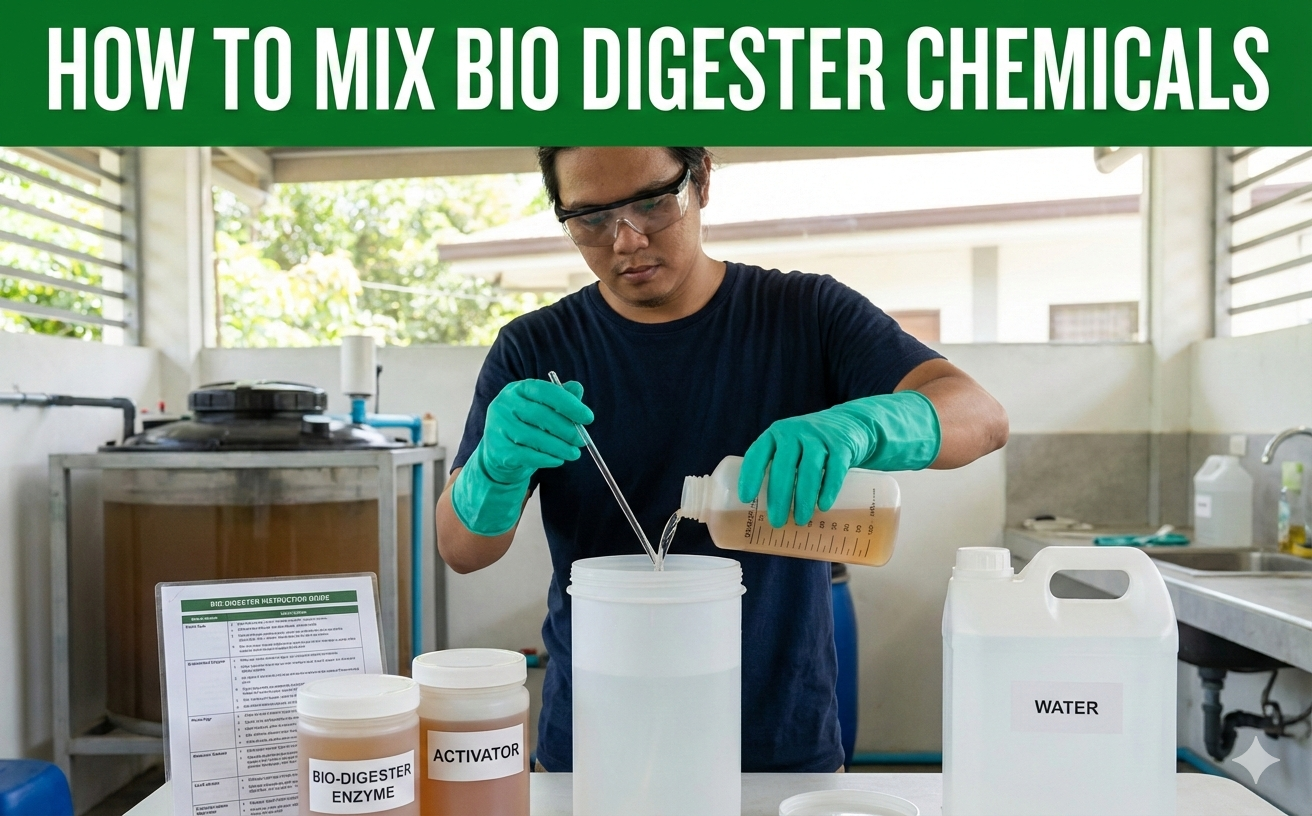
Maintenance is minimal—just periodic addition of enzymes (the “chemicals” we are discussing) to boost the bacterial population.
Environmentally, the biodigester is unmatched.
It prevents the leakage of raw sewage, protects the Kenyan water table, and eliminates the stench that plagues many estates, ensuring your property is compliant, hygienic, and much safer for everyone nearby.
Understanding the Price of Biodigester Chemicals and Enzymes in Kenya
Since the biodigester system is fundamentally a biological machine, the enzymes are the fuel, but they are incredibly affordable compared to the cost of an exhauster visit.
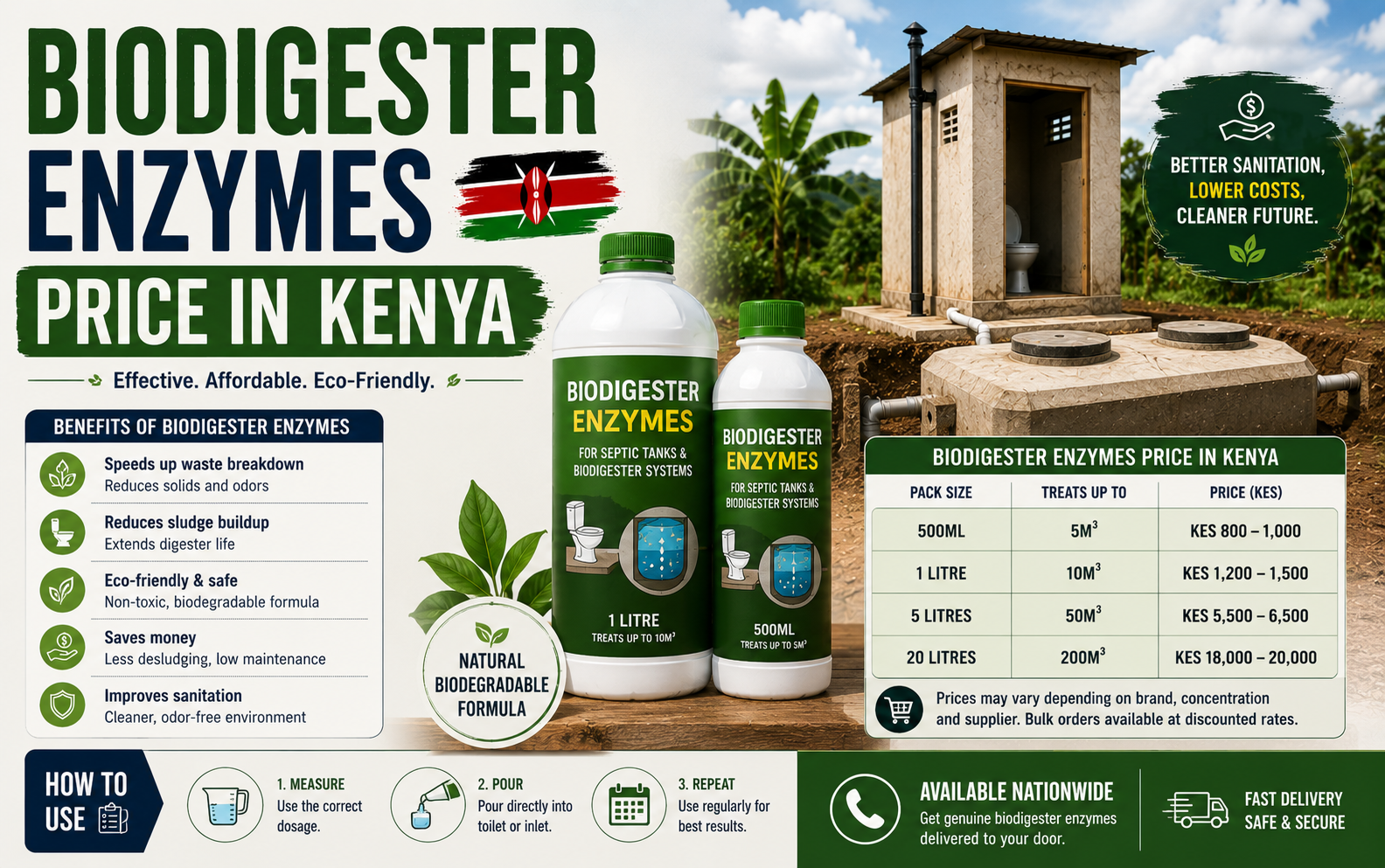
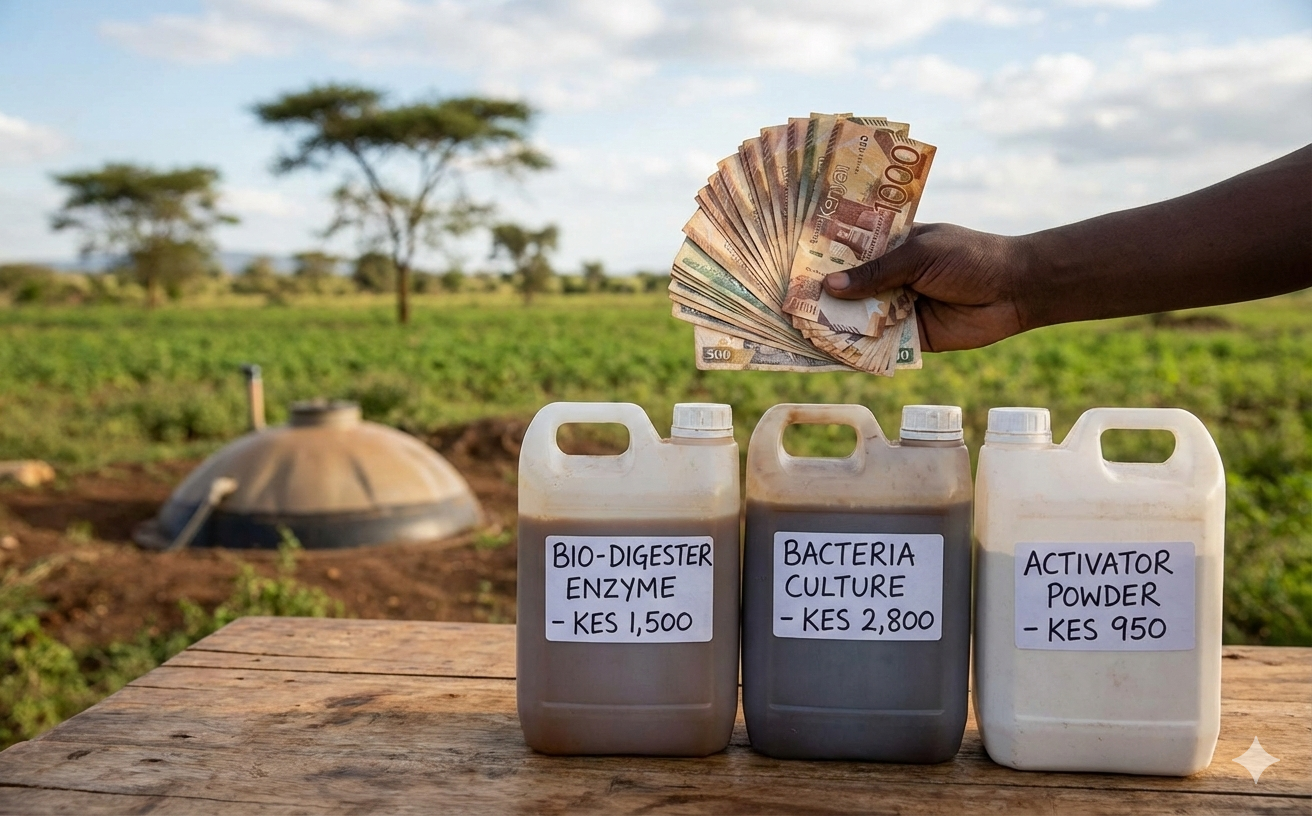
When searching for the “biodigester chemical price in Kenya,” you are typically looking for high-potency, specialized bacterial cultures sold in powdered or liquid form.
The cost varies based on potency, volume, and brand, but generally, a quality pack of Bio Digester Bacteria – 200g, sufficient for maintenance over several months, usually costs between KES 1,500 and KES 3,500.
This is a recurring, yet small, investment that ensures your system runs optimally and never backs up.
When you purchase a system from an experienced installer like Bio Digester Kenya, they often provide the initial enzyme dose, and subsequent maintenance doses are straightforward to acquire.
It is crucial to use specific, high-quality products designed for the modern Bio Septic Tank, rather than generic chemicals which could harm the biological balance.
Remember, the true value of these enzymes isn’t the upfront cost; it’s the fact that they perpetually eliminate the need for KES 20,000+ desludging fees.
If you are experiencing slow drainage or mild odors, a quick dose of powerful enzymes like those found in our Shop can often restore full functionality within days, confirming the affordability and efficacy of this ongoing maintenance solution.

Choosing the Right Bio Digester Kenya Solution for Homes and Businesses
Sizing and selection are critical steps, and this is where expertise in the Kenyan environment truly matters.
A small 1M³ Bio Digester may be perfect for a modest two-bedroom home with 3 occupants, but a block of flats or a busy hotel requires a far larger capacity, perhaps a 4M³ Bio Digester or a customized commercial solution.
When choosing your system, you must consider the daily water usage, the number of permanent residents or users, and the local soil conditions (especially challenging black cotton soil).
Don’t just settle for a generic model; ensure the system is tailored to your site’s specific requirements, guaranteeing maximum efficiency and longevity for your investment.
At Bio Digester Kenya, we pride ourselves on providing transparent, tailored recommendations for both residential and commercial projects.
We don’t just sell components; we provide engineered solutions.
Our team conducts a site assessment to determine the best location, capacity, and design for your needs, ensuring compliance with local government standards and optimal functionality for your specific water outflow needs.
If you are a developer looking for a reliable, scalable sanitation infrastructure across a new estate, or a homeowner seeking permanent relief from septic problems, choosing the right partner is the first step toward a successful, zero-maintenance waste solution.
If you are ready to eliminate the smell, space, and cost problems of the past, take the next step: Call +254 712 660 245 for a free site consultation and estimate today!

Installation Process & What to Expect from Bio Digester Kenya
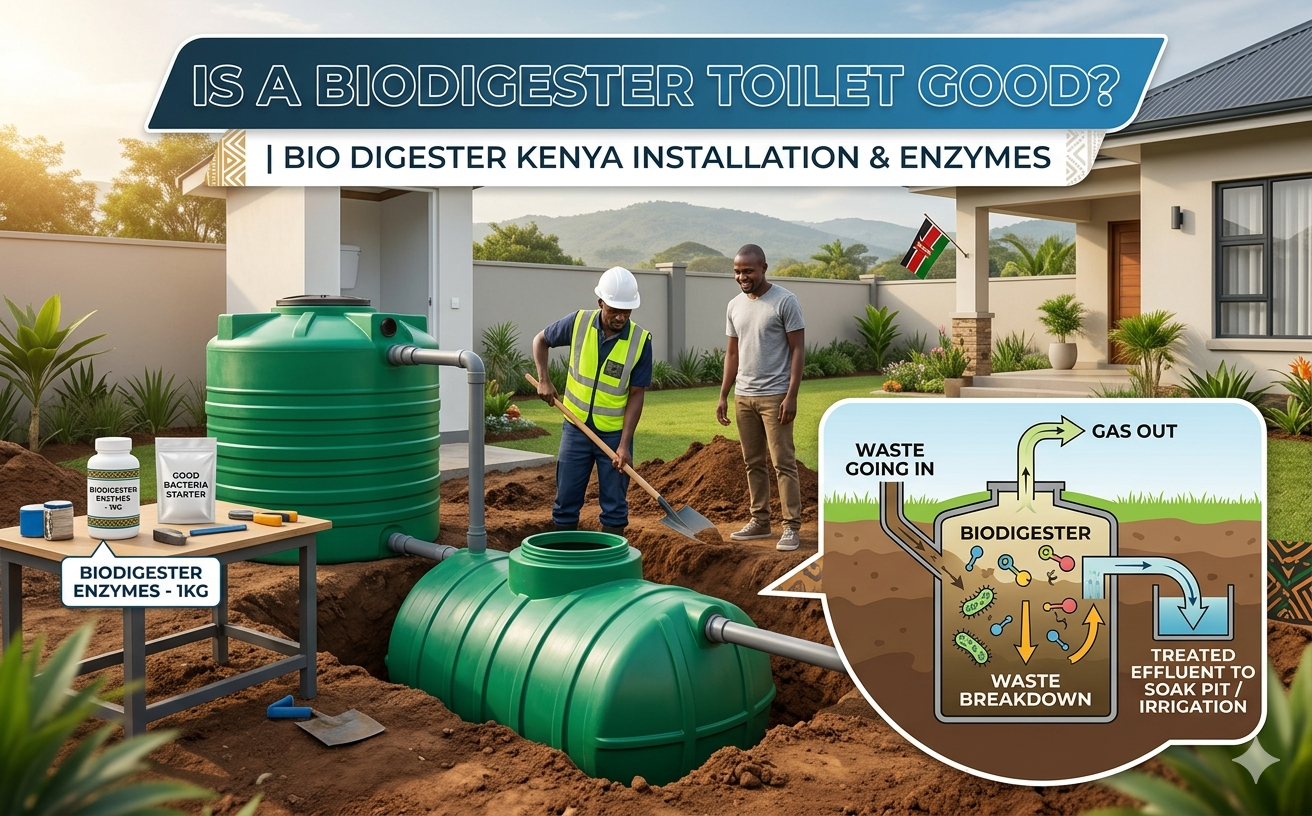
The beauty of modern Bio Digester Installation is that it is often far less disruptive and quicker than constructing a large, traditional concrete septic tank.
The process typically begins with a site survey and design finalization, ensuring the layout works perfectly with your existing plumbing and available space.
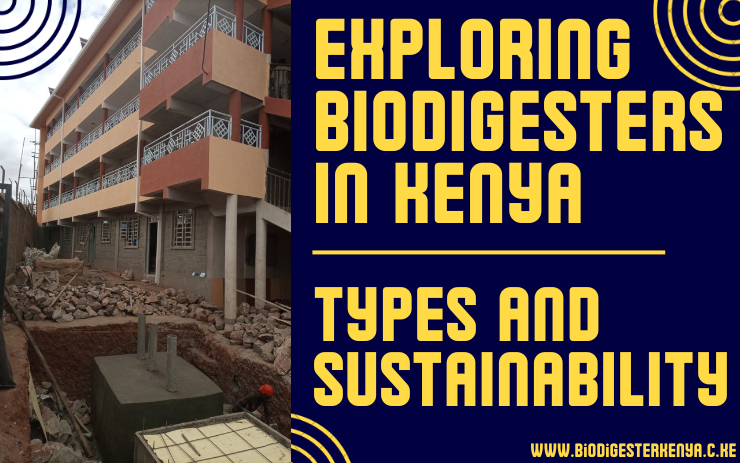
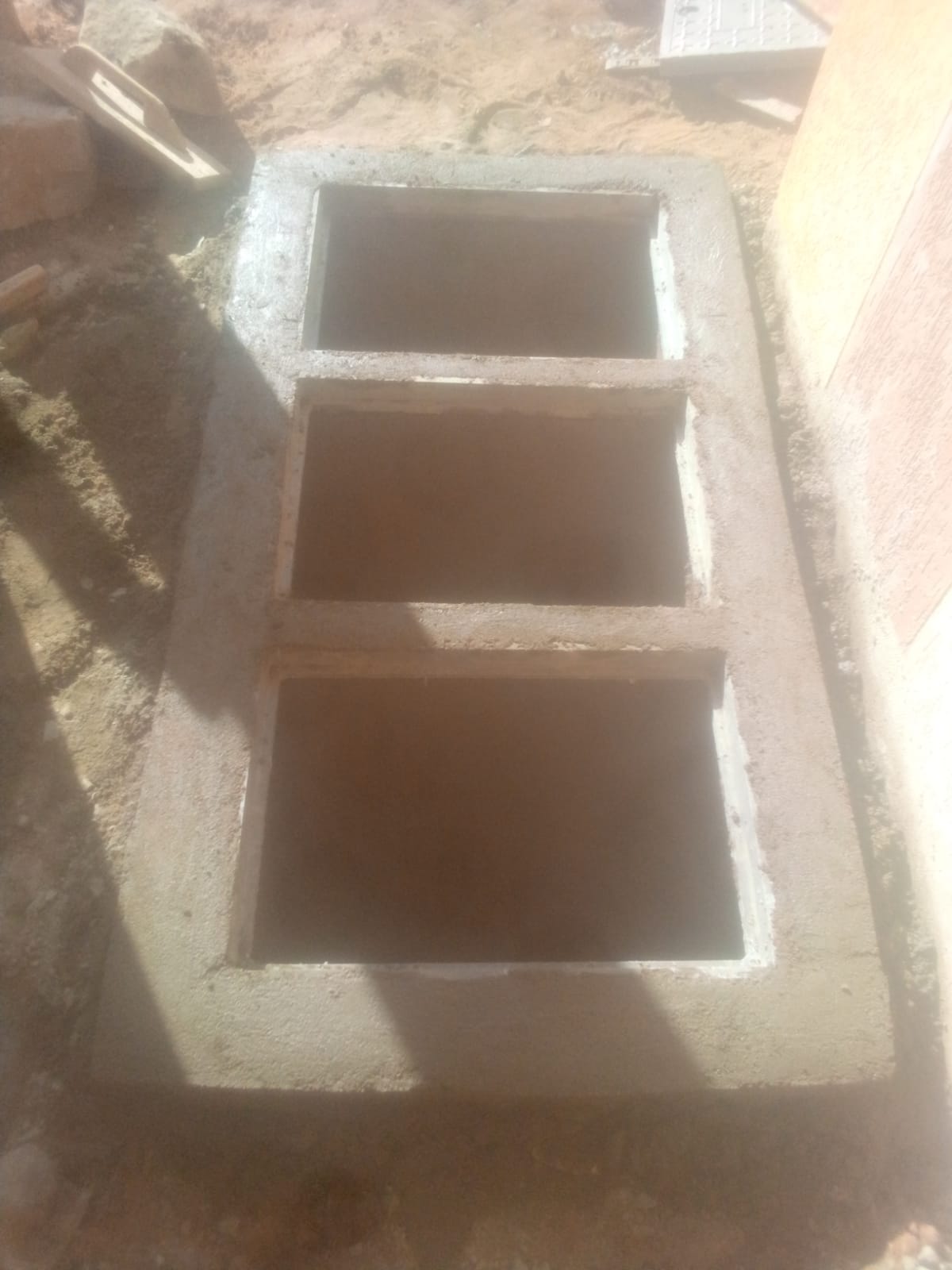
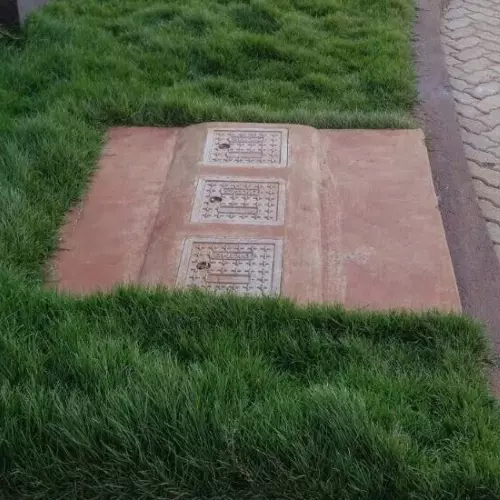
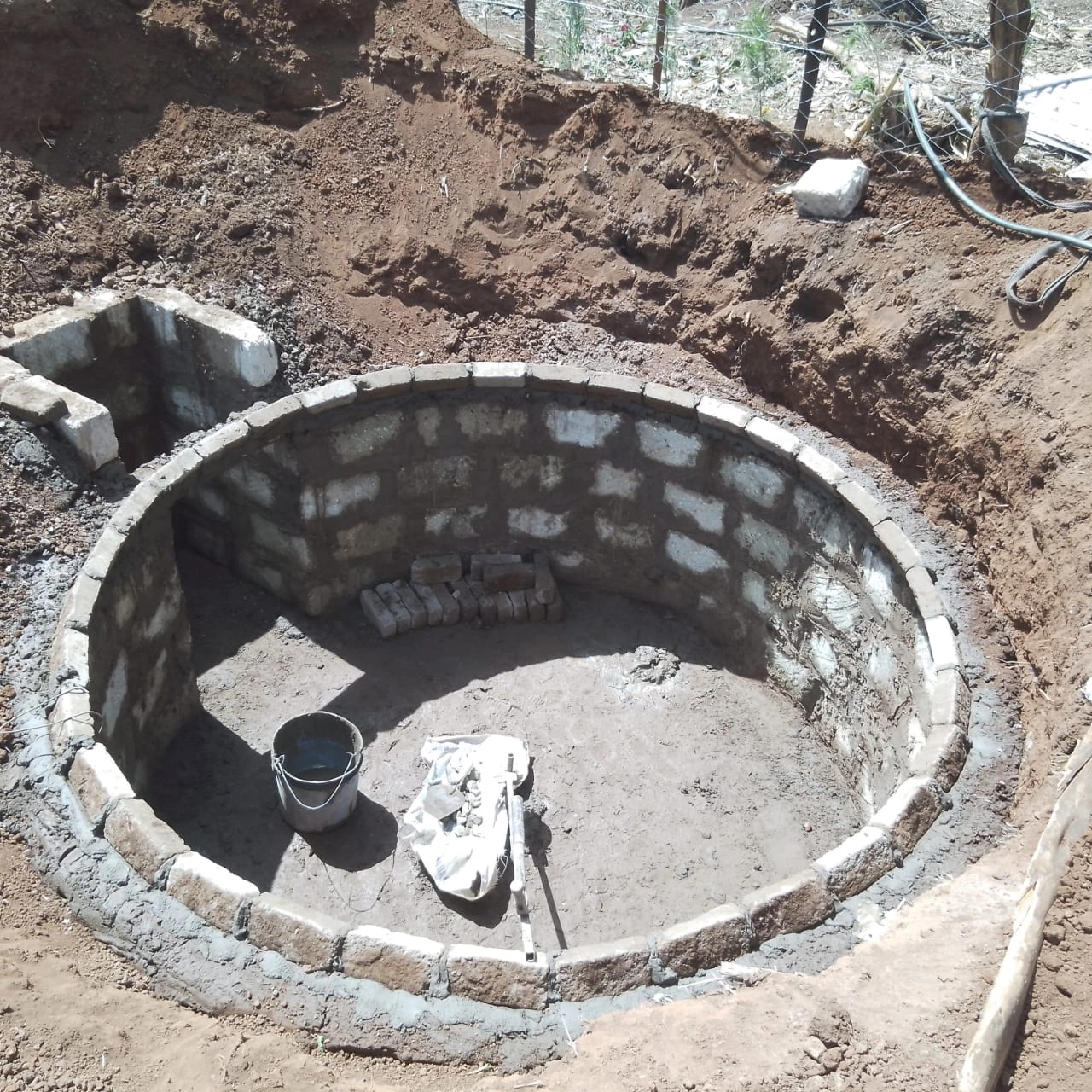
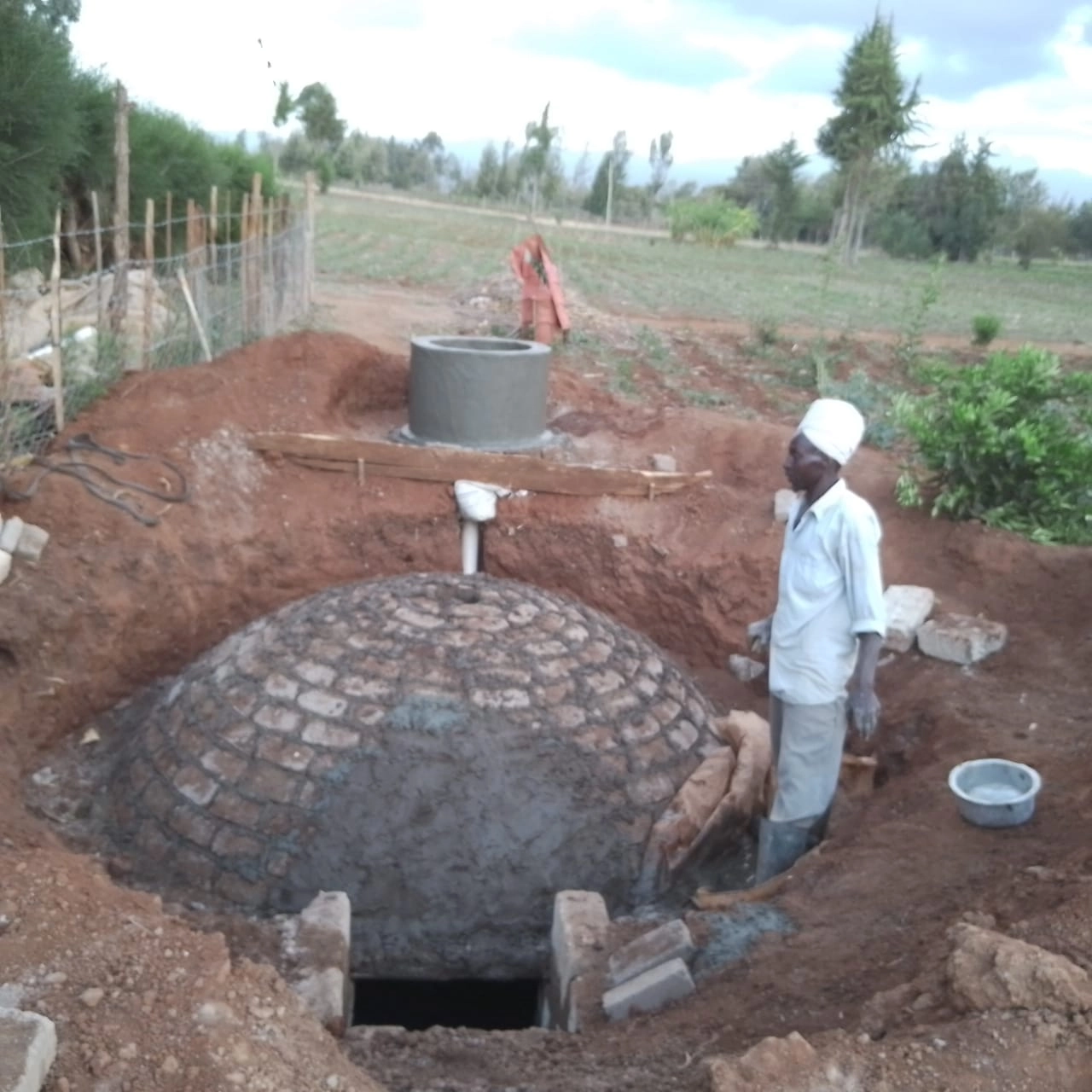
Once the design is approved, excavation is minimal, as the biodigester unit is much more compact.
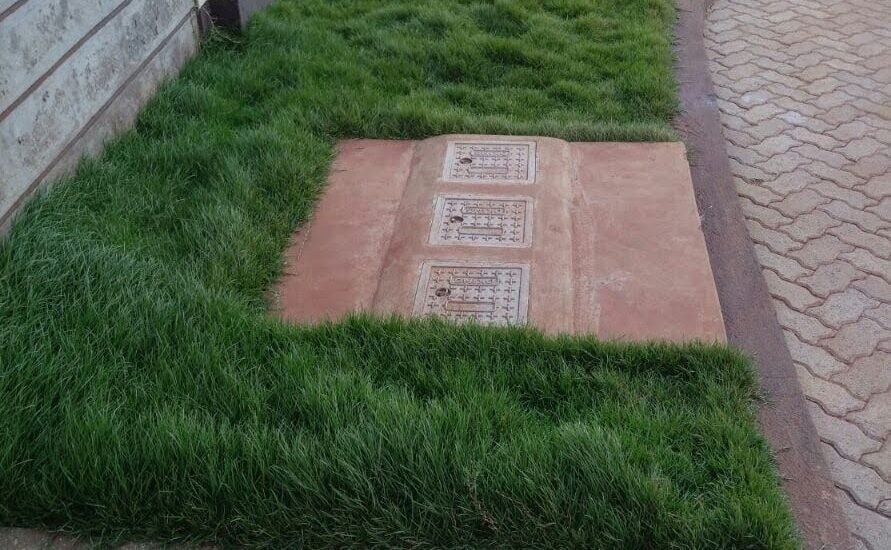
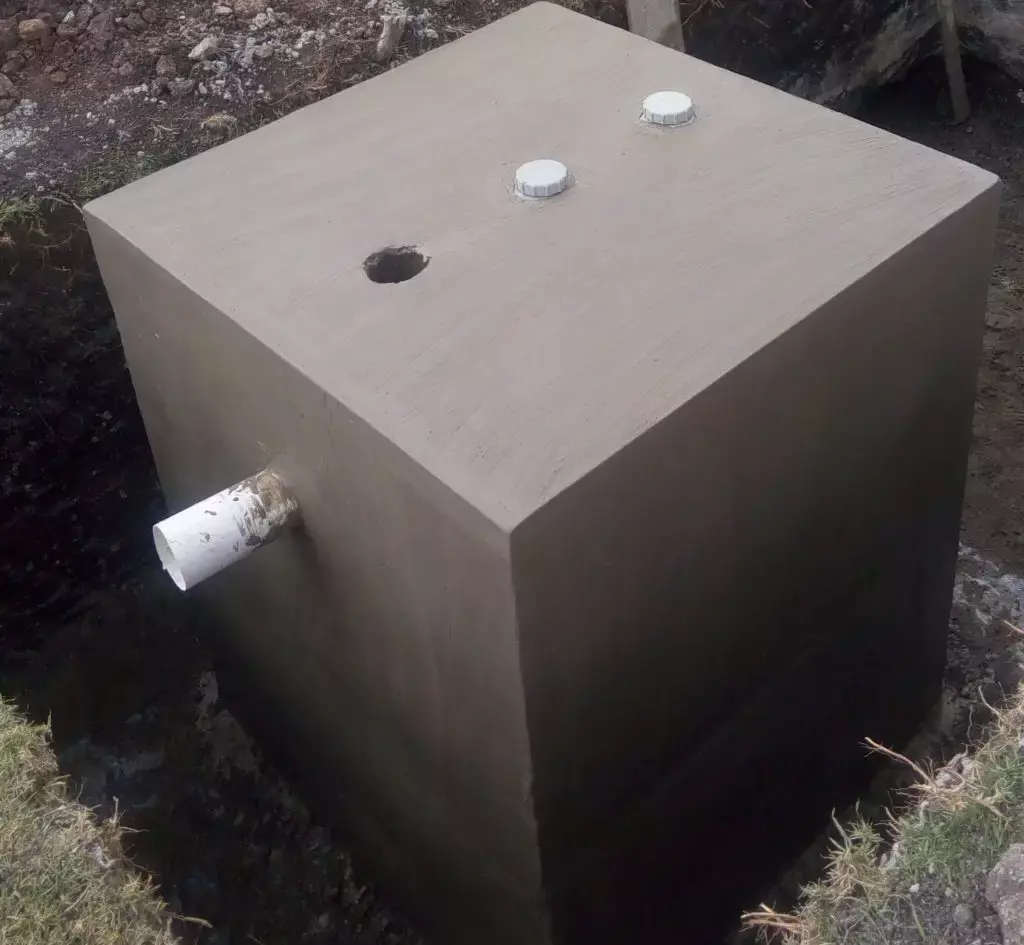
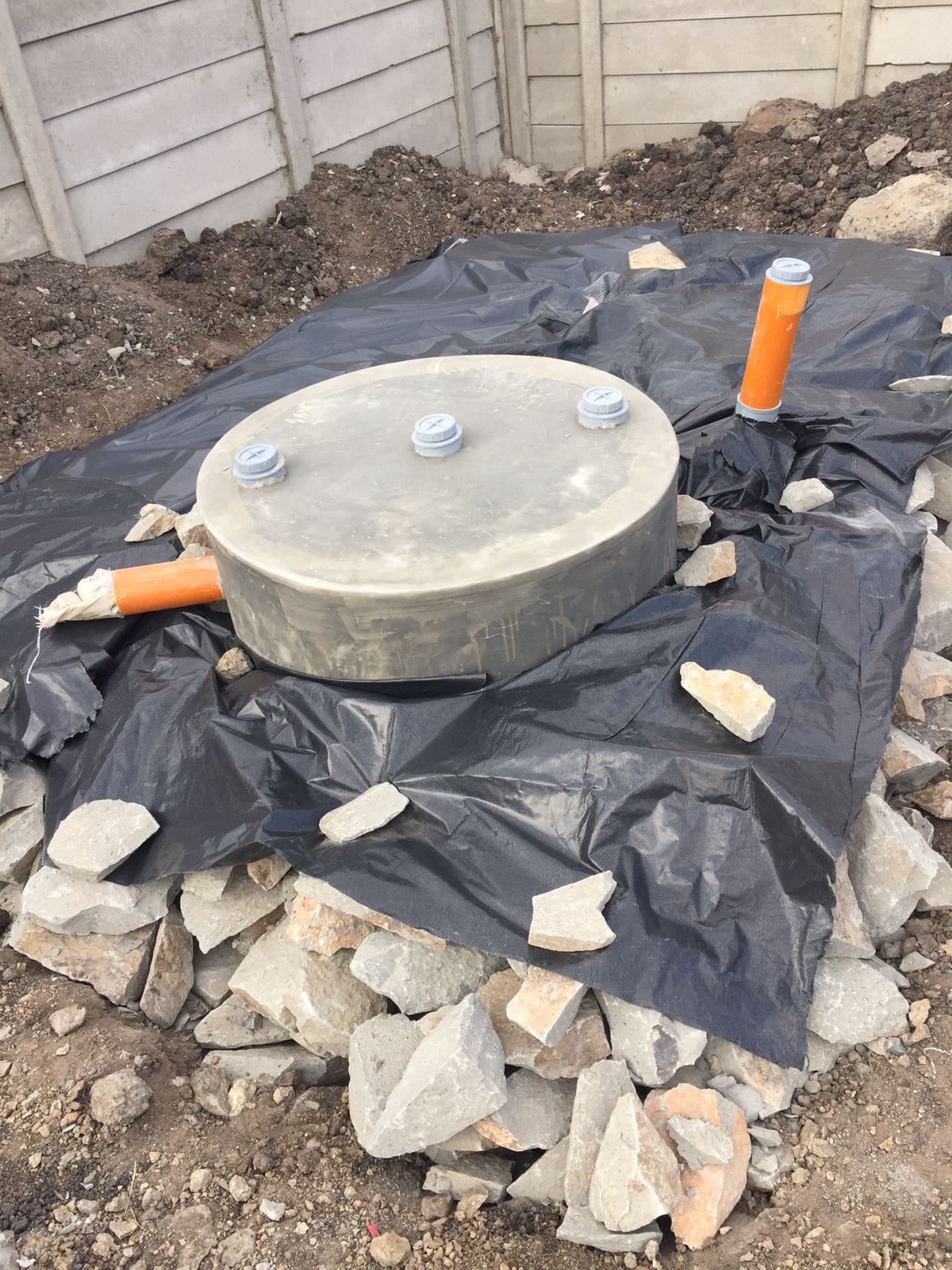
Bio Digester Kenya often utilizes robust, modern, Precast Bio Digesters, which are installed quickly, minimizing labor costs and project timelines, meaning your building project faces minimal delay.
The installation involves laying the inlet pipes from the building’s drainage system to the Biodigester Septic Tank, carefully positioning the tank, ensuring its structural integrity, and then connecting the outlet to the appropriately sized soak pit.
Critical to our service is the quality of the soak pit design, as this ensures the safely treated water dissipates effectively into the sub-soil, even in clay-heavy regions.
Once the system is covered and commissioned, we add the initial enzyme charge to kickstart the biological process.
This professional, streamlined process ensures your biodigester is fully functional, leak-proof, and ready to serve your property for decades without the risk of failure associated with poorly constructed DIY systems.

Maintenance, Longevity, and Real Savings Over Time
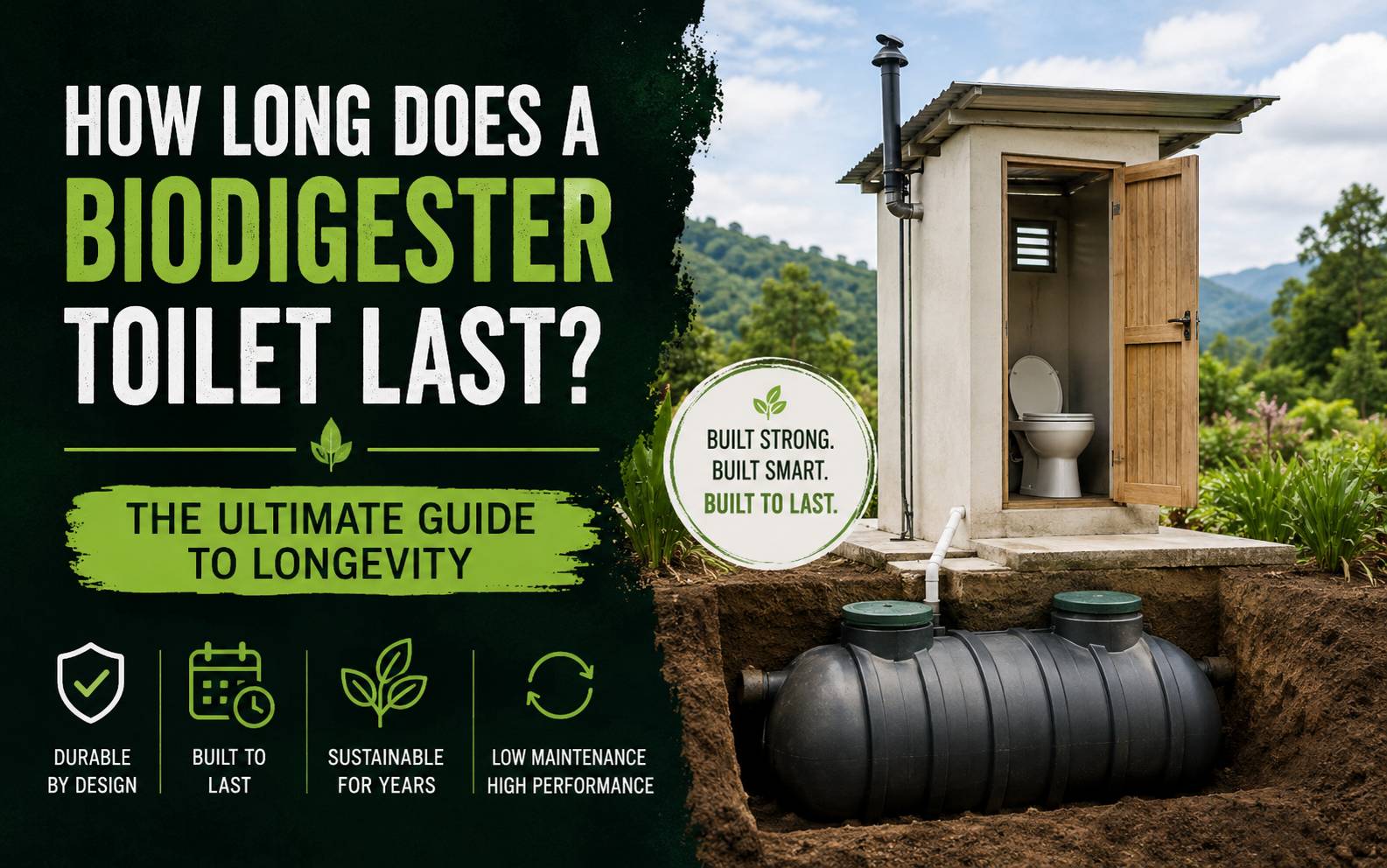
When we talk about the longevity of a properly installed Bio Septic Tank, we are talking about permanent infrastructure—a 50+ year lifespan if maintained correctly.
The maintenance routine is incredibly simple compared to the traditional system.
Essentially, maintenance involves ensuring the system receives regular water flow (as the enzymes need moisture to thrive) and occasionally dosing the system with the booster enzymes.
We recommend homeowners maintain a supply of Bio Digester Bacteria – 400g to be used every 6 to 12 months, or if they notice reduced performance, especially after heavy use or the introduction of excessive chemicals like bleach.
The real savings accumulate over the lifespan of the property.
Imagine a commercial building that would typically require desludging four times a year, costing KES 60,000 annually.
Over ten years, that is KES 600,000 flushed away just on exhausting sludge, plus the hidden costs of property disruption and odor management.
By switching to a biodigester, this cost is completely eliminated and replaced by an annual enzyme expense of only KES 3,000–KES 6,000.
This dramatic difference in operating cost highlights why the biodigester is not merely a sanitation choice, but a significant, strategic financial investment for any serious property owner in Kenya.
If you need expert guidance on how to maintain your current system or upgrade, feel free to Email us info@biodigesterkenya.co.ke.
Ready to Upgrade?
How to Order Your Bio Digester and Enzymes Today
The time for dealing with overflowing septic tanks, the expense of exhauster services, and the environmental anxiety that comes with poor sanitation is over.
Moving to a modern, zero-maintenance Bio Digester Kenya solution is the clearest way to protect your investment, your health, and the environment.
Whether you are building from scratch and need a full Home installation, or you need to revitalize a struggling existing system with a powerful dose of enzymes, we are the trusted partner on the ground in Kenya.
Don’t wait until the next backup crisis hits.
Reach out to the experts who understand Kenyan plumbing and environmental standards better than anyone.
We offer a permanent solution for a permanent problem.
Conclusion
The modern biodigester is not just an alternative to the septic tank; it is the definitive upgrade required for sustainable, modern living in Kenya.
By harnessing the power of biological enzymes, the biodigester eliminates sludge accumulation, saves property owners thousands of shillings in perpetual desludging costs, ensures optimal hygiene, and protects Kenya’s critical water resources.
The relatively low cost of the maintenance enzymes is a small price to pay for a lifetime of zero exhauster fees and complete peace of mind.
Trust Bio Digester Kenya as your expert provider for high-quality installation and ongoing supply of these essential enzyme treatments.
Make the smart choice today and transition to a cleaner, more cost-effective future.

FAQs
- Is a biodigester legal and approved by NEMA in Kenya?
Yes, modern biodigester systems are generally NEMA compliant and are increasingly favored by local authorities because they produce a cleaner effluent (safe water) compared to traditional septic tanks, which significantly reduces the risk of groundwater contamination, especially in densely populated areas like Nairobi and Kiambu where water protection is paramount. - How often do I need to add the biodigester enzymes, and how much do they cost?
Typically, for residential use, you need to add a maintenance dose of enzymes every 6 to 12 months, although highly used commercial systems might require more frequent dosing.A standard package of high-quality biodigester chemicals usually costs between KES 1,500 and KES 3,500, making the annual maintenance cost negligible compared to a single septic tank emptying service. -
Can a biodigester be installed in black cotton soil (clay)?
Yes, biodigesters can be installed successfully in challenging black cotton soil common in many parts of Kenya, but the soak pit design requires specialized engineering.Experienced providers like Bio Digester Kenya incorporate features like stone ballast and specialized drainage trenches to ensure the treated water can safely absorb into the ground despite the low permeability of the clay soil. -
Does the biodigester smell, particularly during heavy rains or high usage?
No.A key advantage of the modern biodigester over a traditional septic tank is that it is a completely sealed, high-efficiency biological system.Because the waste is actively digested and converted primarily into water and gas (which is vented separately), there is no foul odor; the system remains hygienic, odor-free, and safe, even under high pressure.
-
What happens if the biodigester fills up or stops working?
If a biodigester stops working, it is almost always due to the death of the active enzyme colony, often caused by excessive use of bleach, caustic chemicals, or lack of water flow.If the system slows, it simply needs a boost of new, active enzymes to restart the digestion process.Unlike septic tanks, which rely on the expensive exhauster to remove sludge, a failing biodigester is corrected by biology, not heavy machinery.