How to Prepare Your Home’s Wastewater System Before El Niño
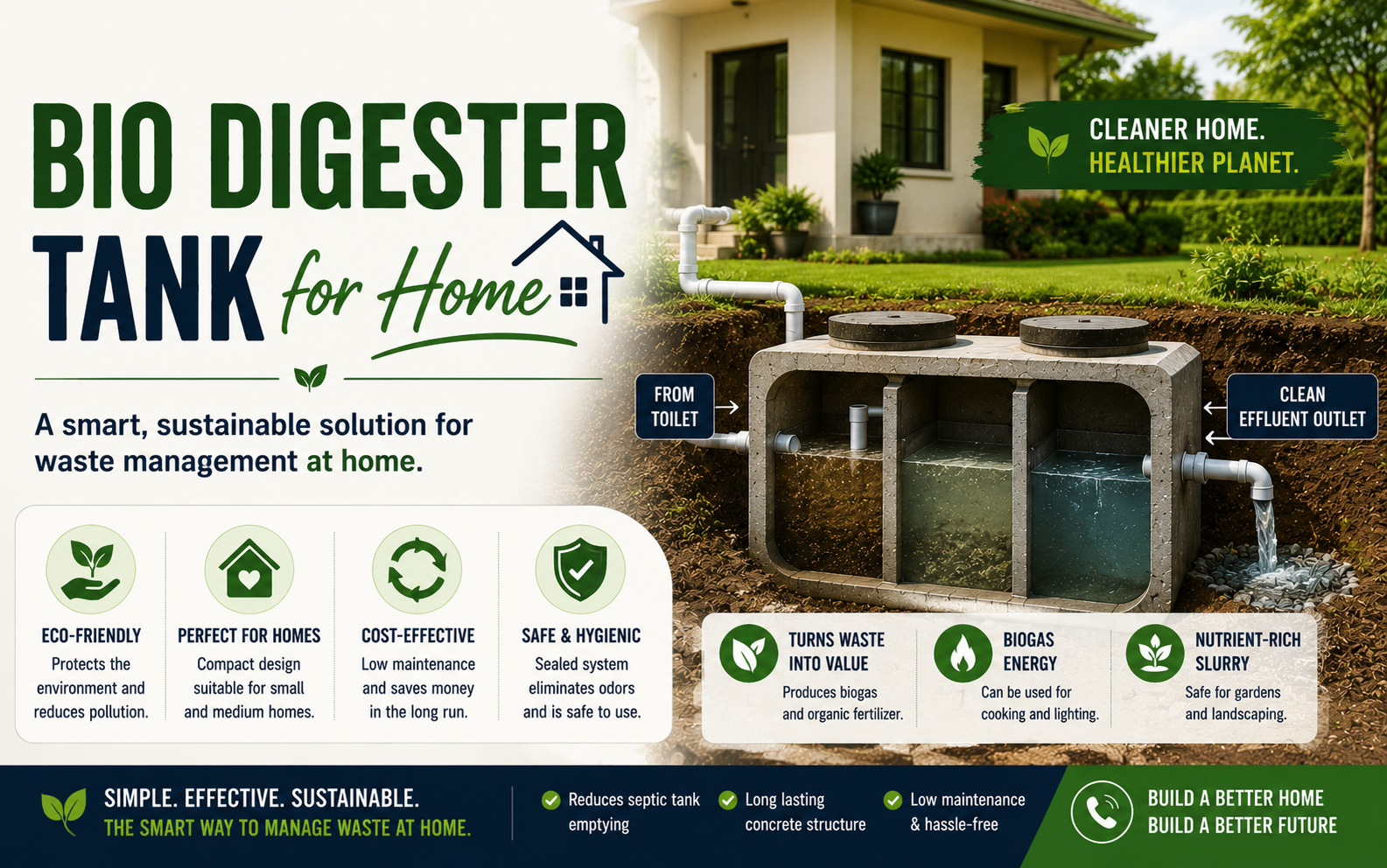
Preparing for El Niño requires securing your wastewater system by clearing drainage pathways, inspecting soak pits for siltation, and boosting microbial activity. Upgrading to a modern system from Bio Digester Kenya ensures anaerobic digestion continues efficiently, preventing overflows and the need for expensive exhaust bowser services during heavy rains.
The Risk of El Niño on Traditional Kenyan Sanitation
For property owners in regions like Kitengela, Kamulu, and parts of Syokimau, the heavy black cotton soil presents a significant engineering challenge during the El Niño season. Unlike the porous red soils of Kiambu or Ruaka, black cotton soil expands when wet and loses its ability to absorb liquid. In a traditional septic tank setup, this leads to immediate “back-filling” where the tank fills with rainwater or groundwater, forcing raw sewage back into your house through floor drains and toilets.
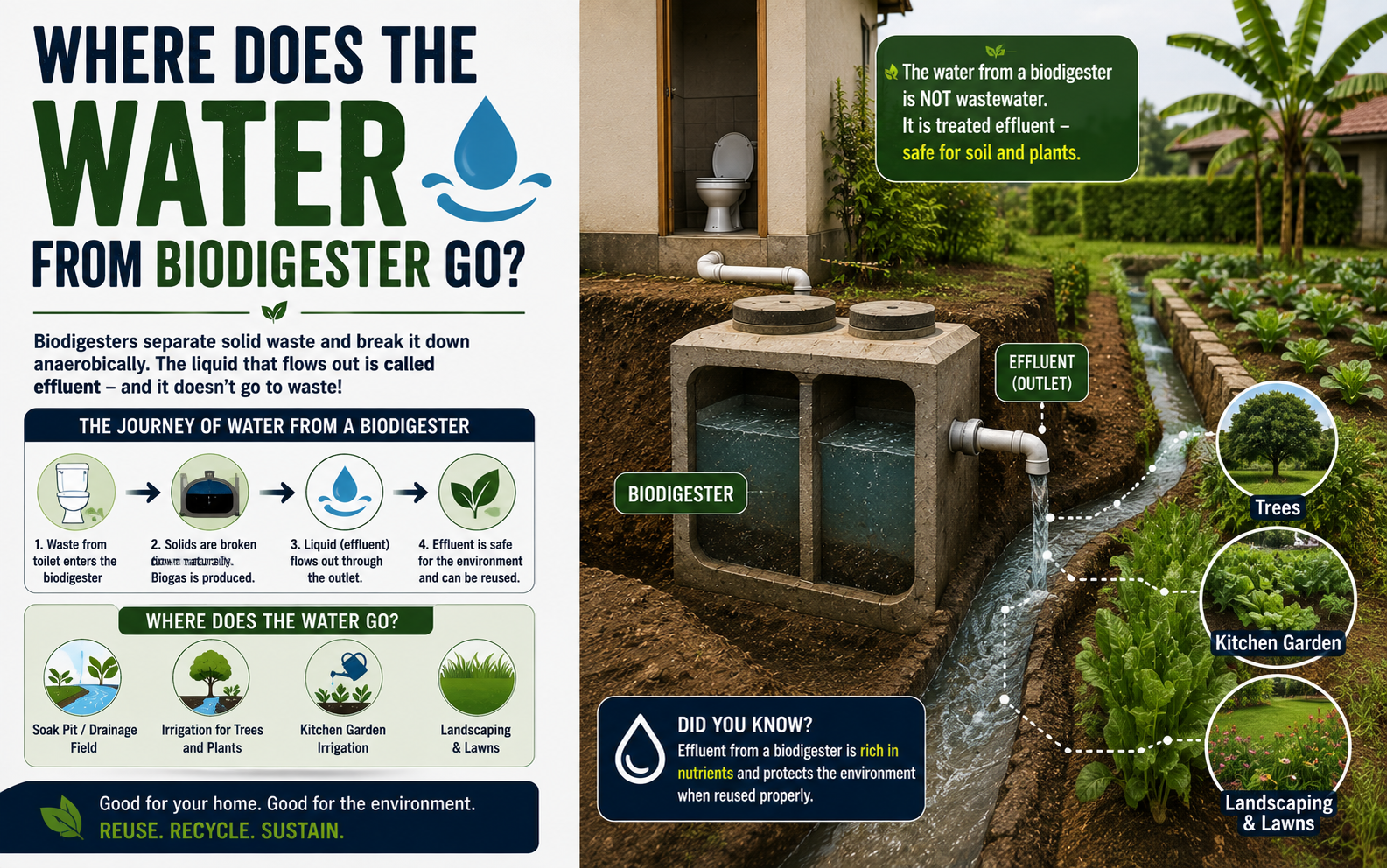
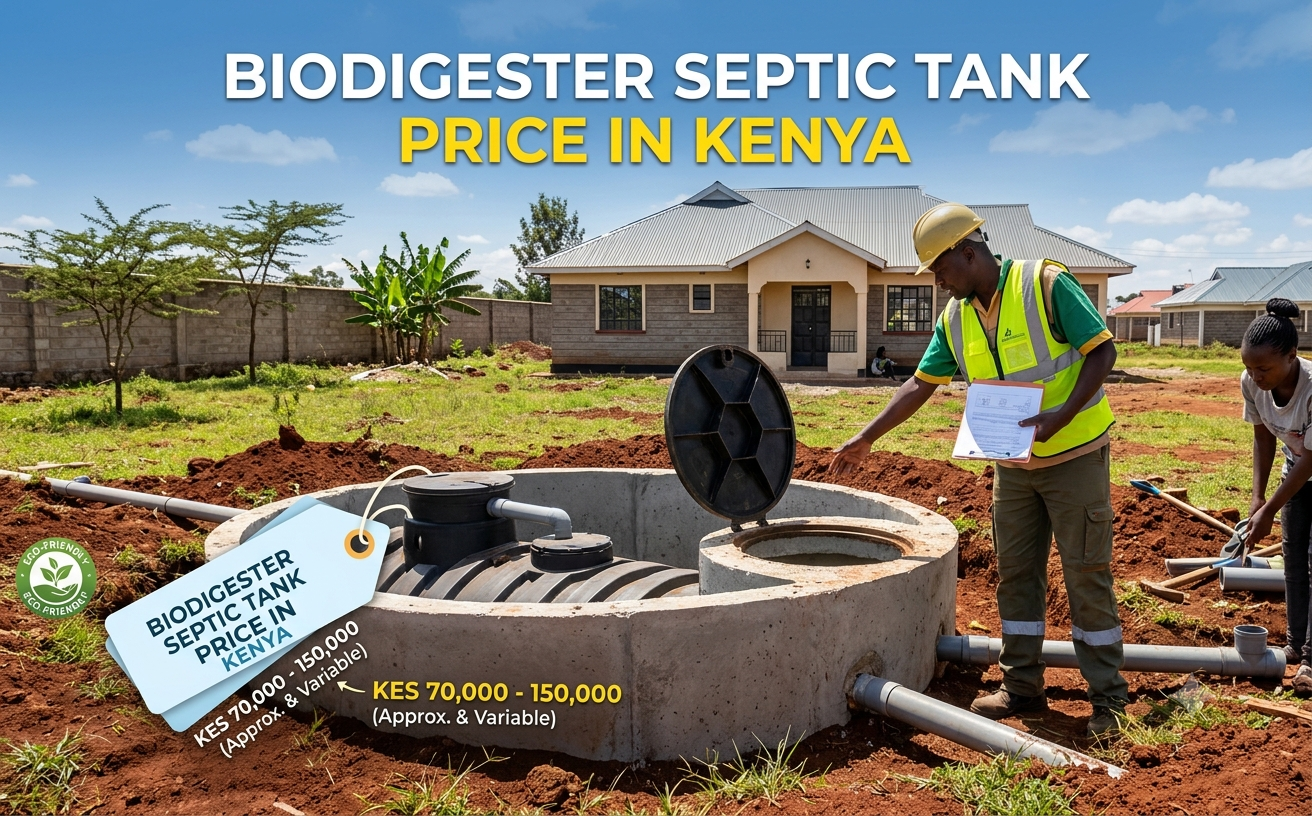
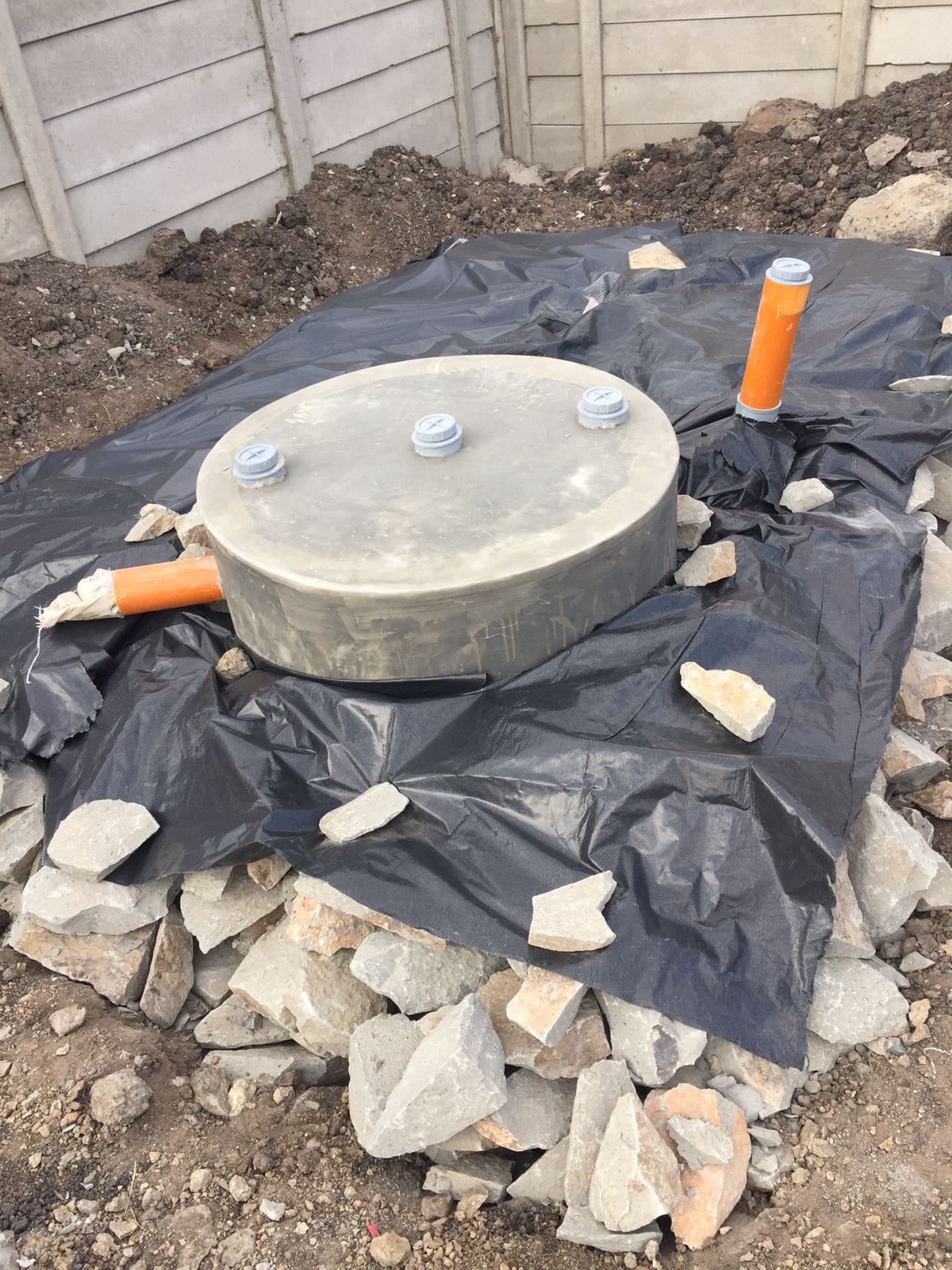
A modern precast bio digester is designed to be water-tight, preventing groundwater infiltration. However, even the best system requires a functional discharge area. During extreme rainfall, the localized soaking area or French drain can become overwhelmed. Without proper preparation, the biological process can be stunted, leading to odors and system failure just when you need it most.
Immediate Maintenance Steps for Wastewater Resilience
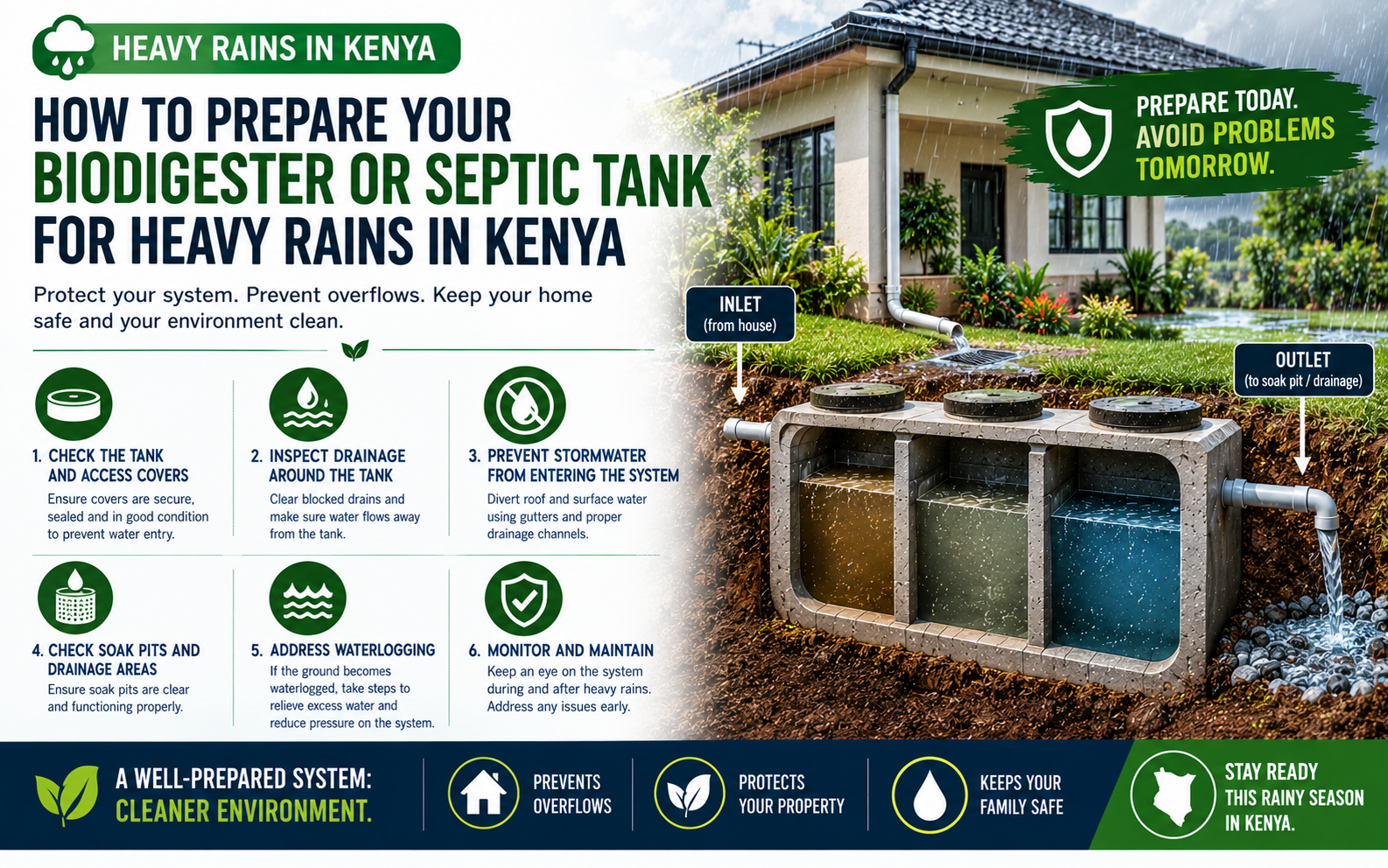
Before the first heavy downpour hits, you must conduct a thorough audit of your sanitation infrastructure. High-intensity rainfall can wash silt and debris into your drainage chambers, blocking the flow of effluent from the house to the digestion unit.
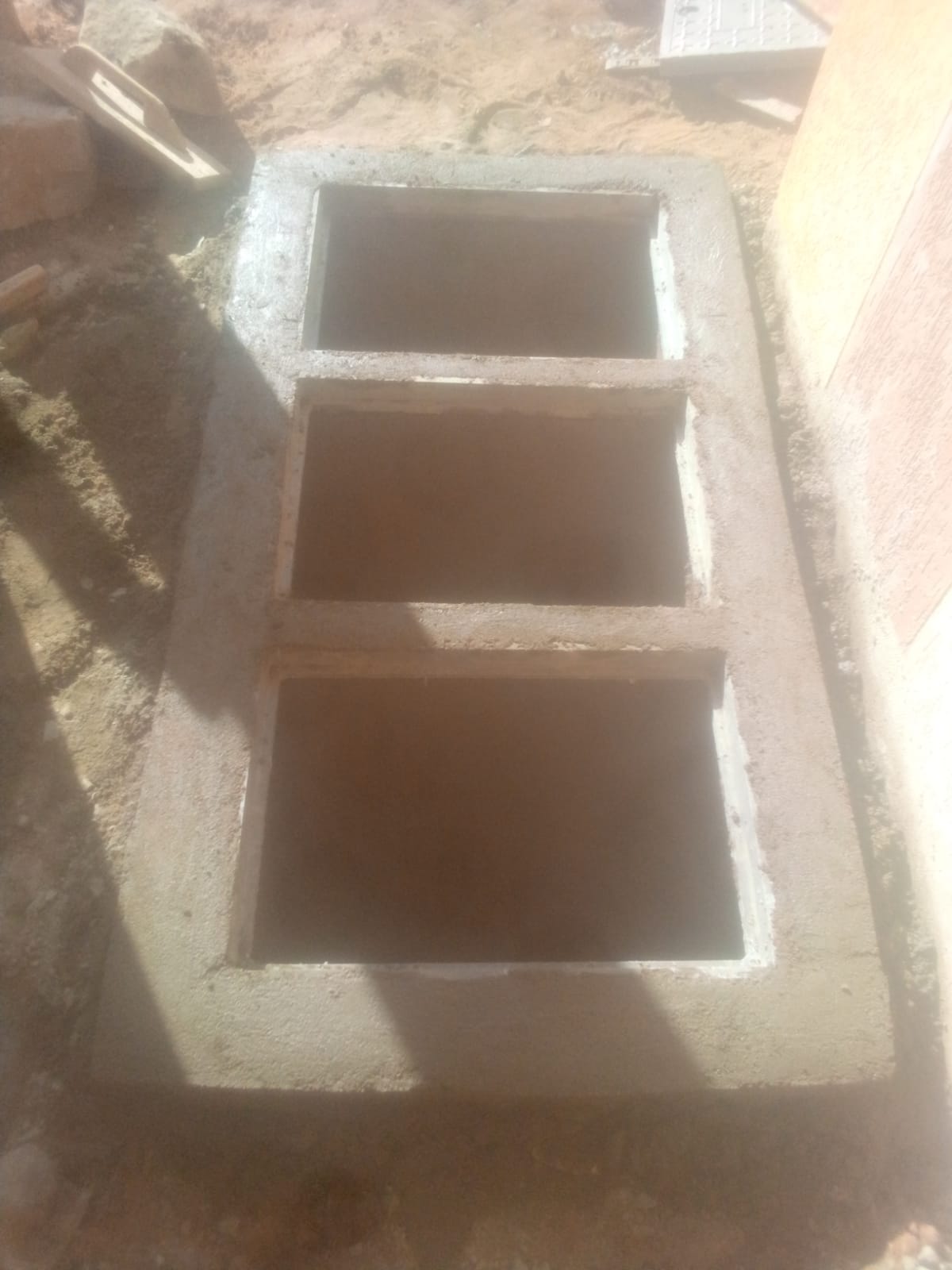
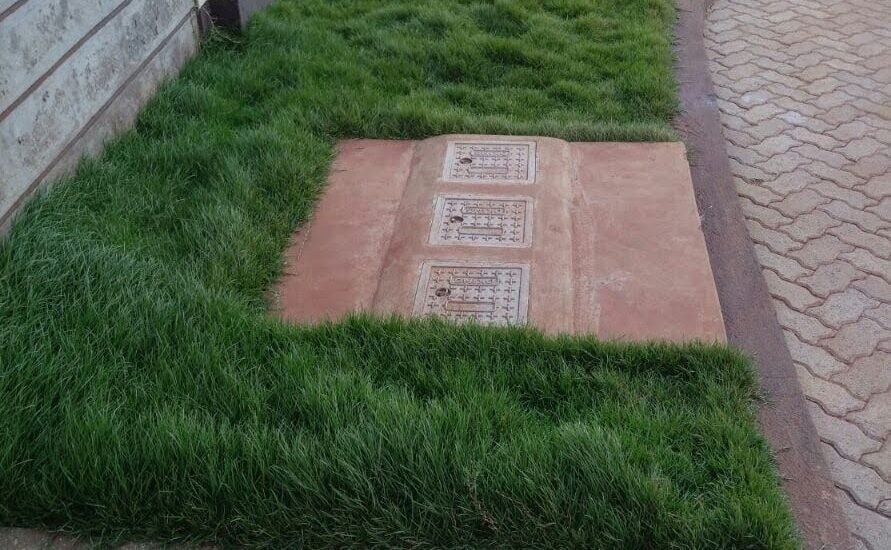
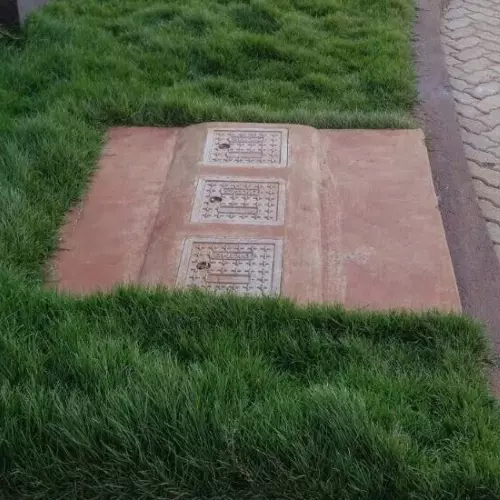
- Inspect the Manholes: Ensure all manhole covers are sealed and slightly elevated above the ground level to prevent surface runoff from entering the system.
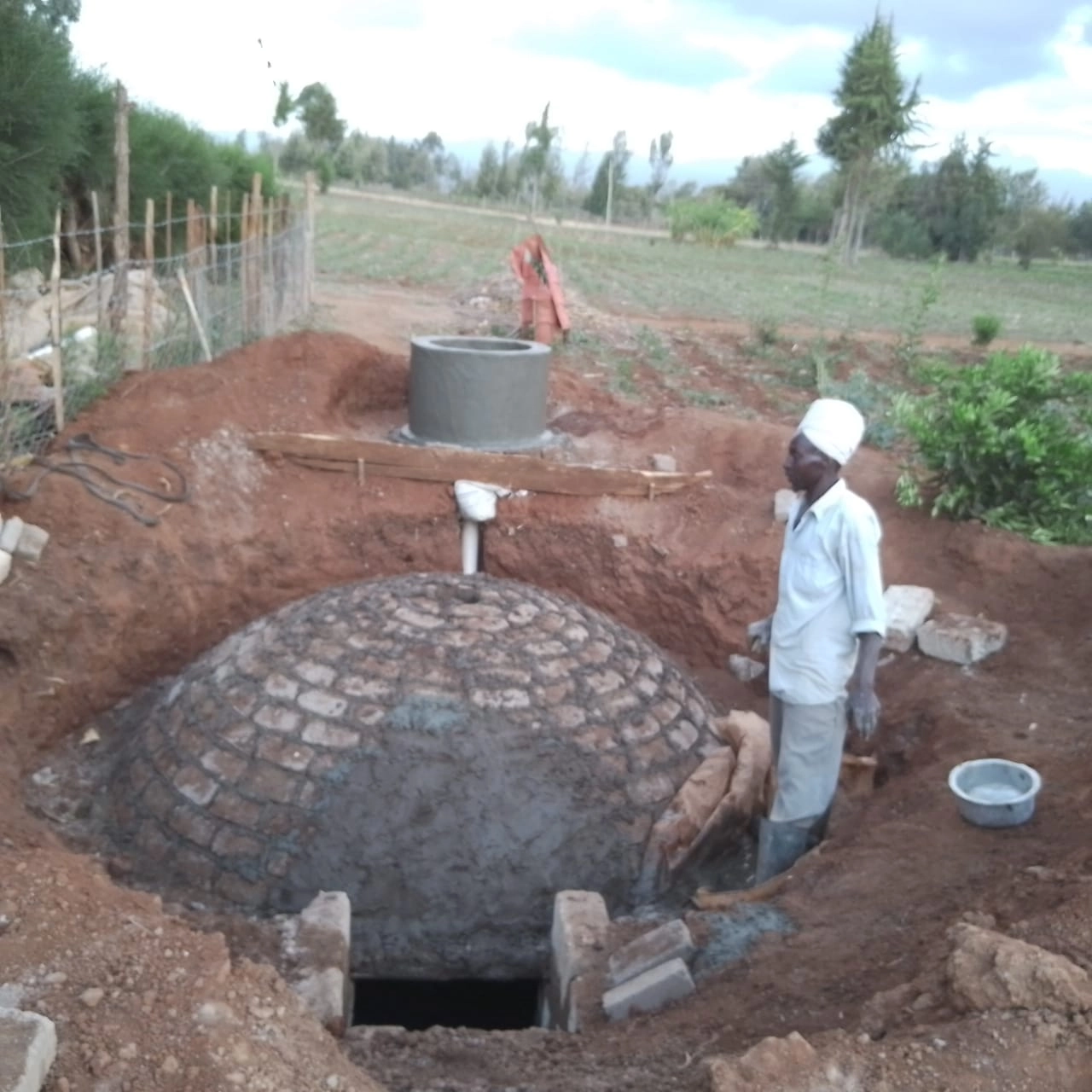
- Verify Soak Pit Integrity: If your soaking area is older than five years, the soil pores may be clogged with “biomat.” Professional septic tank maintenance can identify if your French drain needs desilting or expansion before the ground becomes fully saturated.
- Clear Stormwater Diversions: Ensure that roof gutters and surface water drains are directed far away from your biodigester’s soaking area. Adding more water to the ground where your treated effluent goes is a recipe for a backup.
For expert guidance on preparing your site, contact our engineering team:
Phone: Call +254 712 660 245
Email: Email info@biodigesterkenya.co.ke
Understanding the Mechanics: Enzymes vs. Flooding
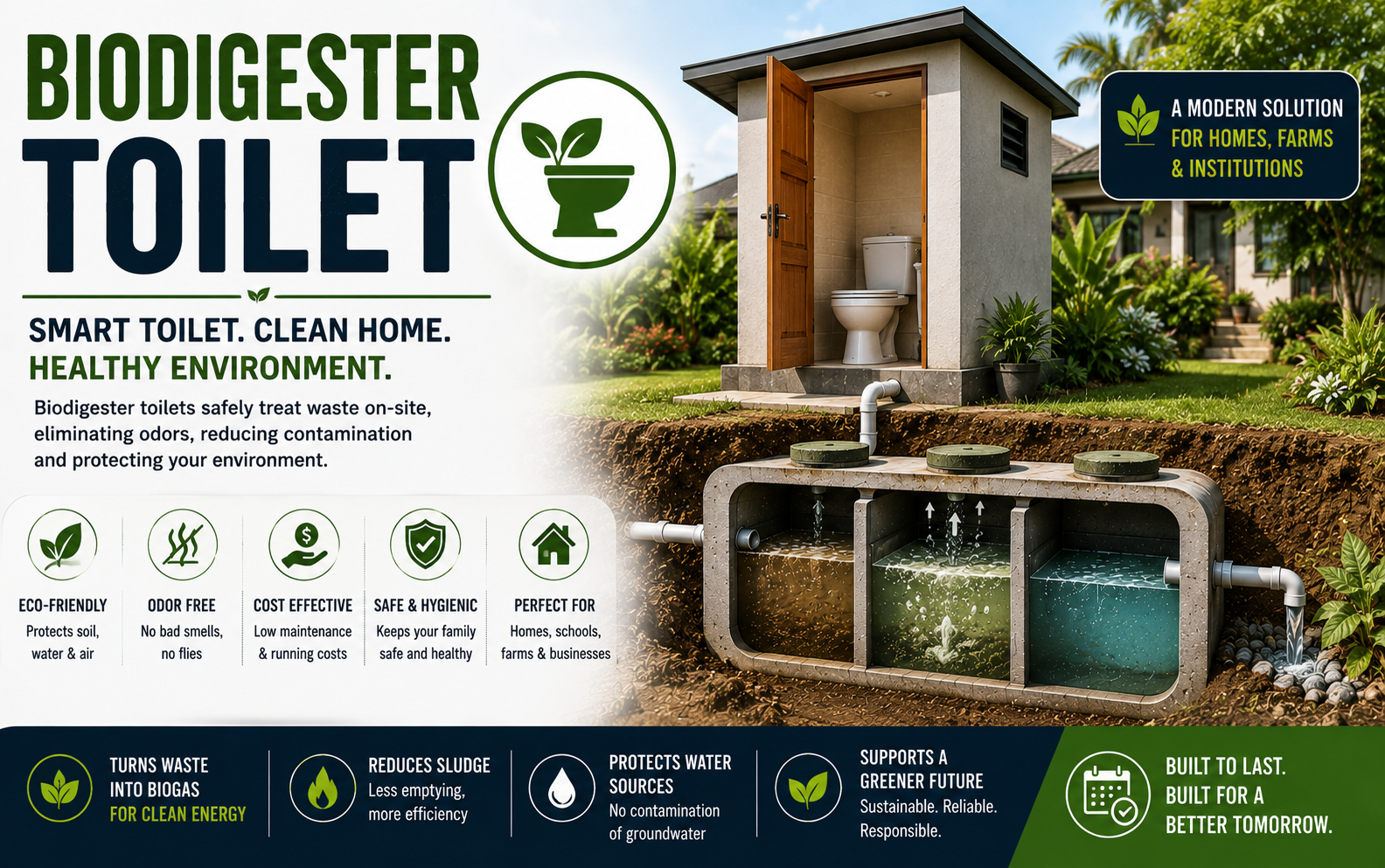
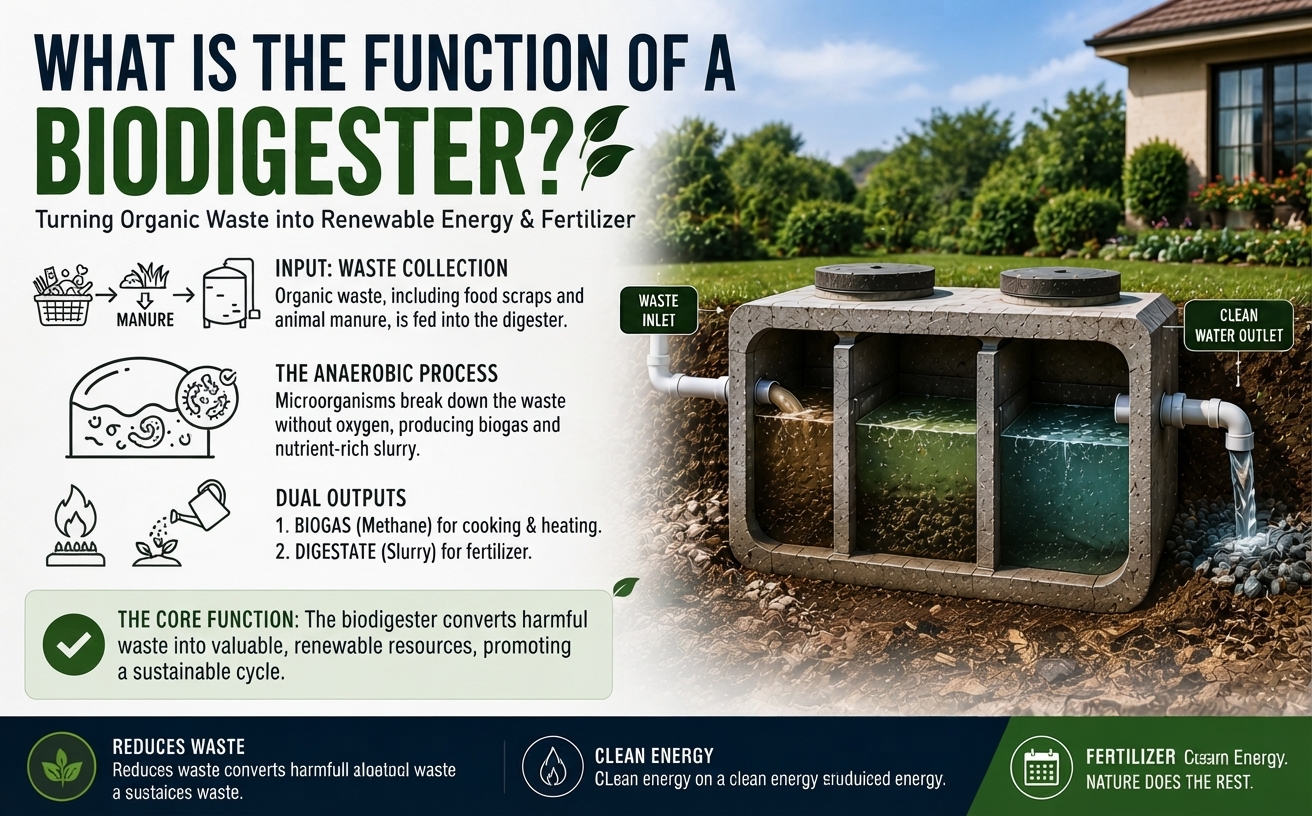
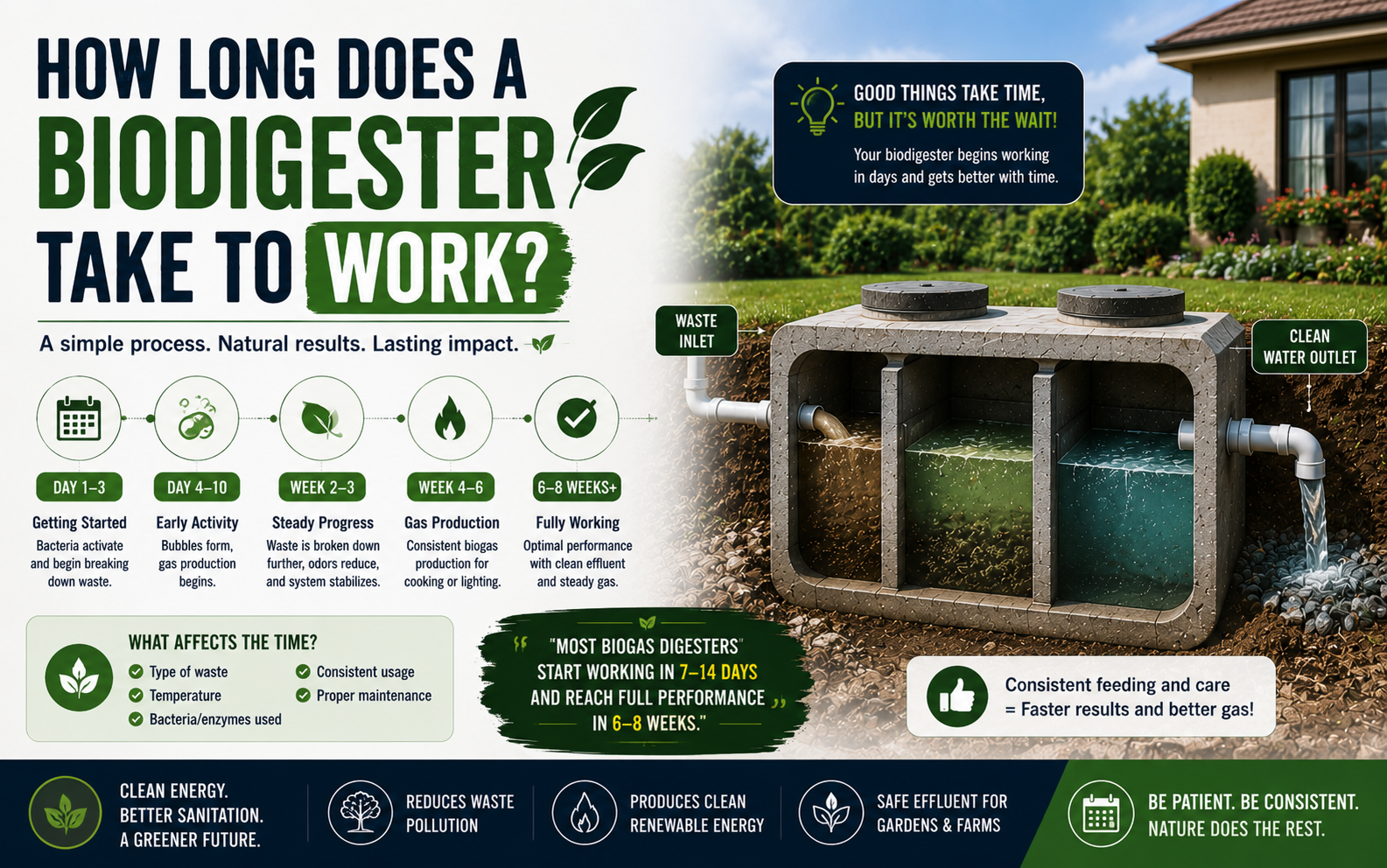
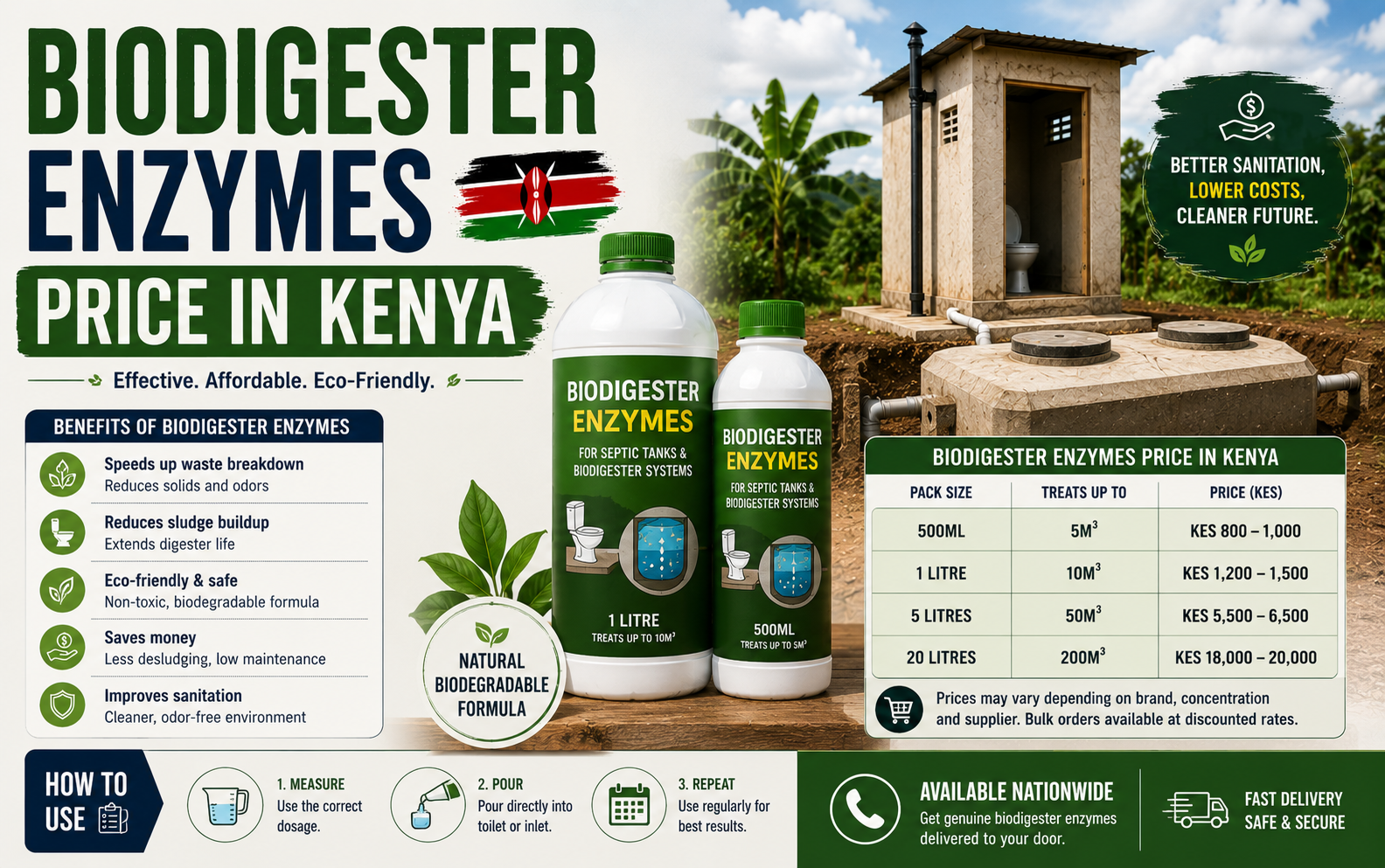
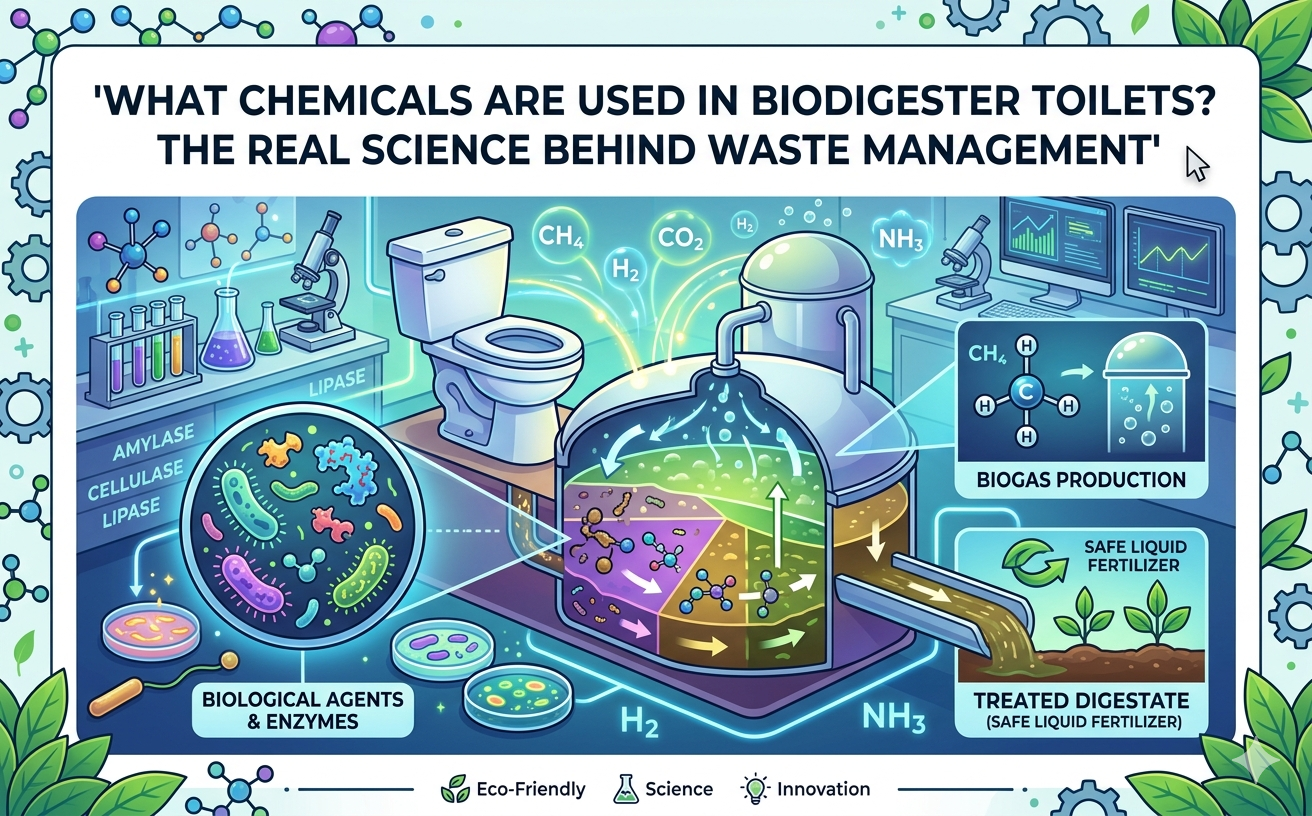
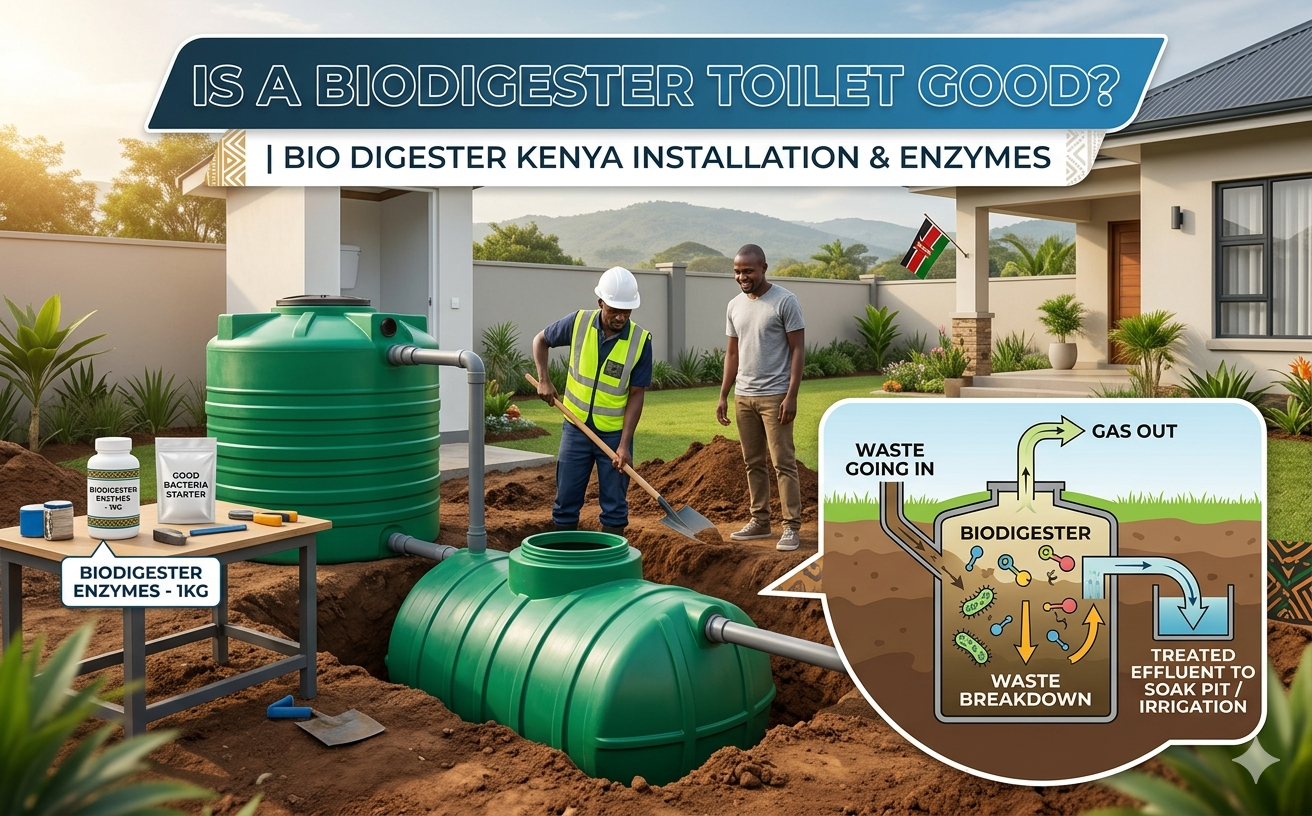
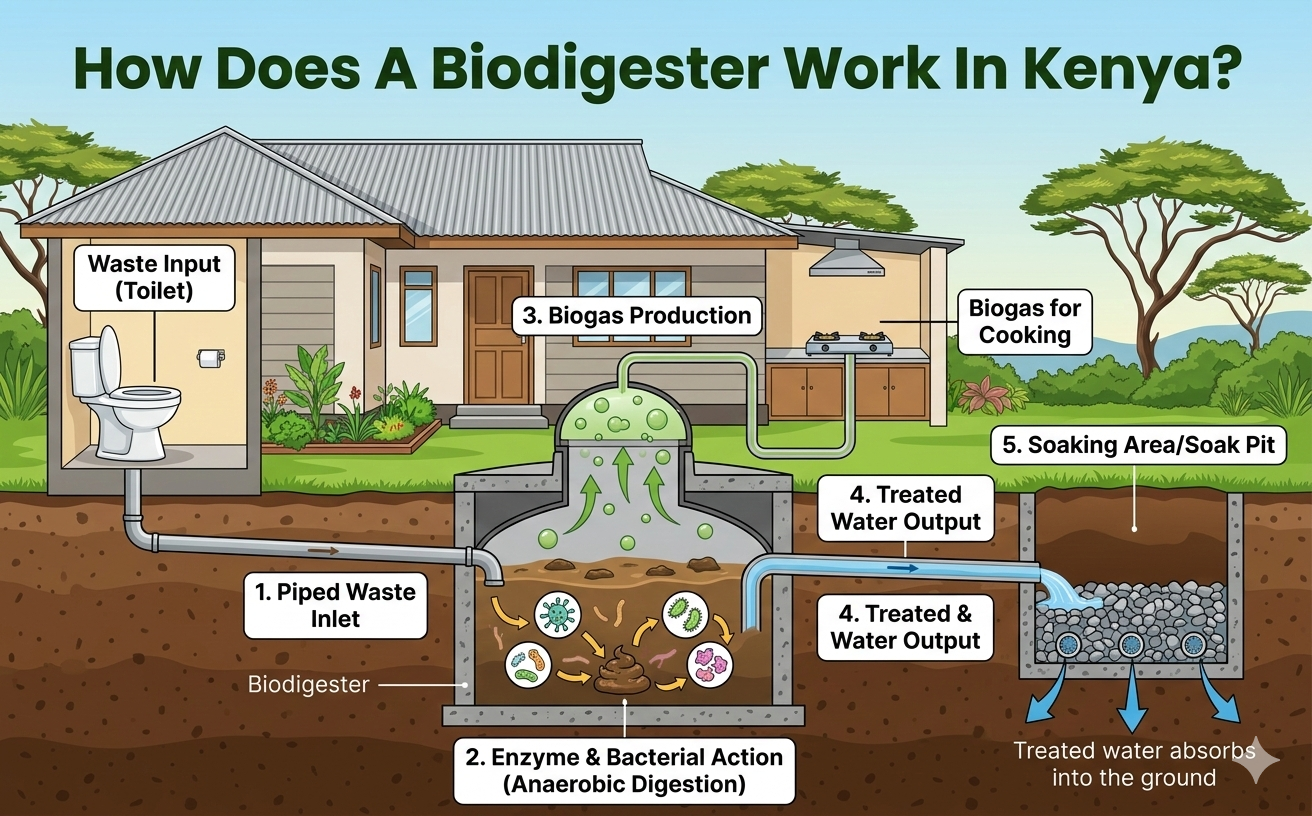
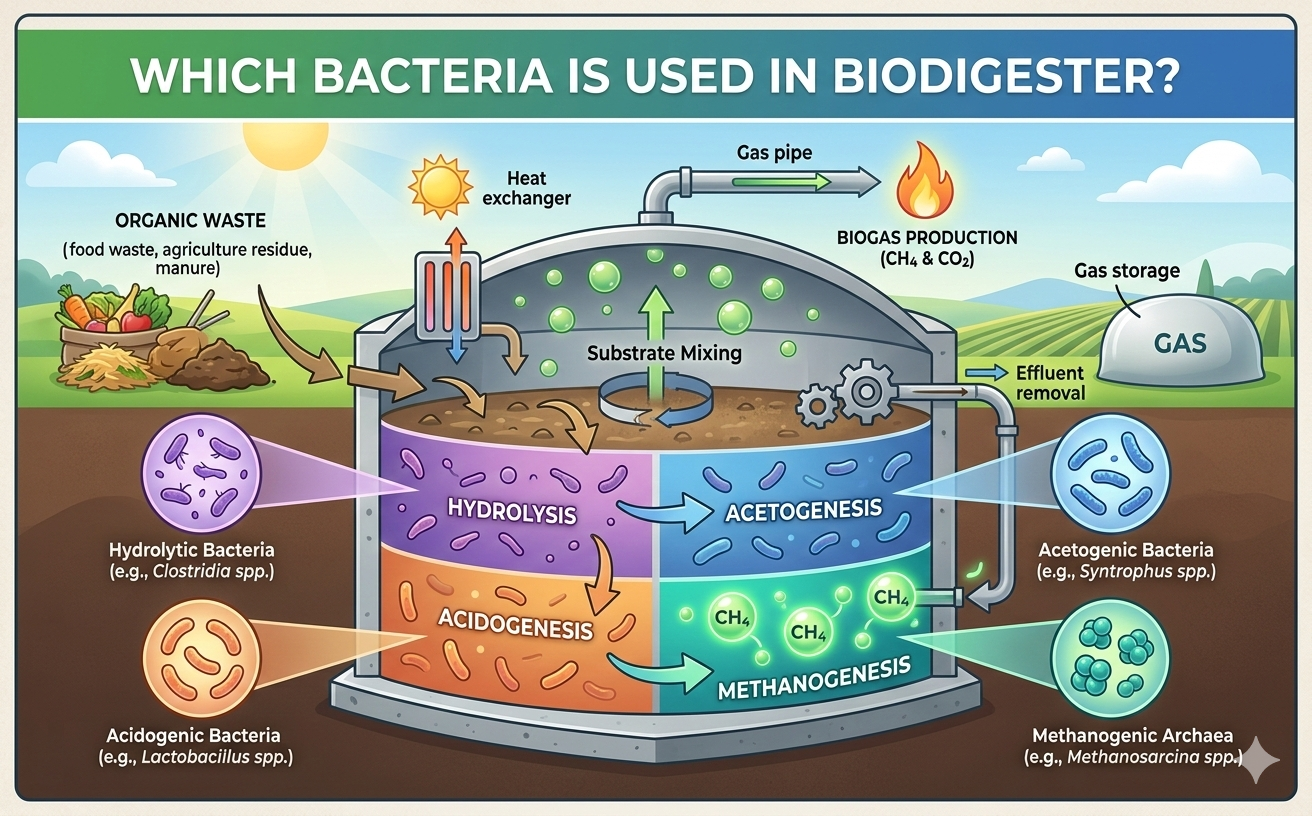
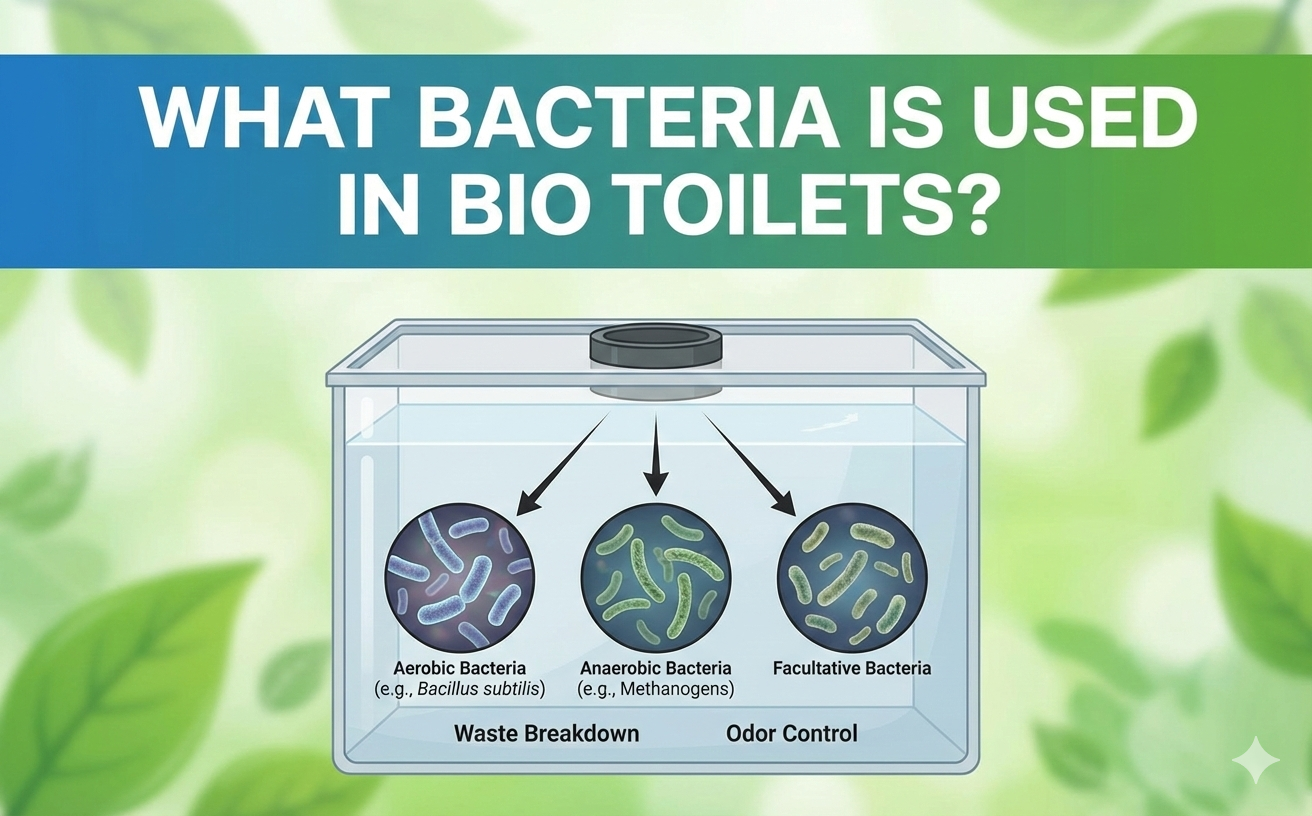
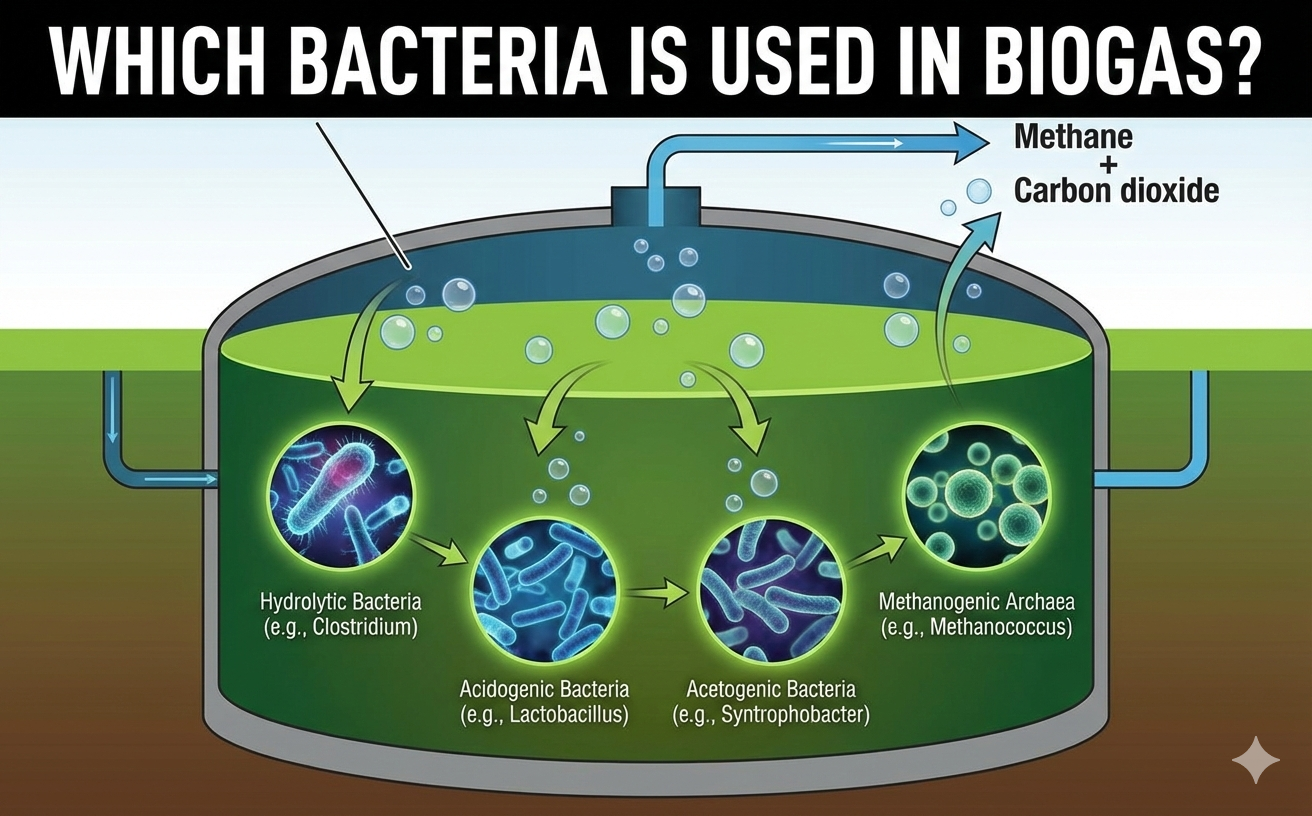
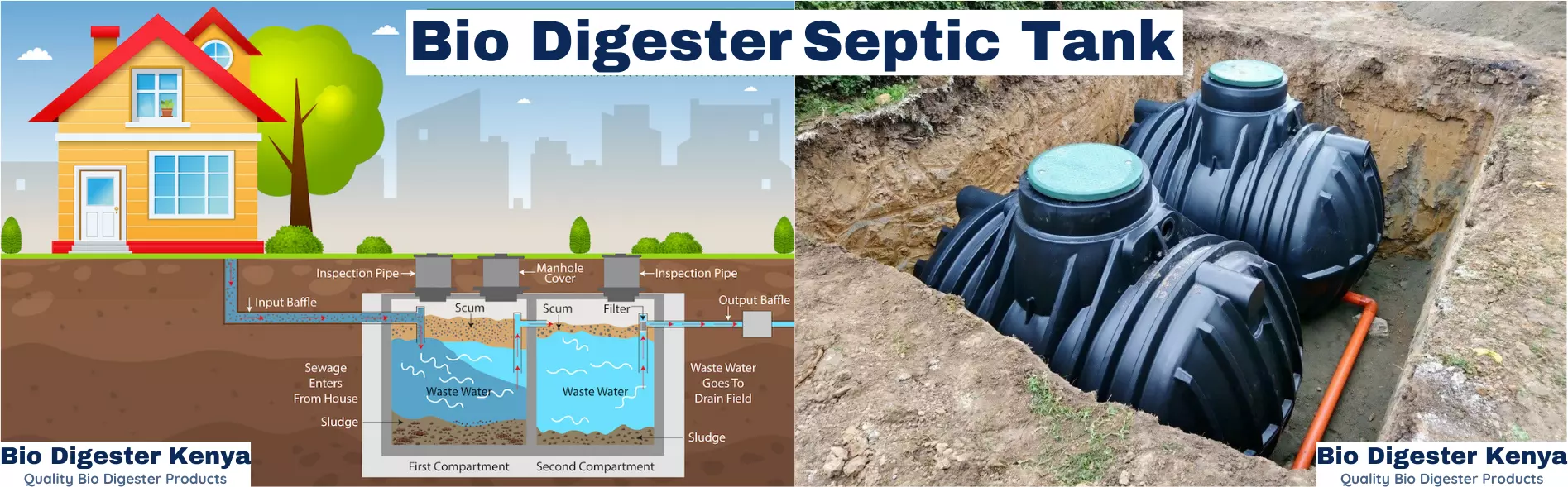
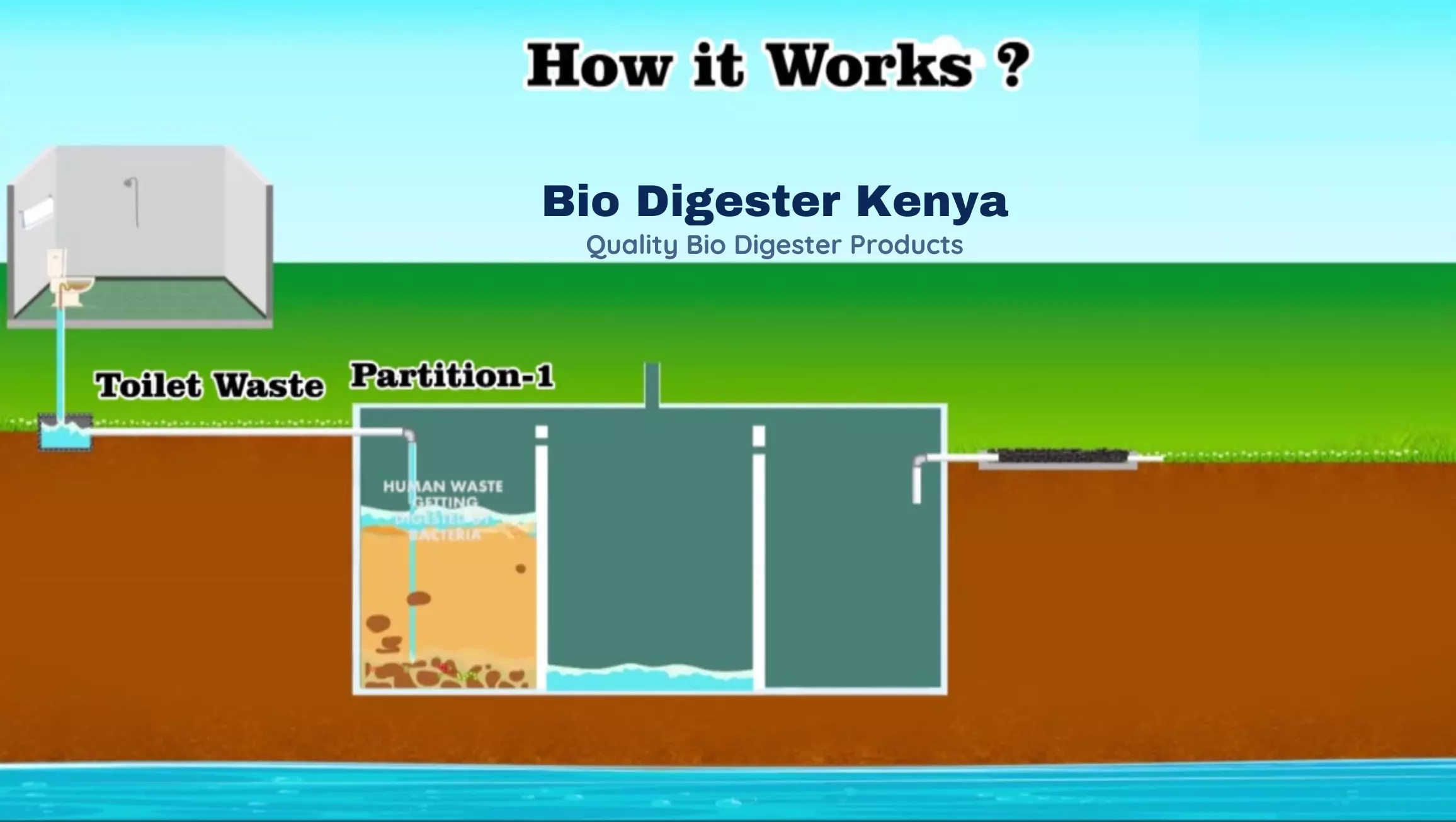
The core of the bio digester installation is the biological activity within the tank. Waste is piped directly into the biodigester where specialized biodigester enzymes break down and consume the solid waste. This anaerobic process turns complex organic matter into strictly treated water and odorless air.
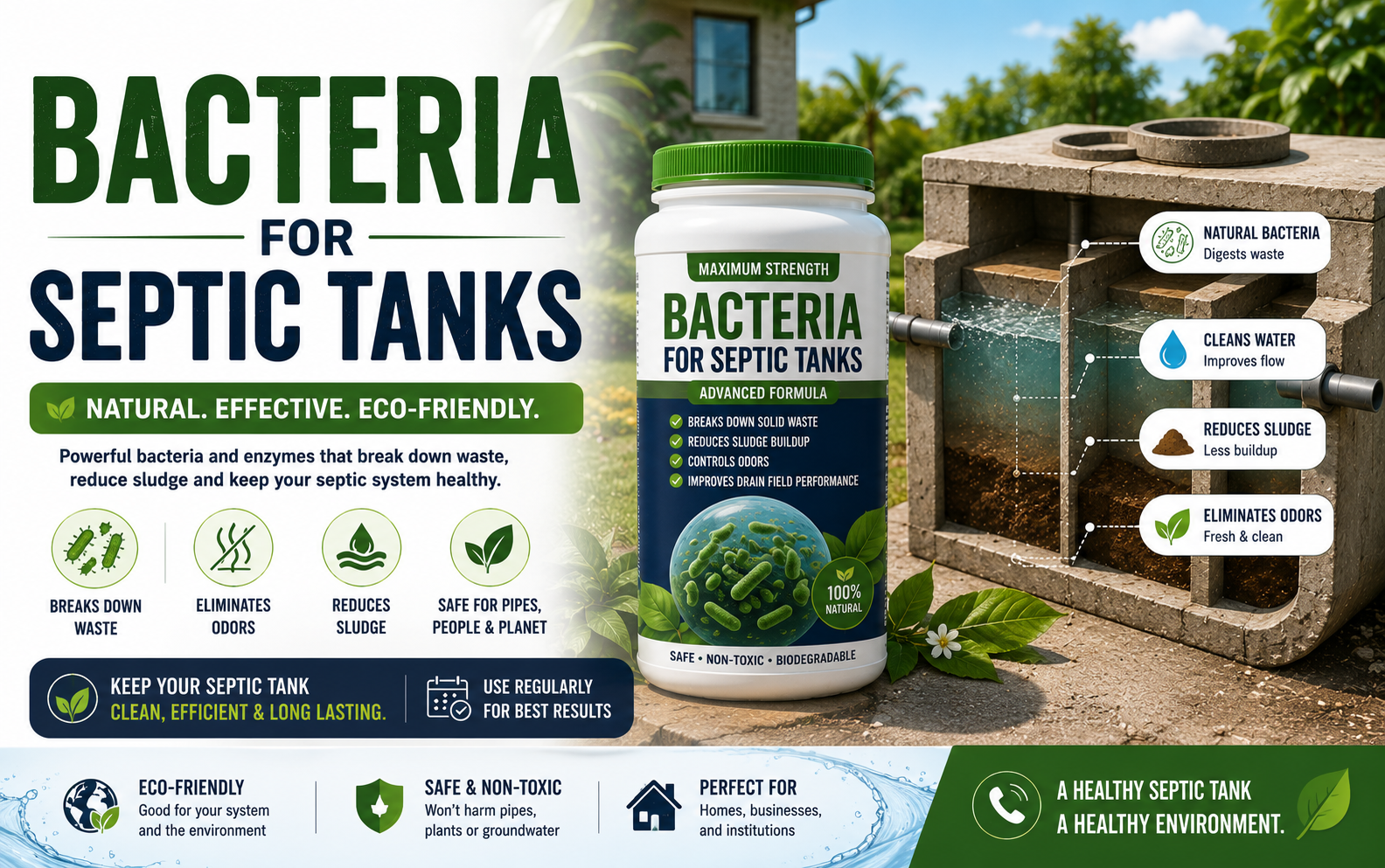
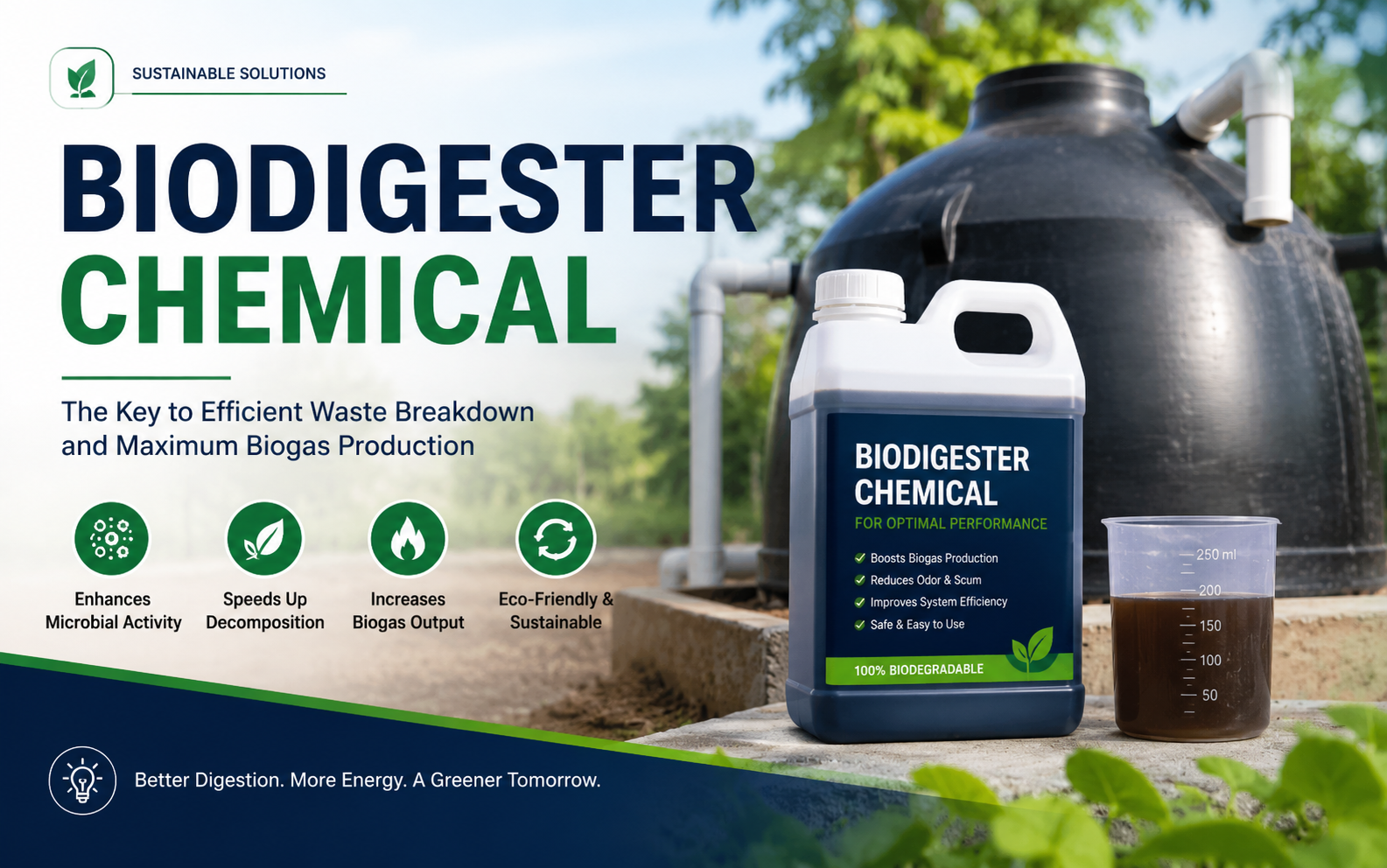
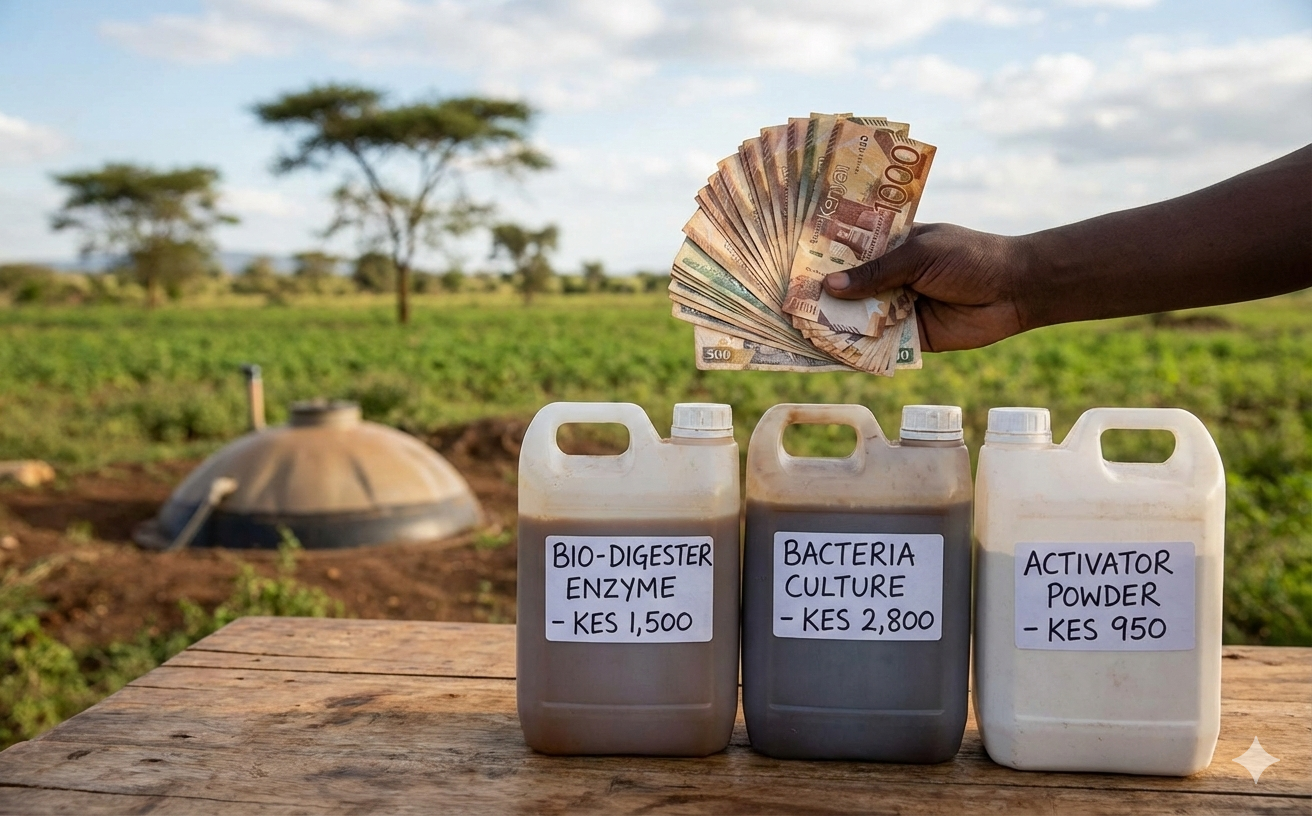
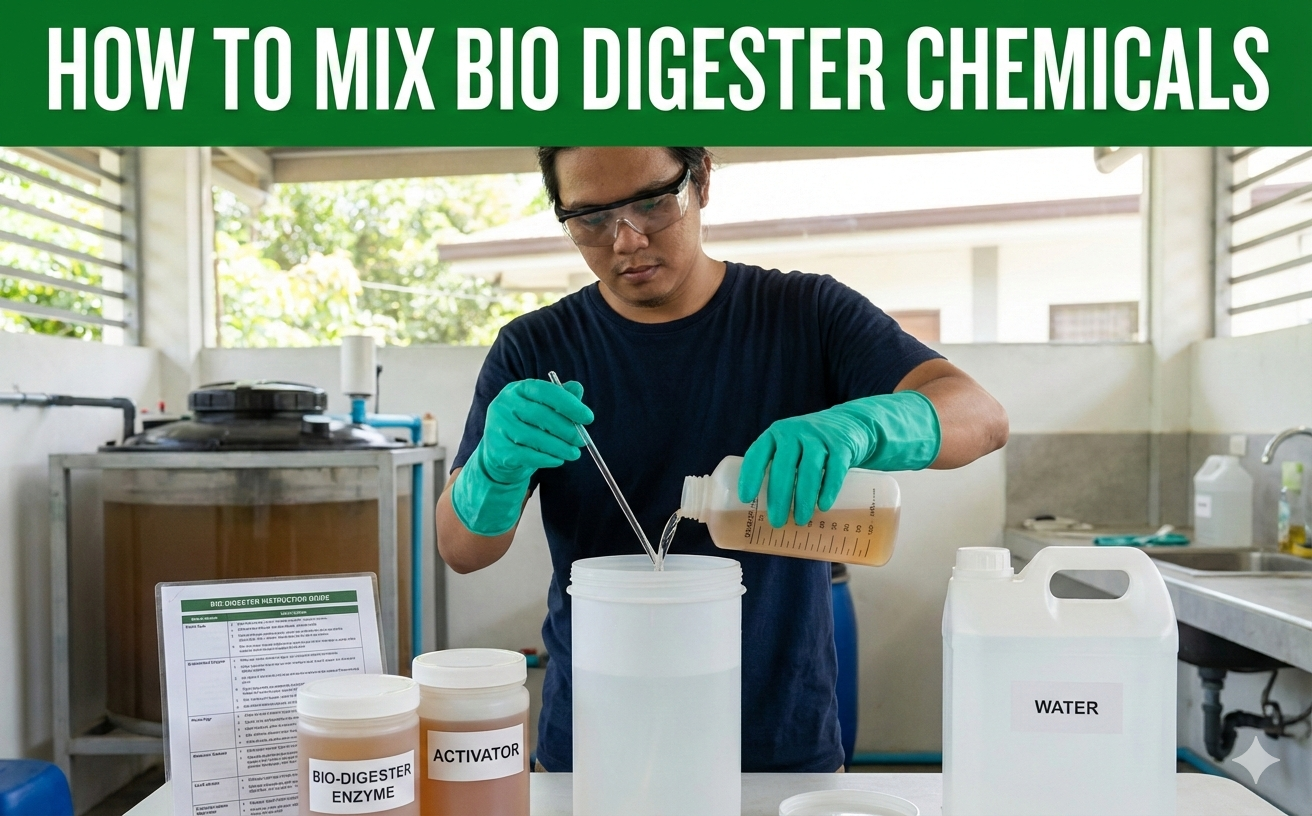
During El Niño, lower temperatures and potential water dilution can slow down these bacteria. To maintain peak performance, we recommend a “shock treatment” of microbial boosters. Using Bio Digester Bacteria – 400g increases the colony count, ensuring that even if the system experiences high hydraulic loads, the solids are digested rapidly. This prevents solid waste from escaping into the soaking area, which would cause permanent soil clogging.
The Advantage of Precast Bio Digesters in Rainy Seasons
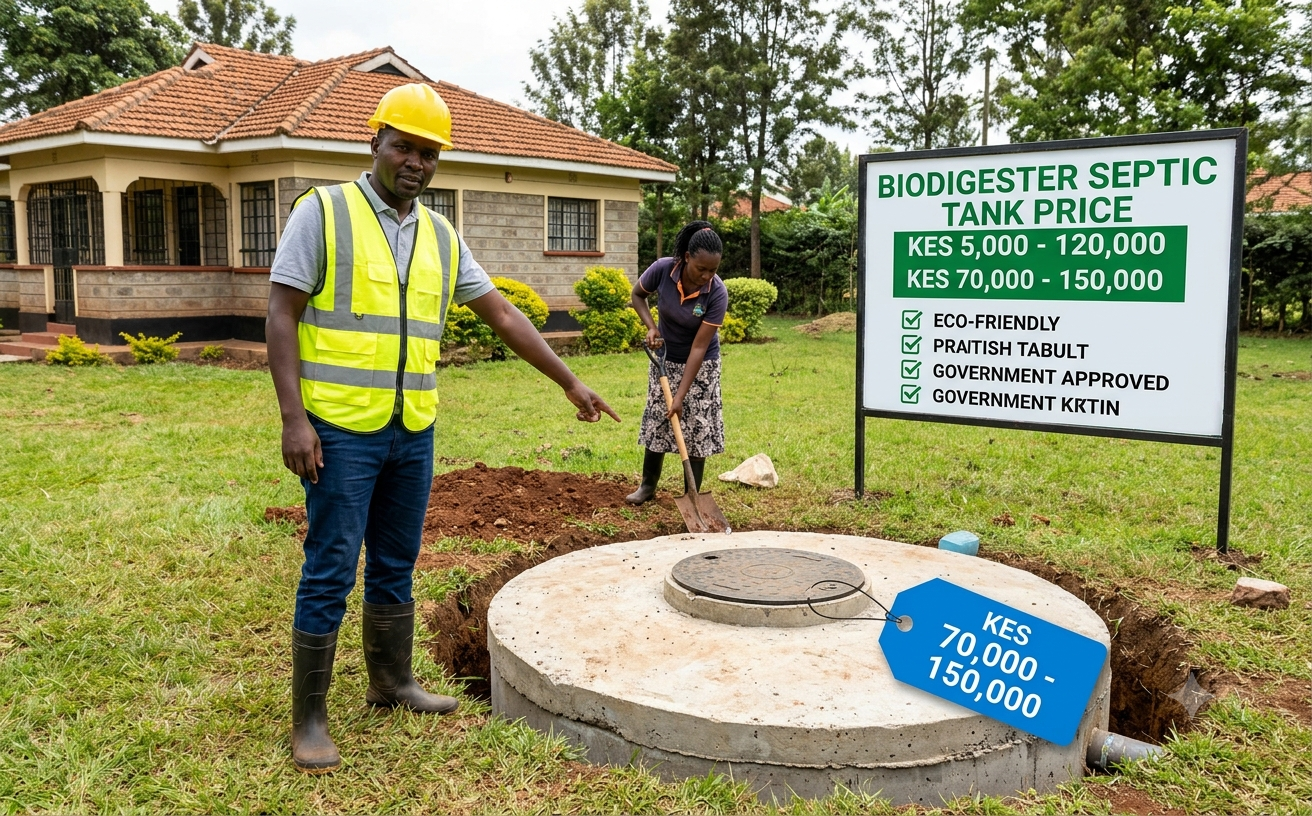
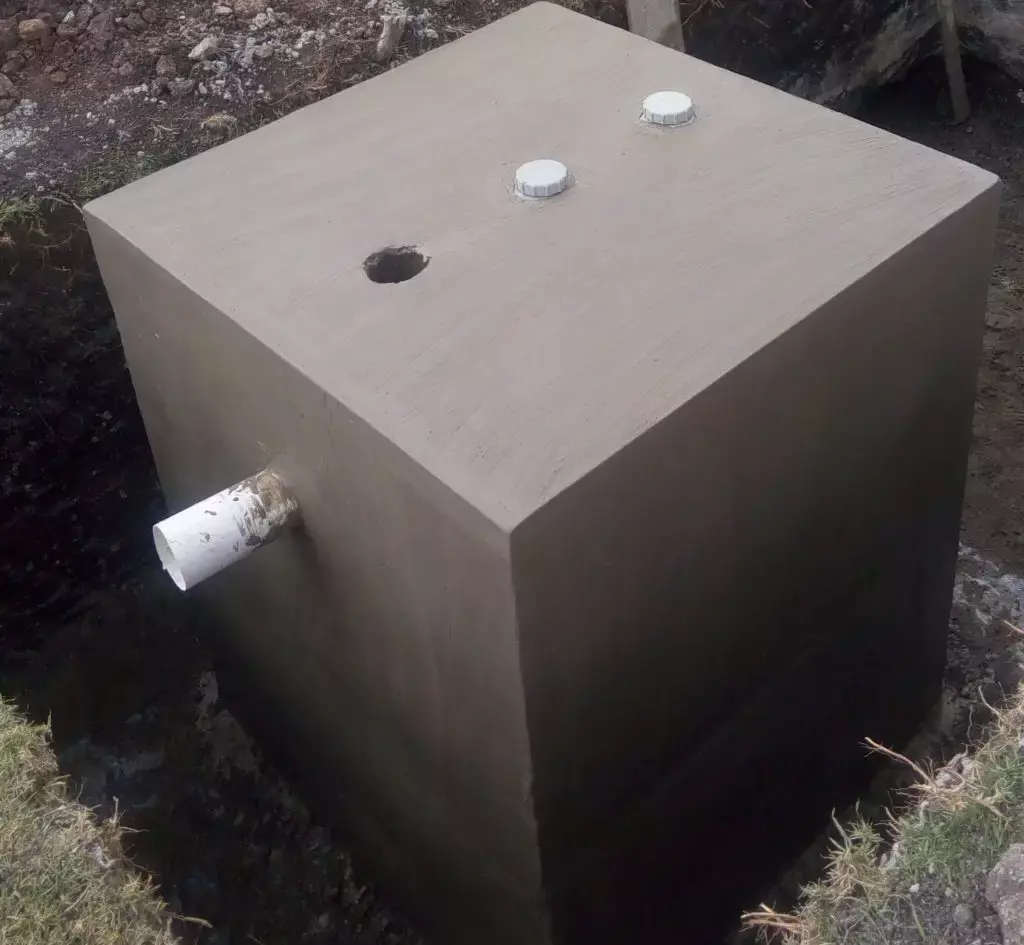
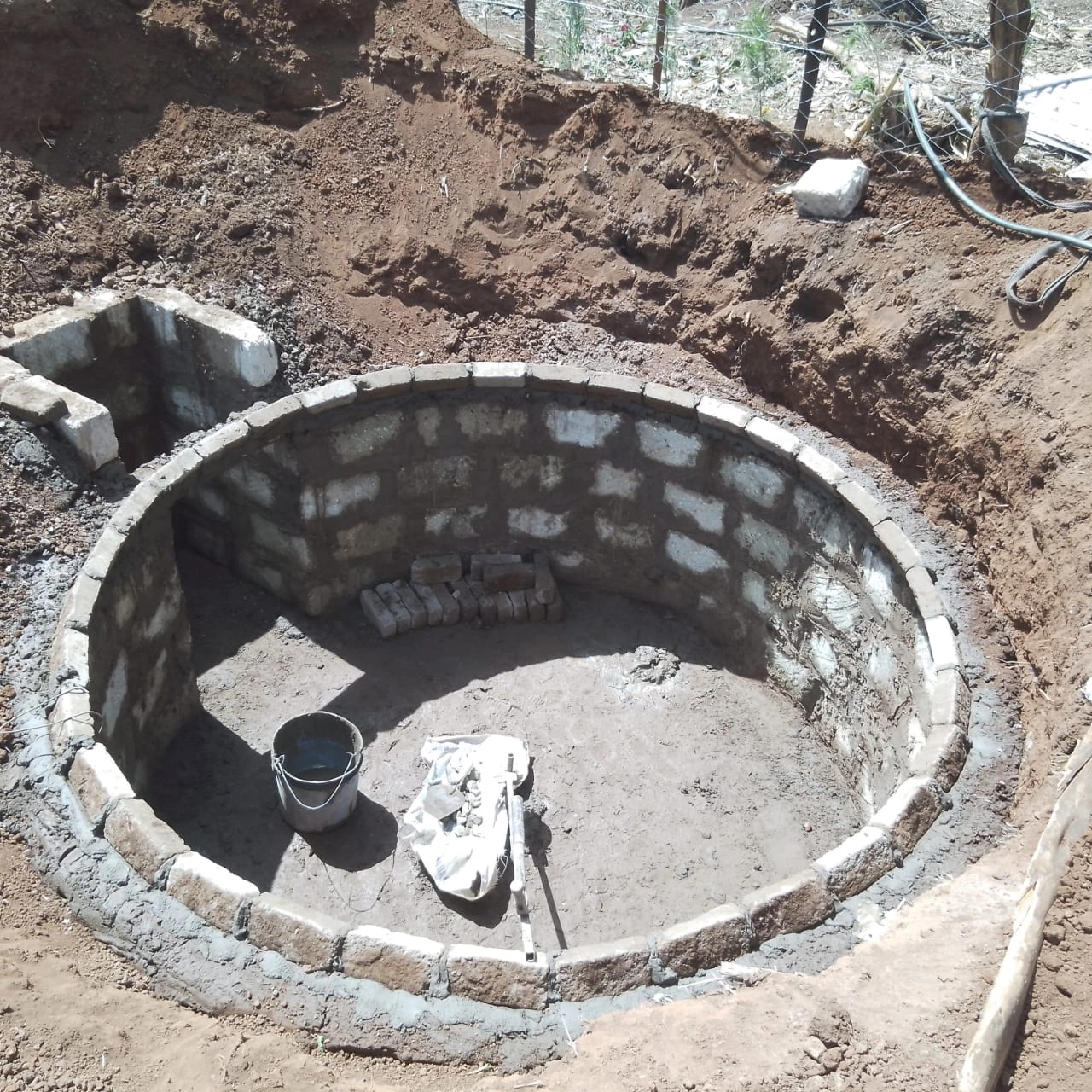
Many Kenyan developers are moving away from site-built concrete tanks. A precast bio digester offers superior structural integrity. Because these units are manufactured in a controlled environment, they lack the porous joints and cracks common in stones-and-mortar tanks built in situ. This creates a vacuum-sealed environment where anaerobic digestion thrives, regardless of the water level in the surrounding soil.
Protecting Your Investment with Enzyme Treatment
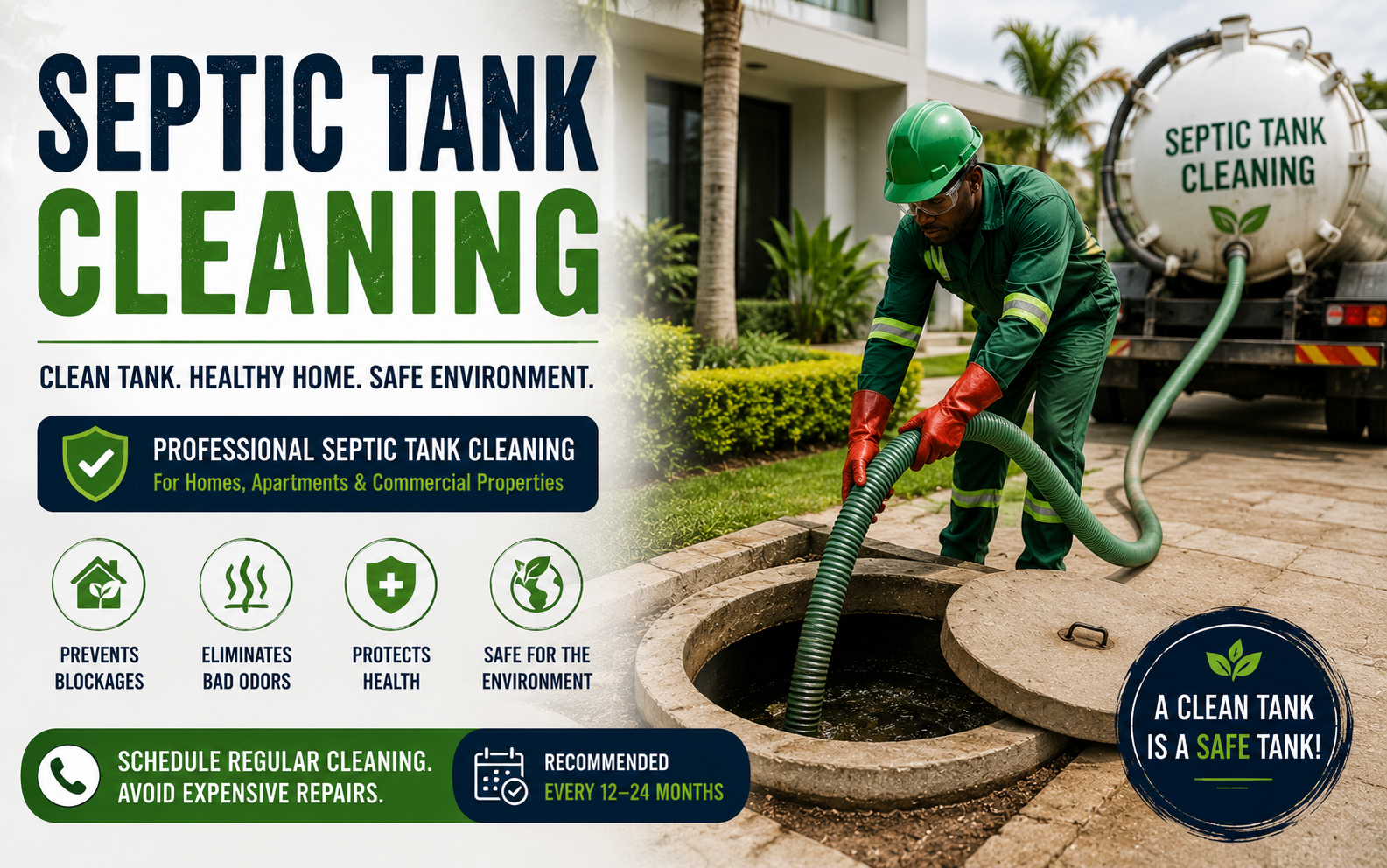
If you notice a sluggish flow in your drains as the rains begin, do not wait for a full backup. Traditional “exhausting” via a honey sucker is nearly impossible during El Niño because the heavy trucks get stuck in the mud of many Nairobi estates. Instead, focus on chemical-free biological stimulation.
Applying a high-potency septic tank cleaner can liquefy accumulated sludge at the bottom of your tank. This liquefaction is critical because it ensures that only treated water is directed to your French drain. By keeping the effluent liquid, you allow the soaking area to function even when the soil is damp, as the treated water can still find micro-channels in the earth to dissipate safely.
Need to restock your system’s biology? Reach out to us today:
Phone: Call +254 712 660 245
Email: Email info@biodigesterkenya.co.ke
Biodigester vs Septic Tank: The El Niño Comparison
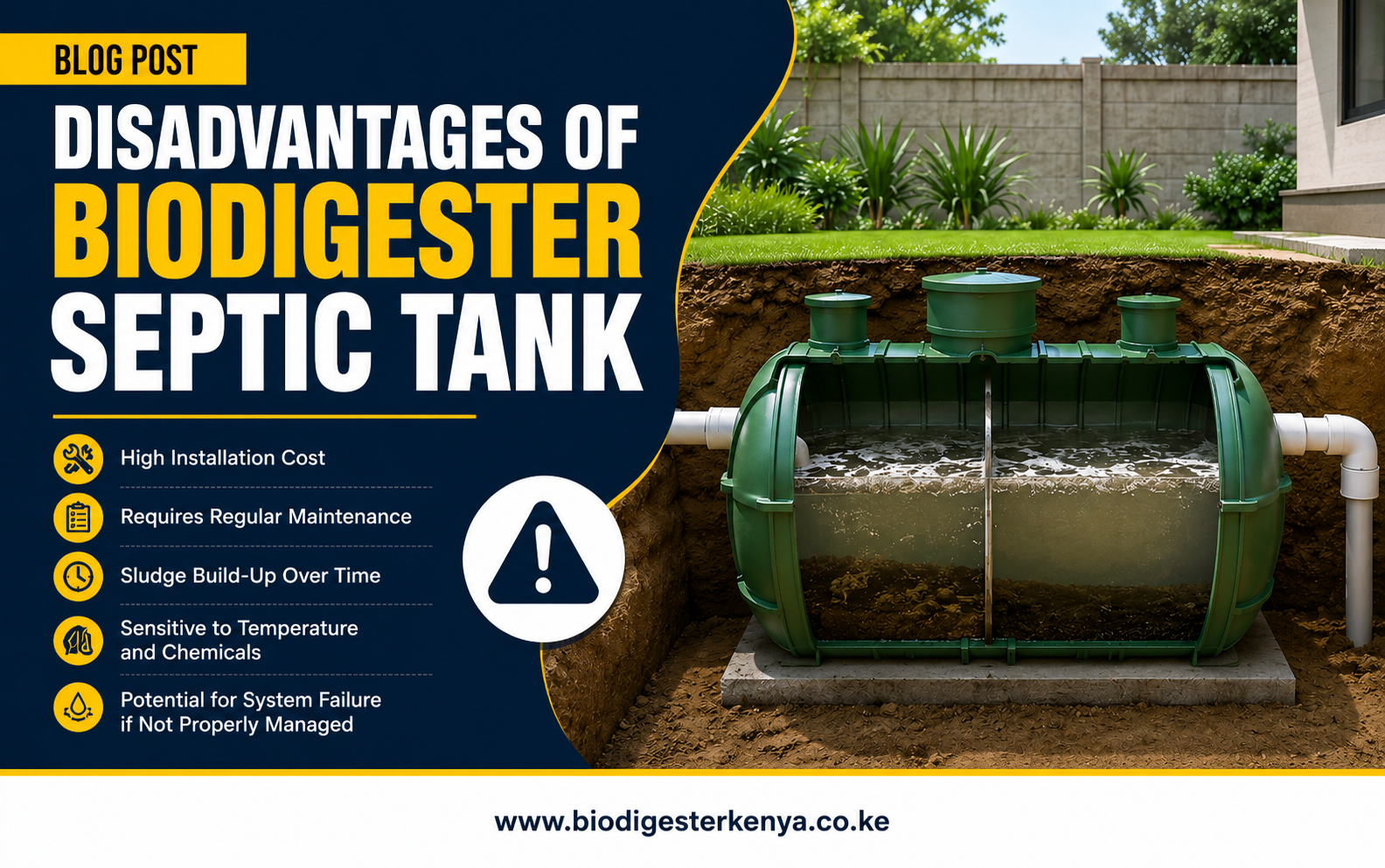
When you evaluate a biodigester vs septic tank comparison, the biodigester wins on every metric during heavy rains. A traditional septic tank relies on simple settlement; it eventually fills up with sludge and requires frequent emptying. During El Niño, the price of exhaust services in Kenya spikes due to high demand and difficult logistics.
In contrast, the Bio Digester Kenya system is a permanent solution. Because the enzymes consume the waste, there is no buildup of “blackwater” sludge. The system produces odorless air that vents away and treated water that is safe for the environment. By eliminating the need for recurring exhaust tank emptying, the system pays for itself within the first few years of installation, especially during seasons of heavy rainfall where traditional tanks fail.
Conclusion
El Niño poses a direct threat to domestic and commercial sanitation in Kenya, but proactive preparation can mitigate these risks. By switching to a biodigester system or fortifying your existing setup with high-quality Bio Digester Bacteria, you protect your property from the health hazards and costs of sewage backups. Moving away from old-fashioned, high-maintenance septic tanks to the modern engineering of Bio Digester Kenya offers long-term economic freedom and environmental peace of mind, ensuring your home remains a safe haven regardless of the weather.
Secure your home’s sanitation before the rains begin. Contact Bio Digester Kenya for a site assessment or to purchase maintenance products.
Phone: Call +254 712 660 245
Email: Email info@biodigesterkenya.co.ke
Frequently Asked Questions
-
Does a biodigester smell during heavy rain?
No, a properly installed biodigester remains odorless because the anaerobic digestion process fully breaks down waste into water and odorless gases. -
How often do you add enzymes during the rainy season?
It is recommended to add a booster pack of enzymes once every 3 to 6 months, or immediately if you notice slow drainage during El Niño. -
Can the biodigester overflow if the soak pit is flooded?
While the tank is sealed, if the soak pit is completely submerged, water cannot exit; however, diverting surface runoff away from the soak area prevents this. -
Is it cheaper to install a biodigester than a septic tank?
Yes, biodigesters require less space, less excavation, and zero long-term exhausting costs, making them significantly cheaper over the system’s lifetime. -
What should I do if my system backs up during El Niño?
Avoid using harsh chemicals like bleach; instead, use a concentrated biological cleaner to break down the blockage and call a professional for a soak pit inspection.