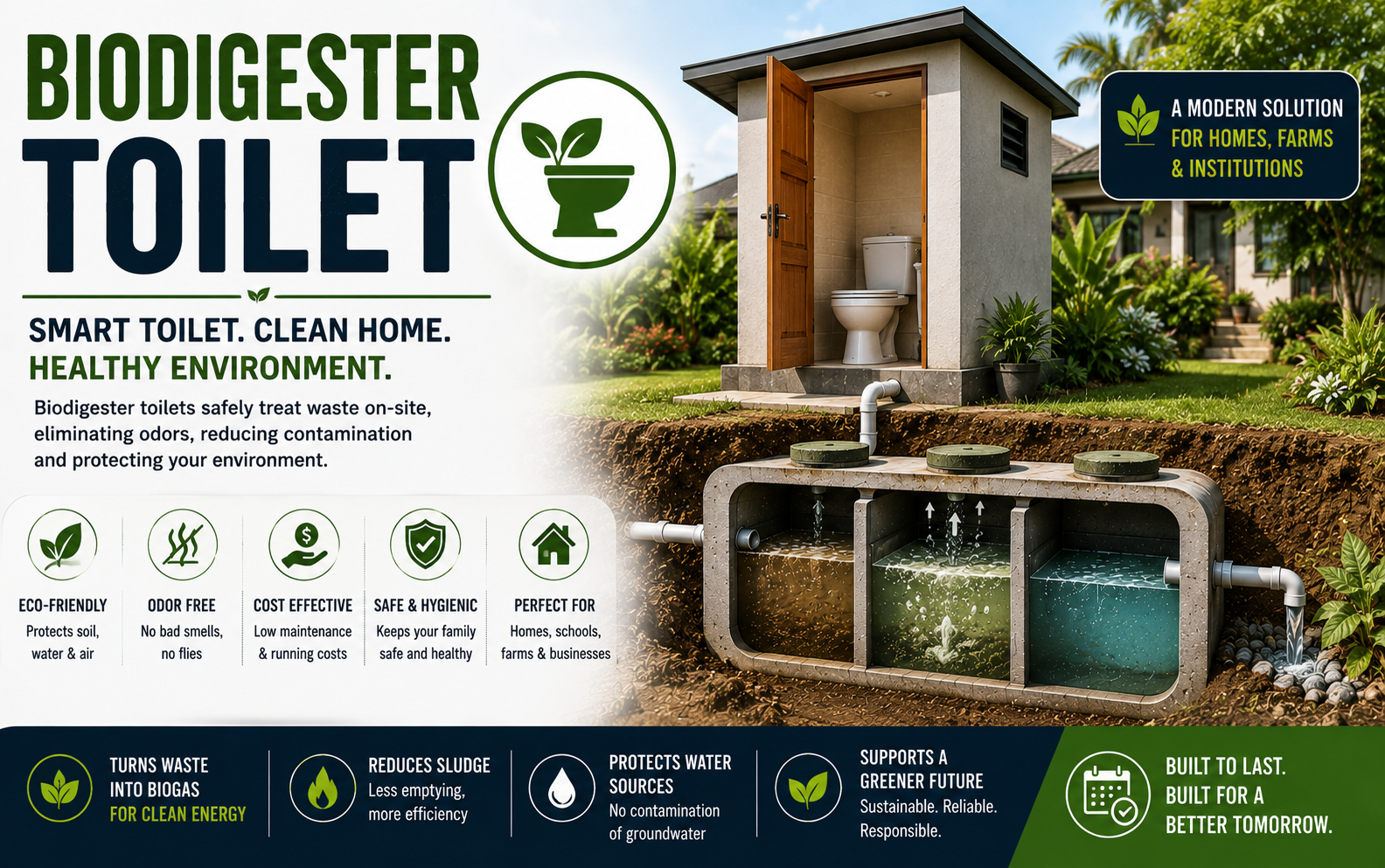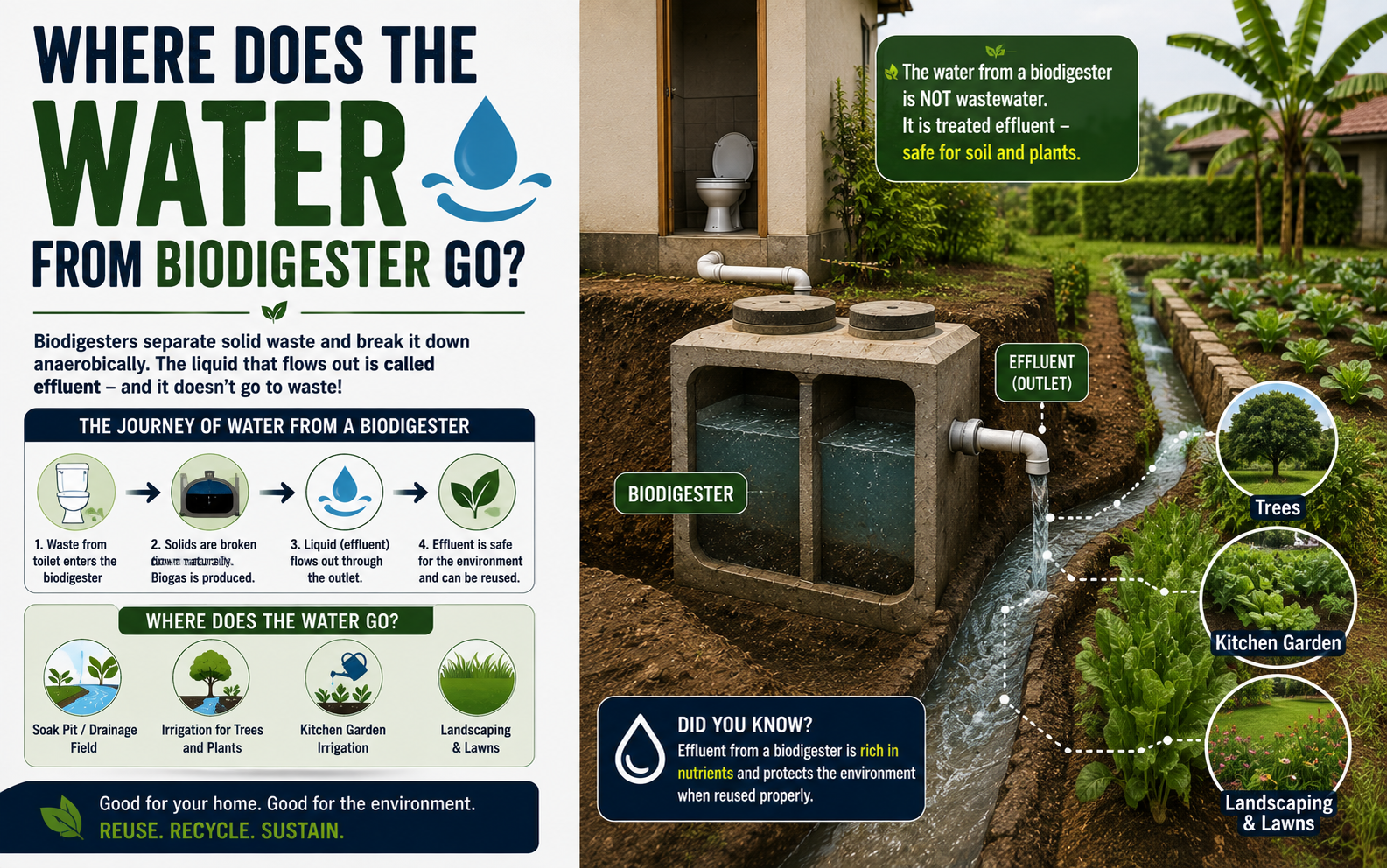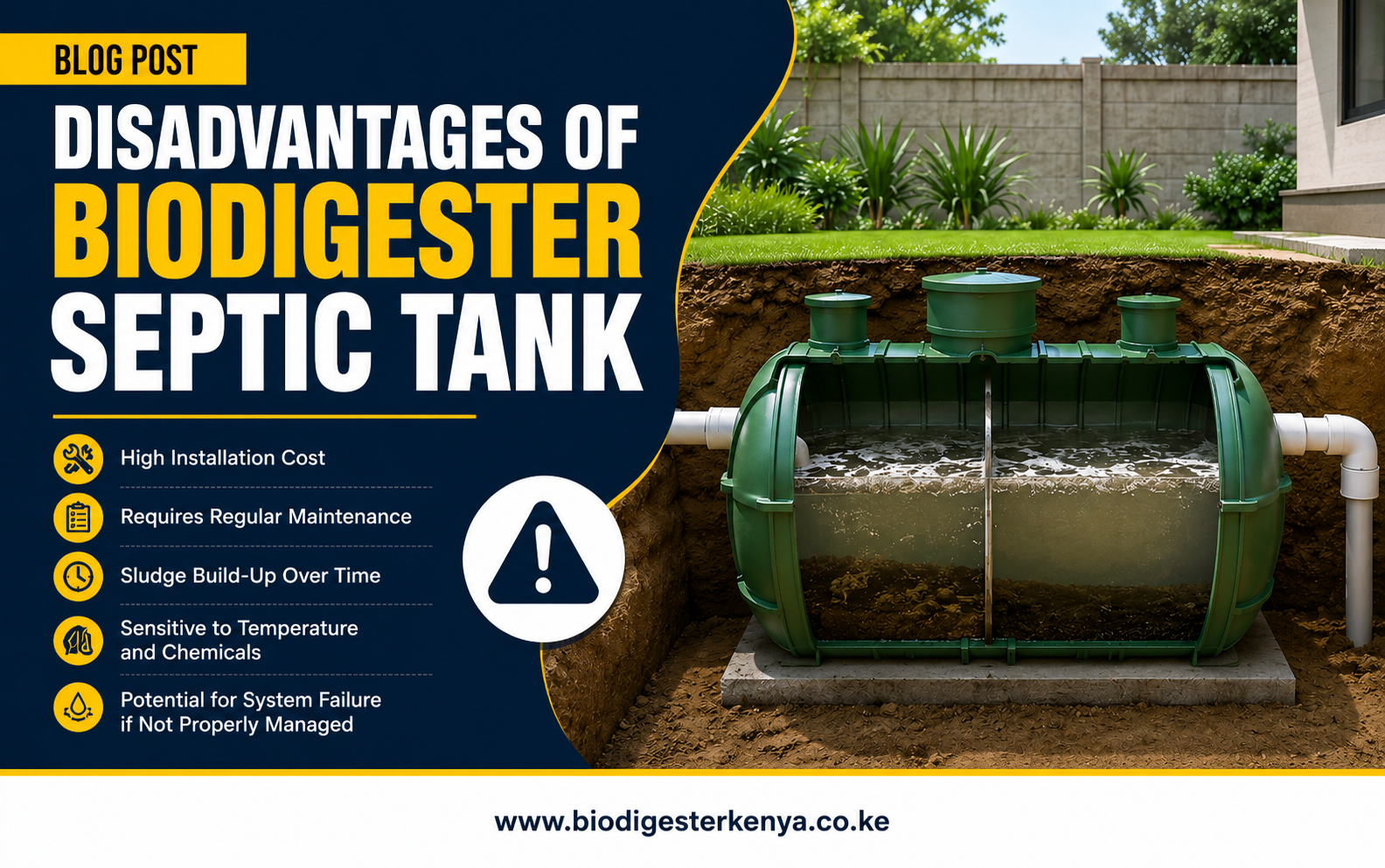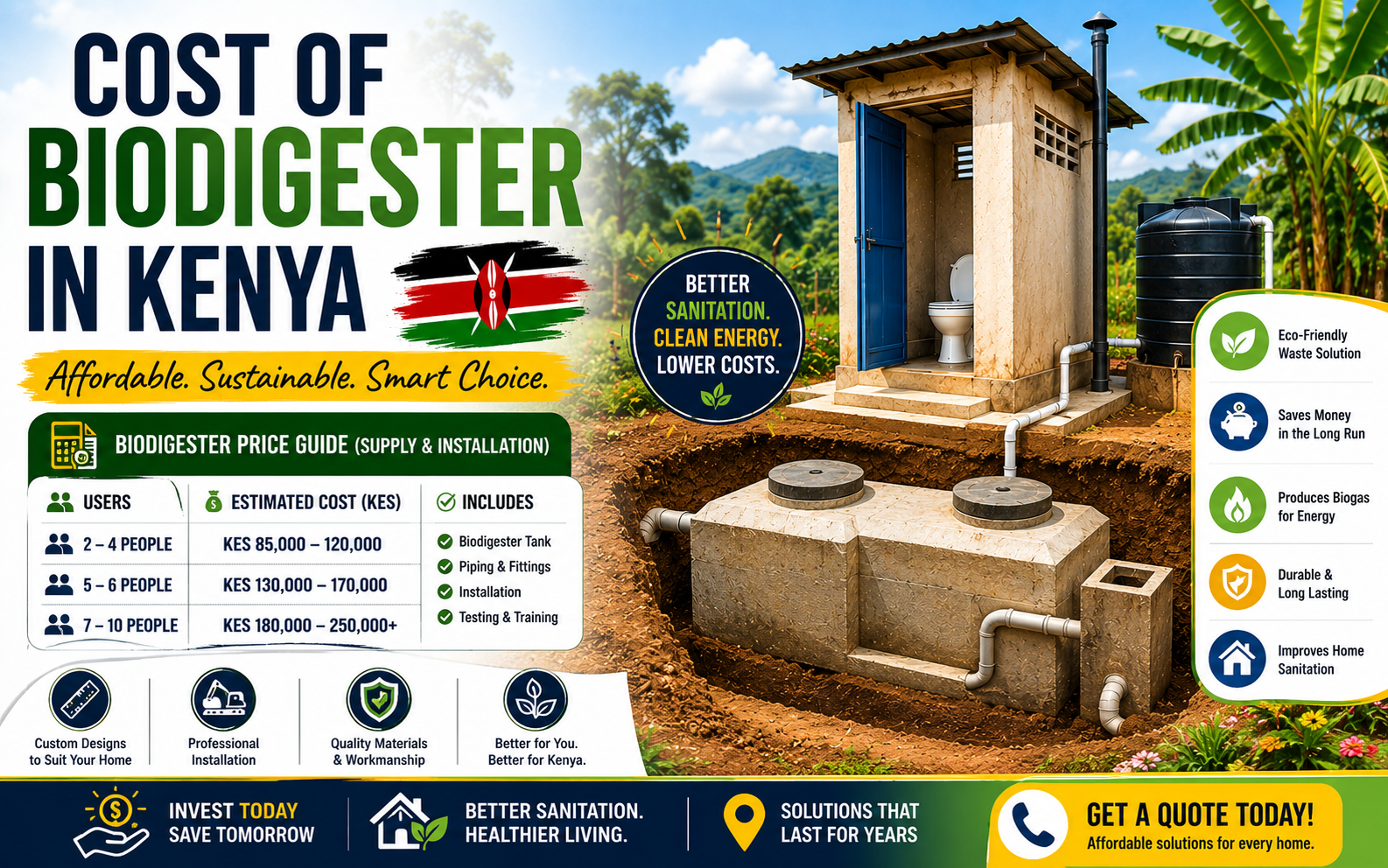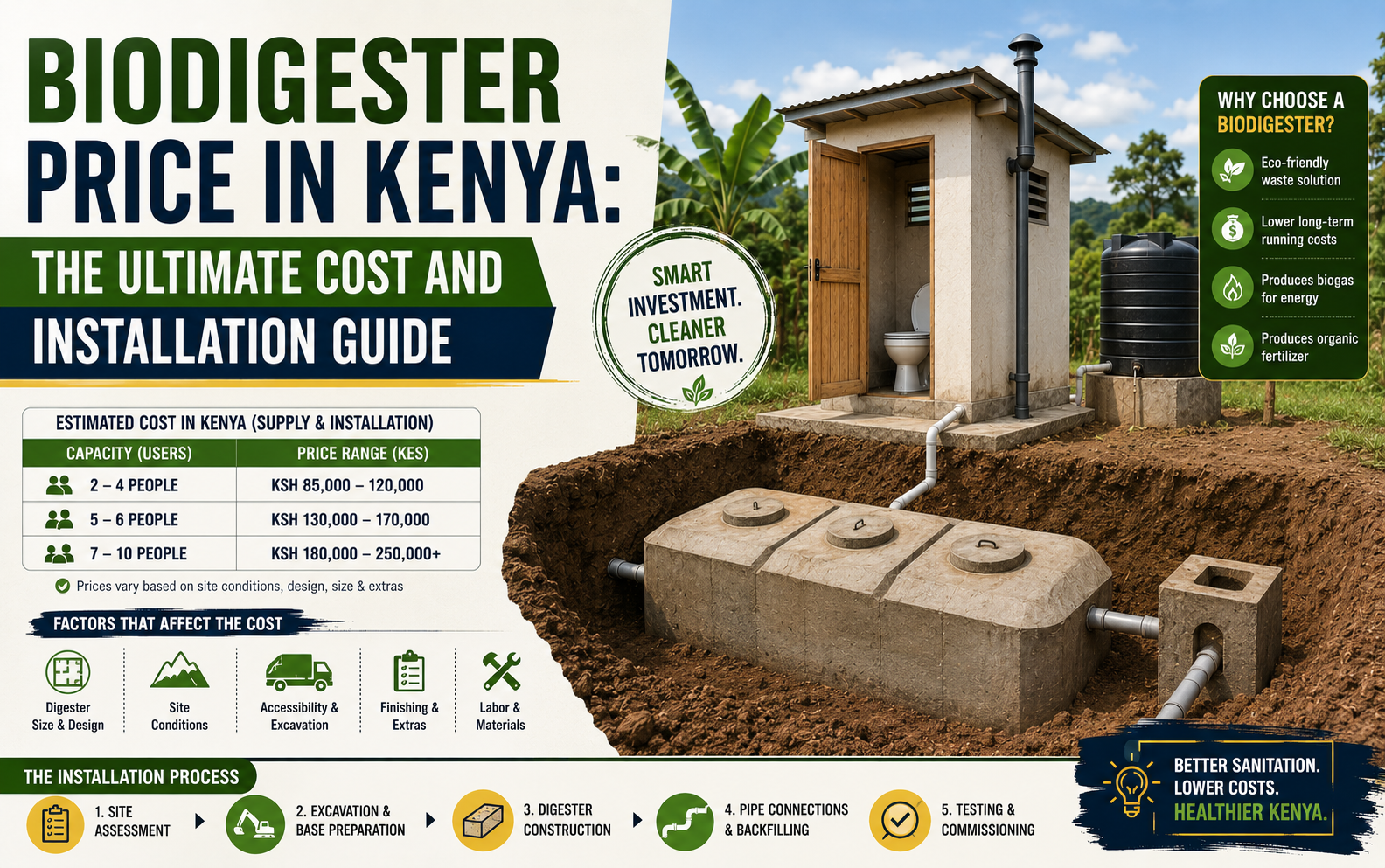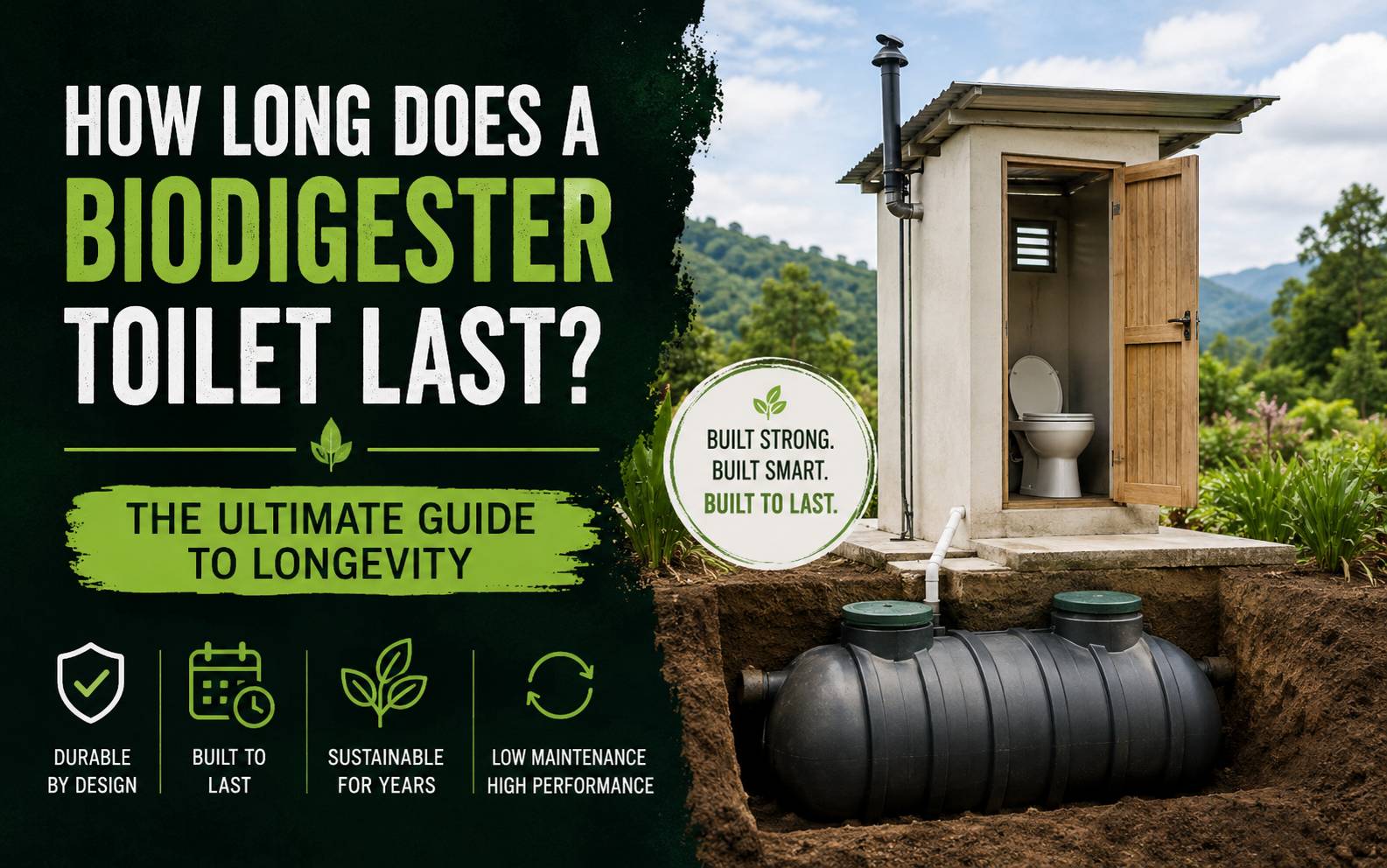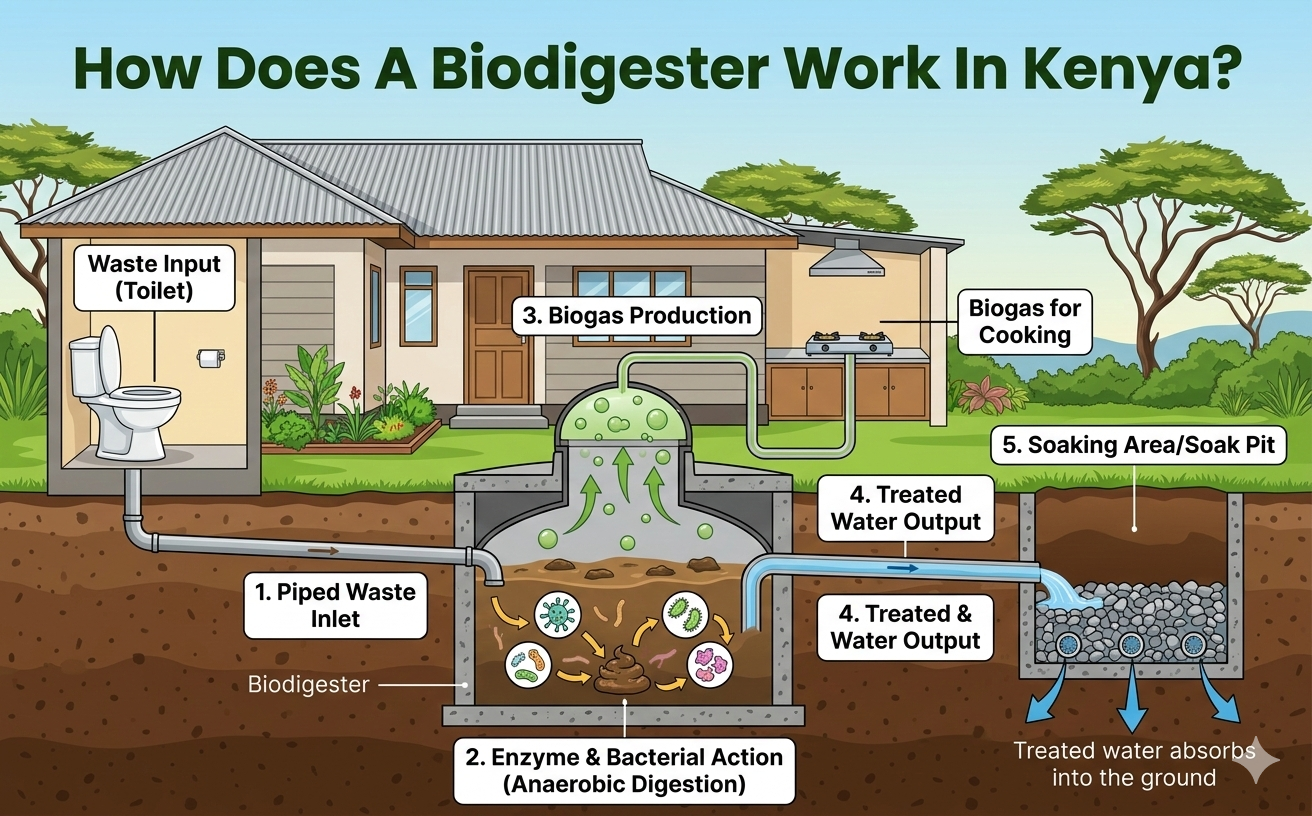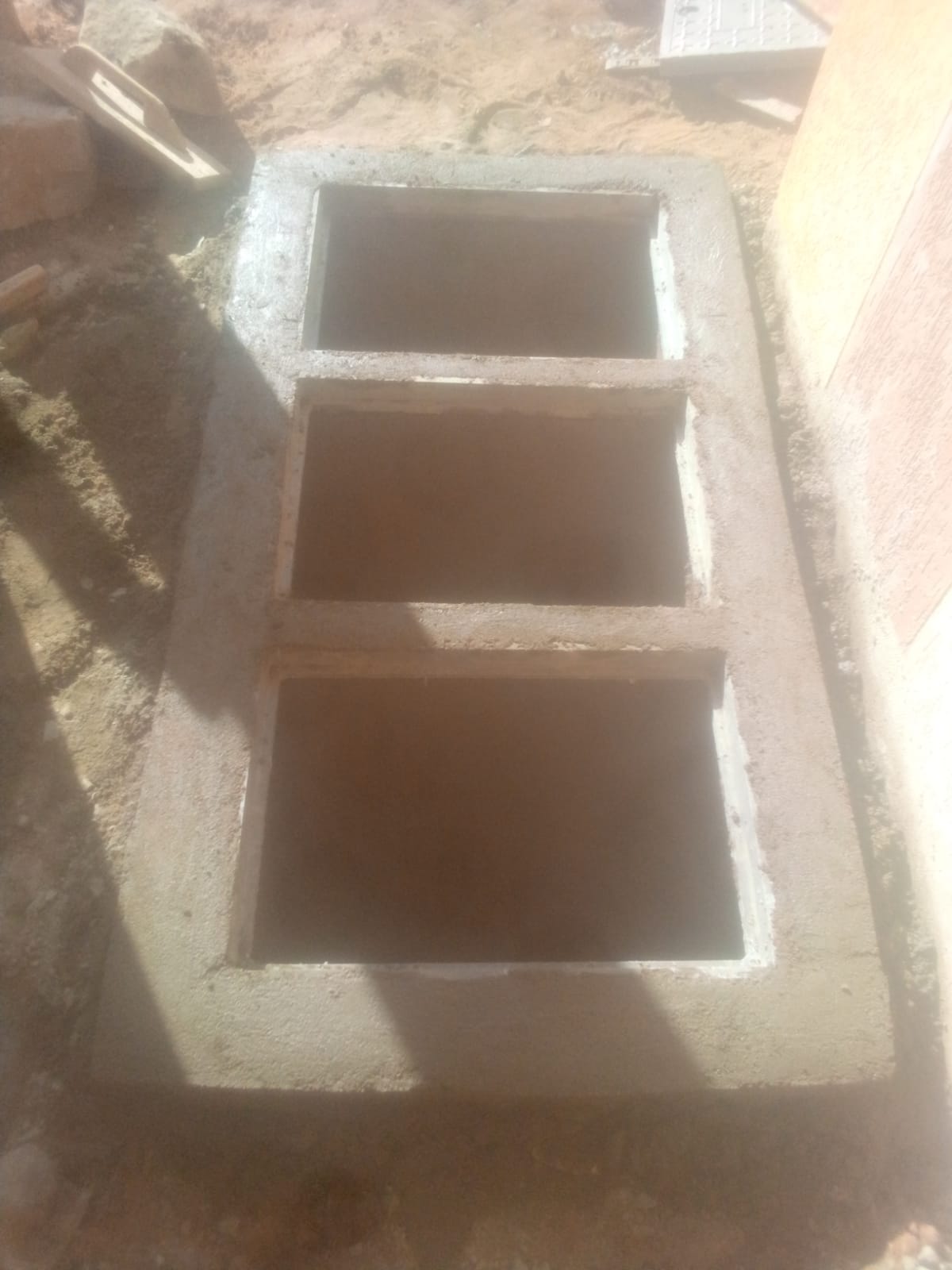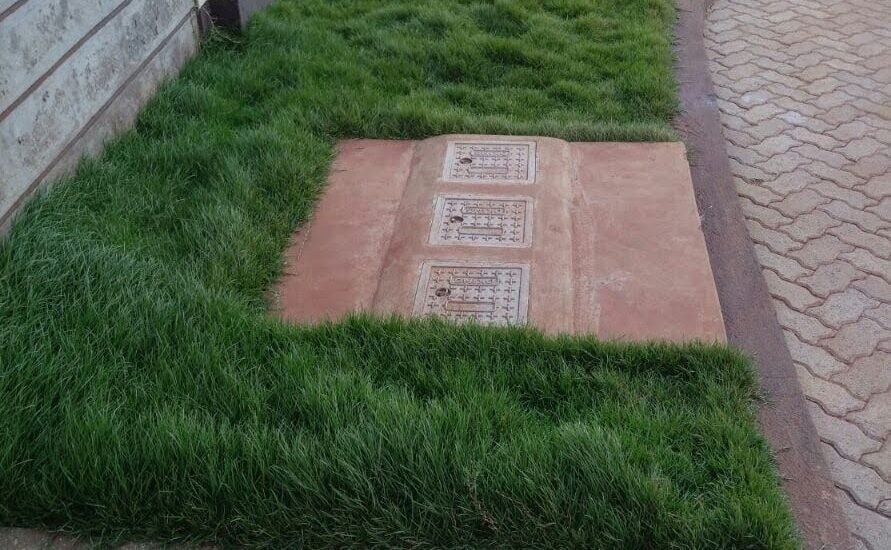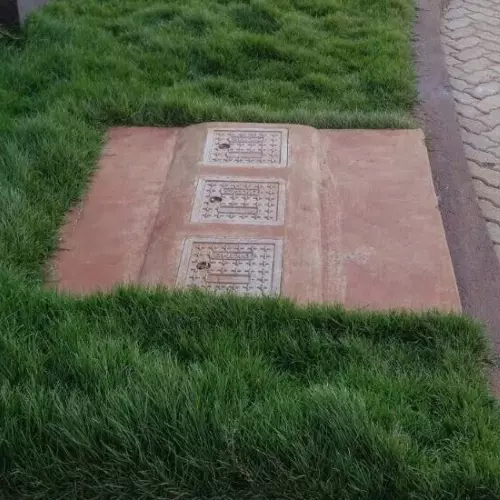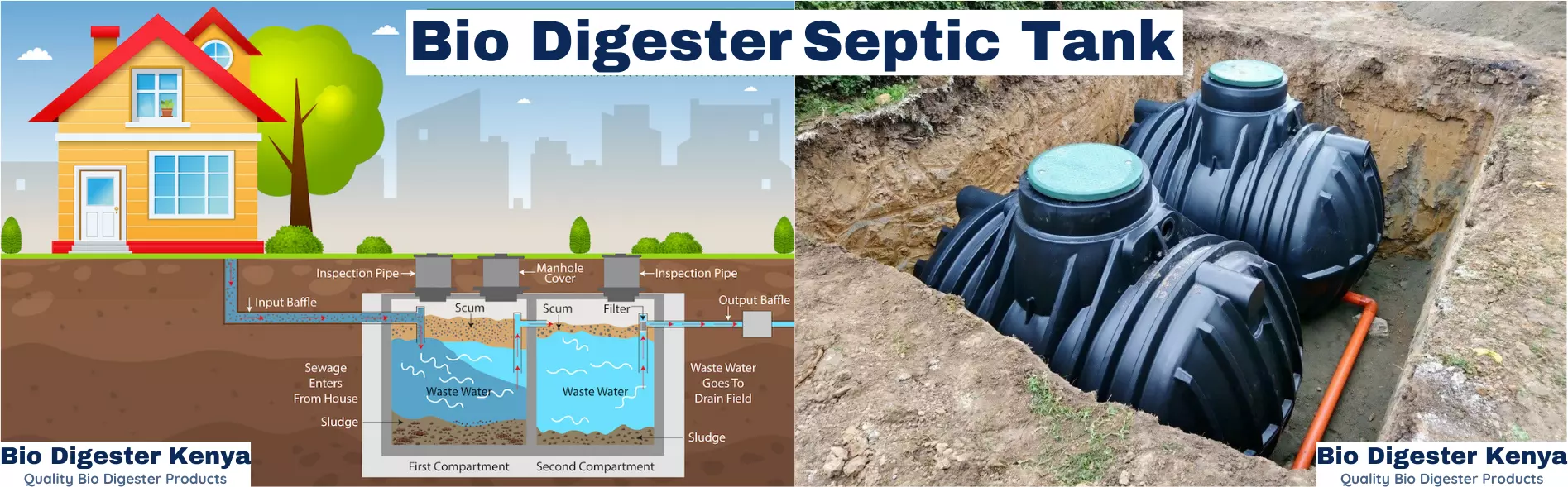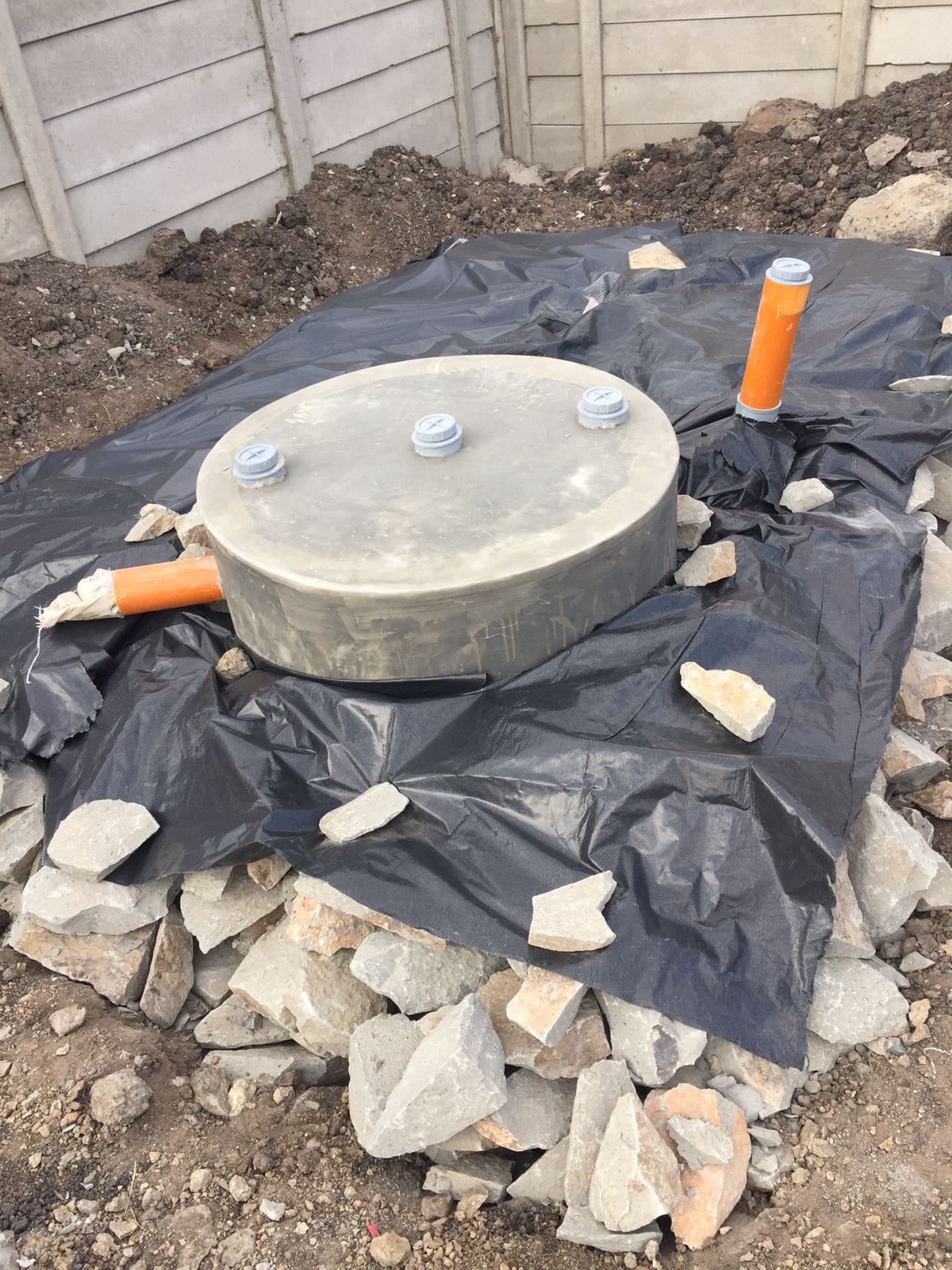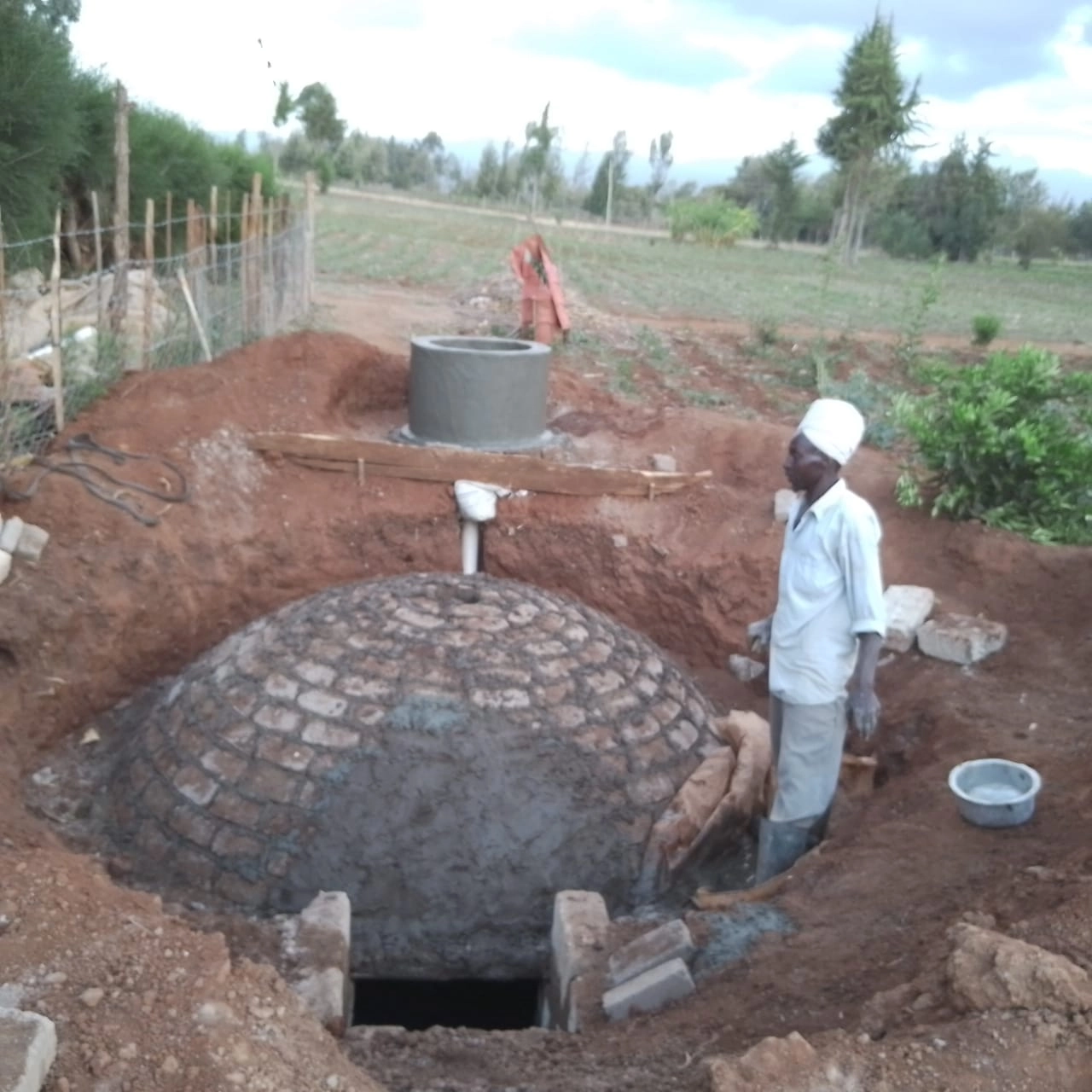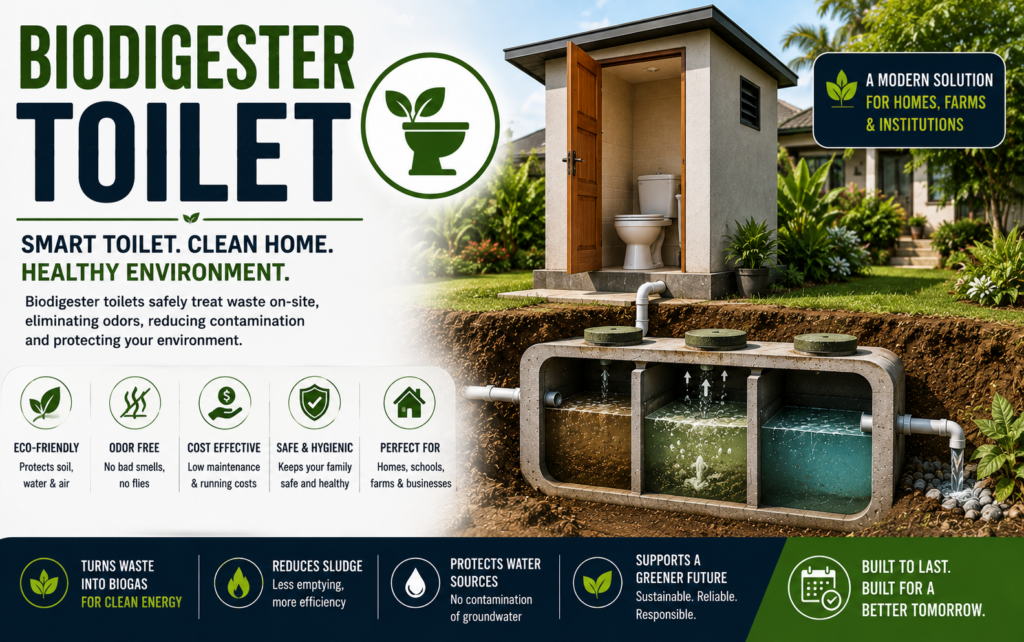
A biodigester toilet is a high-efficiency waste management system that utilizes anaerobic digestion and specialized enzymes to break down human waste into treated water and odorless air.
Unlike traditional septic tanks, this system removes the need for recurring exhaust bowser services by directing treated effluent into a localized soaking area.
The Engineering Behind the Modern Biodigester
Traditional concrete rings and septic tanks are essentially storage pits that eventually fill up, leading to the dreaded “full tank” crisis and expensive pumping costs.
A biodigester operates on a completely different biological principle. It is a living system designed to process waste in real-time.
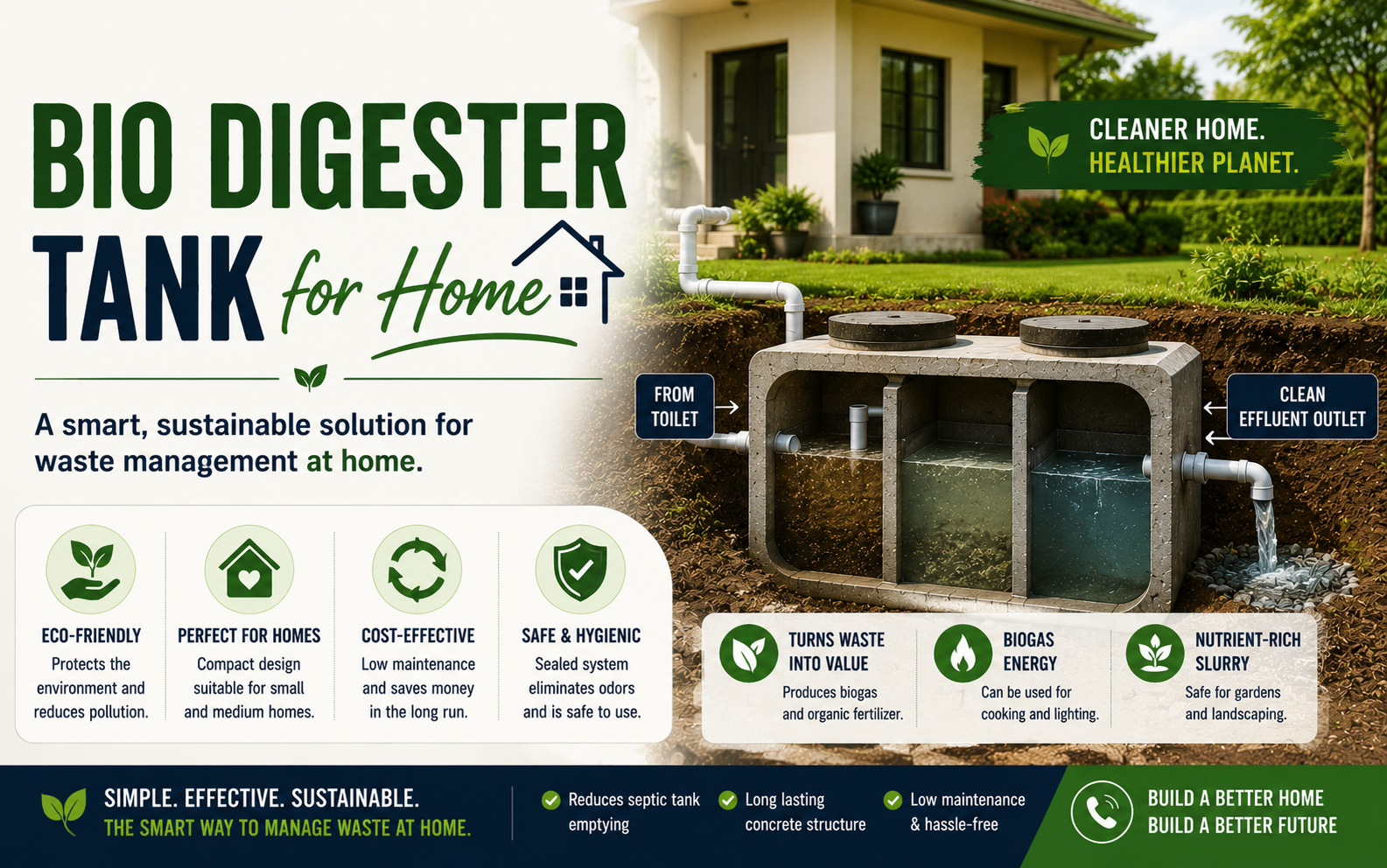
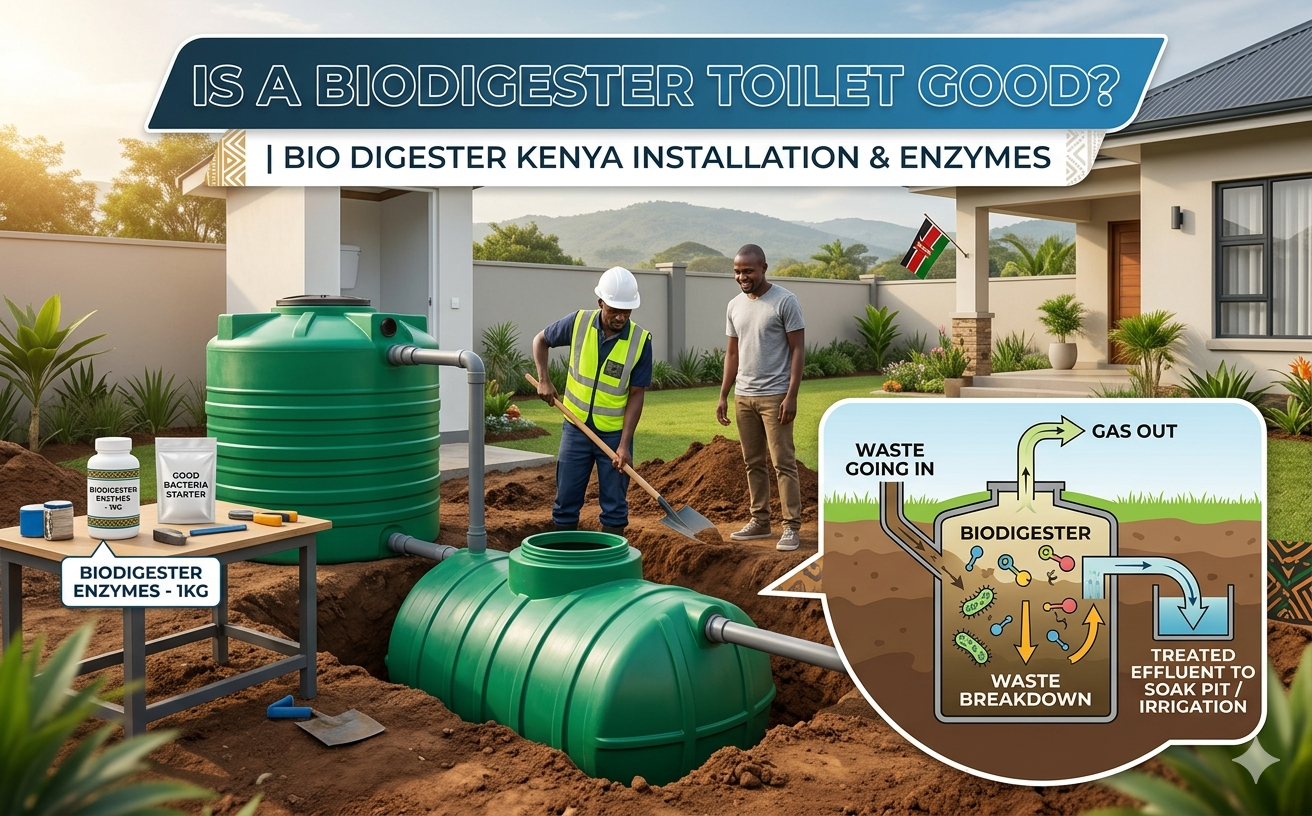
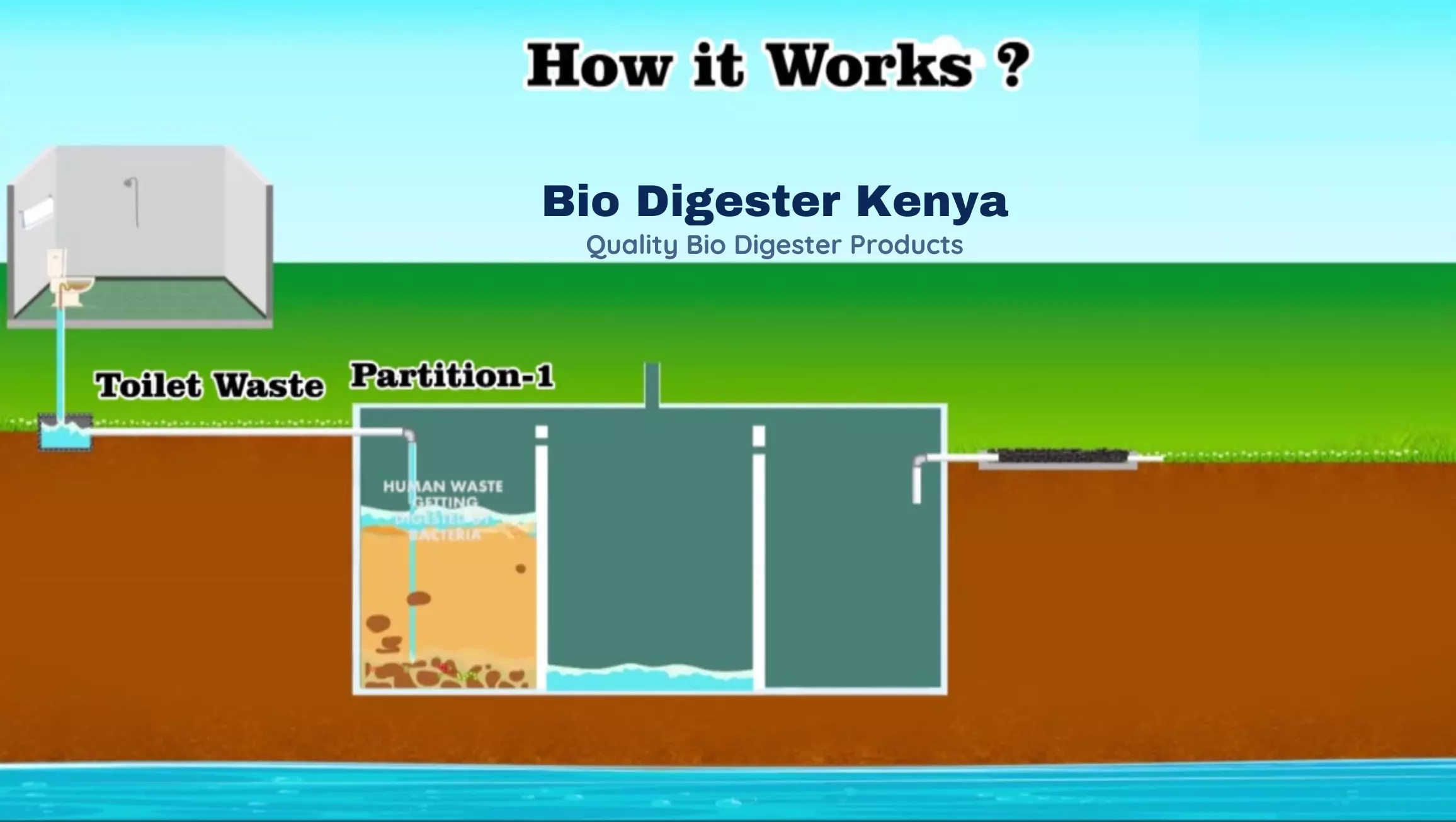
Waste is piped directly from the toilet into the biodigester chamber.
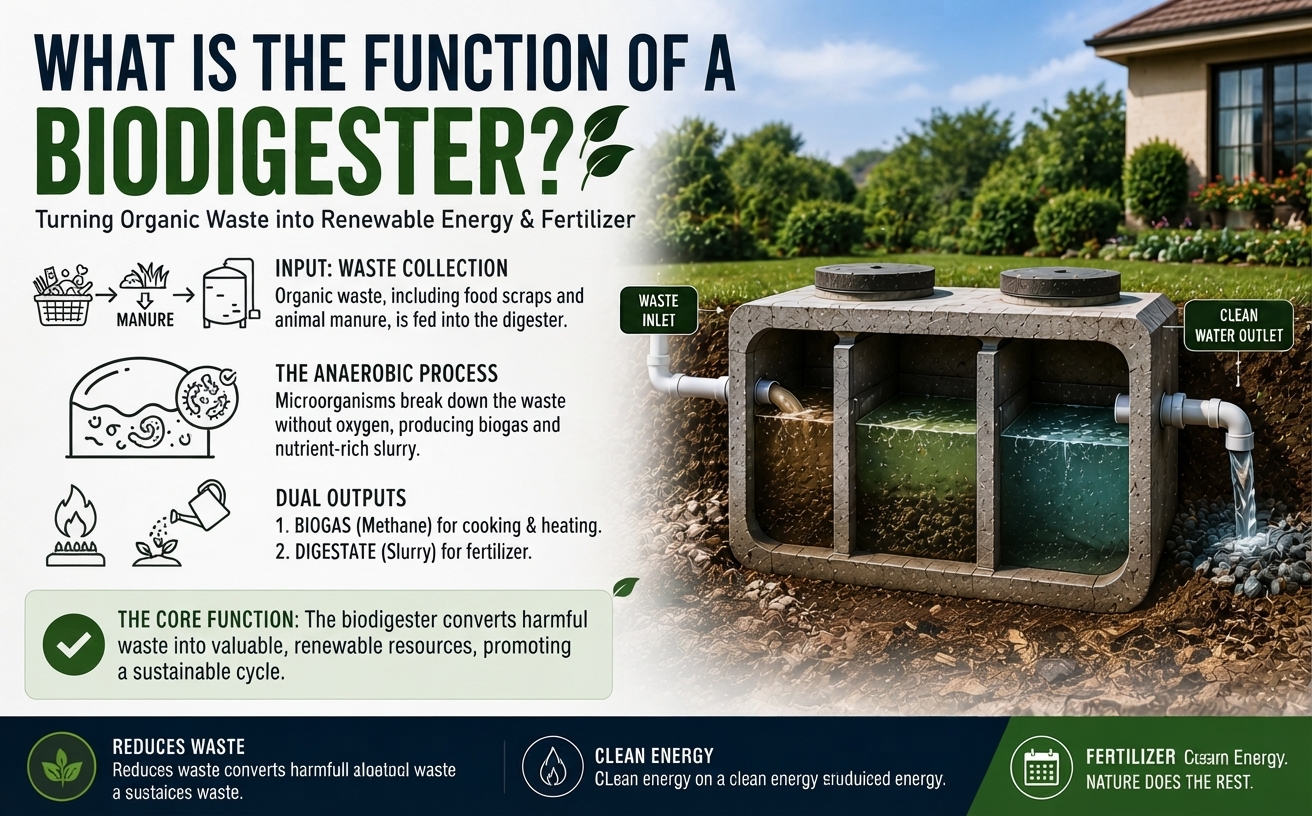
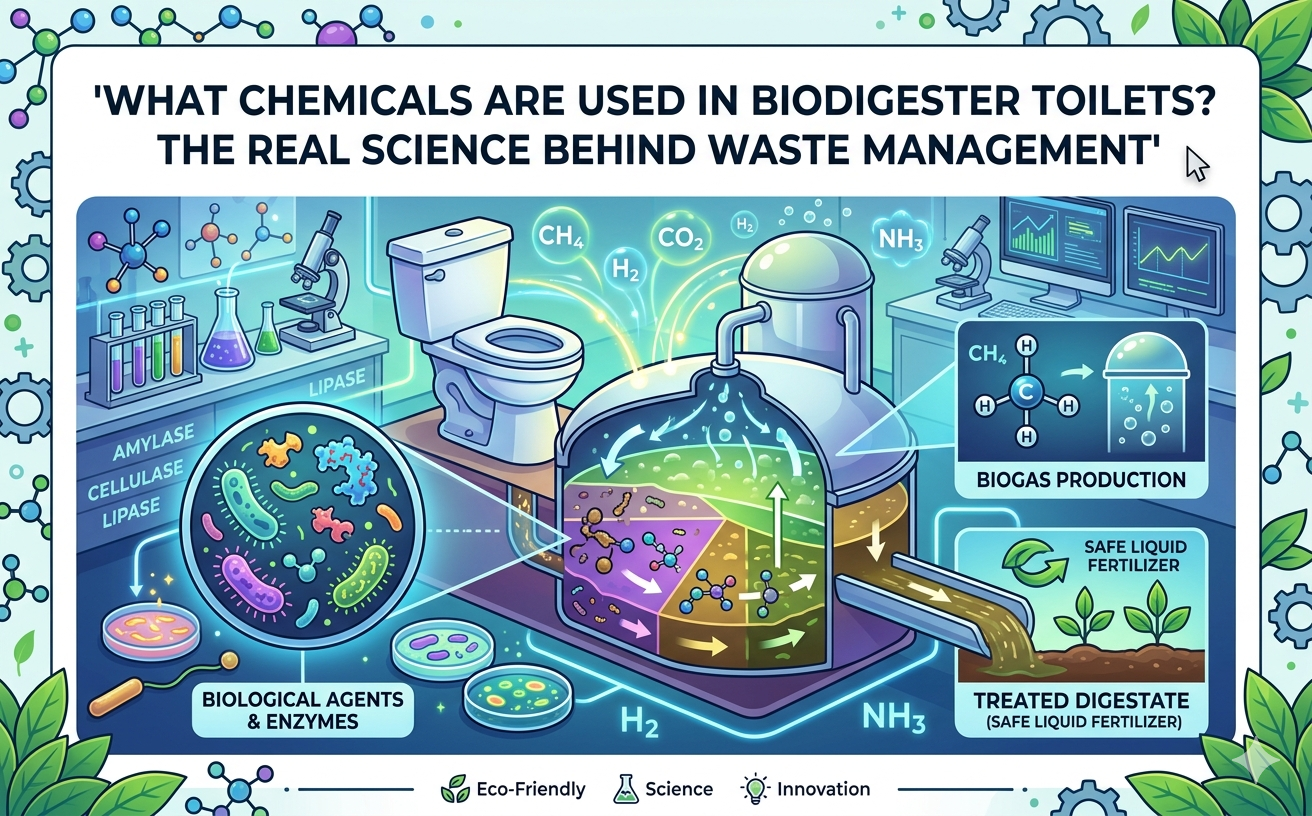
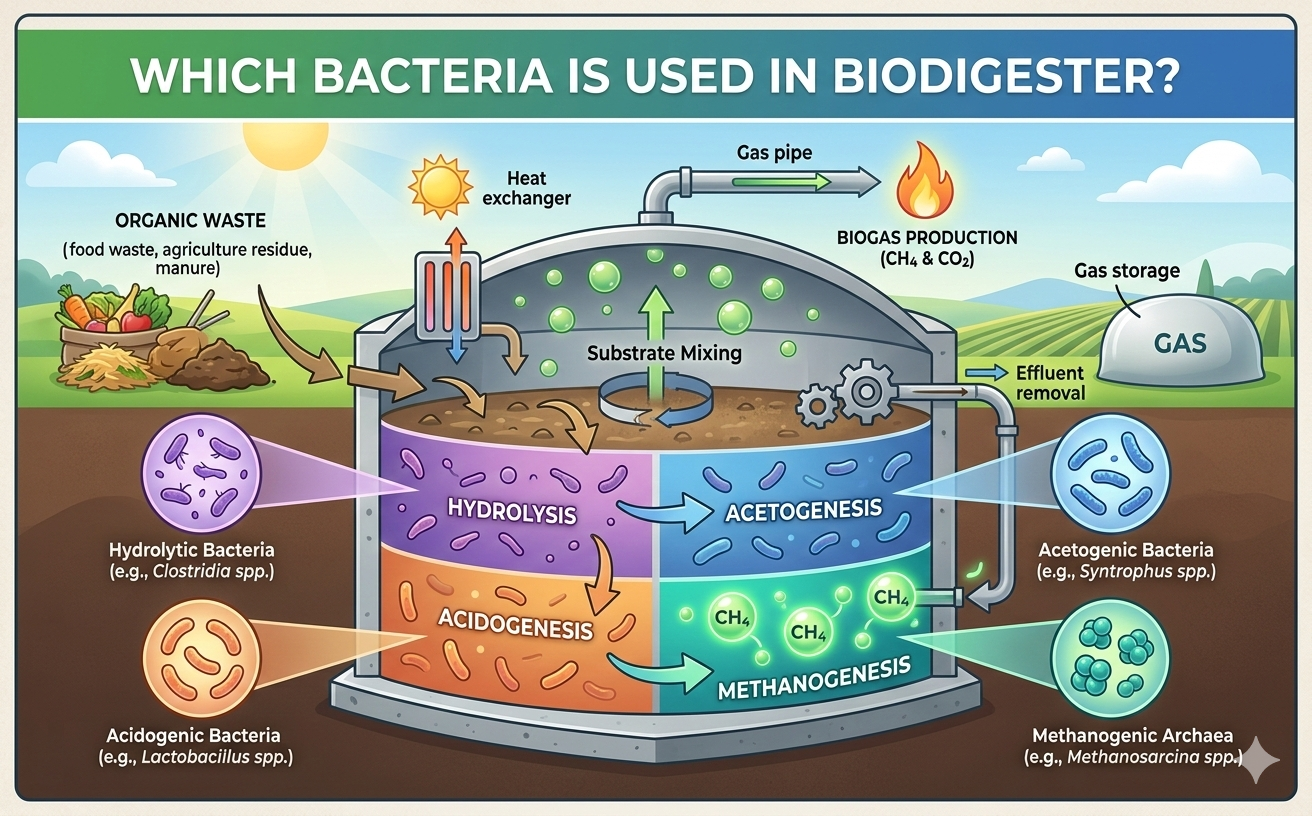
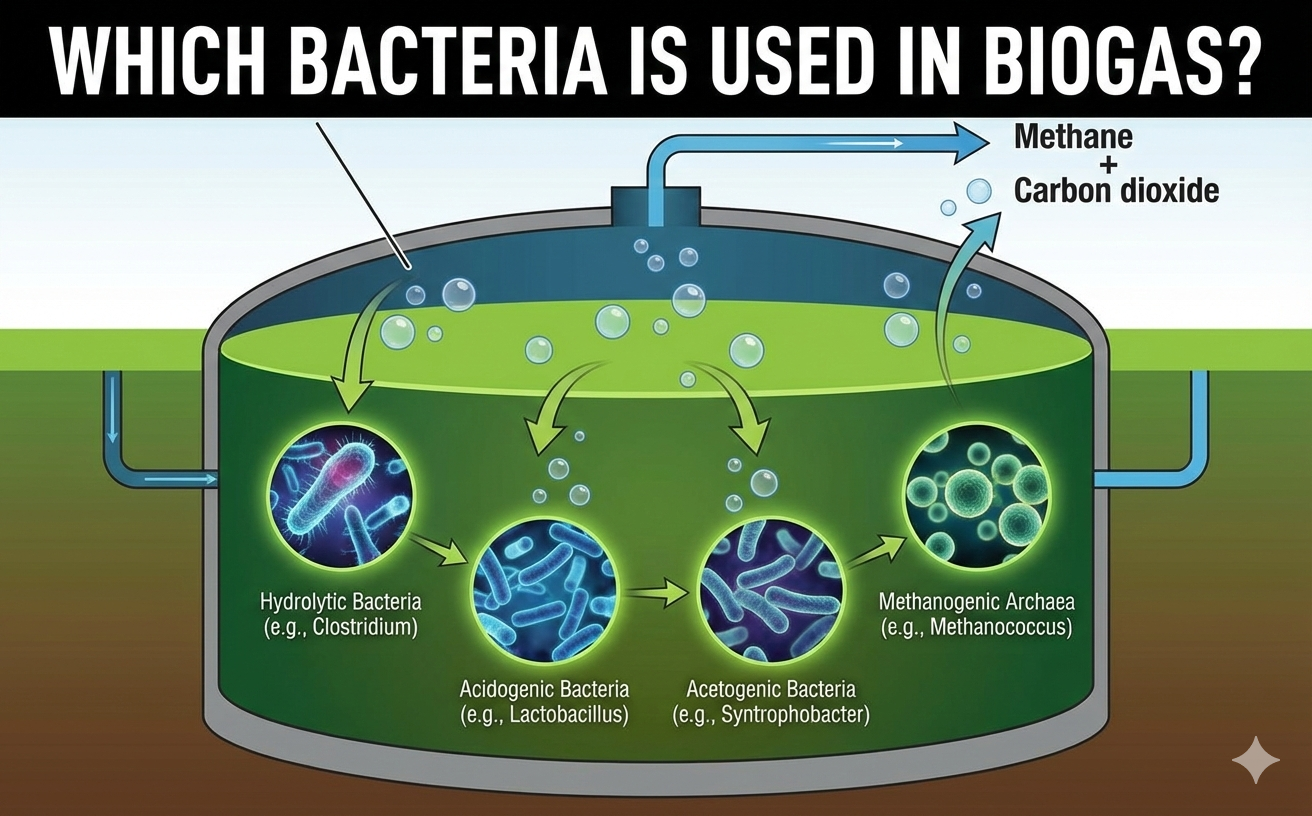
Once inside, specialized biodigester enzymes act as catalysts, breaking down organic solids through a process of anaerobic digestion.
These microorganisms consume the waste, converting it into a liquid state. The biological end result is strictly treated water and odorless air.
This treated water then flows into a localized soaking area or French drain.
Depending on the soil permeability, the water is safely absorbed into the ground, meaning the system essentially “empties itself” naturally without human intervention or mechanical pumping.
Why This Matters for Kenyan Property Owners
In rapidly growing urban areas like Nairobi, Kiambu, and Kajiado, plot sizes are shrinking.
Installing a massive traditional septic tank takes up valuable real estate that could be used for additional rooms or gardening.
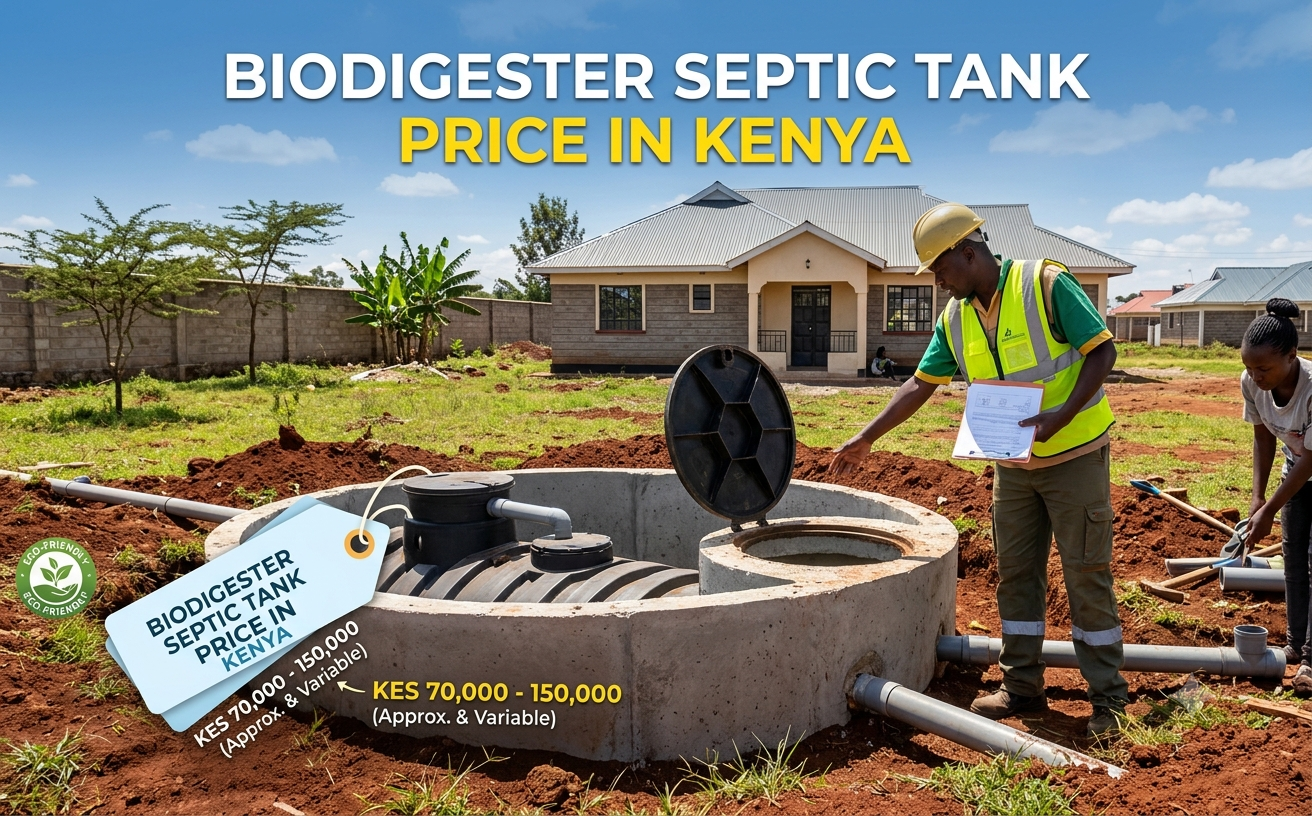
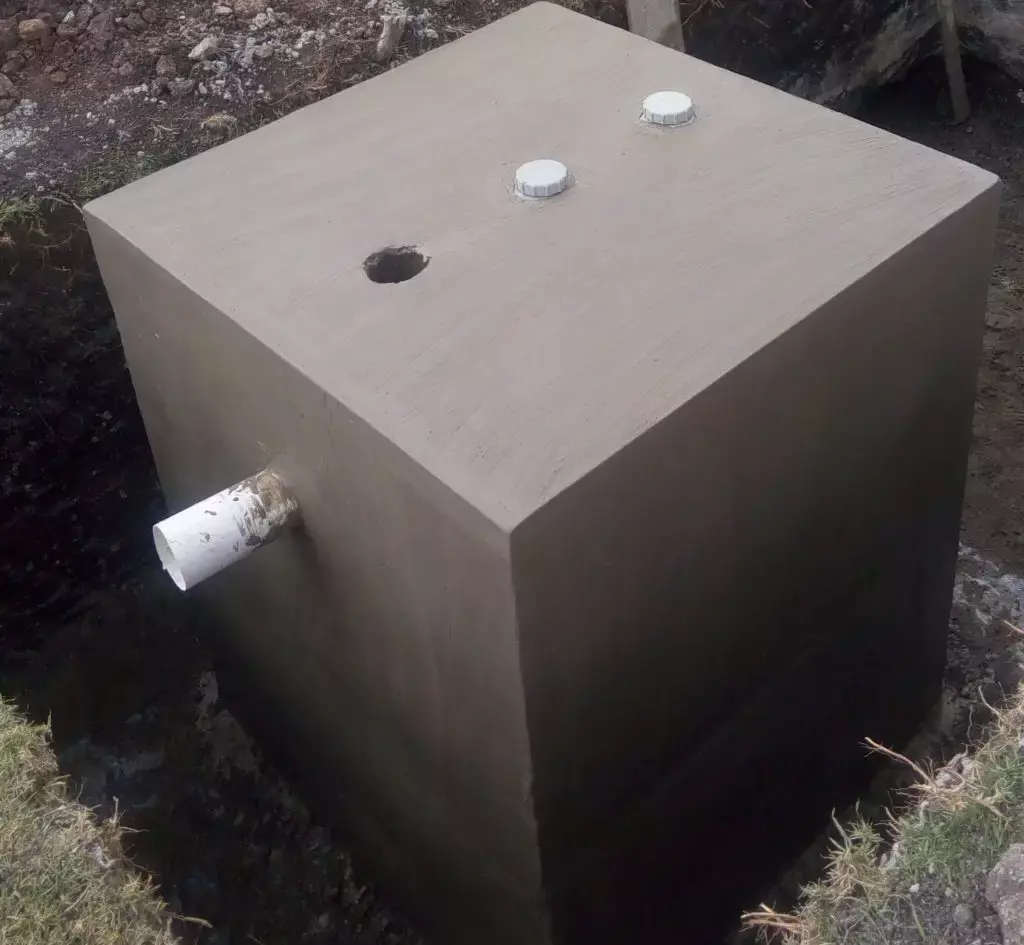
A precast bio digester offers a compact footprint without compromising on capacity.
Furthermore, the financial burden of hiring a bowser every few years is a hidden cost of traditional sanitation.
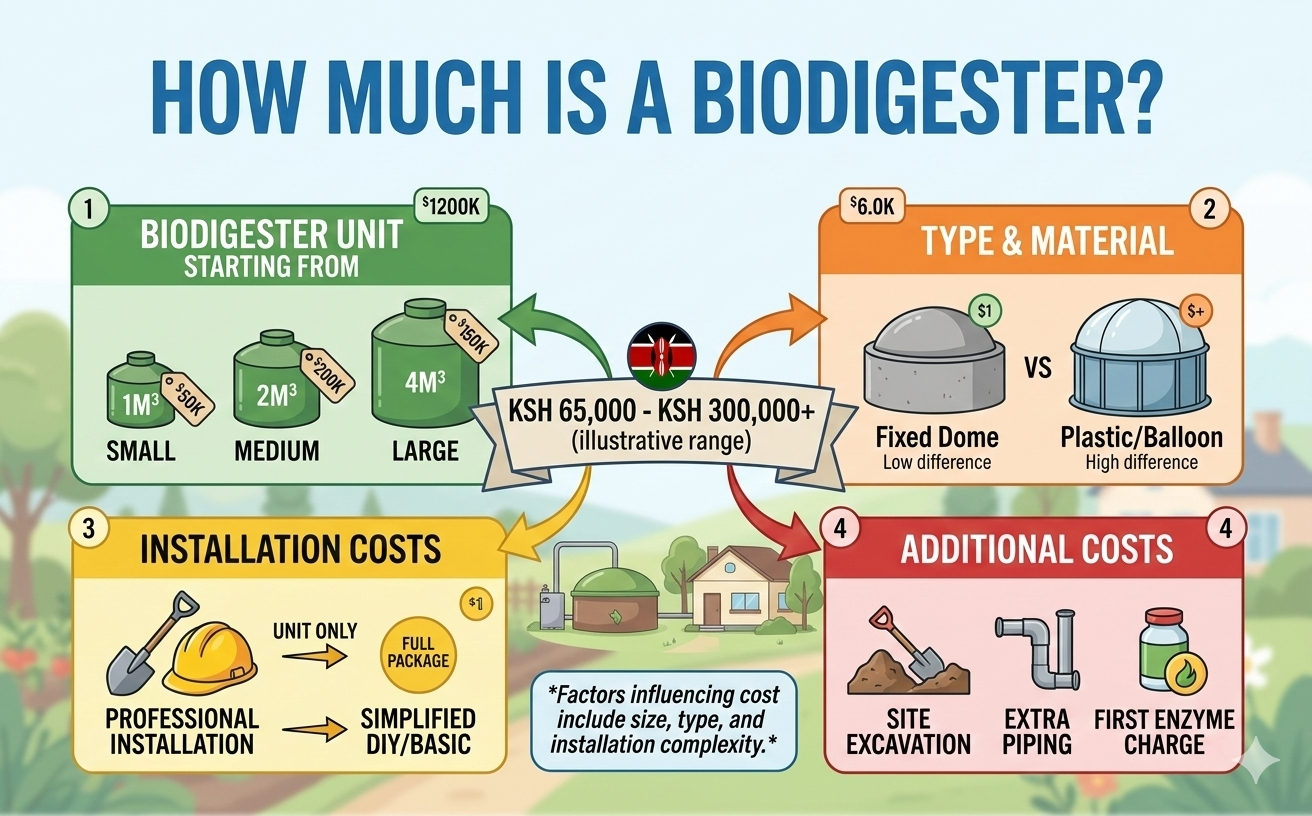
When you factor in the cost of excavation, concrete rings, and lifetime pumping fees, the biodigester emerges as the most economical choice for any developer.
Phone: +254 712 660 245
Email: info@biodigesterkenya.co.ke
Navigating Kenyan Soil Realities
One of the biggest mistakes contractors make is ignoring the soil profile.
The efficiency of a biodigester’s soaking area depends entirely on how the ground absorbs water.
- Red Soils (Kiambu, Central Highlands): These soils generally have excellent infiltration rates, making the installation of a French drain straightforward and highly effective.
- Black Cotton Soil (Kitengela, Kamulu, parts of Kajiado): This soil expands when wet and has very poor absorption. In these areas, we engineer a specialized soaking pit with graded aggregates (ballast and sand) to ensure the treated water doesn’t pool on the surface or cause odors.
- Sandy Soils (Coastal Region): While absorption is fast, we focus on ensuring the system is properly sealed to prevent any untreated seepage into shallow water tables.
Ensuring a professional bio digester installation means the system is calibrated to your specific geography, preventing the common issue of “back-flow” during heavy rainy seasons.
Biodigester vs. Traditional Septic Tanks: The Hard Facts
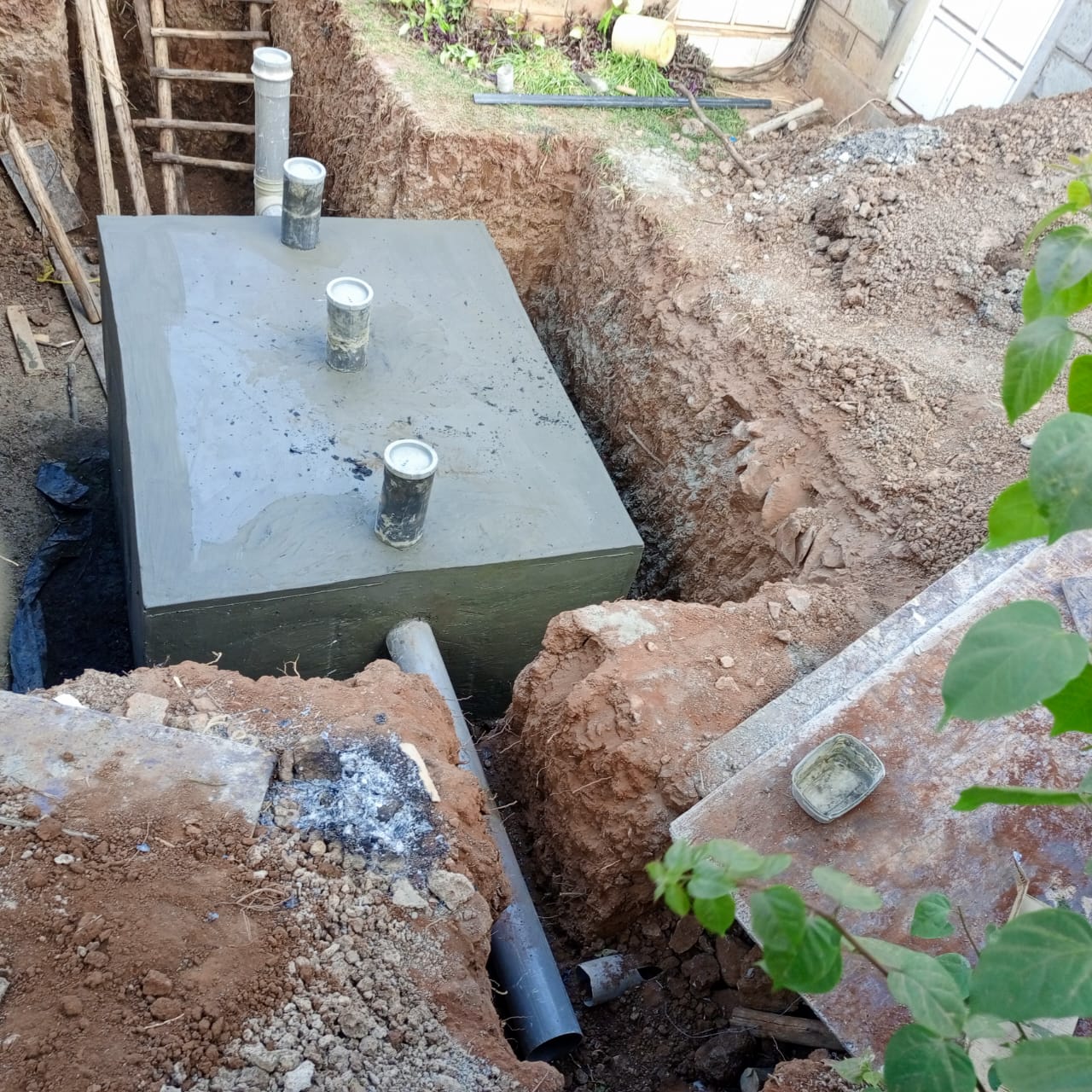
When conducting a biodigester vs septic tank comparison, the difference is found in the lifecycle cost and environmental impact.
Space and Construction
A traditional septic tank requires deep excavation and massive amounts of concrete and steel.
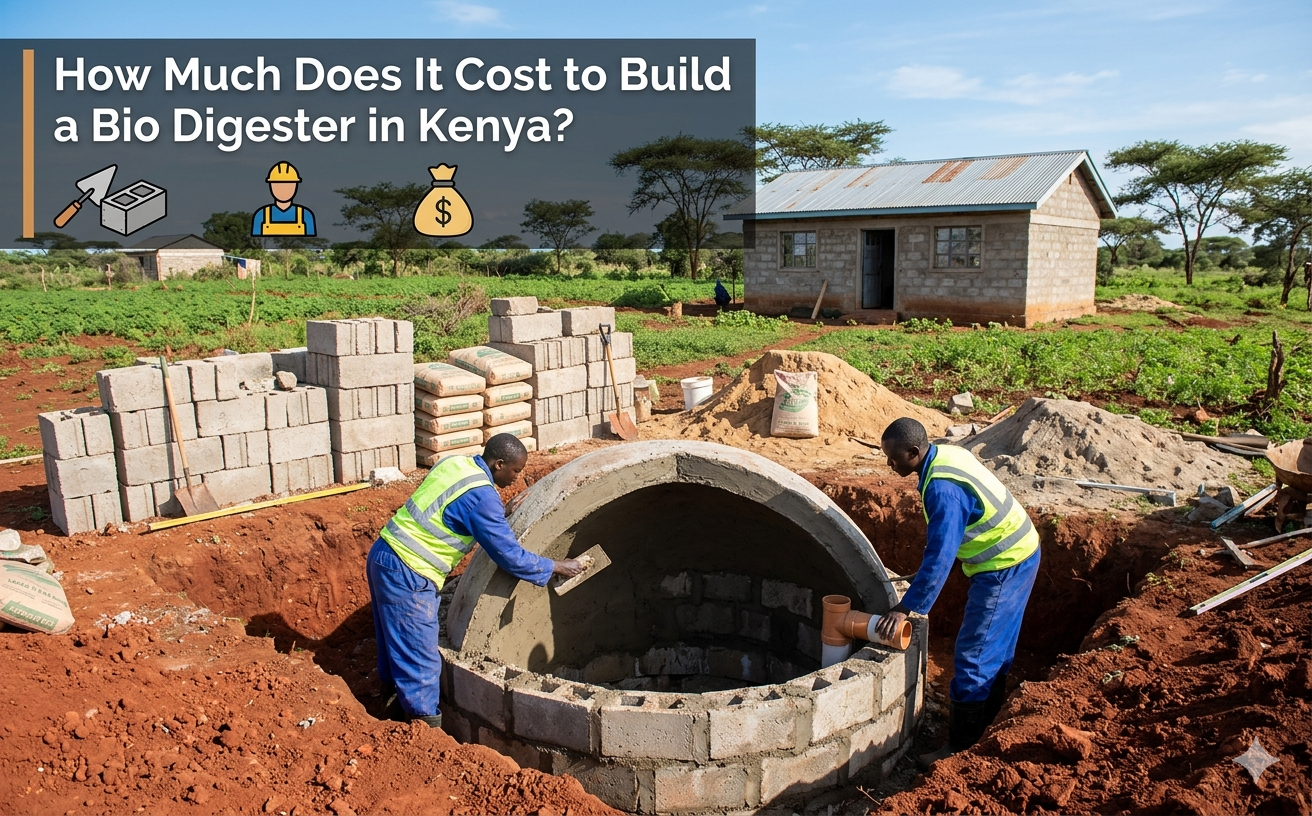
A biodigester is significantly smaller and can be installed in a fraction of the time, often requiring minimal excavation compared to the massive pits of the past.
Maintenance and Odor Control
Septic tanks are prone to odors if the vent pipes are poorly positioned or if the sludge builds up.
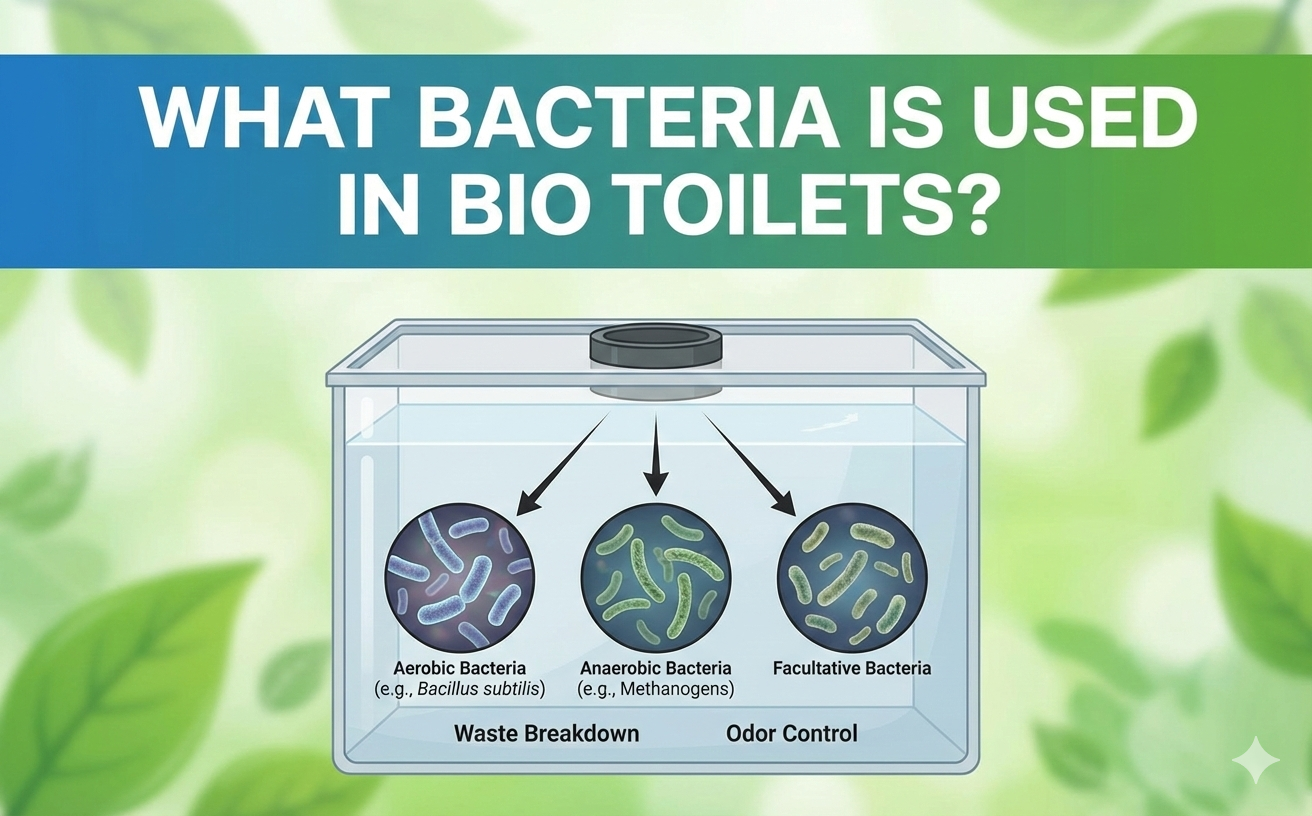
Because a biodigester uses enzymes to liquefy waste, there is no sludge accumulation. The process is aerobic/anaerobic balanced, meaning the output is odorless.
Long-term Expenditure
The “cheap” cost of building a concrete ring tank is a myth. The recurring cost of exhaust services and the eventual failure of the soakaway pit make it more expensive.
A biodigester is a one-time investment that pays for itself within a few years of avoiding bowser trips.
Phone: +254 712 660 245
Email: info@biodigesterkenya.co.ke

Optimizing Your System for Maximum Lifespan
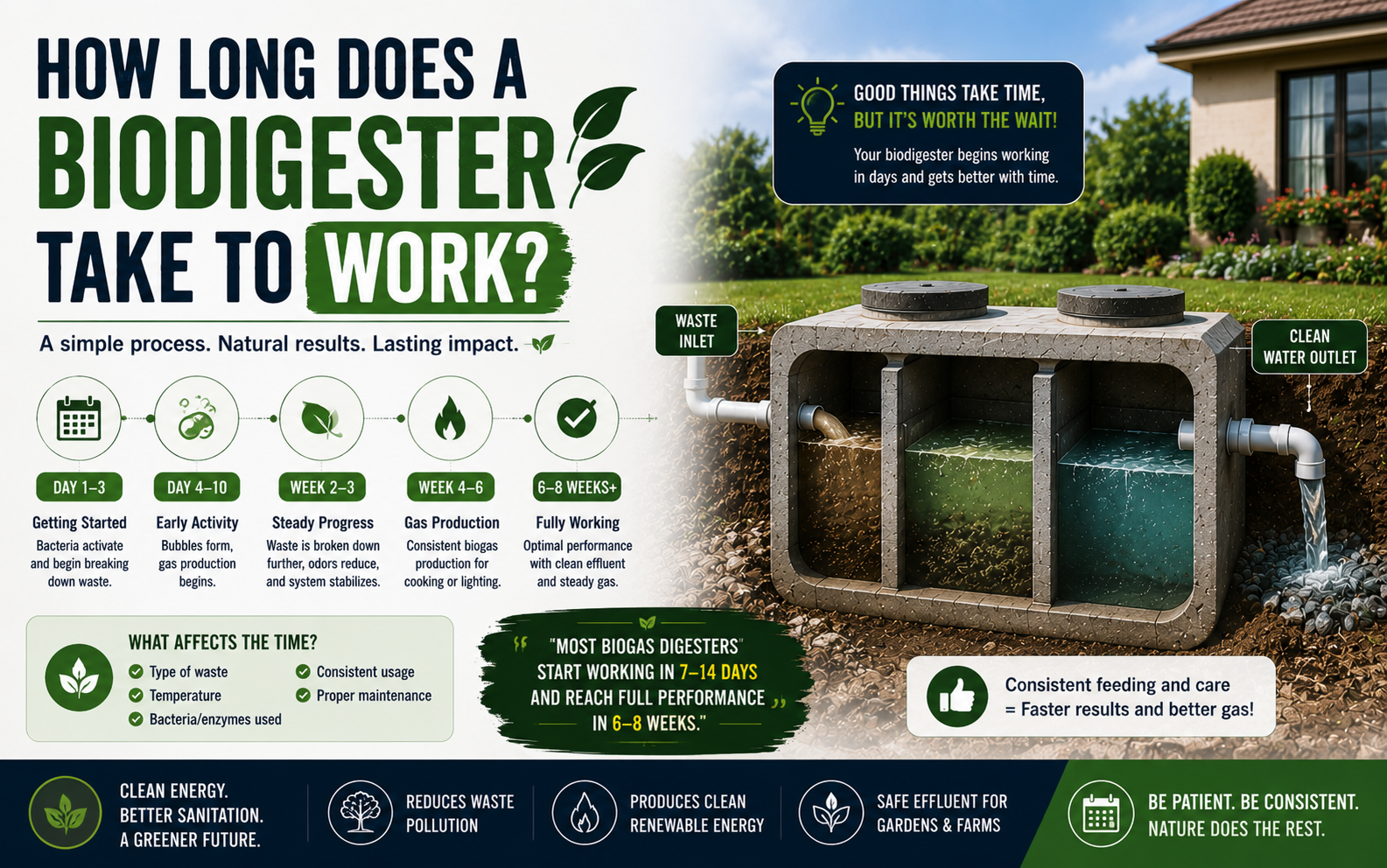
While these systems are largely automated, biological systems require the right environment to thrive.
The enzymes are living organisms; if you pour harsh chemicals like concentrated bleach or strong acids down the toilet, you risk “killing” the colony of bacteria that digest the waste.
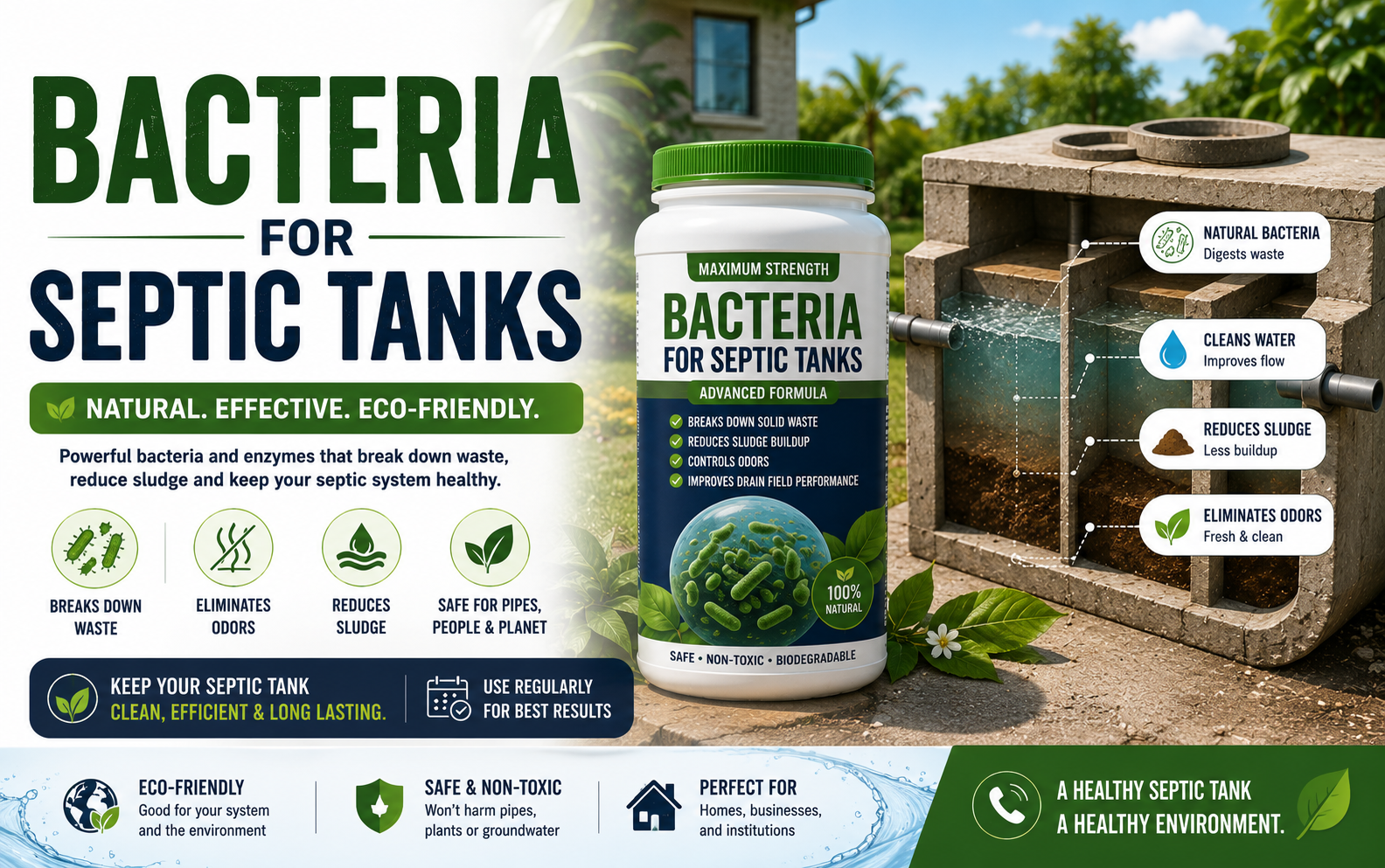
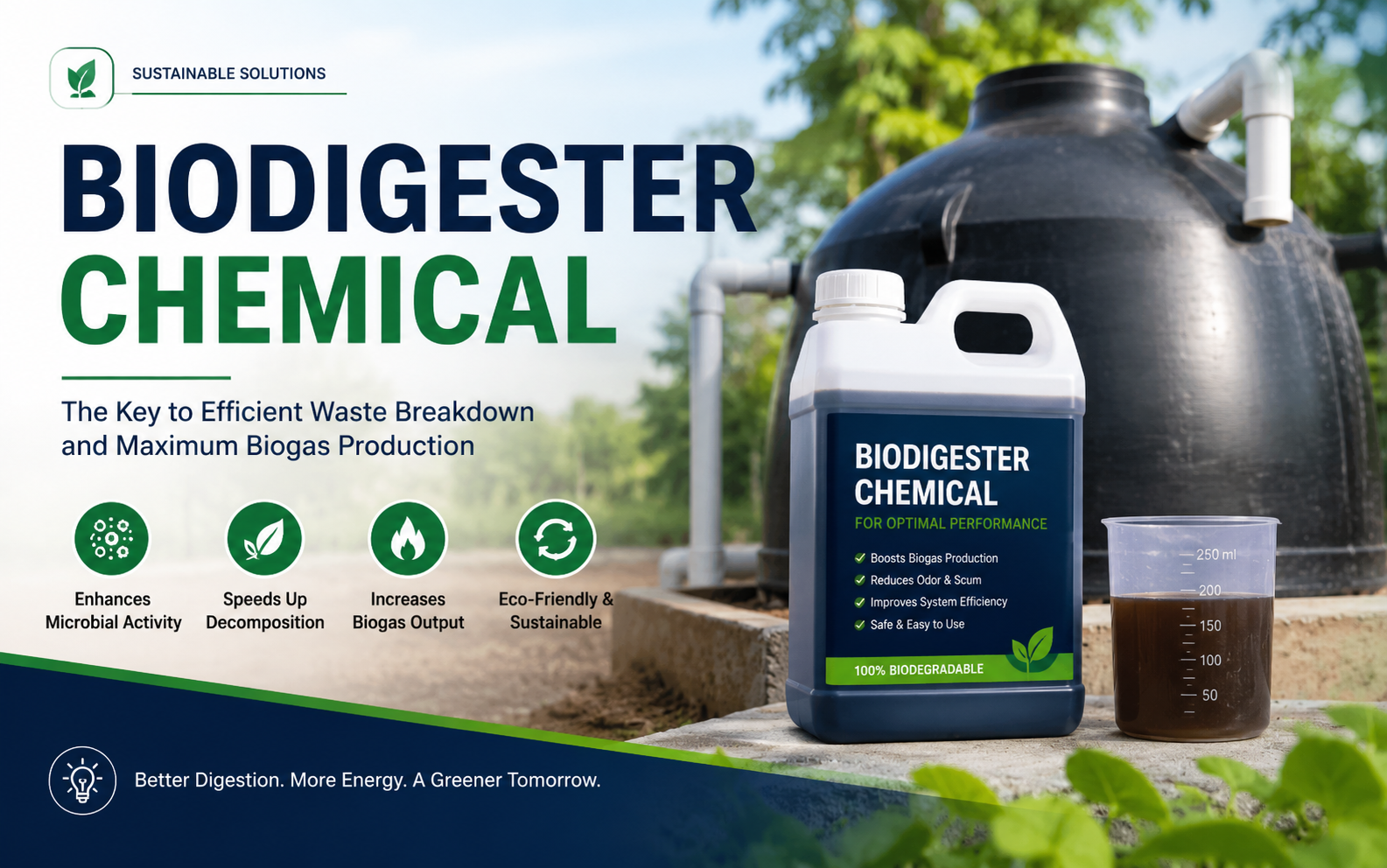
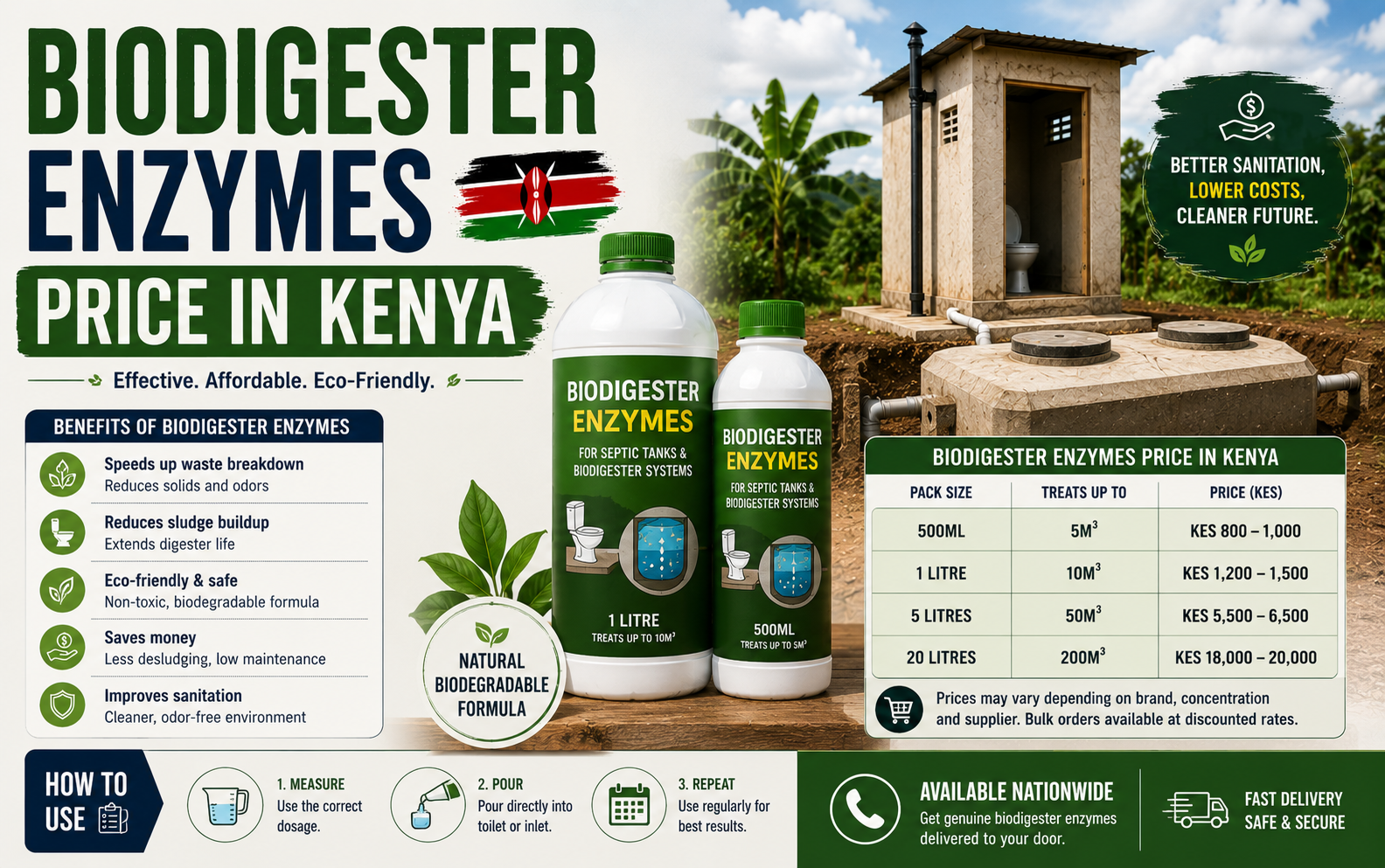
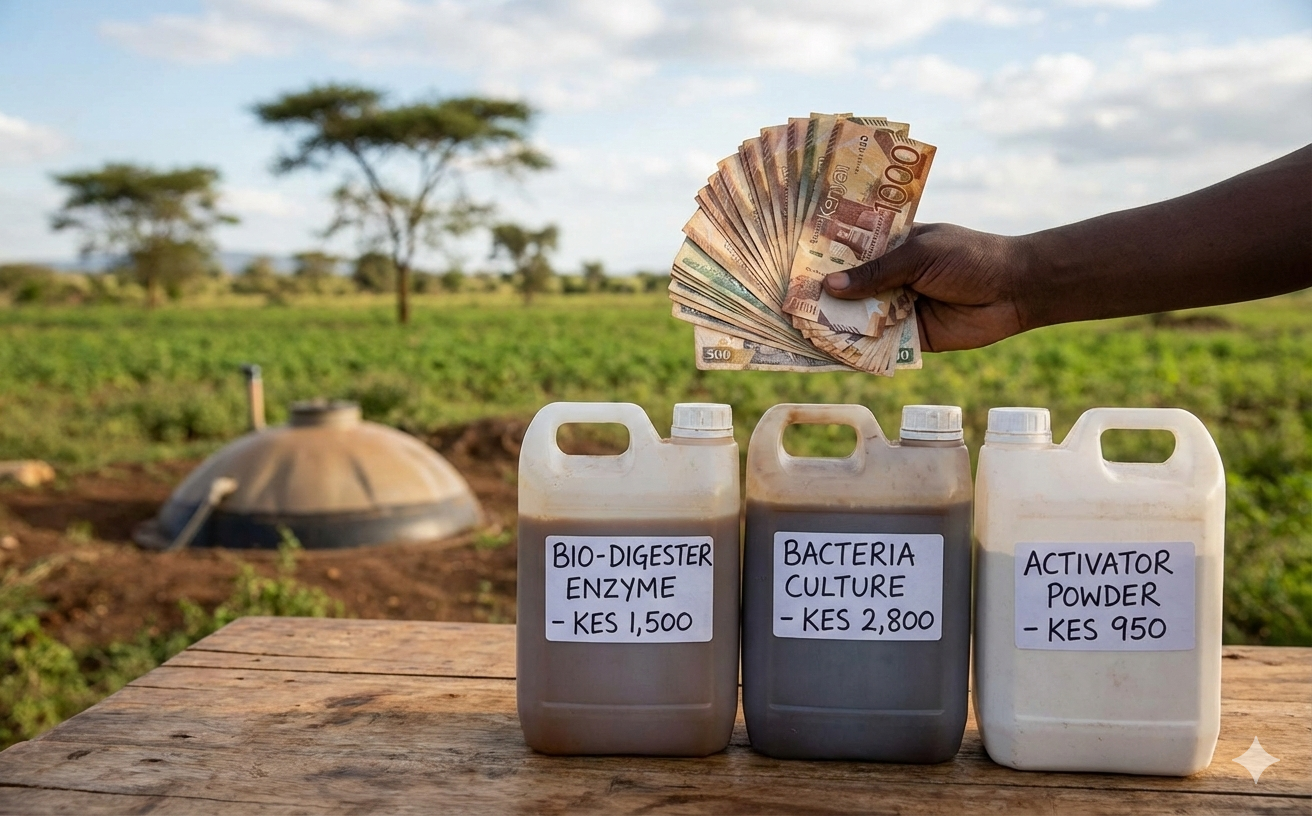
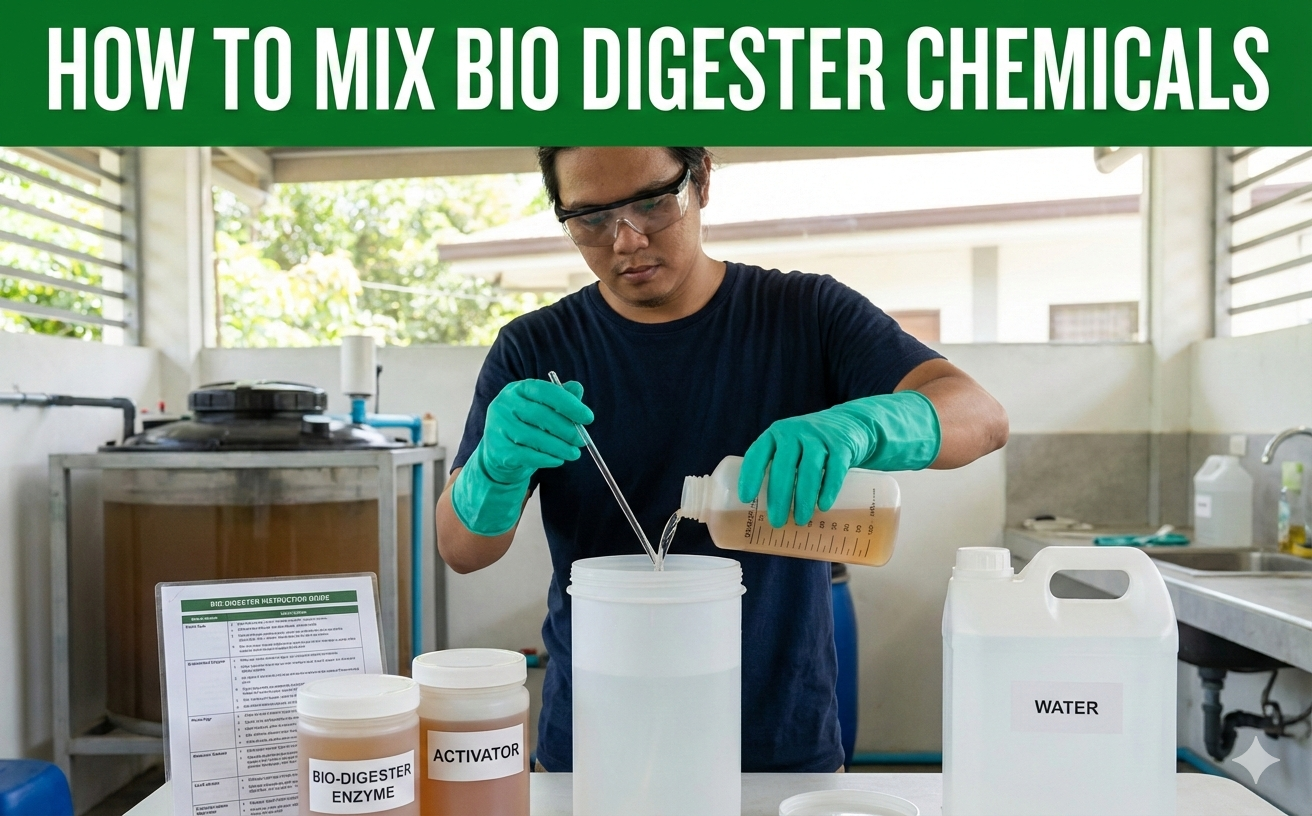
If you notice your system becoming sluggish or if you are transitioning from an old tank, we recommend using biodigester bacteria to jumpstart the digestion process.
For residential users, the Bio Digester Bacteria – 400g pack is ideal for regular maintenance.
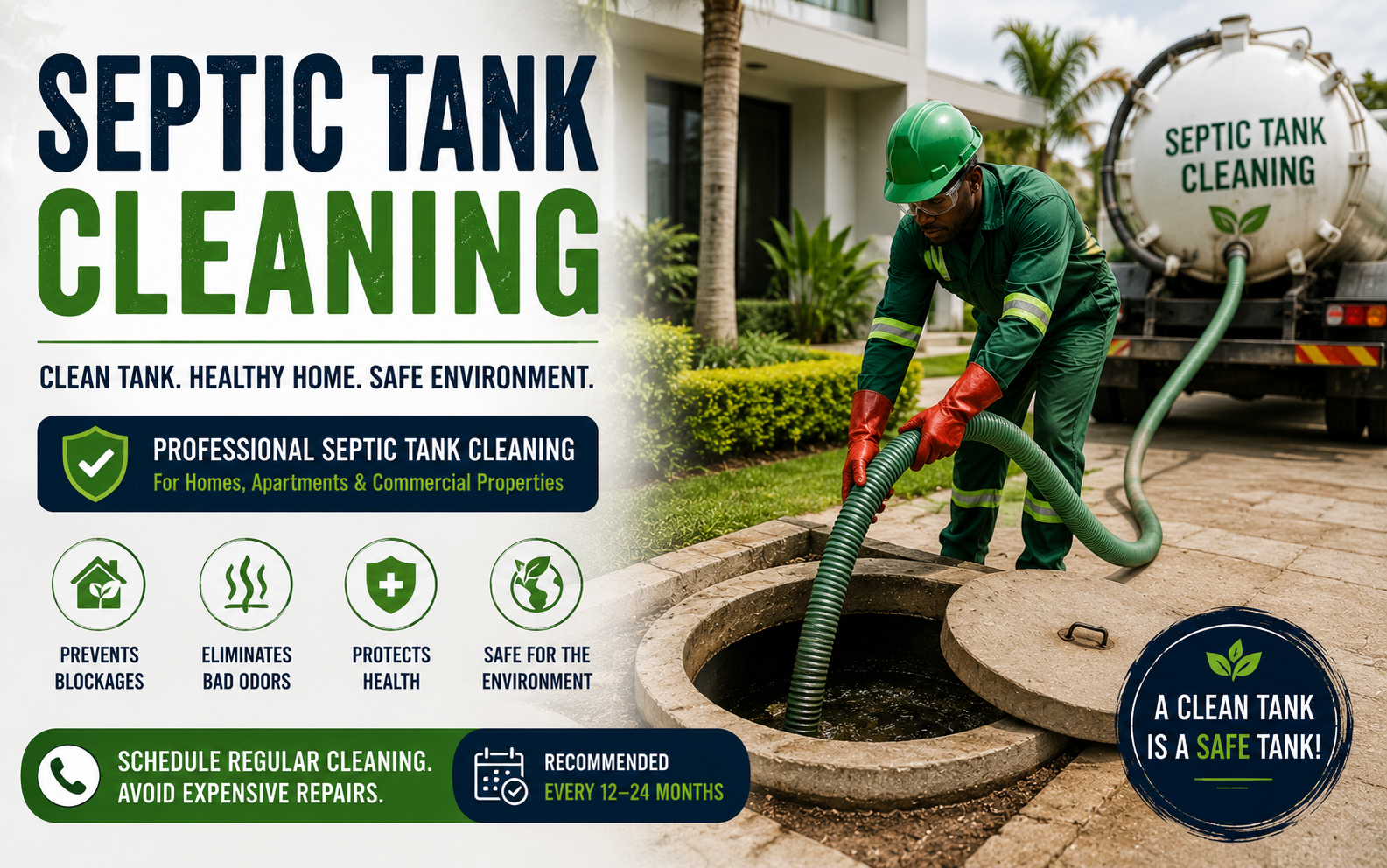
For those dealing with older, clogged systems or traditional tanks that aren’t yet converted, using a high-grade Septic Tank Cleaner can help break down accumulated sludge and improve flow.
Regular septic tank maintenance is the only way to prevent total system failure in traditional setups.
Conclusion
Moving away from archaic concrete pits to a Bio Digester Kenya installation is a move toward financial and environmental freedom.
By leveraging the power of anaerobic digestion, Kenyan property owners can save on space, eliminate the eyesore and smell of exhaust bowsers, and ensure their property remains NEMA compliant.
It is an engineering upgrade that transforms waste management from a recurring headache into a silent, efficient utility.
Ready to stop paying for exhaust services? Contact our engineering team today for a site assessment and a custom quote for your residential or commercial project.
Phone: +254 712 660 245
Email: info@biodigesterkenya.co.ke

FAQs
- Does a biodigester smell?
No, because the enzymes fully break down the organic matter into odorless water and air, unlike septic tanks where sludge accumulates and off-gasses. - How often do you add enzymes?
For most residential systems, a maintenance dose of bacteria is recommended every 6 to 12 months to ensure the colony remains strong. - Can I install a biodigester in black cotton soil?
Yes, but it requires a specifically engineered soaking area with layers of ballast and sand to facilitate drainage. - Will bleach kill the biodigester bacteria?
Excessive use of strong bleach can inhibit the bacteria; we recommend using biodegradable cleaners or adding a booster dose of bacteria after heavy chemical use. - How long does installation take?
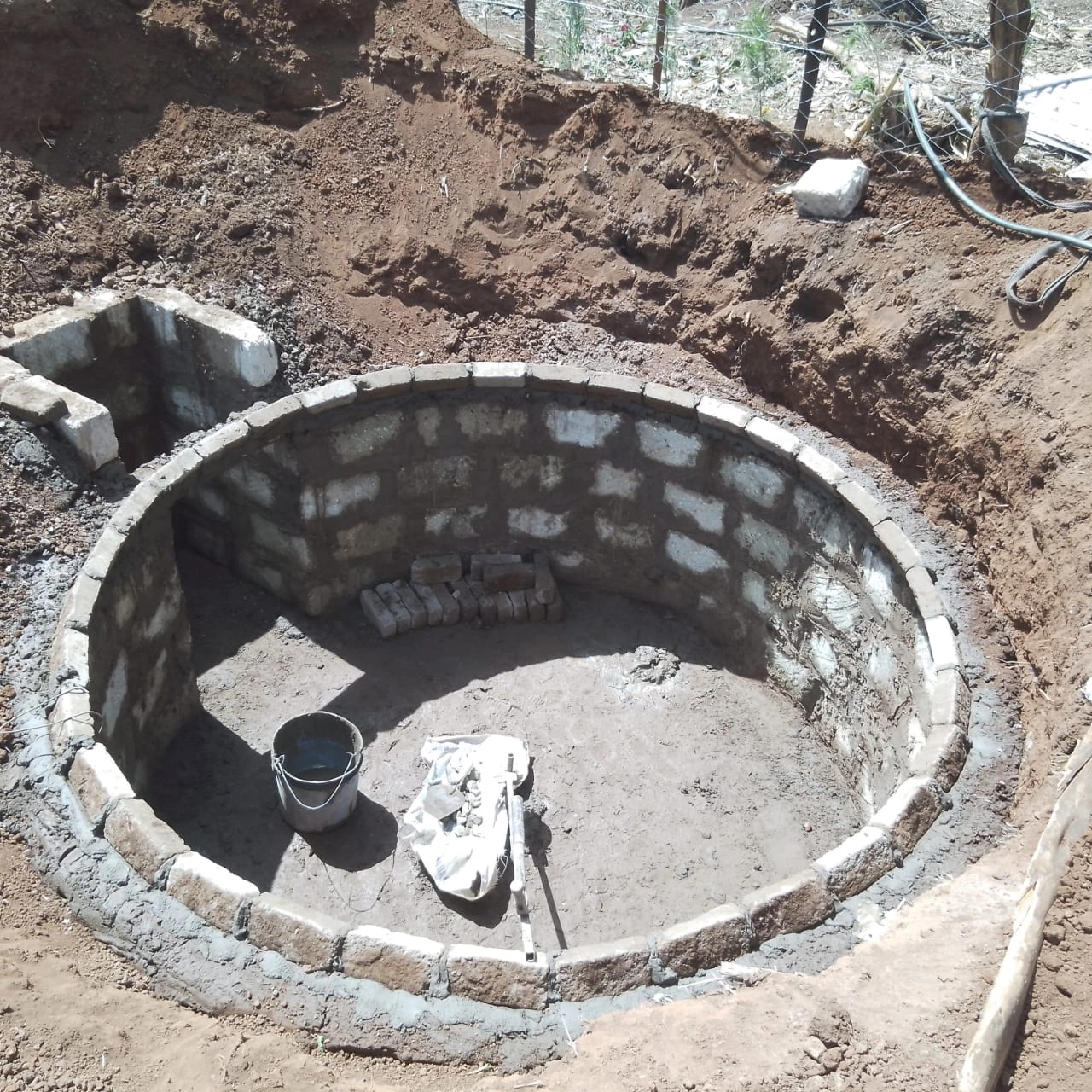
A standard residential installation typically takes between 1 to 3 days, depending on the soil type and whether a precast or cast-in-situ system is used.