What Happens to a Biodigester When the Ground Becomes Waterlogged?
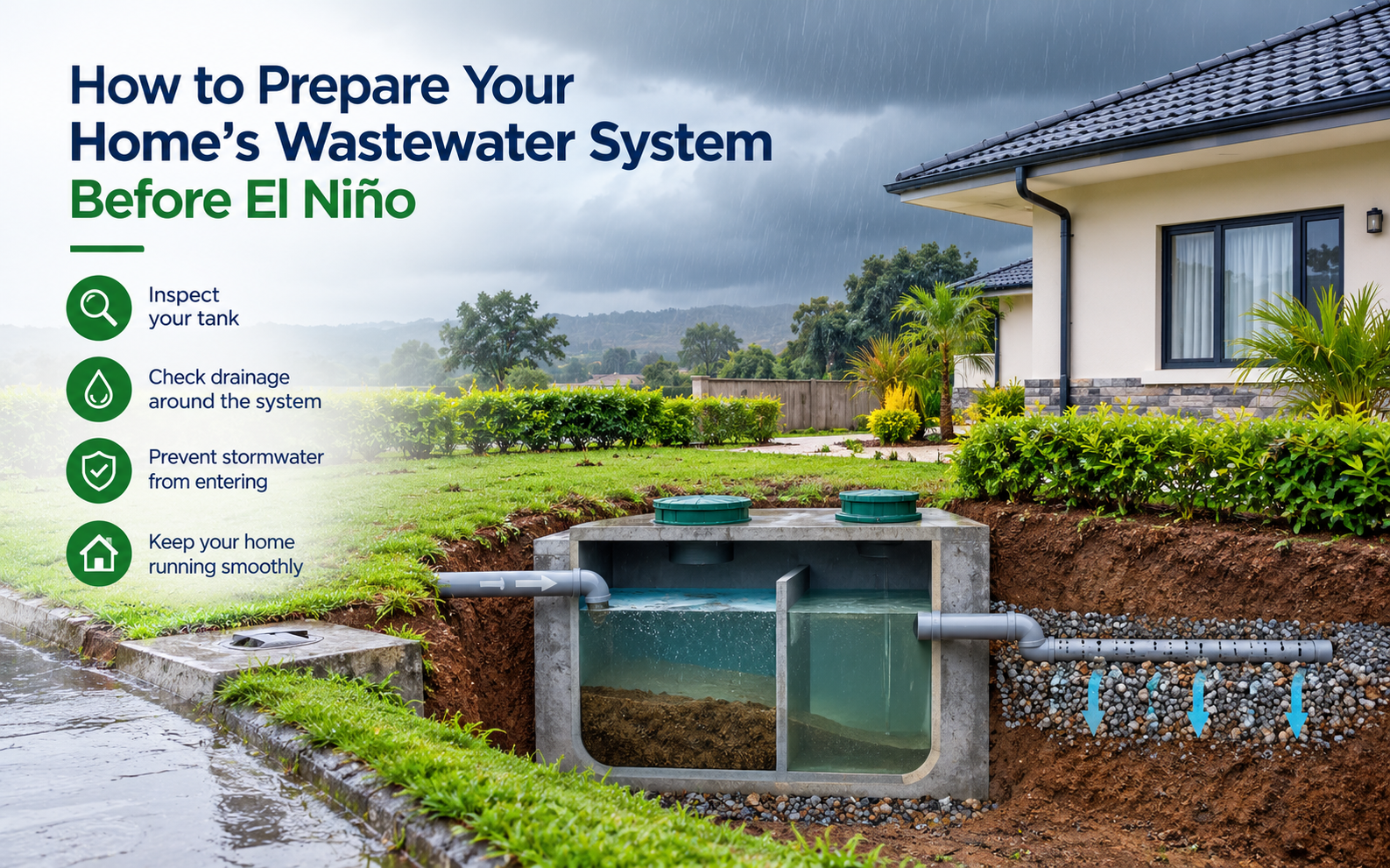
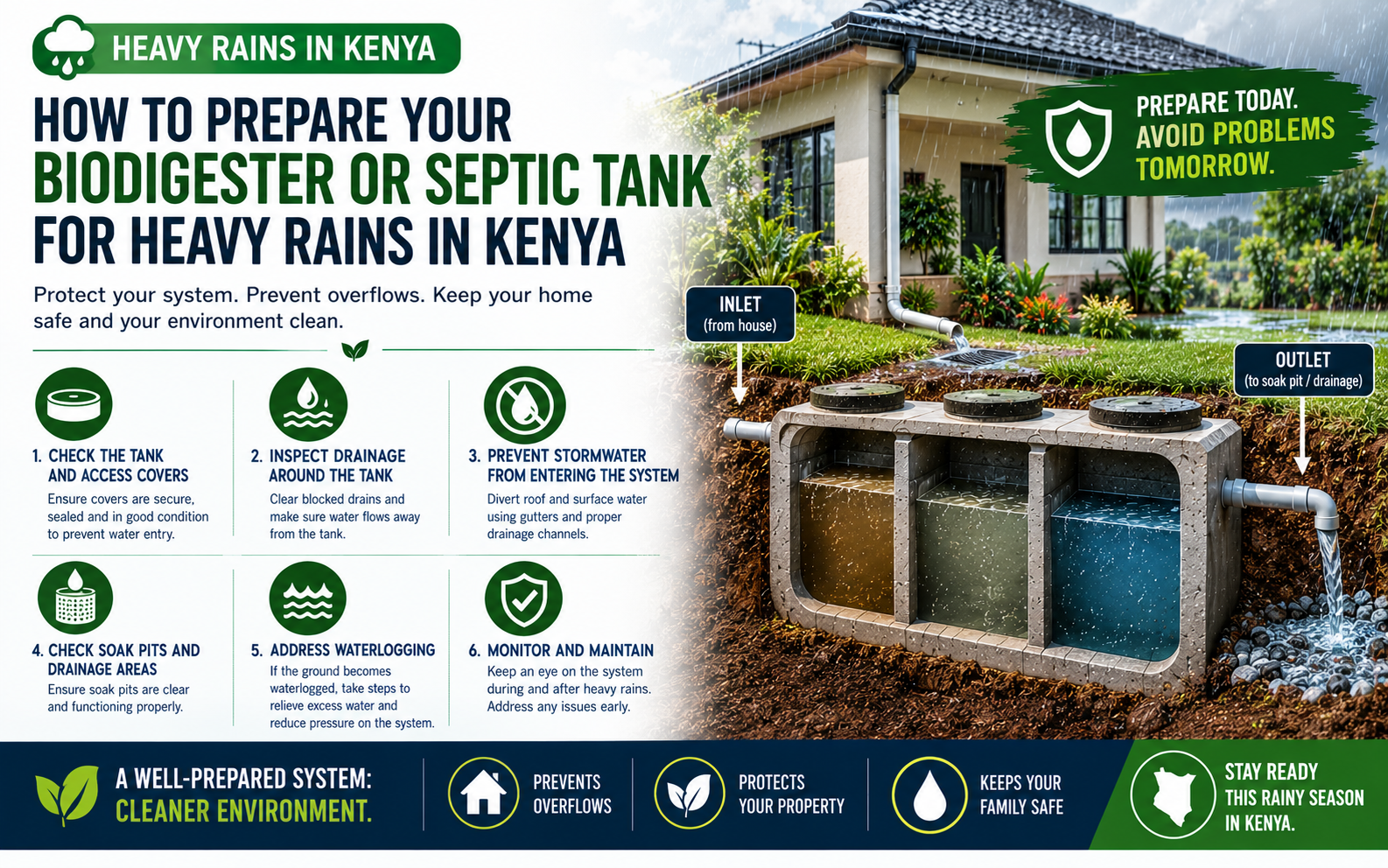
When ground becomes waterlogged, a biodigester system experiences restricted effluent discharge as the soaking area reaches saturation capacity. While the internal anaerobic digestion process continues, the treated water cannot percolate into the soil, potentially causing backflow if the Bio Digester Installation did not account for seasonal water table rises or heavy black cotton soil absorption rates.
The Physics of Soil Saturation and Effluent Discharge
In many Kenyan estates, particularly in areas like Kitengela, Syokimau, and Kamulu, property owners contend with heavy black cotton soil. This soil type expands when wet and has a notoriously low percolation rate. When heavy rains arrive, the ground becomes “waterlogged,” meaning the pore spaces in the soil are completely filled with water. For a waste management system, this is a critical state because the final stage of the process relies on the earth’s ability to absorb liquid.
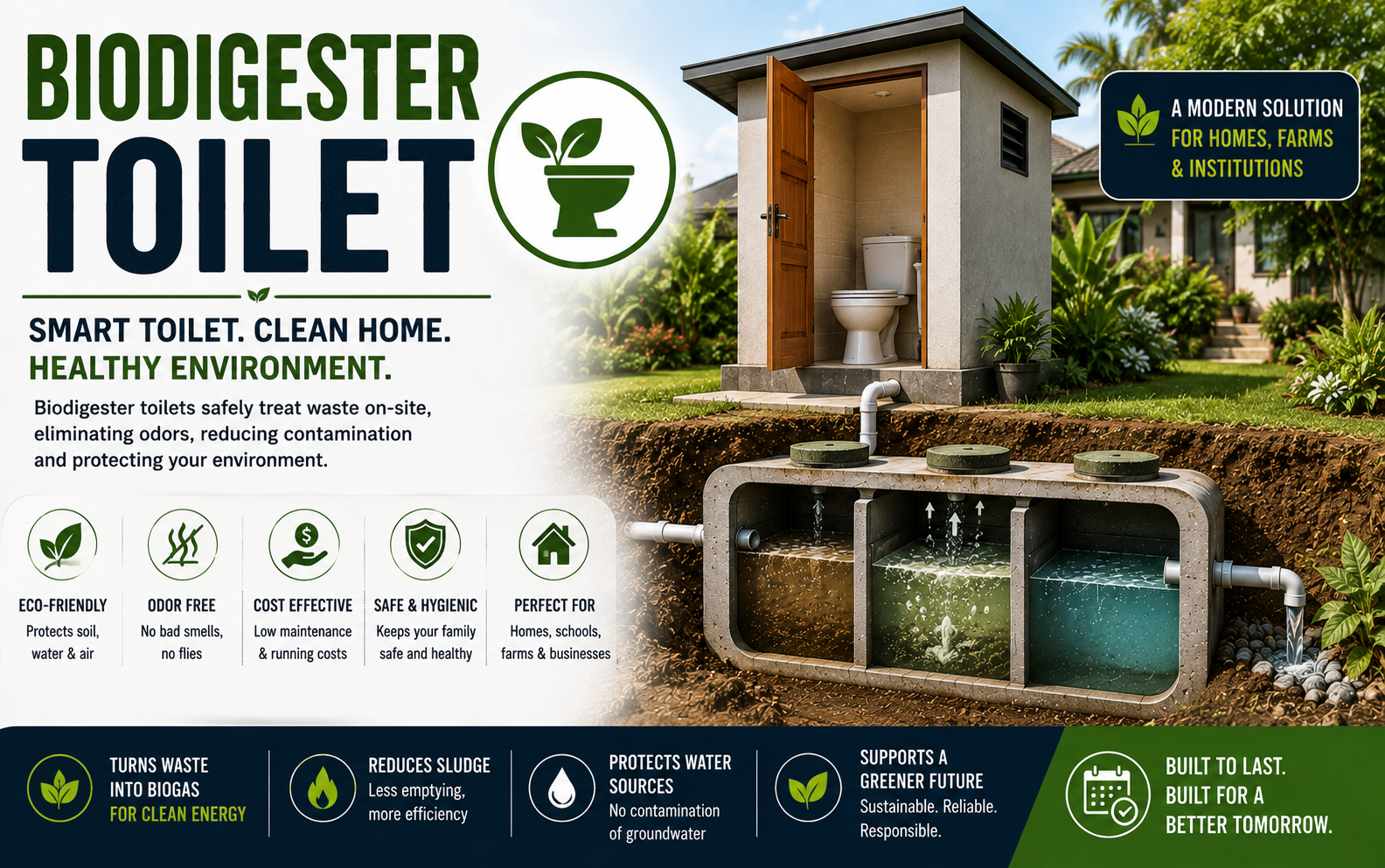
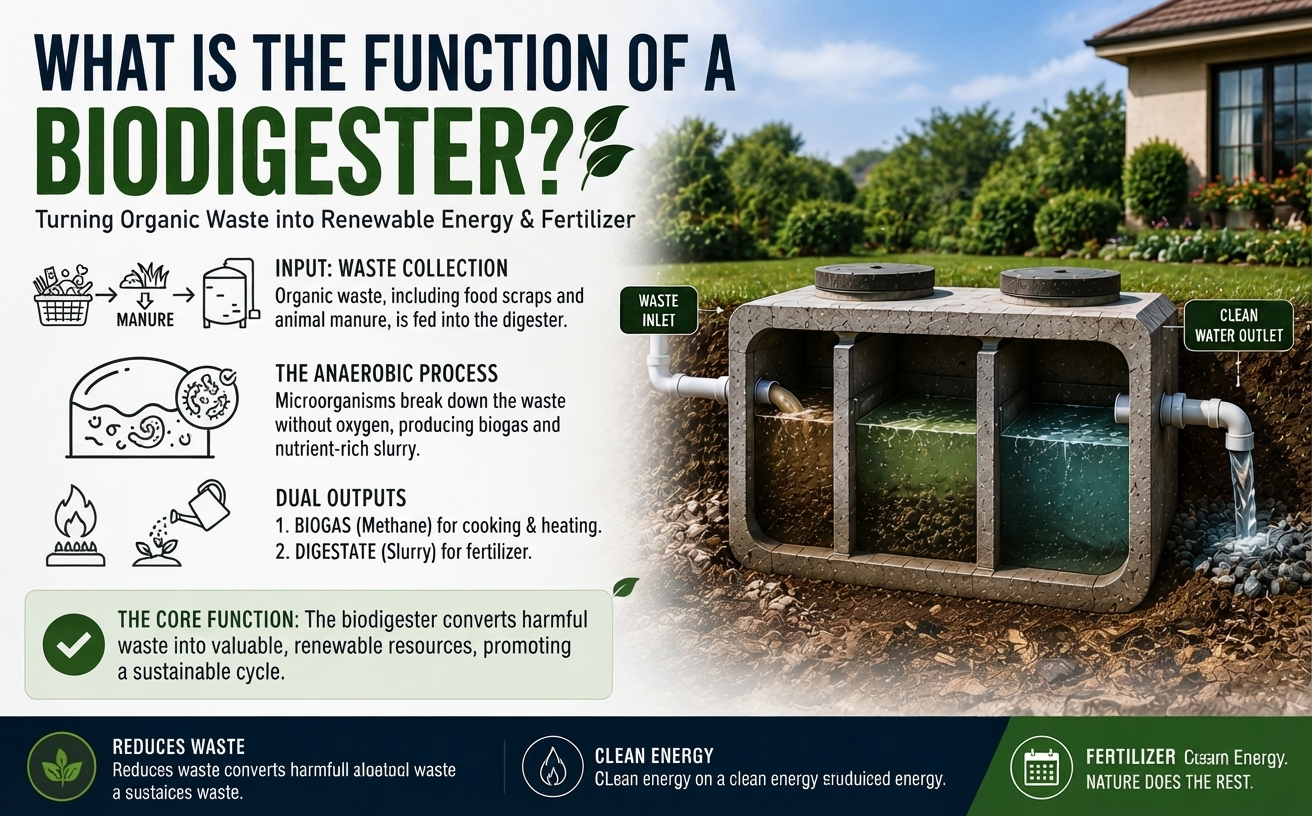
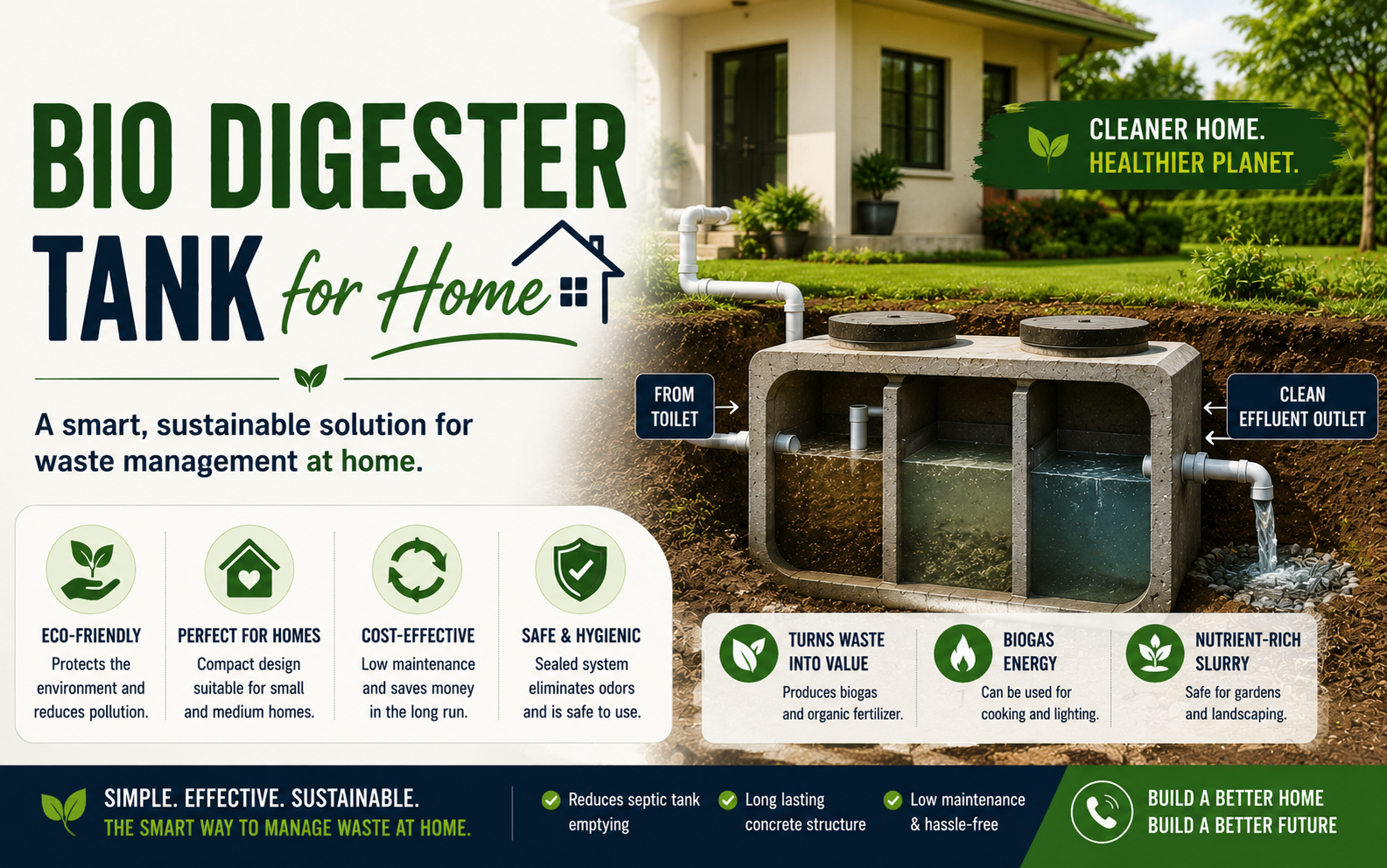
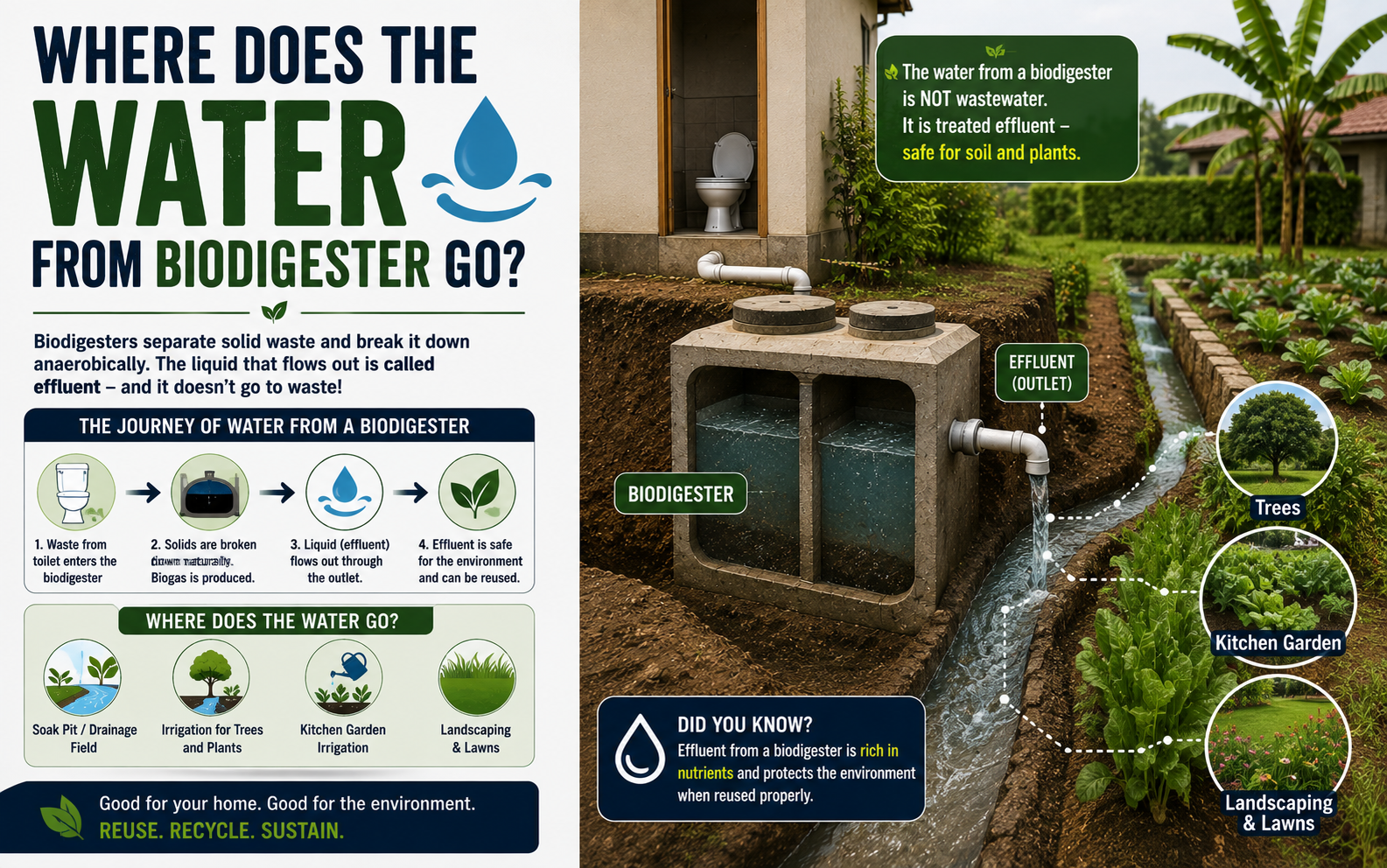
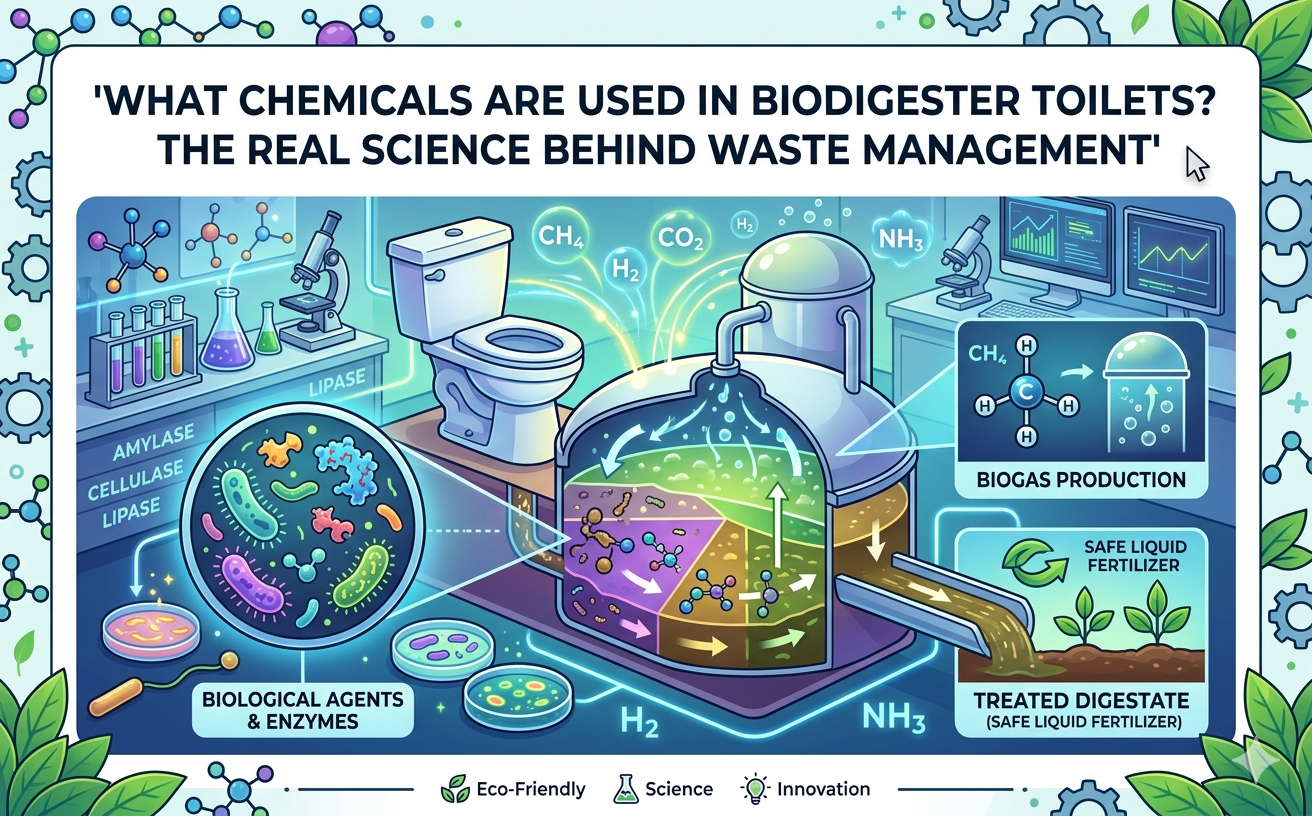
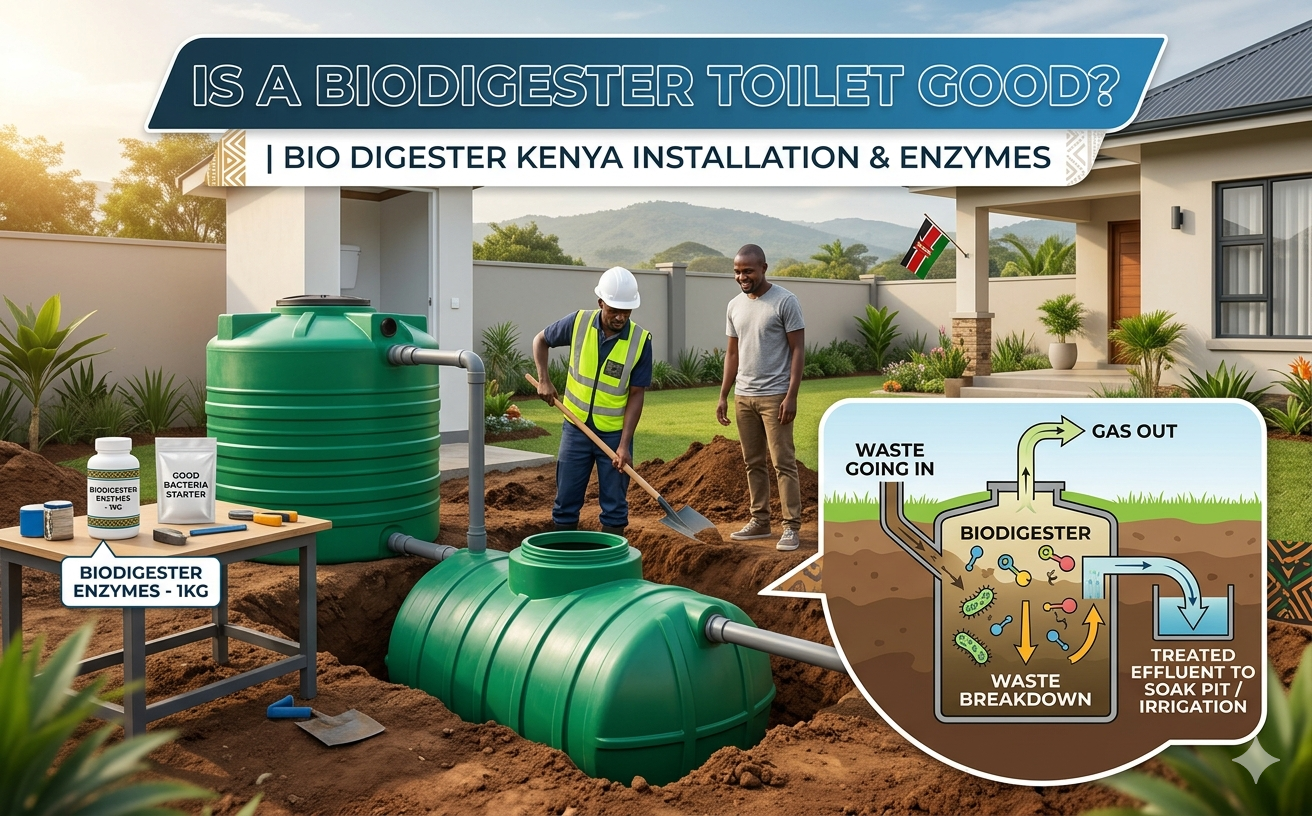
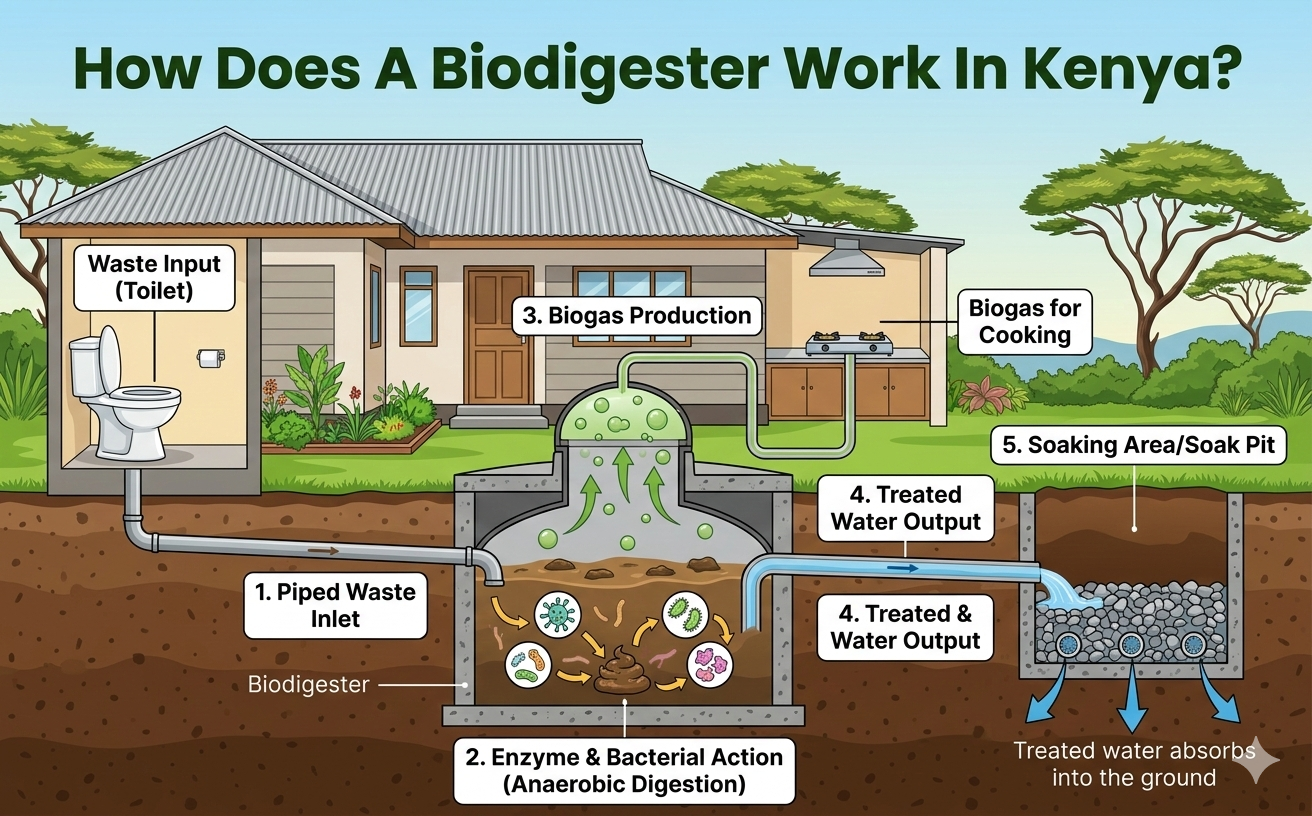
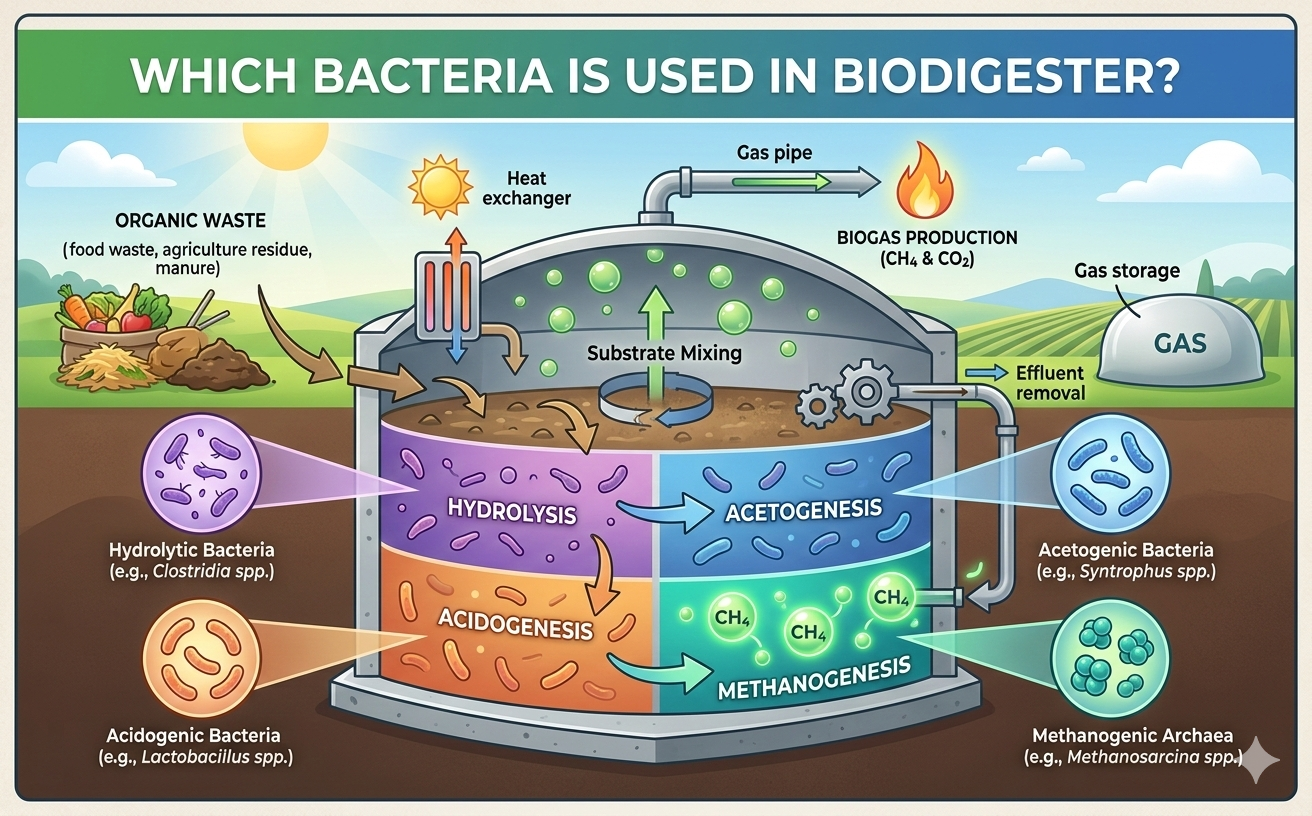
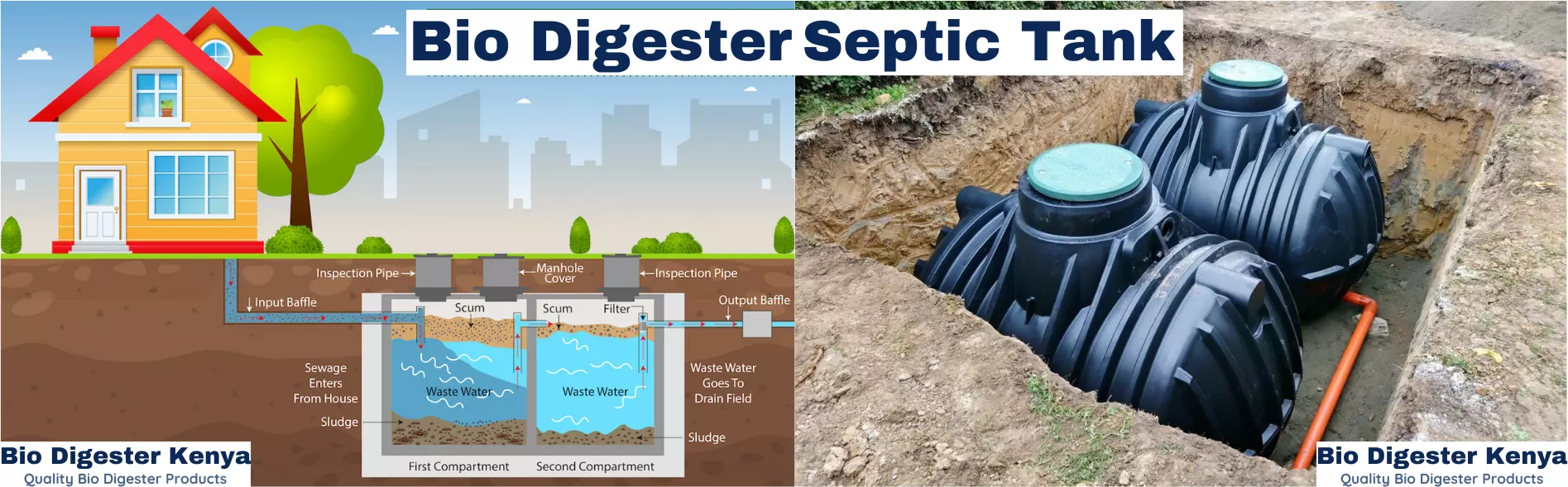
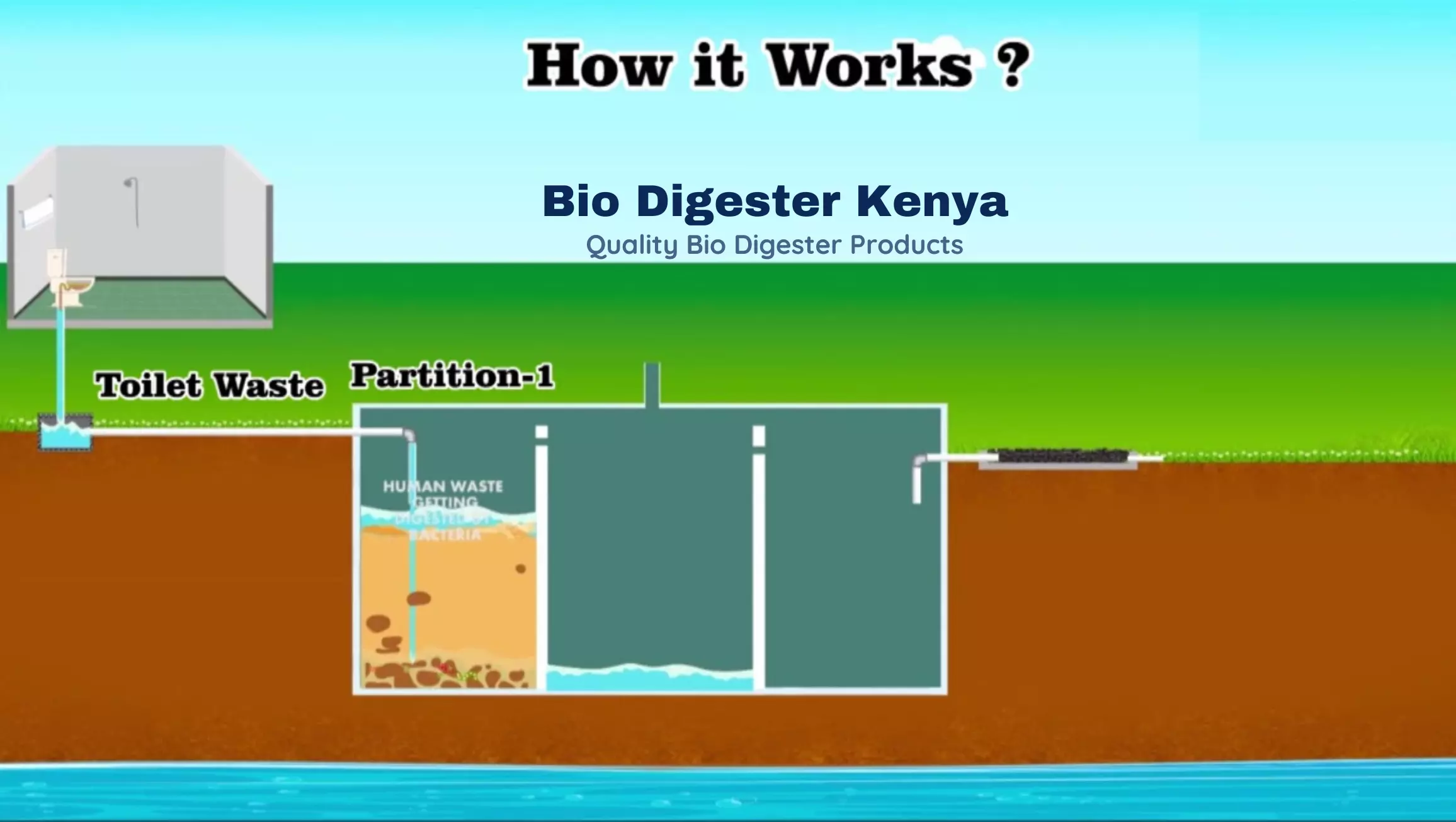
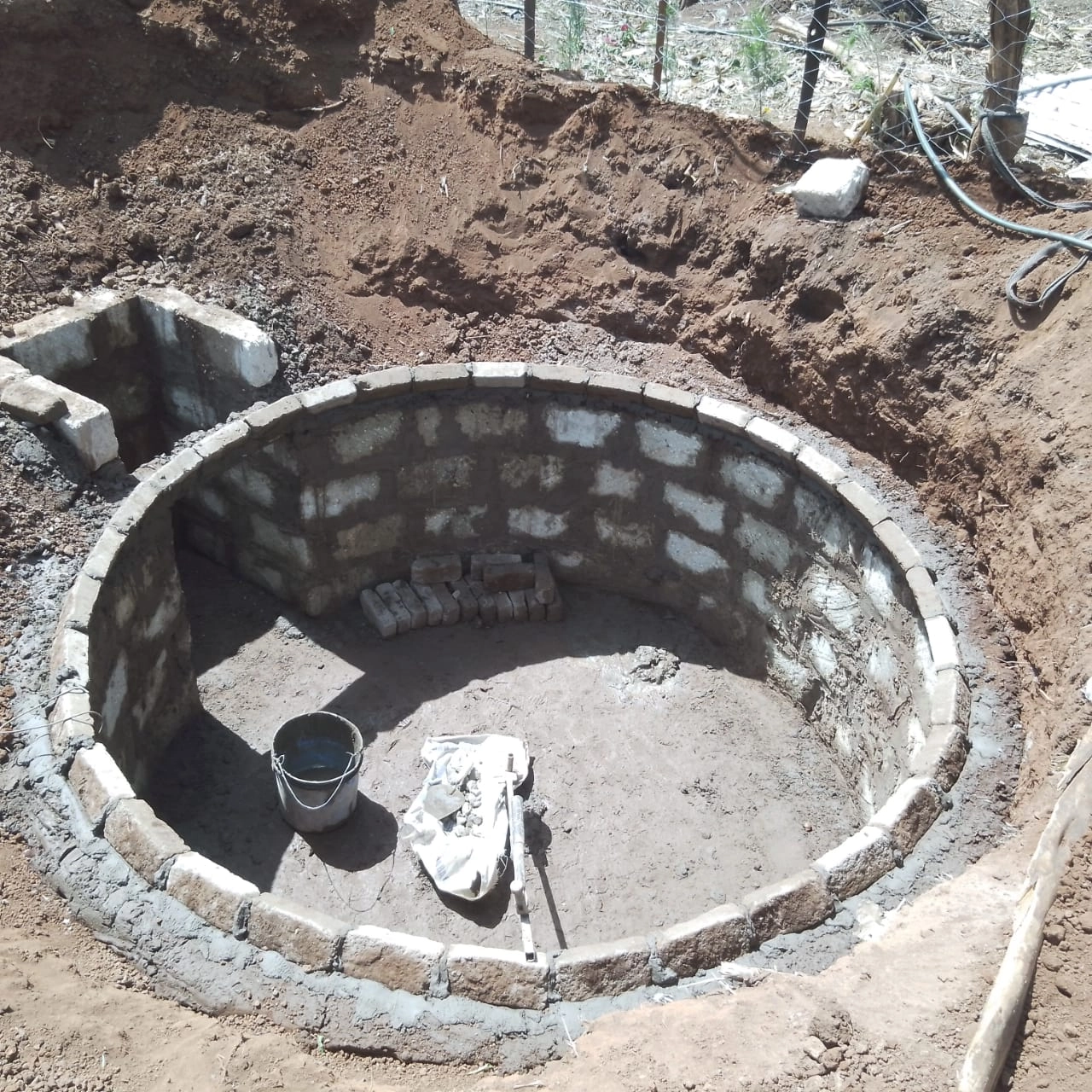
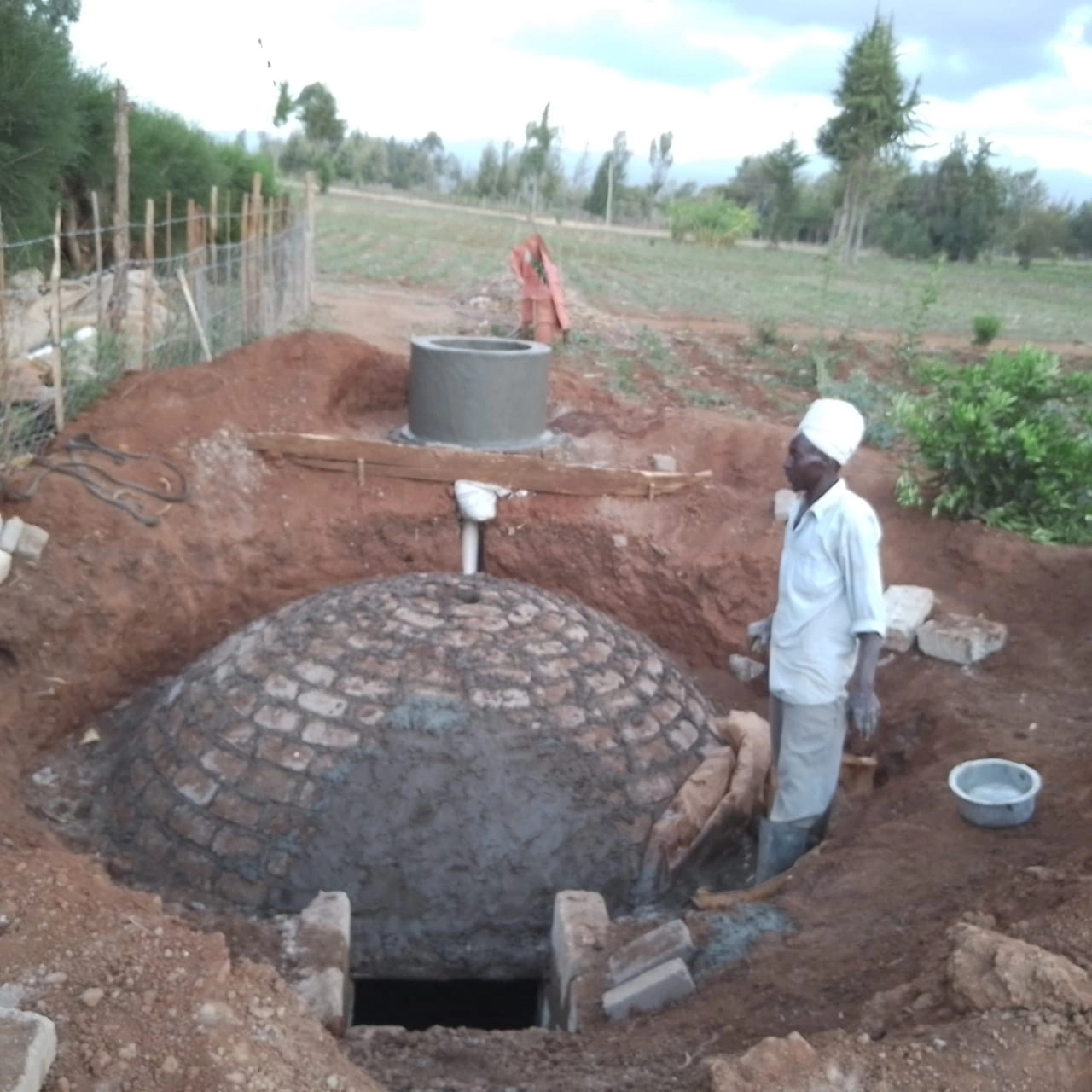
A system engineered by Bio Digester Kenya functions by piping waste directly into a sealed tank. Inside, specialized biodigester enzymes break down and consume solid waste, leaving behind strictly treated water and odorless air. In a healthy environment, this water flows to a French drain or soaking area. However, when the ground is waterlogged, there is nowhere for that water to go. If the system is a standard “old-school” concrete septic tank, the high water table can even force groundwater into the tank through cracks, causing it to fill up in days and necessitating expensive, recurring exhaust bowser services.
How Modern Biodigesters Handle High Water Tables
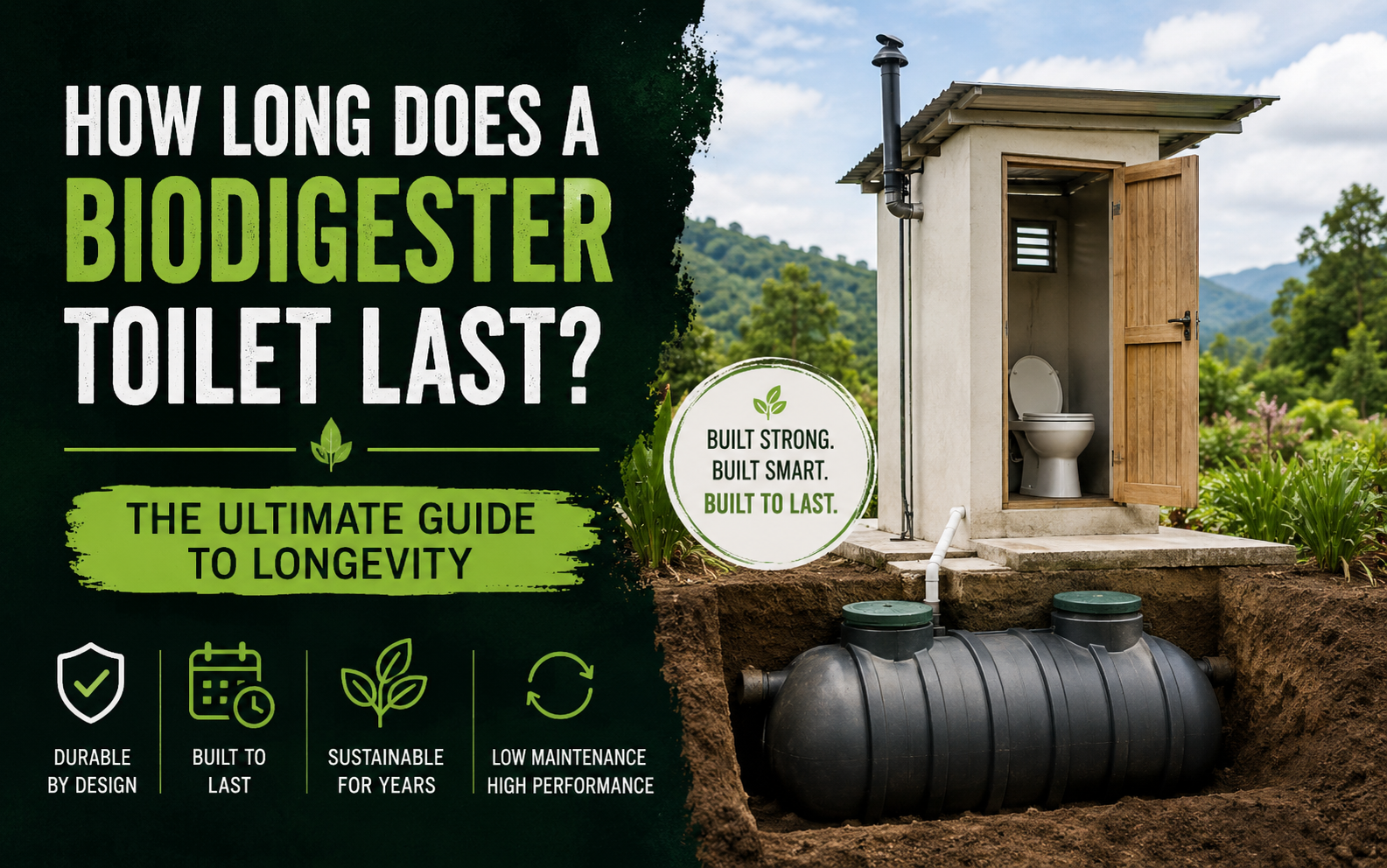
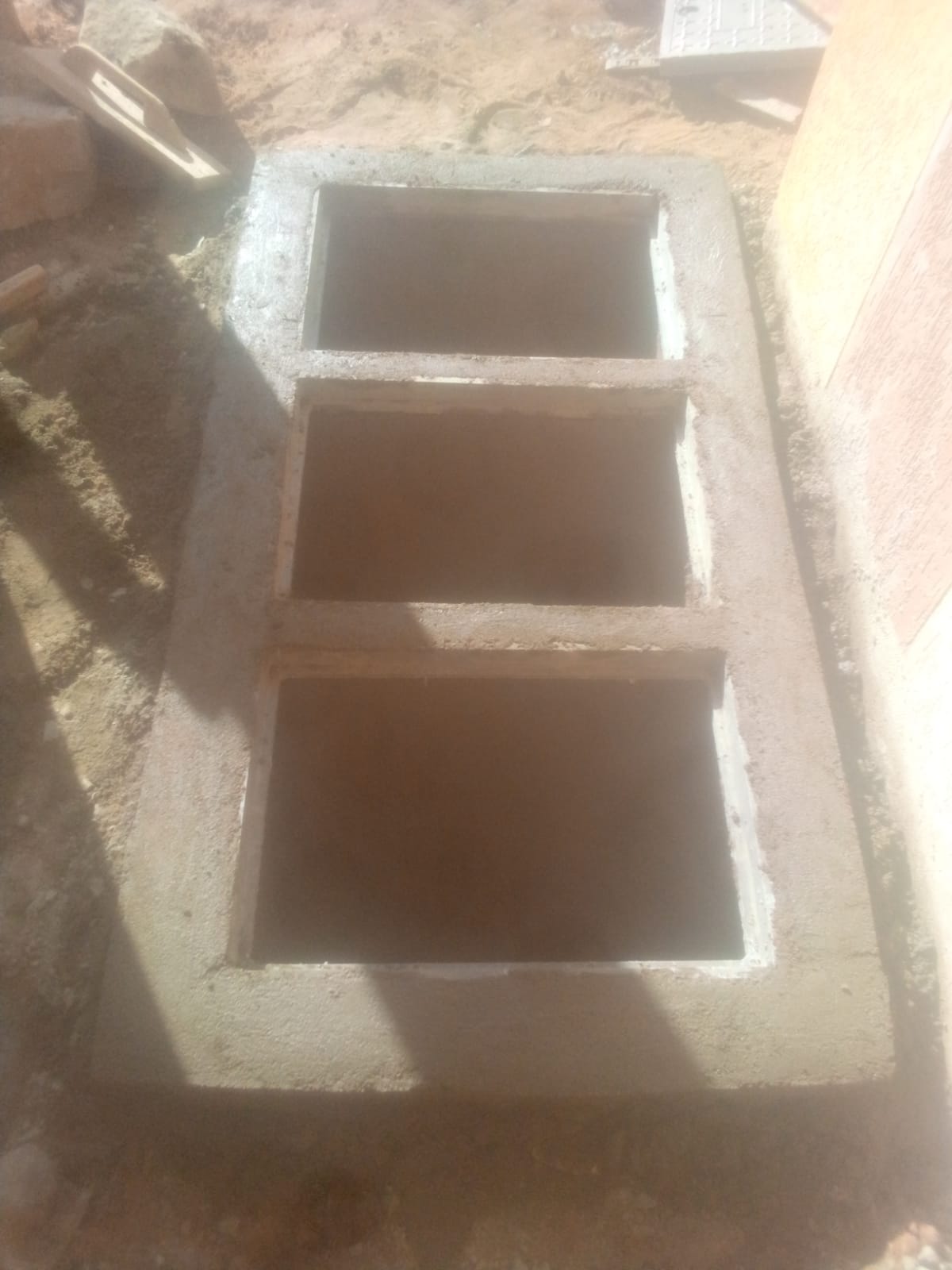
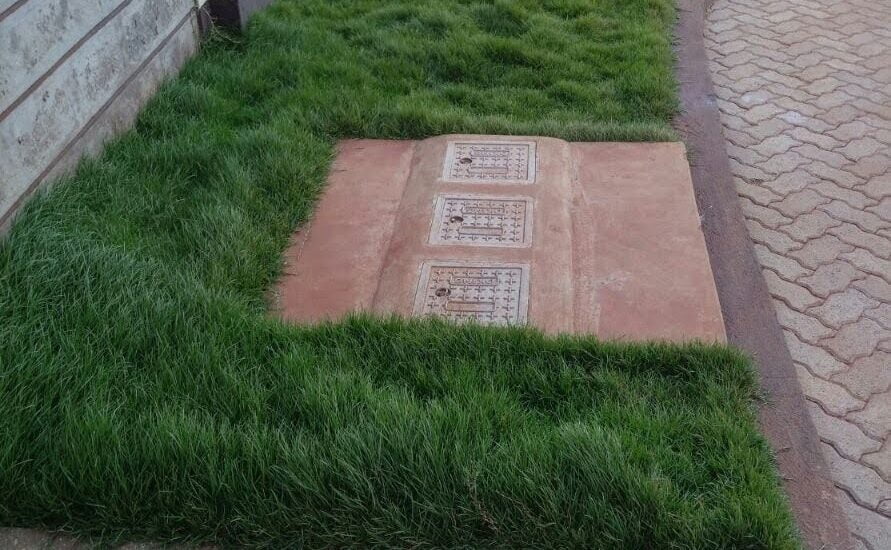
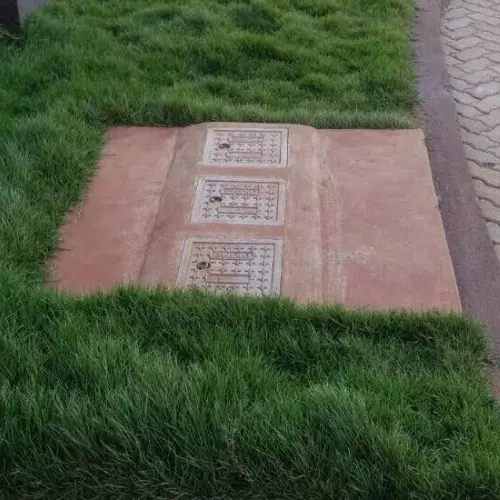
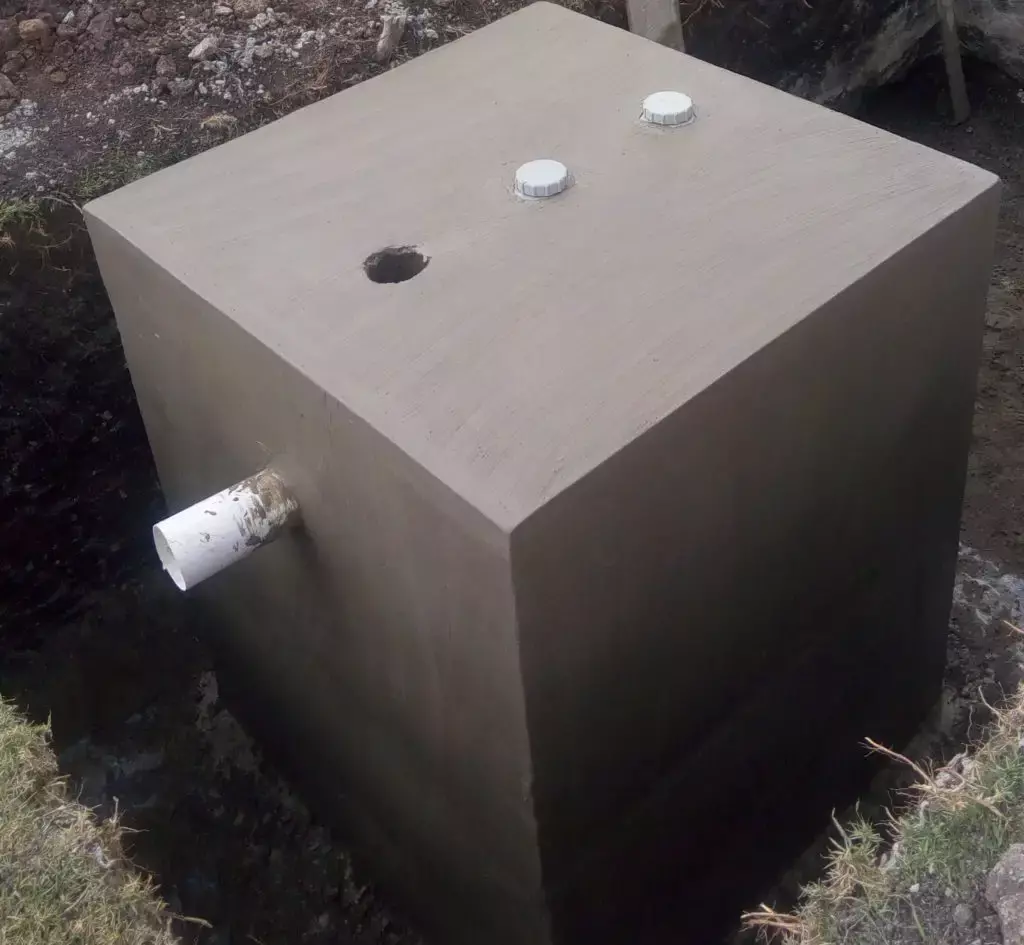
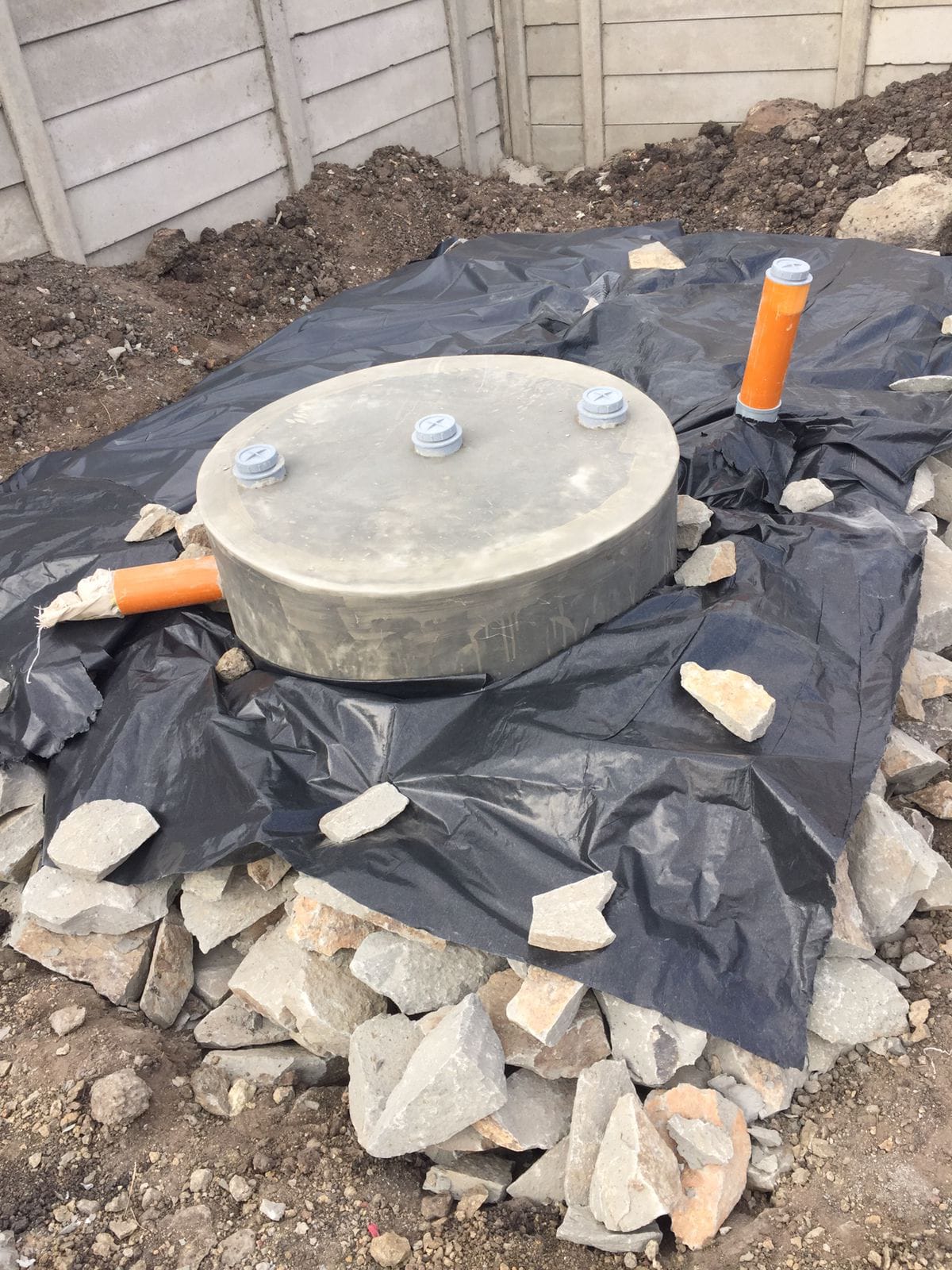
Unlike traditional systems, Precast Bio Digesters are fully sealed units. This prevents groundwater from seeping into the system, which is the primary reason why traditional septic tanks fail during Kenyan rainy seasons. The biological end result—the treated water—is the only component that needs to exit. If the soaking area is saturated, a well-installed system acts as a temporary holding chamber until the ground’s hydraulic pressure eases.
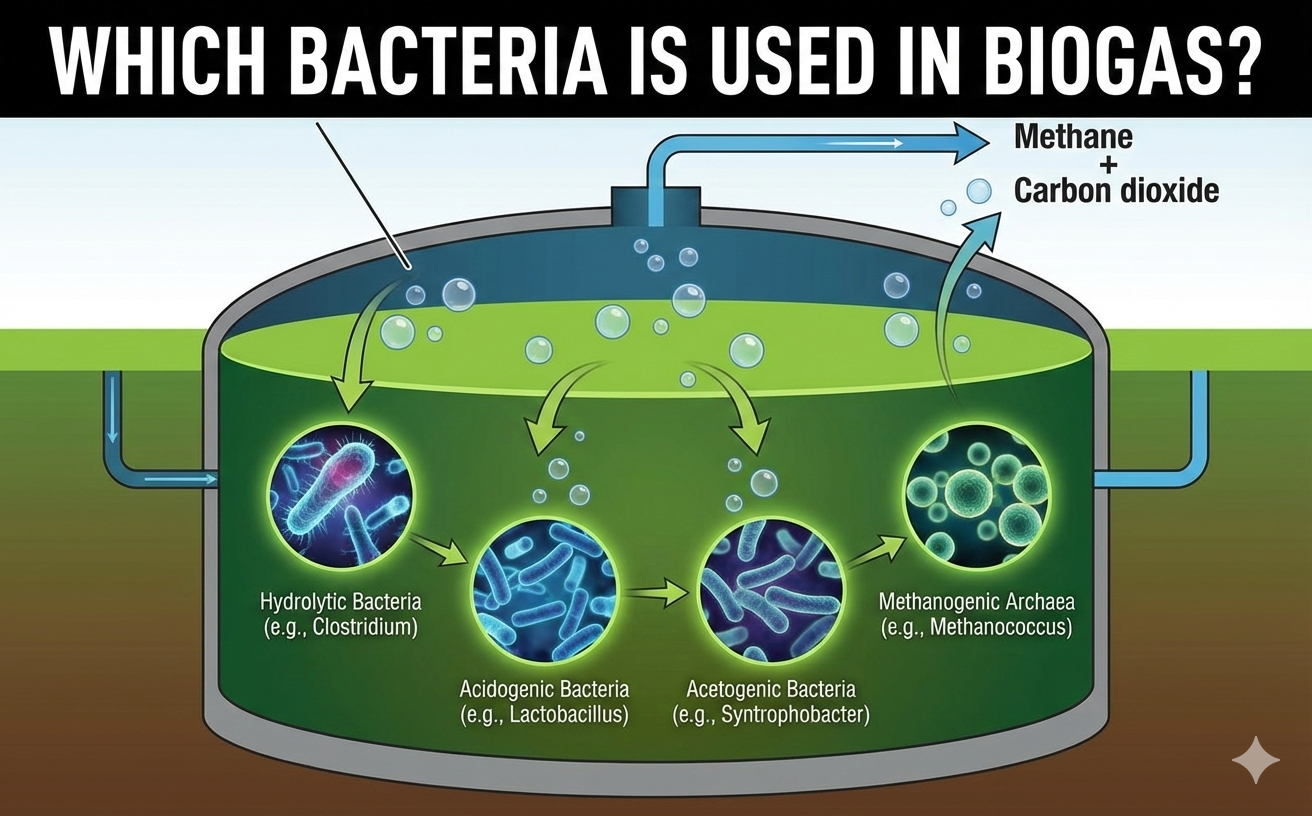
The core advantage here is the removal of solids. Because the Bio Digester Bacteria have already liquefied the waste, you aren’t dealing with sludge buildup that would permanently “seal” the soil in your soak pit. This distinction is vital for long-term Septic Tank Maintenance and system longevity.
Phone: Call +254 712 660 245
Email: Email info@biodigesterkenya.co.ke
The Risks of Poor Engineering in Wet Areas
In areas with red volcanic soils, such as Kiambu or Ruiru, waterlogging is less frequent, but in low-lying Nairobi plains, the risks are high. If a biodigester is installed without considering the “realities on the ground,” several issues can occur:
- Backflow: If the outlet of the biodigester is lower than the water level in a flooded soak pit, water can flow back into the house’s plumbing.
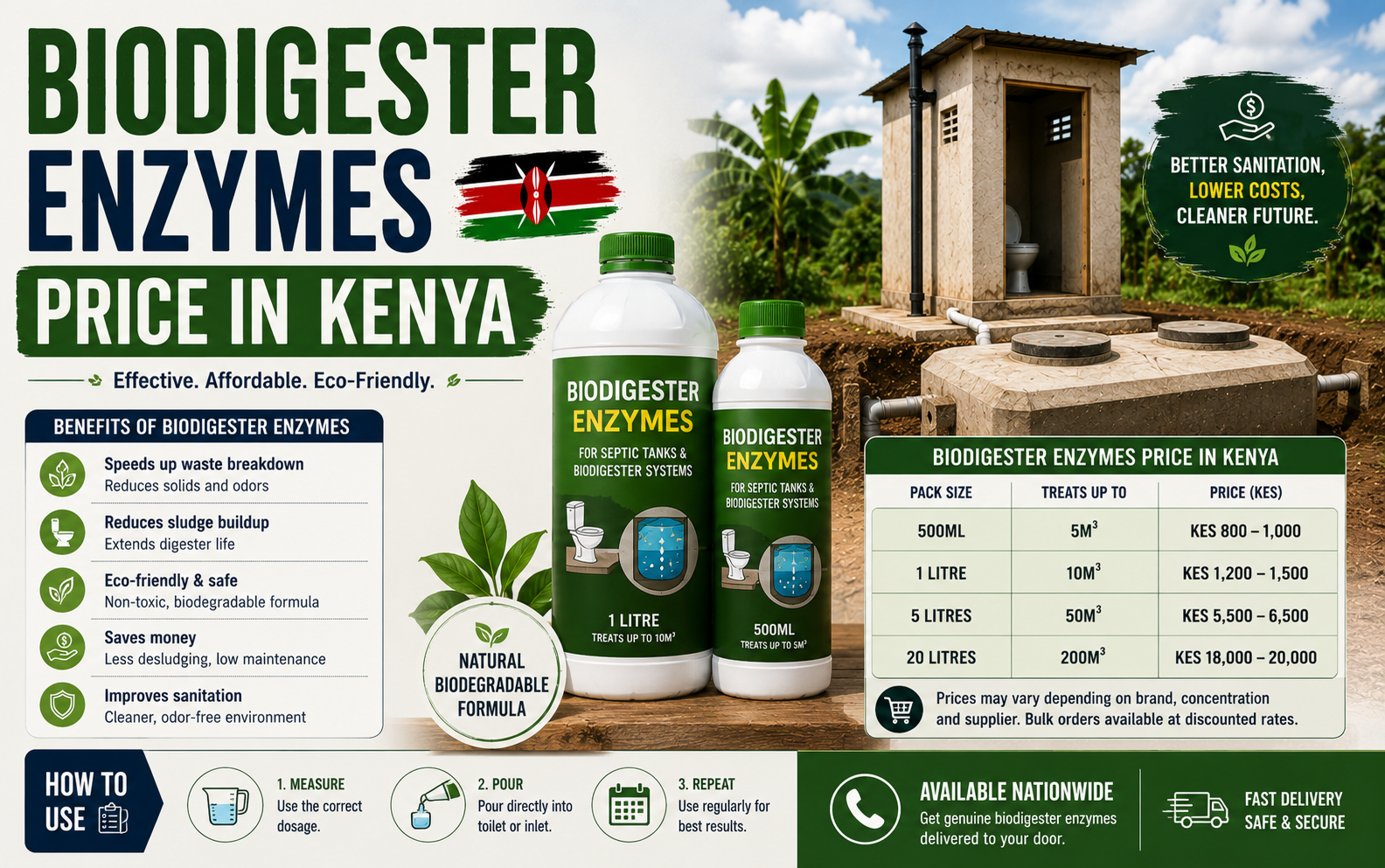
- Anaerobic Stall: Extreme cold and excessive water dilution can sometimes slow down the activity of the bacteria, though high-quality Bio Digester Bacteria – 400g packs can usually jumpstart the process again.
- Surface Ponding: If the soaking area is too shallow, treated water may rise to the surface, creating a messy yard, even if the water is technically treated and odorless.
To avoid these pitfalls, professional installers often recommend a “raised mound” soaking area or a deeper vertical soak pit that reaches more porous soil layers beneath the surface clay. This level of technical foresight is what separates a long-term sanitation solution from a temporary fix that will fail during the next long rains.
Maintaining Your System During the Rainy Season
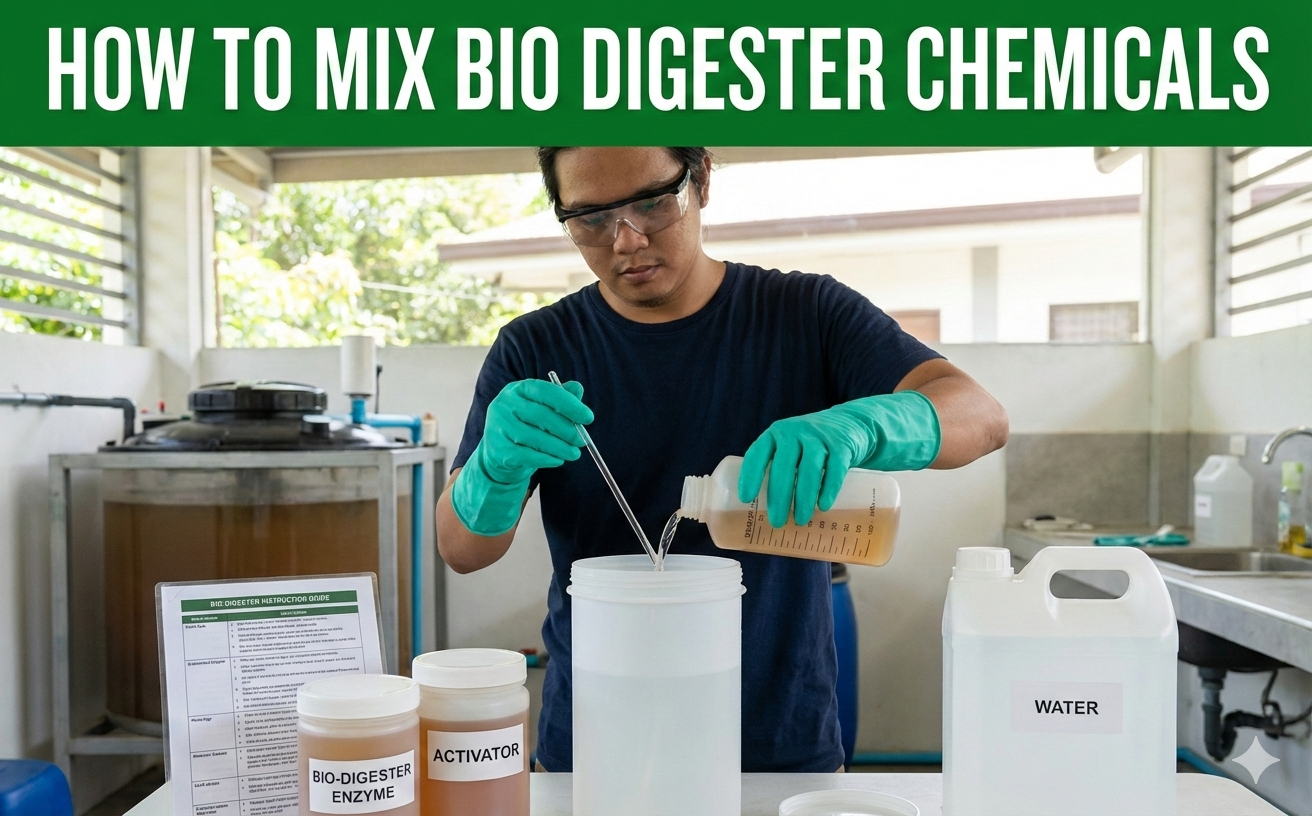
System upkeep shouldn’t stop when the clouds gather. If you notice your toilets are flushing slowly during the rainy season, it is a sign that the ground is saturated and the effluent discharge is sluggish. This is the ideal time to apply a heavy-duty Septic Tank Cleaner. These high-concentration enzymes ensure that every bit of organic matter is liquefied, making it easier for the water to find even the smallest pathways through the waterlogged soil.
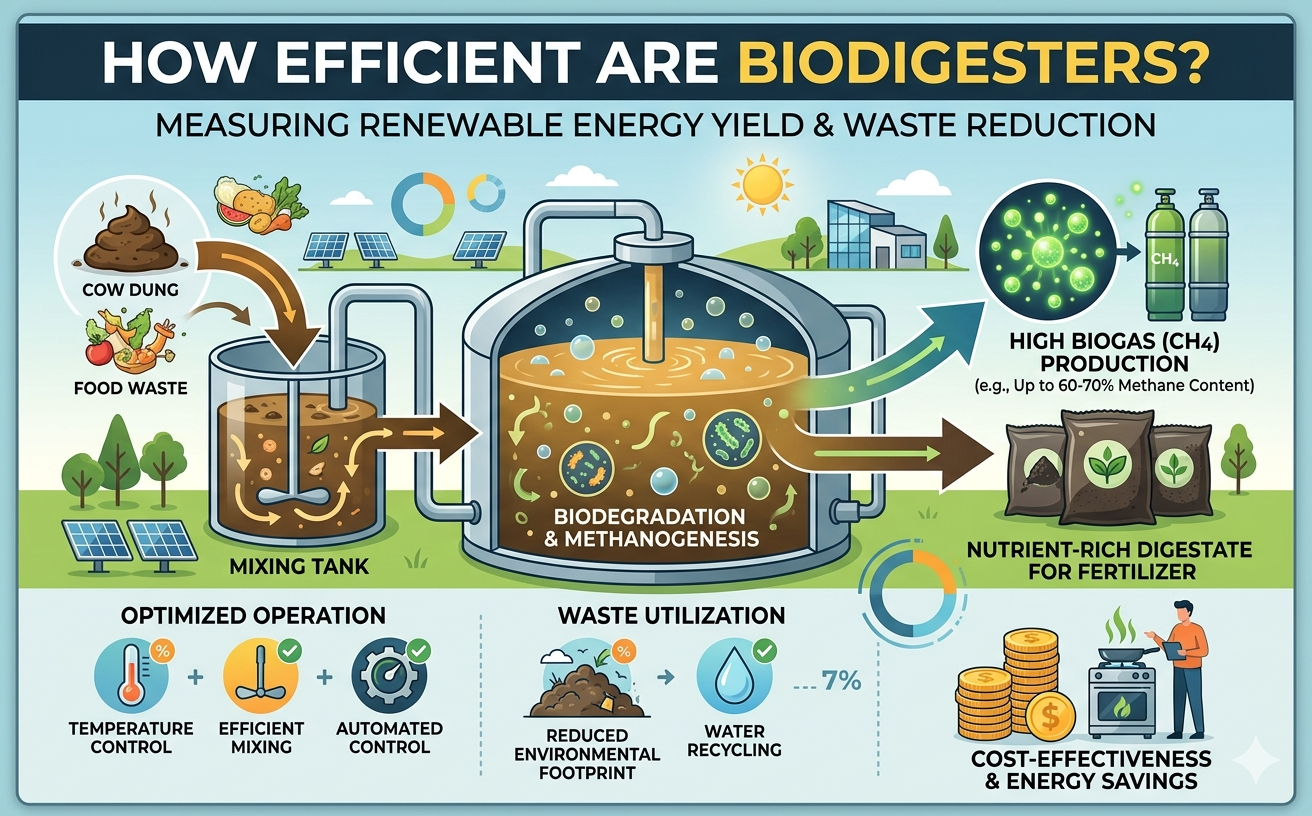
Furthermore, understanding the biodigester vs septic tank comparison reveals that while a septic tank simply holds waste until it’s “exhausted” (pumped out), a biodigester is an active biological plant. Even in wet conditions, the digestion continues. The goal is simply to manage the exit of the water.
Phone: Call +254 712 660 245
Email: Email info@biodigesterkenya.co.ke
Strategic Solutions for Waterlogged Sites
If you are building in a swampy area or a place with a high water table, the Bio Digester Installation must include specific adaptations. We often implement French drains—trench systems lined with geo-textile fabric and gravel—which distribute treated water over a larger surface area, significantly reducing the pressure on any single point of the ground. This prevents the “clogging” effect that happens when too much water is forced into one small soak pit.
The Importance of Enzyme Activation
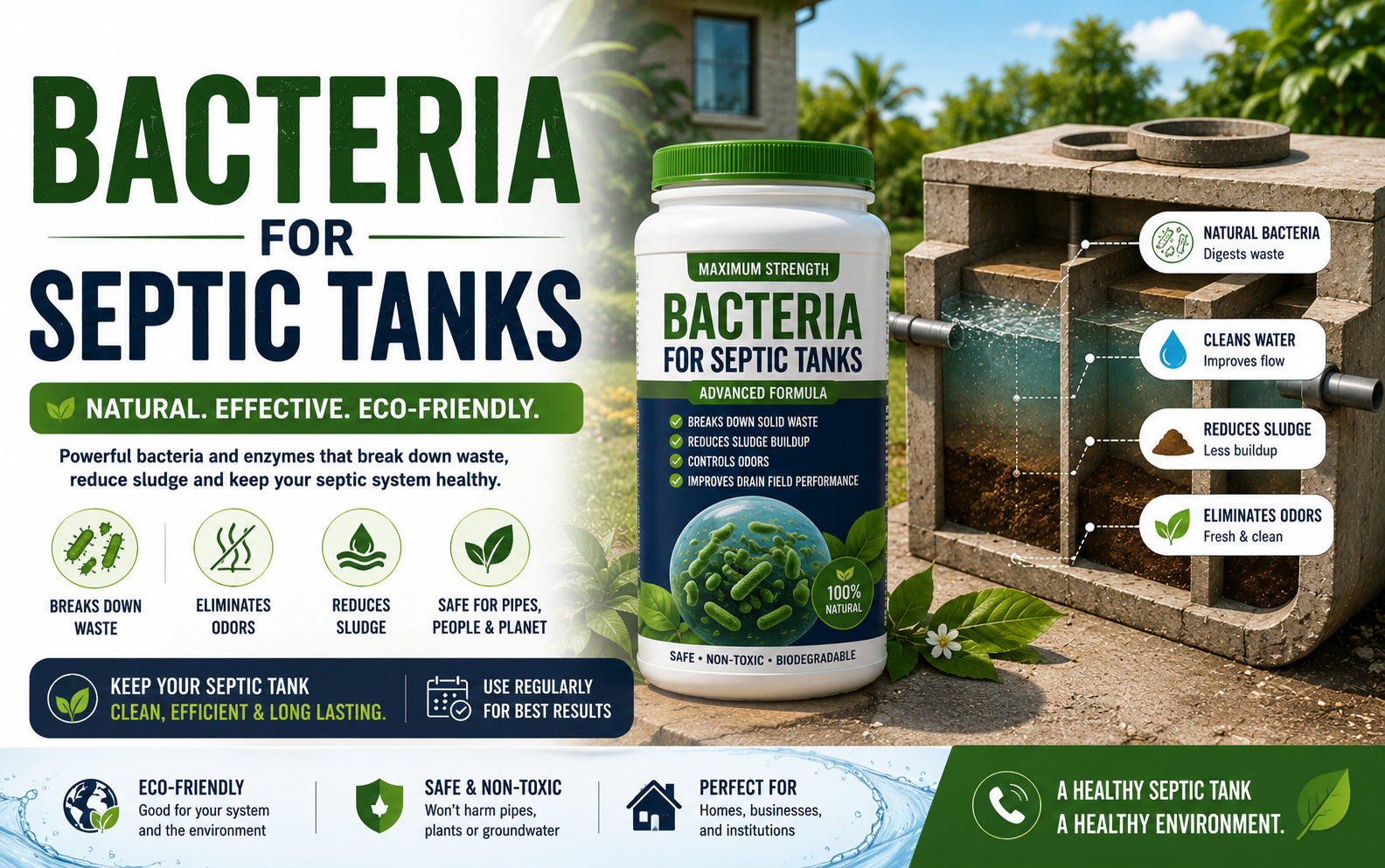
In waterlogged conditions, the temperature inside the tank might drop. Using premium Bio Digester Bacteria ensures that the anaerobic digestion remains robust despite environmental changes. These enzymes are specifically formulated to thrive in the low-oxygen environments of a sealed Kenyan biodigester, ensuring that solids never accumulate to the point of causing a system failure.
Conclusion
Waterlogged ground is a challenge for any sanitation system, but for a properly engineered biodigester, it is an obstacle that can be managed without the need for expensive vacuum trucks. By choosing a sealed precast system and utilizing high-quality bacterial treatments, Kenyan property owners can enjoy a permanent, odorless, and maintenance-free solution. Transitioning from a traditional septic tank to a modern Bio Digester Kenya system provides the environmental freedom and economic savings necessary for sustainable property development in today’s market.
Ready to upgrade your home’s sanitation or planning a new project in a challenging soil area? Contact our engineering team today for a site assessment and professional installation.
Phone: Call +254 712 660 245
Email: Email info@biodigesterkenya.co.ke
Frequently Asked Questions
-
Does a biodigester smell when the ground is wet?
No, a correctly functioning biodigester produces odorless air and treated water; any smell indicates a lack of active bacteria or a blockage. -
How often do you add enzymes to a biodigester?
For a standard residential home, adding enzymes once every 6 to 12 months is sufficient to maintain optimal digestion. -
Will a biodigester fill up during the rainy season?
A sealed biodigester will not fill up with groundwater, though the soaking area may slow down effluent absorption temporarily. -
What is the best biodigester for black cotton soil?
A precast concrete biodigester paired with an elongated French drain is the most effective solution for low-percolation soils. -
Do I ever need to exhaust a biodigester?
If the system is sized correctly and the enzymes are active, you will never need to hire an exhaust bowser service.