Biodigester vs Septic Tank During Heavy Rains: Which Handles Rain Better?
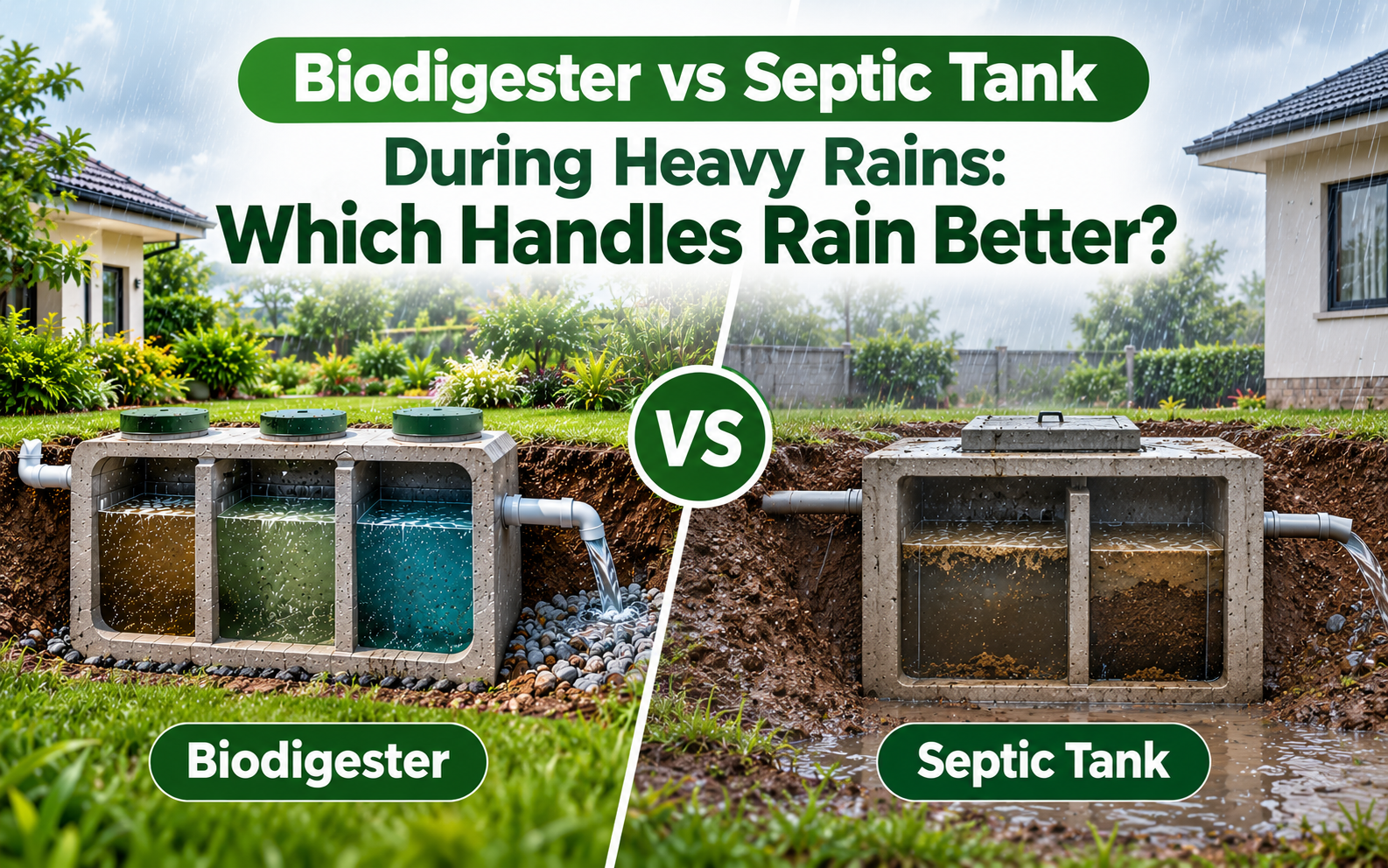
In a direct biodigester vs septic tank comparison during heavy rains, the biodigester is the superior choice because it is a completely sealed, airtight system that prevents groundwater infiltration. While traditional septic tanks often flood and overflow when the water table rises, a Bio Digester Kenya system uses anaerobic digestion to process waste into treated water, which is then efficiently managed through a localized soaking area, remaining functional even in saturated soils.
The Vulnerability of Traditional Septic Tanks in Kenyan Rains
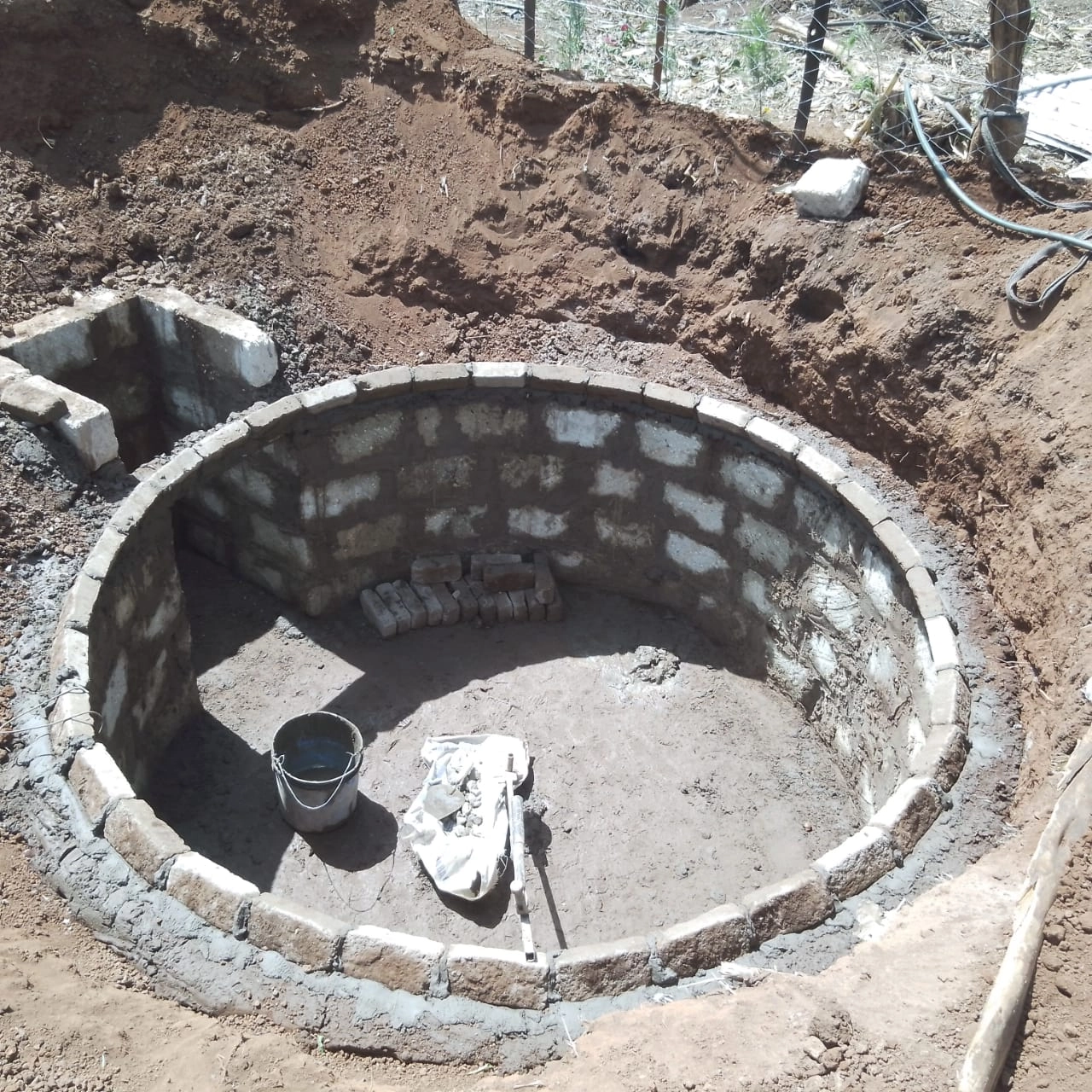
In many Nairobi estates and developing areas like Kitengela or Kamulu, homeowners face a recurring nightmare during the long rains: the overflowing septic tank. Traditional septic tanks are usually large, porous concrete structures. When heavy rains hit, the surrounding soil becomes saturated. In areas with heavy black cotton soil, the ground expands and loses its ability to absorb liquid. This causes a phenomenon called “backflow,” where rainwater and groundwater seep into the septic tank through cracks or porous walls, filling it up within hours.
Once the tank is full of rainwater mixed with raw sewage, the owner is forced to call for expensive exhaust bowser services repeatedly. In a single rainy month, a property owner in Ruiru or Kiambu might spend upwards of KES 20,000 just to keep their toilets flushing. This is a high lifetime cost that makes the old concrete tank a liability compared to modern Precast Bio Digesters.
Hydrostatic Pressure and Structural Failure
Heavy rains increase hydrostatic pressure against the walls of a traditional septic tank. Because these tanks are often built with standard masonry or non-reinforced concrete, they are prone to hairline fractures. These cracks allow groundwater to enter the system, overwhelming the bacterial colony and leading to a foul-smelling, non-functional mess that often violates NEMA environmental standards.
For professional advice on upgrading your drainage before the next monsoon season, Phone: Call +254 712 660 245
How Bio Digester Kenya Systems Manage Stormwater and Saturated Soils
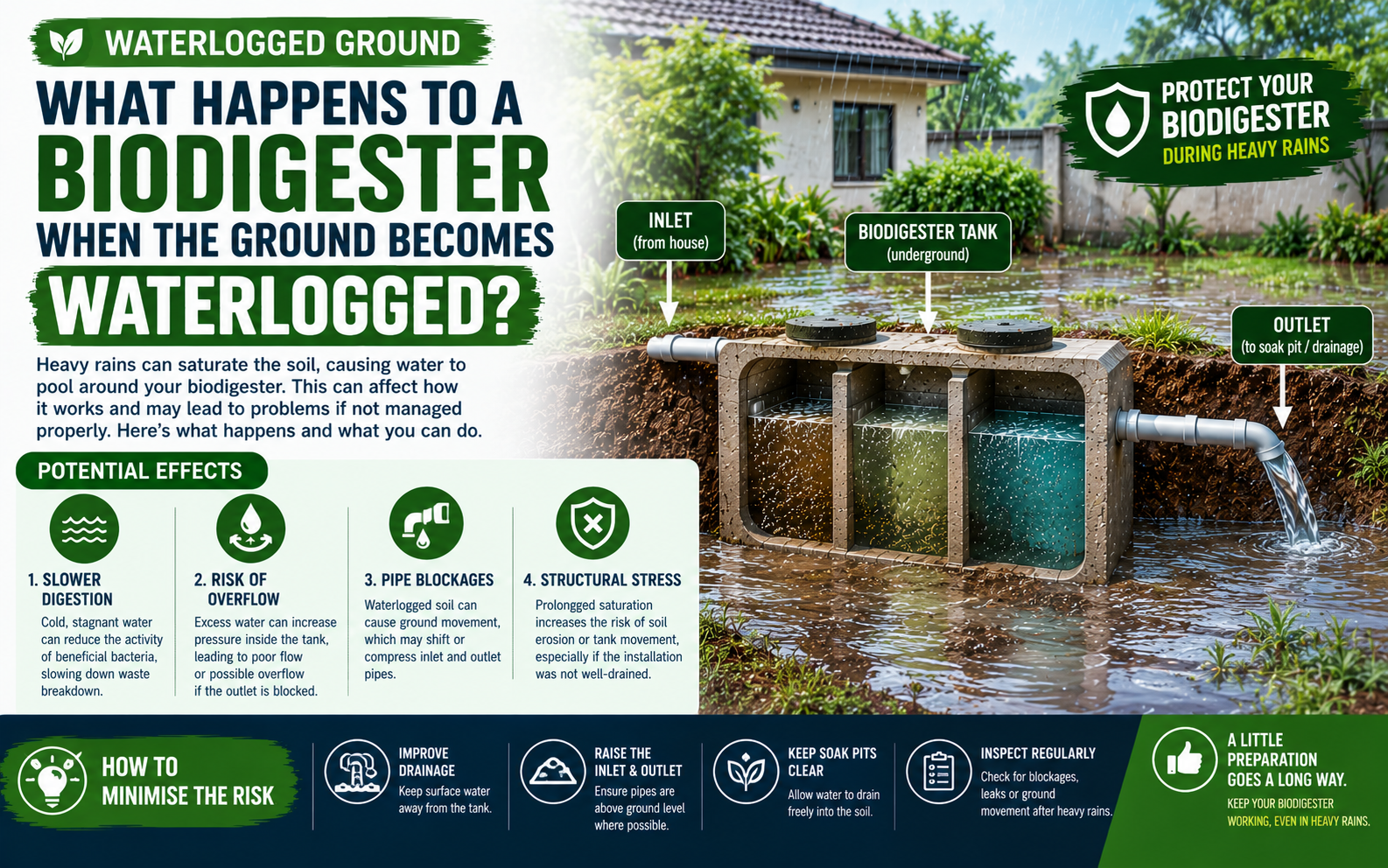
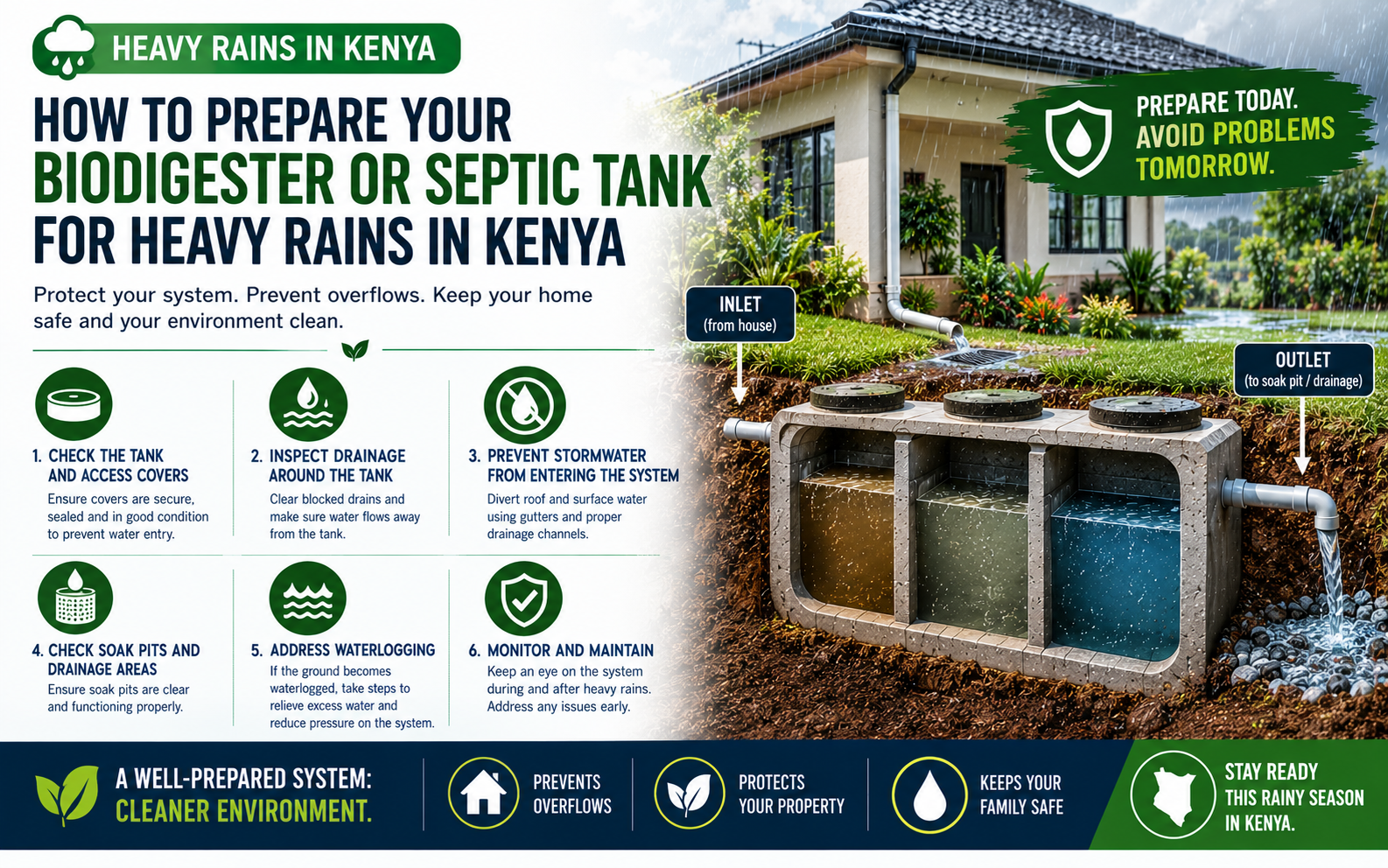
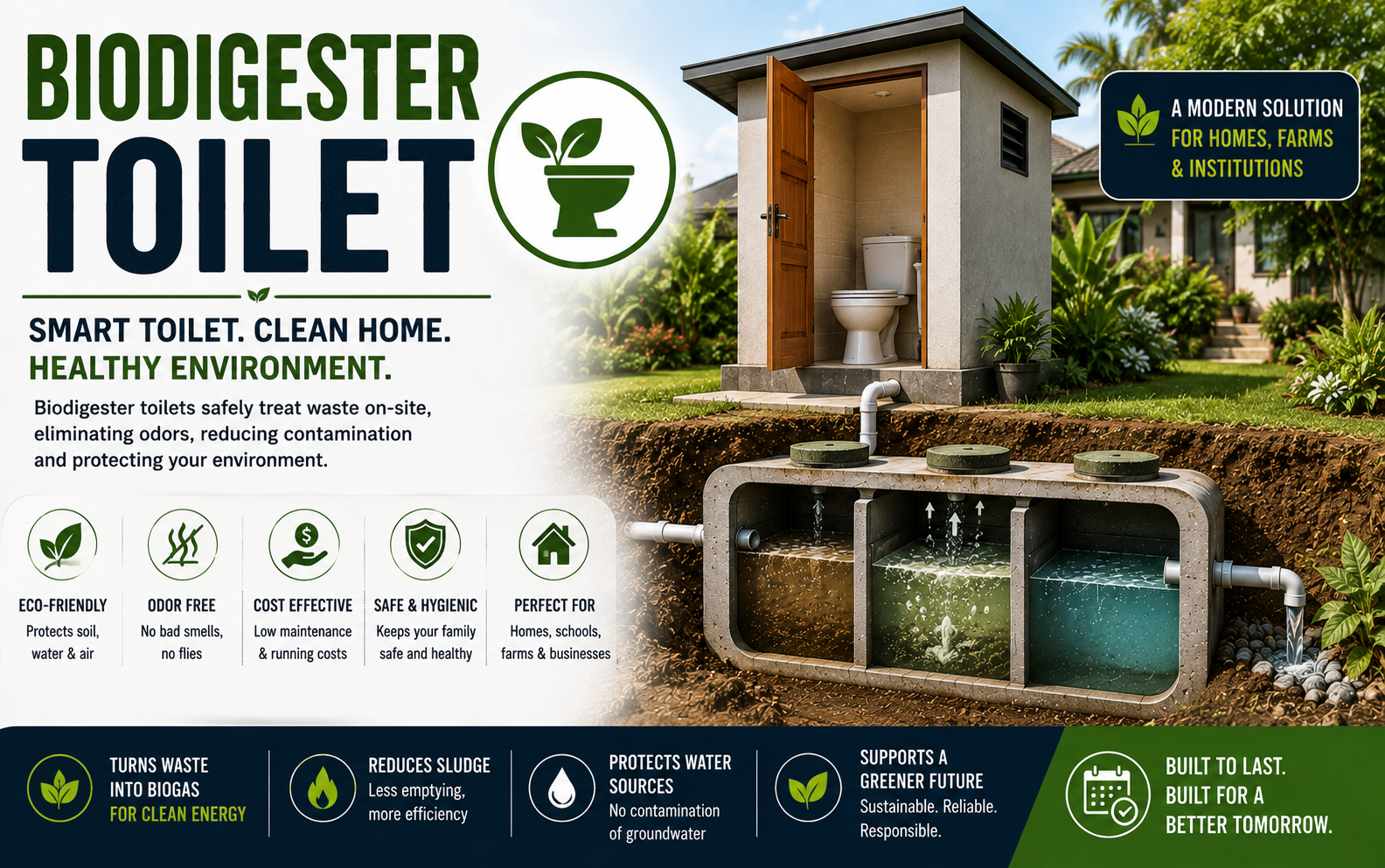
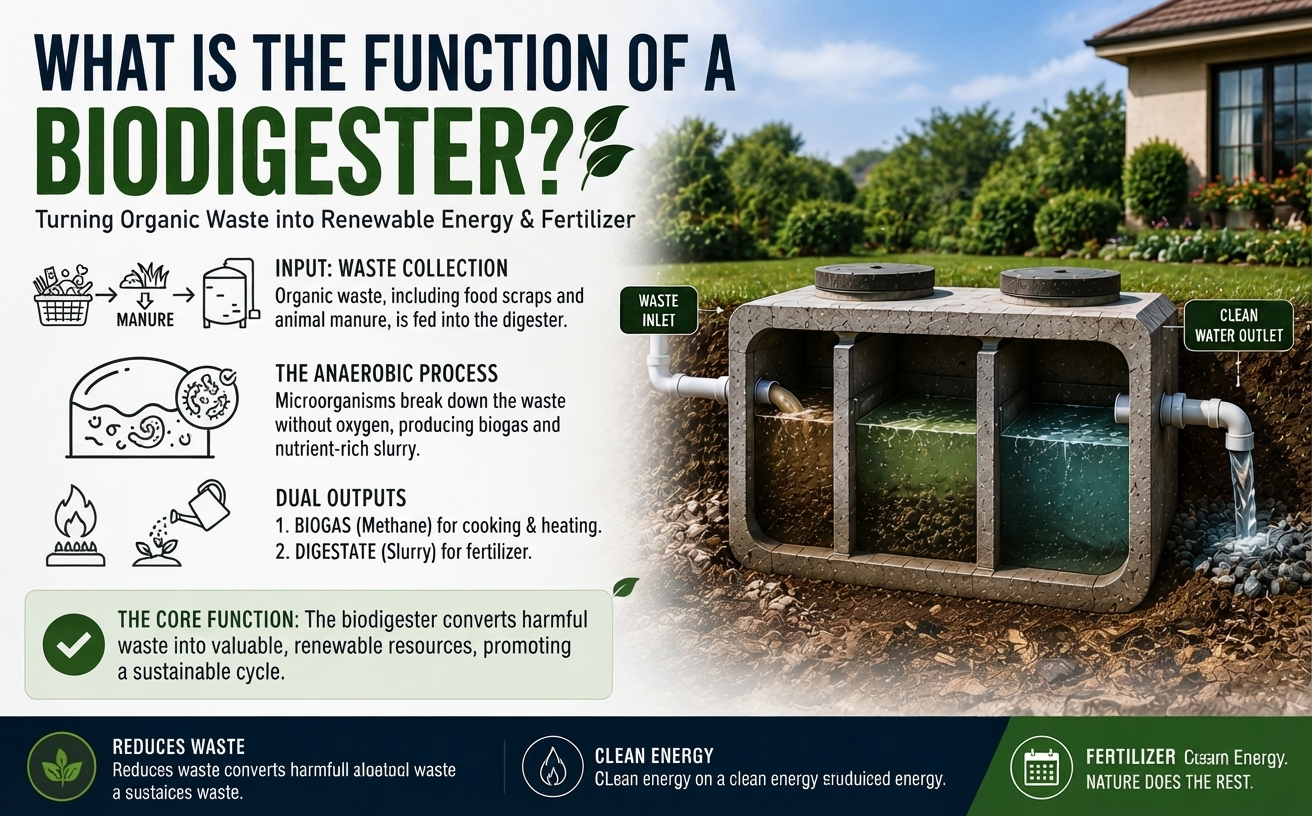
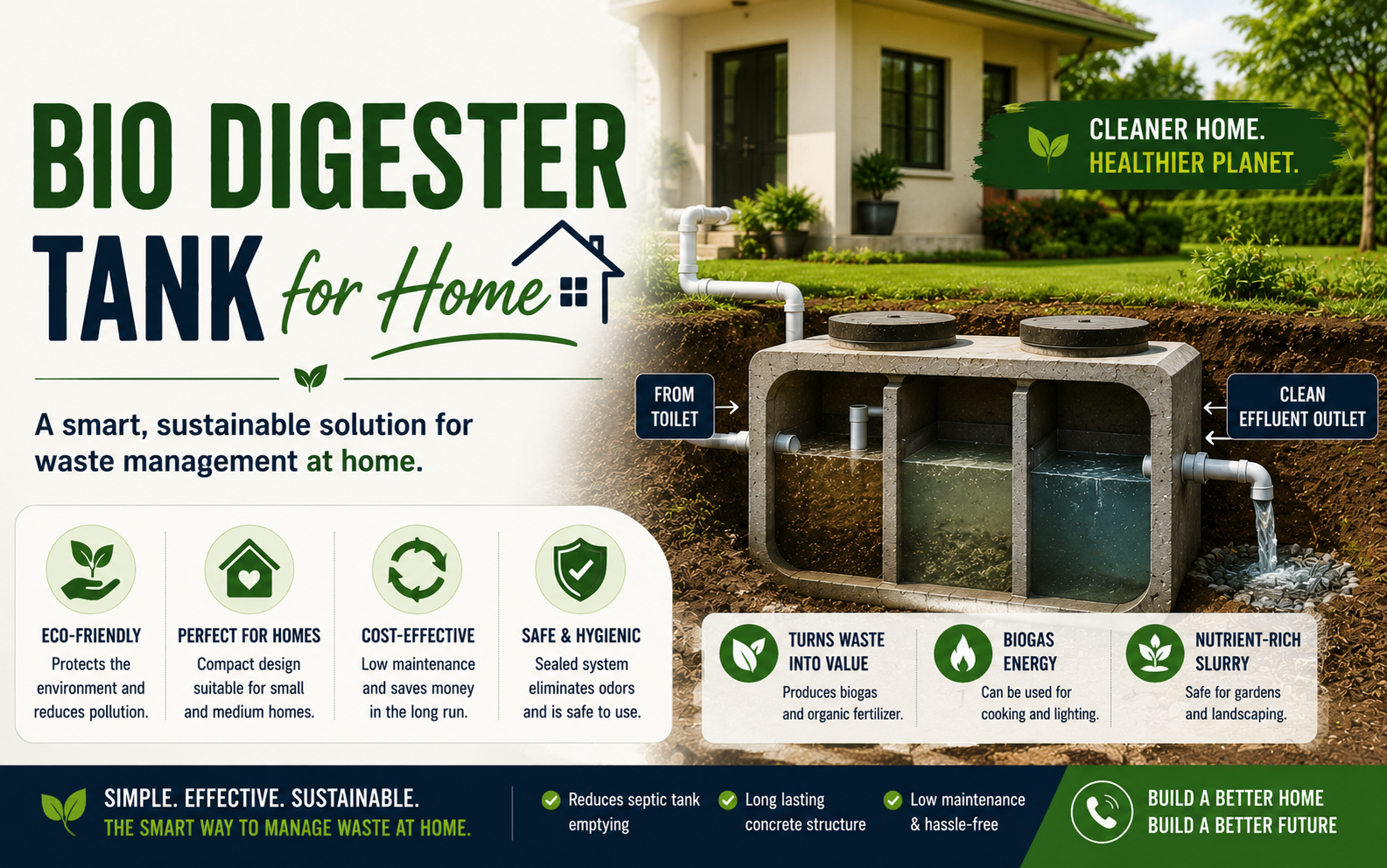
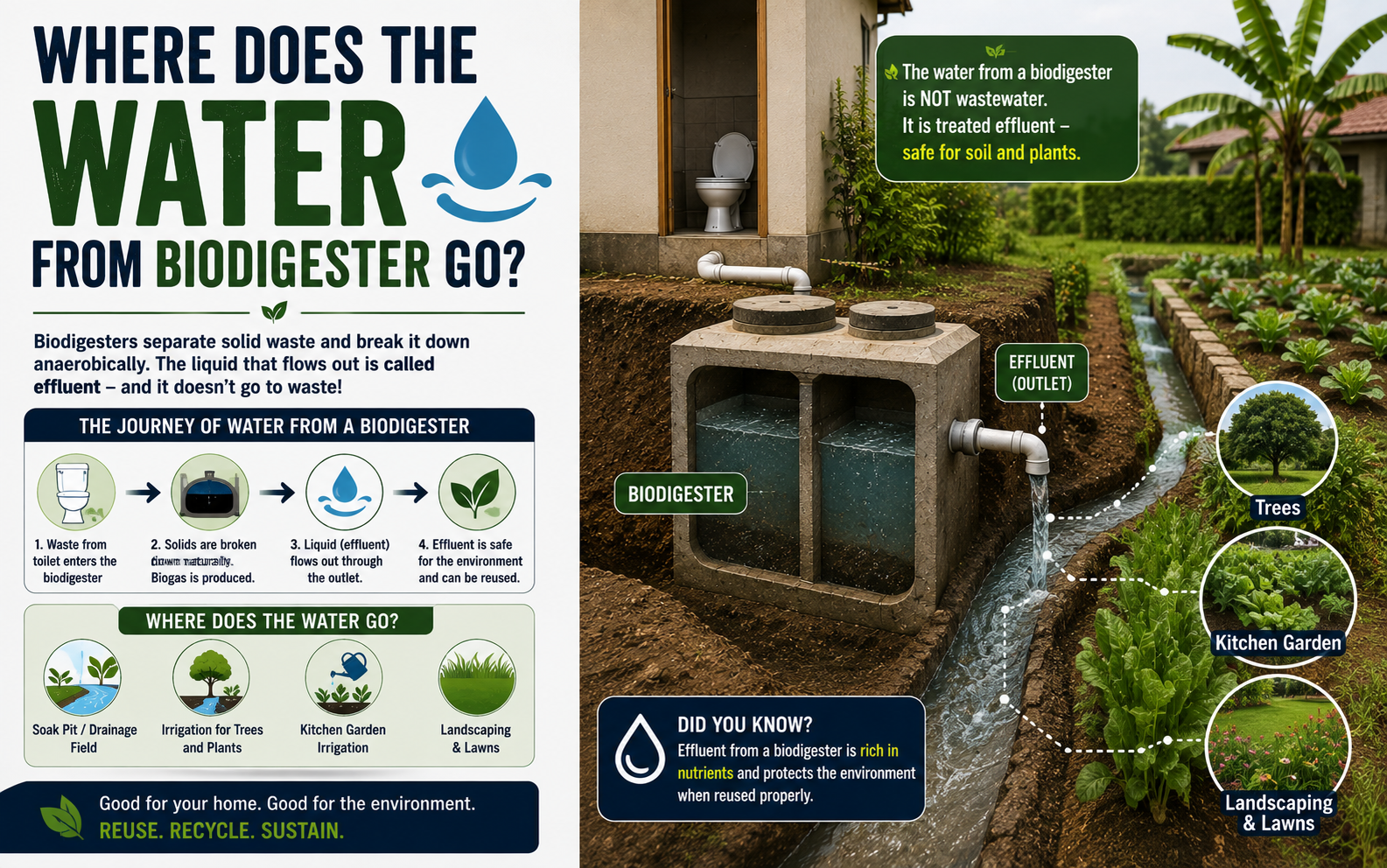
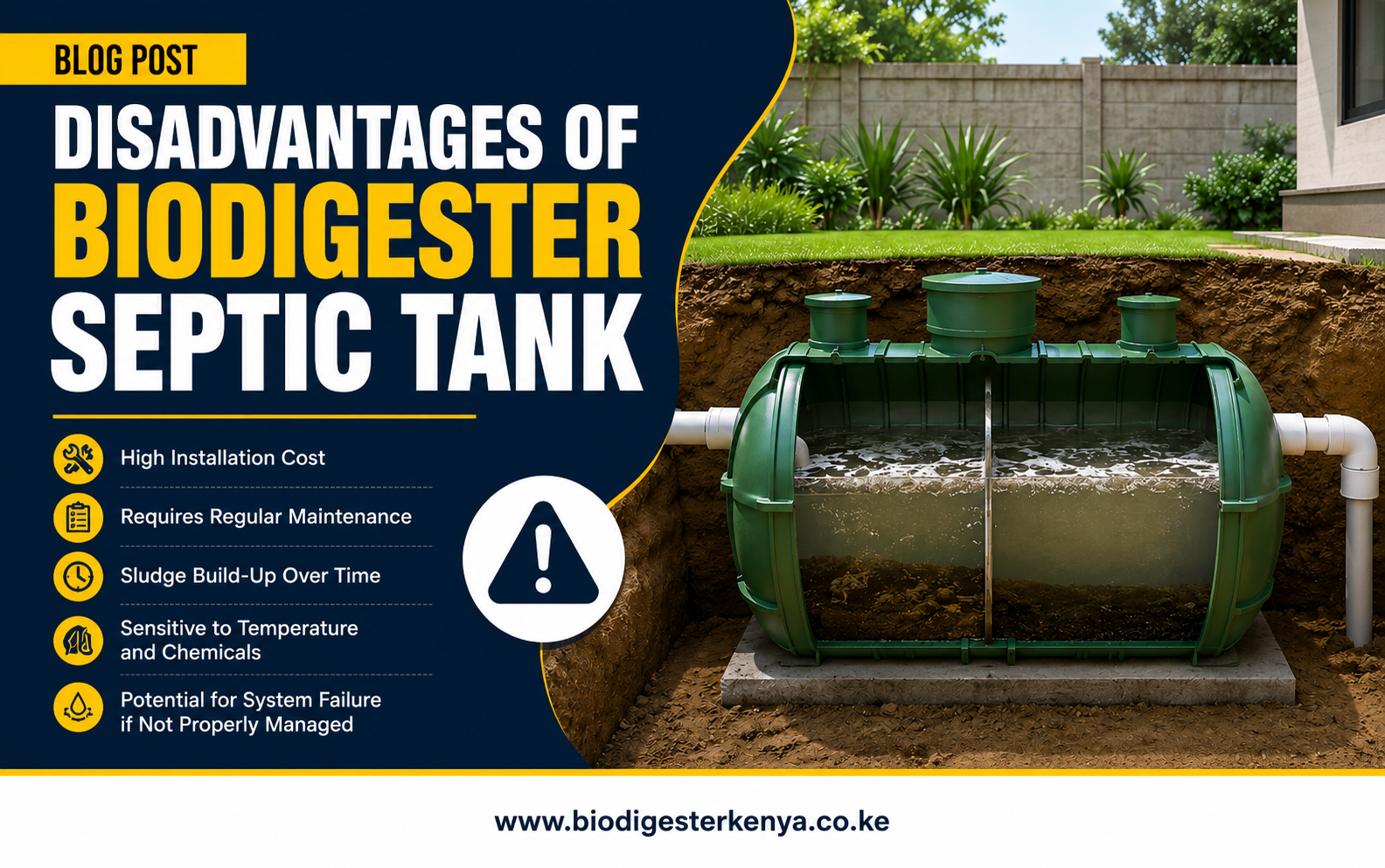
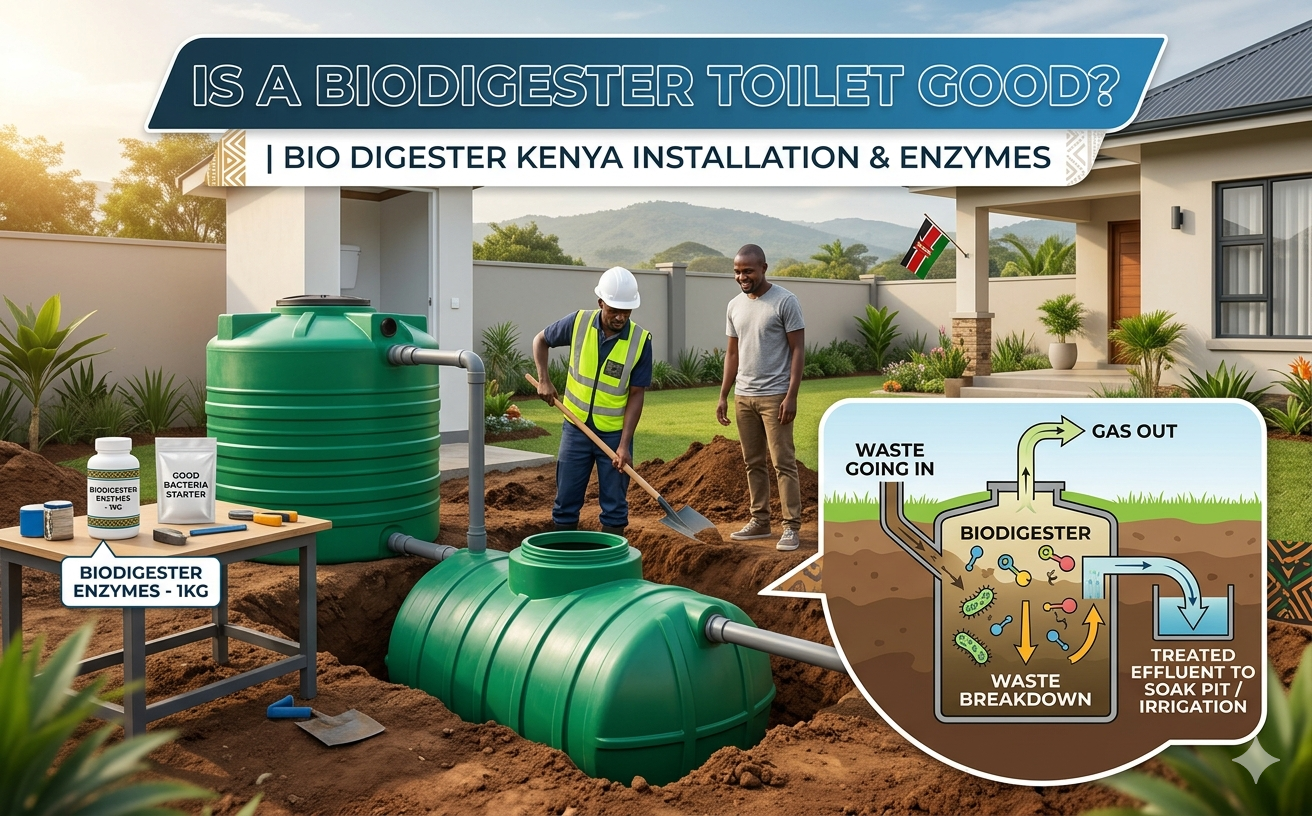
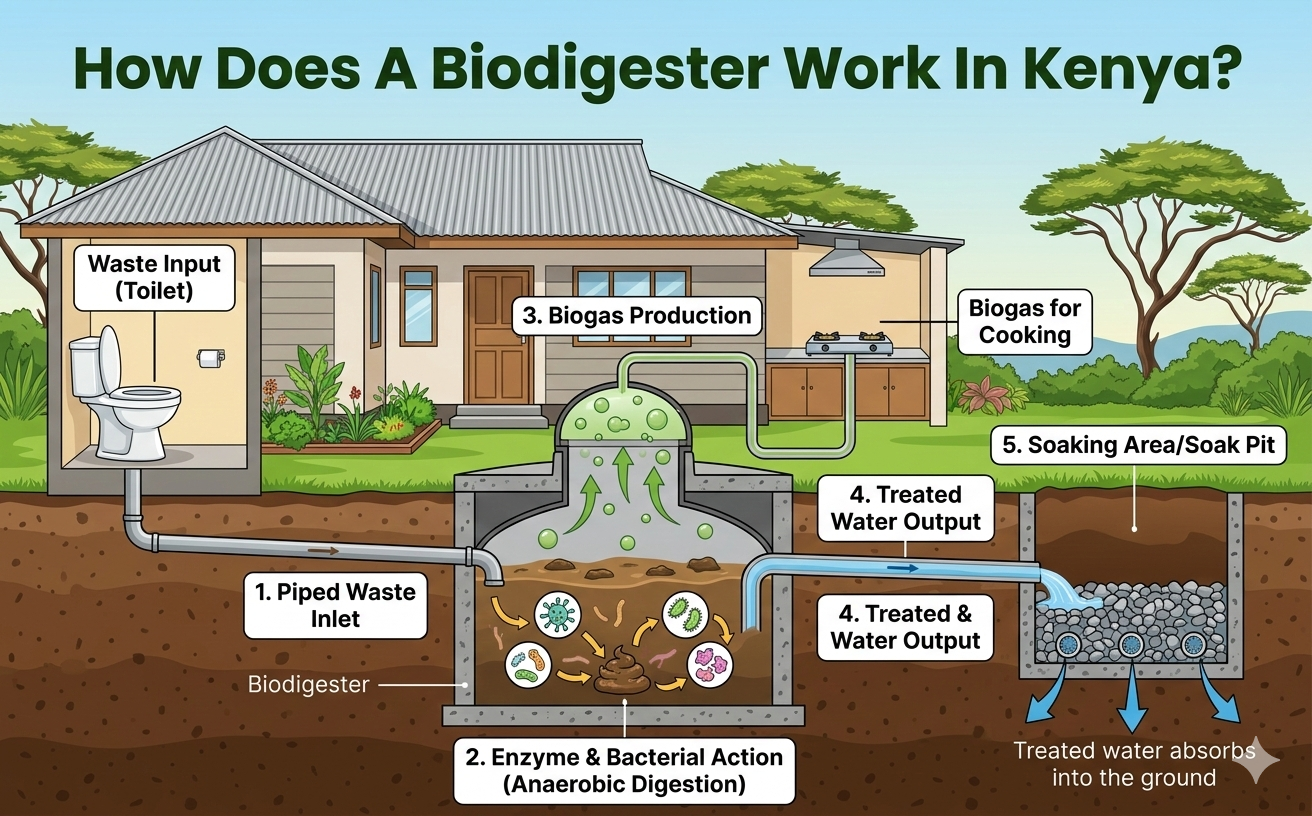
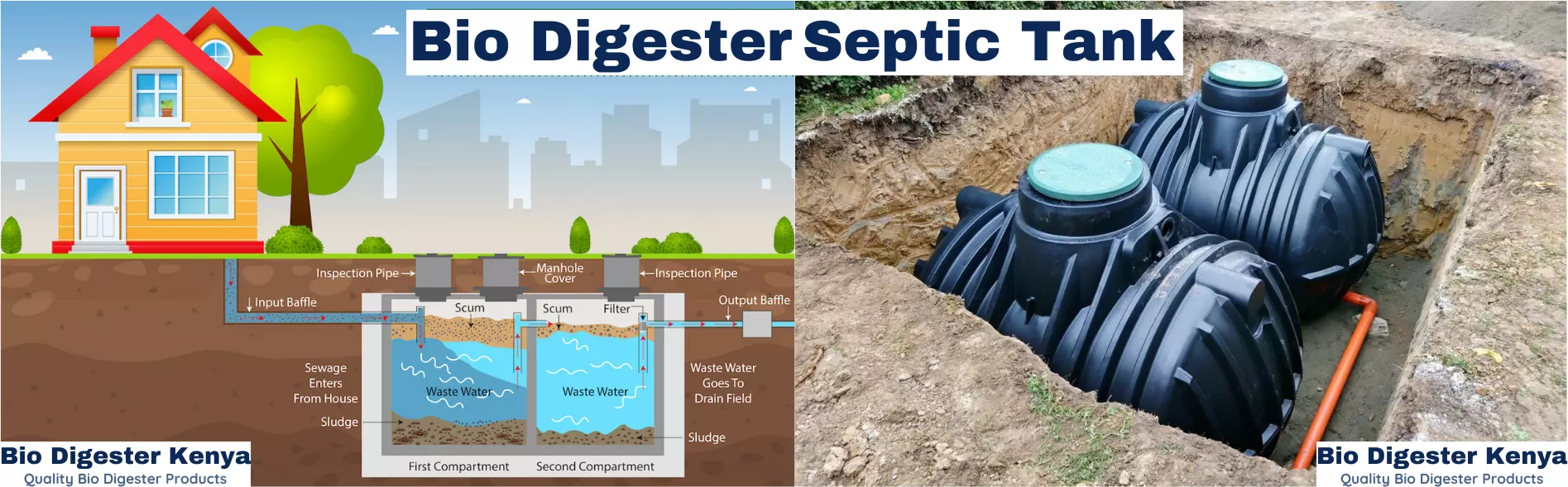
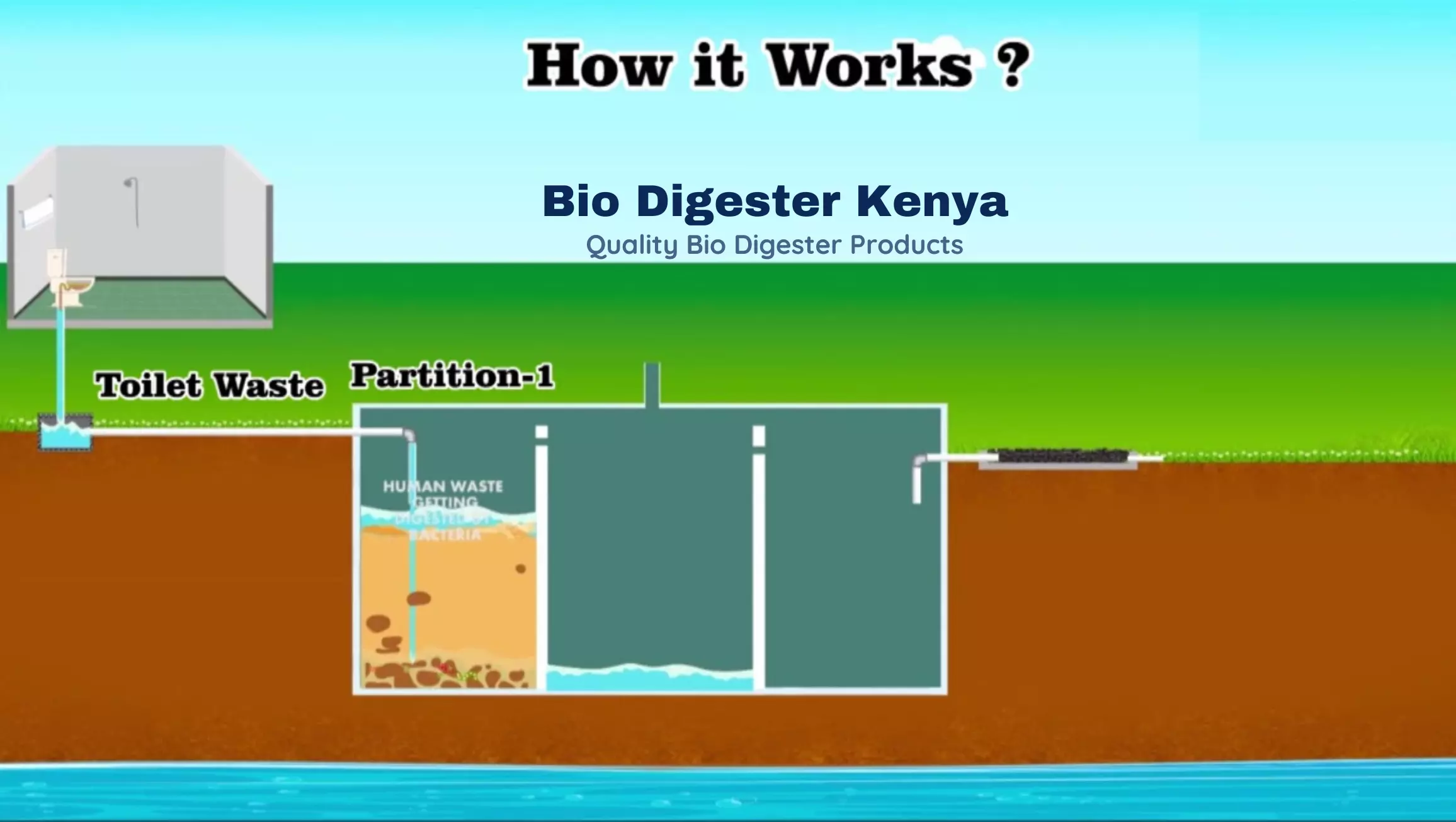
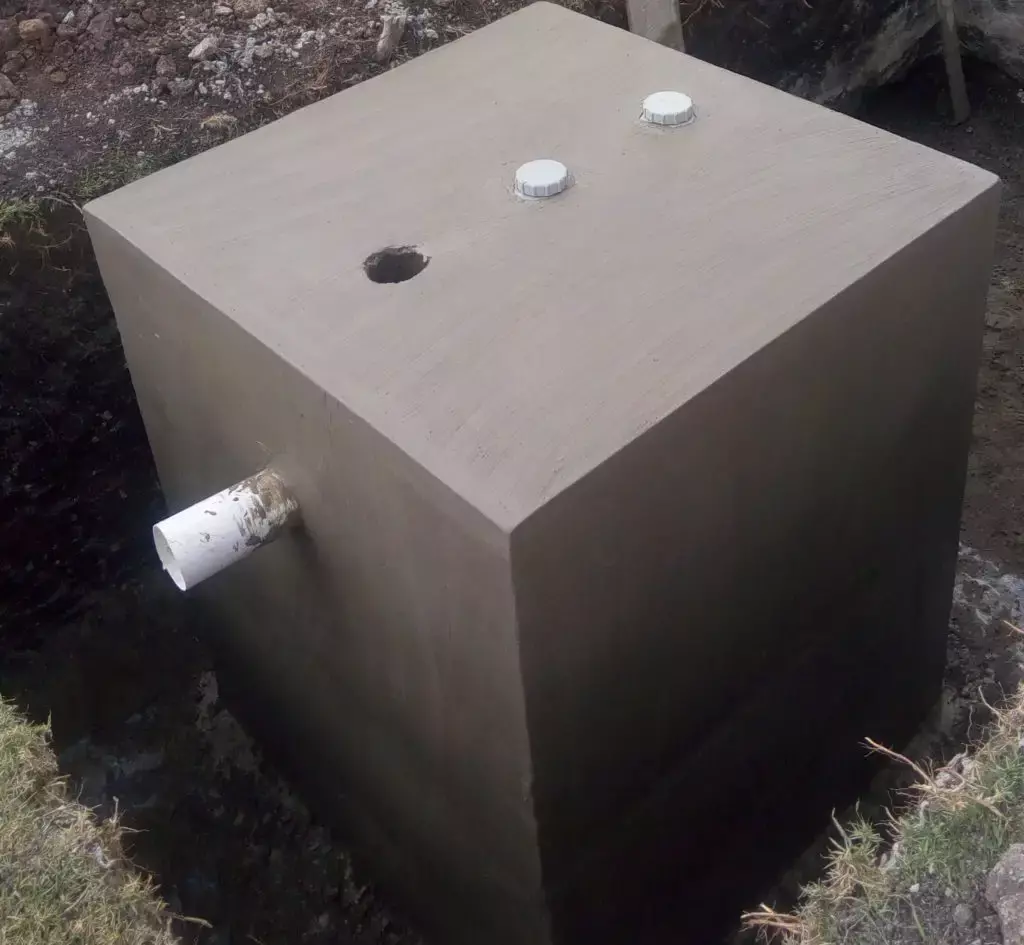
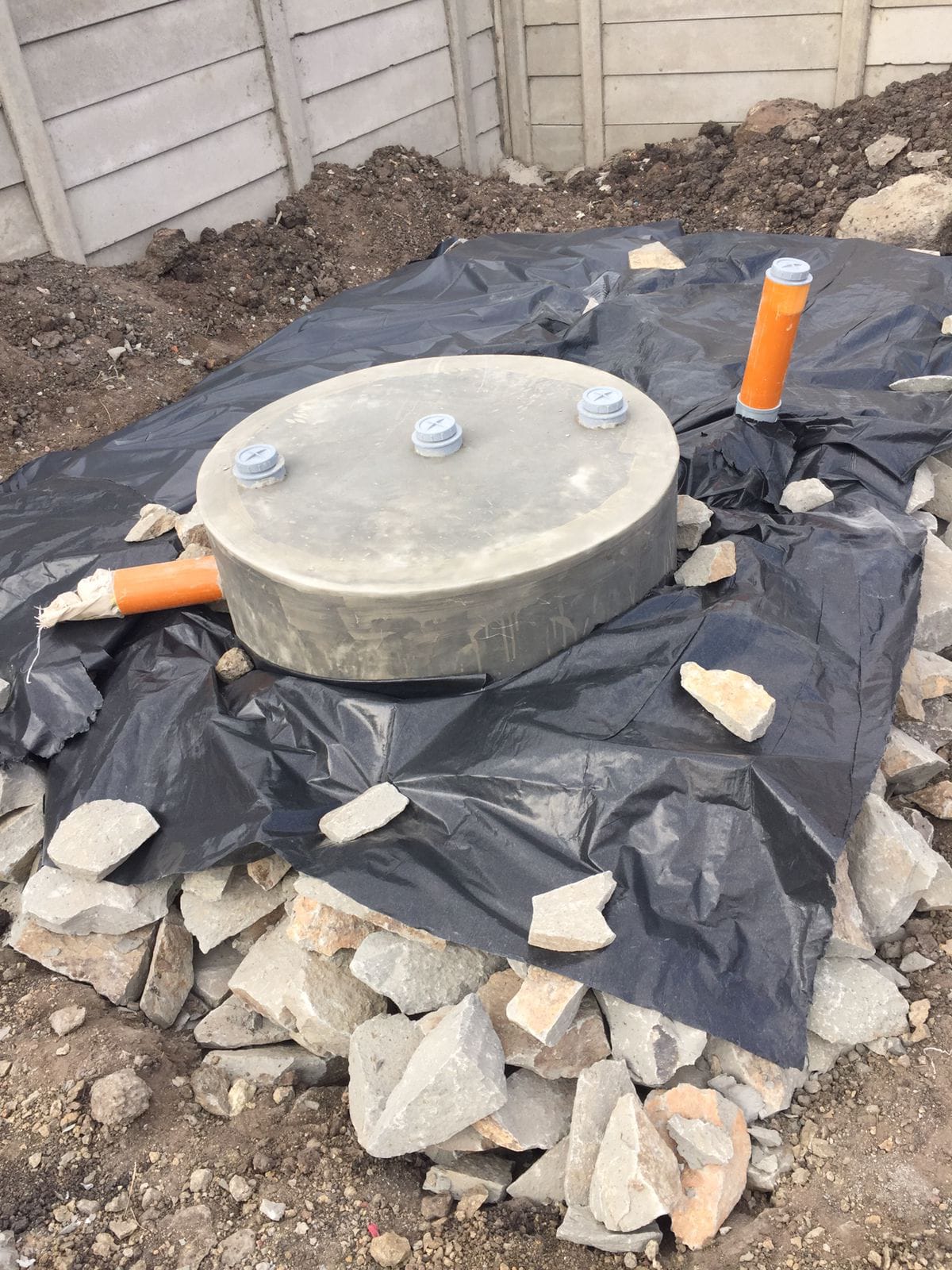
The mechanics of a Bio Digester Installation are engineered specifically to handle the “realities on the ground” in Kenya. Unlike the septic tank, a biodigester is a compact, reinforced unit that is completely sealed from the external environment. Waste is piped directly from the house into the digestion chamber.
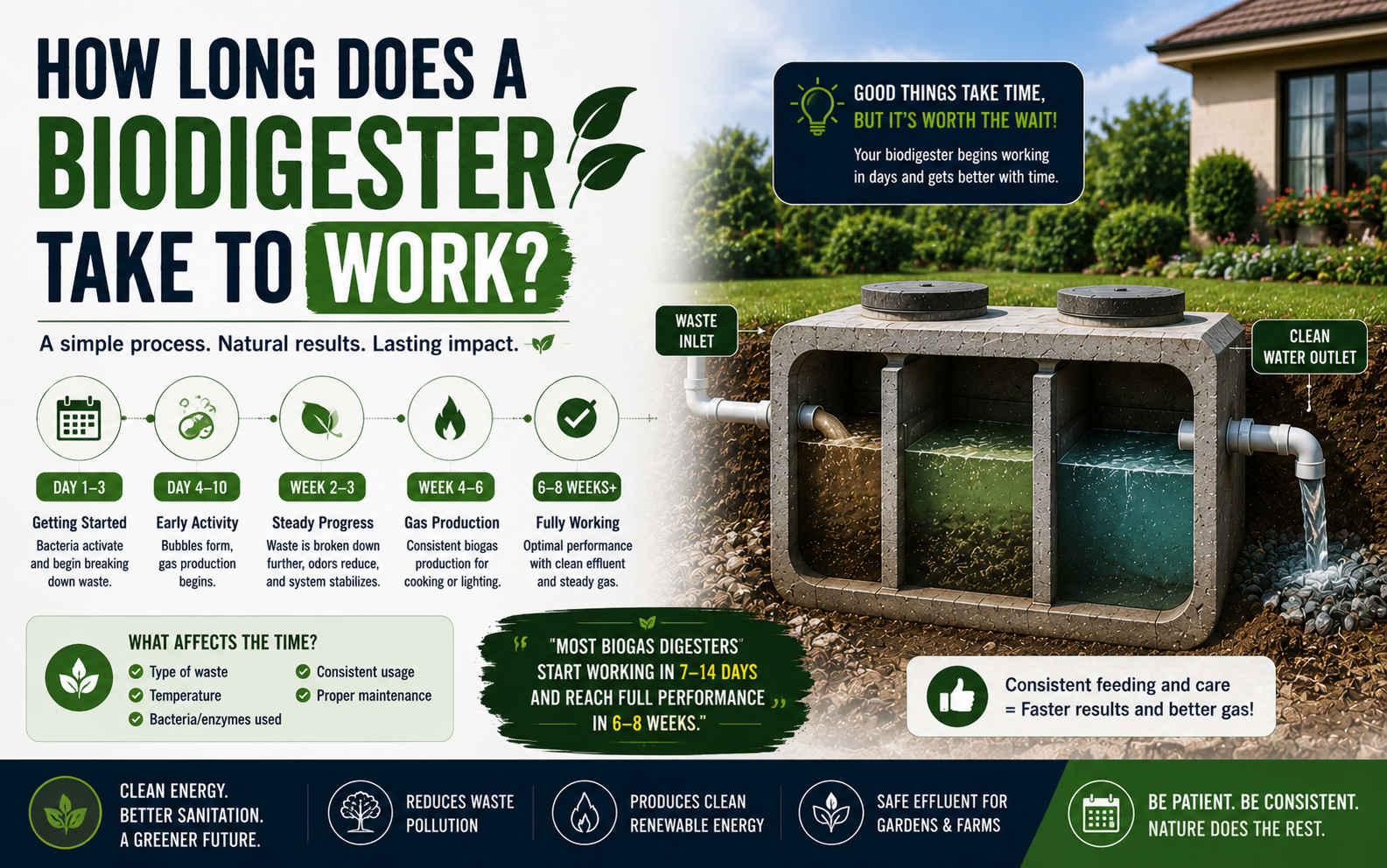
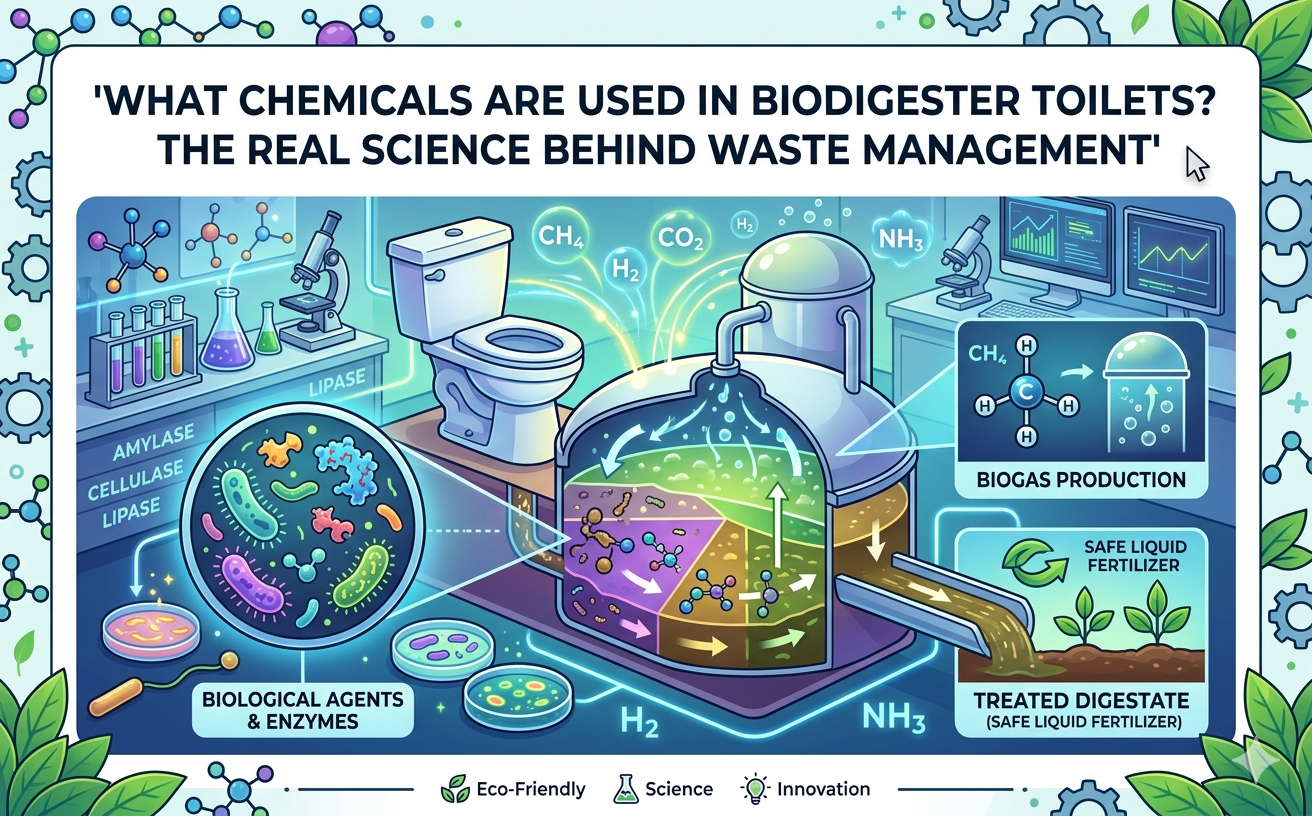
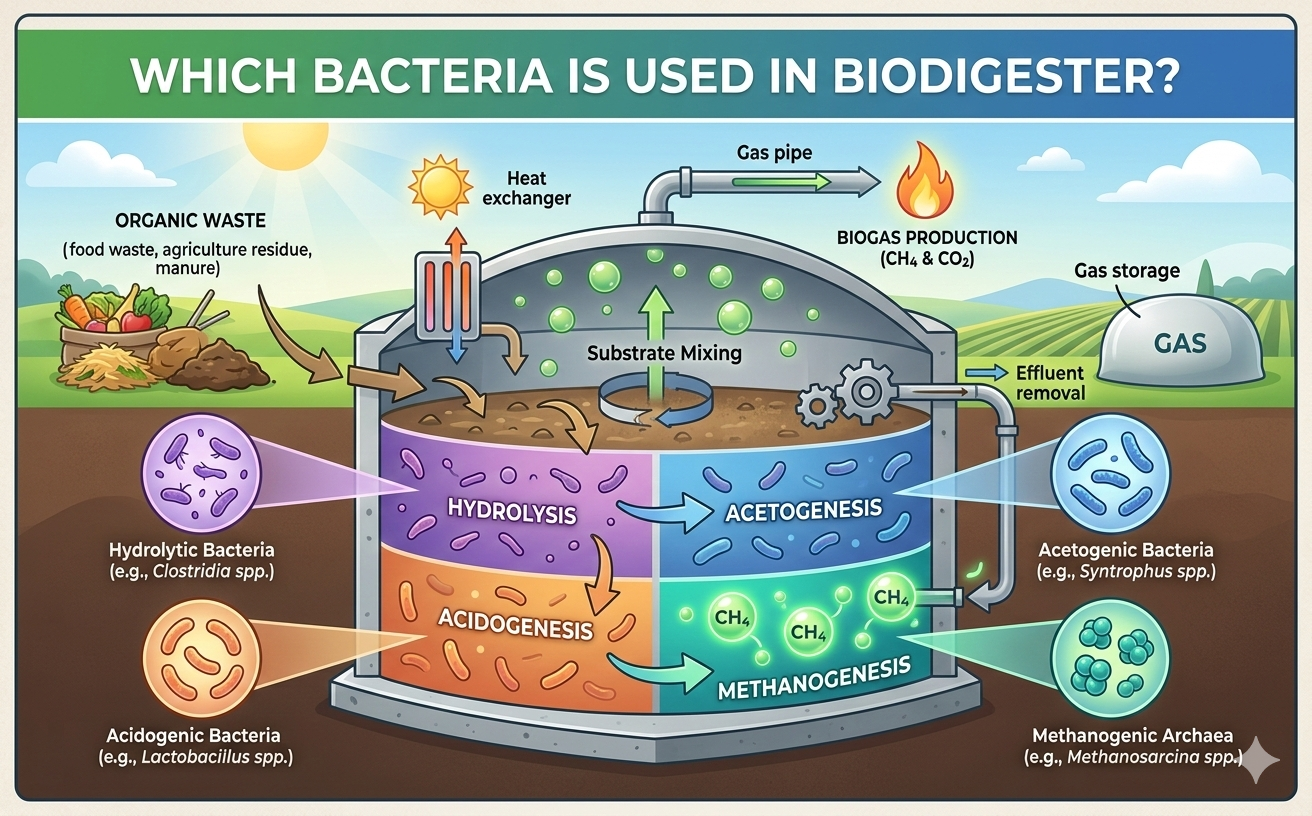
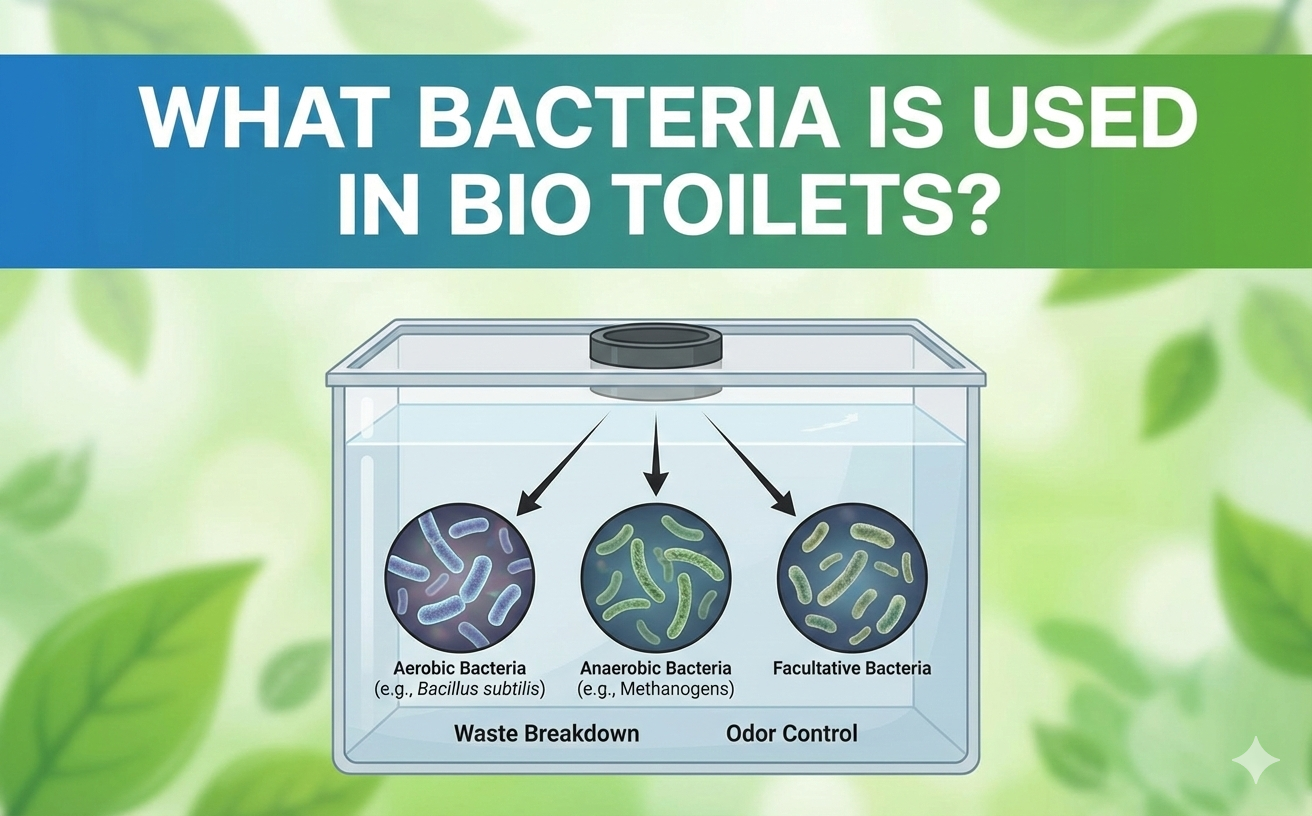
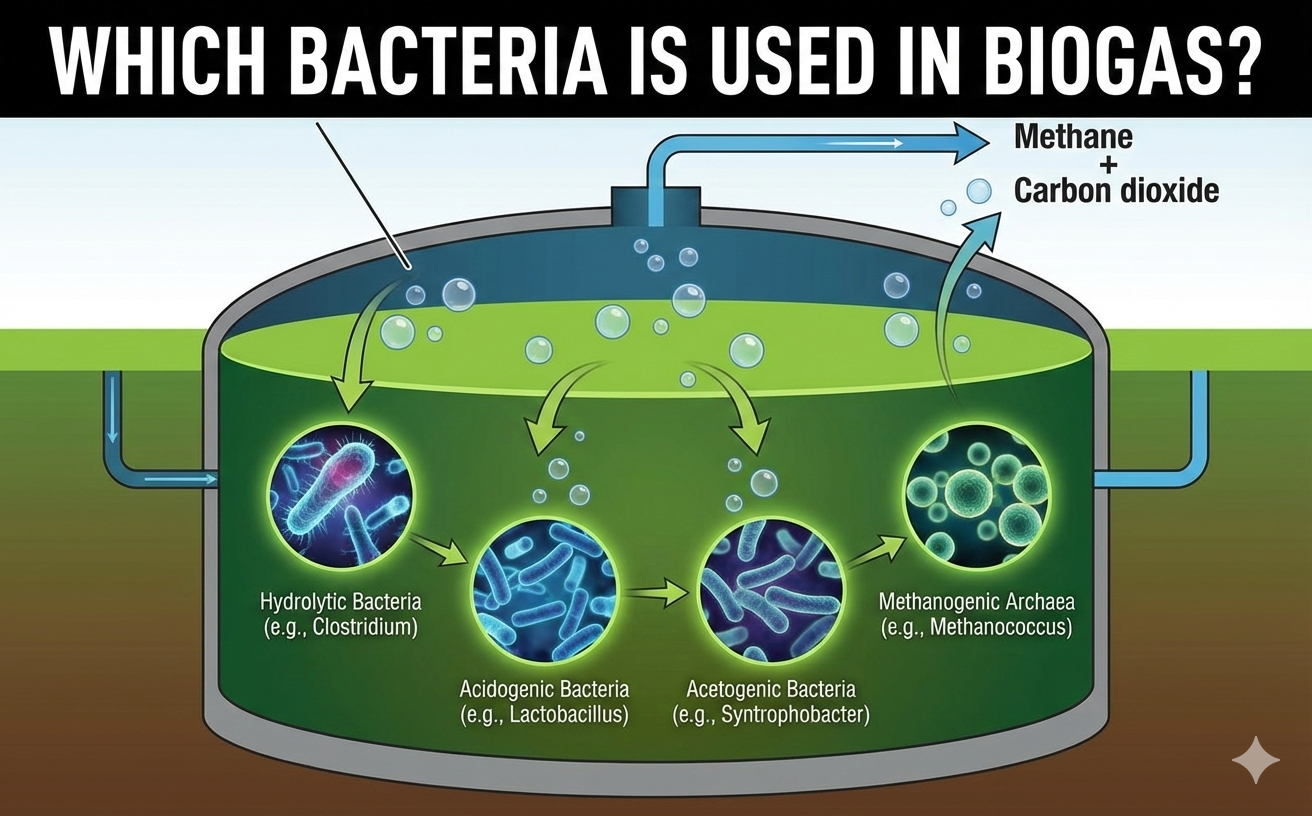
Inside the chamber, specialized Bio Digester Bacteria go to work immediately. These enzymes break down and consume solid human waste, converting it into odorless air and strictly treated water. Because the system is sealed, external rainwater cannot enter the primary digestion chamber. This ensures the biological process remains concentrated and effective, even if your backyard in the red soils of Kiambu is experiencing a downpour.
The Role of the Soaking Area and French Drain
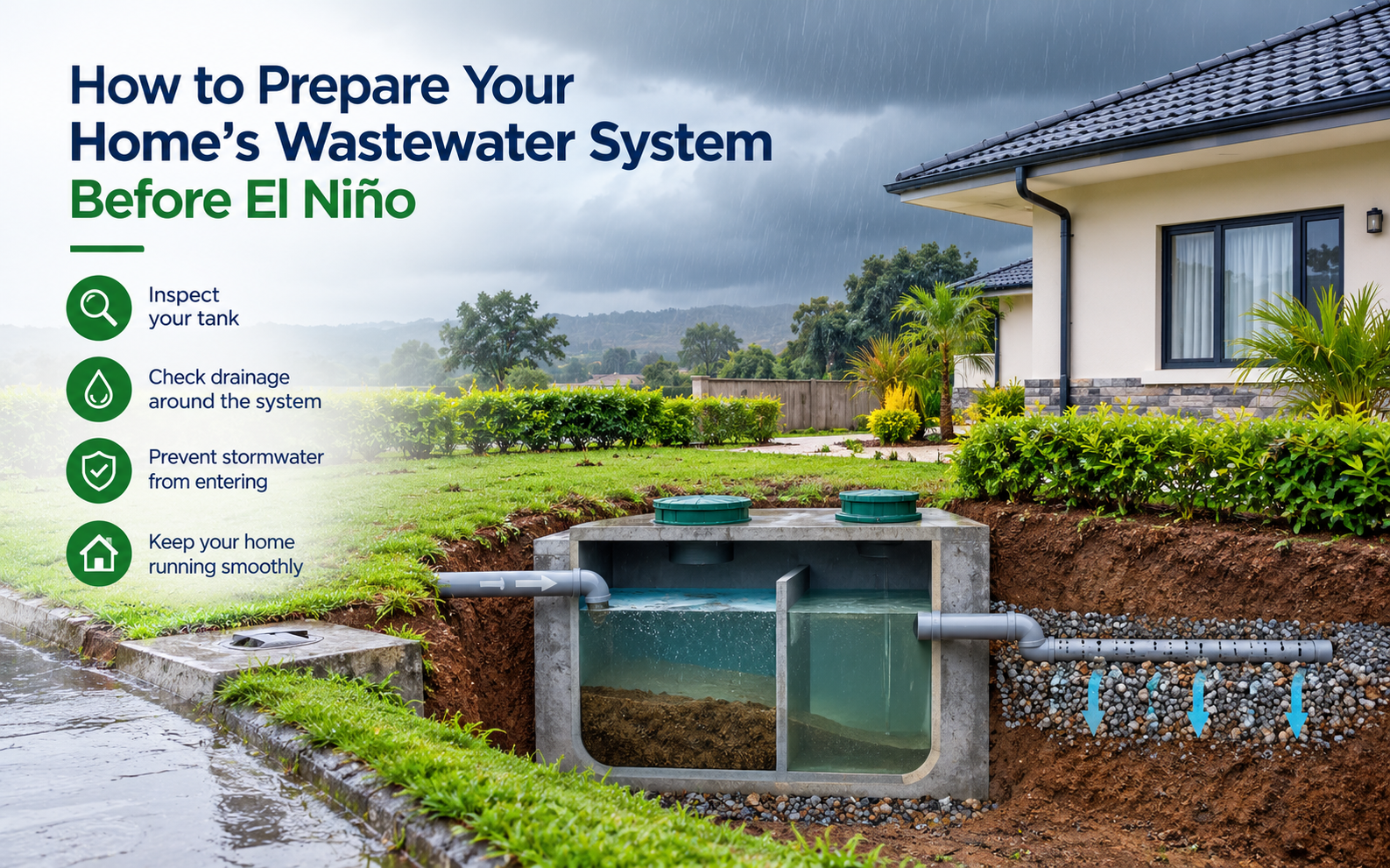
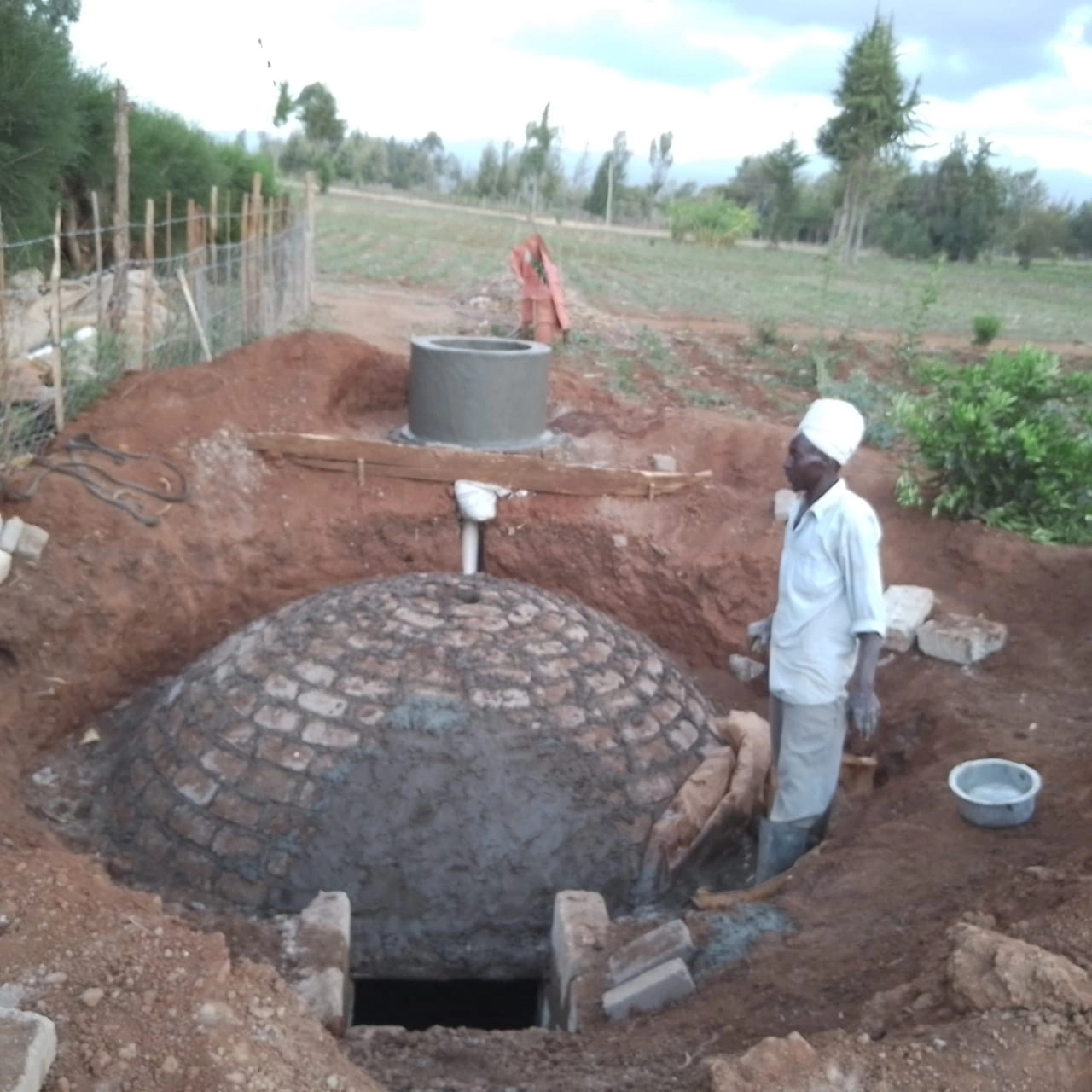
The final stage of the process involves directing the treated water into a localized soaking area or French drain. While a traditional septic tank relies on a “soak pit” that often fails in heavy rain, a biodigester’s effluent is already treated and clear. This water is absorbed into the top layers of the soil more easily or can even be diverted for secondary use. The system eliminates the need for recurring exhaust tank emptying, providing a “fit and forget” solution for Kenyan developers.
Get a customized quote for your plot by reaching out via Email: Email info@biodigesterkenya.co.ke
Enzyme Resilience in Wet Conditions
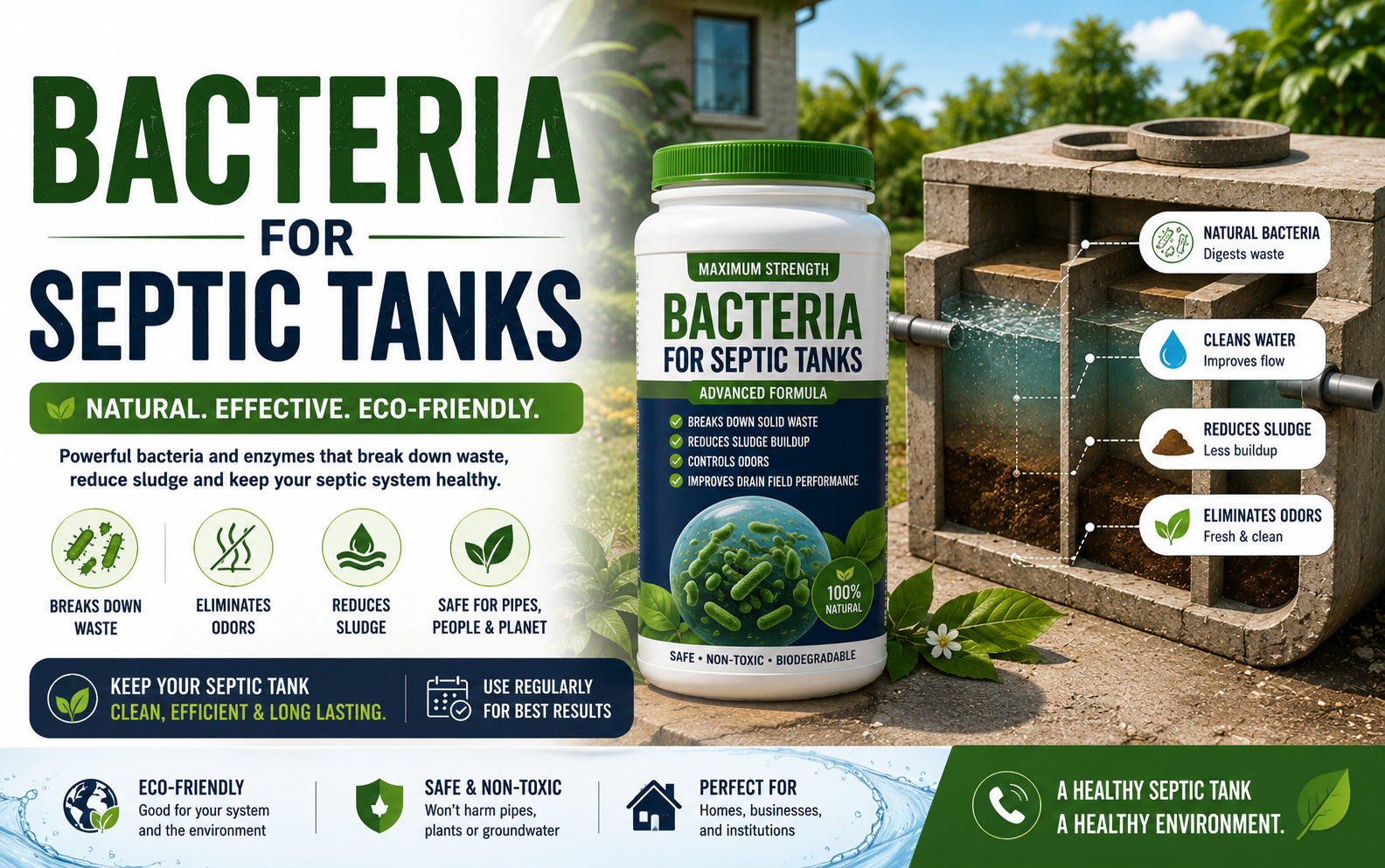
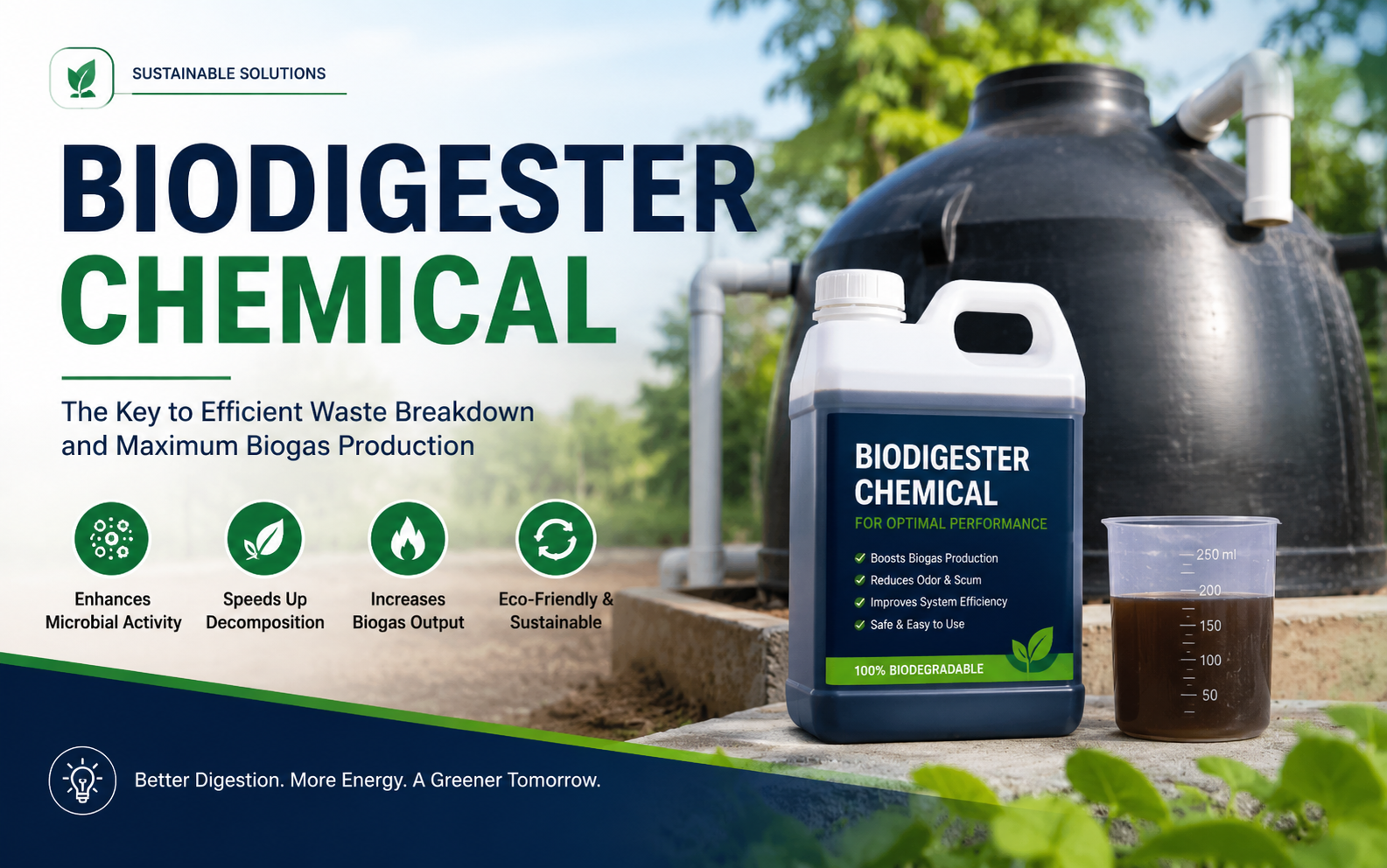
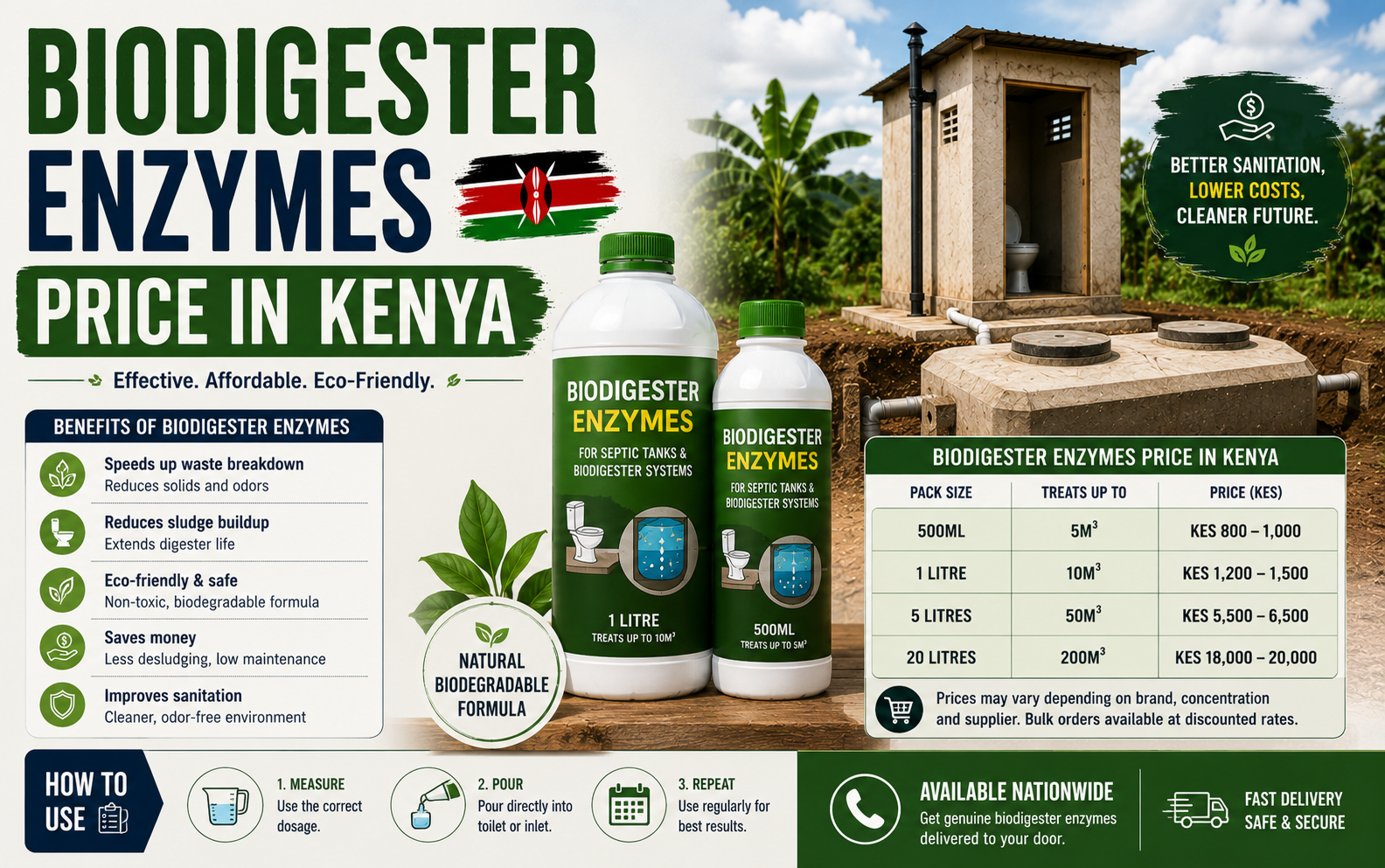
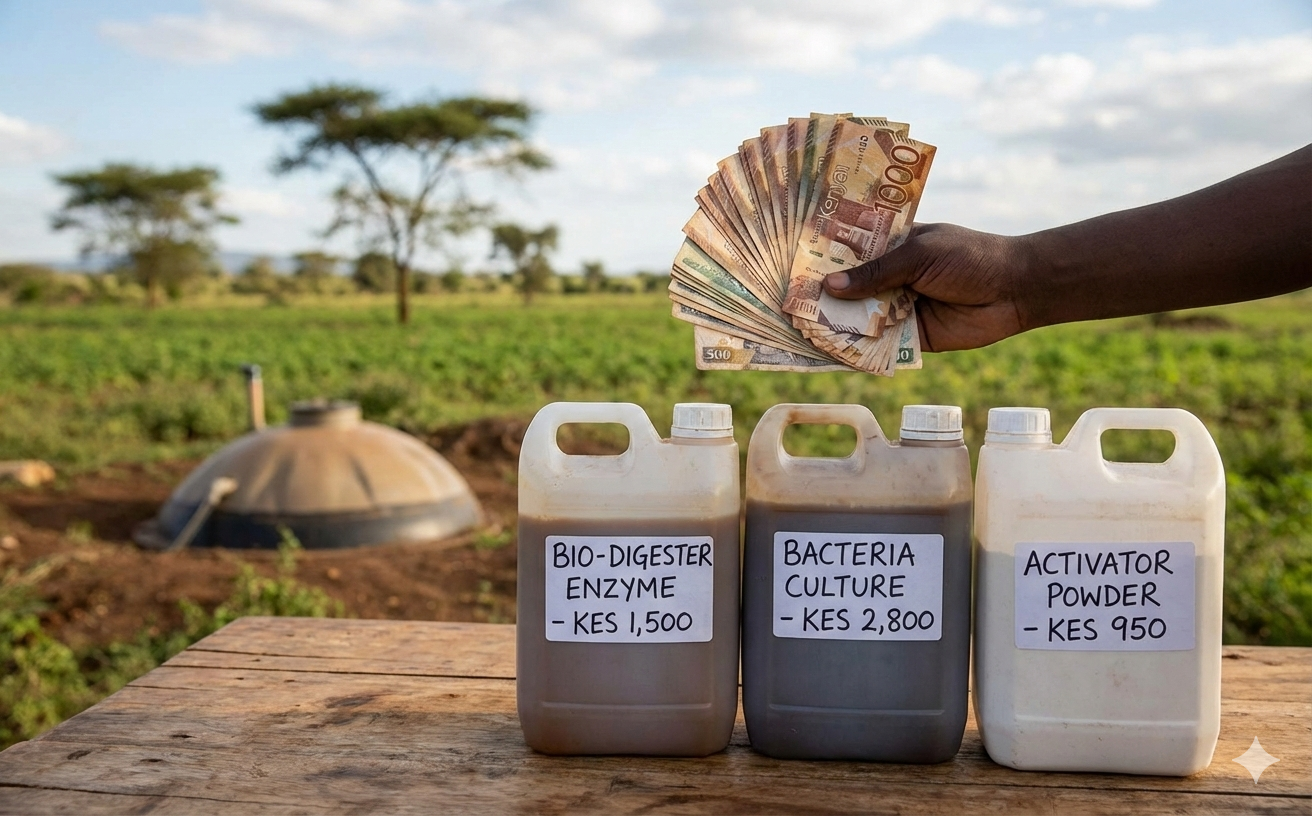
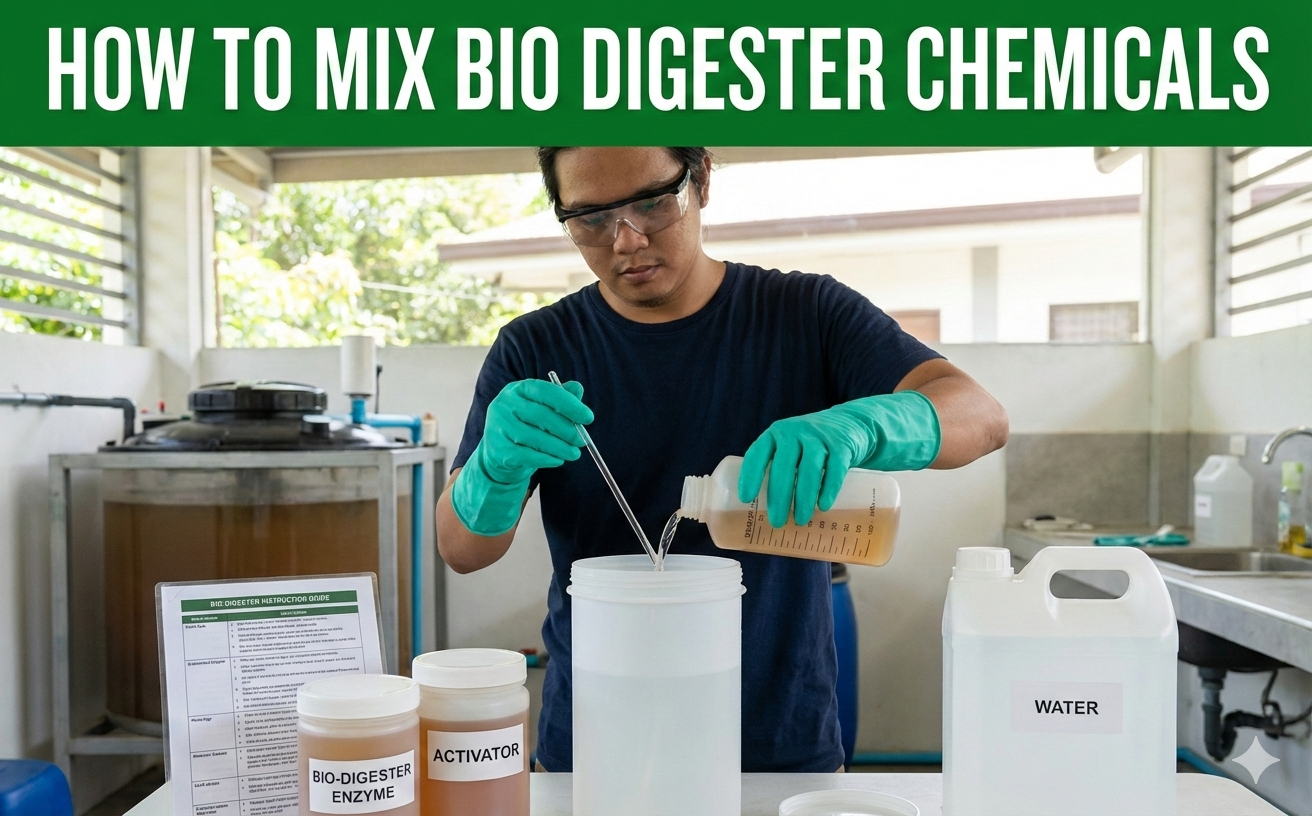
One common concern is whether the digestion process slows down during the cold, wet months typical of the July season in Limuru or Nairobi. Bio Digester Kenya utilizes high-potency enzymes that remain active in various temperature ranges. If a system becomes sluggish due to an overload of household chemicals or extreme weather, homeowners can simply “recharge” the biology using Bio Digester Bacteria – 400g. This maintains the anaerobic digestion cycle, ensuring solids never accumulate to the point of needing a vacuum truck.
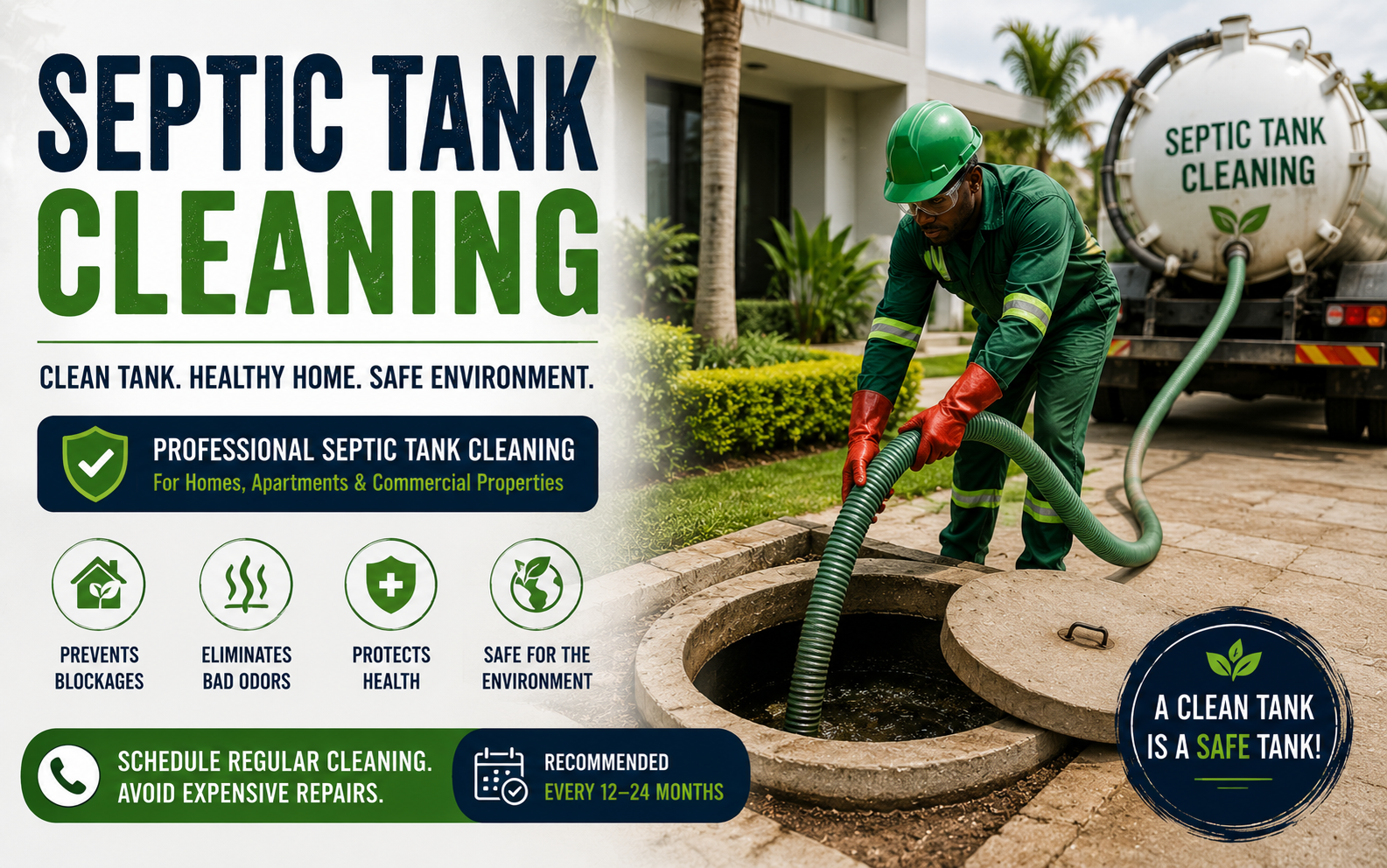
For larger commercial installations or older systems showing signs of struggle during the rains, applying a stronger Septic Tank Cleaner can dissolve existing sludge and restore the absorption rate of the French drain. This proactive Septic Tank Maintenance is far cheaper than the cumulative cost of hiring bowsers every two weeks.
Conclusion
Choosing a biodigester over a traditional septic tank is a strategic decision for any Kenyan property owner looking to avoid the logistical and financial headache of rainy season flooding. The sealed nature of the system, combined with the power of enzyme-driven waste breakdown, ensures that your sanitation remains odorless, environmentally compliant, and functional regardless of the weather. Investing in a biodigester is a move toward long-term economic and environmental freedom, moving away from the high maintenance of old concrete pits to the modern efficiency of Bio Digester Kenya installations.
Secure your property’s sanitation today. Contact the experts at Bio Digester Kenya for a site assessment and installation quote.
Phone: Call +254 712 660 245
Email: Email info@biodigesterkenya.co.ke
Frequently Asked Questions
-
Does a biodigester smell during the rainy season?
No, a properly installed biodigester is a sealed anaerobic system that produces only odorless air and treated water, even in wet weather. -
Will the biodigester fill up with rainwater?
Because the system is airtight and uses sealed piping, rainwater cannot enter the tank to cause an overflow like it does in traditional septic pits. -
What happens to the water when the ground is saturated?
The treated effluent is dispersed through a French drain designed for your specific soil type, ensuring it moves through the ground more effectively than raw sewage. -
How often do I need to add enzymes during heavy rains?
A standard residential system only needs an enzyme top-up once every 6 to 12 months, though heavy usage during rainy months may benefit from a small boost. -
Can I convert my existing flooded septic tank into a biodigester?
Yes, Bio Digester Kenya can often retro-fit or replace failing concrete tanks with a modern precast biodigester system to end your exhausting bowser problems.